
WÜRZBURG - 18 HOLES - FREE

WÜRZBURG
CITY MAP MINIGOLF

Würzburg - 18 stops - par 57

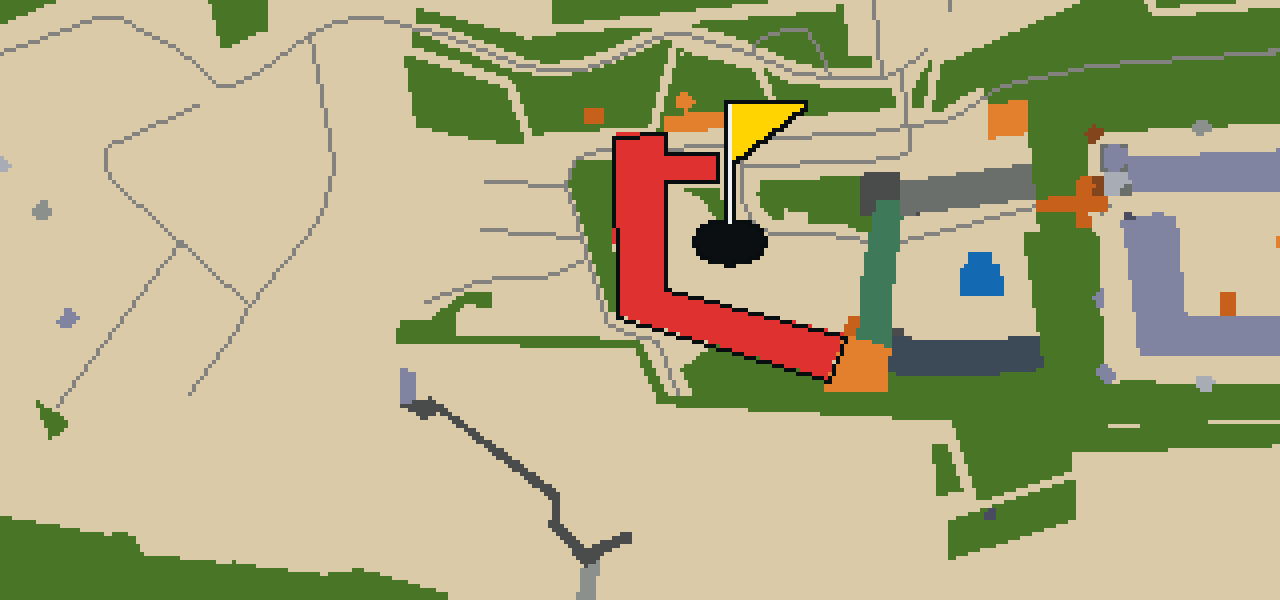
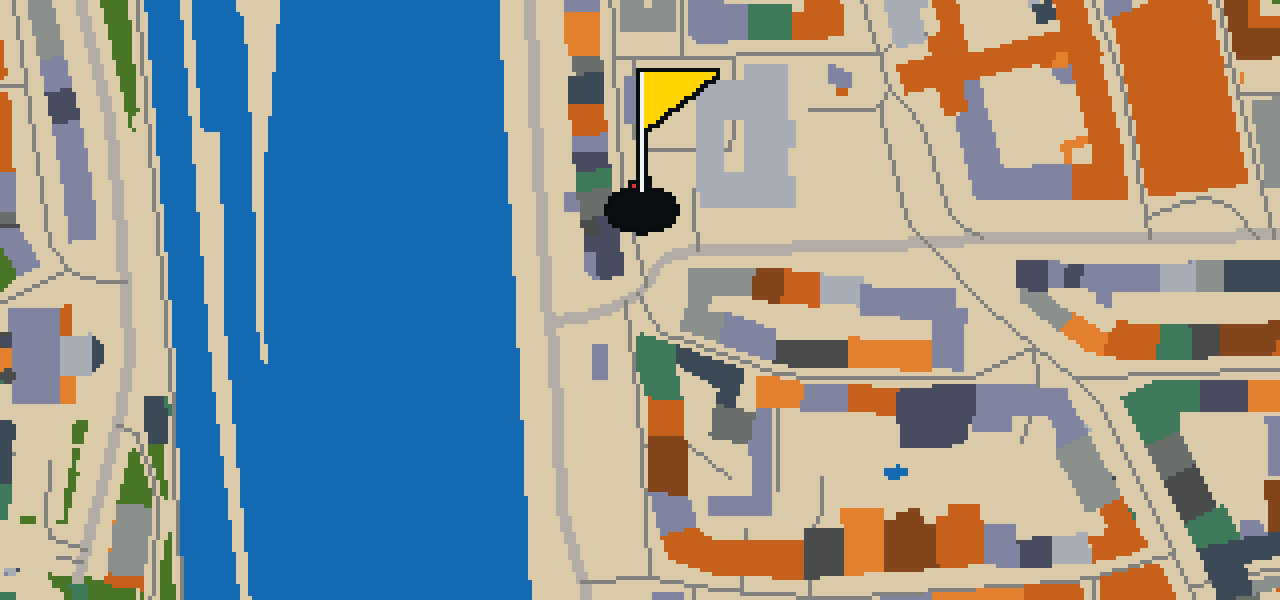
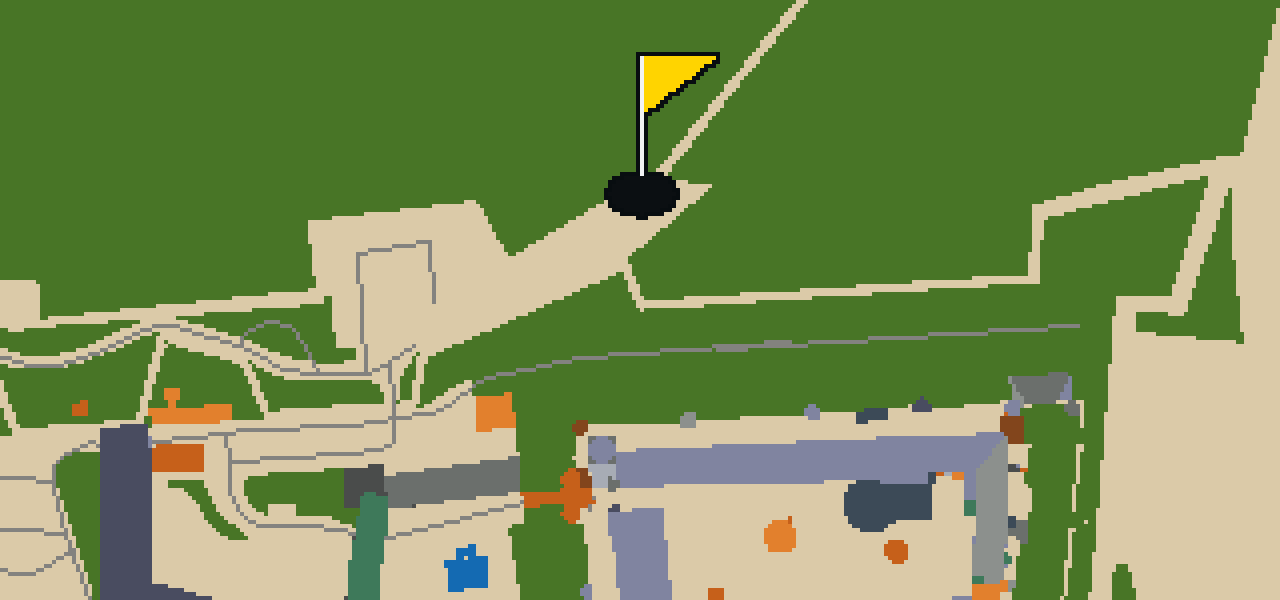
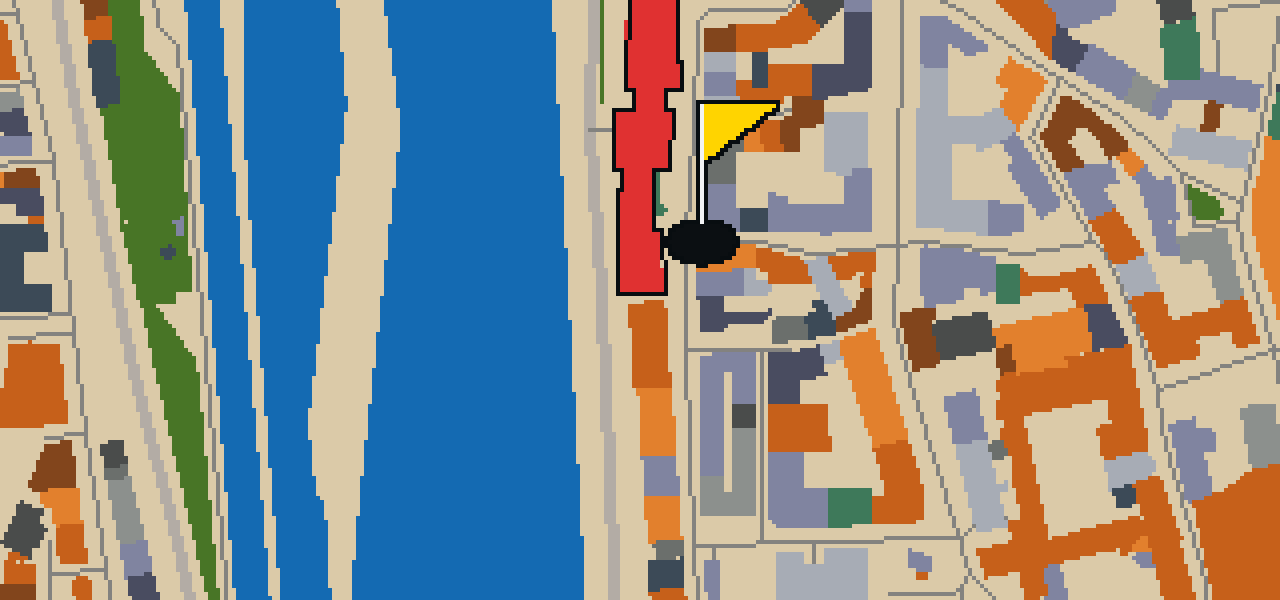
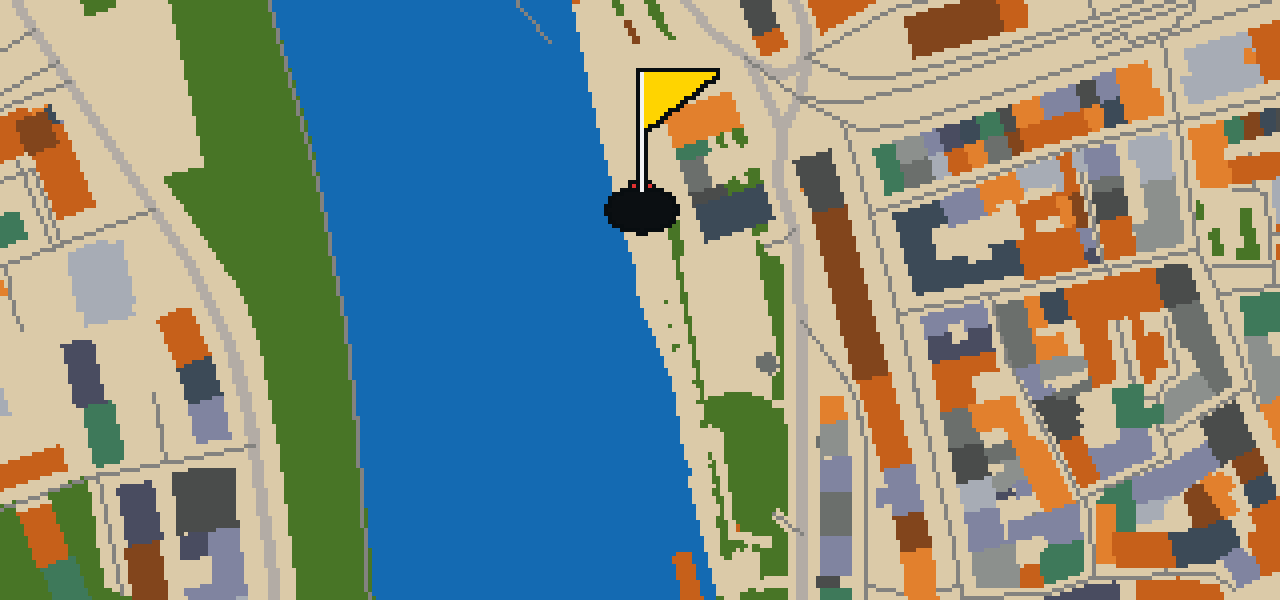
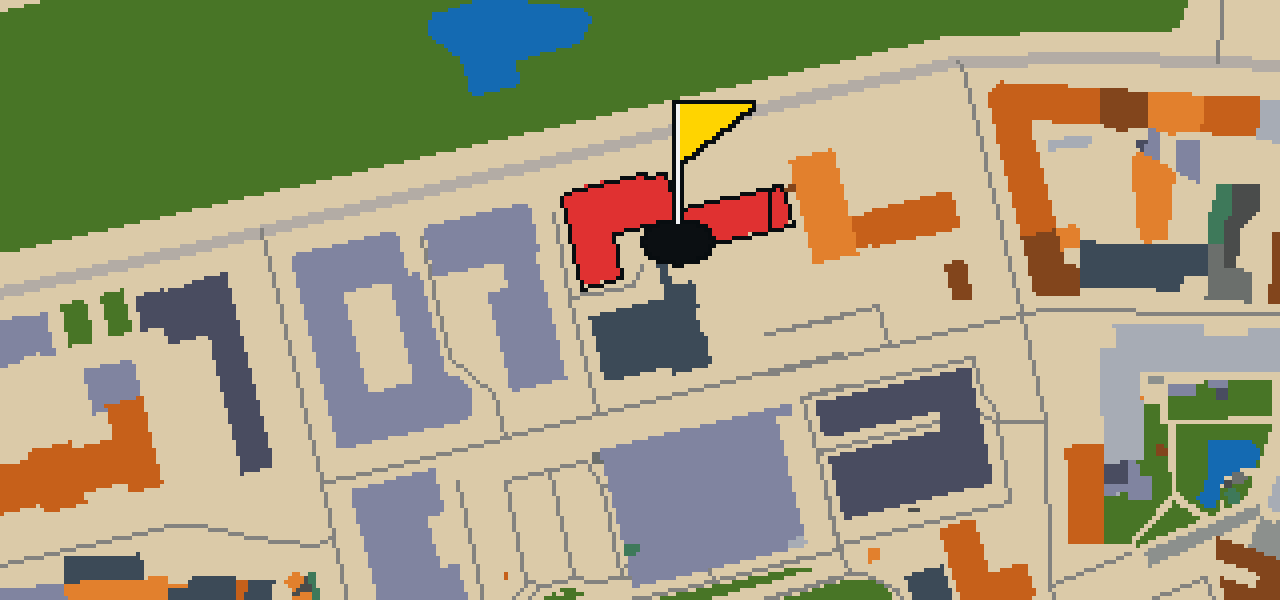
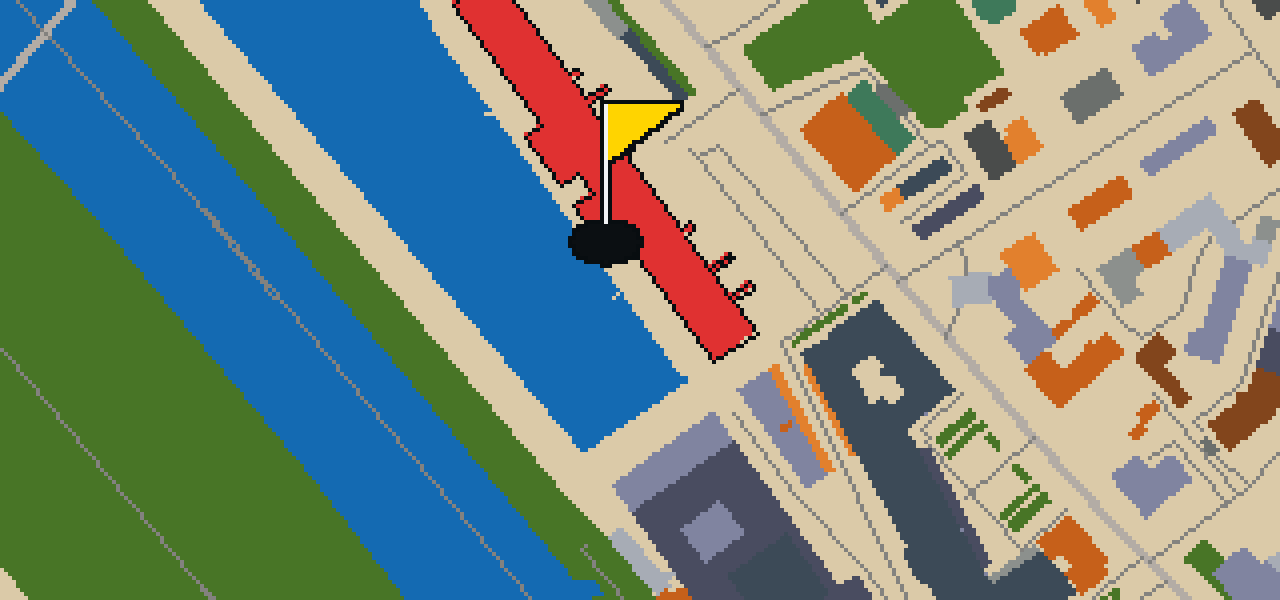
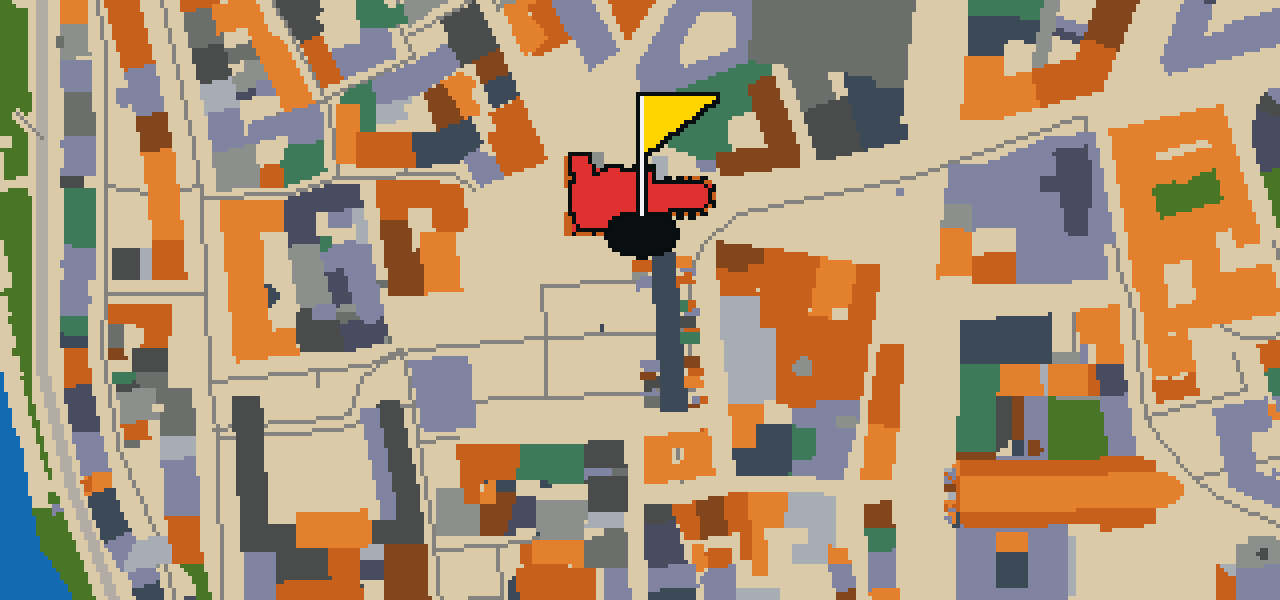
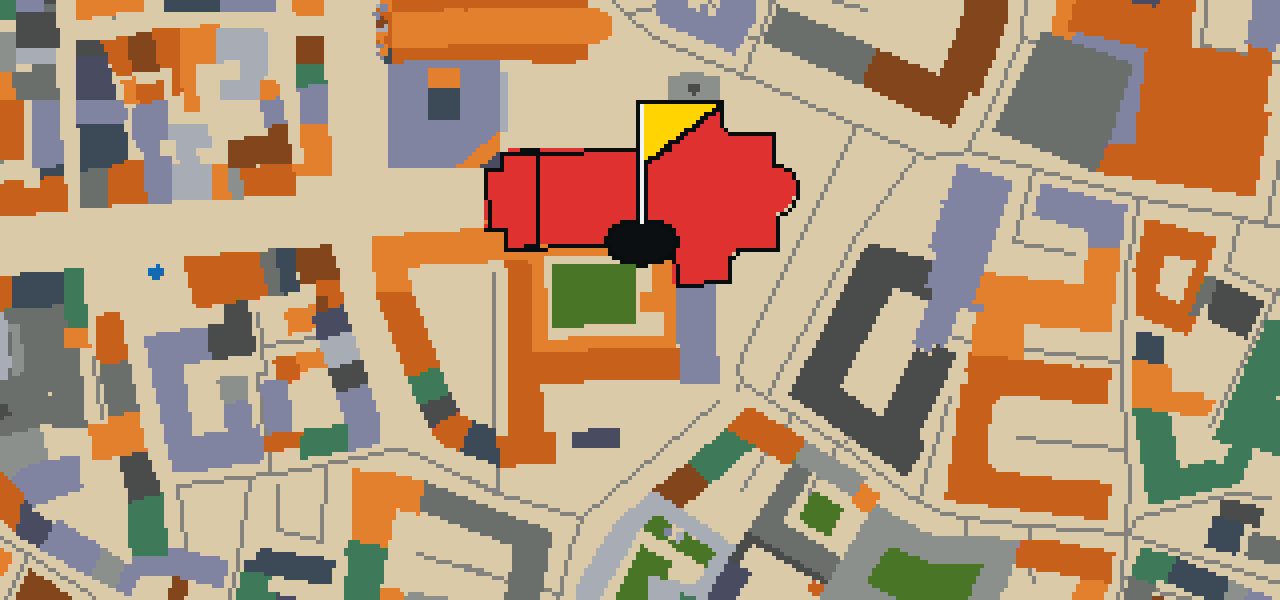
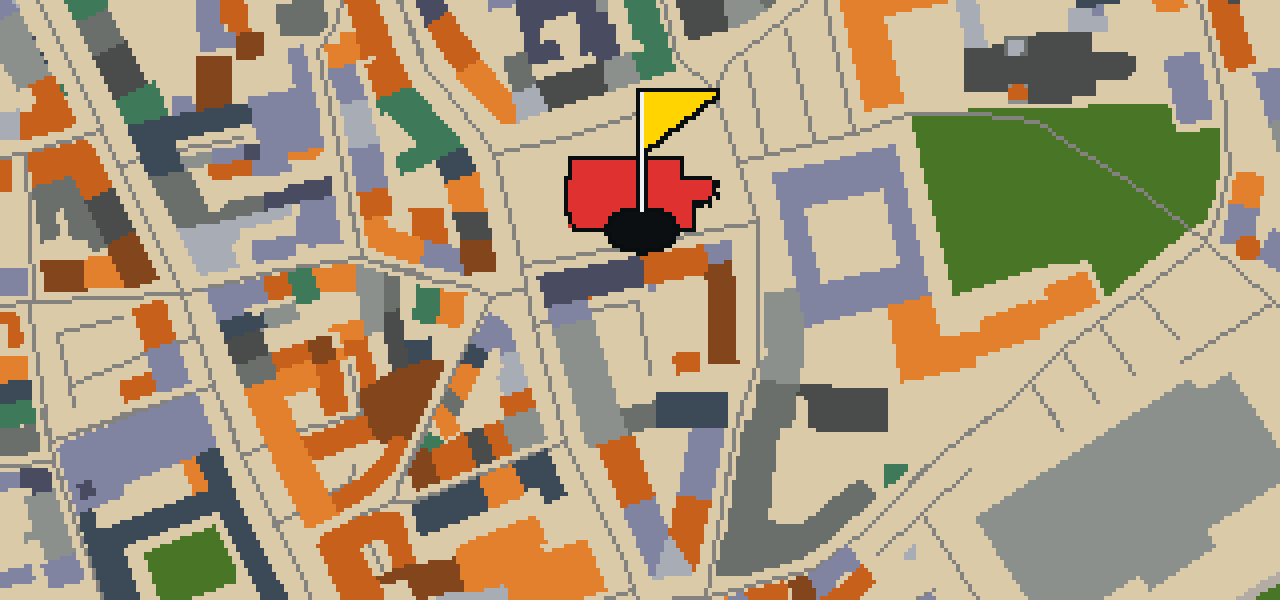
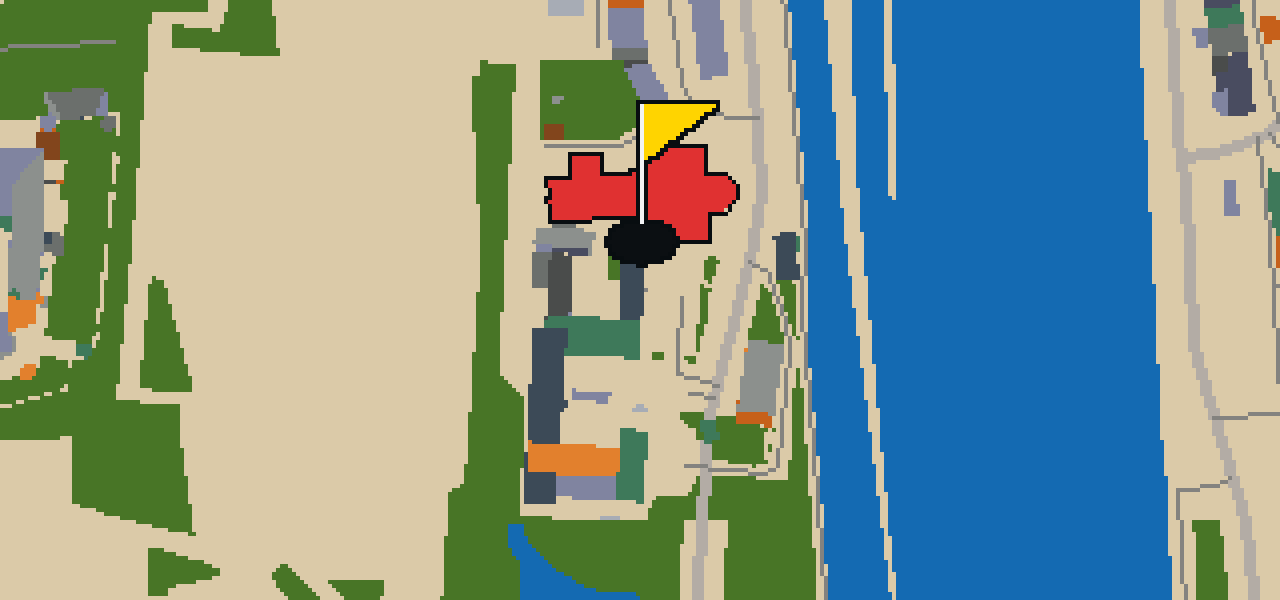
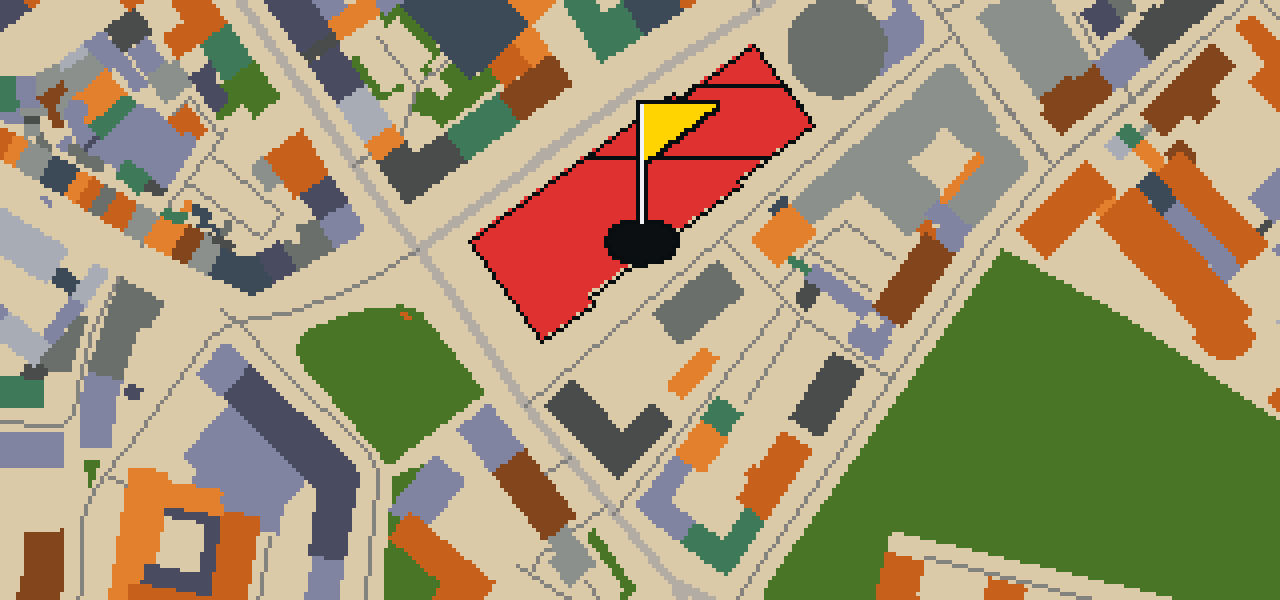
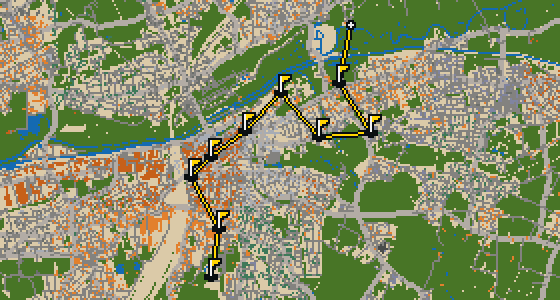
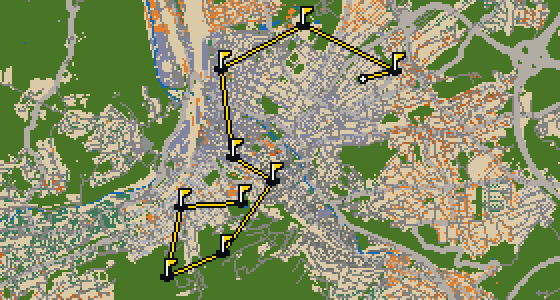
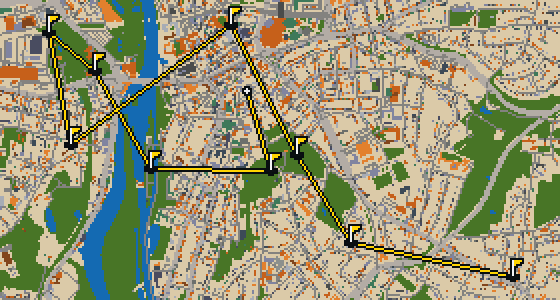
This is Würzburg. The map is the real city and the round is played on its real streets, where attractions like the Residenz Würzburg are the holes. I know these streets well, even the bits where the pigeons congregate for crumbs. It is a full round of 18 holes with a par of 57, covering a total walk of 11.6 km. The ball uses 14 portals to move quickly between the different districts of the city.

Trouble loading? Open the game in its own tab.

HOW IT WORKS

01

Pick a city

The course is drawn on the real street grid, so the map you play is the map you walk.

02

Putt to the pin

Drag to aim, release to swing. Buildings bounce and water costs you a stroke.

03

Sightsee between strokes

Every hole ends at an attraction. Sink the putt, read the story, walk to the next tee.

THE WÜRZBURG ROUND - STOP BY STOP

HOLE 1 - PAR 3

Residenz Würzburg

The Residenz Würzburg is a palace and museum built in the baroque architecture style. Its inception was in 1719, and it was commissioned in 1720 by Prince-Bishop Johann Philipp Franz von Schönborn and his brother Friedrich Carl von Schönborn. This site is an architectural heritage monument in Bavaria and is part of a UNESCO World Heritage Site. It is a popular destination that sees 350,000 annual visitors. I've noticed the crowds usually gather around the grand entrance, though there are plenty of quiet corners to admire the detail. It is a great spot to see how the city's history was shaped by its rulers.


Wikidata · Wikipedia

HOLE 2 - PAR 3

Augustinerkloster

Augustinerkloster is a monastery located in Würzburg. It is a religious community that maintains a presence in the city. Visitors can observe the grounds and the layout of the complex, which reflects its purpose as a place of faith and communal living. This location provides a glimpse into the spiritual life of the order and the role that such institutions have played in the urban development of the region over time. It remains a site of significance for those interested in the city's religious history.

Wikidata

HOLE 3 - PAR 3

Alte Mainbrücke

You might expect a modern crossing here, but you will find the Alte Mainbrücke instead. It is a stone bridge and a footbridge that is designated as an architectural heritage monument in Bavaria. As you walk across the span, you can see that it is an arch bridge. Construction on this specific site started in 1703. I usually find the best views of the river from the center of the bridge, provided I can avoid the crowds of people walking by. It is a great spot to stop and look around.

Wikidata

HOLE 4 - PAR 3

Fürstenbaumuseum

Let me show you the Fürstenbaumuseum, which is a museum located here in Würzburg. It is a space dedicated to art and history for all visitors to enjoy, providing a look at the cultural treasures of the region. The inception of the museum was in 1990, and it has been a part of the city's offerings ever since. I usually find the area around here quite pleasant for a stroll, as it gives you a chance to see the city from a different perspective before you head back into the busy center.

Wikidata

HOLE 5 - PAR 3

Käppele

The Käppele is a Catholic pilgrimage church located on a hill above Würzburg, Germany. The inception of the site was in 1750, and it was designed by architect Johann Balthasar Neumann. Visitors can observe the baroque and Rococo architecture styles used throughout the construction of the building. It is an architectural heritage monument in Bavaria, and the name Käppele is commonly used to refer to the Wallfahrtskirche Mariä Heimsuchung. Until 2014, members of the Capuchins attended to the church.

Wikidata · Wikipedia

HOLE 6 - PAR 3

Museum für Franken & Staatliches Museum für Kunst- und Kulturgeschichte

Look closely at the facade of the Museum für Franken & Staatliches Museum für Kunst- und Kulturgeschichte. This building houses a museum that was founded in 1913, making it a long-standing pillar of the local community. It is a key stop for anyone wanting to see how the city preserves its history and art through a dedicated public institution. I've noticed the entrance is always a great spot for people-watching while you plan your visit, as crowds often gather there before heading inside to explore the galleries.

Wikidata

HOLE 7 - PAR 3

Gartenpavillon des ehemaligen Augustinerklosters

You will find the Gartenpavillon des ehemaligen Augustinerklosters here. This site is a monastery and is recognized as an architectural heritage monument in Bavaria. Visitors to Würzburg can observe the structure as part of the region's preserved history. It remains a significant example of the area's architectural heritage, maintaining its presence as a monastery within the state of Bavaria for all who pass by.

Wikidata

HOLE 8 - PAR 3

Festung Marienberg

Festung Marienberg is a fortress and architectural heritage monument located on the left bank of the Main river in Würzburg. You can pick out buildings from the 16th to 18th centuries, mostly designed in Renaissance and Baroque styles. This site has seen a lot of action, including a conquest by Gustavus Adolphus of Sweden in 1631 during the Thirty Years' War. While British bombs severely damaged the area in March 1945, the fortress was fully rebuilt by 1990. Today, it houses two museums for you to visit. I've seen plenty of crumbs dropped near the museum entrances.

Wikidata · Wikipedia

HOLE 9 - PAR 3

Schwanentor

You might think you are looking at a simple wall, but this is actually the Schwanentor. It is a city gate and is recognized as an architectural heritage monument in Bavaria. When you walk past it, you can see how the city once guarded its borders. I've noticed that people often walk right past it without realizing the history held in those stones. It is one of those spots where the city's old bones are still visible to anyone who takes a moment to look closely at the masonry.

Wikidata

HOLE 10 - PAR 3

Alter Kranen

Looking toward the water, you will see the Alter Kranen. This structure is a harbour crane and is recognized as a former architectural heritage monument in Bavaria. It is a distinct piece of the local scenery that reminds visitors of the city's maritime history. I find it a great spot to pause and watch the river flow by, though I usually prefer the view from a ledge. It is one of those landmarks that gives the waterfront its character and tells a story about how the city once functioned.

Wikidata

HOLE 11 - PAR 3

Röntgen-Gedächtnisstätte Würzburg

You might expect a massive science complex, but the Röntgen-Gedächtnisstätte Würzburg is a focused museum. Founded in 1981, this site is dedicated to the work of the German physicist Wilhelm Conrad Röntgen, who lived from 1845 to 1923. It is an architectural heritage monument in Bavaria. You can pick out a variety of historical instruments and documents used in his research. I've noticed the building itself has a certain dignity that fits a man who won the first Nobel Prize in physics.

Wikidata · Wikipedia

HOLE 12 - PAR 4

Museum im Kulturspeicher

Don't let the exterior fool you; this isn't a shipping depot. The Museum im Kulturspeicher is an art museum in Würzburg that displays art from the 19th century to the present. It was founded in 2002 and has been located in a converted river-side warehouse since that same year. It is a great spot to see how the city's creative spirit has evolved over the last few centuries. I've always found the building's history as a warehouse adds a nice touch to the galleries inside.

Wikidata · Wikipedia

HOLE 13 - PAR 3

Marienkapelle

Located at the Unterer Markt in Würzburg, the Marienkapelle is a Roman Catholic church. Visitors will notice the Gothic architecture style, as the building was constructed in this style during the 14th century. It is an architectural heritage monument in Bavaria and was designed by architect Johann Balthasar Neumann. Although it functions as a church, its status is that of a chapel because it does not have a parish. Instead, the united parishes of the Würzburg Cathedral and the Kollegiatstift Neumünster administer the site.

Wikidata · Wikipedia

HOLE 14 - PAR 3

Stift Haug

The architectural details of Stift Haug mark it as an architectural heritage monument in Bavaria. Designed by the architect Antonio Petrini, this church building is a significant part of the city. It is more than just a structure for visitors to admire; it functions as a monastery and is home to a religious community. The site combines these roles, maintaining its place as a center of faith and a piece of Bavarian history for those walking through the city.

Wikidata

HOLE 15 - PAR 3

Dom St. Kilian

Johann Balthasar Neumann, Giovanni Pietro Magni, and Hans Schädel are architects of Dom St. Kilian. This Roman Catholic cathedral in Würzburg, Bavaria, was started in 1040 and is dedicated to Saint Kilian. You can pick out the characteristics of the Romanesque architecture style throughout the building, which reaches an overall length of 103 metres. The site is an architectural heritage monument in Bavaria and stands as a significant landmark within the city of Würzburg, Germany.

Wikidata · Wikipedia

HOLE 16 - PAR 3

Sankt Peter und Paul

Sankt Peter und Paul is a church building. It is an architectural heritage monument in Bavaria. This site was designed in the baroque architecture style and had its inception in 1720. Visitors can observe the specific characteristics of the baroque style throughout the structure, which remains a significant example of the architectural heritage found within the region of Bavaria.

Wikidata

HOLE 17 - PAR 4

Adalberokirche

The Romanesque Revival architecture style defines the physical form of Adalberokirche. This church building is recognized as an architectural heritage monument in Bavaria. The design of the structure is attributed to architects Franz Joseph Denzinger and Josef Schmitz. It is a place of worship where the specific stylistic elements of the Romanesque Revival movement are visible to visitors. You can observe how the work of Denzinger and Schmitz created a site that is now protected as a monument within the state of Bavaria.

Wikidata

HOLE 18 - PAR 4

St. Burkard

St. Burkard is an architectural heritage monument in Bavaria. It is a parish church, a monastery, and a religious community. The site was once St. Burchard's Abbey, which was the first abbey established in Würzburg. Founded around 750, the abbey was initially known as St. Andrew's Abbey. In 1464, the abbey was transformed into a Stift. This location remains an important part of the city's spiritual and historical presence, providing a glimpse into the early religious foundations of the region and its enduring architectural legacy.

Wikidata · Wikipedia

OTHER COURSES

9 HOLES - PAR 33

Hamm

9 stops

This quick nine-hole round covers 7.4 km across Hamm. The map is the real city and the ball rolls along its actual streets, using portals to skip between districts. Local attractions like Schloss Heessen are the foundations for the holes. Skip knows every curb and cobblestone here, even if a few crumbs usually distract the guide.

18 HOLES - PAR 53

Kassel

18 stops

Kassel is the setting for this round, where the map follows the actual city and the ball rolls across its real streets. The holes are built from the city's actual attractions, ending at the Spitzhacke. Skip knows these sidewalks well and is the local guide. This is a full round of 18 holes with a par of 53, covering a walk of 9.7 km. The ball moves between distant districts using 12 portals.

9 HOLES - PAR 31

Hagen

9 stops

The ball ends its journey at the Stadtgarten. This course uses the real streets of Hagen as the map, with the city's actual attractions forming the holes. A quick round of 9 holes covers 7.6 km, using 8 portals to bridge the gaps between distant districts. Skip knows every curb and cobblestone here, having spent plenty of time watching the world go by from the eaves.

9 HOLES - PAR 29

Oberhausen

9 stops

Banking a ball off the stone of Schloss Broich requires a steady wing and a soft touch. This round takes place on the real streets of Oberhausen, where the city map is the course. The holes are built from actual local attractions, and Skip knows every crack in the pavement. A quick 9-hole round covers 6 km, with 14 portals to keep the ball moving.

18 HOLES - PAR 57

Delsberg

18 stops

Banking a ball off the stone facades of the Roter Turm requires a steady wing and a bit of luck. This round takes place in Delsberg, where the map is the real city and the game is played on its actual streets. The holes are built from real attractions, turning the urban layout into a course. I know these sidewalks well and can be the local guide. It is a full round of 18 holes with a par of 57, covering a 12.1 km walk that uses 10 portals.

FAQ

Is it free to play?

Yes. Every course runs in the browser with no account and no install.

Do I need to be in the city?

No. The full round plays from anywhere. Walking the real route is a nice way to see the city, but it is not required.

Are the maps real?

Yes. The geometry comes from OpenStreetMap data, rendered chunky on purpose. Streets, water and parks sit where they really are.