
KASSEL - 18 HOLES - FREE

KASSEL
CITY MAP MINIGOLF

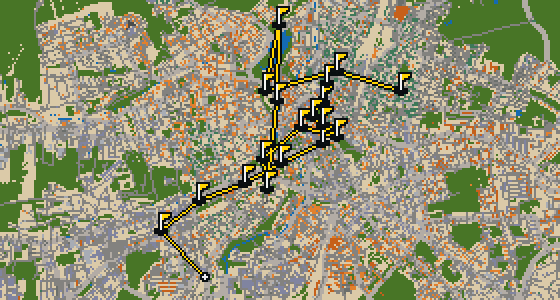
Kassel - 18 stops - par 53

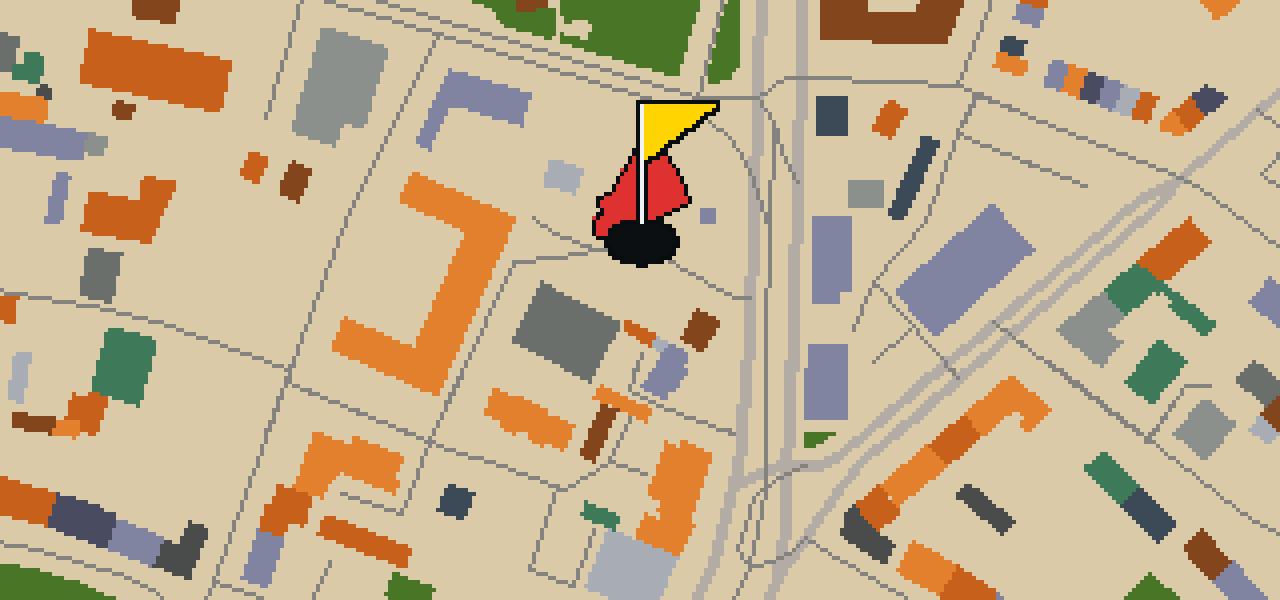
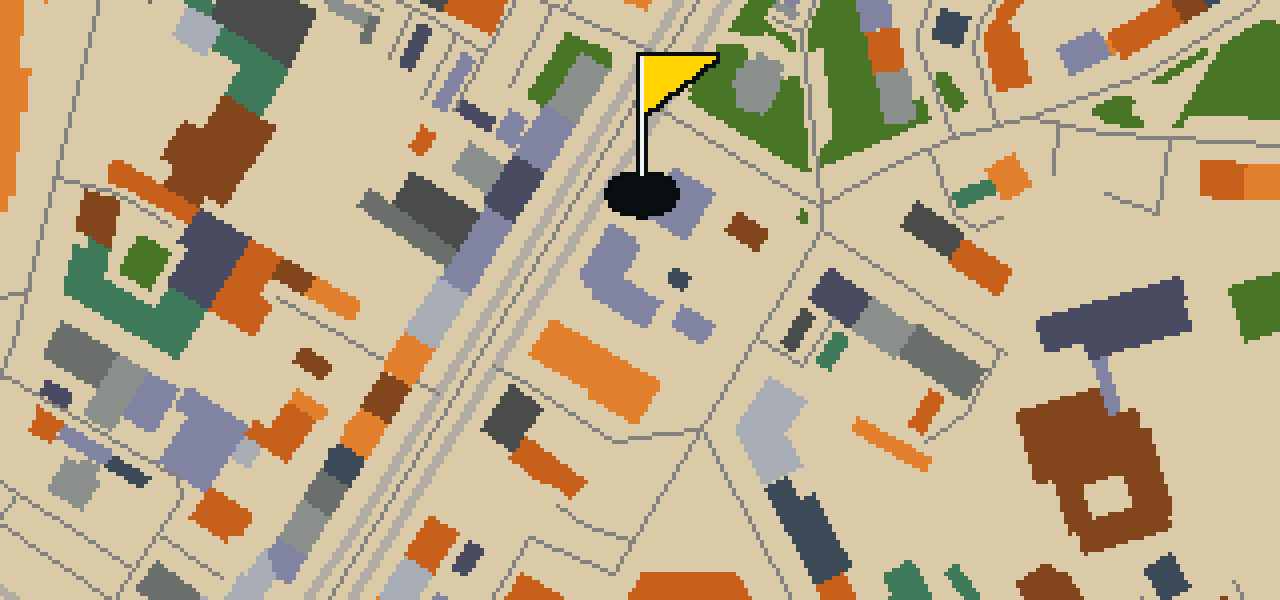
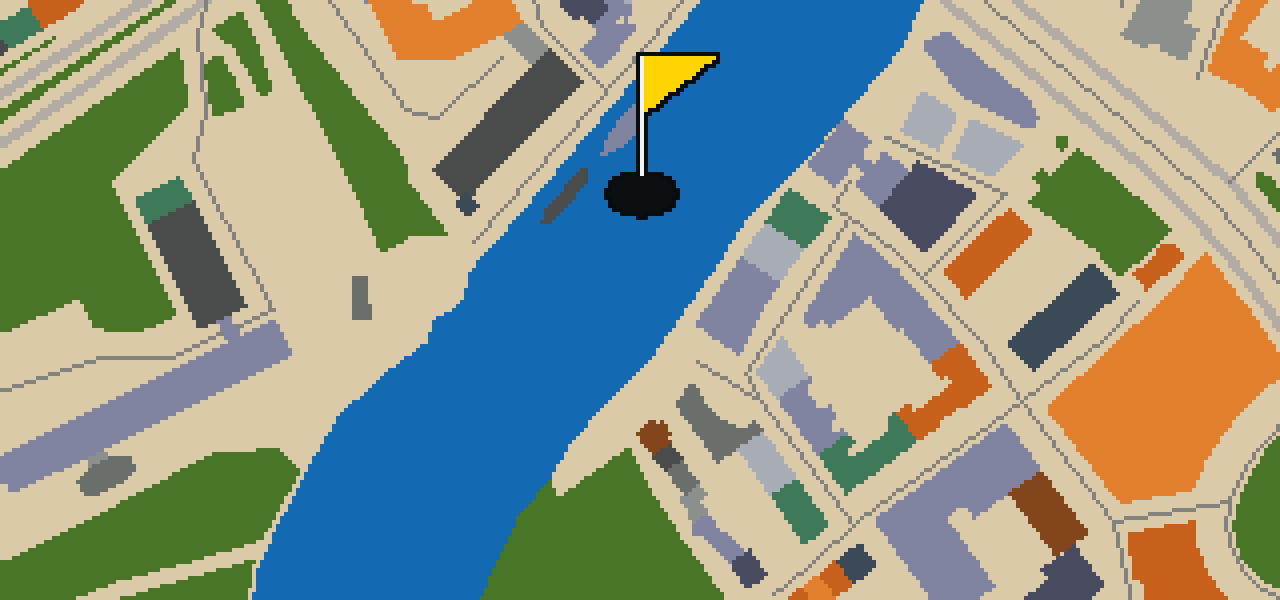
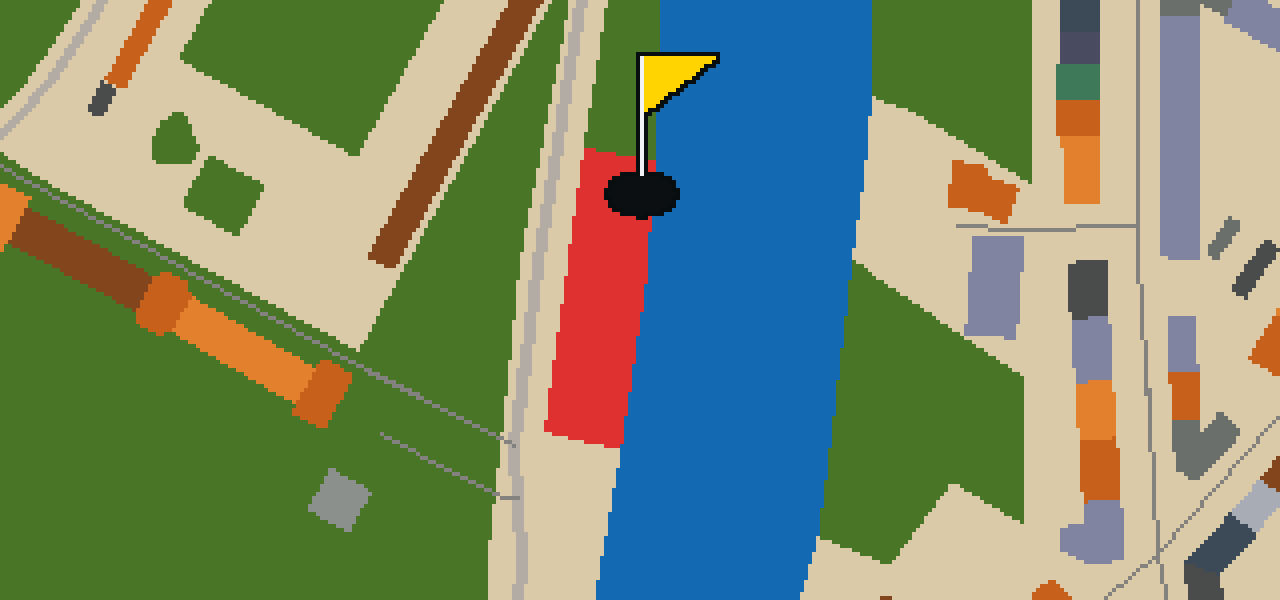
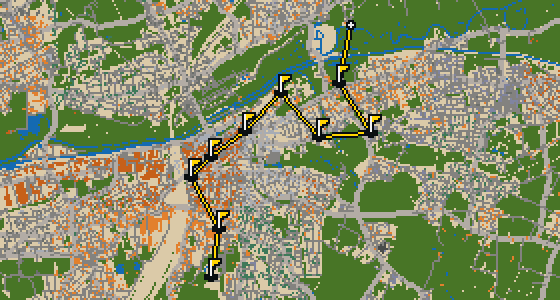
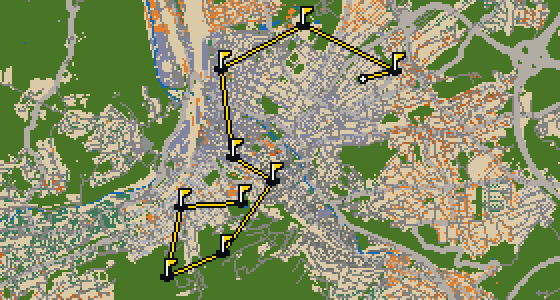
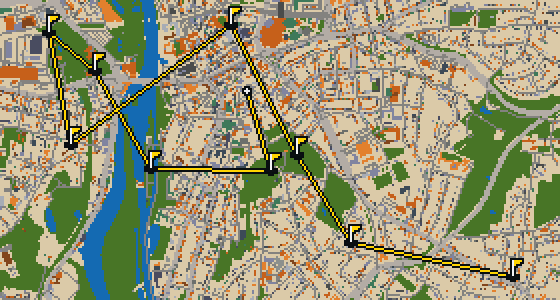
Kassel is the setting for this round, where the map follows the actual city and the ball rolls across its real streets. The holes are built from the city's actual attractions, ending at the Spitzhacke. Skip knows these sidewalks well and is the local guide. This is a full round of 18 holes with a par of 53, covering a walk of 9.7 km. The ball moves between distant districts using 12 portals.

Trouble loading? Open the game in its own tab.

HOW IT WORKS

01

Pick a city

The course is drawn on the real street grid, so the map you play is the map you walk.

02

Putt to the pin

Drag to aim, release to swing. Buildings bounce and water costs you a stroke.

03

Sightsee between strokes

Every hole ends at an attraction. Sink the putt, read the story, walk to the next tee.

THE KASSEL ROUND - STOP BY STOP

HOLE 1 - PAR 3

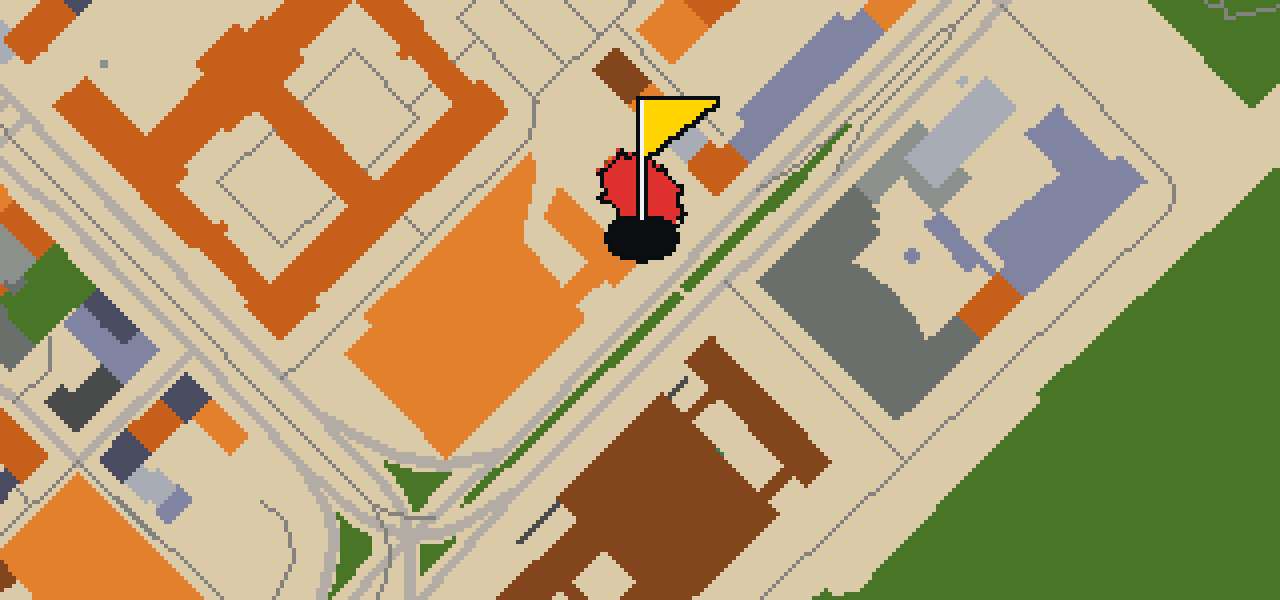
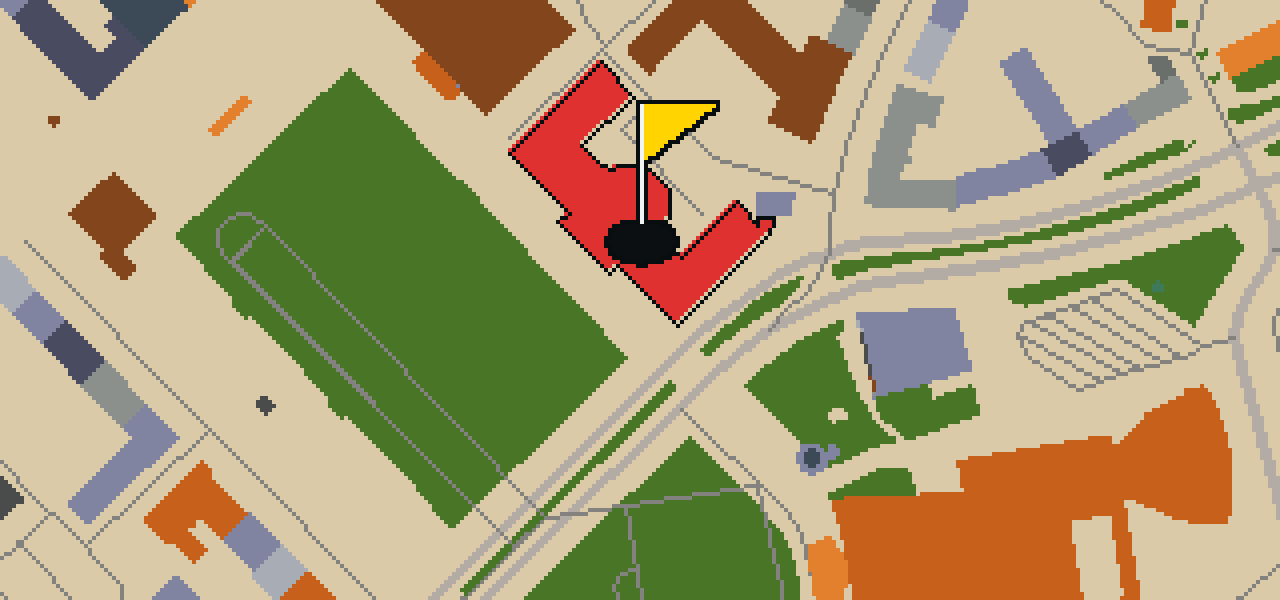
Fridericianum

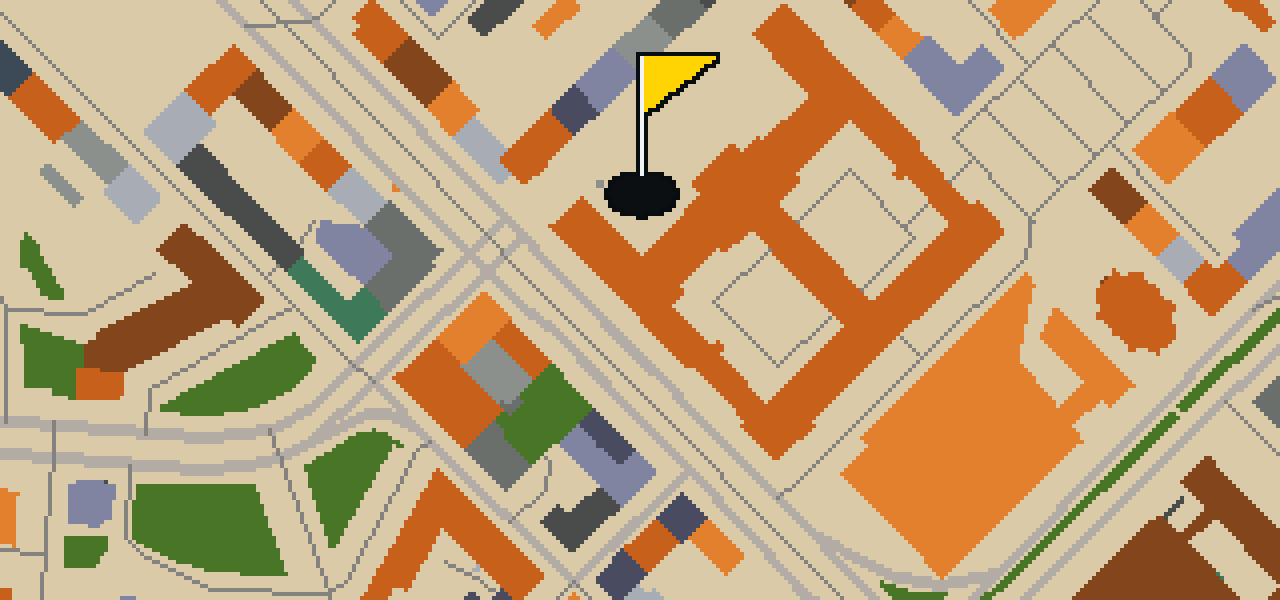
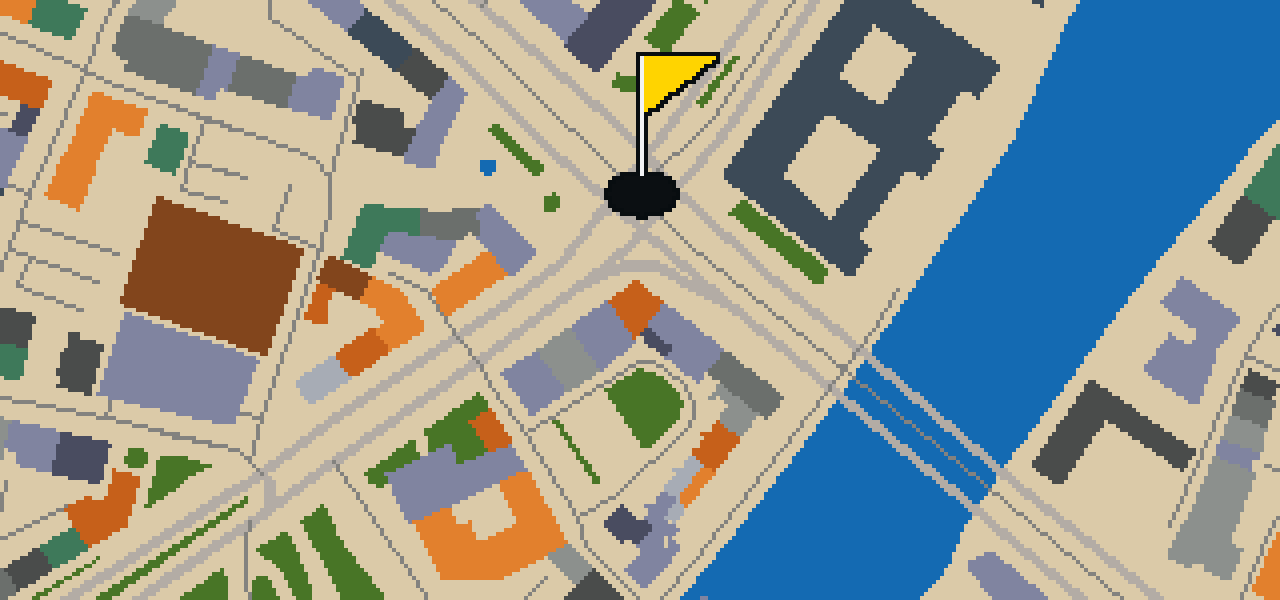
Simon Louis du Ry was the architect behind the Fridericianum, a museum in Kassel, Germany. Built in 1779, it is one of the oldest public museums in Europe and is recognized as a Kulturdenkmal. While the building itself is a historic landmark, it remains a hub for contemporary creativity. Since 1955, the site has been the center for documenta, an art festival that takes place every five years. I've seen a lot of interesting things land on these rooftops over the years.
Wikidata · Wikipedia

HOLE 2 - PAR 3

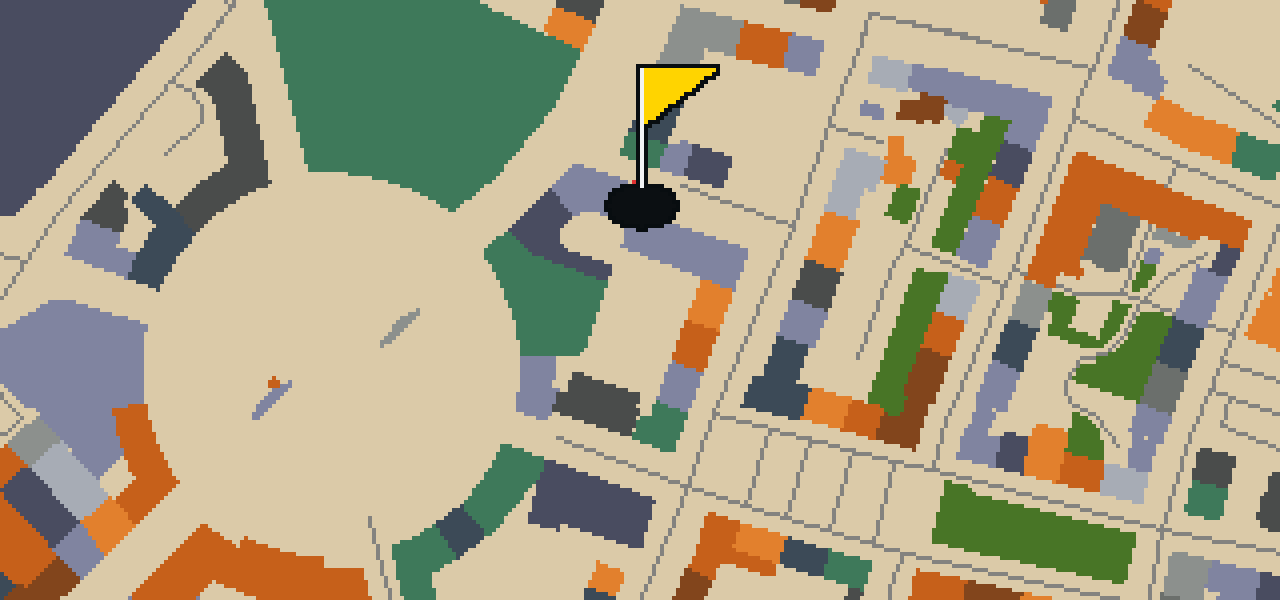
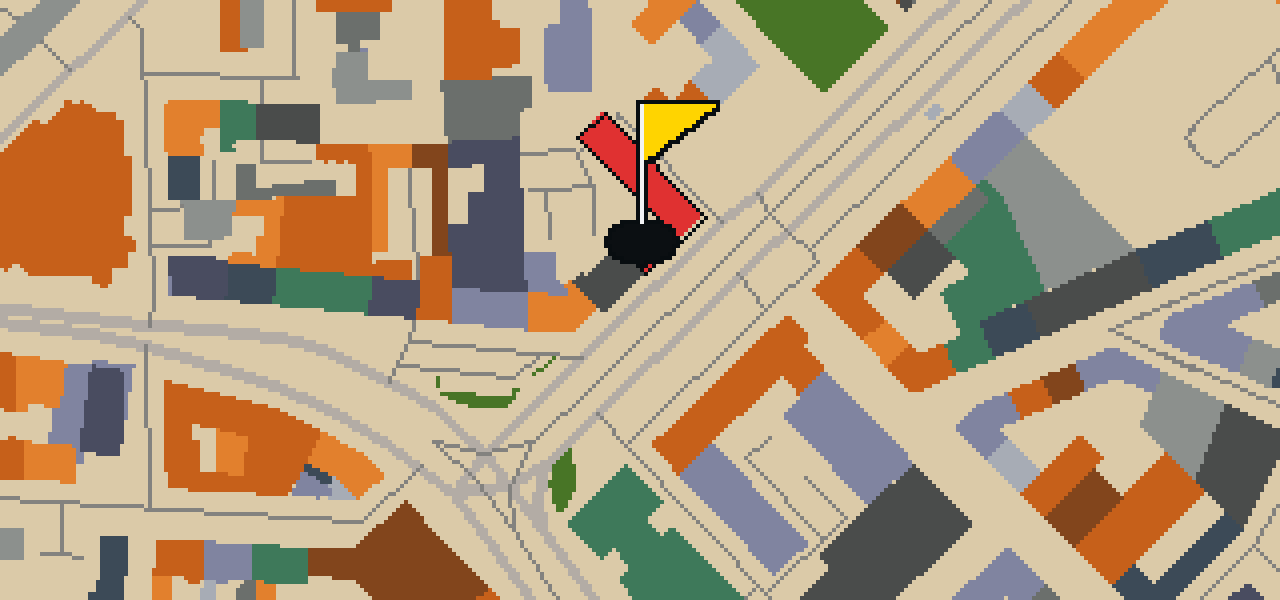
Stadtmuseum

Let me show you the Stadtmuseum. This is a city museum that focuses on the history and development of Kassel. It is a great spot for anyone wanting to understand how the city evolved over time. I've noticed that people usually spend a good amount of time here taking in the exhibits. Whether you are a history buff or just passing through, it is a central point for learning about the local heritage.

Wikidata

HOLE 3 - PAR 3

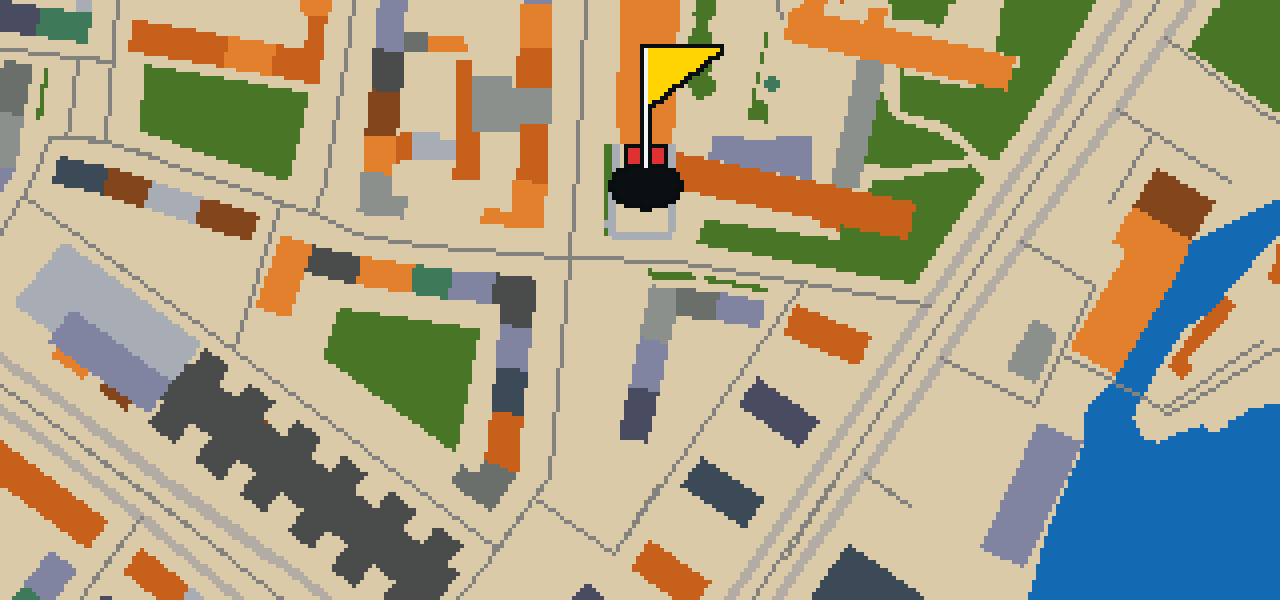
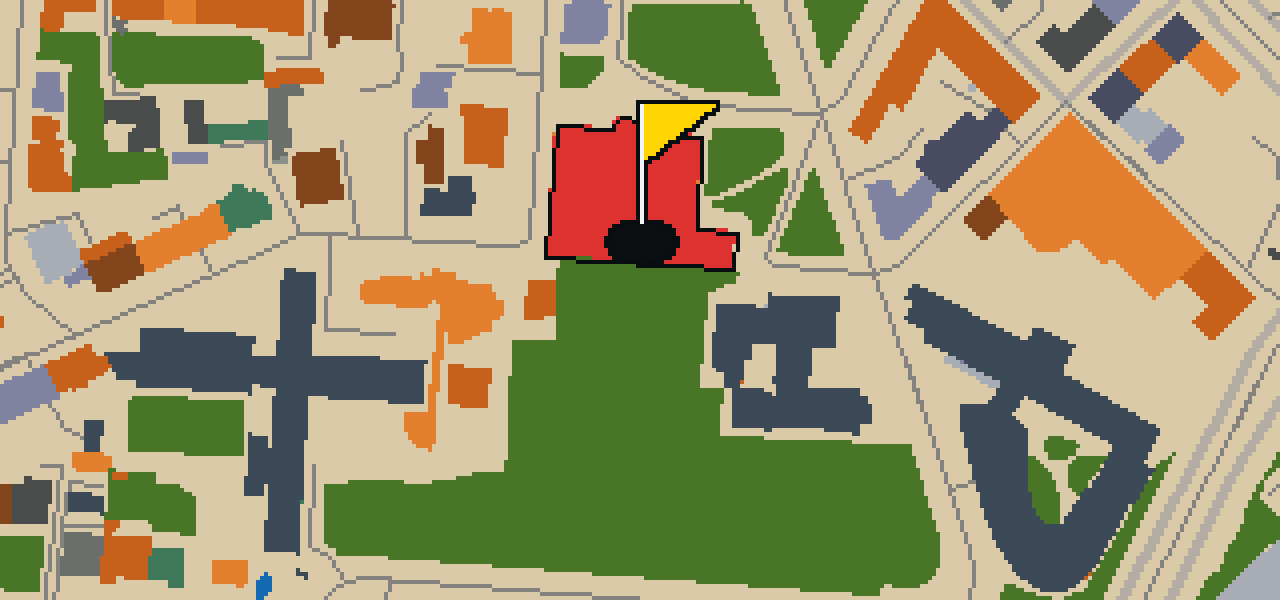
Hessisches Landesmuseum

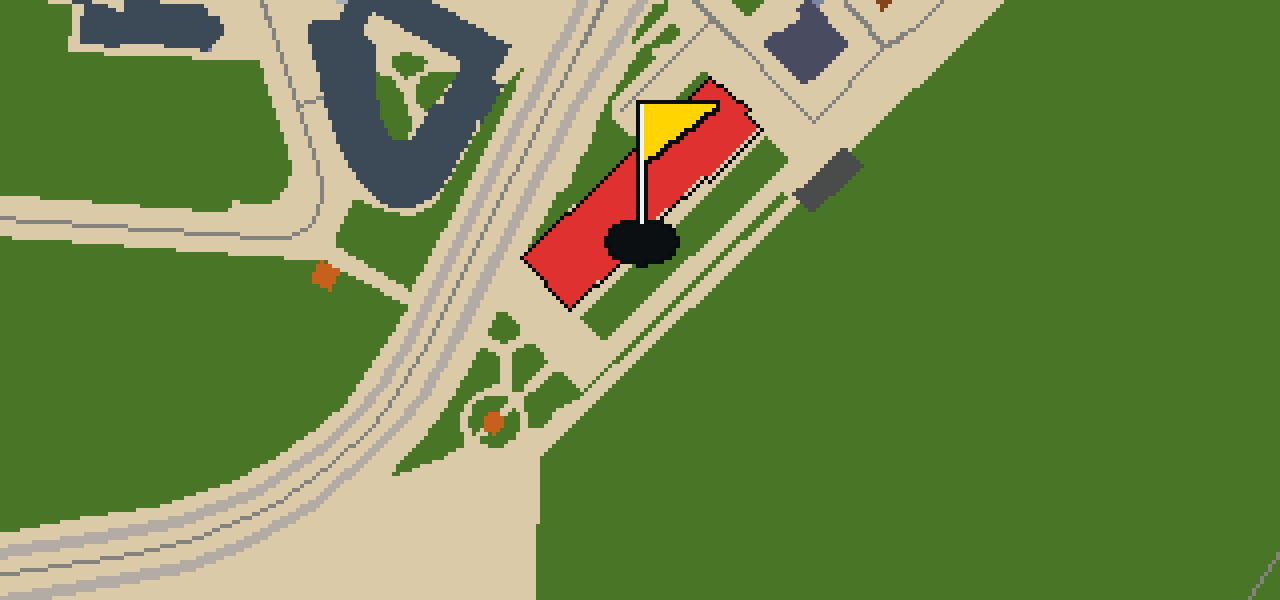
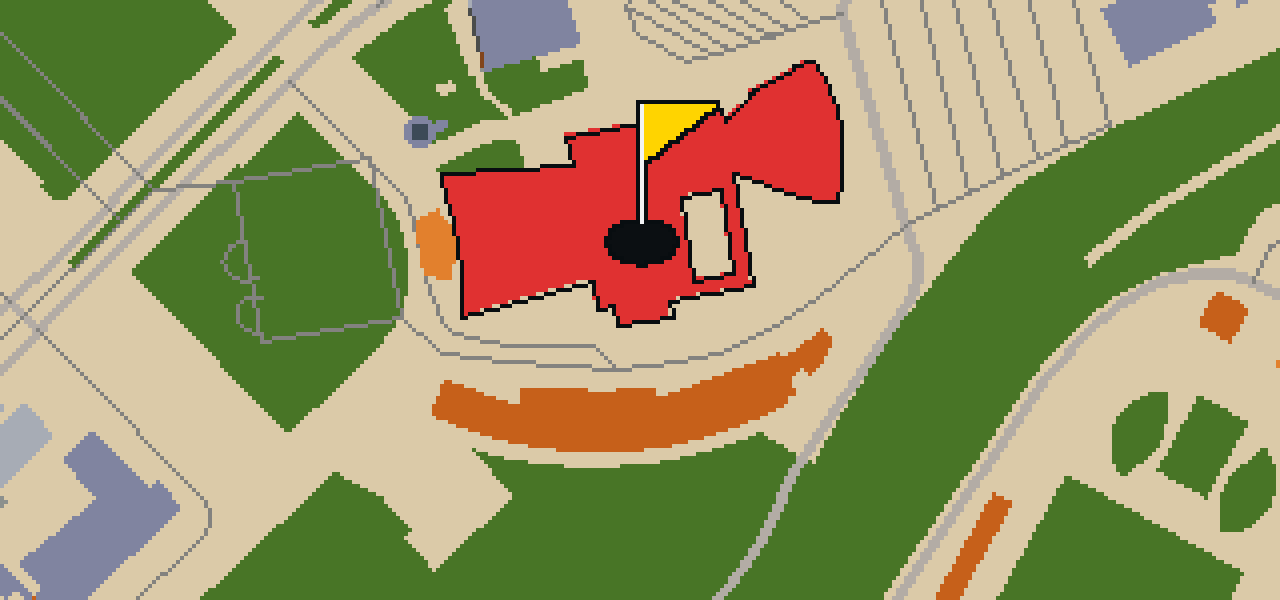
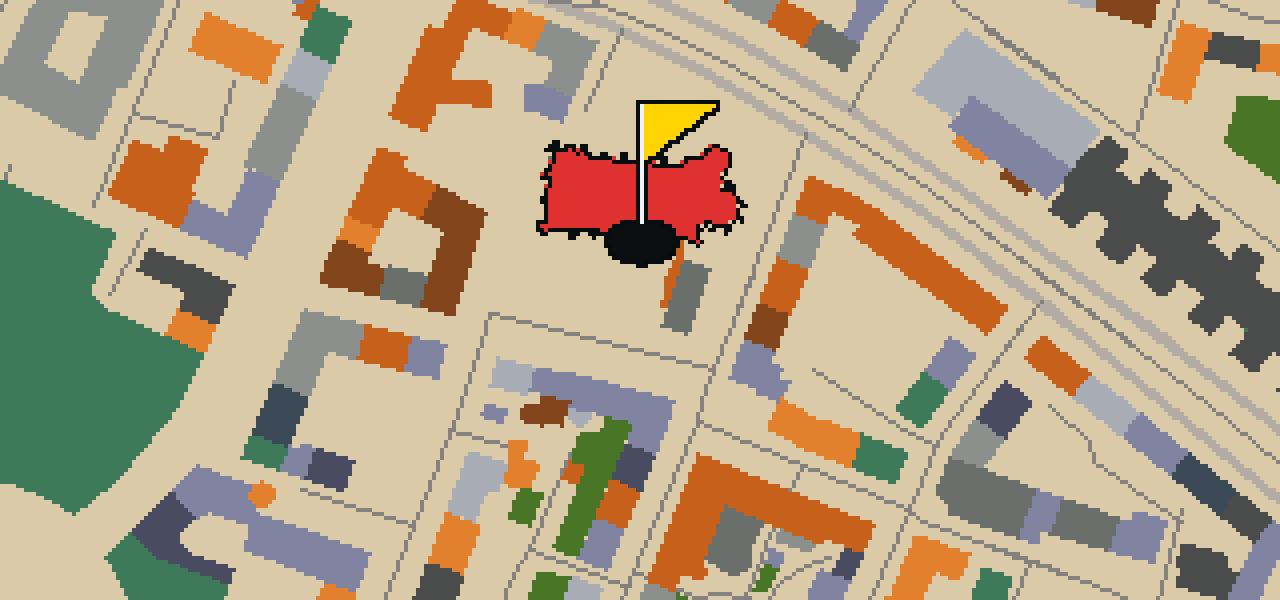
Let me show you the Hessisches Landesmuseum. This local history museum in Kassel, Germany, covers a vast stretch of time, with a collection that ranges from the Paleolithic Age to the present. It is a place where you can track the evolution of the region over millennia, seeing how the area changed from prehistoric times into the modern era. While you are visiting the galleries, you can also find the German Wallpaper Museum located here. I've always found the variety of patterns in that wing quite striking, even from a bird's eye view.

Wikidata · Wikipedia

HOLE 4 - PAR 3

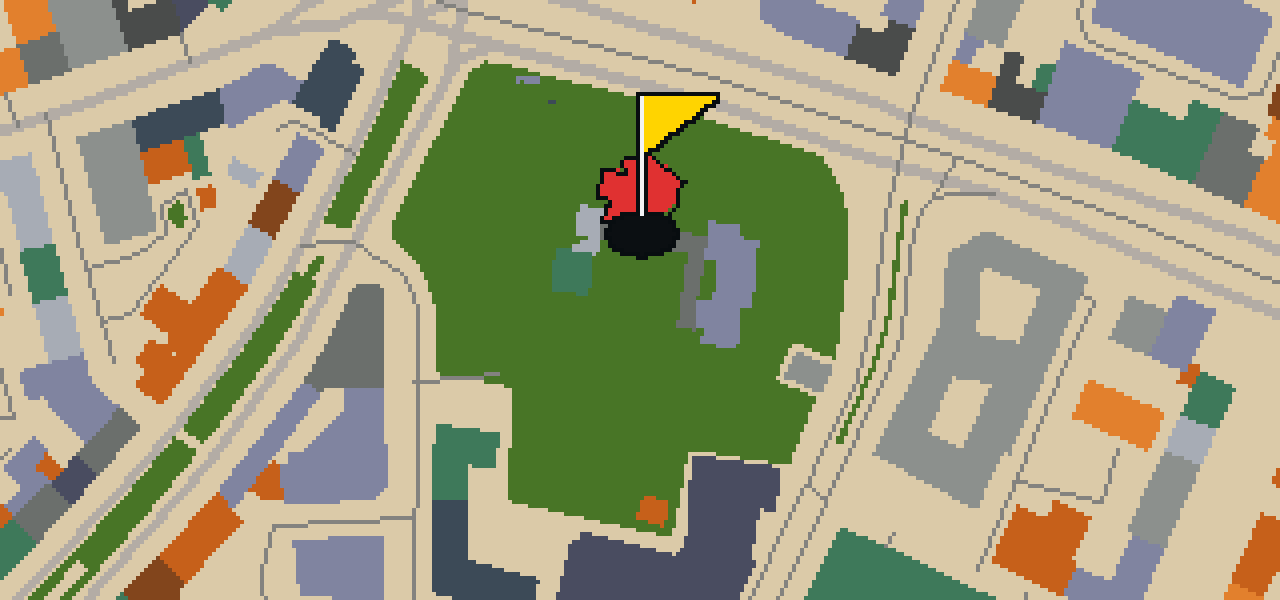
Orangerie

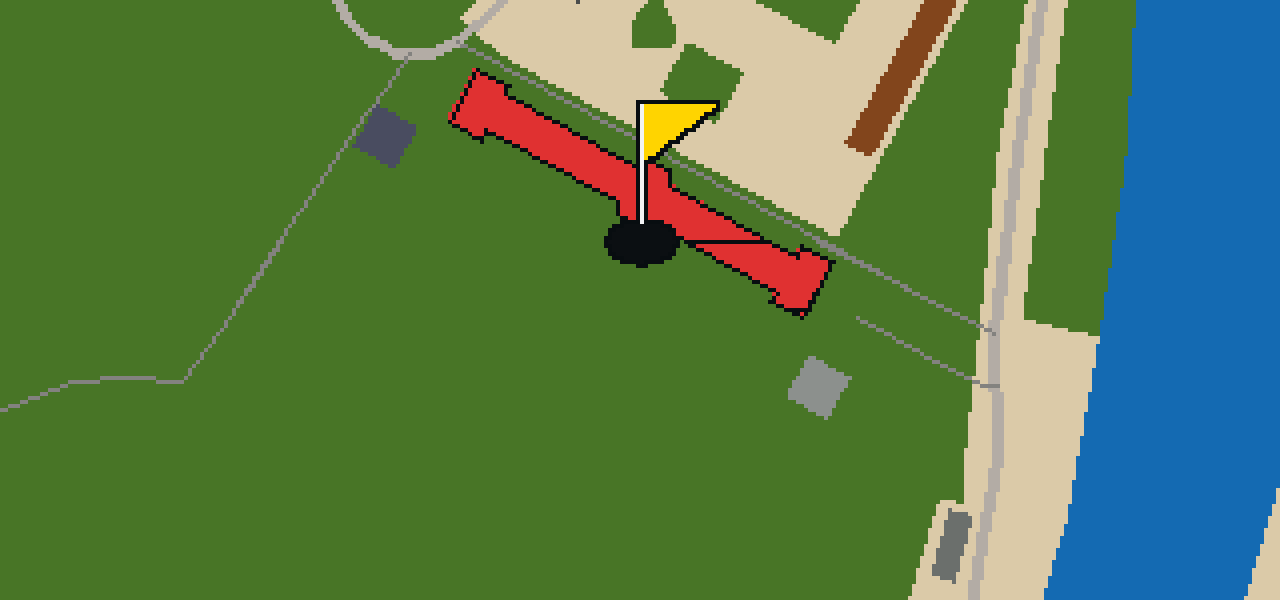
Landgrave Charles commissioned the Orangerie, which was built between 1703 and 1711. This Baroque building is a cultural heritage monument in Hesse and forms the northern corner of the Karlsaue park. Visitors can explore the interior, where the building is used as an astronomy and physical cabinet. It is a great spot to stop and appreciate the scale of the architecture before moving on through the city. I always find the layout of the park around here quite peaceful for a stroll, though you have to keep an eye out for my cousins lounging on the lawns.

Wikidata · Wikipedia

HOLE 5 - PAR 2

Neue Galerie

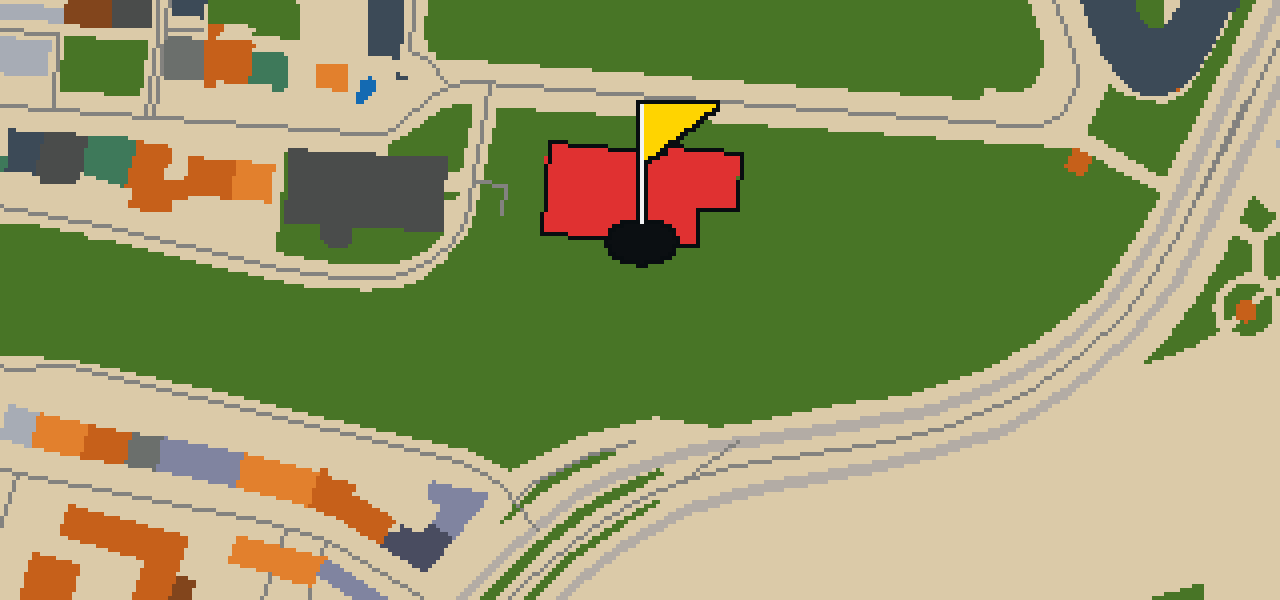
You will first notice the view of the Karlsaue from Schöne Aussicht, where the Neue Galerie is located. This art museum was designed by architect Heinrich Dehn-Rotfelser and is part of Hessen Kassel Heritage. Inside, you can find a collection of paintings, sculpture and contemporary art from around 1800 to the present. The works are drawn from the state and municipal art collections of Kassel. I find it a great spot to clear the head before looking at the art.

Wikidata · Wikipedia

HOLE 6 - PAR 2

Aschrott-Brunnen

You will first notice the presence of the Aschrott-Brunnen, which is a water well. It is a site in Kassel that was started in 1987. When you are visiting, take a moment to look at the design and how it fits into the surrounding area. I have found that these kinds of spots are often the best places to stop and catch your breath while you are exploring the city on foot. It is a simple but distinct landmark that marks this particular section of the urban landscape.

Wikidata

HOLE 7 - PAR 3

Grimmwelt

Let me show you Grimmwelt, which is a museum. Specifically, it is a fairy tale museum. You can visit this place to learn about the folklore and stories that have become famous worldwide. It is a place where the legacy of the brothers Grimm is kept and shared with every visitor who walks through the doors. I think you will find the atmosphere here quite fitting for the magic of the tales, as the building itself creates a space for imagination to run wild.

Wikidata

HOLE 8 - PAR 3

Karlskirche

Located in Kassel, the Karlskirche is a Protestant church building and a recognized Kulturdenkmal. The site is a notable example of the baroque architecture style. Paul du Ry acted as the architect for the project, and he built the church in 1710. It was constructed for the local Huguenot community, providing them with a dedicated place of worship within the city. Visitors can observe the specific design elements characteristic of the baroque period throughout the structure.

Wikidata · Wikipedia

HOLE 9 - PAR 3

Druselturm

Right in the heart of the city, you will find the Druselturm. It is a fortified tower that reaches a height of 44 meters, making it a prominent feature of the local skyline. This specific structure was started in 1415 and is designated as a Kulturdenkmal. When you are visiting, take a moment to look up and appreciate the scale of the masonry. I often find that the view from the ground gives you a real sense of how the city used to be protected long ago.

Wikidata

HOLE 10 - PAR 3

Zeughausruine

You might expect a polished museum or a finished hall, but this is the Zeughausruine. It is a building that exists now as a ruin rather than a pristine residence or office. In Kassel, this site is recognized as a Kulturdenkmal, meaning it is protected as a cultural monument. I think the weathered walls give it a character you won't find in the newer parts of town. It is the kind of place where you can really feel the passage of time just by looking at the stone.

Wikidata

HOLE 11 - PAR 3

Lutherkirche

Lutherkirche is a church building located in Kassel. It is recognized as a Kulturdenkmal, which identifies it as a protected cultural monument. When you look at the structure, you can see the work of its architects, Heinz Rall and Hugo Schneider. It is a place of worship that holds a specific place in the city's architectural history. Visitors often stop here to appreciate the building's design and its status as a preserved site of cultural importance in the region.

Wikidata

HOLE 12 - PAR 3

Altmarkt

Let me show you the Altmarkt. This location is a square, and it remains a point of interest for those visiting the city. You can spend some time here observing the open space and the way it connects to the nearby streets. I find it a handy spot to get your bearings before heading toward the next landmark.

Wikidata

HOLE 13 - PAR 3

Staatstheater Kassel

You aren't looking at a simple playhouse, but the Staatstheater Kassel. This state-owned and operated German theater in Kassel serves as both a theatre building and an opera house. Architect Paul Bode designed the site, which now employs around 500 people to keep the productions running. If you look at the seating, you can pick out the three distinct spaces: the opera house, the Playhouse Theatre, and the Fridericianum, which has 99 seats. During the 2008/09 season, the theater recorded around 227,000 attendances. It is a busy spot for the city.

Wikidata · Wikipedia

HOLE 14 - PAR 2

Martinskirche

Martinskirche is a church building designed in the Gothic architecture style. It is a Kulturdenkmal and a Protestant parish church in Kassel, Hesse, Germany. Construction of the church began in 1364 and was completed in 1462. The building became a Protestant church in 1524. Heinrich Otto Vogel is the architect of the structure. From the 16th century until the end of the 18th century, the site served as the burial place for the landgraves of Hesse.

Wikidata · Wikipedia

HOLE 15 - PAR 4

Synagoge

Located on Untere Königsstraße in Kassel, Hesse, Germany, this site is a demolished synagogue. It was once the home of a Jewish congregation. A second synagogue for the congregation was completed in 1839. This building was set ablaze by the Nazis on November 9, 1938, during the Kristallnacht pogrom. This location remains an important point of memory in the city, marking where the congregation once gathered and the events that led to the destruction of their house of worship.

Wikidata · Wikipedia

HOLE 16 - PAR 3

Sankt Bonifatius

Sankt Bonifatius is a Catholic church and parish located in Kassel, Hesse, Germany. This parish church is dedicated to Saint Boniface and belongs to the Diocese of Fulda. The building was designed by Josef Bieling, with the architect listed as Bieling Architekten. It was completed in 1956. In terms of its current organization, St. Bonifatius is part of a merged parish called St. Elisabeth. Visitors to the area can observe the mid-century design of the structure as they move through the city.

Wikidata · Wikipedia

HOLE 18 - PAR 3

Blue Dancer

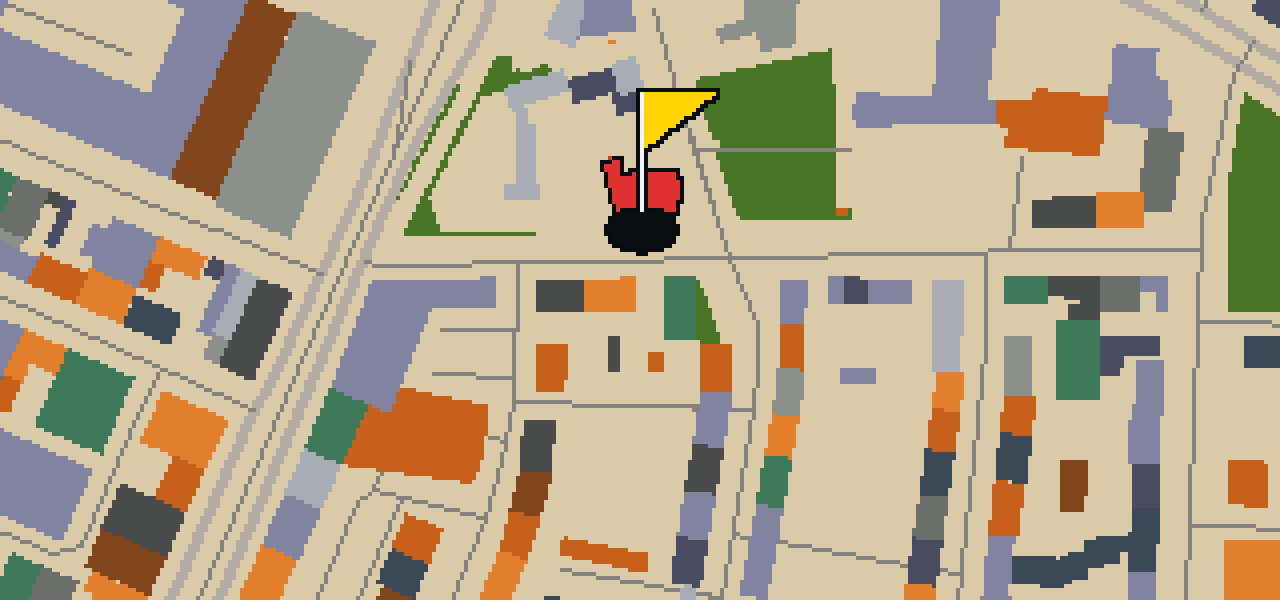
Blue Dancer is a sculpture located here in Kassel. This specific piece of art had its inception in 2002. It is a striking addition to the local environment, and you can take a moment to appreciate how it interacts with the surrounding urban space. I find that the bright colors often draw the eye of passersby, making it a helpful landmark for anyone navigating the neighborhood. Whether you are a fan of modern art or just exploring the city, this sculpture is a notable stop on your journey through the streets.

Wikidata

STOP 19

Spitzhacke

Let me show you Spitzhacke, which is a steel sculpture located here in Kassel. This particular work of art was created in 1982 and is a prominent feature of the local environment. When you look up at it, you can see the impressive scale of the piece, as the sculpture has a height of 12.25 meters. It is the kind of landmark that is hard to miss, even for a bird like me. I enjoy watching how the sunlight hits the metal surfaces throughout the day as I glide through the city air.

Wikidata

OTHER COURSES

9 HOLES - PAR 33

Hamm

9 stops

This quick nine-hole round covers 7.4 km across Hamm. The map is the real city and the ball rolls along its actual streets, using portals to skip between districts. Local attractions like Schloss Heessen are the foundations for the holes. Skip knows every curb and cobblestone here, even if a few crumbs usually distract the guide.

9 HOLES - PAR 31

Hagen

9 stops

The ball ends its journey at the Stadtgarten. This course uses the real streets of Hagen as the map, with the city's actual attractions forming the holes. A quick round of 9 holes covers 7.6 km, using 8 portals to bridge the gaps between distant districts. Skip knows every curb and cobblestone here, having spent plenty of time watching the world go by from the eaves.

9 HOLES - PAR 29

Oberhausen

9 stops

Banking a ball off the stone of Schloss Broich requires a steady wing and a soft touch. This round takes place on the real streets of Oberhausen, where the city map is the course. The holes are built from actual local attractions, and Skip knows every crack in the pavement. A quick 9-hole round covers 6 km, with 14 portals to keep the ball moving.

18 HOLES - PAR 57

Delsberg

18 stops

Banking a ball off the stone facades of the Roter Turm requires a steady wing and a bit of luck. This round takes place in Delsberg, where the map is the real city and the game is played on its actual streets. The holes are built from real attractions, turning the urban layout into a course. I know these sidewalks well and can be the local guide. It is a full round of 18 holes with a par of 57, covering a 12.1 km walk that uses 10 portals.

18 HOLES - PAR 57

Chemnitz

18 stops

This is Chemnitz. The map is the real city and the round is played on its real streets, where the actual attractions are what the holes are built from. Skip knows these roads well, even the ones where the pigeons congregate. A full round of 18 holes covers 12.1 km with a par of 57, using 10 portals to skip across town. The ball banks off facades and rolls toward landmarks like the Roter Turm.

FAQ

Is it free to play?

Yes. Every course runs in the browser with no account and no install.

Do I need to be in the city?

No. The full round plays from anywhere. Walking the real route is a nice way to see the city, but it is not required.

Are the maps real?

Yes. The geometry comes from OpenStreetMap data, rendered chunky on purpose. Streets, water and parks sit where they really are.