
HAGEN - 9 HOLES - FREE

HAGEN
CITY MAP MINIGOLF

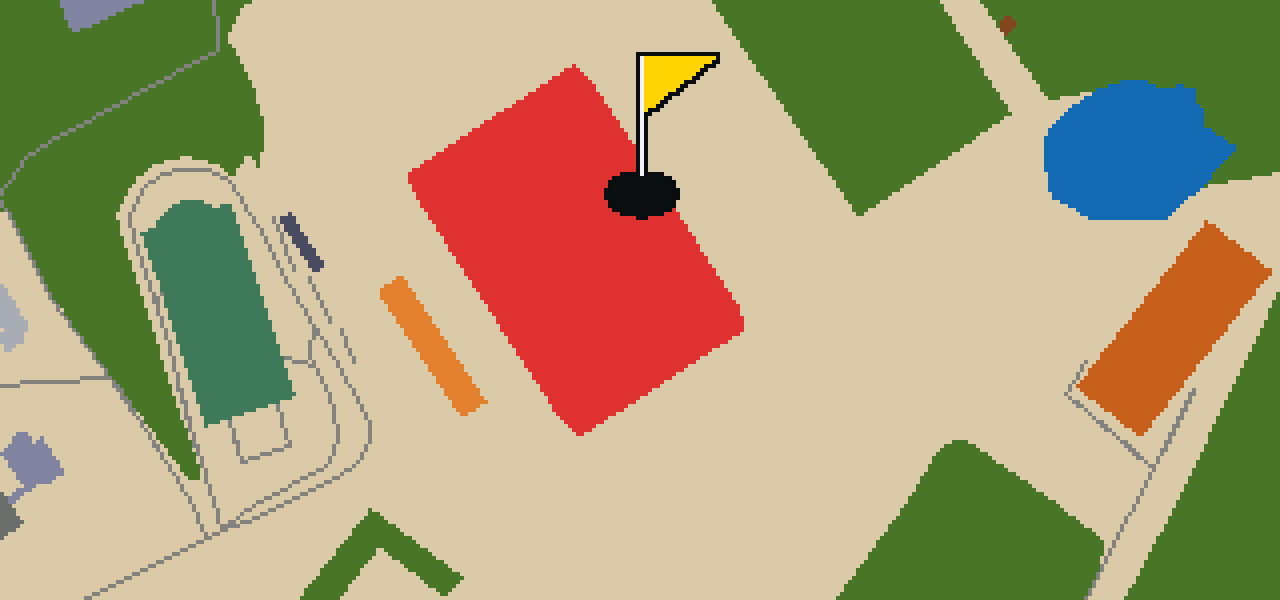
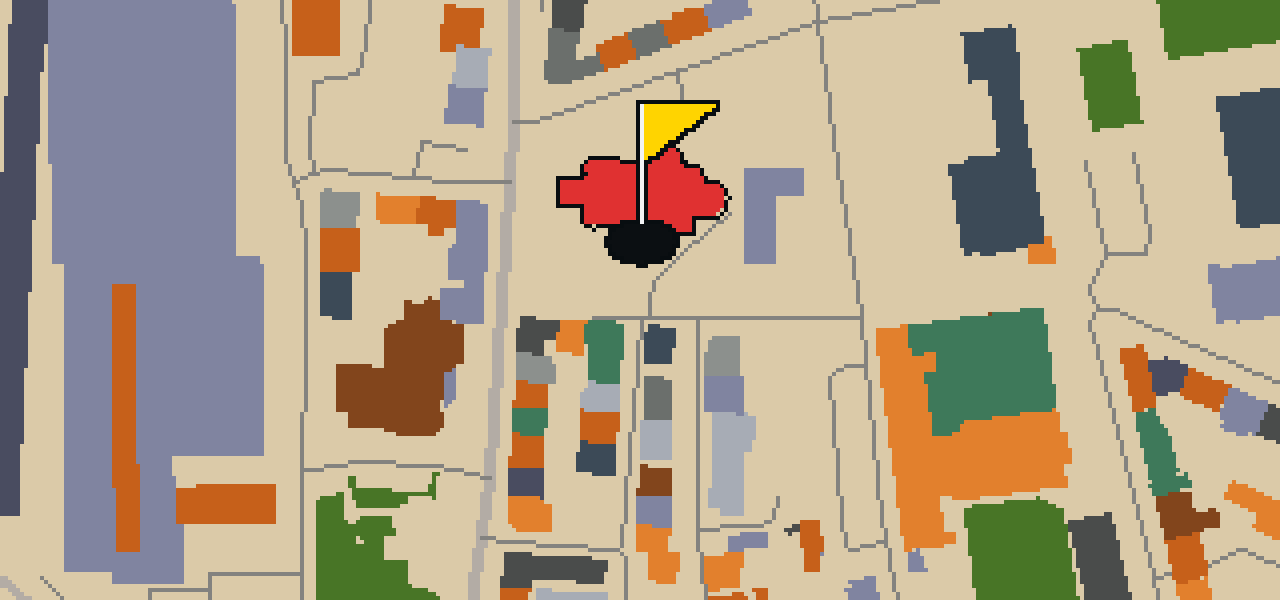
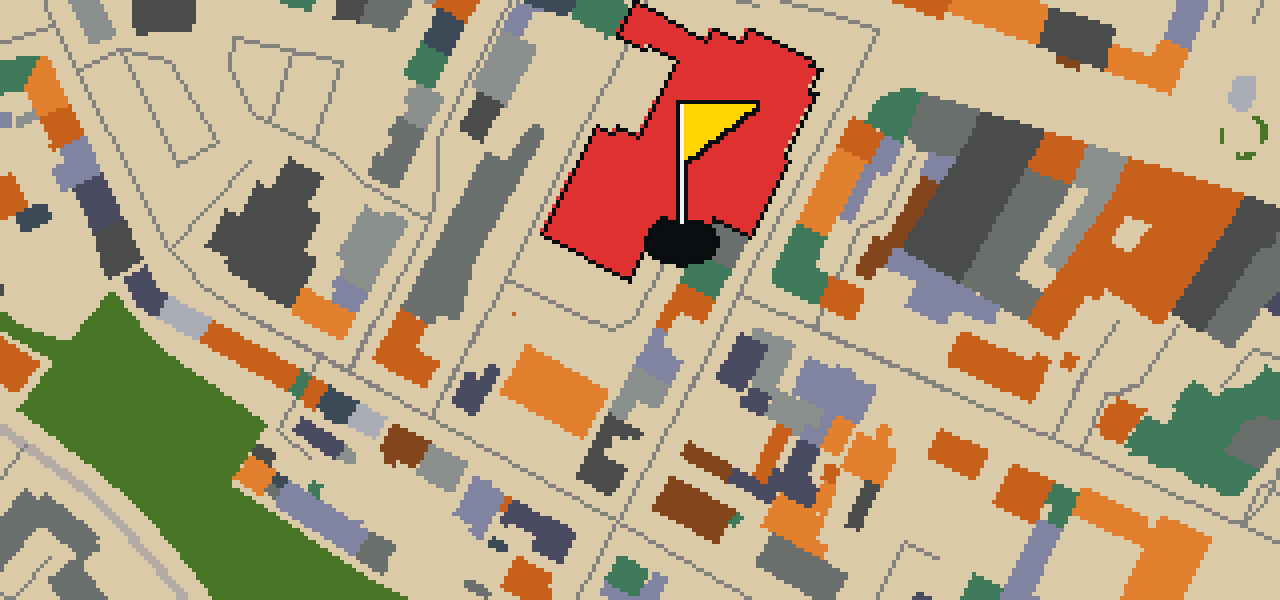
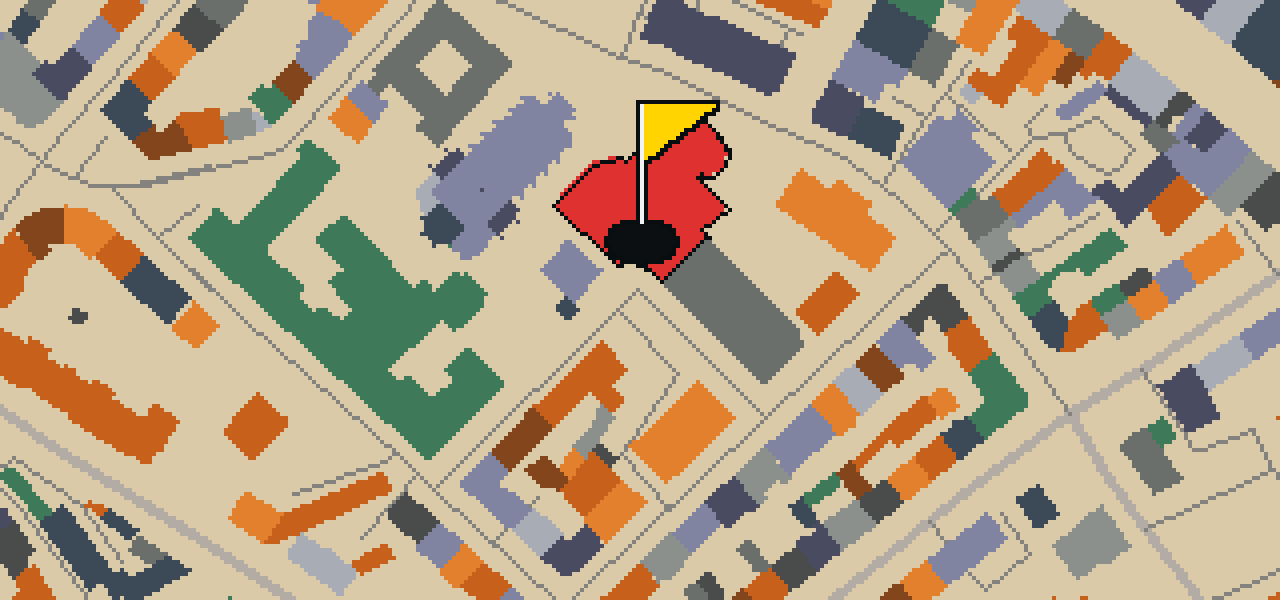
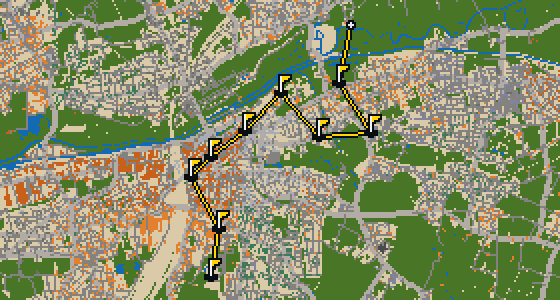
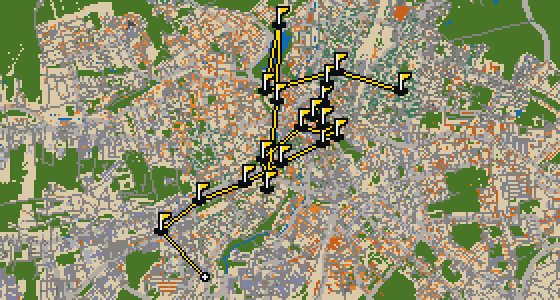
Hagen - 9 stops - par 31

The ball ends its journey at the Stadtgarten. This course uses the real streets of Hagen as the map, with the city's actual attractions forming the holes. A quick round of 9 holes covers 7.6 km, using 8 portals to bridge the gaps between distant districts. Skip knows every curb and cobblestone here, having spent plenty of time watching the world go by from the eaves.

Trouble loading? Open the game in its own tab.

HOW IT WORKS

01

Pick a city

The course is drawn on the real street grid, so the map you play is the map you walk.

02

Putt to the pin

Drag to aim, release to swing. Buildings bounce and water costs you a stroke.

03

Sightsee between strokes

Every hole ends at an attraction. Sink the putt, read the story, walk to the next tee.

THE HAGEN ROUND - STOP BY STOP

HOLE 1 - PAR 2

St. Elisabeth

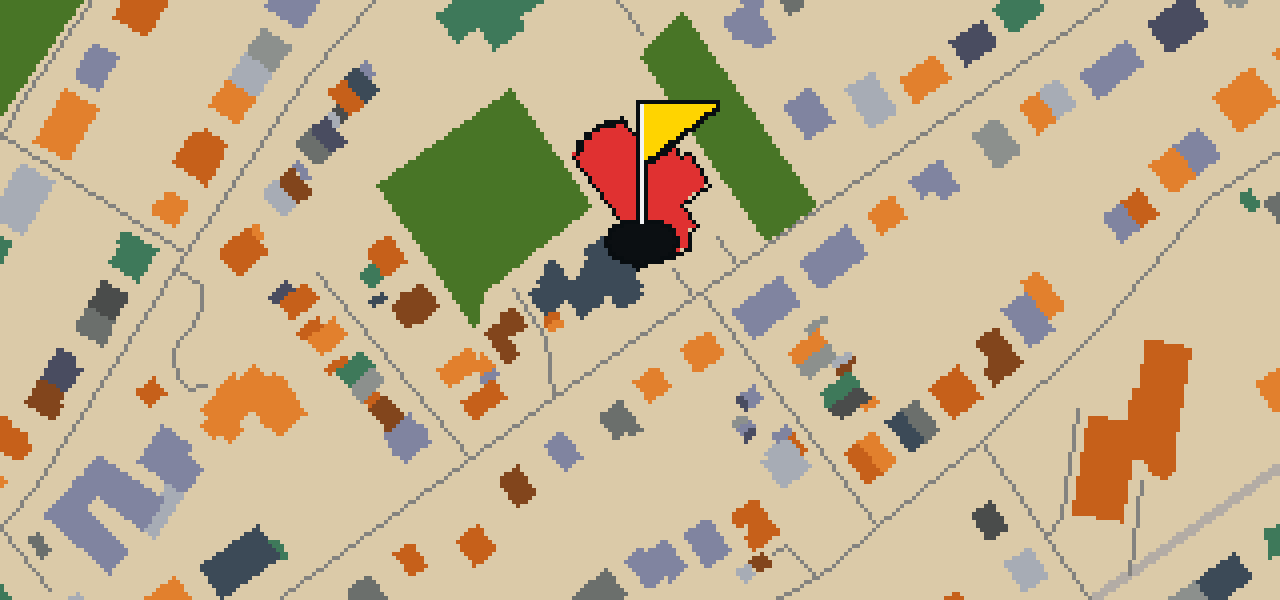
Situated in the city of Hagen, St. Elisabeth is a church building. This site is significant for its baroque revival style, which defines the appearance of the structure. It is also designated as an architectural heritage monument, ensuring that its specific design and historical value are preserved for the public to see. When you visit this part of the city, you can observe the detailed characteristics of the baroque revival influence on the building's exterior. This church stands as a notable example of the architectural heritage found throughout the region, providing a clear look at the stylistic choices made during its construction. It remains a focal point for those interested in the intersection of religious architecture and heritage preservation within the urban landscape of Hagen.

Wikidata

HOLE 2 - PAR 4

Matthäuskirche

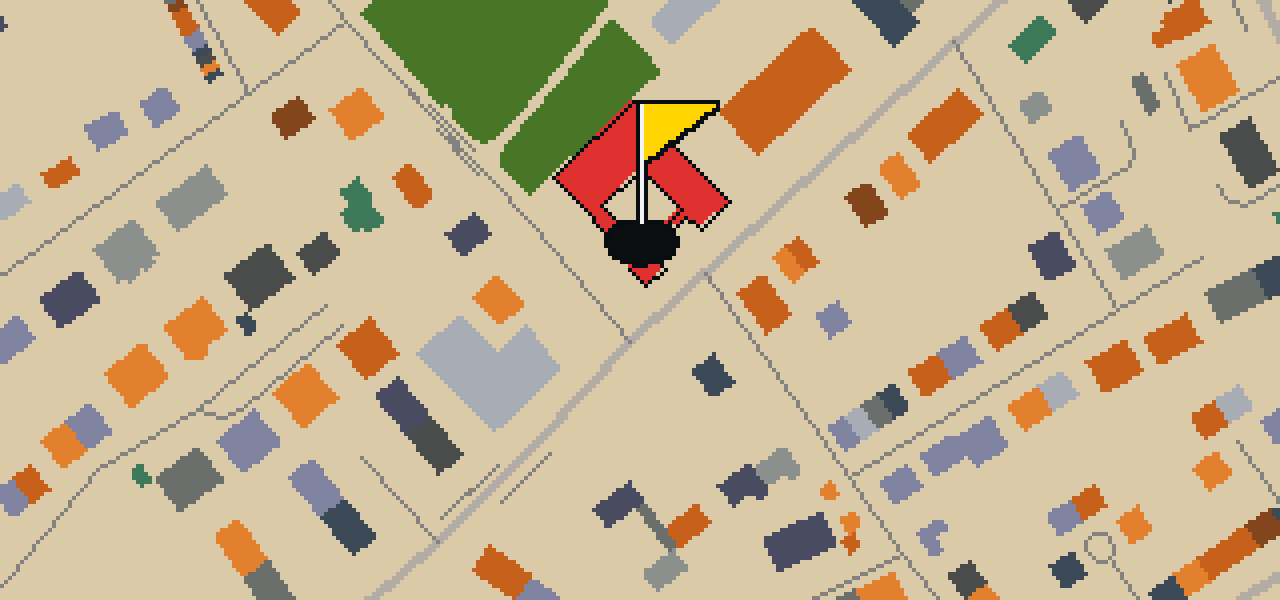
Look closely at the sharp angles and the functional form of the exterior. These specific design choices identify Matthäuskirche as a building designed in the style of modern architecture. As you look at the whole structure, you can see how it differs from older, more ornate styles of religious buildings. This church building is a significant example of how modern architectural principles were applied to places of worship. It provides a stark contrast to traditional designs, focusing instead on the clarity and simplicity of the modern movement. Whether you are interested in the history of the city or the evolution of building styles, this site is a clear example of a specific architectural era. It remains a place of worship and a point of interest for those studying the development of modern design in the region.

Wikidata

HOLE 3 - PAR 4

Ischelandstadion

Located in Hagen, Germany, Ischelandstadion is a multi-use stadium that anchors the local sporting scene. It is a significant site for athletics and football in the area, as it is used as the stadium for SSV Hagen matches. You can also find Türkspor Dortmund matches played here. The facility was started in 1926 and has a capacity of 16,500 spectators. Whether you are following a specific team or just passing through the neighborhood, the scale of the stands makes it a prominent landmark in the city. I've seen plenty of excited crowds gather here on match days, and it is always a sight to see the city come alive during a big game.

Wikidata · Wikipedia

HOLE 4 - PAR 4

St. Josef

Located in Hagen, St. Josef is a church building that holds a significant place in the local environment. Visitors to the city can identify it as an architectural heritage monument, reflecting the design and craftsmanship of its era. Beyond its local presence, it is officially recognized as a cultural heritage monument in North Rhine-Westphalia. This status ensures the preservation of its physical structure and its history for future generations. Whether you are passing through the neighborhood or specifically seeking out the city's landmarks, this building is a key point of interest for those appreciating the region's preserved architecture. It remains a steady presence in the city, offering a glimpse into the historical building standards of the state.

Wikidata

HOLE 5 - PAR 3

Stadttheater Hagen

In the city of Hagen, North Rhine-Westphalia, Germany, you will find the Hagen Theatre. This performance venue is a central spot for the arts, where the community gathers for musical theatre, ballet, and plays. If you are visiting with a family, they offer specific programming for children and young people, and the building also hosts concerts by the Philharmonic Orchestra Hagen. Beyond the performances, the Stadttheater Hagen is an opera house designed by architect Ernst Vetterlein. It is recognized as an architectural heritage monument, making the building itself as much of an attraction as the shows on stage. I've noticed the crowd here always seems to dress up just a bit more than they do at the street markets.

Wikidata · Wikipedia

HOLE 6 - PAR 4

Karl-Ernst-Osthaus Museum

Let me show you the Karl-Ernst-Osthaus Museum. This art museum in Hagen is an architectural heritage monument characterized by its Art Nouveau architecture. The building was founded in 1902 and was designed by architect Henry van de Velde. You can pick out the specific intent behind the structure, as van de Velde designed the interior to house Karl Ernst Osthaus' art collection. It is a bit unusual for a museum, but the building did serve as offices for the local electric company for a time. I find it a great spot to admire how the building itself is as much of a piece of art as the works inside. It is a wonderful example of how a space can be crafted to fit the treasures it holds.

Wikidata · Wikipedia

HOLE 7 - PAR 3

Bismarckturm Hagen

Let me show you the Bismarckturm Hagen. This Bismarck tower reaches a height of 24 meters and is recognized as an architectural heritage monument in North Rhine-Westphalia. When you look at the build, you can pick out the specific style used by the architect, Wilhelm Kreis. It is a sturdy presence in the city, built to honor a specific historical figure. I've found that the height makes it a great spot for seeing the surrounding area, though I usually prefer the view from a ledge. Whether you are interested in the regional history or just the silhouette it cuts against the sky, it is a significant stop on your way through Hagen.

Wikidata

HOLE 8 - PAR 4

Eugen-Richter-Turm

You will first notice the height of the Eugen-Richter-Turm, which reaches 23 meters into the air. This observation tower allows visitors to see the surrounding area from an elevated vantage point, making it a prominent feature of the local skyline. Beyond its function as a lookout, the tower is recognized as an architectural heritage monument, ensuring that its design and presence are preserved for future generations to appreciate. I find it a great spot to stretch your legs while taking in the local scenery from above. Whether you are visiting for the view or the history, it is a distinct landmark in Hagen that captures the attention of anyone passing by. It is the kind of place where you can really get a sense of the layout of the neighborhood.

Wikidata

HOLE 9 - PAR 3

Kulturzentrum Pelmke

As you move through the city of Hagen, you will come across Kulturzentrum Pelmke. This site is a cultural center that provides a space for the community. I always find that these kinds of spots are great for getting a feel for the local energy. Whether you are passing through or stopping to look around, it is a distinct point of interest in the neighborhood.

Wikidata

STOP 10

Stadtgarten

You might expect a dense woodland when looking for a getaway, but you will find the Stadtgarten instead. It is a park that provides a structured escape from the urban bustle of Hagen. The space had its inception in 1884, making it a long-standing fixture for those seeking a stroll through managed landscapes. I find it is a great spot to watch the world go by while keeping your feet on a paved path. Whether you are visiting for the first time or just passing through on a game, the garden offers a classic example of late nineteenth-century urban planning. It remains a central point for relaxation and fresh air in the city.

Wikidata

OTHER COURSES

9 HOLES - PAR 33

Hamm

9 stops

This quick nine-hole round covers 7.4 km across Hamm. The map is the real city and the ball rolls along its actual streets, using portals to skip between districts. Local attractions like Schloss Heessen are the foundations for the holes. Skip knows every curb and cobblestone here, even if a few crumbs usually distract the guide.

18 HOLES - PAR 53

Kassel

18 stops

Kassel is the setting for this round, where the map follows the actual city and the ball rolls across its real streets. The holes are built from the city's actual attractions, ending at the Spitzhacke. Skip knows these sidewalks well and is the local guide. This is a full round of 18 holes with a par of 53, covering a walk of 9.7 km. The ball moves between distant districts using 12 portals.

9 HOLES - PAR 29

Oberhausen

9 stops

Banking a ball off the stone of Schloss Broich requires a steady wing and a soft touch. This round takes place on the real streets of Oberhausen, where the city map is the course. The holes are built from actual local attractions, and Skip knows every crack in the pavement. A quick 9-hole round covers 6 km, with 14 portals to keep the ball moving.

18 HOLES - PAR 57

Delsberg

18 stops

Banking a ball off the stone facades of the Roter Turm requires a steady wing and a bit of luck. This round takes place in Delsberg, where the map is the real city and the game is played on its actual streets. The holes are built from real attractions, turning the urban layout into a course. I know these sidewalks well and can be the local guide. It is a full round of 18 holes with a par of 57, covering a 12.1 km walk that uses 10 portals.

18 HOLES - PAR 57

Chemnitz

18 stops

This is Chemnitz. The map is the real city and the round is played on its real streets, where the actual attractions are what the holes are built from. Skip knows these roads well, even the ones where the pigeons congregate. A full round of 18 holes covers 12.1 km with a par of 57, using 10 portals to skip across town. The ball banks off facades and rolls toward landmarks like the Roter Turm.

FAQ

Is it free to play?

Yes. Every course runs in the browser with no account and no install.

Do I need to be in the city?

No. The full round plays from anywhere. Walking the real route is a nice way to see the city, but it is not required.

Are the maps real?

Yes. The geometry comes from OpenStreetMap data, rendered chunky on purpose. Streets, water and parks sit where they really are.