
WIESBADEN - 18 HOLES - FREE

WIESBADEN
CITY MAP MINIGOLF

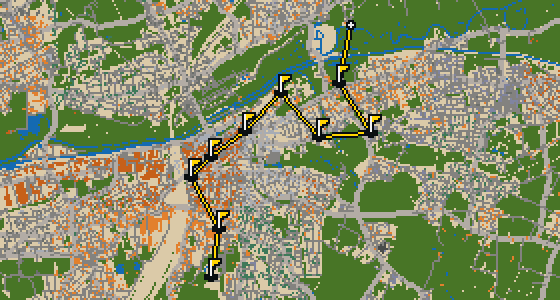
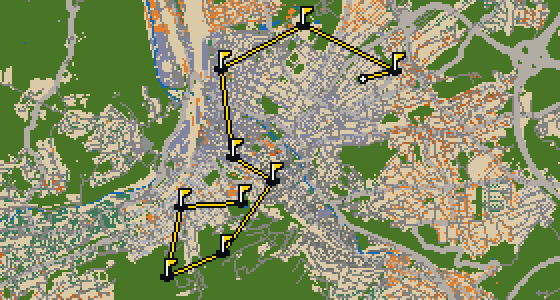
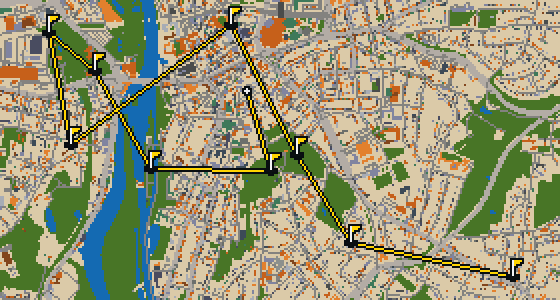
Wiesbaden - 18 stops - par 58

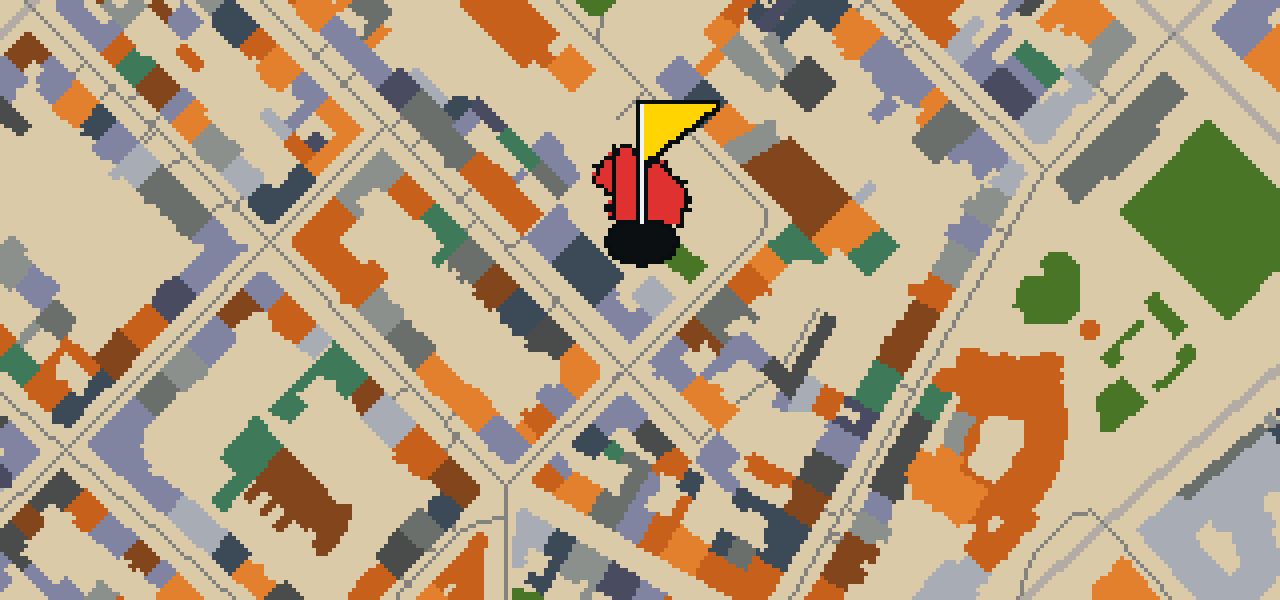
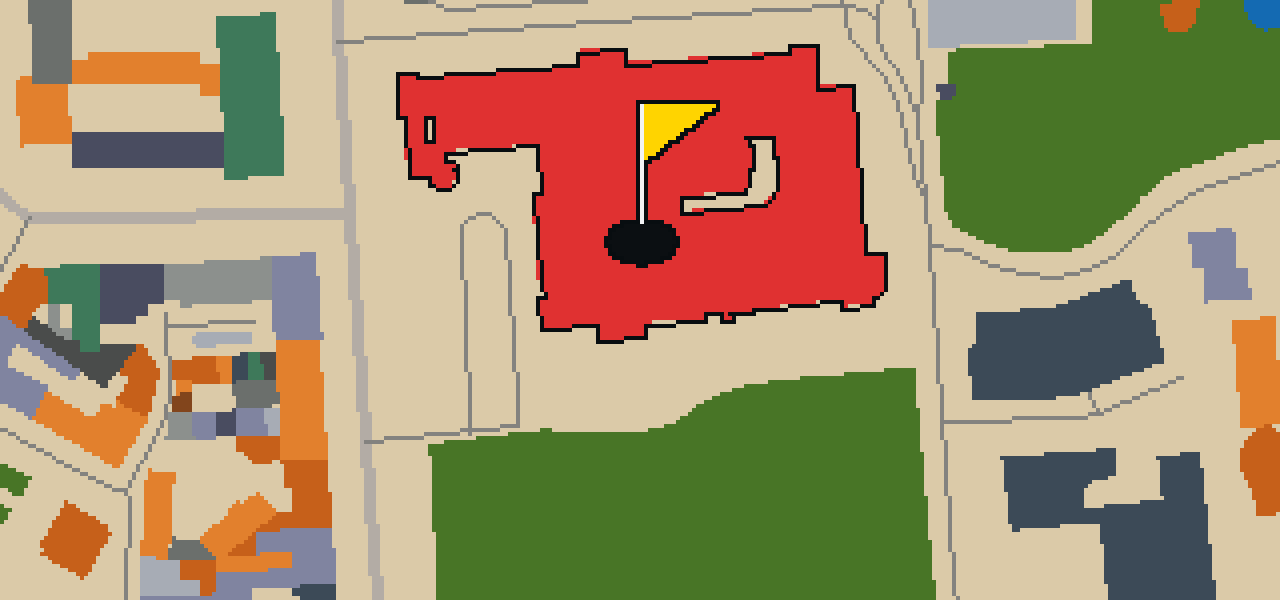
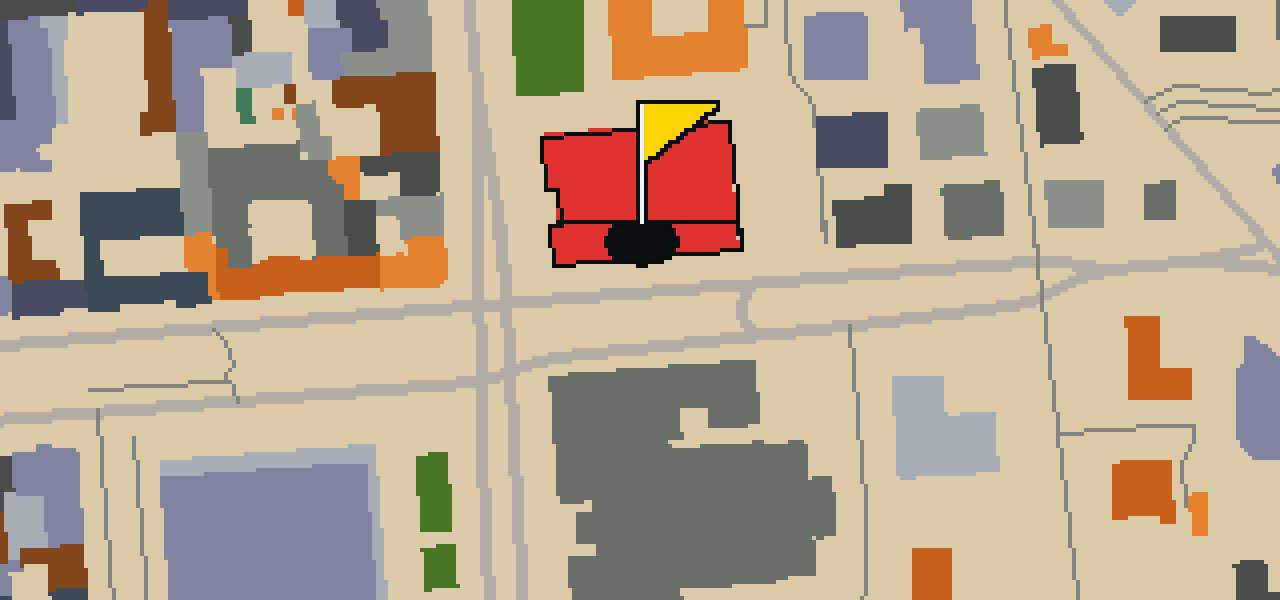
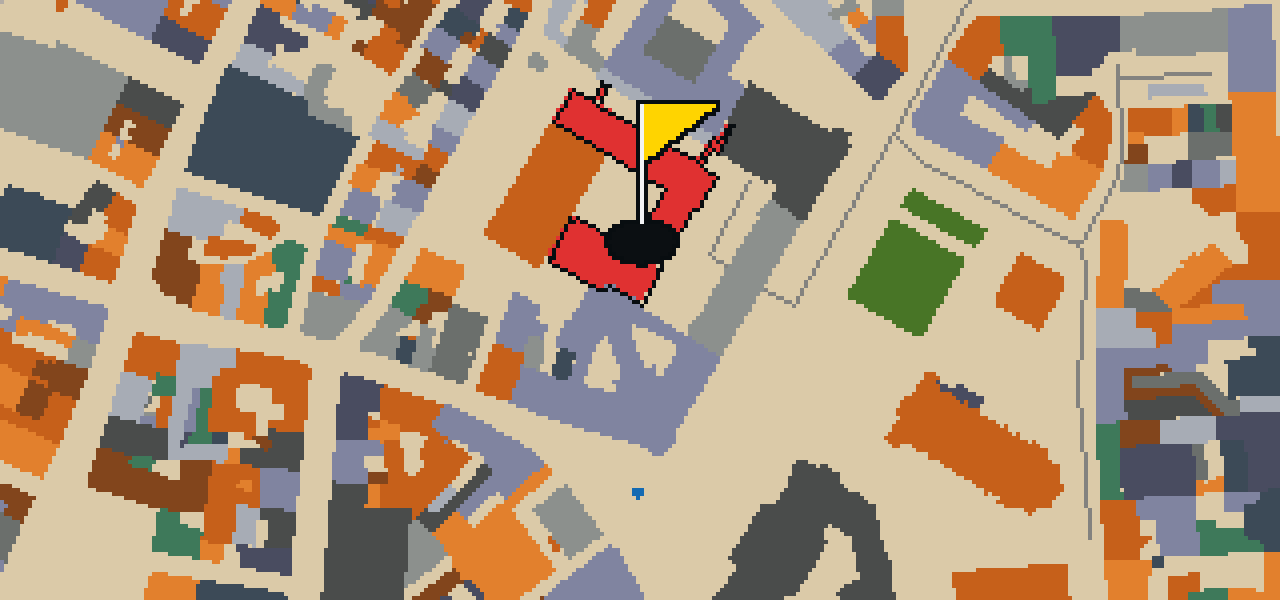
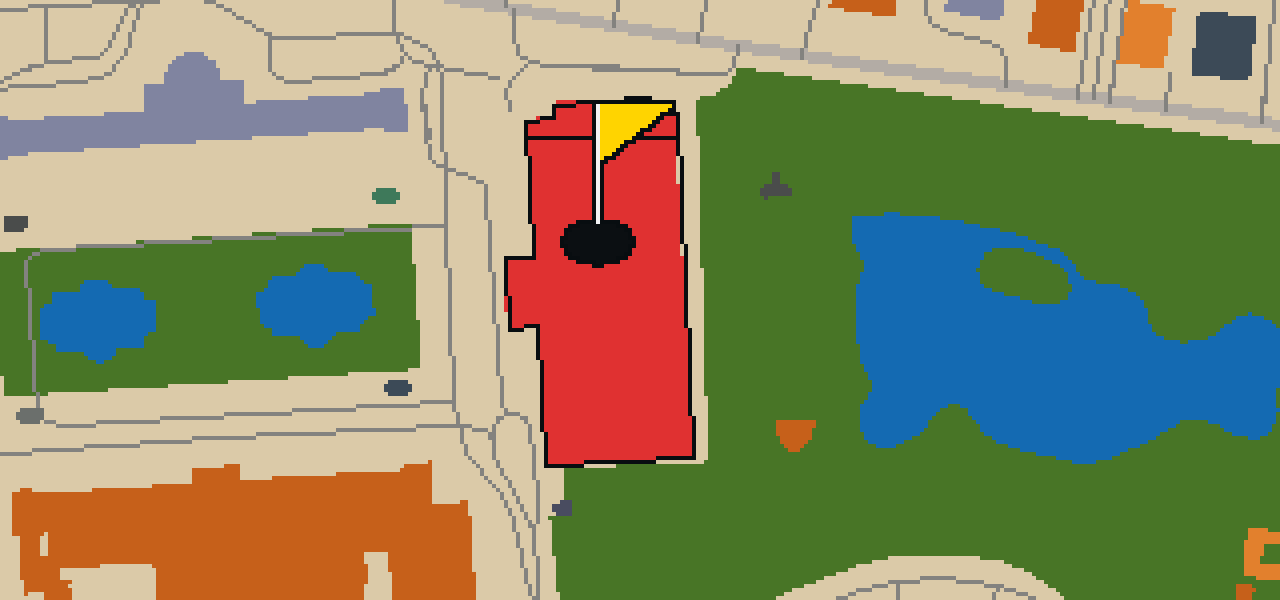
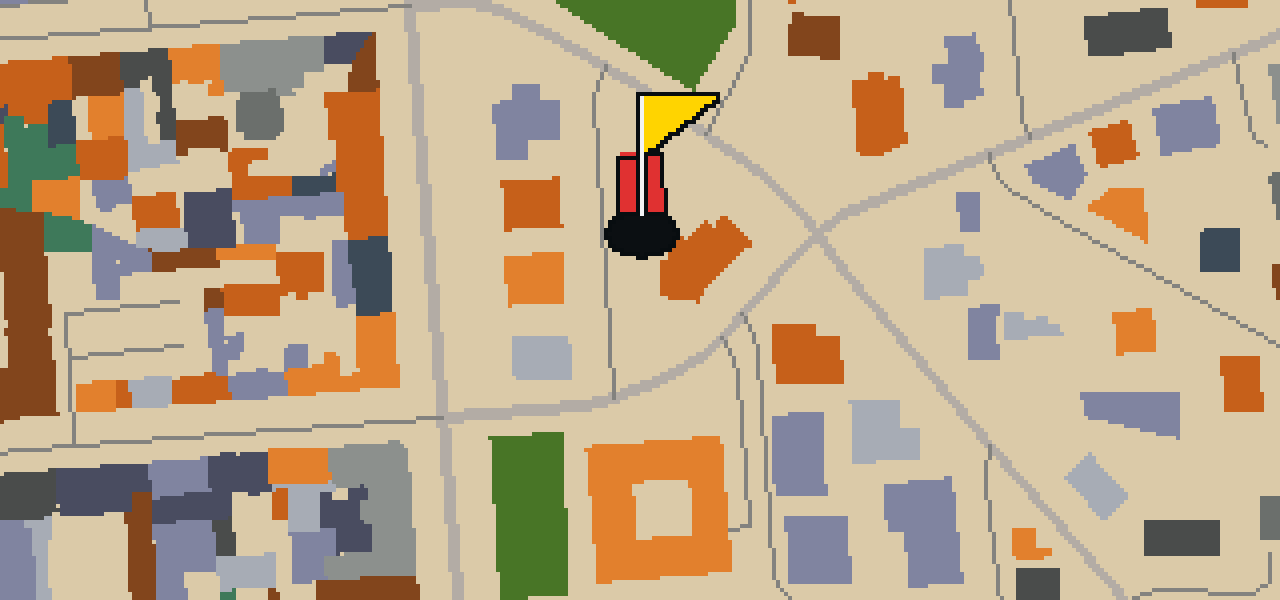
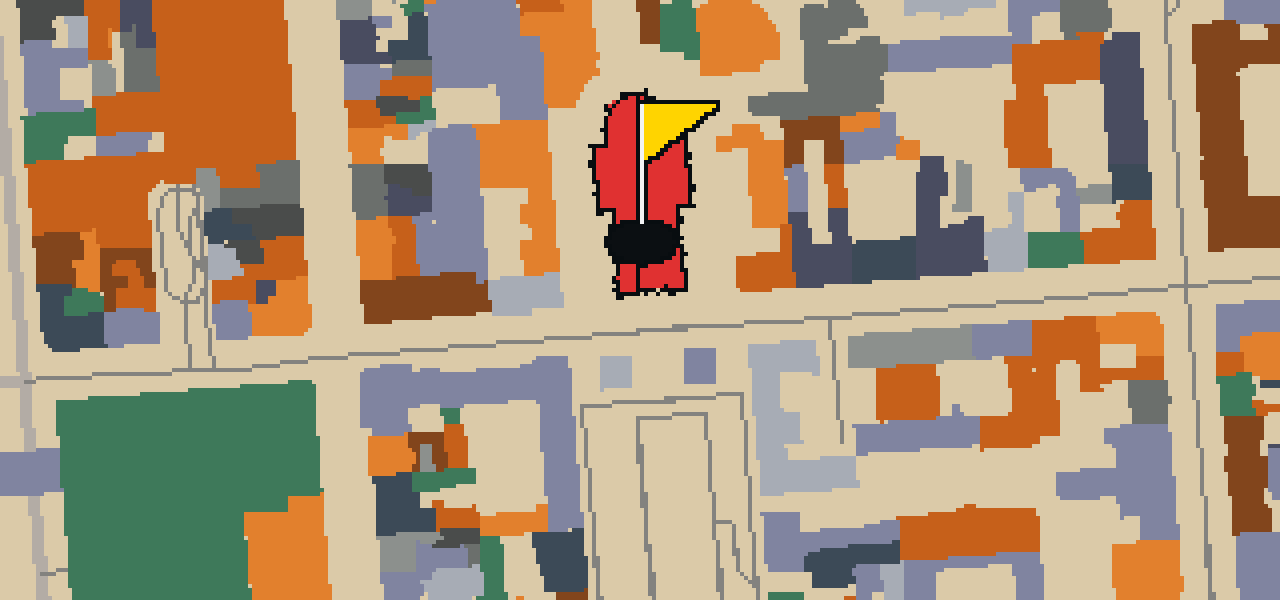
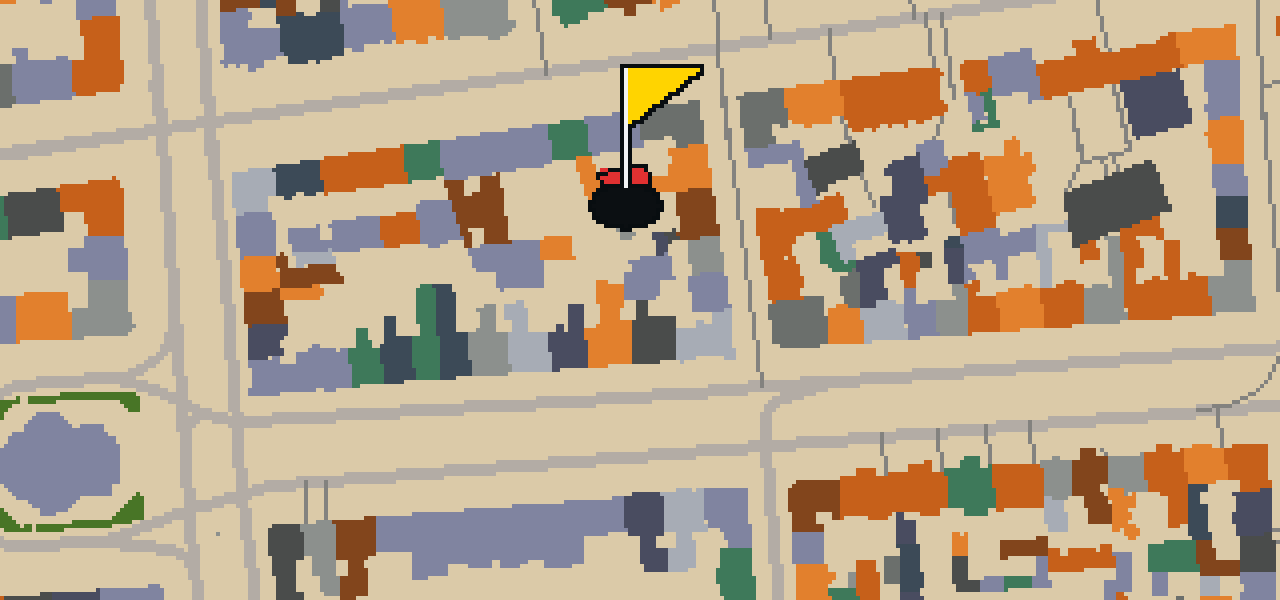
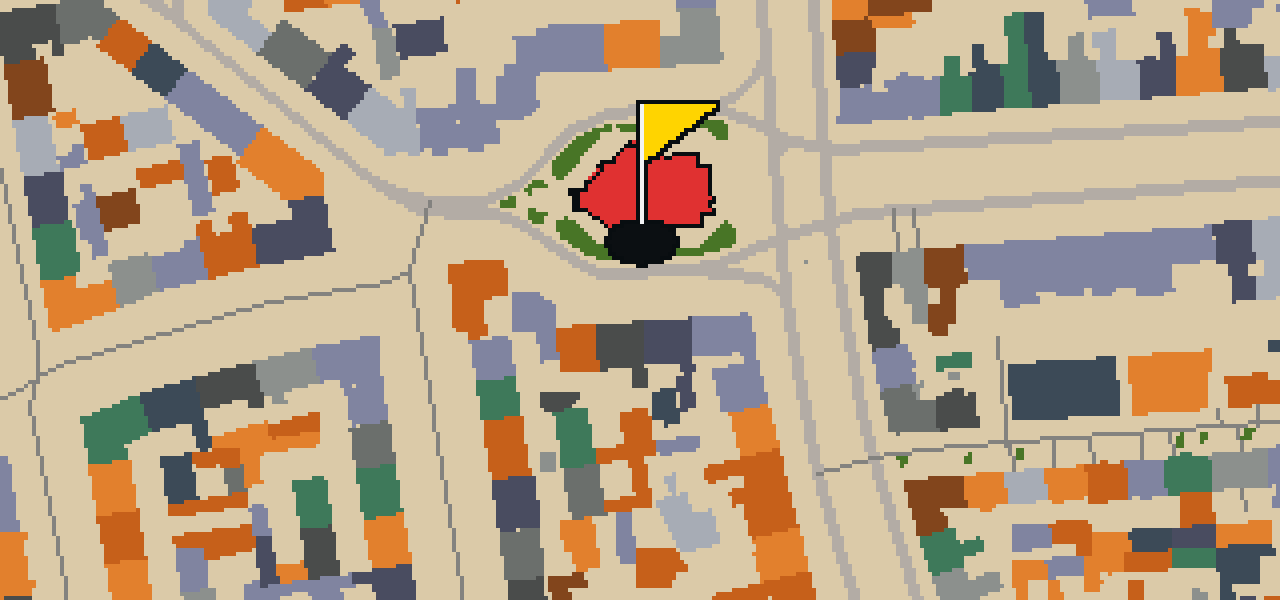
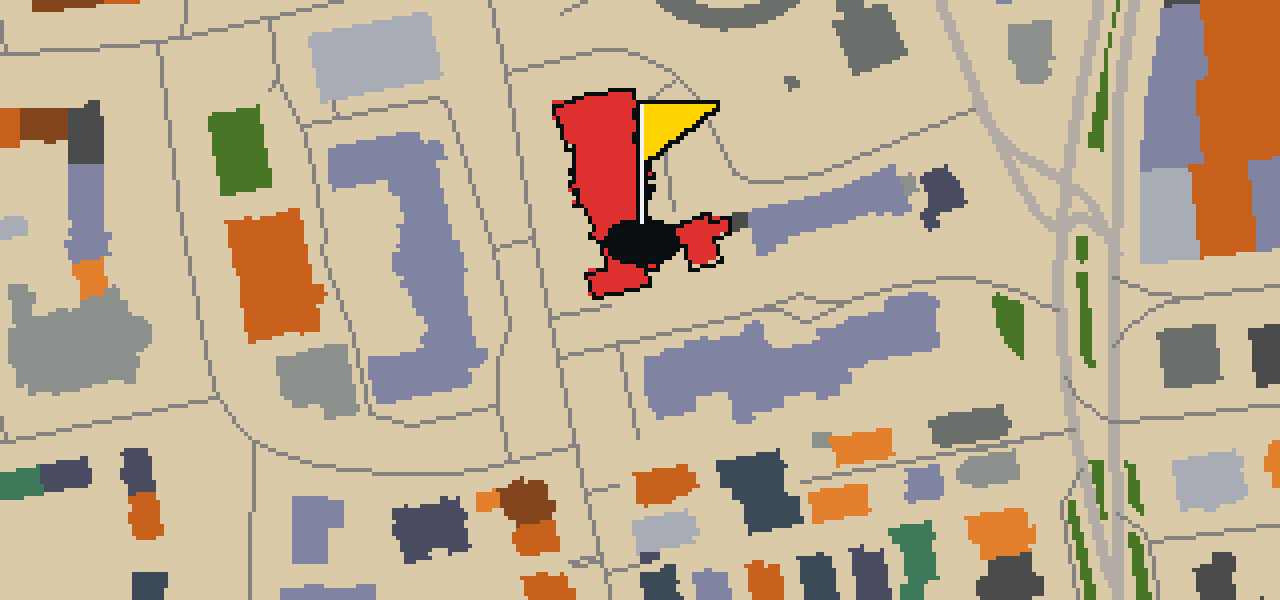
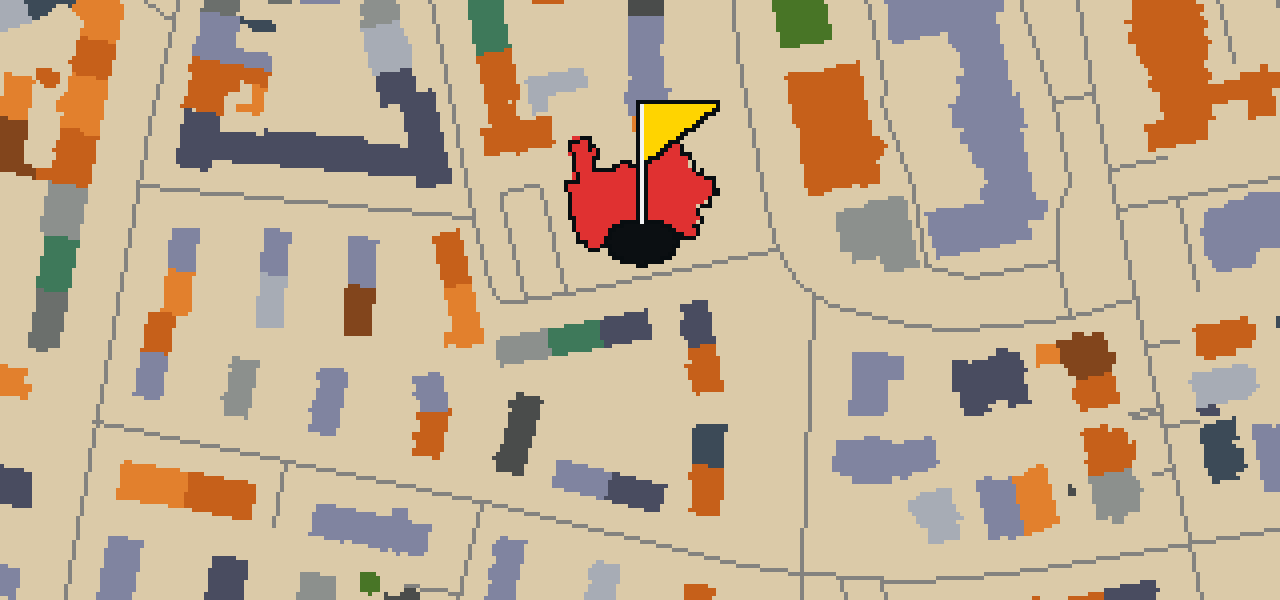
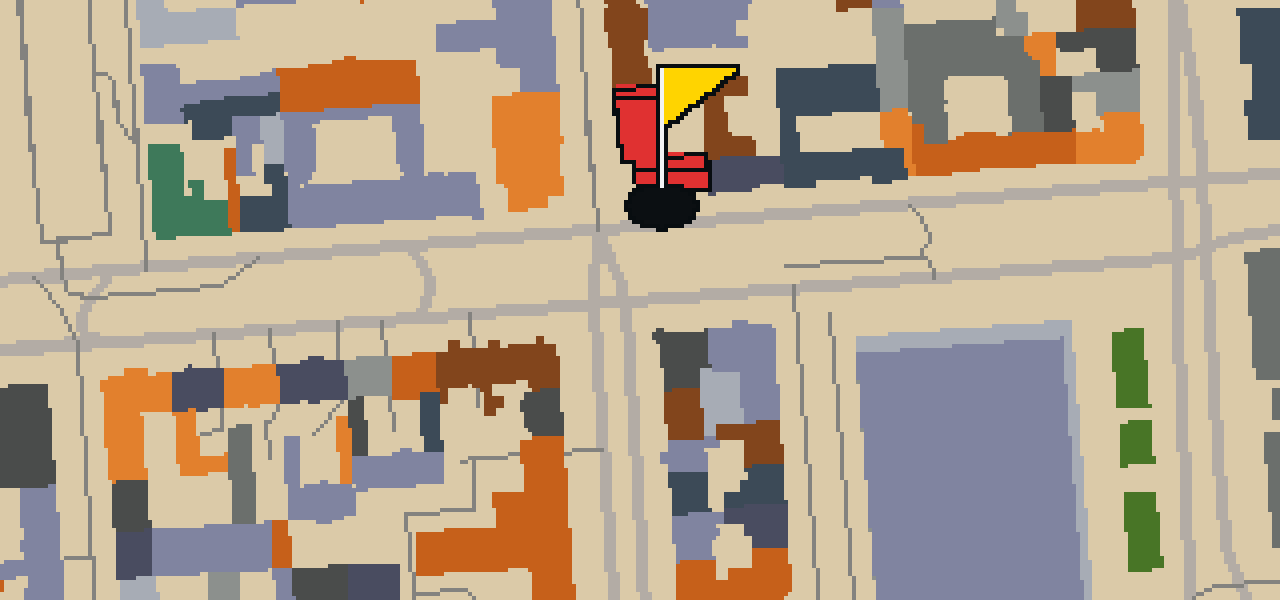
Wiesbaden is the setting for this round, with the map mirroring the actual city and the ball rolling across its real streets. The holes are built from local attractions, ending at the Goethewarte. This is a full 18-hole round covering 12.2 km, with 14 portals to help the ball skip between distant districts. I know every corner of these pavements and every ledge where the crumbs are best, acting as the local guide for the walk.

Trouble loading? Open the game in its own tab.

HOW IT WORKS

01

Pick a city

The course is drawn on the real street grid, so the map you play is the map you walk.

02

Putt to the pin

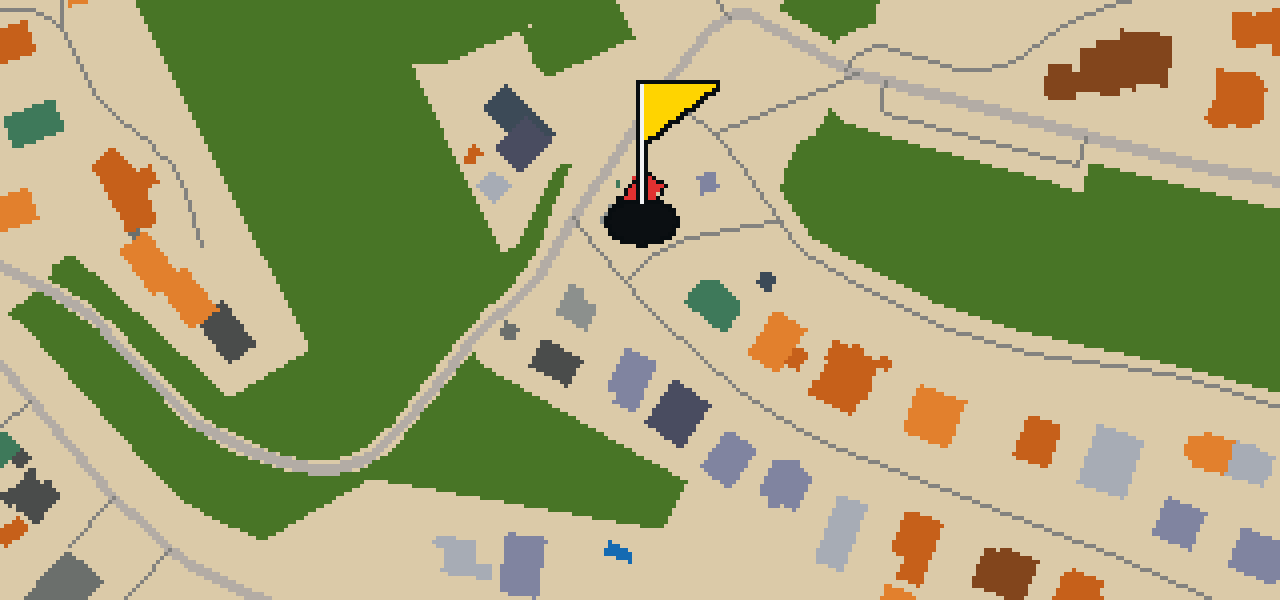
Drag to aim, release to swing. Buildings bounce and water costs you a stroke.

03

Sightsee between strokes

Every hole ends at an attraction. Sink the putt, read the story, walk to the next tee.

THE WIESBADEN ROUND - STOP BY STOP

HOLE 1 - PAR 3

Nerotal

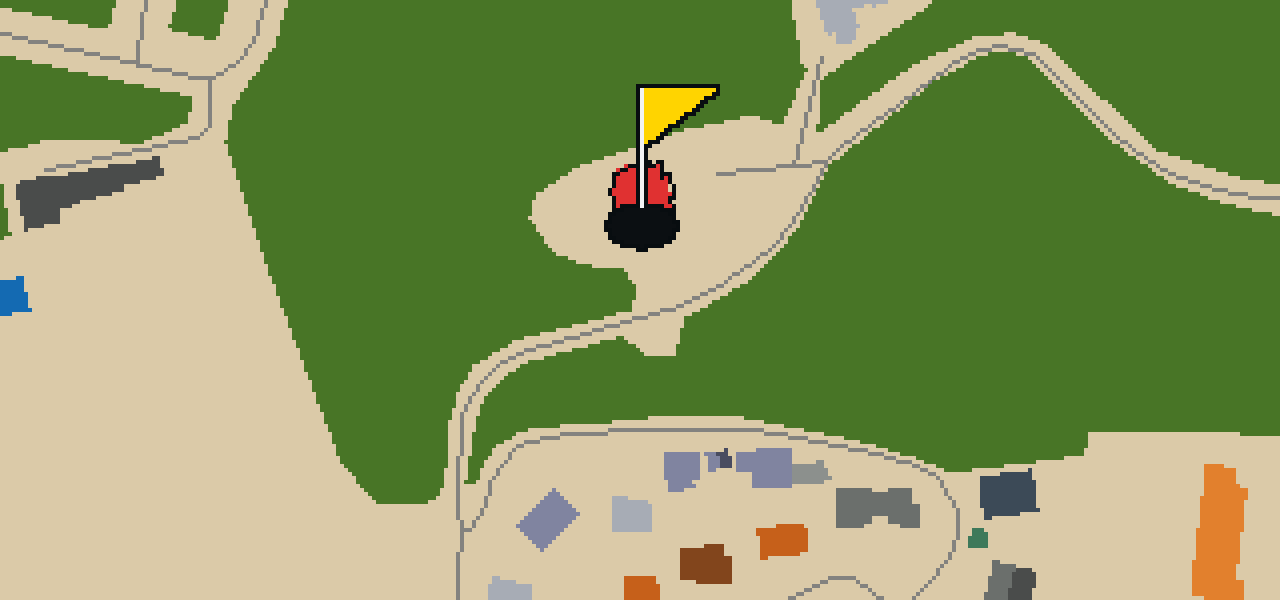
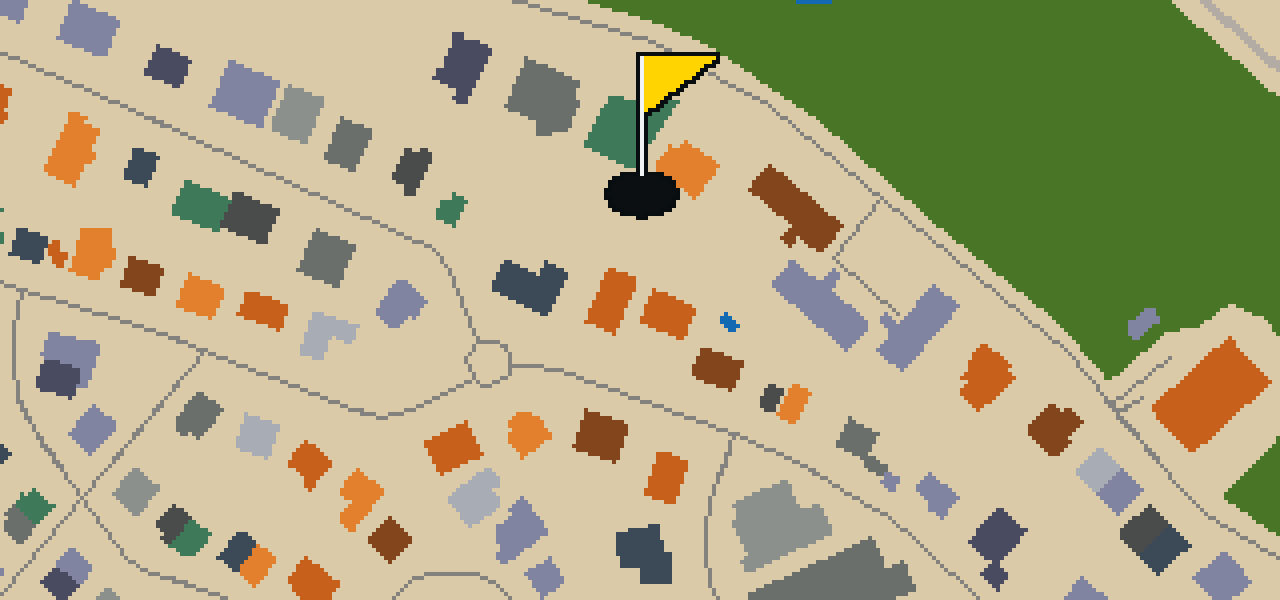
The Nerotal is a water-powered funicular railway in Wiesbaden. It is a railway line that links the city with the Neroberg hill to its north, providing a unique way to navigate the elevation. This site is designated as a Kulturdenkmal, marking its importance to the local heritage. For those visiting, the line has a station situated at the north of the Nerotalanlagen. I always enjoy seeing how the water-powered system operates to pull the cars up the slope. It is a great example of engineering that remains functional and useful for visitors today.
Wikidata · Wikipedia

HOLE 2 - PAR 3

Russisch-Orthodoxe Kirche der heiligen Elisabeth

On the Neroberg in Wiesbaden, you will find the Russisch-Orthodoxe Kirche der heiligen Elisabeth. This church building was started in 1847 and was designed by architect Philipp Hoffmann. It is a cultural heritage monument in Hesse and serves as the only Russian Orthodox church in the city. The site is noted for its connection to the Diocese of Germany in the Russian Orthodox Church Outside Russia, and it is situated next to a Russian cemetery which is the largest in Europe.

Wikidata · Wikipedia

HOLE 3 - PAR 4

Nerotalanlagen

The Nerotalanlagen is a park located in the north of Wiesbaden, below the Neroberg, along the stream valley of the Schwarzbach creek. It is an English landscape garden built in the 19th century and is recognized as a Kulturdenkmal. When you walk through the grounds, you can pick out a great variety of plants and several monuments. I find it a peaceful spot to stretch your wings away from the busier streets of Hesse, Germany. It is a wonderful place to see how the local greenery blends with the historic elements of the city.

Wikidata · Wikipedia

HOLE 4 - PAR 3

Bergkirche

The Bergkirche is a church building designed in the Gothic Revival style. Visitors will notice its distinct architecture, which was the work of the architect Johannes Otzen. Completed in 1879, it is one of four main Protestant churches located in Wiesbaden, the capital of Hesse, Germany. In addition to its role as a place of worship, the building serves as a concert venue for church music, making it a significant site for those interested in both the city's religious history and its musical traditions.

Wikidata · Wikipedia

HOLE 5 - PAR 3

Hessisches Staatstheater

You will find the Hessisches Staatstheater situated in Wiesbaden. This theatre building and opera house was inaugurated in 1894, featuring a style known as Historicism. It was designed by architects Hermann Helmer and Fellner & Helmer. Inside, the company produces a wide variety of performances including plays, operas, ballets, musicals and concerts on four stages. I can also tell you that they have their own resident orchestra, the Hessisches Staatsorchester. It is a grand spot to see the local arts scene in action.

Wikidata · Wikipedia

HOLE 6 - PAR 3

Museum Reinhard Ernst

The Museum Reinhard Ernst is an abstract art museum located in Wiesbaden, Germany. You can find it situated on the corner of Wilhelmstraße and Rheinstraße, just to the north of the Hesse Museum of Natural History and the Hesse Ministry of Finance building. This nonprofit organization had its inception in 2024 and was designed by architect Fumihiko Maki. I have noticed that the building's clean lines make it a great landmark for anyone navigating this part of the city, and it stands out as a fresh addition to the local area.

Wikidata · Wikipedia

HOLE 7 - PAR 3

Stadtschloss Wiesbaden

You will first notice the neo-classical facade of the Wiesbaden City Palace located in the center of Wiesbaden, Germany. Now used as a parliament building, the structure was completed in 1841. It is a three-story complex that contains 145 rooms. Long before it housed government proceedings, the palace was the principal city residence of the Dukes of Nassau. I find the scale of the place impressive, though I usually prefer the view from the roof where the wind is just right for a quick glide across the city center.

Wikidata · Wikipedia

HOLE 8 - PAR 3

Spielbank Wiesbaden

Let me show you the Spielbank Wiesbaden. This casino is a notable stop in the city and was designed by the architect Friedrich von Thiersch. It is a place where you can see the specific style of Thiersch's work while visiting the heart of town. I usually find the crowds here quite lively, which makes it a great spot for people-watching. Whether you are interested in the gaming or just the exterior of the building, it remains one of the more recognizable sights in the local area for any visitor.

Wikidata

HOLE 9 - PAR 3

St. Augustine’s of Canterbury

St. Augustine’s of Canterbury is an Anglican parish church located at Frankfurter Strasse 3 in Wiesbaden, Germany. The building was designed in the Gothic Revival style by city engineer Theodor Goetz, and Friedrich Lang also served as an architect for the project. The inception of St. Augustine’s of Canterbury was 1864, and the church was built in 1865. Named in honour of St Augustine of Canterbury, the church operates as a nonprofit organization. It remains a significant point of interest for those visiting the city and seeking the distinct architecture of the period.

Wikidata · Wikipedia

HOLE 10 - PAR 3

Sankt Bonifatius

The twin steeples of Sankt Bonifatius rise 68 m above the city of Wiesbaden. This church building is designed in the Gothic Revival style and was built from 1844 to 1849. Designed by architect Philipp Hoffmann, the structure is a cultural heritage monument in Hesse. The parish is part of the Diocese of Limburg. Visitors can observe the detailed masonry and the height of the spires, which characterize the building's presence in the local landscape of Germany.

Wikidata · Wikipedia

HOLE 11 - PAR 2

Frauen Museum Wiesbaden

Let me show you the Frauen Museum Wiesbaden. This women's museum was founded in 1984 and has been part of the city's cultural fabric since then. It focuses on the history and experiences of women, providing a dedicated space to explore their roles and achievements within society. If you are walking by, you can pick out the entrance to this long-standing local institution. I find the area around here quite pleasant for a stroll, and the museum remains a key point of interest for anyone wanting to learn more about the local community.

Wikidata

HOLE 12 - PAR 4

Ringkirche

The Ringkirche is a Protestant church in Wiesbaden. Visitors first notice its Romanesque Revival architecture style, a design chosen by architect Johannes Otzen. The church building was built between 1892 and 1894, though work started in 1894. Beyond its role as a place of worship, the building serves as a concert venue. It is officially recognized as a cultural heritage monument in Hesse. These features make the building a significant site for those exploring the local history and architecture of the region.

Wikidata · Wikipedia

HOLE 13 - PAR 2

Lutherkirche

The Lutherkirche is one of four main Protestant churches in Wiesbaden. It is a church building designed by Friedrich Pützer and built between 1908 and 1910. Visitors can notice the Art Nouveau architecture style used throughout the structure. Because of its historical and architectural value, it is a cultural heritage monument in Hesse. When you enter the building, you can find two organs. This site remains a significant part of the city's religious and cultural presence, offering a look at the design preferences of the early twentieth century.

Wikidata · Wikipedia

HOLE 14 - PAR 4

Dreifaltigkeitskirche

Dreifaltigkeitskirche is a church building that stands as a notable example of the Romanesque Revival architecture style. Because of its historical and architectural value, the building is officially recognized as a cultural heritage monument in Hesse. Visitors can observe the specific design elements characteristic of the revival movement in its facade and structure. As a protected landmark, it provides a glimpse into the regional heritage of the area, remaining a preserved part of the city's built environment for residents and visitors alike.

Wikidata

HOLE 15 - PAR 4

Menschen im Dialog

Let me show you the work of the artist behind Menschen im Dialog. They created this sculpture, which has been a part of the city since its inception in 2016. It is a welcoming addition to the local streets that visitors often stop to admire while exploring the area. I usually find the best views of the piece when the light hits it just right from my favorite perch above. It is a fine example of public art that brings a touch of creative spirit to the neighborhood for everyone to enjoy.

Wikidata

HOLE 16 - PAR 3

Friedenskirche

The Gothic Revival style defines the exterior of Friedenskirche. This church building is a notable site in Wiesbaden and was designed by the architect Max Schröder. The inception of the building was in 1900. Visitors can observe the specific design choices of the Gothic Revival movement in the structure's form and detailing, which were characteristic of the period. Max Schröder's work on this project provides a clear example of the architectural trends present in the city at the turn of the century.

Wikidata

HOLE 17 - PAR 4

Freizeitpark Alter Friedhof

Freizeitpark Alter Friedhof is a cemetery. This location is also a park. Visitors to the city can find the site here, where the grounds are open for those who wish to walk through the space. It is a place that functions as both a cemetery and a park, allowing people to experience the area as they move through the city.

Wikidata

HOLE 18 - PAR 4

Goethewarte

Let me show you the Goethewarte, which is an observation tower located here in Wiesbaden. This structure was built specifically for the purpose of observation, allowing people to climb up and see the surrounding landscape from a higher vantage point. When you look at the tower, you can see that it reaches a height of 13 meters. I think it is a wonderful spot for anyone wanting to get their bearings in the city. It is a simple but effective place to stop and take in the view before moving on to your next destination.

Wikidata

STOP 19

Kurpark

This isn't just a small patch of green; it is the Kurpark, a public park in the centre of Wiesbaden. It lies immediately behind the Kurhaus convention center and stretches from the Wilhelmstraße to the southern borders of the district of Sonneberg. Visitors can enjoy the scenery or head to the lake to rent boats. While you walk, look for the 6 metres tall fountain. I've found that the wide paths make it a great spot for a stroll, provided you don't mind sharing the view with a few of my cousins.

Wikidata · Wikipedia

OTHER COURSES

9 HOLES - PAR 33

Hamm

9 stops

This quick nine-hole round covers 7.4 km across Hamm. The map is the real city and the ball rolls along its actual streets, using portals to skip between districts. Local attractions like Schloss Heessen are the foundations for the holes. Skip knows every curb and cobblestone here, even if a few crumbs usually distract the guide.

18 HOLES - PAR 53

Kassel

18 stops

Kassel is the setting for this round, where the map follows the actual city and the ball rolls across its real streets. The holes are built from the city's actual attractions, ending at the Spitzhacke. Skip knows these sidewalks well and is the local guide. This is a full round of 18 holes with a par of 53, covering a walk of 9.7 km. The ball moves between distant districts using 12 portals.

9 HOLES - PAR 31

Hagen

9 stops

The ball ends its journey at the Stadtgarten. This course uses the real streets of Hagen as the map, with the city's actual attractions forming the holes. A quick round of 9 holes covers 7.6 km, using 8 portals to bridge the gaps between distant districts. Skip knows every curb and cobblestone here, having spent plenty of time watching the world go by from the eaves.

9 HOLES - PAR 29

Oberhausen

9 stops

Banking a ball off the stone of Schloss Broich requires a steady wing and a soft touch. This round takes place on the real streets of Oberhausen, where the city map is the course. The holes are built from actual local attractions, and Skip knows every crack in the pavement. A quick 9-hole round covers 6 km, with 14 portals to keep the ball moving.

18 HOLES - PAR 57

Delsberg

18 stops

Banking a ball off the stone facades of the Roter Turm requires a steady wing and a bit of luck. This round takes place in Delsberg, where the map is the real city and the game is played on its actual streets. The holes are built from real attractions, turning the urban layout into a course. I know these sidewalks well and can be the local guide. It is a full round of 18 holes with a par of 57, covering a 12.1 km walk that uses 10 portals.

FAQ

Is it free to play?

Yes. Every course runs in the browser with no account and no install.

Do I need to be in the city?

No. The full round plays from anywhere. Walking the real route is a nice way to see the city, but it is not required.

Are the maps real?

Yes. The geometry comes from OpenStreetMap data, rendered chunky on purpose. Streets, water and parks sit where they really are.