
ULM - 18 HOLES - FREE

ULM
CITY MAP MINIGOLF

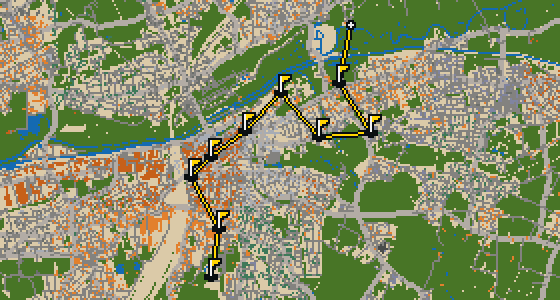
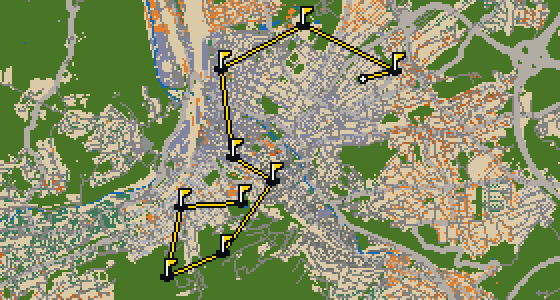
Ulm - 18 stops - par 55

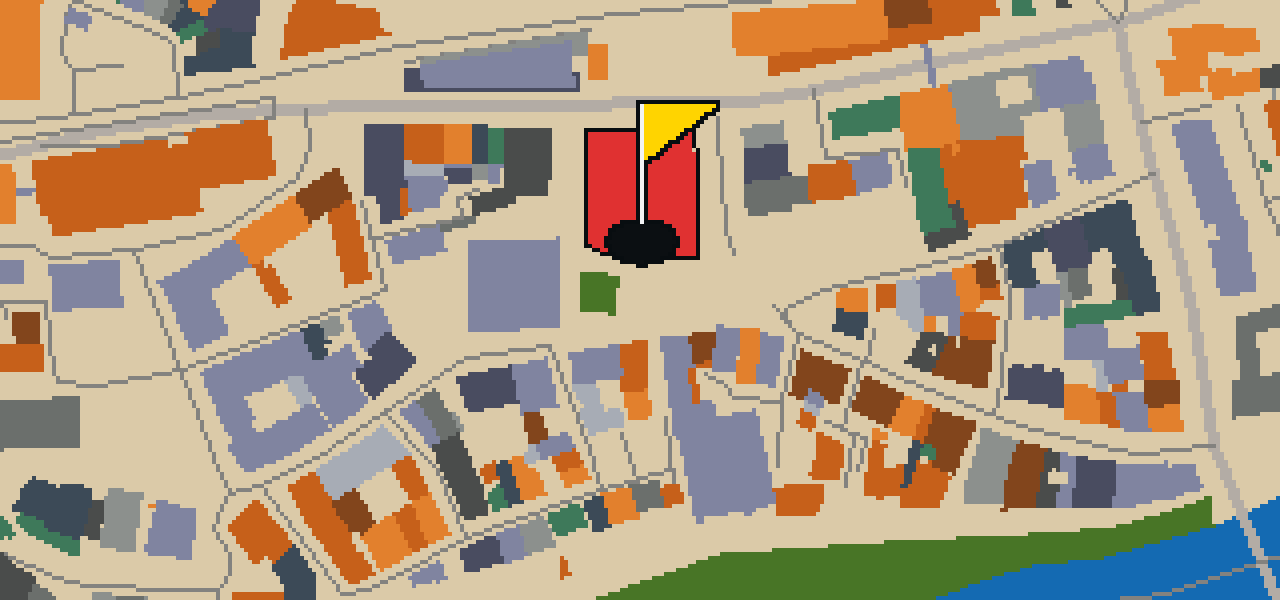
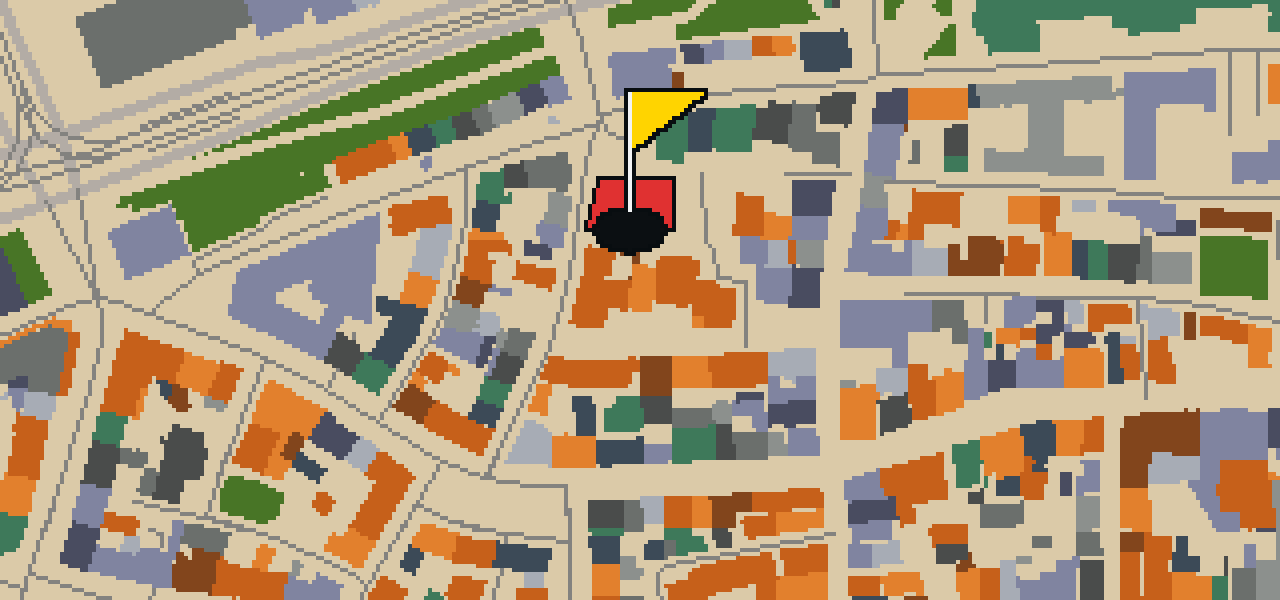
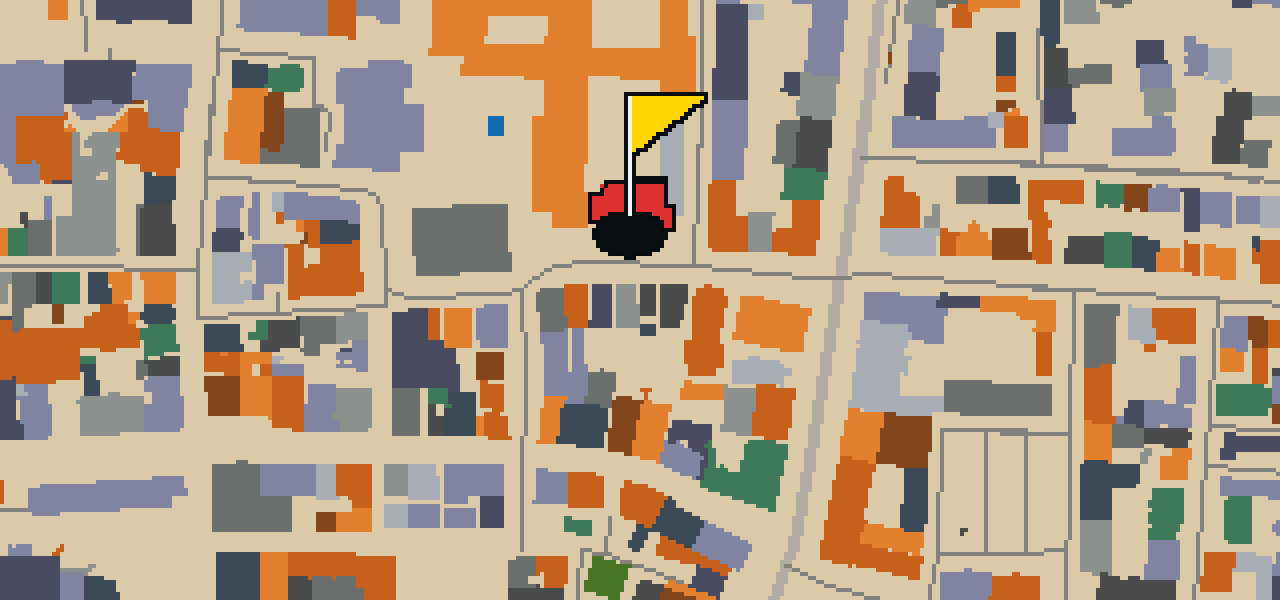
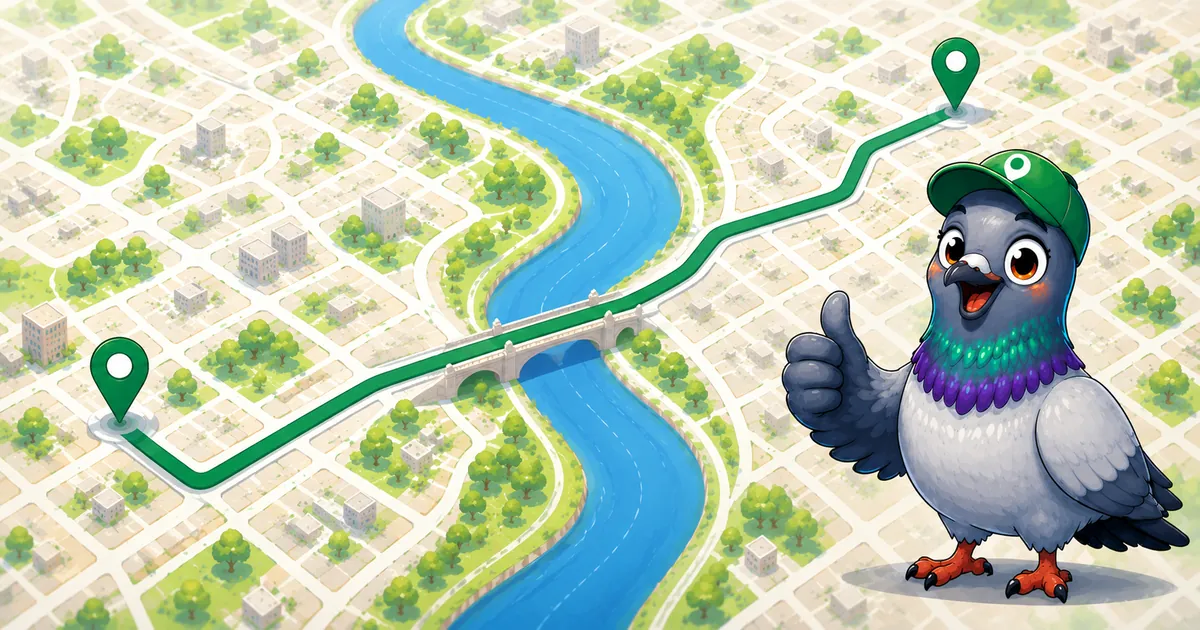
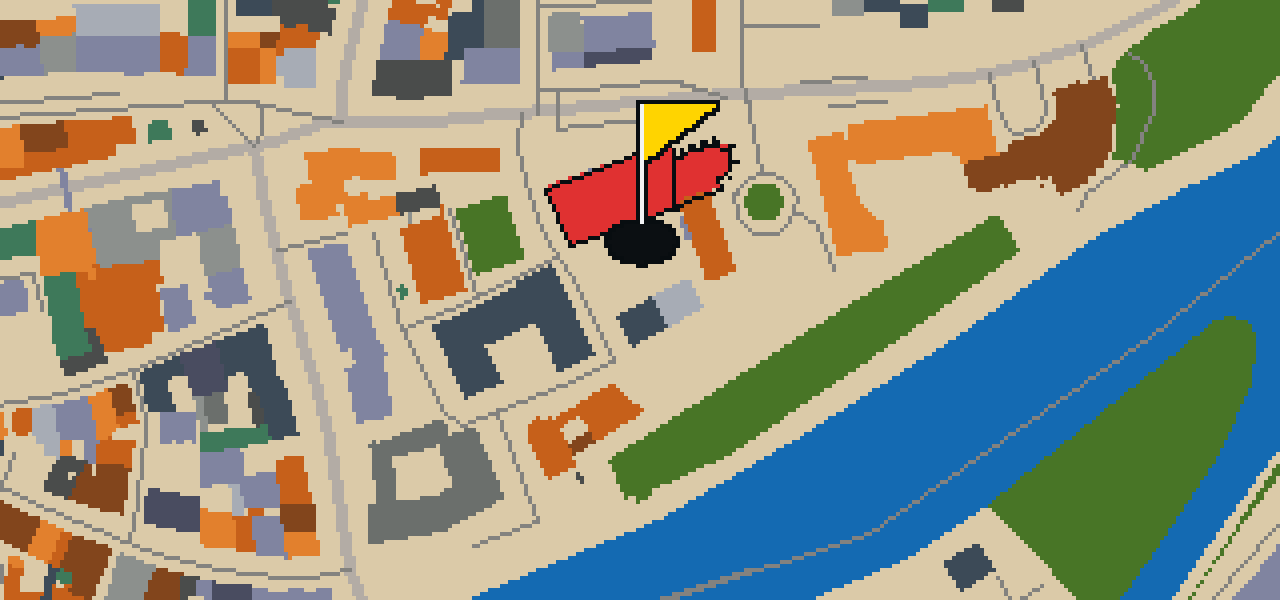
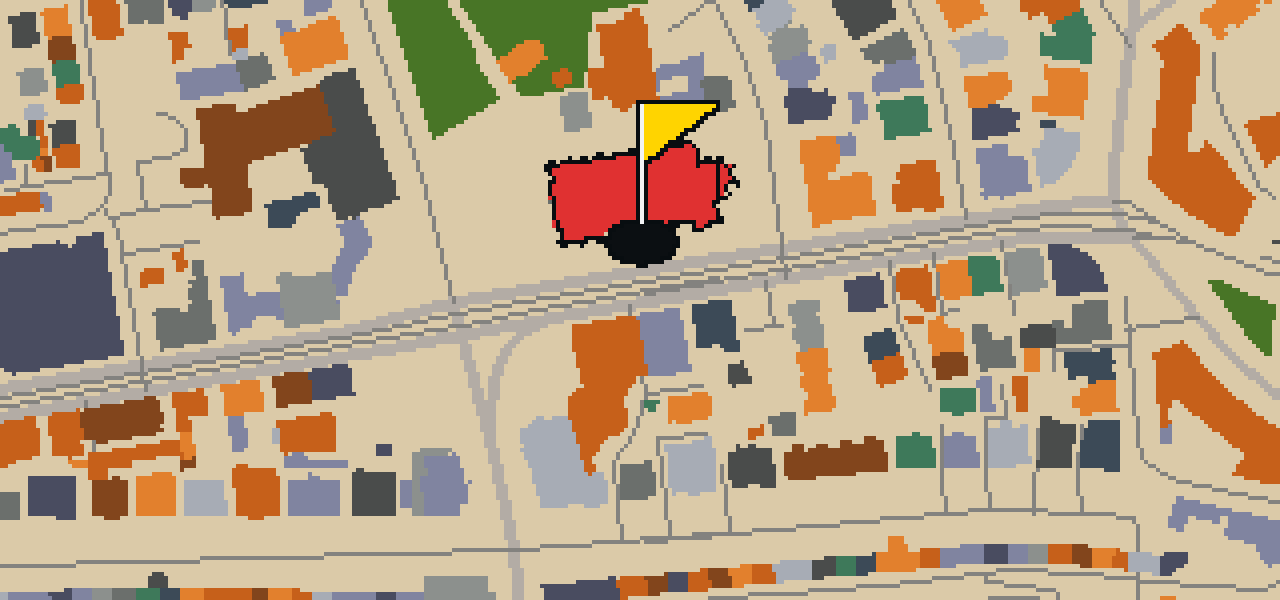
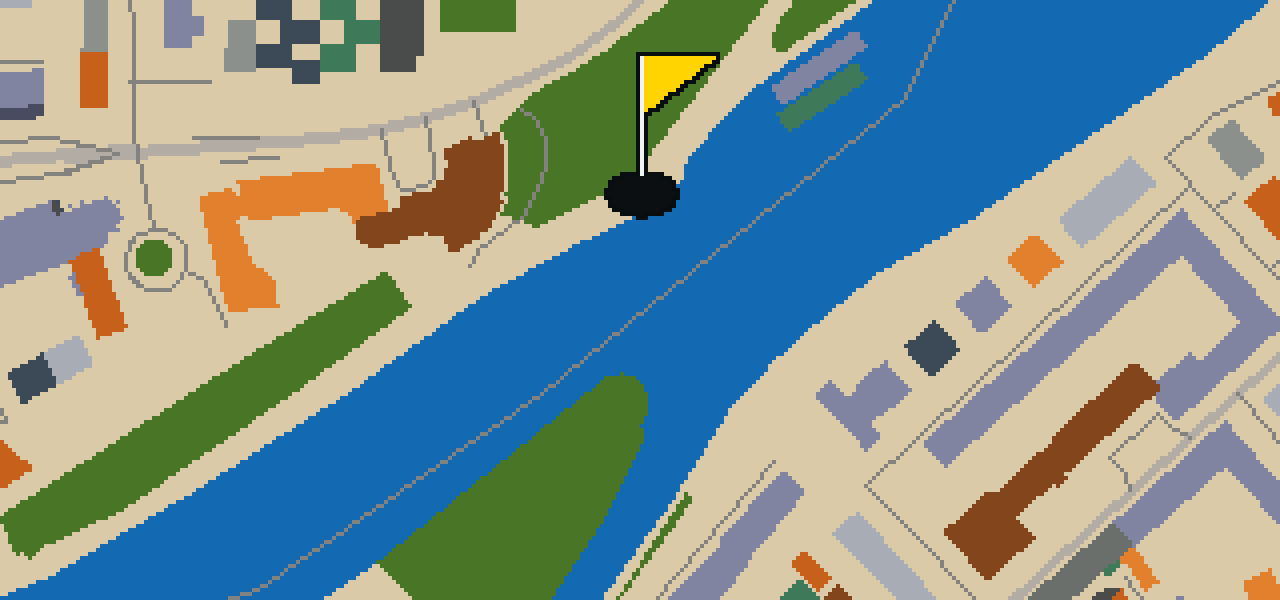
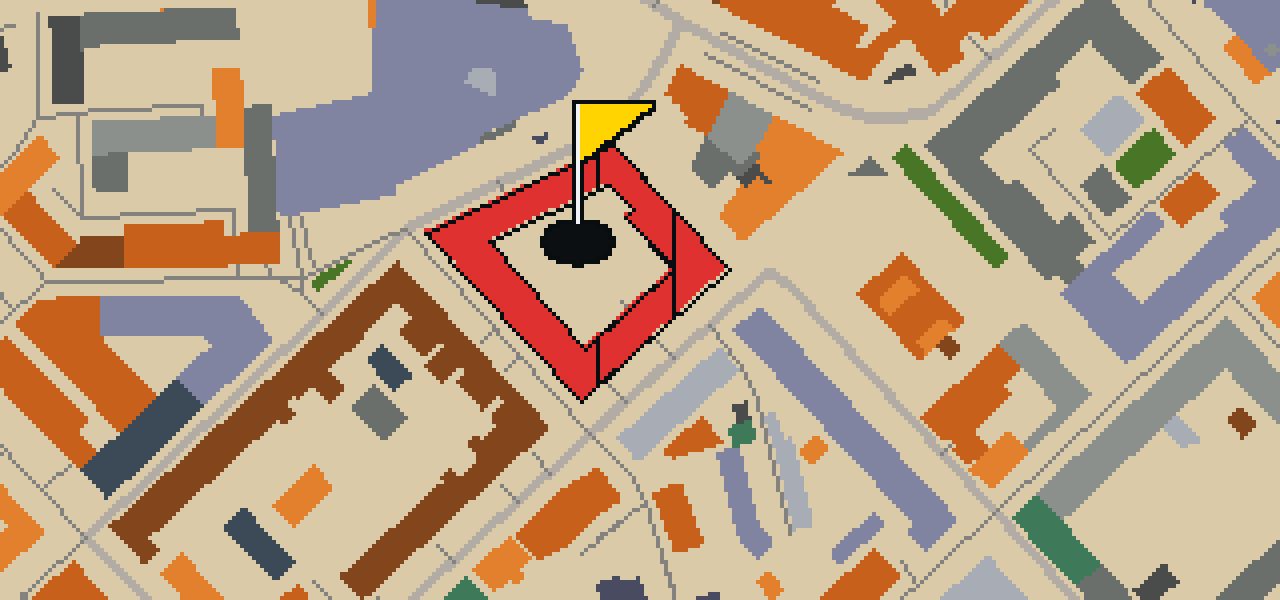
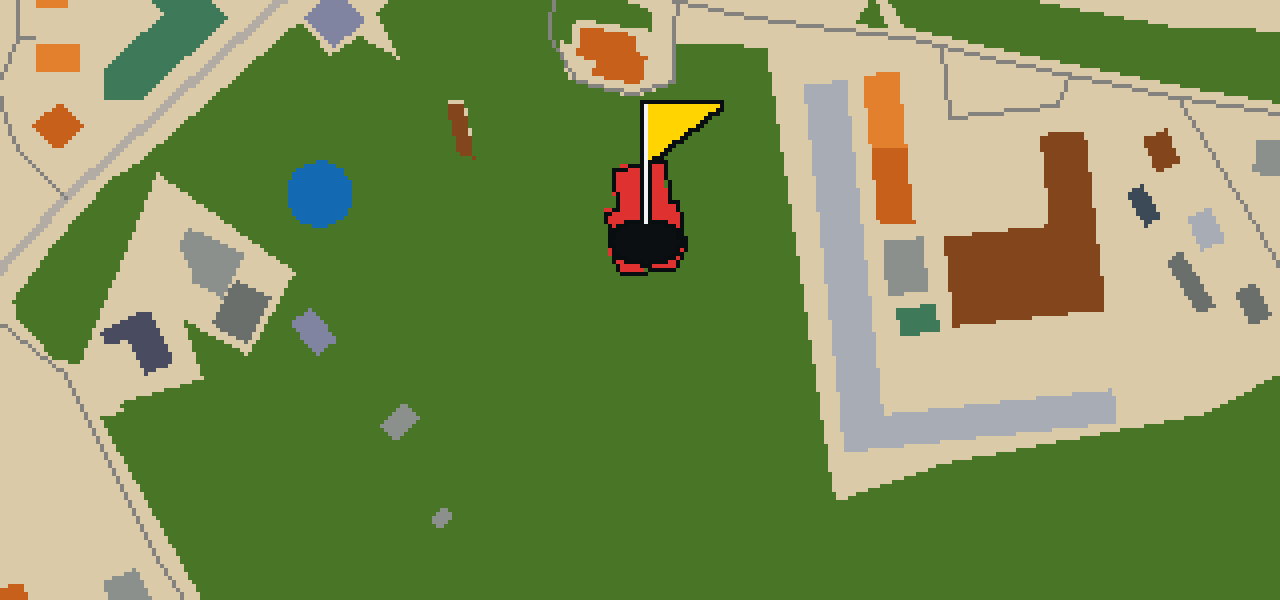
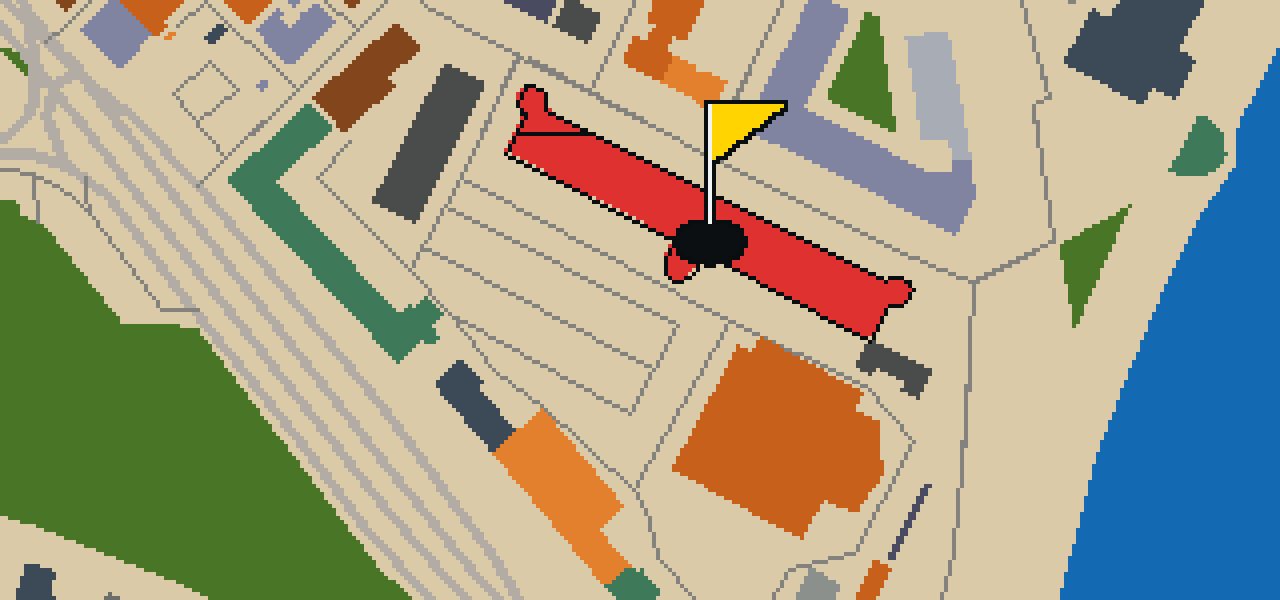
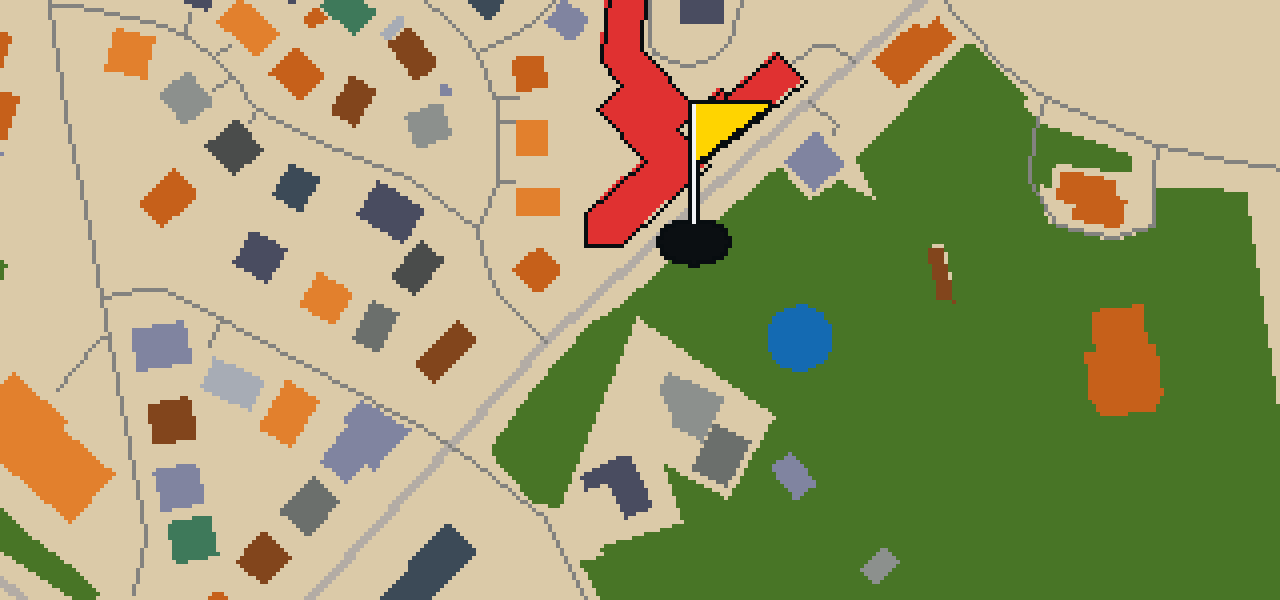
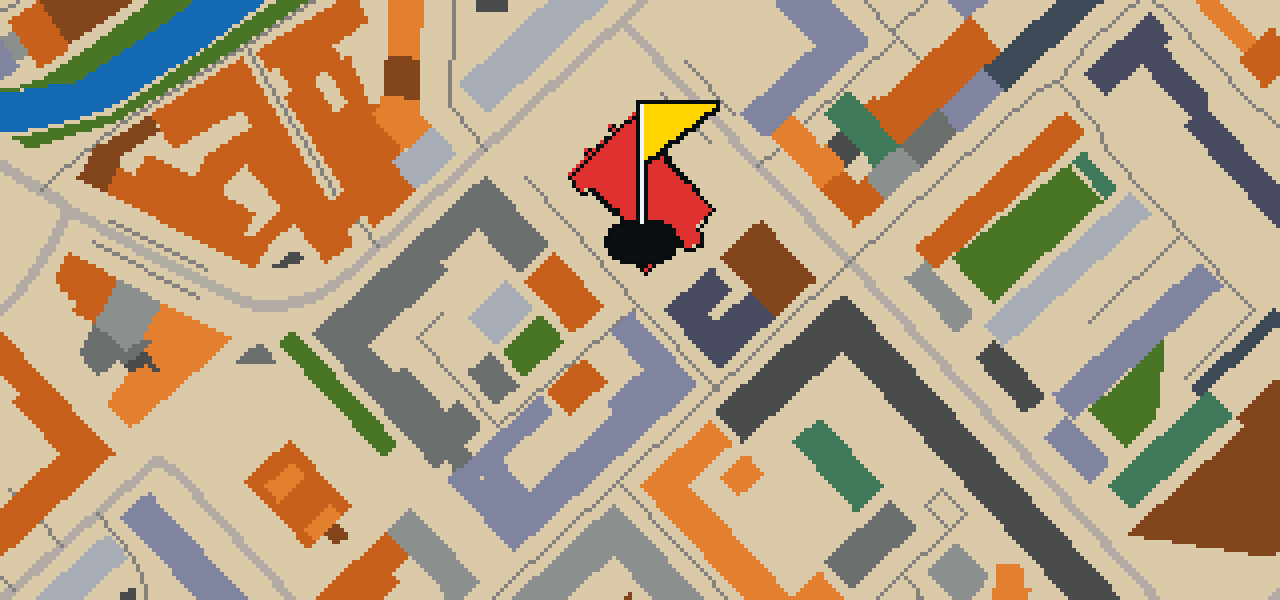
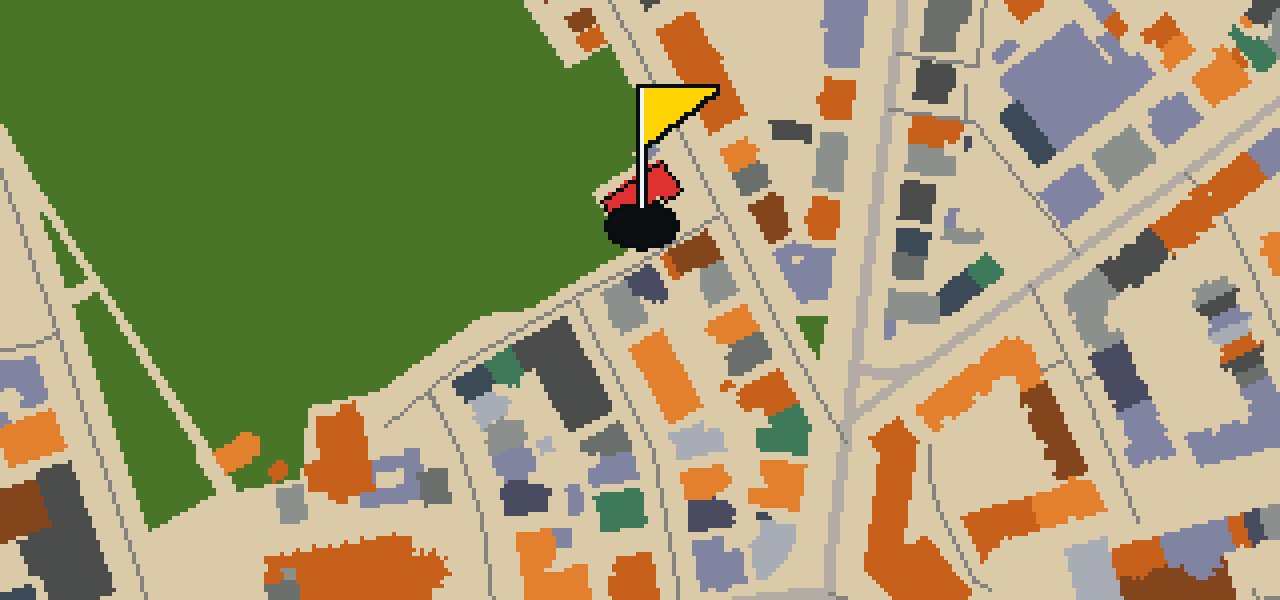
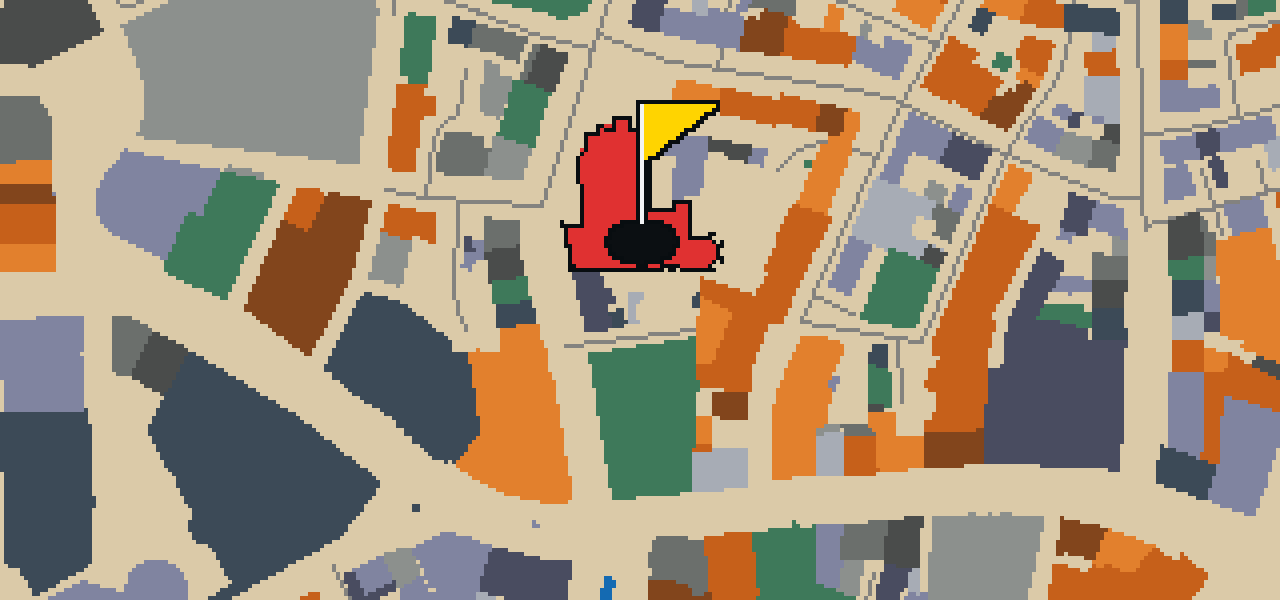
This is Ulm. The map is the actual city and the round is played on its real streets, with holes built from real attractions like the Ulmer Münster. Skip is a local guide who knows the place and where the best crumbs are. This full round consists of 18 holes at par 55, covering a walk of 11.2 km and using 12 portals.

Trouble loading? Open the game in its own tab.

HOW IT WORKS

01

Pick a city

The course is drawn on the real street grid, so the map you play is the map you walk.

02

Putt to the pin

Drag to aim, release to swing. Buildings bounce and water costs you a stroke.

03

Sightsee between strokes

Every hole ends at an attraction. Sink the putt, read the story, walk to the next tee.

THE ULM ROUND - STOP BY STOP

HOLE 1 - PAR 3

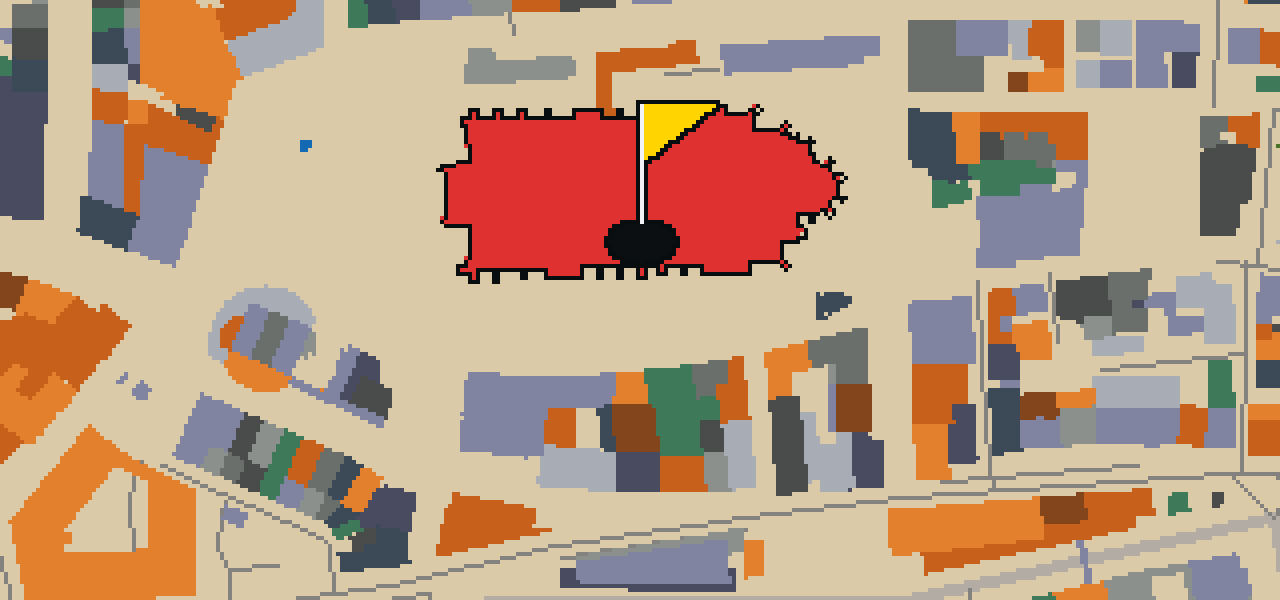
Ulmer Münster

This is not a modern skyscraper, but Ulmer Münster, a Gothic church building in Ulm, Baden-Württemberg. It is a Kulturdenkmal of the Evangelical Church in Germany. The inception of the building was in 1377, and Ulrich Ensingen served as the architect. You can see the influence of the Gothic architecture style throughout the site, which reaches a height of 161.53 metres. It is a landmark of the city and a significant example of the Gothic style, standing as one of the most prominent religious structures in the region.

Wikidata · Wikipedia

HOLE 2 - PAR 3

Gänsturm

Let me show you the Gänsturm, a city gate that stands 37.5 meters tall. This tower began as a project in 1360 and is now a cultural heritage monument in Baden-Württemberg. You can pick out the scale of the masonry and the strength of the stone as you pass by. It is a great example of the city's old defenses. I usually find the ledge near the top is a great spot to keep an eye on the street below, provided the wind isn't too strong for a bird like me.

Wikidata

HOLE 3 - PAR 3

Rathaus

Look closely at the intricate Gothic architecture style of the Rathaus. This building is a Rathaus and is recognized as a Kulturdenkmal. It is a significant stop in the city of Ulm, where the sharp lines and historical details of the facade provide a clear sense of the city's past. I always think the stonework looks particularly sharp when the light hits it just right, though I usually see it from a perch high above the street. Whether you are a fan of old buildings or just passing through, this site is a key piece of the local scenery.

Wikidata

HOLE 4 - PAR 3

Museum Brot und Kunst

You will first notice Museum Brot und Kunst as you navigate through the city. It is a museum that provides a dedicated space for its visitors to explore. This institution was founded in 1955. I always find that these kinds of spots add a lot of character to a neighborhood walk. Whether you are a fan of local history or just looking for a place to stop and look around, this museum is a point of interest that you can easily find on your way through the district.

Wikidata

HOLE 5 - PAR 3

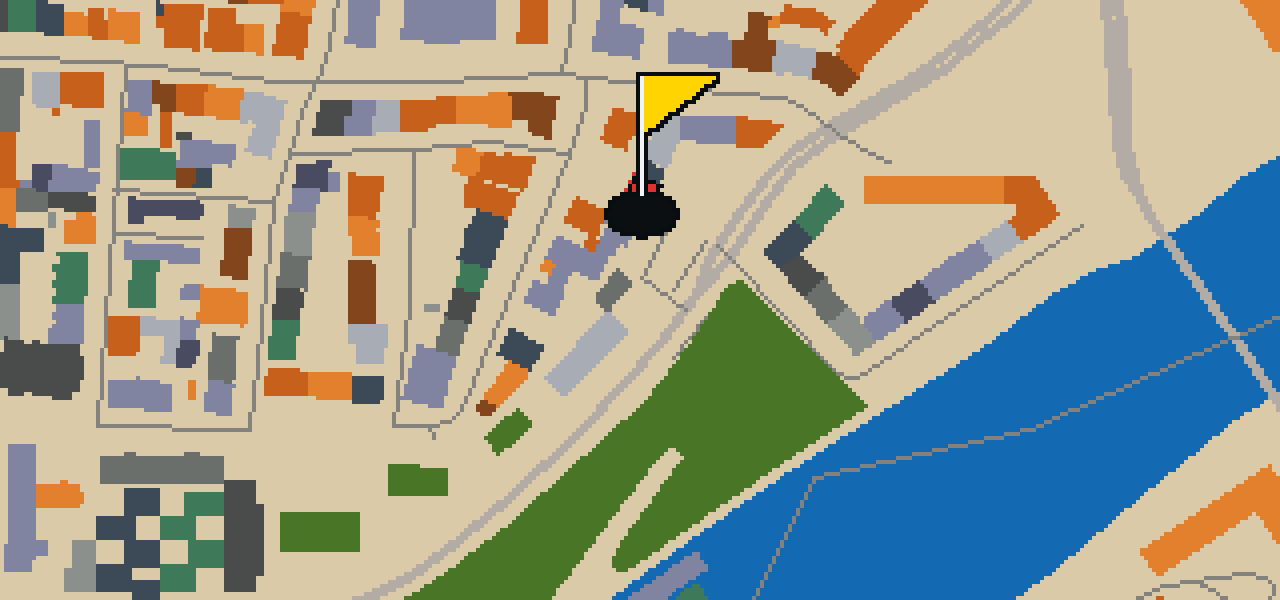
Schwörhaus

Schwörhaus is a building located here in Ulm. It is recognized as a cultural heritage monument of special significance in Baden-Württemberg. When you look at the structure, you can see why it holds such a protected status in the region. I enjoy watching the crowds gather near the base of these old walls from my favorite perches above. It is a landmark that adds a lot of character to the streets you are navigating with your ball, and it remains a point of interest for anyone visiting the city center.
Wikidata

HOLE 6 - PAR 2

Naturmuseum Ulm

Let me show you the Naturmuseum Ulm. This place is a museum. I've always found that museums are great spots for people to gather, though I usually prefer the view from the roof.

Wikidata

HOLE 8 - PAR 3

Haus der Begegnung

You will first notice the Renaissance style of Haus der Begegnung. This church building is a significant part of the city's architectural history and provides a clear example of that era's design. Beyond its visual appearance, the site is officially designated as a Kulturdenkmal. This classification means it is recognized as a protected cultural monument, ensuring that the structure is preserved for future visitors to see and study as they move through the city.

Wikidata

HOLE 9 - PAR 3

Sankt Georg

This building is not a cathedral, but is instead a parish church. Sankt Georg is constructed in the Gothic Revival style, a choice that gives the structure its characteristic appearance. The architect of the church was Max Meckel, who oversaw the design of the site. Because of its historical and architectural value, the building is classified as a Kulturdenkmal. Whether you are interested in the city's religious history or its local architecture, this site remains a significant point of interest for anyone visiting the area.

Wikidata

HOLE 10 - PAR 2

Berblinger-Turm

The Berblinger-Turm is an observation tower. It stands at a height of 20 meters, providing a vantage point for anyone looking to see the area from above. Work on the tower started in 2020, so it represents a modern addition to the city's architecture. I find it a handy spot for getting your bearings and seeing how the structure fits into the scenery. Whether you are visiting for the first time or have lived here for years, the view from the top offers a clear look at the surrounding landscape.

Wikidata

HOLE 11 - PAR 3

Theater Neu-Ulm

Let me show you Theater Neu-Ulm, which is a theatre building. You can find this theatre in Neu-Ulm, Bavaria, Germany. It is a local spot for performances in the region, and it remains a central point of interest for those visiting the city. I often see folks heading inside for a show while I am scouting for crumbs nearby on the sidewalks. Whether you are a fan of the stage or just exploring the streets of Neu-Ulm, this building is a prominent fixture of the local community's cultural life.

Wikidata · Wikipedia

HOLE 12 - PAR 3

Wasserturm

Let me show you the Wasserturm. This structure is an architectural heritage monument in Bavaria. It is a water tower that also qualifies as a cultural heritage ensemble. I find the height of these old utility buildings quite impressive when you are viewing them from the street level. Even if you are not a fan of industrial history, the way these monuments fit into the city is always a sight to see. It is a useful landmark for anyone trying to get their bearings while exploring the local area.

Wikidata

HOLE 13 - PAR 3

Donauschwäbisches Zentralmuseum

Let me show you the Donauschwäbisches Zentralmuseum. This is a museum that was founded in 2000. It is a place where you can learn about the specific history and culture associated with this institution. I find the building quite a sturdy spot to land for a break, and it is a useful stop for anyone wanting to see how the city's museums are organized. You can spend some time here looking at the exhibits or simply enjoying the architecture of the facility while you are visiting Ulm.

Wikidata

HOLE 15 - PAR 4

St. Johann Baptist

The clean lines of the modern architecture style define the exterior of St. Johann Baptist. This parish church is recognized as an architectural heritage monument in Bavaria. Construction of the church building was started in 1857. Georg von Stengel and Dominikus Böhm are architects of the site. Visitors can observe how these different architectural influences shape the building, making it a significant point of interest for those exploring the city's religious and civic heritage.

Wikidata

HOLE 16 - PAR 4

Katholisch-Apostolische Kirche

The architectural lines of this building were designed by Theodor Veil. This structure is the Katholisch-Apostolische Kirche, which is a church building and a chapel. It is a place of worship that saw its inception in 1904. Visitors can observe the specific design choices made by Veil when the building was first established. It remains an important part of the local religious architecture in Ulm, providing a quiet space for the community. The building serves the needs of its congregation while maintaining the form established at its inception.

Wikidata

HOLE 17 - PAR 3

Theater Ulm

This isn't just any local stage; it is the oldest municipal theater in Germany. Founded in 1641, Theater Ulm is a theatre company located in the Baden-Württemberg city of Ulm. It previously operated as Ulmer Theater until 2006. Whether you are looking for opera, ballet, or acting, you can find dedicated ensembles for each here. I've noticed the building has a certain presence that fits its status as a cultural heritage monument in Baden-Württemberg. It is a wonderful spot to pause and appreciate the city's long history of performance and municipal art.

Wikidata · Wikipedia

HOLE 18 - PAR 3

Bundesfestung Ulm

Let me show you the Bundesfestung Ulm, a fortress that wraps around the cities of Ulm and Neu-Ulm. It is an architectural heritage monument in Bavaria and was one of five federal fortresses of the German Confederation. You can pick out the scale of the place easily; it is still one of the biggest in Europe. During the 19th century, it held the title of the biggest fortress in both Germany and Europe. I've noticed that the sheer size of the fortifications makes for a very long walk, but the views are worth it.

Wikidata · Wikipedia

STOP 19

St. Michael zu den Wengen

You might expect a grand cathedral here, but St. Michael zu den Wengen is a church building. It is recognized as a Kulturdenkmal, which denotes its status as a cultural monument within the city. This site provides a glimpse into the older architecture of the area, having had its inception in 1399. Visitors can appreciate the enduring nature of the building and its place in the local environment. It remains a quiet point of interest for those exploring the streets of Ulm.

Wikidata

OTHER COURSES

9 HOLES - PAR 33

Hamm

9 stops

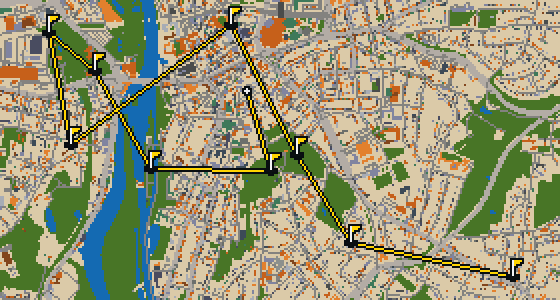
This quick nine-hole round covers 7.4 km across Hamm. The map is the real city and the ball rolls along its actual streets, using portals to skip between districts. Local attractions like Schloss Heessen are the foundations for the holes. Skip knows every curb and cobblestone here, even if a few crumbs usually distract the guide.

18 HOLES - PAR 53

Kassel

18 stops

Kassel is the setting for this round, where the map follows the actual city and the ball rolls across its real streets. The holes are built from the city's actual attractions, ending at the Spitzhacke. Skip knows these sidewalks well and is the local guide. This is a full round of 18 holes with a par of 53, covering a walk of 9.7 km. The ball moves between distant districts using 12 portals.

9 HOLES - PAR 31

Hagen

9 stops

The ball ends its journey at the Stadtgarten. This course uses the real streets of Hagen as the map, with the city's actual attractions forming the holes. A quick round of 9 holes covers 7.6 km, using 8 portals to bridge the gaps between distant districts. Skip knows every curb and cobblestone here, having spent plenty of time watching the world go by from the eaves.

9 HOLES - PAR 29

Oberhausen

9 stops

Banking a ball off the stone of Schloss Broich requires a steady wing and a soft touch. This round takes place on the real streets of Oberhausen, where the city map is the course. The holes are built from actual local attractions, and Skip knows every crack in the pavement. A quick 9-hole round covers 6 km, with 14 portals to keep the ball moving.

18 HOLES - PAR 57

Delsberg

18 stops

Banking a ball off the stone facades of the Roter Turm requires a steady wing and a bit of luck. This round takes place in Delsberg, where the map is the real city and the game is played on its actual streets. The holes are built from real attractions, turning the urban layout into a course. I know these sidewalks well and can be the local guide. It is a full round of 18 holes with a par of 57, covering a 12.1 km walk that uses 10 portals.

FAQ

Is it free to play?

Yes. Every course runs in the browser with no account and no install.

Do I need to be in the city?

No. The full round plays from anywhere. Walking the real route is a nice way to see the city, but it is not required.

Are the maps real?

Yes. The geometry comes from OpenStreetMap data, rendered chunky on purpose. Streets, water and parks sit where they really are.