
TRIER - 9 HOLES - FREE

TRIER
CITY MAP MINIGOLF

Trier - 9 stops - par 27

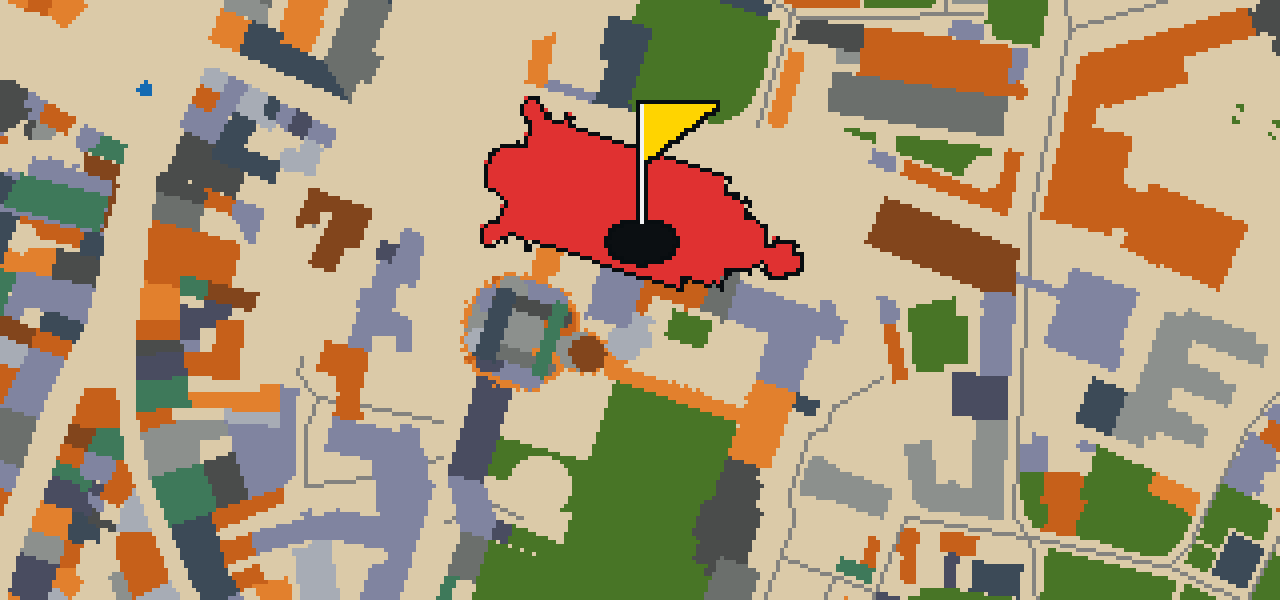
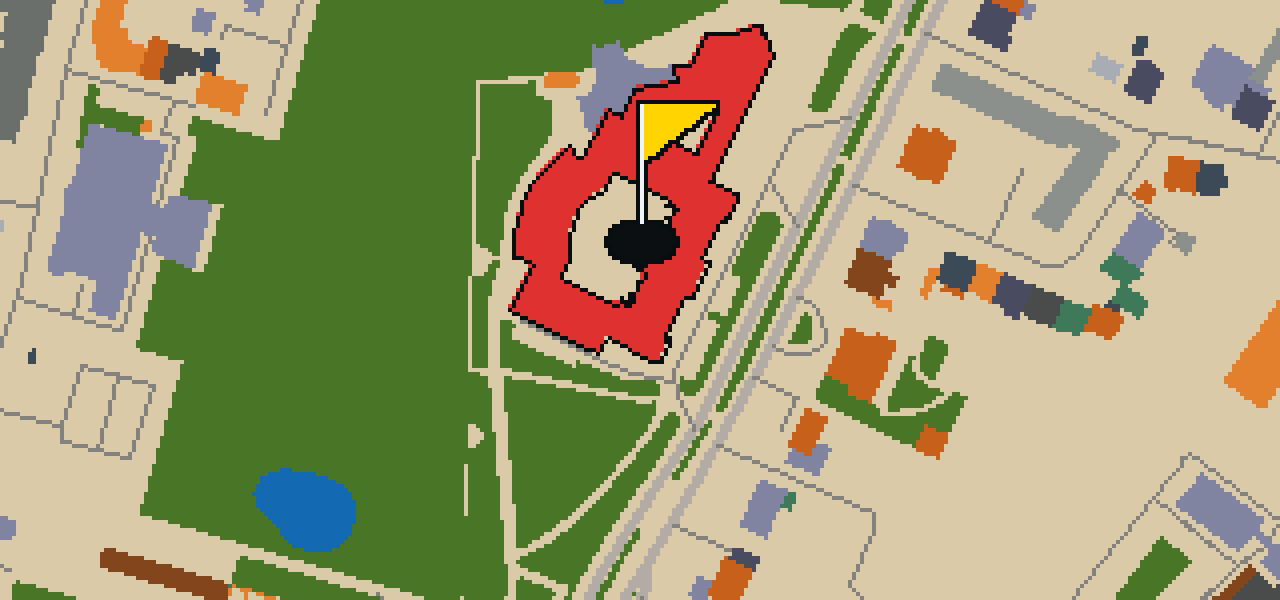
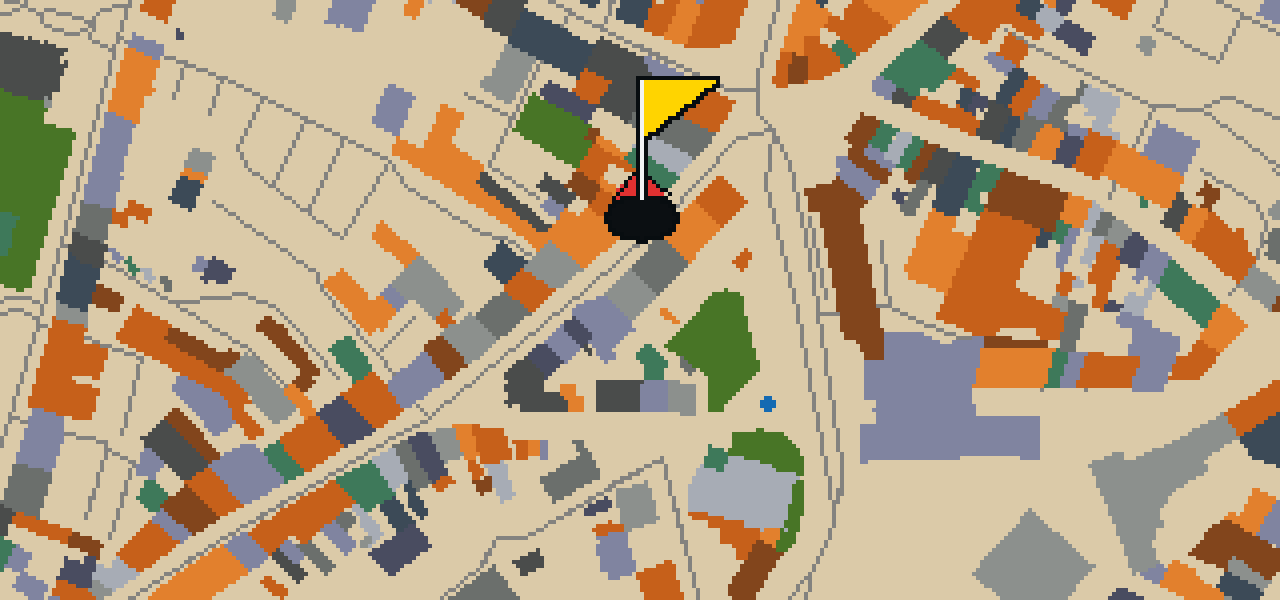
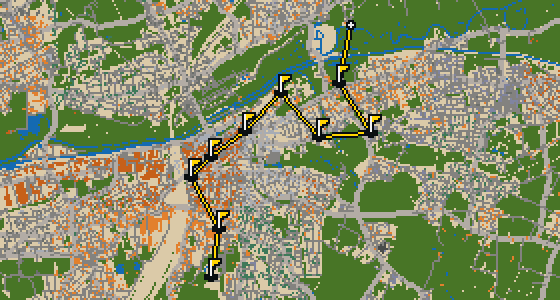
Banking a ball off the heavy stone of the Porta Nigra requires a steady hand. This round takes place on the real streets of Trier, where the city map is the course and local attractions form the holes. Skip knows every cobblestone of this 5.4 km walk, which consists of 9 holes and a par of 27. Two portals help move the ball across the city.

Trouble loading? Open the game in its own tab.

HOW IT WORKS

01

Pick a city

The course is drawn on the real street grid, so the map you play is the map you walk.

02

Putt to the pin

Drag to aim, release to swing. Buildings bounce and water costs you a stroke.

03

Sightsee between strokes

Every hole ends at an attraction. Sink the putt, read the story, walk to the next tee.

THE TRIER ROUND - STOP BY STOP

HOLE 1 - PAR 3

Porta Nigra

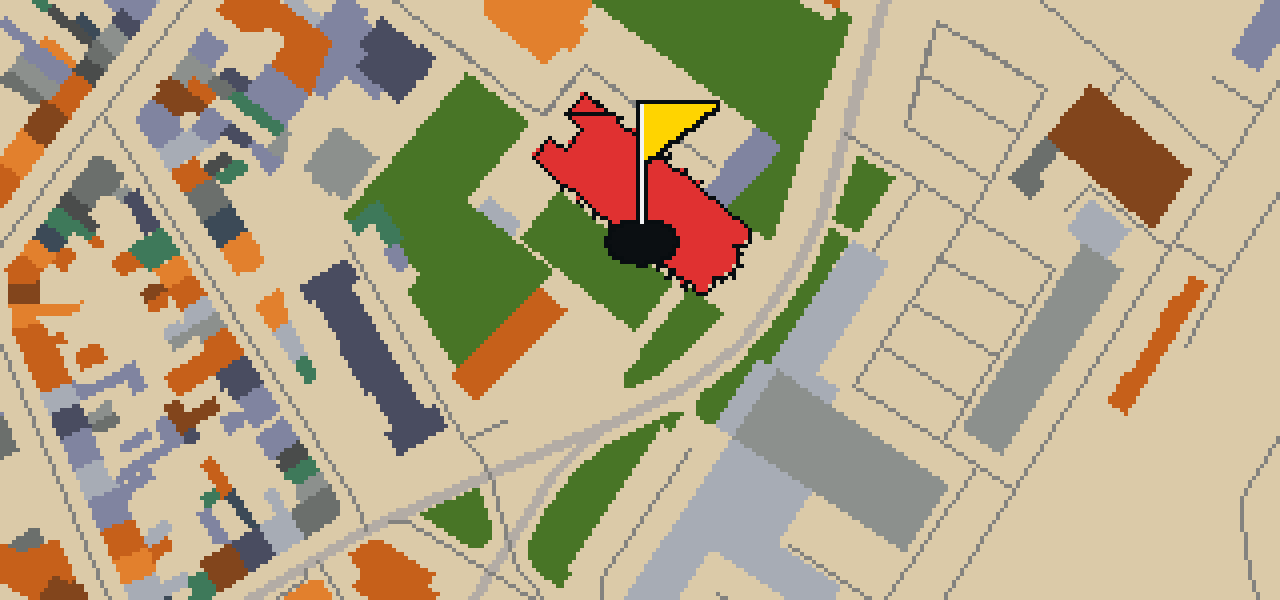
Look at the massive stones of the Porta Nigra, a city gate located in Trier. Built in the style of ancient Roman architecture, the structure began its inception in 180. It is a cultural heritage monument in Rhineland-Palatinate and part of a UNESCO World Heritage Site. For those visiting the city, it is a prime example of Hellenistic military architecture of the time. I've found that the sheer scale of the walls makes you feel quite small, even for a bird. It is one of the most imposing remnants of the Roman era you can find in the region, and the way the stone has weathered over the centuries gives it a character that you can really feel when you stand beneath the arches. It is a great place to pause and admire the craftsmanship of the past before moving on.

Wikidata · Wikipedia

HOLE 2 - PAR 3

Ehemalige Abtei Sankt Maximin

Let me show you the Ehemalige Abtei Sankt Maximin. This site is built in the Gothic architecture style, which you can pick out in the structural details of the buildings. It is a benedictine abbey and is officially recognized as a Kulturdenkmal. In terms of its purpose, this location in Trier, Germany, was a Benedictine monastery. I find the scale of these old stone walls quite impressive when you are walking right beside them. When you look at the facade, you can see how the Gothic elements define the visual character of the place. It remains one of the most distinct examples of its kind in the city, providing a glimpse into the monastic life that once defined this area of Germany. I always enjoy seeing how the light hits the masonry during a midday stroll through the neighborhood.

Wikidata · Wikipedia

HOLE 3 - PAR 3

Dom St. Peter zu Trier

You will first notice the Romanesque architecture of Dom St. Peter zu Trier. This Catholic cathedral is a Kulturdenkmal and part of a UNESCO World Heritage Site, having been listed as such in 1986. Nikolaus Rosiny was the architect of the building, which had its inception in 1235. It is a site of significant age and history, holding the distinction of being the oldest cathedral in Germany. While the overall style reflects its later development, the central part of the nave was built of Roman brick in the early fourth century. This mixture of eras makes the church building a unique point of interest for anyone visiting the city. The combination of Roman materials and medieval design provides a clear look at the layers of construction that define the site.

Wikidata · Wikipedia

HOLE 4 - PAR 3

Rheinisches Landesmuseum

The Rheinisches Landesmuseum is an archaeological museum in Trier, Germany. It is a place where you can see how the region evolved, as the collection stretches from prehistory through the Roman period, the Middle Ages, and the Baroque era. I suggest focusing on the Roman past of Augusta Treverorum, which is Germany's oldest city; the museum places a strong emphasis on this specific history. If you enjoy art, you can pick out the local Roman sculptures, frescos, and mosaics, which are among the best in Germany. It is a great spot to get your bearings on the city's ancient roots before heading back out into the streets. I've noticed the building itself has a certain presence that fits right in with the surrounding history.

Wikidata · Wikipedia

HOLE 5 - PAR 3

Amphitheater

You will find this Roman amphitheater situated in Trier, Germany. It is an ancient Roman structure that stands as a testament to the city's history and is recognized as part of a UNESCO World Heritage Site. Visitors often come to see the scale of the ruins and how they integrate into the modern city layout. I have noticed that the open air makes it a great spot for people to gather, though I mostly stick to the higher ledges. It is also officially designated as a Kulturdenkmal, ensuring that this piece of the past is preserved for everyone to see. Whether you are a history buff or just passing through, the site offers a tangible connection to the Roman era.

Wikidata · Wikipedia

HOLE 6 - PAR 3

Konstantinbasilika

The Konstantinbasilika is a church building constructed in the Early Christian architecture style. It is a Roman palace basilica and an early Christian structure that was built between AD 300 and 310. This site is part of a UNESCO World Heritage Site and is recognized as a Kulturdenkmal. Friedrich August Stüler and Heinrich Otto Vogel are architects of the building. You can pick out the scale of the Roman influence in the design of this historic space. It stands as a significant example of Early Christian architecture, preserving the layout and purpose of its original construction. Visitors can observe the influence of the architects Stüler and Vogel in the structure. Because it is part of a UNESCO World Heritage Site, the building is maintained to protect its history as a Roman palace basilica for future generations to see.

Wikidata · Wikipedia

HOLE 7 - PAR 3

Karl-Marx-Haus

Karl Marx was born in this house in 1818. Today, the Karl-Marx-Haus in Trier is a museum and a birth house dedicated to his life and work. It operates specifically as a biographical and writer's house museum, which attracts 32,000 annual visitors. The site is designated as a Kulturdenkmal and had its inception in 1947. When you visit, you can pick out the details of the building that once housed one of history's most influential thinkers. I've found that the street layout here makes for a tricky bank shot, so keep a steady eye on your line as you approach the entrance to ensure your ball rolls true toward the goal. It is a fascinating spot that blends personal history with the public memory of a global figure.

Wikidata · Wikipedia

HOLE 8 - PAR 3

Römerbrücke

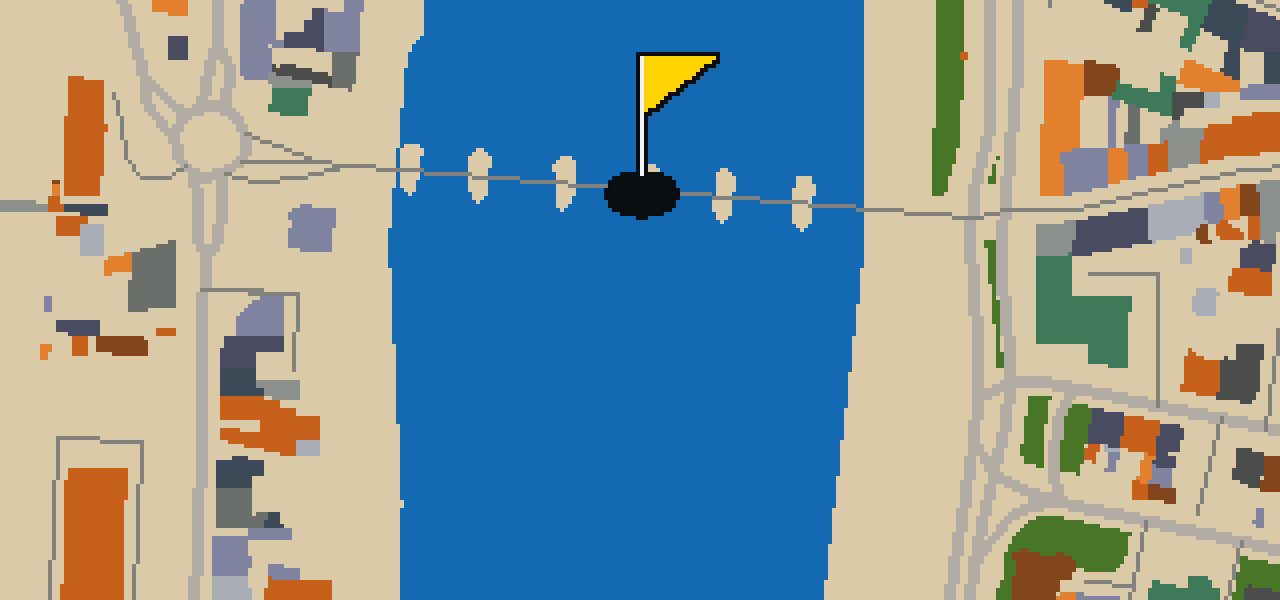
The Römerbrücke is a stone road bridge in Trier, Germany, spanning the Moselle. It is an ancient structure that has seen several iterations over the centuries. While the nine bridge pillars date from the 2nd century AD, the upper part of the bridge was renewed in the early 12th century and again in the early 18th century. Long before this stone version, two older wooden bridges were in place as far back as 17 BC. Because of its historical significance, the bridge was inscribed on the UNESCO World Heritage List in 1986. I've found that the view of the river from the spans is one of the best in the city.

Wikidata · Wikipedia

HOLE 9 - PAR 3

Roter Turm

Let me show you the Roter Turm. It is a tower located here in the city. I find it is a great spot to pause and look around the neighborhood. Whether you are visiting for the first time or just passing through, this tower is a clear point of interest in the local area. It is a simple, sturdy structure that helps orient you as you walk the streets.

Wikidata

STOP 10

Jesuitenkirche

The Jesuits established this site to serve as a place of worship and community. The Jesuitenkirche is a Jesuit church that is built in the Gothic architecture style. When you look at the structure, you can see the pointed arches and verticality that define this specific architectural approach. Beyond its religious function and its design, the building is also designated as a Kulturdenkmal. This status recognizes the building as a cultural monument of significance within the city. Whether you are visiting for the history of the order or to admire the Gothic details, the church remains a prominent landmark in the local area. It is a place where the influence of the Jesuit order is visible in the very stones of the building.

Wikidata

OTHER COURSES

9 HOLES - PAR 33

Hamm

9 stops

This quick nine-hole round covers 7.4 km across Hamm. The map is the real city and the ball rolls along its actual streets, using portals to skip between districts. Local attractions like Schloss Heessen are the foundations for the holes. Skip knows every curb and cobblestone here, even if a few crumbs usually distract the guide.

18 HOLES - PAR 53

Kassel

18 stops

Kassel is the setting for this round, where the map follows the actual city and the ball rolls across its real streets. The holes are built from the city's actual attractions, ending at the Spitzhacke. Skip knows these sidewalks well and is the local guide. This is a full round of 18 holes with a par of 53, covering a walk of 9.7 km. The ball moves between distant districts using 12 portals.

9 HOLES - PAR 31

Hagen

9 stops

The ball ends its journey at the Stadtgarten. This course uses the real streets of Hagen as the map, with the city's actual attractions forming the holes. A quick round of 9 holes covers 7.6 km, using 8 portals to bridge the gaps between distant districts. Skip knows every curb and cobblestone here, having spent plenty of time watching the world go by from the eaves.

9 HOLES - PAR 29

Oberhausen

9 stops

Banking a ball off the stone of Schloss Broich requires a steady wing and a soft touch. This round takes place on the real streets of Oberhausen, where the city map is the course. The holes are built from actual local attractions, and Skip knows every crack in the pavement. A quick 9-hole round covers 6 km, with 14 portals to keep the ball moving.

18 HOLES - PAR 57

Delsberg

18 stops

Banking a ball off the stone facades of the Roter Turm requires a steady wing and a bit of luck. This round takes place in Delsberg, where the map is the real city and the game is played on its actual streets. The holes are built from real attractions, turning the urban layout into a course. I know these sidewalks well and can be the local guide. It is a full round of 18 holes with a par of 57, covering a 12.1 km walk that uses 10 portals.

FAQ

Is it free to play?

Yes. Every course runs in the browser with no account and no install.

Do I need to be in the city?

No. The full round plays from anywhere. Walking the real route is a nice way to see the city, but it is not required.

Are the maps real?

Yes. The geometry comes from OpenStreetMap data, rendered chunky on purpose. Streets, water and parks sit where they really are.