
STUTTGART - 18 HOLES - FREE

STUTTGART
CITY MAP MINIGOLF

Stuttgart - 18 stops - par 56

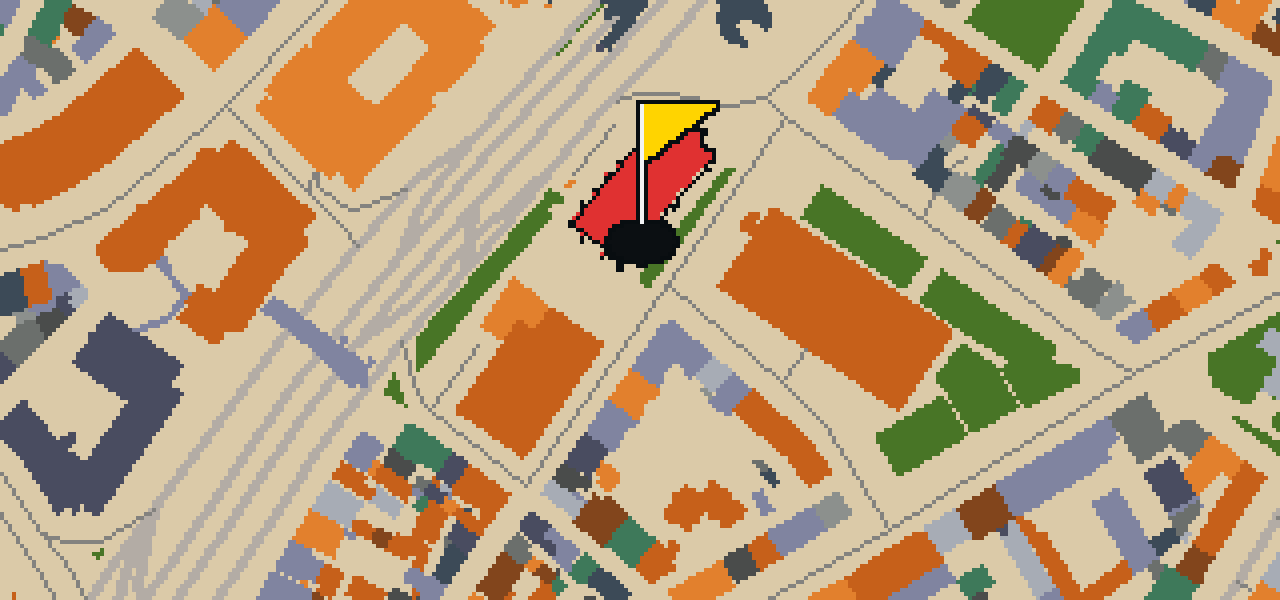
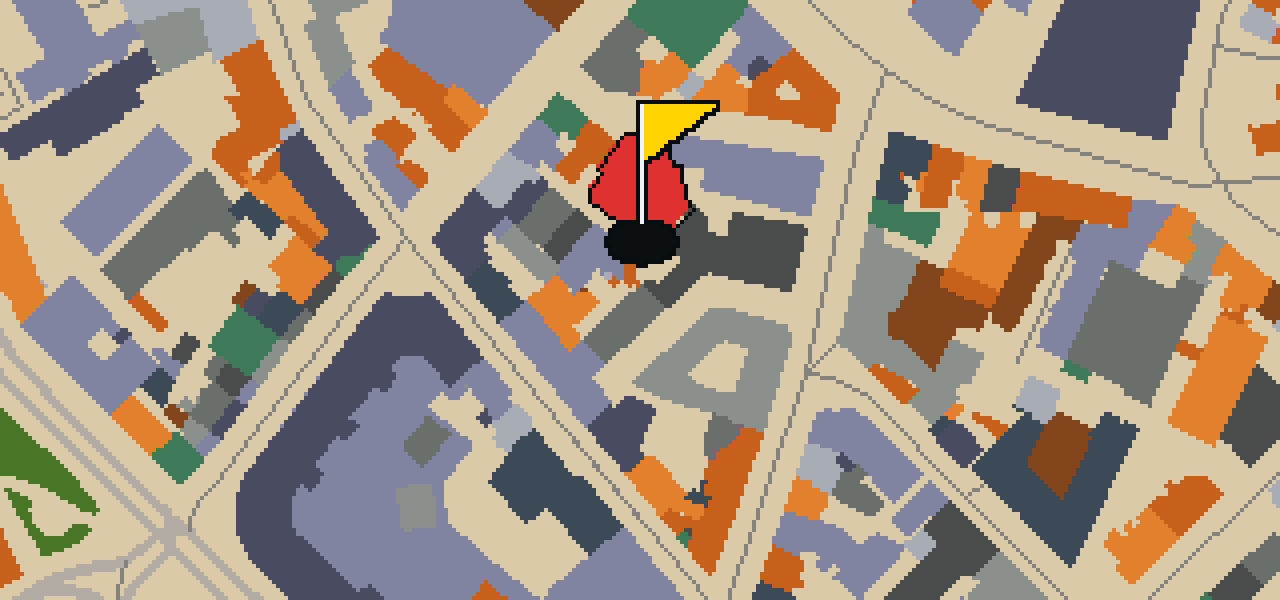
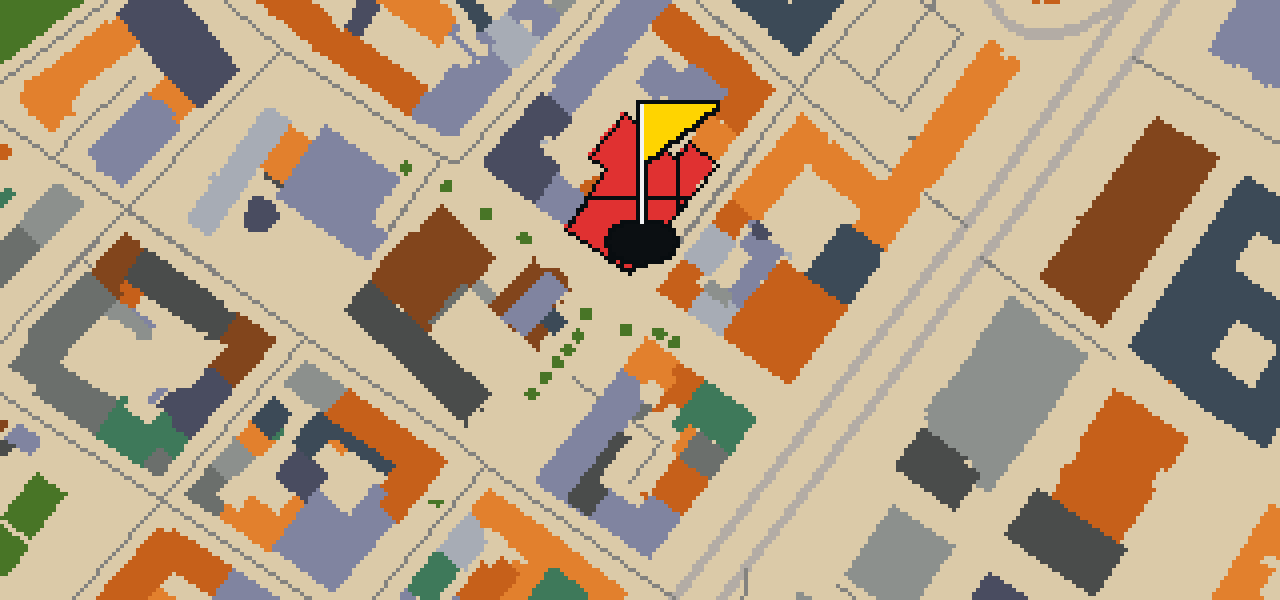
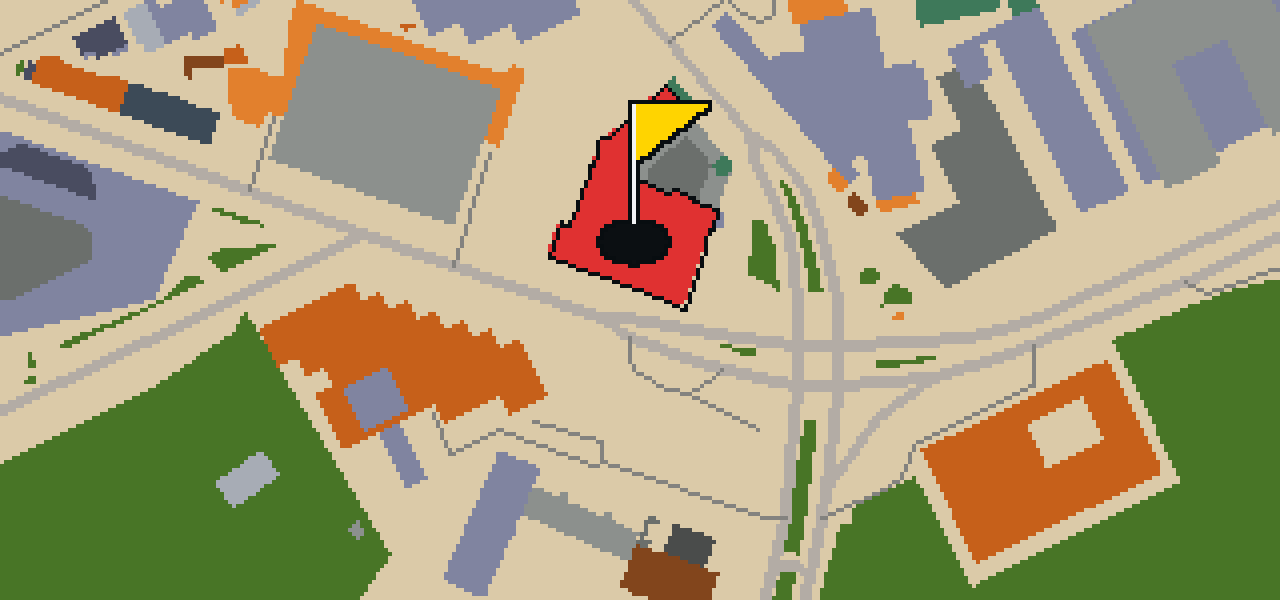
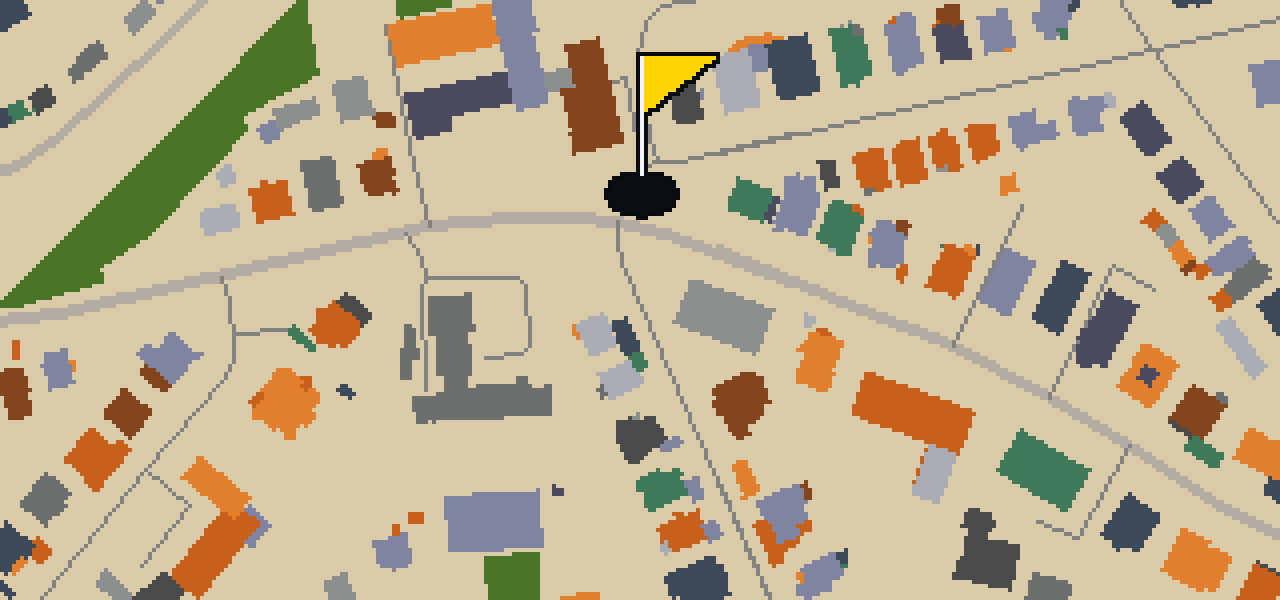
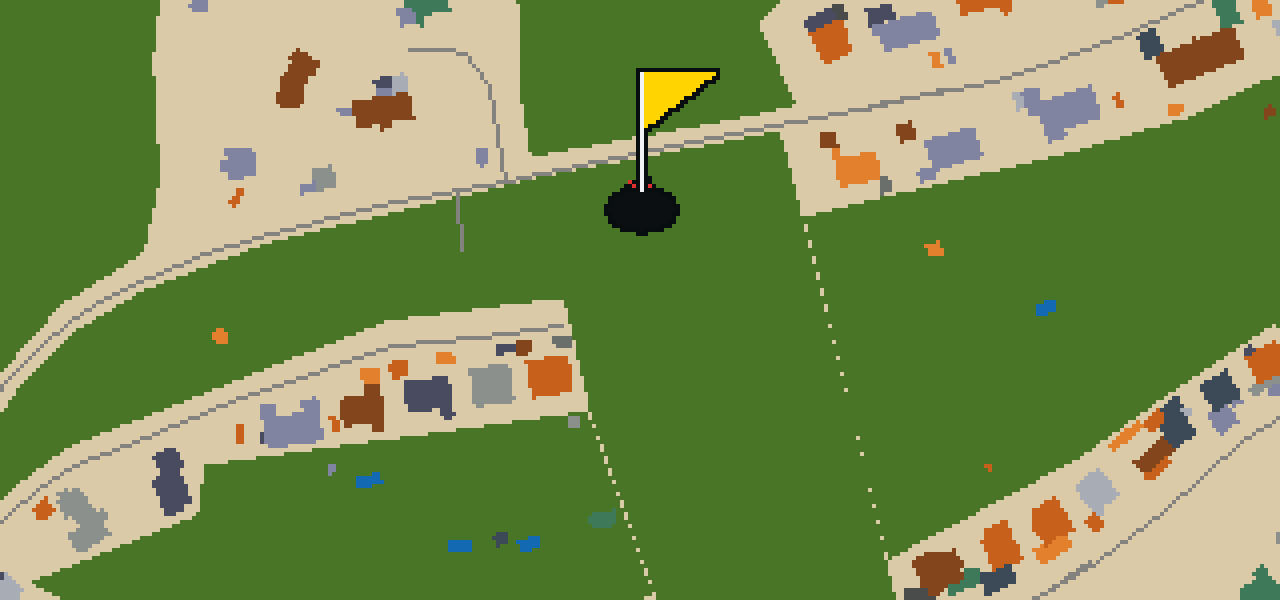
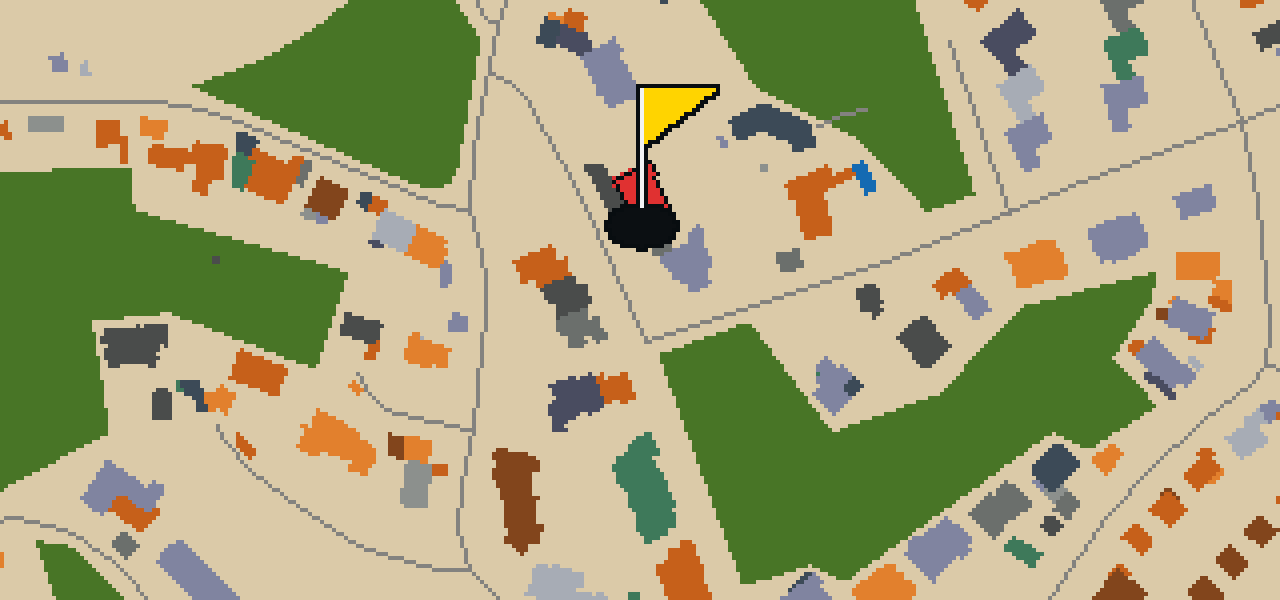
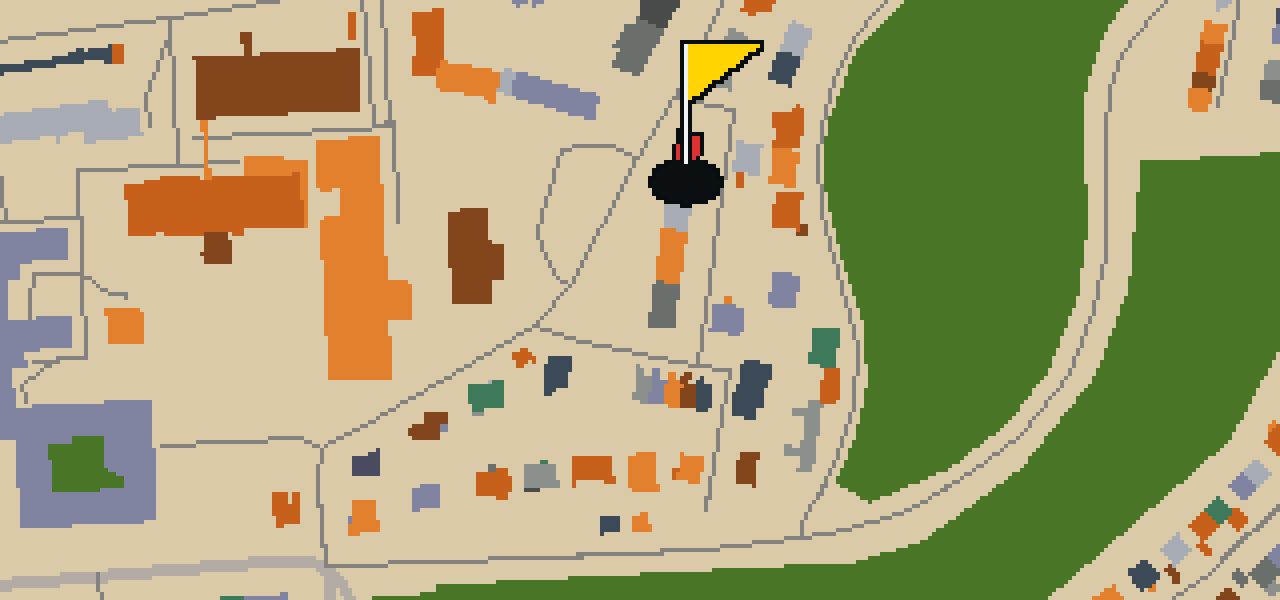
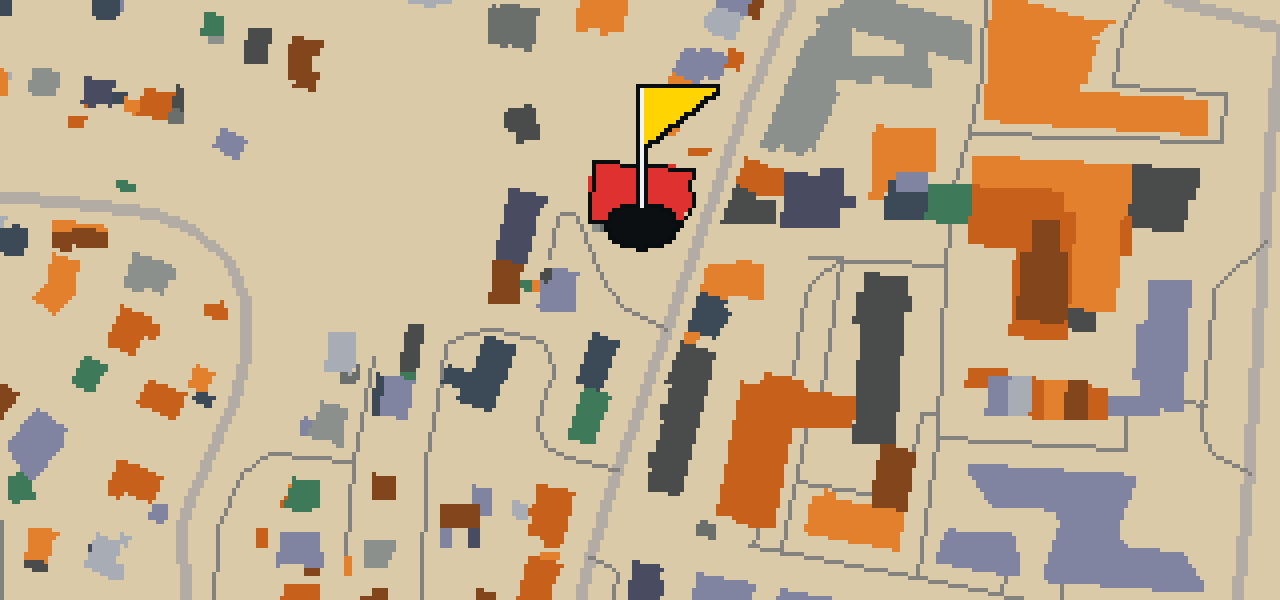
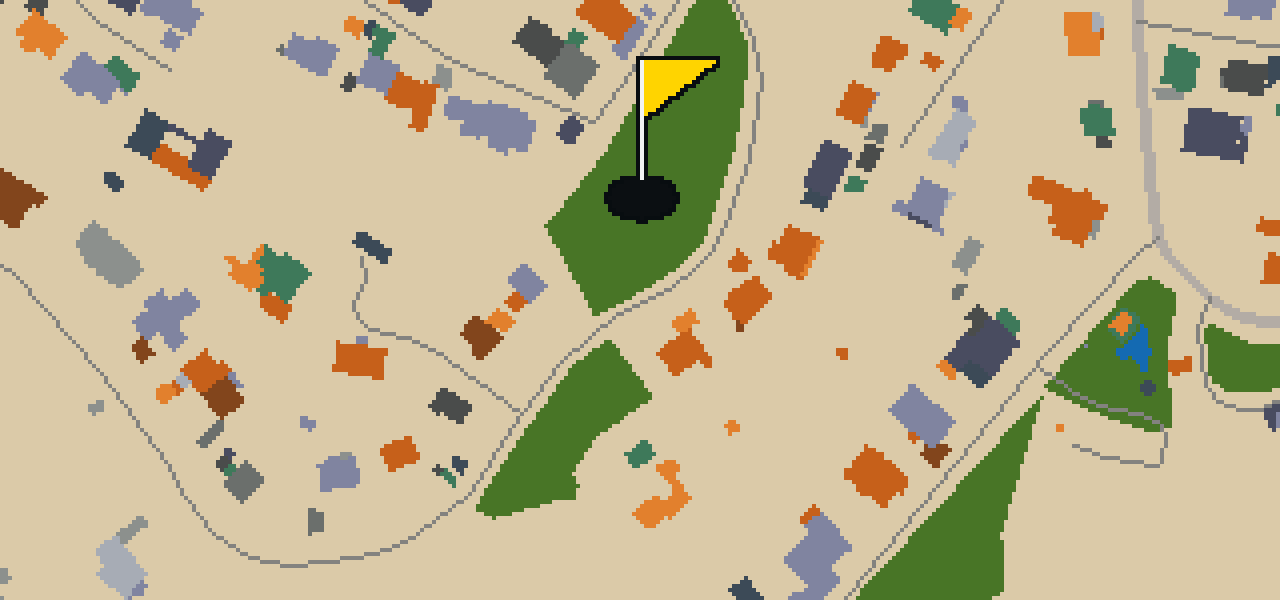
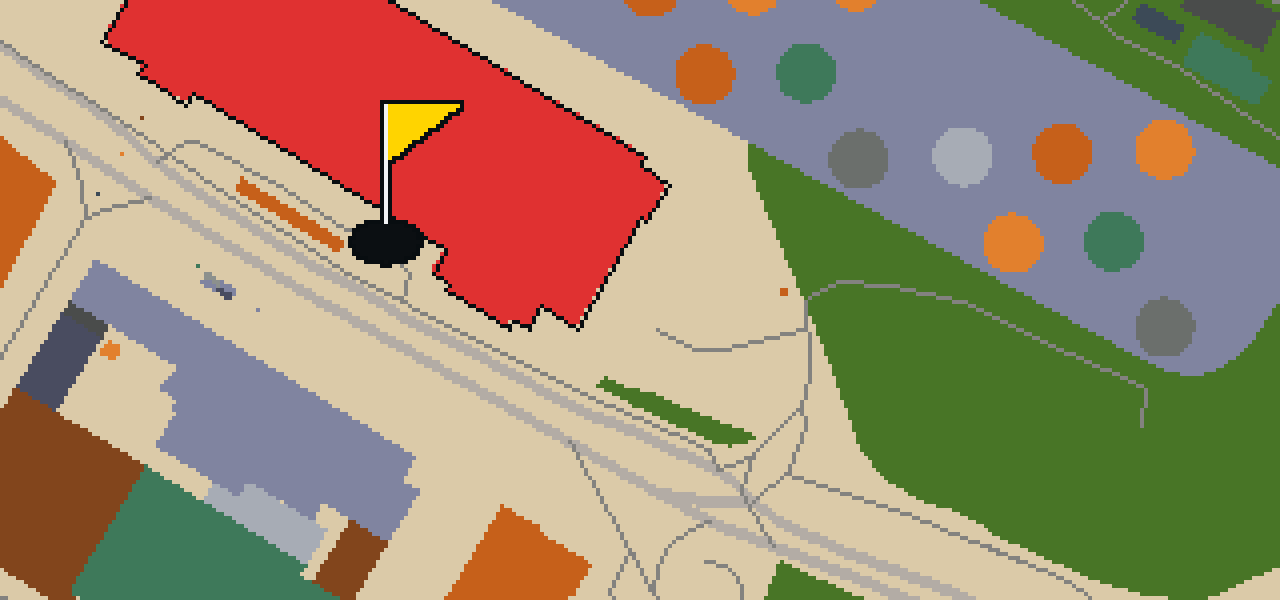
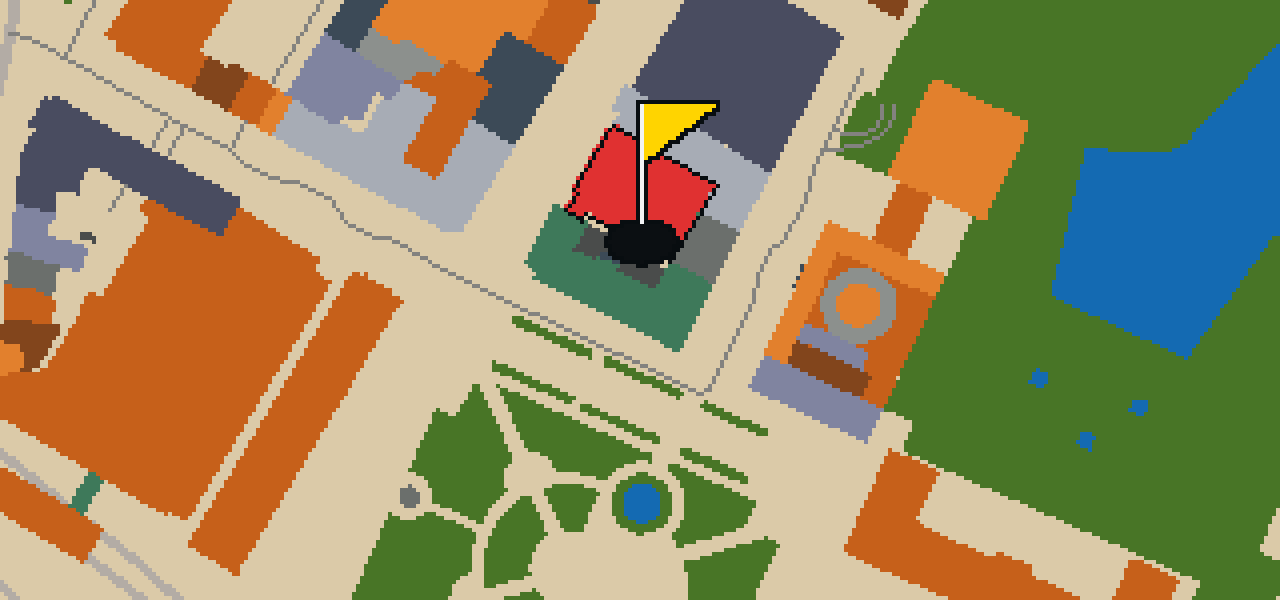
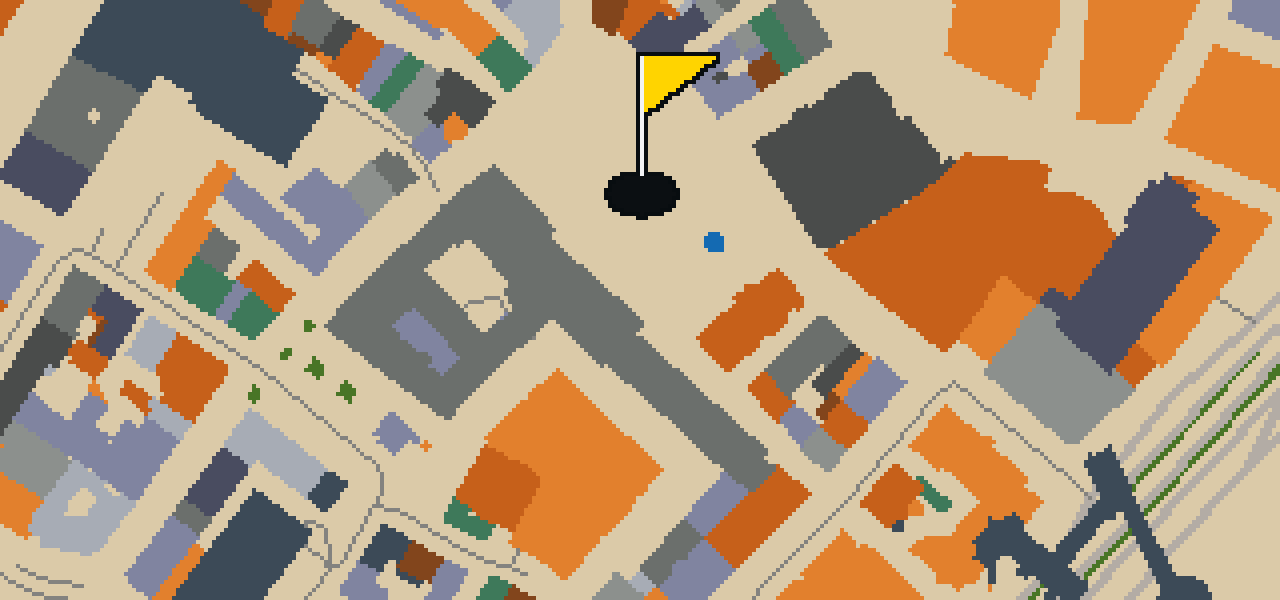
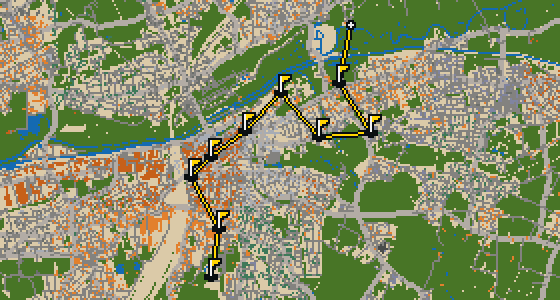
Banking a ball off the stone facades of the Altes Schloss requires a steady hand and a bit of luck. This round takes place in Stuttgart, using the actual city map and its real streets as the course. The holes are built directly into the city's attractions, and a few portals help the ball skip across the 10.9 km walk. It is a full 18-hole round with a par of 56. Skip knows every nook of these pavements and will be the local guide.

Trouble loading? Open the game in its own tab.

HOW IT WORKS

01

Pick a city

The course is drawn on the real street grid, so the map you play is the map you walk.

02

Putt to the pin

Drag to aim, release to swing. Buildings bounce and water costs you a stroke.

03

Sightsee between strokes

Every hole ends at an attraction. Sink the putt, read the story, walk to the next tee.

THE STUTTGART ROUND - STOP BY STOP

HOLE 1 - PAR 3

Altes Schloss

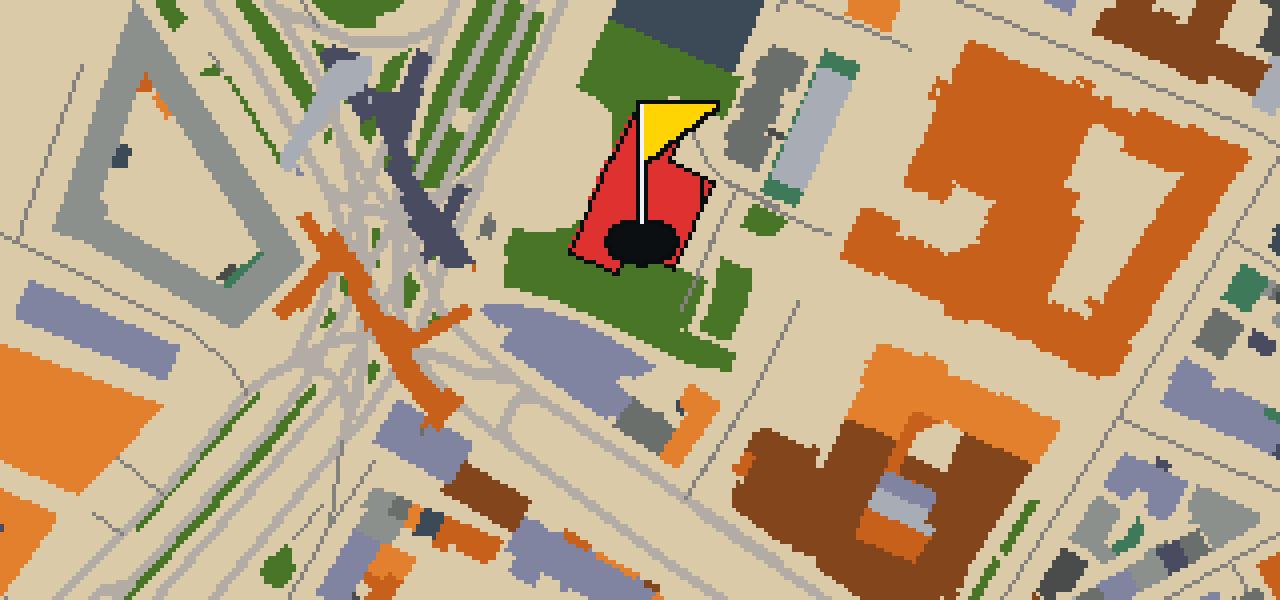
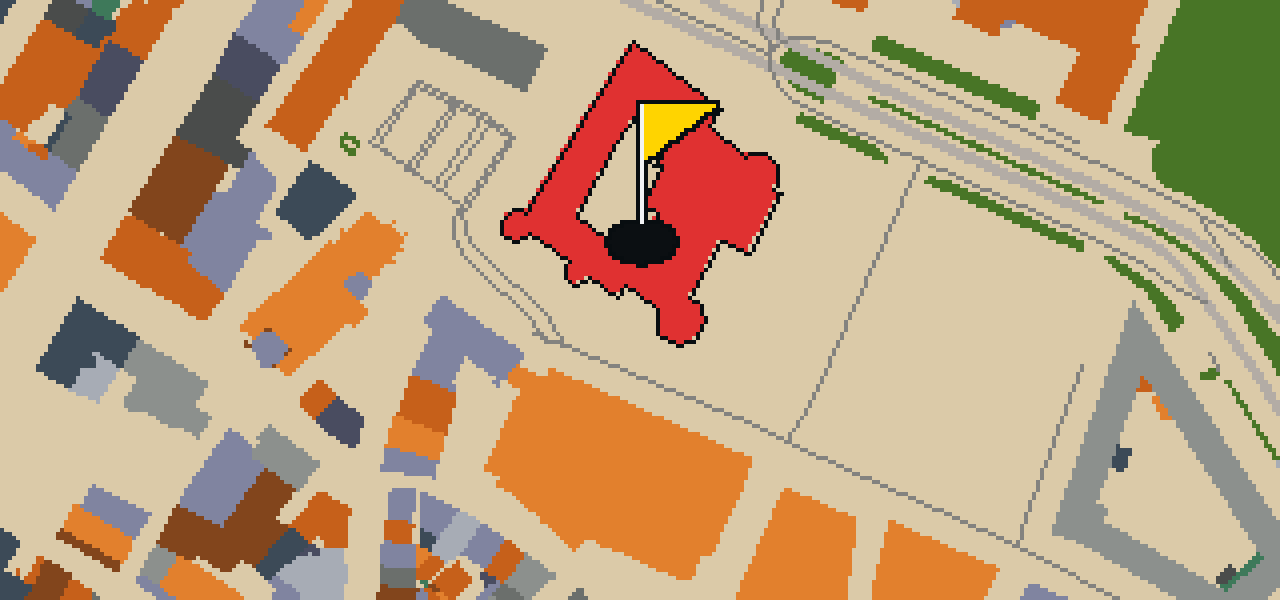
Altes Schloss is a castle in Stuttgart. Construction began in 950, and the building is designed in the Renaissance architecture style. You can find it on the Schillerplatz, where it now serves as the home of the Landesmuseum Württemberg. Additionally, the castle church functions as a place of worship for those visiting the site. I have always found that the scale of the building makes it one of the most distinct spots in the square, standing out against the surrounding city streets.

Wikidata · Wikipedia

HOLE 2 - PAR 3

Staatsgalerie

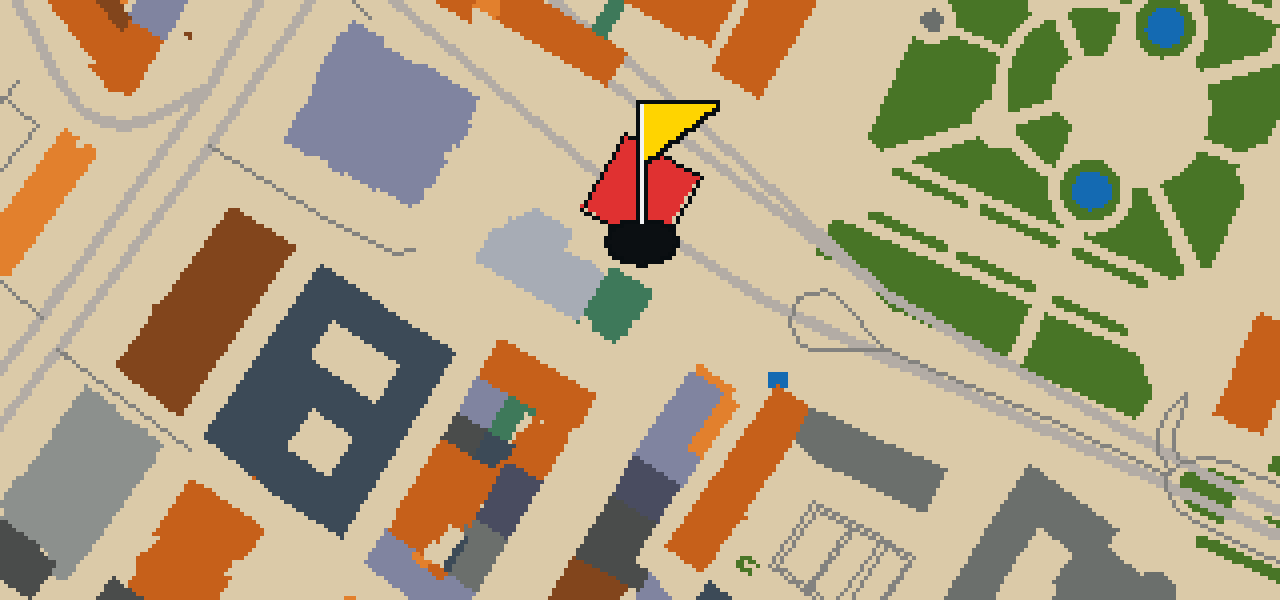
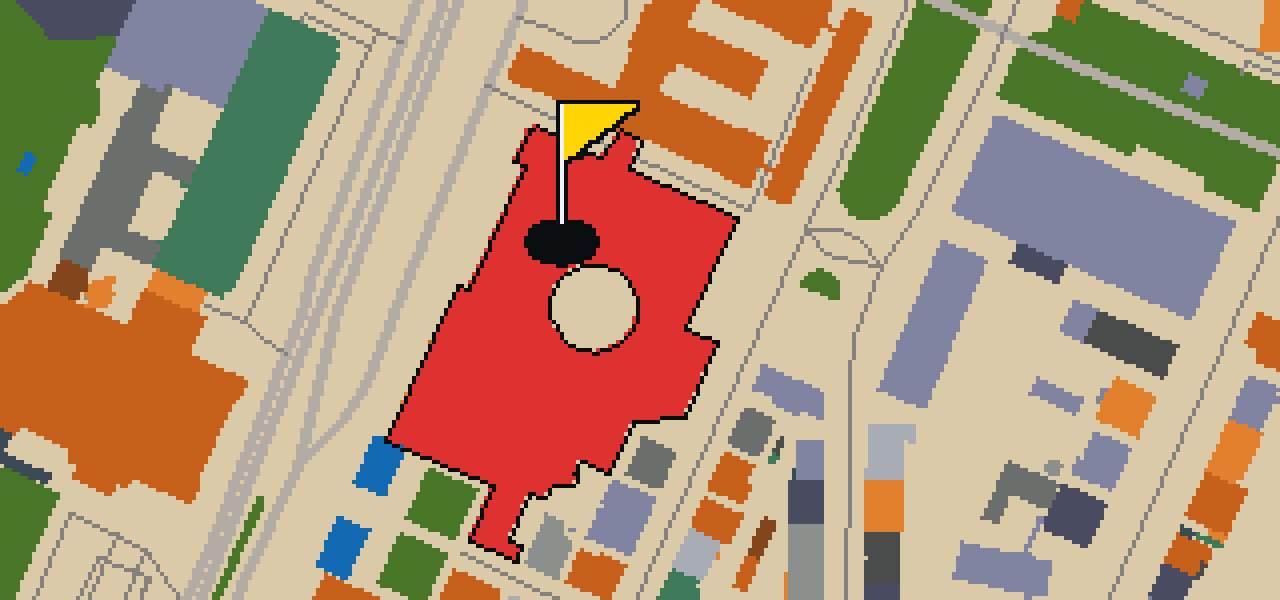
James Stirling is the mind behind the Neue Staatsgalerie, which opened in 1984. This building is a key part of the Staatsgalerie, an art museum located in Stuttgart. While the newer section is a modern standout, the institution has a much longer history, with the original Staatsgalerie opening in 1843. It is a great spot to see how different eras of architecture and art can live side by side in one place. I usually find the contrast between the old and new sections quite striking from the air.

Wikidata · Wikipedia

HOLE 3 - PAR 3

StadtPalais

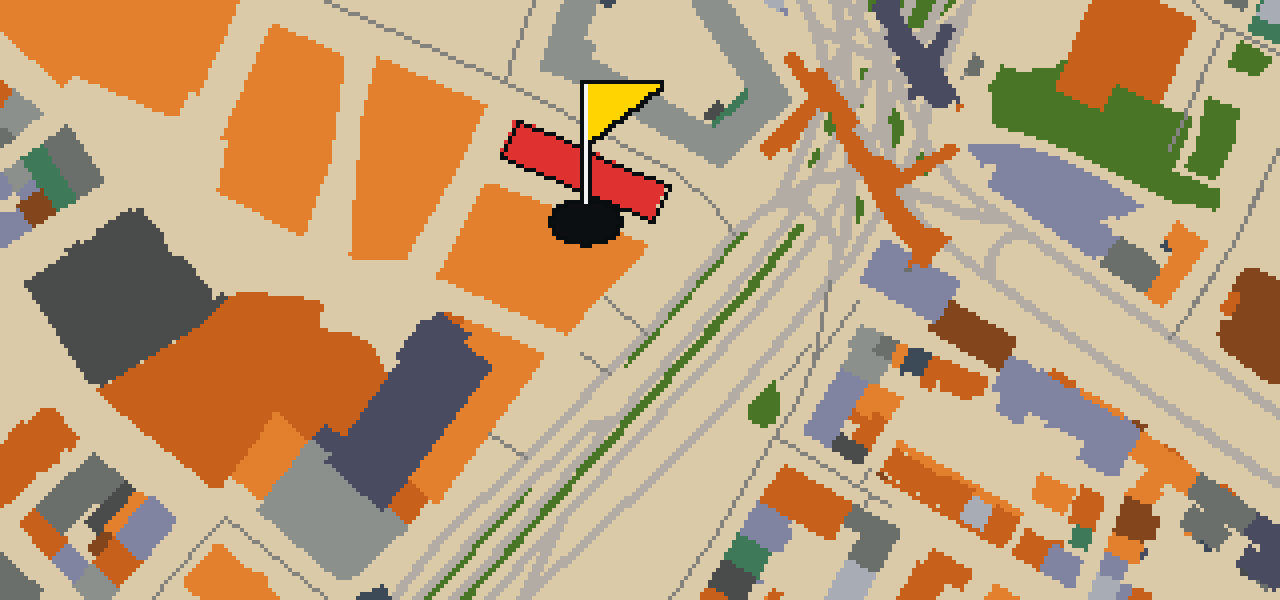
The first thing you'll notice is the Wilhelm Palais, which houses the StadtPalais museum. This building was the former residence of Württembergs last King William II. Today, it is home to the Stadtmuseum Stuttgart, a museum about the history of Stuttgart that opened in April of 2018. Before the museum arrived, the building served a different civic purpose; the Stadtbibliothek Stuttgart, the public library of the city, was housed here from 1965 until 2011. I've always found it interesting how one building can switch from a royal home to a library and then to a museum.

Wikidata · Wikipedia

HOLE 4 - PAR 3

Kunstmuseum

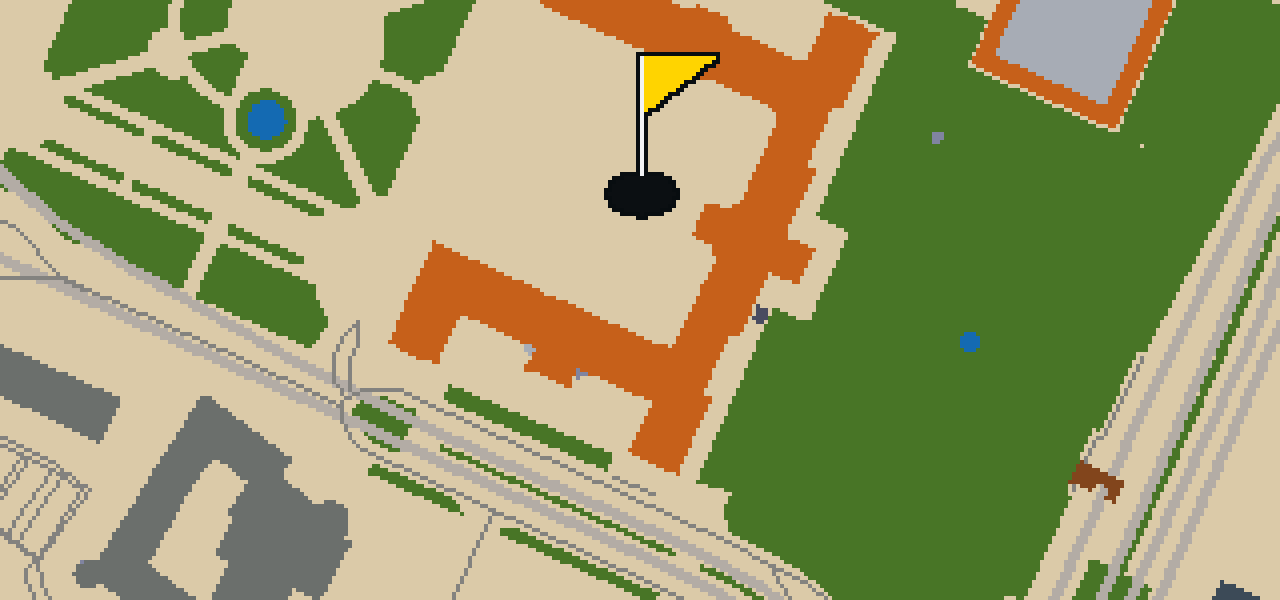
Let me show you the Kunstmuseum Stuttgart. This art museum is a 26-meter-high building designed by Hascher Jehle Architektur. It operates as a nonprofit organization and opened in 2005. You can pick out the scale of its popularity here, as it welcomes 330,000 annual visitors to the city of Stuttgart. It is a great spot to stop and look around, offering a glimpse into the local culture of Germany. I've noticed that the crowd always keeps the area feeling lively, making it a bright point on your walk through the city center.

Wikidata · Wikipedia

HOLE 5 - PAR 2

Erinnerungsort Hotel Silber

This site is not a place for guests to stay or a functioning business. It is the Erinnerungsort Hotel Silber, which is a museum and a memorial. Visitors come here to reflect on the history associated with the location. It is a dedicated space for remembrance and education. The site maintains a solemn atmosphere to ensure that the history it preserves is respected by every person who walks through its doors.

Wikidata

HOLE 6 - PAR 3

Neues Schloss

You can find the Neues Schloss sitting on the Schlossplatz, positioned right in front of the Königsbau and the Jubiläumssäule column. This baroque château was started in 1746 and was designed by the architect Nikolaus Friedrich von Thouret. Duke Carl Eugen of Württemberg commissioned the New Palace to replace the Old Castle, resulting in the 18th-century Baroque palace you see today. While it looks like a royal residence, the building contains some government offices. I've noticed that the wide open square makes it a great spot for people watching.

Wikidata · Wikipedia

HOLE 7 - PAR 3

Leonhardskirche

You might expect a contemporary structure in this part of the city, but you will find Leonhardskirche instead. This church building is designed in the Gothic architecture style, which you can see in the details of the construction. It is a place of significance that reflects the work of its creators. Specifically, Aberlin Jörg is an architect of the church, and Rudolf Lempp is also an architect of the building. Together, their work defines the physical presence of this site for everyone who visits today.

Wikidata

HOLE 8 - PAR 3

Altes Schauspielhaus

Located in the heart of Stuttgart, you will find the Altes Schauspielhaus. This theatre building is a notable part of the city's architectural layout and is a site you can easily pick out while exploring the area. It was designed by architects Albert Eitel and Eugen Steigleder. I have always thought the facade makes for a great spot to watch the crowds go by from a low angle. Whether you are a fan of the performing arts or just admiring the local scenery, this building is a key stop on your journey through the city.

Wikidata

HOLE 9 - PAR 3

Renitenztheater

Step inside the doors of Renitenztheater, a cabaret located in Stuttgart, Baden-Württemberg. This nonprofit organization focuses on performance and satire, bringing a variety of voices to the stage for the public to enjoy. While you will often find guest appearances by singers and comedians, the theater also puts on its own satirical play each year. One of the most anticipated annual highlights is the German-Turkish cabaret week. It is a great spot to see how the city handles humor and social commentary. I've noticed the crowds here always seem ready for a good laugh.

Wikidata · Wikipedia

HOLE 11 - PAR 3

Libellenbrunnen

Libellenbrunnen is a water well located here in Stuttgart. When you look at the structure, you can pick out the Art Nouveau architecture style, which is known for its elegant, curved lines and inspiration from nature. This particular well was designed by the architect Wilhelm Scholter, who brought that specific aesthetic to the city's streetscape. I find that the flowing details of this style provide a nice contrast to the more rigid lines of the surrounding buildings. It is a small but significant piece of the city's architectural history for any visitor to notice.

Wikidata

HOLE 12 - PAR 3

Bismarckturm Stuttgart

Bismarckturm Stuttgart is a 20-meter tall structure that serves as both a Bismarck tower and a water tower. Designed by architect Wilhelm Kreis, this building is a cultural heritage monument in Baden-Württemberg. You can pick out the distinct shape of the tower as you navigate the streets. I usually find the height makes it a great landmark for keeping your bearings in the city. It is a sturdy piece of local history that stands out against the skyline, providing a clear point of reference for visitors and locals alike.

Wikidata

HOLE 13 - PAR 4

Theodor-Heuss-Haus

Look closely at the facade of the Theodor-Heuss-Haus. This structure is a museum and a residential building, making it a unique stop on your walk through Stuttgart. It has been part of the city since its inception in 2002. Whether you are interested in local history or the way the city integrates private living spaces with public cultural sites, this building is a great example of that balance. I've seen plenty of nests in the eaves of buildings like this around town, though I prefer the ones with better views of the street.

Wikidata

HOLE 16 - PAR 4

Kriegsbergturm

Let me show you the Kriegsbergturm, an observation tower located in the city of Stuttgart. It stands at a height of 353 metres on the hill of Kriegsberg, providing a high vantage point over the region. Beyond its height, the tower is a public monument and is recognized as a cultural heritage monument in Baden-Württemberg. It is a great spot to get your bearings of the surrounding area and appreciate the local history. I have found that the breeze up here is quite refreshing for a bird on the wing, though the climb is much easier for those of us with feathers.

Wikidata · Wikipedia

HOLE 17 - PAR 3

Bahnhofsturm

Let me show you the Bahnhofsturm. This site is an observation tower. It is a great spot for visitors to get their bearings and see the city from above. I've noticed the view is quite something from up there.

Wikidata

HOLE 18 - PAR 3

Domkirche St. Eberhard

Domkirche St. Eberhard is located in Stuttgart. This co-cathedral is dedicated to Saint Eberhard of Salzburg and has been a co-cathedral of the Roman Catholic Diocese of Rottenburg-Stuttgart since 1978. While the parish dates back to the medieval era, the physical site has a more recent history of loss and recovery. The building was mostly destroyed by Allied air raids in 1944. Following that destruction, Hugo Schlösser served as the architect for the current building, which was completed in 1955. It remains a significant site of worship within the city center.

Wikidata · Wikipedia

STOP 19

Marktplatz

Let me show you Marktplatz. This square is located in the center of Stuttgart and serves as a focal point for the city. Whether you are here for the CityGolf course or just visiting, it is a spot you can easily pick out while navigating the downtown area. I usually find the open layout makes for a great view of the surrounding streets.

Wikidata

OTHER COURSES

9 HOLES - PAR 33

Hamm

9 stops

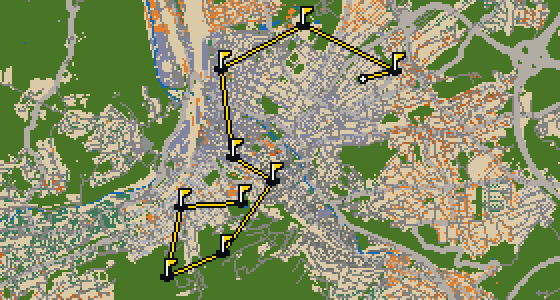
This quick nine-hole round covers 7.4 km across Hamm. The map is the real city and the ball rolls along its actual streets, using portals to skip between districts. Local attractions like Schloss Heessen are the foundations for the holes. Skip knows every curb and cobblestone here, even if a few crumbs usually distract the guide.

18 HOLES - PAR 53

Kassel

18 stops

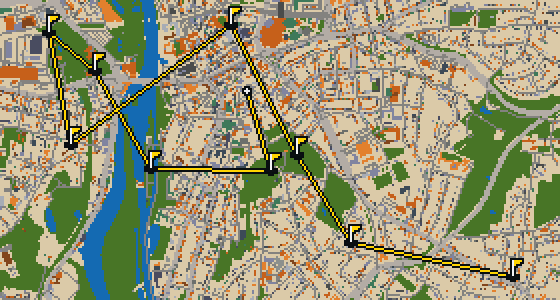
Kassel is the setting for this round, where the map follows the actual city and the ball rolls across its real streets. The holes are built from the city's actual attractions, ending at the Spitzhacke. Skip knows these sidewalks well and is the local guide. This is a full round of 18 holes with a par of 53, covering a walk of 9.7 km. The ball moves between distant districts using 12 portals.

9 HOLES - PAR 31

Hagen

9 stops

The ball ends its journey at the Stadtgarten. This course uses the real streets of Hagen as the map, with the city's actual attractions forming the holes. A quick round of 9 holes covers 7.6 km, using 8 portals to bridge the gaps between distant districts. Skip knows every curb and cobblestone here, having spent plenty of time watching the world go by from the eaves.

9 HOLES - PAR 29

Oberhausen

9 stops

Banking a ball off the stone of Schloss Broich requires a steady wing and a soft touch. This round takes place on the real streets of Oberhausen, where the city map is the course. The holes are built from actual local attractions, and Skip knows every crack in the pavement. A quick 9-hole round covers 6 km, with 14 portals to keep the ball moving.

18 HOLES - PAR 57

Delsberg

18 stops

Banking a ball off the stone facades of the Roter Turm requires a steady wing and a bit of luck. This round takes place in Delsberg, where the map is the real city and the game is played on its actual streets. The holes are built from real attractions, turning the urban layout into a course. I know these sidewalks well and can be the local guide. It is a full round of 18 holes with a par of 57, covering a 12.1 km walk that uses 10 portals.

FAQ

Is it free to play?

Yes. Every course runs in the browser with no account and no install.

Do I need to be in the city?

No. The full round plays from anywhere. Walking the real route is a nice way to see the city, but it is not required.

Are the maps real?

Yes. The geometry comes from OpenStreetMap data, rendered chunky on purpose. Streets, water and parks sit where they really are.