
SCHWERIN - 9 HOLES - FREE

SCHWERIN
CITY MAP MINIGOLF

Schwerin - 9 stops - par 28

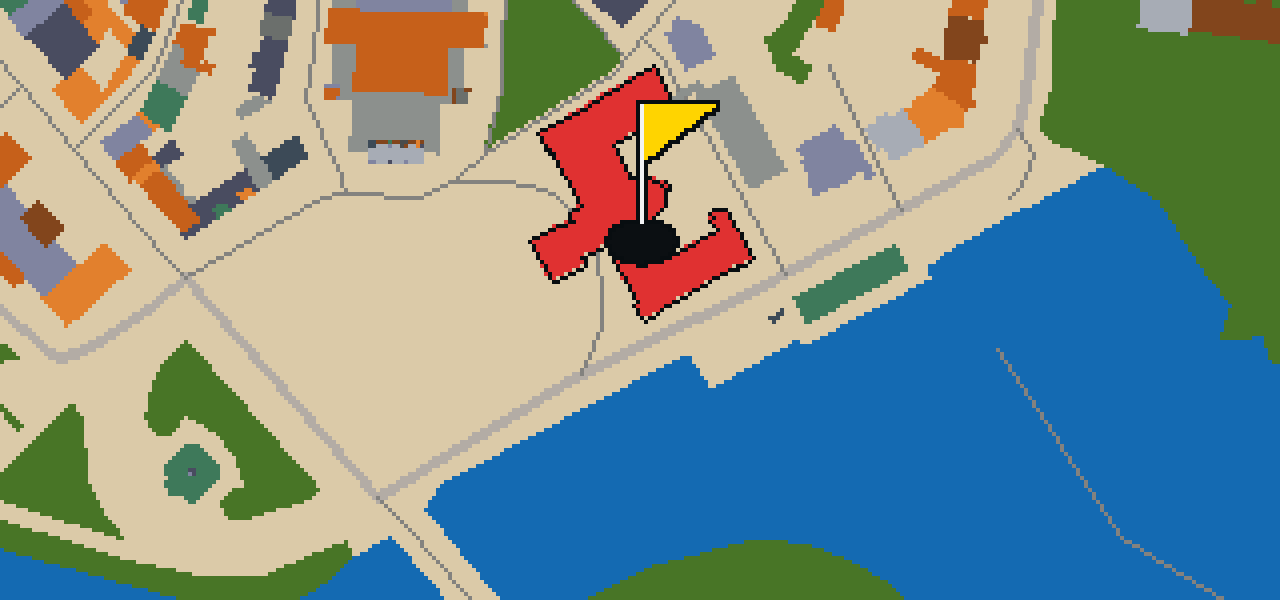
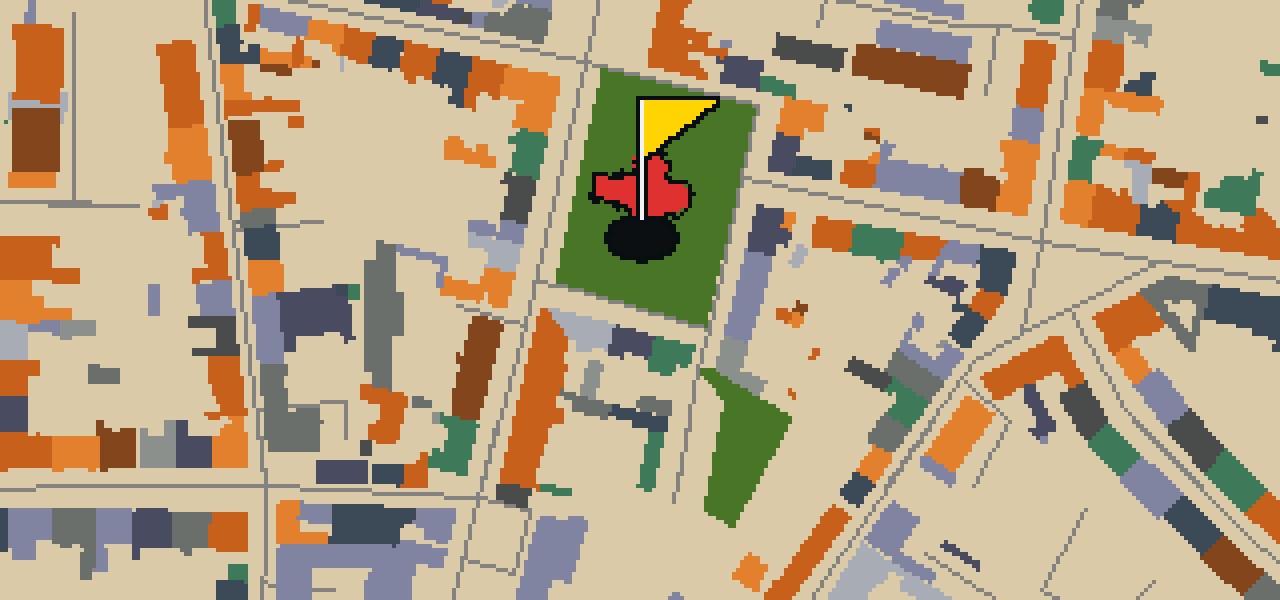
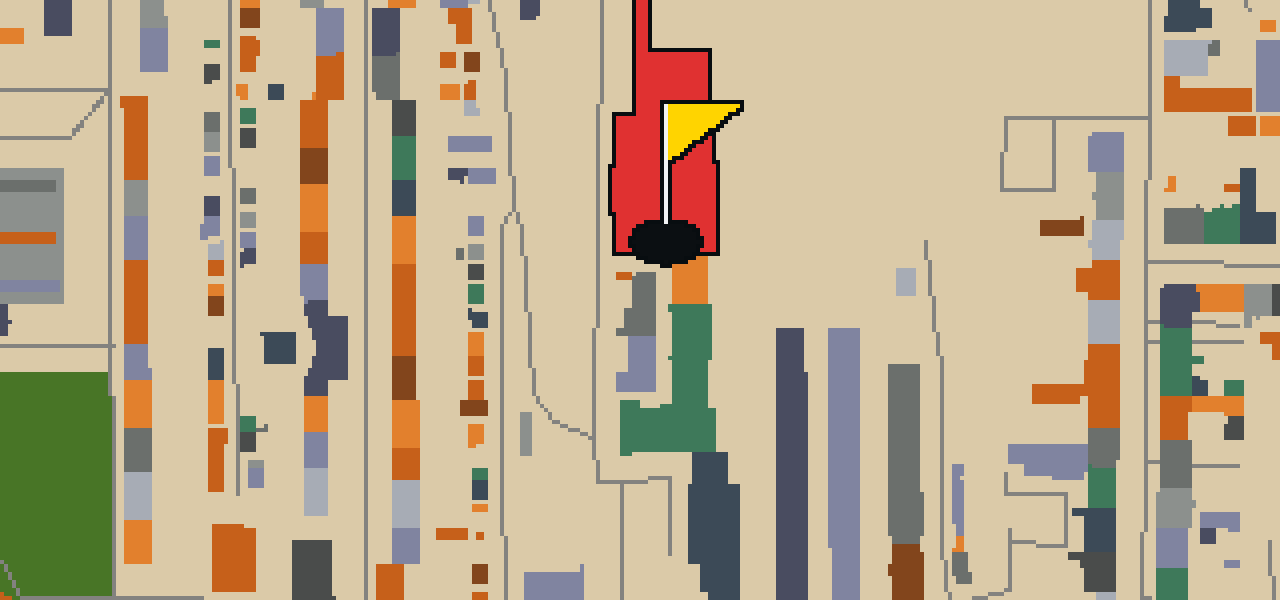
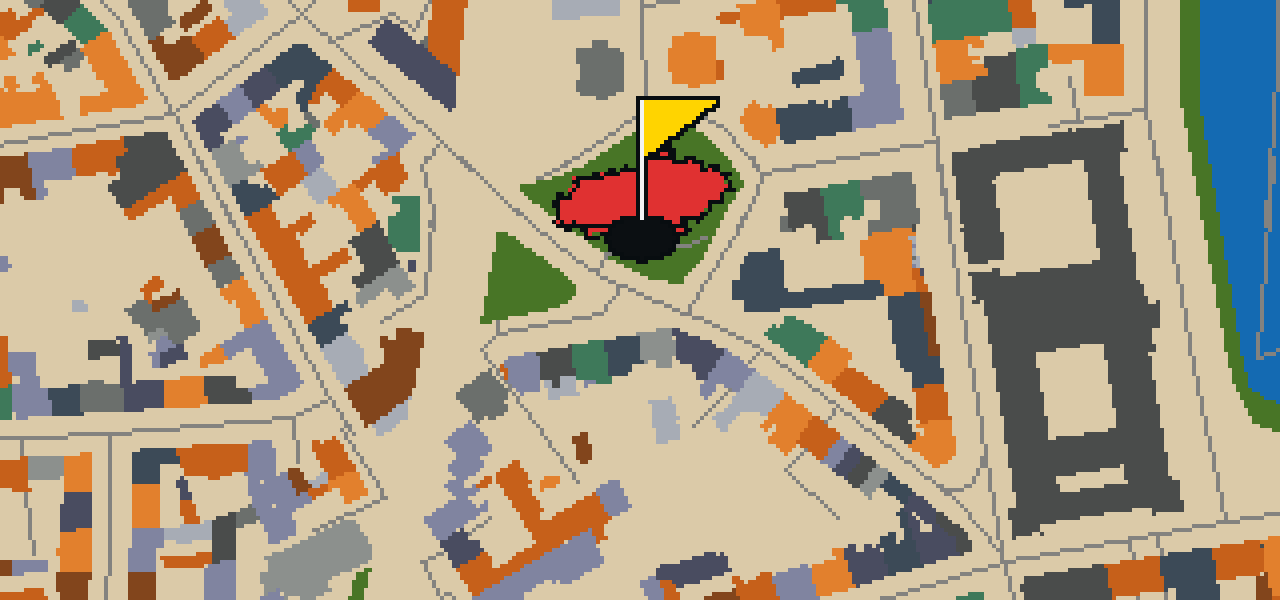
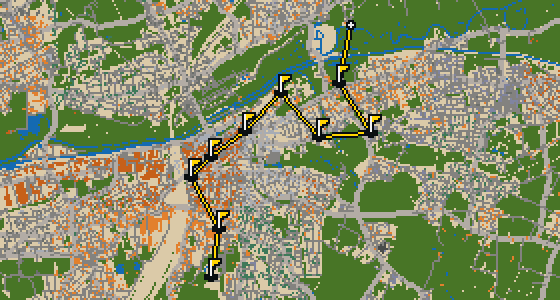
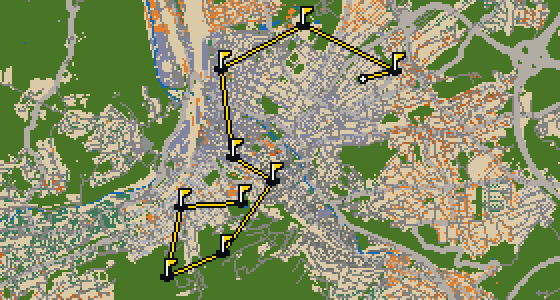
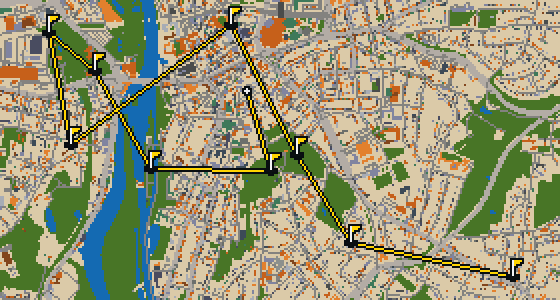
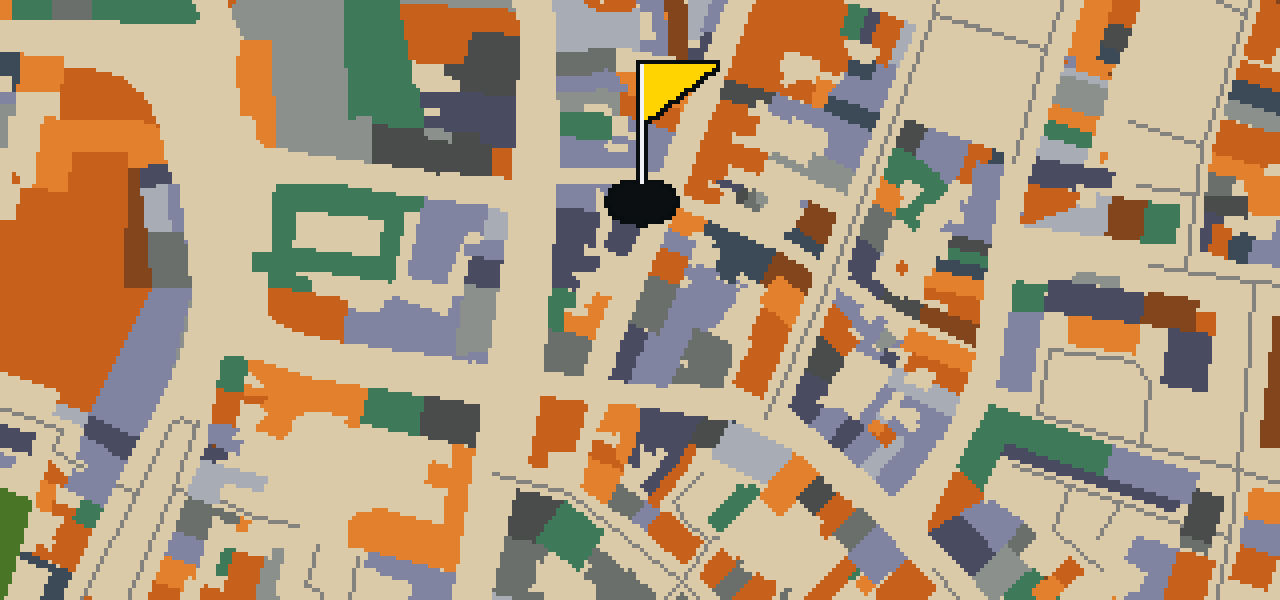
This is a quick nine-hole round through Schwerin. The map is the real city and the ball rolls along its actual streets, using attractions like Schweriner Schloss to form the holes. Skip knows these sidewalks well enough to find a few crumbs. The course covers 5.4 km and uses six portals to move between districts.

Trouble loading? Open the game in its own tab.

HOW IT WORKS

01

Pick a city

The course is drawn on the real street grid, so the map you play is the map you walk.

02

Putt to the pin

Drag to aim, release to swing. Buildings bounce and water costs you a stroke.

03

Sightsee between strokes

Every hole ends at an attraction. Sink the putt, read the story, walk to the next tee.

THE SCHWERIN ROUND - STOP BY STOP

HOLE 1 - PAR 3

Schweriner Schloss

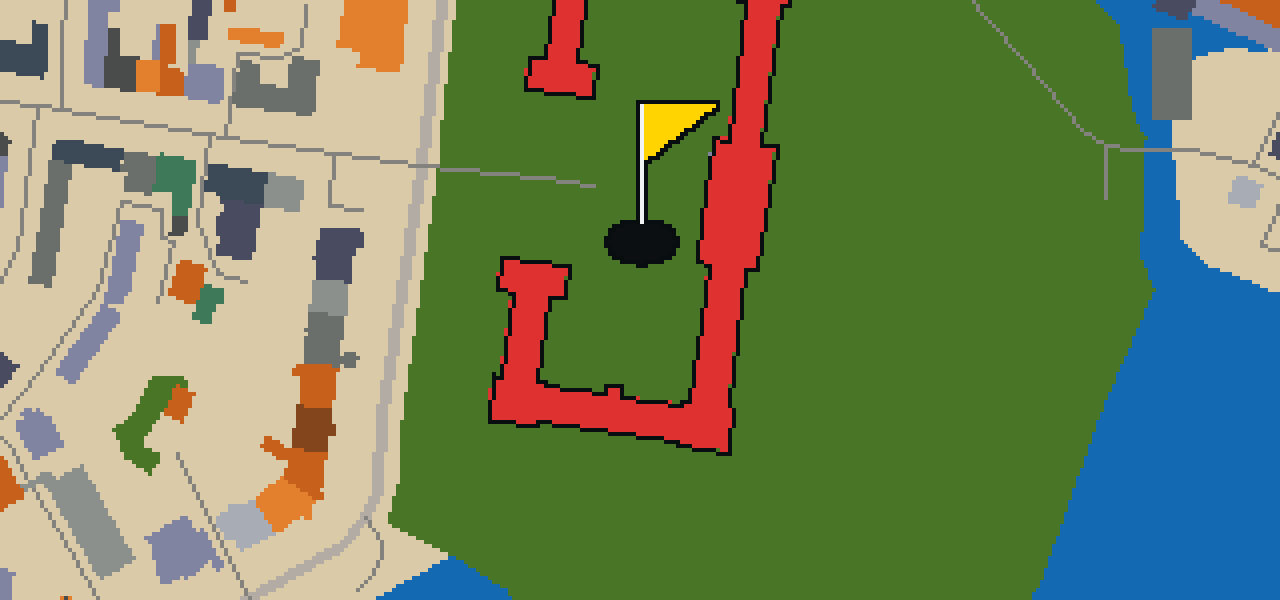
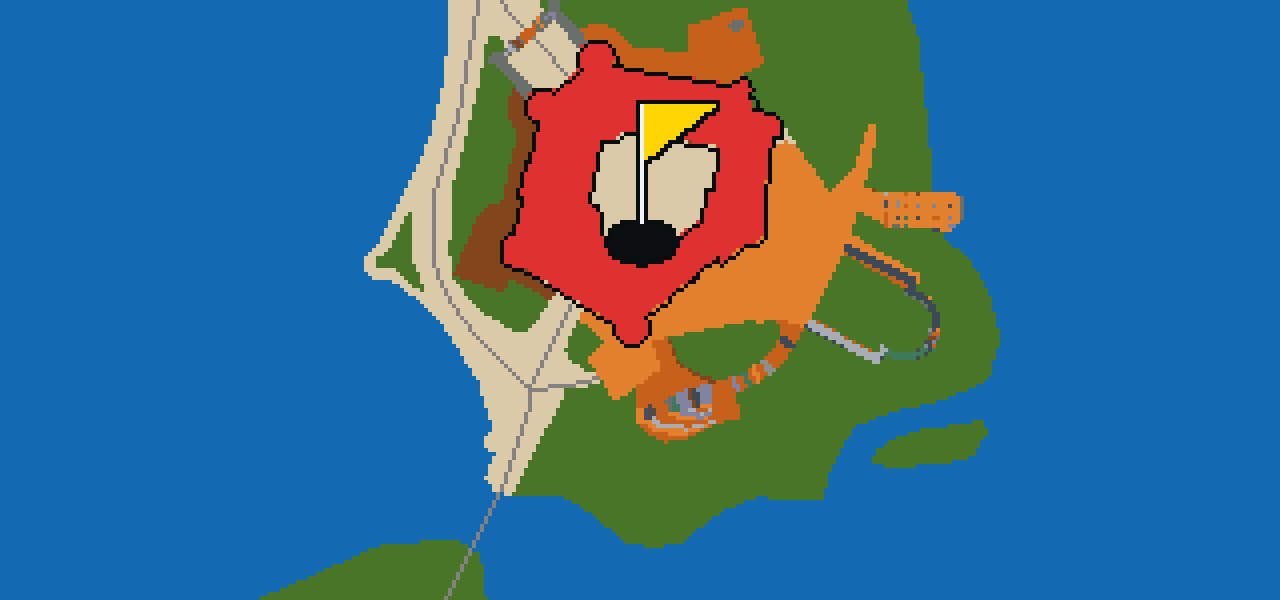
Let me show you Schwerin Castle, a 19th-century Schloss located in the city of Schwerin. This city is the capital of Mecklenburg-Vorpommern state, Germany. You can pick out the historicist architecture style of the building, which was designed by a team of architects including Georg Adolph Demmler, Gottfried Semper, Friedrich August Stüler, and Ernst Friedrich Zwirner. It is a recognized World Heritage Site that sits on an island in Lake Schwerin. While it was built as a grand residence, the site has since evolved to serve as both a museum and a parliament building. I have noticed that the surrounding water of Lake Schwerin makes for a great view of the facades as you approach the island. It is a standout landmark for anyone visiting the capital of the state.

Wikidata · Wikipedia

HOLE 2 - PAR 3

Fachwerkhaus Buschstraße

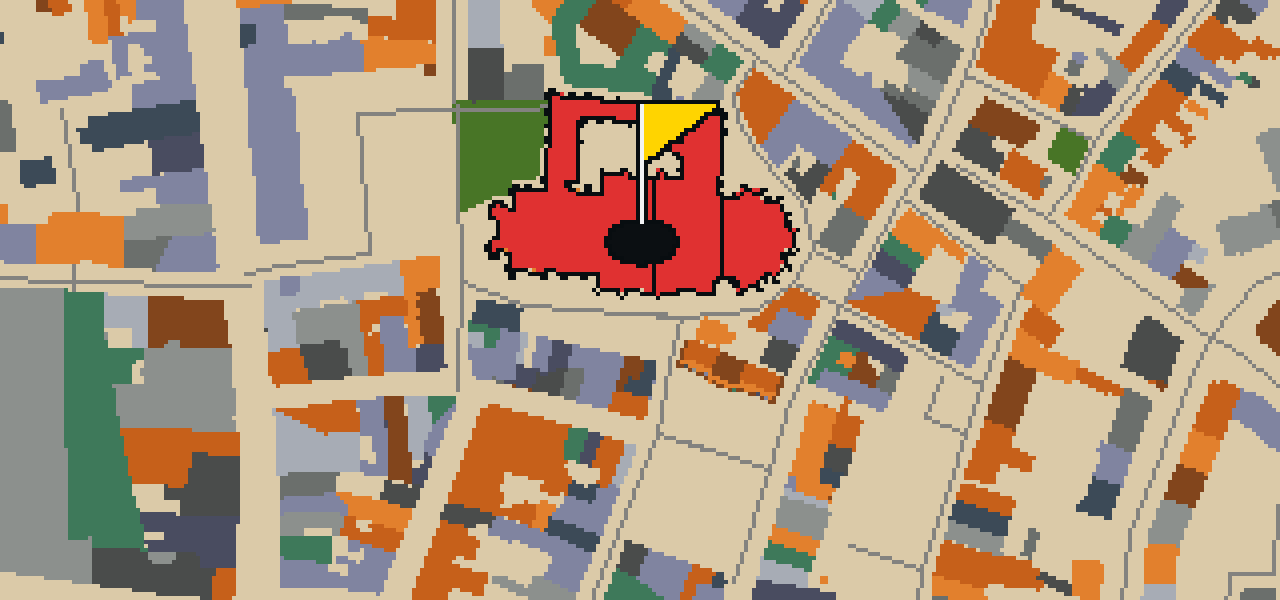
Let me show you the Fachwerkhaus Buschstraße. This building is a timber-framed house. It is a great example of the local architecture you can find as you explore the streets of Schwerin. I always think these old frames give the neighborhood a lot of character. It is a simple but sturdy structure that helps visitors understand how people used to build their homes in this part of the city.

Wikidata

HOLE 3 - PAR 3

Schweriner Marstall

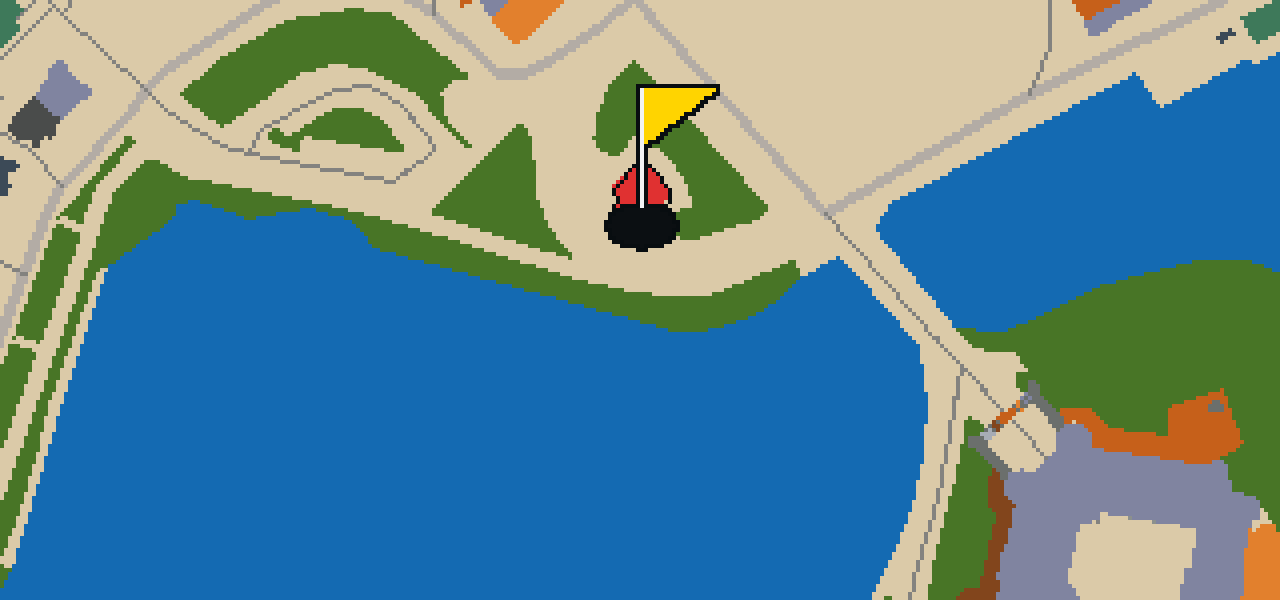
As you move through the city, you will find the Schweriner Marstall. This site is a stable and is recognized as an architectural heritage monument in Mecklenburg-Vorpommern. While its history is rooted in its use as a stable, it also functions as an office building today. I always enjoy seeing how these old structures find new purposes while keeping their original look. It is a great example of the heritage preserved within the region. When you are walking by, take a moment to look at the exterior and think about how the building's role has shifted over time from housing horses to housing desks. It is one of those spots in the city where the past and present sit side by side in a way that feels very natural to the local atmosphere.

Wikidata

HOLE 4 - PAR 3

Schweriner Dom St. Maria und St. Johannes

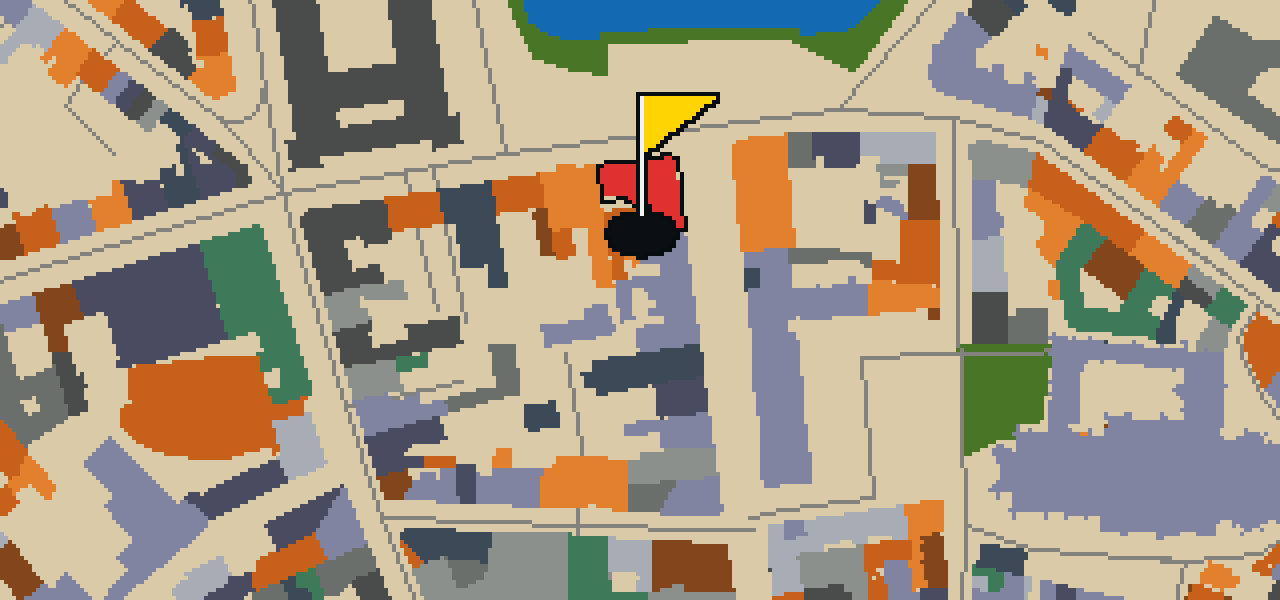
The height of this structure is 117.5 meters. This is the Schweriner Dom St. Maria und St. Johannes, a Lutheran cathedral located in the town of Schwerin, Germany. Built in the Brick Gothic style, it is an architectural heritage monument in Mecklenburg-Vorpommern. The cathedral was designed by architects Adolf Friedrich Lorenz, Georg Daniel, and Heinrich Julius Tode. It is dedicated to the Virgin Mary and Saint John. The inception of the cathedral was in 1260. Visitors can observe the specific characteristics of the Brick Gothic style throughout the monument, which remains a significant part of the local architectural heritage in this region of Germany.

Wikidata · Wikipedia

HOLE 5 - PAR 3

Siegessäule

Hermann Willebrand was the architect who designed the Siegessäule. This monument is a column that reaches a height of 23 meters, making it a prominent feature for anyone visiting the area. Construction on the structure was started in 1874. Today, it is classified as an architectural heritage monument in Mecklenburg-Vorpommern. When you visit, you can pick out the specific details of the column's design that Willebrand envisioned. It is a useful landmark for getting your bearings while exploring the city. I always think it is a good place to stop for a moment and appreciate the scale of the work before moving on to the next sight. Whether you are interested in the history of the region or just the look of the stone, there is plenty to see here.

Wikidata

HOLE 6 - PAR 3

Demmlerhaus

You will first notice the Tudor Revival architecture style of Demmlerhaus, a building that stands out from its surroundings. This specific style gives the structure its characteristic appearance, making it a key point of interest for visitors to the city. Georg Adolph Demmler was the architect of Demmlerhaus, and the project was started in 1843. Because of its historical and stylistic value, it is an architectural heritage monument in Mecklenburg-Vorpommern. I always find that the intricate details of this style make it one of the more interesting facades to look at while you are exploring the neighborhood. Whether you are a fan of old buildings or just passing through, the visual impact of this specific architectural choice is hard to miss as you walk by.

Wikidata

HOLE 7 - PAR 3

Staatliches Museum Schwerin

Frederick Francis II, Grand Duke of Mecklenburg-Schwerin, established the Staatliches Museum Schwerin. This art museum is located in Schwerin in Germany and serves as a major cultural point for the city. The museum's historicist Haupthaus was the Staatsgalerie next to the Staatstheater. While you can find locations opposite the Schweriner Schloss, the museum also maintains locations in the former residences at Schloss Güstrow and Schloss Ludwigslust. I've noticed that the architecture here is quite grand, which makes for some excellent perching spots if you're looking for a view of the street. Whether you are interested in the history of the Grand Duke's vision or the art itself, there is plenty to see across these various sites. Just keep an eye on the crowds as you navigate the areas around the castle.

Wikidata · Wikipedia

HOLE 8 - PAR 4

St. Nikolai

The Baroque style of St. Nikolai is a result of the building being rebuilt in 1713 after destruction by a storm. This Evangelical Lutheran church is located in the Schelfstadt quarter of Schwerin and is dedicated to Saint Nicholas. Work on the site originally started in 1238, and Leonhard Christoph Sturm served as the architect. Today, the building is recognized as an architectural heritage monument in Mecklenburg-Vorpommern. Beyond the exterior and the layout, the church holds deep significance for the region as the family burial place of the House of Mecklenburg-Schwerin. This includes the resting place of Sophia Louise of Mecklenburg-Schwerin. Visitors can observe the intersection of history and faith in this specific quarter of the city.

Wikidata · Wikipedia

HOLE 9 - PAR 3

Mecklenburgisches Eisenbahn- und Technikmuseum

You will first notice the sprawling collection of trains and technical equipment at the Mecklenburgisches Eisenbahn- und Technikmuseum. This site is a railway museum that preserves the mechanical history of the region. I find the scale of the locomotives quite impressive when you see them up close. It is a great spot for anyone interested in how the rails once moved people and goods across the land.

Wikidata

OTHER COURSES

9 HOLES - PAR 33

Hamm

9 stops

This quick nine-hole round covers 7.4 km across Hamm. The map is the real city and the ball rolls along its actual streets, using portals to skip between districts. Local attractions like Schloss Heessen are the foundations for the holes. Skip knows every curb and cobblestone here, even if a few crumbs usually distract the guide.

18 HOLES - PAR 53

Kassel

18 stops

Kassel is the setting for this round, where the map follows the actual city and the ball rolls across its real streets. The holes are built from the city's actual attractions, ending at the Spitzhacke. Skip knows these sidewalks well and is the local guide. This is a full round of 18 holes with a par of 53, covering a walk of 9.7 km. The ball moves between distant districts using 12 portals.

9 HOLES - PAR 31

Hagen

9 stops

The ball ends its journey at the Stadtgarten. This course uses the real streets of Hagen as the map, with the city's actual attractions forming the holes. A quick round of 9 holes covers 7.6 km, using 8 portals to bridge the gaps between distant districts. Skip knows every curb and cobblestone here, having spent plenty of time watching the world go by from the eaves.

9 HOLES - PAR 29

Oberhausen

9 stops

Banking a ball off the stone of Schloss Broich requires a steady wing and a soft touch. This round takes place on the real streets of Oberhausen, where the city map is the course. The holes are built from actual local attractions, and Skip knows every crack in the pavement. A quick 9-hole round covers 6 km, with 14 portals to keep the ball moving.

18 HOLES - PAR 57

Delsberg

18 stops

Banking a ball off the stone facades of the Roter Turm requires a steady wing and a bit of luck. This round takes place in Delsberg, where the map is the real city and the game is played on its actual streets. The holes are built from real attractions, turning the urban layout into a course. I know these sidewalks well and can be the local guide. It is a full round of 18 holes with a par of 57, covering a 12.1 km walk that uses 10 portals.

FAQ

Is it free to play?

Yes. Every course runs in the browser with no account and no install.

Do I need to be in the city?

No. The full round plays from anywhere. Walking the real route is a nice way to see the city, but it is not required.

Are the maps real?

Yes. The geometry comes from OpenStreetMap data, rendered chunky on purpose. Streets, water and parks sit where they really are.