
ROSTOCK - 18 HOLES - FREE

ROSTOCK
CITY MAP MINIGOLF

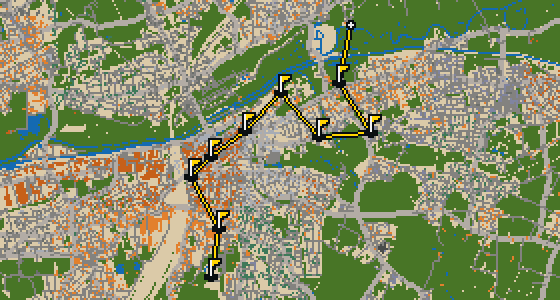
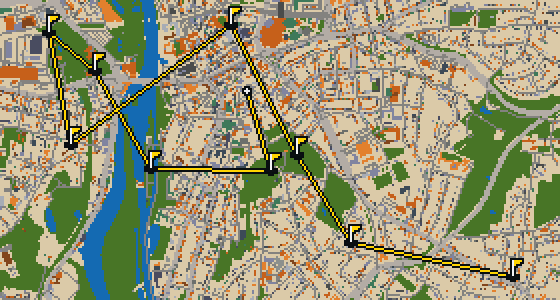
Rostock - 18 stops - par 55

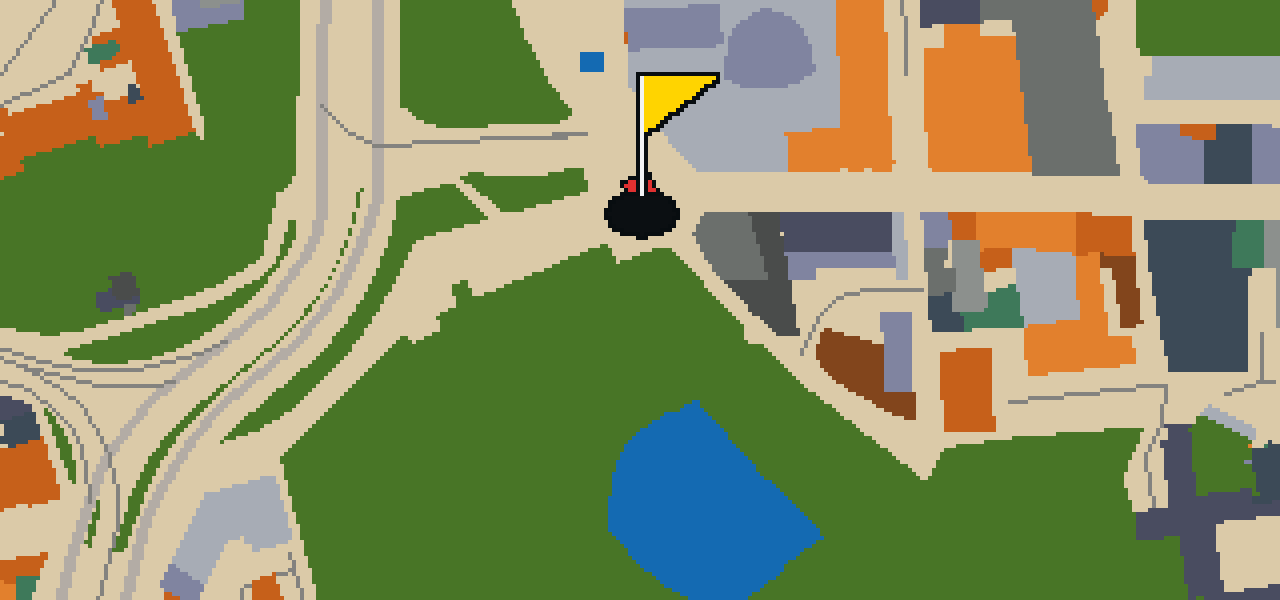
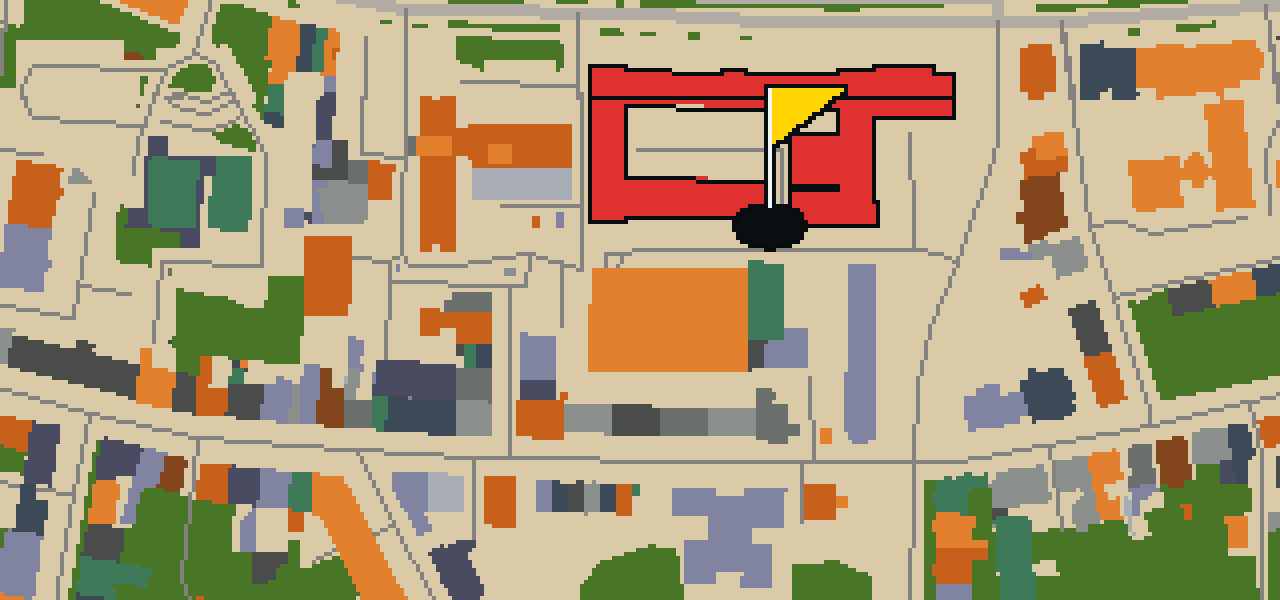
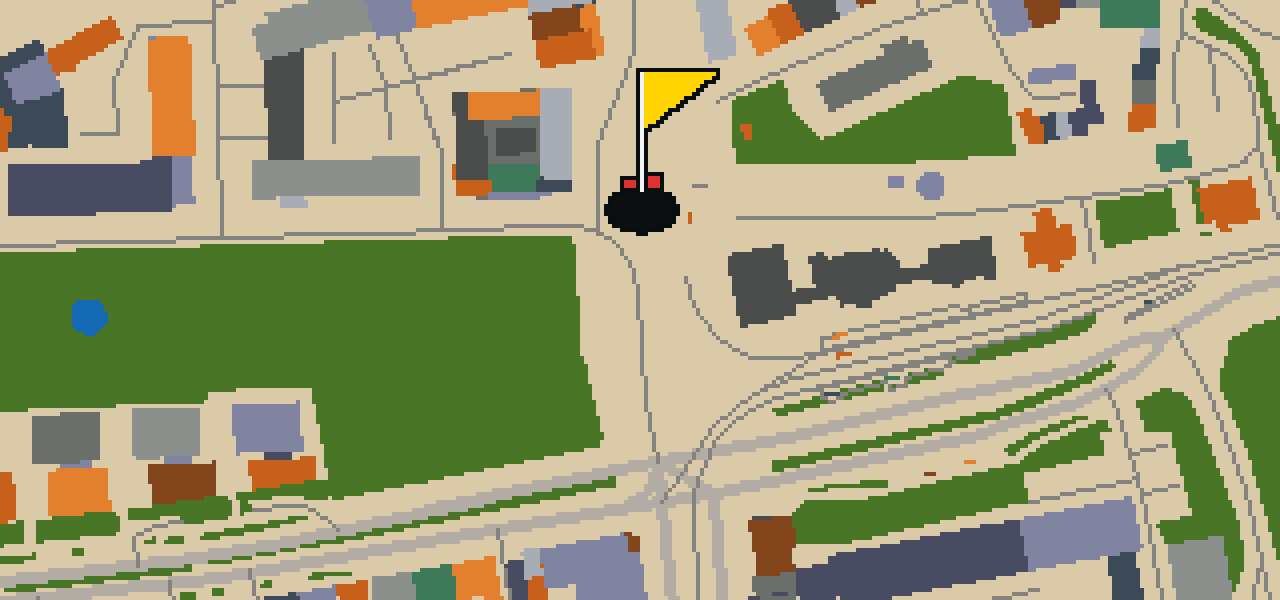
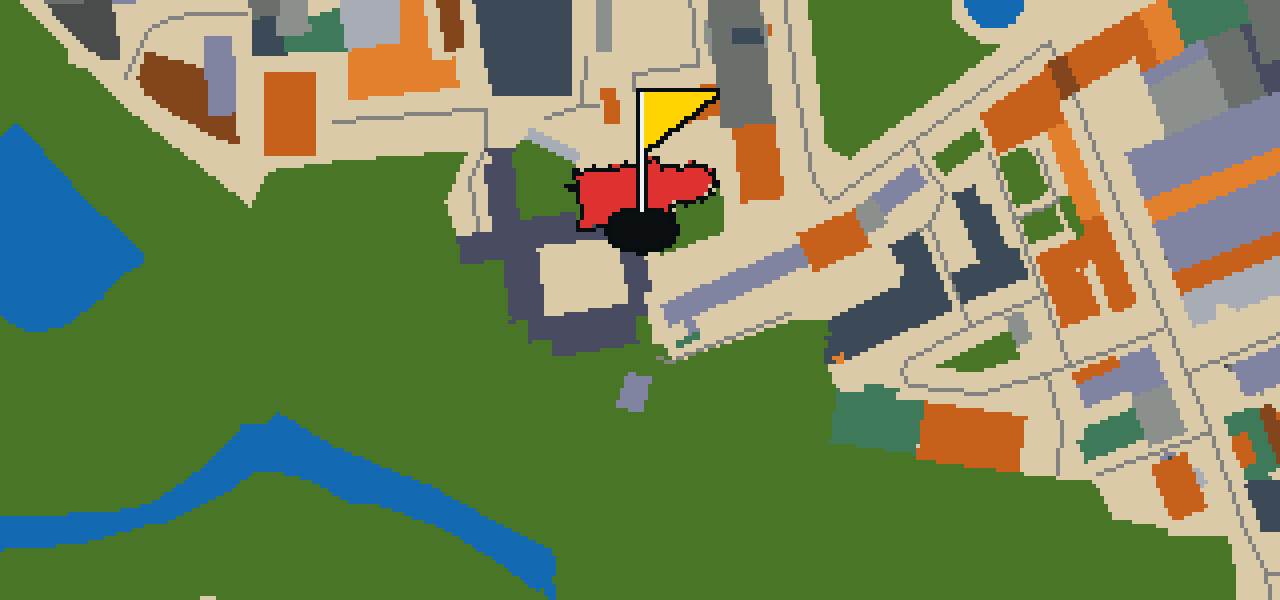
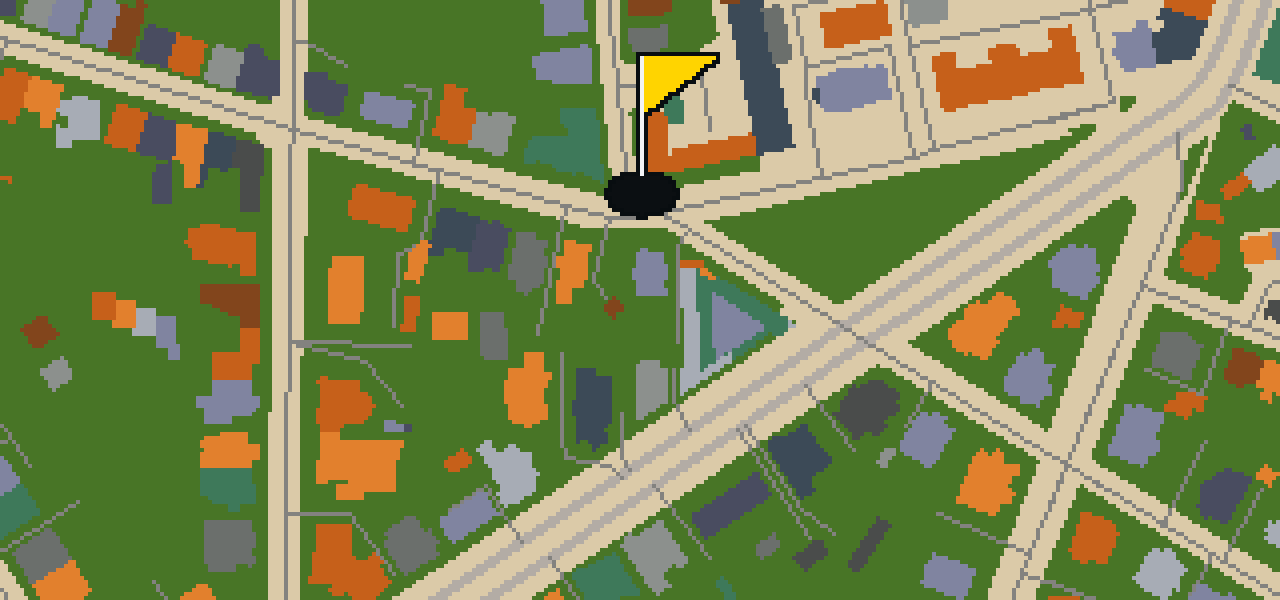
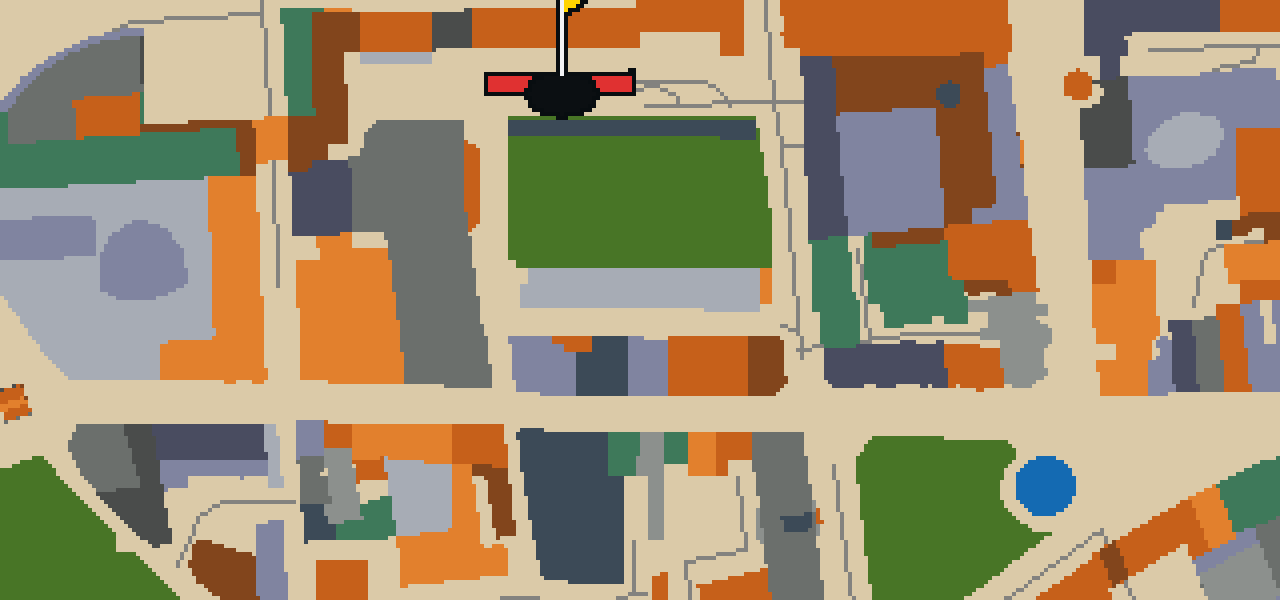
The final cup is the Jakobikirchplatz, and the path to get there follows the real streets of Rostock. This full round of 18 holes covers 11.3 km, using the city's actual attractions as the boundaries for each shot. A few portals help the ball skip across the map to keep the pace up. Skip knows these sidewalks and every nook of the city well, acting as the local guide for the walk. It is a long stroll, but the real landmarks make the distance feel shorter.

Trouble loading? Open the game in its own tab.

HOW IT WORKS

01

Pick a city

The course is drawn on the real street grid, so the map you play is the map you walk.

02

Putt to the pin

Drag to aim, release to swing. Buildings bounce and water costs you a stroke.

03

Sightsee between strokes

Every hole ends at an attraction. Sink the putt, read the story, walk to the next tee.

THE ROSTOCK ROUND - STOP BY STOP

HOLE 2 - PAR 4

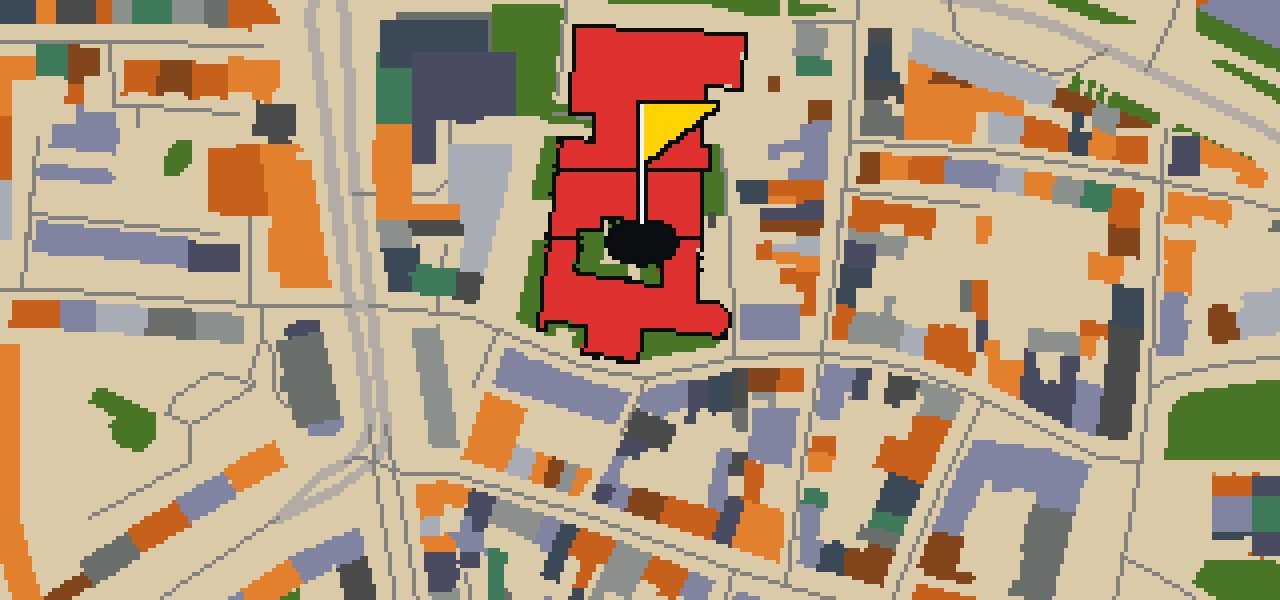
Botanischer Garten der Universität Rostock

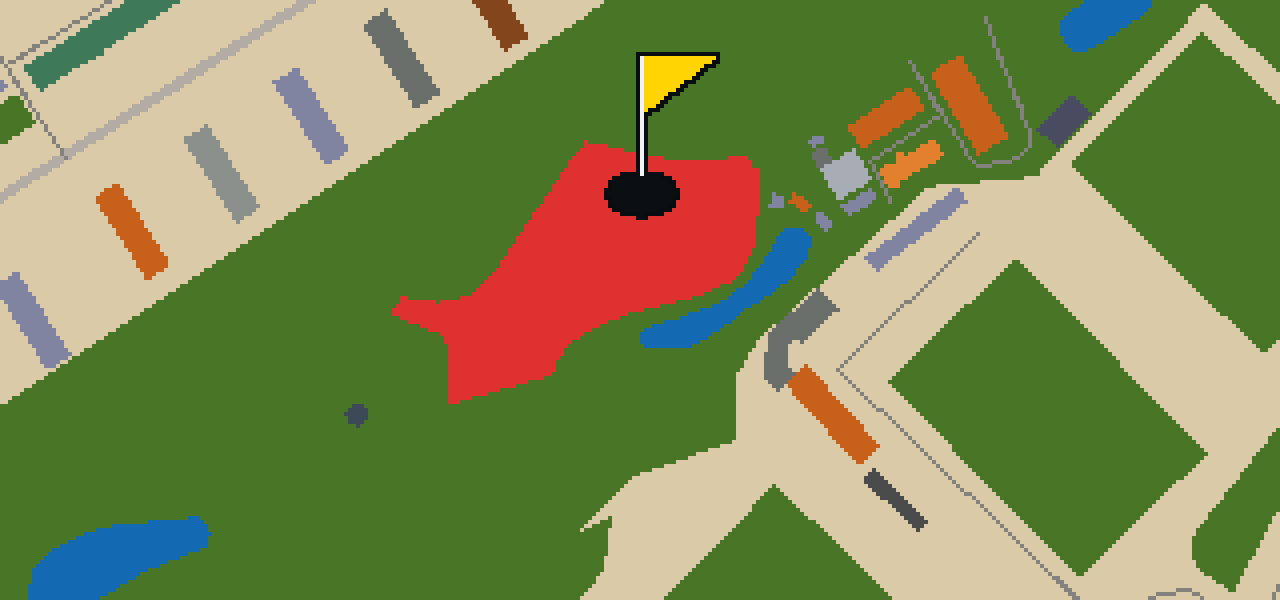
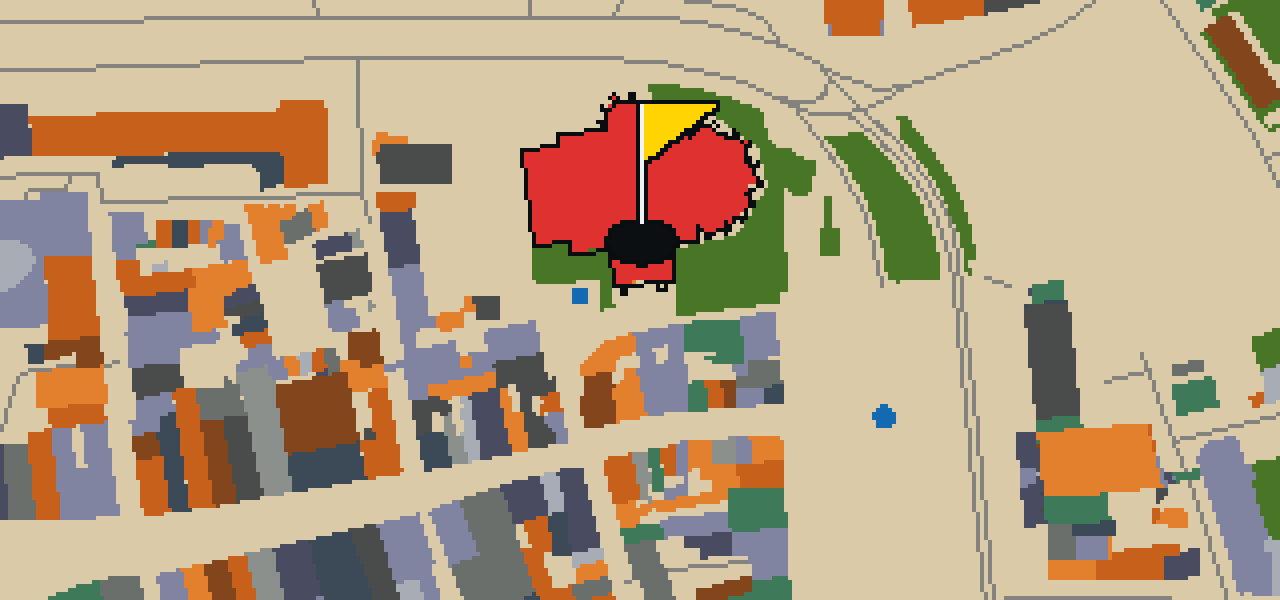
Located along Hans-Sachs Allee in Rostock, Mecklenburg-Vorpommern, Germany, you will find the Botanischer Garten der Universität Rostock adjacent to the university sports fields. It is a botanical garden and arboretum maintained by the University of Rostock. The site is also a Kulturdenkmal. If you are visiting during the warmer months, the garden is open daily except Monday. I find it a lovely place to stretch your wings and admire the greenery. It is a useful spot for anyone looking to see a wide variety of plants while exploring the city's academic district.

Wikidata · Wikipedia

HOLE 3 - PAR 3

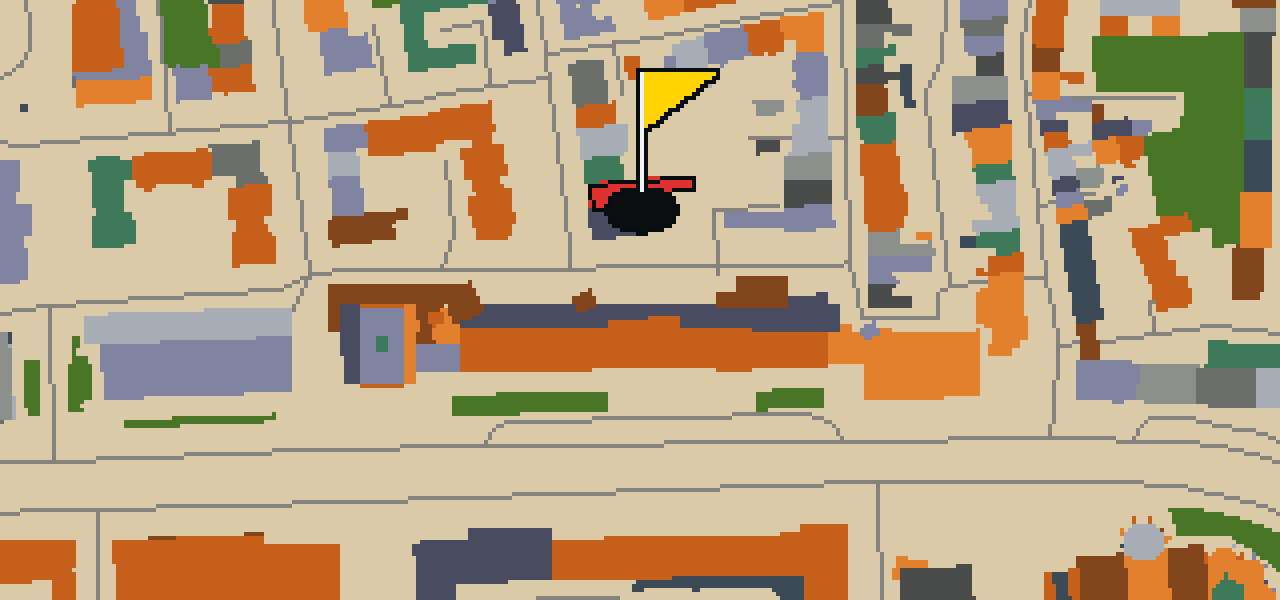
Hellingkran

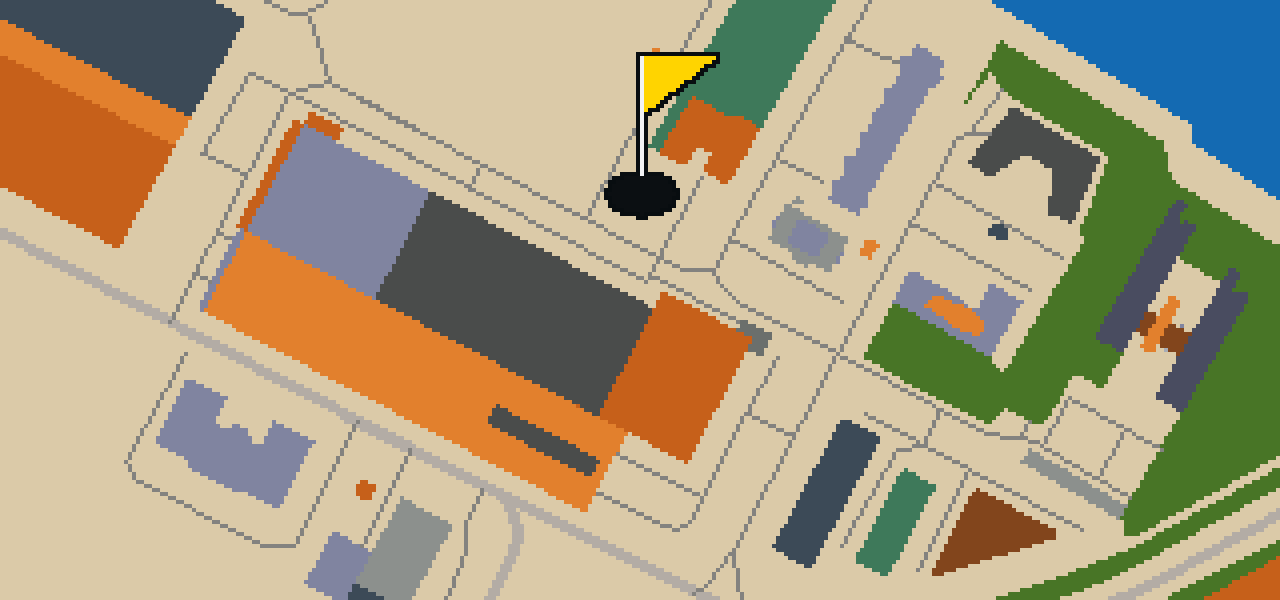
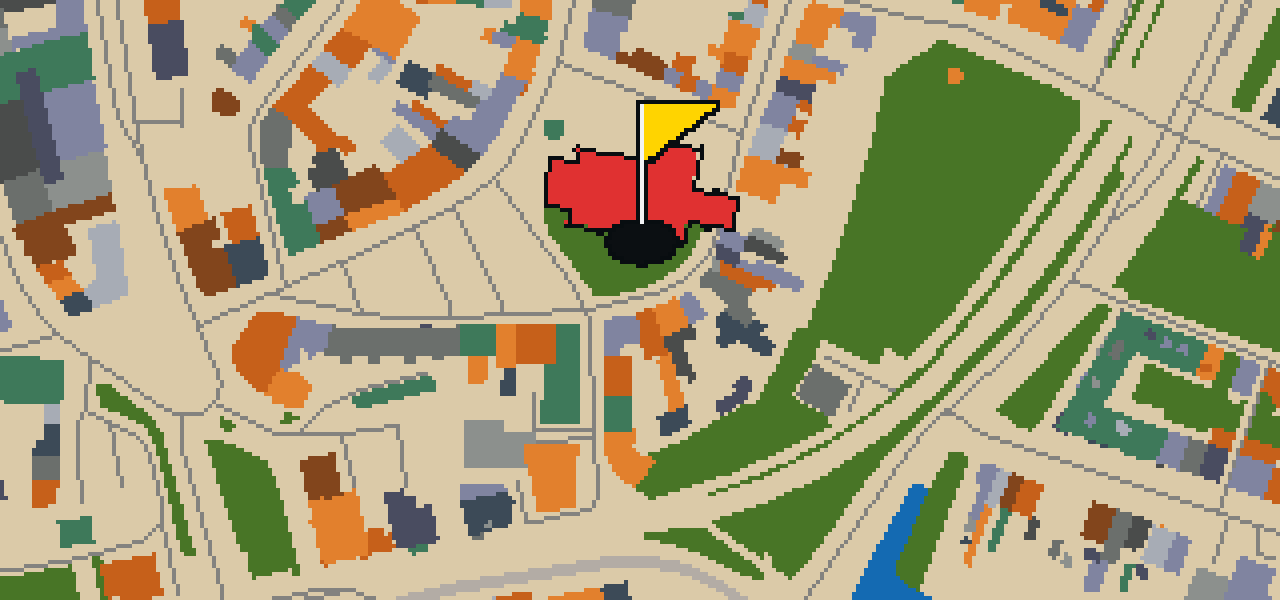
You can't miss the Hellingkran, a crane that reaches a height of 65 meters. It is a technical monument that stands as a prominent feature of the skyline, drawing the eye of anyone visiting the waterfront. Beyond its industrial history, it is used as an event venue for visitors and locals to gather. I've seen a few fellow birds perch on the higher beams for a great view of the city, though most people prefer to admire the scale of the machinery from the ground.

Wikidata

HOLE 5 - PAR 3

Stephan Jantzen

HOLE 6 - PAR 3

Kröpeliner Tor

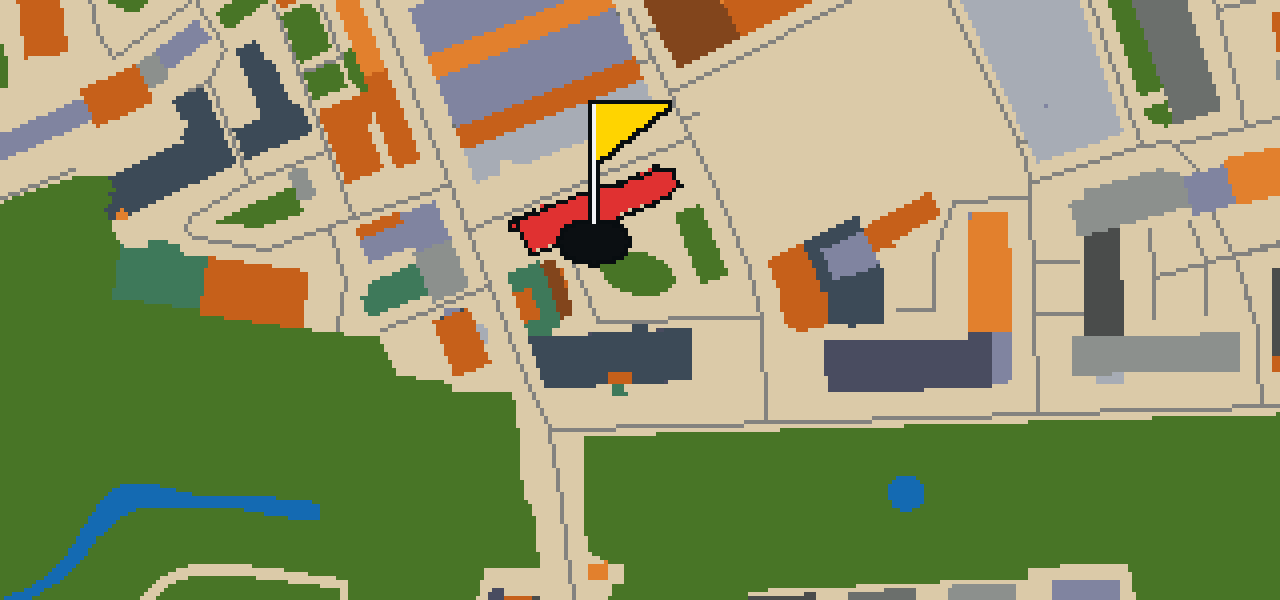
Located at a key point in the city, Kröpeliner Tor is a city gate. It is recognized as an architectural heritage monument in Mecklenburg-Vorpommern. If you look closely at the structure, you can see it was built in the Gothic architecture style. The inception of this landmark was in 1255. I always find the scale of these old gates impressive compared to the modern traffic flowing around them. It is the kind of place where you can really feel the weight of the city's history just by standing in its shadow for a few minutes.

Wikidata

HOLE 7 - PAR 3

Dokumentations- und Gedenkstätte in der ehemaligen Untersuchungshaft der Staatssicherheit Rostock

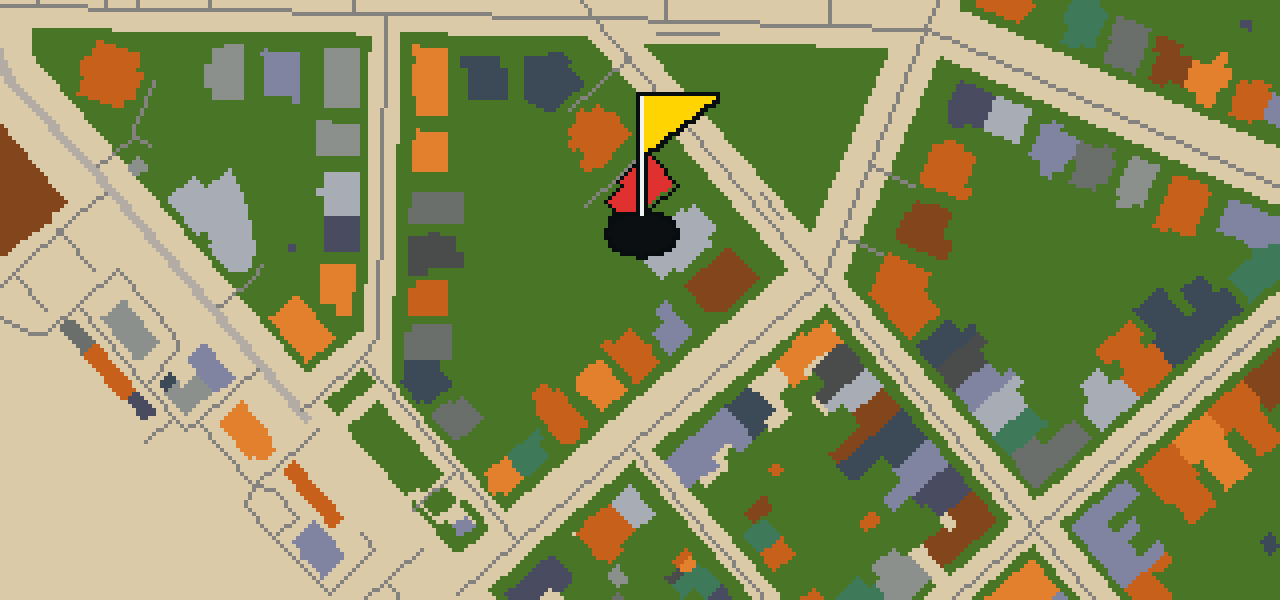
The Staatssicherheit once operated this site as a remand prison, and today it is the Dokumentations- und Gedenkstätte in der ehemaligen Untersuchungshaft der Staatssicherheit Rostock. This museum allows you to see the environment where prisoners were held. Beyond its role as a place of remembrance, the building is an architectural heritage monument in Mecklenburg-Vorpommern. I find the atmosphere here quite heavy, but it is an important stop for anyone wanting to understand the city's past. It is a stark reminder of the systems that once operated within these walls, preserved as a monument for the public.

Wikidata

HOLE 8 - PAR 3

Steintor

Steintor is a city gate. It is an architectural heritage monument in Mecklenburg-Vorpommern, making it a significant site for those interested in the region's preserved structures. You can pick out the specific masonry and design that earned it this status as a monument. I find the scale of these old entrances always impressive when you are walking right up to them, especially when you consider how they once defined the boundaries of the urban space. It is a great spot to stop and admire the local craftsmanship before moving on to the next landmark.

Wikidata

HOLE 9 - PAR 2

Klosterkirche zum Heiligen Kreuz (Universitätskirche)

You will find the Klosterkirche zum Heiligen Kreuz in Rostock, Germany. This monastery is an architectural heritage monument in Mecklenburg-Vorpommern and the only fully preserved abbey in the city. Cistercian nuns founded the abbey in the 13th century. While the former abbey church is used today as the University Church, the remaining former convent buildings house the Museum of Cultural History for the city of Rostock. It is a site where you can see both the religious history of the region and the city's cultural archives in one location.

Wikidata · Wikipedia

HOLE 10 - PAR 3

Hausbaumhaus

Don't let the name fool you; this isn't a dwelling built into the branches of a tree. The Hausbaumhaus is a building that showcases the Gothic art style. For those visiting Rostock, it is a notable stop because it is an architectural heritage monument in Mecklenburg-Vorpommern. I always find the sharp lines of the Gothic style a great way to orient yourself in the city. It is a wonderful example of how the local heritage is preserved for everyone to see while they wander the neighborhood.

Wikidata

HOLE 14 - PAR 3

St.-Marien-Kirche

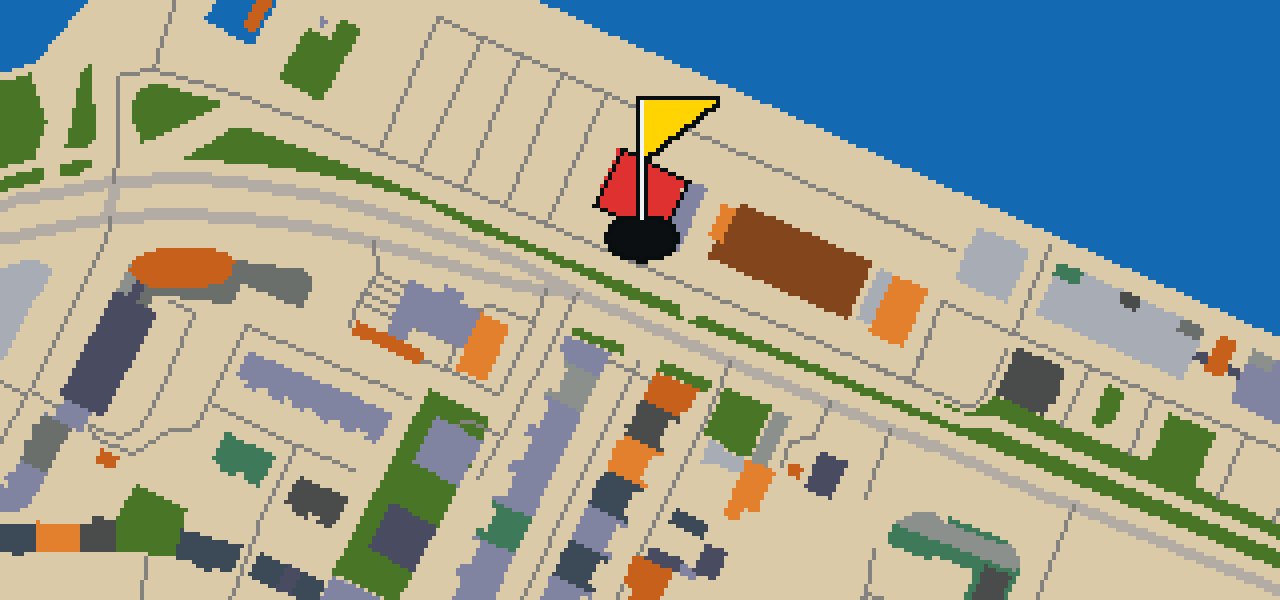
You will first notice the red masonry of St.-Marien-Kirche, a church building designed in the Brick Gothic style. It is an architectural heritage monument in Mecklenburg-Vorpommern. The structure was started in 1265, and in that same year, it was designated as the main parish church. Jean-Laurent Le Geay is the architect of the building. This site remains a significant landmark for those visiting the city, reflecting the historical building traditions of the region through its scale and specific material use.

Wikidata · Wikipedia

HOLE 16 - PAR 4

St. Michaelis

This site is not just a church building, but also a monastery and a religious community. St. Michaelis is an architectural heritage monument in Mecklenburg-Vorpommern. You can pick out the Michaeliskloster here, which is a former monastery building in Rostock, Germany. This specific location is significant because it was once home to the Brethren of the Common Life. Furthermore, the Michaeliskloster served as a major center for printing and bookbinding during the late Middle Ages, making it a key site for the production of books during that era of history.

Wikidata · Wikipedia

HOLE 17 - PAR 2

Max-Samuel-Haus

Let me show you the Max-Samuel-Haus, which is a building here in the city. It is an architectural heritage monument in Mecklenburg-Vorpommern, meaning it is officially protected as a piece of the region's historical construction. When you look at the facade, you are seeing a structure that has been preserved for its significance to the local area. I have found that the ledge here is a particularly good spot for a pigeon to get a clear view of the surrounding neighborhood while resting between flights.

Wikidata

HOLE 18 - PAR 4

Junge auf Stahlring

Wikidata

STOP 19

Jakobikirchplatz

The builders of Jakobikirchplatz created a church building that follows the Brick Gothic style. This architectural approach is a defining feature of the region's historical construction, and it remains a significant sight for anyone visiting the city. You can observe the specific use of brickwork that characterizes this style throughout the exterior of the building, which provides a clear example of how the Brick Gothic style was applied to religious structures in this area. It is a place of importance that reflects the craftsmanship of the people who designed and built it.

Wikidata

OTHER COURSES

9 HOLES - PAR 33

Hamm

9 stops

This quick nine-hole round covers 7.4 km across Hamm. The map is the real city and the ball rolls along its actual streets, using portals to skip between districts. Local attractions like Schloss Heessen are the foundations for the holes. Skip knows every curb and cobblestone here, even if a few crumbs usually distract the guide.

18 HOLES - PAR 53

Kassel

18 stops

Kassel is the setting for this round, where the map follows the actual city and the ball rolls across its real streets. The holes are built from the city's actual attractions, ending at the Spitzhacke. Skip knows these sidewalks well and is the local guide. This is a full round of 18 holes with a par of 53, covering a walk of 9.7 km. The ball moves between distant districts using 12 portals.

9 HOLES - PAR 31

Hagen

9 stops

The ball ends its journey at the Stadtgarten. This course uses the real streets of Hagen as the map, with the city's actual attractions forming the holes. A quick round of 9 holes covers 7.6 km, using 8 portals to bridge the gaps between distant districts. Skip knows every curb and cobblestone here, having spent plenty of time watching the world go by from the eaves.

9 HOLES - PAR 29

Oberhausen

9 stops

Banking a ball off the stone of Schloss Broich requires a steady wing and a soft touch. This round takes place on the real streets of Oberhausen, where the city map is the course. The holes are built from actual local attractions, and Skip knows every crack in the pavement. A quick 9-hole round covers 6 km, with 14 portals to keep the ball moving.

18 HOLES - PAR 57

Delsberg

18 stops

Banking a ball off the stone facades of the Roter Turm requires a steady wing and a bit of luck. This round takes place in Delsberg, where the map is the real city and the game is played on its actual streets. The holes are built from real attractions, turning the urban layout into a course. I know these sidewalks well and can be the local guide. It is a full round of 18 holes with a par of 57, covering a 12.1 km walk that uses 10 portals.

FAQ

Is it free to play?

Yes. Every course runs in the browser with no account and no install.

Do I need to be in the city?

No. The full round plays from anywhere. Walking the real route is a nice way to see the city, but it is not required.

Are the maps real?

Yes. The geometry comes from OpenStreetMap data, rendered chunky on purpose. Streets, water and parks sit where they really are.