
REGENSBURG - 18 HOLES - FREE

REGENSBURG
CITY MAP MINIGOLF

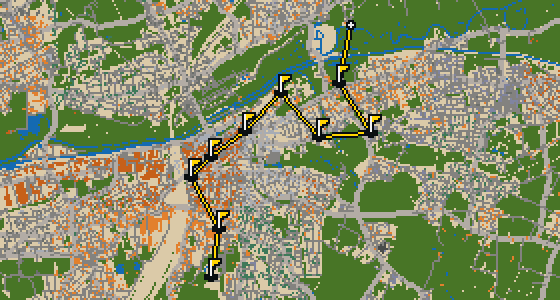
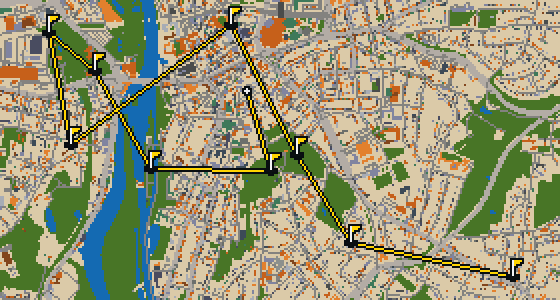
Regensburg - 18 stops - par 54

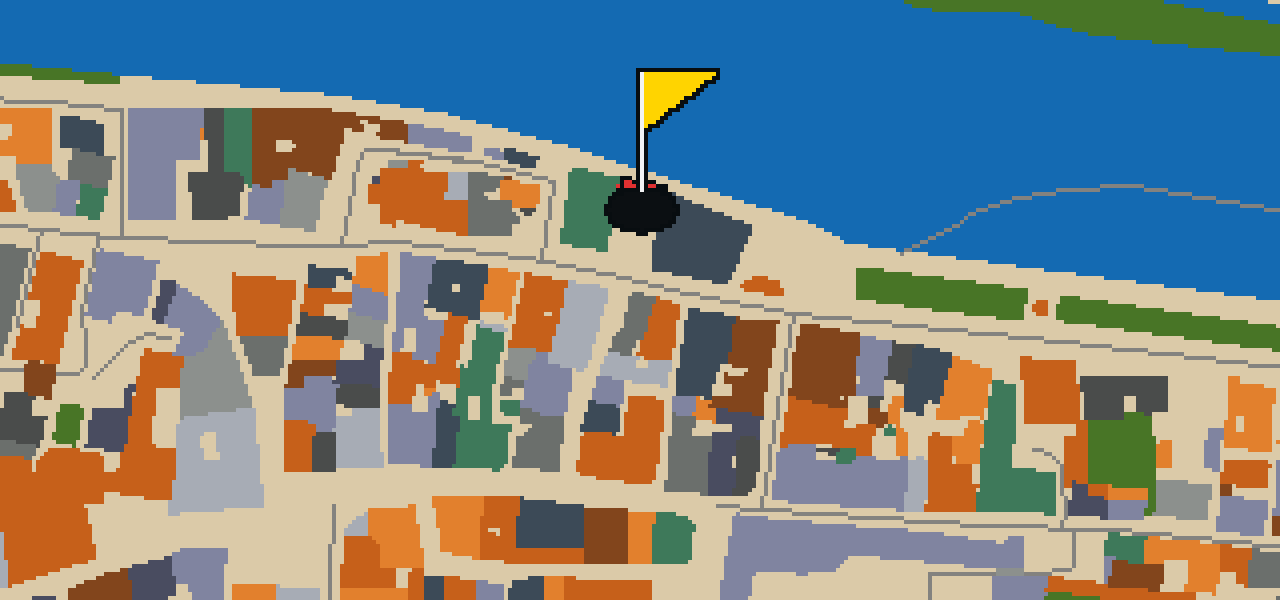
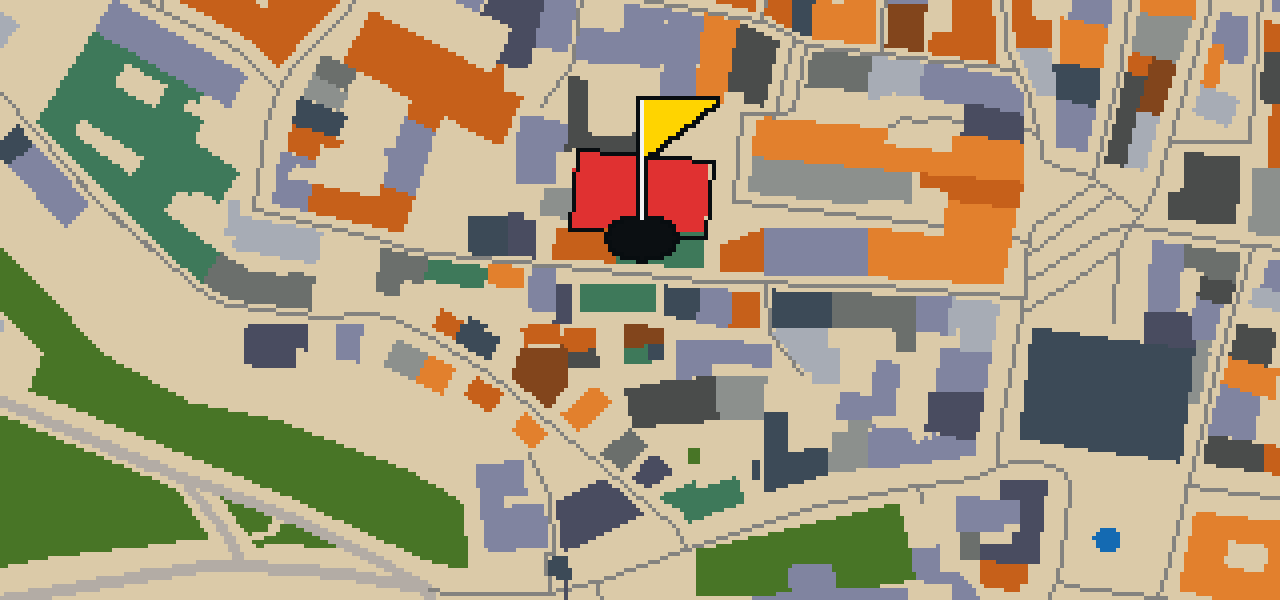
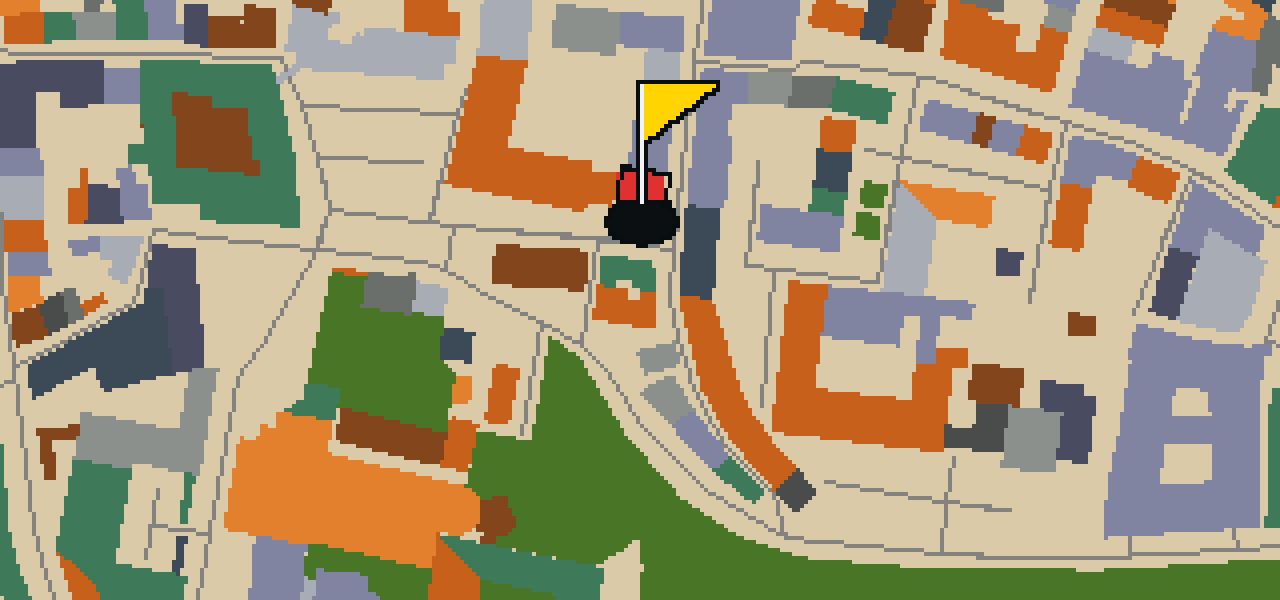
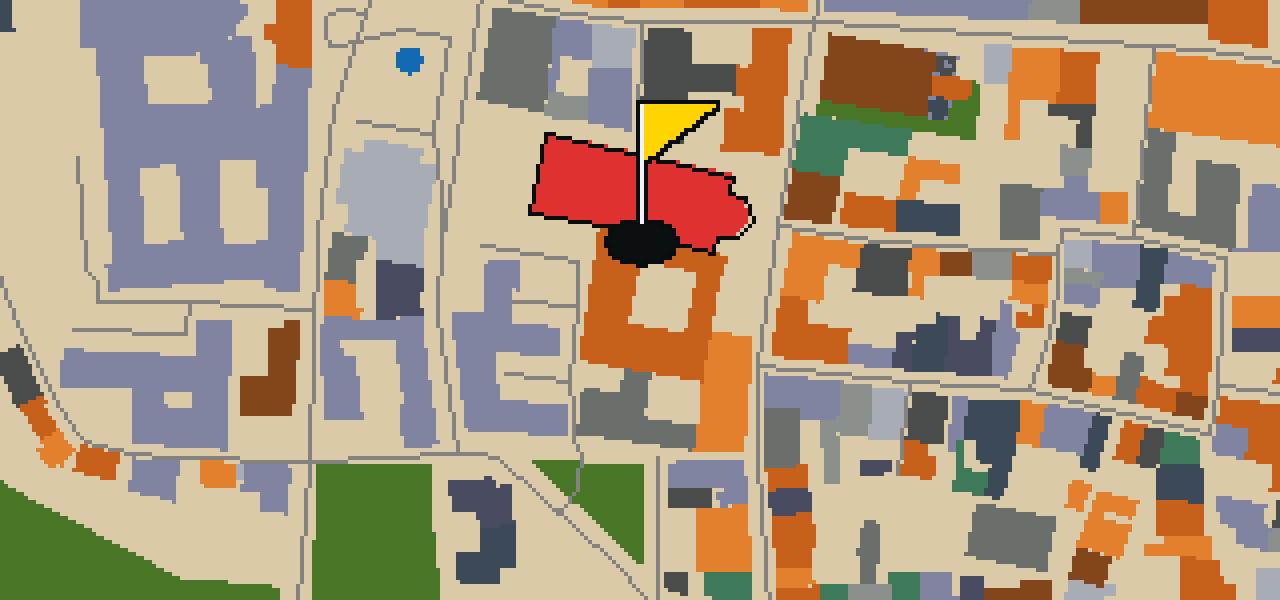
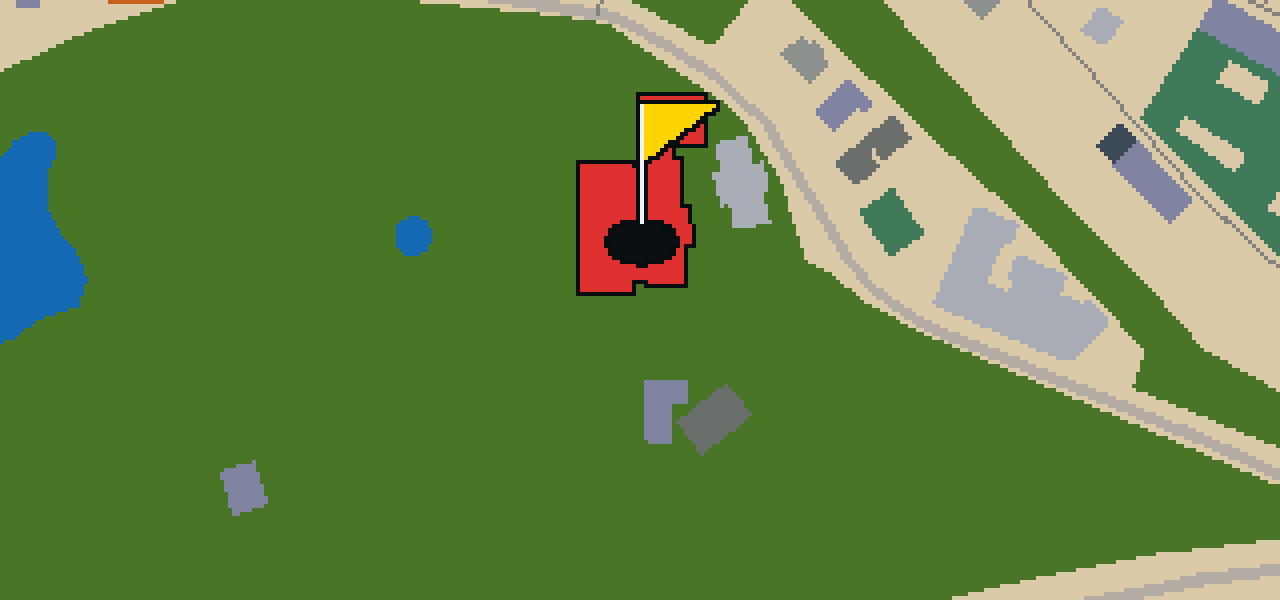
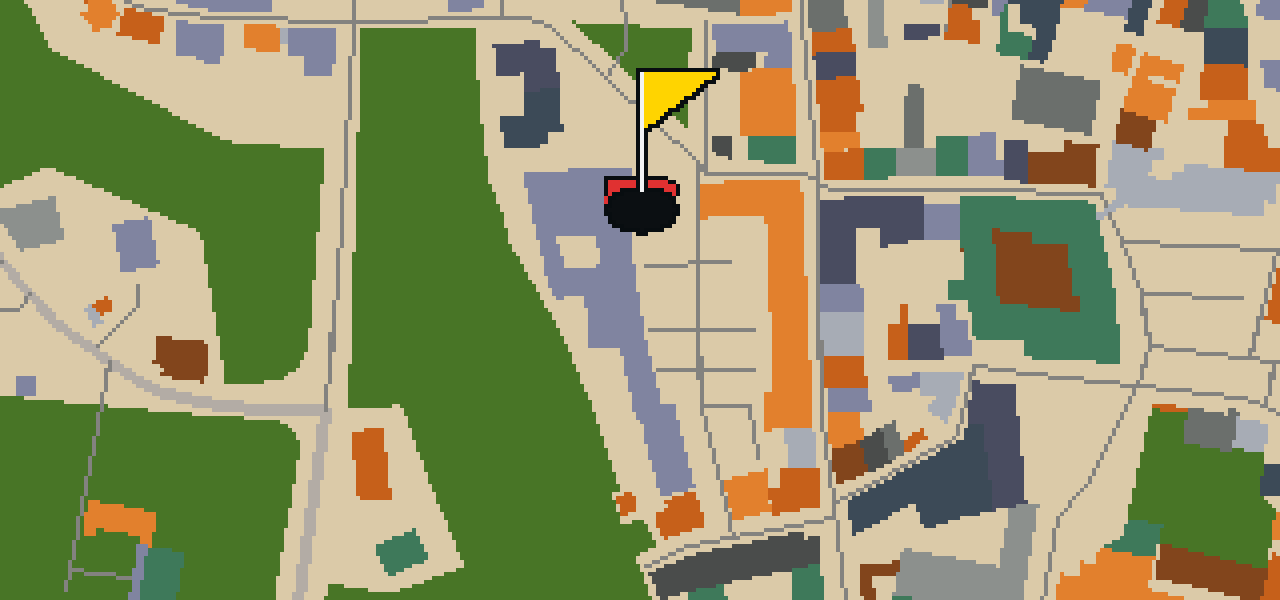
Regensburg is the setting for this round, where the map is the real city and the ball rolls across its actual streets. The holes are built from real attractions, ending at landmarks like the Steinerne Brücke. Skip is a local guide who knows every corner of the city. This full round of 18 holes covers 10.7 km with a par of 54, using 12 portals to bridge the gaps between the sites.

Trouble loading? Open the game in its own tab.

HOW IT WORKS

01

Pick a city

The course is drawn on the real street grid, so the map you play is the map you walk.

02

Putt to the pin

Drag to aim, release to swing. Buildings bounce and water costs you a stroke.

03

Sightsee between strokes

Every hole ends at an attraction. Sink the putt, read the story, walk to the next tee.

THE REGENSBURG ROUND - STOP BY STOP

HOLE 1 - PAR 3

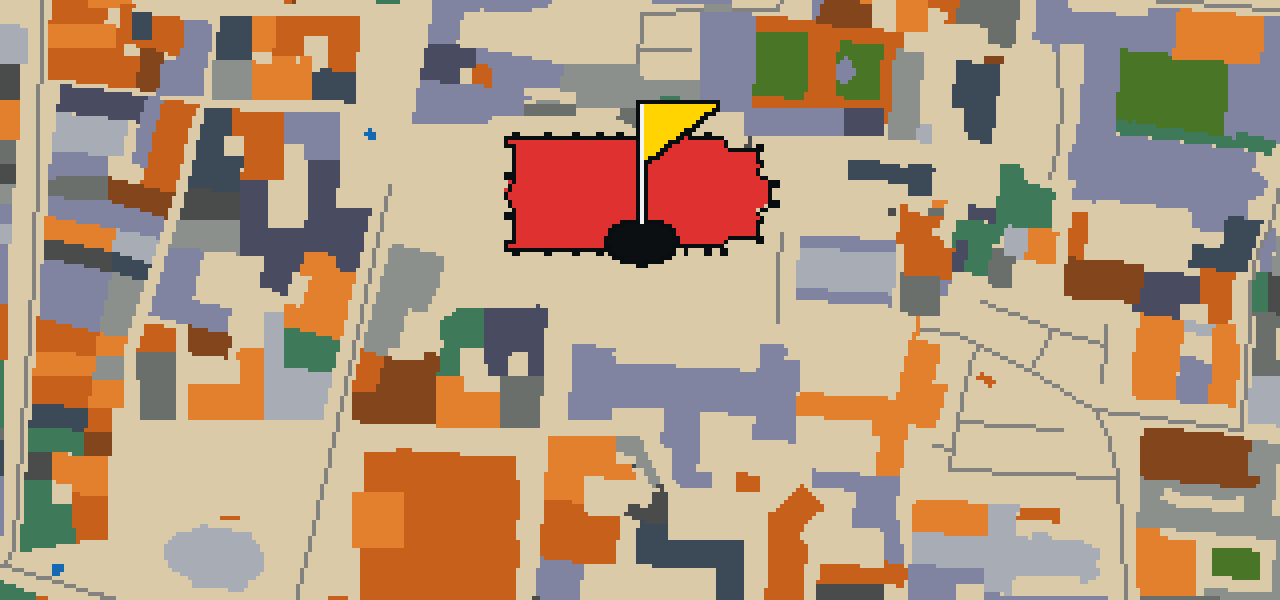
Dom Sankt Peter

Dom Sankt Peter is a Catholic cathedral and a landmark for the city of Regensburg, Germany. It is an example of Gothic architecture that reaches a height of 105 meters. The inception of this church building was in 1520. In addition to its role as a place of worship, the cathedral is the seat of the Catholic Diocese of Regensburg. It is officially recognized as an architectural heritage monument in Bavaria.

Wikidata · Wikipedia

HOLE 2 - PAR 3

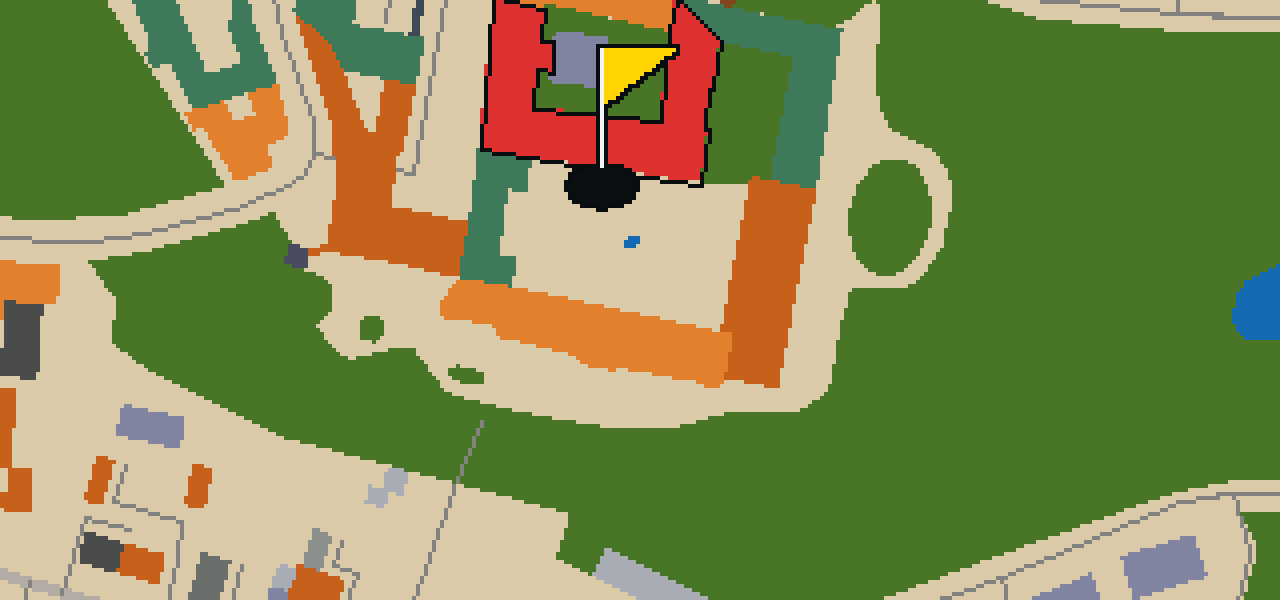
Schloss St. Emmeram

You first see the scale of Schloss St. Emmeram, which is a château and an architectural heritage monument in Bavaria. It is a place of many functions, operating as a monastery, a brewery, and a museum. The design of the site involves the work of architects Jean-Baptiste Métivier and Max Schultze. Visitors can see how these different roles coexist within a single complex, moving from the spiritual atmosphere of the monastery to the exhibits of the museum or the production of the brewery.
Wikidata

HOLE 3 - PAR 3

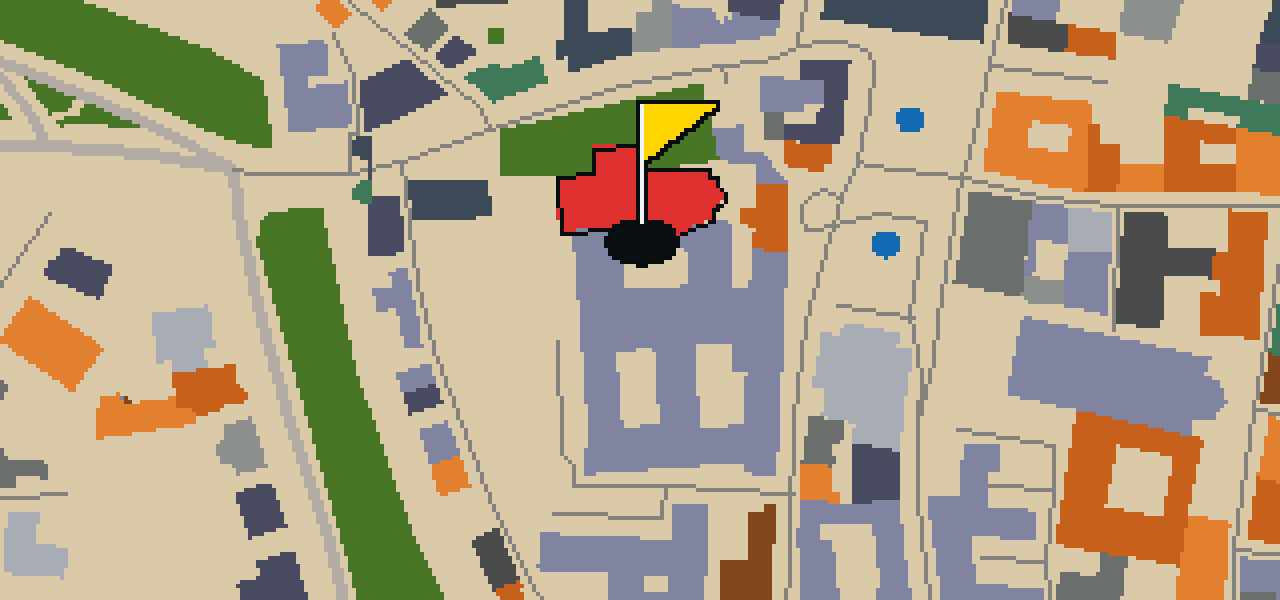
Schottenkirche St. Jakob

The Romanesque architecture style defines the structure of Schottenkirche St. Jakob. This church building is an architectural heritage monument in Bavaria. It is part of the Scots Monastery, formerly the Benedictine Abbey of St James in Regensburg. This monastery was founded in the 11th century by Irish missionaries and remained in the hands of first Irish, then Scottish monks for most of its history. The full official name of the church is Die irische Benediktinerklosterkirche St. Jakob und St. Gertrud.

Wikidata · Wikipedia

HOLE 4 - PAR 3

Altes Rathaus

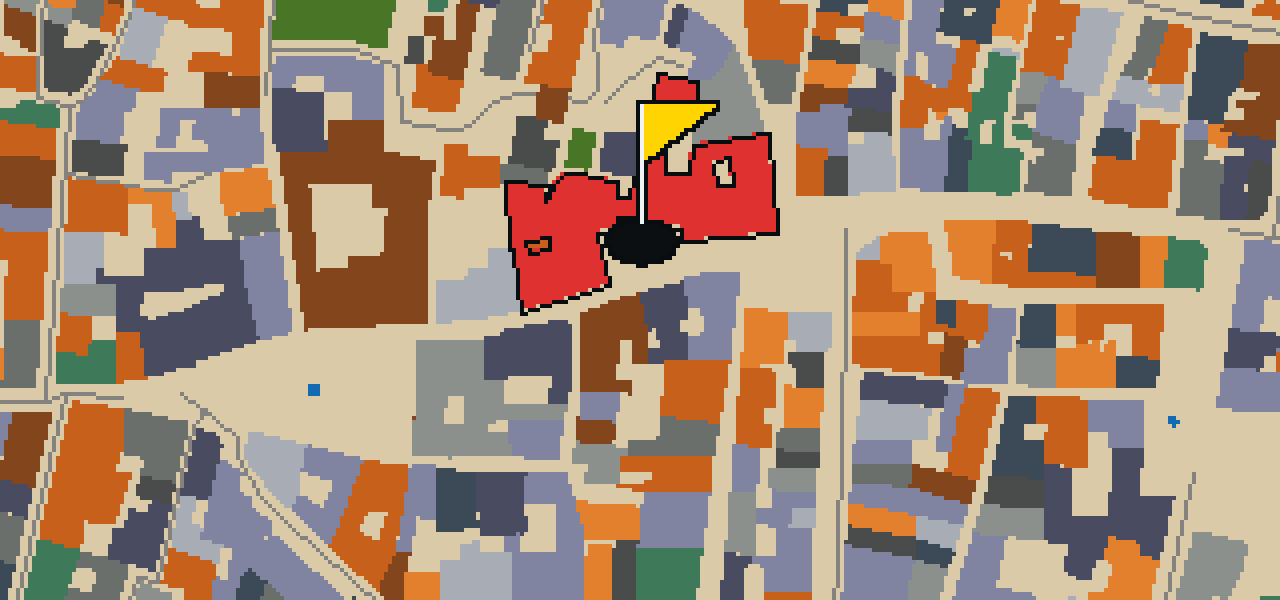
You will first notice the sharp, ornate lines of Altes Rathaus, which is a Rathaus built in the style of Gothic art. It is recognized as an architectural heritage monument in Bavaria. I find that the pointed arches and detailed stonework make it one of the most striking sights in the city center. When you look up at the facade, you can see how the Gothic elements define the building's character. It is a great spot to pause and appreciate the local history before moving on to the next part of the course.
Wikidata

HOLE 5 - PAR 3

Museum der Bayerischen Geschichte

You might expect a small town collection, but this is the Museum der Bayerischen Geschichte. It is a history museum dedicated to the history of Bavaria, located right here in Regensburg. I should mention that it is part of the Haus der Bayerischen Geschichte in Munich. That larger entity is financed by the state government, which helps keep the exhibits high quality for everyone visiting the city. It is a great spot to get your bearings on how the region evolved.

Wikidata · Wikipedia

HOLE 6 - PAR 3

Steinerne Brücke

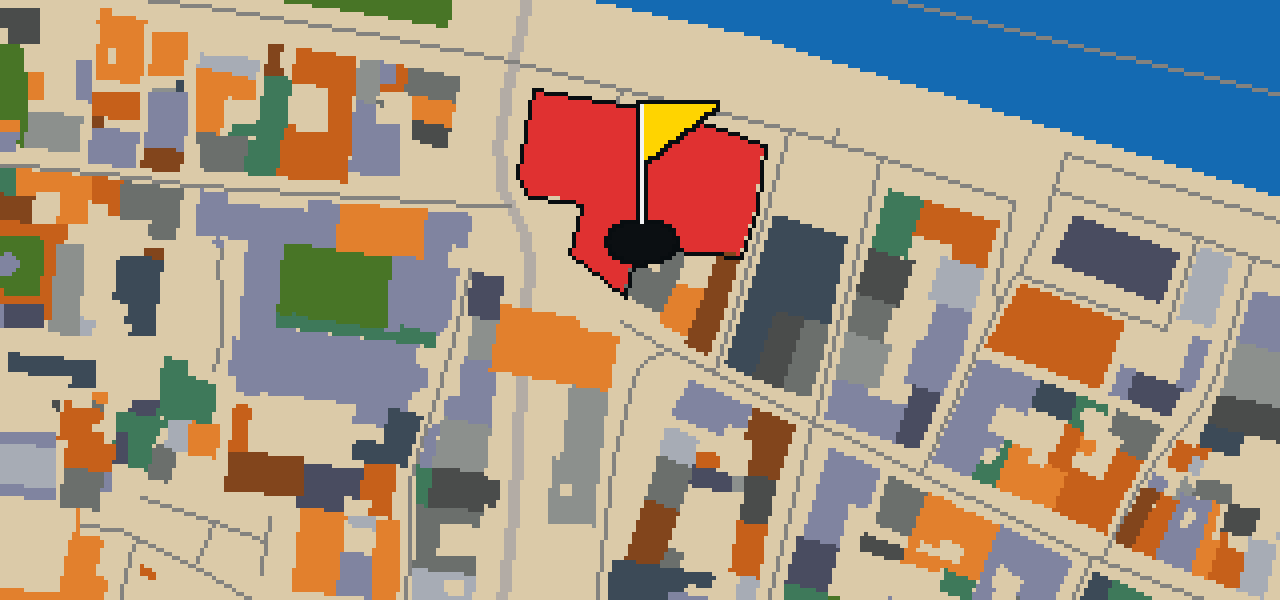
You might think this is just another way to cross the water, but the Steinerne Brücke is a 12th-century stone bridge. It connects the Old Town with Stadtamhof across the Danube. This arch bridge is an architectural heritage monument in Bavaria. For more than 800 years, it was the only bridge the city had across the river until the 1930s. I have seen plenty of folks stop here to admire the view of the current, and it is a great spot to watch the river flow by while you take in the sights.
Wikidata · Wikipedia

HOLE 7 - PAR 3

Stift zu Unserer Lieben Frau zur Alten Kapelle

The building's design blends Ottonian, Gothic, and Rococo architecture. This is Stift zu Unserer Lieben Frau zur Alten Kapelle, a church building started in 1002. It is an architectural heritage monument in Bavaria. You can also find the Basilica of the Nativity of Our Lady here. This specific site is the oldest Catholic place of worship in Bavaria and is considered one of the most important churches in the city of Regensburg. It remains a significant landmark for visitors to the region.

Wikidata · Wikipedia

HOLE 8 - PAR 3

Ostentor

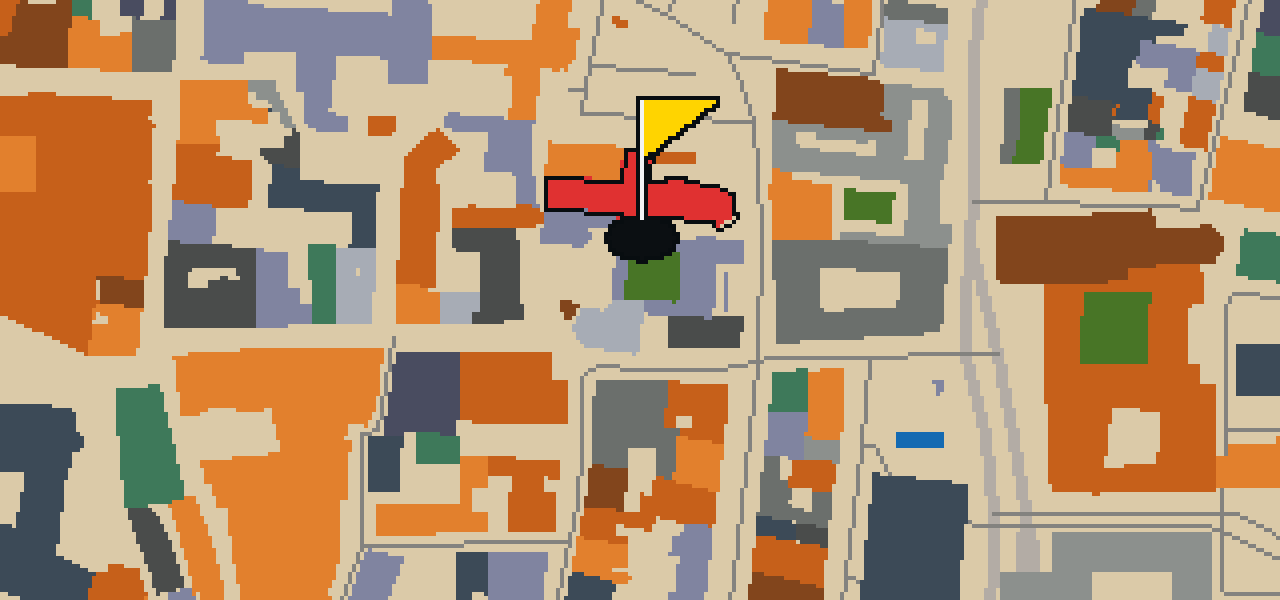
Located on the eastern edge of the city, the Ostentor is a city gate. It is an architectural heritage monument in Bavaria. If you are exploring the old boundaries of the town, this is a key spot to stop and look at the masonry. I have seen plenty of crumbs dropped by tourists near these old walls, which makes for a great snack break. Whether you are a history buff or just passing through, this gate shows you how the city once greeted those arriving from the east.
Wikidata

HOLE 9 - PAR 3

Donau-Schiffahrts-Museum Regensburg

Founded in 1983, the Donau-Schiffahrts-Museum Regensburg is a maritime museum in Germany. It focuses on shipping on the river Danube and other rivers, providing a look at the history of the waterway. Inside, you can find material on boatmen's work and training, alongside various art collections on the topic of shipping. Two of the main exhibits are the diesel tug Freudenau and the steam tugboat Ruthof / Érsekcsanád. I find the tugboats are the real stars of the show, though the boatmen's training materials are quite fascinating too.

Wikidata · Wikipedia

HOLE 10 - PAR 3

Goldenes Kreuz

Let me show you Goldenes Kreuz, which is an architectural structure located here in the city. This site is an architectural heritage monument in Bavaria, meaning it is protected and recognized for its historical value. When you look at the facade, you can pick out the details that make it a significant part of the local heritage. I've noticed that the structure remains a steady presence amidst the changing city streets around it, providing a sense of continuity for those of us who spend our days watching the crowds from above.

Wikidata

HOLE 11 - PAR 3

Historisches Museum

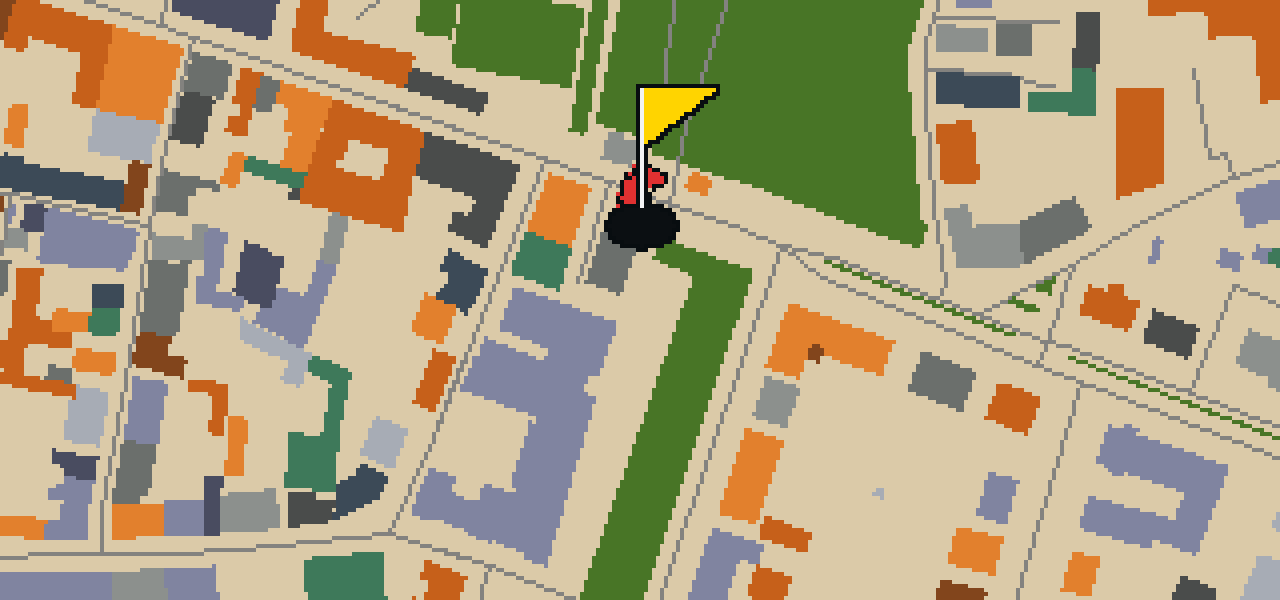
Let me show you the Historisches Museum. This history museum is located in a former Minorite monastery and is recognized as an architectural heritage monument in Bavaria. It was founded in 1931 to preserve and display the history, art and culture of Regensburg and eastern Bavaria. You can pick out exhibits that span a vast timeline, covering the period from the Stone Age to the present day. I find the transition from the old monastic walls to the museum displays quite a change of pace.
Wikidata · Wikipedia

HOLE 12 - PAR 3

Brückturm

Let me show you the Brückturm. This tower is a Kulturdenkmal in Regensburg, which means it is recognized as a protected cultural monument. It is a notable landmark for anyone visiting the city, whether you are here for the sights or just passing through. I usually find the architecture around here quite interesting to look at from above, though most people prefer to walk the streets below. It is a great spot to pause and appreciate the history of the area while you navigate the city.

Wikidata

HOLE 13 - PAR 3

Dampflokomotive der Walhallabahn

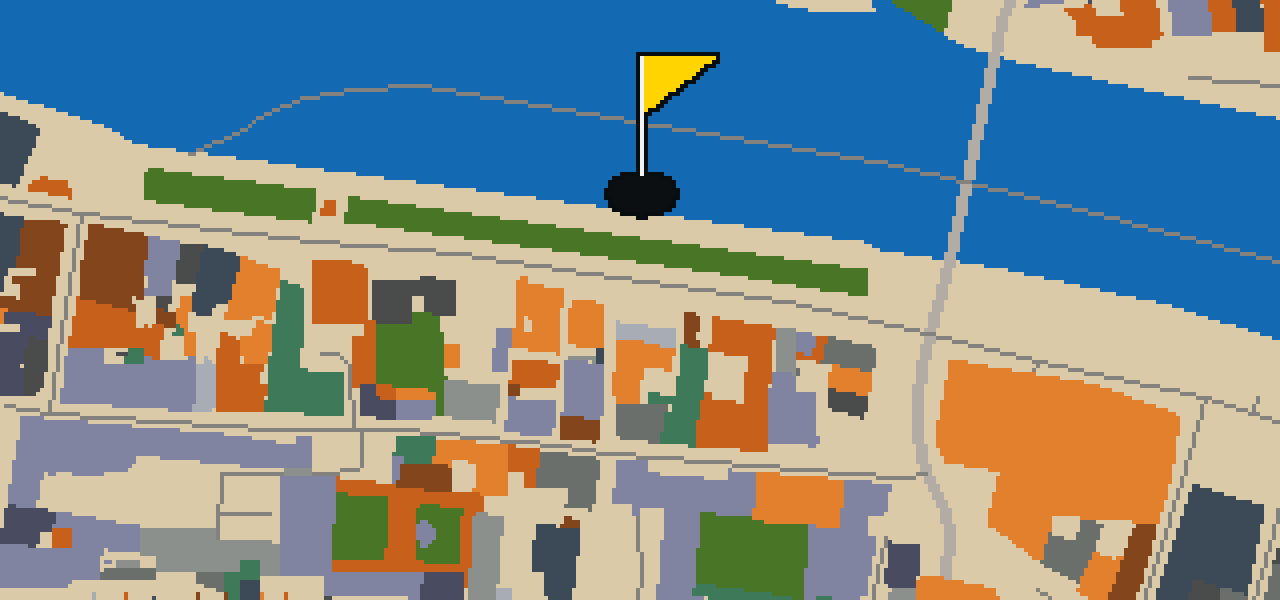
Let me show you the Dampflokomotive der Walhallabahn. This site is a cultural heritage ensemble and is also recognized as an architectural heritage monument in Bavaria. It is a great spot to pause and appreciate the machinery of the past while you are exploring the city. I have found that these types of monuments provide a wonderful sense of scale when you are walking the streets. It is a piece of history that remains standing for everyone to see, and it is certainly a highlight of the local heritage for any visitor.
Wikidata

HOLE 14 - PAR 4

Max-Buchhauser-Garten

Max-Buchhauser-Garten is a sculpture garden that blends artistic displays with open greenery. It is a space designed for visitors to encounter art in an outdoor setting. Beyond the installations, the area is a park, providing a place for people to walk and relax. I find it is one of the better spots in the city to get a bit of fresh air while looking at something creative. It is a wonderful place to slow down and appreciate how the sculptures interact with the natural environment around them.

Wikidata

HOLE 15 - PAR 3

Velodrom

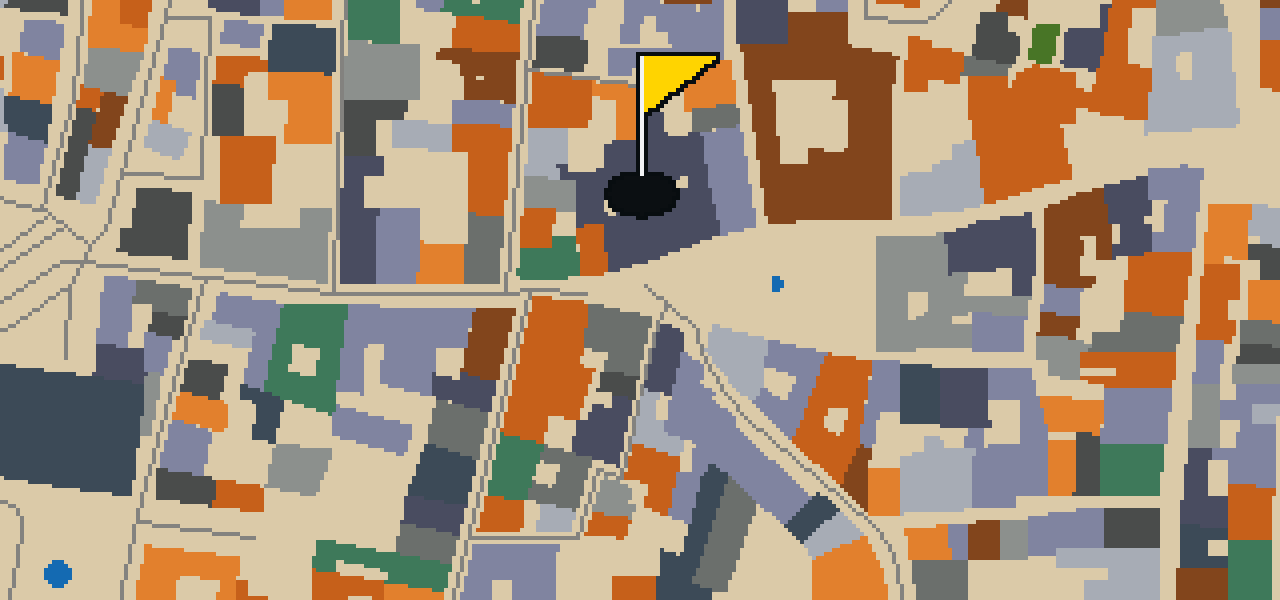
You will find the Velodrom on Simon-Oberndorfer-Platz at the beginning of the Westnerwacht. While it is a velodrome, it also functions as a multi-purpose hall, a movie theater, and a theatre building. It is currently a venue of the Theater Regensburg and is recognized as an architectural heritage monument in Bavaria. I have noticed that the name itself is derived from the French word for cycle racing track. It is a cultural heritage ensemble that brings a variety of performances to this part of the city.
Wikidata · Wikipedia

HOLE 16 - PAR 2

St. Ignaz

St. Ignaz is a church building designed in the Gothic architecture style. It is an architectural heritage monument in Bavaria, noted for its specific design and historical preservation. Visitors to the city will find that the site serves a dual purpose, as it is also a hospital. This combination of a place of worship and a place of healing makes it a significant landmark within the local community and the broader region of Bavaria.

Wikidata

HOLE 17 - PAR 3

Dominkanerkirche St. Blasius

While the name might suggest a cathedral, this is actually the Dominkanerkirche St. Blasius. It is a church building located in the city of Regensburg. This site is more than a local place of worship; it is an architectural heritage monument in Bavaria. Visitors can observe the specific design and historical preservation that qualify it for this status. It remains a significant point of interest for those exploring the religious and structural history of the area, providing a direct link to the architectural traditions of the Bavarian region.

Wikidata

HOLE 18 - PAR 3

Kunstforum Ostdeutsche Galerie

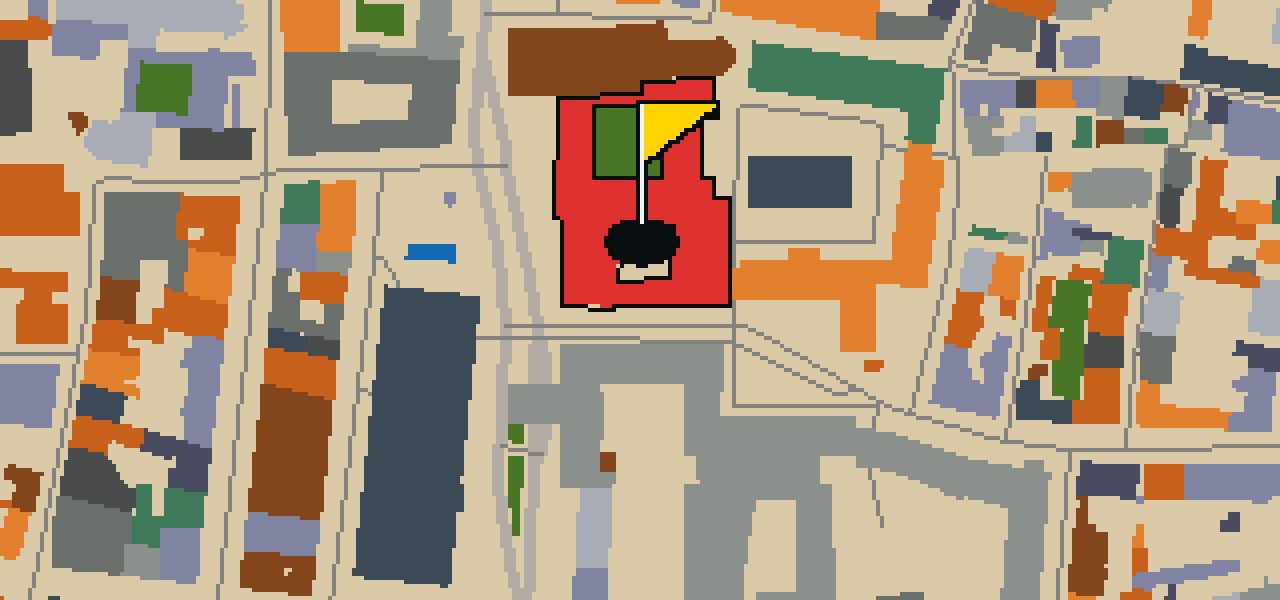
Look closely at the facade of the Kunstforum Ostdeutsche Galerie. This building is a museum and holds a special place in the city as an architectural heritage monument in Bavaria. Whether you are here for the art or the structure, it is a significant stop in the local neighborhood. I have found the ledges here provide a great vantage point for watching the crowds pass by below. It is the kind of place where the exterior is just as much of an attraction as the exhibits found inside.
Wikidata

STOP 19

St. Ägidien

St. Ägidien is a church building located in the city of Regensburg. This site is an architectural heritage monument in Bavaria, reflecting the historical character of the region. Additionally, St. Ägidien is a church of the Teutonic Order. Visitors can observe the structure as part of the local heritage, noting its status as a protected monument within the state of Bavaria. The building remains a significant example of the ecclesiastical architecture found throughout the city, serving as a point of interest for those exploring the historic center.

Wikidata

OTHER COURSES

9 HOLES - PAR 33

Hamm

9 stops

This quick nine-hole round covers 7.4 km across Hamm. The map is the real city and the ball rolls along its actual streets, using portals to skip between districts. Local attractions like Schloss Heessen are the foundations for the holes. Skip knows every curb and cobblestone here, even if a few crumbs usually distract the guide.

18 HOLES - PAR 53

Kassel

18 stops

Kassel is the setting for this round, where the map follows the actual city and the ball rolls across its real streets. The holes are built from the city's actual attractions, ending at the Spitzhacke. Skip knows these sidewalks well and is the local guide. This is a full round of 18 holes with a par of 53, covering a walk of 9.7 km. The ball moves between distant districts using 12 portals.

9 HOLES - PAR 31

Hagen

9 stops

The ball ends its journey at the Stadtgarten. This course uses the real streets of Hagen as the map, with the city's actual attractions forming the holes. A quick round of 9 holes covers 7.6 km, using 8 portals to bridge the gaps between distant districts. Skip knows every curb and cobblestone here, having spent plenty of time watching the world go by from the eaves.

9 HOLES - PAR 29

Oberhausen

9 stops

Banking a ball off the stone of Schloss Broich requires a steady wing and a soft touch. This round takes place on the real streets of Oberhausen, where the city map is the course. The holes are built from actual local attractions, and Skip knows every crack in the pavement. A quick 9-hole round covers 6 km, with 14 portals to keep the ball moving.

18 HOLES - PAR 57

Delsberg

18 stops

Banking a ball off the stone facades of the Roter Turm requires a steady wing and a bit of luck. This round takes place in Delsberg, where the map is the real city and the game is played on its actual streets. The holes are built from real attractions, turning the urban layout into a course. I know these sidewalks well and can be the local guide. It is a full round of 18 holes with a par of 57, covering a 12.1 km walk that uses 10 portals.

FAQ

Is it free to play?

Yes. Every course runs in the browser with no account and no install.

Do I need to be in the city?

No. The full round plays from anywhere. Walking the real route is a nice way to see the city, but it is not required.

Are the maps real?

Yes. The geometry comes from OpenStreetMap data, rendered chunky on purpose. Streets, water and parks sit where they really are.