
POTSDAM - 18 HOLES - FREE

POTSDAM
CITY MAP MINIGOLF

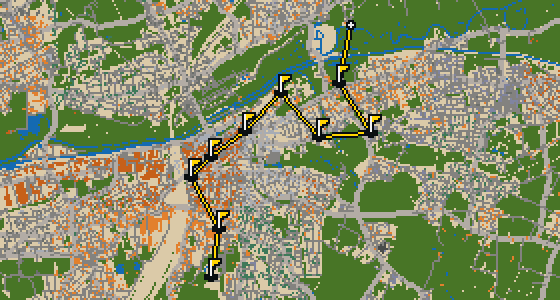
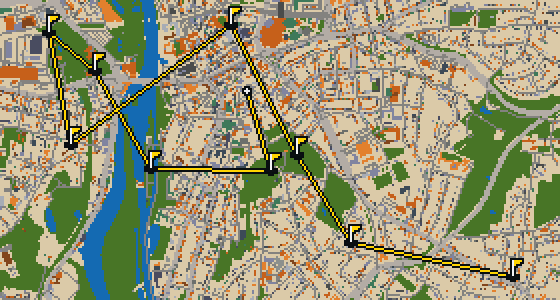
Potsdam - 18 stops - par 53

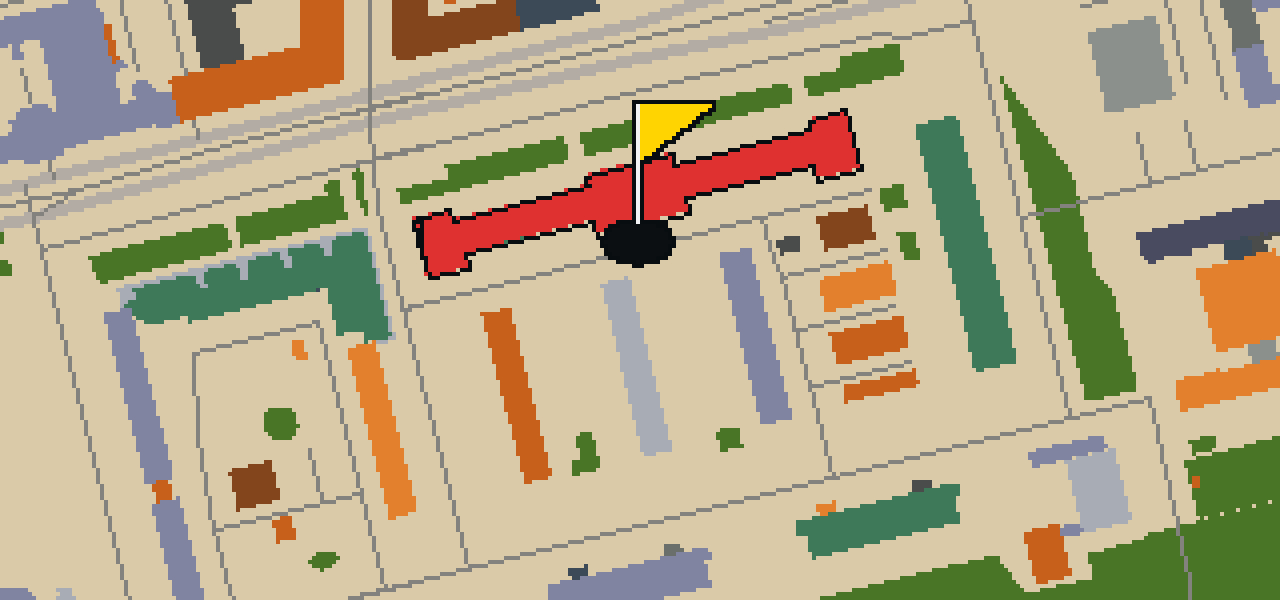
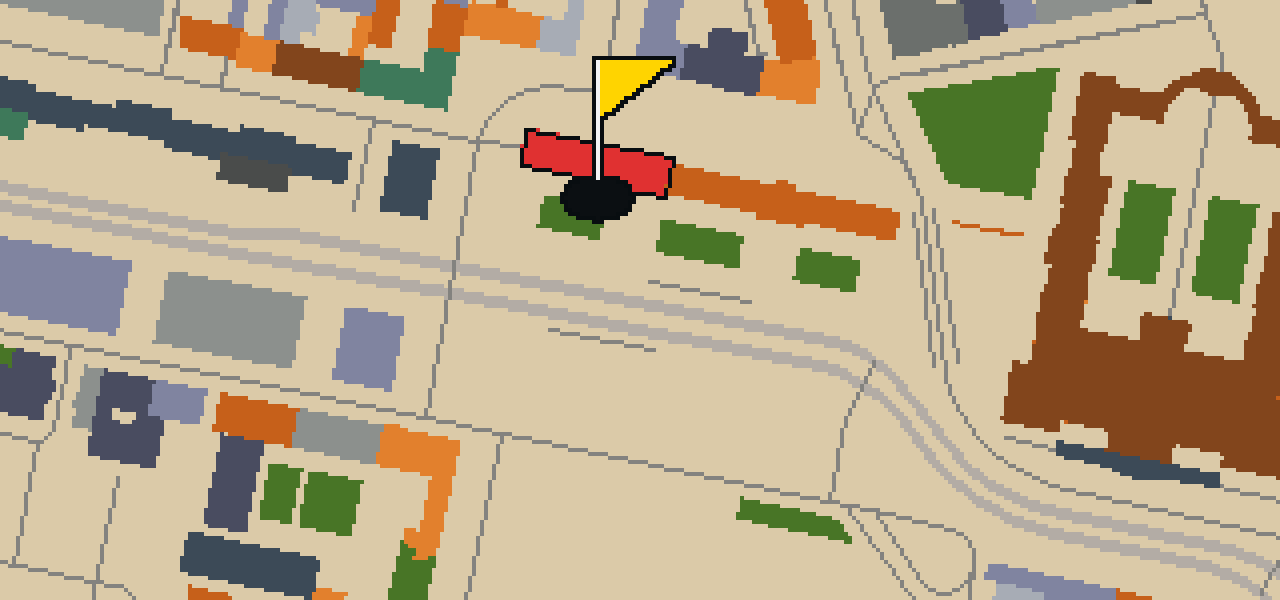
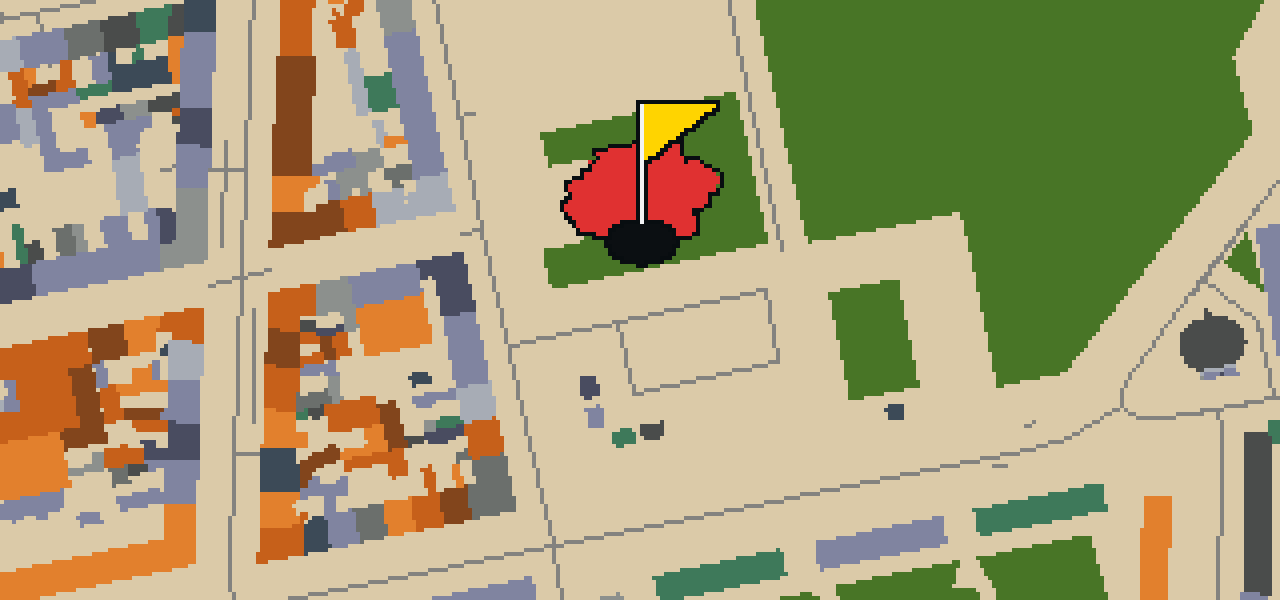
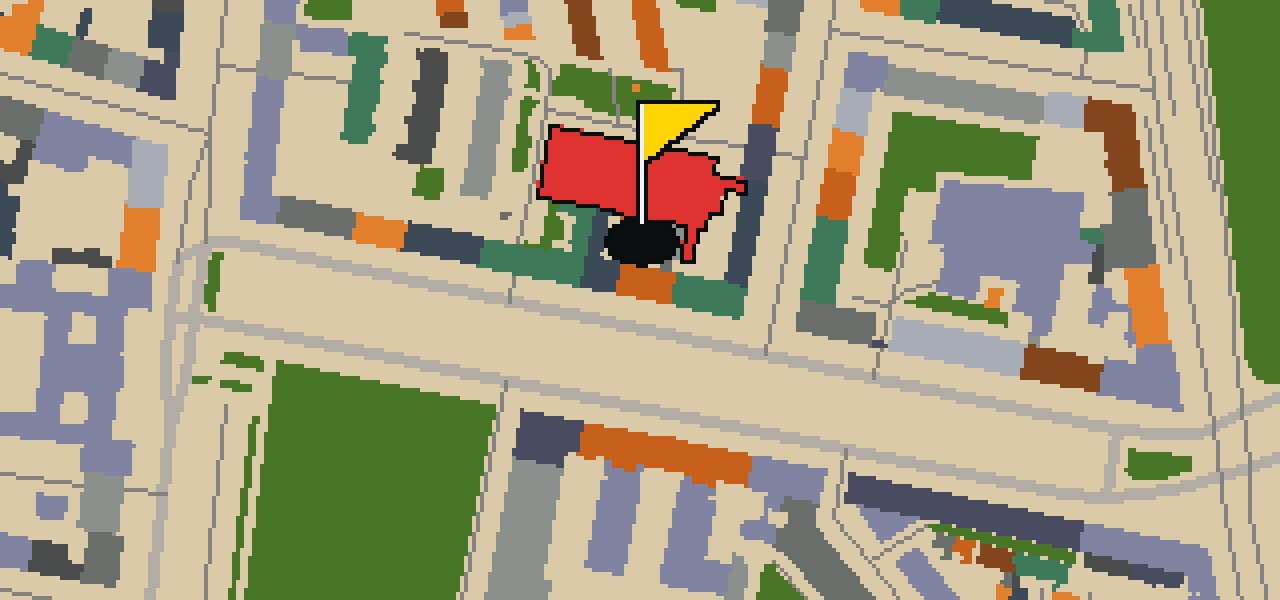
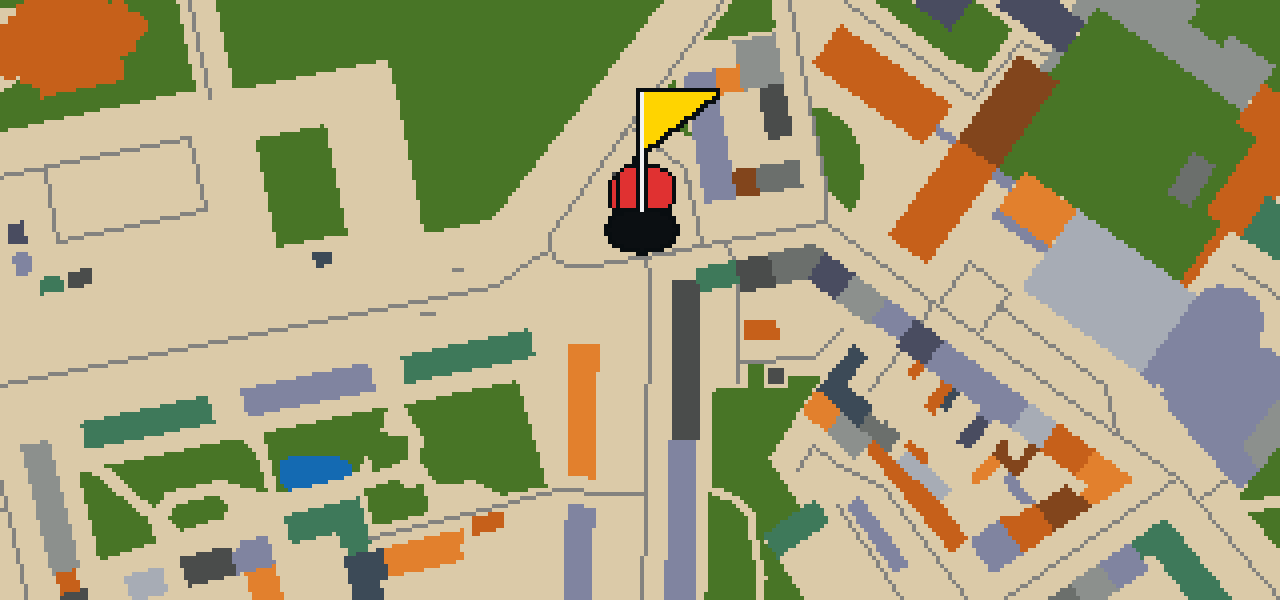
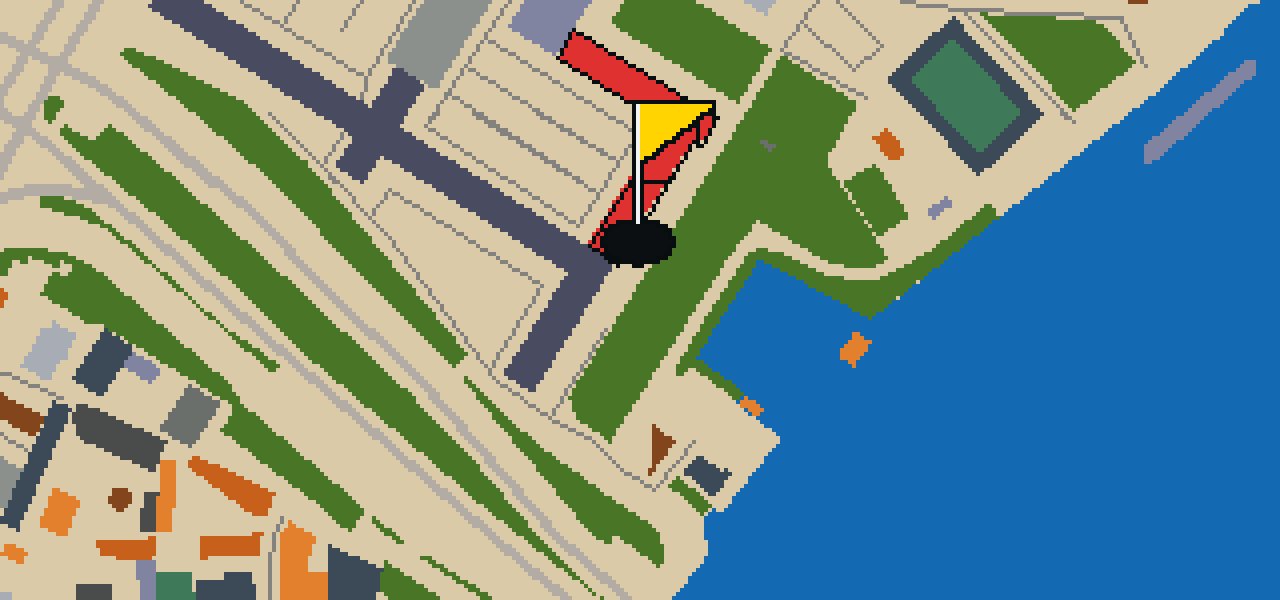
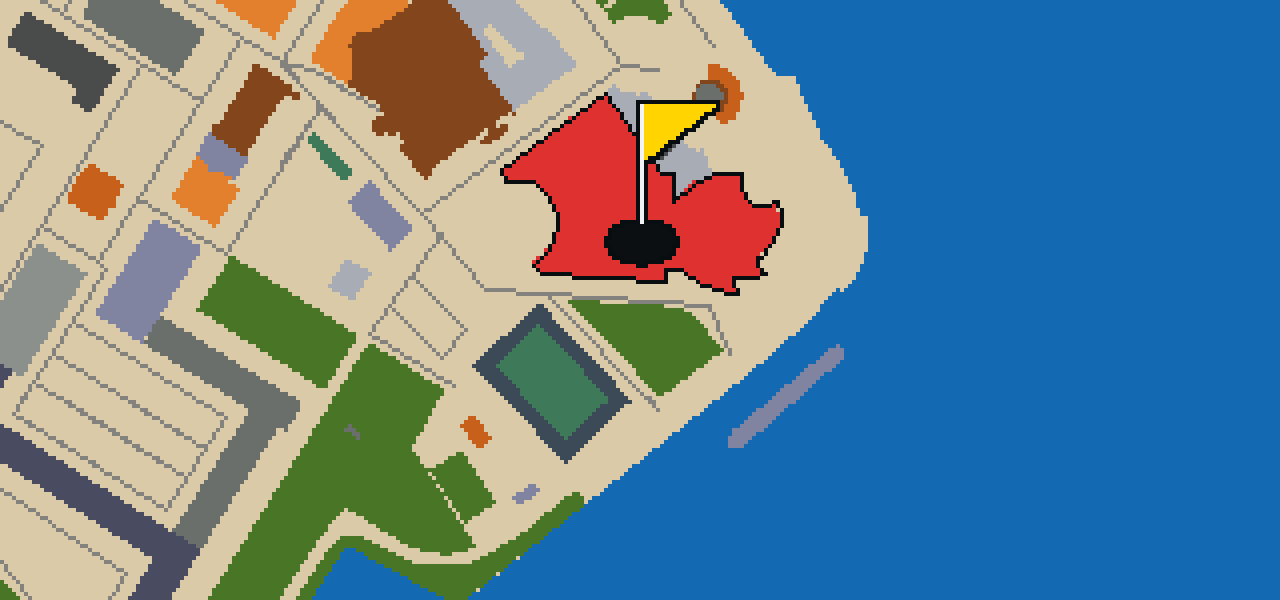
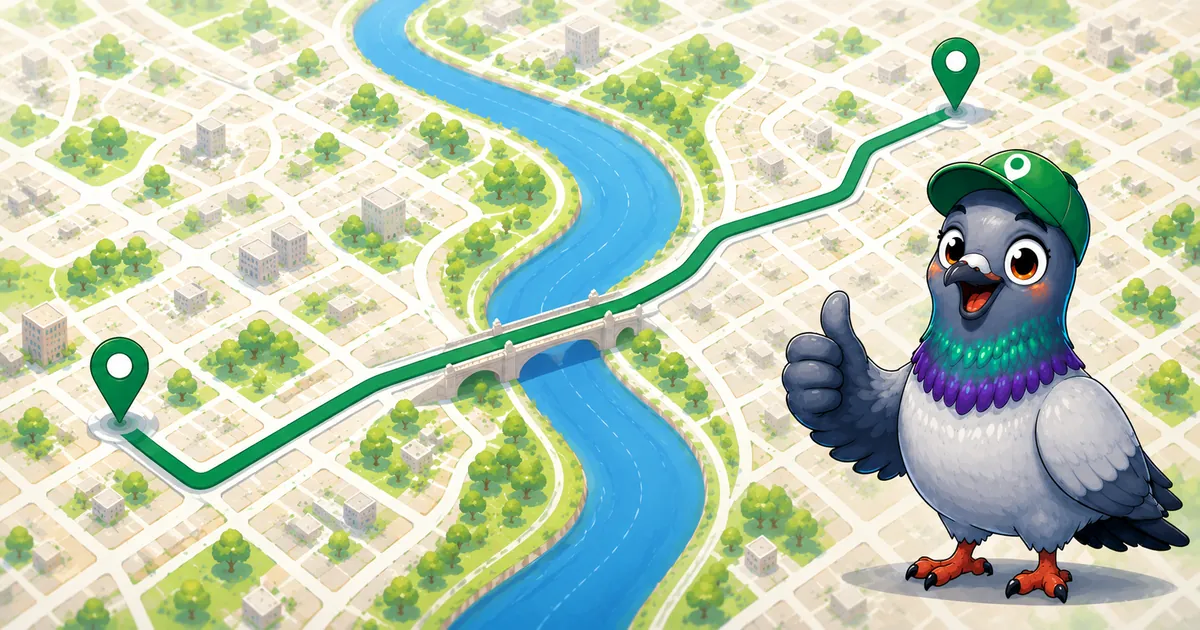
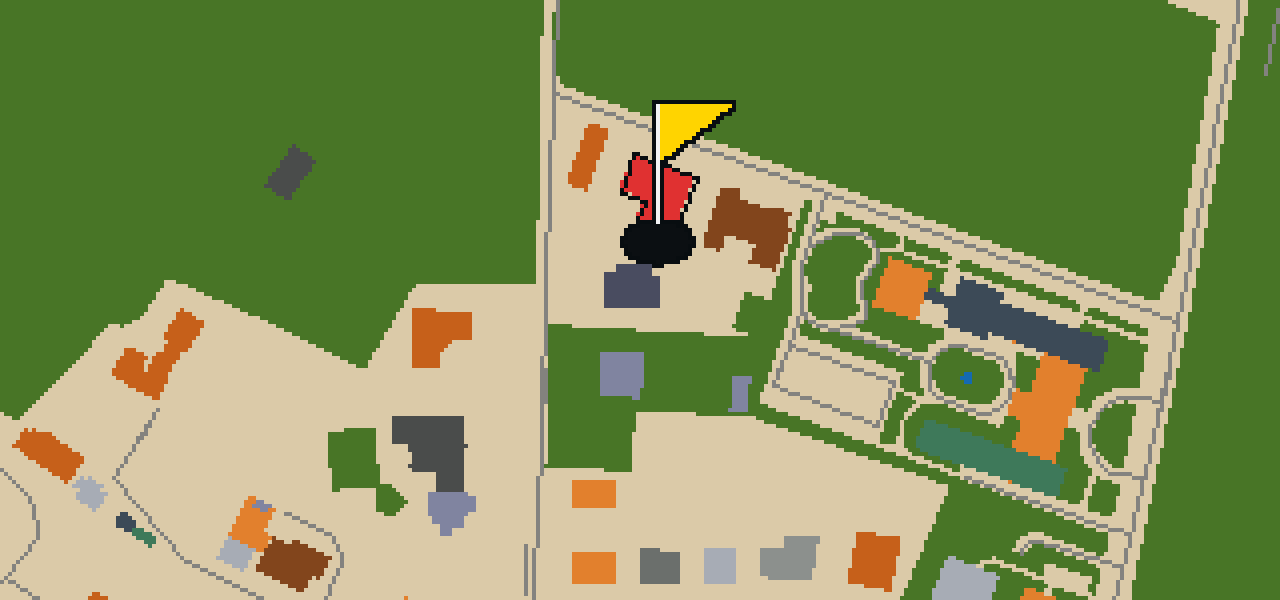
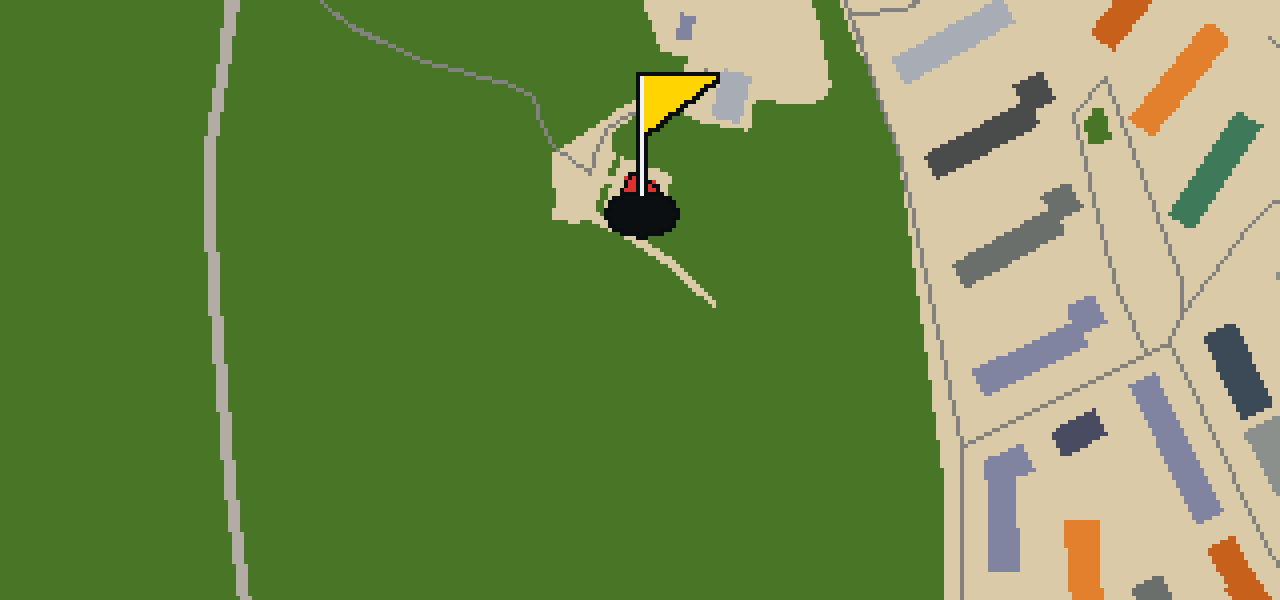
Potsdam looks different from a bird's eye view, but the real action happens on the ground. This full round of 18 holes follows the actual city streets, using real attractions like Schloss Sanssouci as the targets. The ball covers 10.6 km, gliding past facades and using 30 portals to bridge the gaps between districts. Skip knows every cobblestone and shortcut in this city, making him the ideal guide for a par 53 walk.

Trouble loading? Open the game in its own tab.

HOW IT WORKS

01

Pick a city

The course is drawn on the real street grid, so the map you play is the map you walk.

02

Putt to the pin

Drag to aim, release to swing. Buildings bounce and water costs you a stroke.

03

Sightsee between strokes

Every hole ends at an attraction. Sink the putt, read the story, walk to the next tee.

THE POTSDAM ROUND - STOP BY STOP

HOLE 1 - PAR 3

Schloss Sanssouci

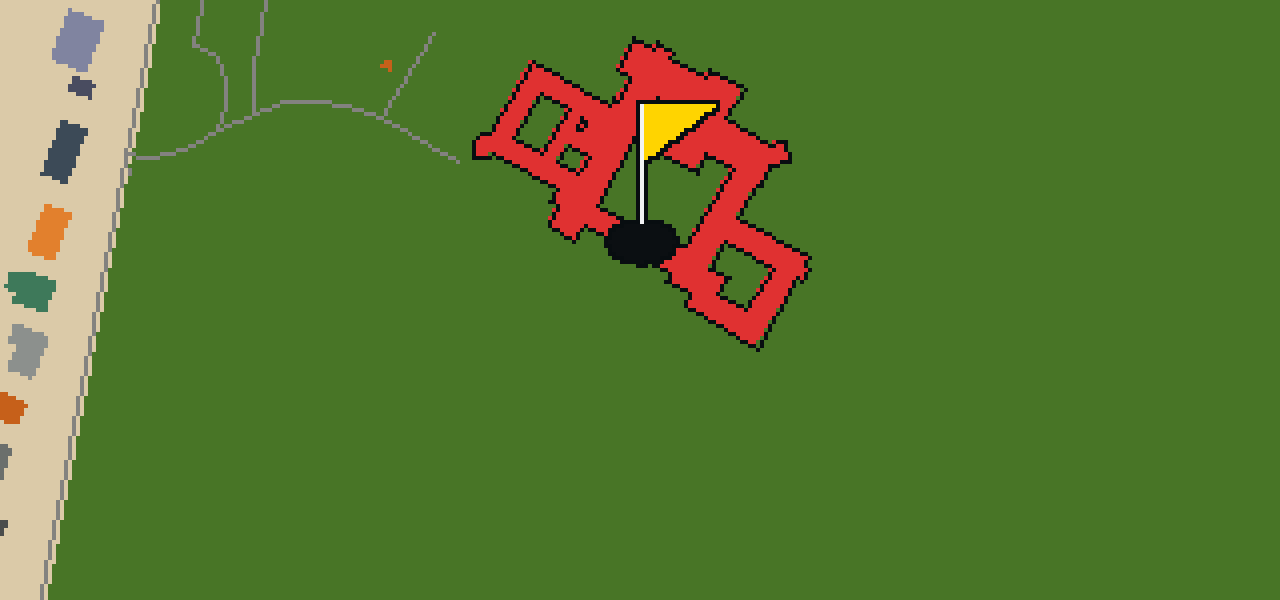
You will first notice the elaborate Frederician Rococo style of Schloss Sanssouci. This palace in Potsdam was designed and built by Georg Wenzeslaus von Knobelsdorff. Prussian King Frederick the Great had it built as his summer palace. I think the name is the best part; Sanssouci is a French phrase meaning without worries or carefree. It is a Kulturdenkmal that captures the spirit of the era. When you look at the facade, you can see why it was the perfect spot for a king to escape the pressures of the court.

Wikidata · Wikipedia

HOLE 2 - PAR 3

Park Sanssouci

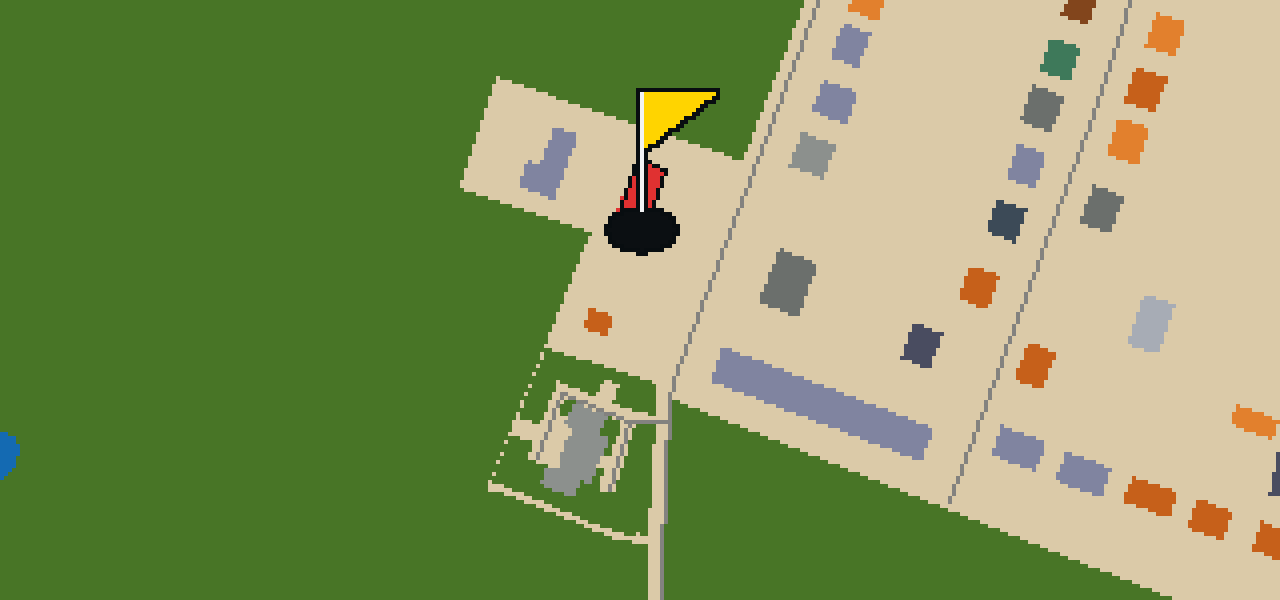
Let me show you Park Sanssouci, a palace that was started in 1745. Located in Potsdam near Berlin, this historical building was designed and built by Georg Wenzeslaus von Knobelsdorff between 1745 and 1747. King Frederick the Great commissioned the work to serve as his summer palace, and the result is a prime example of Frederician Rococo. Today, the site is a Kulturdenkmal. I've noticed the gardens are a great spot for a stroll, provided you don't mind a few of my cousins following you around.

Wikidata · Wikipedia

HOLE 3 - PAR 3

Bildergalerie

The Bildergalerie is an art museum and long gallery located in the Sanssouci Park of Potsdam. Situated east of the palace, it is an architectural heritage monument in Brandenburg. Johann Gottfried Büring was the architect of the building, which was constructed from 1755 to 1764. It was built during the reign of Frederick II of Prussia and holds a unique place in history as the oldest extant museum built for a ruler in Germany. I've noticed the scale of the place is quite something when you're on the ground, especially as you walk the length of it.

Wikidata · Wikipedia

HOLE 4 - PAR 3

Brandenburger Tor

The Brandenburger Tor is a city gate and triumphal arch located in Potsdam. This monument is built in the Neoclassical architecture style and is recognized as an architectural heritage monument in Brandenburg. You can find this site on the Luisenplatz, where it was designed by architects Carl von Gontard and Georg Christian Unger. I've always thought the clean lines of the Neoclassical style make it a great spot for a quick break between flights. It is a fine example of the architectural heritage found throughout the region, offering a clear sense of the city's layout to anyone visiting.

Wikidata · Wikipedia

HOLE 5 - PAR 2

Jägertor

Located on the edges of the city, you can find Jägertor. This city gate is an architectural heritage monument in Brandenburg, making it a significant stop for anyone interested in the local history of the area. When you look closely at the structure, you can pick out the baroque architecture style used in its design. Its inception was in 1733, and it remains a prominent landmark today. I have found that the stone surfaces make for a sturdy place to land if you are flying low over the street.

Wikidata

HOLE 6 - PAR 3

Nauener Tor

You will first notice the pointed arches and ornate details of Nauener Tor. This city gate is an architectural heritage monument and the first example of English Gothic Revival architecture influencing Continental Europe. It was designed by Johann Gottfried Büring and built in 1755. I've found that the blend of Gothic Revival and historicist styles makes it stand out from the surrounding streets. It remains one of only three preserved gates in the city, making it a key stop for anyone wanting to see the old boundaries of Potsdam.

Wikidata · Wikipedia

HOLE 7 - PAR 3

NANO – Wissenschaft begreifen

Founded in 2006, NANO – Wissenschaft begreifen is a children's museum that invites visitors to engage with the world of science. It has spent years providing a dedicated environment where younger guests can explore complex ideas through interaction and play. I think you will find the atmosphere here quite welcoming for anyone with a curious streak. You can pick out the various exhibits designed to help people grasp scientific concepts in a way that feels intuitive and fun. It is a great stop for families or anyone wanting to see how science is taught to the next generation.

Wikidata

HOLE 8 - PAR 3

Filmmuseum Potsdam

Let me show you the Filmmuseum Potsdam. This film museum is a dedicated space for cinema and its history, providing a look at the medium's evolution. It was founded in 1977 to preserve the legacy of the moving image for future generations. You can spend your time here exploring the technical and artistic shifts that shaped the movies we watch. I've noticed that the lighting in these types of places always makes me feel like I'm in a movie myself, even if I'm just looking for a stray crumb on the floor.

Wikidata

HOLE 9 - PAR 3

St. Peter und Paul

St. Peter und Paul is a church building in Potsdam. It is an architectural heritage monument that had its inception in 1837. The building was designed by architects Albert Dietrich Schadow and Friedrich August Stüler. This site is part of the UNESCO World Heritage Site Palaces and Parks of Potsdam and Berlin. It is administered by the Evangelical Church of Berlin-Brandenburg-Silesian Upper Lusatia. You can see the influence of the architects in the structure of the church, which remains a significant part of the local historical landscape.

Wikidata · Wikipedia

HOLE 10 - PAR 3

Stadtschloss

Georg Wenzeslaus von Knobelsdorff was one of the architects of the Stadtschloss, a palace located in Potsdam. Its inception was in 1662, and it is characterized by the Frederician Rococo style. Johann Gregor Memhardt and Peter Kulka also served as architects for the structure. You can find the palace situated on the Old Market Square. It is a site that has existed as a parliament building and a destroyed building or structure. I think the ornate details of the Rococo style are the first things you'll notice when you arrive.

Wikidata · Wikipedia

HOLE 11 - PAR 3

Nikolaisaal

You might expect a house of worship given the name, but the Nikolaisaal is actually a concert hall. It is a key spot for music lovers in Potsdam. The venue had its inception in 1909, and it continues to host performances today. I've noticed that the acoustics here make it a favorite for those who appreciate a clear sound. Whether you are here for a symphony or a solo recital, it is a place where the city's musical history feels present in every note.

Wikidata

HOLE 12 - PAR 3

Französische Kirche

Look at the precise lines of the exterior, then step back to see the Französische Kirche. This church building was designed by architect Georg Wenzeslaus von Knobelsdorff. Its inception took place from 1751 to 1753. Today, the structure is an architectural heritage monument in Brandenburg. It is a significant site for those visiting the area, offering a look at the historical building styles of the region. You can see the influence of the architect in the way the building sits within the city, providing a sense of stability and history in the heart of the city.

Wikidata

HOLE 13 - PAR 2

museum Fluxus+

You will first notice the two-storey building of the museum Fluxus+, which provides 1000 sqm of exhibition space. It is the first museum of modern art in Potsdam, Germany. Founded in 2008, the museum opened in the Schiffbauergasse cultural centre in April of that year. Inside, the exhibition space comprehends artworks from private collections. If you need a break from the galleries, I can show you the café, the art+life-shop, or the atrium used for temporary exhibitions and events. It is a great spot to see how private collections are shared with the public.

Wikidata · Wikipedia

HOLE 14 - PAR 4

Hans Otto Theater

Let me show you the Hans Otto Theater. This theatre building had its inception in 2006, making it a relatively recent addition to the city. It is a striking piece of architecture designed by Gottfried Böhm. You can pick out the unique shapes and lines that define the structure as you walk by. It is a great spot to stop and admire some contemporary design in the heart of Potsdam. I often see people pausing here just to take in the scale of the building before heading inside for a show.

Wikidata

HOLE 15 - PAR 3

Marmorpalais

Let me show you a spot in Potsdam near Berlin. The Marmorpalais is a summer residence and museum built in the Neoclassical architecture style. This architectural heritage monument in Brandenburg was commissioned by King Frederick William II of Prussia. If you look closely at the construction, you can see that brick is the main material used for the palace. The project involved several architects, including Carl von Gontard, Carl Gotthard Langhans, Michael Philipp Daniel Boumann, and Ludwig Ferdinand Hesse, who worked on the building from 1787 to 1791. It is a lovely place to wander through.

Wikidata · Wikipedia

HOLE 16 - PAR 3

Gedenk- und Begegnungsstätte Leistikowstraße Potsdam

The Gedenk- und Begegnungsstätte Leistikowstraße Potsdam is a memorial and an architectural heritage monument in Brandenburg. The structure was started in 1916 and finished in 1918. It later became a detention centre run by the Soviet counter-intelligence organisation, SMERSH. Following World War 2, the KGB operated 10 prisons in the Soviet Occupation Zone in Germany. At this specific location, the KGB imprisoned thousands of people, including suspected spies and Nazis. The site remains a place of memory and encounter, preserving the history of those held within its walls during the period of Soviet occupation.

Wikidata · Wikipedia

HOLE 17 - PAR 3

Schloss Cecilienhof

Schloss Cecilienhof is a palace and museum built from 1913 to 1917. Designed by Paul Schultze-Naumburg, the building is a notable example of Tudor architecture. Beyond its design, the palace is known as the location where the Potsdam Conference took place in 1945. You can see why it is protected as an architectural heritage monument in Brandenburg. I should mention that the palace closed to the public on 1 November 2024 for renovations, so you might not be able to go inside right now.

Wikidata · Wikipedia

HOLE 18 - PAR 3

Lepsiushaus Potsdam

Lepsiushaus is a biographical museum located in Potsdam, Germany. This house museum focuses on presenting the life and legacy of its subject through a curated biographical lens, allowing visitors to see the personal side of the figure's history. The institution was started in 2011 to provide a permanent home for these exhibits and a space for research. I find the quiet atmosphere of the neighborhood makes it a great spot to spend a few hours exploring the displays without the usual city noise.

Wikidata · Wikipedia

STOP 19

Alexander-Newsky-Kapelle

The Alexander-Newsky-Kapelle is an Eastern Orthodox church building located in Potsdam, Germany. It is recognized as an architectural heritage monument. This building was designed by the architect Vasily Stasov. The inception of the Alexander-Newsky-Kapelle was in 1829. This structure remains a significant example of its type within the city, offering a look at the architectural style and the historical influence of the Eastern Orthodox tradition in the region.

Wikidata · Wikipedia

OTHER COURSES

9 HOLES - PAR 33

Hamm

9 stops

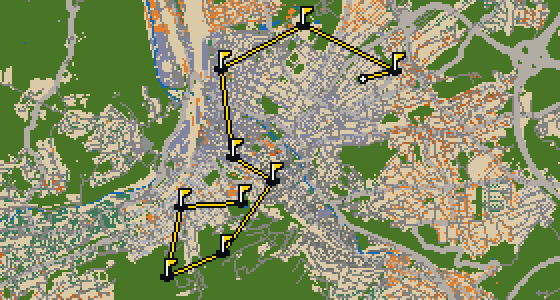
This quick nine-hole round covers 7.4 km across Hamm. The map is the real city and the ball rolls along its actual streets, using portals to skip between districts. Local attractions like Schloss Heessen are the foundations for the holes. Skip knows every curb and cobblestone here, even if a few crumbs usually distract the guide.

18 HOLES - PAR 53

Kassel

18 stops

Kassel is the setting for this round, where the map follows the actual city and the ball rolls across its real streets. The holes are built from the city's actual attractions, ending at the Spitzhacke. Skip knows these sidewalks well and is the local guide. This is a full round of 18 holes with a par of 53, covering a walk of 9.7 km. The ball moves between distant districts using 12 portals.

9 HOLES - PAR 31

Hagen

9 stops

The ball ends its journey at the Stadtgarten. This course uses the real streets of Hagen as the map, with the city's actual attractions forming the holes. A quick round of 9 holes covers 7.6 km, using 8 portals to bridge the gaps between distant districts. Skip knows every curb and cobblestone here, having spent plenty of time watching the world go by from the eaves.

9 HOLES - PAR 29

Oberhausen

9 stops

Banking a ball off the stone of Schloss Broich requires a steady wing and a soft touch. This round takes place on the real streets of Oberhausen, where the city map is the course. The holes are built from actual local attractions, and Skip knows every crack in the pavement. A quick 9-hole round covers 6 km, with 14 portals to keep the ball moving.

18 HOLES - PAR 57

Delsberg

18 stops

Banking a ball off the stone facades of the Roter Turm requires a steady wing and a bit of luck. This round takes place in Delsberg, where the map is the real city and the game is played on its actual streets. The holes are built from real attractions, turning the urban layout into a course. I know these sidewalks well and can be the local guide. It is a full round of 18 holes with a par of 57, covering a 12.1 km walk that uses 10 portals.

FAQ

Is it free to play?

Yes. Every course runs in the browser with no account and no install.

Do I need to be in the city?

No. The full round plays from anywhere. Walking the real route is a nice way to see the city, but it is not required.

Are the maps real?

Yes. The geometry comes from OpenStreetMap data, rendered chunky on purpose. Streets, water and parks sit where they really are.