
MÜNSTER - 18 HOLES - FREE

MÜNSTER
CITY MAP MINIGOLF

Münster - 18 stops - par 57

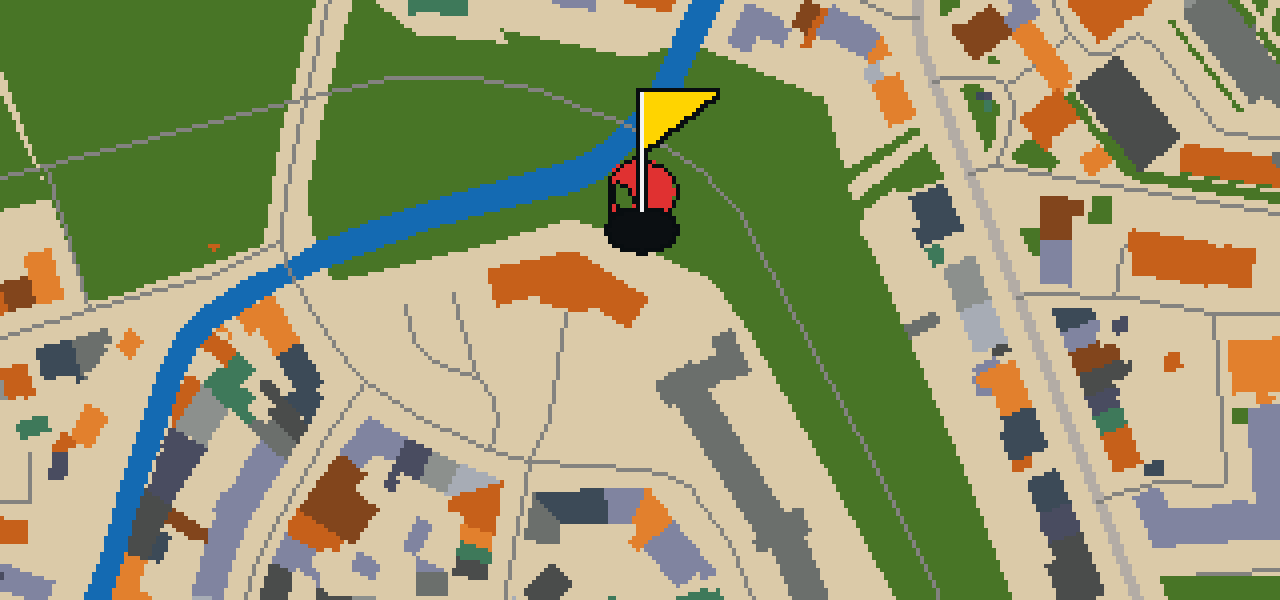
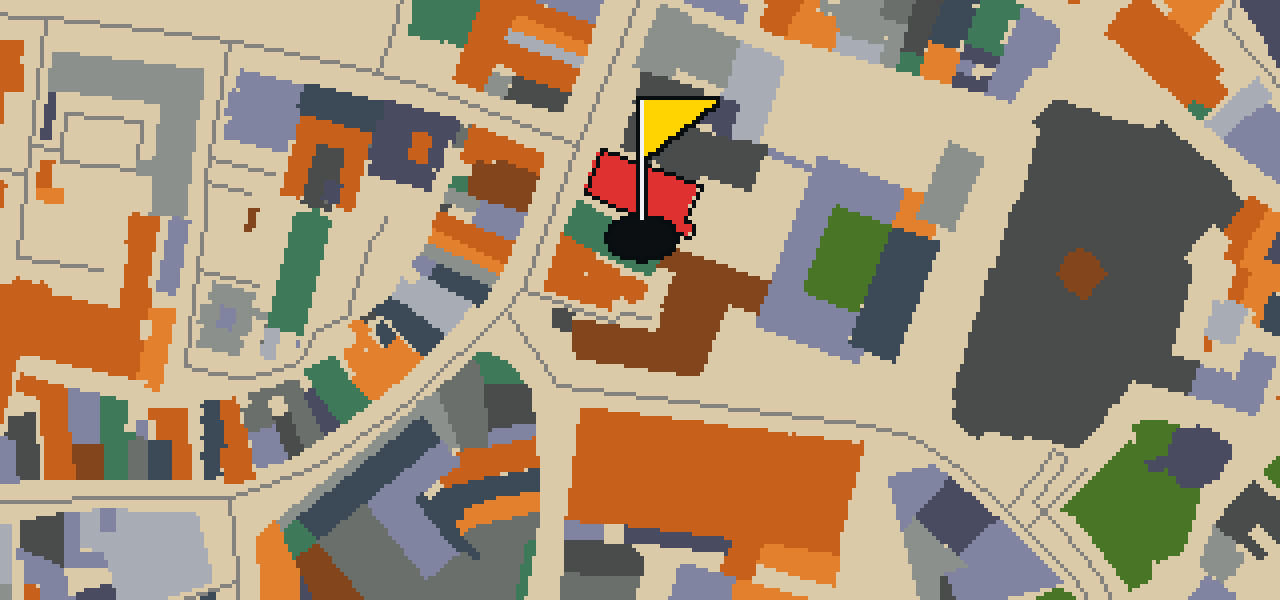
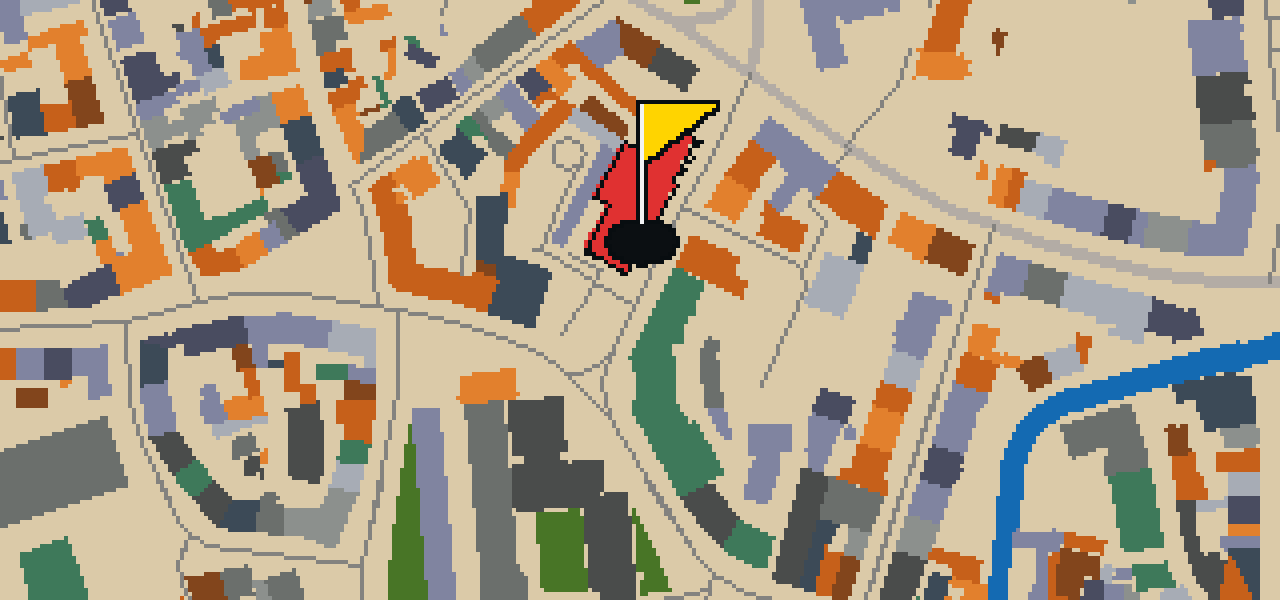
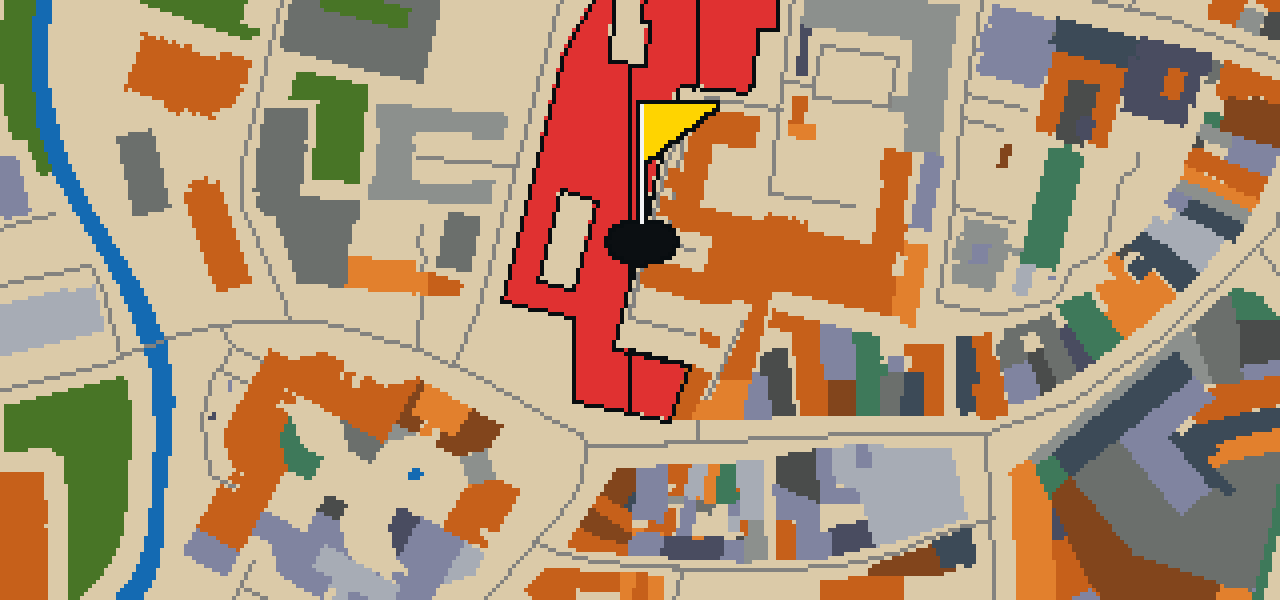
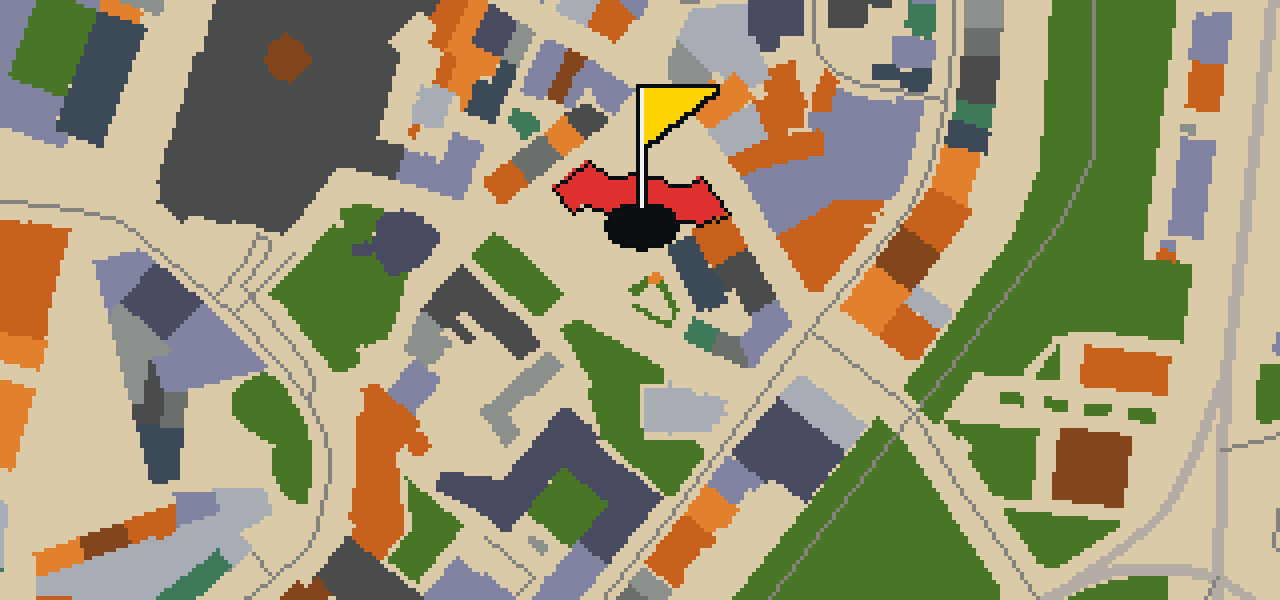
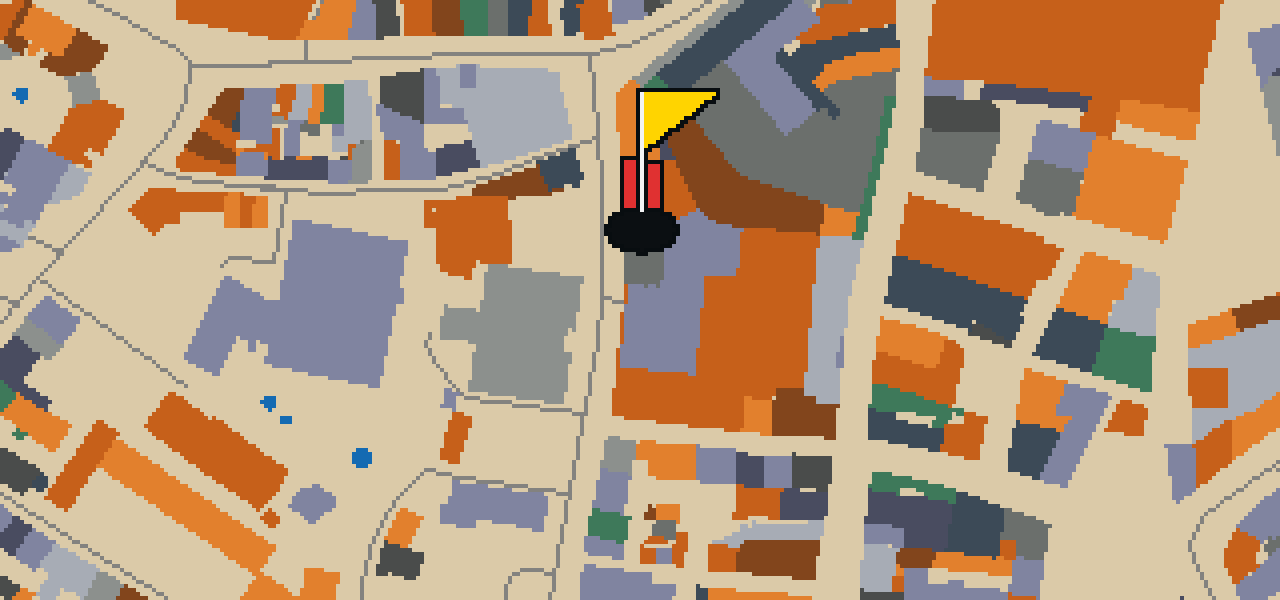
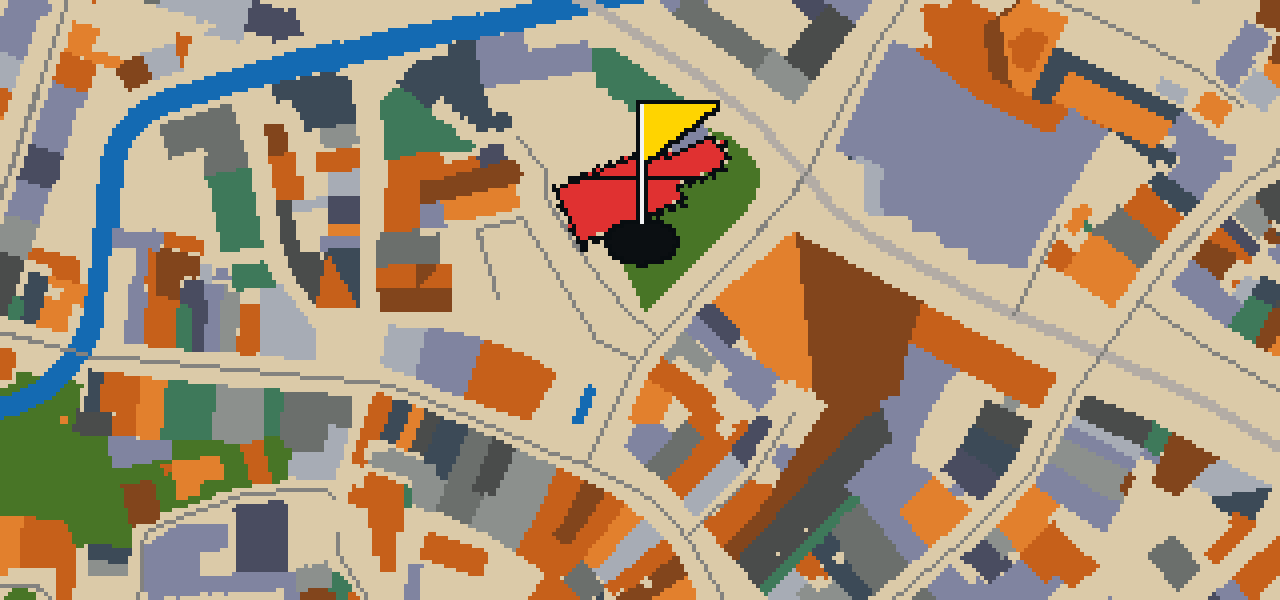
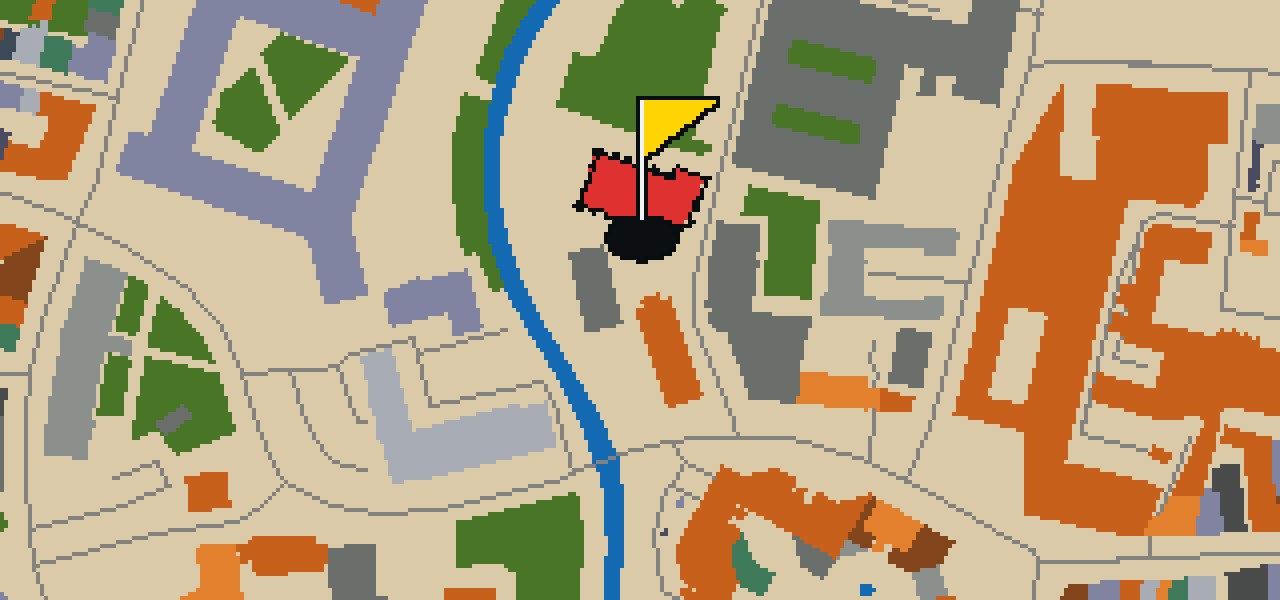
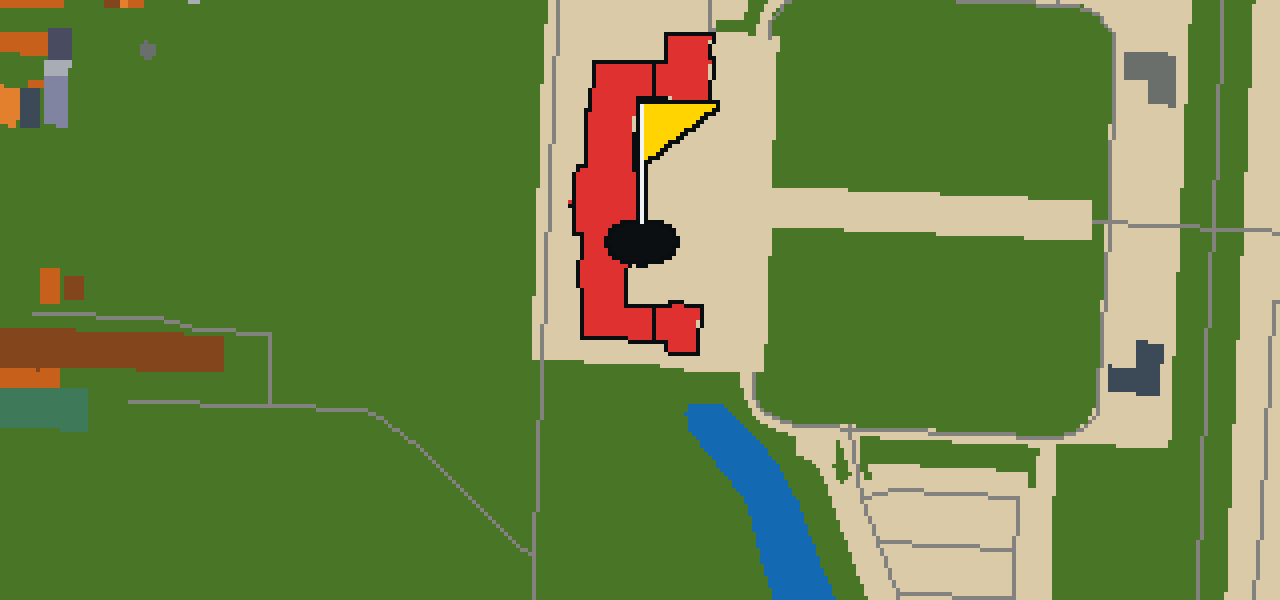
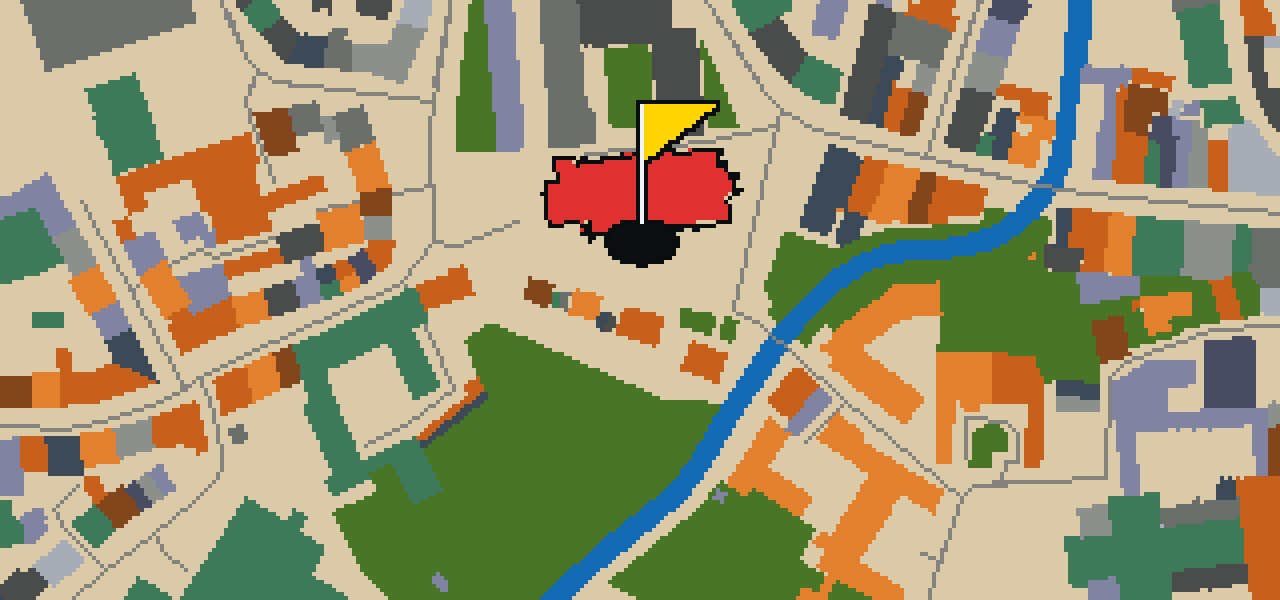
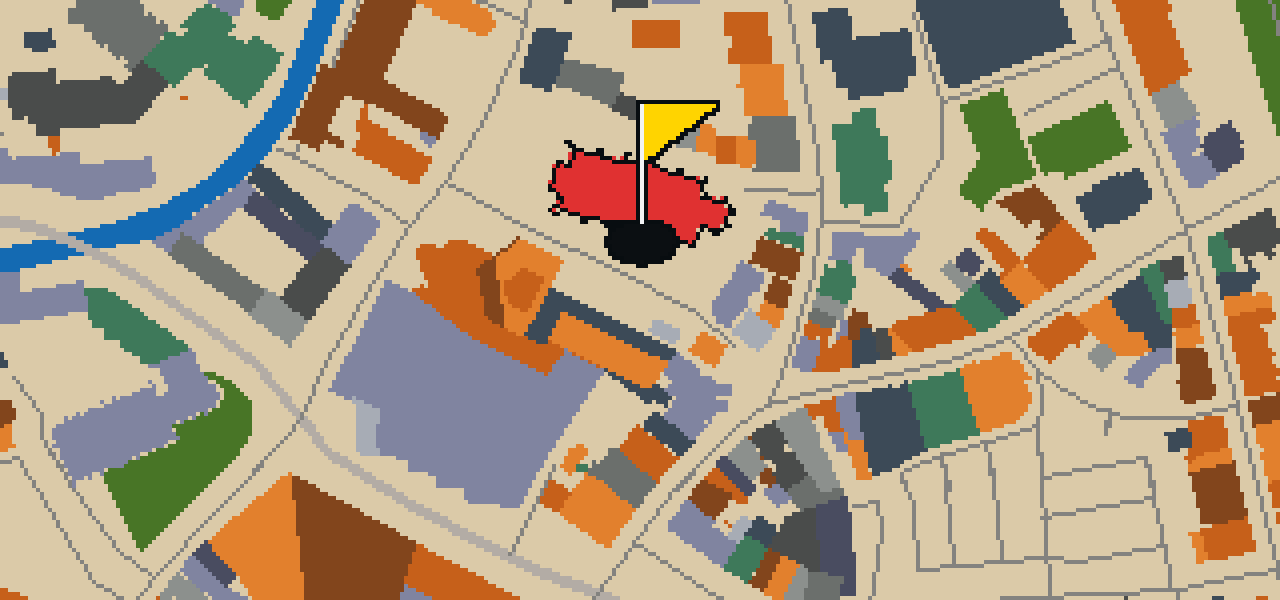
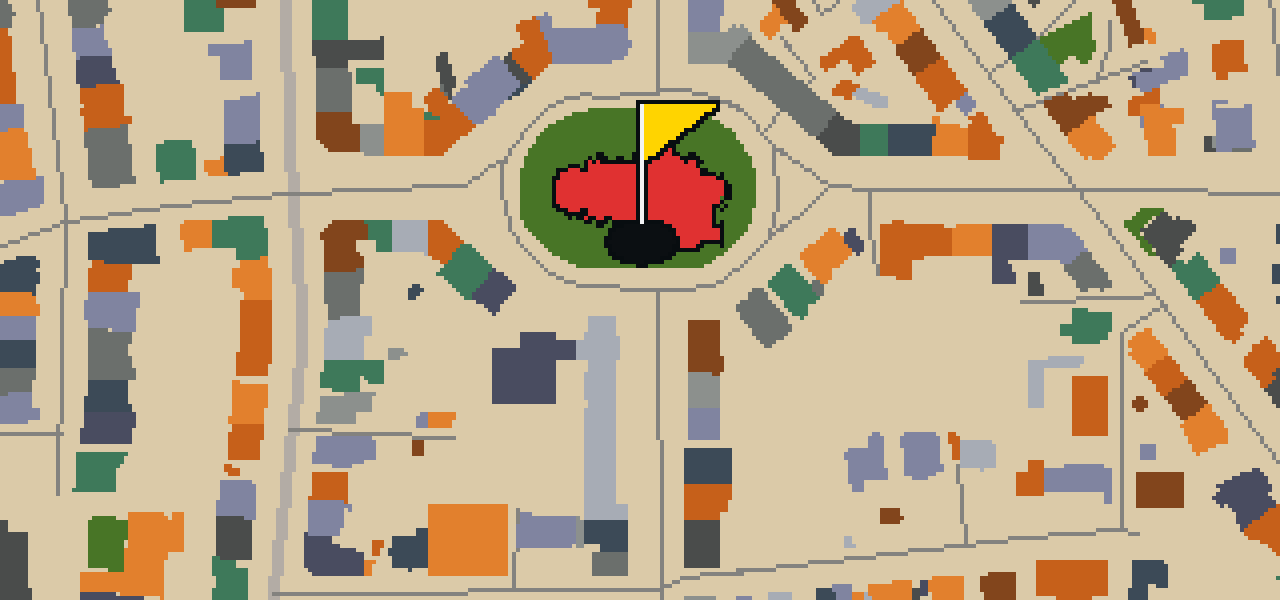
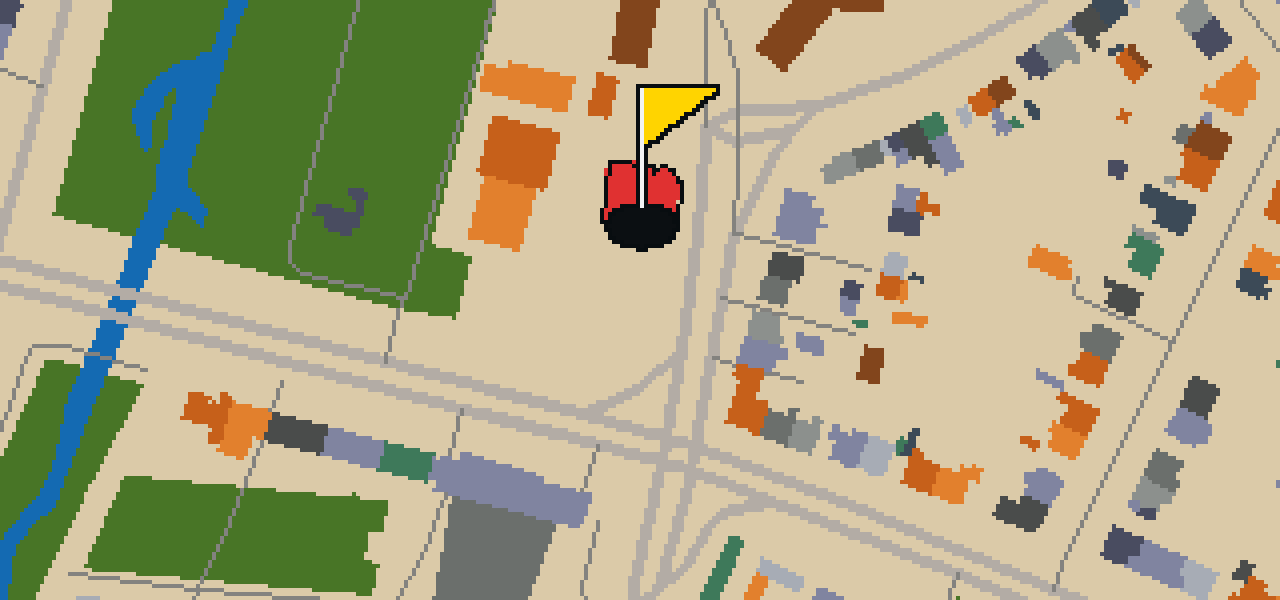
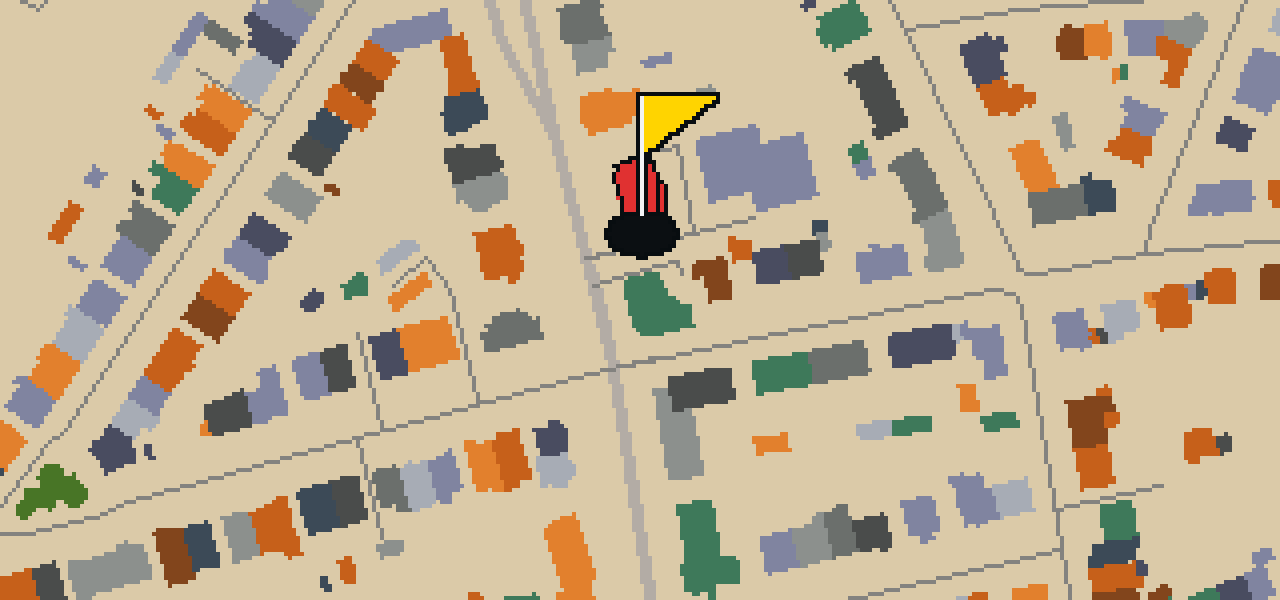
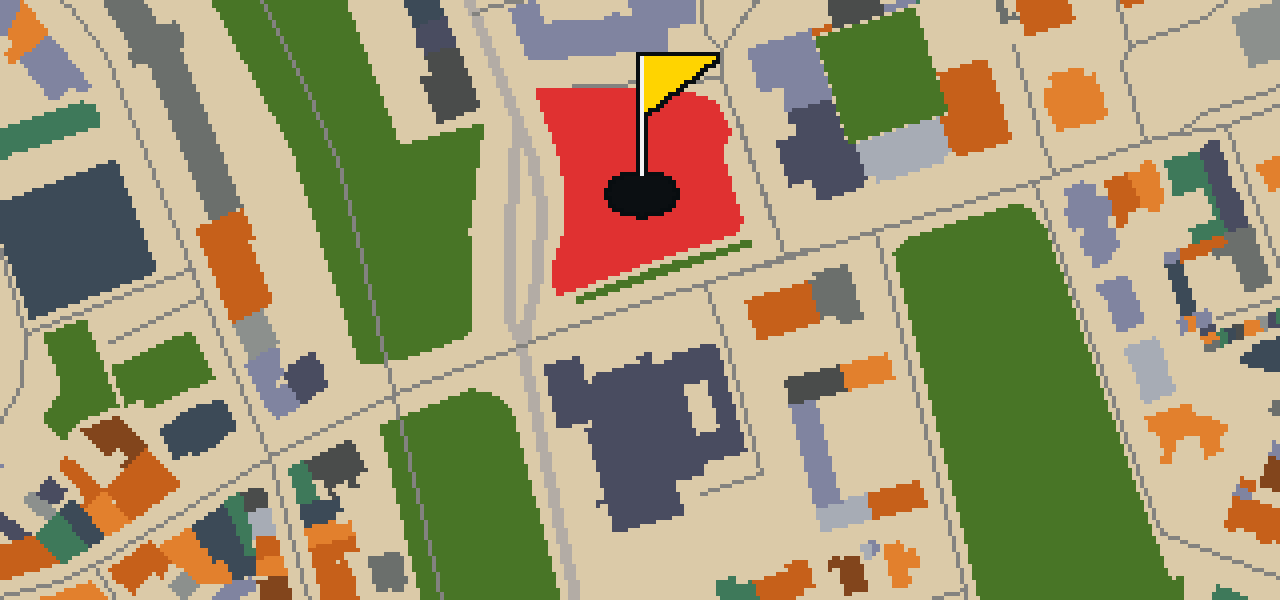
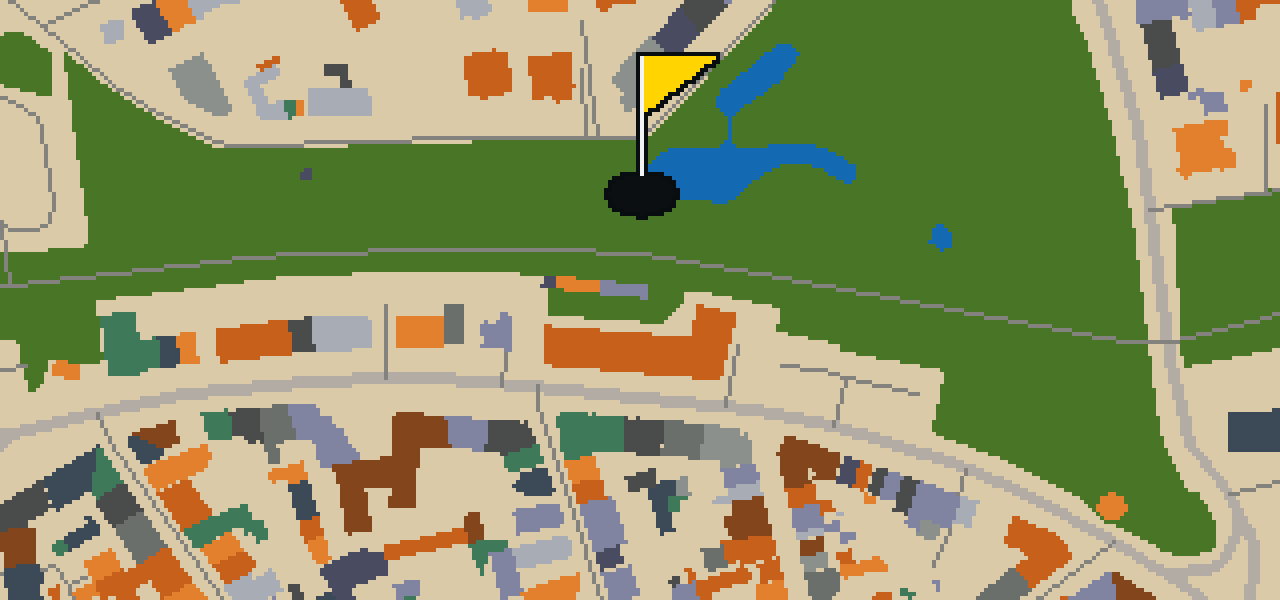
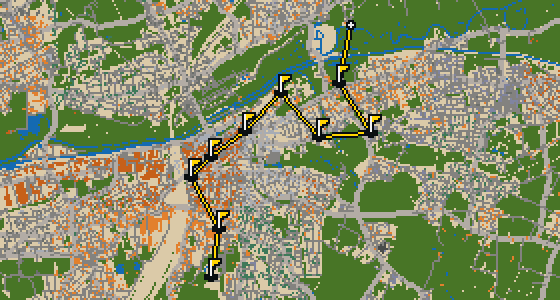
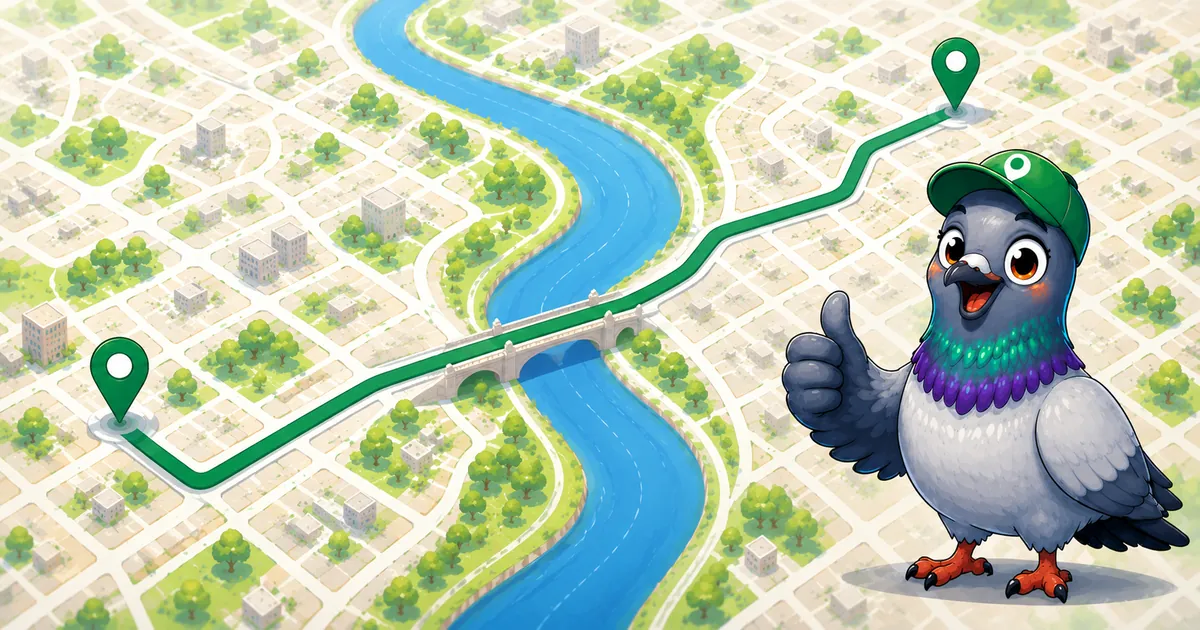
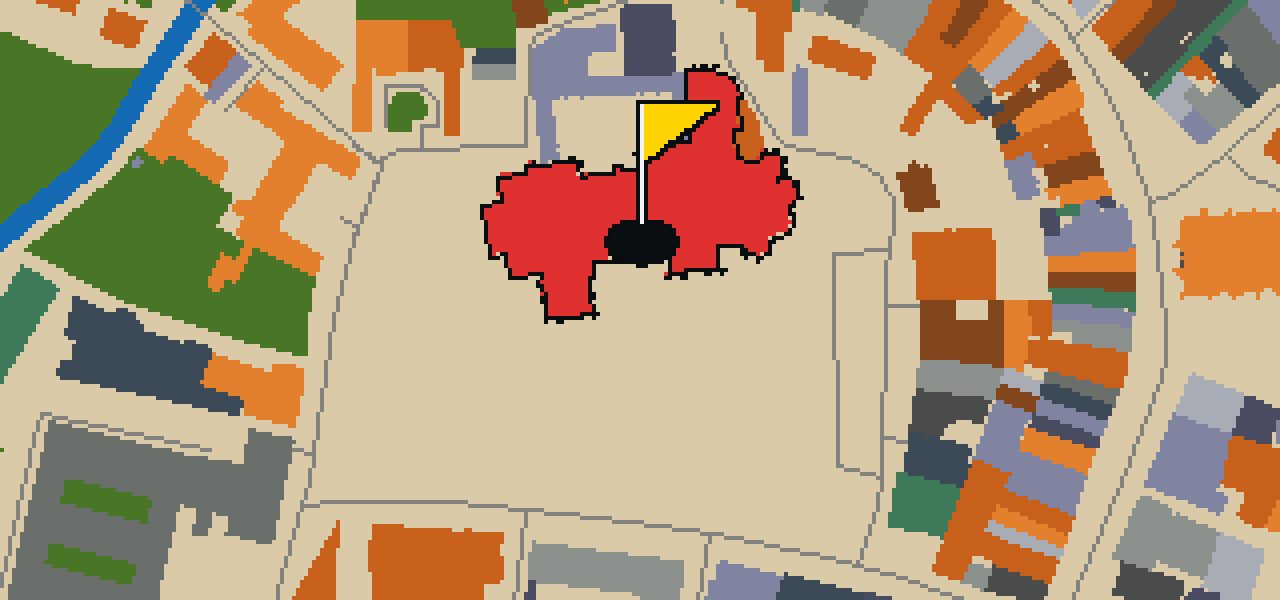
This is Münster. The map is the real city and the round is played on its real streets. The holes are built from real attractions, starting with the St.-Paulus-Dom. Skip is a local guide who knows the place and exactly where the best crumbs are hidden. This full round of 18 holes covers 11.6 km with a par of 57, using 26 portals to bridge the gaps between the distant parts of the map.

Trouble loading? Open the game in its own tab.

HOW IT WORKS

01

Pick a city

The course is drawn on the real street grid, so the map you play is the map you walk.

02

Putt to the pin

Drag to aim, release to swing. Buildings bounce and water costs you a stroke.

03

Sightsee between strokes

Every hole ends at an attraction. Sink the putt, read the story, walk to the next tee.

THE MÜNSTER ROUND - STOP BY STOP

HOLE 1 - PAR 3

St.-Paulus-Dom

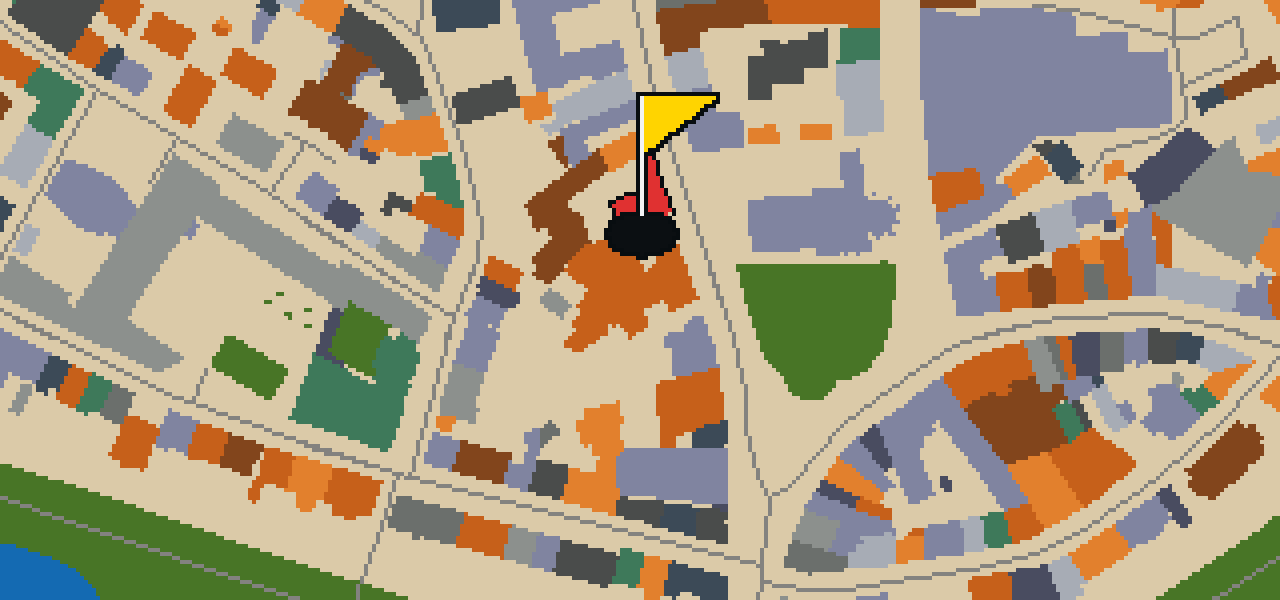
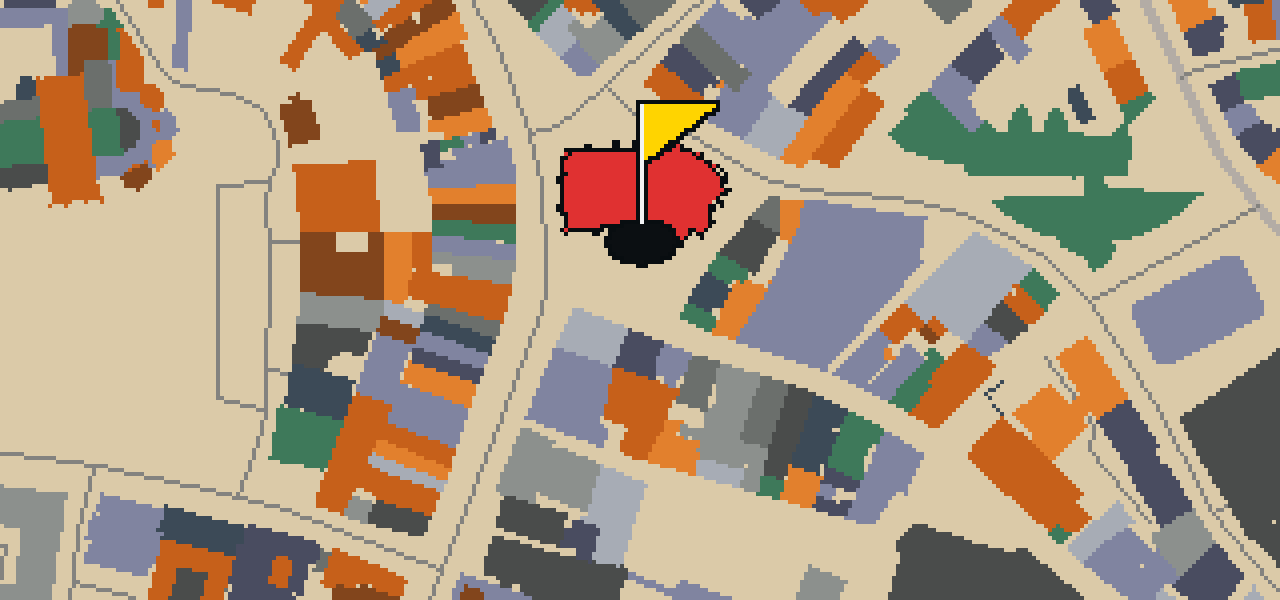
Emil Steffann was the architect of St.-Paulus-Dom. This cathedral is the cathedral church of the Catholic Diocese of Münster in Germany and is dedicated to Saint Paul. Construction on the building was started in 1225. The structure is built in the Gothic architecture style and is an architectural heritage monument in North Rhine-Westphalia. You can see the influence of this style in the design of the building, which reaches a height of 58 meters.
Wikidata · Wikipedia

HOLE 2 - PAR 3

Oerscher Hof

Oerscher Hof is an architectural structure located here in Münster. It is officially recognized as an architectural heritage monument in North Rhine-Westphalia, meaning it is protected for its historical and structural value. When you are visiting, you can pick out the specific design elements that earned it this monument status. I find that these heritage sites give the city a distinct character and a sense of permanence as you move through the streets. It is a great example of the preserved architecture that defines this part of the region.

Wikidata

HOLE 3 - PAR 3

St. Lamberti

This site is not a secular monument, but St. Lamberti, a Roman Catholic church building in Münster. Dedicated to Lambert of Maastricht, it is an architectural heritage monument in North Rhine-Westphalia. You can see the Gothic architecture style in its design throughout the structure. The building was worked on by architects including August Rincklake, Bernhard Hertel, Hans Ostermann, and Hilger Hertel the Elder. It remains a focal point of the city's historic center, providing a clear look at the regional heritage of Germany.

Wikidata · Wikipedia

HOLE 4 - PAR 3

Zwinger

You can pick out the sculpture Das gegenläufige Konzert before taking in the rest of the Zwinger. This building in Münster is an architectural heritage monument in North Rhine-Westphalia. While it is now home to the Münster City Museum, its history is heavy; in the Nazi era, the Zwinger was a jail and a Gestapo place of execution. I've noticed that the quiet of the memorial today contrasts with the building's violent past. It remains a significant landmark for those visiting the city's historic center.

Wikidata · Wikipedia

HOLE 5 - PAR 3

Historisches Rathaus

Let me show you the Historisches Rathaus, a Rathaus found in the centre of Prinzipalmarkt 10. This building is an architectural heritage monument in North Rhine-Westphalia and reaches a height of 31 meters. It is a significant location that rose to prominence during the negotiations for the Peace of Westphalia Treaty of 1648. You can pick out the scale of its popularity from the records of 2012, when over 120,000 visitors were recorded at the site. I usually see a few crumbs left behind by the crowds near the entrance.

Wikidata · Wikipedia

HOLE 6 - PAR 3

Evangelische Universitätskirche

You might expect a university church to follow a single, unified era of design, but the Evangelische Universitätskirche is different. This church building was designed by architect Antonius Hülse and is a place where different artistic traditions meet. When you look at the structure, you can see that it is designed in the Baroque style. However, the building also incorporates the Gothic art style, making it a unique sight in the city for those interested in how these two distinct architectural periods can exist within one place.

Wikidata

HOLE 7 - PAR 3

LWL-Museum für Kunst und Kultur

Look at the structure designed by architects Hermann Schaedtler and Volker Staab. This is the LWL-Museum für Kunst und Kultur, an art museum that was founded in 1905. You can also find it referred to as the Westphalian State Museum of Art and Cultural History. It is a central spot for those visiting Münster to see the region's creative legacy. I have noticed that the building has a physical presence that makes it very easy to spot from the street, even if you are just gliding past on a breeze.

Wikidata · Wikipedia

HOLE 8 - PAR 2

Erbdrostenhof

The Erbdrostenhof is a palace located on Salzstraße in Münster, North Rhine-Westphalia. Built between 1753 and 1757, this baroque building was designed by Johann Conrad Schlaun and is an architectural heritage monument in North Rhine-Westphalia. You can pick out sculptures produced by Johann Christoph Manskirch on the exterior. The interior features frescoes by Nikolaus Loder, which Paul Reckendorfer restored between 1965 and 1967. I always find the baroque details here quite striking, especially when you consider the level of craftsmanship involved in the sculptures and the paintings.

Wikidata · Wikipedia

HOLE 9 - PAR 3

Picassomuseum

Look closely at the brushstrokes and shapes on the canvas before stepping back to see the whole picture. This is the Picassomuseum, an art museum that brings the vision of Pablo Picasso to the city. I've always found that the way the art fills the space makes the visit feel like a conversation with the artist himself.

Wikidata

HOLE 10 - PAR 3

Apostelkirche

Apostelkirche is a church building that stands as a notable example of the Gothic architecture style. Visitors to the city can observe the specific structural elements and pointed arches characteristic of this period. Because of its historical and aesthetic value, the building is officially designated as an architectural heritage monument in North Rhine-Westphalia. This status ensures the preservation of its design for future generations to see as they move through the streets of Münster.

Wikidata

HOLE 11 - PAR 3

St. Petri

This is not a secular hall or a civic center. St. Petri is a Jesuit church and a church building. It is recognized as an architectural heritage monument in North Rhine-Westphalia. Visitors should observe the structure as a significant piece of the local religious environment, as it is designated as an architectural heritage monument within the state of North Rhine-Westphalia. The building remains a point of interest for those seeking to understand the ecclesiastical history of the area through its specific designation as a Jesuit church.

Wikidata

HOLE 12 - PAR 3

Fürstbischöfliches Schloss

You might expect a castle to be a fortress, but the Fürstbischöfliches Schloss is a baroque château. It is an architectural heritage monument in North Rhine-Westphalia, crafted from the Baumberger sandstone of Münster. While it started as a residence, it has functioned as the seat and landmark of the University of Münster since 1954. I've noticed the stone has a lovely warmth to it when the sun hits the facade, making it a favorite spot for people to gather. It is a wonderful example of the baroque style in the region.

Wikidata · Wikipedia

HOLE 13 - PAR 3

Überwasserkirche

Überwasserkirche is a parish church designed in Gothic architecture and Gothic art styles. This Gothic hall church in Münster is an architectural heritage monument in North Rhine-Westphalia. The building reaches a height of 64.5 meters and was designed by architects Gerhard Gröninger and Johann Conrad Schlaun. Dedicated to St. Mary, the church was inaugurated as part of an educational Stift in 1040. It remains a significant site of worship and a preserved example of the city's architectural heritage for all who visit the area.

Wikidata · Wikipedia

HOLE 14 - PAR 3

Martinikirche

The pointed arches and ribbed vaults of the Gothic architecture style define the physical structure of Martinikirche. This church building is an architectural heritage monument in North Rhine-Westphalia, preserving a specific era of design for all who visit. Work on the site started in 1187. It is a place of worship where the scale of the stone masonry and the height of the nave demonstrate the building techniques of the period. Visitors can see how the Gothic elements create a sense of openness and light within the interior of the church.

Wikidata

HOLE 15 - PAR 4

Heilig-Kreuz-Kirche

Heilig-Kreuz-Kirche is a Catholic church located in Münster, North Rhine-Westphalia, Germany. This church building is designed in the Gothic Revival style and is a significant site within the city. It is often also referred to as Kreuzkirche. When looking at the design and construction of the site, you can note that Bernhard Hertel is an architect of Heilig-Kreuz-Kirche, as is Hilger Hertel. Both architects contributed to the final form of the building that you see today.

Wikidata · Wikipedia

HOLE 16 - PAR 4

Pumpenhaus

Let me show you Pumpenhaus, a theatre building situated in Münster, North Rhine-Westphalia. It is a significant spot for the arts, as Theater im Pumpenhaus is one of the oldest independent theaters in Germany. The theater was founded in 1985 and continues to operate as a creative hub within the city. You can pick out the unique character of the building as you pass by during your walk. I've always found the energy around the entrance quite lively, especially when a crowd is gathering for a show. It is a great example of the city's commitment to independent theatre.

Wikidata · Wikipedia

HOLE 17 - PAR 4

Villa ten Hompel

Villa ten Hompel is located in the city of Münster in the German state of North Rhine-Westphalia. This villa is an architectural heritage monument in the state. It is a memorial site for offenses committed by the police and government administration during the National Socialist period. The site also functions as a museum. Visitors to North Rhine-Westphalia can find this memorial and museum within the city limits of Münster, where the villa stands as a record of the offenses committed by the government administration and police during that period.

Wikidata · Wikipedia

HOLE 18 - PAR 4

Hörsterplatz

This is not a bustling intersection or a shopping district. Instead, let me show you Hörsterplatz, which is a park. It provides a spot for visitors to step away from the urban pavement and enjoy a bit of nature in the heart of the city. I find it is a great place to stretch your wings and watch the world go by while you rest your feet. Whether you are passing through or staying a while, it is a useful green space for anyone navigating the local area.

Wikidata

STOP 19

Kreuzschanze

Let me show you Kreuzschanze, which is a park. This space is a place where you can find greenery and take a break from the surrounding city streets. I find it is a pleasant spot to watch the world go by while resting in the shade.

Wikidata

OTHER COURSES

9 HOLES - PAR 33

Hamm

9 stops

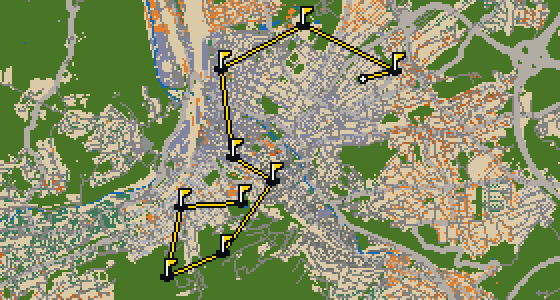
This quick nine-hole round covers 7.4 km across Hamm. The map is the real city and the ball rolls along its actual streets, using portals to skip between districts. Local attractions like Schloss Heessen are the foundations for the holes. Skip knows every curb and cobblestone here, even if a few crumbs usually distract the guide.

18 HOLES - PAR 53

Kassel

18 stops

Kassel is the setting for this round, where the map follows the actual city and the ball rolls across its real streets. The holes are built from the city's actual attractions, ending at the Spitzhacke. Skip knows these sidewalks well and is the local guide. This is a full round of 18 holes with a par of 53, covering a walk of 9.7 km. The ball moves between distant districts using 12 portals.

9 HOLES - PAR 31

Hagen

9 stops

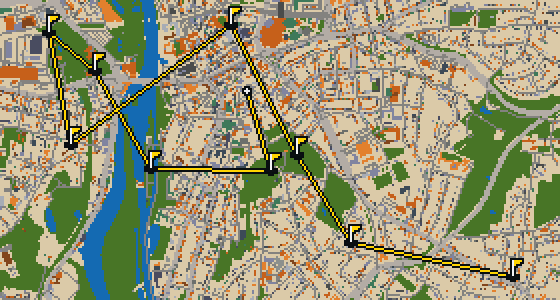
The ball ends its journey at the Stadtgarten. This course uses the real streets of Hagen as the map, with the city's actual attractions forming the holes. A quick round of 9 holes covers 7.6 km, using 8 portals to bridge the gaps between distant districts. Skip knows every curb and cobblestone here, having spent plenty of time watching the world go by from the eaves.

9 HOLES - PAR 29

Oberhausen

9 stops

Banking a ball off the stone of Schloss Broich requires a steady wing and a soft touch. This round takes place on the real streets of Oberhausen, where the city map is the course. The holes are built from actual local attractions, and Skip knows every crack in the pavement. A quick 9-hole round covers 6 km, with 14 portals to keep the ball moving.

18 HOLES - PAR 57

Delsberg

18 stops

Banking a ball off the stone facades of the Roter Turm requires a steady wing and a bit of luck. This round takes place in Delsberg, where the map is the real city and the game is played on its actual streets. The holes are built from real attractions, turning the urban layout into a course. I know these sidewalks well and can be the local guide. It is a full round of 18 holes with a par of 57, covering a 12.1 km walk that uses 10 portals.

FAQ

Is it free to play?

Yes. Every course runs in the browser with no account and no install.

Do I need to be in the city?

No. The full round plays from anywhere. Walking the real route is a nice way to see the city, but it is not required.

Are the maps real?

Yes. The geometry comes from OpenStreetMap data, rendered chunky on purpose. Streets, water and parks sit where they really are.