
MAINZ - 18 HOLES - FREE

MAINZ
CITY MAP MINIGOLF

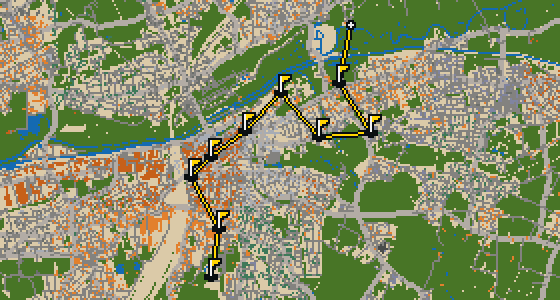
Mainz - 18 stops - par 56

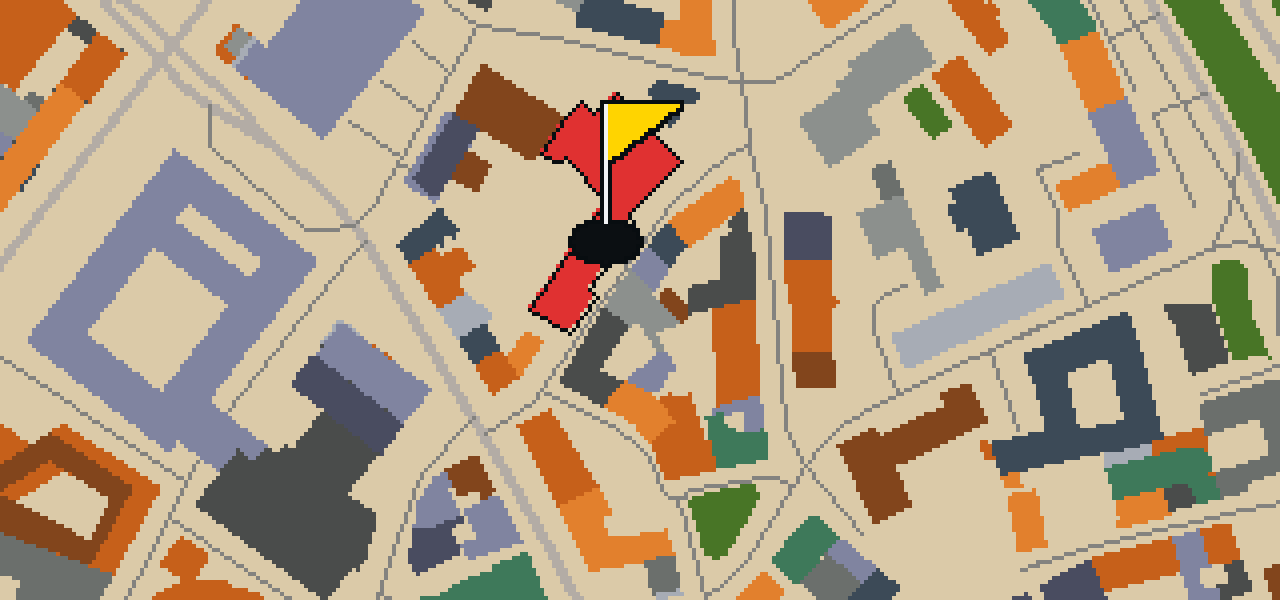
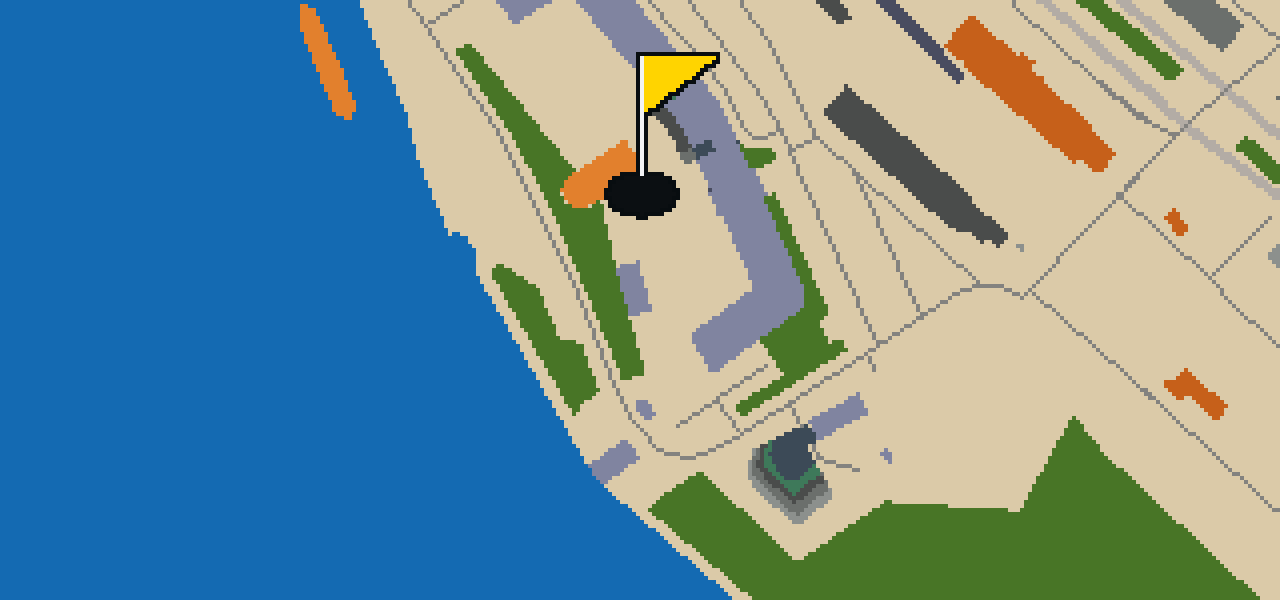
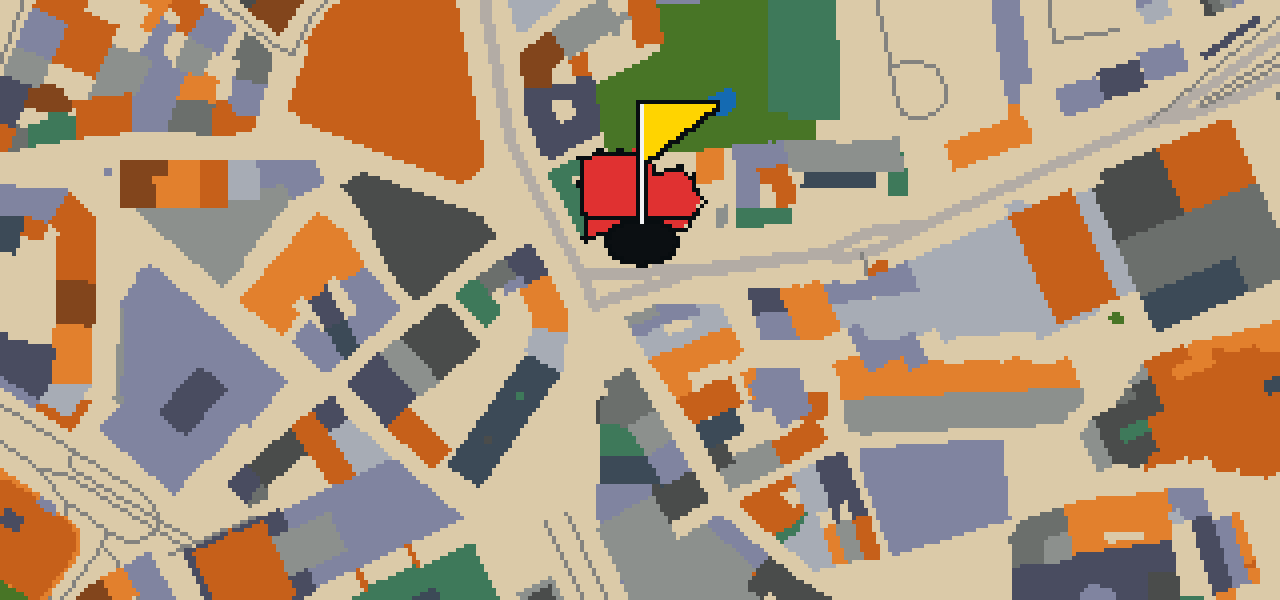
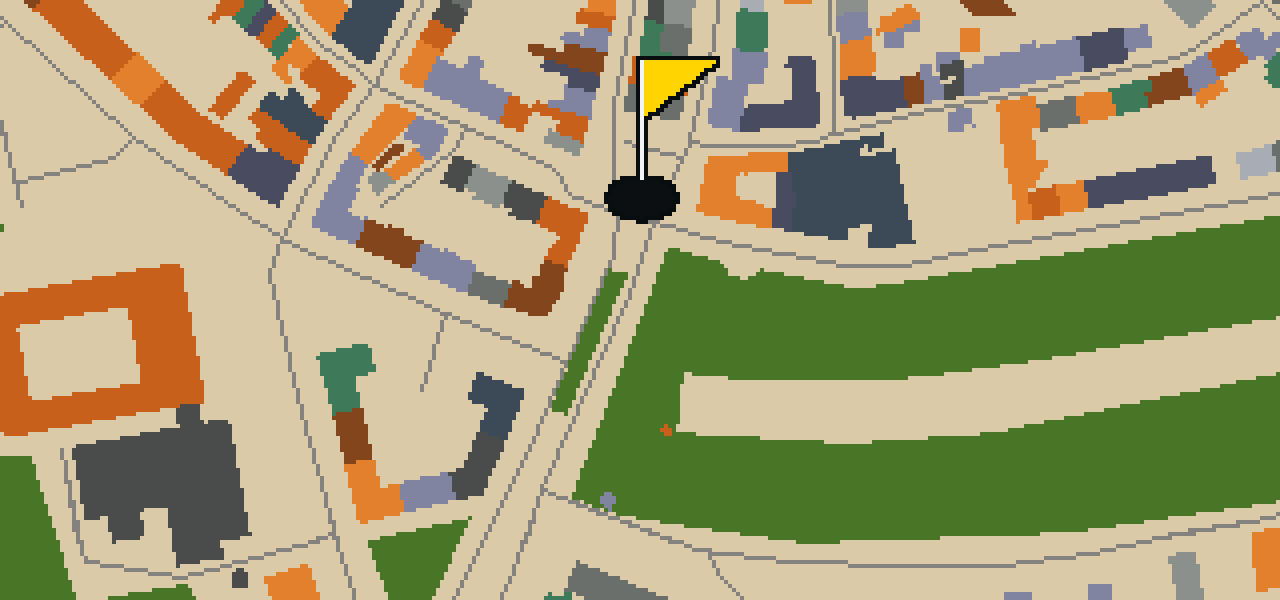
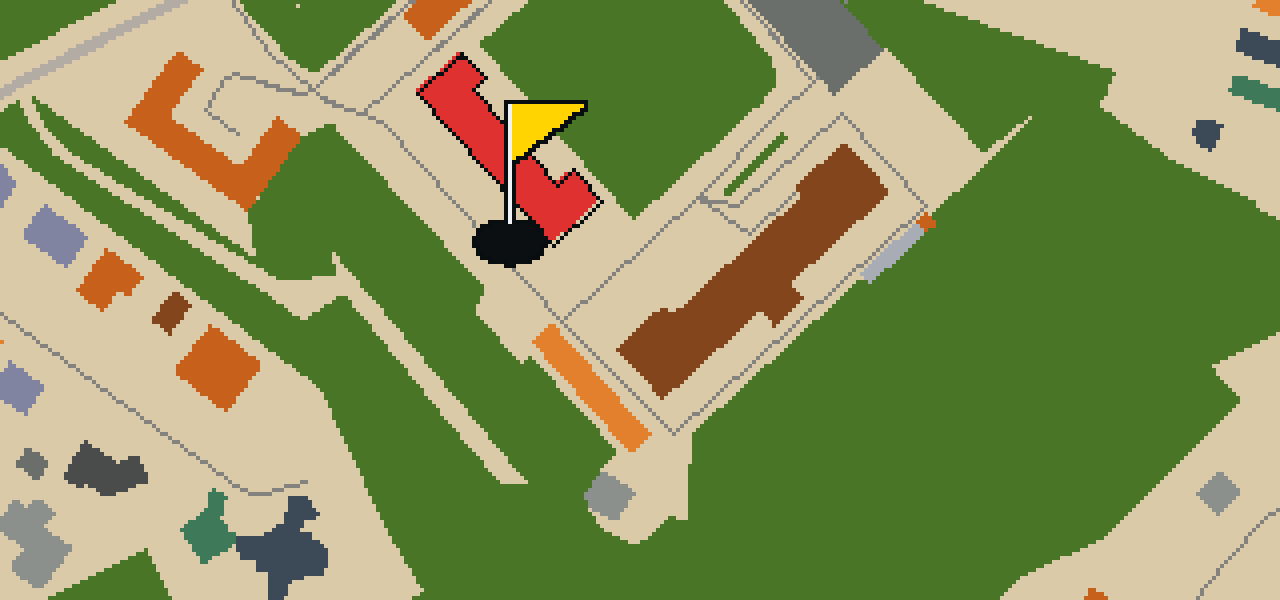
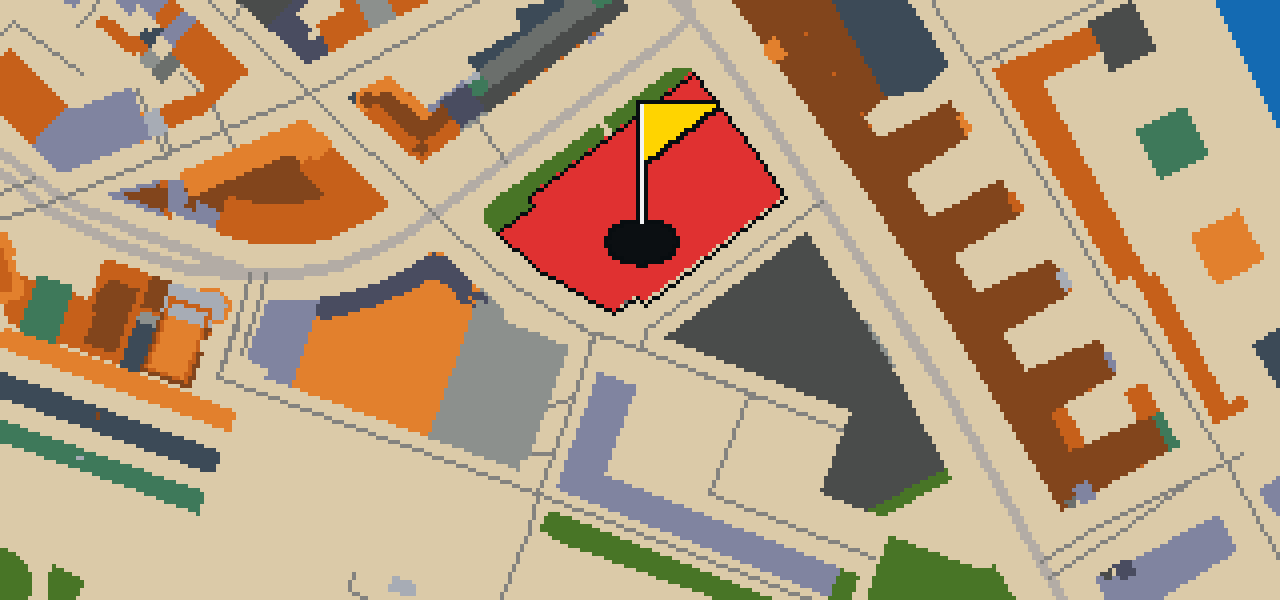
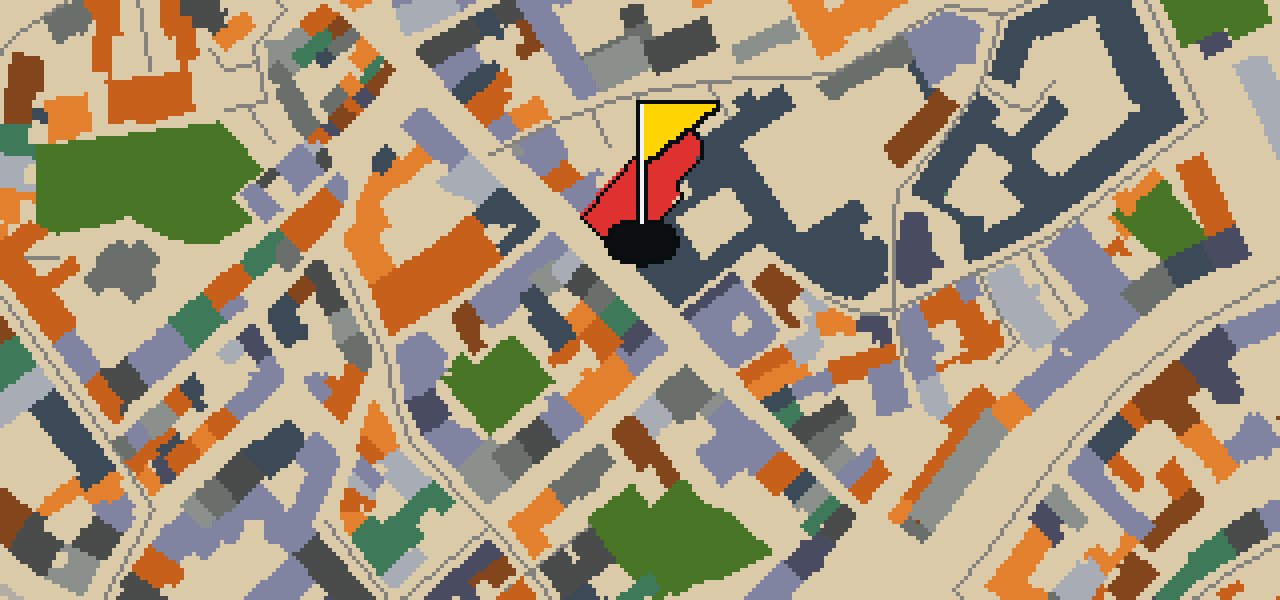
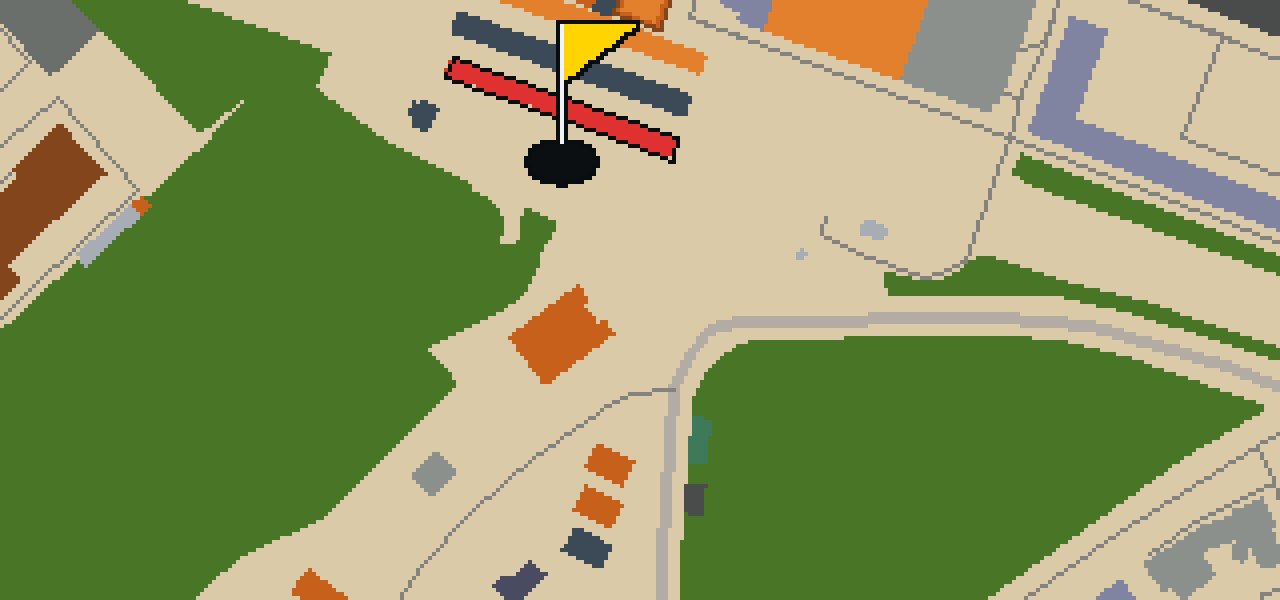
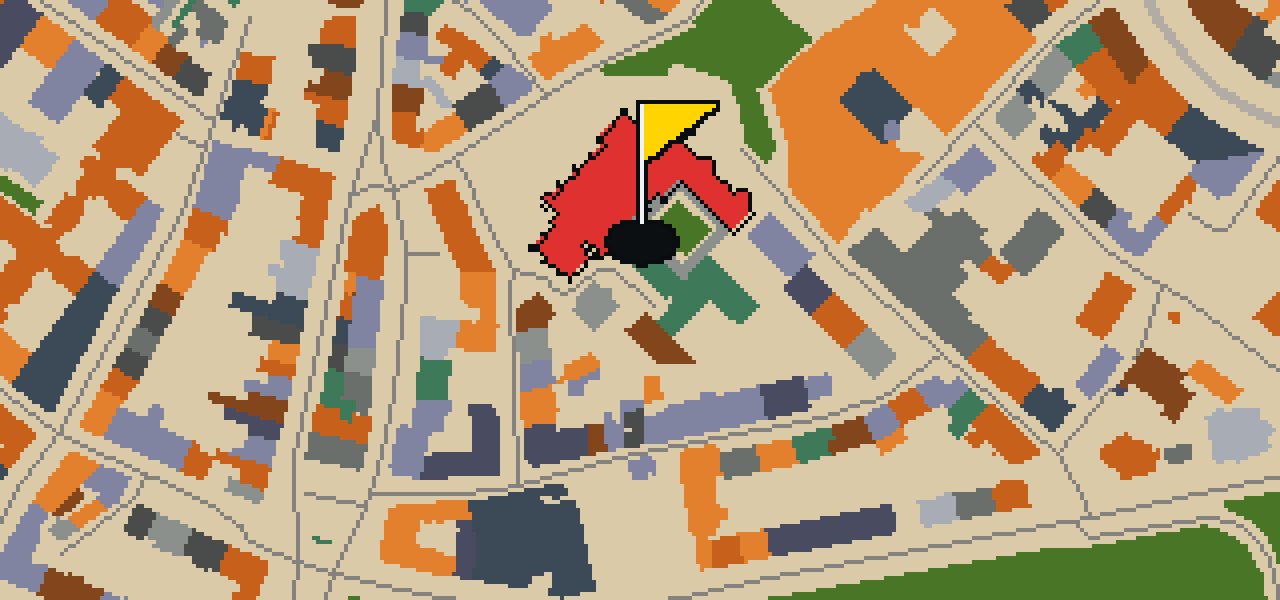
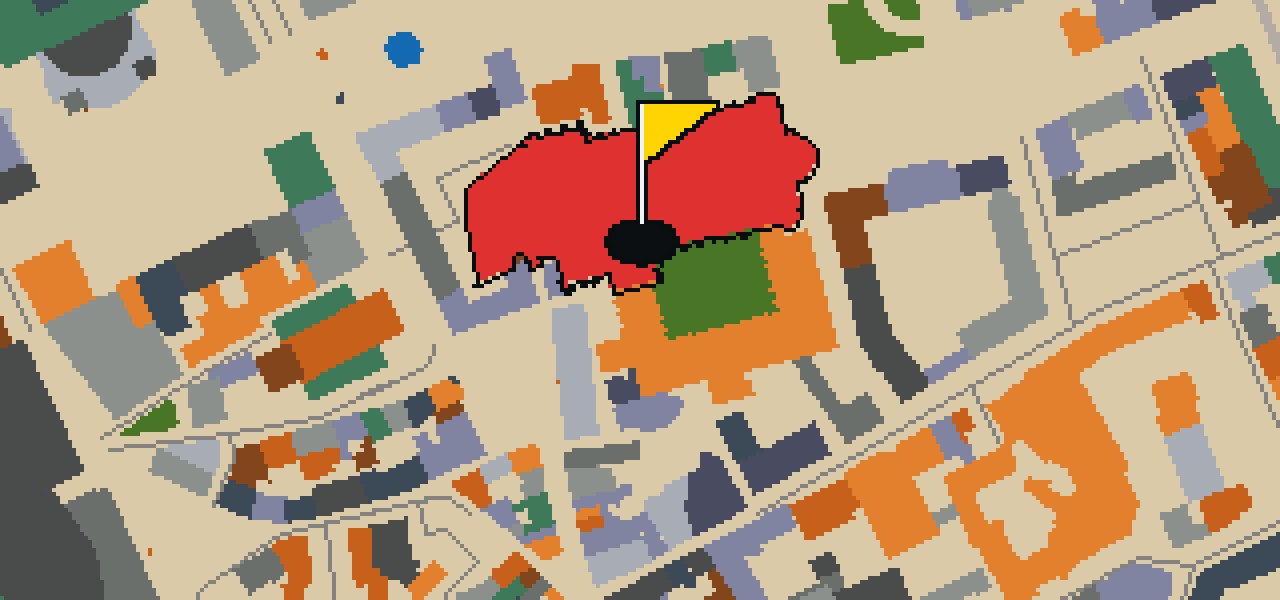
The ball finds its mark at the Hoher Dom St. Martin zu Mainz. This full round of 18 holes takes place on the actual streets of Mainz, where the city map is the course and real attractions form the obstacles. A walk of 11 km connects the landmarks, with 12 portals providing shortcuts across the city for the ball to ride. Skip knows every cobblestone and corner of this place, though most of the time he is just looking for a stray crumb.

Trouble loading? Open the game in its own tab.

HOW IT WORKS

01

Pick a city

The course is drawn on the real street grid, so the map you play is the map you walk.

02

Putt to the pin

Drag to aim, release to swing. Buildings bounce and water costs you a stroke.

03

Sightsee between strokes

Every hole ends at an attraction. Sink the putt, read the story, walk to the next tee.

THE MAINZ ROUND - STOP BY STOP

HOLE 1 - PAR 3

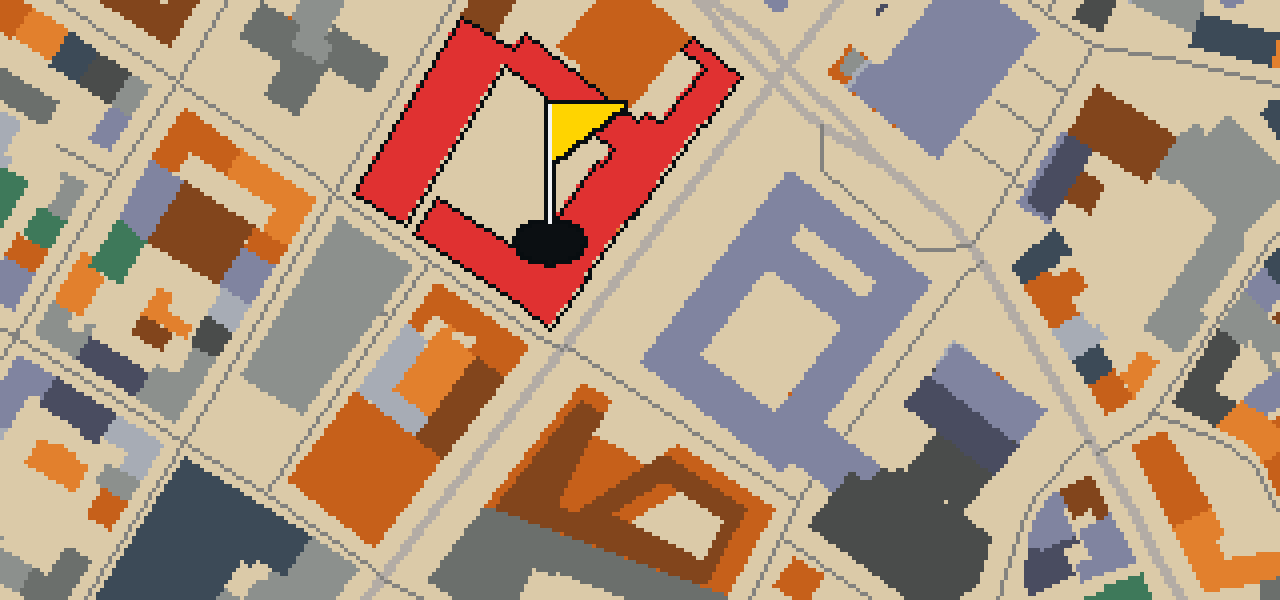
Hoher Dom St. Martin zu Mainz

The Romanesque architecture style defines the structure of Hoher Dom St. Martin zu Mainz. This imperial cathedral is a Kulturdenkmal and is located near the historical center and pedestrianized market square of Mainz, Germany. It is a 1000-year-old Roman Catholic cathedral that serves as the site of the episcopal see of the Bishop of Mainz. Architects Madern Gerthener and Franz Ignaz Michael Neumann are associated with the building, which stands as a significant landmark for those visiting the heart of the city.

Wikidata · Wikipedia

HOLE 2 - PAR 3

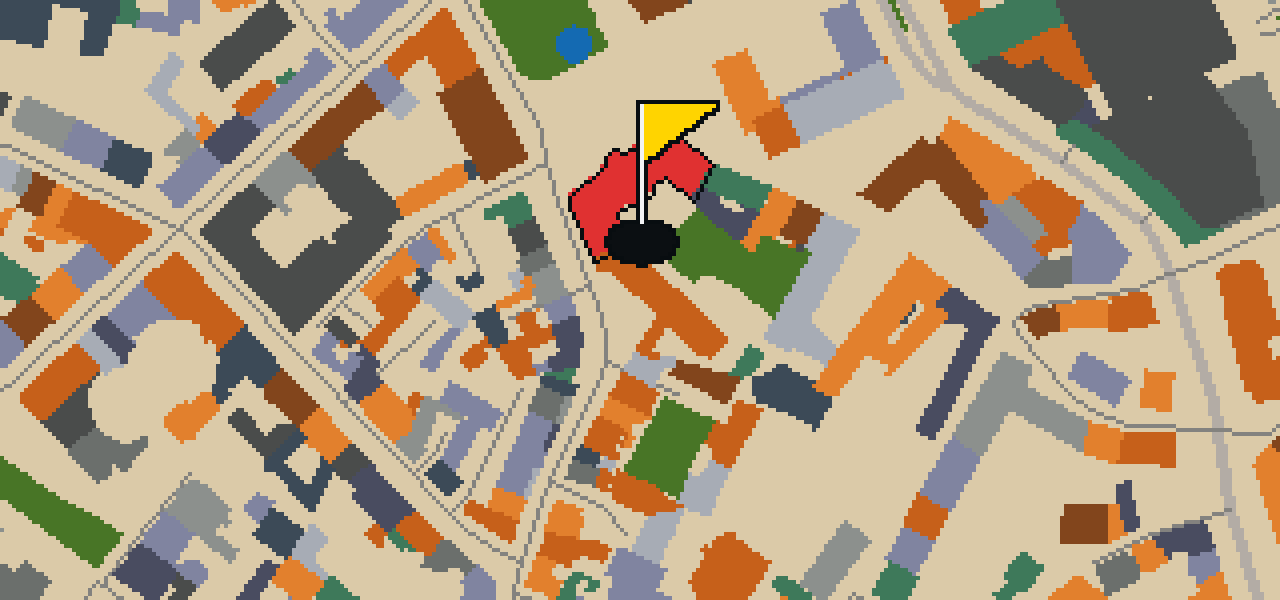
Schönborner Hof

Let me show you the exterior of the Schönborner Hof. Once you notice the specific details of the facade, you can appreciate the full scale of this mansion. It is a significant site in Mainz and is officially designated as a Kulturdenkmal, which marks it as a protected cultural monument. I find that the architecture here makes for a great spot to pause and look around before moving on to the next street. It is the kind of place that makes you slow down your pace to take in the surroundings.

Wikidata

HOLE 3 - PAR 3

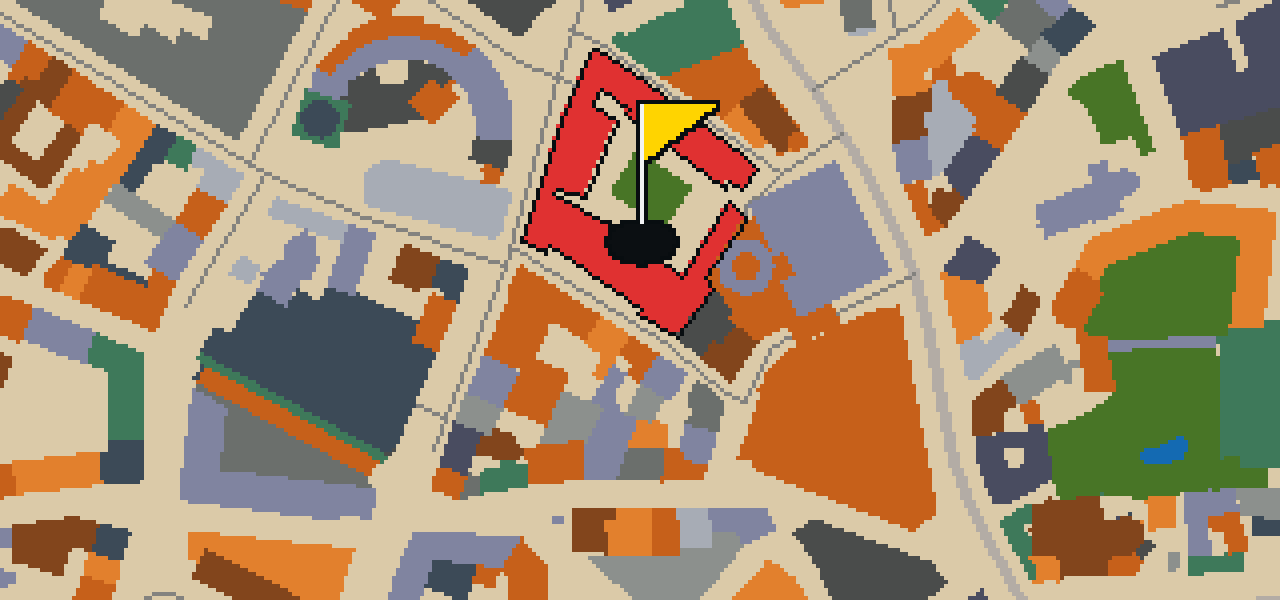
Landesmuseum Mainz

Fresh paint and polished halls greet you here, as the Landesmuseum Mainz reopened in full in March 2010 after an extensive renovation. This museum of art and history in Mainz, Germany, allows you to explore a wide range of exhibits. It is a long-standing part of the city's cultural scene, having had its inception in 1937. I always find the atmosphere here quite calming compared to the busy streets outside, making it a great spot to pause and reflect on the local heritage before you continue your journey through the city.

Wikidata · Wikipedia

HOLE 4 - PAR 3

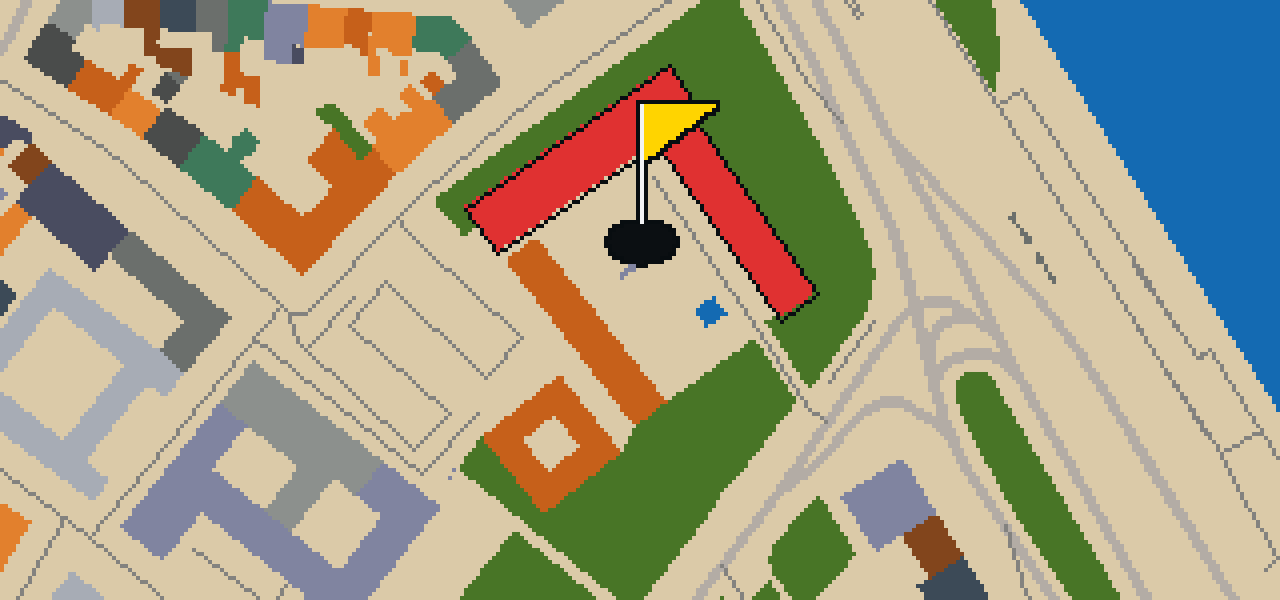
Osteiner Hof

You will first notice the baroque architecture of the Osteiner Hof, a city palace located along Schillerplatz square. This mansion is a cultural heritage monument in Rhineland-Palatinate. It was built between 1747 and 1752 for Franz Wolfgang Damian von Ostein. Johann Valentin Thomann served as the architect for the project. At the time the mansion was built, Johann Friedrich Karl von Ostein was the prince-bishop of Mainz. I always find the facade a great spot to pause and look around.

Wikidata · Wikipedia

HOLE 5 - PAR 3

Jüngerer Dalberger Hof

Look closely at the exterior of the Jüngerer Dalberger Hof. This building is a Kulturdenkmal, marking it as a site of cultural heritage in Mainz. I always find these older structures give the streets a distinct character that you can feel as you walk by. Whether you are here specifically for the history or you are just passing through on your way to another landmark, it is a notable stop in the city. It is the kind of place that makes the neighborhood feel grounded and permanent.

Wikidata

HOLE 6 - PAR 2

Kurfürstliches Schloss

Let me show you the Kurfürstliches Schloss, a palace that stands as one of the important Renaissance buildings in Germany. It is built in the Renaissance architecture style and is officially a Kulturdenkmal. This dwelling once served as the former city Residenz of the Prince-elector and Archbishop of Mainz. You can pick out the distinct architectural details that mark its history as a seat of power in the city. I've seen plenty of fancy spots, but the scale of this one is something else.

Wikidata · Wikipedia

HOLE 7 - PAR 4

Gutenberg-Museum

Located opposite the cathedral in the old part of Mainz, the Gutenberg-Museum is a museum named after Johannes Gutenberg. He was the inventor of printing from movable metal type in Western Europe. You can pick out a wide variety of printing equipment in the collections, along with examples of printed materials from many cultures. It is a great spot to see how the written word spread across the world. I find the old machinery quite fascinating to look at, even for a bird who prefers a simple scrap of newspaper.

Wikidata · Wikipedia

HOLE 8 - PAR 4

Reduit

Look closely at the heavy masonry of the Reduit, a fortification that defines this part of the city. It is a substantial military work that had its inception in 1830. While the city has grown around it, the structure remains a clear example of the defensive planning used in Mainz during that era. I often see folks stopping here to admire the scale of the walls before moving on. It is a great spot to pause and appreciate how the city's layout was shaped by these old defenses.

Wikidata

HOLE 9 - PAR 3

St. Quintin

Maximilian von Welsch is the architect of St. Quintin. He designed this Catholic parish church in Mainz using the Gothic architecture style. The construction of the building was started in 1288. Today, the site is recognized as a Kulturdenkmal. Visitors can observe the specific characteristics of the Gothic style in the structure's design, reflecting the architectural vision of von Welsch. This parish church remains a significant part of the city's religious and historical landscape, maintaining its status as a protected monument for all who visit.

Wikidata · Wikipedia

HOLE 10 - PAR 3

Gautor

Let me show you Gautor, a city gate that is recognized as a Kulturdenkmal. Work on this specific structure started in 1670, making it a lasting piece of the city's old defensive perimeter. Whether you are here for the history or just passing through, it is a prominent landmark that helps orient you within the city of Mainz. I have noticed that the pigeons around here like the ledge, though I usually prefer a higher vantage point when watching the balls roll toward the hole.

Wikidata

HOLE 11 - PAR 3

Zitadelle

Let me show you the Zitadelle, a citadel situated at the fringe of Mainz Old Town. This fortress was constructed in 1660 and served as an important part of the Fortress Mainz. You can find it near the Mainz Römisches Theater station. Today, the site is a cultural heritage monument in Rhineland-Palatinate. It is a great spot to see how the city was defended in the past. I usually find the best views of the surrounding streets from up here.

Wikidata · Wikipedia

HOLE 12 - PAR 3

Museum für Antike Schifffahrt

Established in 1994, the Museum für Antike Schifffahrt is a maritime museum located in Mainz. It was installed in the former central covered market near the South Station. The museum operates as a branch of the Romano-Germanic Central Museum, and you will find an archaeological center built right beside the current building. If you have a moment, I suggest checking out the affiliated workshop where staff replicate ancient ship models. It is a great spot to see how these vessels were actually put together.

Wikidata · Wikipedia

HOLE 13 - PAR 3

Augustinerkirche

Augustinerkirche is a church building featuring the baroque architecture style. Started in 1771, it is recognized as a cultural heritage monument in Rhineland-Palatinate. The site previously served as the minster of the Augustine friars in the city centre of Mainz, providing a place of worship for the order. Today, the building continues its religious purpose as the seminary church of the Catholic theological seminary of the Roman Catholic Diocese of Mainz. Visitors can observe the distinct baroque elements that define the structure and its historical role in the spiritual life of the city.

Wikidata · Wikipedia

HOLE 14 - PAR 3

Römisches Theater

You will first notice the massive scale of the Römisches Theater, a Roman theatre located immediately next to the Mainz Römisches Theater station. This Kulturdenkmal is an ancient Roman structure that had a diameter of 116 metres. It was built to accommodate large crowds, with a capacity of roughly ten thousand people. I find it helpful to stand near the edge to get a sense of how the city grew around these ruins. It is a great spot to pause and think about the people who gathered here long before the trains arrived.

Wikidata · Wikipedia

HOLE 15 - PAR 3

St. Stephan

This is not a modern art gallery, but St. Stephan is a parish church in Mainz. It is a Gothic hall collegiate church and is recognized as a Kulturdenkmal. You can pick out the hallmarks of Gothic architecture throughout the building. While the structure itself is historic, it is most widely known for the vibrant windows created by Marc Chagall. These works of art bring a unique light into the space, making it a significant site for both faith and art in the city.

Wikidata · Wikipedia

HOLE 16 - PAR 3

Alexanderturm

Let me show you the Alexanderturm, a tower that stands as a piece of the city's history. This structure is a Kulturdenkmal, which means it is a protected cultural monument. When you are visiting, you can pick out the specific architectural details that earned it this status. It is the kind of landmark that helps you understand the local heritage just by looking at the stone. I have noticed that the surrounding area makes for a great spot to pause and look around before you continue your journey through the streets of Mainz.

Wikidata

HOLE 17 - PAR 3

Staatstheater Mainz - U17

Let me show you the Gutenbergplatz, where you will find the Staatstheater Mainz. This theatre presents performances of ballet, drama, and opera. The site consists of two theatres linked together by a skywalk and an underground passage. It is owned and operated by the state of Rhineland-Palatinate. If you look at old records, you can pick out that the name was Stadttheater Mainz until 1989. I find the layout of the two connected buildings quite interesting, as it creates a unique footprint on the square. It is a central spot for the arts in the city.

Wikidata · Wikipedia

HOLE 18 - PAR 4

St. Ignaz

This is not a gothic cathedral or a baroque chapel. St. Ignaz is a church building designed in the classical architecture style. It is a site recognized as a Kulturdenkmal. The architect of the building was Johann Peter Jäger, and work on the structure was started in 1775. When you look at the facade, you can see the influence of the classical style that Jäger employed for this specific project in Mainz.

Wikidata

STOP 19

Stadtpark

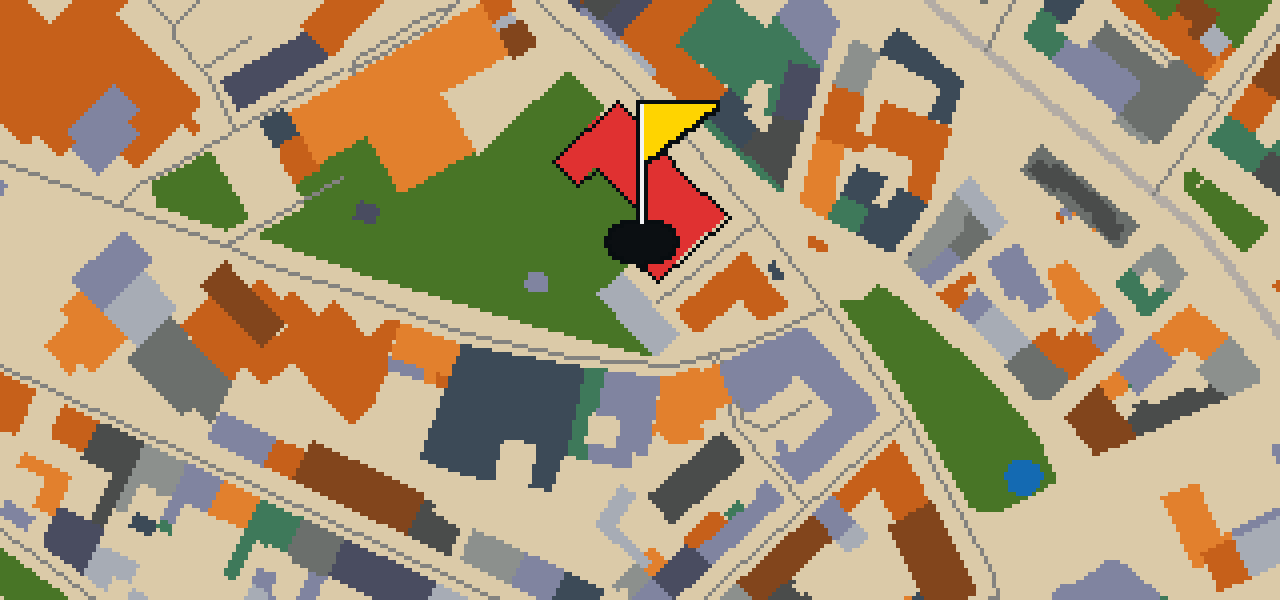
Let me show you the Stadtpark. It is an urban park located in Mainz. It is a great spot for anyone visiting the city to take a break among the trees. I often see people relaxing here, though I mostly keep an eye out for crumbs.

Wikidata

OTHER COURSES

9 HOLES - PAR 33

Hamm

9 stops

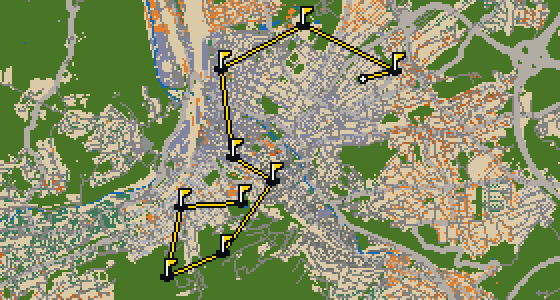
This quick nine-hole round covers 7.4 km across Hamm. The map is the real city and the ball rolls along its actual streets, using portals to skip between districts. Local attractions like Schloss Heessen are the foundations for the holes. Skip knows every curb and cobblestone here, even if a few crumbs usually distract the guide.

18 HOLES - PAR 53

Kassel

18 stops

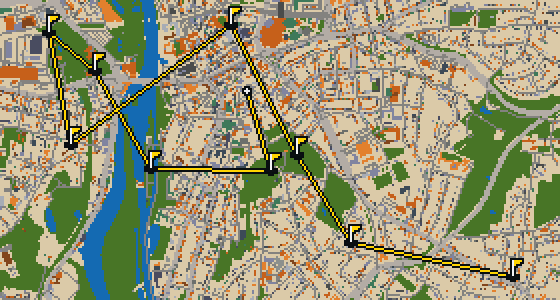
Kassel is the setting for this round, where the map follows the actual city and the ball rolls across its real streets. The holes are built from the city's actual attractions, ending at the Spitzhacke. Skip knows these sidewalks well and is the local guide. This is a full round of 18 holes with a par of 53, covering a walk of 9.7 km. The ball moves between distant districts using 12 portals.

9 HOLES - PAR 31

Hagen

9 stops

The ball ends its journey at the Stadtgarten. This course uses the real streets of Hagen as the map, with the city's actual attractions forming the holes. A quick round of 9 holes covers 7.6 km, using 8 portals to bridge the gaps between distant districts. Skip knows every curb and cobblestone here, having spent plenty of time watching the world go by from the eaves.

9 HOLES - PAR 29

Oberhausen

9 stops

Banking a ball off the stone of Schloss Broich requires a steady wing and a soft touch. This round takes place on the real streets of Oberhausen, where the city map is the course. The holes are built from actual local attractions, and Skip knows every crack in the pavement. A quick 9-hole round covers 6 km, with 14 portals to keep the ball moving.

18 HOLES - PAR 57

Delsberg

18 stops

Banking a ball off the stone facades of the Roter Turm requires a steady wing and a bit of luck. This round takes place in Delsberg, where the map is the real city and the game is played on its actual streets. The holes are built from real attractions, turning the urban layout into a course. I know these sidewalks well and can be the local guide. It is a full round of 18 holes with a par of 57, covering a 12.1 km walk that uses 10 portals.

FAQ

Is it free to play?

Yes. Every course runs in the browser with no account and no install.

Do I need to be in the city?

No. The full round plays from anywhere. Walking the real route is a nice way to see the city, but it is not required.

Are the maps real?

Yes. The geometry comes from OpenStreetMap data, rendered chunky on purpose. Streets, water and parks sit where they really are.