
LÜBECK - 9 HOLES - FREE

LÜBECK
CITY MAP MINIGOLF

Lübeck - 9 stops - par 28

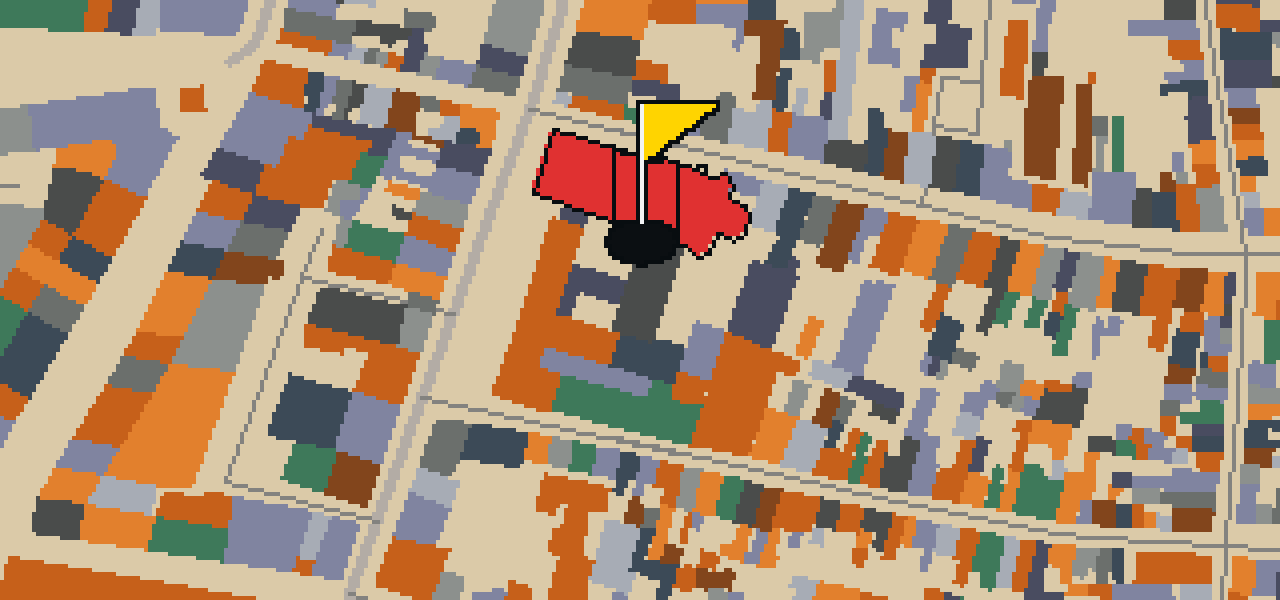
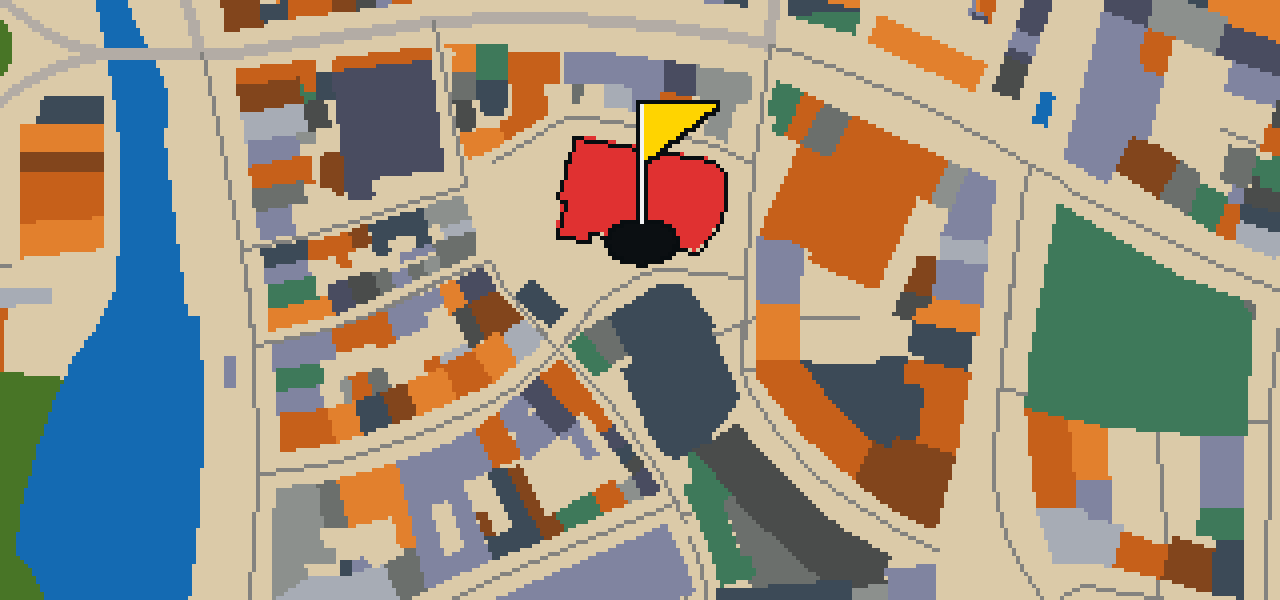
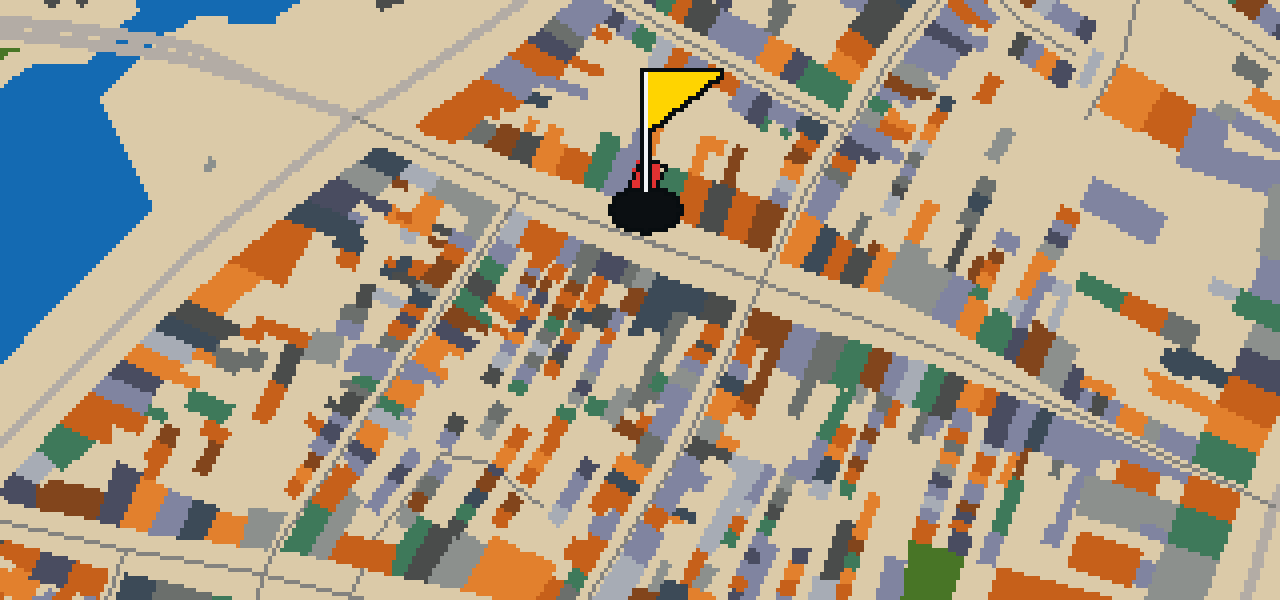
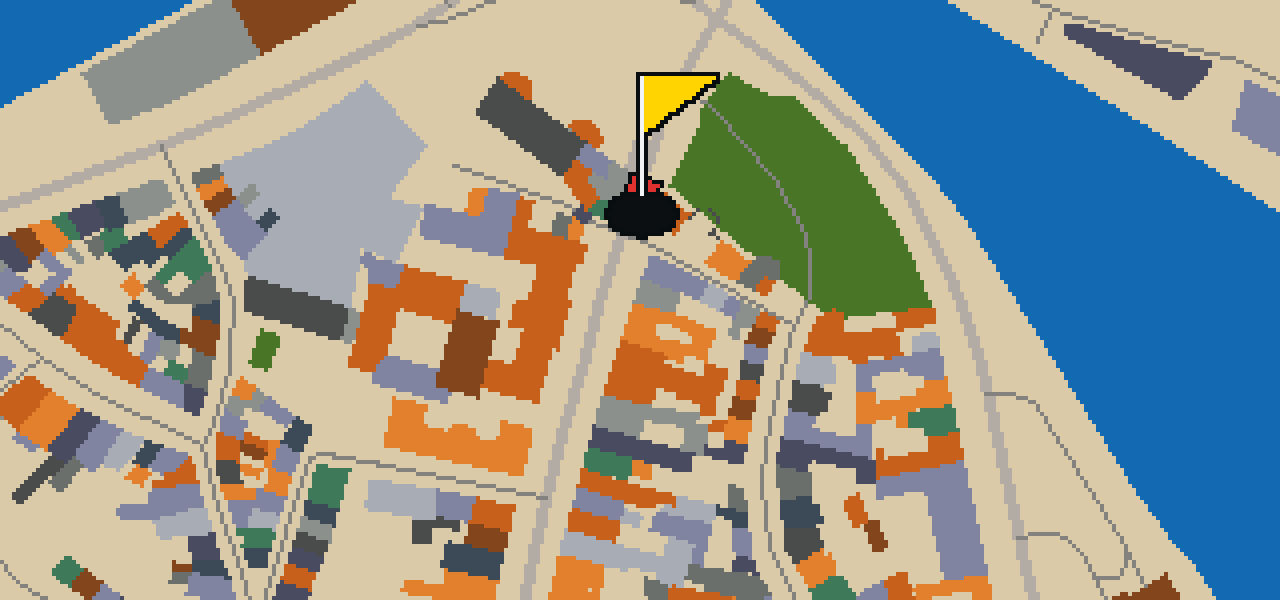
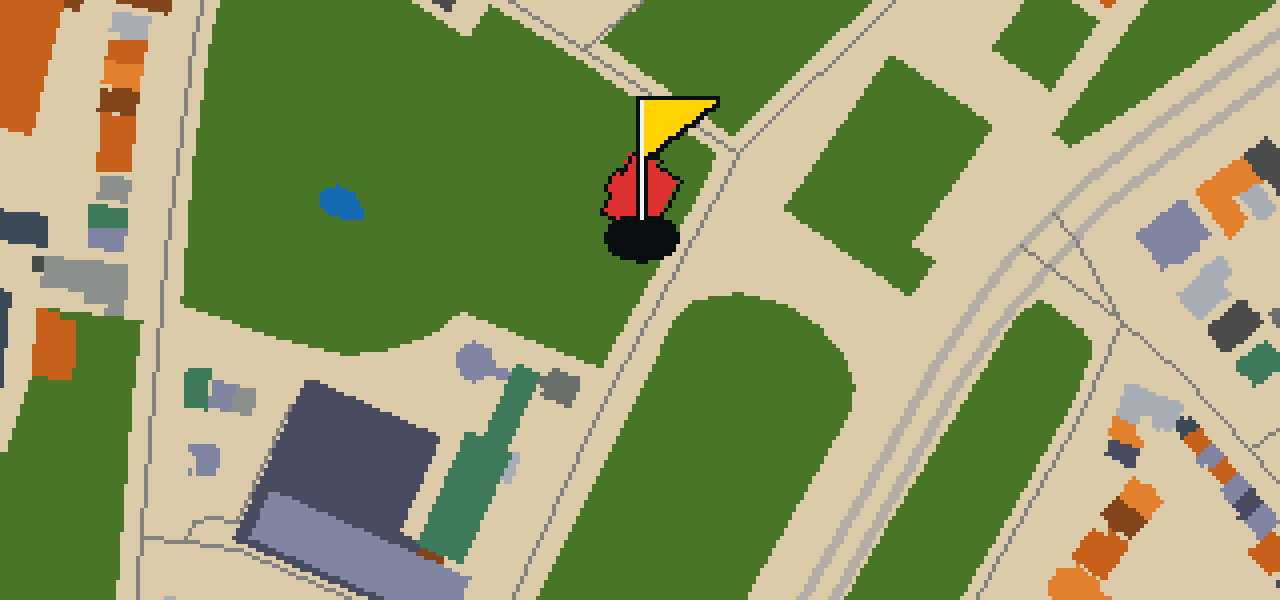
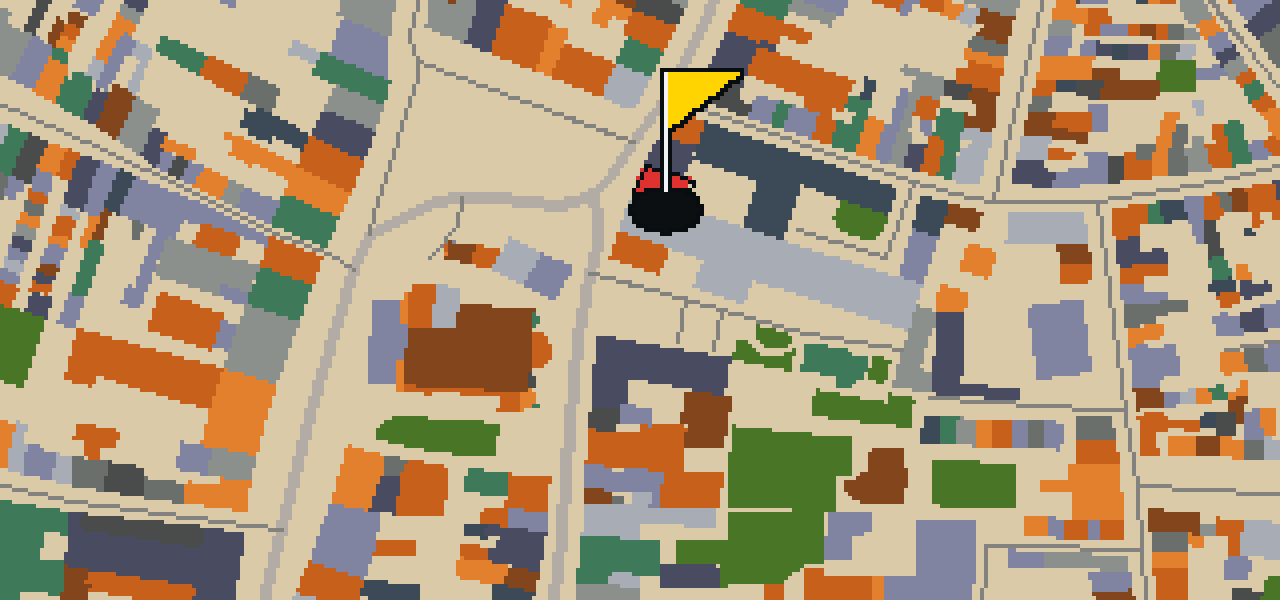
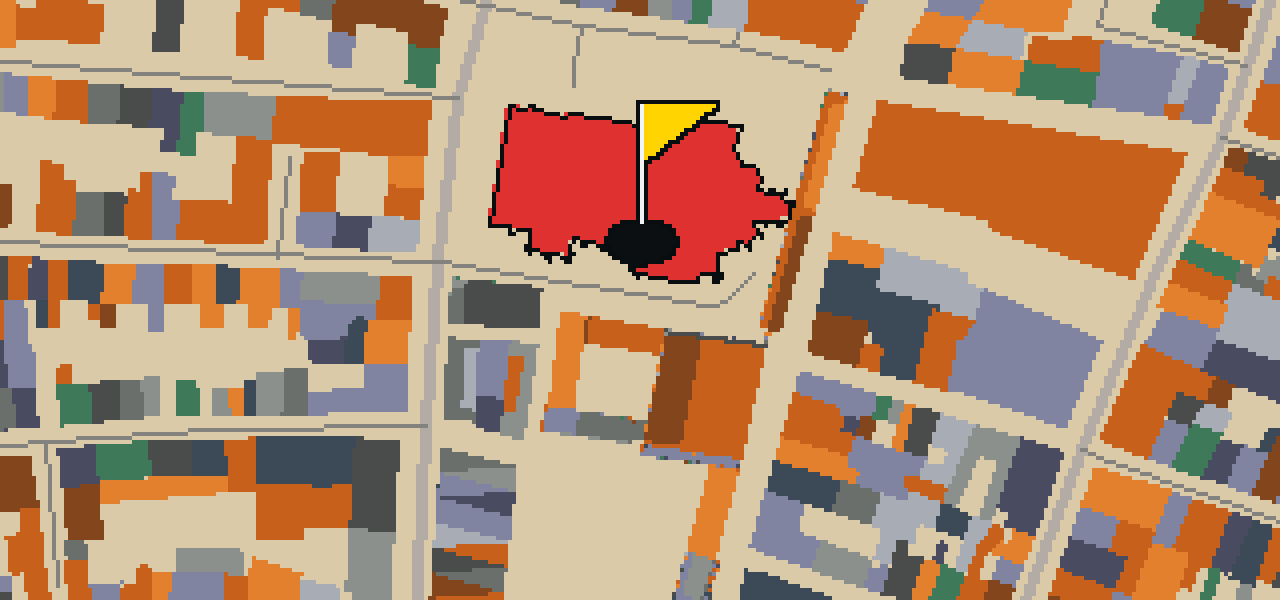
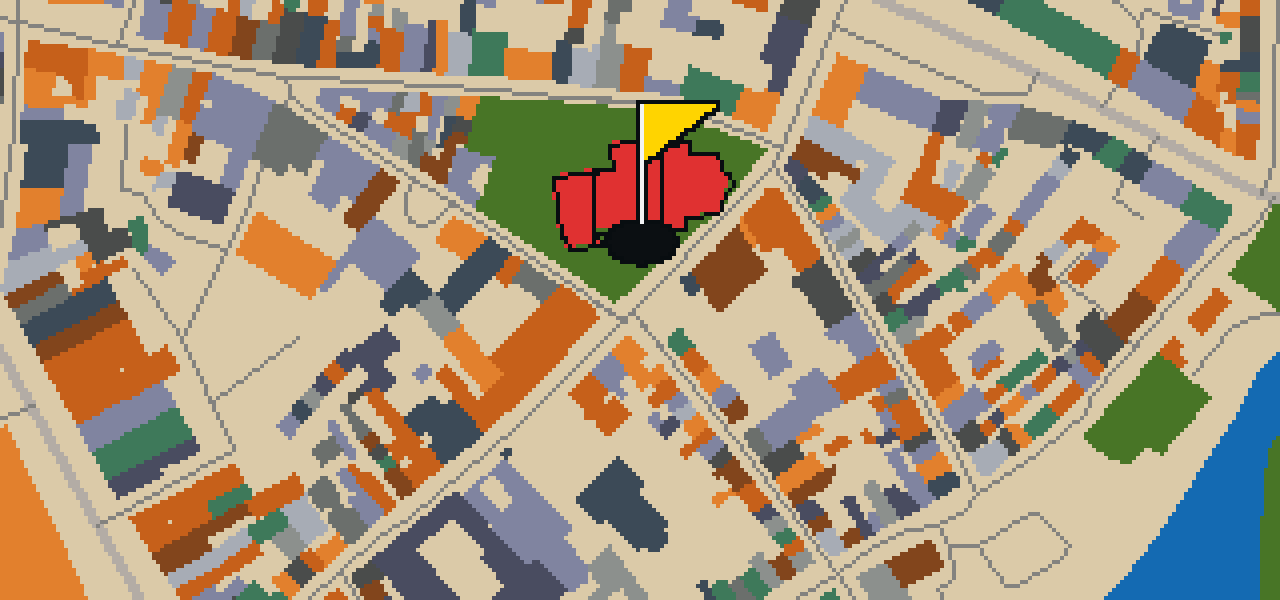
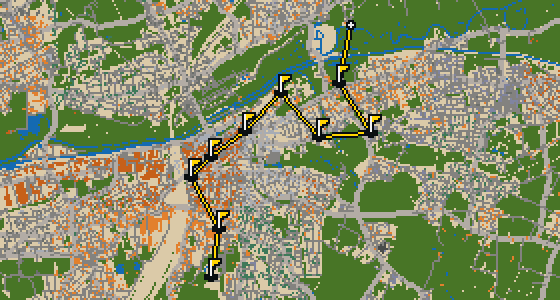
This is Lübeck, where the map is the real city and the round is played on its actual streets. The holes are built from real attractions, starting with the Holstentor. Skip is a local guide who knows the place. This quick 9-hole round covers 5.8 km with a par of 28, using 28 portals to move between districts.

Trouble loading? Open the game in its own tab.

HOW IT WORKS

01

Pick a city

The course is drawn on the real street grid, so the map you play is the map you walk.

02

Putt to the pin

Drag to aim, release to swing. Buildings bounce and water costs you a stroke.

03

Sightsee between strokes

Every hole ends at an attraction. Sink the putt, read the story, walk to the next tee.

THE LÜBECK ROUND - STOP BY STOP

HOLE 1 - PAR 3

Holstentor

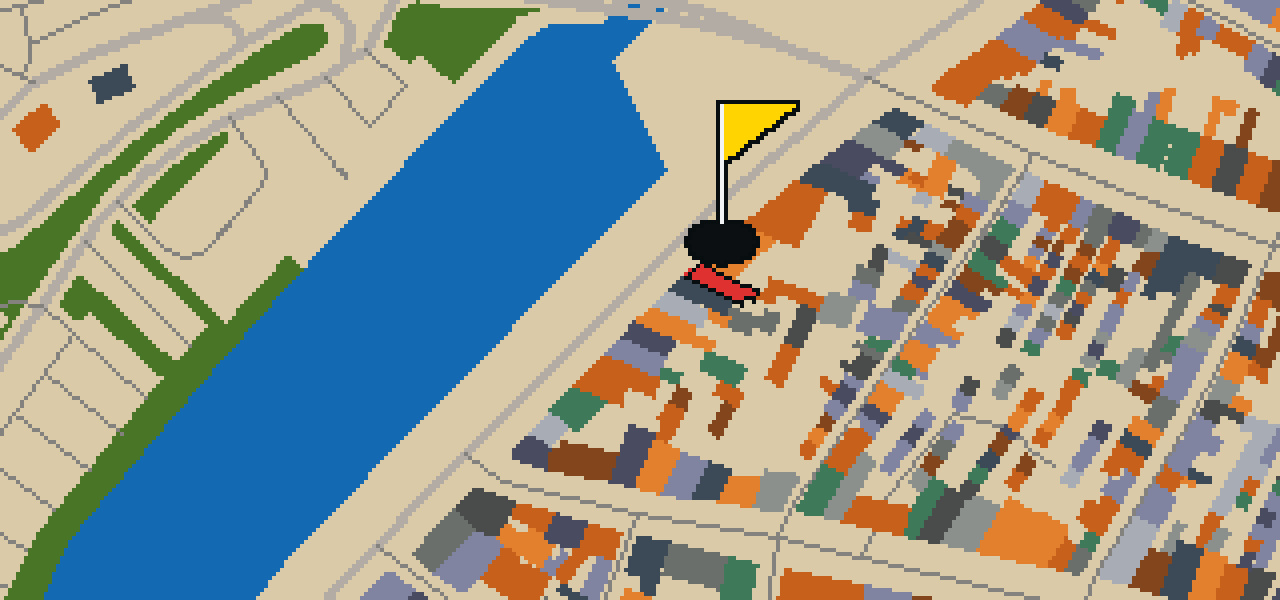
The Holsten Gate marks off the western boundary of the old center of Lübeck. You can pick out this city gate as one of only two remaining gates in the area, the other being the Citadel Gate. Built in 1464, the structure is an architectural landmark known for being built in the Brick Gothic style. It is also recognized as a Kulturdenkmal and has been a UNESCO World Heritage Site since 1987. I've always found the scale of these walls impressive, even from a bird's eye view, as they stand as a bold reminder of how the city once defended its borders. Whether you are interested in the history of the region or just the look of the red brick, there is plenty to notice here as you pass through the old center.

Wikidata · Wikipedia

HOLE 2 - PAR 3

Museumshafen

Museumshafen is a harbor museum. It is a place where you can find historic vessels docked in the water, allowing you to see the types of ships that once defined the city's relationship with the sea. I find it is a great spot to watch the water move against the hulls. Whether you are a maritime enthusiast or just passing through, it is a useful stop to understand the nautical heritage of the area.

Wikidata

HOLE 3 - PAR 3

Museumskirche Sankt Katharinen

Museumskirche Sankt Katharinen is a church building designed in the Brick Gothic style. It is a Kulturdenkmal and functions as a museum, with Paul Laspeyres as the architect. The building is a significant site in Lübeck. Its history is tied to the religious orders of the city, as it formerly belonged to a Franciscan monastery in the name of Saint Catherine of Alexandria. This connection to the Catholic Church ended when the city government intervened. A city ordinance passed and implemented on May 27, 1531, seized the church from the Catholic Church. Visitors can see the architectural influence of the Brick Gothic style throughout the structure while exploring its current role as a museum. The building remains a preserved piece of the city's heritage, maintaining its status as a Kulturdenkmal for all to see.

Wikidata · Wikipedia

HOLE 4 - PAR 3

St.-Petri Kultur- und Universitätskirche

The first thing you will notice about St.-Petri Kultur- und Universitätskirche is its immense scale, as the church building reaches a height of 108.22 meters. This structure is a Kulturdenkmal built in the Brick Gothic style, and Gustav Schaumann was the architect of the building. The history of the site goes back several centuries, as St. Peter's Church was first mentioned in 1170. While construction of the church was completed in the 15th century, the building required extensive work in more recent times to preserve its state. You can see the results of this effort today, as restoration of St. Petri was not completed until 1987. It remains a significant example of the region's architectural heritage for any visitor to the city.

Wikidata · Wikipedia

HOLE 5 - PAR 3

Haus Hansestadt Danzig

Let me show you Haus Hansestadt Danzig. This building is a Kulturdenkmal, meaning it is a protected cultural monument. Inside, it operates as a local museum, giving visitors a place to learn about the specific history and connections of the area. The museum was founded in 1981 to preserve these stories for the public. I've noticed that the architecture of these protected sites often makes for the best banking shots on the course, so keep your eye on the facade as you approach. Whether you are here for the golf or the history, it is a distinct piece of the city's character that anchors this part of the neighborhood. It is always a pleasure to see how the city protects its monuments while still letting them function as active museums for the people.

Wikidata

HOLE 6 - PAR 3

Burgtor

The builders of 1444 left us with the Burgtor, a city gate that showcases the Brick Gothic style. It is a Kulturdenkmal and stands as a remnant of the city's old defenses. When you look at the towers, you can see why it is one of only two towered gates remaining from the medieval fortifications. It once served as the northern city gate of Hanseatic Lübeck, controlling the flow of people and goods entering the town from the north. I've found that the red brickwork looks especially sharp when the sun hits it just right. It is a great spot to pause and imagine the bustle of the old Hanseatic trade routes passing through these very arches before the modern city grew around it.

Wikidata · Wikipedia

HOLE 7 - PAR 4

Brahms-Institut an der Musikhochschule Lübeck

Located in Lübeck, the Brahms-Institut an der Musikhochschule Lübeck is a research center that also functions as a museum, library, and concert hall. It is a significant site for musical study, particularly since the institute acquired the largest private collection of Johannes Brahms engravings, manuscripts and first and early prints in 1990. Visitors can explore a collection that includes correspondence, photos, and drawings in addition to music manuscripts. While the name highlights Brahms, the focus of the institute is on Robert and Clara Schumann, Theodor Kirchner, Joseph Joachim, and some lesser known performers and composers of the era. I've seen plenty of folks stop here to get a feel for the local musical history.

Wikidata · Wikipedia

HOLE 8 - PAR 3

Heiligen-Geist-Hospital

The Heiligen-Geist-Hospital is a building complex in Lübeck, Schleswig-Holstein, Germany. It is a Kulturdenkmal known for its Brick Gothic style. I can show you how the architecture defines the area, especially since the inception of the hospital was in 1286. While it is recognized as a former hospital, it still operates as a hospital today. It also serves the community as a retirement home and an event venue. You can pick out the red brickwork that makes this spot such a standout part of the city's history. It is one of those places where the old world still feels very active. I often see people gathering near the complex, and the scale of the bricks is something you really have to see in person to appreciate fully.

Wikidata · Wikipedia

HOLE 9 - PAR 3

St.-Marien-Kirche

Bruno Fendrich, Denis Boniver, Erich Trautsch, and Gustav Schaumann are among the architects of St.-Marien-Kirche. This church building is a Brick Gothic architectural heritage monument that stands as a major landmark in the city. The Lübeck Marienkirche was originally built between 1265 and 1352. It is a site of great historical weight, having survived significant conflict during the twentieth century. In 1942, Royal Air Force bombs almost destroyed the church entirely. Because of the extensive damage caused by those bombs, the building had to be reconstructed. This reconstruction process took place between 1947 and 1959. Visitors can still see the results of that effort today as they walk through the city. It is a place where the architectural style of the Middle Ages meets the recovery efforts of the post-war era.

Wikidata · Wikipedia

OTHER COURSES

9 HOLES - PAR 33

Hamm

9 stops

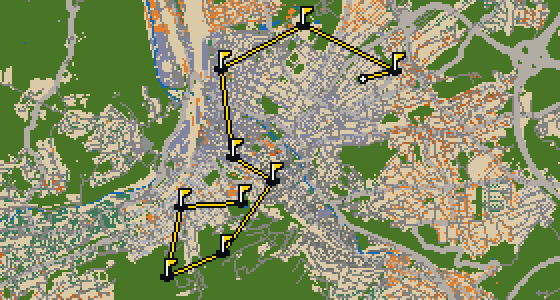
This quick nine-hole round covers 7.4 km across Hamm. The map is the real city and the ball rolls along its actual streets, using portals to skip between districts. Local attractions like Schloss Heessen are the foundations for the holes. Skip knows every curb and cobblestone here, even if a few crumbs usually distract the guide.

18 HOLES - PAR 53

Kassel

18 stops

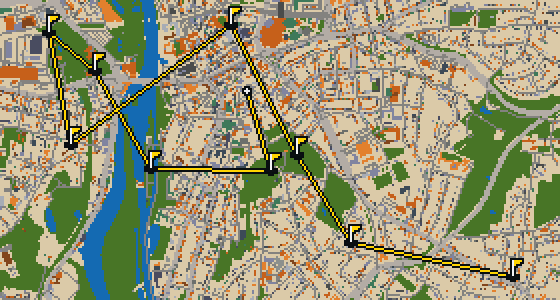
Kassel is the setting for this round, where the map follows the actual city and the ball rolls across its real streets. The holes are built from the city's actual attractions, ending at the Spitzhacke. Skip knows these sidewalks well and is the local guide. This is a full round of 18 holes with a par of 53, covering a walk of 9.7 km. The ball moves between distant districts using 12 portals.

9 HOLES - PAR 31

Hagen

9 stops

The ball ends its journey at the Stadtgarten. This course uses the real streets of Hagen as the map, with the city's actual attractions forming the holes. A quick round of 9 holes covers 7.6 km, using 8 portals to bridge the gaps between distant districts. Skip knows every curb and cobblestone here, having spent plenty of time watching the world go by from the eaves.

9 HOLES - PAR 29

Oberhausen

9 stops

Banking a ball off the stone of Schloss Broich requires a steady wing and a soft touch. This round takes place on the real streets of Oberhausen, where the city map is the course. The holes are built from actual local attractions, and Skip knows every crack in the pavement. A quick 9-hole round covers 6 km, with 14 portals to keep the ball moving.

18 HOLES - PAR 57

Delsberg

18 stops

Banking a ball off the stone facades of the Roter Turm requires a steady wing and a bit of luck. This round takes place in Delsberg, where the map is the real city and the game is played on its actual streets. The holes are built from real attractions, turning the urban layout into a course. I know these sidewalks well and can be the local guide. It is a full round of 18 holes with a par of 57, covering a 12.1 km walk that uses 10 portals.

FAQ

Is it free to play?

Yes. Every course runs in the browser with no account and no install.

Do I need to be in the city?

No. The full round plays from anywhere. Walking the real route is a nice way to see the city, but it is not required.

Are the maps real?

Yes. The geometry comes from OpenStreetMap data, rendered chunky on purpose. Streets, water and parks sit where they really are.