
LEIPZIG - 18 HOLES - FREE

LEIPZIG
CITY MAP MINIGOLF

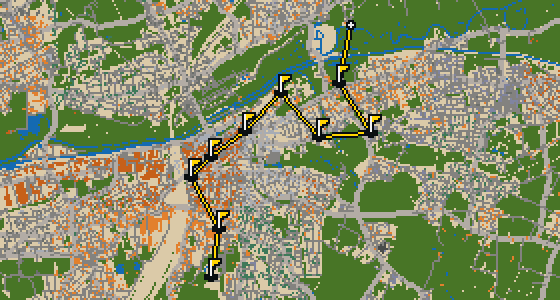
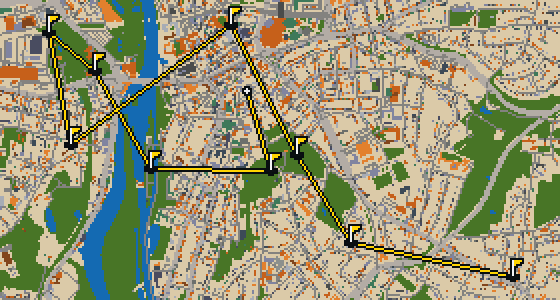
Leipzig - 18 stops - par 55

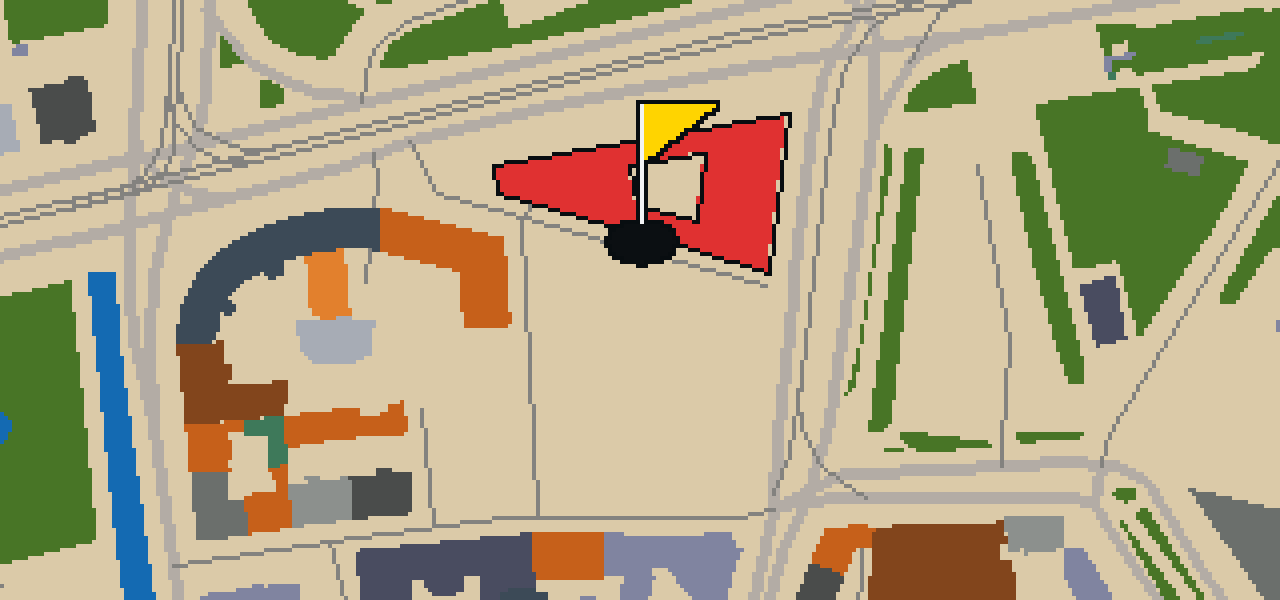
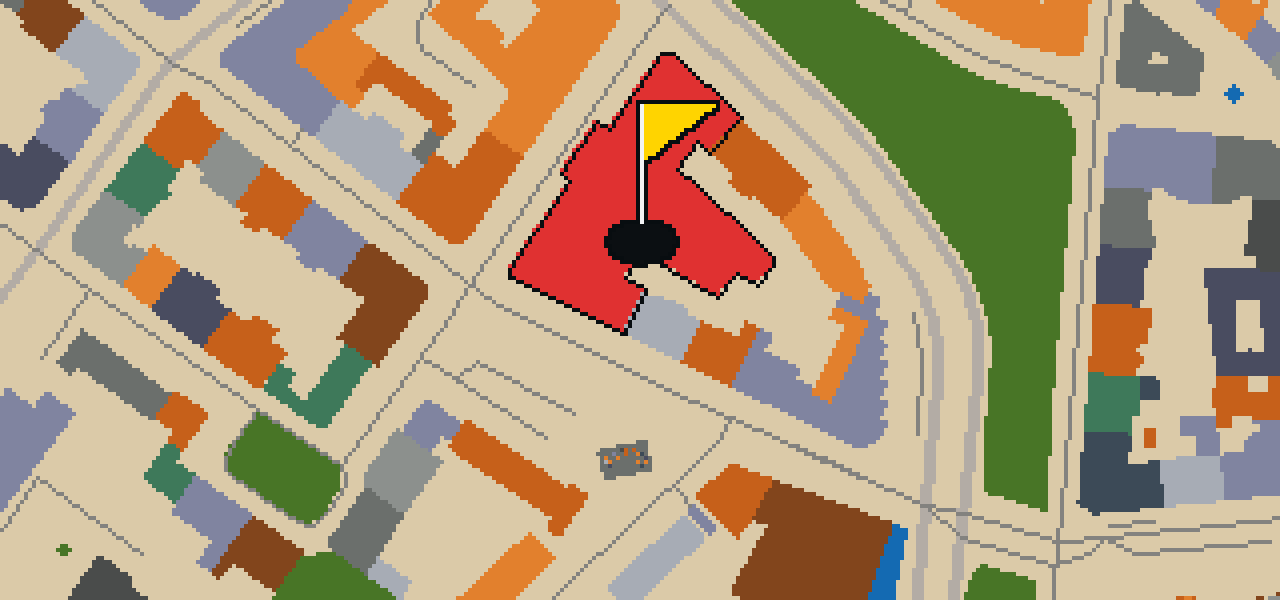
Banking a ball off the stone facade of the Altes Rathaus requires a steady wing and a soft touch. This full round of 18 holes follows the real streets of Leipzig, using the actual city map as the course. The local attractions provide the geometry for every shot, and the landmarks are the cups. Skip knows these sidewalks well and will lead the way across the 11 km walk, using 38 portals to bridge the gaps between the districts.

Trouble loading? Open the game in its own tab.

HOW IT WORKS

01

Pick a city

The course is drawn on the real street grid, so the map you play is the map you walk.

02

Putt to the pin

Drag to aim, release to swing. Buildings bounce and water costs you a stroke.

03

Sightsee between strokes

Every hole ends at an attraction. Sink the putt, read the story, walk to the next tee.

THE LEIPZIG ROUND - STOP BY STOP

HOLE 1 - PAR 3

Red Bull Arena

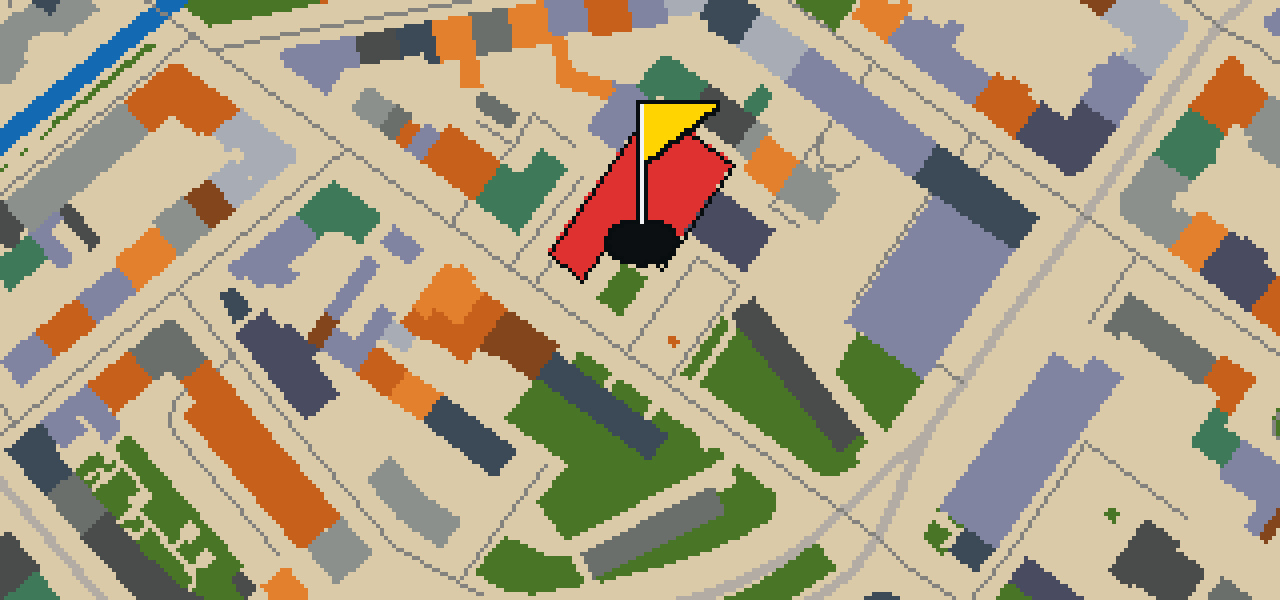
Let me show you the Red Bull Arena. This football stadium is located in the Zentrum-Nordwest locality of Leipzig, Saxony, Germany. While it is primarily an association football venue used for football, it has also hosted music concerts. It is the largest football stadium in Eastern Germany. I usually see the most activity here during match days, though the scale of the place is impressive even when it is empty. It is a significant landmark for any visitor wanting to see the scale of sports architecture in this part of the country.


Wikidata · Wikipedia

HOLE 2 - PAR 4

Bronzerelief „Aufbruch“

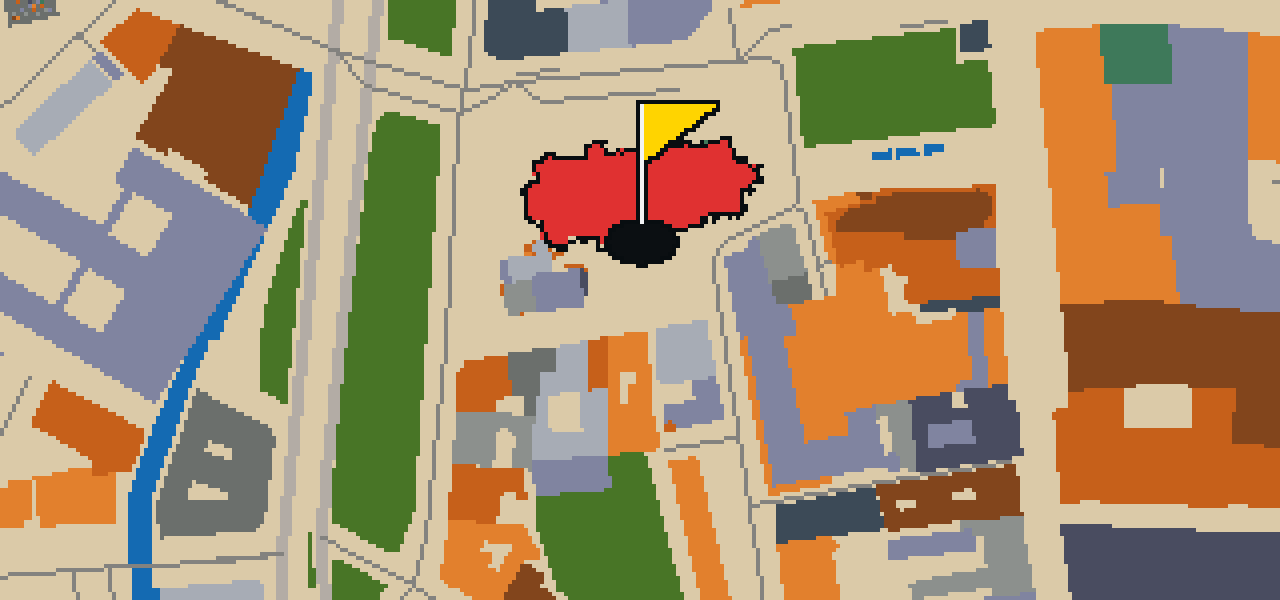
Let me show you the Bronzerelief „Aufbruch“ here in Leipzig. This piece is a bronze relief sculpture that adds a touch of art to the urban environment. The inception of the work was in 1974. You can pick out the specific metallic textures of the bronze as you pass by. I find it is a nice spot to pause for a moment while you are exploring the neighborhood, as the sculpture blends into the surroundings. It is a great example of the public art scattered throughout the city for everyone to see.

Wikidata

HOLE 3 - PAR 3

Haus Leipzig

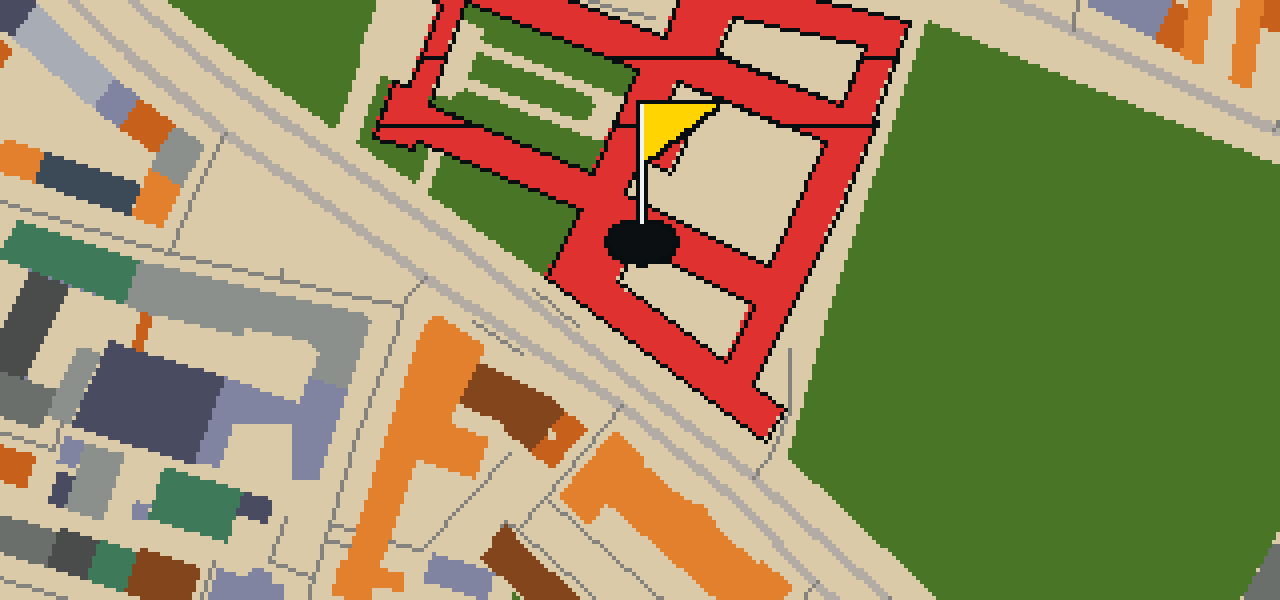
You will first notice the presence of Haus Leipzig, which is an architectural structure. This building is used as an event venue for those visiting the city. It is a place where the city's physical form meets its social life through the hosting of various functions. I find it a sturdy spot to keep an eye on the street from above, though I usually prefer the ledges of the older buildings. Whether you are here for a specific occasion or just passing through, the structure stands as a key point in the urban layout.

Wikidata

HOLE 4 - PAR 3

Thomaskirche

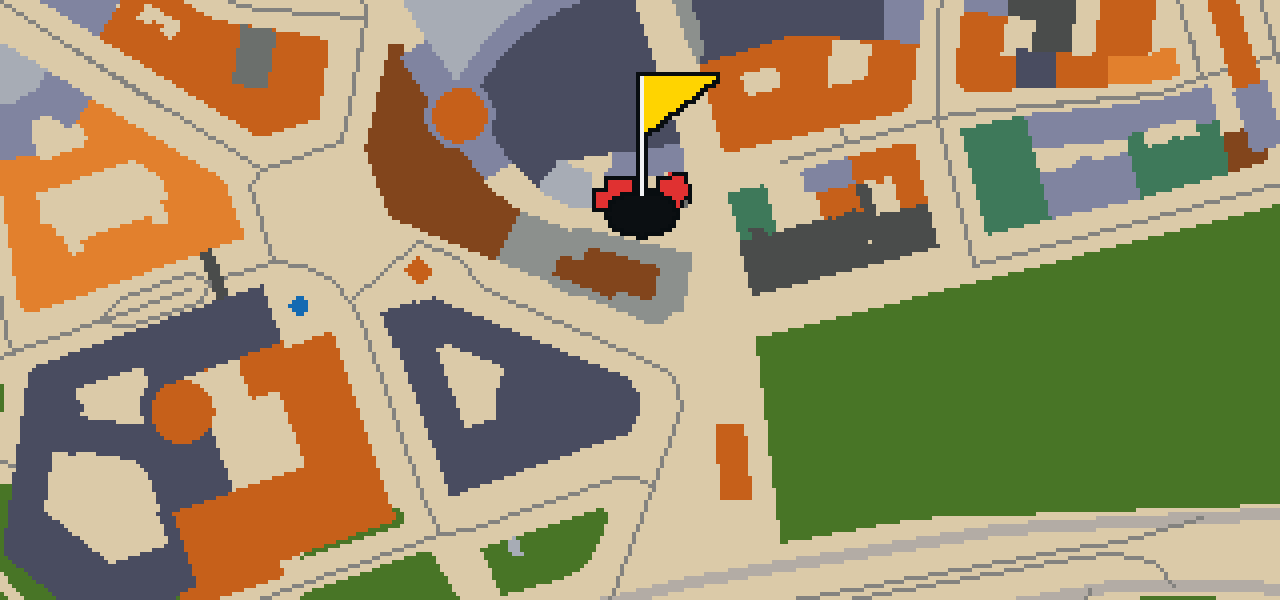
The 68 meter height of Thomaskirche makes it a prominent sight in Leipzig. This Lutheran church is built in the Gothic architecture style and was designed by architects Constantin Lipsius and Kunz Nierade. It is a heritage monument in Saxony with a long history of religious significance. Martin Luther preached here in 1539. The building is also tied to the legacy of Johann Sebastian Bach, who served as the Thomaskantor from 1723 until 1750 and is buried on the grounds.

Wikidata · Wikipedia

HOLE 5 - PAR 3

Naturkundemuseum

Located in the Zentrum-Nordwest locality of Leipzig, the Naturkundemuseum is a natural history museum. This site is a Kulturdenkmal and was founded in 1906. Visitors can explore various exhibits, including the insect collection of Alexander Julius Reichert. I always find the layout of the Inner City Ring Road interesting when navigating toward the museum's northwest corner. It is a great spot to pause and appreciate the city's commitment to science and history while you are out and about in Germany.

Wikidata · Wikipedia

HOLE 6 - PAR 3

Altes Rathaus

Look closely at the Renaissance architecture of Altes Rathaus. This Rathaus dominates the east side of the Markt square in the Mitte district. It had its inception in 1556 and is a Kulturdenkmal. I've noticed that the building sits right between two bustling areas, with the Naschmarkt located at the rear. While this building is a centerpiece of the square, the mayor and the municipal administration have been housed in the New Town Hall since 1905. It is a wonderful spot to pause and appreciate the scale of the city's historic center.

Wikidata · Wikipedia

HOLE 7 - PAR 3

Ring-Bebauung

You will first notice the impressive scale of the Ring-Bebauung as you move through the city. This building complex lines the circular road, creating a distinct boundary for the center. I find the way the buildings frame the street makes for a great walk. Whether you are visiting for the first time or just passing through, this area shows how the city organized its growth around a central ring.

Wikidata

HOLE 8 - PAR 2

Grassimuseum

Let me show you the Grassimuseum. This Leipzig museum was founded in 1925 and is officially recognized as a Kulturdenkmal. When you look at the exterior, you can pick out the Art Nouveau architecture style used in the design of the building. It is actually a building complex that houses three distinct collections: the Musical Instruments Museum, the Ethnography Museum, and the Applied Arts Museum. I usually find the architectural details the most striking part of the facade as I fly past. It is a great spot to see how different artistic disciplines are brought together under one roof.

Wikidata · Wikipedia

HOLE 9 - PAR 3

Mendelssohn-Haus

Located in Leipzig, Saxony, Mendelssohn-Haus is a historic house museum. You can find a collection here focusing on the life and work of Felix Mendelssohn, who lived in this house from 1845 until his death in 1847. The museum had its inception in 1997. It is a great spot to see where the composer spent his final years. I always find the atmosphere here quite peaceful, and it is a wonderful way to spend an afternoon getting to know the man behind the music while walking through the rooms he once inhabited.

Wikidata · Wikipedia

HOLE 10 - PAR 3

Städtisches Kaufhaus

You might expect a place with this name to be a simple store, but the Städtisches Kaufhaus is actually a shopping center, concert hall, and exhibition park. Located in Leipzig, this Kulturdenkmal was designed by municipal architects Rayher, Korber and Müller. The building was designed in the style of Baroque Revival architecture, with its inception occurring in 1893. It took several years to complete, as the structure was constructed from 1894 to 1901. I've always found the mix of shopping and music under one roof to be a great way to spend an afternoon.

Wikidata · Wikipedia

HOLE 11 - PAR 3

Hôtel de Pologne

Let me show you the Hôtel de Pologne. This building is a heritage monument in Saxony and functions as a hotel. It was started in 1847, making it a long-standing fixture of the local streetscape. You can pick out the historic character of the facade as you pass by, which reflects its status as a protected site in the region. I find the area around here quite pleasant for a stroll, and it is a great spot to pause and admire the local architecture before moving on to your next destination.

Wikidata

HOLE 12 - PAR 3

Klingerhaus

Klingerhaus is a building that stands as a notable part of the city. It is officially recognized as a heritage monument in Saxony, which ensures that its structural and historical characteristics are preserved for everyone to see. The building had its inception in 1887, making it a long-standing fixture of the local architecture. When you are navigating your ball toward this landmark, keep an eye on the surrounding street layout to ensure a clean line. I have noticed that the area around this heritage site is often a great spot for people-watching while you prepare your next shot.

Wikidata

HOLE 13 - PAR 3

Museum der Bildenden Künste

Let me show you the Museum der Bildenden Künste. This art museum in Leipzig is a place where you can pick out artworks covering the vast period from the Late Middle Ages to Modernity. It is located in Saxony, Germany, and the institution had its inception in 1848. I find the variety of the different eras represented here to be quite impressive, making it a great spot for any visitor to spend an afternoon. Whether you prefer the classics or the modern stuff, there is plenty to see within these walls.

Wikidata · Wikipedia

HOLE 15 - PAR 3

Propsteikirche St. Trinitatis

You might expect a historic spire here, but you will find the postmodern Propsteikirche St. Trinitatis instead. This Catholic parish church opened in 2015 and stands as the largest church built in the new states of Germany since reunification. Located in Leipzig, Saxony, the parish is part of the deanery of Leipzig in the Diocese of Dresden-Meißen. Its official name is Propsteikirche St. Trinitatis Leipzig. While the city has many older sites, this building is a modern addition to the skyline of Saxony, representing a specific era of architectural style and religious community growth in the region.

Wikidata · Wikipedia

HOLE 16 - PAR 4

Peterskirche

Peterskirche is a Lutheran parish and church located in the old town of Leipzig. The inception of this church building was 1882, and it was designed by architects August Hartel and Constantin Lipsius. Built in the Gothic Revival style, the structure was erected from 1882 onwards at the Gaudigplatz. Today, the building is a heritage monument in Saxony and serves as a concert venue. You can see the influence of the Gothic Revival style in the architecture of this building as you move through the old town.

Wikidata · Wikipedia

HOLE 18 - PAR 3

Schauspiel Leipzig

When you arrive, you will see the presence of Schauspiel Leipzig, which is a theatre company. This institution is a key spot for those interested in the performing arts within the city. Whether you are a fan of classic drama or contemporary plays, this company provides a window into the local creative spirit. I've noticed that the energy around the building always shifts when a new show is about to open.

Wikidata

STOP 19

Evangelisch-reformierte Kirche

The Evangelisch-reformierte Kirche is a church building located in Leipzig. It is a heritage monument in Saxony and is designed in the Renaissance Revival architecture style. The architects responsible for the building were Georg Weidenbach and Richard Tschammer. Construction on the site was started in 1896. Visitors to the area can observe the specific stylistic choices of the Renaissance Revival period in the facade and structure of the church, which remains a significant architectural point of interest within the city's historic landscape.

Wikidata

OTHER COURSES

9 HOLES - PAR 33

Hamm

9 stops

This quick nine-hole round covers 7.4 km across Hamm. The map is the real city and the ball rolls along its actual streets, using portals to skip between districts. Local attractions like Schloss Heessen are the foundations for the holes. Skip knows every curb and cobblestone here, even if a few crumbs usually distract the guide.

18 HOLES - PAR 53

Kassel

18 stops

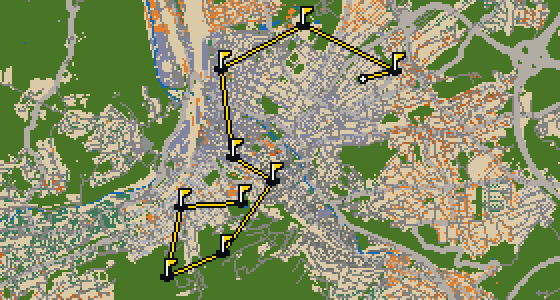
Kassel is the setting for this round, where the map follows the actual city and the ball rolls across its real streets. The holes are built from the city's actual attractions, ending at the Spitzhacke. Skip knows these sidewalks well and is the local guide. This is a full round of 18 holes with a par of 53, covering a walk of 9.7 km. The ball moves between distant districts using 12 portals.

9 HOLES - PAR 31

Hagen

9 stops

The ball ends its journey at the Stadtgarten. This course uses the real streets of Hagen as the map, with the city's actual attractions forming the holes. A quick round of 9 holes covers 7.6 km, using 8 portals to bridge the gaps between distant districts. Skip knows every curb and cobblestone here, having spent plenty of time watching the world go by from the eaves.

9 HOLES - PAR 29

Oberhausen

9 stops

Banking a ball off the stone of Schloss Broich requires a steady wing and a soft touch. This round takes place on the real streets of Oberhausen, where the city map is the course. The holes are built from actual local attractions, and Skip knows every crack in the pavement. A quick 9-hole round covers 6 km, with 14 portals to keep the ball moving.

18 HOLES - PAR 57

Delsberg

18 stops

Banking a ball off the stone facades of the Roter Turm requires a steady wing and a bit of luck. This round takes place in Delsberg, where the map is the real city and the game is played on its actual streets. The holes are built from real attractions, turning the urban layout into a course. I know these sidewalks well and can be the local guide. It is a full round of 18 holes with a par of 57, covering a 12.1 km walk that uses 10 portals.

FAQ

Is it free to play?

Yes. Every course runs in the browser with no account and no install.

Do I need to be in the city?

No. The full round plays from anywhere. Walking the real route is a nice way to see the city, but it is not required.

Are the maps real?

Yes. The geometry comes from OpenStreetMap data, rendered chunky on purpose. Streets, water and parks sit where they really are.