
CHEMNITZ - 18 HOLES - FREE

CHEMNITZ
CITY MAP MINIGOLF

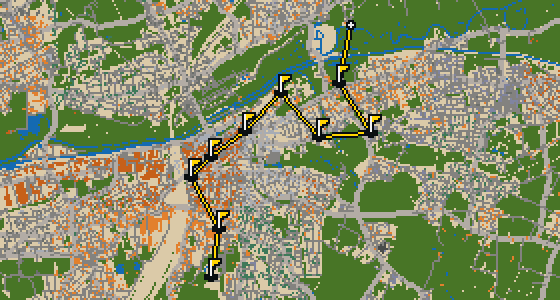
Chemnitz - 18 stops - par 57

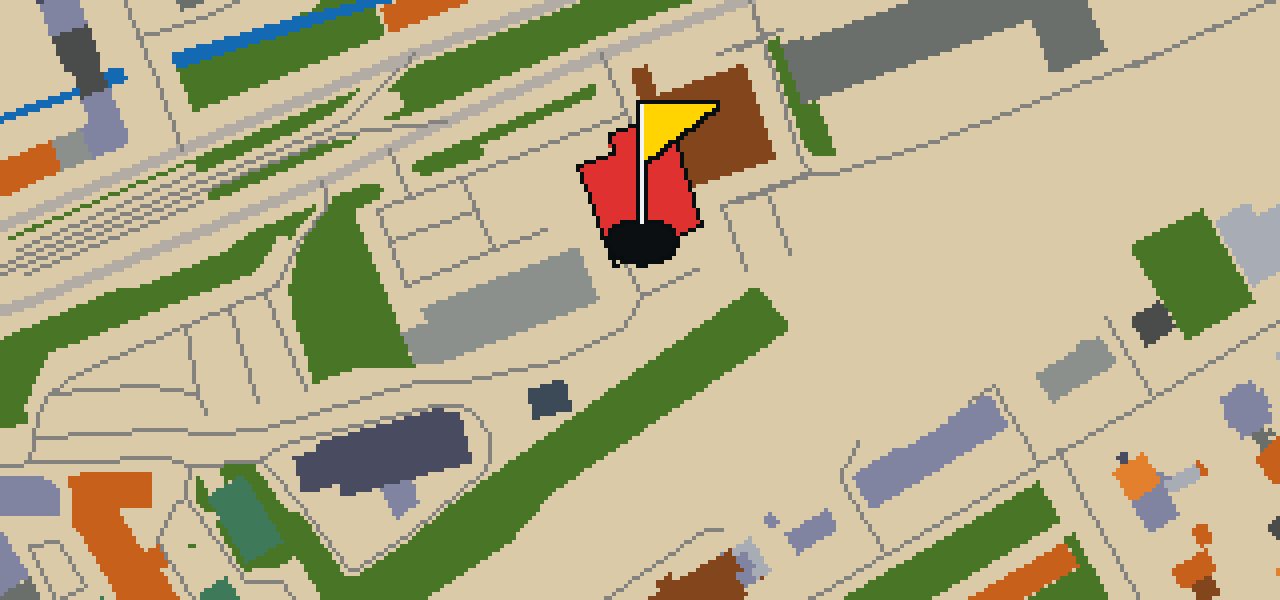
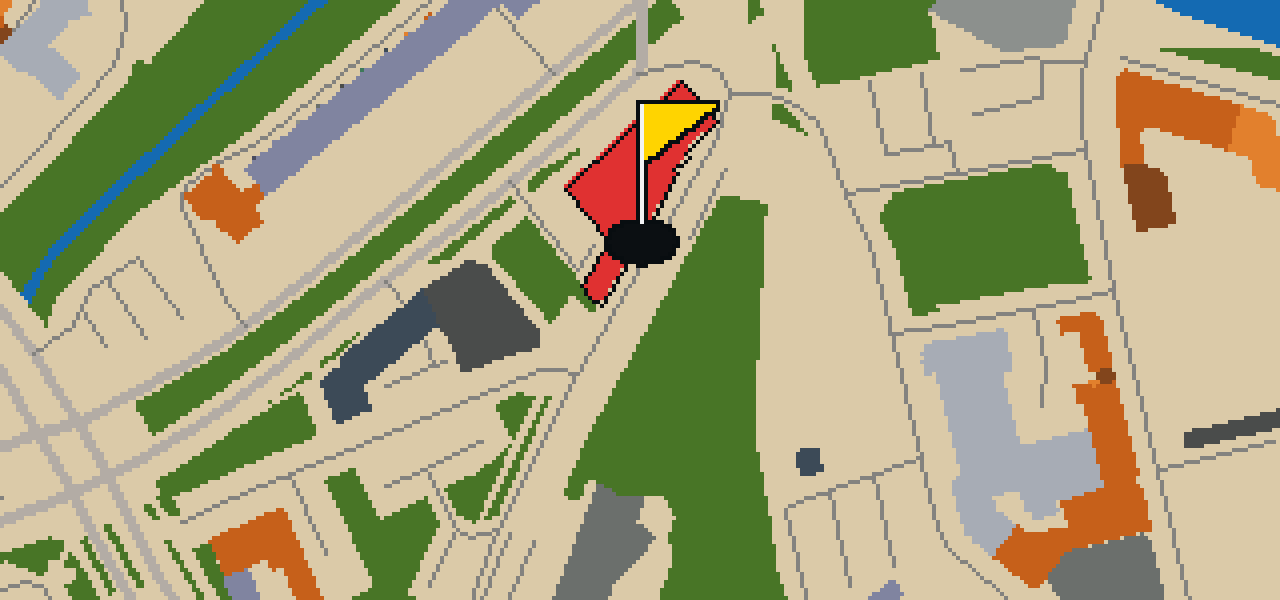
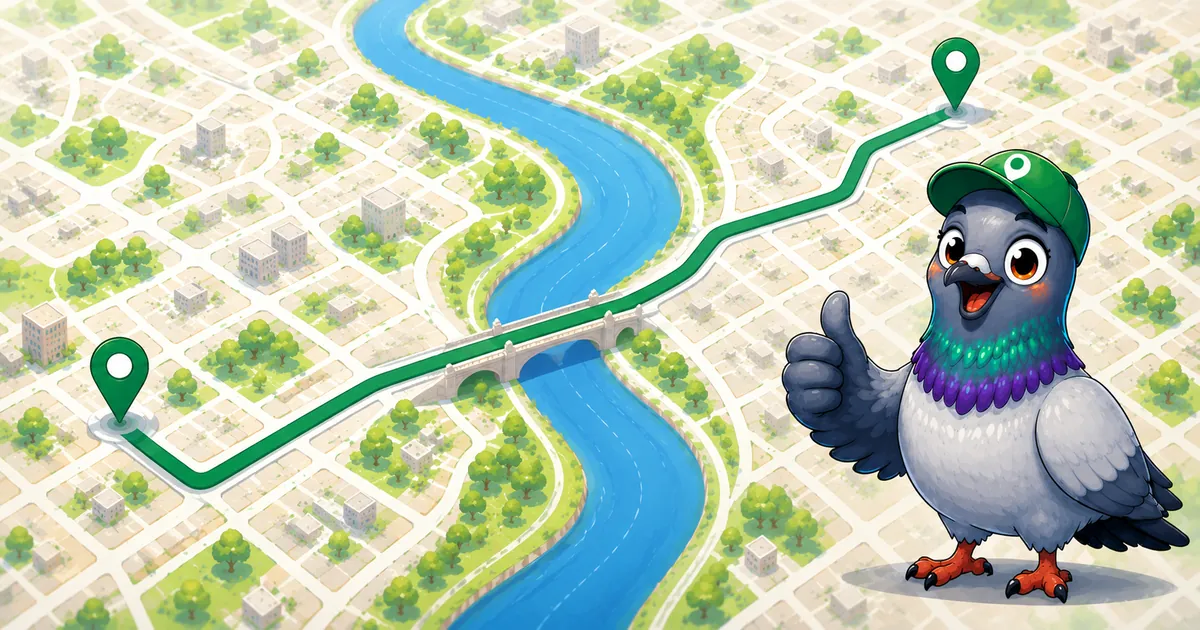
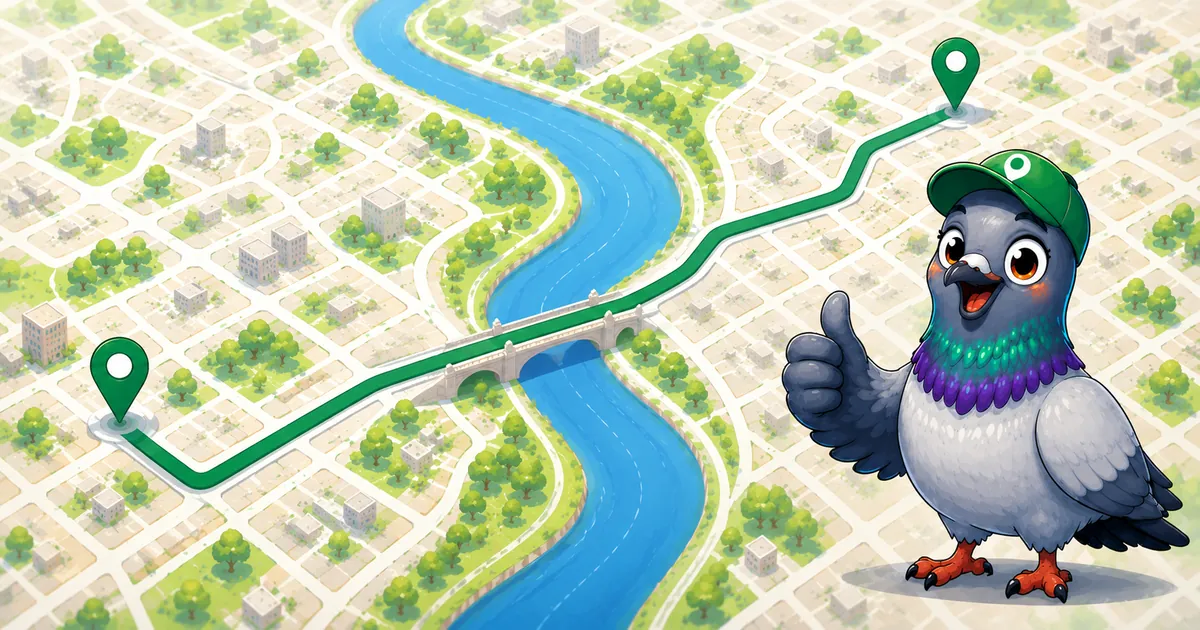
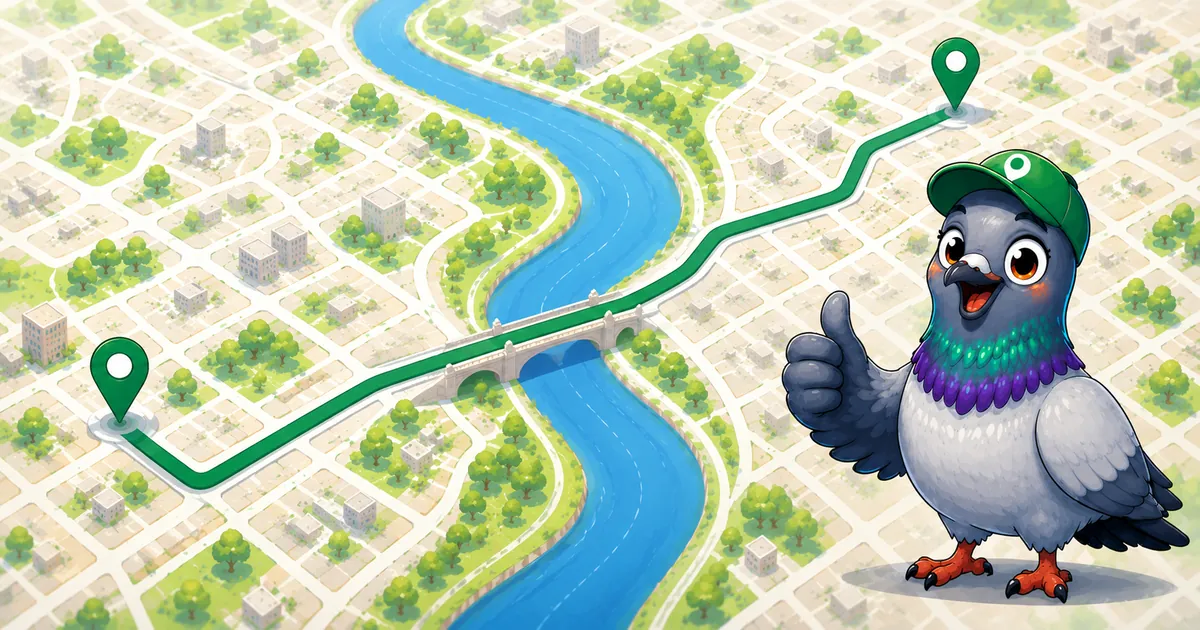
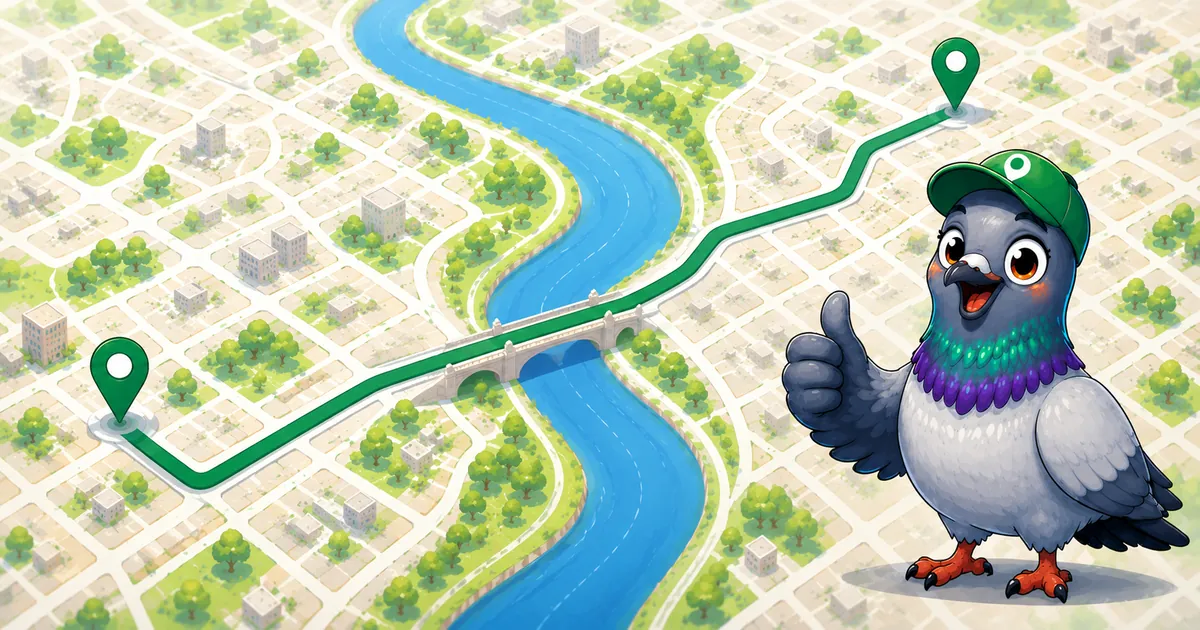
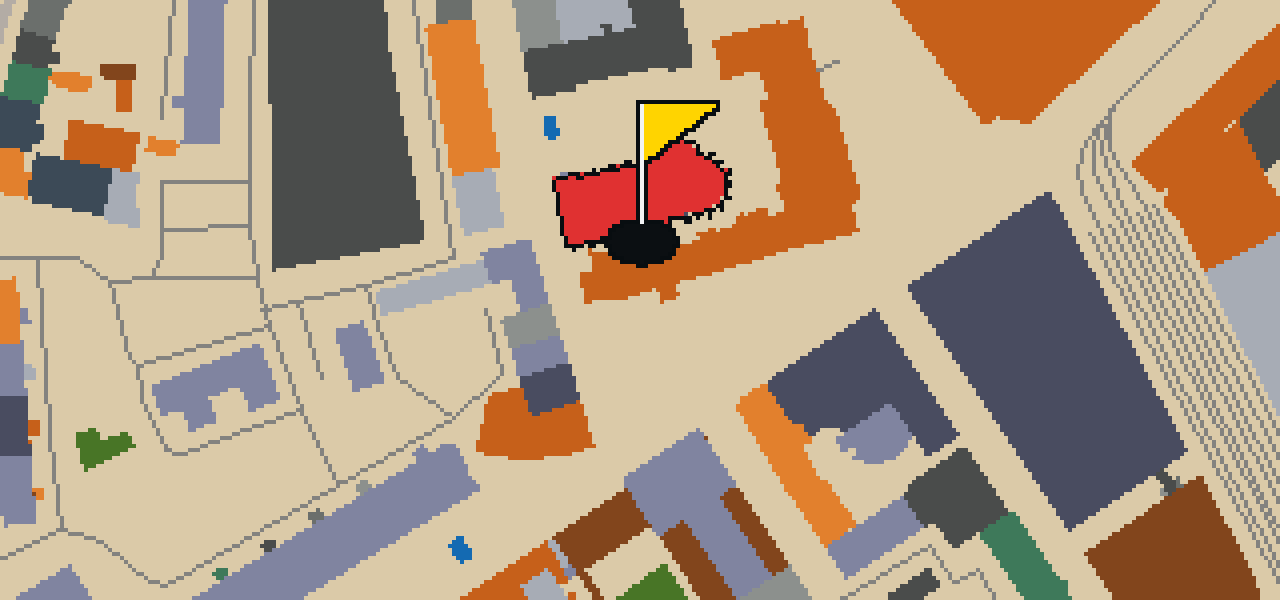
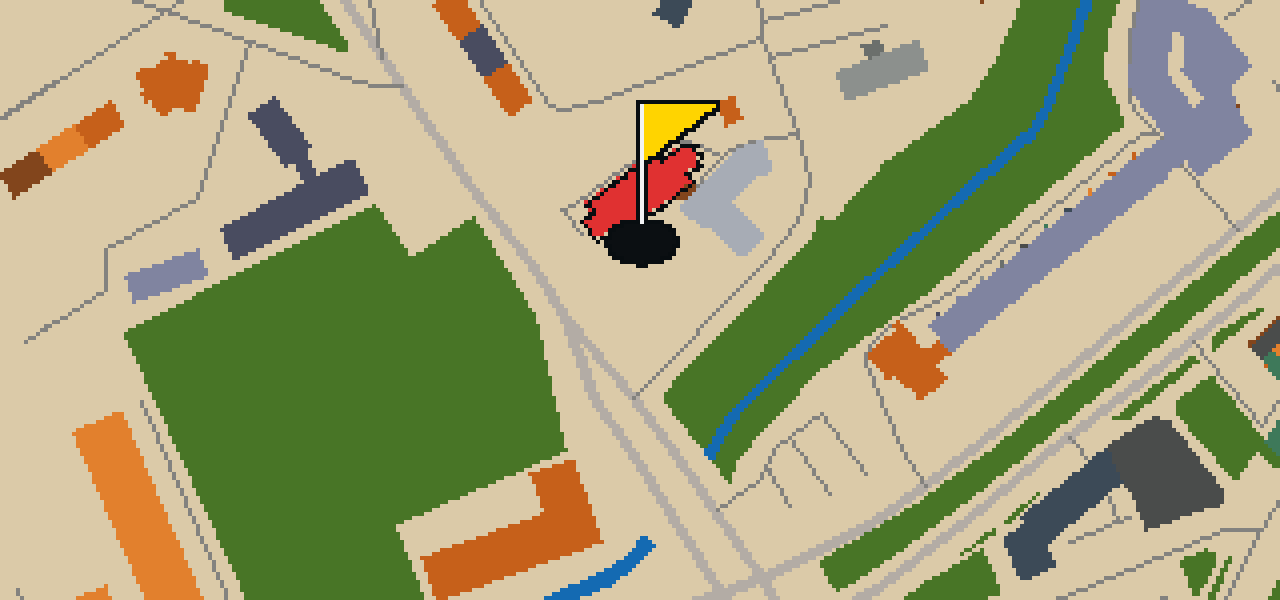
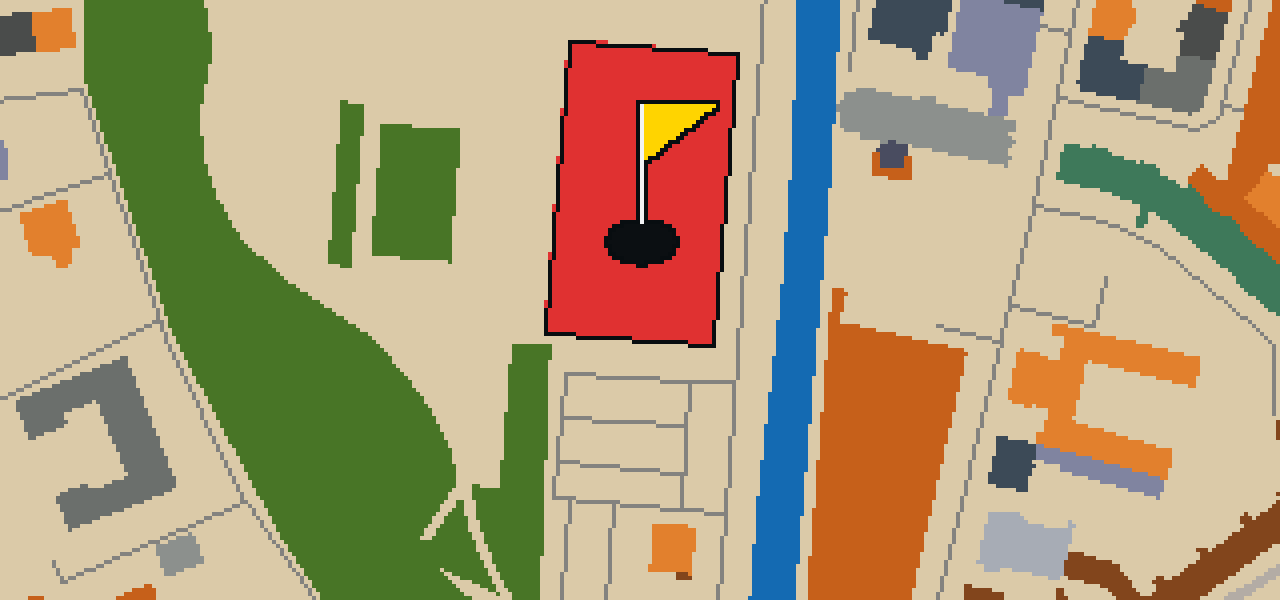
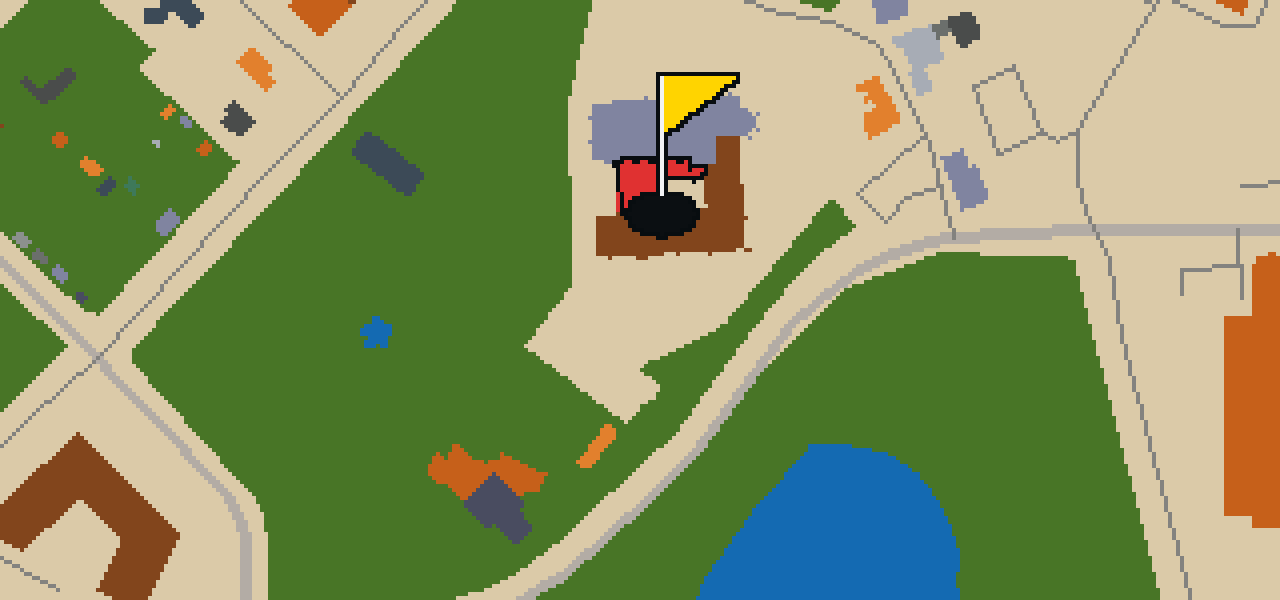
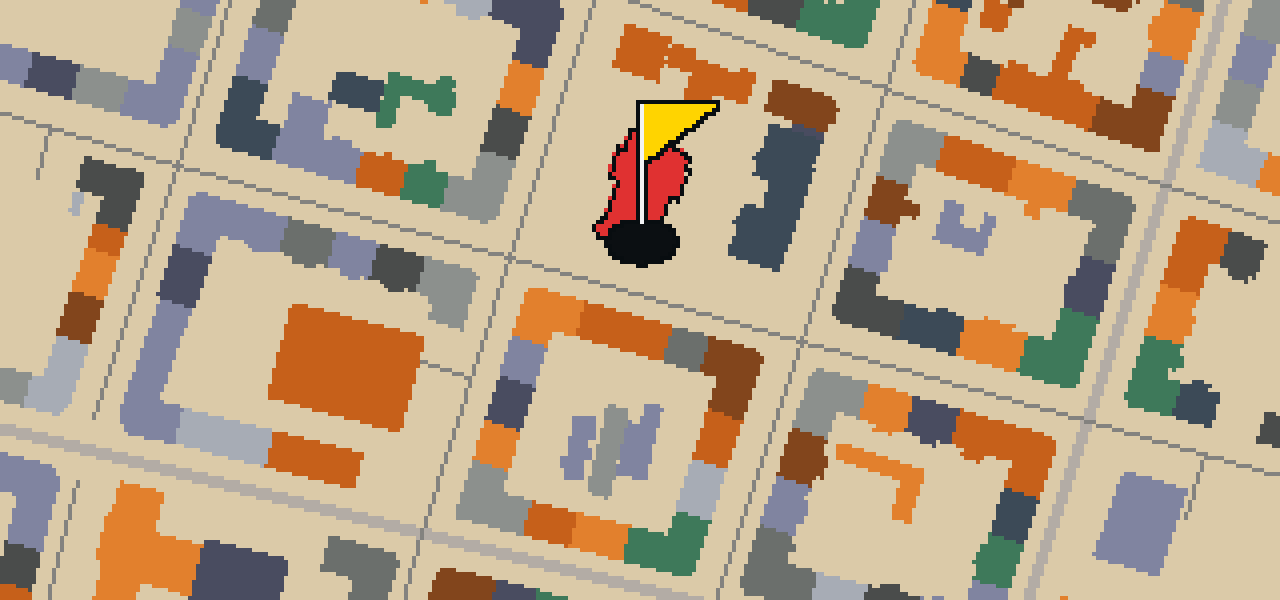
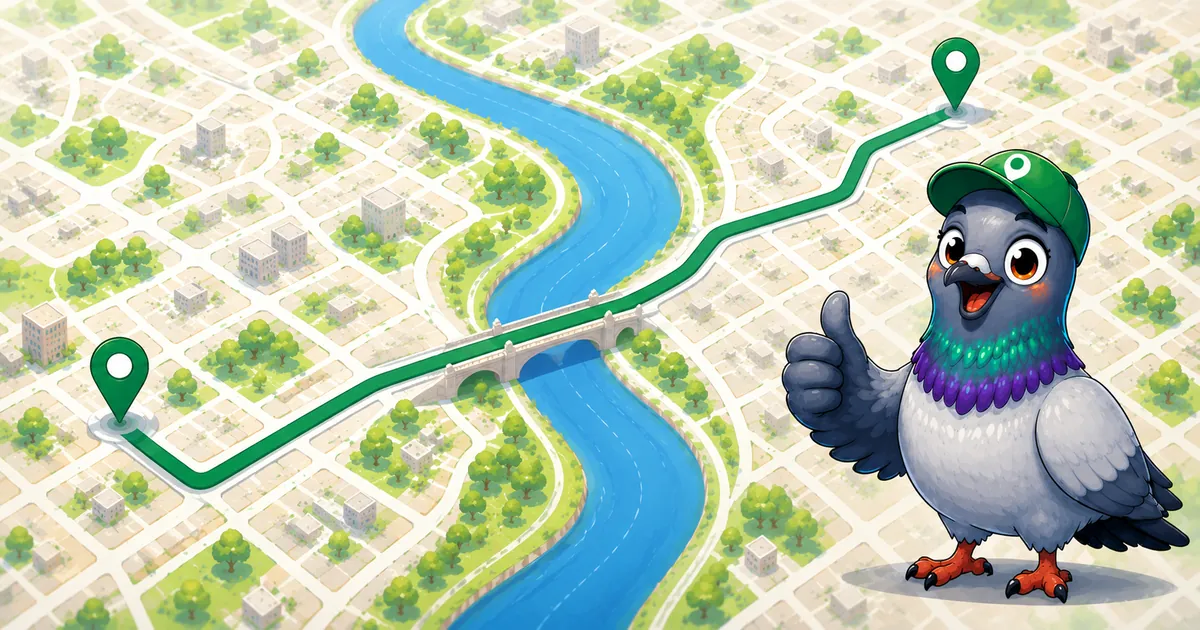
This is Chemnitz. The map is the real city and the round is played on its real streets, where the actual attractions are what the holes are built from. Skip knows these roads well, even the ones where the pigeons congregate. A full round of 18 holes covers 12.1 km with a par of 57, using 10 portals to skip across town. The ball banks off facades and rolls toward landmarks like the Roter Turm.

Trouble loading? Open the game in its own tab.

HOW IT WORKS

01

Pick a city

The course is drawn on the real street grid, so the map you play is the map you walk.

02

Putt to the pin

Drag to aim, release to swing. Buildings bounce and water costs you a stroke.

03

Sightsee between strokes

Every hole ends at an attraction. Sink the putt, read the story, walk to the next tee.

THE CHEMNITZ ROUND - STOP BY STOP

HOLE 1 - PAR 4

Villa Esche

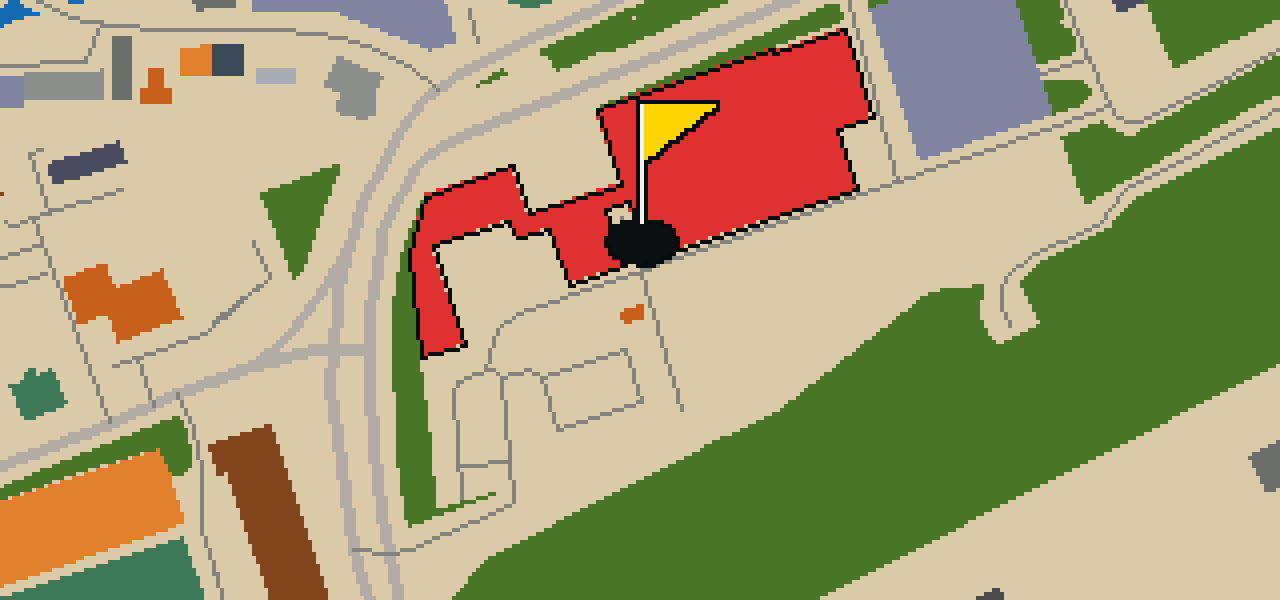
Villa Esche is a villa located in the Helbersdorf locality of Chemnitz in Saxony, Germany. It is a Kulturdenkmal designed and built by the Belgian architect and designer Henry van de Velde in 1902/1903. The house was created for the textile entrepreneur Herbert Esche and his family. While the inception of the project was in 1902, the building was later extended in 1911. I always find the clean lines of the building quite striking when I am gliding over the neighborhood from the air.
Wikidata · Wikipedia

HOLE 2 - PAR 3

Deutsches Spielemuseum

Let me show you the Deutsches Spielemuseum, a museum dedicated to the history and evolution of games. It is a place where you can explore how people have played throughout the years, showcasing a vast array of gaming artifacts. The institution was founded in 1986 and remains a key destination for those interested in the mechanics of play. I've noticed the visitors here always seem to have a bit of a competitive spark in their eyes as they look at the exhibits. It is a great spot to see the physical side of gaming before it all went digital.

Wikidata

HOLE 3 - PAR 3

Industriemuseum Chemnitz

Look closely at the structures of the Industriemuseum Chemnitz, which is a Kulturdenkmal. This industry museum lets you explore the technical heritage of the city in a setting that preserves the spirit of the era. It had its inception in 1907. I have always found the scale of these old industrial sites impressive, and this one is no exception for anyone visiting the area. Whether you are a history buff or just passing through, the site offers a glimpse into the mechanical soul of the city.

Wikidata

HOLE 4 - PAR 3

Museum für Sächsische Fahrzeuge Chemnitz

Wikidata

HOLE 5 - PAR 3

Museum Gunzenhauser

You might expect a traditional gallery, but the Museum Gunzenhauser is an art museum focused on the 20th century. Founded in 2007 and inaugurated in December of that same year, it is a Kulturdenkmal located in Chemnitz. I can show you the extensive collection of 2,459 works by 270 modern artists, all of which were collected by the art dealer Dr. Alfred Gunzenhauser. It is a great spot to see how one person's eye for art can shape a public space.

Wikidata · Wikipedia

HOLE 6 - PAR 3

Versteinerter Wald

The Versteinerter Wald is a petrified forest located in Chemnitz, Germany. This site is an important geological landmark because it contains remains that are part of the Early Permian Leukersdorf Formation. Visitors can observe how organic materials from millions of years ago turned into stone, preserving the structure of an ancient environment in a way that allows us to study the distant past. I've noticed that the stillness of the stone trees makes the whole place feel like a paused moment in time, which is quite a contrast to the busy city streets nearby.

Wikidata · Wikipedia

HOLE 7 - PAR 2

Karl-Marx-Monument

Created in 1971, the Karl-Marx-Monument is a Kulturdenkmal in Chemnitz. This sculpture is a massive presence in the city, weighing approximately 40 tonnes. When you look up at the work, you can pick out the stylized head of Karl Marx, which reaches a height of 7.10 metres. It is a heavy piece of history that has remained a fixture of the local streets for decades. I usually find that the scale of the base makes it feel even more imposing from the ground.

Wikidata · Wikipedia

HOLE 8 - PAR 3

Saxoniabrunnen

Let me show you the Saxoniabrunnen. This fountain was started in 1893 and has remained a part of the city's character ever since. Because of its historical and artistic value, it is officially designated as a Kulturdenkmal. You can pick out the intricate details of the structure as you walk by, observing how it has aged through the years. I have noticed that the water always adds a nice bit of life to the surrounding street, making it a pleasant spot to pause for a moment while you explore the neighborhood.

Wikidata

HOLE 9 - PAR 3

Opernhaus Chemnitz

You will notice the grand presence of the Opernhaus Chemnitz, an opera house located in Chemnitz. It is a Kulturdenkmal and is one of three main venues of Theater Chemnitz. The building was started in 1909 and was designed by the architect Richard Möbius. I find the scale of the place quite impressive when you are standing right in front of it, and it is a great spot for you to pause and admire the facade before moving on to the next part of your journey through the city.

Wikidata · Wikipedia

HOLE 10 - PAR 2

Roter Turm

Let me show you the Roter Turm, a city gate and the oldest surviving building in Chemnitz. This tower had its inception in 1150, making it a rare piece of the city's earliest history. Located in Saxony, Germany, the building is now a heritage monument. You can pick out the distinct architecture of this 35 m (115 ft) tall structure as you move through the streets. I've seen plenty of things change in this city, but this tower has stayed put.

Wikidata · Wikipedia

HOLE 11 - PAR 3

Jugendkirche St. Johannis

The Gothic Revival style defines the architecture of Jugendkirche St. Johannis. This church building is a heritage monument in Saxony. It stands as a significant example of this architectural approach within the city of Chemnitz. Visitors can observe the specific characteristics of the Gothic Revival style throughout the exterior of the building. Because it is designated as a heritage monument in Saxony, the site is preserved to maintain its historical and architectural integrity for all who visit the city.

Wikidata

HOLE 12 - PAR 3

Sankt Jakobi

Located in the heart of the city, Sankt Jakobi is a church building. It is designed in the Gothic architecture style and is officially recognized as a Kulturdenkmal. The inception of the building was in 1365. Visitors can observe the specific characteristics of the Gothic style in the structure's design, which remains a prominent feature of the local streetscape. This site provides a direct link to the city's medieval past and serves as a point of historical interest for those exploring the area on foot.

Wikidata

HOLE 13 - PAR 2

Propsteikirche St. Johannes Nepomuk

Willy Schönefeld is the architect of Propsteikirche St. Johannes Nepomuk. He designed this parish church, which is a church building that was started in 1953. When you visit the site, you can see the results of his work in the structure of the building. It is officially recognized as a Kulturdenkmal, meaning it is preserved as a cultural monument. This makes it a notable stop for anyone interested in the local architecture and religious history of the area.

Wikidata

HOLE 14 - PAR 4

Synagoge

The Synagoge is a synagogue located in Chemnitz. This site is a place of worship and a significant landmark for those visiting the city.

Wikidata

HOLE 15 - PAR 4

Richard-Hartmann-Halle

You will first notice the presence of the Richard-Hartmann-Halle. This location is a sports venue. I find it is a great spot to get a feel for the city's athletic side.

Wikidata

HOLE 16 - PAR 4

Schloßbergmuseum Chemnitz

Let me show you the Schloßbergmuseum Chemnitz, which is a museum located here in the city. This institution was founded in 1931 and has since remained a place for visitors to discover the history and culture of the region. When you visit, you can take your time walking through the galleries to see what is on display. I often see people pausing outside the entrance to admire the surroundings, and I usually find the area around the building quite pleasant when I am gliding through the air on my way to a new perch.

Wikidata

HOLE 17 - PAR 4

Richard-Hartmann-Platz

Richard-Hartmann-Platz is a square. It is also a street. These two roles allow the area to function as both a gathering point and a thoroughfare for those moving through the city.

Wikidata

HOLE 18 - PAR 4

Schillerplatz

Let me show you Schillerplatz, a location that serves as both a square and a park. It had its inception in 1859 and provides a place for people to gather or relax among the greenery. You can also notice that the site is designated as a Kulturdenkmal, which marks its significance to the city. I often see people pausing here to take a breath before heading back into the bustle of the streets. It is a useful spot for anyone wanting to see a bit of the city's history while enjoying the open air.

Wikidata

STOP 19

St. Joseph

St. Joseph is a church building in Chemnitz. It is a heritage monument in Saxony, which means it is recognized for its historical and architectural importance to the region. The inception of the church building was in 1907. Visitors can observe the structure as an example of the city's religious architecture and its status as a protected monument within the state. This site provides a direct link to the early twentieth century in Saxony through its enduring presence in the city.

Wikidata

OTHER COURSES

9 HOLES - PAR 33

Hamm

9 stops

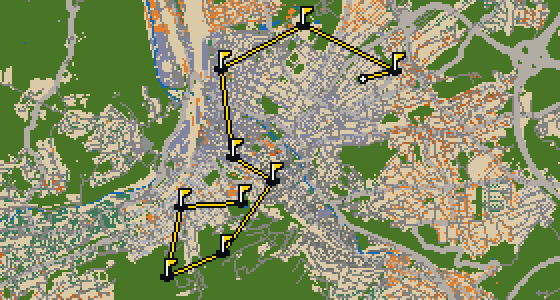
This quick nine-hole round covers 7.4 km across Hamm. The map is the real city and the ball rolls along its actual streets, using portals to skip between districts. Local attractions like Schloss Heessen are the foundations for the holes. Skip knows every curb and cobblestone here, even if a few crumbs usually distract the guide.

18 HOLES - PAR 53

Kassel

18 stops

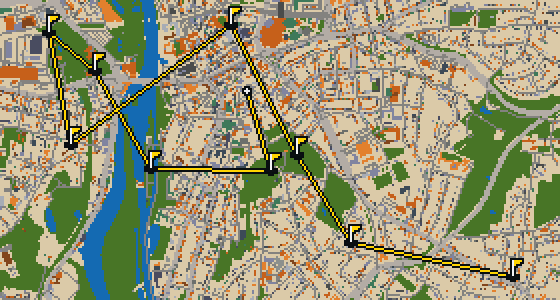
Kassel is the setting for this round, where the map follows the actual city and the ball rolls across its real streets. The holes are built from the city's actual attractions, ending at the Spitzhacke. Skip knows these sidewalks well and is the local guide. This is a full round of 18 holes with a par of 53, covering a walk of 9.7 km. The ball moves between distant districts using 12 portals.

9 HOLES - PAR 31

Hagen

9 stops

The ball ends its journey at the Stadtgarten. This course uses the real streets of Hagen as the map, with the city's actual attractions forming the holes. A quick round of 9 holes covers 7.6 km, using 8 portals to bridge the gaps between distant districts. Skip knows every curb and cobblestone here, having spent plenty of time watching the world go by from the eaves.

9 HOLES - PAR 29

Oberhausen

9 stops

Banking a ball off the stone of Schloss Broich requires a steady wing and a soft touch. This round takes place on the real streets of Oberhausen, where the city map is the course. The holes are built from actual local attractions, and Skip knows every crack in the pavement. A quick 9-hole round covers 6 km, with 14 portals to keep the ball moving.

18 HOLES - PAR 57

Delsberg

18 stops

Banking a ball off the stone facades of the Roter Turm requires a steady wing and a bit of luck. This round takes place in Delsberg, where the map is the real city and the game is played on its actual streets. The holes are built from real attractions, turning the urban layout into a course. I know these sidewalks well and can be the local guide. It is a full round of 18 holes with a par of 57, covering a 12.1 km walk that uses 10 portals.

FAQ

Is it free to play?

Yes. Every course runs in the browser with no account and no install.

Do I need to be in the city?

No. The full round plays from anywhere. Walking the real route is a nice way to see the city, but it is not required.

Are the maps real?

Yes. The geometry comes from OpenStreetMap data, rendered chunky on purpose. Streets, water and parks sit where they really are.