
HEIDELBERG - 18 HOLES - FREE

HEIDELBERG
CITY MAP MINIGOLF

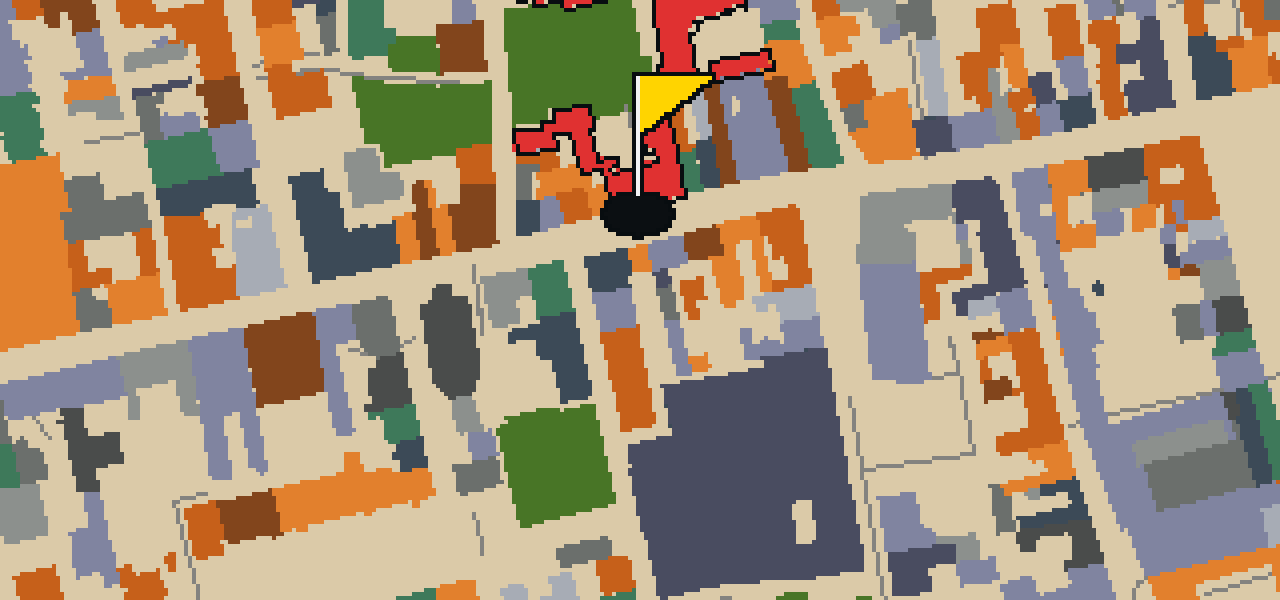
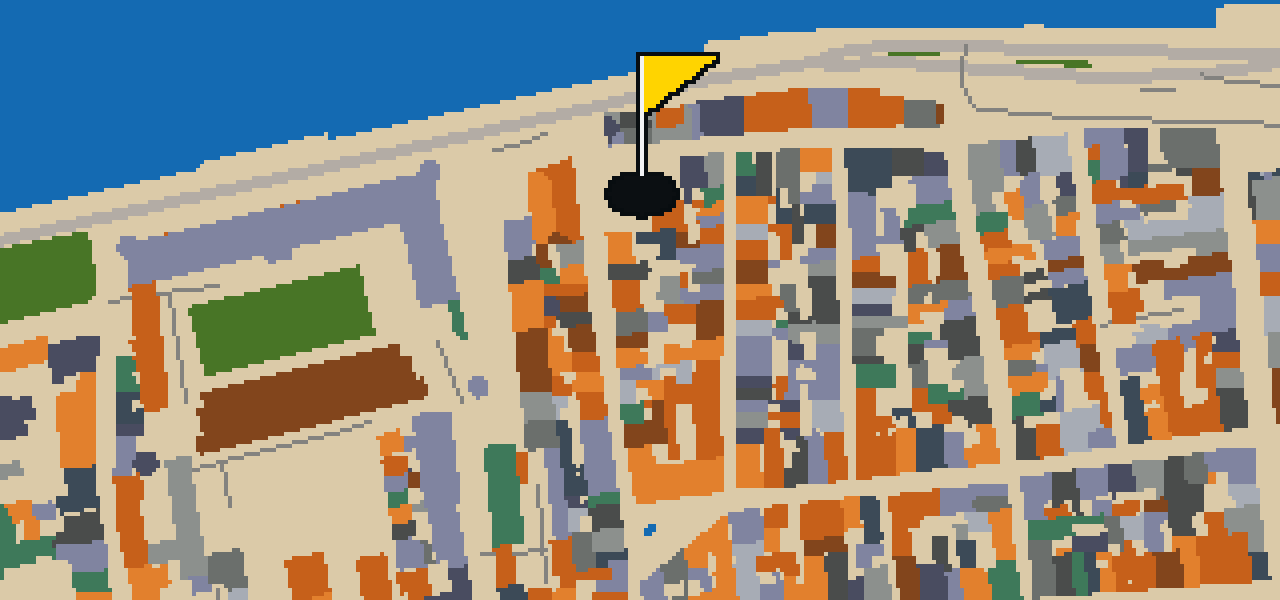
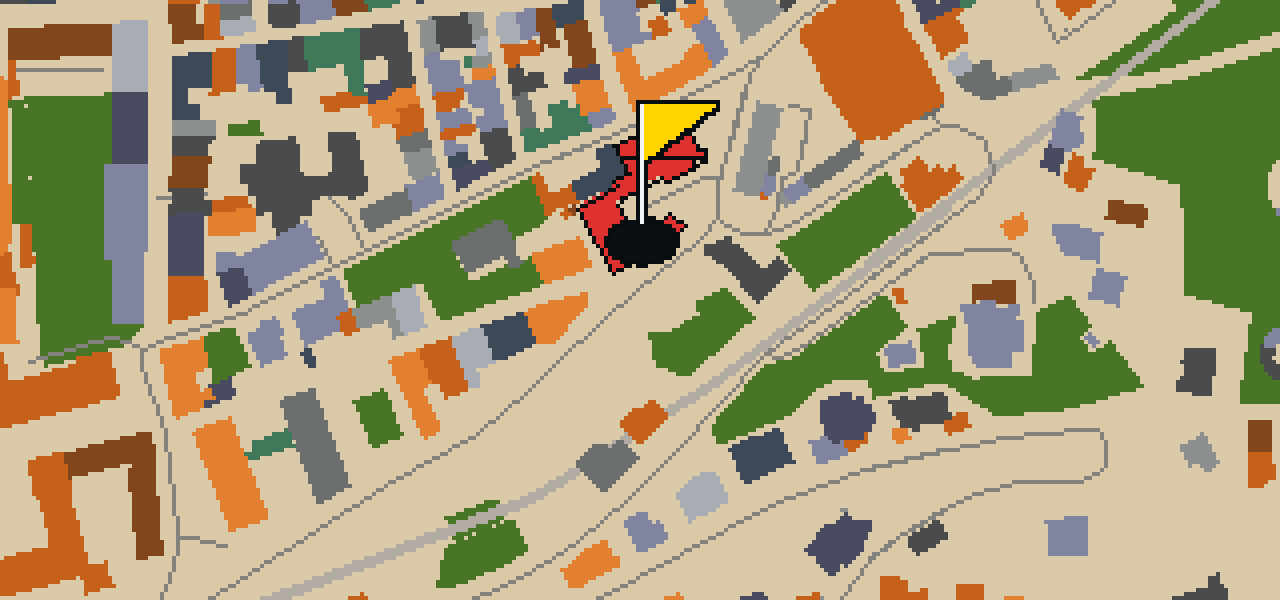
Heidelberg - 18 stops - par 52

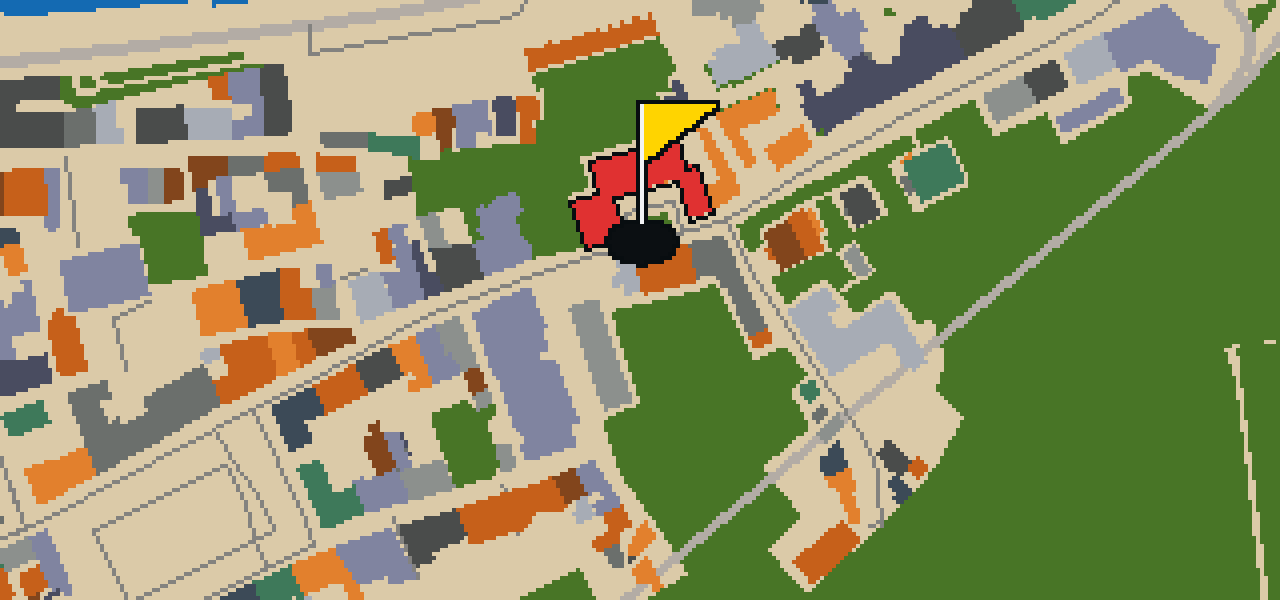
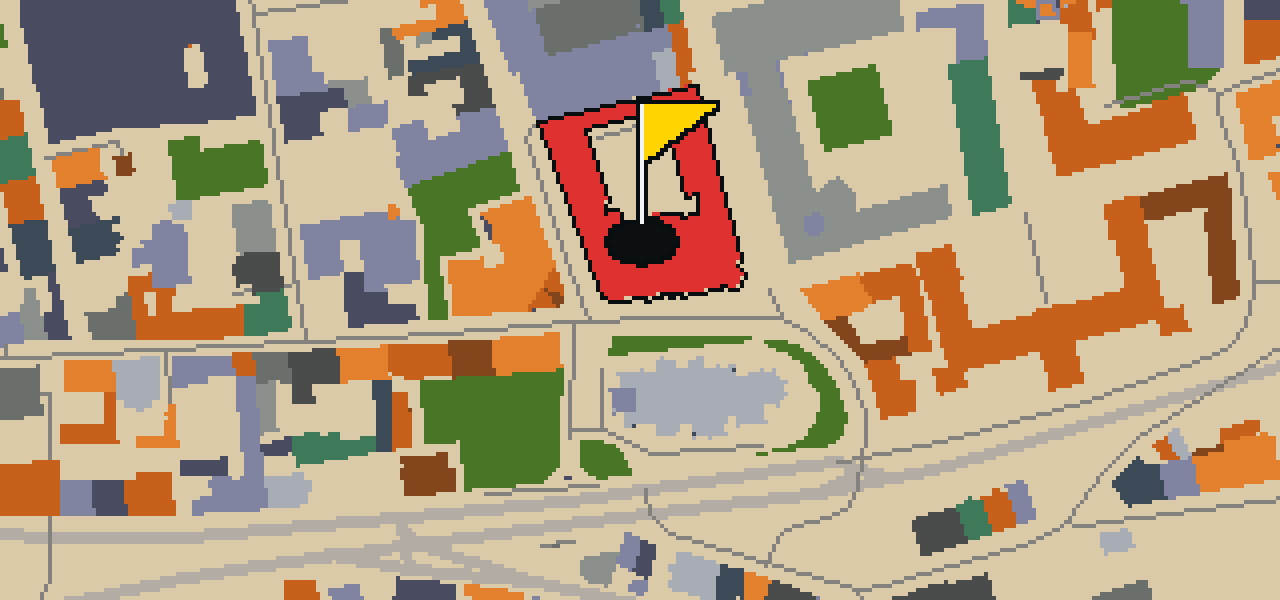
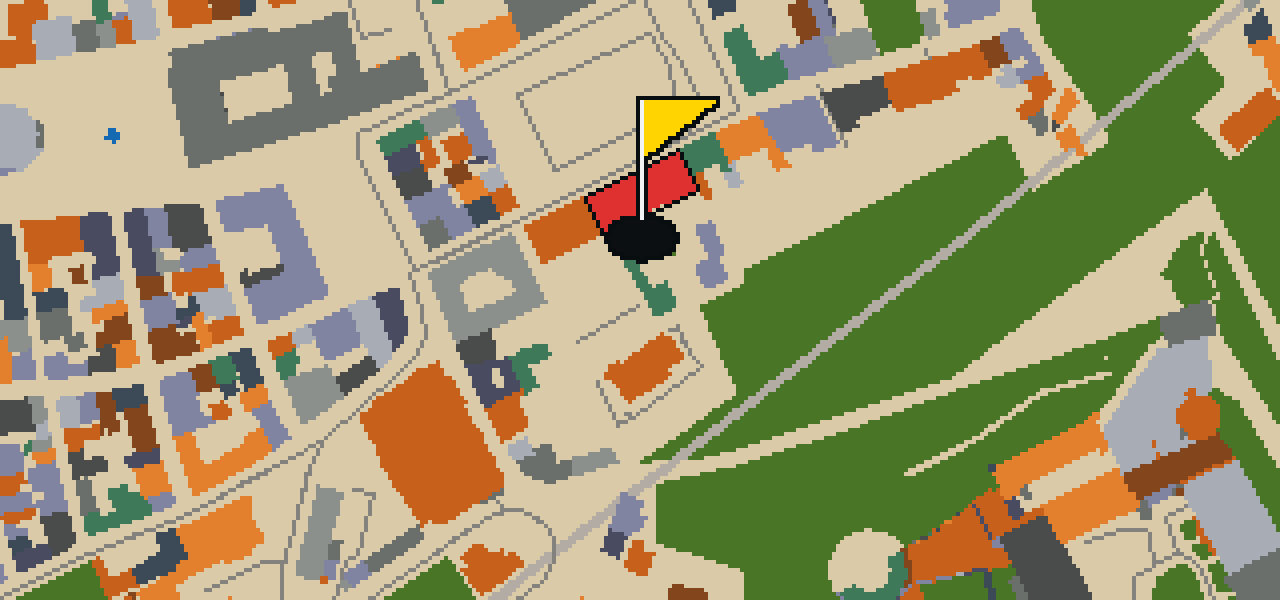
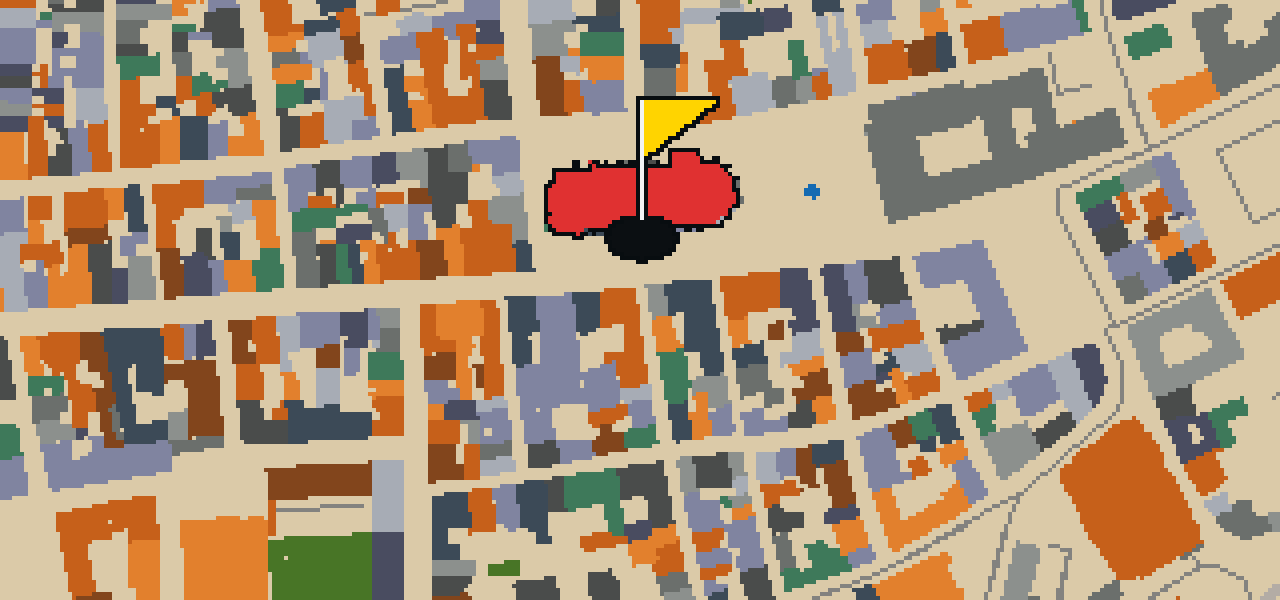
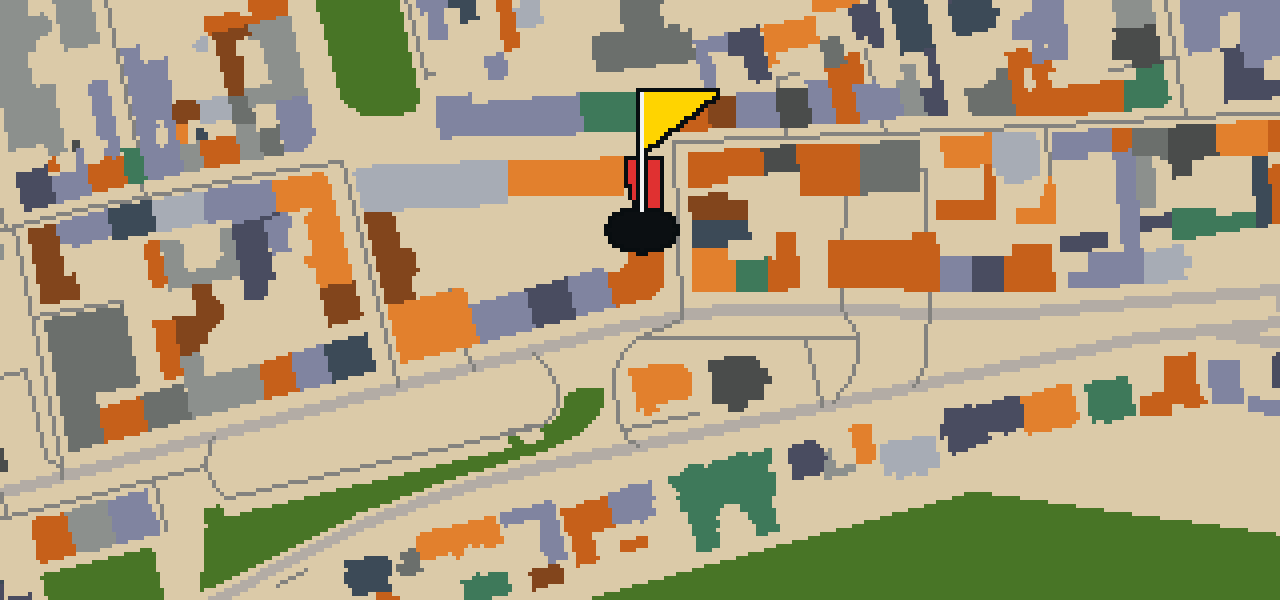
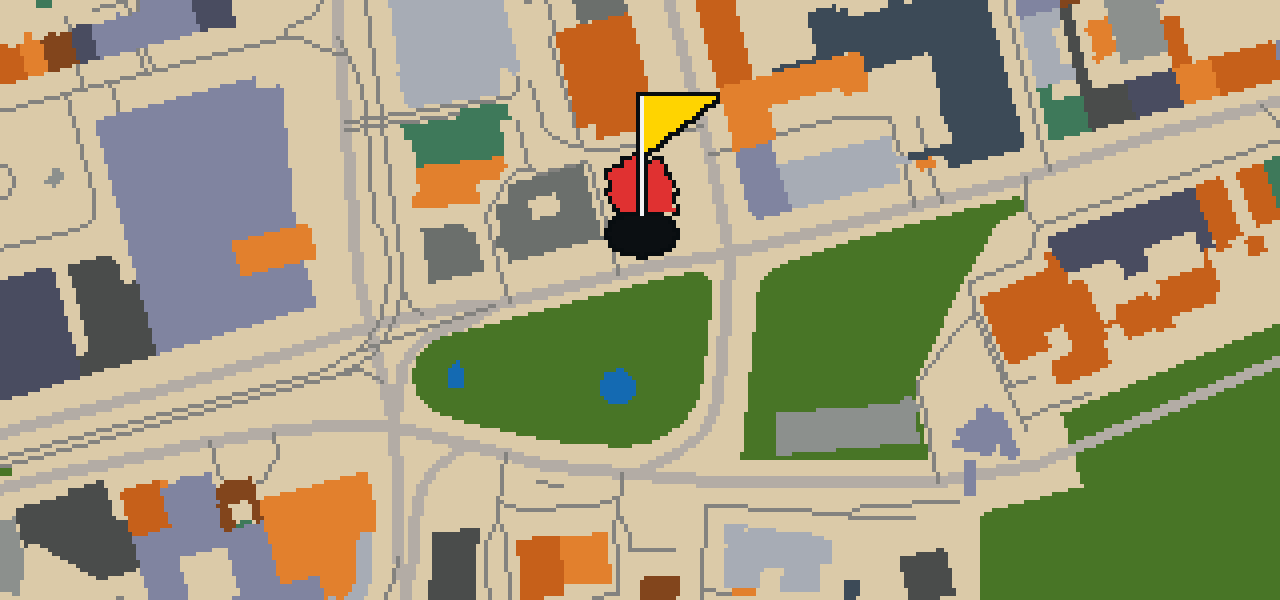
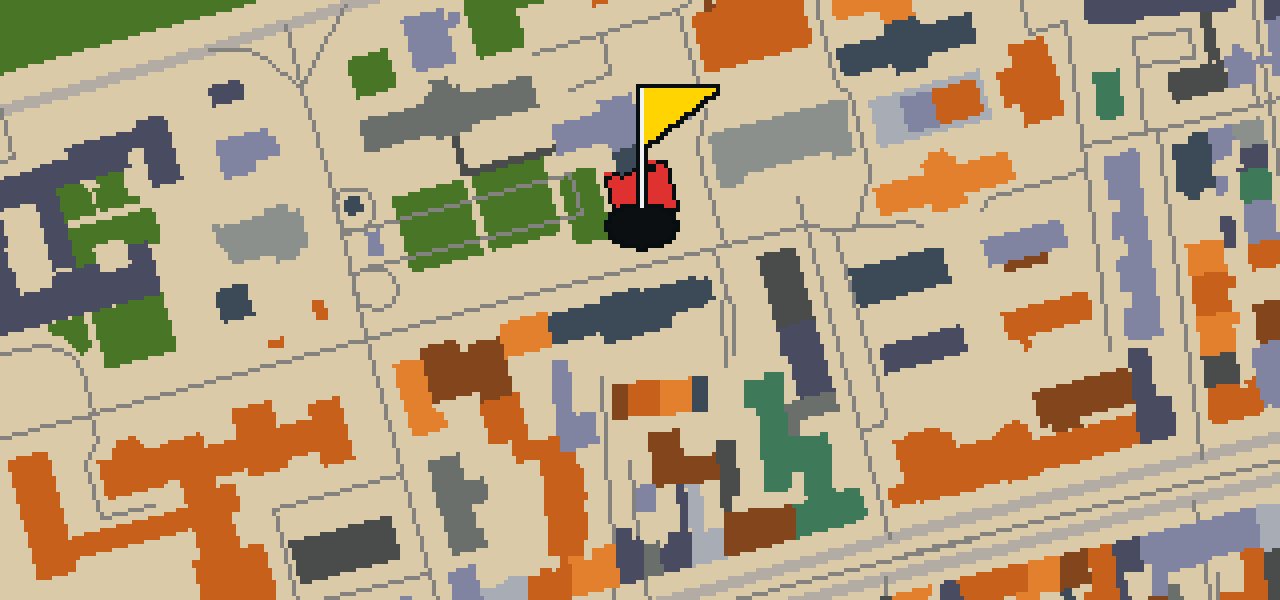
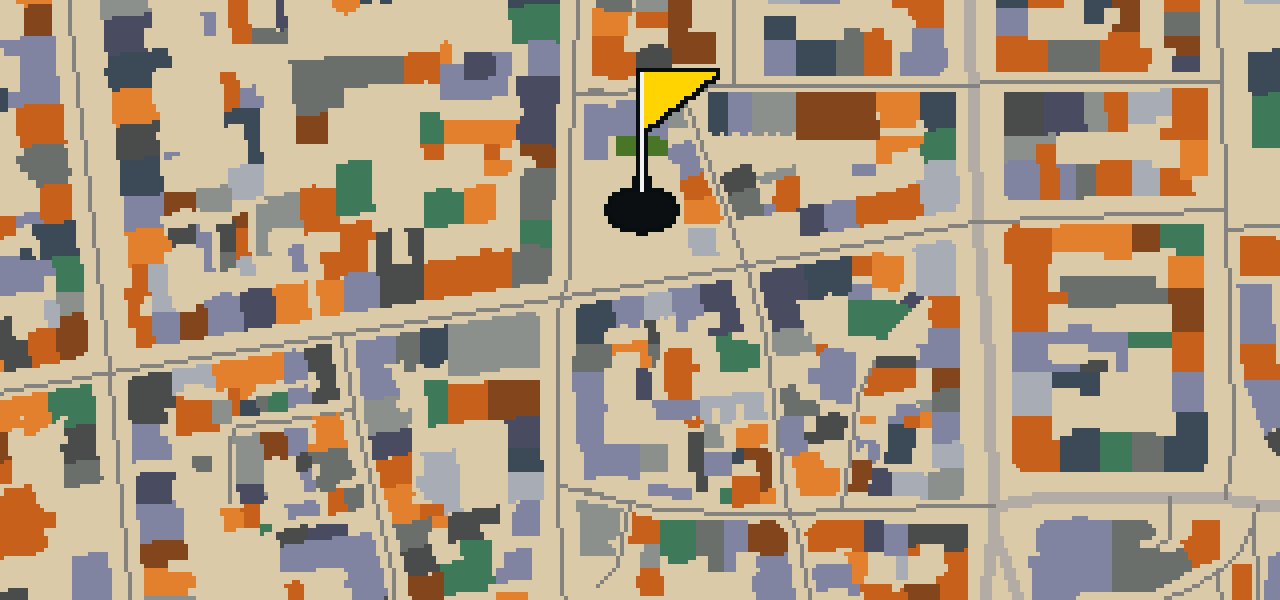
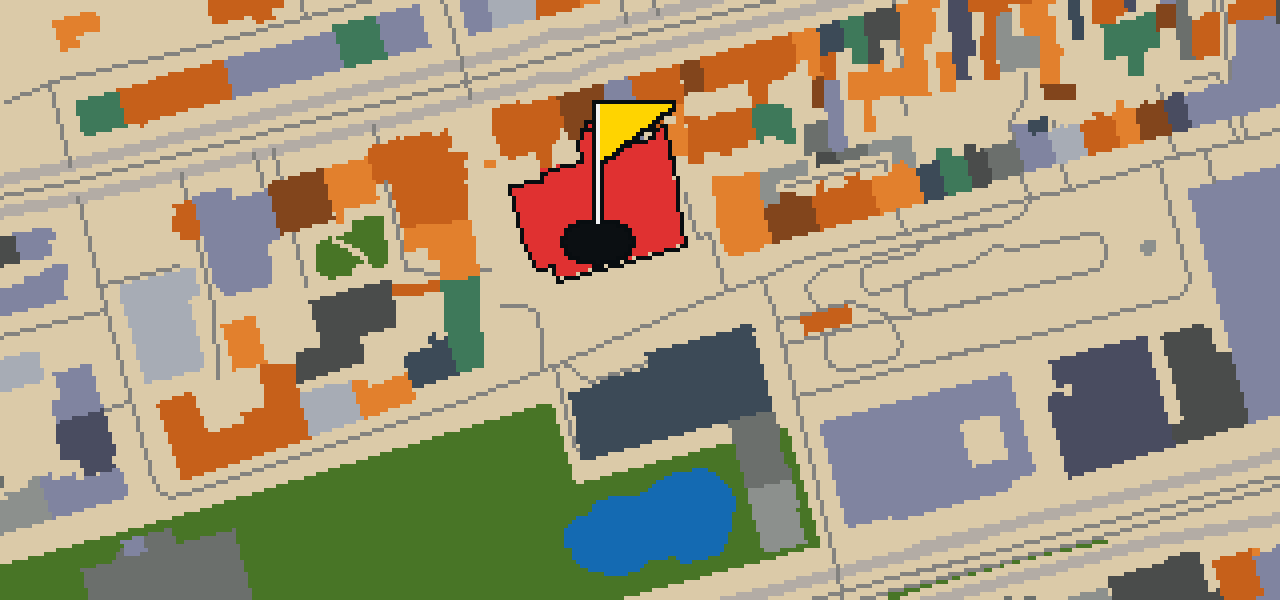
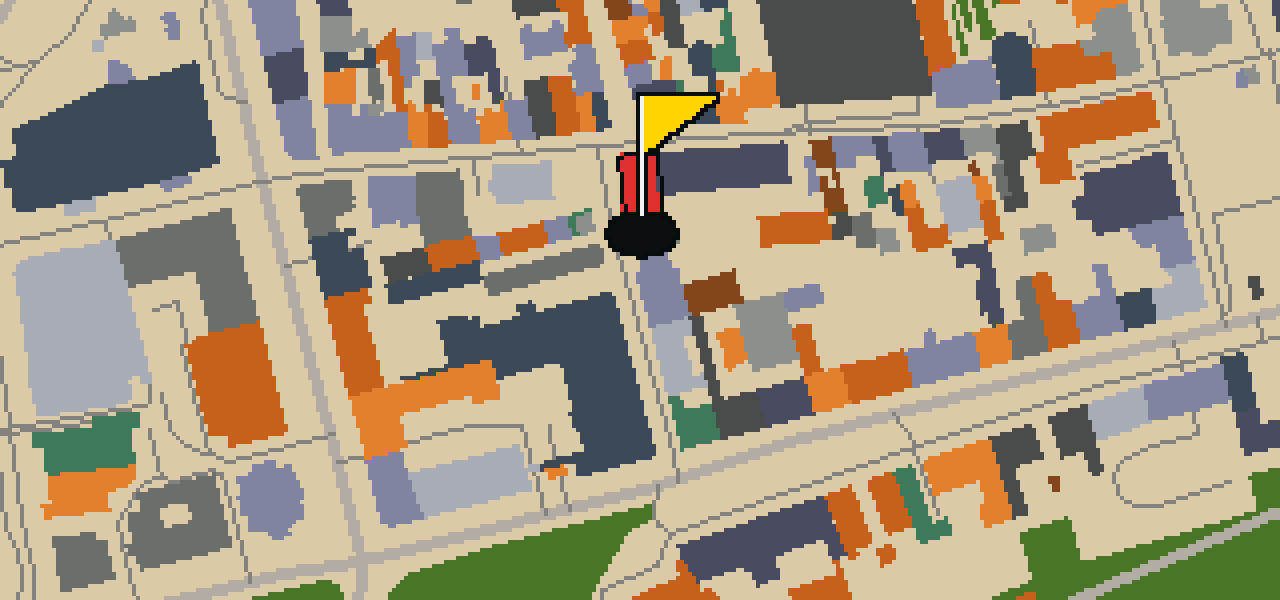
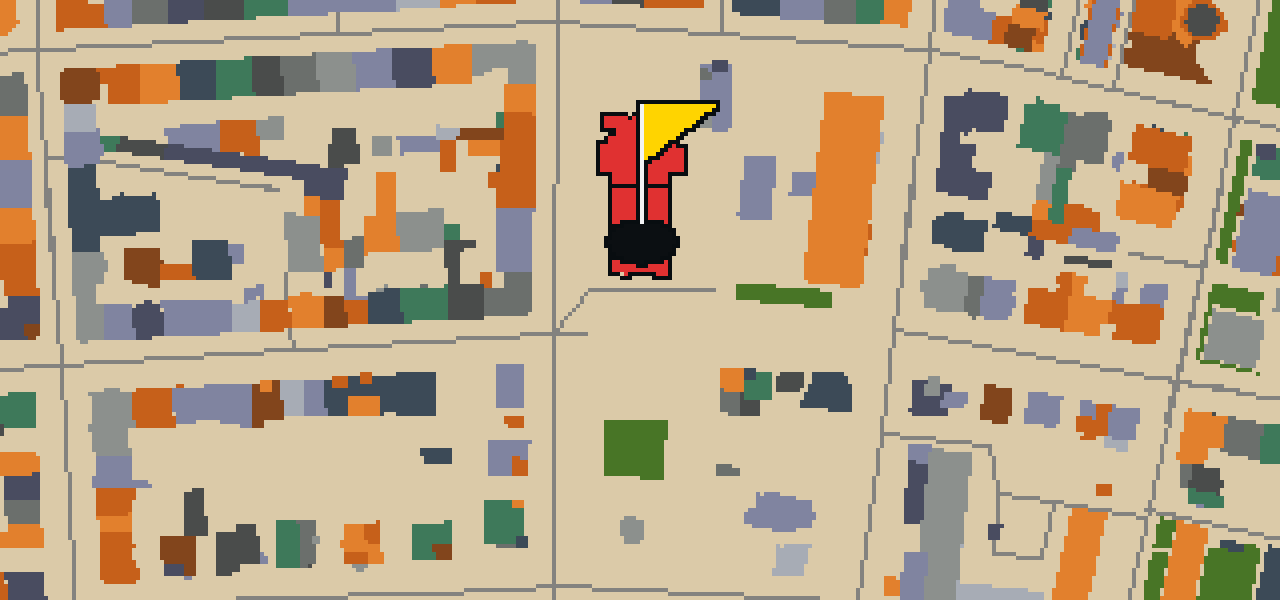
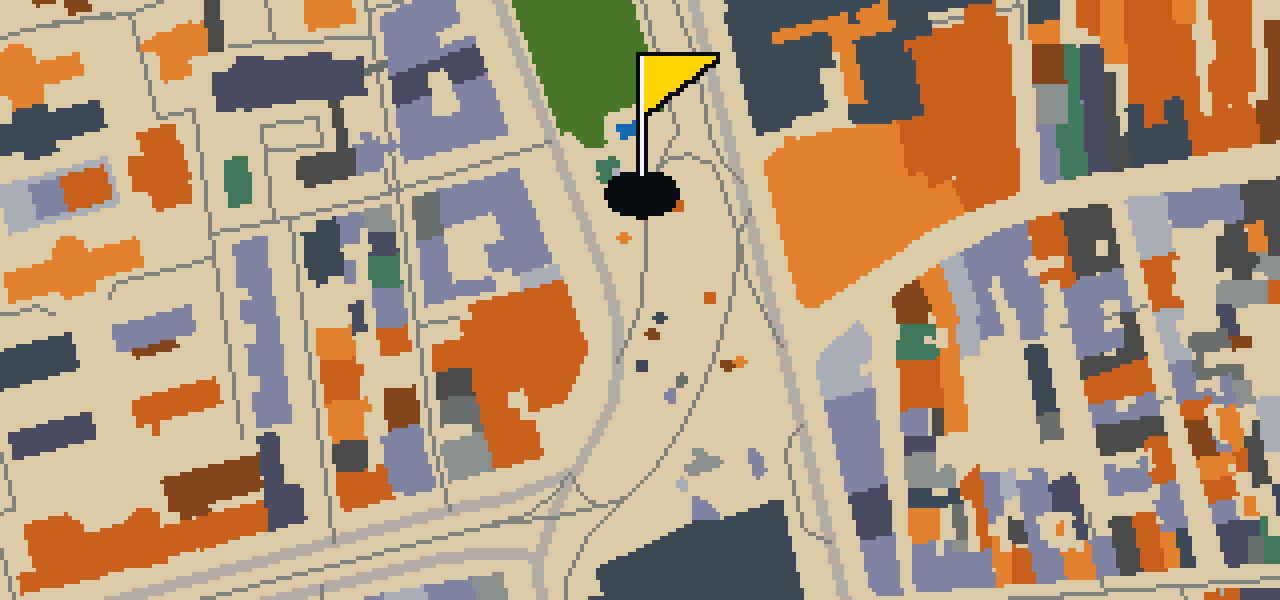
This is a full round through Heidelberg, covering 10.3 km on the actual city streets. The map is the real city, and the holes are built from attractions like Heidelberger Schloss. Skip knows every corner of these neighborhoods and is the local guide, though most of the time he is just looking for crumbs. The ball travels between distant districts using 18 portals, playing 18 holes with a par of 52.

Trouble loading? Open the game in its own tab.

HOW IT WORKS

01

Pick a city

The course is drawn on the real street grid, so the map you play is the map you walk.

02

Putt to the pin

Drag to aim, release to swing. Buildings bounce and water costs you a stroke.

03

Sightsee between strokes

Every hole ends at an attraction. Sink the putt, read the story, walk to the next tee.

THE HEIDELBERG ROUND - STOP BY STOP

HOLE 1 - PAR 3

Heidelberger Schloss

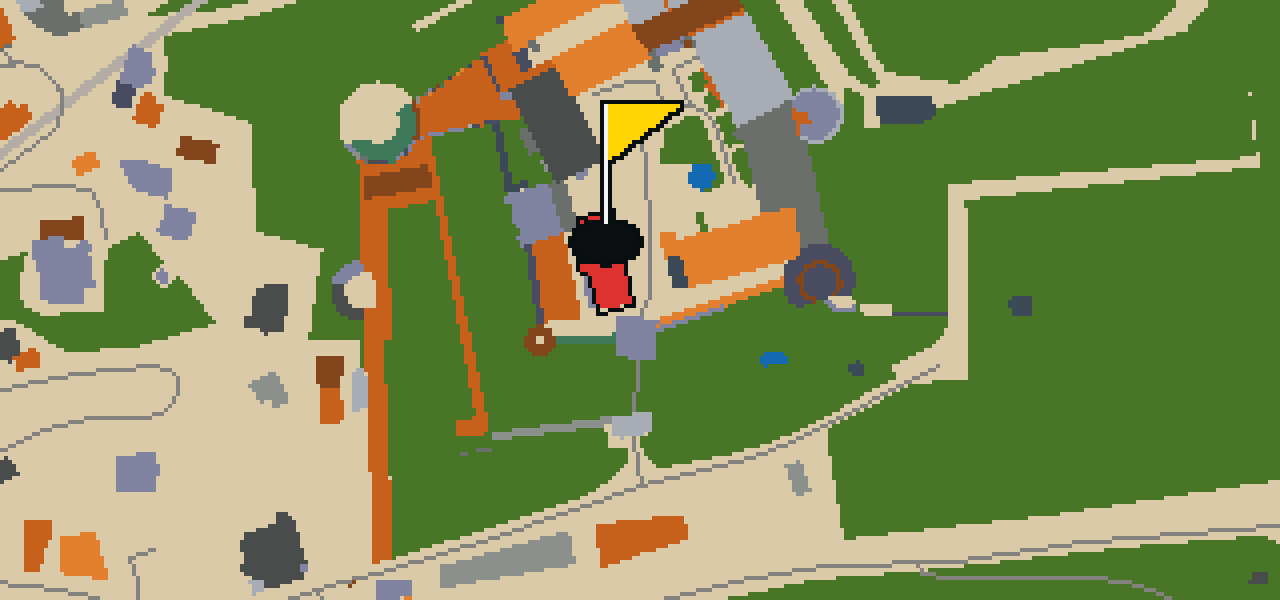
Heidelberger Schloss is a landmark of Heidelberg. You can pick out the distinct styles of Gothic and Renaissance architecture throughout the site. This German ruin is a Kulturdenkmal that functions as both a castle and a museum. It is a place where history is visible in every stone, providing a glimpse into the city's past. I've found that the open spaces here make it a great spot for a quick stretch of the wings before you head back down into the city center.

Wikidata · Wikipedia

HOLE 2 - PAR 3

Jesuitenkirche

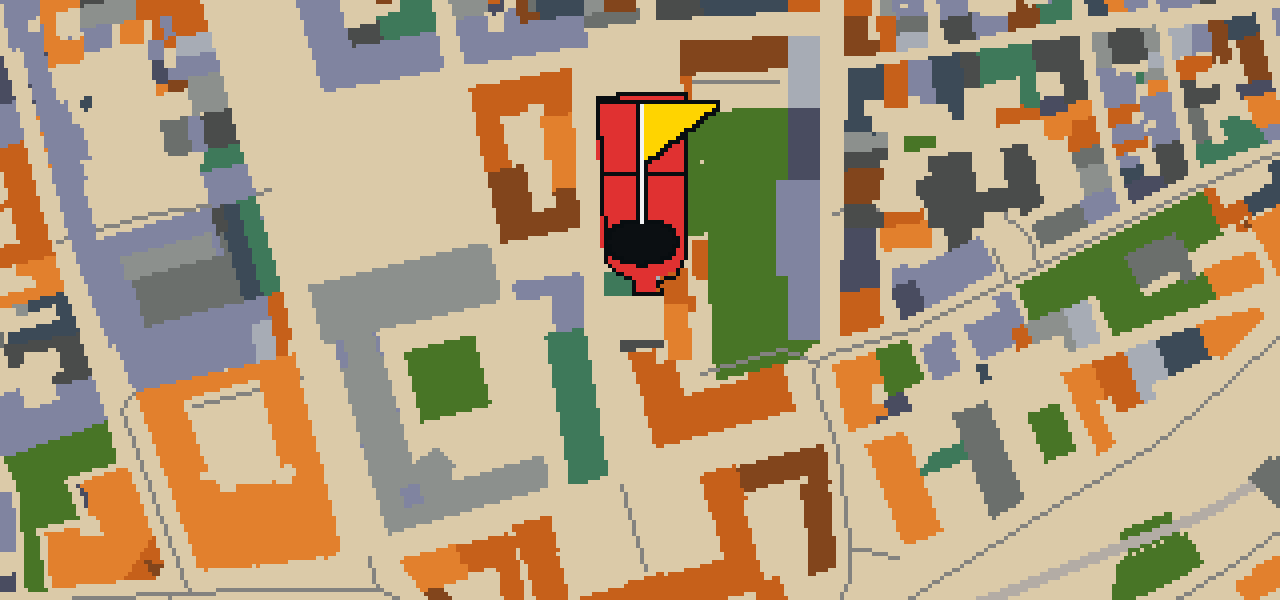
Located within the city, Jesuitenkirche is a church building and a Jesuit church. It is designed in the baroque architecture style and is recognized as a Kulturdenkmal. The architects of the building are Franz Wilhelm Rabaliatti and Johann Adam Breunig. Work on this structure was started in 1759. Visitors can observe the specific baroque details and the overall scale of the building as they pass through this part of the city.

Wikidata

HOLE 3 - PAR 2

Völkerkundemuseum

The J. and E. von Portheim Foundation established the Ethnographic Institute, which grew into the Völkerkundemuseum. Founded in 1919, this ethnographic museum is located in the Palais Weimar within the old town of Heidelberg, Germany. It is a cultural history museum that operates as an affiliated institute in close cooperation with Heidelberg University. I've noticed the building has a certain presence that fits the old town perfectly. It is a great spot to pause and appreciate the architecture of the Palais Weimar while you are exploring the historic streets of the city center.

Wikidata · Wikipedia

HOLE 4 - PAR 3

Alte Brücke

Crossing the Neckar river, the Alte Brücke connects the Old City with the eastern part of the Neuenheim district. This stone arch bridge is commonly known as the Old Bridge, though its formal name is the Karl Theodor Bridge. The current version of the bridge was started in 1788 and is made of Neckar sandstone. I've noticed the stone has a particular glow when the sun hits it just right. It's a sturdy piece of history that lets you walk between two very different parts of the city.

Wikidata · Wikipedia

HOLE 5 - PAR 3

Universitätsbibliothek

Josef Durm was the architect of the Universitätsbibliothek. Founded in 1901, this academic library is the central library of the Heidelberg University. It is a massive resource for scholars and visitors alike, seeing 2,645,917 annual visitors. In 2022, the library registered 43,600 active users. You can find a vast array of knowledge here, including about 3.2 million books and 6,000 printed scientific periodicals. I usually stay far away from the quiet zones, but the scale of the place is something you have to see.

Wikidata · Wikipedia

HOLE 6 - PAR 3

Großherzogliches Palais

You will first notice the Großherzogliches Palais, which is a building located here in the city. It matters to the local area and visitors alike because it is a Kulturdenkmal. When you are standing in front of it, you can see how it fits into the surrounding neighborhood. I find it is a great spot to pause and look around for a bit before you continue your journey. Whether you are a history buff or just passing through, this building is a key point of interest in the local urban environment.

Wikidata

HOLE 7 - PAR 3

Kurpfälzisches Museum

You can find the Kurpfälzisches Museum in the Palais Morass in Heidelberg, Germany. It is an art and history museum that also focuses on archaeology. The museum was founded in 1878, following the city's purchase of the private collection of Charles de Graimberg. It is a great spot to see how the city preserved its heritage starting in the late 1870s. I always think the Palais Morass makes for a very grand entrance, and the building itself is just as interesting as the art and archaeology housed inside its walls.

Wikidata · Wikipedia

HOLE 8 - PAR 3

Bismarcksäule

Let me show you the Bismarcksäule, an instance of a Bismarck tower. This stone structure reaches a height of 15 meters and is recognized as a cultural heritage monument in Baden-Württemberg. It is a prominent spot to visit for anyone exploring the city's landmarks. I've noticed that the height makes it a handy point of reference for those of us navigating the skyline from above. Whether you are interested in the local architecture or just looking for a view, this tower is a significant stop on your journey through the area.

Wikidata

HOLE 9 - PAR 3

Alter Synagogenplatz

You will find yourself at Alter Synagogenplatz, which is a square. It is a spot where you can pause and observe the surroundings of the city. I find it a pleasant place to spend a few minutes while exploring the neighborhood.

Wikidata

HOLE 10 - PAR 2

Dokumentations- und Kulturzentrum Deutscher Sinti und Roma

Located in Heidelberg, the Dokumentations- und Kulturzentrum Deutscher Sinti und Roma is a nonprofit organization. It was established in the early 1990s as a memorial to Sinti and Roma people killed by the National Socialists Party. You can find the world's first permanent exhibition on the genocide perpetrated upon the Sinti and Roma by the Nazis here. The documentation centre covers an area of almost 700 square meters and is spread across three levels. I've found that the scale of the space really lets the history breathe.

Wikidata · Wikipedia

HOLE 11 - PAR 3

Heiliggeistkirche

Heiliggeistkirche is a church building and the largest church in Heidelberg, Germany. Its inception was in 1398, and the construction of the site continued until 1515. The building is a Kulturdenkmal that features both Romanesque and Gothic styles of architecture, which you can see in the structure of the walls and windows. It is a significant site for the city and is visited by 1–3 million guests annually. I recommend taking a moment to look at the scale of the building compared to the surrounding streets.

Wikidata · Wikipedia

HOLE 12 - PAR 3

Erlöserkirche

Erlöserkirche is a church building. It is designated as a Kulturdenkmal, which means it is a protected cultural monument. The inception of the building was in 1724. This site is a place of worship and a point of historical interest within the city. Visitors can observe the structure as a representative of the local architecture and cultural heritage. It remains a significant landmark for those exploring the religious and historical buildings of the area.

Wikidata

HOLE 13 - PAR 3

Deutsch-Amerikanisches Institut

You might think this is a standard office or a simple academy, but it is actually the Deutsch-Amerikanisches Institut. It is an instance of an Amerika Haus, which are specific types of cultural centers. Beyond its functional purpose as a center for exchange, the building is also designated as a Kulturdenkmal. I've noticed the architecture has a certain presence that makes it stand out from the surrounding streets, giving it a distinct character that you can pick out as you approach the building on your way to the hole.

Wikidata

HOLE 14 - PAR 3

Sammlung Prinzhorn

Look closely at the individual pieces of art before taking in the whole of the Sammlung Prinzhorn. This museum, founded in 1890, is a German collection of art made by mental health patients. It is housed at the Heidelberg University Hospital. The collection is vast, comprising over 20,000 works. As you walk through, you can pick out specific contributions from artists like August Natterer, Agnes Richter, and Emma Hauck. I've found the atmosphere here quite different from your typical gallery.

Wikidata · Wikipedia

HOLE 15 - PAR 3

St. Johannes der Täufer

St. Johannes der Täufer is a church building located in the city of Heidelberg. This site is recognized as a Kulturdenkmal, which means it is officially designated as a cultural monument. Visitors to the area can identify the building by its role as a place of worship and its status as a protected landmark. The designation as a Kulturdenkmal ensures that the architectural and historical value of the church building is acknowledged and preserved for the public to see as they move through the city.

Wikidata

HOLE 16 - PAR 3

Körperwelten

Let me show you Körperwelten, a travelling exhibition located here in Heidelberg. The experience centers on the work of Gunther von Hagens, who developed the plastination preservation process in the late 1970s. This technique allows the exhibition to display dissected human bodies, animals, and other anatomical structures of the body in a way that remains preserved. It is a striking look at the inner workings of various organisms. I usually find the sheer variety of the anatomical structures the most interesting part of the walk through.

Wikidata · Wikipedia

HOLE 17 - PAR 3

Sankt Anna

Sankt Anna is a church building that was started in 1717. The structure is designed in the baroque architecture style and is officially recognized as a Kulturdenkmal. The building's development involved the work of multiple architects, including Johann Adam Breunig, Johann Jacob Rischer, and Theodor Sartori. It remains a significant example of the baroque style within the city, combining the efforts of these three architects into a single place of worship and cultural heritage.

Wikidata

HOLE 18 - PAR 3

St. Bonifatius

Ludwig Maier designed St. Bonifatius, a Catholic parish church located in the Weststadt of Heidelberg. Built between 1899 and 1903, the building is a Romanesque Revival basilica. As you approach the site, you can notice the transept and the facade with double towers that characterize this specific architecture style. Because of its historical and architectural value, the church is designated as a Kulturdenkmal. It remains a significant site of worship and a notable example of the Romanesque Revival style within the city.

Wikidata · Wikipedia

STOP 19

Bismarckplatz

At the western end of the Hauptstrasse, you will find Bismarckplatz. This square is one of the main squares of Heidelberg and sits where the Hauptstrasse forms the boundary between the suburb of Bergheim and the old city. It is a busy spot, acting as one of the central nodes of the public transport system. I've noticed it's a great place to get your bearings before heading further into town. The square is named for Otto von Bismarck, and it remains a key point of navigation for anyone exploring the area.

Wikidata · Wikipedia

OTHER COURSES

18 HOLES - PAR 55

Nuremberg

18 stops

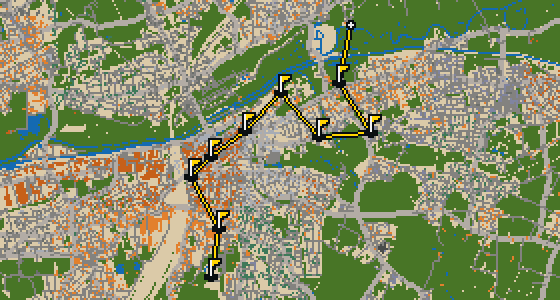
Nürnberg is the setting for this round, where the map is the real city and the ball rolls across its actual streets. The holes are built from real attractions, including the Kaiserburg. Skip knows these alleys well, having spent plenty of time dodging footsteps for crumbs. This full round of 18 holes covers 10.7 km with a par of 55. The ball travels between distant districts using 42 portals to keep the pace moving along.

18 HOLES - PAR 57

Munich

18 stops

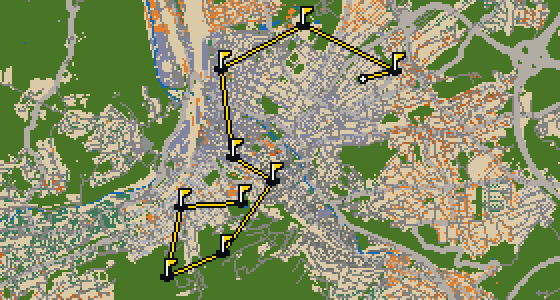
München is the setting for this round, where the map is the real city and the ball rolls across its actual streets. The holes are built from real attractions, starting with the grounds of Oktoberfest. A full 18-hole round covers 12.2 km and uses 116 portals to bridge the gaps between distant districts. Skip knows every curb and cobblestone here, even the ones where the crumbs are best, and acts as the local guide for the walk.

9 HOLES - PAR 26

Hamburg

9 stops

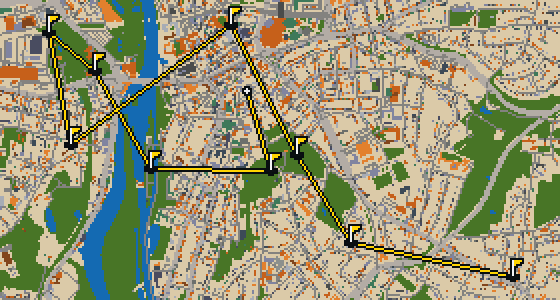
Hamburg is the setting for this round, with the map following the real city and the ball rolling its actual streets. The holes are built from attractions like the Speicherstadt, turning the urban layout into a course. Skip is a local guide who knows these blocks well. This quick 9-hole round covers 4.8 km with a par of 26, using 80 portals to bridge the gaps.

18 HOLES - PAR 55

Frankfurt

18 stops

Banking a ball off the stone facades of the Städel Museum requires a steady wing and a bit of luck. This full round of 18 holes follows the real streets of Frankfurt am Main, where the city map is the course. The holes are built directly from the local attractions, and the ball travels 10.7 km across the pavement. With 80 portals to skip between districts, Skip is the local guide who knows every crack in the sidewalk.

18 HOLES - PAR 58

Düsseldorf

18 stops

This is a full round of 18 holes through Düsseldorf. The map follows the actual city layout, where the ball rolls across real streets and banks off building facades. Landmarks like the Rheinturm provide the architecture for the holes. Skip knows these pavements well, even the bits where the crumbs are best. The course covers 12.5 km and uses 102 portals to move the ball quickly between the different districts of the city.

FAQ

Is it free to play?

Yes. Every course runs in the browser with no account and no install.

Do I need to be in the city?

No. The full round plays from anywhere. Walking the real route is a nice way to see the city, but it is not required.

Are the maps real?

Yes. The geometry comes from OpenStreetMap data, rendered chunky on purpose. Streets, water and parks sit where they really are.