
HANOVER - 18 HOLES - FREE

HANOVER
CITY MAP MINIGOLF

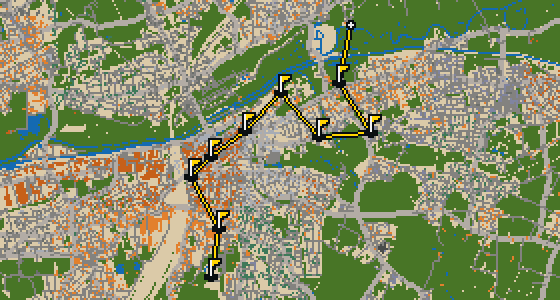
Hanover - 18 stops - par 53

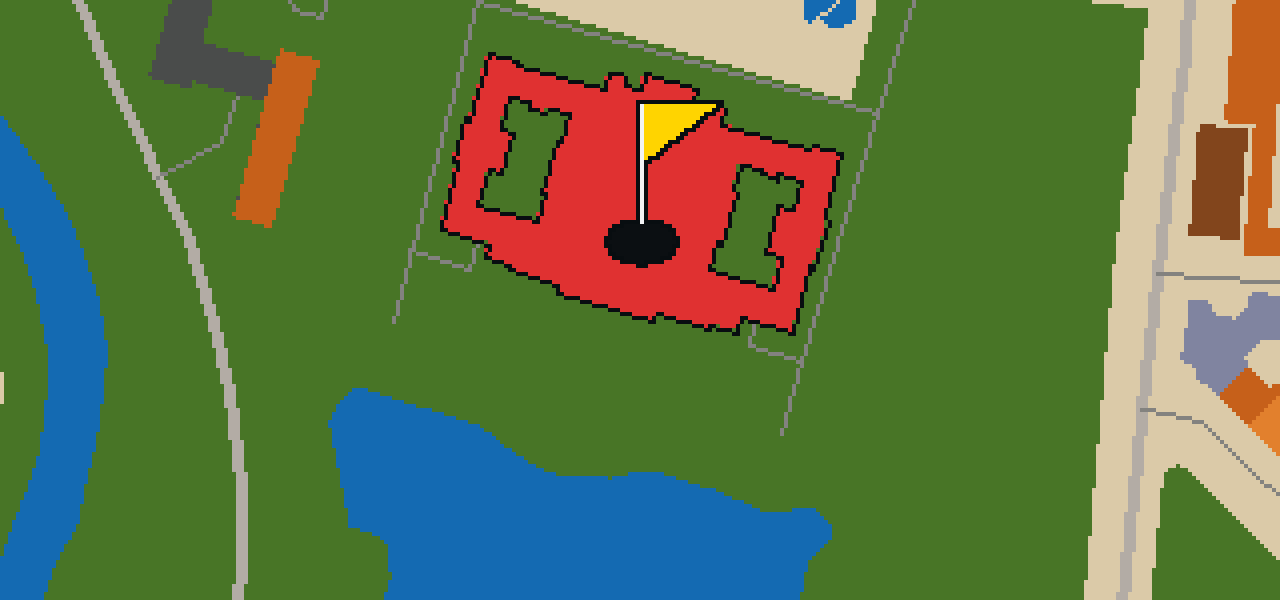
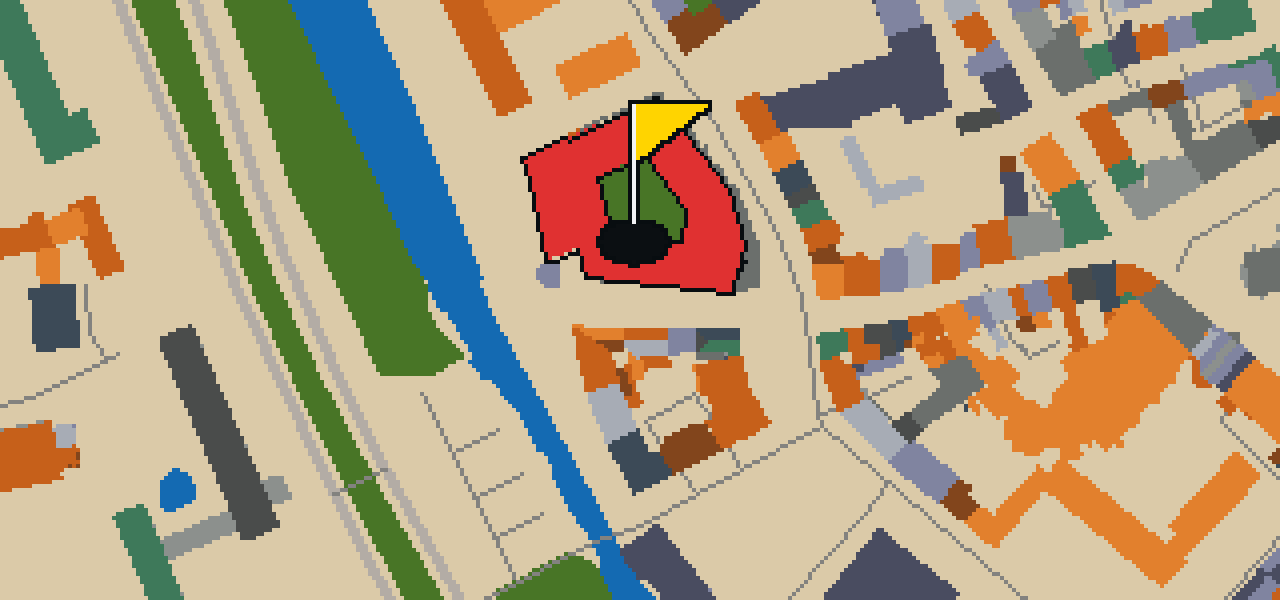
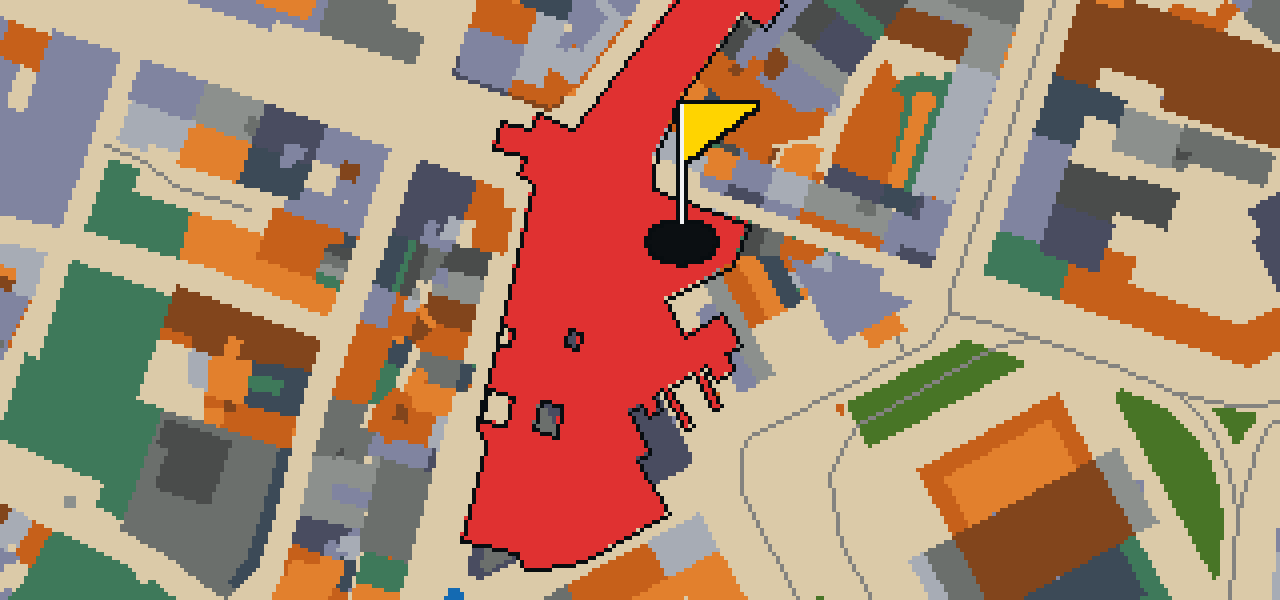
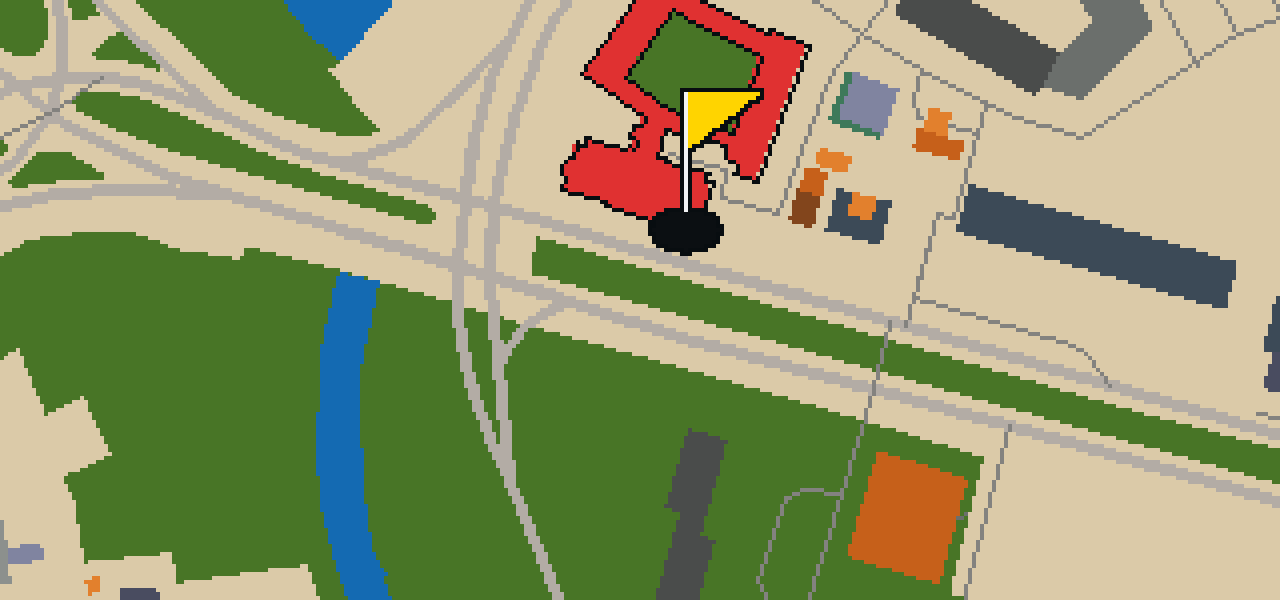
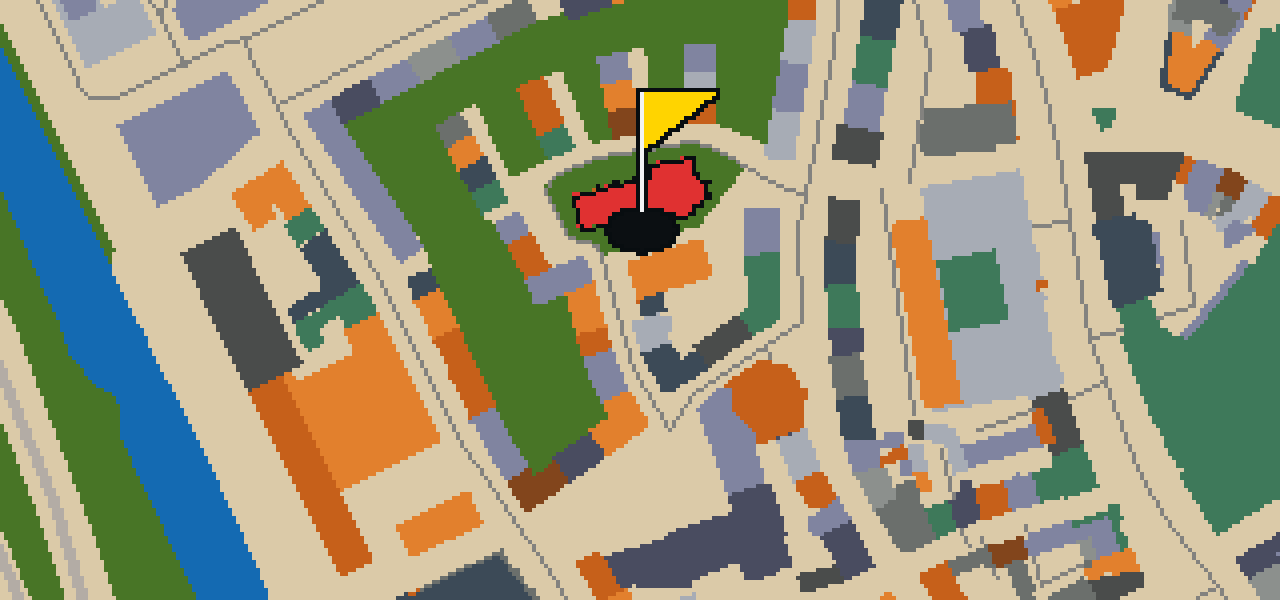
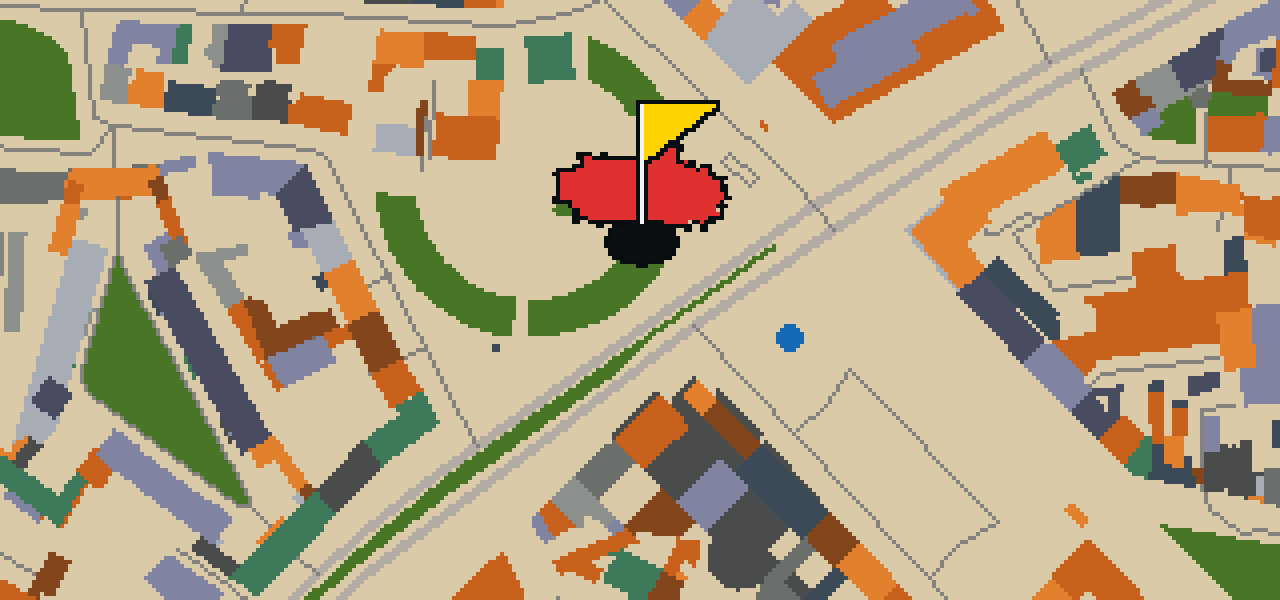
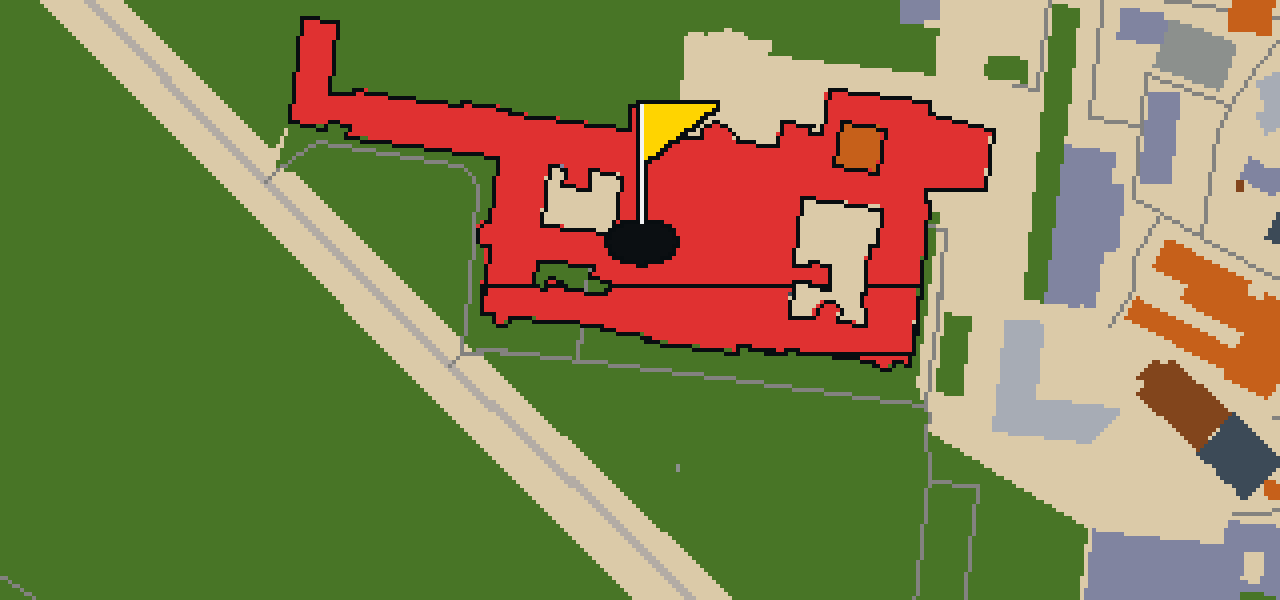
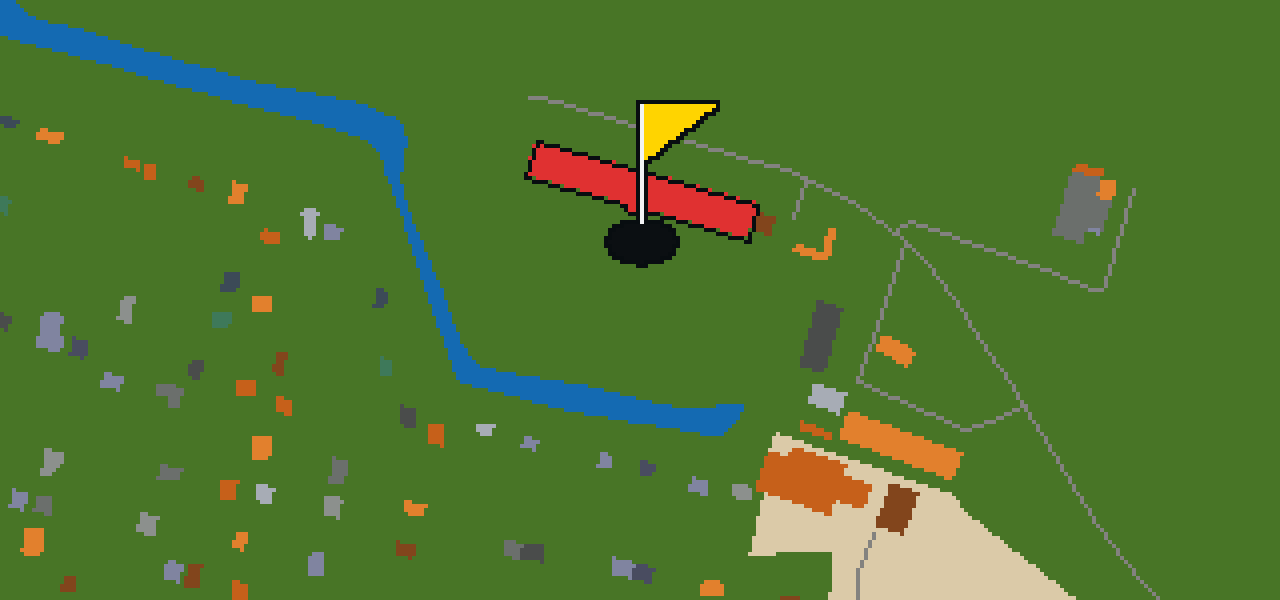
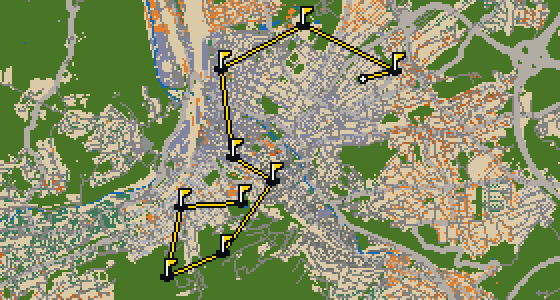
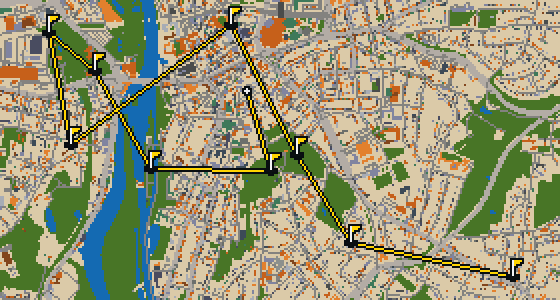
Hannover is the setting for this full round of 18 holes. The map is the real city and the ball rolls across its actual streets, using landmarks like the Leibniz Universität as the cups. These real attractions form the rails and obstacles of the course. Skip is a local guide who knows every corner of the 10 km walk, including the 76 portals that whisk the ball across town. A few feathers might drift onto the green, but the path is clear.

Trouble loading? Open the game in its own tab.

HOW IT WORKS

01

Pick a city

The course is drawn on the real street grid, so the map you play is the map you walk.

02

Putt to the pin

Drag to aim, release to swing. Buildings bounce and water costs you a stroke.

03

Sightsee between strokes

Every hole ends at an attraction. Sink the putt, read the story, walk to the next tee.

THE HANOVER ROUND - STOP BY STOP

HOLE 1 - PAR 3

Heinz-von-Heiden-Arena

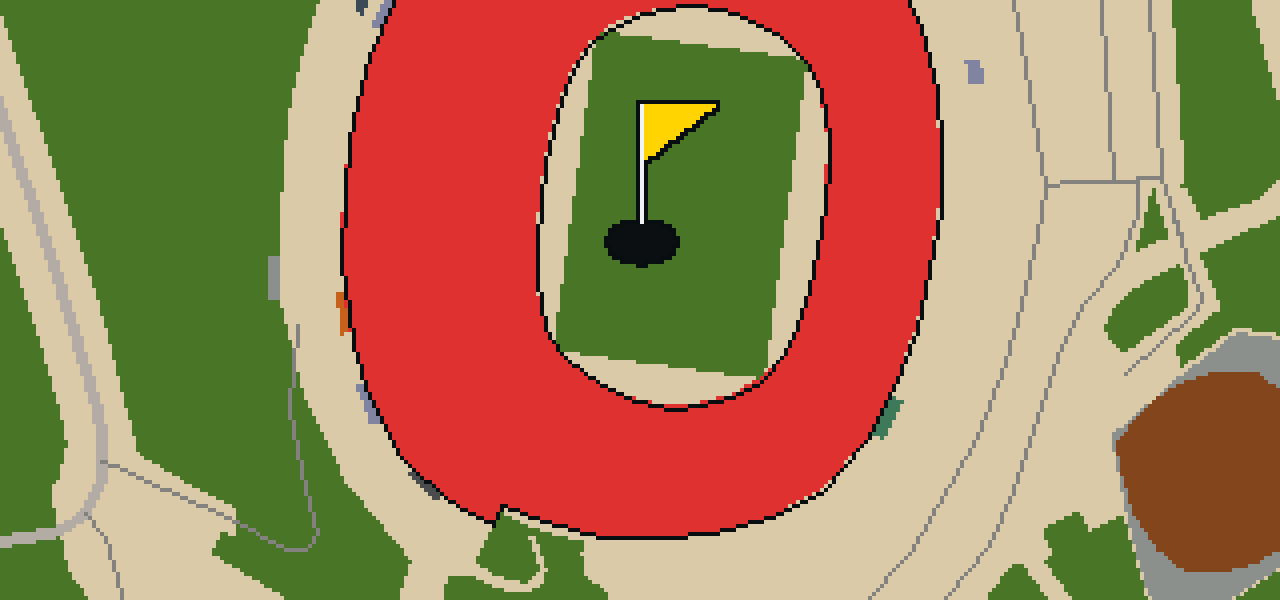
Schulitz + Partner is the architect of the Heinz-von-Heiden-Arena. This association football venue is a stadium that was started in 1954. You can also find it referred to as Niedersachsenstadion, which is located in Lower Saxony, Germany. It is the home of the 2. Bundesliga football club Hannover 96. When you visit, you can pick out the massive scale of the stands and the way the structure dominates the area. I always find the energy here quite something when the crowds gather for a match.

Wikidata · Wikipedia

HOLE 2 - PAR 3

Sprengel Museum Hannover

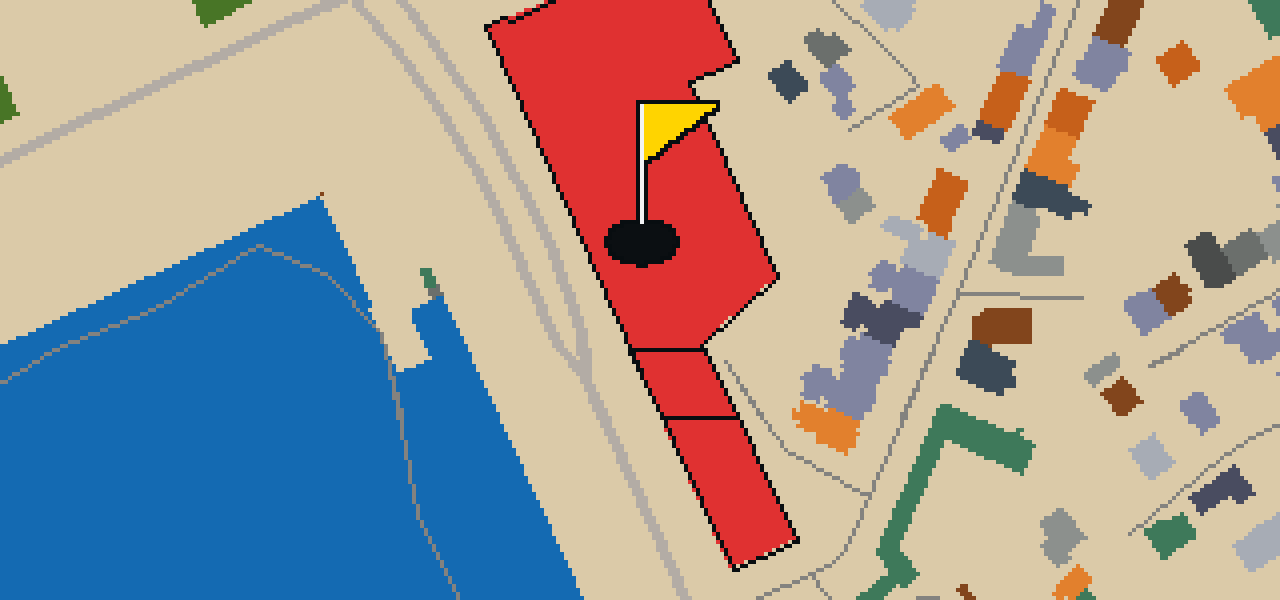
The building for the Sprengel Museum Hannover sits adjacent to the Masch Lake. This art museum in Hannover was designed by Peter Trint, Ursula Trint, and Dieter Quast. It opened in 1979 and later saw a building extension in 1992. If you are exploring the area, you can pick out the site approximately 150 metres south of the state museum. I always find the lakeside air a refreshing way to start a walk through the galleries, and the walk from the state museum is a quick one. It is a great spot to see how the city blends its natural water features with its architectural heritage.

Wikidata · Wikipedia

HOLE 3 - PAR 3

Neues Rathaus

Look at the eclectic architecture of the Neues Rathaus, a town hall in Hanover. This building is embedded within the 10-hectare Maschpark, which makes for a pleasant stroll through the city. Hermann Eggert and Gustav Halmhuber were the architects of the building, and construction of the building lasted 12 years. It is recognized as an architectural heritage monument in Lower Saxony. I find it a great spot to watch the crowds gather in the greenery, though I usually prefer the higher ledges for a better view of the park.

Wikidata · Wikipedia

HOLE 4 - PAR 3

Historisches Museum Hannover

You can't miss the striking exterior of the Historisches Museum Hannover, which is an architectural heritage monument in Lower Saxony. Inside this museum building, you can explore collections related to the history of the city, the state of Lower Saxony, and the House of Guelf. It was founded in 1903 as the Homeland Museum of the City of Hanover, and the building was designed by architect Dieter Oesterlen. I've always found the blend of local and state history here to be a great way to get your bearings in the city.

Wikidata · Wikipedia

HOLE 5 - PAR 3

Kröpcke-Uhr

Right in the heart of the city, you will find the Kröpcke-Uhr. This public clock is more than just a way to tell the time; it is a primary meeting point for locals and visitors alike. While it may look like simple street furniture to some, it is officially recognized as an architectural heritage monument. I often see crowds gathering here, waiting for friends to arrive. It is a great spot to pause and observe the flow of the city before moving on to your next destination.

Wikidata

HOLE 6 - PAR 3

Wangenheimpalais

You can pick out the Wangenheimpalais in the Mitte district of Hanover. This building is an architectural heritage monument and a cultural heritage monument in Lower Saxony. Construction began in 1829. While it is now the seat of the Lower Saxon Ministry of Economic Affairs, it has a history of civic leadership. From 1863 to 1913, the palace was the town hall and the seat of the city's administration. I've seen plenty of fancy facades in this city, but this one always stands out.

Wikidata · Wikipedia

HOLE 7 - PAR 2

Niedersächsisches Landesmuseum

The Niedersächsisches Landesmuseum is a museum founded in 1856. It is an architectural heritage monument in Lower Saxony. Inside, you can visit departments of archaeology, natural history and ethnology. The museum also comprises the state gallery, which features paintings and sculptures from the Middle Ages to the 20th century. I've always found the variety of exhibits here quite impressive for one building, as it covers so many different fields of study under one roof. It is a great place to spend an afternoon if you enjoy seeing how art and science coexist in a single space.

Wikidata · Wikipedia

HOLE 8 - PAR 3

Maschpark

Let me show you Maschpark. This location is a park in Hannover that holds a special status as an architectural heritage monument in Lower Saxony. It is a place where the city's history is preserved in the layout of the greenery. Whether you are visiting for the first time or just passing through, it is a spot that shows how the city values its protected spaces. I usually find the atmosphere here quite peaceful, making it a perfect place to pause and observe the city from a more natural perspective.

Wikidata

HOLE 10 - PAR 3

Neustädter Hof- und Stadtkirche

The Neustädter Hof- und Stadtkirche is a main Lutheran parish church in Hanover, Germany. Construction of the building took place between 1666 and 1670, with Girolamo Sartorio and Brand Westermann serving as architects. The church is built in the baroque architecture style and is officially recognized as an architectural heritage monument in Lower Saxony. When you visit the interior, you can find the burial sites of Carl August von Alten and Gottfried Wilhelm Leibniz. It remains a significant point of interest for those exploring the city's religious and architectural history.

Wikidata · Wikipedia

HOLE 11 - PAR 3

Marktkirche

The red walls of the Marktkirche are built in the Brick Gothic style. This church building is an architectural heritage monument in Lower Saxony and the main Lutheran church in Hanover. The official name of the church is Market Church of Saints George and James. It was built in the 14th century, replacing a smaller church at the same location that dated to 1125. Records from 1342 refer to it as the church of Saints James and George, while the older church was known as St. Georgii in 1238. Ludwig Droste is the architect of the Marktkirche.

Wikidata · Wikipedia

HOLE 12 - PAR 3

Kunstverein Hannover

Let me show you the Kunstverein Hannover. This voluntary association was founded in 1832, and it has remained a fixture of the local scene since that time. It is a great example of how a community-led organization can persist through the years. I have noticed that it stands as a steady landmark for anyone wandering through this part of the city, providing a sense of continuity in an ever-changing urban environment. Whether you are interested in the city's history or its current social structures, this site offers a glimpse into the enduring nature of local associations.

Wikidata

HOLE 13 - PAR 3

Aegidientorplatz

Let me show you Aegidientorplatz, a square in Hanover that locals simply call Aegi. The area takes its name from the Aegidien Gate, which was one of the city gates of medieval Hanover. While the gate itself was removed in 1780, the square remains a central point of the city. If you look down, you are standing right above a subway station of the same name. It is a busy spot, though I usually prefer the view from the rooftops.

Wikidata · Wikipedia

HOLE 14 - PAR 3

Opernhaus

You will find the Opernhaus positioned as a centerpiece of the city. It is an opera house designed in the Neoclassical architecture style by the architect Georg Ludwig Friedrich Laves. Because of its design and history, the building is recognized as an architectural heritage monument in Lower Saxony. Its inception was in 1851. I have noticed that the clean lines of the facade make it a very easy landmark to spot from a distance, regardless of where you are standing in the surrounding neighborhood.

Wikidata

HOLE 15 - PAR 3

Schloss- und Stadtkirche St. Crucis

Schloss- und Stadtkirche St. Crucis is a church building that began in 1284. Known as the Church of the Holy Cross, it is a Lutheran church located in the centre of Hanover. You can pick out the Gothic architecture style here, and the building is specifically a Gothic hall church. It is one of three churches in the old town and is an architectural heritage monument in Lower Saxony. This site remains a central point of interest for those exploring the historical heart of the city.

Wikidata · Wikipedia

HOLE 16 - PAR 3

St.-Nikolai-Kapelle

St. Nicholas' Chapel is the oldest building in Hanover, Germany. This architectural heritage monument was first built between 1250 and 1284, and the choir dates to 1325. The building is an example of Gothic architecture. During World War II, aerial bombings of the city caused severe damage to the structure. Later, in 1953, the chapel was largely torn down to make way for a road. Today, the site remains as ruins, marking a place where the city's early architectural history meets the events of the twentieth century.

Wikidata · Wikipedia

HOLE 17 - PAR 3

Christuskirche

Located within the city, Christuskirche is a church building that is recognized as an architectural heritage monument in Lower Saxony. The structure is designed in the Gothic Revival style and reaches a total height of 70 meters. Construction on the building was started in 1864. The project involved the work of several different architects, specifically Conrad Wilhelm Hase, Heinrich Johann Wiethase, Karl Siebold, and Otto Kuhlmann. It remains a prominent example of its architectural period and a key point of interest for those visiting the city's historical sites.

Wikidata

HOLE 18 - PAR 3

Leibniz Universität

Leibniz Universität began in 1857 and is an architectural heritage monument in Lower Saxony. While it is a university building, its main site is the Welfenschloss, a former royal palace. The university has been housed in this palace since 1879. When you visit, you can see the Rundbogenstil style of the architecture and take a walk through the Welfengarten, the English landscape garden that surrounds the palace. I've found that the garden is a great spot for a break between classes.

Wikidata · Wikipedia

STOP 19

Wilhelm-Busch Deutsches Museum für Karikatur und Zeichenkunst

Look closely at the lines of the drawings and illustrations inside this art museum. Once you see the detail, you'll realize you're standing in the Wilhelm Busch Museum, founded in 1937. Located in Hanover, Lower Saxony, Germany, it holds the world's largest collection of works by Wilhelm Busch. I've always found that the mix of historical pieces and contemporary comic art makes for a great stroll. It is a wonderful spot to see how visual storytelling has evolved over the years.

Wikidata · Wikipedia

OTHER COURSES

9 HOLES - PAR 33

Hamm

9 stops

This quick nine-hole round covers 7.4 km across Hamm. The map is the real city and the ball rolls along its actual streets, using portals to skip between districts. Local attractions like Schloss Heessen are the foundations for the holes. Skip knows every curb and cobblestone here, even if a few crumbs usually distract the guide.

18 HOLES - PAR 53

Kassel

18 stops

Kassel is the setting for this round, where the map follows the actual city and the ball rolls across its real streets. The holes are built from the city's actual attractions, ending at the Spitzhacke. Skip knows these sidewalks well and is the local guide. This is a full round of 18 holes with a par of 53, covering a walk of 9.7 km. The ball moves between distant districts using 12 portals.

9 HOLES - PAR 31

Hagen

9 stops

The ball ends its journey at the Stadtgarten. This course uses the real streets of Hagen as the map, with the city's actual attractions forming the holes. A quick round of 9 holes covers 7.6 km, using 8 portals to bridge the gaps between distant districts. Skip knows every curb and cobblestone here, having spent plenty of time watching the world go by from the eaves.

9 HOLES - PAR 29

Oberhausen

9 stops

Banking a ball off the stone of Schloss Broich requires a steady wing and a soft touch. This round takes place on the real streets of Oberhausen, where the city map is the course. The holes are built from actual local attractions, and Skip knows every crack in the pavement. A quick 9-hole round covers 6 km, with 14 portals to keep the ball moving.

18 HOLES - PAR 57

Delsberg

18 stops

Banking a ball off the stone facades of the Roter Turm requires a steady wing and a bit of luck. This round takes place in Delsberg, where the map is the real city and the game is played on its actual streets. The holes are built from real attractions, turning the urban layout into a course. I know these sidewalks well and can be the local guide. It is a full round of 18 holes with a par of 57, covering a 12.1 km walk that uses 10 portals.

FAQ

Is it free to play?

Yes. Every course runs in the browser with no account and no install.

Do I need to be in the city?

No. The full round plays from anywhere. Walking the real route is a nice way to see the city, but it is not required.

Are the maps real?

Yes. The geometry comes from OpenStreetMap data, rendered chunky on purpose. Streets, water and parks sit where they really are.