
HAMBURG - 9 HOLES - FREE

HAMBURG
CITY MAP MINIGOLF

Hamburg - 9 stops - par 26

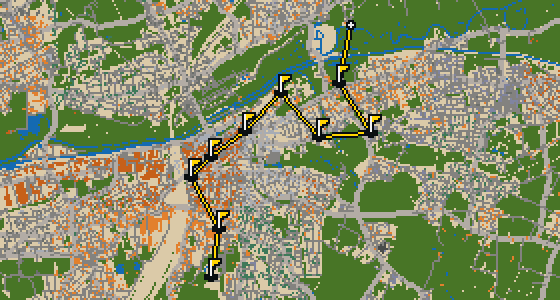
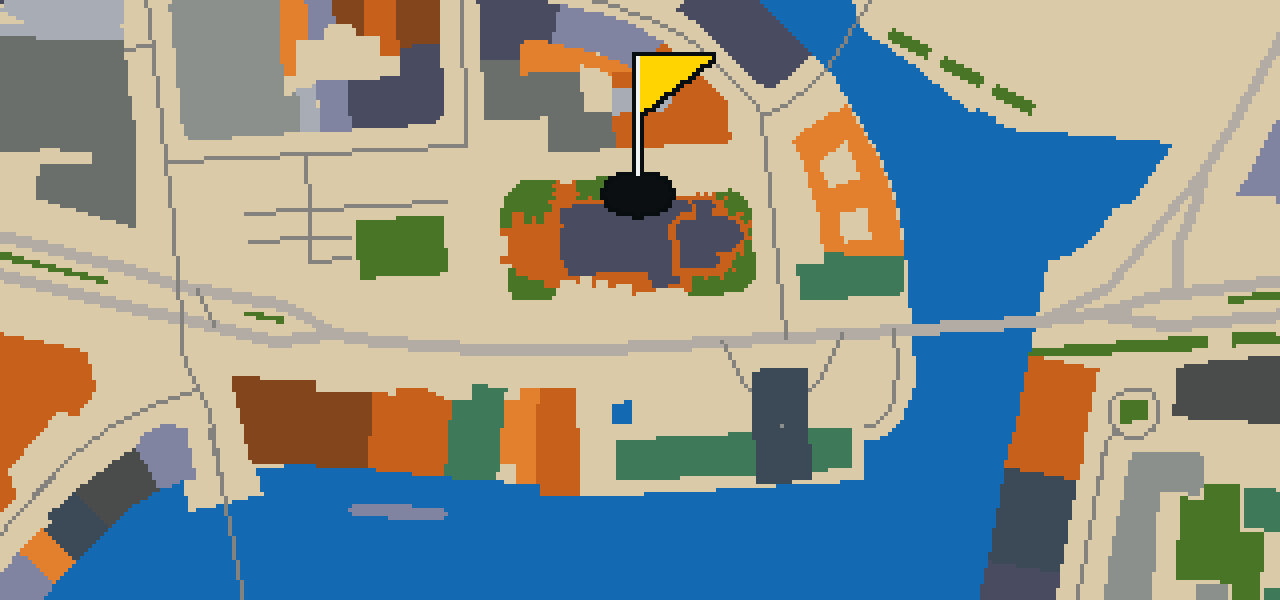
Hamburg is the setting for this round, with the map following the real city and the ball rolling its actual streets. The holes are built from attractions like the Speicherstadt, turning the urban layout into a course. Skip is a local guide who knows these blocks well. This quick 9-hole round covers 4.8 km with a par of 26, using 80 portals to bridge the gaps.

Trouble loading? Open the game in its own tab.

HOW IT WORKS

01

Pick a city

The course is drawn on the real street grid, so the map you play is the map you walk.

02

Putt to the pin

Drag to aim, release to swing. Buildings bounce and water costs you a stroke.

03

Sightsee between strokes

Every hole ends at an attraction. Sink the putt, read the story, walk to the next tee.

THE HAMBURG ROUND - STOP BY STOP

HOLE 1 - PAR 3

Speicherstadt

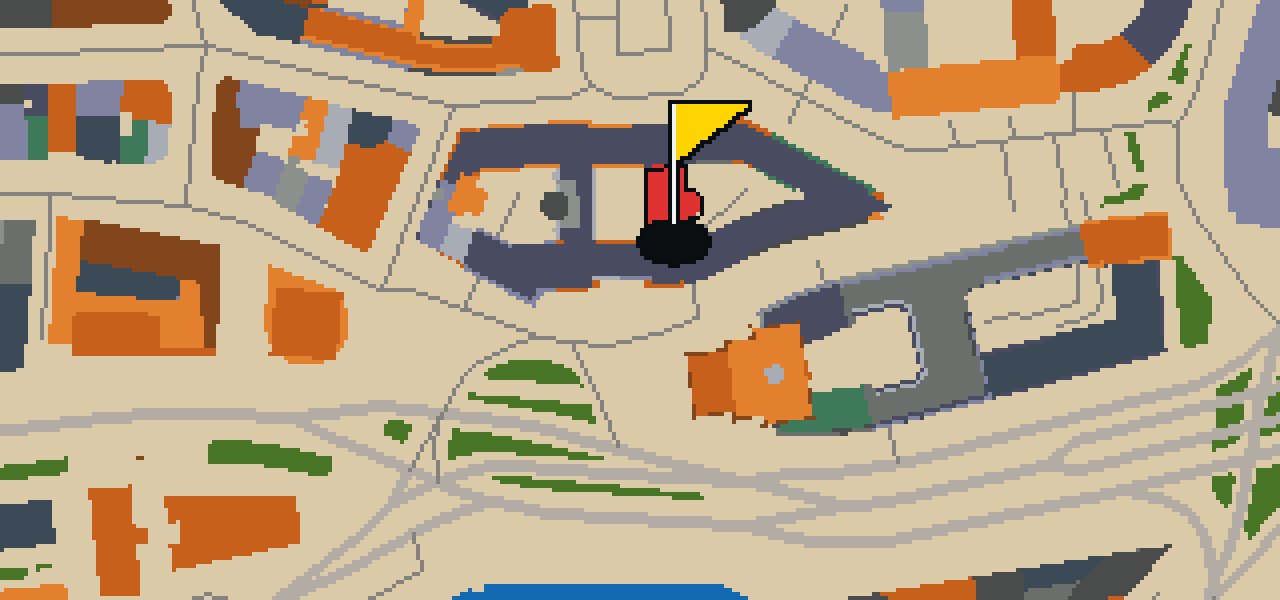
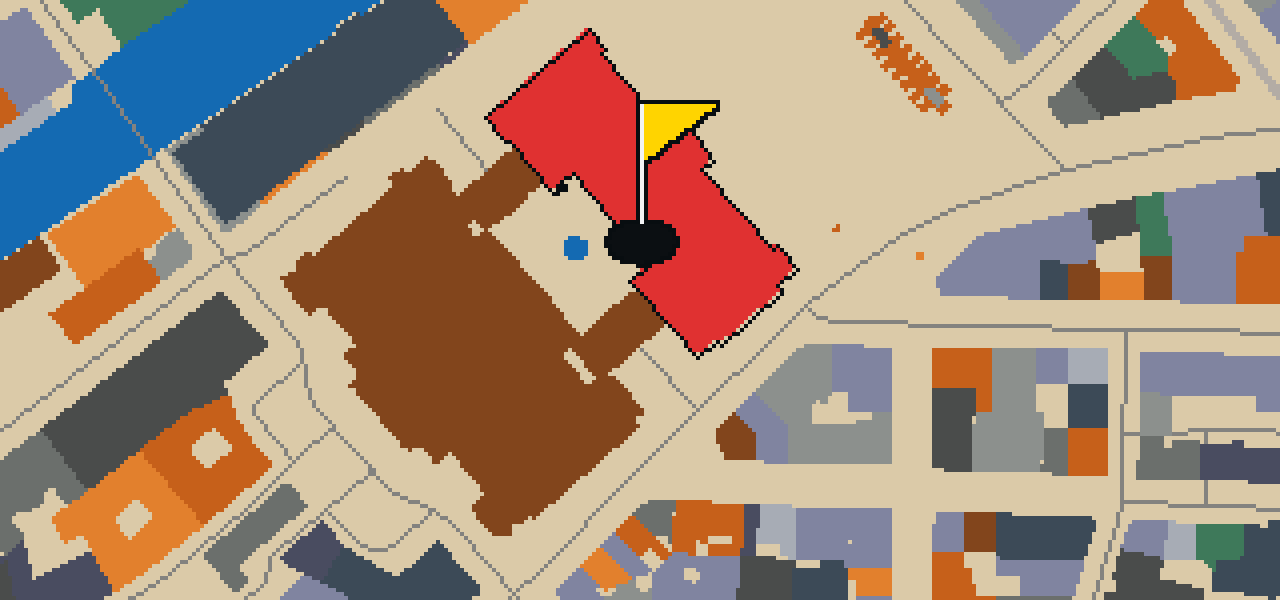
Built from 1883 to 1927, the Speicherstadt is a warehouse district and architectural ensemble in Hamburg, Germany. Carl Johann Christian Zimmermann served as the architect for this area, which is located in the port within the HafenCity quarter. Today, the site is recognized as a Kulturdenkmal. If you look beneath the red brick, you can find a fascinating engineering feat: the buildings stand on oak logs. In fact, this is the largest warehouse district in the world where the buildings stand on timber-pile foundations. I've seen plenty of sturdy ledges around here for a quick rest, but those oak logs are doing the real heavy lifting underground to keep the whole district stable. It is a massive collection of structures that shows how the port evolved over several decades.

Wikidata · Wikipedia

HOLE 2 - PAR 3

St. Nikolai Museum

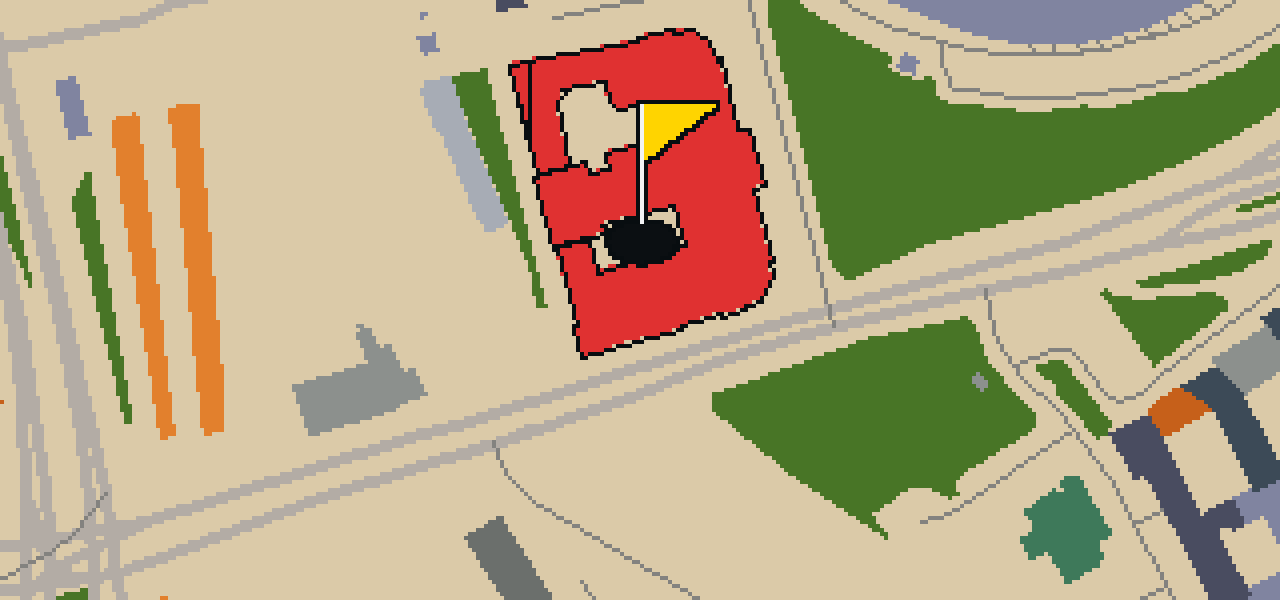
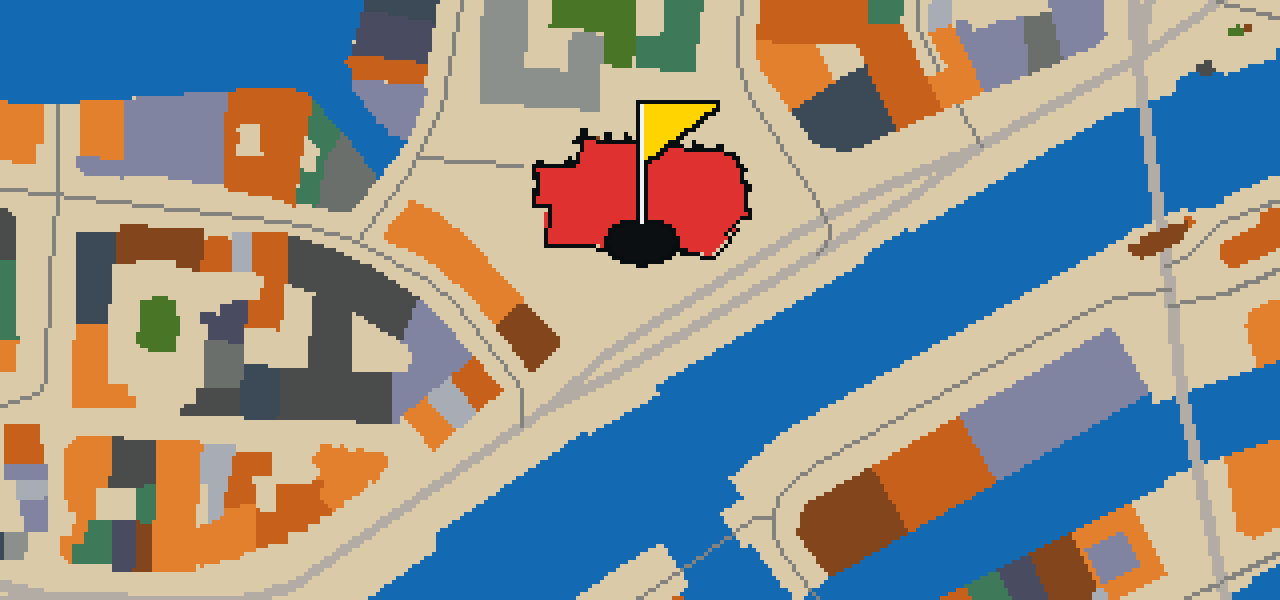
Located in the heart of the city, the St. Nikolai Museum is a church building and a cautionary memorial. The structure is built in the Gothic Revival style and reaches a height of 147.88 meters. While the original chapel was completed in 1195, the church was later designed by the English architect George Gilbert Scott and rebuilt by 1874. Because of this design, it held the title of the tallest building in the world from 1874 to 1876. Visitors can see the scale of this architecture and reflect on its purpose as a memorial. It is a significant landmark that combines historical church architecture with a specific intent to serve as a warning.

Wikidata · Wikipedia

HOLE 3 - PAR 3

Chilehaus Hamburg

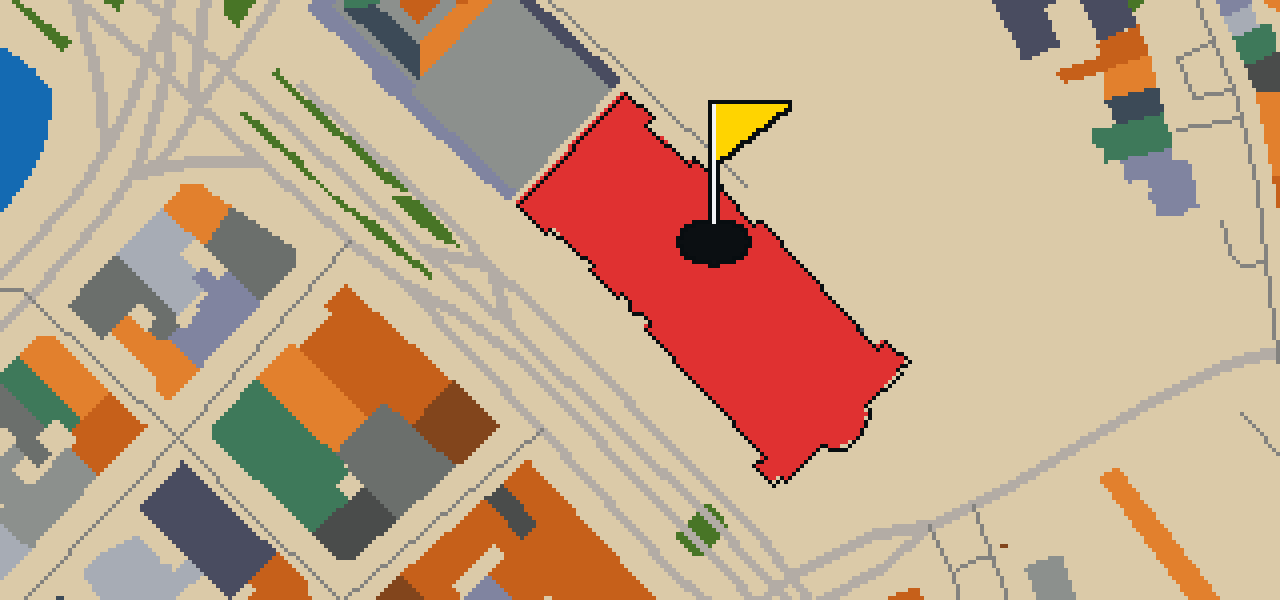
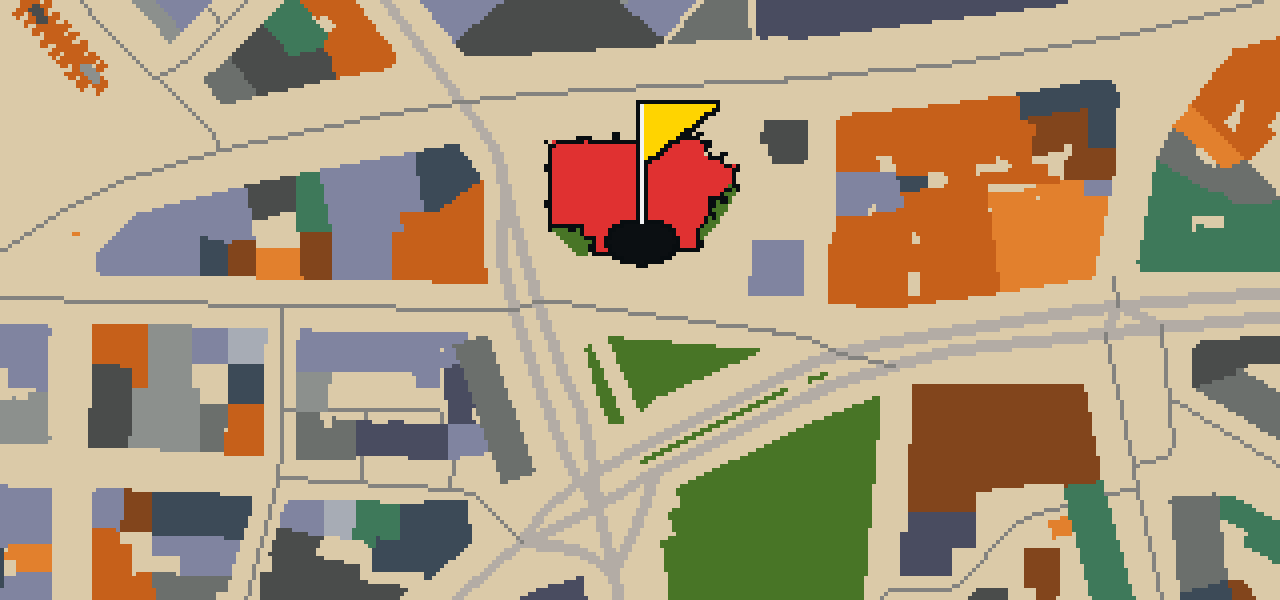
You can see the influence of Brick Expressionism in the design of the Chilehaus. This office building in Hamburg is a heritage monument and sits on a site of approximately 6,000 m2. Johann Friedrich Höger was the architect of the building, which was finished in 1924. It is a ten-story structure that stands as a significant part of the city's architecture. Because of its importance, the Chilehaus was inscribed as a UNESCO World Heritage Site in 2015. I've always found the sharp angles of the brickwork quite striking from the air, though I prefer to keep my distance from the edges when I'm landing. It is a great example of how the city used brick to create something bold and modern for its time, blending a professional purpose with a very distinct visual style.

Wikidata · Wikipedia

HOLE 4 - PAR 3

Museum für Kunst und Gewerbe Hamburg

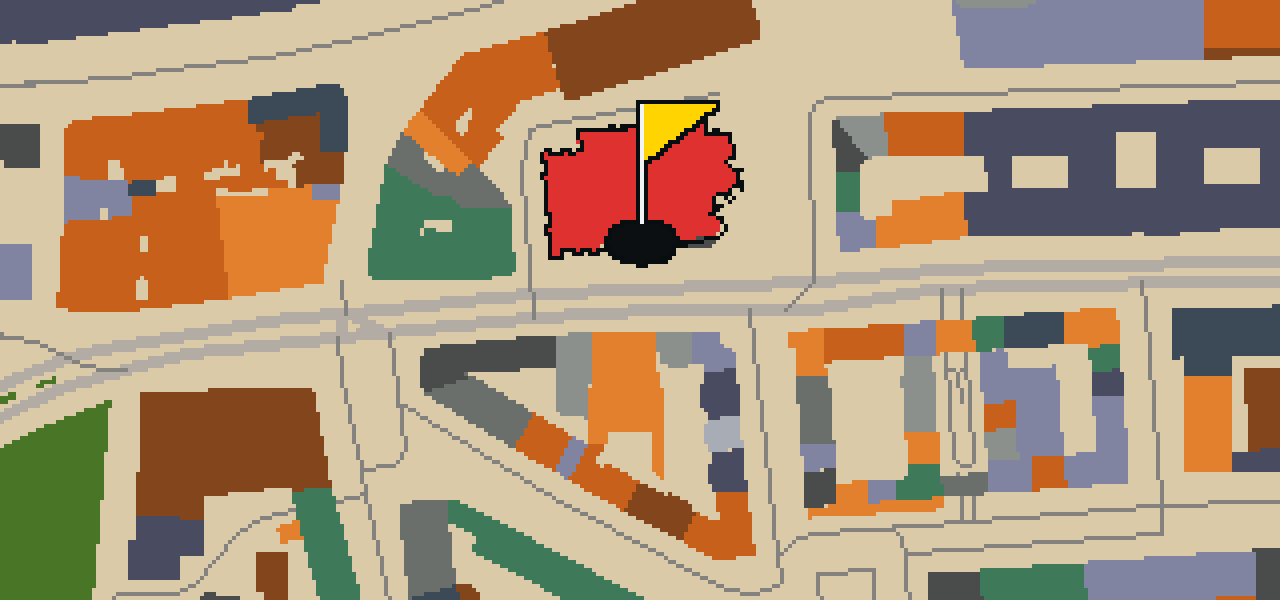
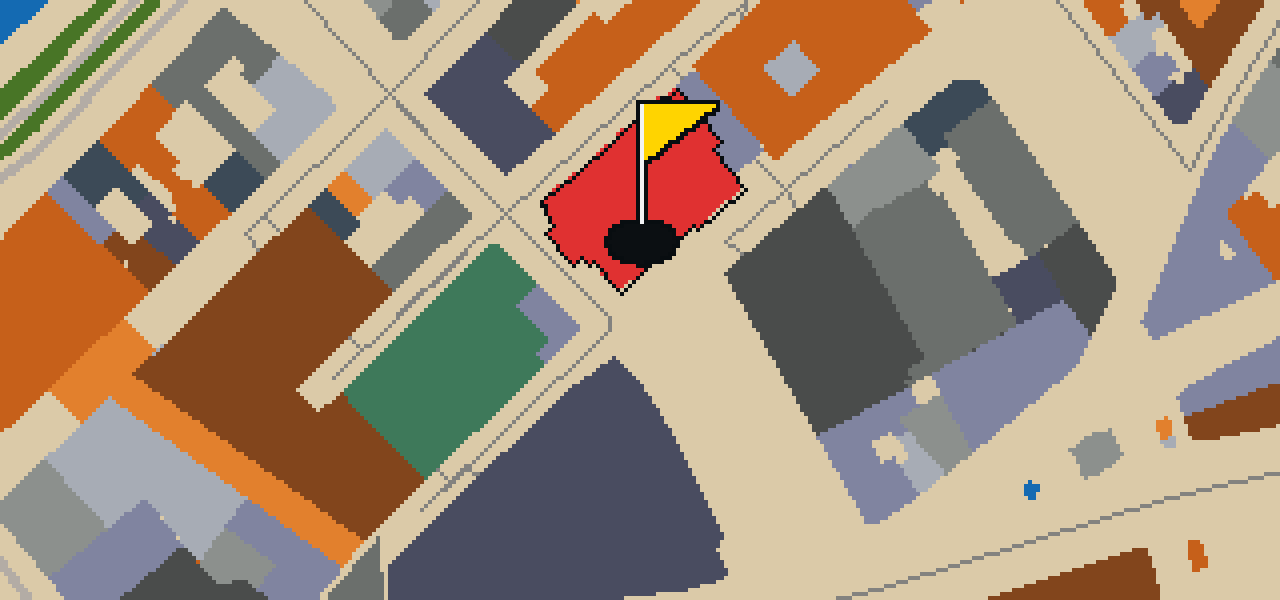
Carl Johann Christian Zimmermann was the architect of the Museum für Kunst und Gewerbe Hamburg. This museum building is an art museum that focuses on fine, applied and decorative arts in Hamburg, Germany. It is located centrally, near the Hauptbahnhof, making it an easy stop for anyone visiting the city. Since it was founded in 1868, it has become a significant landmark, and it is now officially recognized as a heritage monument in Hamburg. I've noticed the crowds are quite consistent here, as the museum sees 241,000 annual visitors. Whether you are interested in the architecture of the building itself or the specific exhibits inside, it is a cornerstone of the local art scene that you can easily find while wandering through the city center.

Wikidata · Wikipedia

HOLE 5 - PAR 3

Hamburger Kunsthalle

The Hamburger Kunsthalle is an art museum and a collection. It is a heritage monument in Hamburg and the art museum of the Free and Hanseatic City of Hamburg, Germany. The institution had its inception in 1868, and you can look for the influence of its architects, Georg Theodor Schirrmacher and Hermann von der Hude. If you wander through the site, you will notice that the museum consists of three connected buildings dating from 1869, 1921, and 1997. I think the way these three distinct eras of architecture are joined together makes for a very interesting walk. It is a great place to spend an afternoon if you appreciate how a collection grows over time alongside the city itself.

Wikidata · Wikipedia

HOLE 6 - PAR 3

Evangelisch-lutherische Hauptkirche St. Jacobi

Located in the heart of the city, Evangelisch-lutherische Hauptkirche St. Jacobi is a heritage monument in Hamburg. This church building is designed in the Brick Gothic style and is one of the five principal churches of the city. It is dedicated to St James the Greater and became a Lutheran church in 1529. When you look up, you can see the tower which is 125 m tall. The overall height of the building is 125 m. Inside, the church features an organ by Arp Schnitger from 1693. This structure remains a key part of the city's religious and architectural identity, combining its status as a principal church with the specific details of the Brick Gothic aesthetic and its historic Lutheran transition.

Wikidata · Wikipedia

HOLE 7 - PAR 3

Rathaus

You will first notice the ornate Renaissance Revival architecture of the Rathaus. Located in the city center's Altstadt quarter, this parliament building is a heritage monument in Hamburg. It serves as the seat of local government for Hamburg, Germany. The construction of the city hall took place from 1886 to 1897, though work officially started in 1886. Martin Haller, Bernhard Hanssen, and Wilhelm Emil Meerwein were the architects behind the design. I've noticed the building looks especially imposing from the square, standing at a height of 112 meters. It is a massive structure that anchors the surrounding area, making it easy to spot even from a distance as you move through the streets of the Altstadt. Whether you are interested in the politics of the region or simply the scale of the building, there is plenty to see here.

Wikidata · Wikipedia

HOLE 8 - PAR 3

Hauptkirche St. Katharinen

The first thing you will notice about Hauptkirche St. Katharinen is its massive Brick Gothic presence. This is a main church of Hamburg, Germany, and one of the five principal Lutheran churches in the city. It is a heritage monument that reaches a height of 116.7 meters. As you look closer at the architecture, you can find a piece of the city's earliest history. The base of the spire dates from the 13th century. Aside from the lighthouse on Neuwerk island, this spire base is the oldest preserved building in Hamburg. This parish church is a significant landmark for anyone visiting the city center. It remains a central point of the city's religious and architectural identity for all who pass by its walls.

Wikidata · Wikipedia

HOLE 9 - PAR 2

Hauptkirche St. Petri

Hauptkirche St. Petri is a main church of Hamburg, Germany. This church building is a heritage monument in the city and is built in the Brick Gothic style. The inception of the church was in 1310, and the structure reaches a height of 132.2 meters. Saint Peter's Church in Hamburg stands on the site of many former cathedrals. Since the Reformation, it has been a Protestant cathedral. The congregation of Saint Peter's Church forms part of the Evangelical Lutheran Church in Northern Germany. You can see the height of the building as you approach the site, which is a significant part of the local landscape.

Wikidata · Wikipedia

STOP 10

Thalia Theater

The Thalia Theater is a theatre building and a heritage monument in Hamburg. While the current building's inception was in 1912 and was designed by architect Lundt & Kallmorgen, the theater itself was founded in 1843 in a previous building by Chéri Maurice. It is one of the three state-owned theatres in Hamburg, Germany. You can see the current management is led by theatre manager Sonja Anders. Regarding the artistic direction, Joachim Lux succeeded Ulrich Khuon in 2009/10. I've found that the energy around the building always picks up when a new season begins, especially since they stage around 20 new plays per season. It is a great spot to watch the city's cultural life in motion.

Wikidata · Wikipedia

OTHER COURSES

18 HOLES - PAR 55

Nuremberg

18 stops

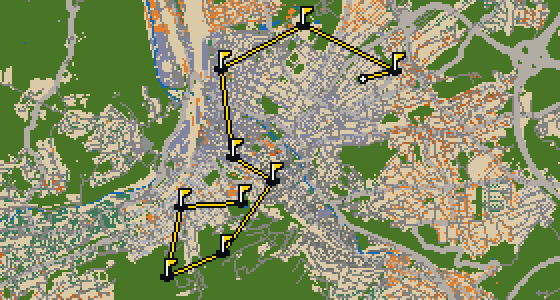
Nürnberg is the setting for this round, where the map is the real city and the ball rolls across its actual streets. The holes are built from real attractions, including the Kaiserburg. Skip knows these alleys well, having spent plenty of time dodging footsteps for crumbs. This full round of 18 holes covers 10.7 km with a par of 55. The ball travels between distant districts using 42 portals to keep the pace moving along.

18 HOLES - PAR 57

Munich

18 stops

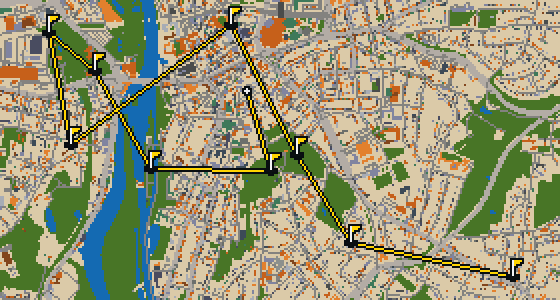
München is the setting for this round, where the map is the real city and the ball rolls across its actual streets. The holes are built from real attractions, starting with the grounds of Oktoberfest. A full 18-hole round covers 12.2 km and uses 116 portals to bridge the gaps between distant districts. Skip knows every curb and cobblestone here, even the ones where the crumbs are best, and acts as the local guide for the walk.

18 HOLES - PAR 52

Heidelberg

18 stops

This is a full round through Heidelberg, covering 10.3 km on the actual city streets. The map is the real city, and the holes are built from attractions like Heidelberger Schloss. Skip knows every corner of these neighborhoods and is the local guide, though most of the time he is just looking for crumbs. The ball travels between distant districts using 18 portals, playing 18 holes with a par of 52.

18 HOLES - PAR 55

Frankfurt

18 stops

Banking a ball off the stone facades of the Städel Museum requires a steady wing and a bit of luck. This full round of 18 holes follows the real streets of Frankfurt am Main, where the city map is the course. The holes are built directly from the local attractions, and the ball travels 10.7 km across the pavement. With 80 portals to skip between districts, Skip is the local guide who knows every crack in the sidewalk.

18 HOLES - PAR 58

Düsseldorf

18 stops

This is a full round of 18 holes through Düsseldorf. The map follows the actual city layout, where the ball rolls across real streets and banks off building facades. Landmarks like the Rheinturm provide the architecture for the holes. Skip knows these pavements well, even the bits where the crumbs are best. The course covers 12.5 km and uses 102 portals to move the ball quickly between the different districts of the city.

FAQ

Is it free to play?

Yes. Every course runs in the browser with no account and no install.

Do I need to be in the city?

No. The full round plays from anywhere. Walking the real route is a nice way to see the city, but it is not required.

Are the maps real?

Yes. The geometry comes from OpenStreetMap data, rendered chunky on purpose. Streets, water and parks sit where they really are.