
GOSLAR - 9 HOLES - FREE

GOSLAR
CITY MAP MINIGOLF

Goslar - 9 stops - par 27

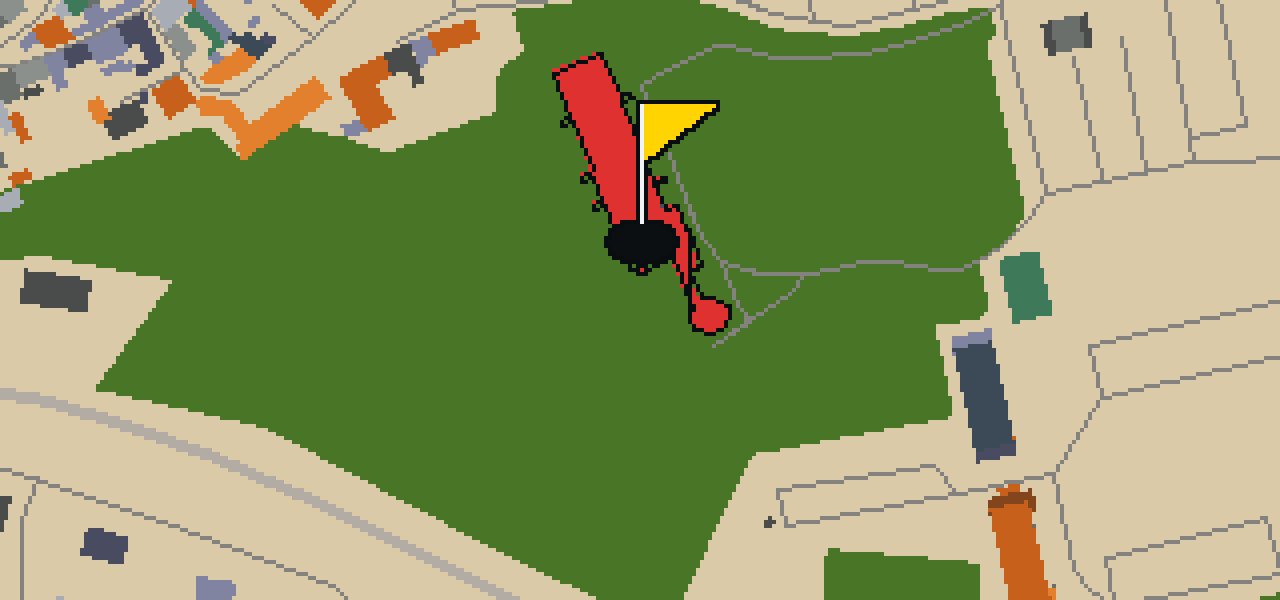
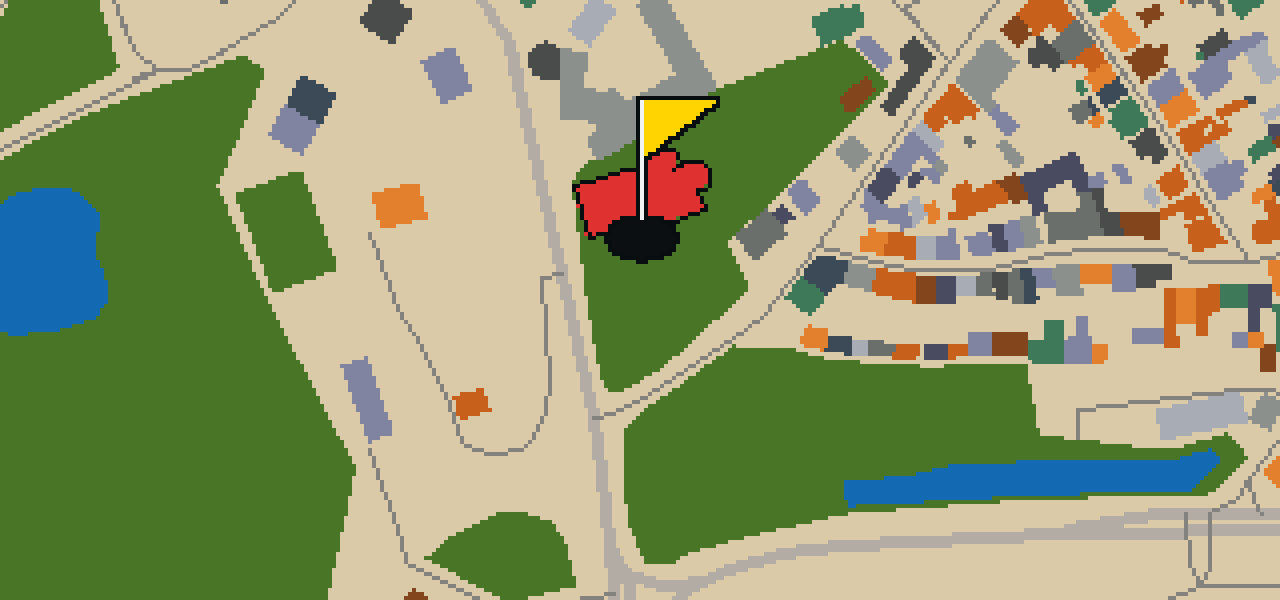
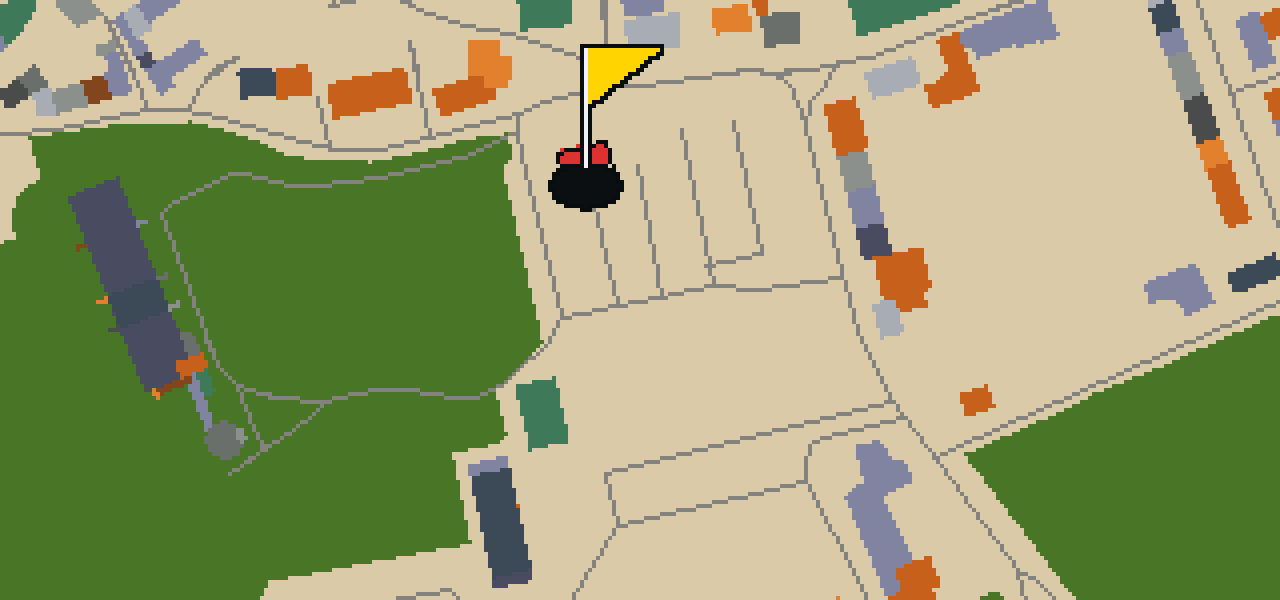
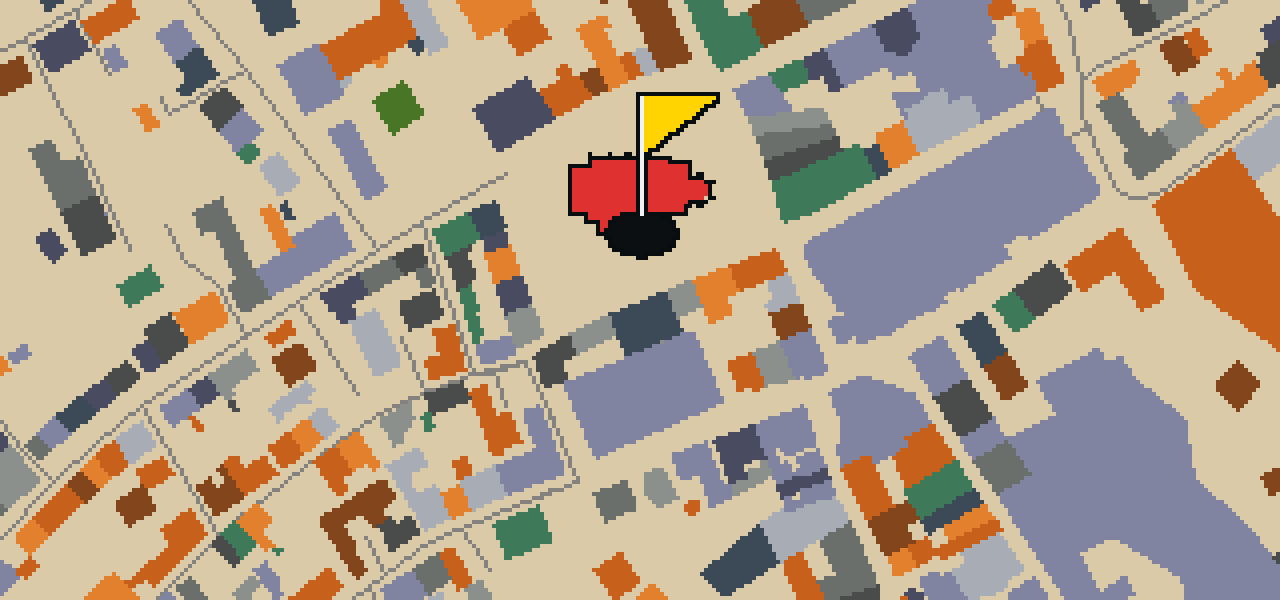
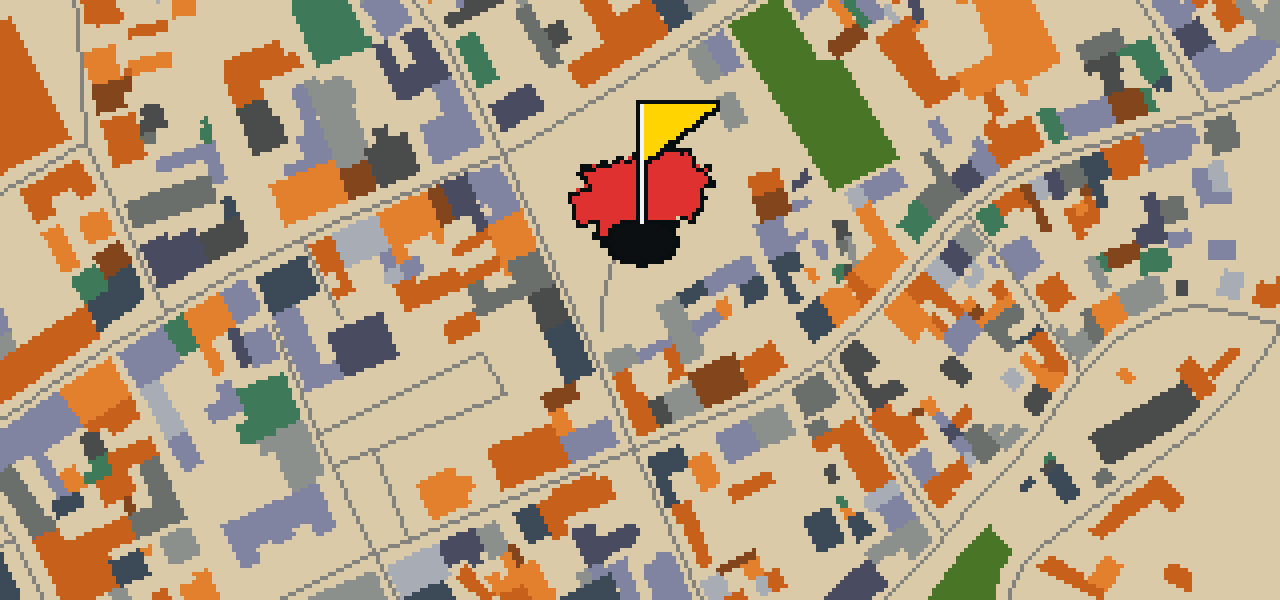
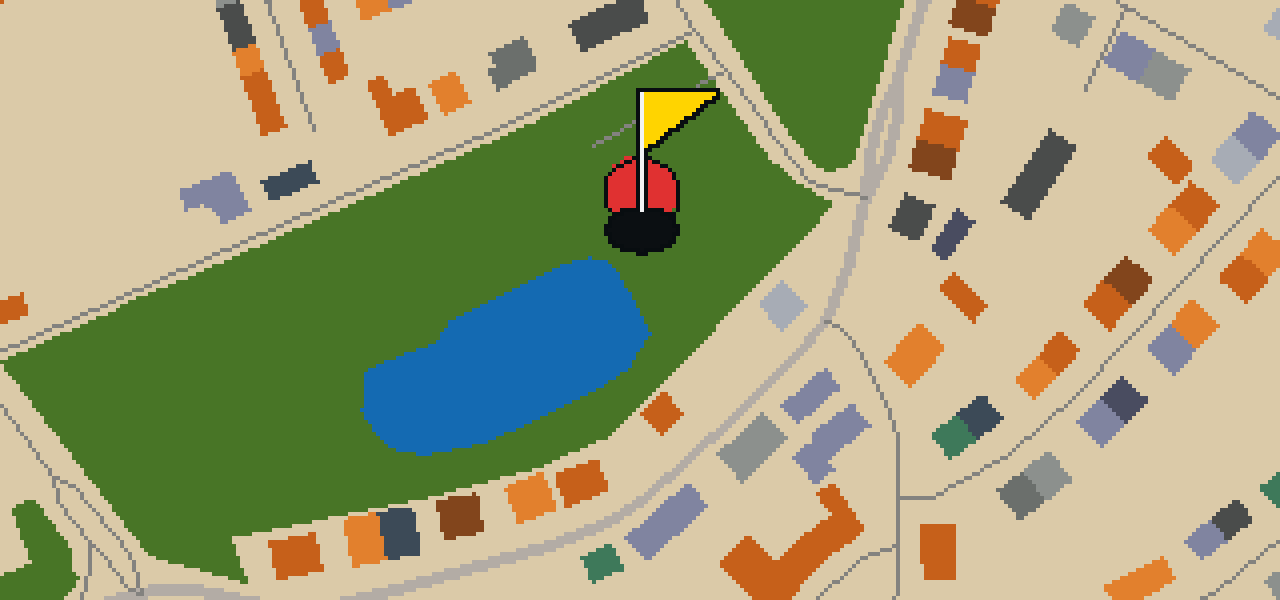
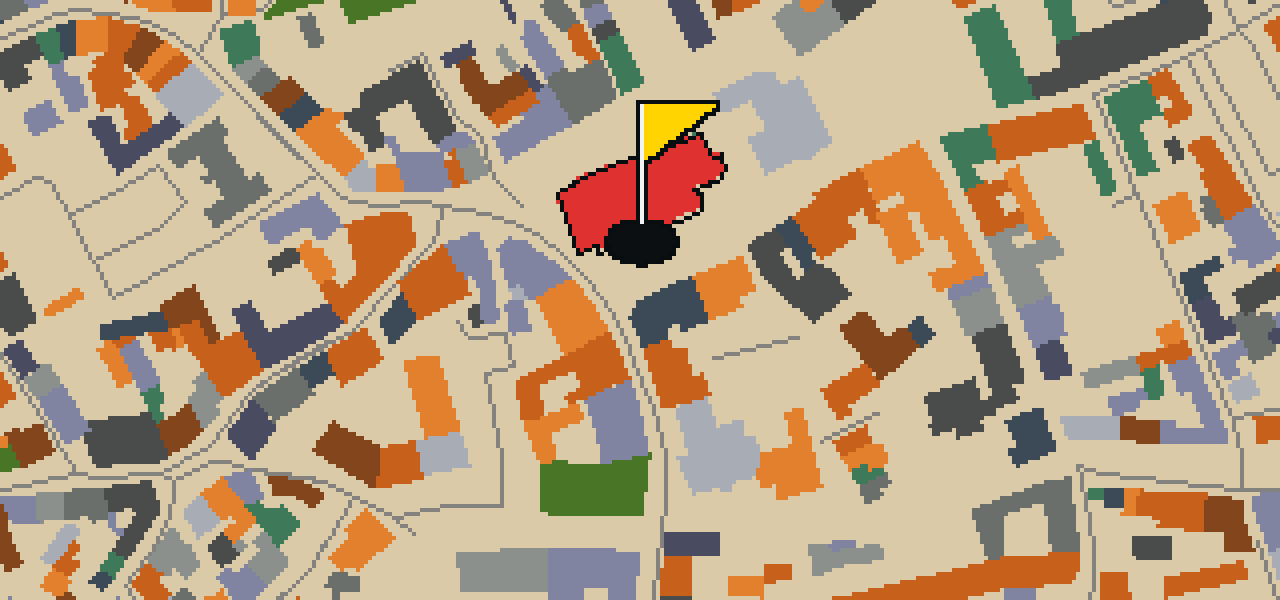
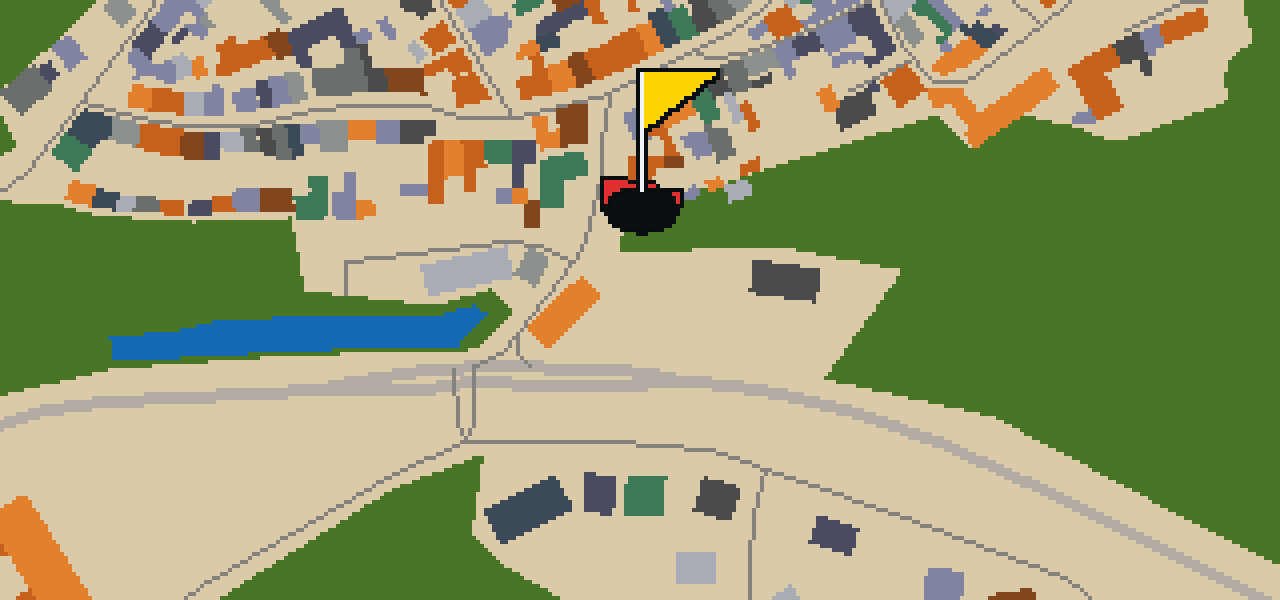
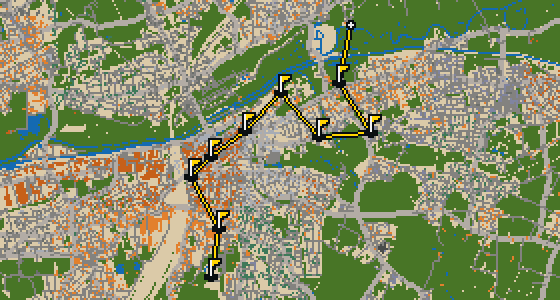
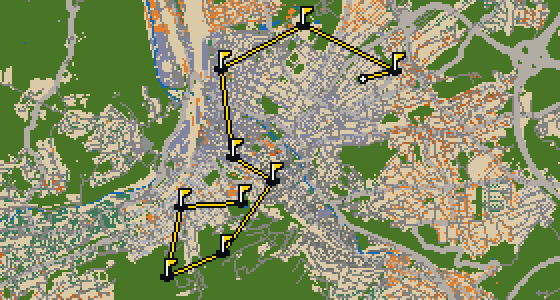
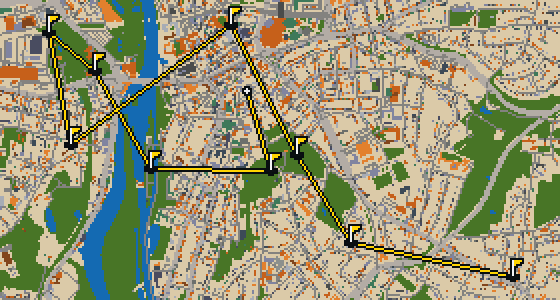
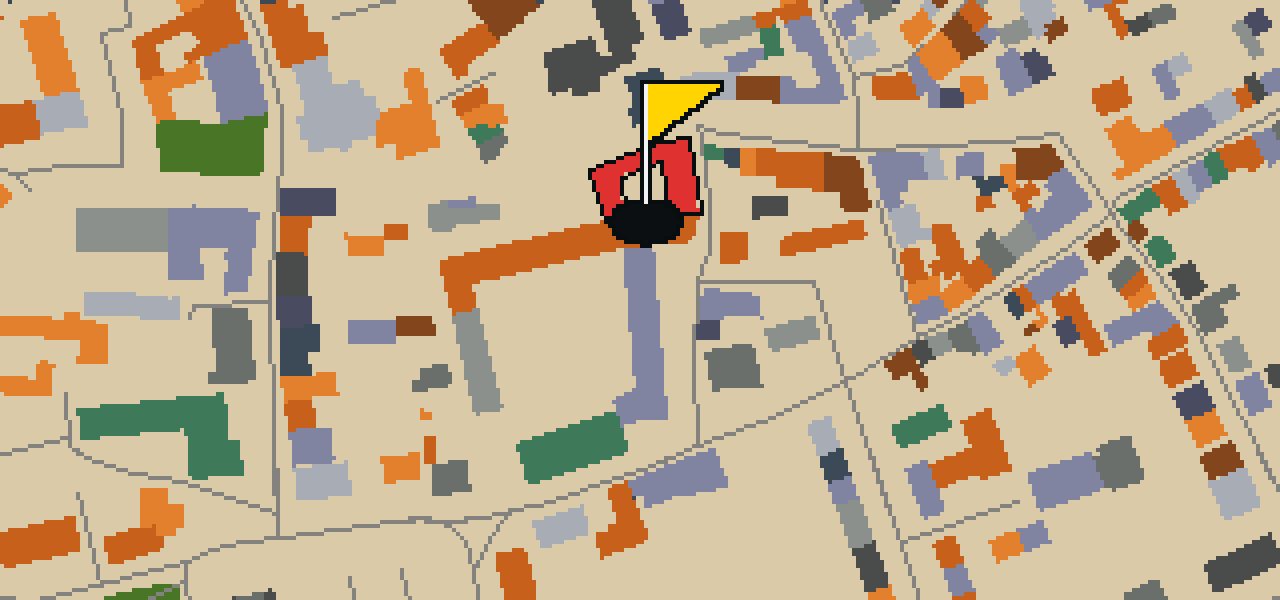
This is Goslar. The map is the real city and the round is played on its real streets, where the holes are built from real attractions like the Kaiserhaus. Skip is a local guide who knows the place. It is a quick round of 9 holes with a par of 27, covering a walk of 4.7 km and using 2 portals.

Trouble loading? Open the game in its own tab.

HOW IT WORKS

01

Pick a city

The course is drawn on the real street grid, so the map you play is the map you walk.

02

Putt to the pin

Drag to aim, release to swing. Buildings bounce and water costs you a stroke.

03

Sightsee between strokes

Every hole ends at an attraction. Sink the putt, read the story, walk to the next tee.

THE GOSLAR ROUND - STOP BY STOP

HOLE 1 - PAR 3

Goslarer Museum

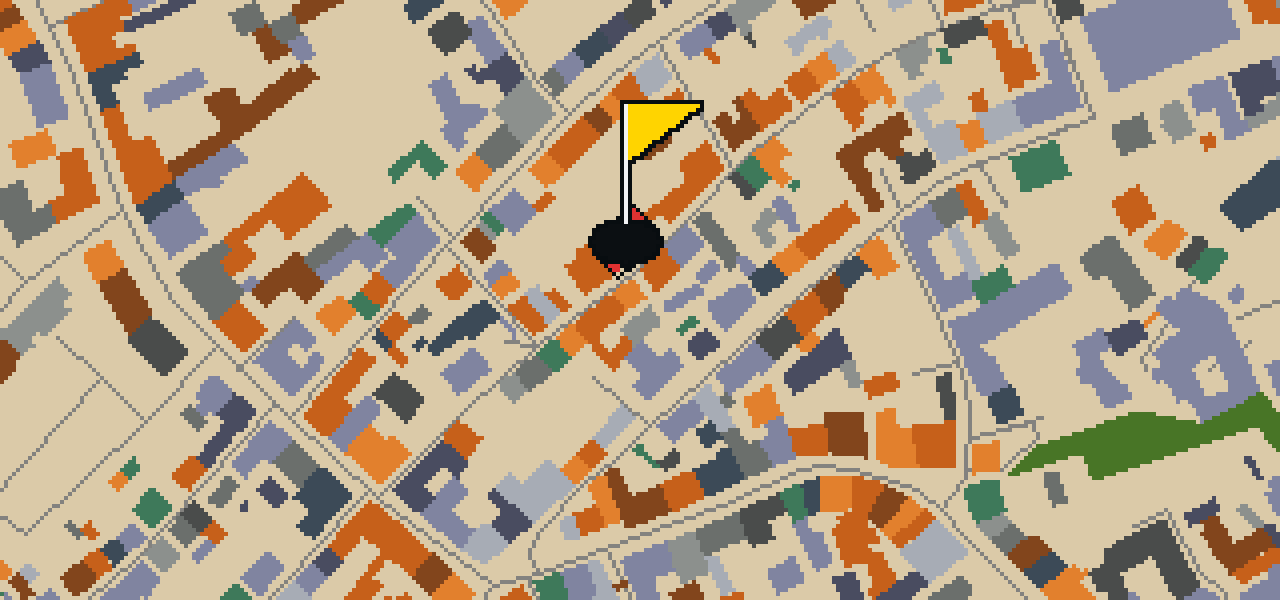
Let me show you the Goslarer Museum. It sits right in the center of the city, making it a convenient stop for anyone wandering through the local streets. This site is a museum. Whether you are visiting Goslar for the first time or you have been here before, it is a place worth visiting to see what is on display. I usually find the surrounding area quite pleasant for a stroll before heading inside to see the exhibits. It is a great way to get your bearings in the city while taking a break from the walk. You can pick out the building easily as you navigate the nearby roads, and it provides a nice anchor for your tour of the area. I always like how it fits into the local neighborhood.

Wikidata

HOLE 2 - PAR 3

Mönchehaus Museum

Look closely at the exhibits before taking in the rest of the space. You are at the Mönchehaus Museum, which is an art museum. It is a place where you can spend time with a collection of creative works and appreciate the artistic side of the city. I find that the atmosphere here is a great way to slow down and see things from a different perspective.

Wikidata

HOLE 3 - PAR 3

Kaiserhaus

You will first notice the heavy, imposing stone presence of the Kaiserhaus. This kaiserpfalz is built in the Romanesque architecture style and is recognized as an architectural heritage monument in Lower Saxony. To keep it in the condition you see today, the building was extensively restored in the late 19th century. The project involved architects Adelbert Hotzen, Anton von Behr, and Theodor Unger. Since 1992, the palace site has been part of a UNESCO World Heritage Site, alongside the Rammelsberg and the Old Town of Goslar. It is a great spot to pause and look at the masonry. I find the scale of these old walls makes everything else in the city feel a bit smaller by comparison.

Wikidata · Wikipedia

HOLE 4 - PAR 3

Frankenberger Kirche

Frankenberger Kirche is a church building. This site is a significant example of the Romanesque architecture style, which is evident in the design and structure of the building. For those visiting the city, the church provides a clear look at the specific characteristics associated with this architectural period. The building's form and details reflect the traditions of the Romanesque style, making it a point of interest for anyone studying the history of religious construction. Whether you are interested in the spiritual history of the region or simply the evolution of building techniques, this church offers a direct example of how these elements were implemented in a local setting. It remains a preserved piece of the city's architectural history that visitors can observe from the street.

Wikidata

HOLE 5 - PAR 3

Stiftskirche St. Simon und Judas

You are not looking at a complete cathedral, but the remnants of Stiftskirche St. Simon und Judas. This church building in Goslar, Germany, was dedicated to St. Simon and St. Jude. It was designed in the Romanesque architecture style and was the work of architect Eduard August Emil Mühlenpfordt. While the main church building was demolished between 1819 and 1822, the porch of the north portal is still preserved. This remaining fragment provides a glimpse into a site that once served as a church of Benedictine canons. It was originally built between 1040 and 1050. The preserved porch stands as the only surviving part of the larger complex, allowing you to see the specific Romanesque details that defined the building before its demolition over two centuries ago.

Wikidata · Wikipedia

HOLE 6 - PAR 3

St. Jakobi

You will first notice the Romanesque architecture style of St. Jakobi. This church building is defined by the heavy walls and rounded arches characteristic of that period, which give the structure its enduring and grounded appearance. Because of its design and historical importance, it is recognized as an architectural heritage monument in Lower Saxony. Visitors can observe how the building maintains the specific proportions and masonry techniques associated with the Romanesque tradition. This designation as a heritage monument ensures that the structural details are preserved, allowing you to see a clear example of the region's historical building practices. The church remains a point of interest for those looking to understand the architectural evolution of the area through its remaining monuments.

Wikidata

HOLE 7 - PAR 3

St. Stephani

The baroque architecture style defines the visual character of this site, visible in the ornate details and flowing lines of the exterior. This is St. Stephani, a church building. Johann Daniel Köppel is the architect of the structure. Visitors can observe the specific design elements and proportions that characterize the style used by Köppel in this building. The church stands as a significant example of this architectural period within the city. As you look at the facade, you can see how the architect implemented the baroque principles of the time to create the space. The building serves the community as a church and remains a point of interest for those studying the work of Johann Daniel Köppel and the evolution of the baroque style in this region.

Wikidata

HOLE 8 - PAR 3

Zwinger

You might think this is just a decorative tower, but the Zwinger is actually a battery tower. Located on the Thomaswall in the south of Goslar, Germany, it is a surviving piece of the fortifications of the old imperial city. It was built in 1517. I've seen a few crumbs dropped near the base of these old walls, so it's a favorite spot for those of us with wings. Whether you are interested in military history or just exploring the town's layout, this tower is a clear marker of how the city once protected itself. It is a sturdy reminder of the town's past that you can still visit while walking through the southern district today.

Wikidata · Wikipedia

HOLE 9 - PAR 3

Marktkirche St. Cosmas und Damian

Marktkirche St. Cosmas und Damian is a church building. When you look at the structure, you can see that it is designed in the Romanesque architecture style. This site is a place of worship and a significant landmark for visitors to the area. The building's Romanesque features are a primary point of interest for those who appreciate historical architecture. As you move through the city, this church stands as a focal point of the local landscape. It is a place for quiet contemplation and religious service, offering a glimpse into the architectural traditions of the region. Whether you are visiting for the first time or returning to the city, the presence of this church building provides a sense of continuity and historical weight to the surrounding streets.

Wikidata

OTHER COURSES

9 HOLES - PAR 33

Hamm

9 stops

This quick nine-hole round covers 7.4 km across Hamm. The map is the real city and the ball rolls along its actual streets, using portals to skip between districts. Local attractions like Schloss Heessen are the foundations for the holes. Skip knows every curb and cobblestone here, even if a few crumbs usually distract the guide.

18 HOLES - PAR 53

Kassel

18 stops

Kassel is the setting for this round, where the map follows the actual city and the ball rolls across its real streets. The holes are built from the city's actual attractions, ending at the Spitzhacke. Skip knows these sidewalks well and is the local guide. This is a full round of 18 holes with a par of 53, covering a walk of 9.7 km. The ball moves between distant districts using 12 portals.

9 HOLES - PAR 31

Hagen

9 stops

The ball ends its journey at the Stadtgarten. This course uses the real streets of Hagen as the map, with the city's actual attractions forming the holes. A quick round of 9 holes covers 7.6 km, using 8 portals to bridge the gaps between distant districts. Skip knows every curb and cobblestone here, having spent plenty of time watching the world go by from the eaves.

9 HOLES - PAR 29

Oberhausen

9 stops

Banking a ball off the stone of Schloss Broich requires a steady wing and a soft touch. This round takes place on the real streets of Oberhausen, where the city map is the course. The holes are built from actual local attractions, and Skip knows every crack in the pavement. A quick 9-hole round covers 6 km, with 14 portals to keep the ball moving.

18 HOLES - PAR 57

Delsberg

18 stops

Banking a ball off the stone facades of the Roter Turm requires a steady wing and a bit of luck. This round takes place in Delsberg, where the map is the real city and the game is played on its actual streets. The holes are built from real attractions, turning the urban layout into a course. I know these sidewalks well and can be the local guide. It is a full round of 18 holes with a par of 57, covering a 12.1 km walk that uses 10 portals.

FAQ

Is it free to play?

Yes. Every course runs in the browser with no account and no install.

Do I need to be in the city?

No. The full round plays from anywhere. Walking the real route is a nice way to see the city, but it is not required.

Are the maps real?

Yes. The geometry comes from OpenStreetMap data, rendered chunky on purpose. Streets, water and parks sit where they really are.