
FRANKFURT - 18 HOLES - FREE

FRANKFURT
CITY MAP MINIGOLF

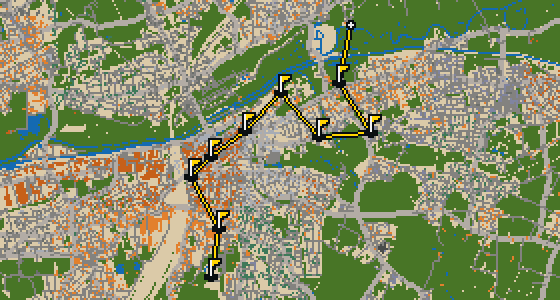
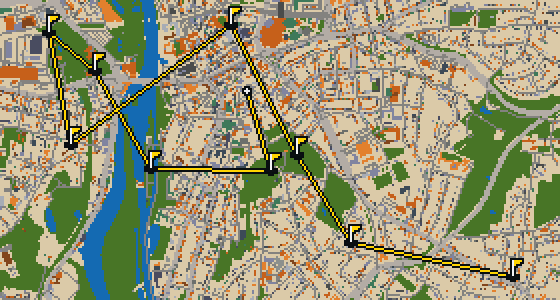
Frankfurt - 18 stops - par 55

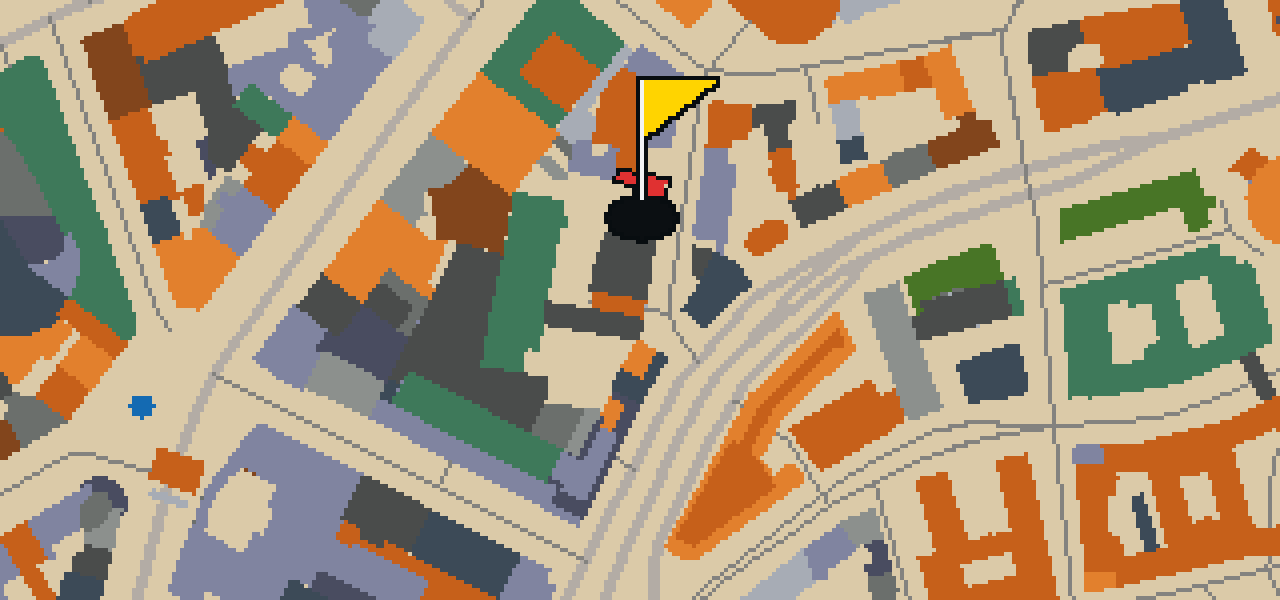
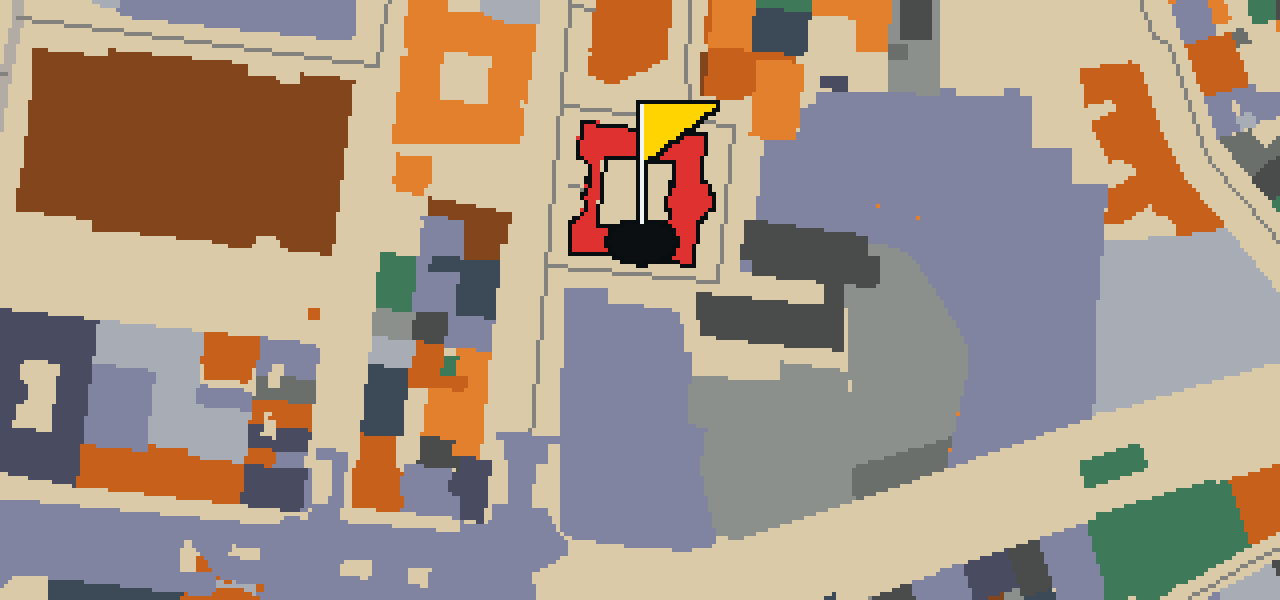
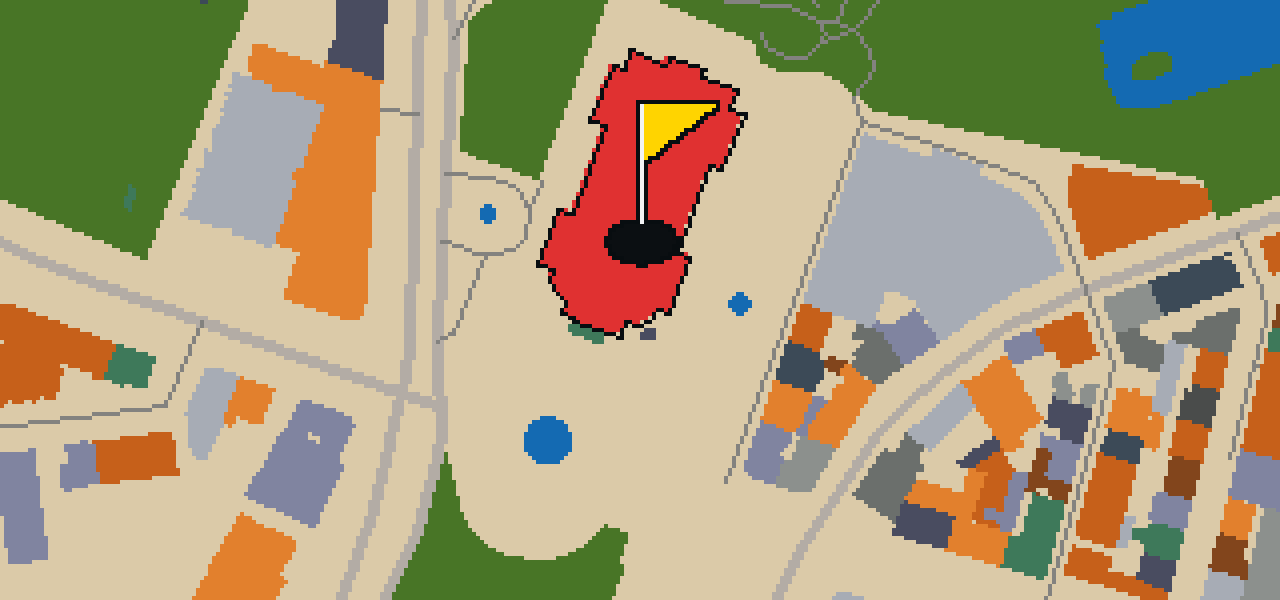
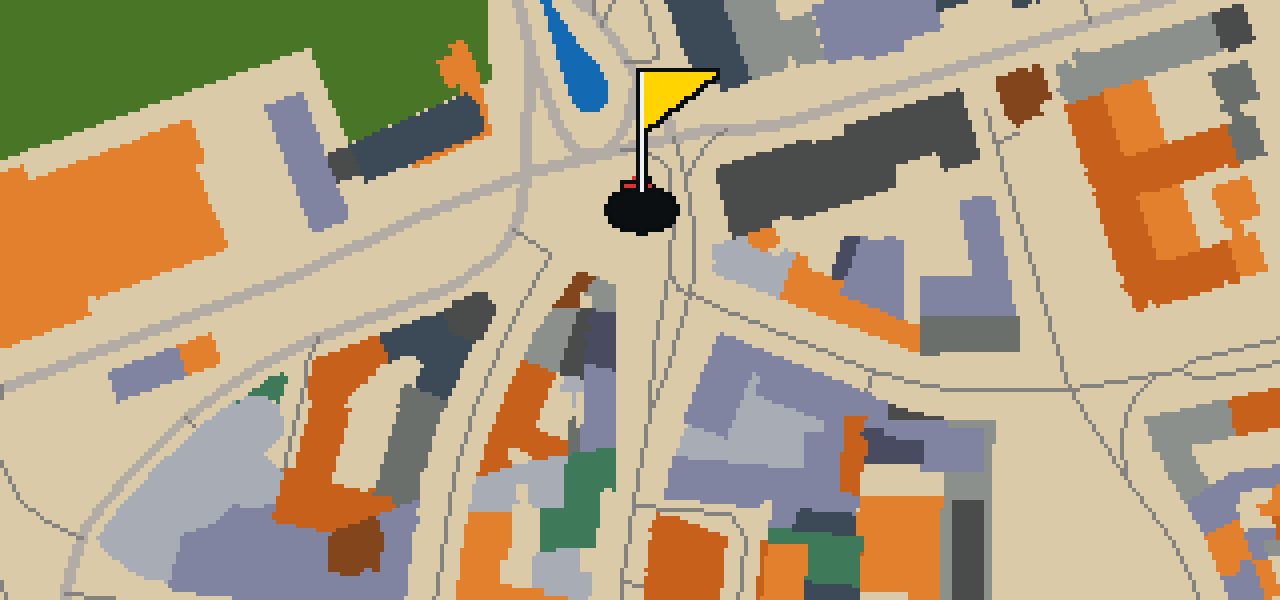
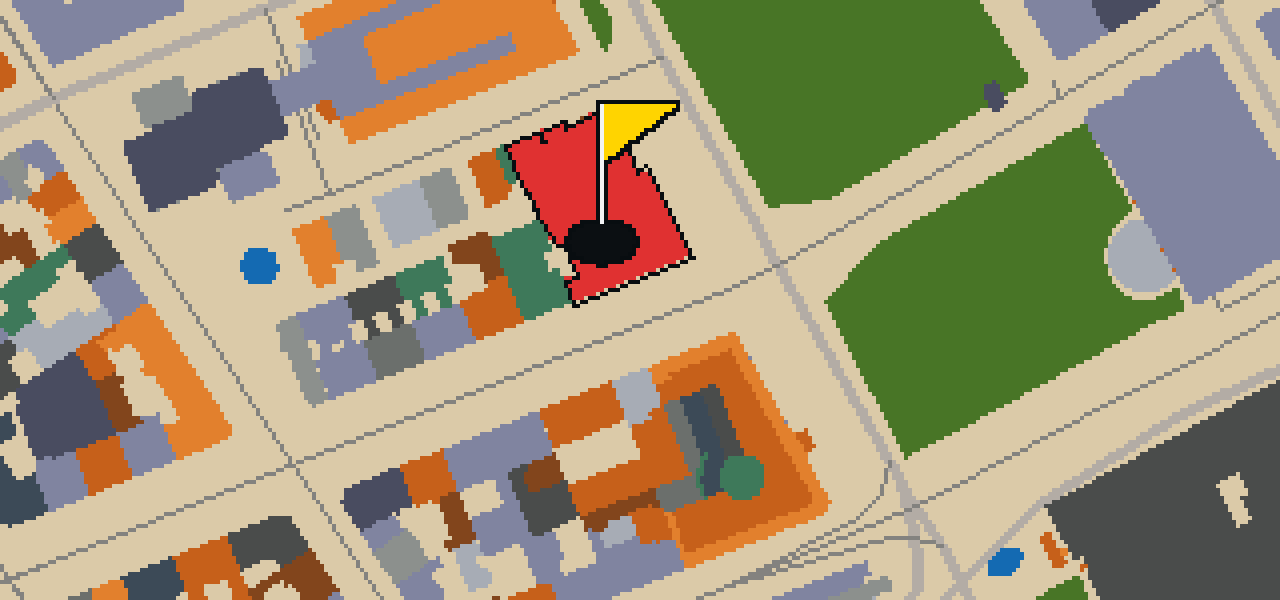
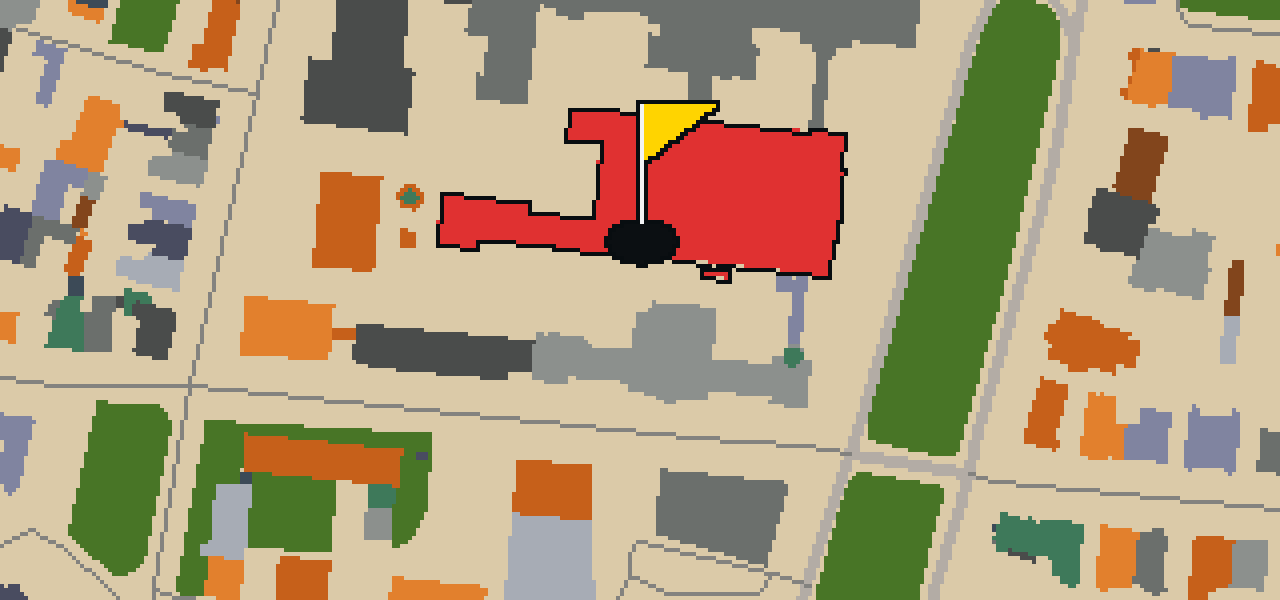
Banking a ball off the stone facades of the Städel Museum requires a steady wing and a bit of luck. This full round of 18 holes follows the real streets of Frankfurt am Main, where the city map is the course. The holes are built directly from the local attractions, and the ball travels 10.7 km across the pavement. With 80 portals to skip between districts, Skip is the local guide who knows every crack in the sidewalk.

Trouble loading? Open the game in its own tab.

HOW IT WORKS

01

Pick a city

The course is drawn on the real street grid, so the map you play is the map you walk.

02

Putt to the pin

Drag to aim, release to swing. Buildings bounce and water costs you a stroke.

03

Sightsee between strokes

Every hole ends at an attraction. Sink the putt, read the story, walk to the next tee.

THE FRANKFURT ROUND - STOP BY STOP

HOLE 1 - PAR 3

Städel Museum

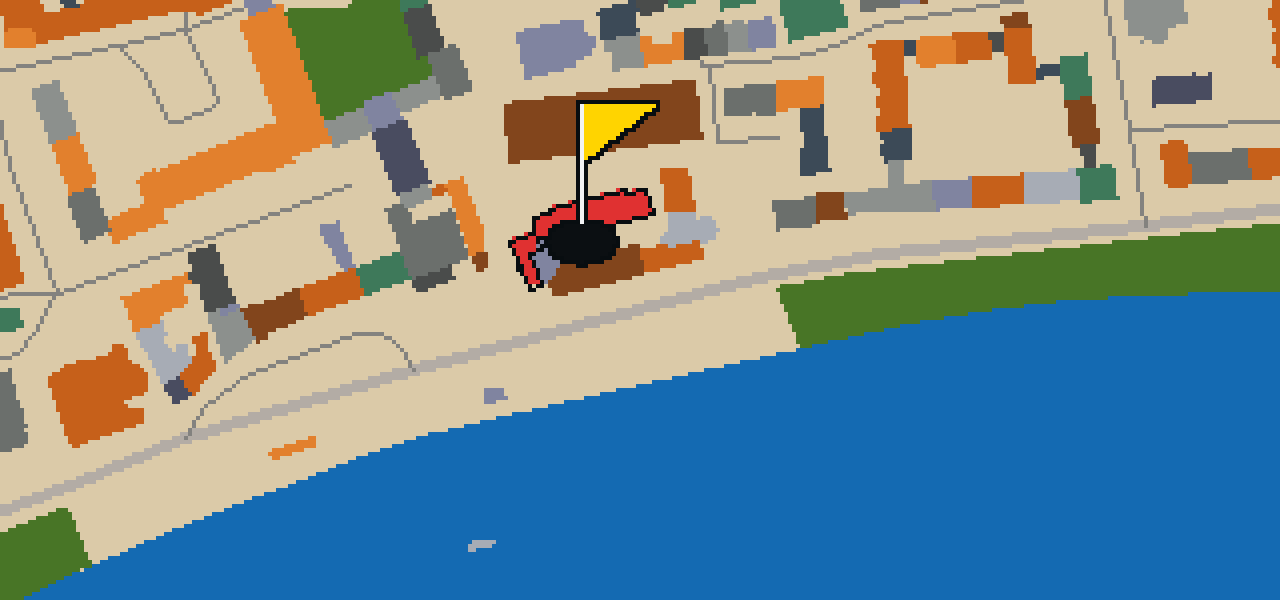
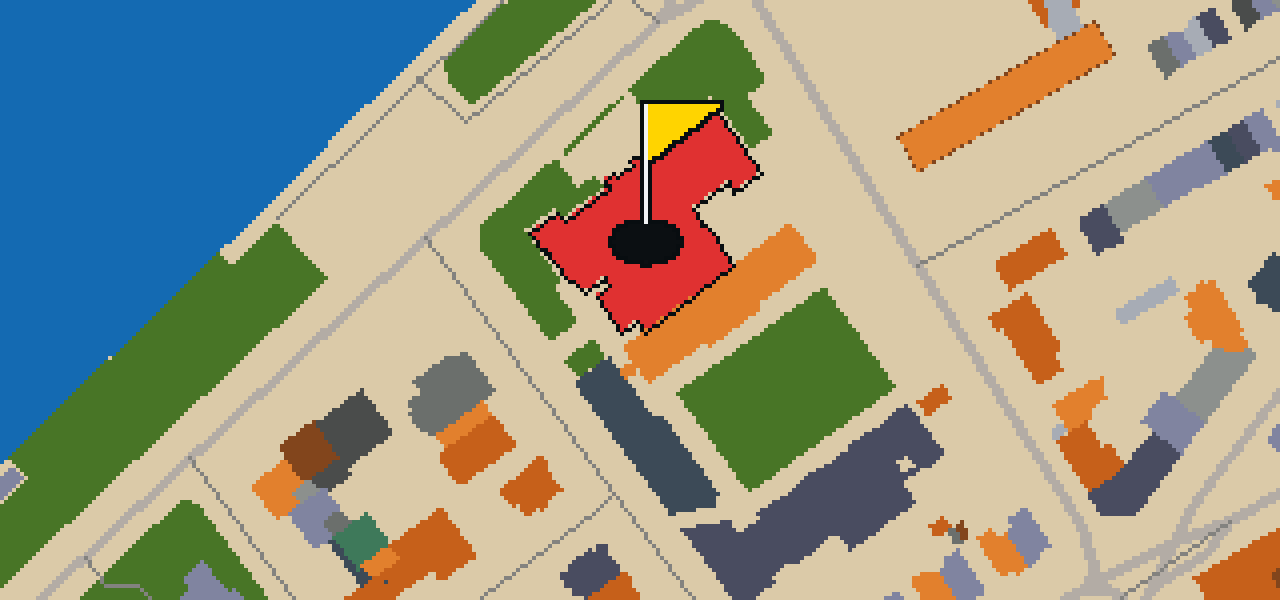
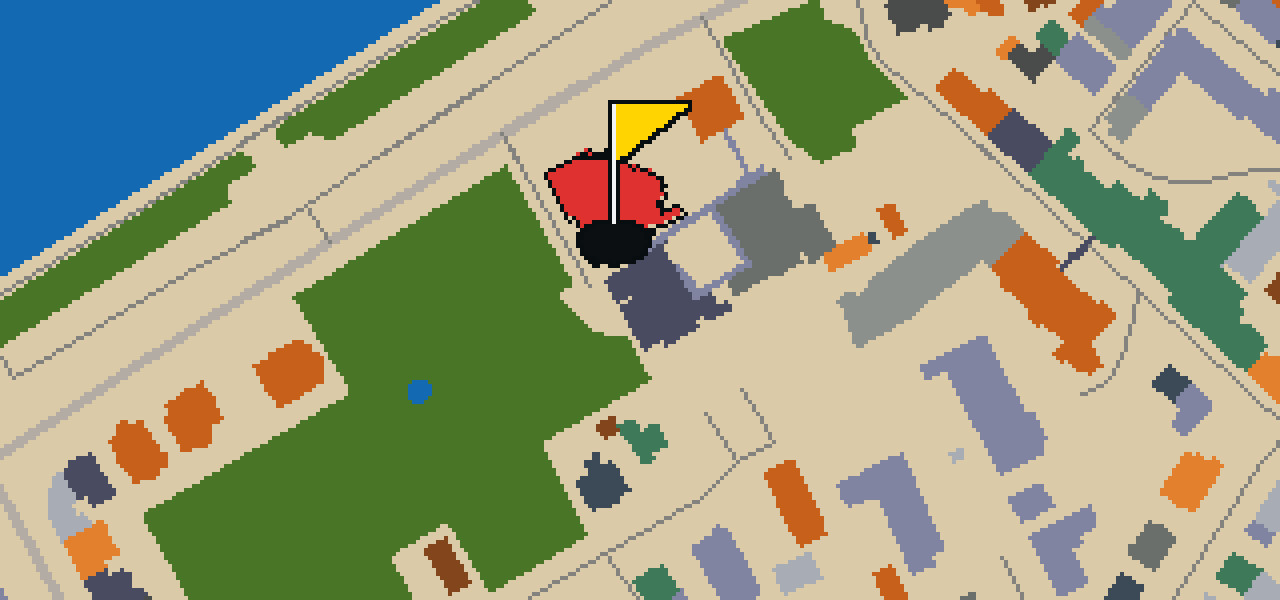
This is not a private gallery, but a nonprofit organization. The Städel Museum is an art museum founded in 1816 and designed by architect Oskar Sommer. You can find it located at the Museumsufer on the Sachsenhausen bank of the River Main. It is recognized as a Kulturdenkmal, making it a significant stop for anyone visiting the riverbank. I always think the walk along the water is the best way to arrive here, and the building itself is a wonderful sight to see as you approach the river's edge.

Wikidata · Wikipedia

HOLE 2 - PAR 3

Museum Angewandte Kunst

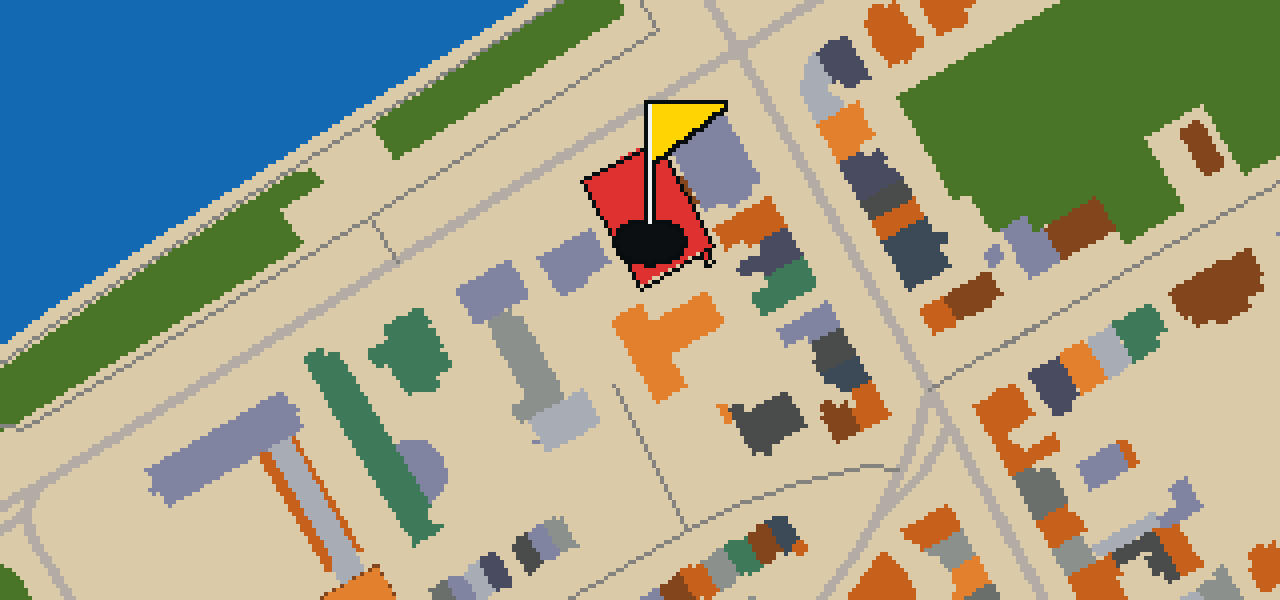
Let me show you the Museum Angewandte Kunst. Richard Meier is the architect of this building, which houses a museum of decorative arts in Frankfurt am Main, Germany. It is part of Frankfurt's Museumsufer and had its inception in 1985. I always find the white surfaces of the architecture quite striking against the city sky, providing a clean backdrop for the various decorative pieces inside. Whether you are interested in the specific design of the structure or the art it protects, it is a location that stands out in the local museum district.

Wikidata · Wikipedia

HOLE 3 - PAR 3

Paulskirche

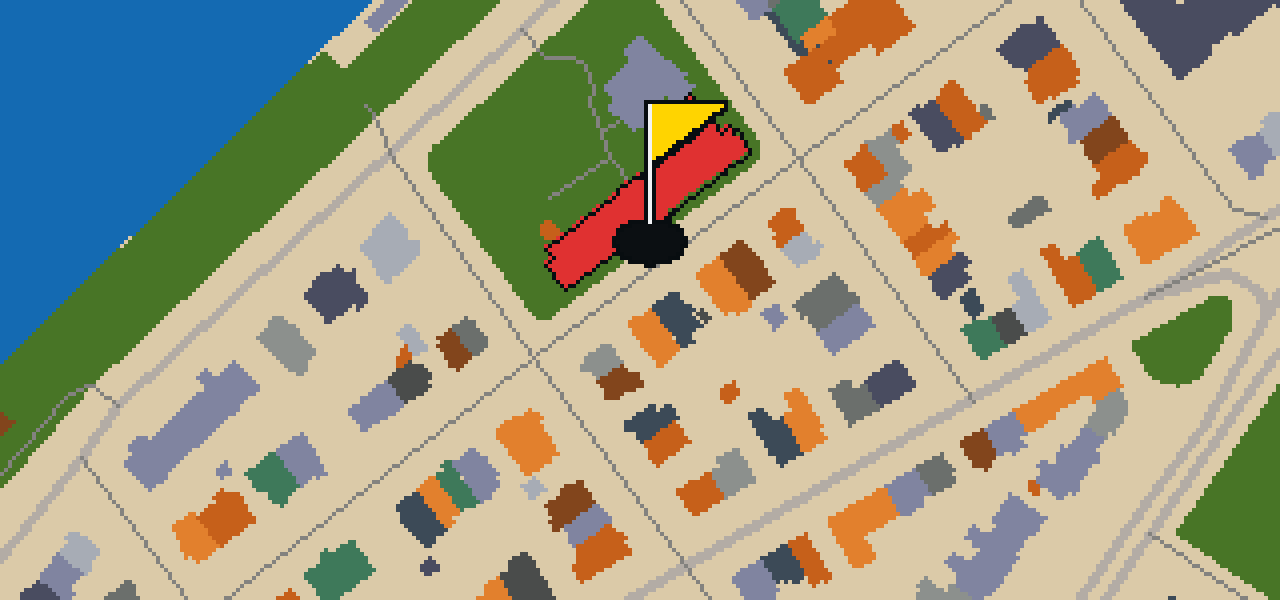
Paulskirche is a Neoclassical building in Frankfurt am Main designed by architect Johann Friedrich Christian Hess. Built between 1789 and 1833, the structure reaches a height of 55 meters. While it is a church building, it also serves as a venue, exhibition space, and memorial. The site is a cultural heritage monument in Hesse. It is most known as a parliament building where the delegates of the Frankfurt National Assembly met from 1848 to 1849. This site remains a significant point of interest for those visiting the city of Frankfurt am Main.

Wikidata · Wikipedia

HOLE 4 - PAR 3

Dominikanerkloster

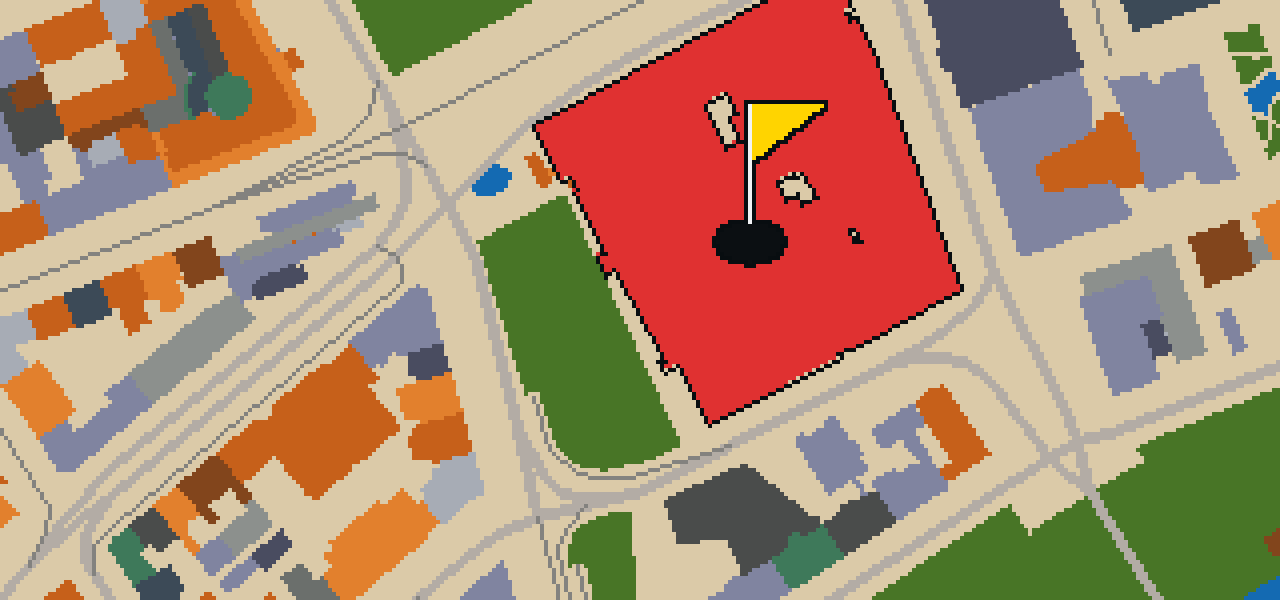
The Dominikanerkloster is a church building and a Kulturdenkmal. Gustav Friedrich Scheinpflug is the architect of this site, which is a former Christian monastery in Frankfurt, Germany. Beyond the physical architecture, the Dominikanerkloster is also a monastery, an organization, and a religious community. It is a place of historical and spiritual significance that dates back to its inception in 1233. You can see the influence of the architect in the structure of this religious community and the way the monastery is organized within the city.

Wikidata · Wikipedia

HOLE 5 - PAR 3

Katharinenkirche

Melchior Heßler was the architect of Katharinenkirche, a church building started in 1681. Built in the baroque architecture style, this structure is a cultural heritage monument in Hesse. You can find this parish church in the old city centre near the Hauptwache. It is the largest Protestant church in Frankfurt am Main and is dedicated to the martyred early Christian saint Catherine of Alexandria. Visitors can see the influence of the baroque style throughout the building as they explore the old city centre.

Wikidata · Wikipedia

HOLE 6 - PAR 3

Kaiserdom St. Bartholomäus

Kaiserdom St. Bartholomäus is a Roman Catholic Gothic church located in Frankfurt am Main, Germany. The inception of the building was in 1239, and it was designed by the architect Madern Gerthener. Officially known as the Imperial Dome of Saint Bartholomew, the church is dedicated to Saint Bartholomew. It is a cultural heritage monument in Hesse. You can see the Gothic art style throughout the structure, which reaches a height of 95 meters.

Wikidata · Wikipedia

HOLE 7 - PAR 3

Goethe-Haus

You will first notice the residential architecture of the Goethe-Haus in Frankfurt's Innenstadt district. This building is a cultural property and a cultural institution that served as the birthplace and childhood home of Johann Wolfgang von Goethe. It is a place of significant literary history, as Goethe wrote The Sorrows of Young Werther, Götz von Berlichingen, and the first drafts of Urfaust here. The inception of the Goethe-Haus was in 1859. I find the neighborhood quite pleasant for a stroll.

Wikidata · Wikipedia

HOLE 8 - PAR 3

Palais Thurn und Taxis

You might mistake this for a civic hall or a museum, but it is actually the Palais Thurn und Taxis. This palace in Frankfurt, Germany, was designed by the architect Robert de Cotte. It was commissioned by Prince Anselm Franz von Thurn und Taxis, who served as the Imperial Postmaster and lived from 1714 to 1739. The building was constructed between 1731 and 1739. I've always liked how the facade looks from the street level, and it makes for a great banking point for your ball. It is a fine example of the city's architectural history for any visitor to notice.

Wikidata · Wikipedia

HOLE 9 - PAR 3

Alte Oper

Alte Oper is a cultural heritage monument in Hesse, located in the inner city's banking district. Designed by architect Richard Lucae, this venue now functions as a concert hall with a large hall and several smaller venues. You can find it facing Opernplatz, the square directly in front of the building. While it is now a hub for music in Frankfurt am Main, it originally opened in 1880 as the city's opera house. I've found the area around the square is always a great spot for people-watching.

Wikidata · Wikipedia

HOLE 10 - PAR 4

Eschenheimer Turm

The Eschenheimer Turm is a city gate and a landmark of the city. Erected at the beginning of the fifteenth century, it was part of the late-medieval fortifications of Frankfurt am Main. It is a Kulturdenkmal and holds a special place in the local architecture. You can pick out that it is the oldest and most unaltered building in the Frankfurter Neustadt, an area now better known as the Innenstadt. I've always liked how it stands its ground while the rest of the neighborhood changed around it.

Wikidata · Wikipedia

HOLE 11 - PAR 3

Historisches Museum Frankfurt

The Historisches Museum Frankfurt is a history museum located in Frankfurt am Main, Germany. It was founded in 1878 and houses a wide variety of cultural and historical objects relating to the history of Frankfurt and Germany. The museum moved into the Saalhof in 1955 and later opened a new extension in 1972 to expand its capacity. I always enjoy seeing the visitors gather here; it makes the area feel lively. Whether you are a history buff or just passing through, the collection provides a detailed look at the region's past.

Wikidata · Wikipedia

HOLE 12 - PAR 3

Deutsches Architekturmuseum

The Deutsches Architekturmuseum is an architectural center, collection, and museum building located on the Museumsufer in Frankfurt, Germany. The museum is housed in an 18th-century building, but the interior was re-designed by Oswald Mathias Ungers in 1984. Visitors can explore a permanent exhibition entitled From Ancient Huts to Skyscrapers, which displays the history of architectural development in Germany. I think the way the museum handles these different eras of building makes it a great stop for anyone visiting the riverfront. It is a wonderful spot to see how construction has changed over the centuries.

Wikidata · Wikipedia

HOLE 13 - PAR 3

Liebieghaus Skulpturensammlung

You might expect a massive, modern gallery, but the Liebieghaus Skulpturensammlung is actually a late 19th-century villa. This art museum and glyptotheque is part of the Museumsufer on the Sachsenhausen bank of the River Main. Designed by architect Leonhard Romeis and started in 1909, the building is officially a Kulturdenkmal. Inside, you can pick out a collection of some 3,000 sculptures that span over 5,000 years of culture. I've always found the river breeze makes the walk over to this part of the bank quite pleasant for any visitor.

Wikidata · Wikipedia

HOLE 14 - PAR 2

Oper Frankfurt

Let me show you Oper Frankfurt, located in Frankfurt am Main. This site is a German opera company and an opera house. It is a central point for the performing arts in the city, where you can find the resident opera company based right here. It is a place where the local culture of music and performance comes together in one location. I usually find the atmosphere around the building quite lively, and it is always a pleasure to see the crowds gathering before a show begins.

Wikidata · Wikipedia

HOLE 15 - PAR 4

English Theatre Frankfurt

You will find the English Theatre Frankfurt located at the Gallileo skyscraper. Founded in 1979, this theatre building is continental Europe's largest English-speaking theatre. It is a popular spot for both locals and visitors, with more than 60,000 patrons visiting each season. The crowd is a diverse mix; 70 percent of the audience are native German speakers, while 30 percent are from the English-speaking community at home in and around Frankfurt. I've noticed the energy here is always high when the curtains rise.

Wikidata · Wikipedia

HOLE 16 - PAR 3

Rothschildpark

I'll show you Rothschildpark, a public park located within the central business district known as the Bankenviertel. You can find it adjacent to the Opera Square and to the north of the Opera Tower. The park is named for the Rothschild family, who are a banking family originating in Frankfurt. It is a great place to stretch your legs when you are visiting the heart of the city. I've always found that the contrast between the green grass and the towering office buildings makes it a very distinct spot to visit.

Wikidata · Wikipedia

HOLE 17 - PAR 3

Westend Synagoge

The Art Nouveau architecture of the Westend Synagogue defines its presence in the city. Built between 1908 and 1910 by architect Franz Roeckle, it is the largest synagogue in Frankfurt am Main. The building is a Kulturdenkmal and holds significant historical weight. It is the only one of the city's four pre-war large synagogues to have survived the November pogroms of 1938 and the bombings of World War II. This structure remains a rare survivor of the city's pre-war religious architecture.

Wikidata · Wikipedia

HOLE 18 - PAR 3

Palmengarten

Twenty-two hectares of greenery define the Palmengarten, a botanical garden located in the Westend-Süd district. It is one of two botanical gardens in Frankfurt am Main, Germany, and is recognized as a Kulturdenkmal. Because of its scale and variety, the garden is a major tourist attraction for those visiting the city. I find it a great spot to stretch your wings, especially when you want to get away from the busy streets for a while and see how the other half of the city's flora lives.

Wikidata · Wikipedia

STOP 19

Senckenberg Naturmuseum

You will likely notice the massive prehistoric displays first at the Senckenberg Naturmuseum. This natural history museum in Frankfurt am Main was started in 1907 and was designed by architect Ludwig Neher. It is a popular destination that sees 620,000 annual visitors, and in the two years 2022–2023, 874,276 people visited the museum. As of 2019, the exhibits include 18 reconstructed dinosaurs. I always find it impressive how they fit such giant skeletons into the halls, though I suppose they make for excellent perches if the guards aren't looking.

Wikidata · Wikipedia

OTHER COURSES

18 HOLES - PAR 55

Nuremberg

18 stops

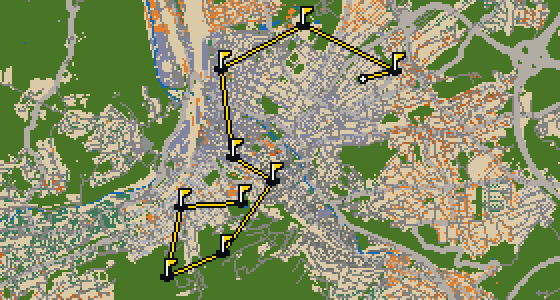
Nürnberg is the setting for this round, where the map is the real city and the ball rolls across its actual streets. The holes are built from real attractions, including the Kaiserburg. Skip knows these alleys well, having spent plenty of time dodging footsteps for crumbs. This full round of 18 holes covers 10.7 km with a par of 55. The ball travels between distant districts using 42 portals to keep the pace moving along.

18 HOLES - PAR 57

Munich

18 stops

München is the setting for this round, where the map is the real city and the ball rolls across its actual streets. The holes are built from real attractions, starting with the grounds of Oktoberfest. A full 18-hole round covers 12.2 km and uses 116 portals to bridge the gaps between distant districts. Skip knows every curb and cobblestone here, even the ones where the crumbs are best, and acts as the local guide for the walk.

18 HOLES - PAR 52

Heidelberg

18 stops

This is a full round through Heidelberg, covering 10.3 km on the actual city streets. The map is the real city, and the holes are built from attractions like Heidelberger Schloss. Skip knows every corner of these neighborhoods and is the local guide, though most of the time he is just looking for crumbs. The ball travels between distant districts using 18 portals, playing 18 holes with a par of 52.

9 HOLES - PAR 26

Hamburg

9 stops

Hamburg is the setting for this round, with the map following the real city and the ball rolling its actual streets. The holes are built from attractions like the Speicherstadt, turning the urban layout into a course. Skip is a local guide who knows these blocks well. This quick 9-hole round covers 4.8 km with a par of 26, using 80 portals to bridge the gaps.

18 HOLES - PAR 58

Düsseldorf

18 stops

This is a full round of 18 holes through Düsseldorf. The map follows the actual city layout, where the ball rolls across real streets and banks off building facades. Landmarks like the Rheinturm provide the architecture for the holes. Skip knows these pavements well, even the bits where the crumbs are best. The course covers 12.5 km and uses 102 portals to move the ball quickly between the different districts of the city.

FAQ

Is it free to play?

Yes. Every course runs in the browser with no account and no install.

Do I need to be in the city?

No. The full round plays from anywhere. Walking the real route is a nice way to see the city, but it is not required.

Are the maps real?

Yes. The geometry comes from OpenStreetMap data, rendered chunky on purpose. Streets, water and parks sit where they really are.