
DRESDEN - 18 HOLES - FREE

DRESDEN
CITY MAP MINIGOLF

Dresden - 18 stops - par 57

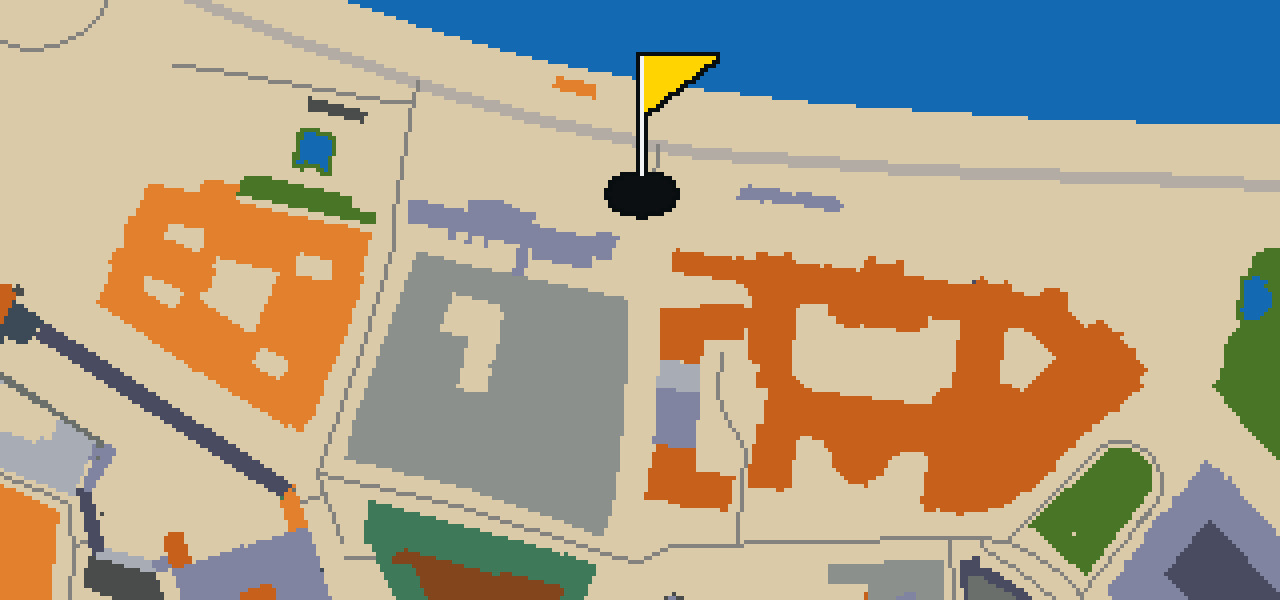
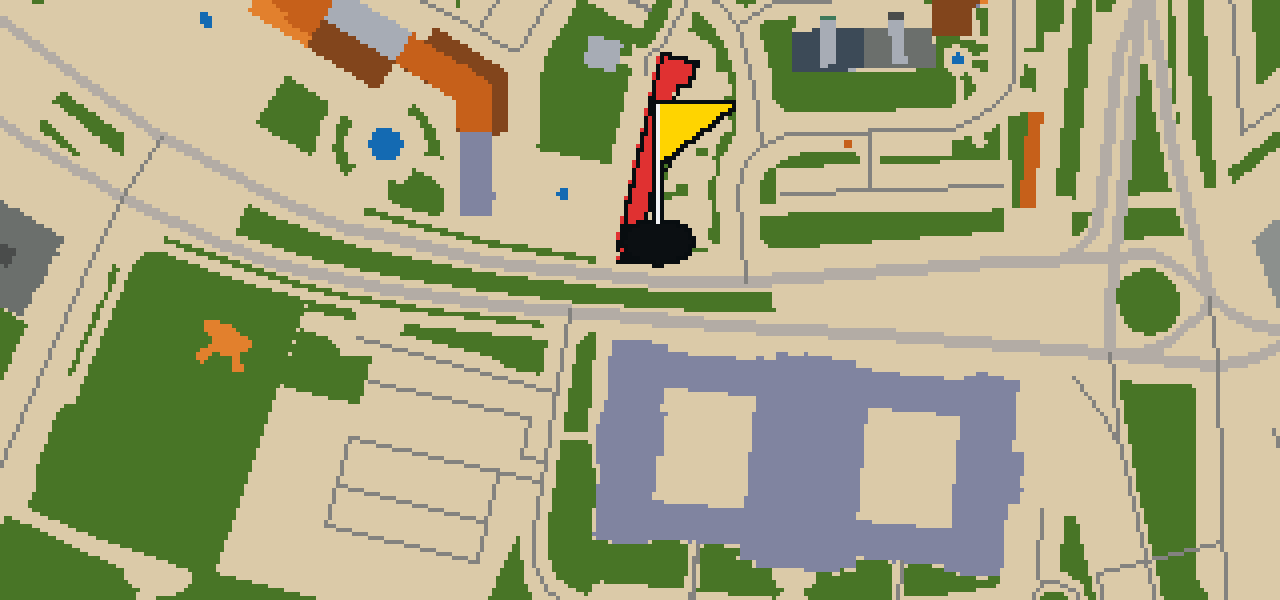
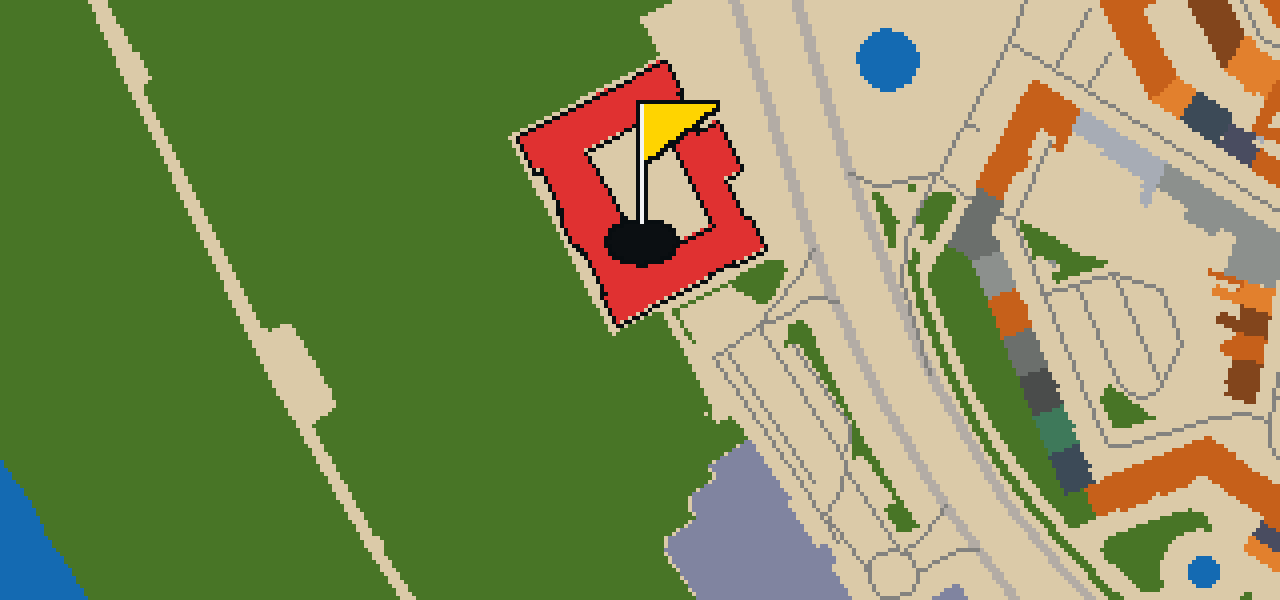
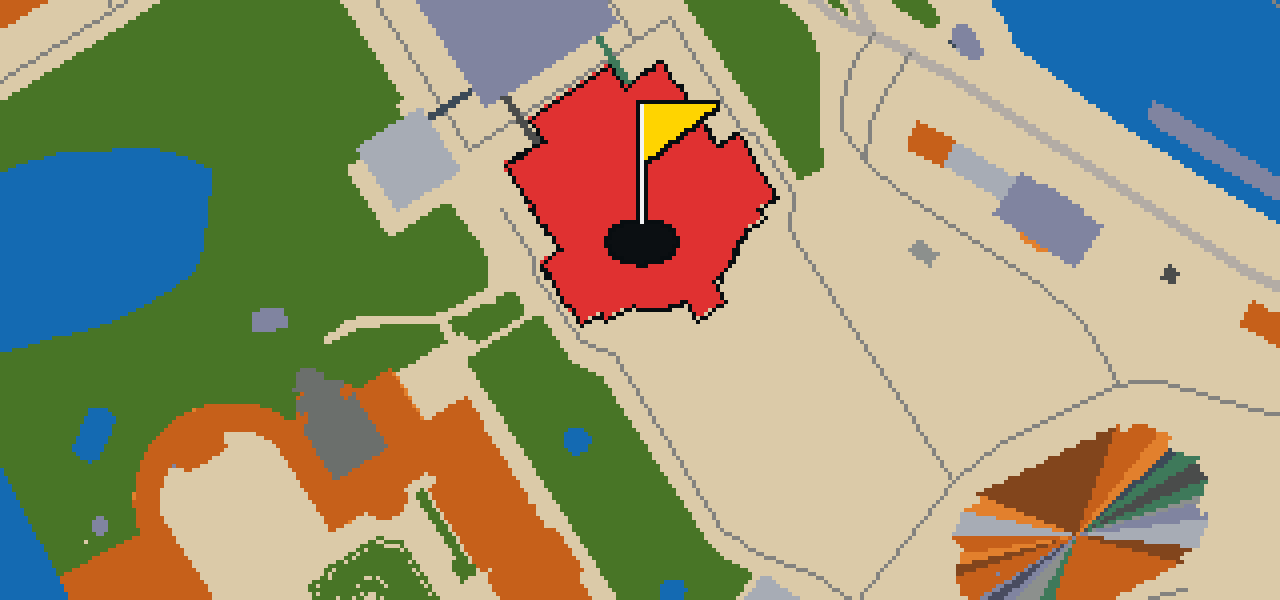
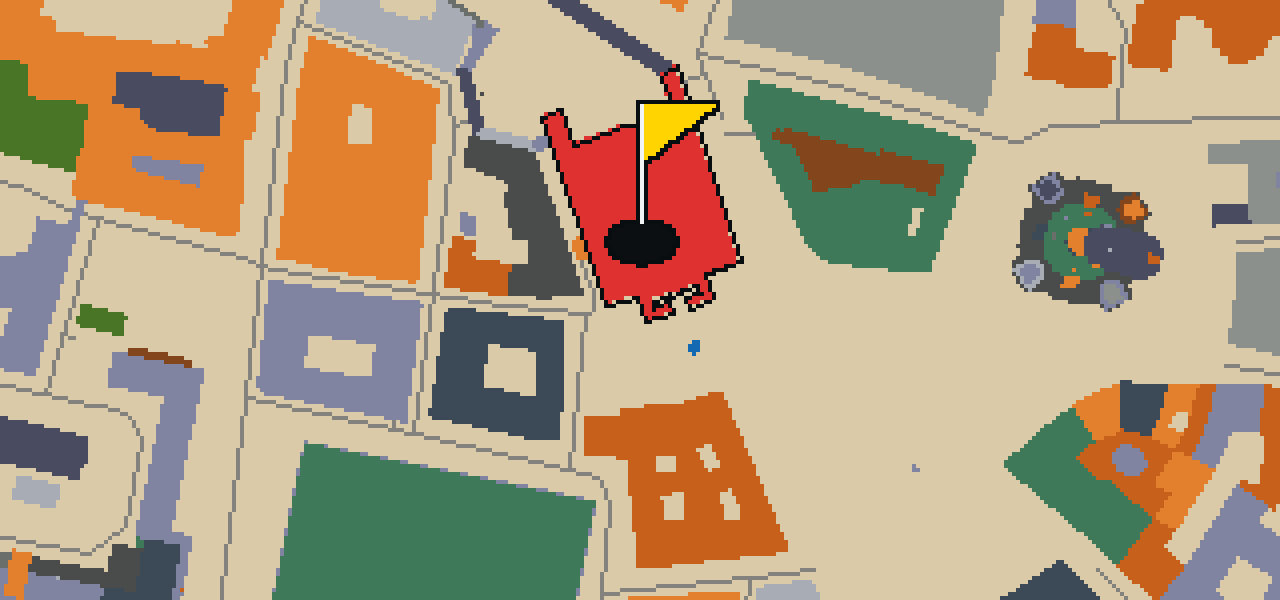
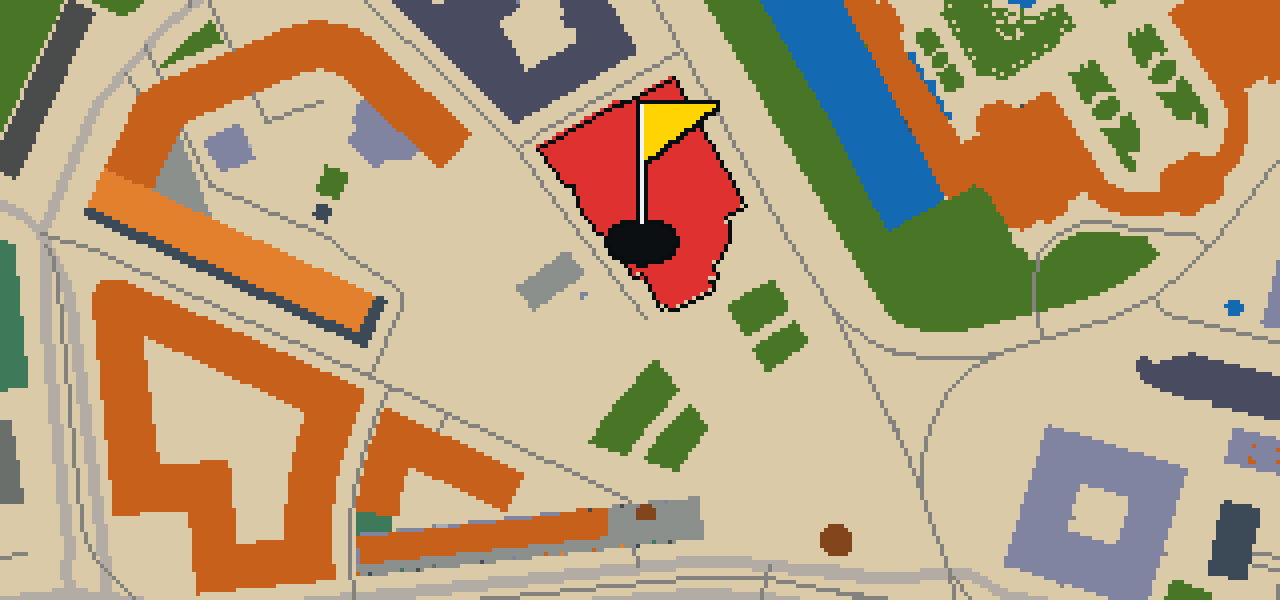
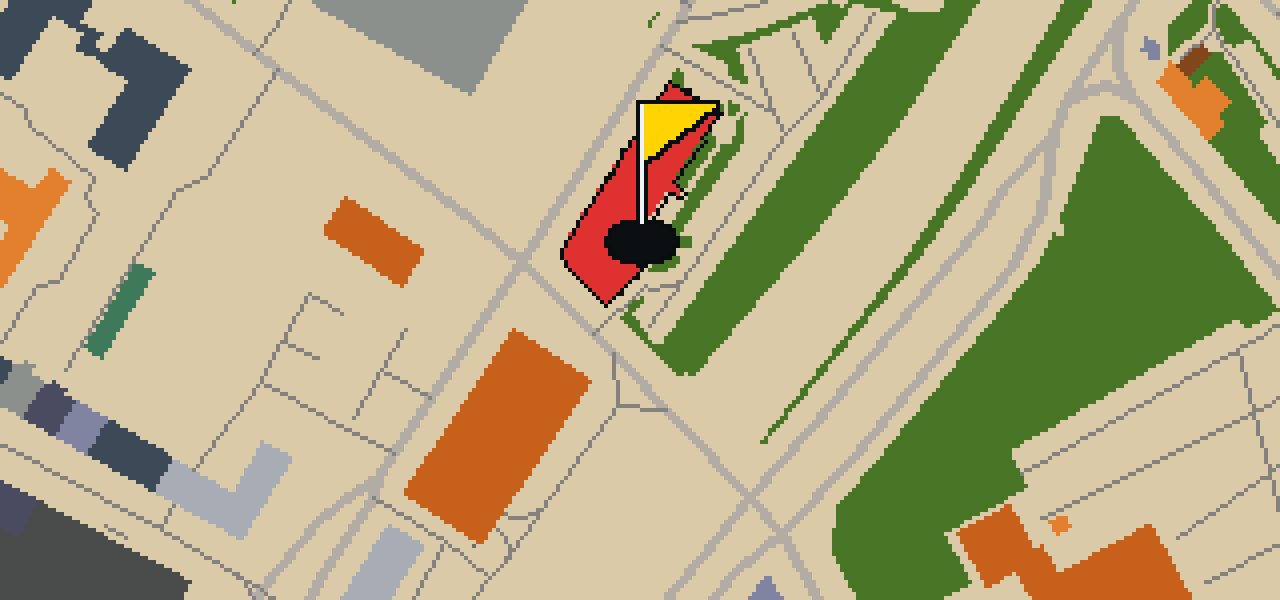
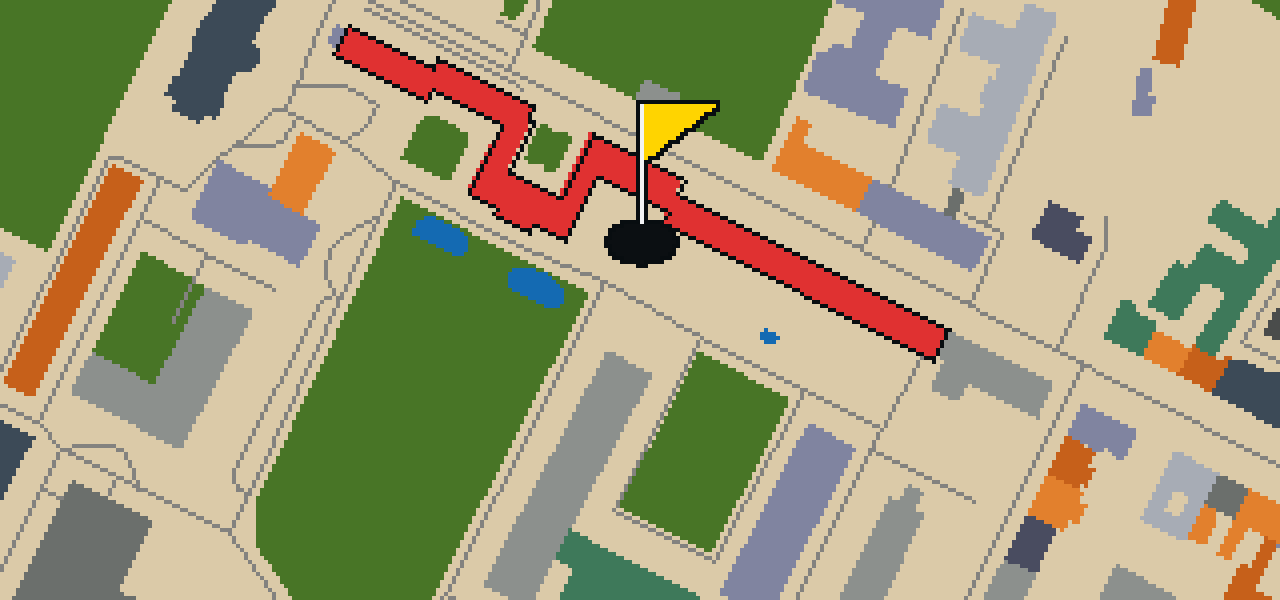
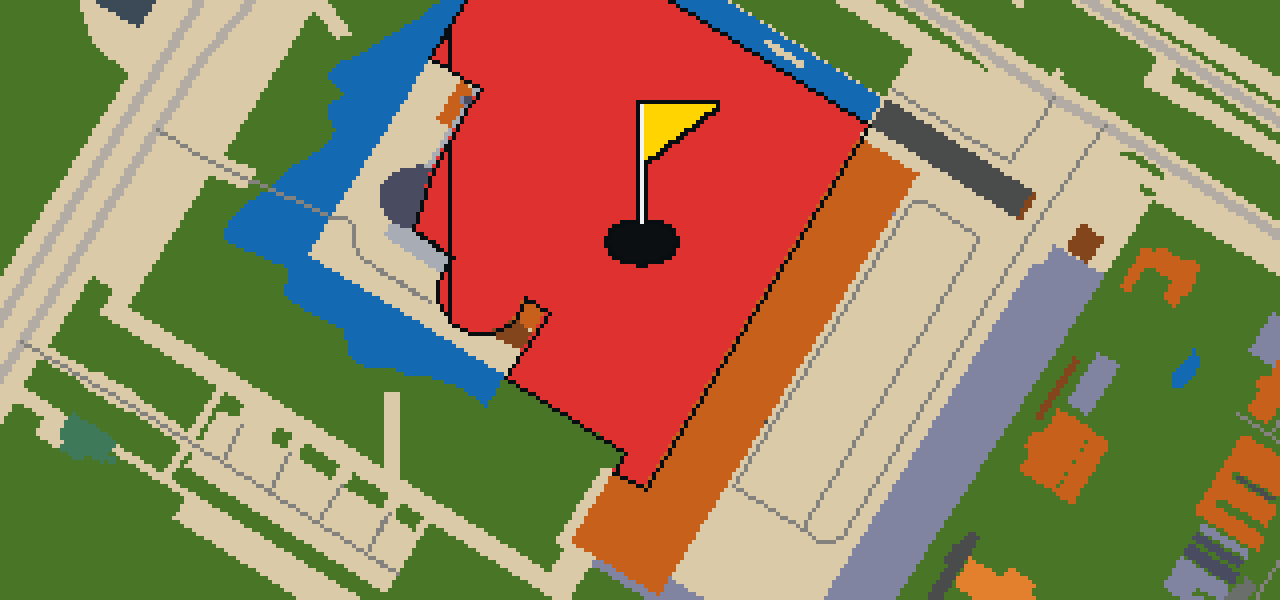
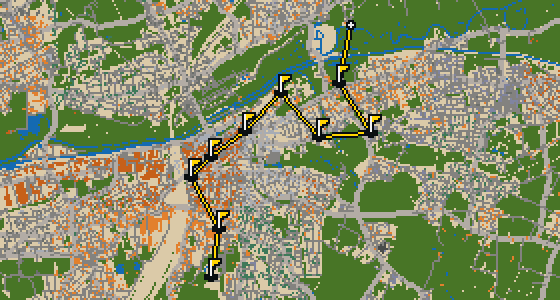
The Frauenkirche is the final cup for a full round of 18 holes in Dresden. The map follows the real city, and the ball rolls across its actual streets, banking off the facades of real attractions. A walk of 11.3 km connects the course, while 56 portals help the ball skip between distant districts. Skip knows these sidewalks well enough to avoid the tourists and find the best lines. This local guide has seen every stone in the city from a bird's eye view.

Trouble loading? Open the game in its own tab.

HOW IT WORKS

01

Pick a city

The course is drawn on the real street grid, so the map you play is the map you walk.

02

Putt to the pin

Drag to aim, release to swing. Buildings bounce and water costs you a stroke.

03

Sightsee between strokes

Every hole ends at an attraction. Sink the putt, read the story, walk to the next tee.

THE DRESDEN ROUND - STOP BY STOP

HOLE 1 - PAR 3

Frauenkirche

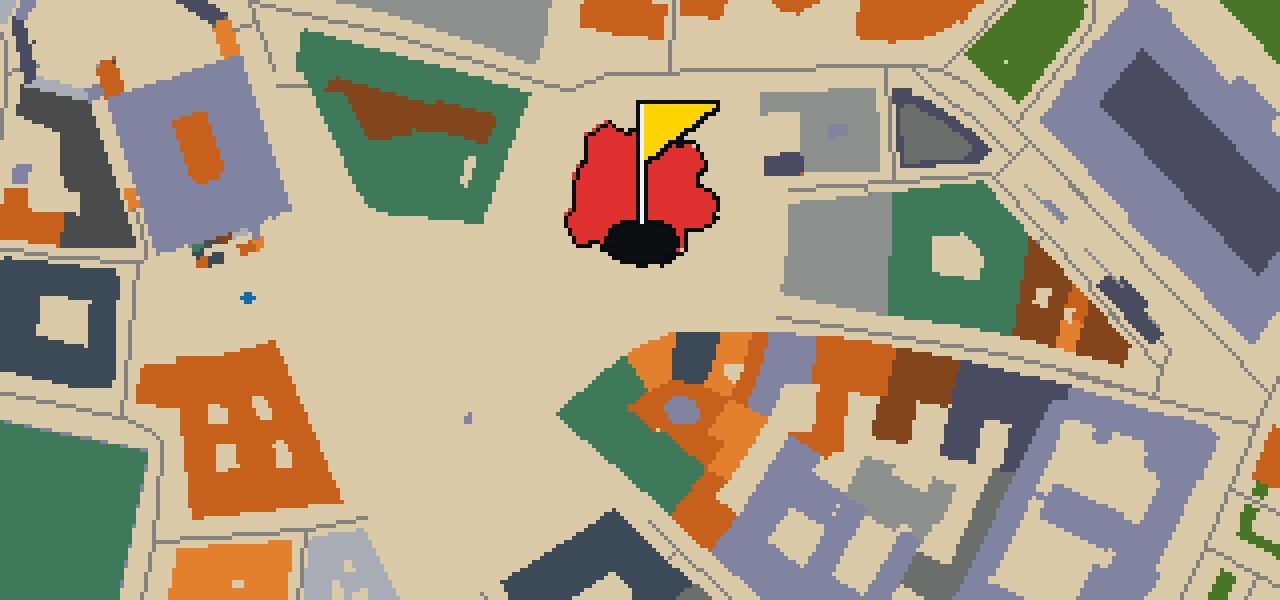
This is not a modern addition to the city skyline, but the Frauenkirche, a Lutheran church in Dresden. Designed by architect George Bähr with an inception in 1726, the building is a prominent example of the baroque architecture style. It reaches a total height of 91.24 meters and is officially recognized as a heritage monument in Saxony. After the building was lost, the church was reconstructed between 1994 and 2005. You can see the scale of the project by looking up at the dome, which remains one of the most significant features of the city's architecture.

Wikidata · Wikipedia

HOLE 2 - PAR 3

Zwinger

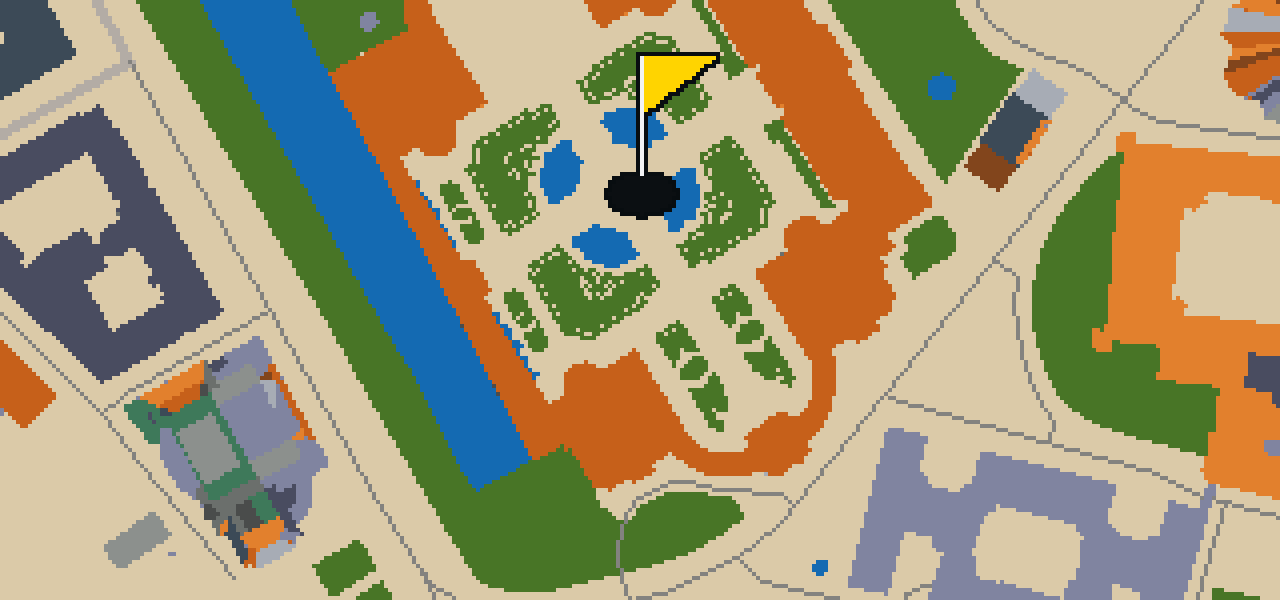
Let me show you the Zwinger, a palatial complex with gardens in Dresden, Germany. Its inception was in 1711, and it was designed by architect Matthäus Daniel Pöppelmann in the baroque architecture style. While you can pick out its grandeur as a heritage monument in Saxony, the site has a complex history. It is an instance of a palace, ruins, and a construction site. I find the mixture of these different states quite a sight to see from the air, especially when you consider the scale of the complex.

Wikidata · Wikipedia

HOLE 3 - PAR 3

Brühlsche Terrasse

Let me show you Brühlsche Terrasse. This site in Dresden, Germany, is an architectural ensemble that functions as a terrace, a park, and a street. It is widely known by the nickname "The Balcony of Europe". The inception of this Kulturdenkmal was from 1739 to 1748. It is a great spot to get your bearings in the city and appreciate the layout of the surrounding area. I find that the open air here makes it one of the most refreshing places to stop for a moment before you continue your journey through the streets.

Wikidata · Wikipedia

HOLE 4 - PAR 3

Museum für Sächsische Volkskunst mit Puppentheatersammlung

You might expect another high-culture gallery in this city, but this is something different. Let me show you the Museum für Sächsische Volkskunst mit Puppentheatersammlung. It is a museum dedicated to Saxon folk art and the collection of puppet theaters. It provides a look at the traditional crafts and performing arts of the region, moving away from the typical museum experience. I usually find the puppet collection to be the most charming part of the visit, though the folk art is equally interesting for those who appreciate the local heritage of the area.

Wikidata

HOLE 5 - PAR 3

Japanisches Palais

Let me show you the Japanisches Palais, a Baroque building in Dresden, Saxony, Germany. You can find this palace on the Neustadt bank of the river Elbe. It is a heritage monument in Saxony. The building's history is tied to several architects: Jean de Bodt, Matthäus Daniel Pöppelmann, Zacharias Longuelune, and Johann Christoph Knöffel. It is a great spot to pause and look at the river. I often see people admiring the facade from the street, and it is a wonderful place to take a slow walk while you enjoy the view of the water.

Wikidata · Wikipedia

HOLE 6 - PAR 3

Semperoper

The Semperoper is a Renaissance Revival building located on the Theaterplatz near the Elbe River in the historic centre of Dresden, Germany. Gottfried Semper is the architect of this structure, which is a heritage monument in Saxony. It serves as an opera house and a concert hall. Specifically, it is the opera house of the Sächsische Staatsoper Dresden and the concert hall of the Staatskapelle Dresden. You can also find the Semperoper Ballett based here. I've always found the scale of the square outside quite impressive.

Wikidata · Wikipedia

HOLE 7 - PAR 3

Albertinum

This is not a palace, but the Albertinum, an art museum located on Brühl's Terrace in the historic center of Dresden, Germany. It was founded in 1887 and is built in the Renaissance style. I often see people admiring the exterior from the terrace, but the building is far more than just a pretty facade. The site is designated as a Kulturdenkmal and takes its name from King Albert of Saxony. It is a great place to stop if you want to see how the city blends its royal history with its commitment to the arts.

Wikidata · Wikipedia

HOLE 8 - PAR 3

Kathedrale Ss. Trinitatis

Gaetano Chiaveri was the architect of Kathedrale Ss. Trinitatis. He designed this church building in the baroque architecture style, with inception from 1738 to 1754. It is a cathedral and a court church that is a heritage monument in Saxony. You can notice the scale of the structure in its 86 meter height. Since 1980, the cathedral has also been known as Kathedrale Sanctissimae Trinitatis. It is a significant church building that reflects the specific architectural choices of its era and the vision of its architect.

Wikidata · Wikipedia

HOLE 9 - PAR 3

Kreuzkirche

At 94 meters tall, the tower of the Kreuzkirche dominates the skyline. This baroque church building in Dresden is a Kulturdenkmal with an inception in 1170. Designed by architect Johann George Schmidt, it is a Lutheran church and the largest church building in the Free State of Saxony. The site is the seat of the Landesbischof of the Evangelical-Lutheran Church of Saxony and is home to the Dresdner Kreuzchor boys' choir. You can pick out the distinct baroque architecture style that defines the exterior of this significant religious site.

Wikidata · Wikipedia

HOLE 11 - PAR 3

Verkehrsmuseum

The Verkehrsmuseum is a transport and automobile museum located in Dresden. It opened in 1956 and focuses on the history of movement. When you visit, you can pick out a wide variety of exhibits, as the museum displays vehicles of road traffic and air traffic. It also features vehicles used in railway transport and shipping transport. I find it is a great spot to see how different modes of travel evolved in one place, providing a comprehensive look at the machines that shaped the way we get around the world.

Wikidata · Wikipedia

HOLE 12 - PAR 4

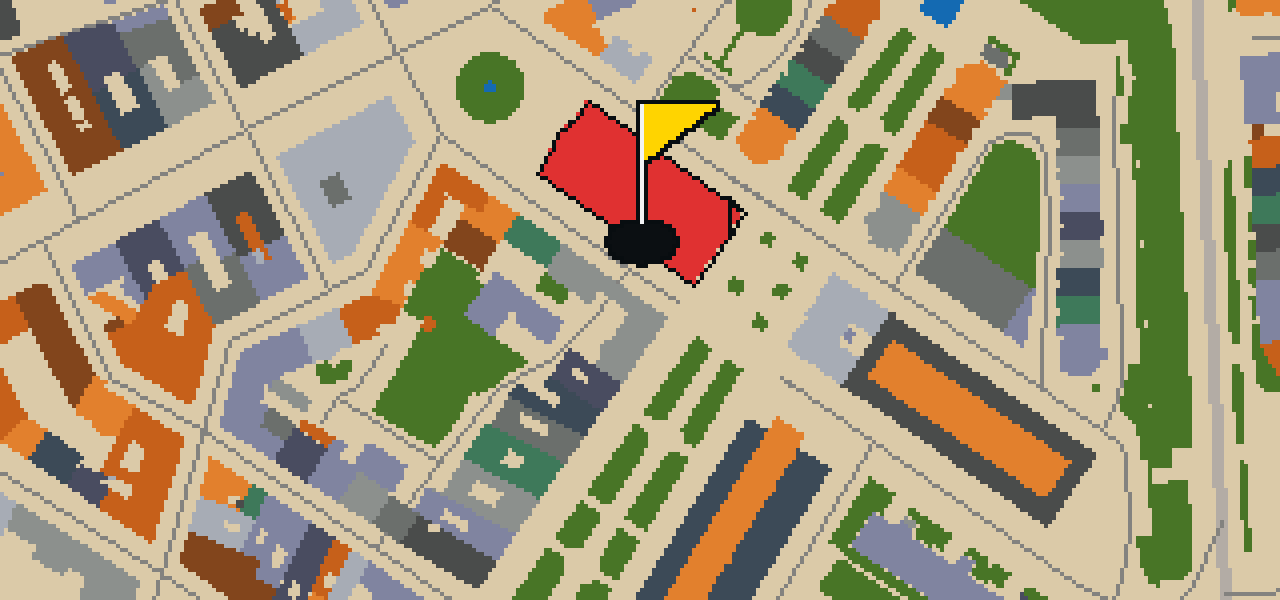
Schauspielhaus

The Schauspielhaus is a theatre building and a heritage monument in Saxony. Its inception was in 1911, and it was designed by architects Max Hans Kühne, William Lossow, and Emil Leibold. Today, it functions as the main auditorium for the Staatsschauspiel Dresden, which was an entity created in 1983. The Staatsschauspiel Dresden also operates a second venue, a studio theatre known as the Kleine Haus. I always find the architecture of these older houses quite striking, and you can pick out the details of the facade as you pass by.

Wikidata · Wikipedia

HOLE 14 - PAR 3

Palais Brühl-Marcolini

You will first notice the imposing presence of the Palais Brühl-Marcolini as you move through the city. This building is a palace and is officially recognized as a heritage monument in Saxony. It is a key site for any visitor who wants to see the preserved architectural history of the area. I always think the facade looks particularly sharp when the sun hits it just right, making it a great spot to pause and look around before you continue your journey through Dresden.

Wikidata

HOLE 15 - PAR 4

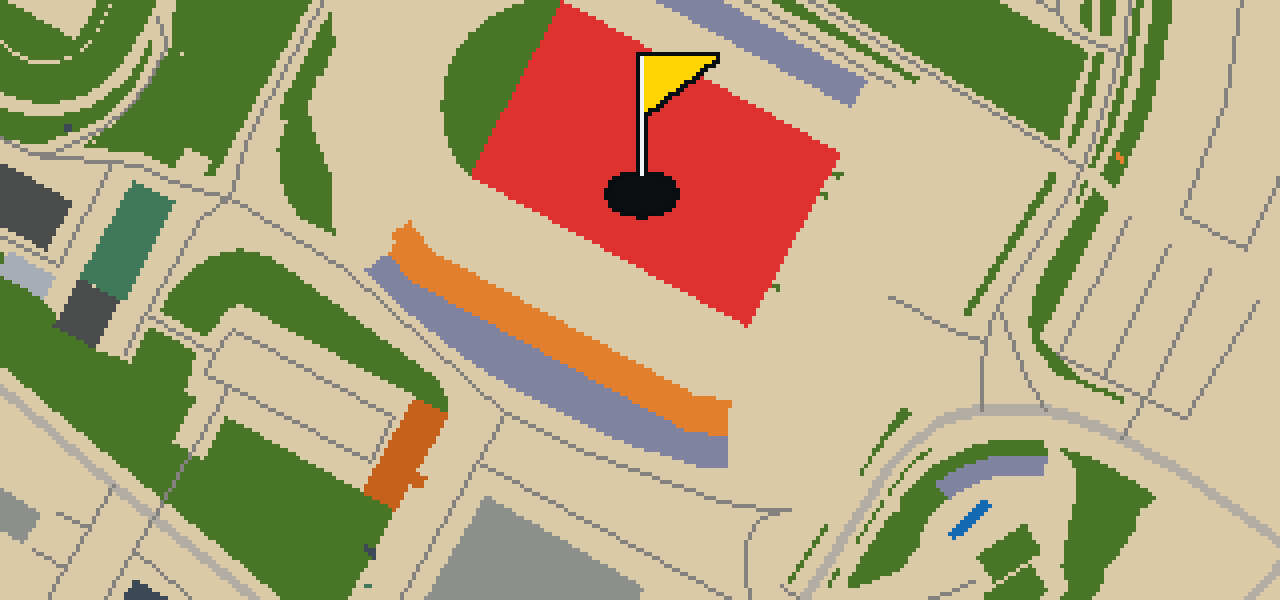
Heinz-Steyer-Stadion

The Heinz-Steyer-Stadion is a stadium in Dresden, Germany, with an inception in 1919. It is used for athletics, American football, and association football, and is currently used by the Dresden Monarchs and Dresdner SC. While the overall capacity of the stadium is about 30,000, the capacity for football matches is currently restricted to about 5,000. You can pick out the history of the local sports scene here, as the site was the first stadium of Dynamo Dresden. It is a great spot to see how different sports share one space in the city.

Wikidata · Wikipedia

HOLE 16 - PAR 4

Dreikönigskirche

The Dreikönigskirche is a Baroque church building located in the Innere Neustadt of Dresden. It is recognized as a listed cultural monument of Dresden and is also a heritage monument in Saxony. As a Lutheran church, it serves as the centre of a parish. Additionally, the building is the centre of a community venue called Haus der Kirche, making it a focal point for both religious services and community activity within the neighborhood.

Wikidata · Wikipedia

HOLE 17 - PAR 4

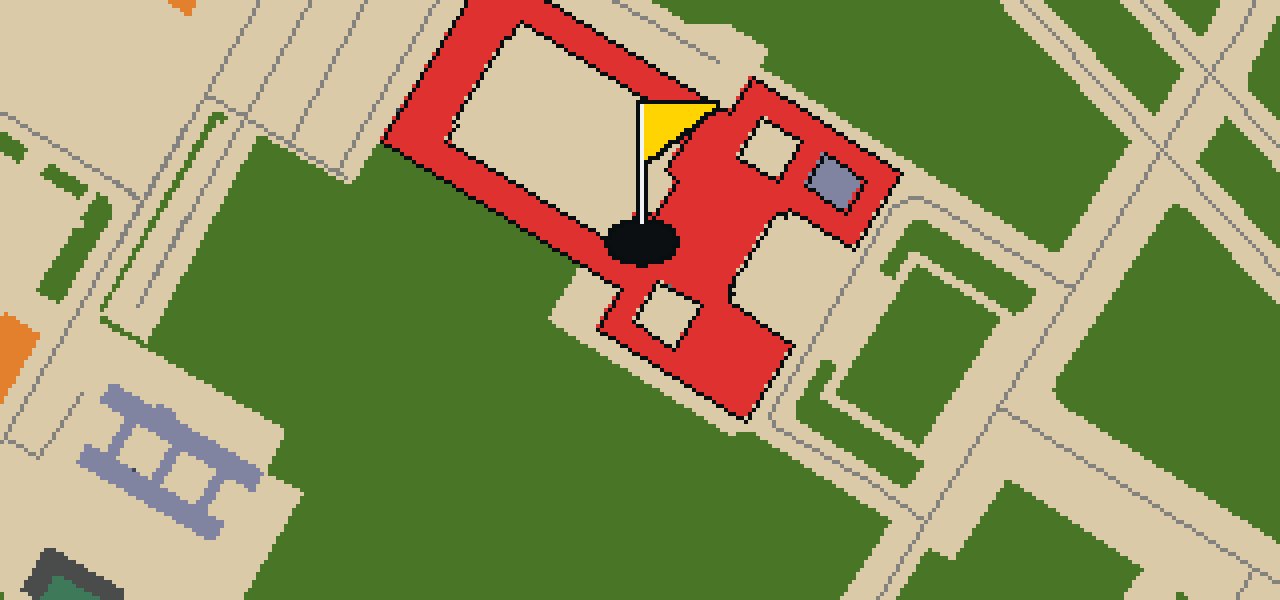
Neue Synagoge Dresden

The Neue Synagoge Dresden is a synagogue located at Hasenberg 1 in the old town of Dresden, Germany. Visitors will notice the modern architecture of the edifice, which was designed by architects Rena Wandel-Hoefer and Wolfgang Lorch. The inception of the building was in 1997, and the architect was Wandel Lorch Götze Wach. It stands on the same location as the Semper Synagogue, which existed from 1839 to 1840 before that building was destroyed in 1938 during the Kristallnacht. The current structure was completed in 2001.

Wikidata · Wikipedia

HOLE 18 - PAR 3

Deutsches Hygiene-Museum

You might expect a museum in this city to be full of old art, but the Deutsches Hygiene-Museum is actually a medical museum. Established in 1912, this foundation focuses on health and the human body. It is a popular spot that sees 280,000 annual visitors. When you look at the exterior, you can pick out the modern architecture style used by the architect, Wilhelm Kreis. It is officially designated as a Kulturdenkmal. I've found the crowds here are usually quite fascinated by the exhibits.

Wikidata · Wikipedia

STOP 19

Gläserne Manufaktur

The Gläserne Manufaktur is an assembly plant in Dresden. This site, known as the Transparent Factory, was owned by German carmaker Volkswagen and originally opened in 2002. Architect Gunter Henn designed the facility in the style of modern architecture to function as both a car factory and exhibition space. Production here has shifted over the years, moving from the Phaeton to the electric version of the Golf. Most recently, the ID.3 was produced here from January 2021 until the factory's closure in December 2025. I've noticed the glass walls make for a very clear view of the work inside.

Wikidata · Wikipedia

OTHER COURSES

18 HOLES - PAR 55

Nuremberg

18 stops

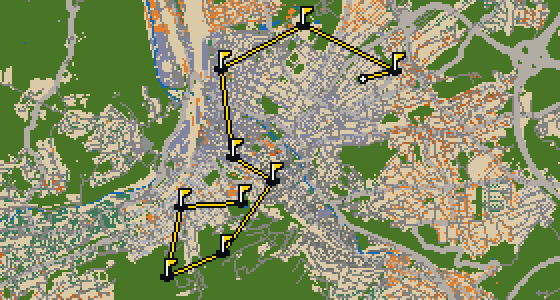
Nürnberg is the setting for this round, where the map is the real city and the ball rolls across its actual streets. The holes are built from real attractions, including the Kaiserburg. Skip knows these alleys well, having spent plenty of time dodging footsteps for crumbs. This full round of 18 holes covers 10.7 km with a par of 55. The ball travels between distant districts using 42 portals to keep the pace moving along.

18 HOLES - PAR 57

Munich

18 stops

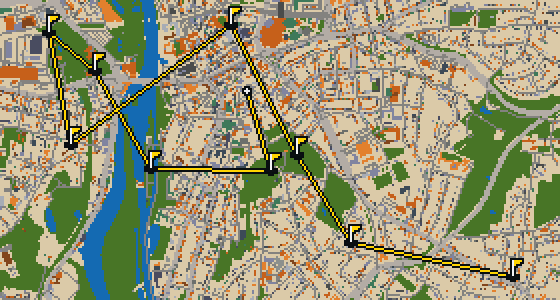
München is the setting for this round, where the map is the real city and the ball rolls across its actual streets. The holes are built from real attractions, starting with the grounds of Oktoberfest. A full 18-hole round covers 12.2 km and uses 116 portals to bridge the gaps between distant districts. Skip knows every curb and cobblestone here, even the ones where the crumbs are best, and acts as the local guide for the walk.

18 HOLES - PAR 52

Heidelberg

18 stops

This is a full round through Heidelberg, covering 10.3 km on the actual city streets. The map is the real city, and the holes are built from attractions like Heidelberger Schloss. Skip knows every corner of these neighborhoods and is the local guide, though most of the time he is just looking for crumbs. The ball travels between distant districts using 18 portals, playing 18 holes with a par of 52.

9 HOLES - PAR 26

Hamburg

9 stops

Hamburg is the setting for this round, with the map following the real city and the ball rolling its actual streets. The holes are built from attractions like the Speicherstadt, turning the urban layout into a course. Skip is a local guide who knows these blocks well. This quick 9-hole round covers 4.8 km with a par of 26, using 80 portals to bridge the gaps.

18 HOLES - PAR 55

Frankfurt

18 stops

Banking a ball off the stone facades of the Städel Museum requires a steady wing and a bit of luck. This full round of 18 holes follows the real streets of Frankfurt am Main, where the city map is the course. The holes are built directly from the local attractions, and the ball travels 10.7 km across the pavement. With 80 portals to skip between districts, Skip is the local guide who knows every crack in the sidewalk.

FAQ

Is it free to play?

Yes. Every course runs in the browser with no account and no install.

Do I need to be in the city?

No. The full round plays from anywhere. Walking the real route is a nice way to see the city, but it is not required.

Are the maps real?

Yes. The geometry comes from OpenStreetMap data, rendered chunky on purpose. Streets, water and parks sit where they really are.