
DORTMUND - 18 HOLES - FREE

DORTMUND
CITY MAP MINIGOLF

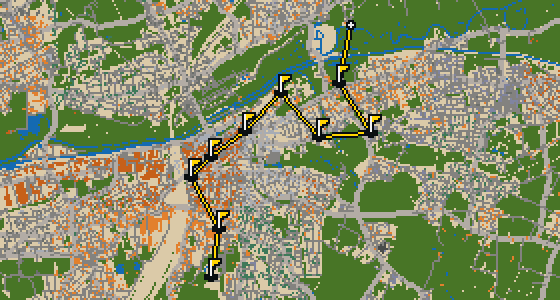
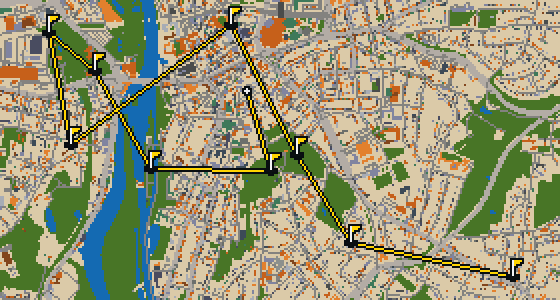
Dortmund - 18 stops - par 54

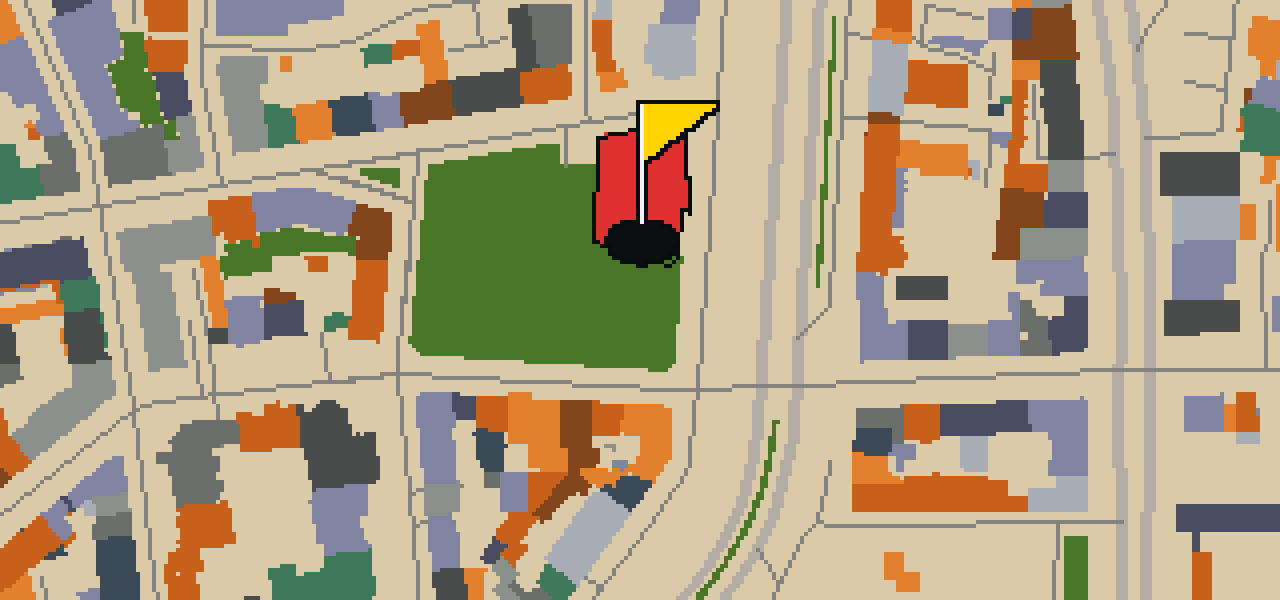
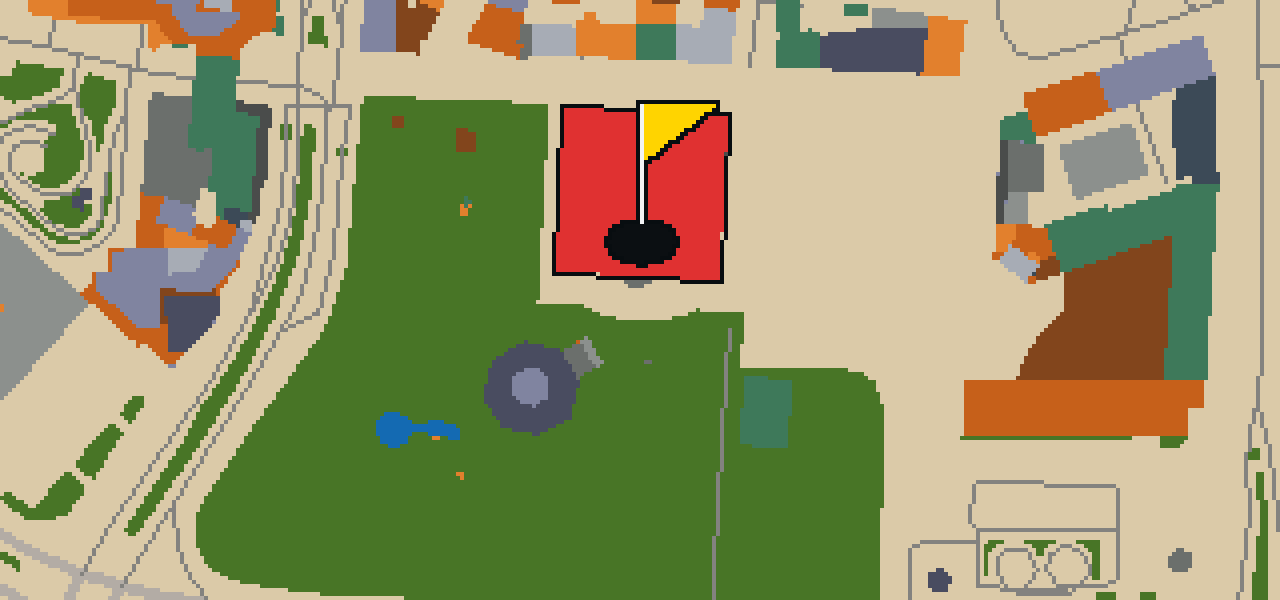
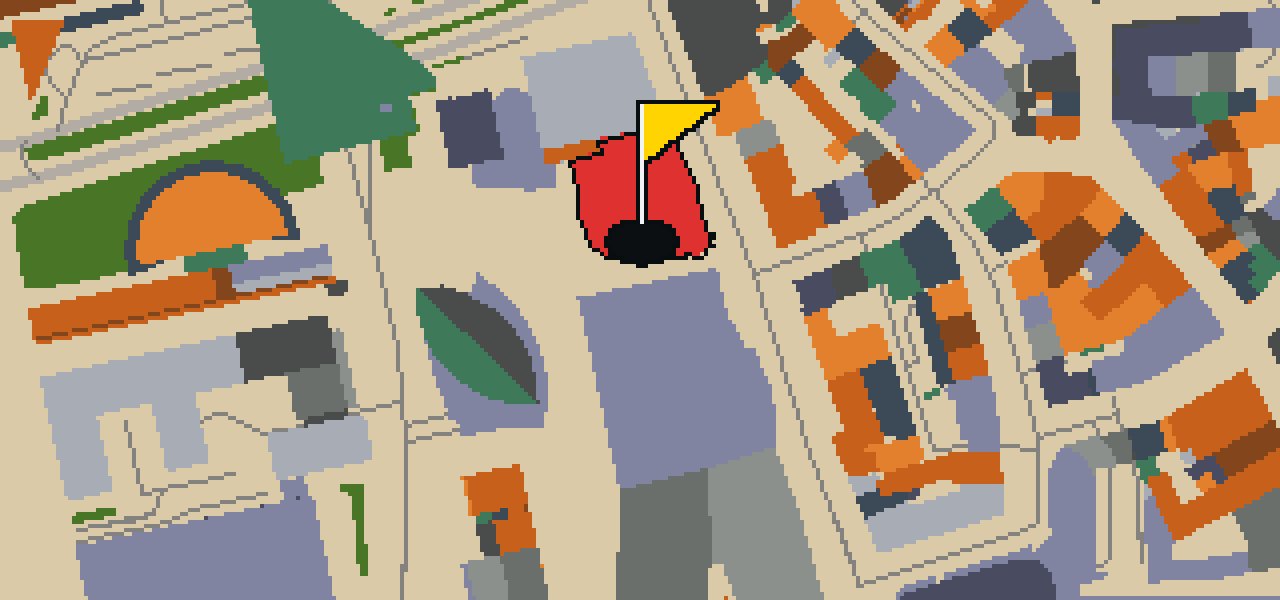
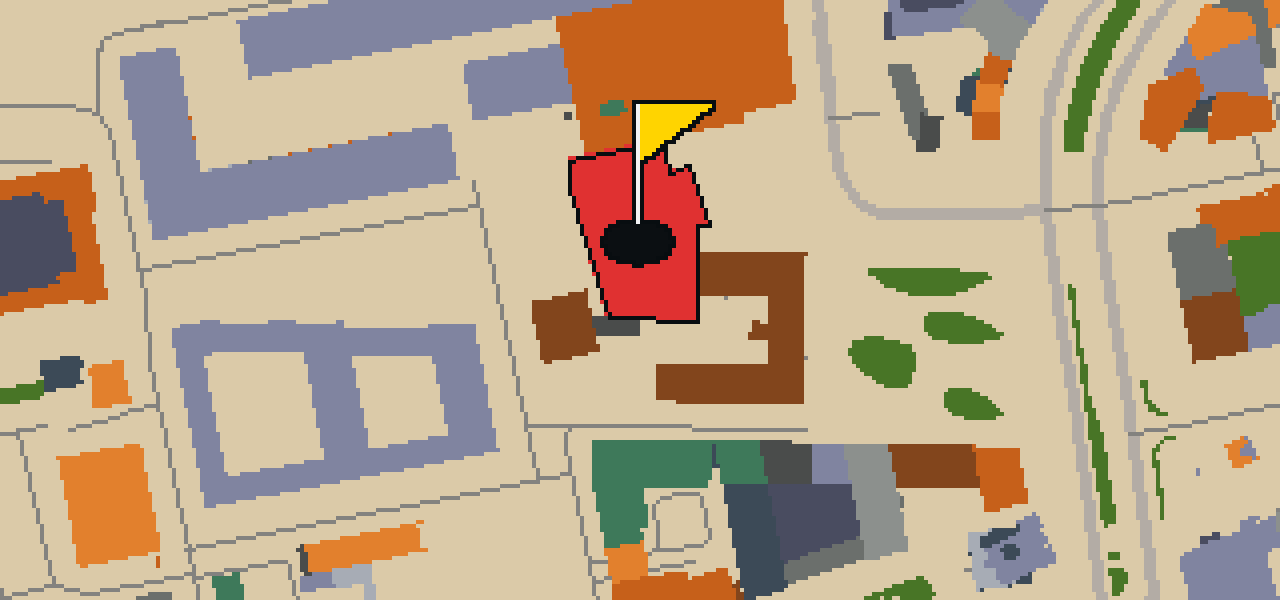
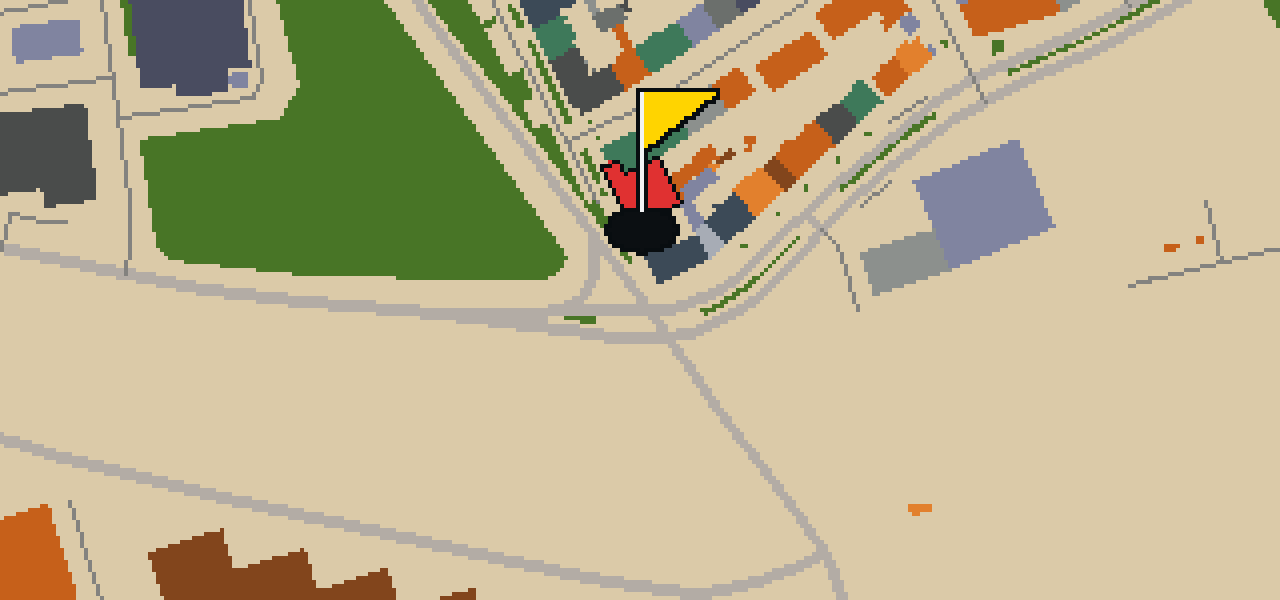
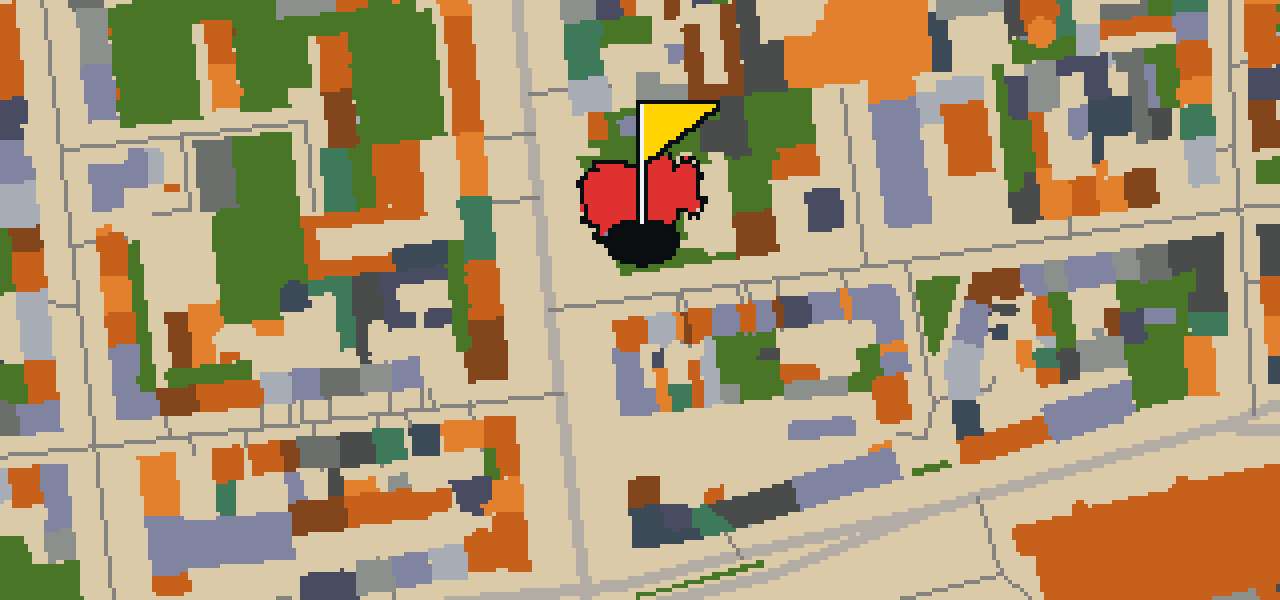
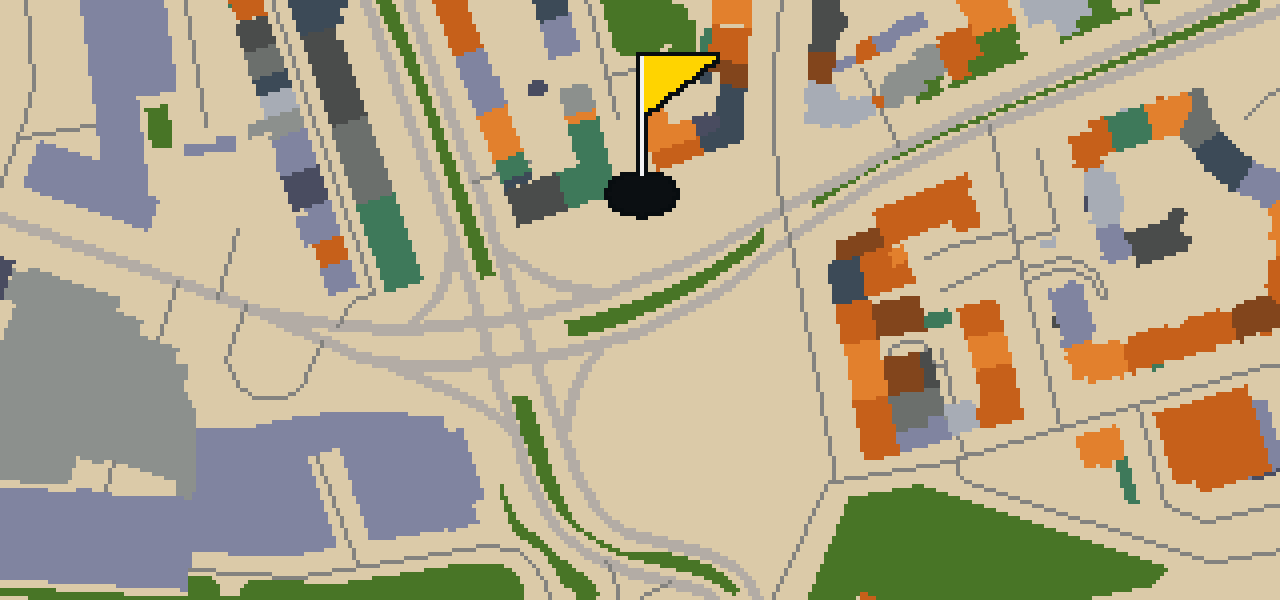
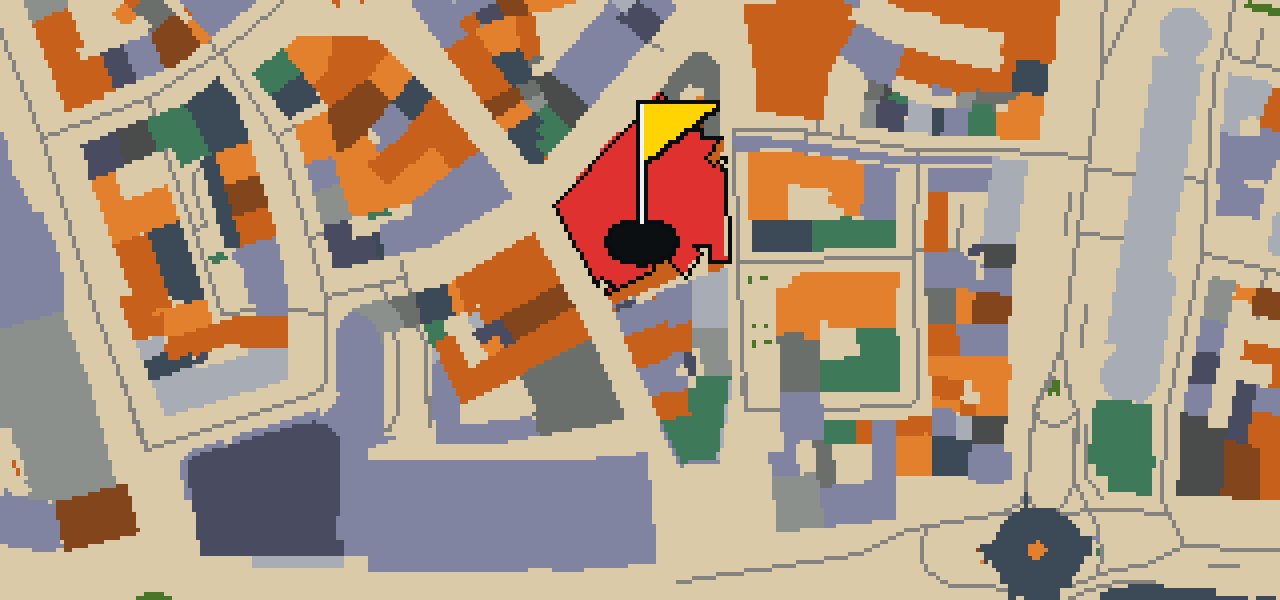
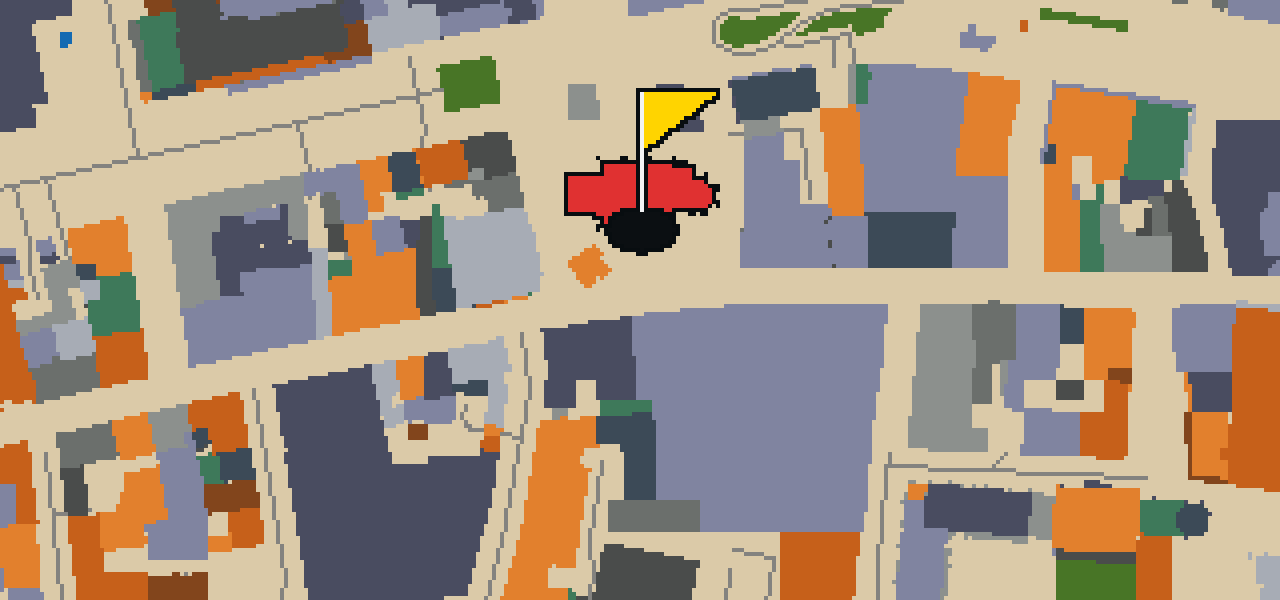
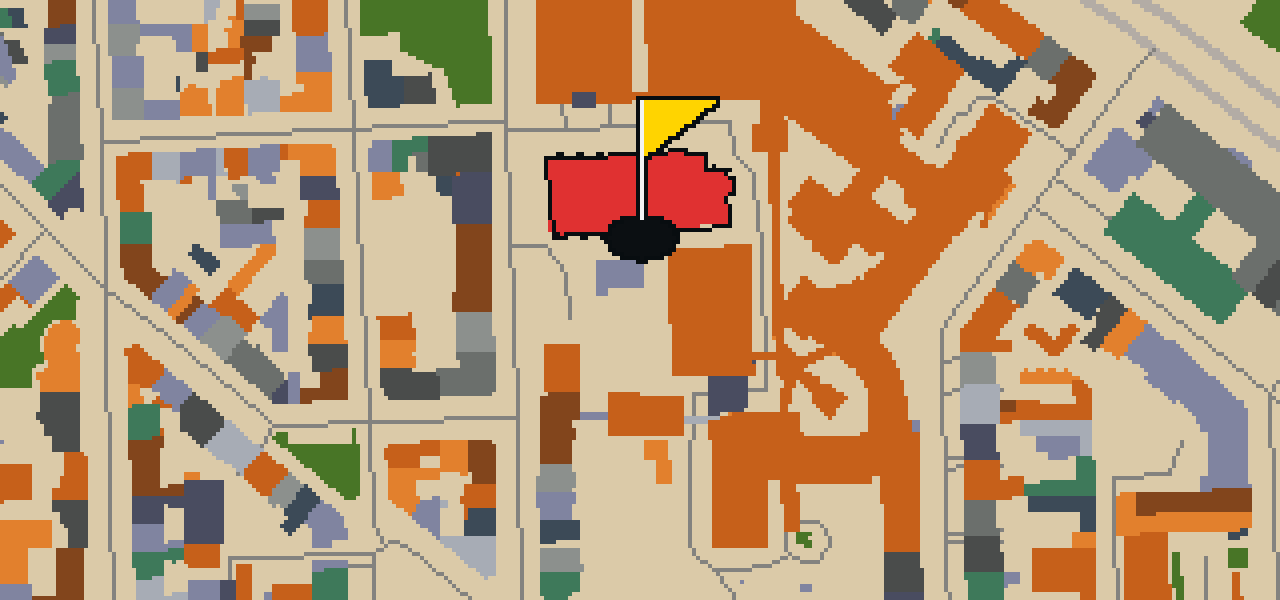
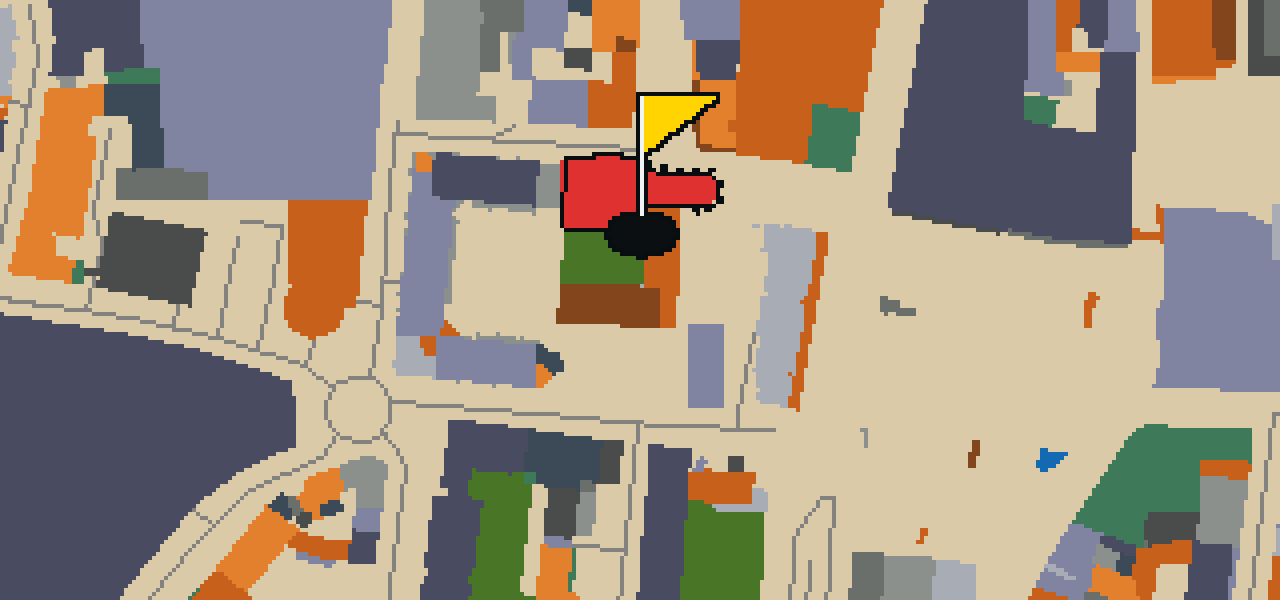
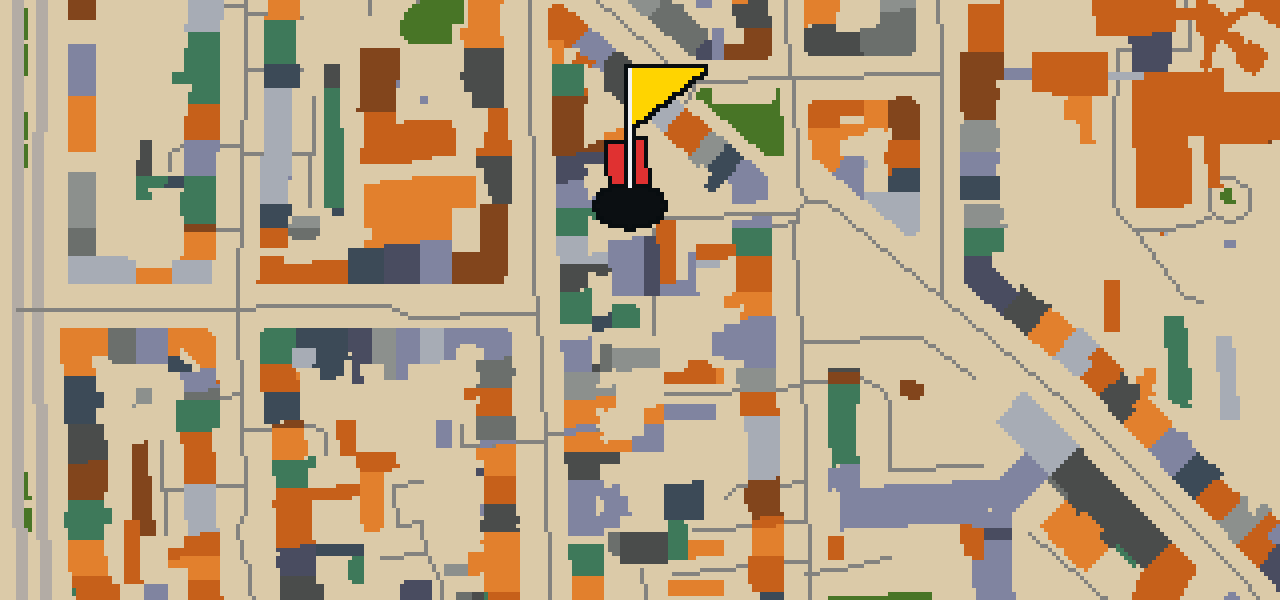
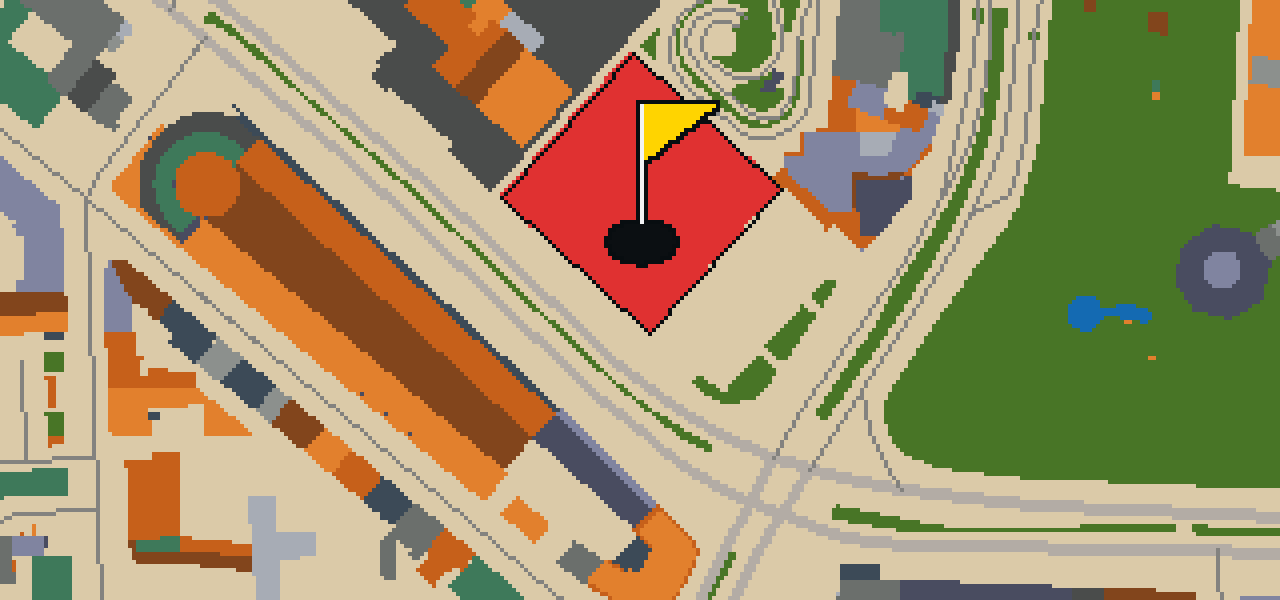
Dortmund is the setting for this round, where the map is the real city and the ball rolls across its actual streets. The holes are built from real attractions, like the Sankt Reinoldi-Kirche. I'm a local guide who knows every nook of the place, including where the best crumbs hide. This full round consists of 18 holes with a par of 54. The walk covers 10.5 km and uses 36 portals to move between districts.

Trouble loading? Open the game in its own tab.

HOW IT WORKS

01

Pick a city

The course is drawn on the real street grid, so the map you play is the map you walk.

02

Putt to the pin

Drag to aim, release to swing. Buildings bounce and water costs you a stroke.

03

Sightsee between strokes

Every hole ends at an attraction. Sink the putt, read the story, walk to the next tee.

THE DORTMUND ROUND - STOP BY STOP

HOLE 1 - PAR 3

Sankt Reinoldi-Kirche

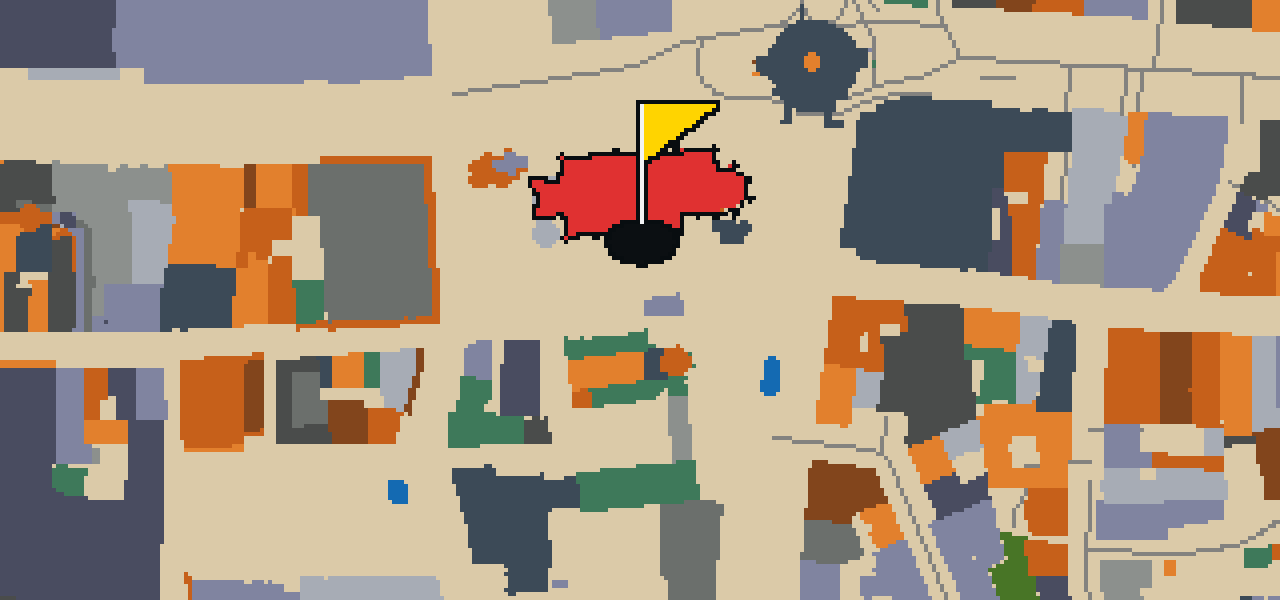
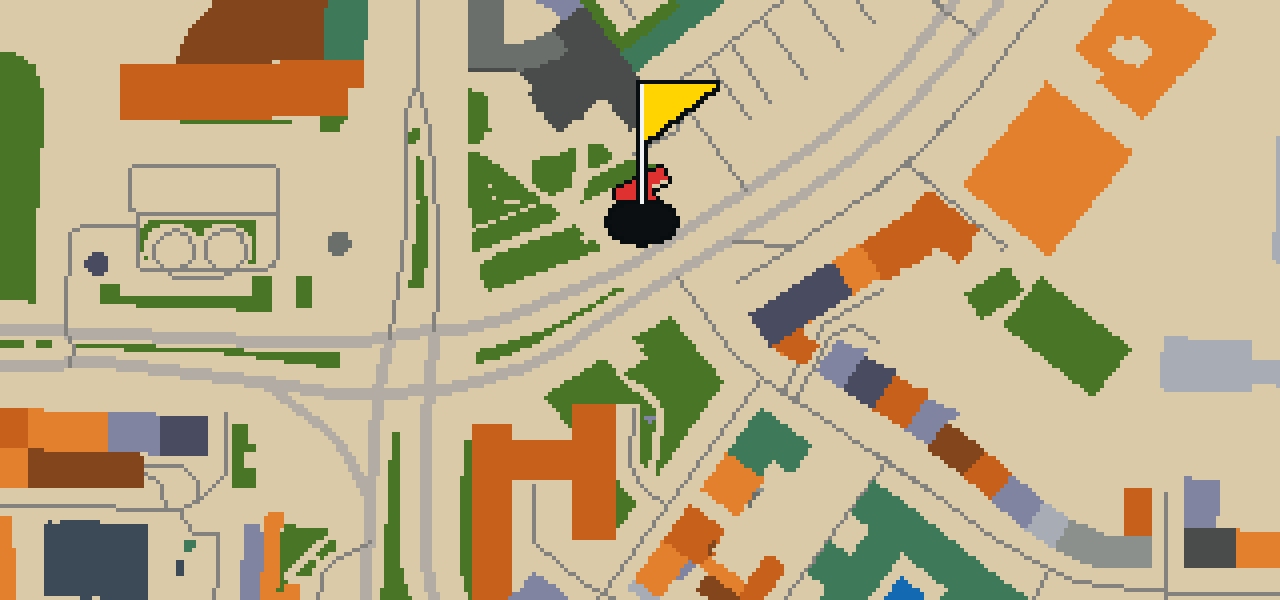
Sankt Reinoldi-Kirche is a church building located in the centre of Dortmund, Germany. The structure reaches a height of 104.65 meters and is an architectural heritage monument in North Rhine-Westphalia. It was built as a palatine church in the Ottonian era, with the specific construction period for the site occurring from 1250 to 1270. The present building is a late Romanesque church with a late gothic quire. It is dedicated to Reinold, who is also known as Renaud de Montauban.

Wikidata · Wikipedia

HOLE 2 - PAR 2

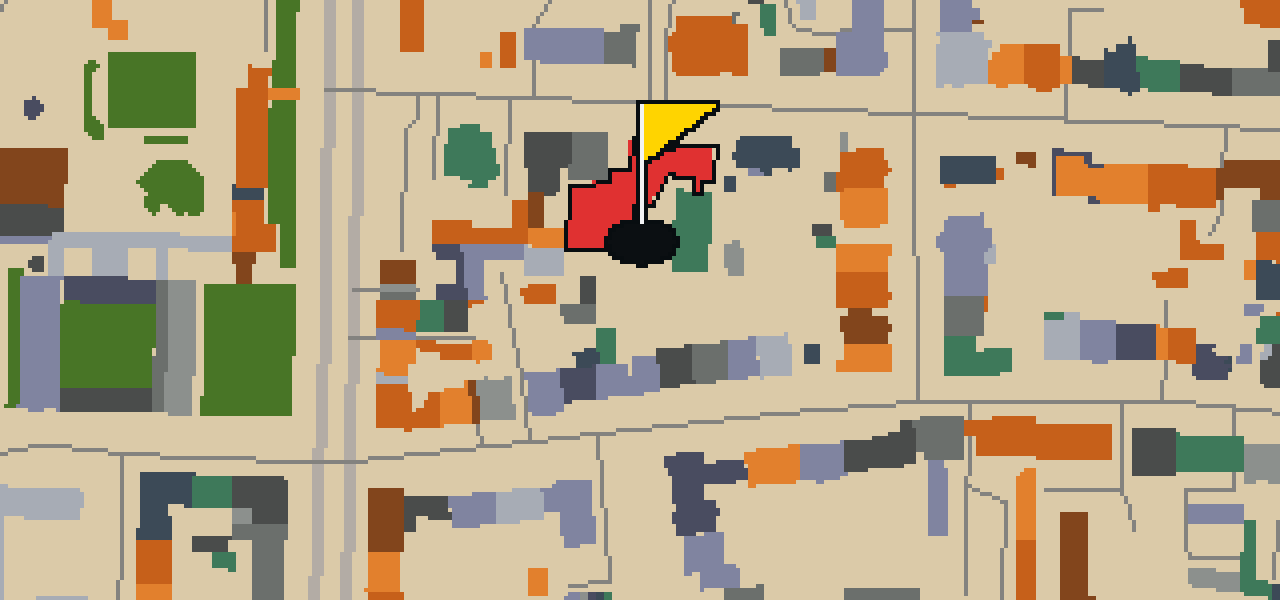
Kindermuseum Adlerturm

Let me show you the Kindermuseum Adlerturm. This landmark is a tower that now functions as a museum for children. It is a great spot to visit if you are exploring the city's taller structures. I've found that the view from up high is always better when you aren't fighting for a crumb of bread.

Wikidata

HOLE 3 - PAR 3

Baukunstarchiv NRW

Baukunstarchiv NRW is a collection of architectural records. It is also an instance of archives. I can show you around this site to see how it preserves the building history of the region.

Wikidata

HOLE 4 - PAR 3

Rathaus

Let me show you the Rathaus. This building is the town hall for the city and is an instance of a Rathaus. It is where the central seat of local administration is located. I've noticed it's a steady spot for people coming and going from the city offices.

Wikidata

HOLE 5 - PAR 3

Museum für Kunst und Kulturgeschichte

You will first notice the Art Deco architecture of the Museum für Kunst und Kulturgeschichte. This municipal art and cultural history museum in Dortmund, Germany, is located in a building that was formerly the Dortmund Savings Bank. It was founded in 1883 and is recognized as an architectural heritage monument in North Rhine-Westphalia. I always think the geometric lines of the exterior make it one of the most distinct sights in the area, and it is a great place to stop if you want to see how the city has changed over the years.

Wikidata · Wikipedia

HOLE 6 - PAR 3

Museum Ostwall

You'll first notice the striking U-Tower, which has been the home of Museum Ostwall since 2010. This museum of modern and contemporary art in Dortmund, Germany, has roots going back to the late 1940s and officially had its inception in 1952. Inside, the collection features paintings, sculptures, objects, and photographs from the 20th century. There are also over 2,500 graphics for you to pick out while you explore the galleries. I find the height of the tower makes for a bit of a climb, but the art inside is well worth the trip up.

Wikidata · Wikipedia

HOLE 7 - PAR 3

Künstlerhaus Dortmund

Located here in the city, you will find the Künstlerhaus Dortmund. It is an artist's house. I always find it a pleasant spot to pause while navigating the streets.

Wikidata

HOLE 8 - PAR 3

Pauluskirche

Herwarth Schulte and Karl Doflein are the architects of Pauluskirche. They designed this church building in the Gothic Revival style, a choice that defines the visual character of the structure. Because of its historical and design value, Pauluskirche is an architectural heritage monument in North Rhine-Westphalia. Visitors can observe the specific characteristics of the Gothic Revival movement throughout the building's form. It stands as a significant example of this architectural approach within the region.

Wikidata

HOLE 9 - PAR 3

Freiherr-vom-Stein-Platz

Let me show you Freiherr-vom-Stein-Platz. This place is a square. It is a spot where you can stop and orient yourself before moving on to the next part of your journey through the city.

Wikidata

HOLE 10 - PAR 3

Konzerthaus

Ralf Schulte-Ladbeck is the architect who designed this location. He created the Konzerthaus, which is a concert hall in the city of Dortmund. For anyone visiting the city, it is a key destination for experiencing live music and seeing modern architectural work. I always find it interesting how the building interacts with the flow of the street around it. Whether you are a fan of the arts or just exploring the local landmarks, this hall is a significant stop on any tour of the city's cultural offerings.

Wikidata

HOLE 11 - PAR 3

Petrikirche

Petrikirche is a church building and an architectural heritage monument in North Rhine-Westphalia. This urban hall church is built in the High Gothic style, which you can see in its 105 meter height. The structure is almost square in plan with a comparatively short chancel. It is also notable for the way the central nave and side aisles are the same height, a characteristic of its specific architectural design. Let me show you this example of Gothic architecture as you move through the city.

Wikidata · Wikipedia

HOLE 12 - PAR 3

Liebfrauenkirche

Liebfrauenkirche is a parish church and an architectural heritage monument in North Rhine-Westphalia. When you arrive, you will notice the specific design of the building, which is the work of the architect Friedrich von Schmidt. This site is important as it is officially listed as an architectural heritage monument in North Rhine-Westphalia. It stands as a significant example of the region's religious architecture and continues to serve the community as a parish church for those visiting or living in the city.

Wikidata

HOLE 13 - PAR 3

Propsteikirche St. Johannes Baptist

Propsteikirche St. Johannes Baptist is the only Catholic church in the city centre of Dortmund. This provost church is an architectural heritage monument in North Rhine-Westphalia and is built in the Gothic architecture style. It was built from 1331 as the abbey church of a Dominican monastery and was later consecrated in 1458. When you enter the building, you can find a late-Gothic high altar by Derick Baegert. This site remains a significant part of the city's religious and architectural history.

Wikidata · Wikipedia

HOLE 14 - PAR 3

Fletch Bizzel

Look at the facade of Fletch Bizzel before you step inside. This theatre building is a fixture of the local scene in Dortmund. Located in the state of North Rhine-Westphalia, it provides a space for performance in the heart of Germany. I always find the energy around the entrance quite lively. Whether you are a fan of the stage or just passing through the neighborhood, it is a landmark that defines the cultural spirit of the area. It is a welcoming spot for anyone interested in the arts within the city.

Wikidata · Wikipedia

HOLE 15 - PAR 4

Opernhaus Dortmund

Let me show you the Opernhaus Dortmund. This opera house is operated by the Theater Dortmund organisation. It sits on a site with a heavy history; the Nazi local government demolished the Old Synagogue here in the 1930s. The city's first opera facility opened in 1904, but it was destroyed during World War II. The current house opened in 1966 to bring the arts back to this part of town. I've seen plenty of folks stop to admire the architecture before heading inside for a show.

Wikidata · Wikipedia

HOLE 16 - PAR 4

Jüdische Gemeinde Groß-Dortmund

Look closely at the entrance of the Jüdische Gemeinde Groß-Dortmund. This site is an instance of a qahal, a traditional form of Jewish community organization. It is an important landmark for those exploring the history of the city. I always find the atmosphere here quite grounding.

Wikidata

HOLE 17 - PAR 2

Stadewäldchen

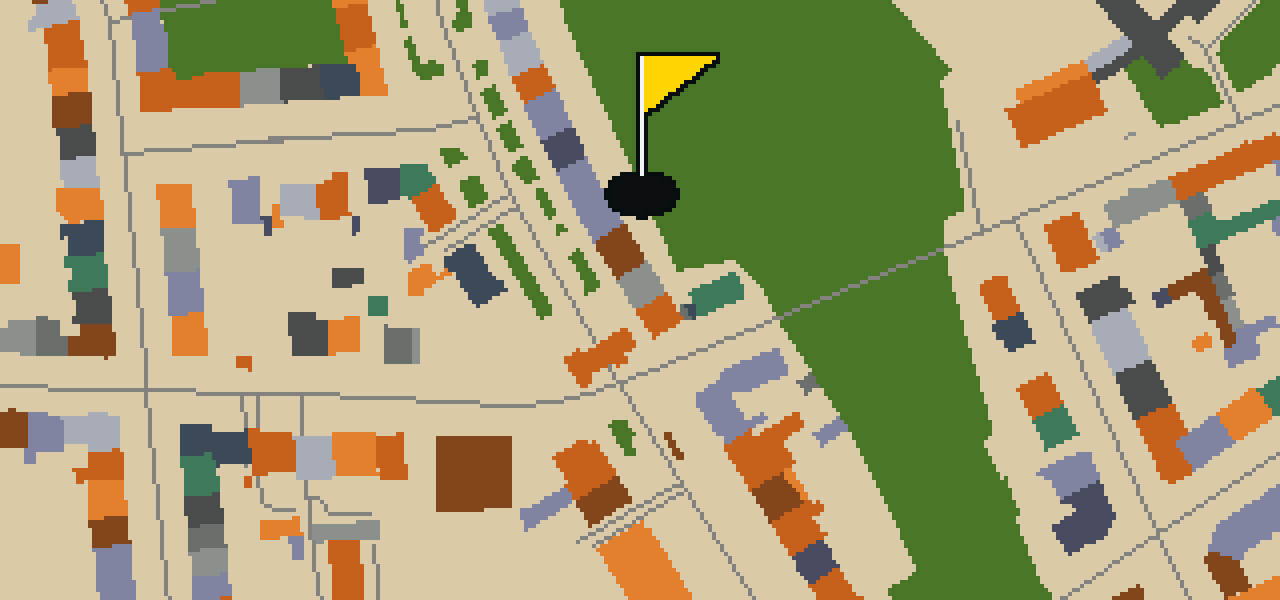
Green leaves and open air define the space here. Let me show you Stadewäldchen, which is a park. It is a spot where you can step away from the pavement and spend some time among the trees. I find it is a great place to stretch your wings.

Wikidata

HOLE 18 - PAR 3

St. Bonifatius

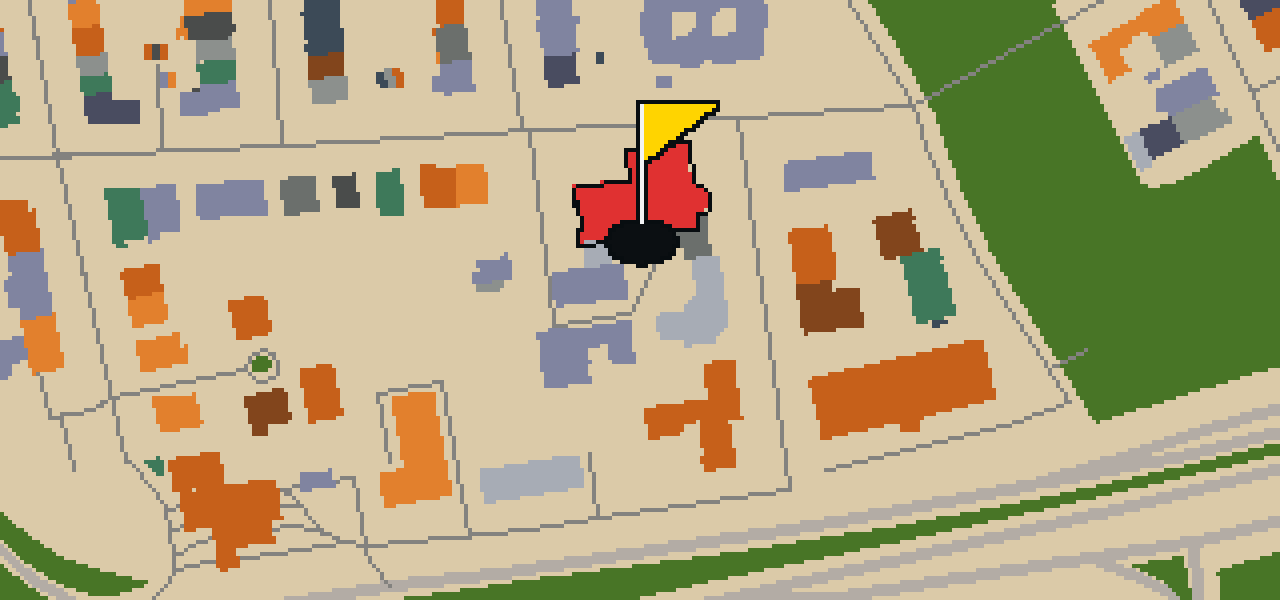
St. Bonifatius is a church building located in Dortmund. It is recognized as an architectural heritage monument in North Rhine-Westphalia, marking it as a site of significant regional importance. The building was designed by the architect Emil Steffann. Visitors can observe the specific design choices made by Steffann in this heritage monument, which serves as a place of worship and a point of architectural interest for those exploring the city's built environment.

Wikidata

STOP 19

Florianturm

Looking up at the 208.5 meter height of the Florianturm, you can see why it is a landmark of Dortmund. Designed by architect Will Schwarz, this television tower also functions as a radio transmitter and an observation tower. It is an architectural heritage monument named after St. Florian, the patron saint of gardeners. I've noticed the view from the top is a great way to get your bearings in the city, though I usually prefer to keep my feet firmly on the pavement where the crumbs are.

Wikidata · Wikipedia

OTHER COURSES

9 HOLES - PAR 33

Hamm

9 stops

This quick nine-hole round covers 7.4 km across Hamm. The map is the real city and the ball rolls along its actual streets, using portals to skip between districts. Local attractions like Schloss Heessen are the foundations for the holes. Skip knows every curb and cobblestone here, even if a few crumbs usually distract the guide.

18 HOLES - PAR 53

Kassel

18 stops

Kassel is the setting for this round, where the map follows the actual city and the ball rolls across its real streets. The holes are built from the city's actual attractions, ending at the Spitzhacke. Skip knows these sidewalks well and is the local guide. This is a full round of 18 holes with a par of 53, covering a walk of 9.7 km. The ball moves between distant districts using 12 portals.

9 HOLES - PAR 31

Hagen

9 stops

The ball ends its journey at the Stadtgarten. This course uses the real streets of Hagen as the map, with the city's actual attractions forming the holes. A quick round of 9 holes covers 7.6 km, using 8 portals to bridge the gaps between distant districts. Skip knows every curb and cobblestone here, having spent plenty of time watching the world go by from the eaves.

9 HOLES - PAR 29

Oberhausen

9 stops

Banking a ball off the stone of Schloss Broich requires a steady wing and a soft touch. This round takes place on the real streets of Oberhausen, where the city map is the course. The holes are built from actual local attractions, and Skip knows every crack in the pavement. A quick 9-hole round covers 6 km, with 14 portals to keep the ball moving.

18 HOLES - PAR 57

Delsberg

18 stops

Banking a ball off the stone facades of the Roter Turm requires a steady wing and a bit of luck. This round takes place in Delsberg, where the map is the real city and the game is played on its actual streets. The holes are built from real attractions, turning the urban layout into a course. I know these sidewalks well and can be the local guide. It is a full round of 18 holes with a par of 57, covering a 12.1 km walk that uses 10 portals.

FAQ

Is it free to play?

Yes. Every course runs in the browser with no account and no install.

Do I need to be in the city?

No. The full round plays from anywhere. Walking the real route is a nice way to see the city, but it is not required.

Are the maps real?

Yes. The geometry comes from OpenStreetMap data, rendered chunky on purpose. Streets, water and parks sit where they really are.