
BREMEN - 18 HOLES - FREE

BREMEN
CITY MAP MINIGOLF

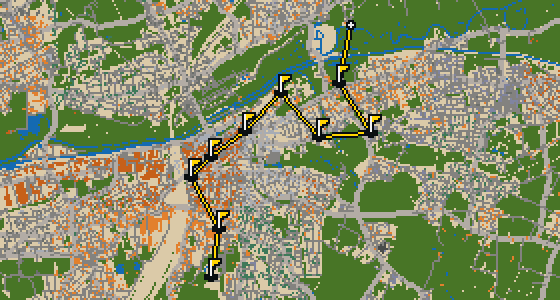
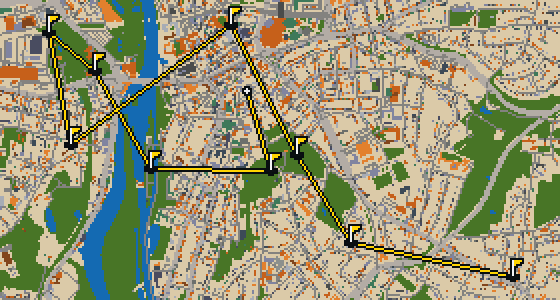
Bremen - 18 stops - par 51

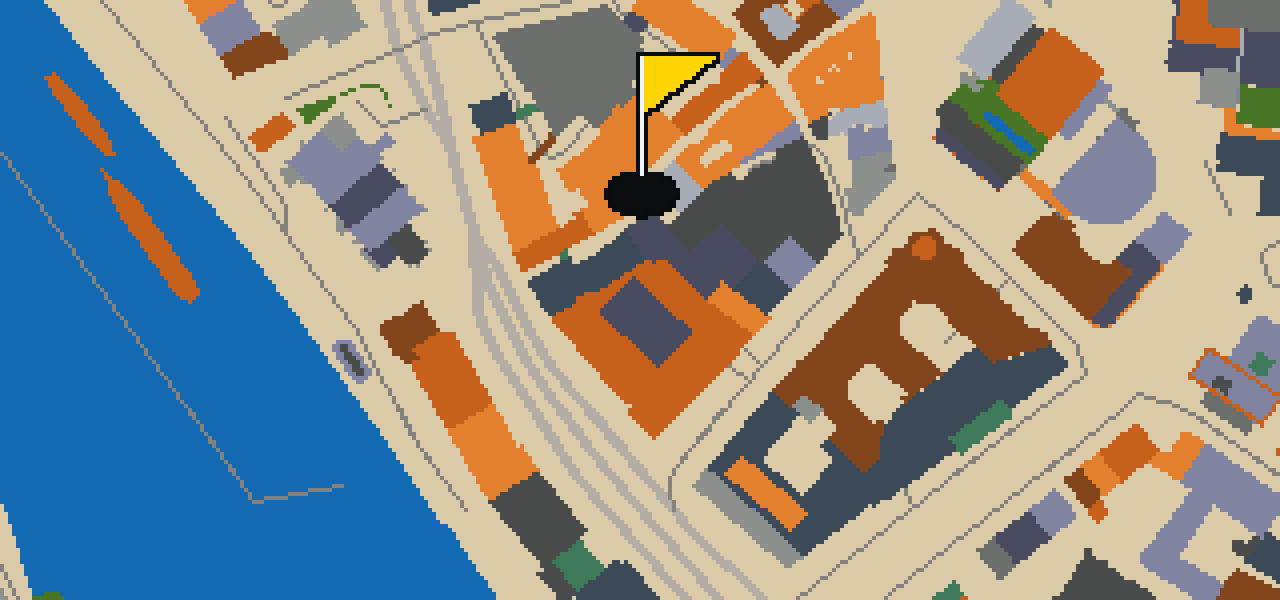
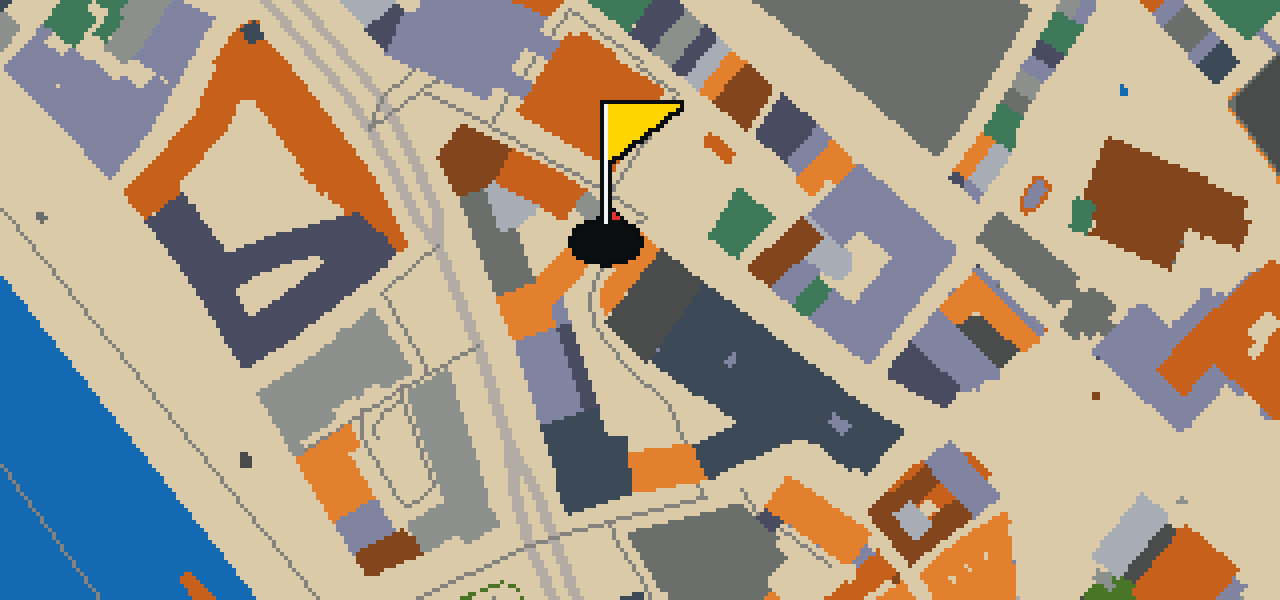
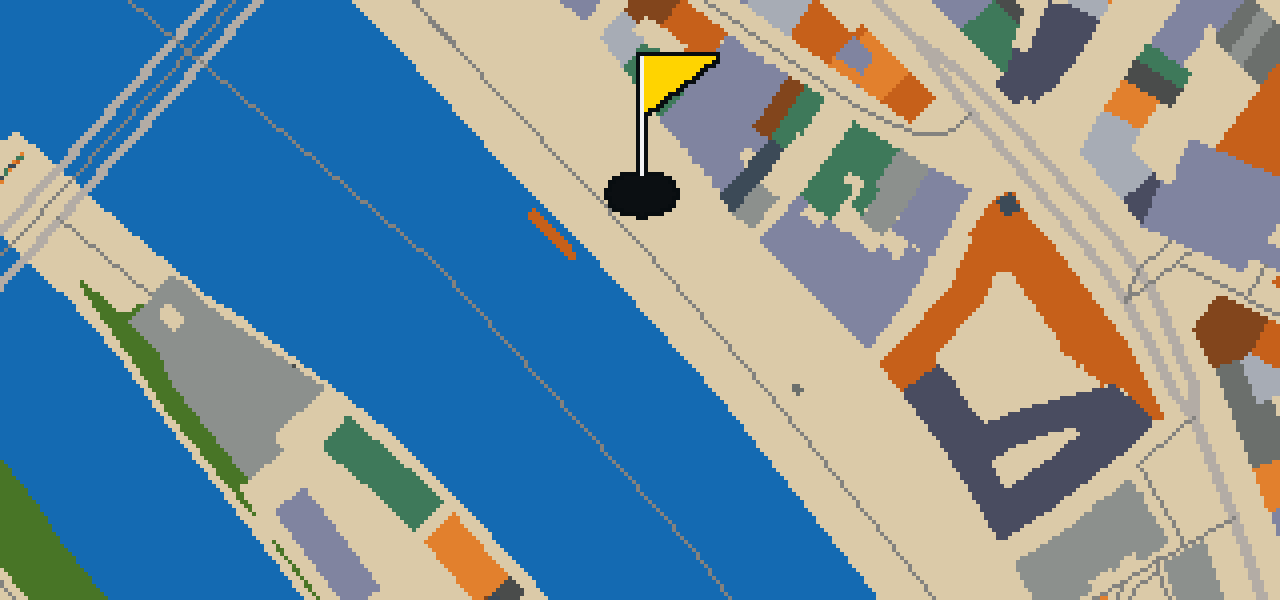
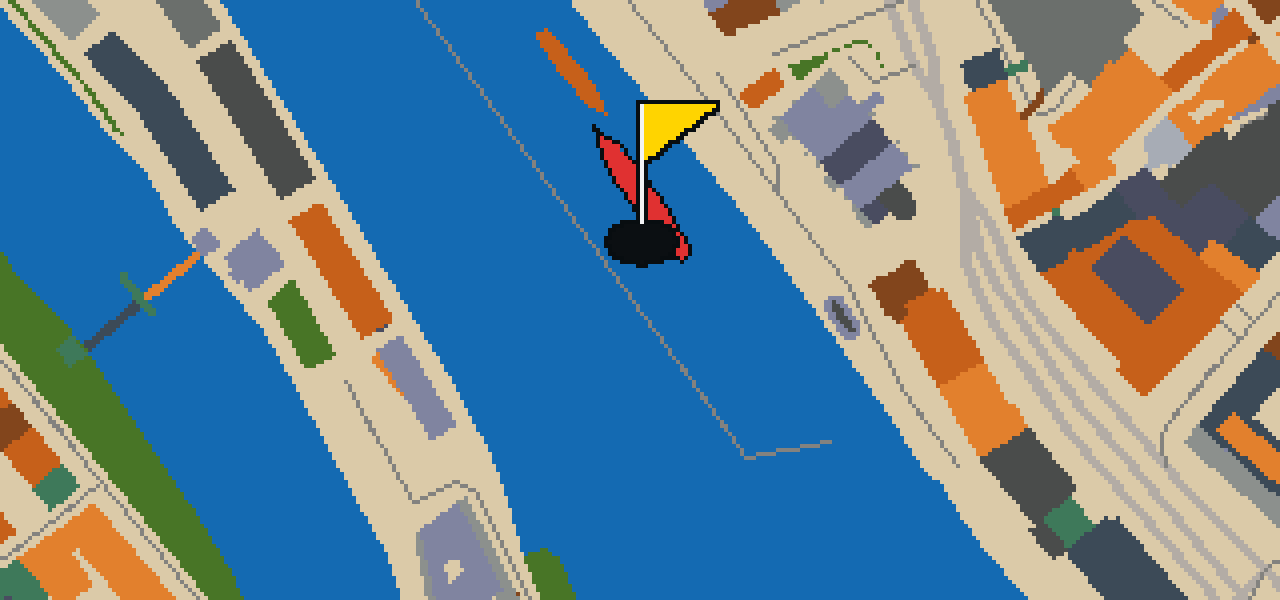
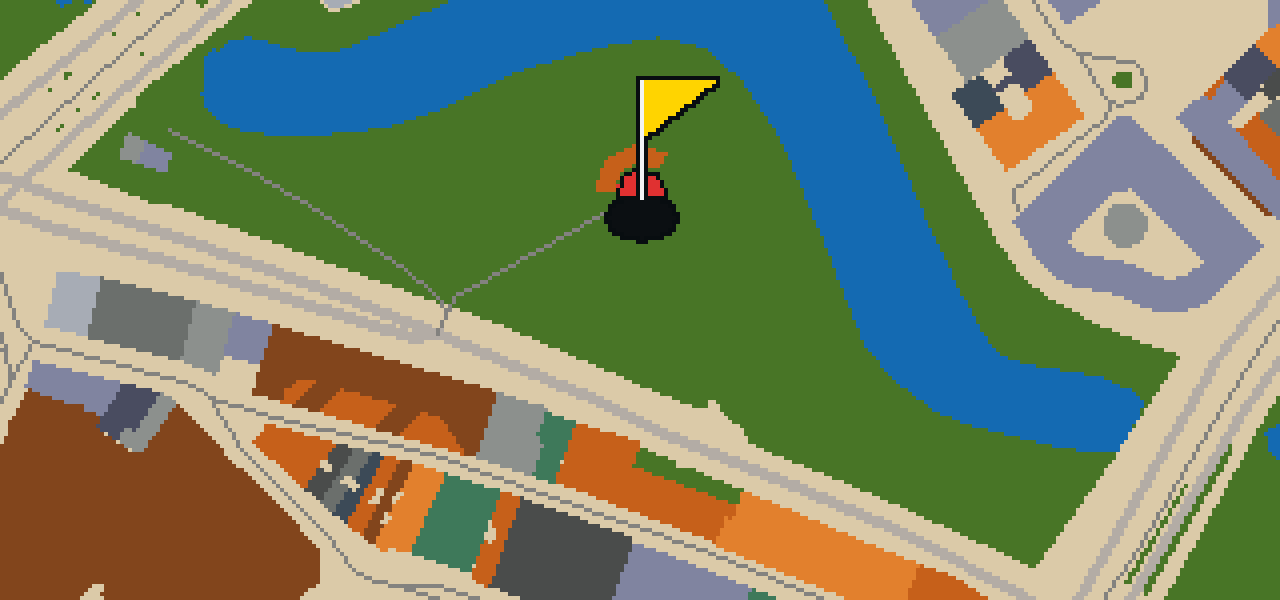
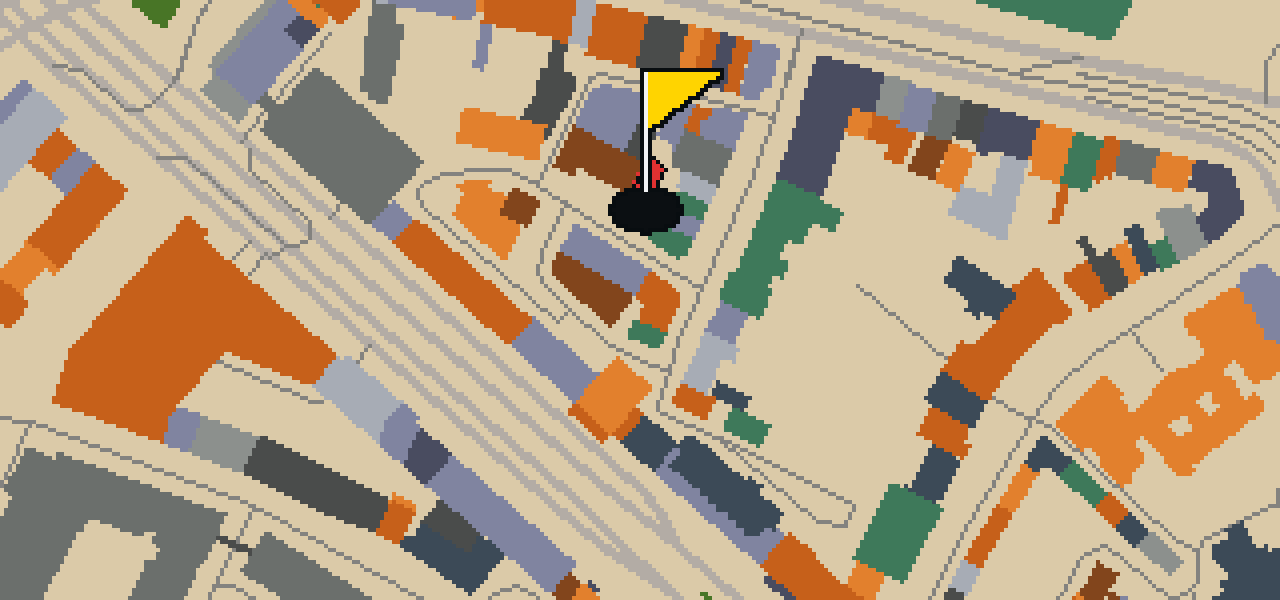
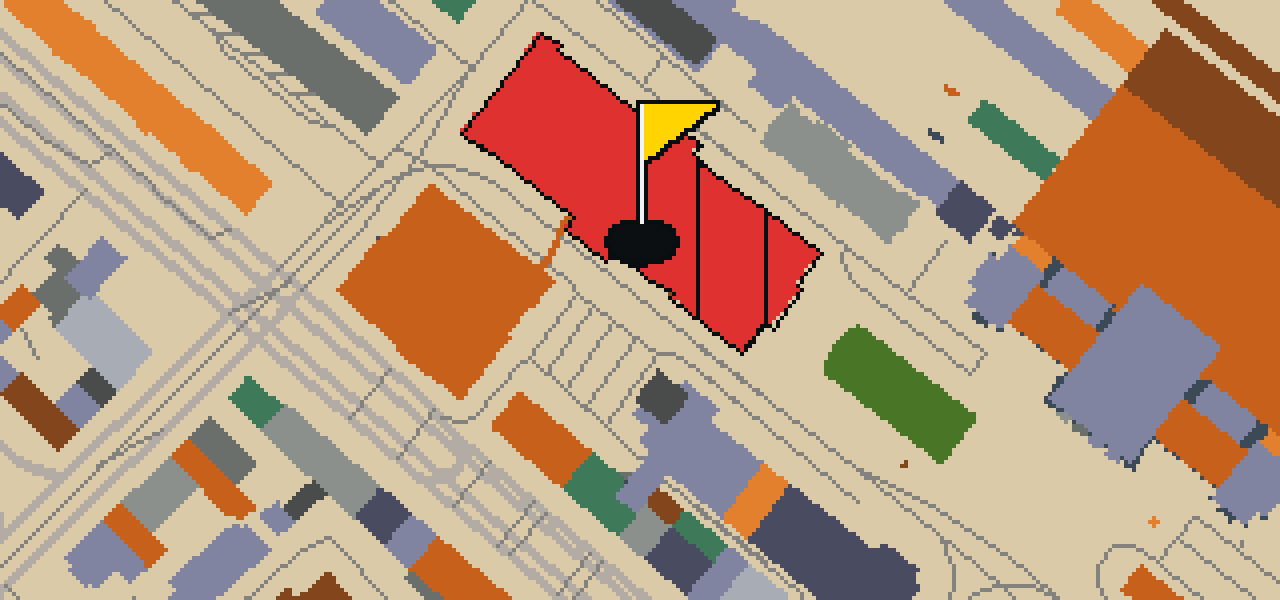
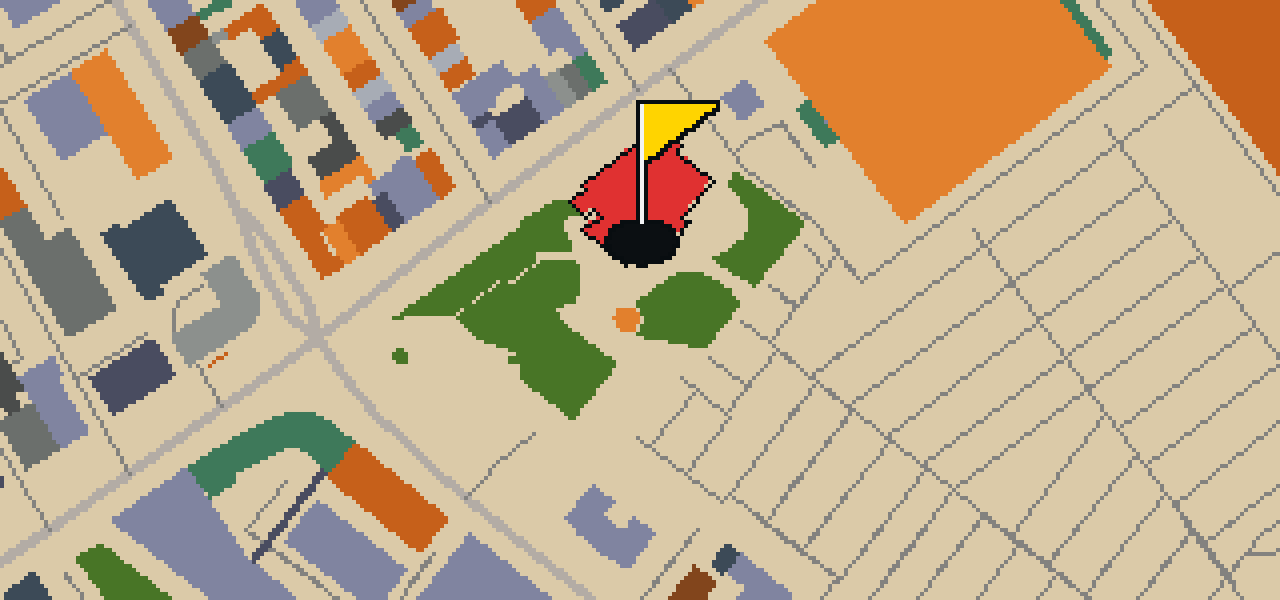
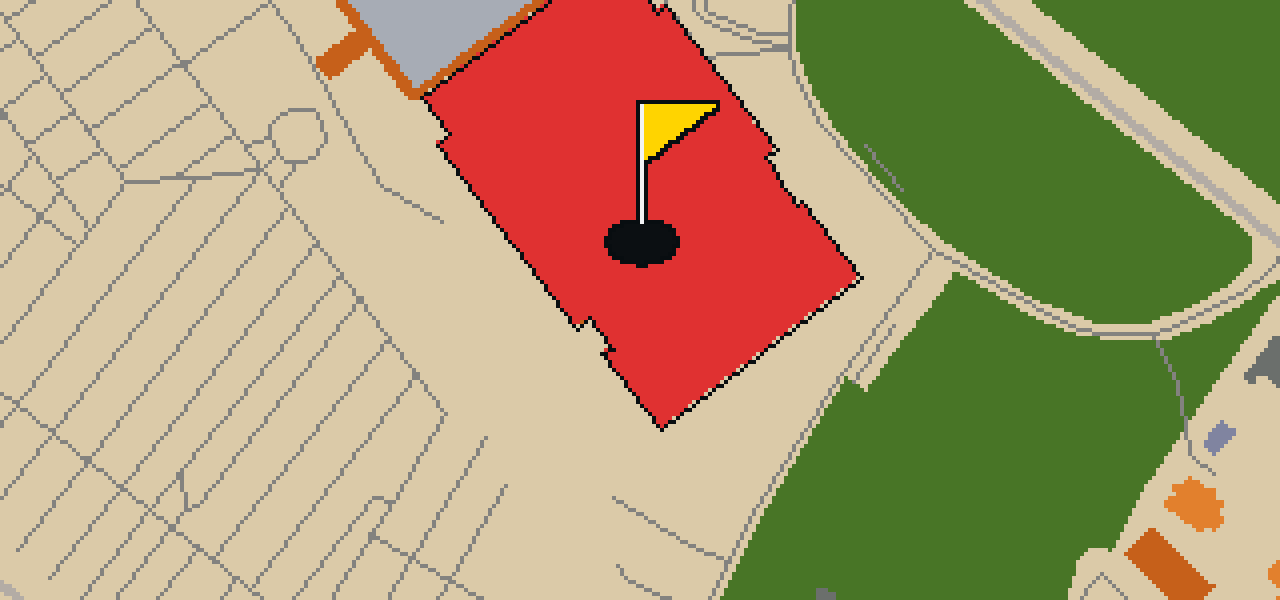
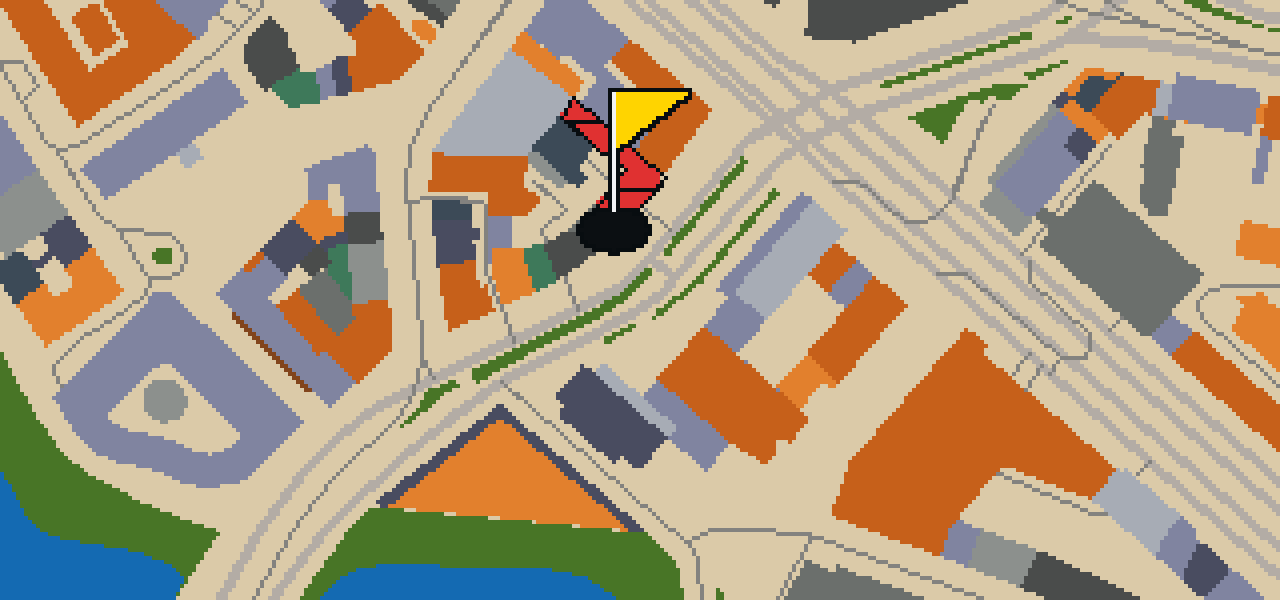
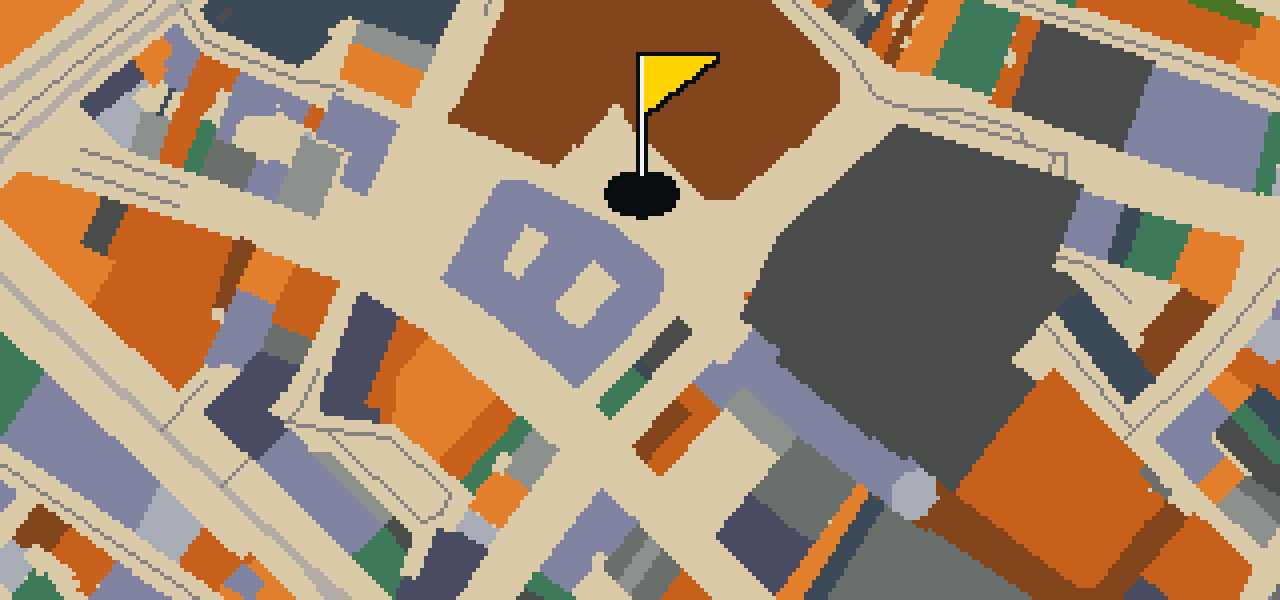
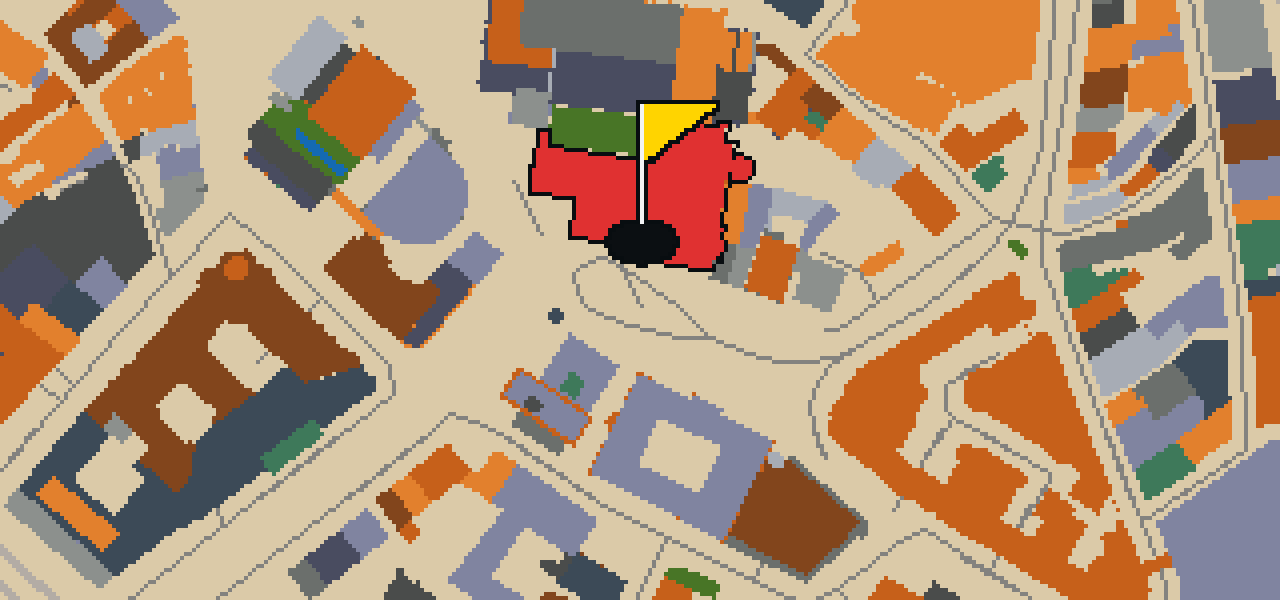
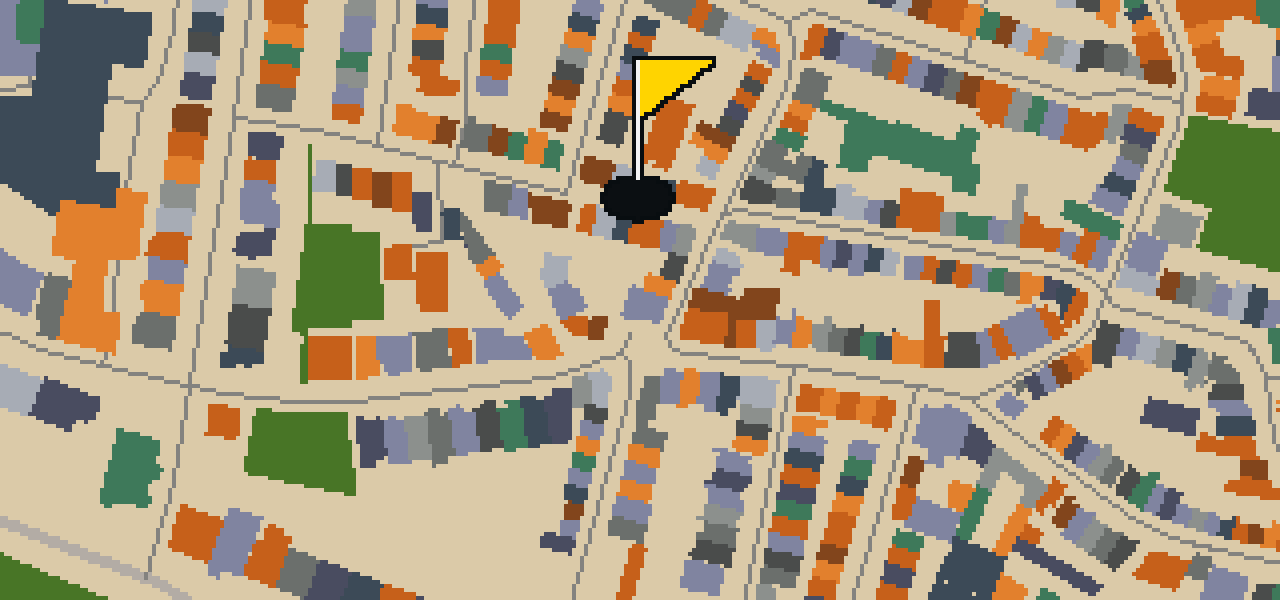
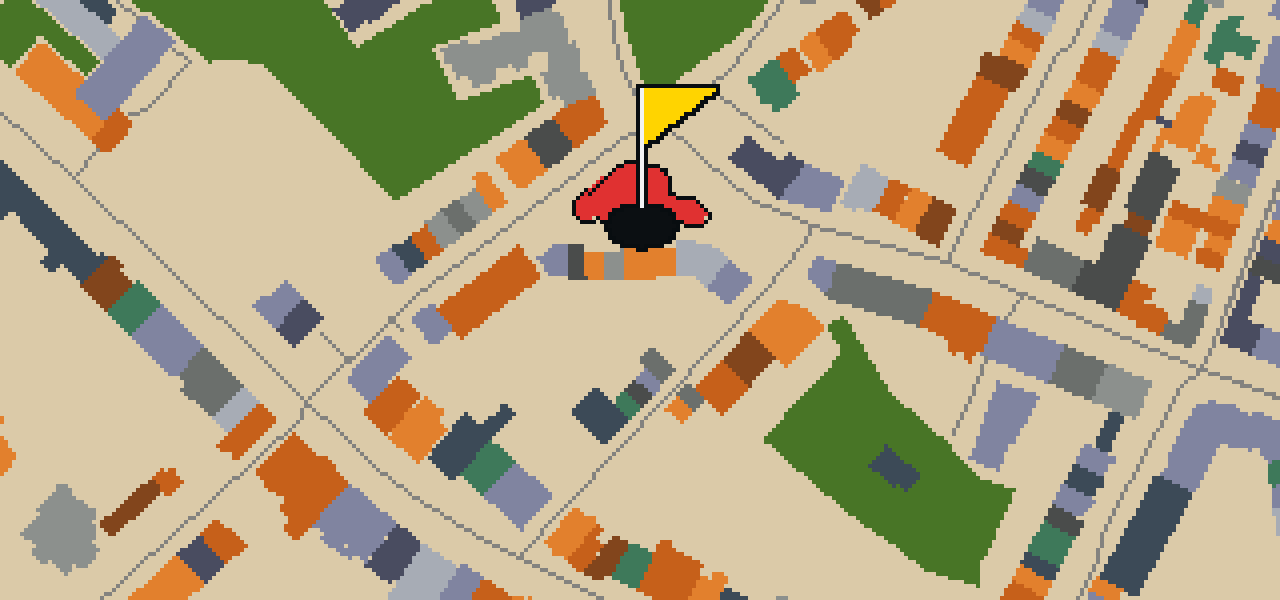
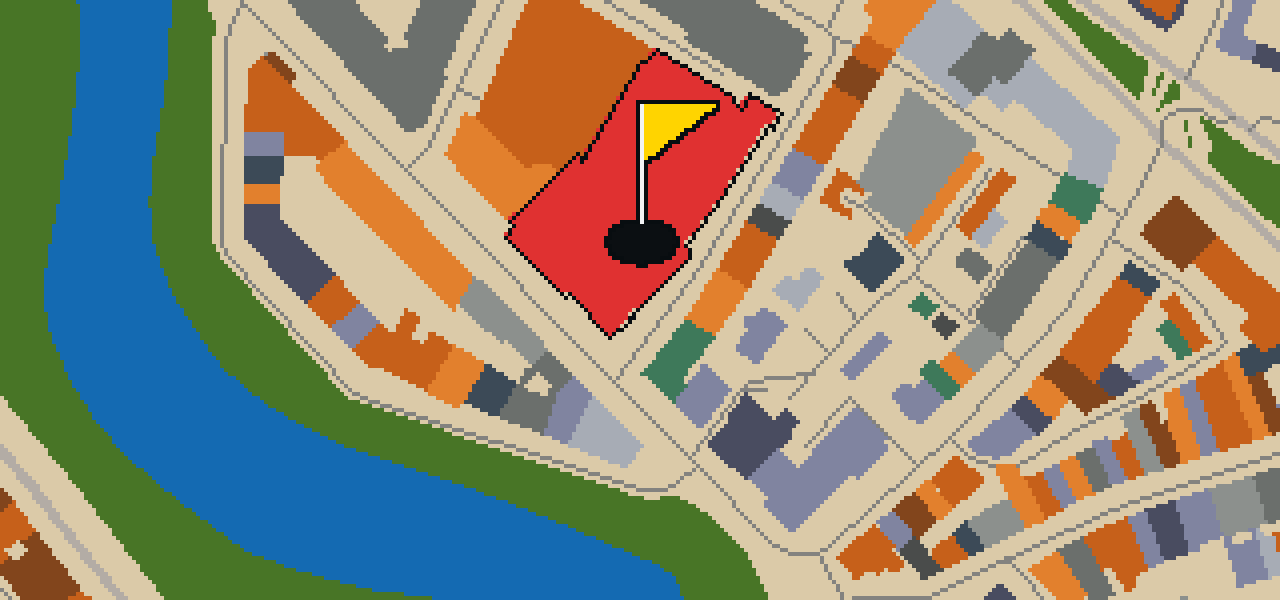
The round ends when the ball drops into the Michaelkirche. This course uses the real streets of Bremen as the map, where the city's actual attractions form the obstacles and the holes. A full 18-hole round covers 9.7 km, using 30 portals to bridge the gaps between different districts. Skip knows every cobblestone and alleyway here, having spent plenty of time dodging feet for crumbs. It is a long walk through the city, but the landmarks make the distance pass quickly.

Trouble loading? Open the game in its own tab.

HOW IT WORKS

01

Pick a city

The course is drawn on the real street grid, so the map you play is the map you walk.

02

Putt to the pin

Drag to aim, release to swing. Buildings bounce and water costs you a stroke.

03

Sightsee between strokes

Every hole ends at an attraction. Sink the putt, read the story, walk to the next tee.

THE BREMEN ROUND - STOP BY STOP

HOLE 1 - PAR 3

Die Bremer Stadtmusikanten

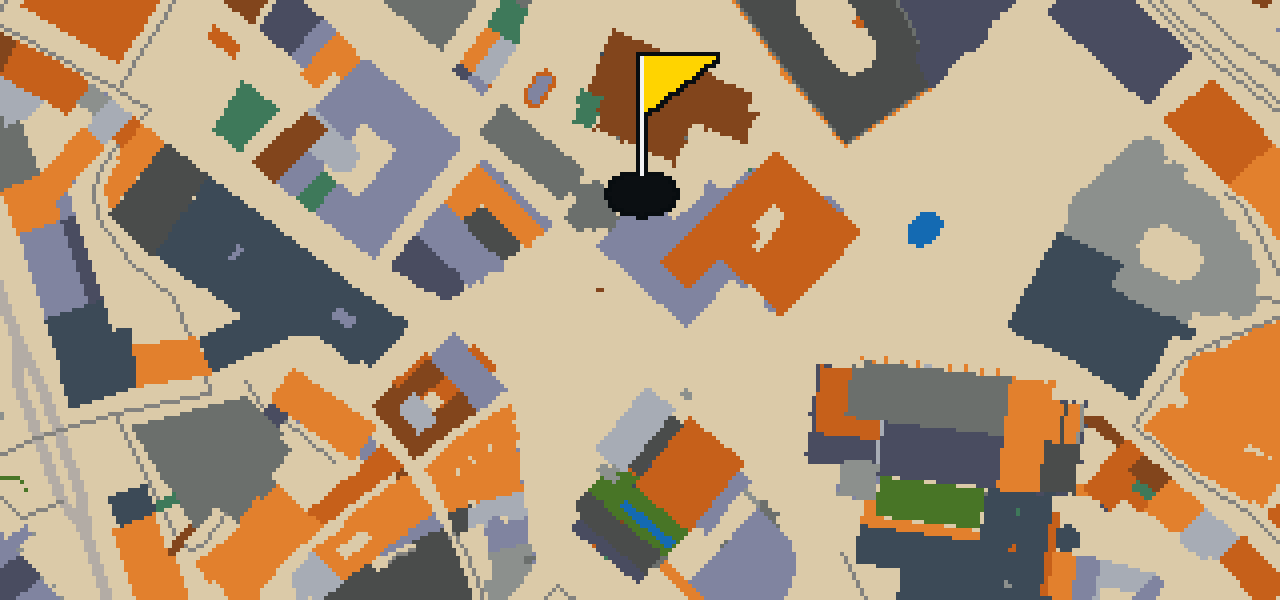
Let me show you this tribute to the Town Musicians of Bremen. It is based on a German fairy tale that was collected by the Brothers Grimm. This literary work tells a story of animals seeking a new life, and it was published in Grimms' Fairy Tales in 1819. You can pick out the figures stacked on top of one another, just as they appear in the story. I've noticed that people often touch the statue for luck, though I usually prefer the view from the rooftops.

Wikidata · Wikipedia

HOLE 2 - PAR 3

Kunsthalle Bremen

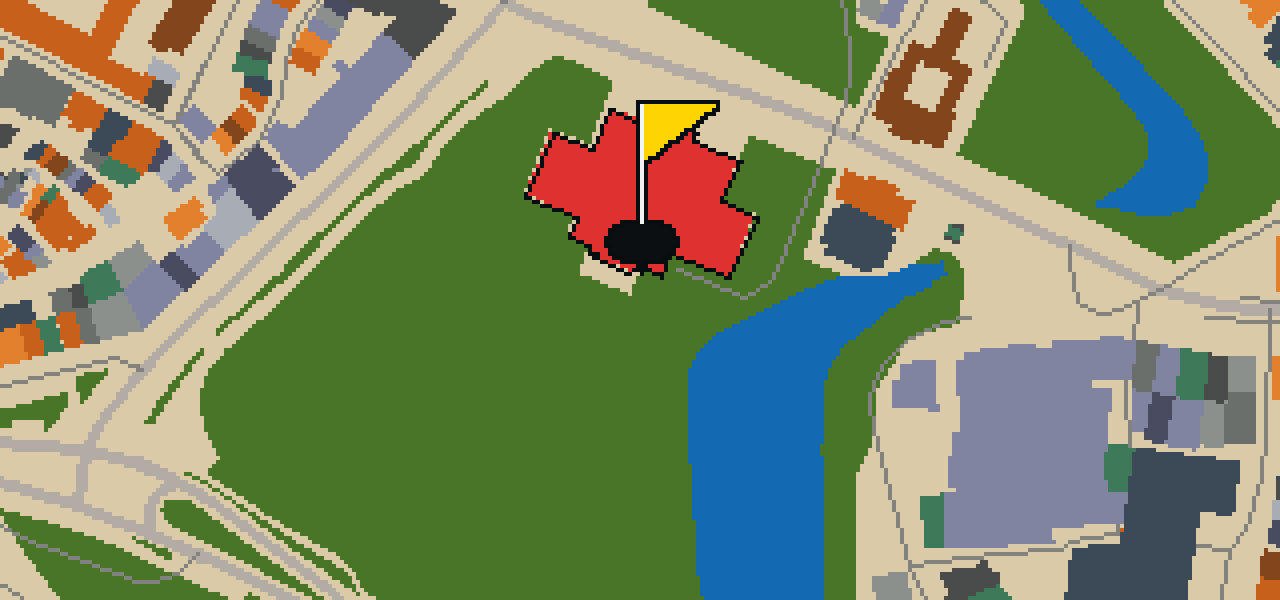
You can see the additions made to the Kunsthalle Bremen over time, including the 1902 enlargement by architect Eduard Gildemeister. This art museum is located close to the Bremen Old Town on the Culture Mile. While the building itself was built in 1849, the museum's inception was in 1823. I've always found the way the different eras of architecture sit together quite interesting. It is a great spot to stop and admire the facade before heading inside to see the collections.

Wikidata · Wikipedia

HOLE 3 - PAR 3

Böttcherstraße

Walk along the 100 m stretch of Böttcherstraße in the historic centre of Bremen. This street is a cultural heritage ensemble where most buildings were erected between 1922 and 1931. The project was initiated by Ludwig Roselius, a coffee-trader based in Bremen, while Bernhard Hoetger was charged with the artistic supervision. It is a unique pocket of the city that feels quite different from the surrounding blocks. I always find the architecture here creates a wonderful sense of enclosure, making it a great spot to slow down and look up at the facades.

Wikidata · Wikipedia

HOLE 4 - PAR 2

Weserburg Museum für moderne Kunst

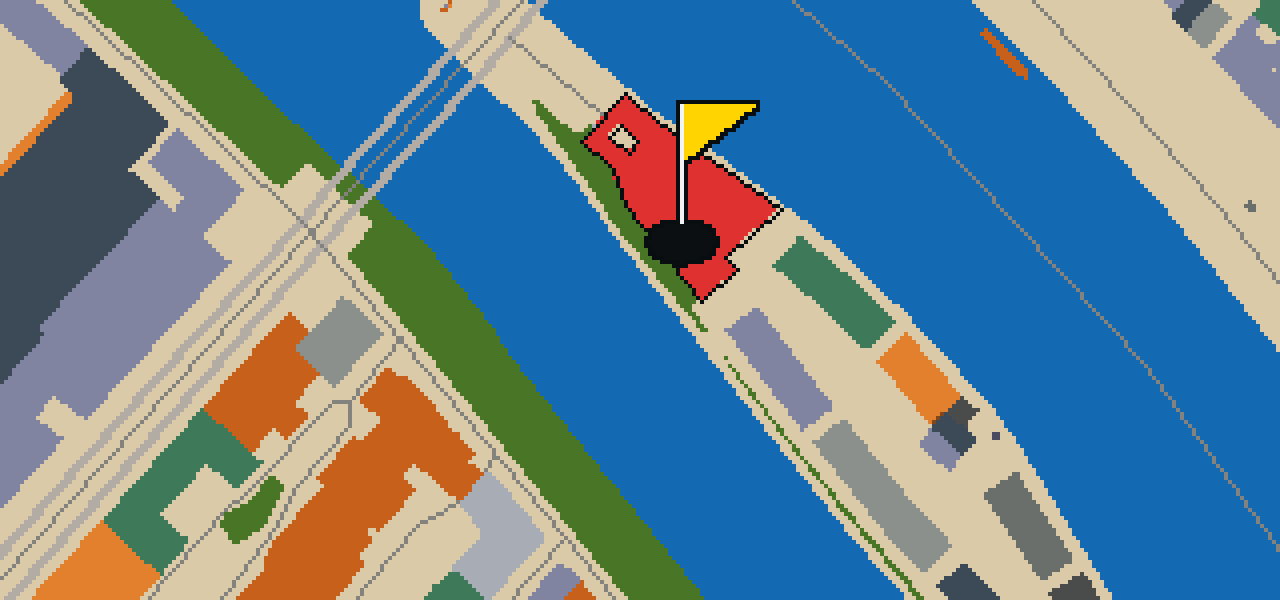
A nonprofit organization established this art museum to bring modern works to the city. You can find the Weserburg Museum für moderne Kunst in Bremen, Germany, situated on the Teerhof peninsula next to the River Weser. The museum is housed in an old factory building, which gives the gallery spaces a distinct industrial character. I find that the riverside location makes for a pleasant approach to the galleries, and it is a great spot for a stroll before you head inside to see the exhibits.

Wikidata · Wikipedia

HOLE 6 - PAR 3

Schifferhaus

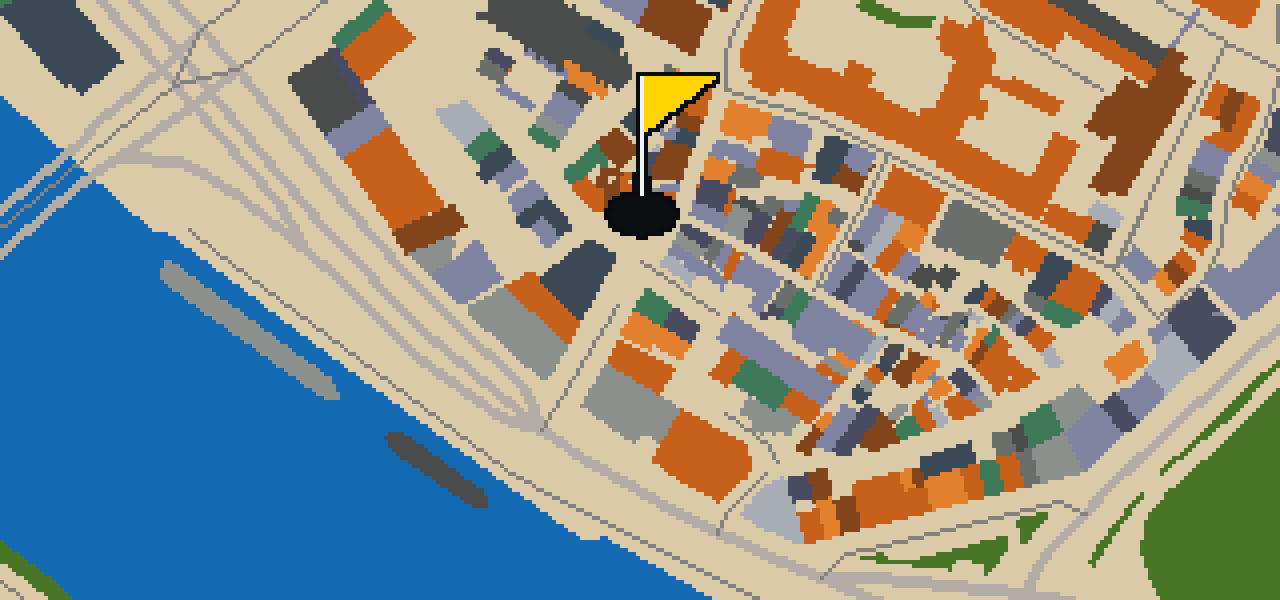
You might expect a modern gallery when visiting the Schnoor, but the Schifferhaus is a building that looks back to the past. Located in Bremen, Germany, this house is a protected cultural heritage monument in the state of Bremen. It was officially registered as an historical monument in 1973. For those interested in the local history of the district, it is worth noting that the house functioned as a private museum during the last 25 years of the 20th century. I've noticed the narrow streets around here make for a tricky bank shot.

Wikidata · Wikipedia

HOLE 7 - PAR 2

Schlachte

Located in the old town of Bremen in the north of Germany, the Schlachte is a boardwalk along the east bank of the River Weser. It was once one of the city's harbours, and it remains a protected cultural heritage monument in the state of Bremen. You can pick out plenty of river boats, beer gardens, and restaurants along the water. I've noticed it's a great spot for people-watching while the current drifts by, making it a favorite for those wanting to feel the river breeze while they explore the heart of the old town.

Wikidata · Wikipedia

HOLE 8 - PAR 3

Alexander von Humboldt

The Alexander von Humboldt is a German sailing ship. Built in 1906 by the AG Weser shipyard at Bremen, it spent years as the lightship Reserve Sonderburg. You can see the results of its long history here; the ship operated throughout the North and Baltic Seas until its retirement in 1986. After its time as a lightship, it was converted into a three masted barque and re-launched in 1988. In 2011, the ship left sail-training to enter the charter business in the Caribbean. It has since been converted to a botel. I've always liked how these old hulls hold their own in the harbor.

Wikidata · Wikipedia

HOLE 9 - PAR 3

Mühle am Wall

You can start by noticing the sails of Mühle am Wall, a windmill located in Bremen, Germany. This building was started and fully built in 1898. It is a protected cultural heritage monument in the state of Bremen, ensuring its preservation for the future. Because the building is open to visitors, you can head inside to see the interior or spend some time at the restaurant. I have found that the area around the mill is a lovely place to pause and watch the city go by.

Wikidata · Wikipedia

HOLE 10 - PAR 3

Focke-Windkanal

Let me show you the Focke-Windkanal, a museum and wind tunnel in Bremen. Henrich Focke built this laboratory in 1960 when he was 70 years old. He continued his aerodynamic studies here until shortly before his death in 1979. Today, the site is a protected cultural heritage monument in the state of Bremen, and the technical monument has been protected by law since 2004. It is a great spot to see how aviation science evolved in the city. I've seen a few shiny planes fly over this neighborhood in my time.

Wikidata · Wikipedia

HOLE 12 - PAR 3

Kulturzentrum Schlachthof

Let me show you Kulturzentrum Schlachthof. This location is a cultural center. It is a place where you can observe the way the space has been used over time. I think you will find the atmosphere here quite welcoming.

Wikidata

HOLE 13 - PAR 3

ÖVB-Arena

You might think this is just another sports stadium, but the ÖVB-Arena is actually a multi-purpose hall and a velodrome. It is the largest indoor arena in Bremen, Germany. Roland Rainer and Klumpp Architekturbüro Bremen are architects of the building, which saw its inception from 1960 to 1964. Whether you are here for a trade fair or a concert, you can't miss the scale of the place. I've seen plenty of things fly over this roof, and it's a sturdy landmark for the neighborhood.

Wikidata · Wikipedia

HOLE 15 - PAR 3

Hanseatenhof

Let me show you the Hanseatenhof. This square is a notable spot in the city that had its inception in 1988. When you visit, you can take in the layout of the space and observe how it interacts with the surrounding architecture. It is a place where you can pause and get your bearings before moving on to the next landmark. I find the open air here quite refreshing for a quick stretch of the wings, provided the local crowds aren't too thick.

Wikidata

HOLE 17 - PAR 3

Tischlerei-Museum Bremen

You will first notice the array of traditional woodworking equipment inside the Tischlerei-Museum Bremen. As a technology museum, it preserves the mechanical side of carpentry and joinery for visitors to study. I find the smell of old wood in these galleries quite nostalgic, reminding me of the hidden workshops tucked away in the city's side streets. The institution was founded in 1990 and remains a dedicated spot for those interested in the evolution of craft tools. It is a great place to appreciate the precision required for this type of work.

Wikidata

HOLE 18 - PAR 2

Michaelkirche

Situated within the city, the Michaelkirche is a church building. It is a place of worship where visitors can find a moment of stillness. This site is an important landmark in the local area, providing a space for reflection and community gathering. Whether you are passing through the streets or stopping specifically to visit, the building is a clear point of orientation within the city's layout. It remains a dedicated space for those seeking a place of worship and a quiet environment amidst the activity of the surrounding urban environment.

Wikidata

STOP 19

Metropol Theater Bremen

Let me show you the Metropol Theater Bremen. This location is a musical theater building. It is a spot where you can see the city's dedication to musical performances. I have seen plenty of folks gather here for a show.

Wikidata

OTHER COURSES

9 HOLES - PAR 33

Hamm

9 stops

This quick nine-hole round covers 7.4 km across Hamm. The map is the real city and the ball rolls along its actual streets, using portals to skip between districts. Local attractions like Schloss Heessen are the foundations for the holes. Skip knows every curb and cobblestone here, even if a few crumbs usually distract the guide.

18 HOLES - PAR 53

Kassel

18 stops

Kassel is the setting for this round, where the map follows the actual city and the ball rolls across its real streets. The holes are built from the city's actual attractions, ending at the Spitzhacke. Skip knows these sidewalks well and is the local guide. This is a full round of 18 holes with a par of 53, covering a walk of 9.7 km. The ball moves between distant districts using 12 portals.

9 HOLES - PAR 31

Hagen

9 stops

The ball ends its journey at the Stadtgarten. This course uses the real streets of Hagen as the map, with the city's actual attractions forming the holes. A quick round of 9 holes covers 7.6 km, using 8 portals to bridge the gaps between distant districts. Skip knows every curb and cobblestone here, having spent plenty of time watching the world go by from the eaves.

9 HOLES - PAR 29

Oberhausen

9 stops

Banking a ball off the stone of Schloss Broich requires a steady wing and a soft touch. This round takes place on the real streets of Oberhausen, where the city map is the course. The holes are built from actual local attractions, and Skip knows every crack in the pavement. A quick 9-hole round covers 6 km, with 14 portals to keep the ball moving.

18 HOLES - PAR 57

Delsberg

18 stops

Banking a ball off the stone facades of the Roter Turm requires a steady wing and a bit of luck. This round takes place in Delsberg, where the map is the real city and the game is played on its actual streets. The holes are built from real attractions, turning the urban layout into a course. I know these sidewalks well and can be the local guide. It is a full round of 18 holes with a par of 57, covering a 12.1 km walk that uses 10 portals.

FAQ

Is it free to play?

Yes. Every course runs in the browser with no account and no install.

Do I need to be in the city?

No. The full round plays from anywhere. Walking the real route is a nice way to see the city, but it is not required.

Are the maps real?

Yes. The geometry comes from OpenStreetMap data, rendered chunky on purpose. Streets, water and parks sit where they really are.