
BRUNSWICK - 18 HOLES - FREE

BRUNSWICK
CITY MAP MINIGOLF

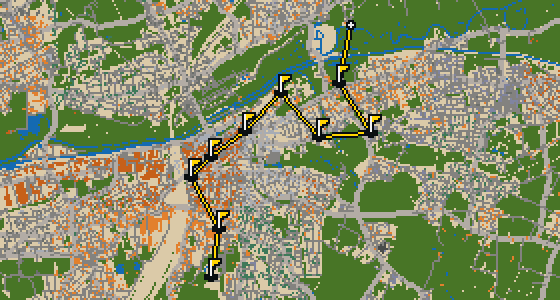
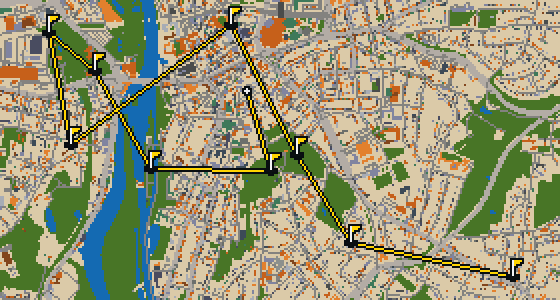
Brunswick - 18 stops - par 54

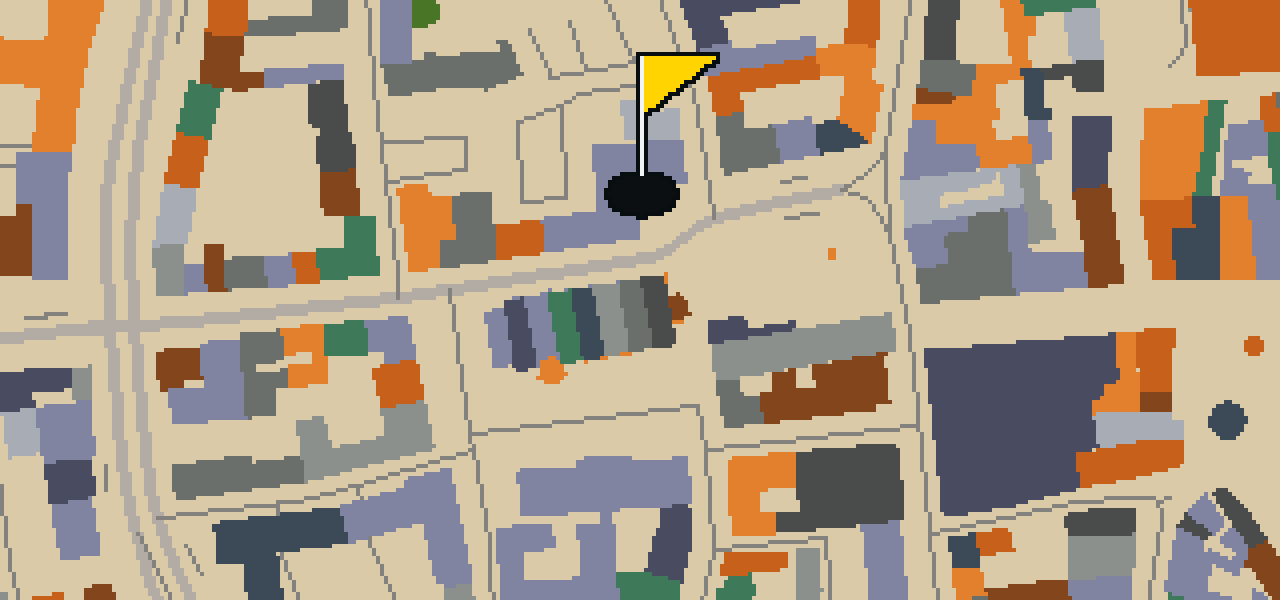
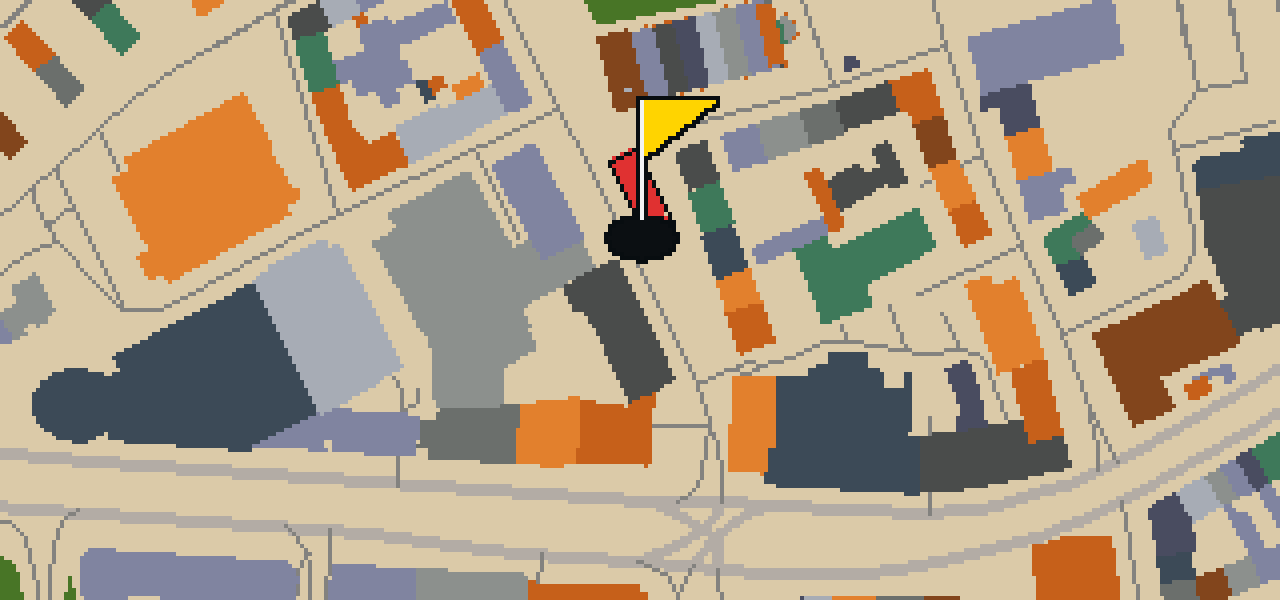
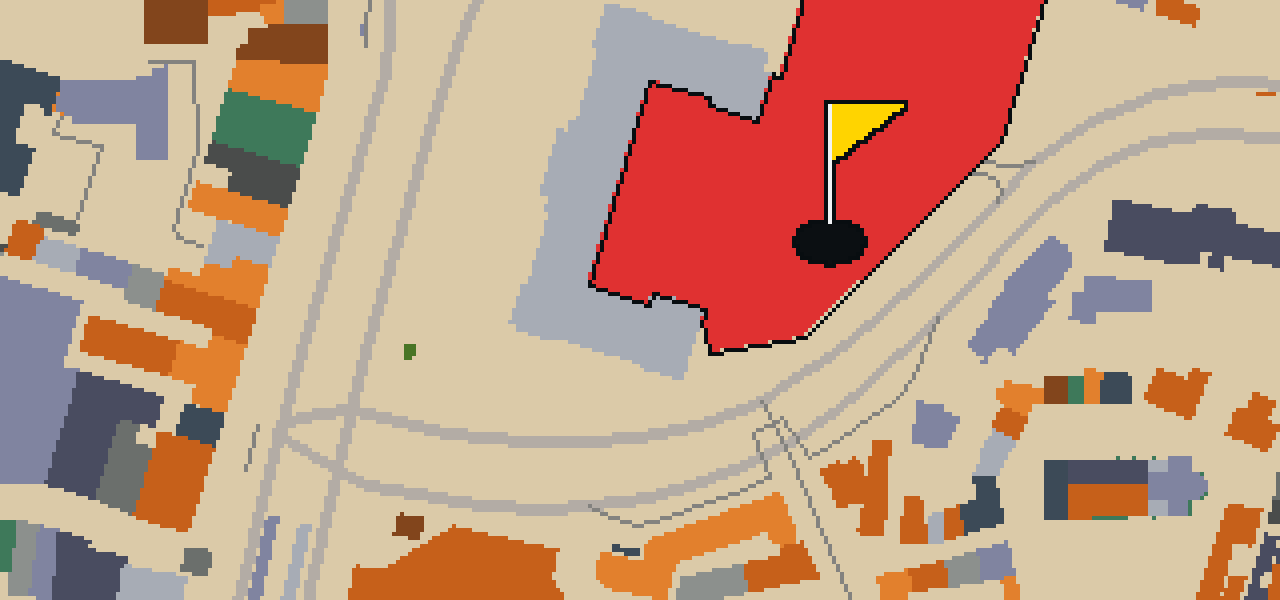
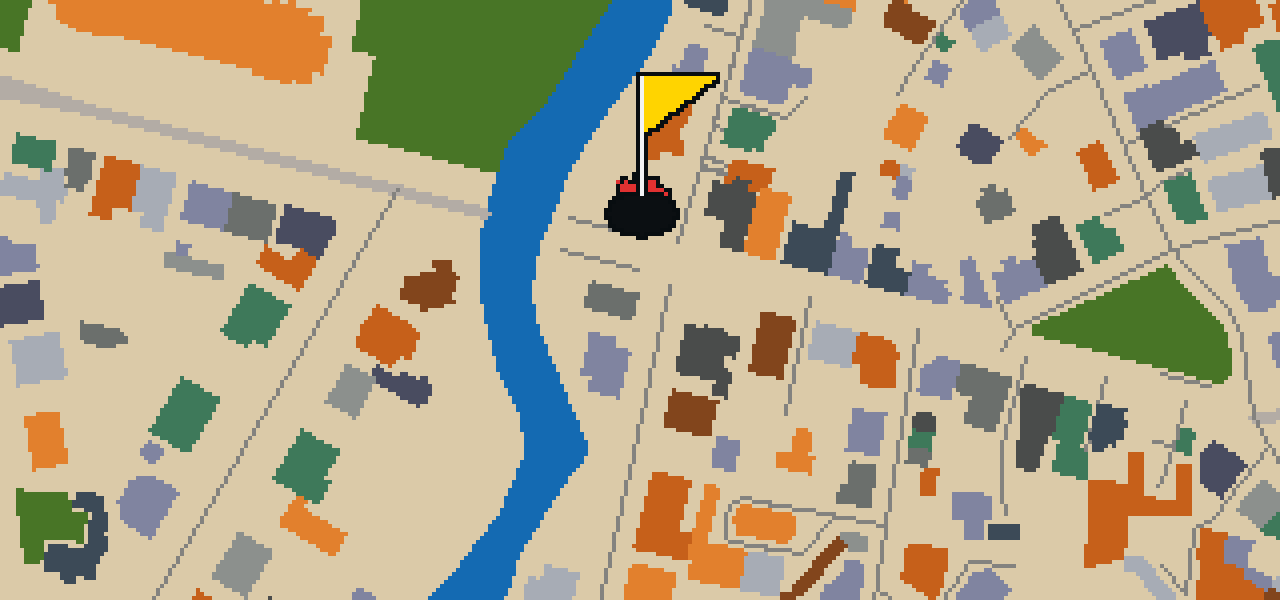
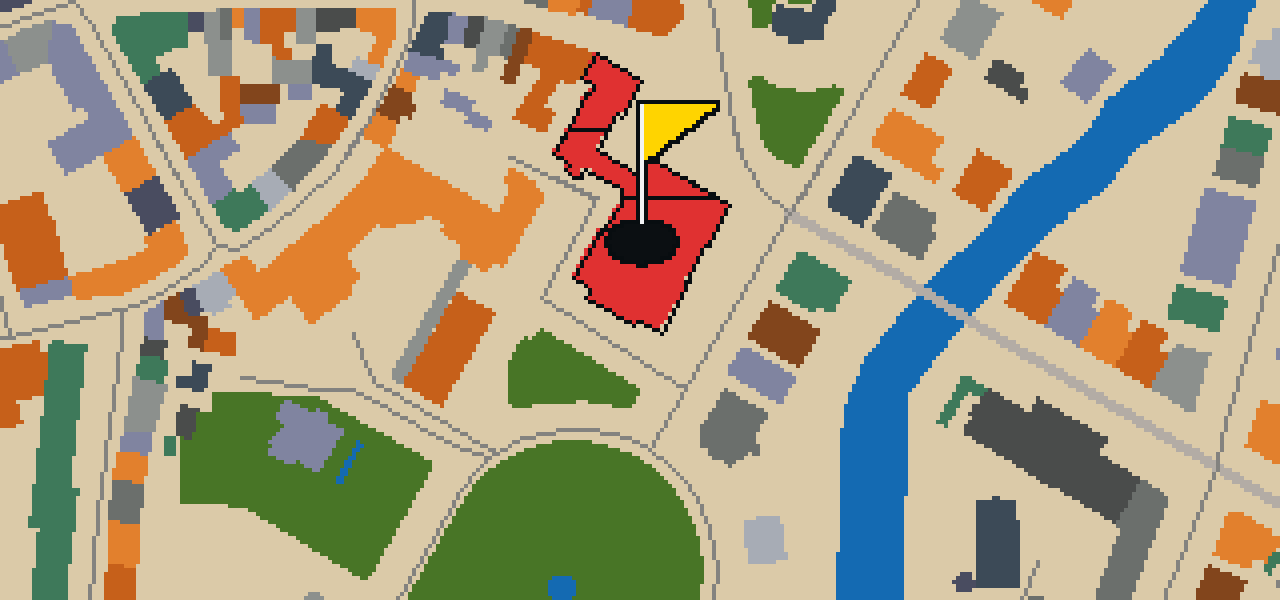
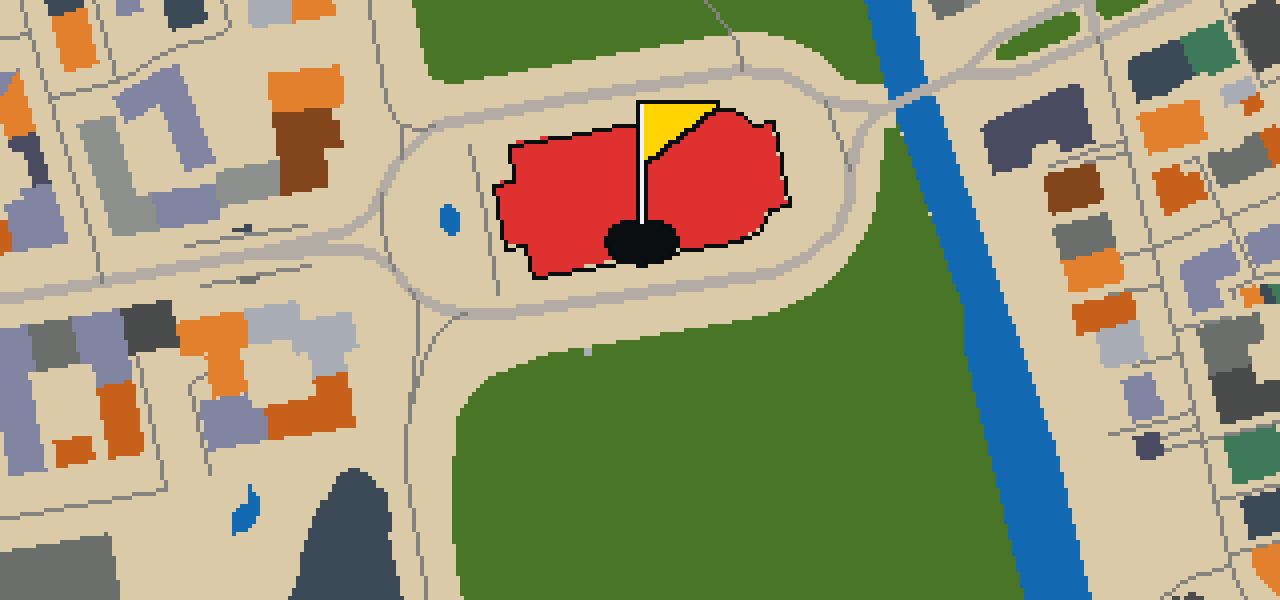
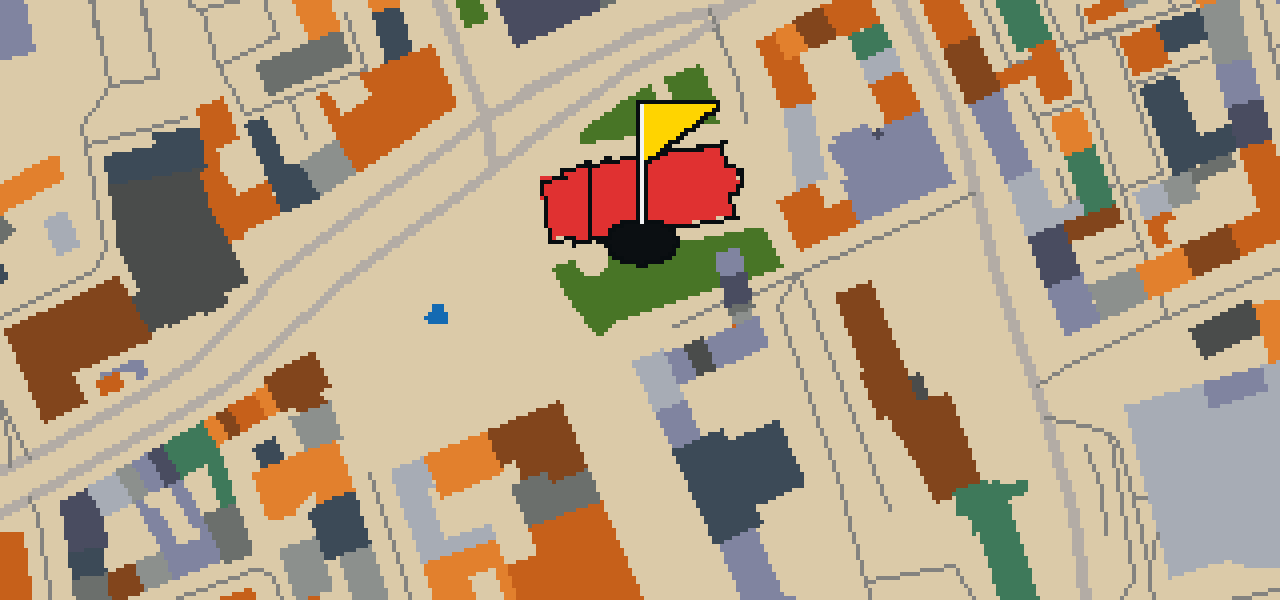
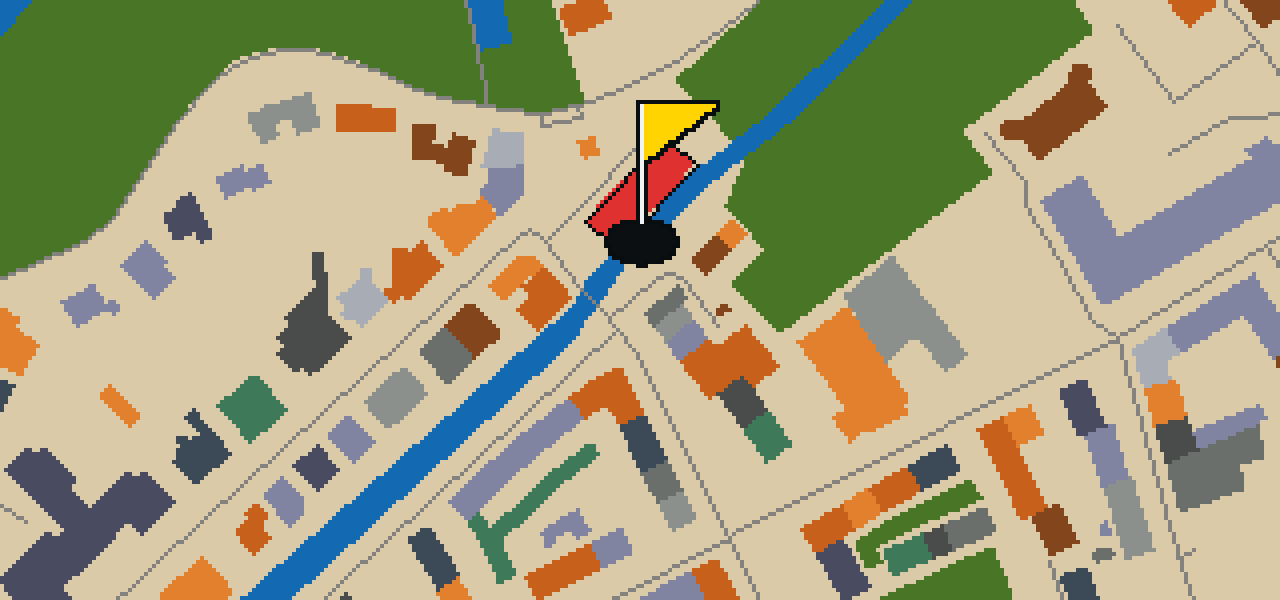
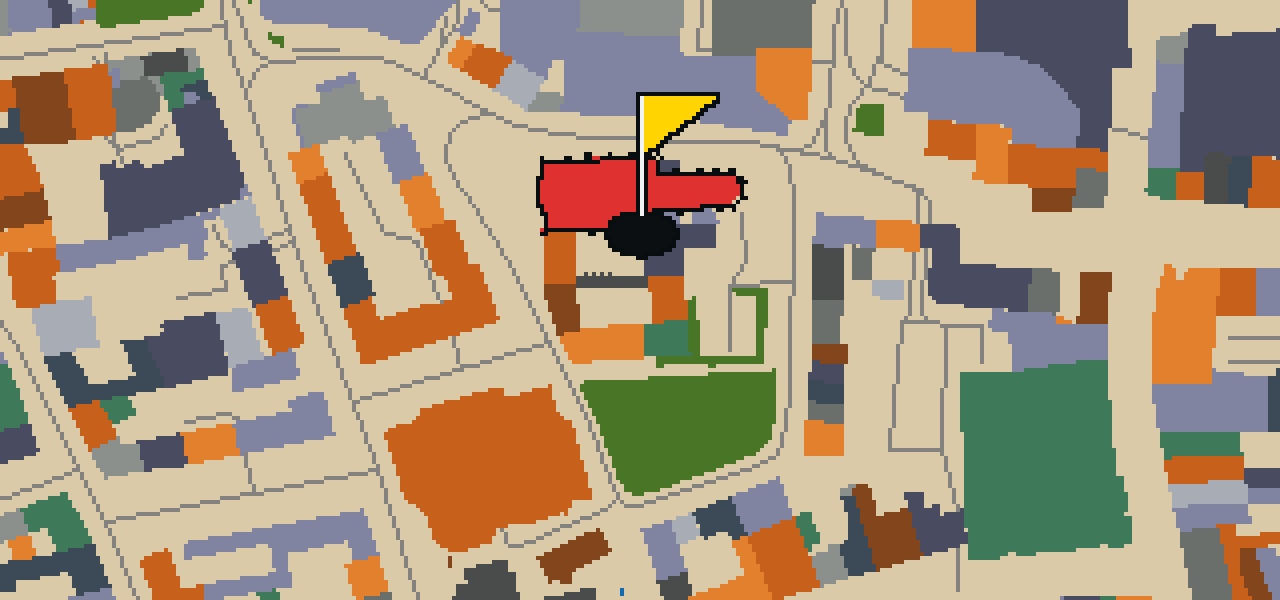
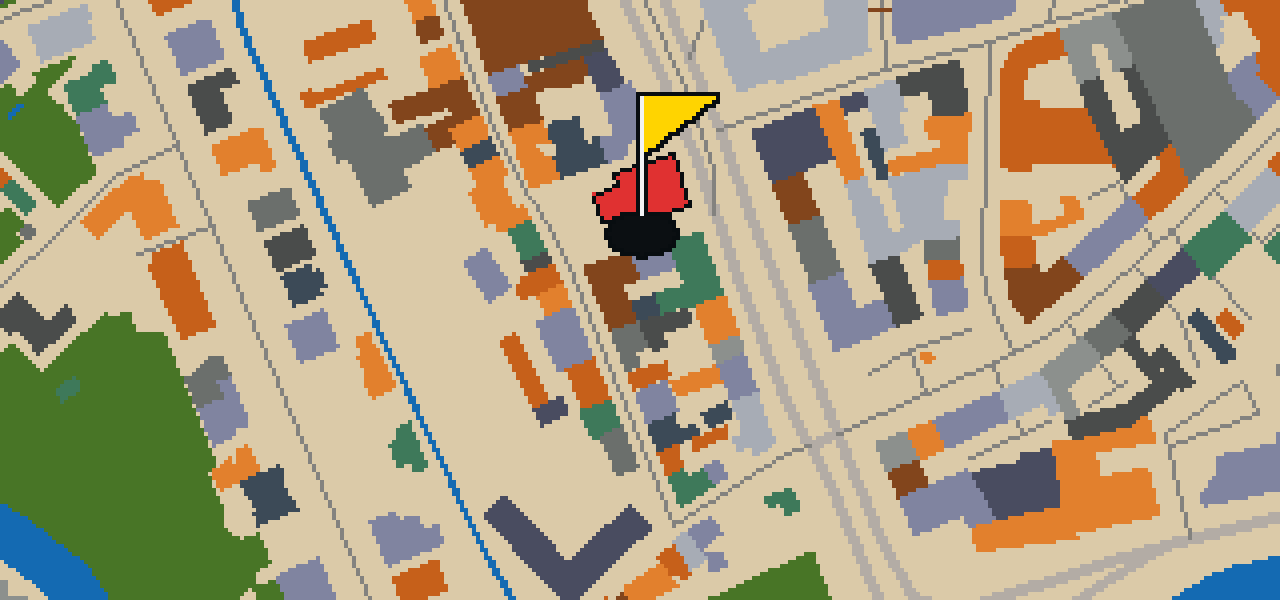
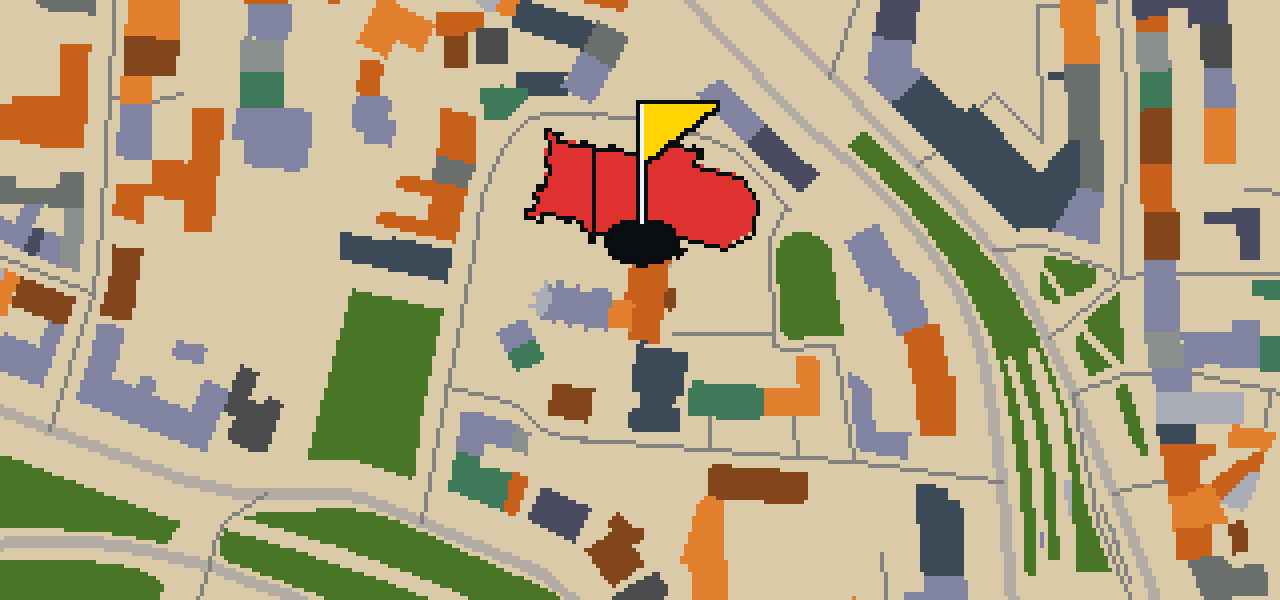
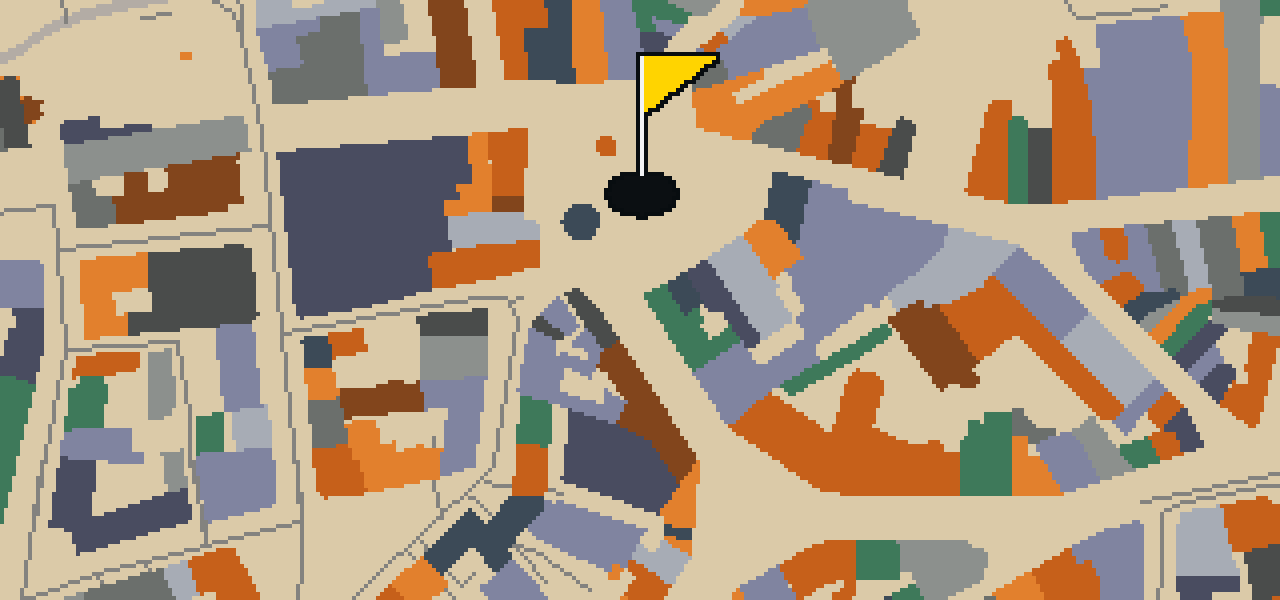
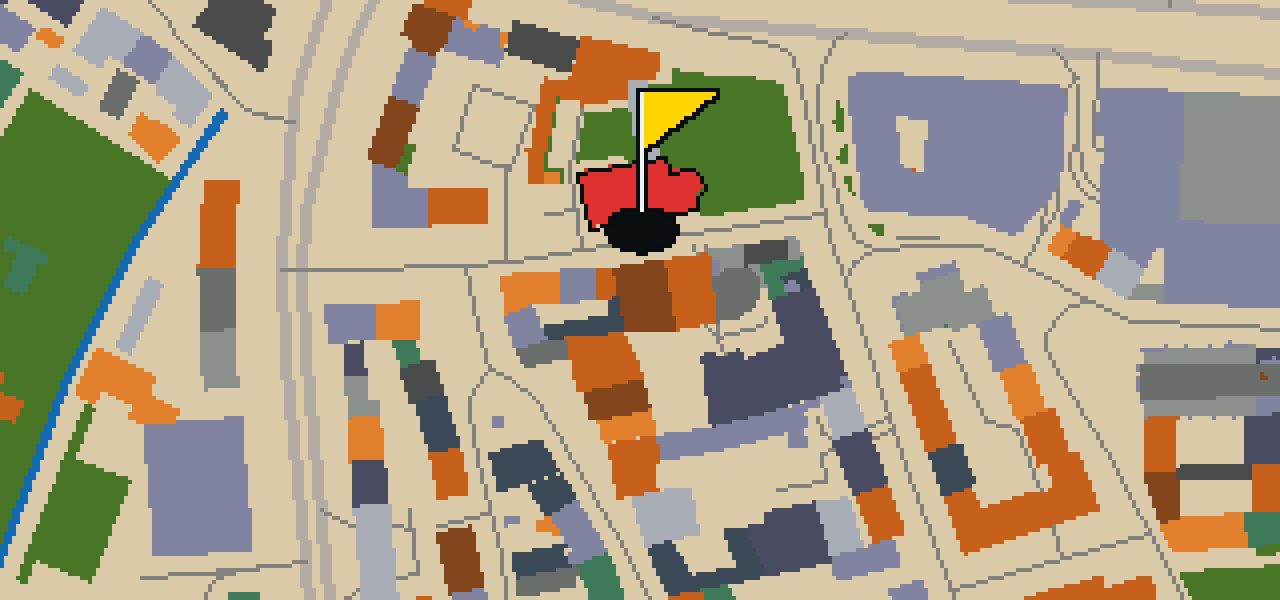
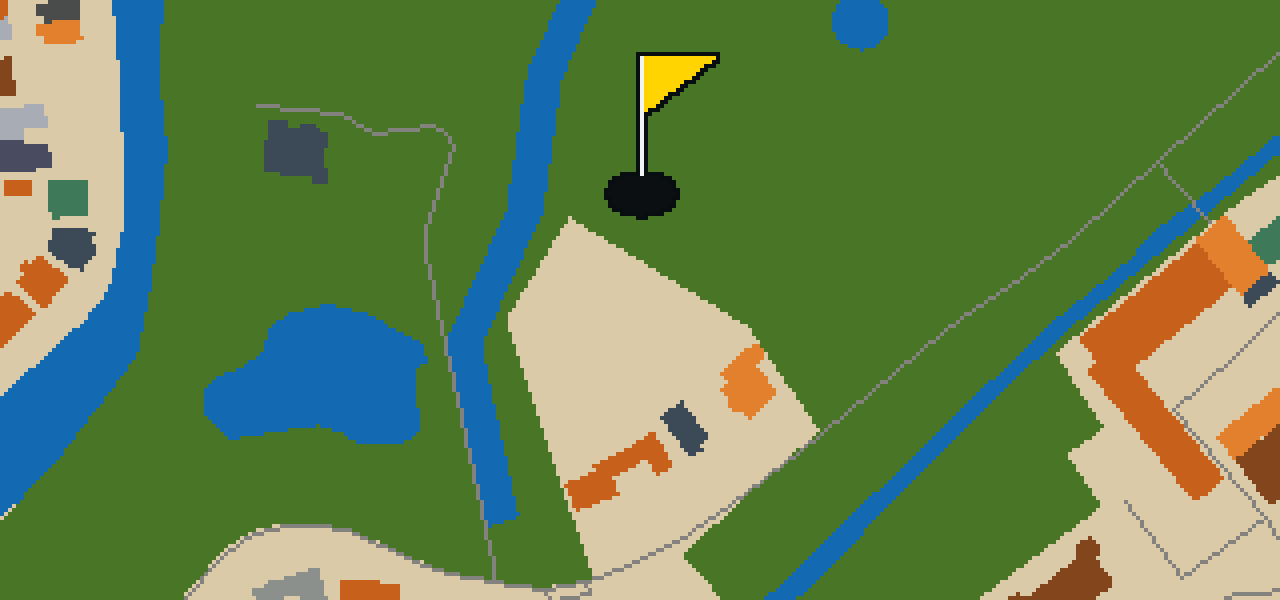
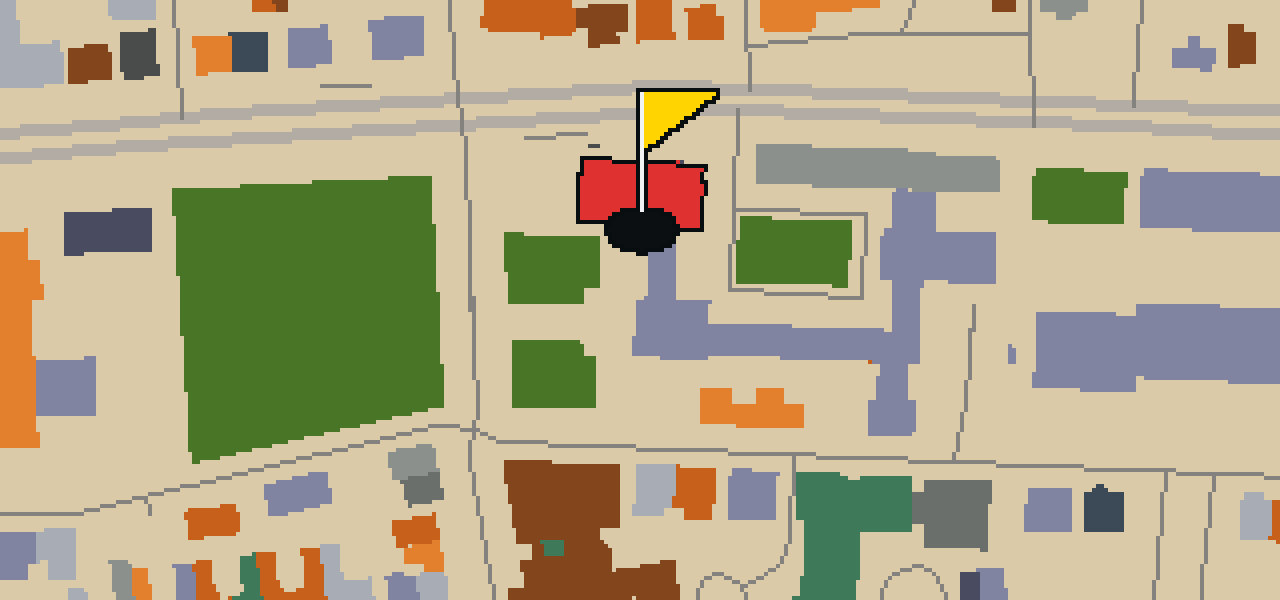
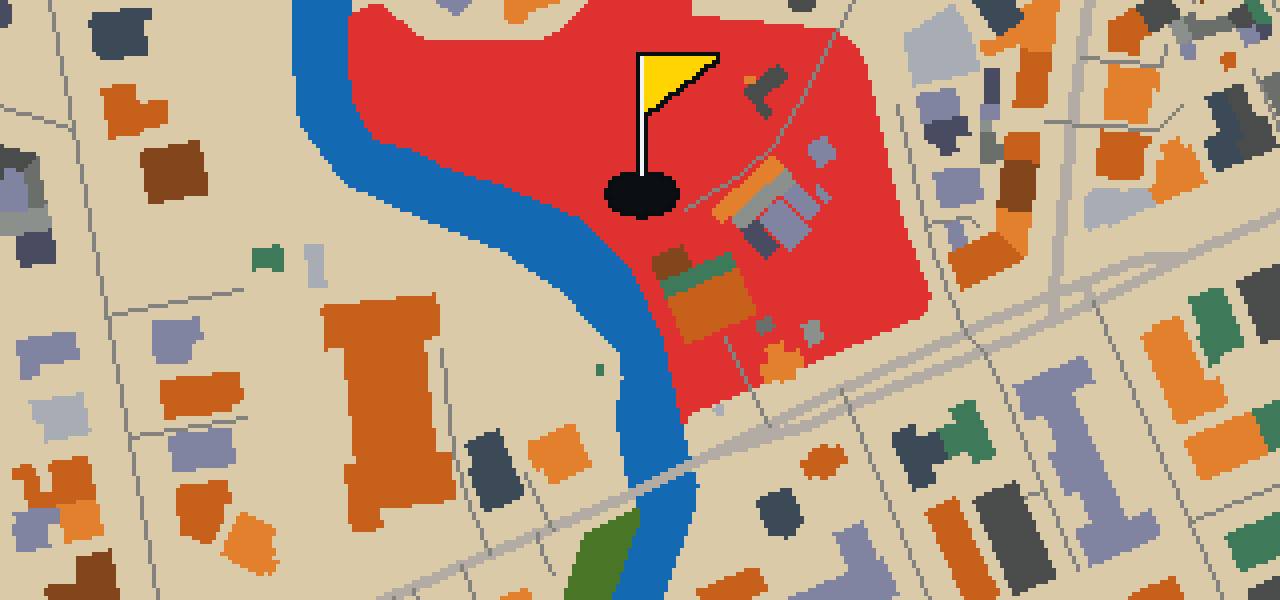
Braunschweig looks different from a rooftop, where the street grid turns into a game board. The map is the real city and the round is played on its actual streets, using real attractions like the Herzog Anton Ulrich-Museum as the holes. This full round of 18 holes with a par of 54 covers 9.8 km, using 34 portals to skip across town. Skip knows every ledge and gutter in this place.

Trouble loading? Open the game in its own tab.

HOW IT WORKS

01

Pick a city

The course is drawn on the real street grid, so the map you play is the map you walk.

02

Putt to the pin

Drag to aim, release to swing. Buildings bounce and water costs you a stroke.

03

Sightsee between strokes

Every hole ends at an attraction. Sink the putt, read the story, walk to the next tee.

THE BRUNSWICK ROUND - STOP BY STOP

HOLE 1 - PAR 3

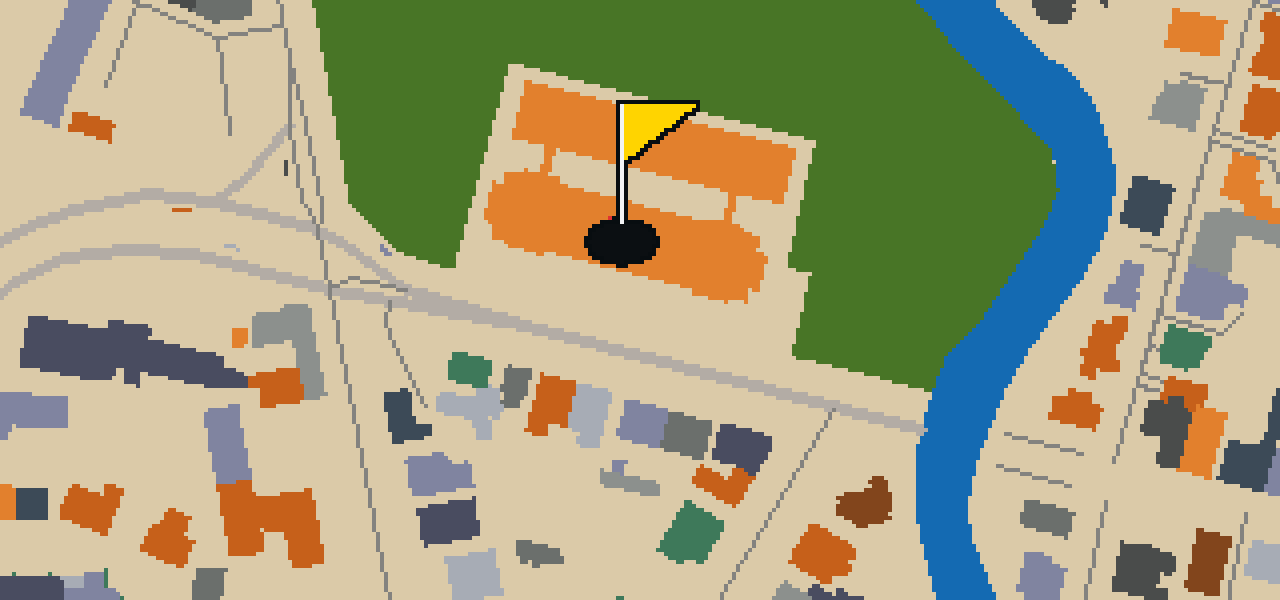
Herzog Anton Ulrich-Museum

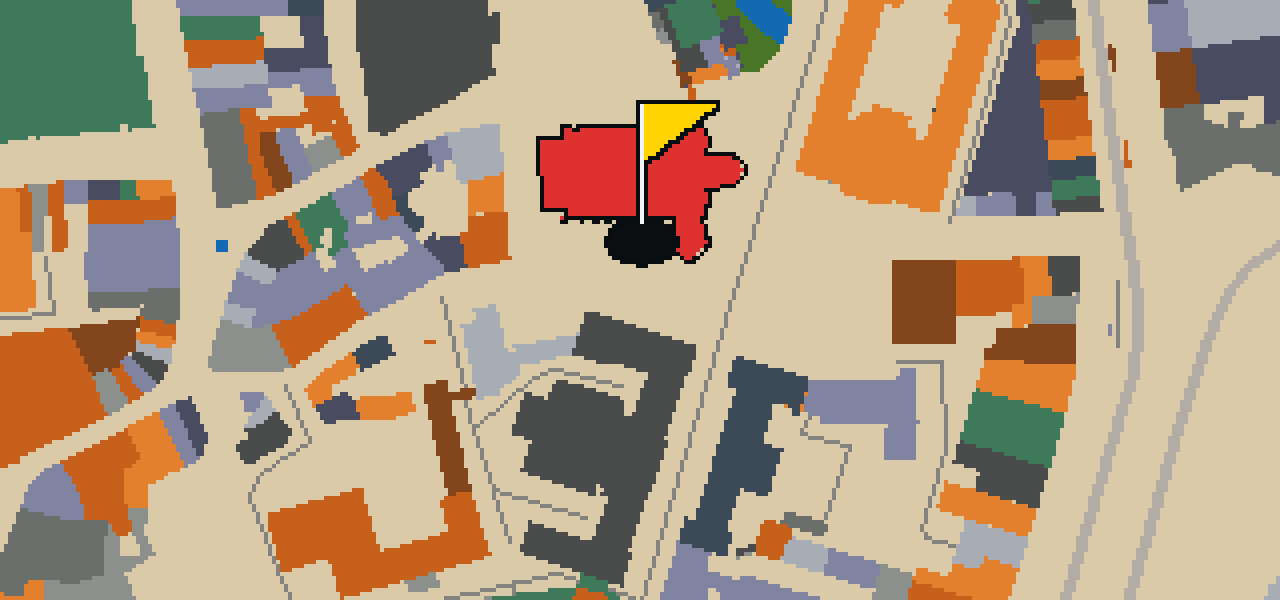
The Herzog Anton Ulrich-Museum is an art museum located in Braunschweig, Lower Saxony. Its inception was in 1754, making it a long-standing fixture of the local culture. You can pick out the specific design choices of Oskar Sommer, who was the architect of the museum. Because of its history and design, the building is an architectural heritage monument in Lower Saxony. I've found that the facades here make for a very reliable bank shot for your ball, provided you have a steady hand and a bit of luck with the wind.

Wikidata · Wikipedia

HOLE 2 - PAR 3

Domkirche St. Blasii

Domkirche St. Blasii is a Lutheran church built in the Romanesque architecture style. It is an architectural heritage monument in Lower Saxony and is located in the City of Braunschweig, Germany. The construction of the cathedral was started in 1173. Over time, the building was shaped by the work of several architects, including Arno Breker, Ernst Wiehe, Johannes Krüger, and Walter Krüger. This site is a significant example of Romanesque design and remains a central landmark within the city's architectural history.

Wikidata · Wikipedia

HOLE 3 - PAR 3

Altstadtrathaus

Let me show you the Altstadtrathaus. This Rathaus is an architectural heritage monument in Lower Saxony, meaning it is protected for its historical value. When you look at the structure, you can pick out the Gothic architecture style used in its construction. It is a great example of the regional building traditions of the area. I usually find the best views of the facades from the air, though you will get a much better sense of the scale by standing right in front of it on the street level.

Wikidata

HOLE 4 - PAR 3

Alte Waage

Don't let the name fool you into thinking this is still a functioning scale for the city's goods. The Alte Waage is actually a timber-framed house. It is an architectural heritage monument that helps define the character of the local streets. I've noticed that the intricate woodwork on these old frames always catches the eye of visitors passing through the city. When you look closely at the beams, you can see the craftsmanship that keeps these structures standing. It is a great example of the historical building techniques used in this part of the region.

Wikidata

HOLE 6 - PAR 2

Museum für Photographie

Let me show you the Museum für Photographie. This photography museum was founded in 1984. It is a dedicated space for the art of the lens, offering visitors a chance to see how the medium has evolved through a curated collection. I usually find the lighting in these galleries makes for a very calm walk, which is a nice change of pace from the busy streets outside. It is a great spot to stop and appreciate the visual history of the world around us.

Wikidata

HOLE 7 - PAR 3

Städtisches Museum Braunschweig

Max Osterloh is the architect of the Städtisches Museum Braunschweig. He designed this museum, which was founded in 1861. It is a key site for visitors wanting to explore the history of the city and see how the local culture has evolved over the years. I always find the building's presence in the neighborhood quite striking as I fly over the rooftops, especially when the light hits the facade. Whether you are a history enthusiast or just wandering the streets, this building is a significant stop on any tour of the city's center.

Wikidata

HOLE 8 - PAR 3

Staatstheater Großes Haus

The Staatstheater Großes Haus is an opera house and theatre building designed in the Neoclassical architecture style. You can pick out the work of architects Carl Wolf and Hermann Ahlburg in the structure. It is part of the Staatstheater Braunschweig, a theatre company and opera house located in Braunschweig, Germany. The company produces a wide variety of performances, including music theatre, Tanztheater, theatre, and concerts, as well as Theatre for Young Audiences. I've noticed it's a great spot for people-watching from the air.

Wikidata · Wikipedia

HOLE 9 - PAR 3

St. Katharinen

St. Katharinen is a church building located in the city. It is designed in the Gothic architecture style, which is evident in its structural form. Beyond its function as a place of worship, the building is an architectural heritage monument. Specifically, it is an architectural heritage monument in Lower Saxony. Visitors can observe the specific characteristics of the Gothic style that define this site and contribute to its status as a protected monument in the state.

Wikidata

HOLE 10 - PAR 3

Jugendzentrum Mühle

You might expect to find bags of grain and grinding stones here, but this is actually a youth center. The Jugendzentrum Mühle is a mill building that holds a special place in the local community. Beyond its current use, the structure is an architectural heritage monument in Lower Saxony. It is a great example of how the city preserves its industrial history while giving old buildings a new purpose for the people who live here today. I always enjoy seeing how these old walls stay standing while the world changes around them.

Wikidata

HOLE 11 - PAR 3

Brüdernkirche

You are not looking at a contemporary construction. This is the Brüdernkirche, a church building located in Braunschweig. It is built in the Gothic architecture style, which defines its visual character. Because of its historical and structural importance, it is officially designated as an architectural heritage monument in Lower Saxony. The architect of this specific church building is Carl Tappe. Visitors can observe the specific details of the Gothic influence throughout the site, making it a significant point of interest for those exploring the city's heritage.

Wikidata

HOLE 12 - PAR 3

St. Michaelis

St. Michaelis is a church building. This site is an architectural heritage monument and is designed in the Gothic architecture style. Christian Gottlob Langwagen is the architect of St. Michaelis. The building is a significant example of this specific style within the city, and it is maintained as a monument of architectural heritage for visitors to observe. The work of Christian Gottlob Langwagen is evident in the structure of the church, which continues to be a point of interest for those studying the Gothic architecture style in this region.

Wikidata

HOLE 13 - PAR 3

Europaplatz

Let me show you Europaplatz. It is a square that provides a wide open space for visitors and locals to gather. You can pick out the layout of the area as you walk through it. I've found it to be a pleasant spot for a quick break during a walk.

Wikidata

HOLE 14 - PAR 3

St. Ägidien

St. Ägidien is an abbey church and an architectural heritage monument in Lower Saxony. Built in the Gothic architecture style, it replaced a Romanesque building of 1115 that burned down in 1278. The Aegidienkirche is the main Roman Catholic church in Braunschweig, having been made a Roman Catholic parish church in 1945. It previously served as the abbey church to the Benedictine abbey of saints Maria and Aegidius. Visitors can also see how the site has evolved, as part of the former monastic buildings has been used by the Braunschweigisches Landesmuseum since 1902.

Wikidata · Wikipedia

HOLE 15 - PAR 3

Kohlmarkt

Let me show you Kohlmarkt. This place is a square that sits within the city. It is a useful spot to pause and get your bearings while you are exploring the local area. I have found that the open layout makes it a great place for people to gather.

Wikidata

HOLE 16 - PAR 3

St. Petri

Located in the heart of Braunschweig, St. Petri is a church building. It is built in the Gothic architecture style and is an architectural heritage monument in Lower Saxony. The architect of this site was Friedrich Berndt. Visitors to the city can observe the specific details of the Gothic style that define the structure as it stands today within the urban environment. It remains a significant example of the region's heritage and architectural history.

Wikidata

HOLE 17 - PAR 4

Inselwallpark (Gaußpark)

You will first notice the open green spaces of Inselwallpark (Gaußpark). This area is a park that provides a natural break from the surrounding urban environment. I find it a pleasant spot to watch the world go by.

Wikidata

HOLE 18 - PAR 3

Staatliches Naturhistorisches Museum Braunschweig

You might expect a typical art gallery here, but you will find the Staatliches Naturhistorisches Museum Braunschweig instead. This natural history museum was founded in 1754 and is located in Braunschweig. It is an architectural heritage monument in Lower Saxony, making the building itself as much of a draw as the exhibits. I can show you around the collections, which identify the site as a zoology museum. It is a great spot to spend an afternoon if you enjoy seeing the animal kingdom gathered under one roof.

Wikidata · Wikipedia

STOP 19

Botanischer Garten

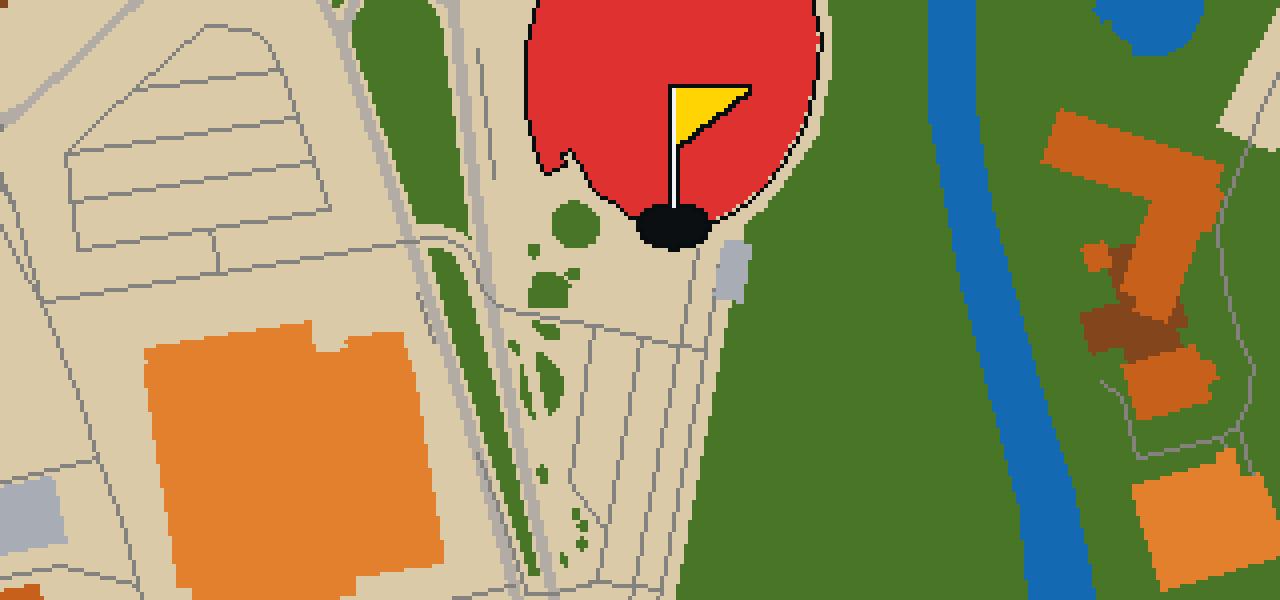
Let me show you the Botanischer Garten, a botanical garden located in Lower Saxony, Germany. You can find this spot on the banks of the River Oker, situated on the grounds of a former stately mansion in the woods of Braunschweig. The garden was founded in 1840 by Johann Heinrich Blasius for the TU Braunschweig. It is a peaceful place to wander through the greenery, and I have found that the riverside breeze keeps the air fresh for everyone visiting the grounds. It is one of the more serene corners of the city to explore on foot.

Wikidata · Wikipedia

OTHER COURSES

9 HOLES - PAR 33

Hamm

9 stops

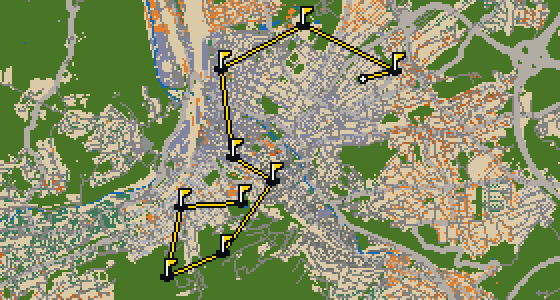
This quick nine-hole round covers 7.4 km across Hamm. The map is the real city and the ball rolls along its actual streets, using portals to skip between districts. Local attractions like Schloss Heessen are the foundations for the holes. Skip knows every curb and cobblestone here, even if a few crumbs usually distract the guide.

18 HOLES - PAR 53

Kassel

18 stops

Kassel is the setting for this round, where the map follows the actual city and the ball rolls across its real streets. The holes are built from the city's actual attractions, ending at the Spitzhacke. Skip knows these sidewalks well and is the local guide. This is a full round of 18 holes with a par of 53, covering a walk of 9.7 km. The ball moves between distant districts using 12 portals.

9 HOLES - PAR 31

Hagen

9 stops

The ball ends its journey at the Stadtgarten. This course uses the real streets of Hagen as the map, with the city's actual attractions forming the holes. A quick round of 9 holes covers 7.6 km, using 8 portals to bridge the gaps between distant districts. Skip knows every curb and cobblestone here, having spent plenty of time watching the world go by from the eaves.

9 HOLES - PAR 29

Oberhausen

9 stops

Banking a ball off the stone of Schloss Broich requires a steady wing and a soft touch. This round takes place on the real streets of Oberhausen, where the city map is the course. The holes are built from actual local attractions, and Skip knows every crack in the pavement. A quick 9-hole round covers 6 km, with 14 portals to keep the ball moving.

18 HOLES - PAR 57

Delsberg

18 stops

Banking a ball off the stone facades of the Roter Turm requires a steady wing and a bit of luck. This round takes place in Delsberg, where the map is the real city and the game is played on its actual streets. The holes are built from real attractions, turning the urban layout into a course. I know these sidewalks well and can be the local guide. It is a full round of 18 holes with a par of 57, covering a 12.1 km walk that uses 10 portals.

FAQ

Is it free to play?

Yes. Every course runs in the browser with no account and no install.

Do I need to be in the city?

No. The full round plays from anywhere. Walking the real route is a nice way to see the city, but it is not required.

Are the maps real?

Yes. The geometry comes from OpenStreetMap data, rendered chunky on purpose. Streets, water and parks sit where they really are.