
BONN - 18 HOLES - FREE

BONN
CITY MAP MINIGOLF

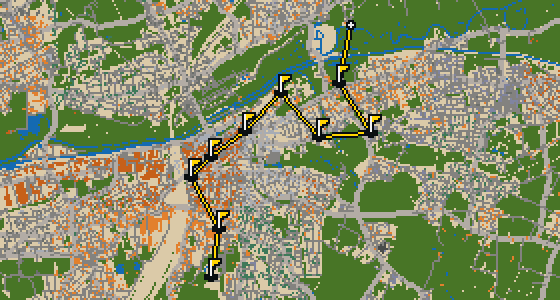
Bonn - 18 stops - par 54

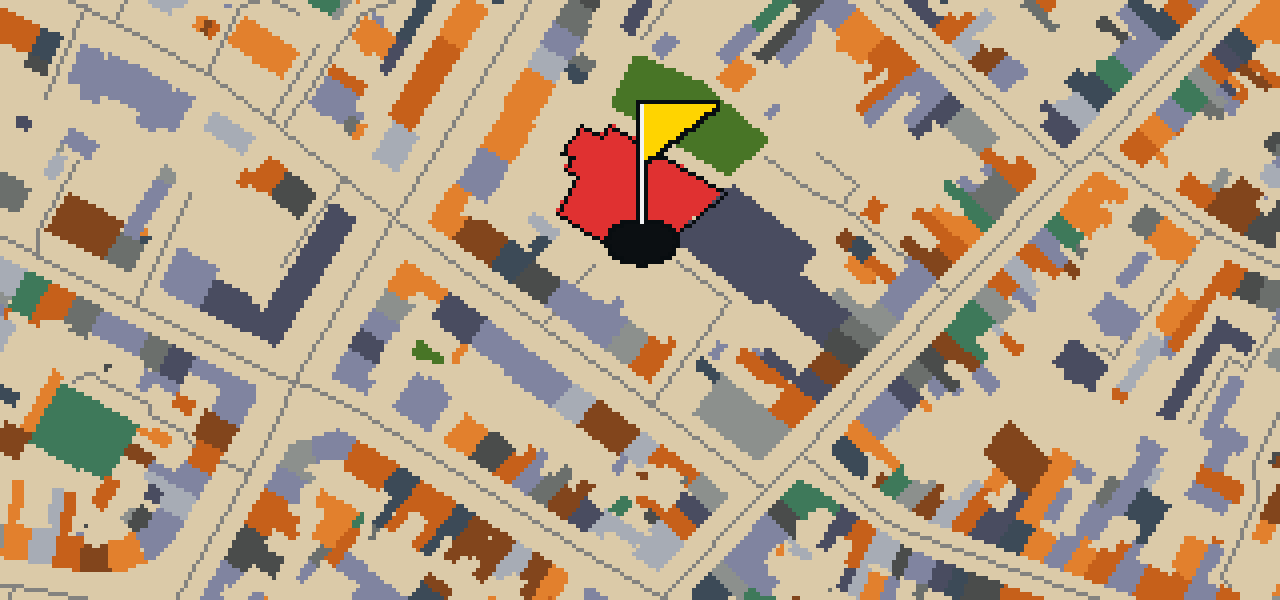
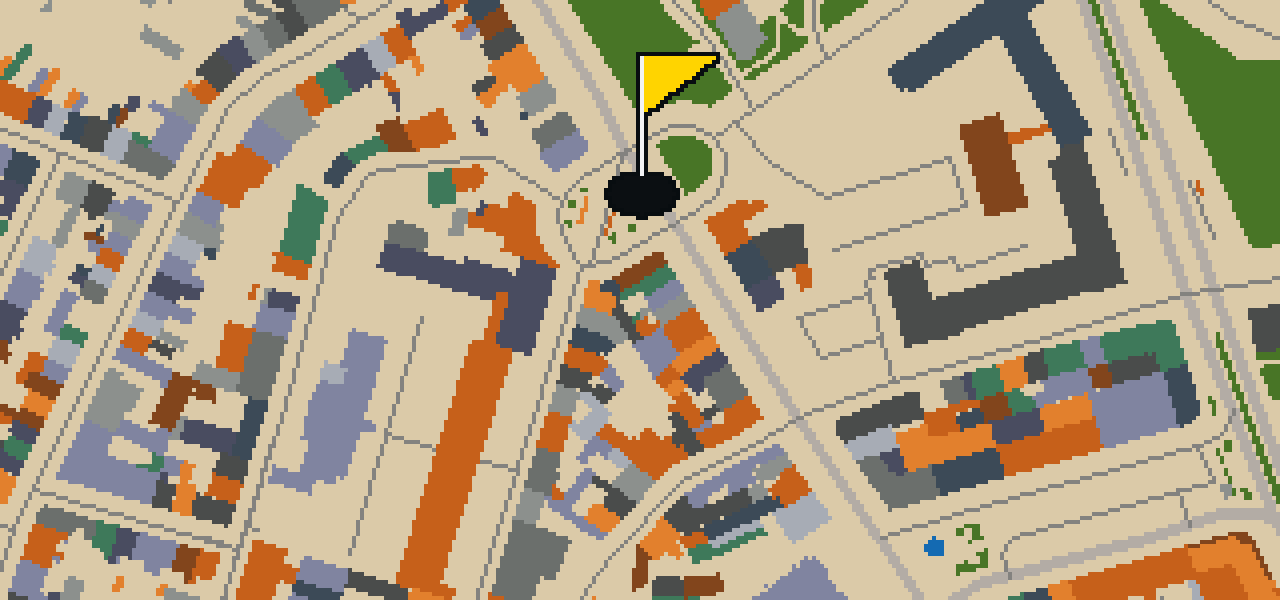
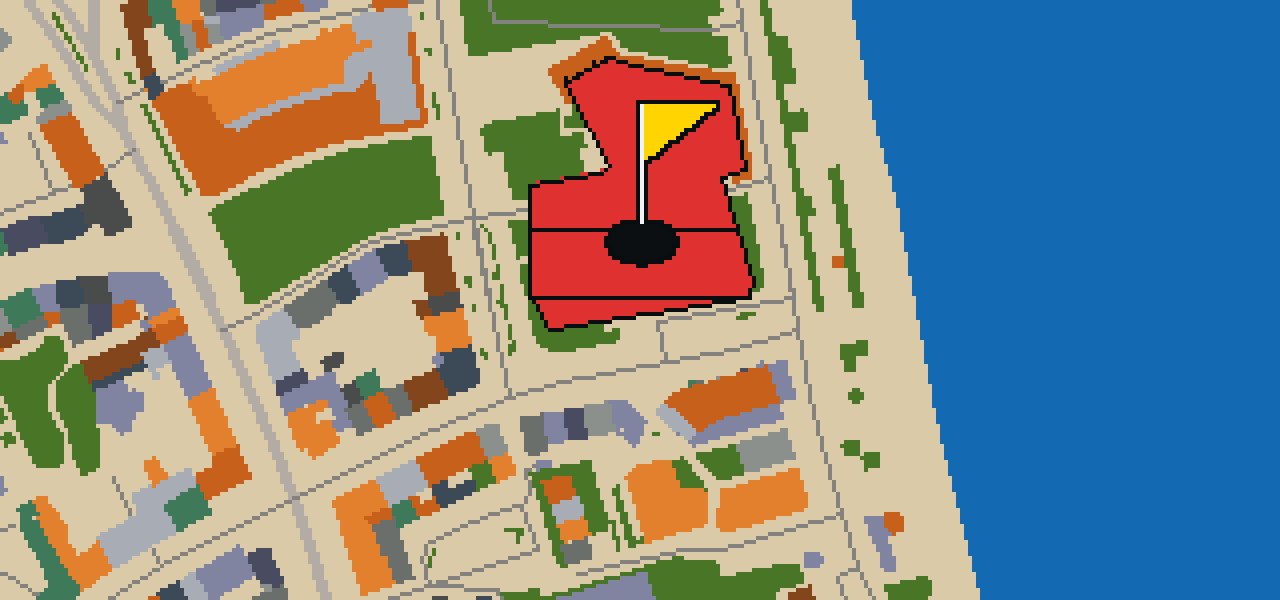
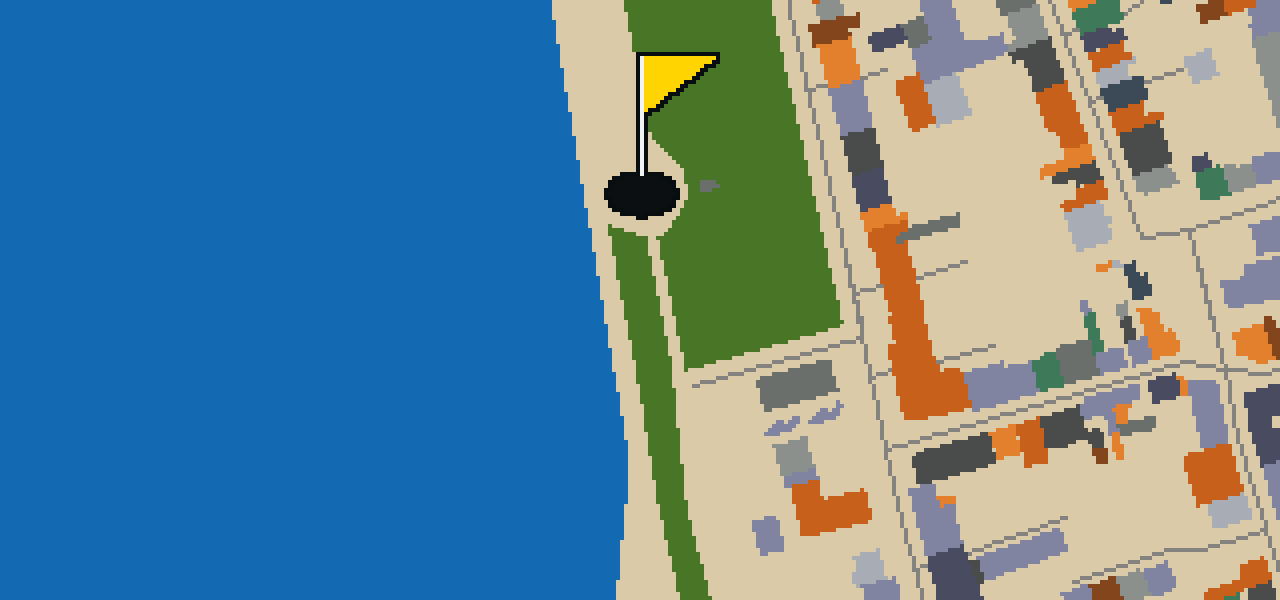
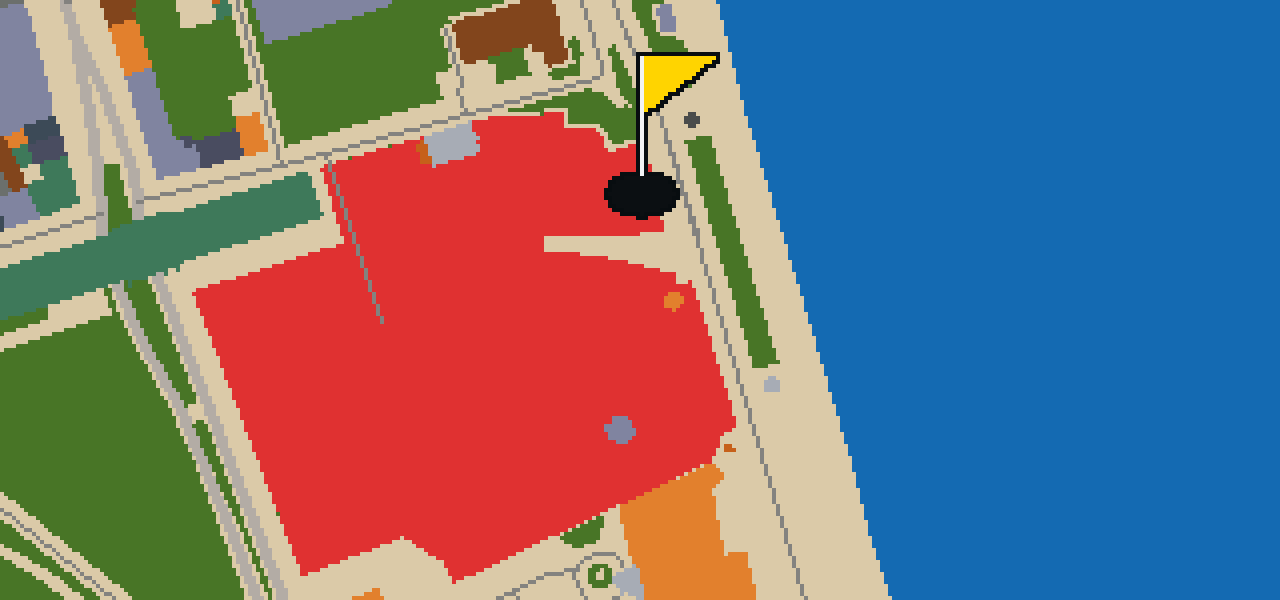
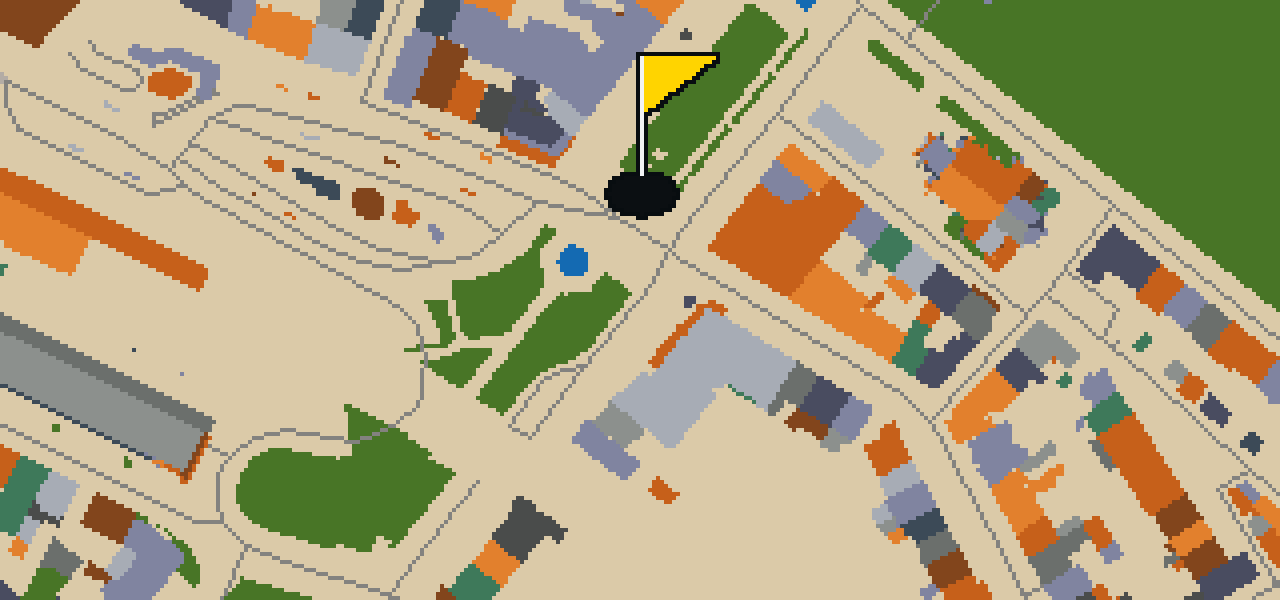
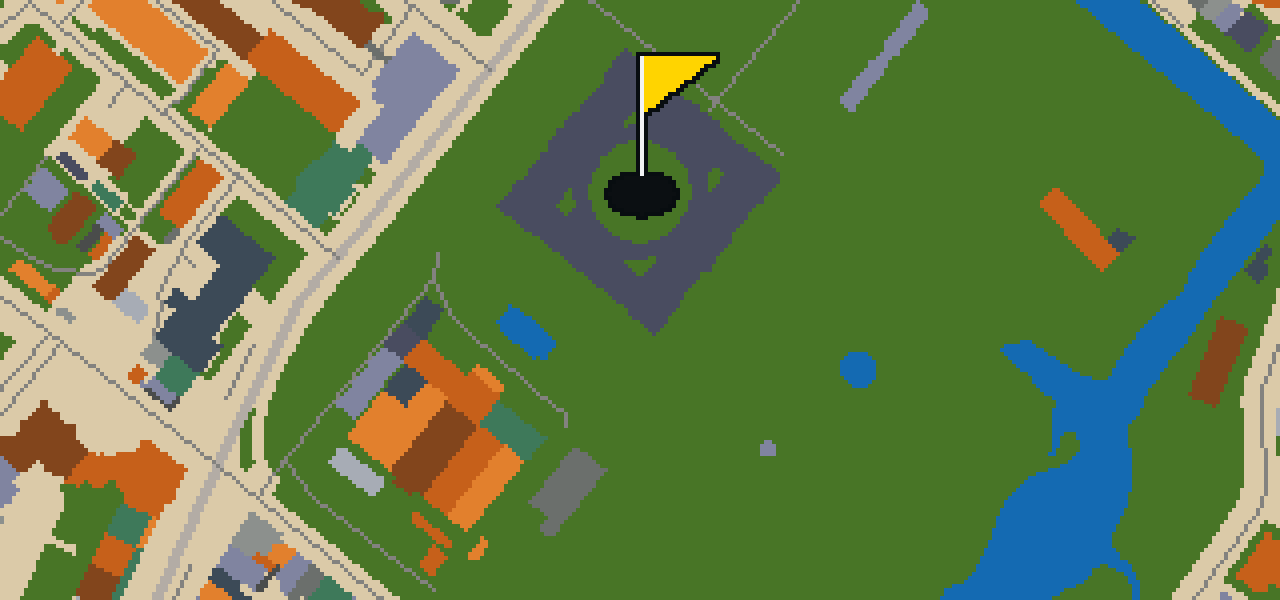
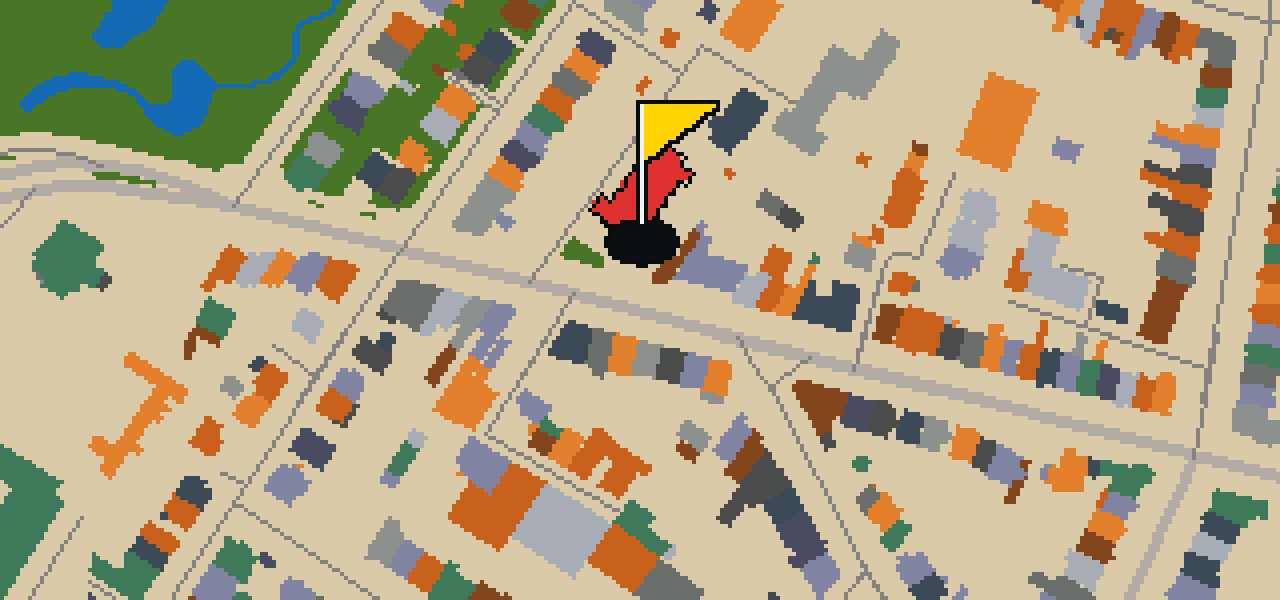
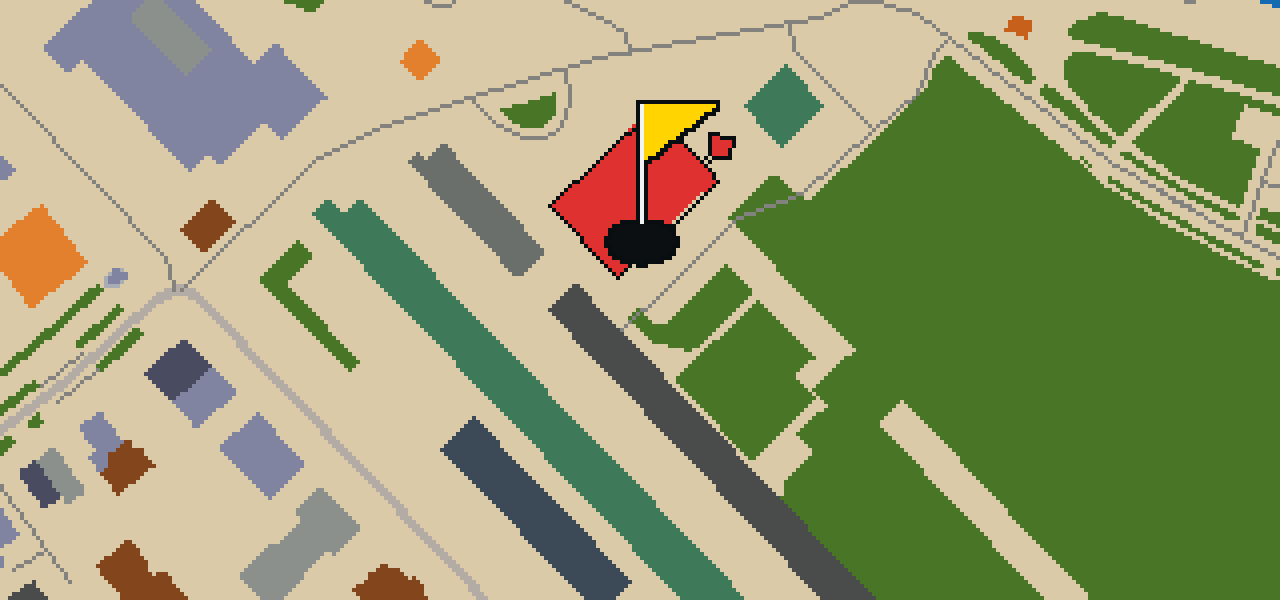
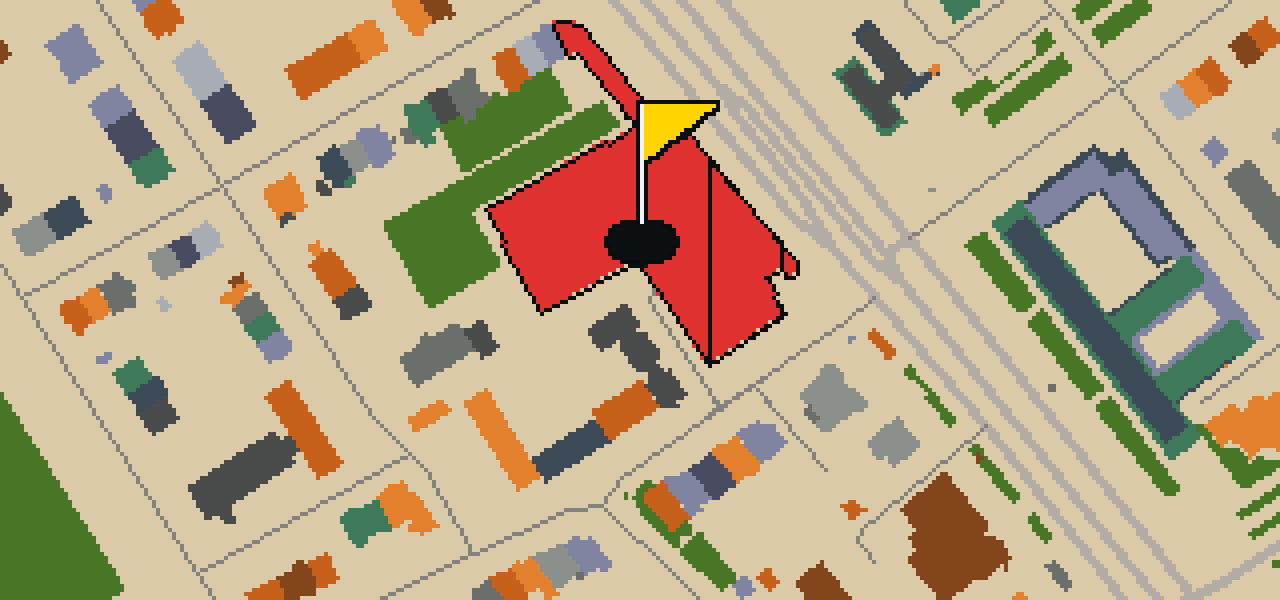
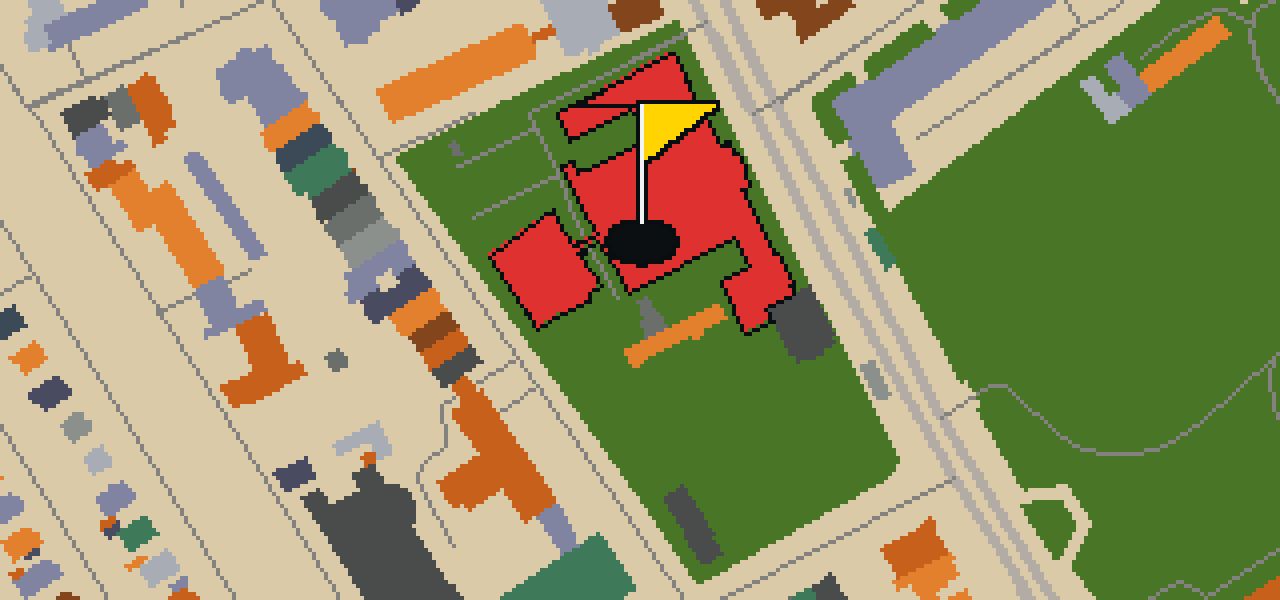
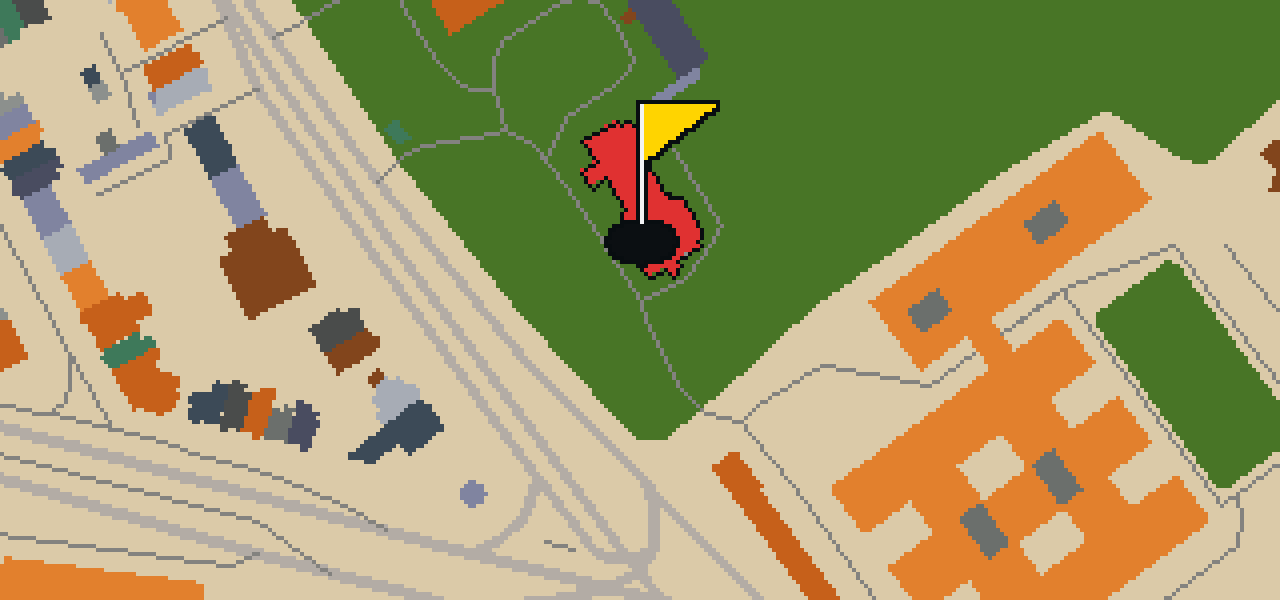
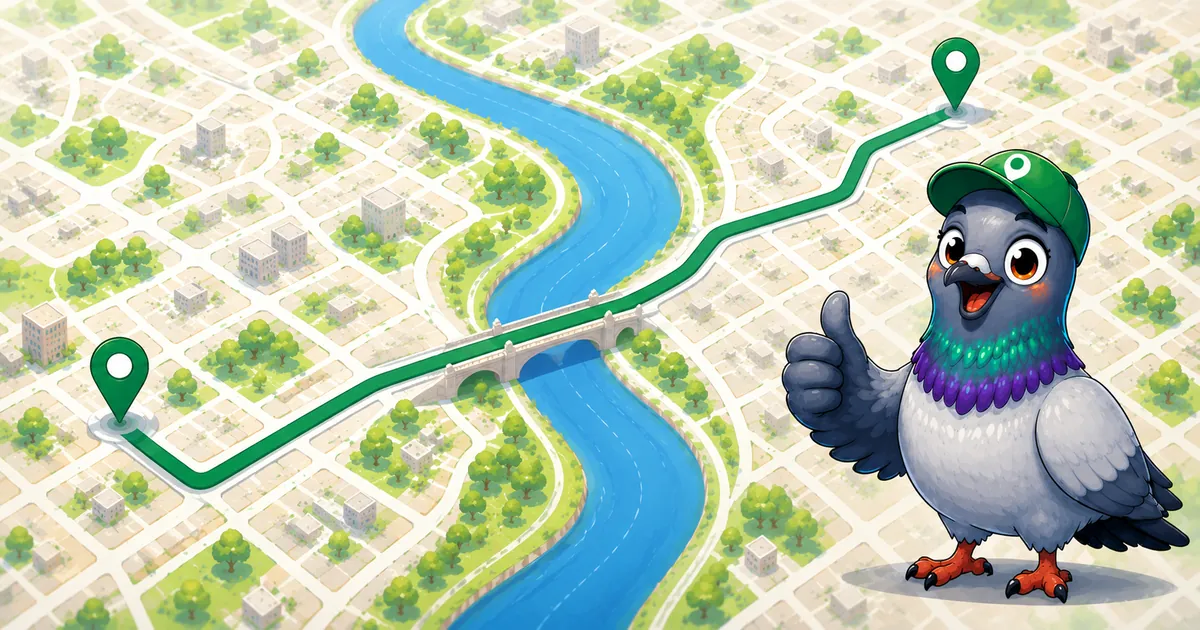
Bonn is the setting for this round, where the map follows the real city and the ball rolls along its actual streets. The holes are built from real attractions, ending at the Palais Schaumburg. Skip is a local guide who knows these pavements well. This full round of 18 holes with a par of 54 covers 10.7 km, using 42 portals to move between districts. It is a long walk for a pigeon.

Trouble loading? Open the game in its own tab.

HOW IT WORKS

01

Pick a city

The course is drawn on the real street grid, so the map you play is the map you walk.

02

Putt to the pin

Drag to aim, release to swing. Buildings bounce and water costs you a stroke.

03

Sightsee between strokes

Every hole ends at an attraction. Sink the putt, read the story, walk to the next tee.

THE BONN ROUND - STOP BY STOP

HOLE 1 - PAR 3

Sankt Cyprian

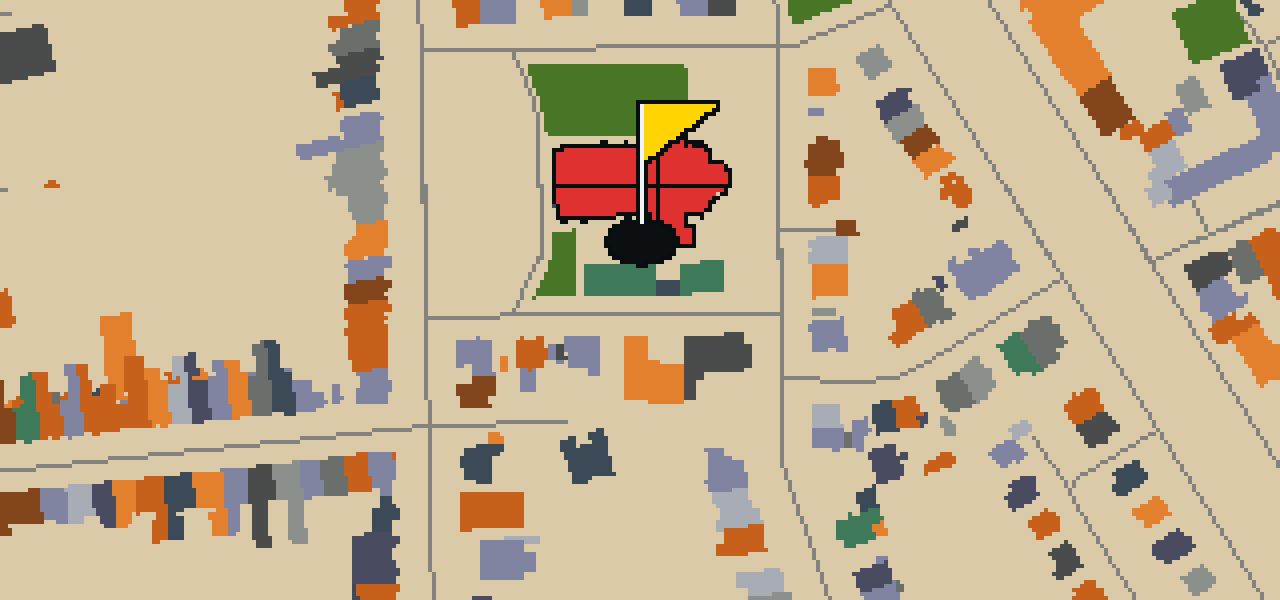
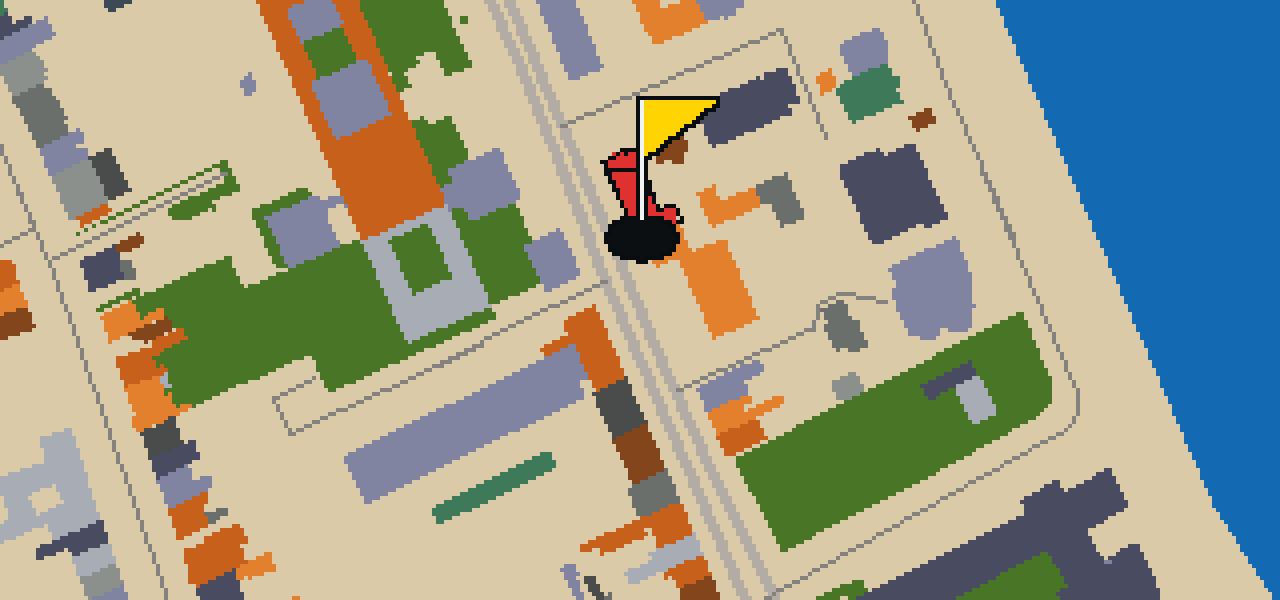
Sankt Cyprian is a church building. This site is known for its design, as Otto Firle is the architect of Sankt Cyprian. Visitors to this part of the city can observe the work of Firle in the structure of the building. It is a place of worship and a significant architectural point of interest for those navigating the streets of Bonn. Because of its nature as a church building, it is a place for reflection and quiet observation of the local architecture.
Wikidata

HOLE 2 - PAR 3

Altes Rathaus

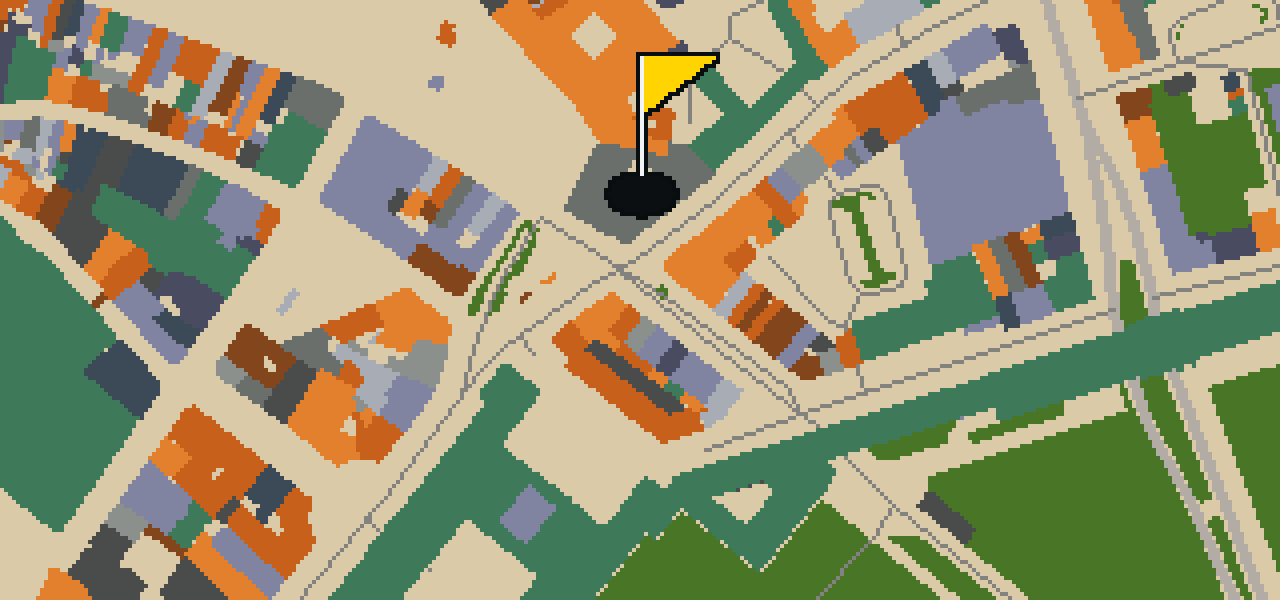
Let me show you the Altes Rathaus. This Rathaus was built between 1737 and 1738, though it was not completely finished until around 1780. You can pick out the Rococo style of the building, which was designed by the architect Michael Leveilly. It is an architectural heritage monument in North Rhine-Westphalia. I've noticed that the building's four storeys and seven window axes give it a very balanced look from the street. It is a wonderful example of the local history and the enduring craftsmanship of the era in which it was first conceived.

Wikidata · Wikipedia

HOLE 3 - PAR 3

Euro Theater Central

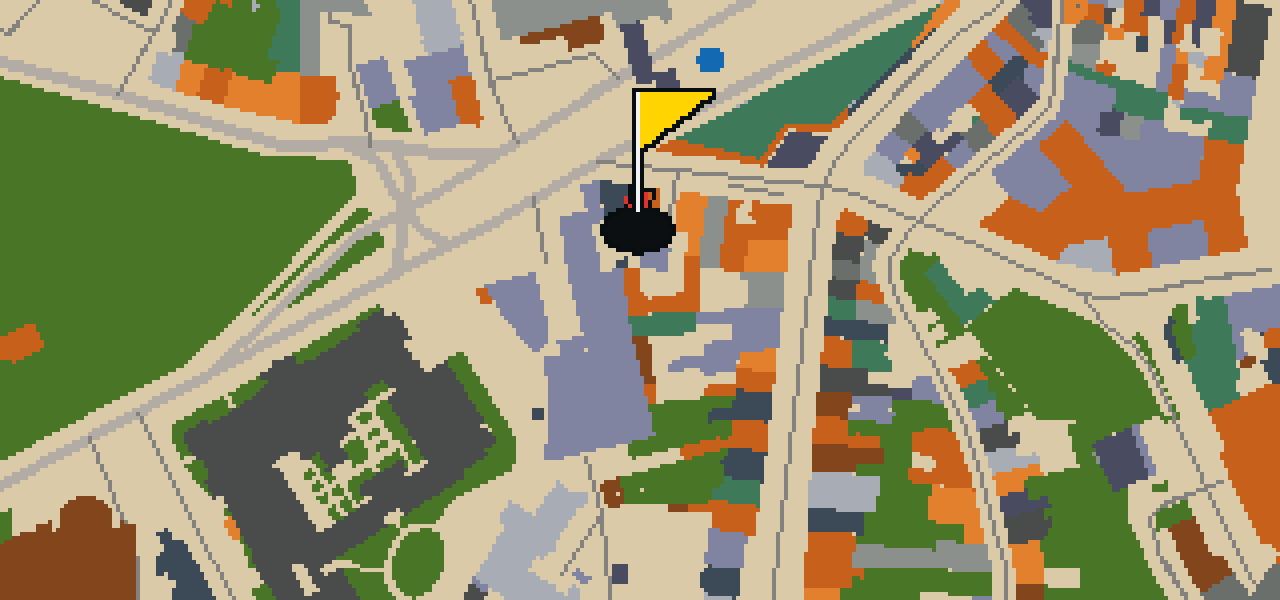
You might expect another traditional stage when you arrive, but Euro Theater Central is different. It is a theatre company located in Bonn, North Rhine-Westphalia, Germany. While it focuses on the performing arts, it also operates as a club, blending the world of dramatic performance with a more social nightlife scene. I have noticed that the energy here changes depending on whether a play is on or the music is playing. It is a versatile space that brings different types of crowds together in one building.

Wikidata · Wikipedia

HOLE 4 - PAR 3

Frauenmuseum

Look for the rotating temporary exhibitions and accompanying events that bring this space to life. You are at the Frauenmuseum, a women's museum located in Bonn. It claims to be the first museum of its kind in the world. Founded in 1981 by Marianne Pitzen and an interdisciplinary group of working women, it continues to operate today under the society "Women's Museum – Art, Culture, Research." I've found that the changing displays make it a great spot to visit more than once.

Wikidata · Wikipedia

HOLE 5 - PAR 3

Wilhelmsplatz

Let me show you Wilhelmsplatz. This location is a square in Bonn. It is a spot where you can stop and take in the surrounding city views. I've found it's a handy place to get your bearings before heading to the next landmark.

Wikidata

HOLE 6 - PAR 3

Opernhaus

Let me show you the Opernhaus, which sits as a focal point in Bonn. It is an opera house designed by the architect Wilfried Beck-Erlang. Whether you are a fan of the performing arts or just admiring the city's layout, this building is a key landmark to notice while you are in the area. I have found that the architecture makes it a great spot for a quick break, and it is one of those places that helps you get your bearings when walking through the city center.

Wikidata

HOLE 7 - PAR 3

Mirecourtplatz

Located within the city of Bonn, Mirecourtplatz is a square. It is a spot where you can pause and orient yourself among the local architecture and the flow of the surrounding neighborhood. I often see people crossing through here on their way to other parts of the city, making it a handy landmark for any visitor.

Wikidata

HOLE 8 - PAR 3

Alter Zoll

Let me show you Alter Zoll, a bastion located here in Bonn. This site is an architectural heritage monument in North Rhine-Westphalia. You can pick out the heavy stone construction typical of these fortifications, designed to protect the city and control the flow of traffic. It is a significant piece of the local landscape that tells a story of defense and boundary. I've noticed that the breeze coming off the river makes this a favorite spot for people to gather and look across the water while they take in the view of the surrounding area.

Wikidata

HOLE 9 - PAR 4

Kaiserplatz

Let me show you Kaiserplatz, which is a square in Bonn. When visiting this part of the city, you can pick out the open space that defines this area. It is a useful spot for orienting yourself among the surrounding streets. I find it is a great place to watch the world go by from a nearby ledge.

Wikidata

HOLE 10 - PAR 2

Poppelsdorfer Schloss

Located in Bonn, Poppelsdorfer Schloss is a Baroque Schloss. You can see the influence of architects Robert de Cotte and Johann Balthasar Neumann in the design of this maison de plaisance. It is recognized as an architectural heritage monument in North Rhine-Westphalia. Today, the palace is part of the University of Bonn. I've noticed it's a great spot to wander if you want to see how the university integrates with the city's history. It provides a wonderful glimpse into the city's layout and the way these grand buildings anchor the surrounding neighborhoods.

Wikidata · Wikipedia

HOLE 11 - PAR 4

Lutherkirche

Lutherkirche is a church building in Bonn that reflects the Renaissance Revival architecture style. The project was designed by architects Heinrich Jassoy and Johannes Vollmer. Construction on the building was started in 1899 and was finished in 1903. When you look at the facade, you can see the specific stylistic choices made by the architects during this period of the city's development. It remains a significant example of the architectural preferences of the turn of the century.

Wikidata

HOLE 12 - PAR 3

Sankt Elisabeth

The Romanesque Revival architecture style defines the physical presence of Sankt Elisabeth. This parish church is an architectural heritage monument in North Rhine-Westphalia. The building was started in 1906 and was finished in 1910. Visitors to the area can observe the specific design elements that characterize this style on the exterior of the church. It stands as a preserved example of early twentieth-century ecclesiastical building in the region.

Wikidata

HOLE 13 - PAR 3

Villa Hammerschmidt

Let me show you Villa Hammerschmidt, a villa located in Bonn. This building is an architectural heritage monument in North Rhine-Westphalia and was started in 1860. You can pick out the Neoclassical architecture style used by the architect, August Dieckhoff. It is a significant site in the city, known in German as the White House of Bonn. I've noticed it's a great spot to admire the local greenery while you take in the facade. It's a place where the history of the city meets the formal elegance of the building's design.

Wikidata · Wikipedia

HOLE 14 - PAR 3

Ehemaliger Deutscher Bundestag

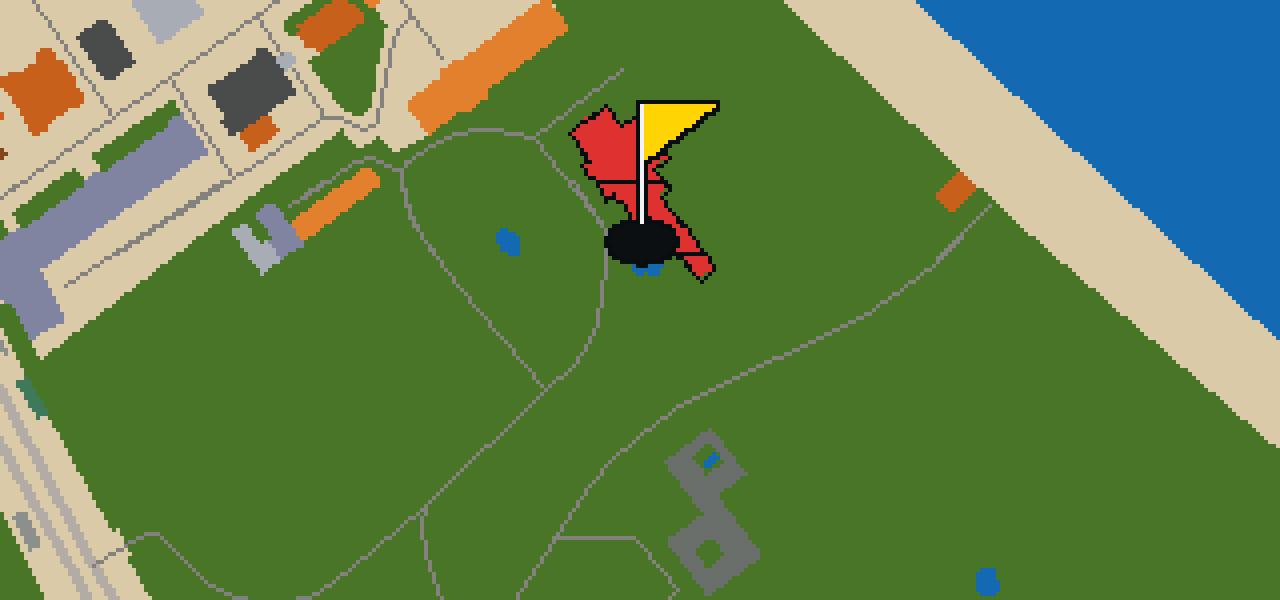
Let me show you the Ehemaliger Deutscher Bundestag, a building complex located in Bonn. This architectural heritage monument in North Rhine-Westphalia was converted into the provisional seat of the Bundestag and Bundesrat after the resolution of the Hauptstadtfrage in 1949 in favor of Bonn. From 1949 until 1999, the Bundeshaus served as the seat of both the Bundestag and Bundesrat in West Germany. It is a spot where you can pick out the history of German governance. I always find the scale of the complex impressive from the air.

Wikidata · Wikipedia

HOLE 16 - PAR 3

Langer Eugen

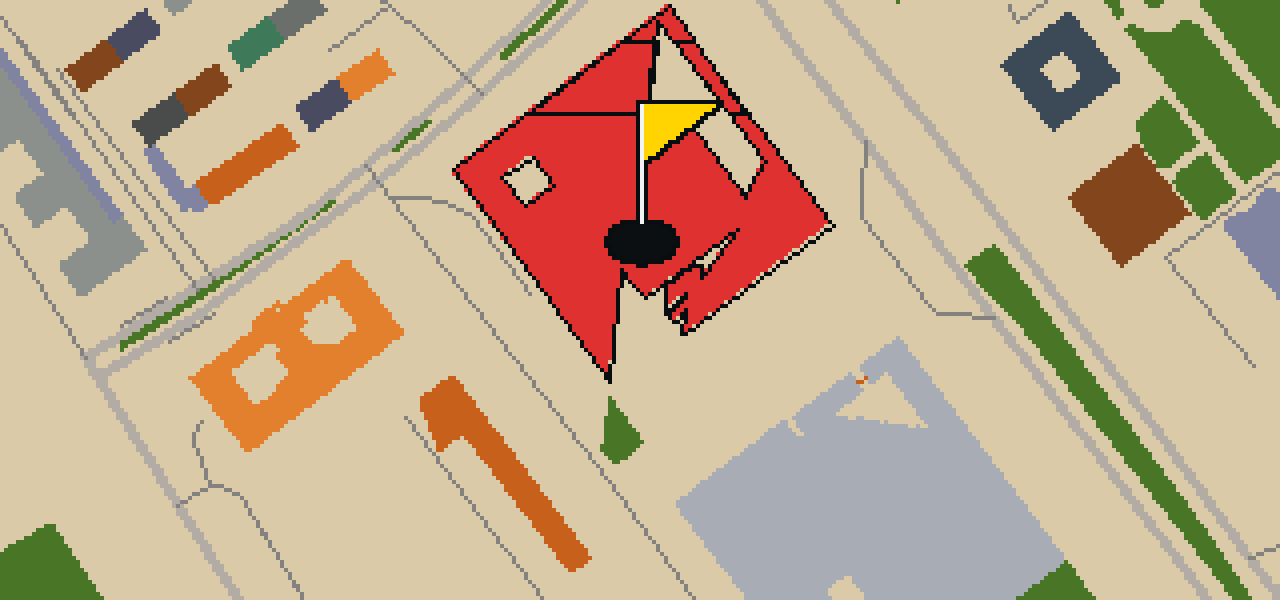
Built between 1966 and 1969, Langer Eugen is an office building designed by architect Egon Eiermann. It is an architectural heritage monument in North Rhine-Westphalia and the second-tallest building in Bonn. While it once served as the primary location for the offices of the members of the Bundestag until they moved to Berlin in 1999, the tower has since transitioned to international use. Since 2006, it has housed several United Nations organizations. I've noticed the wind can get quite gusty up there, which is a lot for a pigeon to handle.

Wikidata · Wikipedia

HOLE 17 - PAR 3

Haus der Geschichte der Bundesrepublik Deutschland

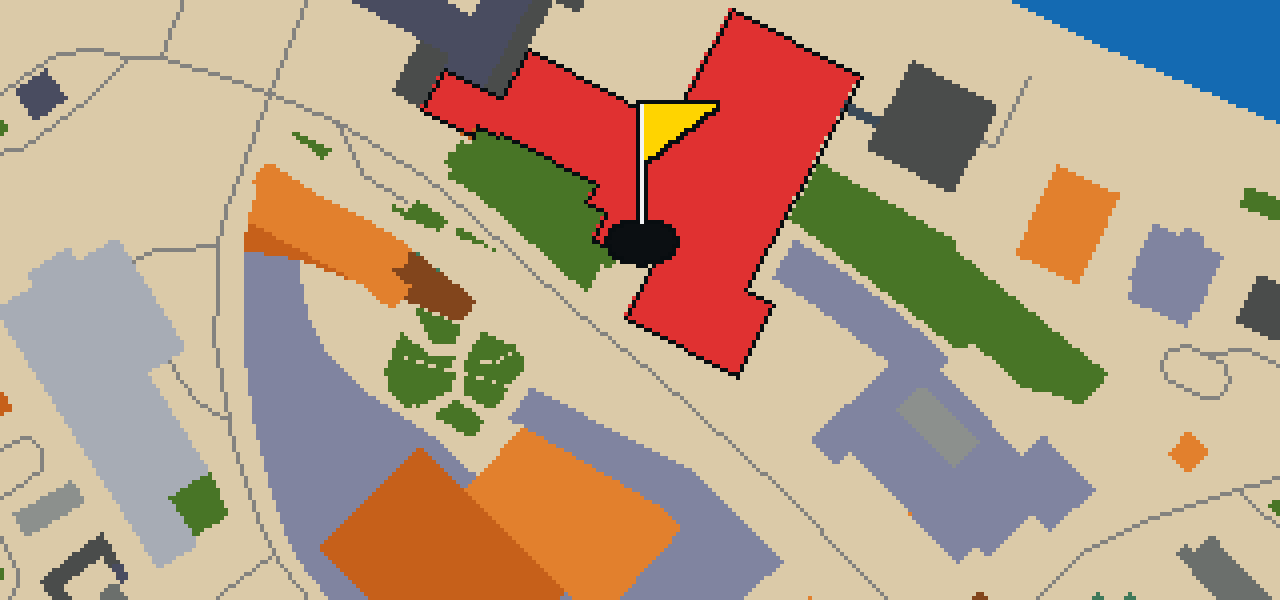
The crowds here are a sight to see, as around one million visitors arrive every year. This is the Haus der Geschichte, a museum of contemporary history in Bonn. It was founded in 1994 and operates as part of the Haus der Geschichte der Bundesrepublik Deutschland Foundation. While the foundation's headquarters are right here in Bonn, its reach extends to other sites like the Zeitgeschichtliches Forum Leipzig. I've noticed the building always feels humming with energy from the people passing through.

Wikidata · Wikipedia

HOLE 18 - PAR 2

Museum Alexander Koenig

You will first notice the vast collections of this natural history museum in Bonn. Named after Alexander Koenig, the site operates as a zoological research institution. It opened in 1934 and continues to be a major draw for the public, seeing 123,000 annual visitors. Since 2001, the museum has formed the Leibniz Institute for the Analysis of Biodiversity Change together with the Museum of Nature Hamburg. I find the scale of the research here quite impressive, and there is always something new to see in the displays.

Wikidata · Wikipedia

OTHER COURSES

9 HOLES - PAR 33

Hamm

9 stops

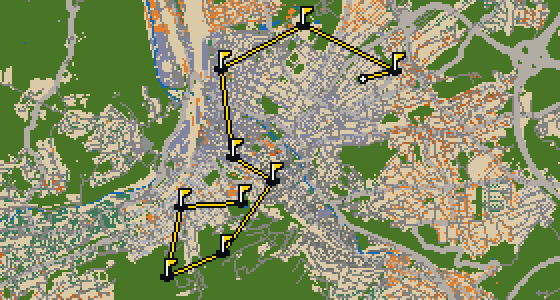
This quick nine-hole round covers 7.4 km across Hamm. The map is the real city and the ball rolls along its actual streets, using portals to skip between districts. Local attractions like Schloss Heessen are the foundations for the holes. Skip knows every curb and cobblestone here, even if a few crumbs usually distract the guide.

18 HOLES - PAR 53

Kassel

18 stops

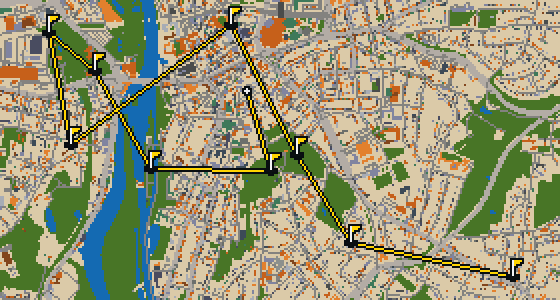
Kassel is the setting for this round, where the map follows the actual city and the ball rolls across its real streets. The holes are built from the city's actual attractions, ending at the Spitzhacke. Skip knows these sidewalks well and is the local guide. This is a full round of 18 holes with a par of 53, covering a walk of 9.7 km. The ball moves between distant districts using 12 portals.

9 HOLES - PAR 31

Hagen

9 stops

The ball ends its journey at the Stadtgarten. This course uses the real streets of Hagen as the map, with the city's actual attractions forming the holes. A quick round of 9 holes covers 7.6 km, using 8 portals to bridge the gaps between distant districts. Skip knows every curb and cobblestone here, having spent plenty of time watching the world go by from the eaves.

9 HOLES - PAR 29

Oberhausen

9 stops

Banking a ball off the stone of Schloss Broich requires a steady wing and a soft touch. This round takes place on the real streets of Oberhausen, where the city map is the course. The holes are built from actual local attractions, and Skip knows every crack in the pavement. A quick 9-hole round covers 6 km, with 14 portals to keep the ball moving.

18 HOLES - PAR 57

Delsberg

18 stops

Banking a ball off the stone facades of the Roter Turm requires a steady wing and a bit of luck. This round takes place in Delsberg, where the map is the real city and the game is played on its actual streets. The holes are built from real attractions, turning the urban layout into a course. I know these sidewalks well and can be the local guide. It is a full round of 18 holes with a par of 57, covering a 12.1 km walk that uses 10 portals.

FAQ

Is it free to play?

Yes. Every course runs in the browser with no account and no install.

Do I need to be in the city?

No. The full round plays from anywhere. Walking the real route is a nice way to see the city, but it is not required.

Are the maps real?

Yes. The geometry comes from OpenStreetMap data, rendered chunky on purpose. Streets, water and parks sit where they really are.