
BAMBERG - 9 HOLES - FREE

BAMBERG
CITY MAP MINIGOLF

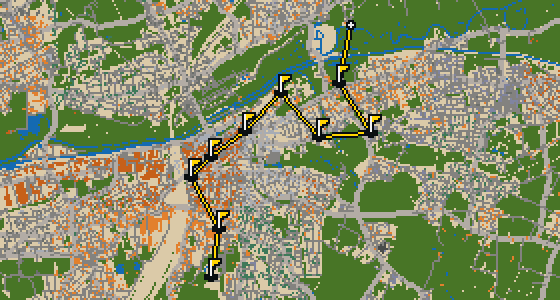
Bamberg - 9 stops - par 27

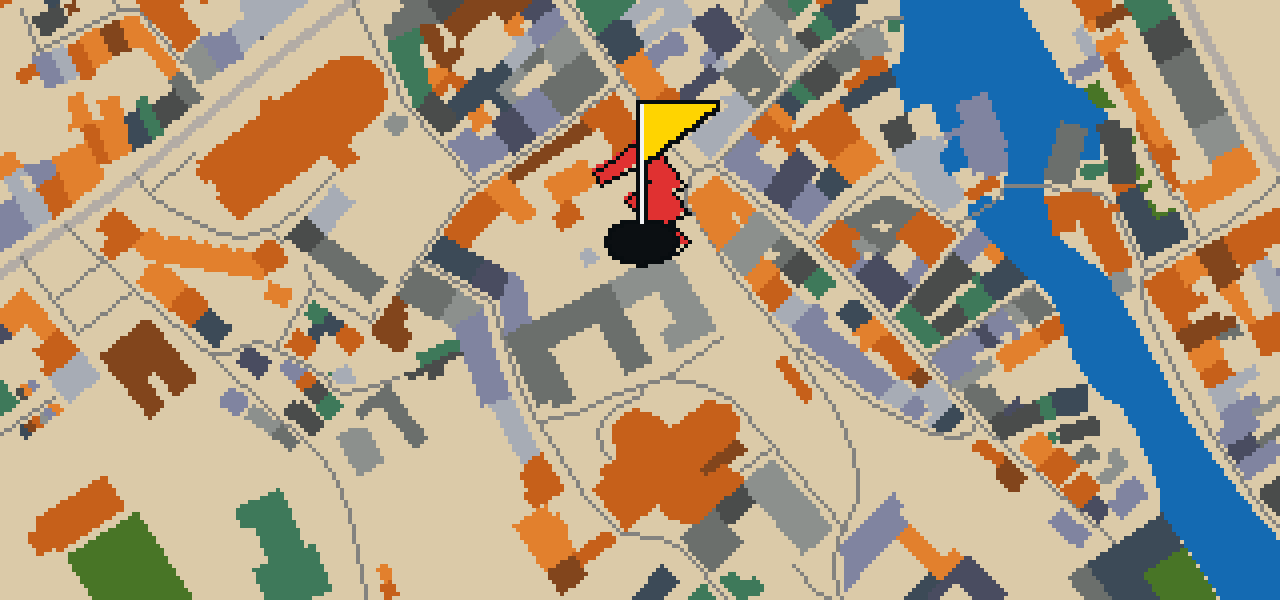
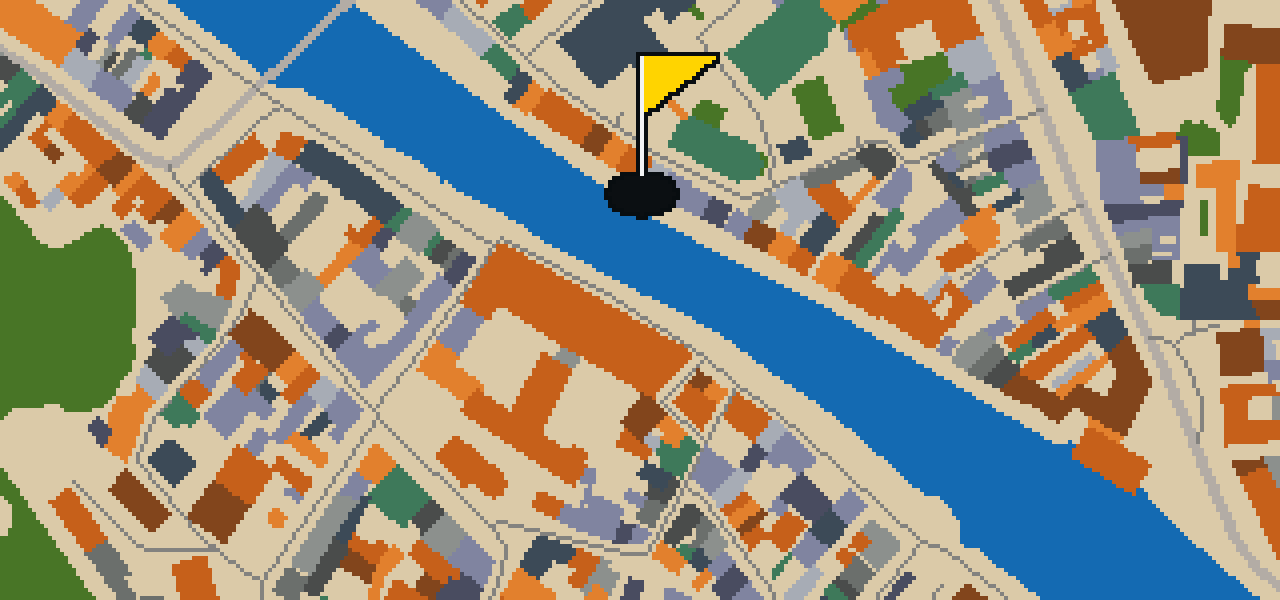
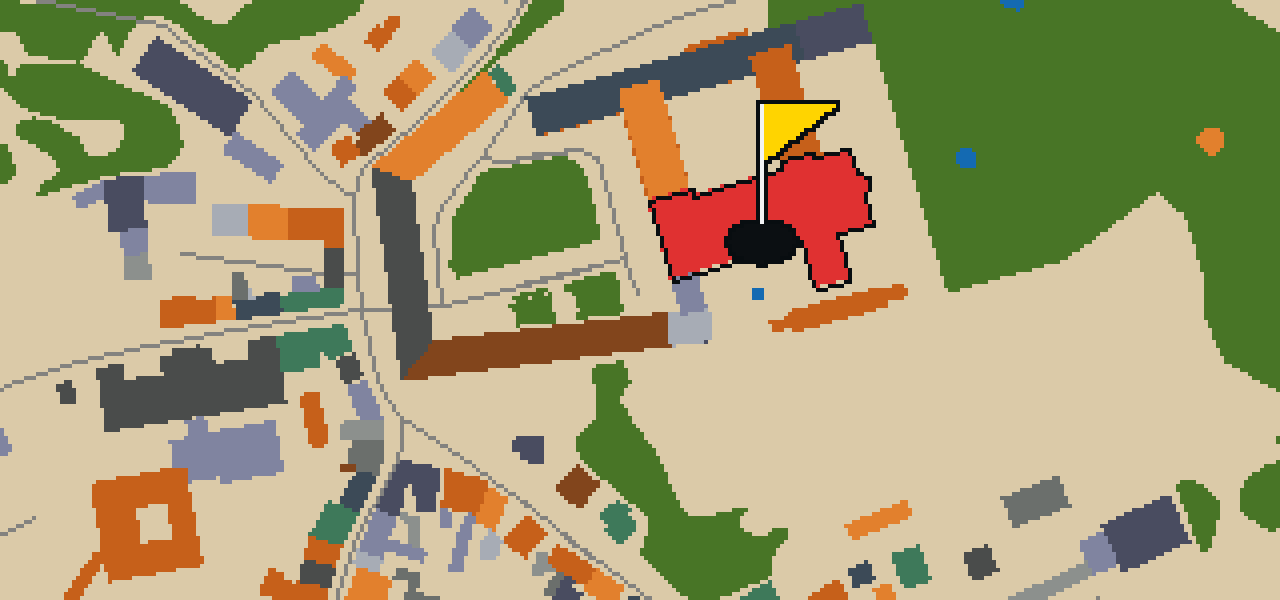
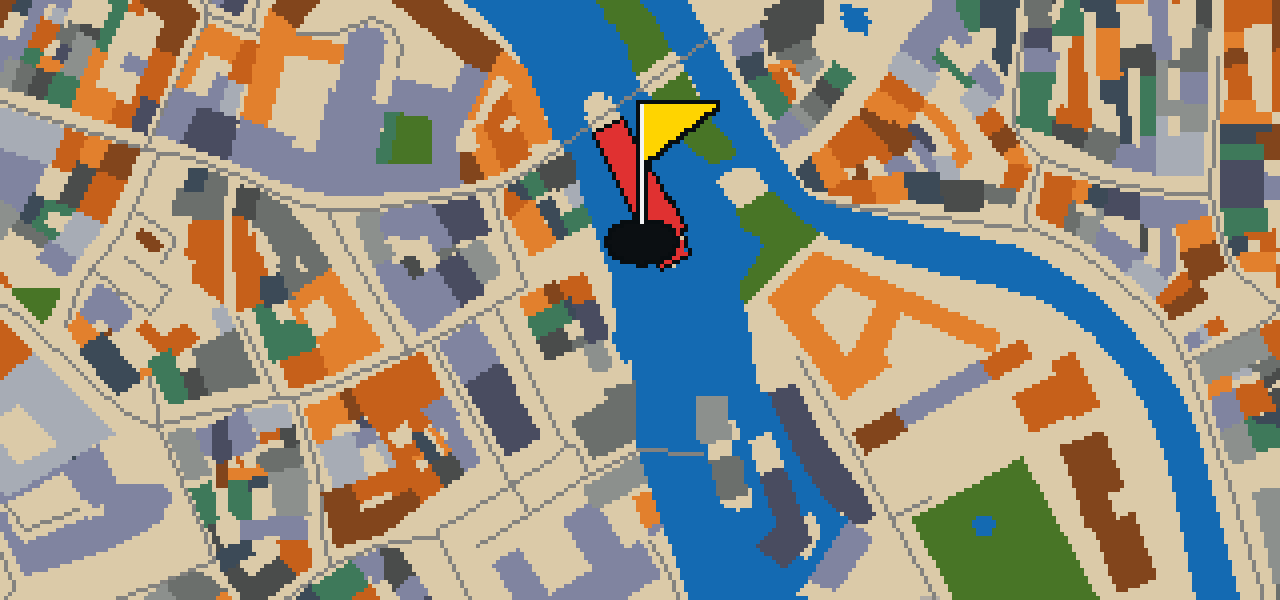
Bamberg looks different from a rooftop, but the real action happens on the pavement. This map is the actual city and the round is played on its real streets, with holes built from attractions like the Altes Rathaus. Skip knows every nook of this place. It is a quick 9-hole round over 5.2 km, using 10 portals to move the ball across the city.

Trouble loading? Open the game in its own tab.

HOW IT WORKS

01

Pick a city

The course is drawn on the real street grid, so the map you play is the map you walk.

02

Putt to the pin

Drag to aim, release to swing. Buildings bounce and water costs you a stroke.

03

Sightsee between strokes

Every hole ends at an attraction. Sink the putt, read the story, walk to the next tee.

THE BAMBERG ROUND - STOP BY STOP

HOLE 1 - PAR 3

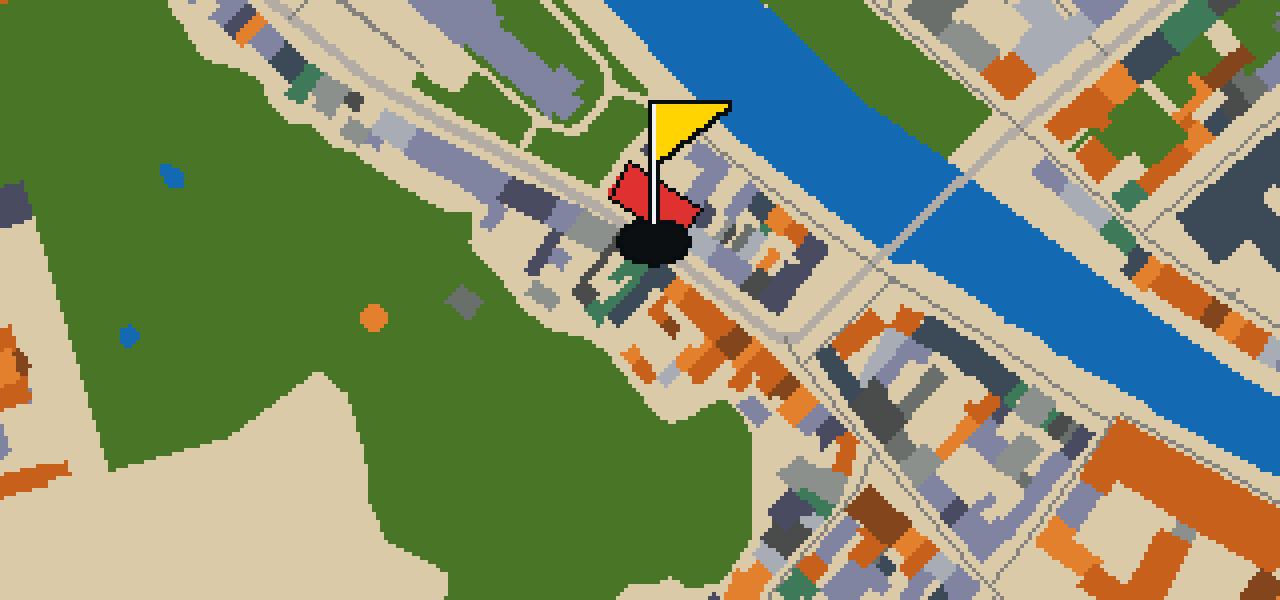
Bamberger Dom

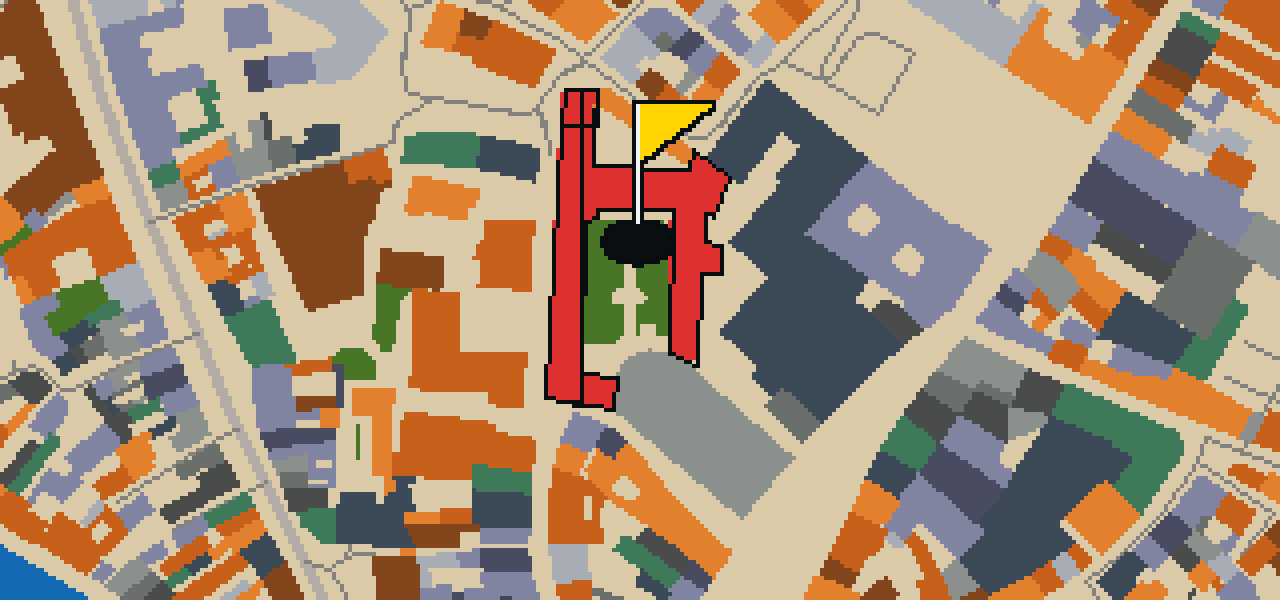
The Romanesque architecture of Bamberger Dom defines the skyline of Bamberg, Germany. This Catholic cathedral began its inception in 1004 and reached completion in the 13th century. Friedrich von Gärtner and Leonhard Romeis are architects of the building. It is a site of significant importance, serving as the seat of the archbishop of the Archdiocese of Bamberg. Because of its historical and structural value, it is an architectural heritage monument in Bavaria. Since 1993, the cathedral has been recognized as part of the UNESCO World Heritage Site known as the Town of Bamberg. You can see the influence of its long history in the stone and scale of the church.

Wikidata · Wikipedia

HOLE 2 - PAR 3

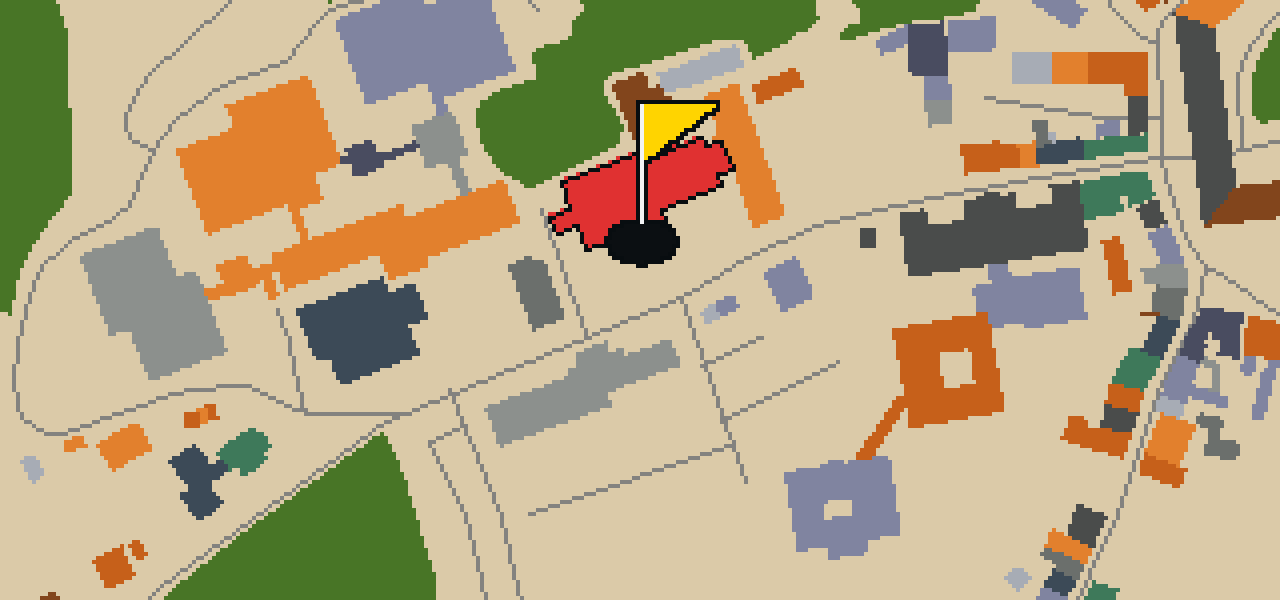
Naturkundemuseum

Let me show you the Naturkundemuseum. This natural history museum was founded in 1791, which makes it one of the older institutions you will encounter during your time in Bamberg. Since those early days, it has remained dedicated to the study and display of the natural world. You can pick out various exhibits that reflect its long history of collecting and preservation. It is a great spot to slow down and see how the city's approach to science has evolved over the centuries. I usually find the atmosphere here much more relaxed than the busier plazas downtown, where the crowds tend to gather. It is a peaceful place to spend an hour of your afternoon while you are exploring the city streets.

Wikidata

HOLE 3 - PAR 3

Böttingerhaus

Böttingerhaus is a city palace located in Bamberg. It is recognized as an architectural heritage monument in Bavaria, making it a significant stop for anyone interested in the region's historic buildings. When you look at the structure, you can see the influence of its architect, Johann Dientzenhofer, who was responsible for the design. I always find that the stone work here has a certain weight to it that makes the building feel permanent. Whether you are visiting for the art or the history, this palace is a key piece of the local scenery. It is the kind of place where you can really feel the history of the city in the walls, providing a glimpse into the lives of those who lived in such grand residences long ago.

Wikidata

HOLE 4 - PAR 3

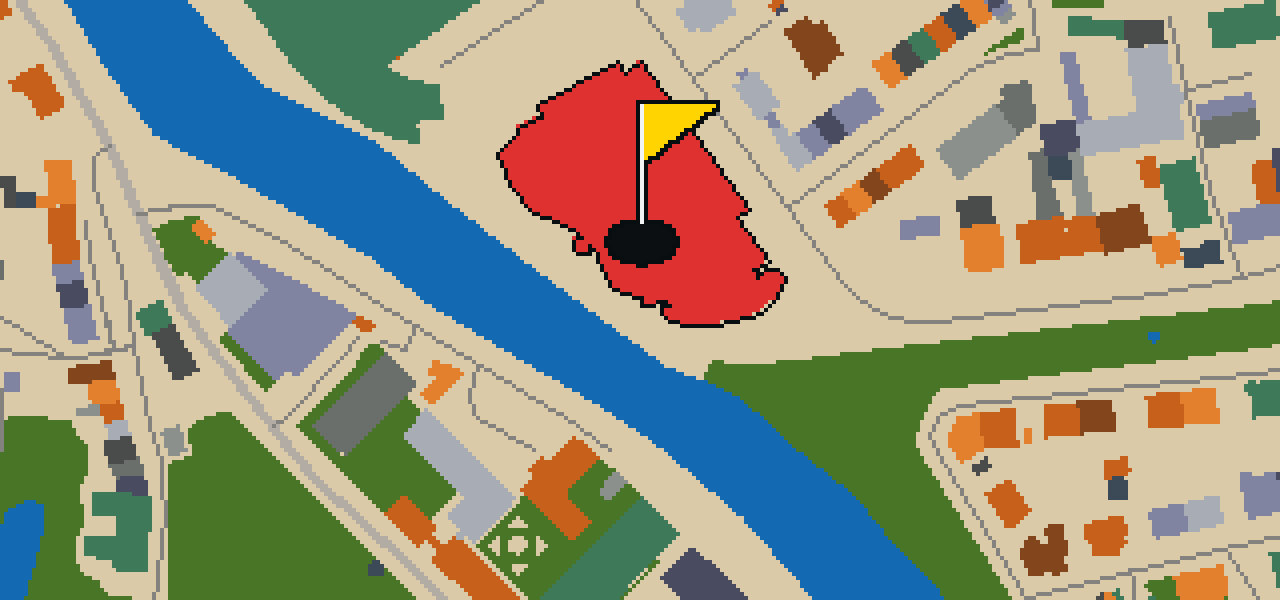
Klein Venedig

Look closely at the houses built right along the water's edge, and you will see the charm of this area. This is Klein Venedig, an Ortsteil of Bamberg. It is a distinct part of the city that visitors often recognize by its riverside architecture. I find that the view of the buildings reflecting in the water makes for a great spot to pause and look around while you are exploring the city. Whether you are here for the history or just a walk, the way the district sits against the river is the main thing to notice.

Wikidata

HOLE 5 - PAR 3

Kloster Michelsberg

You will first notice the Romanesque architecture of Kloster Michelsberg, a monastery and architectural heritage monument in Bavaria. Founded in 1015, the site is known for the work of architects Johann Dientzenhofer and Leonhard Dientzenhofer. While it is a former Benedictine monastery, the former abbey church is still used as the Michaelskirche. The site holds a significant place in the history of Bamberg, though the monastery itself was dissolved in 1803. Following that dissolution, the buildings were used for the almshouse Vereinigtes Katharinen- und Elisabethen-Spital. Visitors today can appreciate the enduring structural legacy of the Dientzenhofers and the Romanesque style that defines the complex. These elements combine to make the site a key point of interest for anyone exploring the heritage of the region.

Wikidata · Wikipedia

HOLE 6 - PAR 3

Altes Rathaus

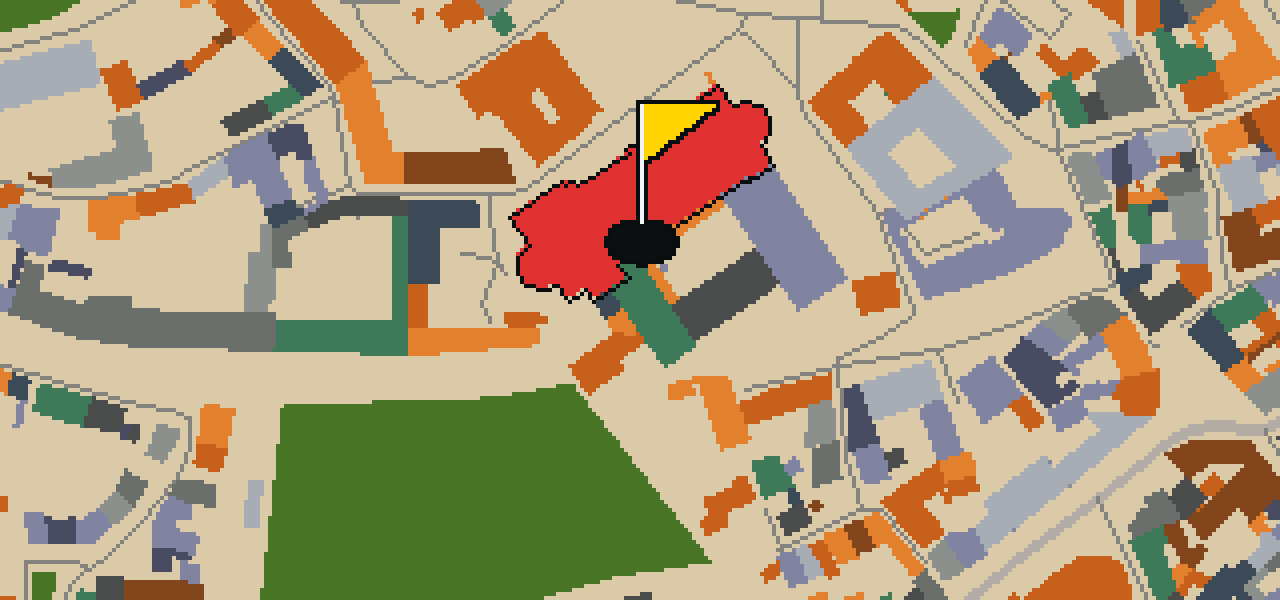
You might think you are looking at a bridge, but you are actually seeing the Altes Rathaus. This Rathaus is an architectural heritage monument in Bavaria and is designed in the baroque architecture style. When you look at the facade, you can see the influence of the architect, Martin Mayer. I have spent a lot of time watching the crowds gather around this spot, and it remains one of the most distinctive sights in the city. Whether you are here for the history or just the view, the building's unique position makes it a standout landmark for any visitor to Bamberg. It is the kind of place where you can just stop and admire the craftsmanship before moving on to the next street.

Wikidata

HOLE 7 - PAR 3

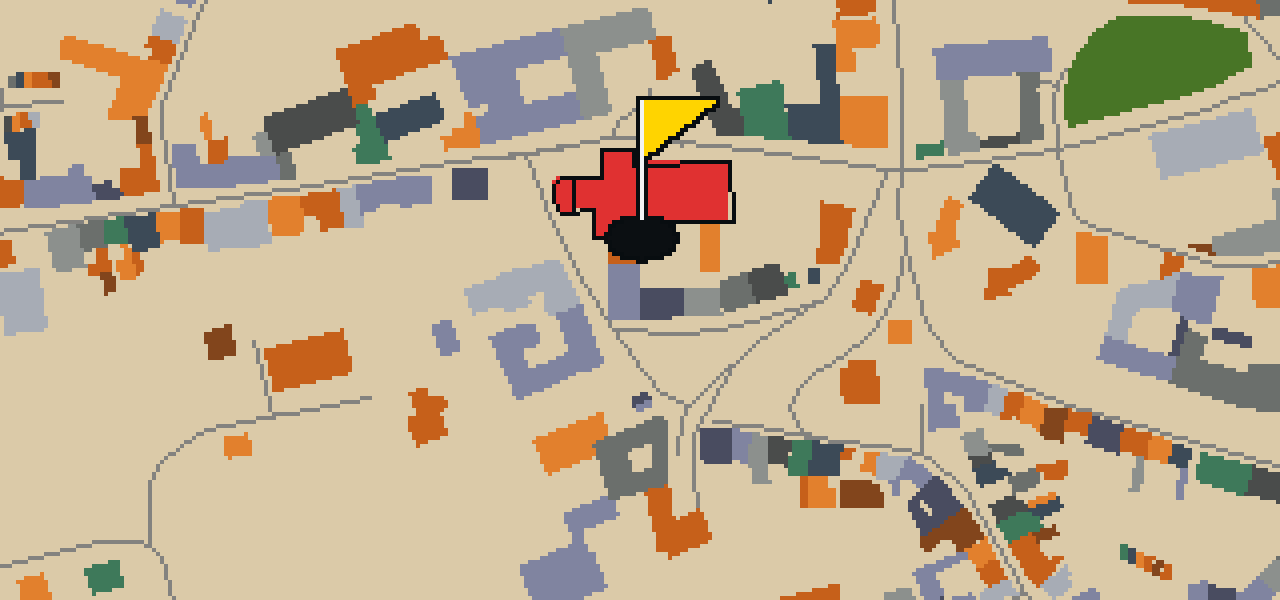
Bamberger Marionettentheater

This puppet theatre in Bamberg, Bavaria, is built around a stage from 1821. It is a puppetry company where the physical history of the performance space is as central as the shows themselves. Klaus Loose founded the Bamberger Marionettentheater in 1986, though the company had its inception in 1987. Before bringing the production to this city, Loose used the same 1821 stage in Oldenburg for about twenty years. When you visit, you can see how a piece of equipment from the early nineteenth century still provides the foundation for modern marionette performances. I've noticed that the wooden details of such old stages always have a certain character that you just can't find in new builds.

Wikidata · Wikipedia

HOLE 8 - PAR 3

Sankt Getreu

Sankt Getreu is a church building in Bamberg. When you arrive, the first thing you will notice is the baroque architecture style that defines the structure. This particular style is characterized by its ornate detail and grandeur, making the building a focal point of the surrounding area. Beyond its visual appeal, the site is recognized as an architectural heritage monument in Bavaria. Such a designation ensures that the building is preserved for future generations to study and appreciate. Whether you are interested in the history of Bavarian craftsmanship or simply seeking a moment of quiet reflection, this church provides a clear look at the artistic priorities of the baroque period. The building stands as a testament to the religious and artistic traditions that have shaped the local landscape over many years.

Wikidata

HOLE 9 - PAR 3

Konzert- und Kongresshalle Bamberg

Let me show you the Konzert- und Kongresshalle Bamberg. It is a convention center that brings a different energy to the city. When you visit, you can also find it operating as a music venue for various performances. I've noticed it is a great spot for people to gather, whether they are attending a professional conference or a concert. It is one of the primary locations in town for these large-scale events.

Wikidata

STOP 10

Sankt Jakob

Sankt Jakob is a church building located in Bamberg. It is recognized as an architectural heritage monument in Bavaria, a status that reflects its importance to the region's history and built environment. Visitors can observe the specific structural elements that qualify it as a protected monument within the state of Bavaria. The building stands as a preserved piece of Bavarian heritage, maintaining its form and function as a place of worship while serving as a point of interest for those studying the architectural evolution of the city. Because it is a designated heritage monument, the site is protected to ensure that its unique characteristics are kept intact for future generations to see and appreciate as part of the local landscape.

Wikidata

OTHER COURSES

9 HOLES - PAR 33

Hamm

9 stops

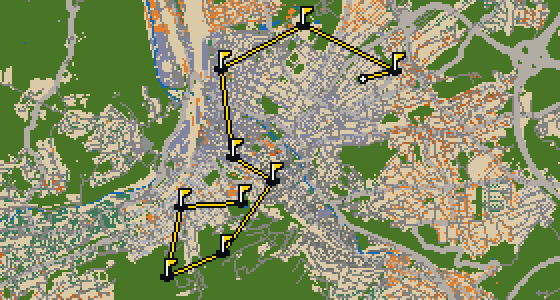
This quick nine-hole round covers 7.4 km across Hamm. The map is the real city and the ball rolls along its actual streets, using portals to skip between districts. Local attractions like Schloss Heessen are the foundations for the holes. Skip knows every curb and cobblestone here, even if a few crumbs usually distract the guide.

18 HOLES - PAR 53

Kassel

18 stops

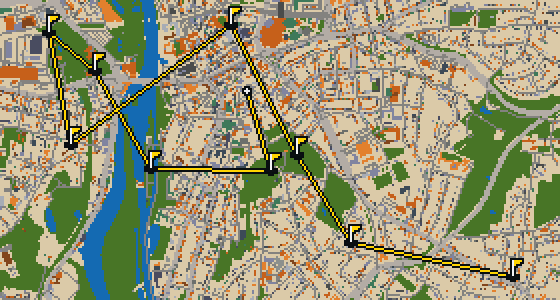
Kassel is the setting for this round, where the map follows the actual city and the ball rolls across its real streets. The holes are built from the city's actual attractions, ending at the Spitzhacke. Skip knows these sidewalks well and is the local guide. This is a full round of 18 holes with a par of 53, covering a walk of 9.7 km. The ball moves between distant districts using 12 portals.

9 HOLES - PAR 31

Hagen

9 stops

The ball ends its journey at the Stadtgarten. This course uses the real streets of Hagen as the map, with the city's actual attractions forming the holes. A quick round of 9 holes covers 7.6 km, using 8 portals to bridge the gaps between distant districts. Skip knows every curb and cobblestone here, having spent plenty of time watching the world go by from the eaves.

9 HOLES - PAR 29

Oberhausen

9 stops

Banking a ball off the stone of Schloss Broich requires a steady wing and a soft touch. This round takes place on the real streets of Oberhausen, where the city map is the course. The holes are built from actual local attractions, and Skip knows every crack in the pavement. A quick 9-hole round covers 6 km, with 14 portals to keep the ball moving.

18 HOLES - PAR 57

Delsberg

18 stops

Banking a ball off the stone facades of the Roter Turm requires a steady wing and a bit of luck. This round takes place in Delsberg, where the map is the real city and the game is played on its actual streets. The holes are built from real attractions, turning the urban layout into a course. I know these sidewalks well and can be the local guide. It is a full round of 18 holes with a par of 57, covering a 12.1 km walk that uses 10 portals.

FAQ

Is it free to play?

Yes. Every course runs in the browser with no account and no install.

Do I need to be in the city?

No. The full round plays from anywhere. Walking the real route is a nice way to see the city, but it is not required.

Are the maps real?

Yes. The geometry comes from OpenStreetMap data, rendered chunky on purpose. Streets, water and parks sit where they really are.