
AUGSBURG - 18 HOLES - FREE

AUGSBURG
CITY MAP MINIGOLF

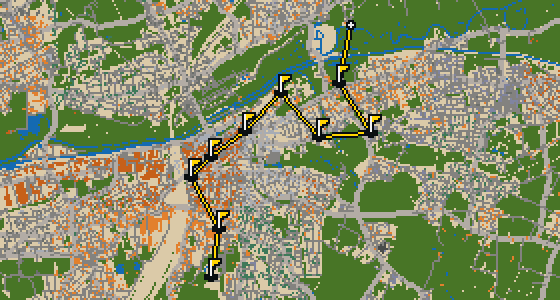
Augsburg - 18 stops - par 54

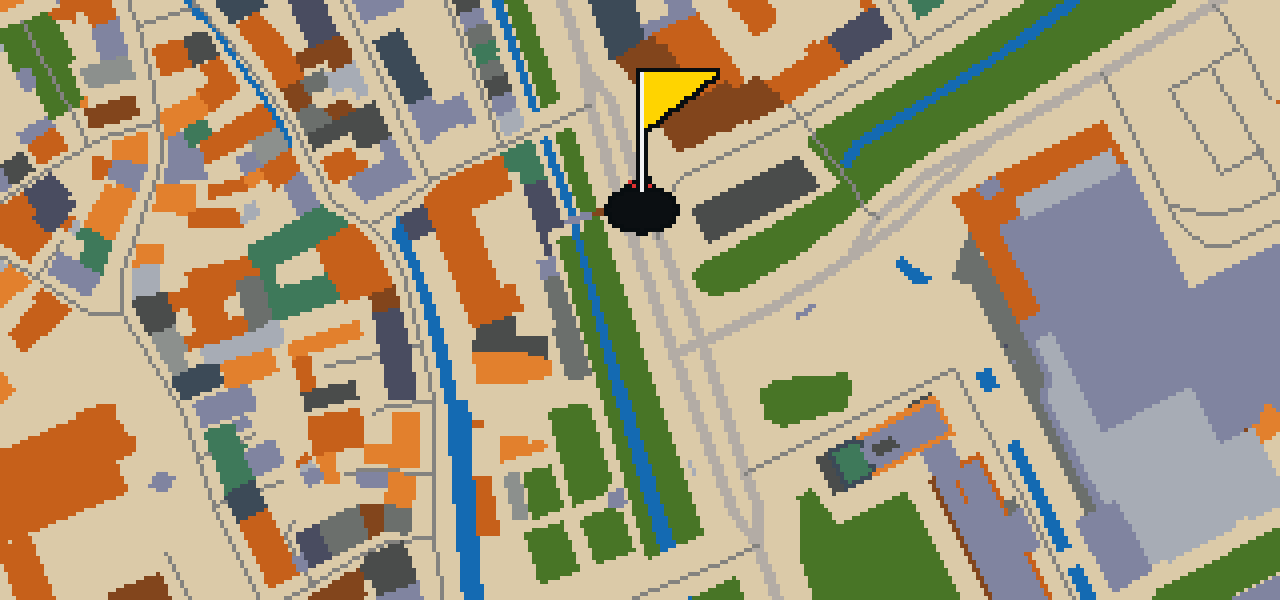
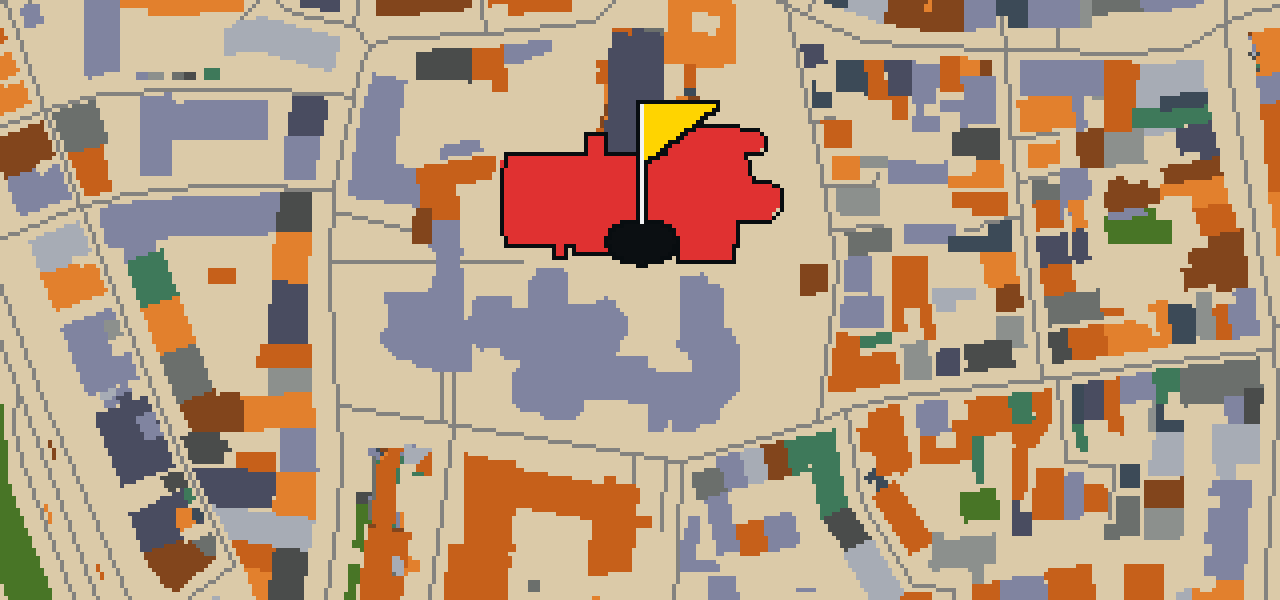
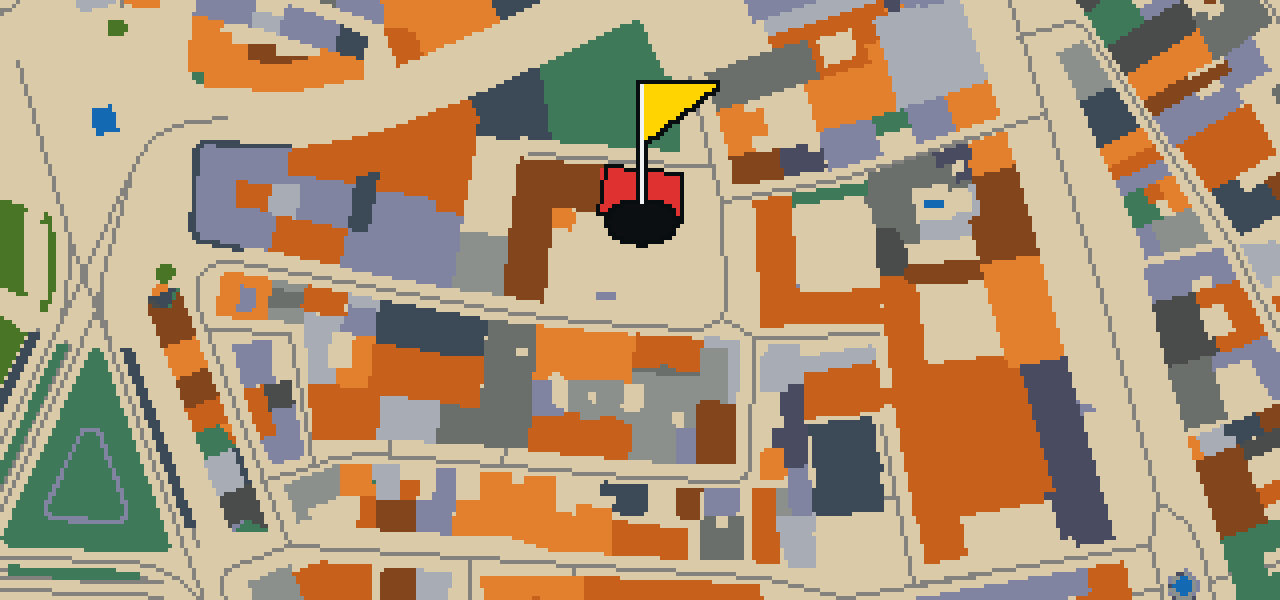
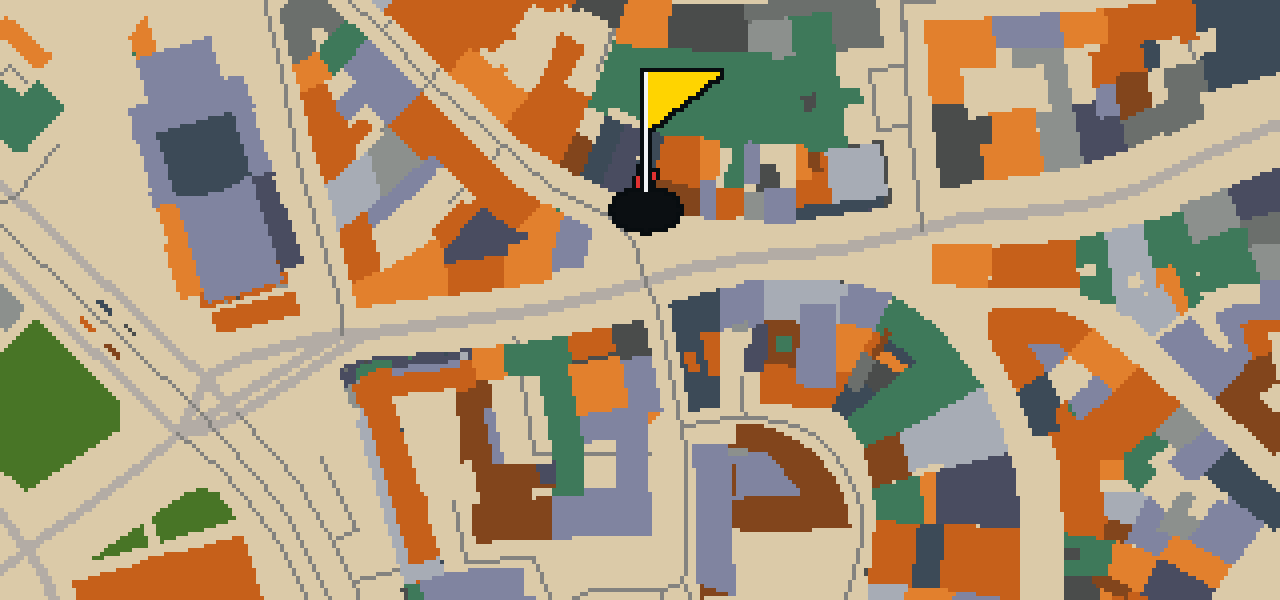
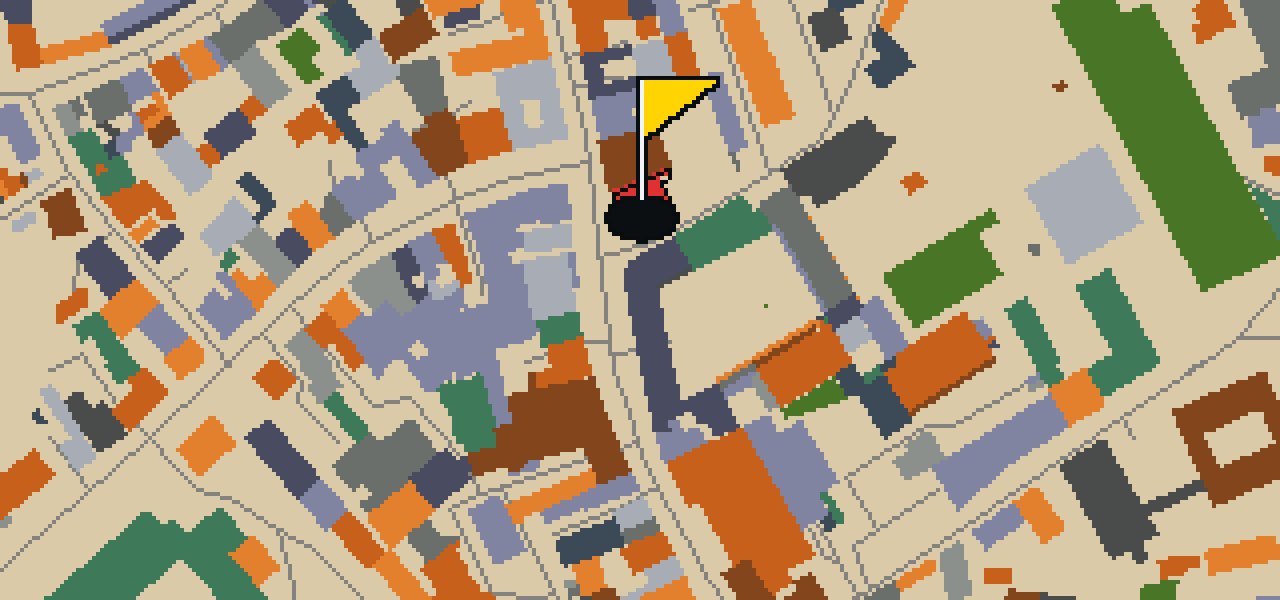
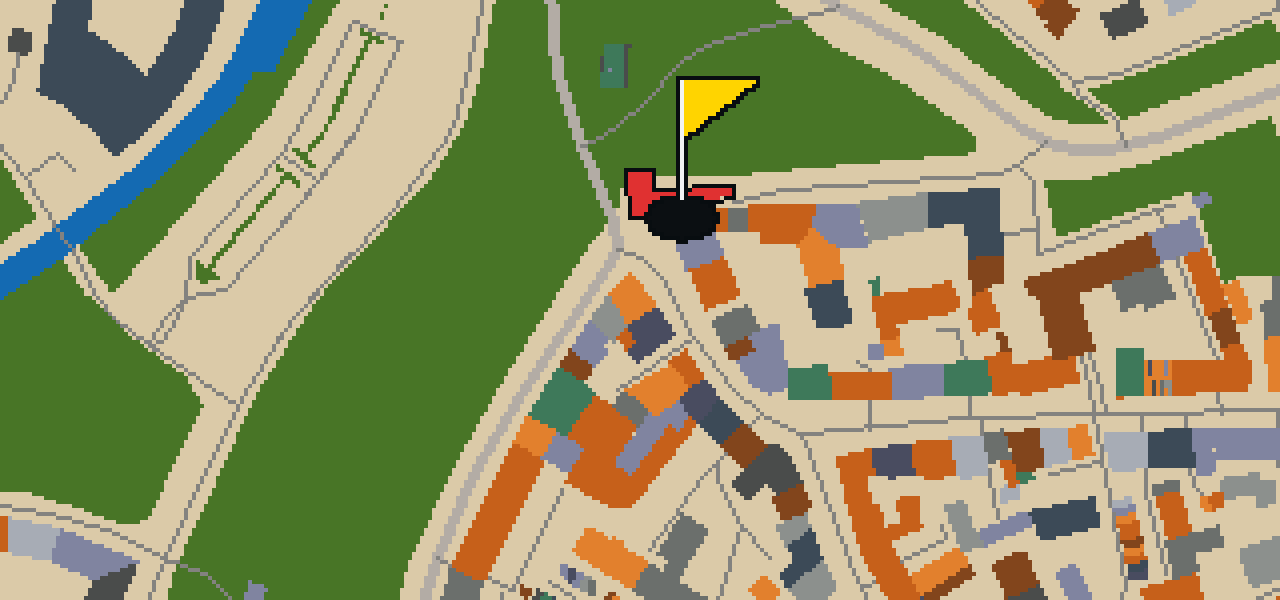
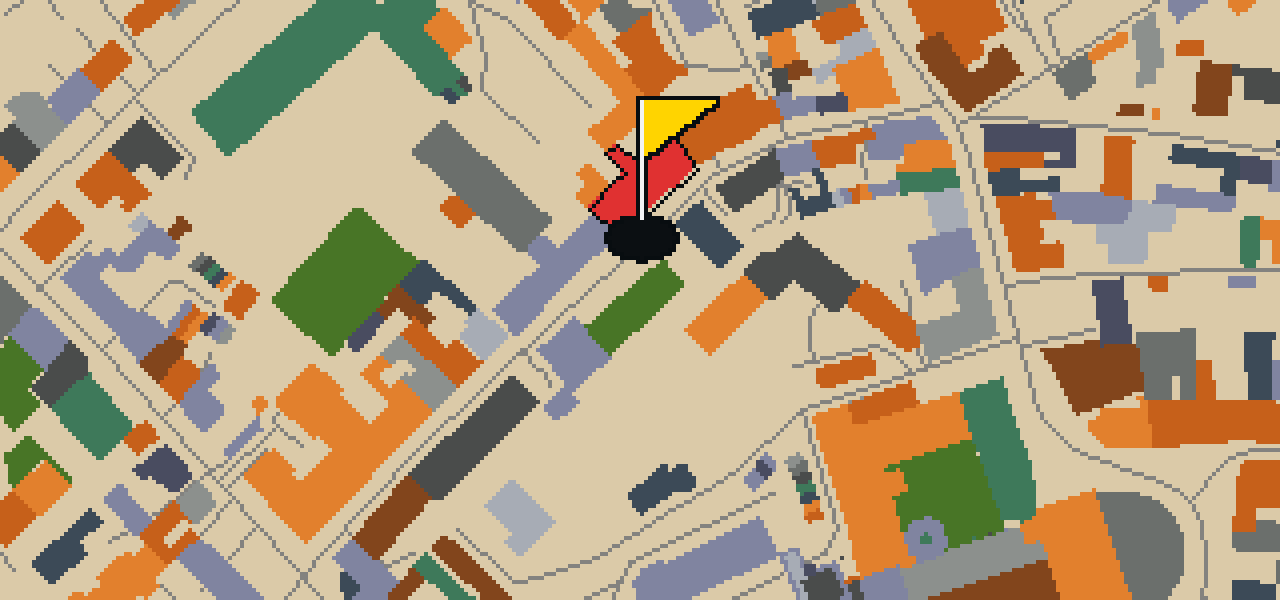
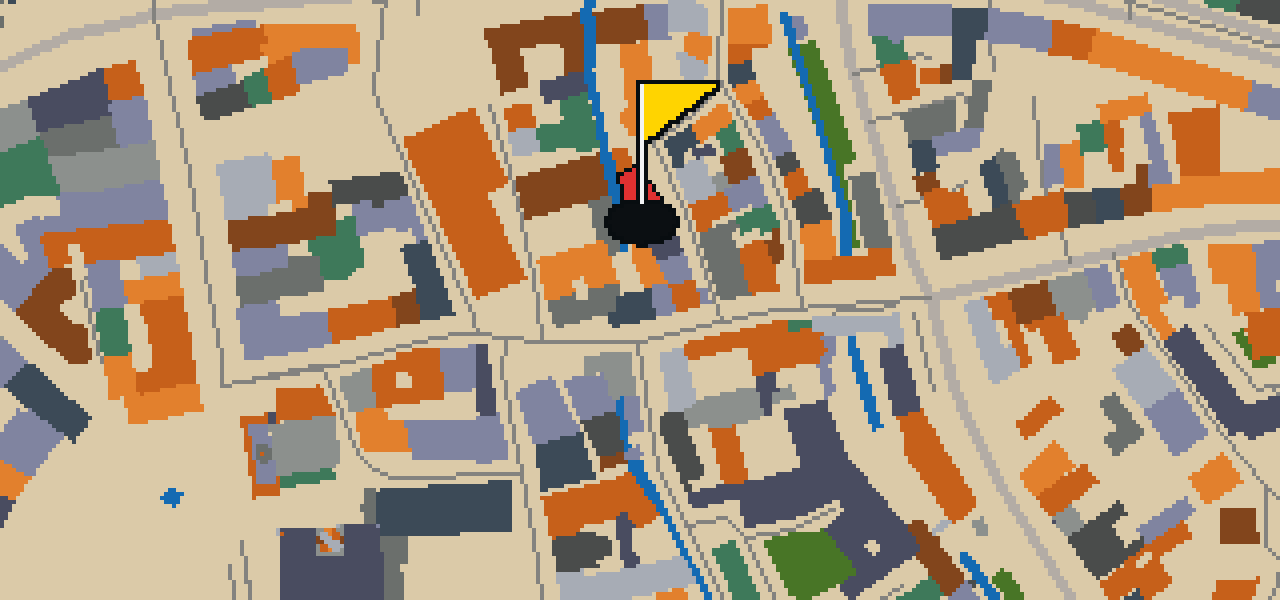
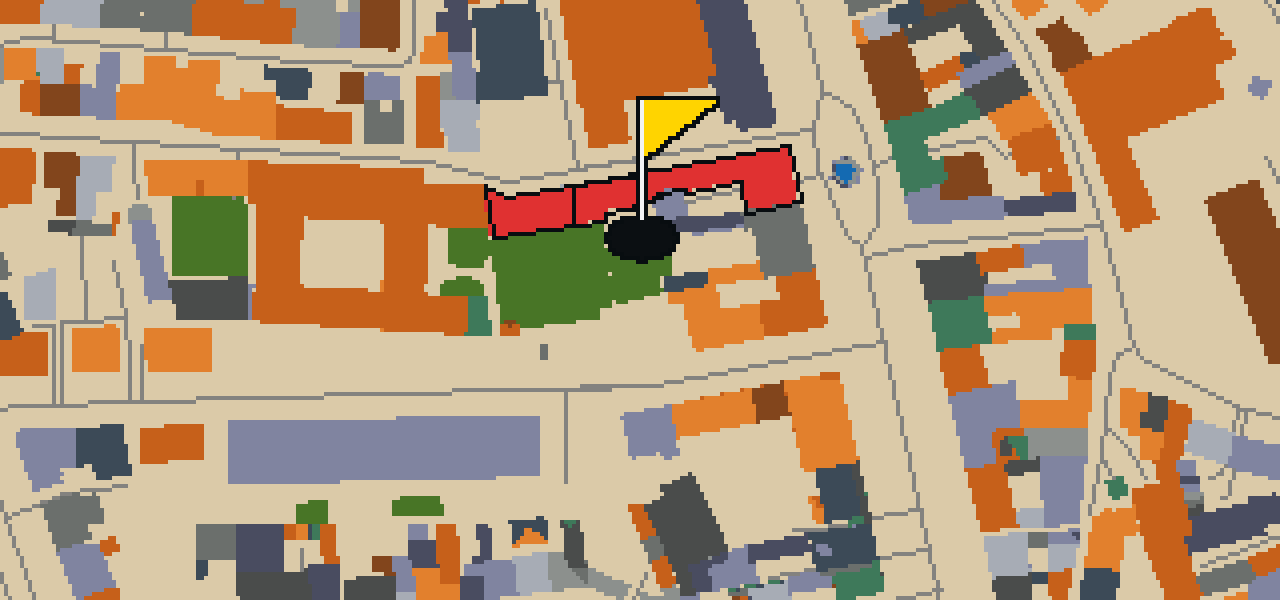
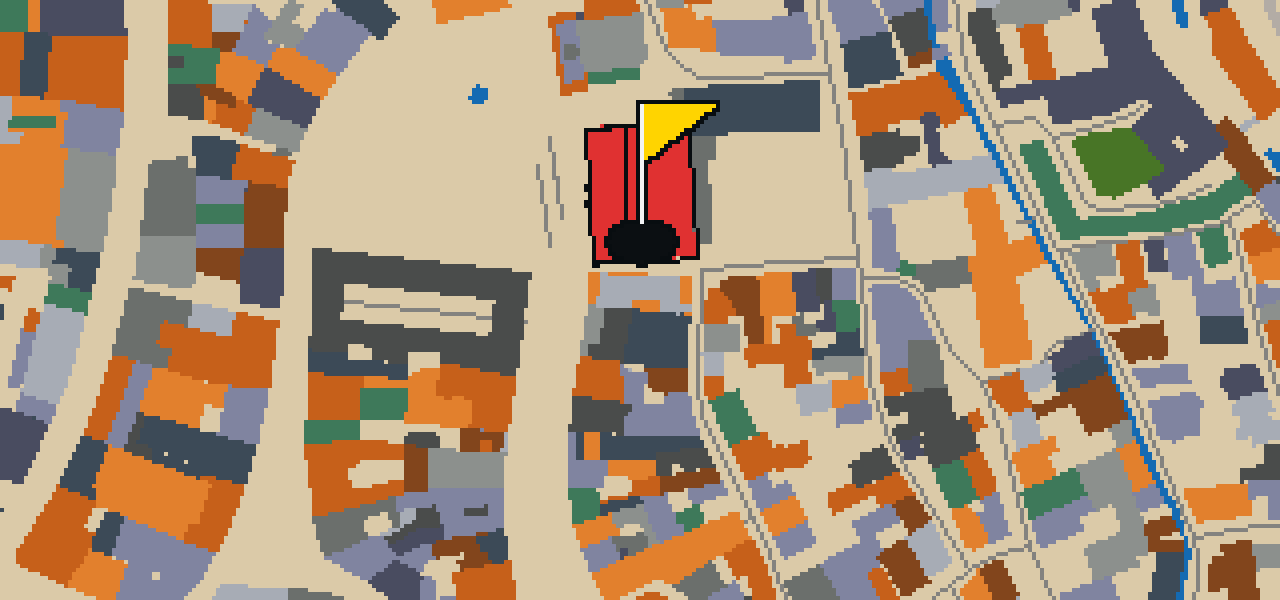
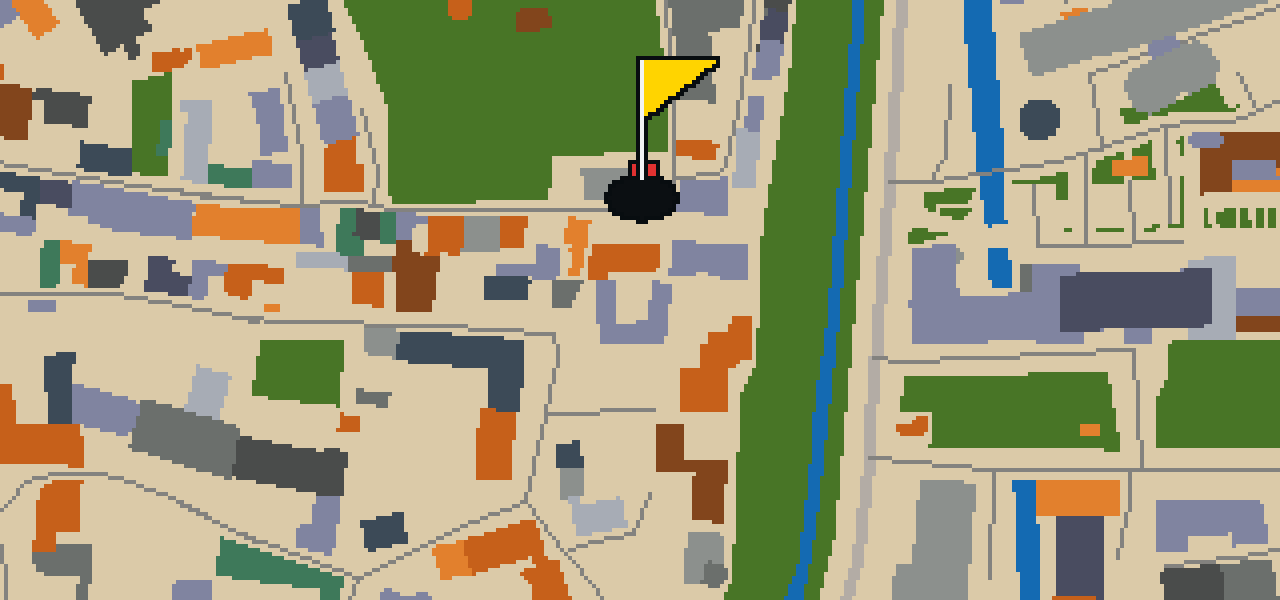
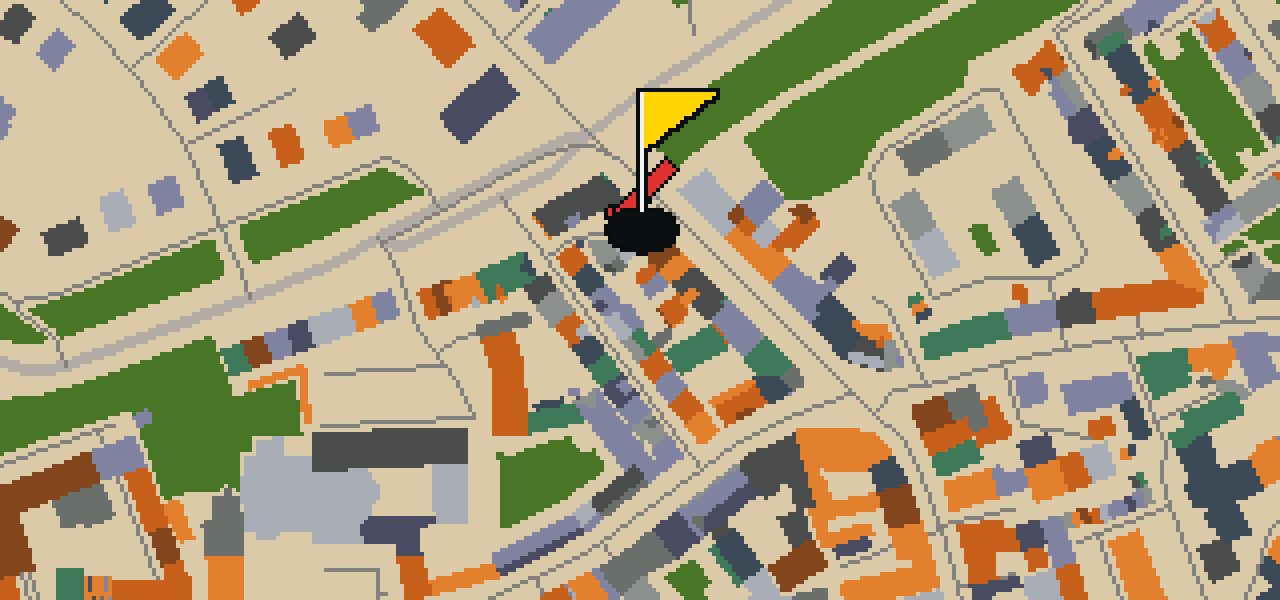
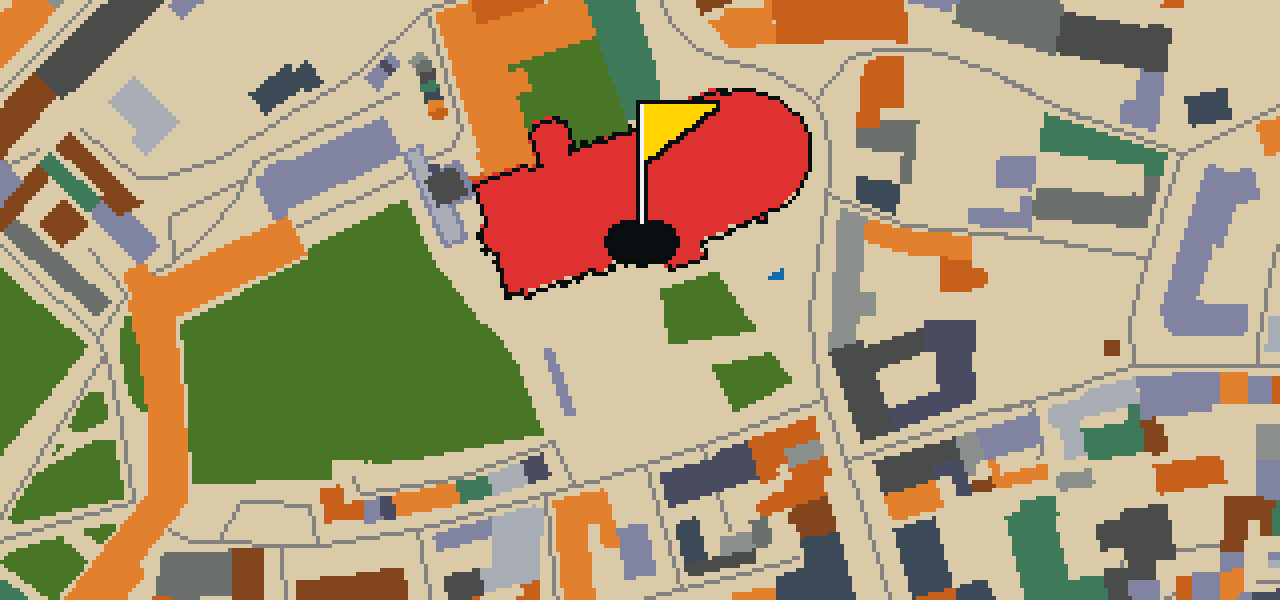
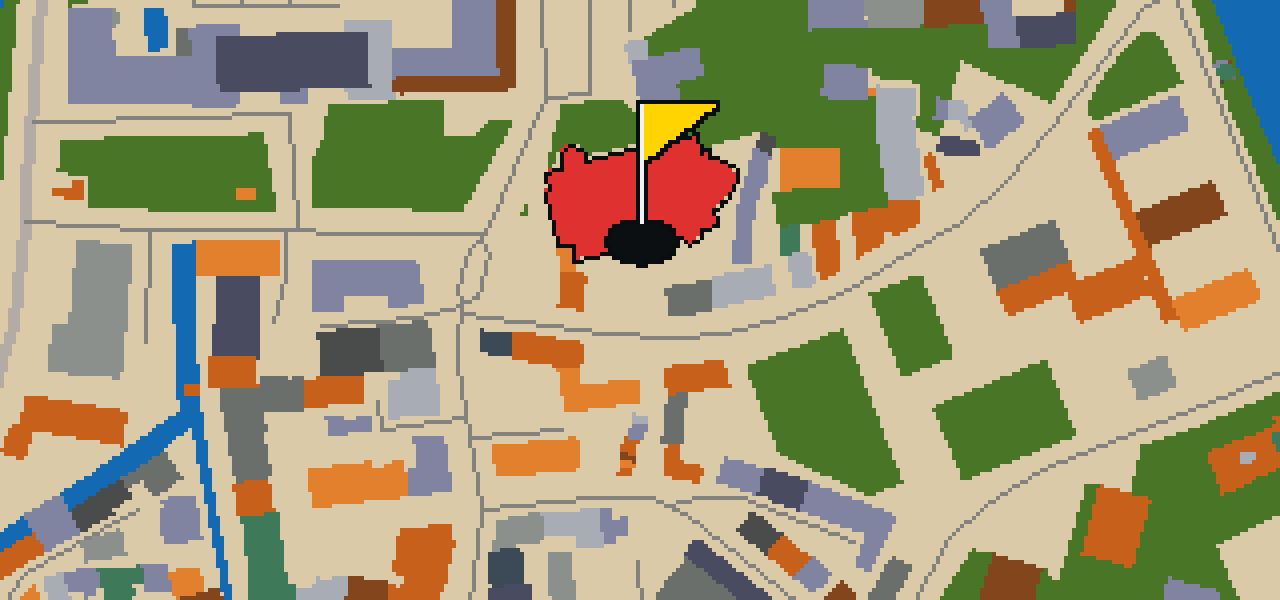
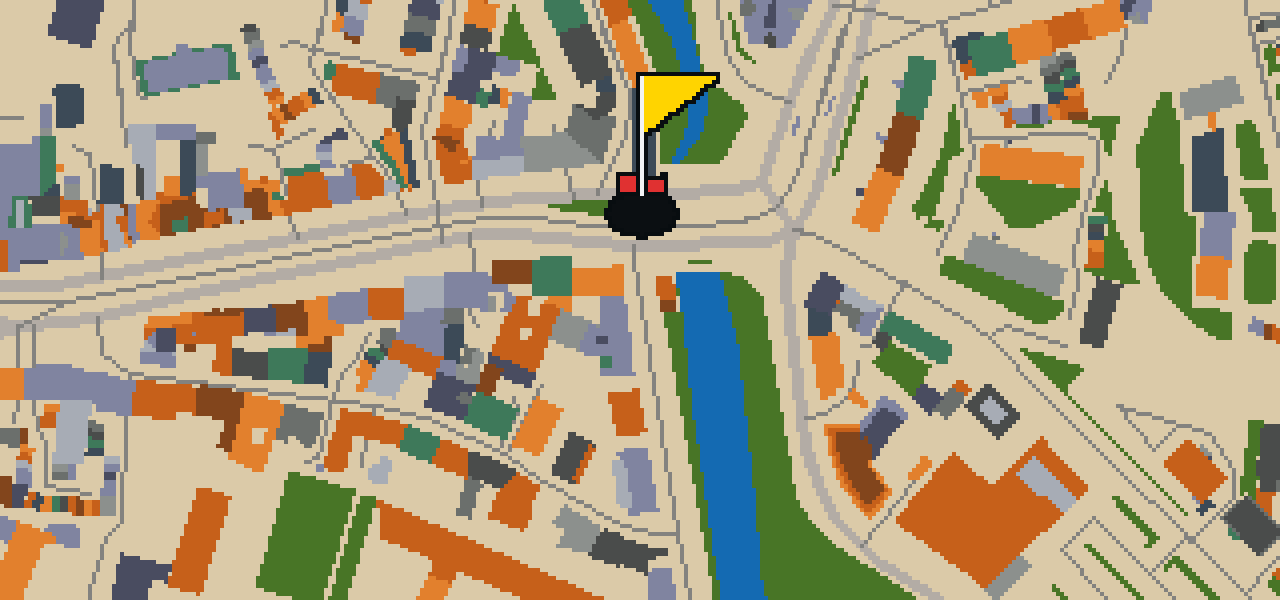
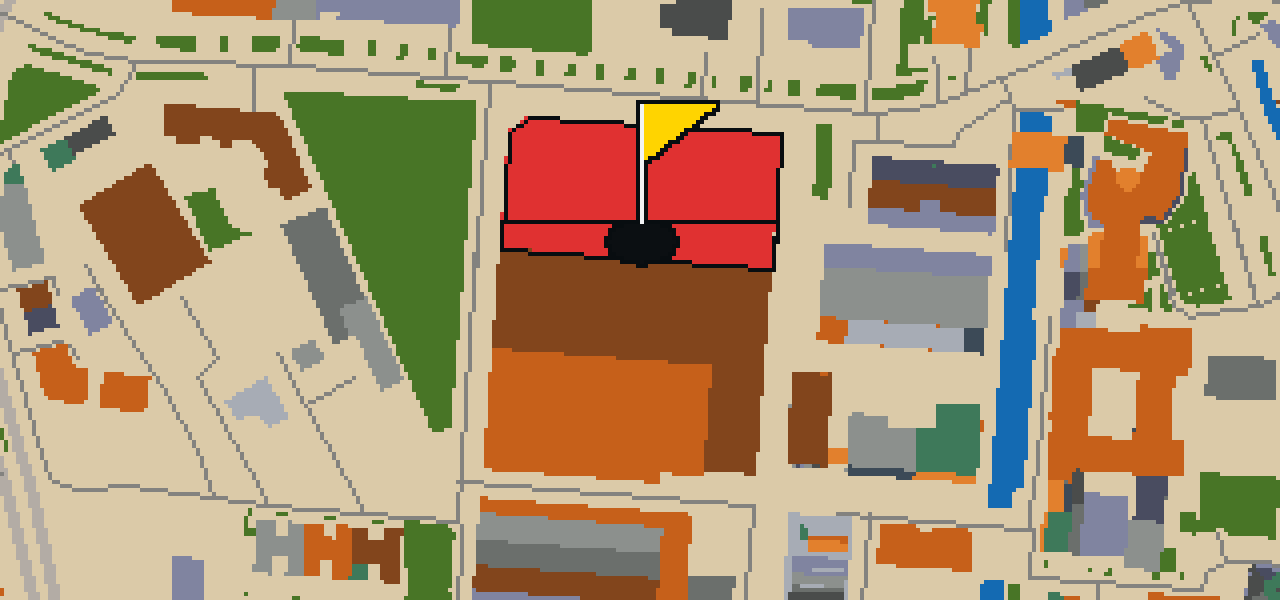
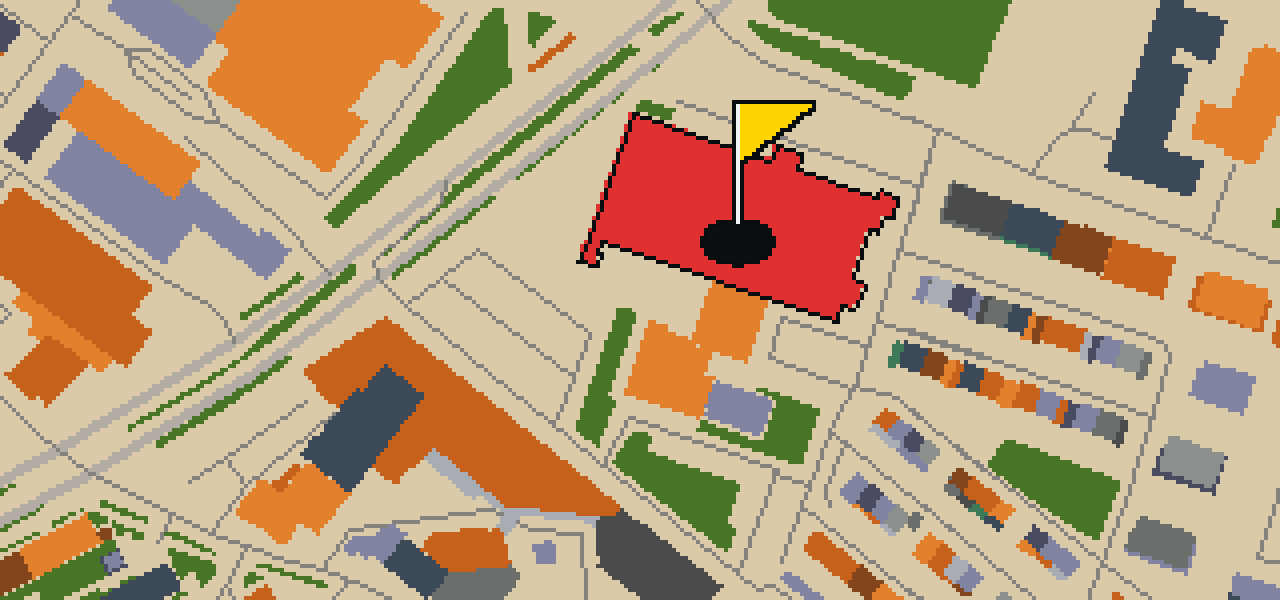
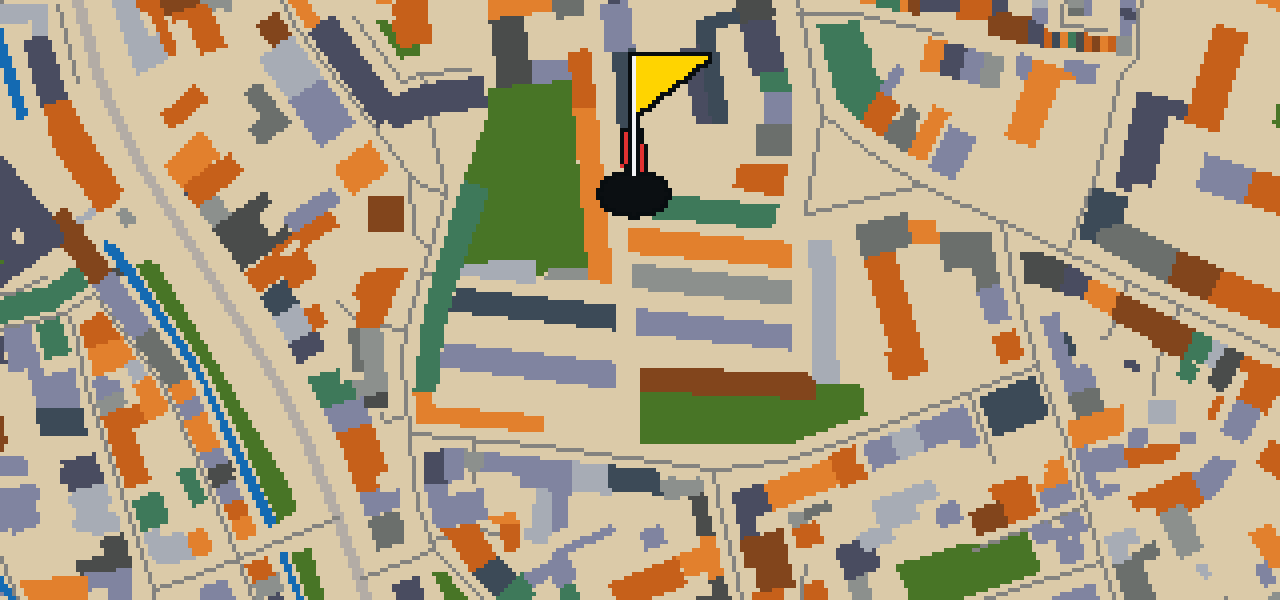
Banking a ball off the stone walls of the Fuggerei requires a steady eye and a bit of luck. This full round of 18 holes takes place on the actual streets of Augsburg, where the city map is the game board. The holes are built directly from the real attractions, and the path covers 10.2 km using 18 portals to bridge the gaps. Skip knows every alley here and is acting as the local guide.

Trouble loading? Open the game in its own tab.

HOW IT WORKS

01

Pick a city

The course is drawn on the real street grid, so the map you play is the map you walk.

02

Putt to the pin

Drag to aim, release to swing. Buildings bounce and water costs you a stroke.

03

Sightsee between strokes

Every hole ends at an attraction. Sink the putt, read the story, walk to the next tee.

THE AUGSBURG ROUND - STOP BY STOP

HOLE 1 - PAR 3

Fuggerei

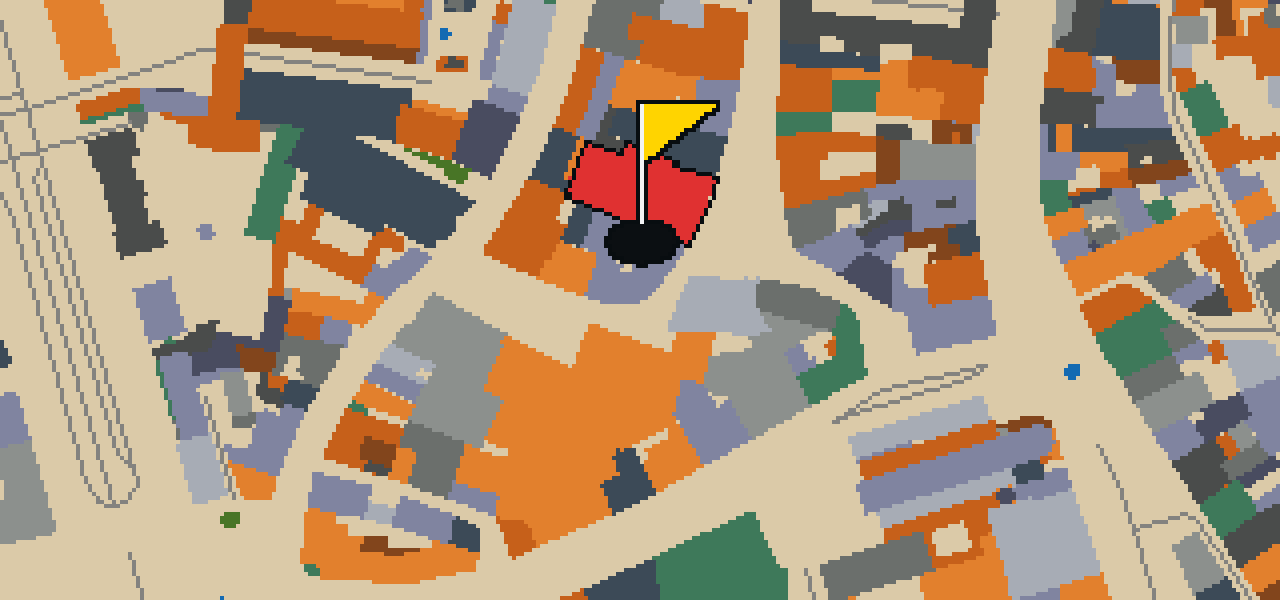
Walk through the gates of this walled enclave to find a unique piece of Bavaria. The Fuggerei is an architectural heritage monument and the world's oldest public housing complex still in use. It was founded in 1516 by Jakob Fugger the Younger as a place where the needy citizens of Augsburg could be housed. While the inception was in 1521, the site expanded quickly, reaching 52 houses by 1523. Today, it remains a cultural heritage ensemble and hospital. I've noticed the walls make it feel like a tiny village hidden right inside the city.

Wikidata · Wikipedia

HOLE 2 - PAR 3

Maximilianmuseum

Let me show you the Maximilianmuseum, a city museum located in Augsburg, Germany. This public museum is housed in a building that was erected in 1546. Inside, you will find a cultural history museum that houses a collection of decorative arts. It is a great spot to see how the city's artistic tastes have evolved over the centuries. I've noticed the architecture of the building is quite a sight from the street, making it a landmark that is hard to miss while you are walking through the neighborhood.

Wikidata · Wikipedia

HOLE 3 - PAR 3

Vogeltor

Let me show you the Vogeltor. When you arrive, you will first notice that it is a tower, which is an architectural heritage monument in Bavaria. This site is also a cultural heritage ensemble, meaning it is more than just a single structure. It is a place where the city's history is visible in the stone and layout. I always find it a great spot to pause and look around the neighborhood to get a feel for the local atmosphere. It is a useful landmark for anyone trying to orient themselves while exploring the area.

Wikidata

HOLE 4 - PAR 3

Basilika St. Ulrich und Afra

Basilika St. Ulrich und Afra is a minor basilica and an architectural heritage monument in Bavaria. Construction of the current building began in 1467, utilizing the Gothic architecture style. This Catholic parish in Augsburg has deep roots, as the site originated from the Roman tomb of Saint Afra. Saint Afra was martyred in 304. The structure reaches a height of 30 meters. Visitors can observe the Gothic details of the building, which remains a significant site in the city's religious history.

Wikidata · Wikipedia

HOLE 5 - PAR 3

Zeughaus

Located in the heart of the city, the Zeughaus is an arsenal and a house. This building is an architectural heritage monument in Bavaria and was designed by the architect Elias Holl. You can pick out the Renaissance architecture style in the facade as you pass by. I've always found the scale of these old stone walls quite impressive, though I mostly appreciate them as a sturdy place to land for a quick nap between flights. It remains a significant example of the city's historical construction and regional heritage.

Wikidata

HOLE 6 - PAR 3

Naturmuseum

You will first notice the vast array of biological and geological specimens that fill the halls of Naturmuseum. As a museum, it provides a dedicated space for visitors to study the intricacies of the natural world and the environment. This institution has a deep history within the community, as it was founded in 1854. I find that the variety of exhibits makes it a great place to spend a rainy afternoon. Let me show you around the displays that have drawn people in for generations.

Wikidata

HOLE 7 - PAR 3

Leopold-Mozart-Haus

Let me show you the Leopold-Mozart-Haus. This building is a birth house and is recognized as an architectural heritage monument in Bavaria. It has transitioned over time to become a museum where you can explore its history. You can pick out the specific details of the structure that make it a monument. I usually find that the building's status as a protected site makes it one of the more interesting stops in this part of the city. It is a great spot to stop and appreciate the local heritage of the region.

Wikidata

HOLE 8 - PAR 3

Wertachbrucker Tor

You might think you are looking at a simple city entrance, but this is the Wertachbrucker Tor. It is a tower that is designated as an architectural heritage monument in Bavaria. For anyone visiting the city, it is a great spot to stop and appreciate the historical character of the region's old structures. I've seen a few crumbs dropped near the base of these old stones over the years, which usually means some friendly tourists are hanging around. It is a sturdy piece of the past that remains a visible part of the local scenery today.

Wikidata

HOLE 9 - PAR 3

Kleiner Goldener Saal

The Kleiner Goldener Saal is an assembly hall that stands as an architectural heritage monument in Bavaria. This building is a preserved piece of the region's history, recognized for its protected status as a monument. You can pick out the specific details that make it a significant site of architectural heritage. It remains a key example of the area's traditional building styles. I've noticed the air feels a bit different in these old halls, though that might just be my feathers reacting to the draft as I fly through the city.

Wikidata

HOLE 10 - PAR 3

Brechthaus

Let me show you the Brechthaus. This site is an architectural heritage monument located in Bavaria. It is a house that specifically serves as a birth house, preserving a piece of the city's history for everyone to see. When you are walking around these heritage monuments, you can pick out the unique details that make these old buildings stand out from the newer ones nearby. I always find that the air feels a bit different when you are standing right in front of a place with such a long history.

Wikidata

HOLE 11 - PAR 2

Schaezlerpalais

Let me show you the work of architect Carl Albert von Lespilliez. He designed the Schaezlerpalais, a baroque palace located here in Augsburg. When you visit, you can pick out the gilded mirrored ballroom, which was built between 1765-1770. The building is an architectural heritage monument in Bavaria. I have noticed that the gold leaf in the ballroom is quite a sight for anyone looking up from the street, and the baroque style makes the whole facade stand out against the city backdrop. It is a fine example of the era's luxury and design.

Wikidata · Wikipedia

HOLE 12 - PAR 3

Rathaus

You might think this is a palace, but it is actually the Rathaus, the administrative centre of Augsburg. Designed and built by Elias Holl from 1615 to 1624, the building is a prime example of the Renaissance and German Renaissance styles. It is recognized as an architectural heritage monument in Bavaria and is protected by the Hague Convention for the Protection of Cultural Property in the Event of Armed Conflict. I've seen a few crumbs dropped on those wide steps over the years.

Wikidata · Wikipedia

HOLE 13 - PAR 3

Fugger und Welser Erlebnismuseum

This is not a gallery for paintings or a collection of sculptures. Instead, the Fugger und Welser Erlebnismuseum is a museum. It focuses on the people and the trade that helped build the city. I think you'll find the stories of the merchants quite interesting while you walk through the exhibits.

Wikidata

HOLE 14 - PAR 3

Fischertor

Let me show you Fischertor. This site is a city gate and is recognized as an architectural heritage monument in Bavaria. It is a significant piece of the local architecture that visitors often stop to admire while exploring the area. I have noticed that the structure has a way of making the surrounding streets feel much older than the rest of the neighborhood. Whether you are here for the game or just visiting the city, it is a great example of the heritage found throughout this region of Bavaria.

Wikidata

HOLE 16 - PAR 3

St. Maximilian

St. Maximilian is an architectural heritage monument in Bavaria. This designation recognizes the building's historical and structural importance to the region's built environment. Beyond its status as a monument, the building is a parish church. It serves as a place of worship and a center for the local religious community. Visitors can observe the architectural details that contributed to its protected status while seeing how the space is utilized for its primary purpose as a parish church in the city of Augsburg.

Wikidata

HOLE 17 - PAR 4

Jakobertor

Let me show you the Jakobertor. This gate tower is an architectural heritage monument located in Bavaria. It stands as a piece of the city's history for you to admire as you pass through the area. Because it is a heritage monument, the structure is preserved as a testament to the region's past. I find the stonework quite sturdy, though I usually prefer the higher ledges for a better view of the street. It is a great spot to pause and look around before you continue your journey through the streets of Augsburg.

Wikidata

HOLE 18 - PAR 3

TIM Staatliches Textil- und Industriemuseum

You can find the TIM Staatliches Textil- und Industriemuseum in Augsburg, Bavaria. The museum is situated in the Augsburger Kammgarnspinnerei, which was once a worsted spinning mill. It functions as a textile and industry museum and was designed by architect Klaus Kada. Because of its significance to the region's history, the site is an anchor point on the European Route of Industrial Heritage. I've always found that the scale of these old mills makes the exhibits feel much more authentic.

Wikidata · Wikipedia

STOP 19

Kunstmuseum Walter

Let me show you the Kunstmuseum Walter. This art museum was founded in 2002 and operates as a private museum, offering a distinct perspective on art within the city. When you visit, you can see how a private collection is presented to the public in a professional gallery setting. It is a great spot to step inside and see some creative works while you are exploring the neighborhood. I usually find the atmosphere here quite peaceful compared to the busy streets outside, making it a nice place to clear your head.

Wikidata

OTHER COURSES

9 HOLES - PAR 33

Hamm

9 stops

This quick nine-hole round covers 7.4 km across Hamm. The map is the real city and the ball rolls along its actual streets, using portals to skip between districts. Local attractions like Schloss Heessen are the foundations for the holes. Skip knows every curb and cobblestone here, even if a few crumbs usually distract the guide.

18 HOLES - PAR 53

Kassel

18 stops

Kassel is the setting for this round, where the map follows the actual city and the ball rolls across its real streets. The holes are built from the city's actual attractions, ending at the Spitzhacke. Skip knows these sidewalks well and is the local guide. This is a full round of 18 holes with a par of 53, covering a walk of 9.7 km. The ball moves between distant districts using 12 portals.

9 HOLES - PAR 31

Hagen

9 stops

The ball ends its journey at the Stadtgarten. This course uses the real streets of Hagen as the map, with the city's actual attractions forming the holes. A quick round of 9 holes covers 7.6 km, using 8 portals to bridge the gaps between distant districts. Skip knows every curb and cobblestone here, having spent plenty of time watching the world go by from the eaves.

9 HOLES - PAR 29

Oberhausen

9 stops

Banking a ball off the stone of Schloss Broich requires a steady wing and a soft touch. This round takes place on the real streets of Oberhausen, where the city map is the course. The holes are built from actual local attractions, and Skip knows every crack in the pavement. A quick 9-hole round covers 6 km, with 14 portals to keep the ball moving.

18 HOLES - PAR 57

Delsberg

18 stops

Banking a ball off the stone facades of the Roter Turm requires a steady wing and a bit of luck. This round takes place in Delsberg, where the map is the real city and the game is played on its actual streets. The holes are built from real attractions, turning the urban layout into a course. I know these sidewalks well and can be the local guide. It is a full round of 18 holes with a par of 57, covering a 12.1 km walk that uses 10 portals.

FAQ

Is it free to play?

Yes. Every course runs in the browser with no account and no install.

Do I need to be in the city?

No. The full round plays from anywhere. Walking the real route is a nice way to see the city, but it is not required.

Are the maps real?

Yes. The geometry comes from OpenStreetMap data, rendered chunky on purpose. Streets, water and parks sit where they really are.