
LIVERPOOL - 18 HOLES - FREE

LIVERPOOL
CITY MAP MINIGOLF

Liverpool - 18 stops - par 57

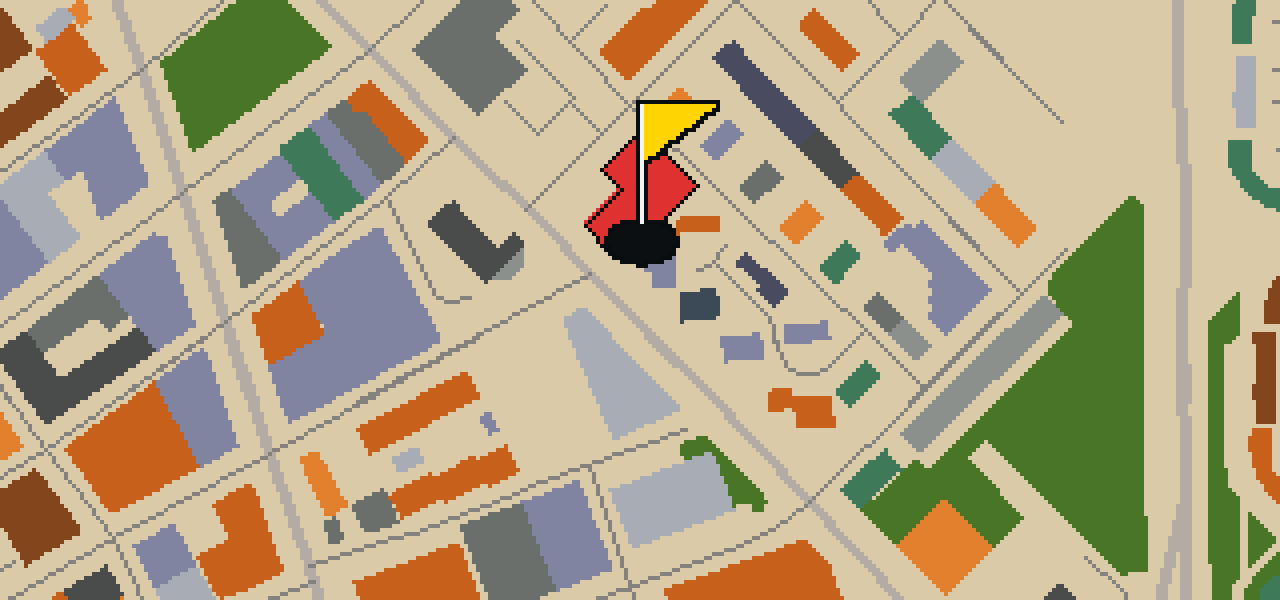
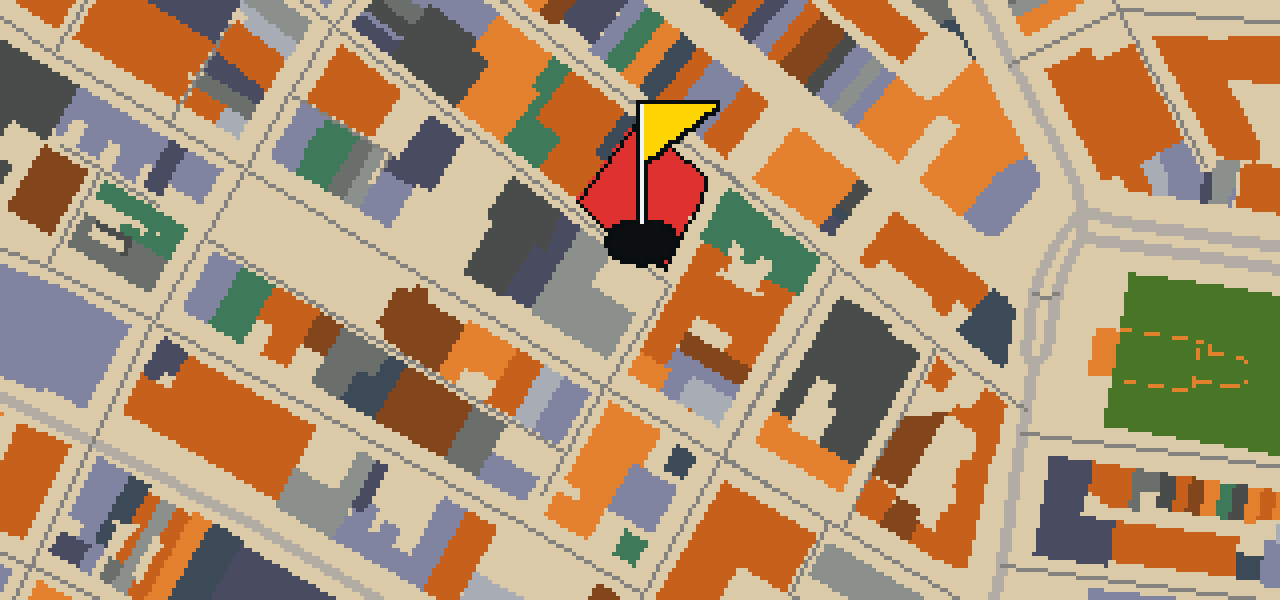
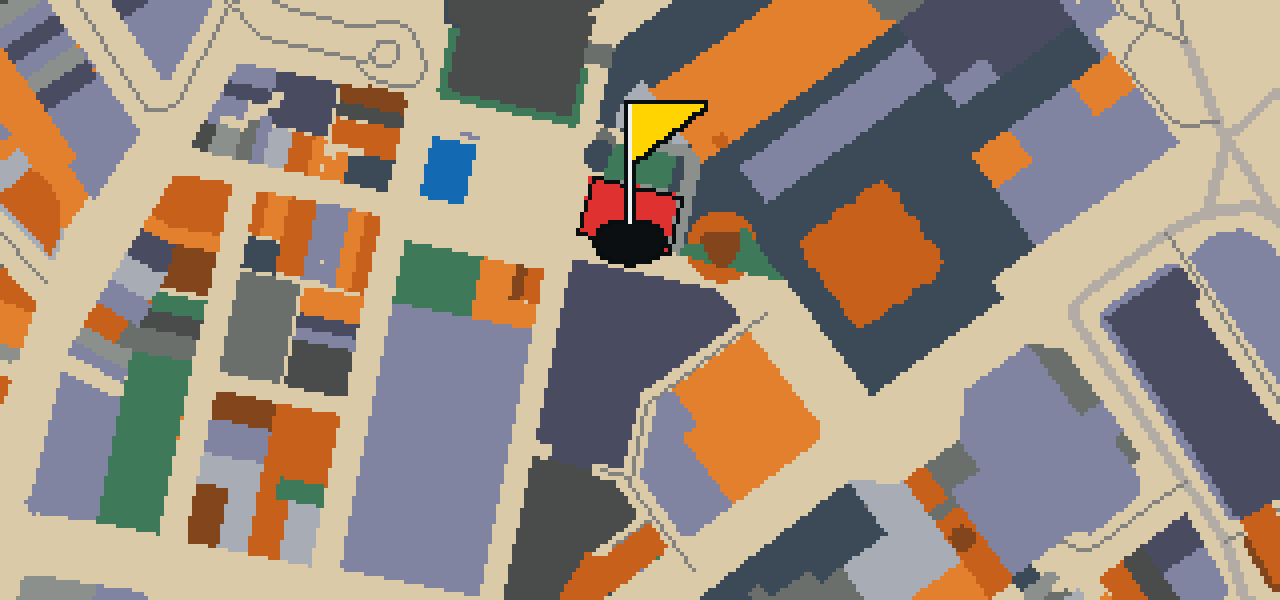
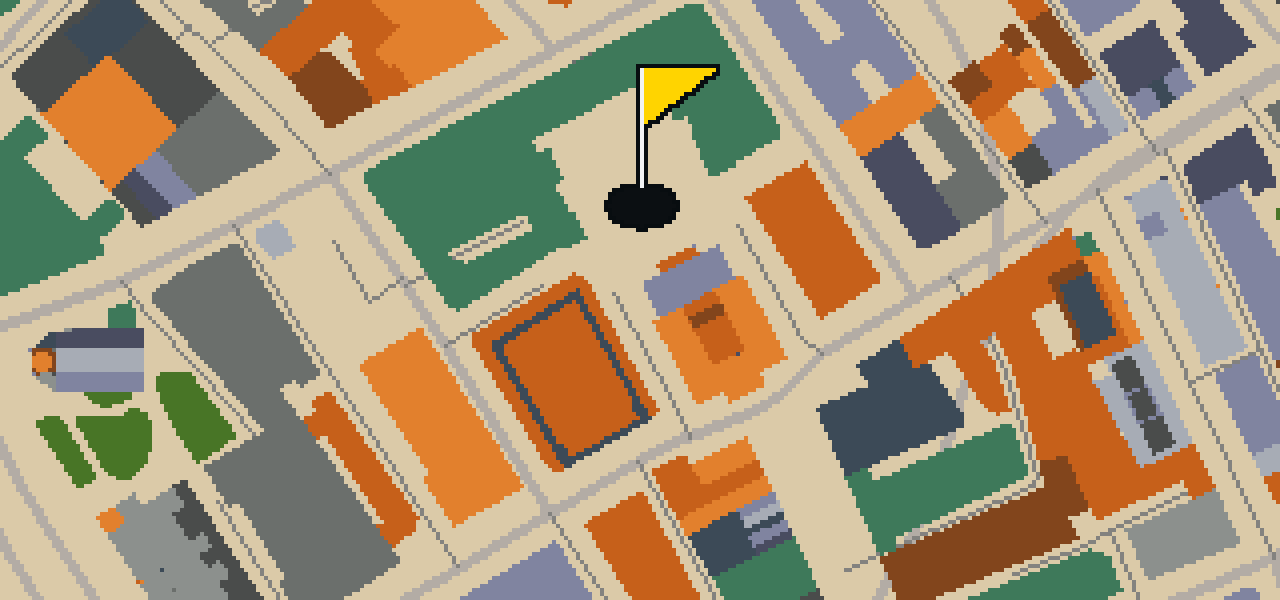
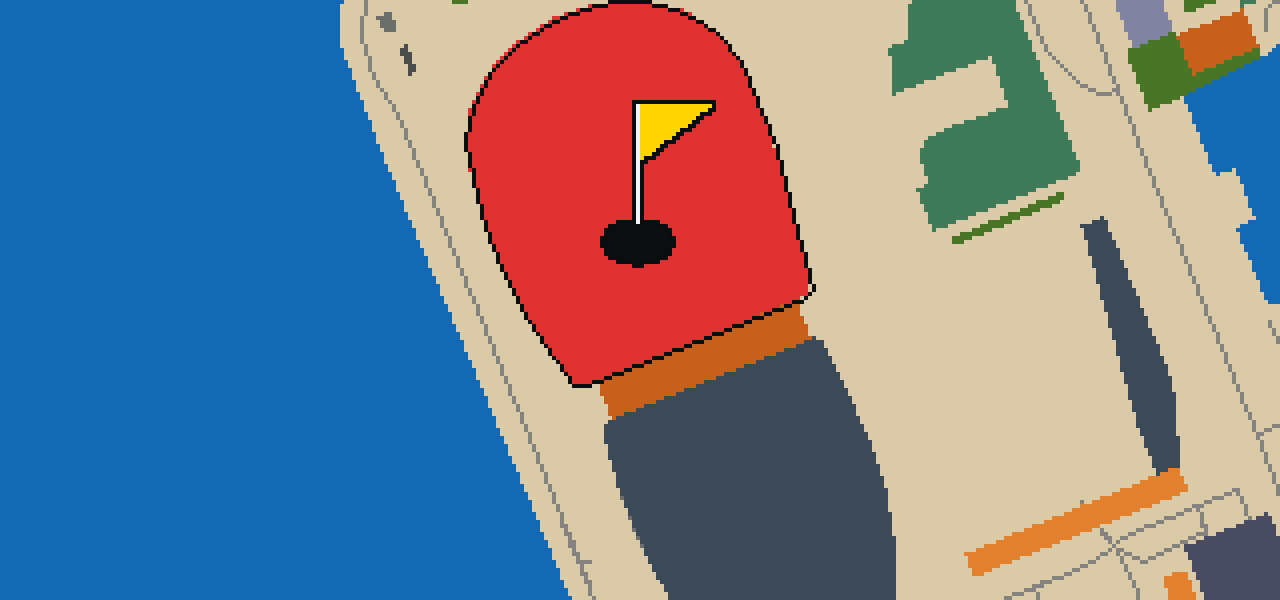
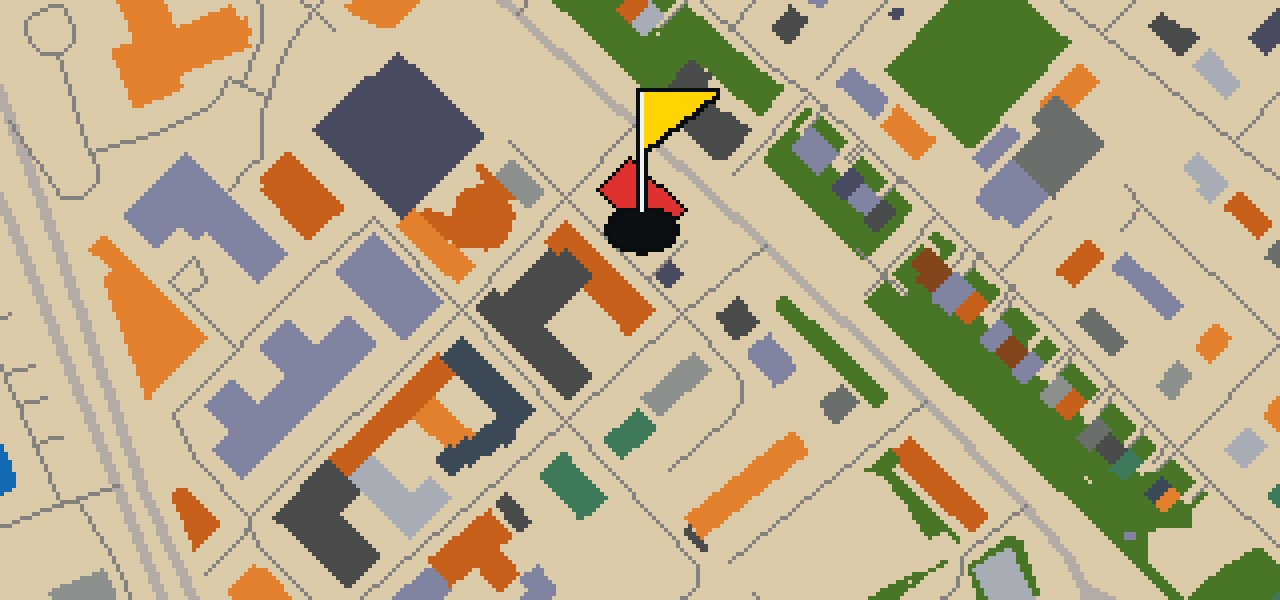
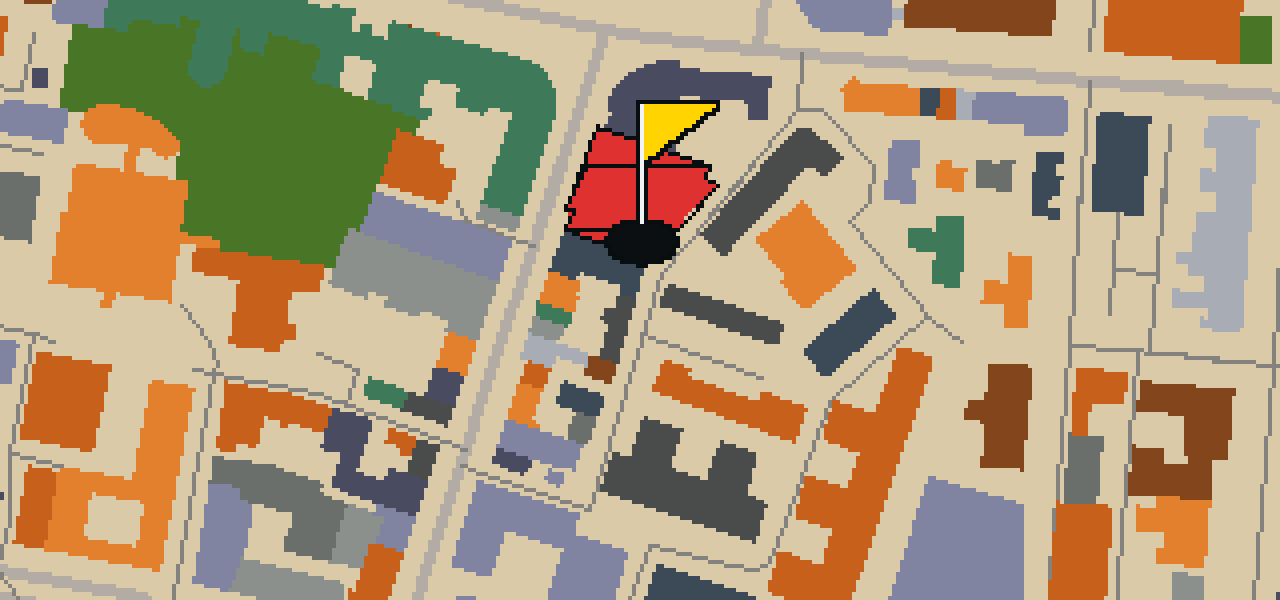
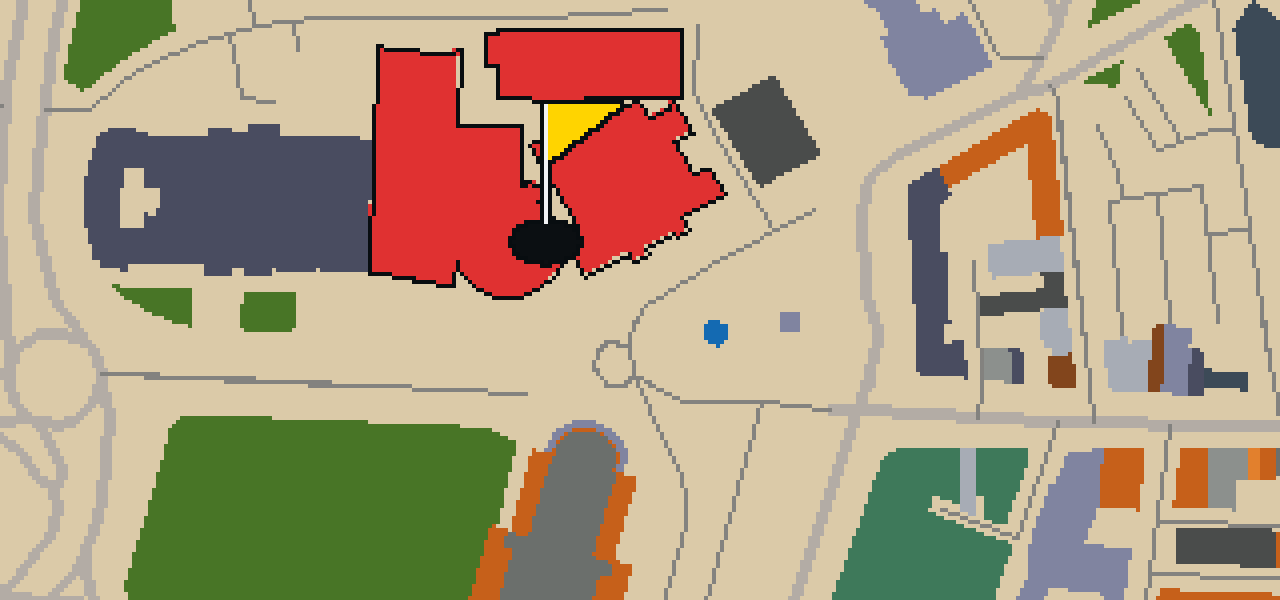
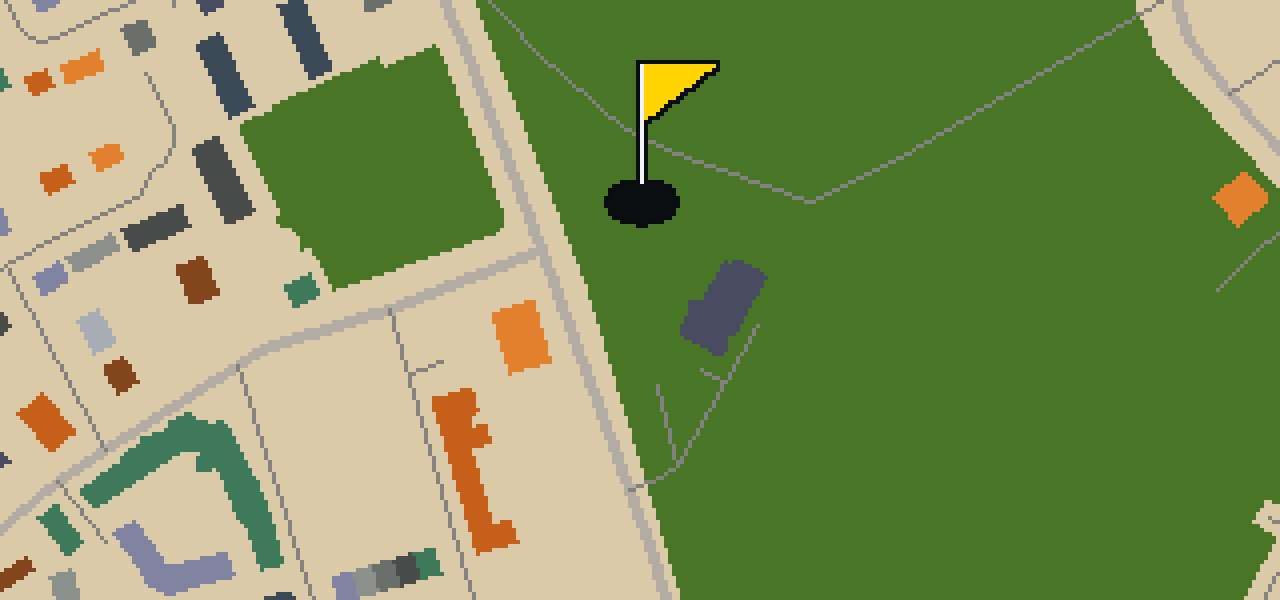
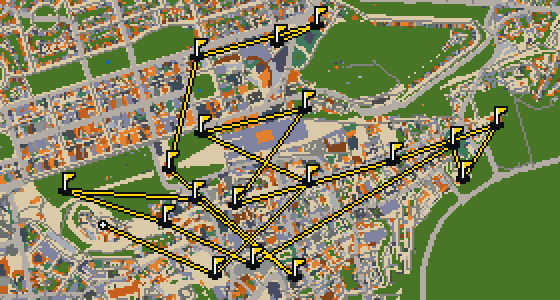
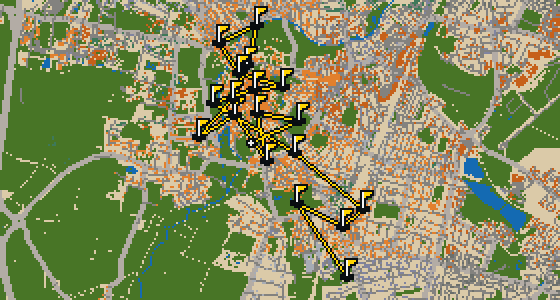
From a perch on a ledge, Liverpool looks like a perfect grid for a game. The map is the real city and the round is played on its real streets, where the Royal Liver Building and other attractions are the actual holes. This is a full 18-hole round with a par of 57, covering 7.5 mi of pavement and using 38 portals to bridge the gaps. Skip knows every nook of these streets from a bird's eye view.

Trouble loading? Open the game in its own tab.

HOW IT WORKS

01

Pick a city

The course is drawn on the real street grid, so the map you play is the map you walk.

02

Putt to the pin

Drag to aim, release to swing. Buildings bounce and water costs you a stroke.

03

Sightsee between strokes

Every hole ends at an attraction. Sink the putt, read the story, walk to the next tee.

THE LIVERPOOL ROUND - STOP BY STOP

HOLE 1 - PAR 4

Al-Rahma Mosque

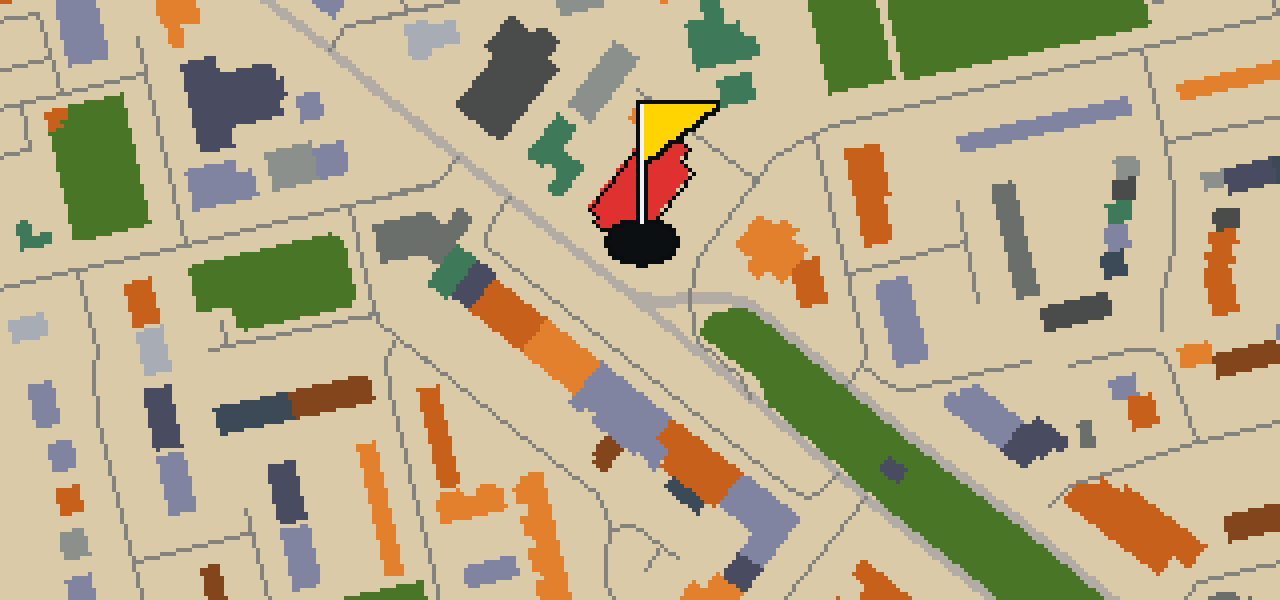
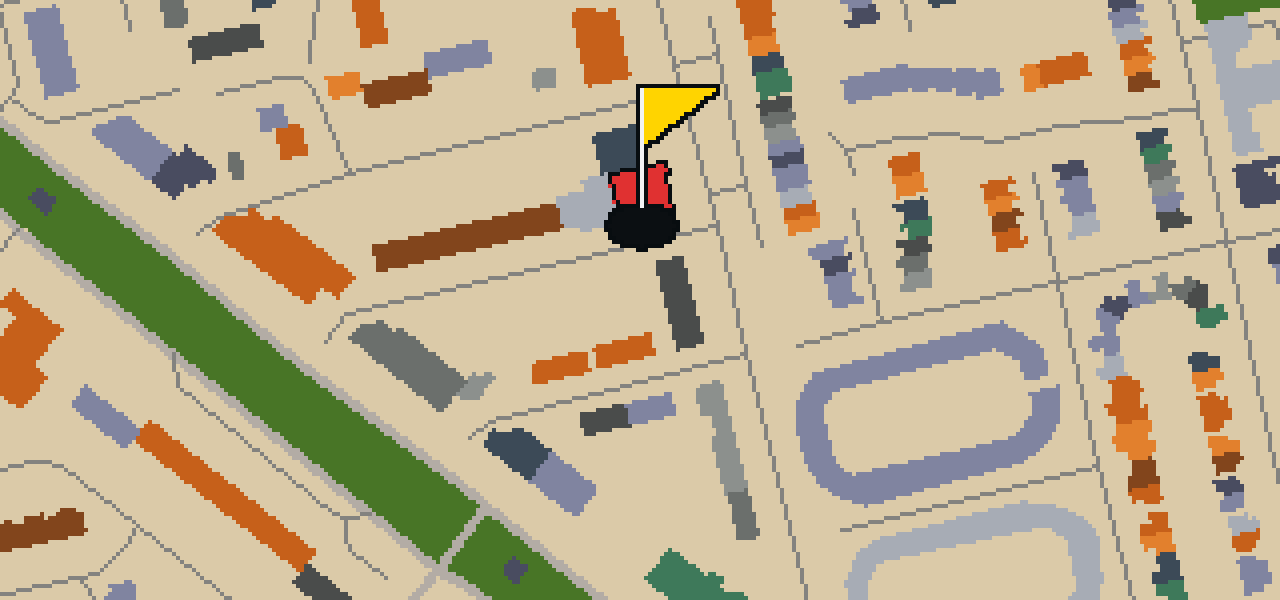
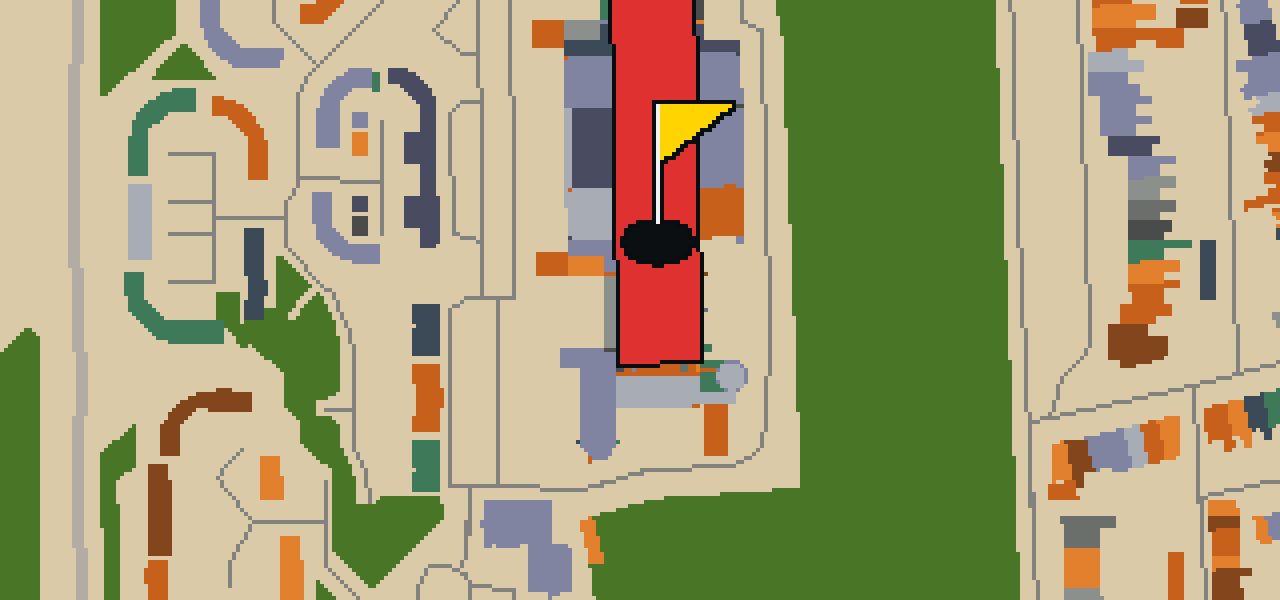
The Al-Rahma Mosque is a Sunni mosque located on Hatherley Street in Toxteth, Liverpool, England, in the United Kingdom. Founded in 1974, it is a place of worship that can accommodate between 2,000 and 2,500 worshippers. The site is an important center for the local community in a city where the Muslim population numbered over 25,000 in the 2021 United Kingdom census. Visitors to the area will find the mosque situated within the Toxteth district, where it has served as a place of prayer and gathering for several decades.

Wikidata · Wikipedia

HOLE 2 - PAR 3

Liverpool Cathedral

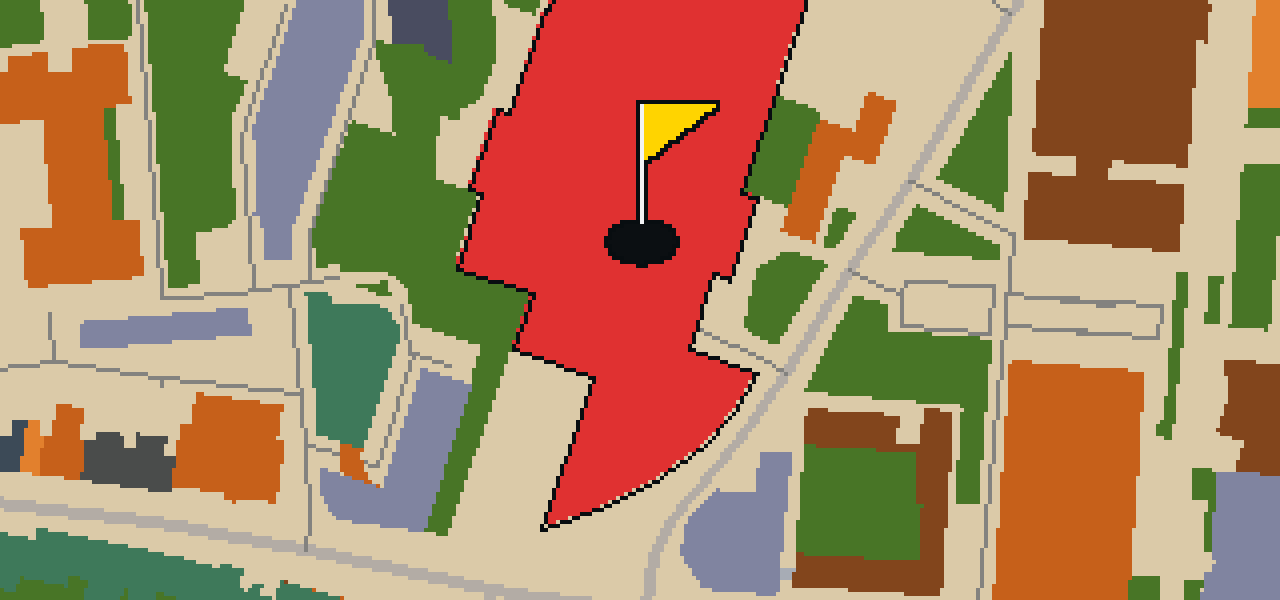
Liverpool Cathedral is a Gothic Revival building and the largest cathedral and religious building in Britain. This Grade I listed building was designed by architect Giles Gilbert Scott, with an inception in 1904. Reaching a height of 100.8 meters, it is the eighth largest church in the world. The site is an Anglican or Episcopal cathedral and serves as the seat of the Anglican Bishop of Liverpool. You can see the scale of the architecture from the street before entering the sanctuary.

Wikidata · Wikipedia

HOLE 3 - PAR 3

Princes Road Synagogue

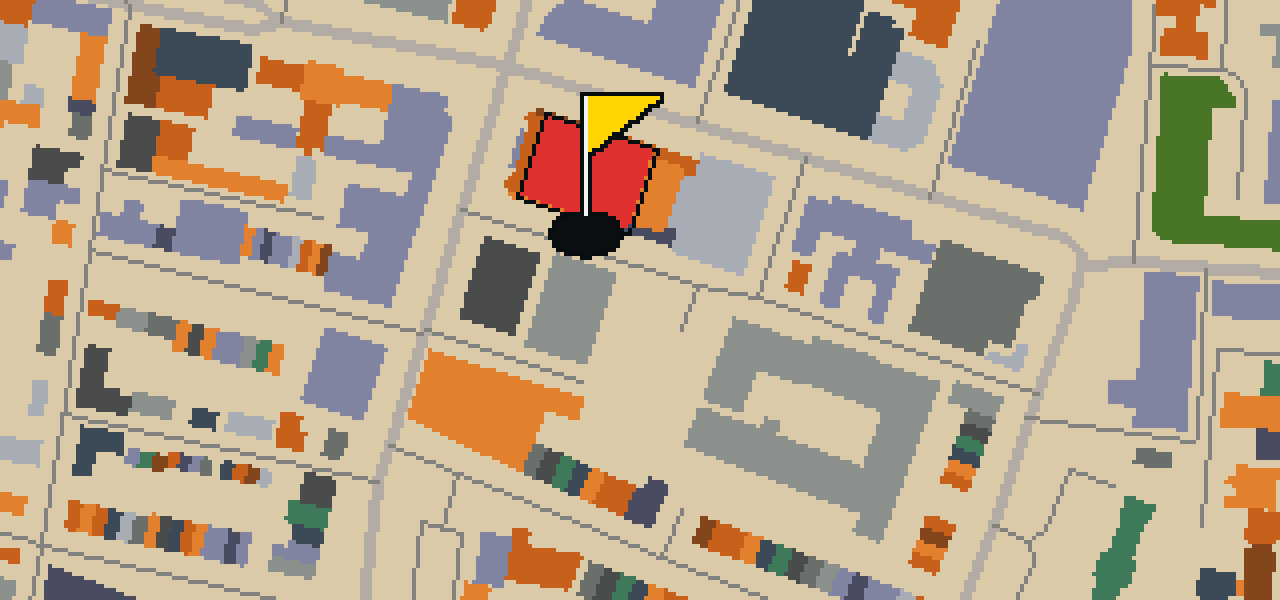
This is not a civic hall or a museum, but Princes Road Synagogue. Located on Princes Road in the Toxteth district of Liverpool, England, in the United Kingdom, it is a synagogue and a Grade I listed building. W. & G. Audsley was the architect of the structure, which was started in 1874. The building is the home of the Liverpool Old Hebrew Congregation. This congregation was formed in c. 1780 and worships in the Ashkenazi rite, making it a significant site for the community in this part of the city.

Wikidata · Wikipedia

HOLE 4 - PAR 2

Philharmonic Hall

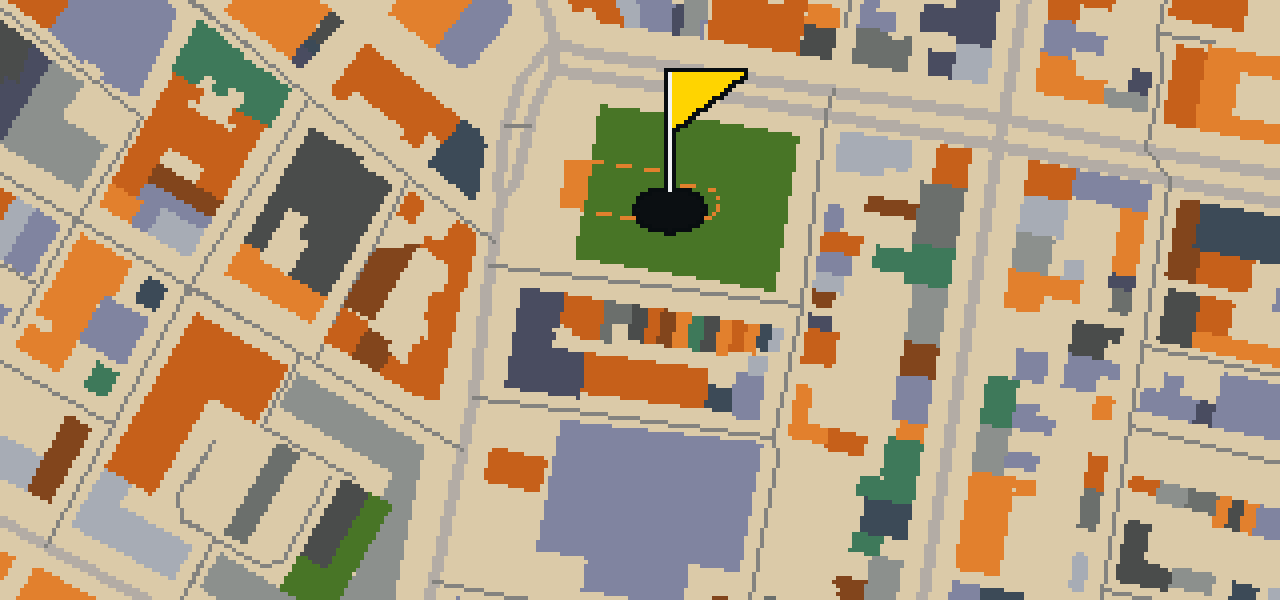
This is not a cinema or a playhouse; it is the Philharmonic Hall, a concert hall located on Hope Street in Liverpool, England. It serves as the home of the Royal Liverpool Philharmonic Society. You can see the influence of architect Herbert James Rowse in the building's Streamline Moderne style. The structure is a Grade II* listed building that opened in 1939, following a fire in 1933 that destroyed the predecessor to the present hall. I've found the smooth lines of the exterior make for a very sleek bank shot.

Wikidata · Wikipedia

HOLE 5 - PAR 3

Metropolitan Cathedral of Christ the King

The Metropolitan Cathedral of Christ the King is a Catholic cathedral and the mother church of the Archdiocese of Liverpool in Liverpool, England. This Grade I listed building is an example of modern architecture. Its inception was in 1962, and Frederick Gibberd and Edwin Lutyens were architects of the cathedral. It serves as the seat of the Archbishop of Liverpool. Visitors often notice the distinct shape of the building, which has led to the cathedral being locally nicknamed "Paddy's Wigwam" or "The Mersey Funnel".

Wikidata · Wikipedia

HOLE 6 - PAR 3

The Bombed Out Church

This is not a functioning place of worship, but a preserved shell. The Bombed Out Church is a church building started in 1832 and designed by architect John Foster, Sr. It is a Grade II* listed building designed in the Gothic Revival style. Originally known as St Luke's Church, this former Anglican parish church is located in Liverpool, England. You can find it standing on the corner of Berry Street and Leece Street, at the top of Bold Street. It is a site that remains a significant part of the city's physical history.

Wikidata · Wikipedia

HOLE 7 - PAR 3

St Vincent de Paul

The Gothic Revival style defines the exterior of St Vincent de Paul. This building is a Roman Catholic parish church located on St James Street in Liverpool, England. It was started in 1857 and was designed by architect E. W. Pugin. Today, the building is Grade II* listed and remains an active parish church within the Pastoral Area of Liverpool South and the Archdiocese of Liverpool. It is a significant example of its architectural style and continues to function as a place of worship for the local community in the city.

Wikidata · Wikipedia

HOLE 8 - PAR 3

FACT

This is not your typical art gallery. FACT is a new media arts centre and digital arts organisation located in Liverpool, England. It is an arts center that blends technology with creativity, offering a space where you can explore galleries or catch a film at the cinema operated by Picturehouse. Whether you are visiting the movie theater for a screening or just passing through the building, there is plenty to see inside. I have noticed that the mix of people visiting this space is always interesting, making it a great spot to people-watch while you are in the city.

Wikidata · Wikipedia

HOLE 9 - PAR 3

The Playhouse

Look for the modern-style extension added to the north of the theatre in 1968. This is the Liverpool Playhouse, a Grade II* listed theatre building located in Williamson Square in Liverpool, England. Architect Edward Davies designed the building, which was started in 1866. It originated as a music hall in 1866 and later developed into a repertory theatre in 1911. In 1999, a trust was formed joining the management of the Playhouse with that of the Everyman Theatre. I've always found the contrast between the original structure and the later addition to be quite a sight.

Wikidata · Wikipedia

HOLE 10 - PAR 3

Nelson Monument

The Nelson Monument is a sculpture and monument to Admiral Horatio Nelson. Located in Exchange Flags, Liverpool, England, it stands to the north of the Town Hall. This piece was designed by Matthew Cotes Wyatt and sculpted by Richard Westmacott. It was unveiled in 1813 and is recognized as a Grade II* listed building. I always find this a great spot to pause and look around the square, as the scale of the work is impressive when you are standing right beneath it.

Wikidata · Wikipedia

HOLE 11 - PAR 3

Museum of Liverpool

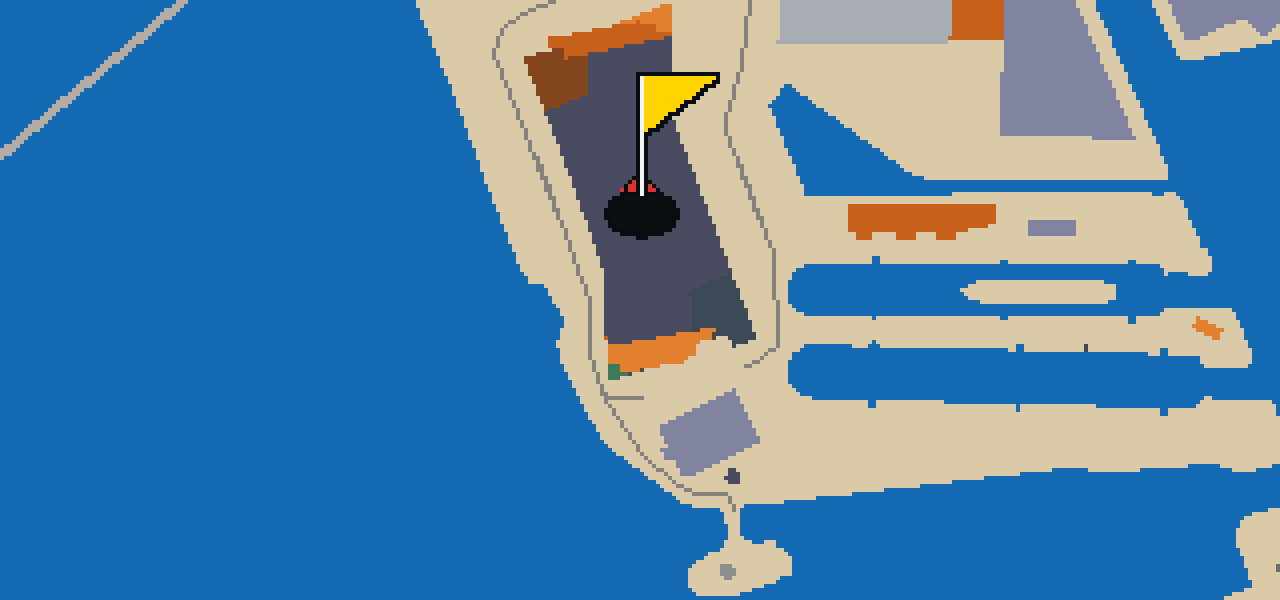
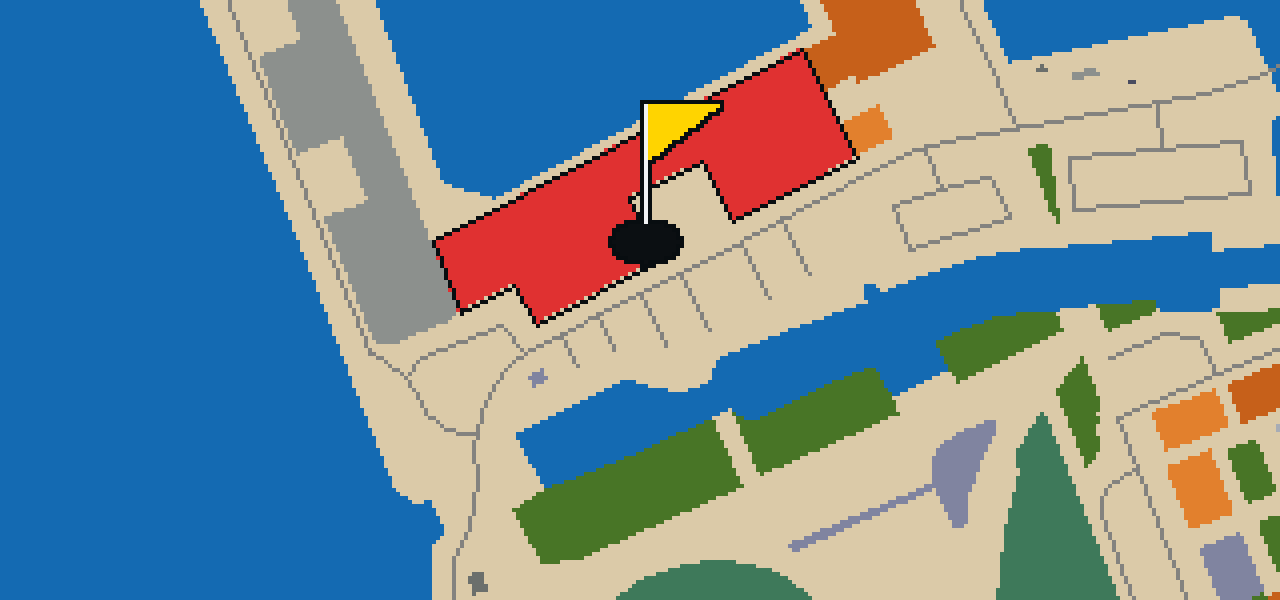
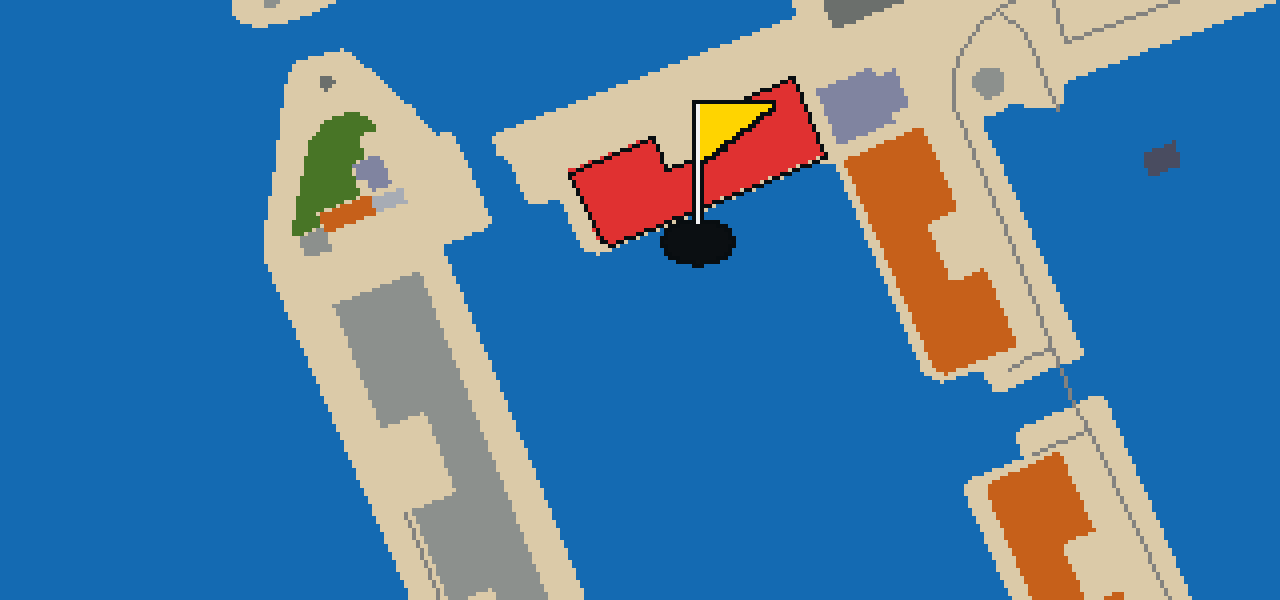
The Museum of Liverpool is a national museum located in Liverpool. You can find it in a purpose-built building on the Mann Island site at the Pier Head. This institution is part of the National Museums Liverpool group and opened in 2011 to replace the former Museum of Liverpool Life. It is a great spot to get your bearings on the city's history while standing right by the water. I've noticed the building design fits right into the waterfront atmosphere, making it a standout landmark for any visitor walking along the docks.

Wikidata · Wikipedia

HOLE 12 - PAR 3

The Beatles Story

You can find recreations of Abbey Road Studios, The Cavern Club and The Casbah Coffee Club inside The Beatles Story. This museum is located on the Royal Albert Dock and focuses on the history of the Beatles. Devised and created by Mike and Bernadette Byrne, the museum officially opened on 1 May 1990. It is owned by Mersey Ferries, which is part of Merseytravel. In 2015, the site was recognised as one of the best tourist attractions of the United Kingdom. I've noticed the crowds here are always in a great mood.

Wikidata · Wikipedia

HOLE 13 - PAR 3

Royal Liver Building

The Royal Liver Building's inception was in 1911. Designed by architect Walter Aubrey Thomas, the office building stands 98.2 meters tall at the Pier Head in Liverpool, England. You can pick out the Art Nouveau architecture style used throughout the construction. It is a Grade I listed building and one of the Three Graces. I usually find the best views of the waterfront from up high, though I prefer to keep my feet on the ledge. It is a landmark that defines the skyline for anyone visiting the docks.

Wikidata · Wikipedia

HOLE 14 - PAR 3

International Slavery Museum

You will find the International Slavery Museum in Liverpool, UK. This national museum focuses on the history and legacy of the transatlantic slave trade. It consists of three main galleries and forms part of the Merseyside Maritime Museum. Beyond historical records, the museum discusses racism, discrimination, and slavery in the modern day. It had its inception in 2007. I have found that the galleries provide a lot to think about as you walk through the space, making it a significant stop for anyone visiting the city. It is a place that encourages a deep look at both past and present social issues.

Wikidata · Wikipedia

HOLE 15 - PAR 3

M&S Bank Arena

You will first notice the large scale of the M&S Bank Arena, a multi-purpose indoor arena in the city centre of Liverpool, England. It is a stadium, concert hall, and arena designed by architect WilkinsonEyre. This venue serves a regional population of 2.5 million people and over 6.6 million people across England's North West. It had its inception in 2008. I've seen plenty of crowds gathering here for the live music, comedy performances and sporting events the venue hosts. It forms part of the ACC Liverpool event campus.

Wikidata · Wikipedia

HOLE 16 - PAR 4

Gustav Adolf Church

Gustav Adolf Church is a church building located in Park Lane, Liverpool, Merseyside, England. Also known as the Scandinavian Seamen's Church, the building was constructed between 1883 and 1884. William Douglas Caroe is the architect of the structure, which is now a Grade II* listed building. The property consists of the church and an attached minister's house. Today, the building provides a centre for the Liverpool International Nordic Community, serving as a point of connection for the region.

Wikidata · Wikipedia

HOLE 17 - PAR 4

Everyman Theatre

Founded in 1964, the Everyman Theatre is a theatre building located at the north end of Hope Street in Liverpool, Merseyside, England. It was founded in Hope Hall, but the site has changed significantly in more recent years. Between 2011 and 2014, the theatre was completely rebuilt. This current version of the building was designed by the architect Haworth Tompkins. I've noticed the street traffic here can be a bit hectic, so keep a steady eye on your ball's line as you approach the north end of the road.

Wikidata · Wikipedia

HOLE 18 - PAR 4

Walker Art Gallery

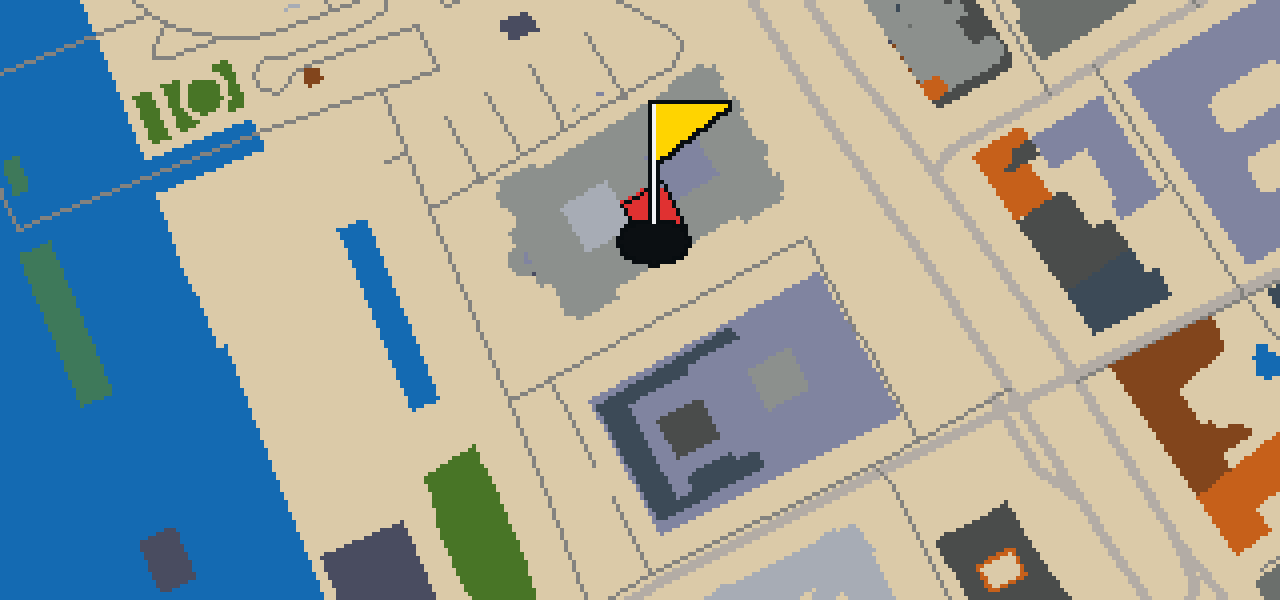
Founded in 1877, the Walker Art Gallery is a national art museum located in Liverpool. Since its opening, it has become a Grade II* listed building and is now part of the National Museums Liverpool group. Cornelius Sherlock and Henry Hill Vale were architects for the gallery. Today, the museum sees 337,799 annual visitors who come to see the art. I've noticed that the crowds here always seem to move in a very predictable rhythm, which makes it easy for me to navigate the plaza.

Wikidata · Wikipedia

STOP 19

Everton Lock-Up

Everton Lock-Up is a village lock-up located on Everton Brow in Everton, Liverpool. Started in 1787, it is a Grade II listed building and one of two Georgian lock-ups that still survive in the city. You can also find it referred to as Prince Rupert's Tower or Prince Rupert's Castle. For sports fans, it is the centre-piece of the crest of Everton F.C. I've seen a few crumbs dropped near the base of this one over the years, making it a favorite spot for a quick snack and a view.

Wikidata · Wikipedia

OTHER COURSES

18 HOLES - PAR 55

York

18 stops

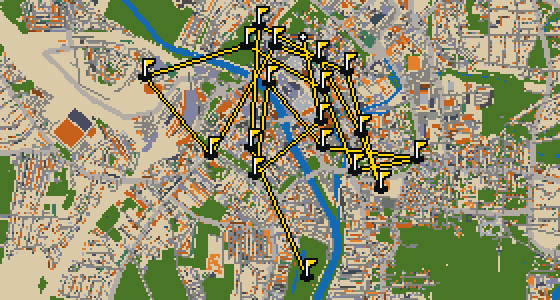
This is a full eighteen-hole round through York. The map is the real city and the ball rolls along its actual streets, banking off the stone of the York Minster. Real attractions provide the structure for every hole. Six portals help move the ball across the 6.9 mi walk. Skip is a local guide who knows these alleys and bars by heart, provided there are no crumbs to distract him.

18 HOLES - PAR 54

Oxford

18 stops

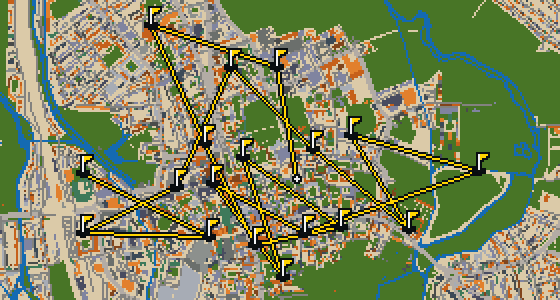
This is Oxford. The map is the real city and the round is played on its real streets, starting at the Bodleian Library. Real attractions are what the holes are built from. Skip is a local guide who knows the place, though he spends most of his time dodging students. This full round of 18 holes is a 6.3 mi walk with a par of 54, using 6 portals to bridge the gaps between the landmarks.

9 HOLES - PAR 27

Glasgow

9 stops

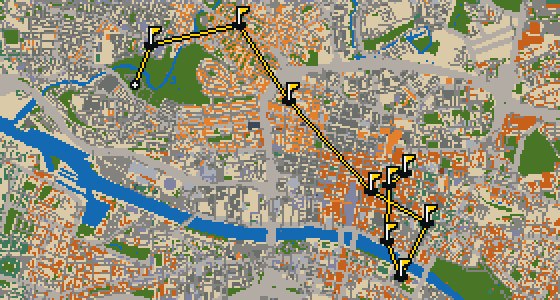
Banking a ball off the red sandstone of Kelvingrove Art Gallery and Museum feels different than hitting the glass of a modern storefront. This round follows the real streets of Glasgow, using the city's actual attractions as the holes. A quick 9-hole round covers 3.4 mi, with 22 portals to skip across the map. Skip knows every curb and cobblestone here.

18 HOLES - PAR 52

Edinburgh

18 stops

Edinburgh is the setting for this round, where the map is the real city and the ball rolls across its actual streets. The holes are built from real attractions, starting the action at Edinburgh Castle. This is a full round of 18 holes with a par of 52. Skip is a local guide who knows the place, having spent plenty of time dodging feet for crumbs. The walk covers 5.9 mi and uses 36 portals to bridge the gaps.

18 HOLES - PAR 55

Cambridge

18 stops

Banking a ball off the stone facades of King's College Chapel requires a steady wing and a soft touch. This full round of 18 holes follows the real streets of Cambridge, using the city's actual attractions as the foundations for every hole. A few portals help the ball skip across the 6.9 mi walk to keep the pace up. Skip knows these pavements by heart and is along for the ride.

FAQ

Is it free to play?

Yes. Every course runs in the browser with no account and no install.

Do I need to be in the city?

No. The full round plays from anywhere. Walking the real route is a nice way to see the city, but it is not required.

Are the maps real?

Yes. The geometry comes from OpenStreetMap data, rendered chunky on purpose. Streets, water and parks sit where they really are.