
OXFORD - 18 HOLES - FREE

OXFORD
CITY MAP MINIGOLF

Oxford - 18 stops - par 54

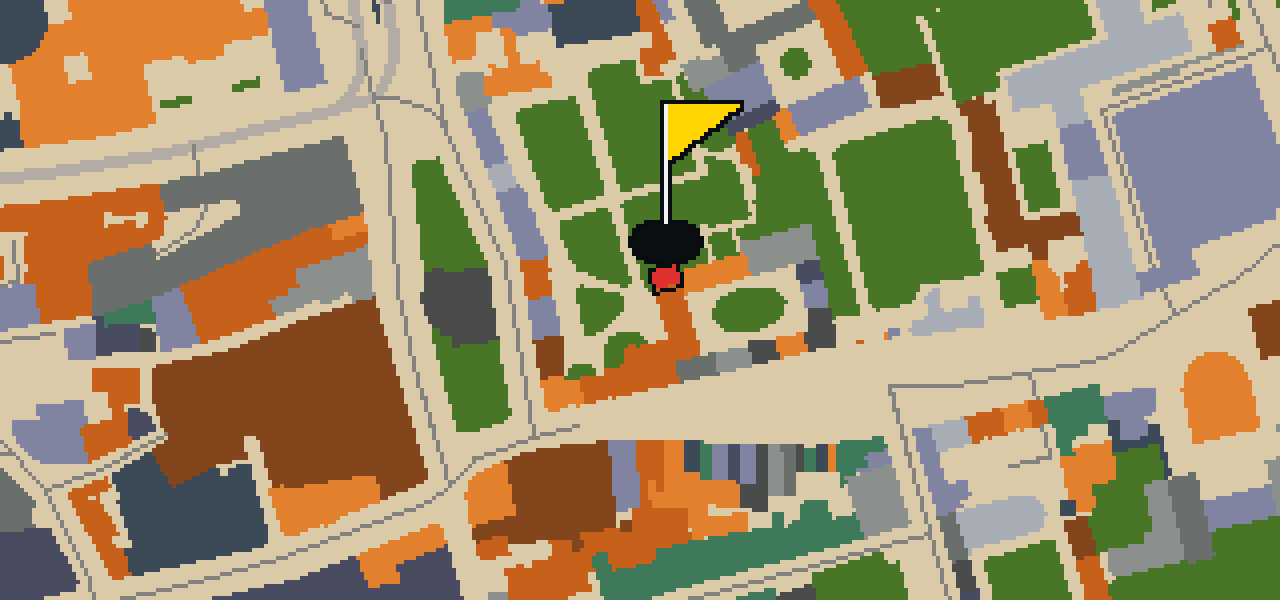
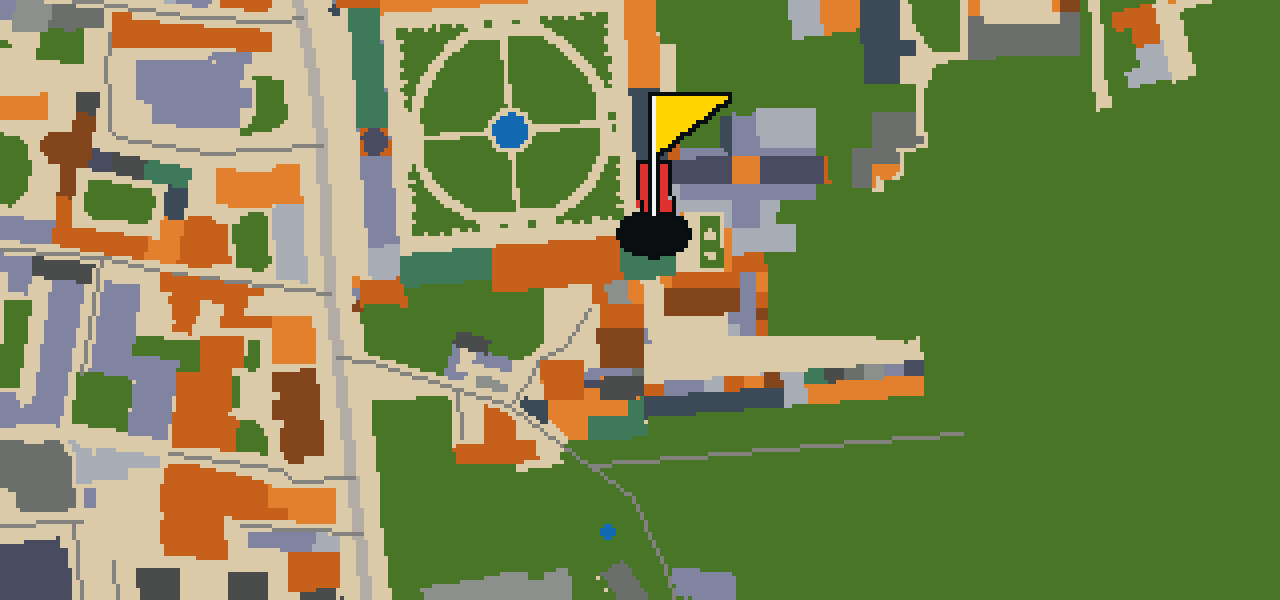
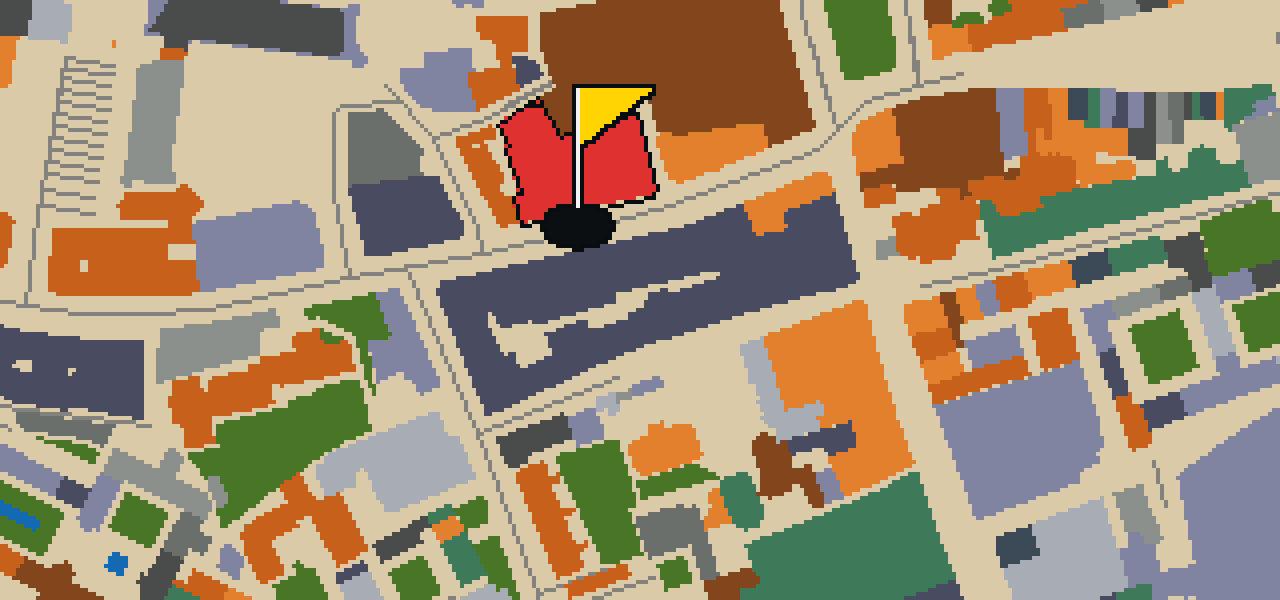
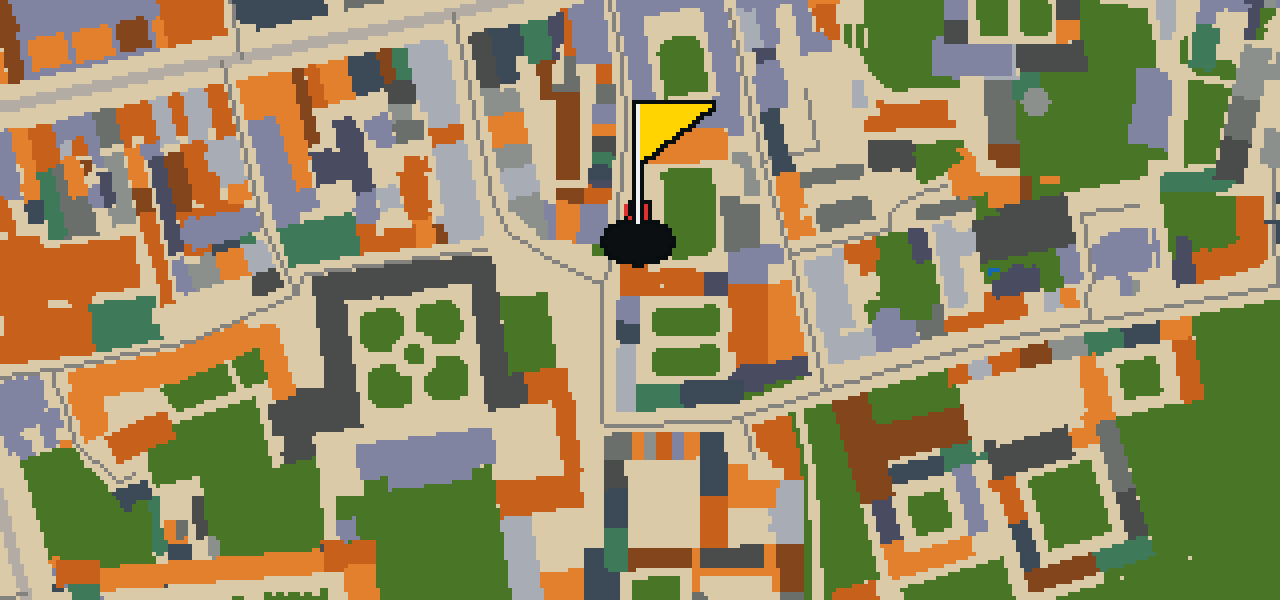
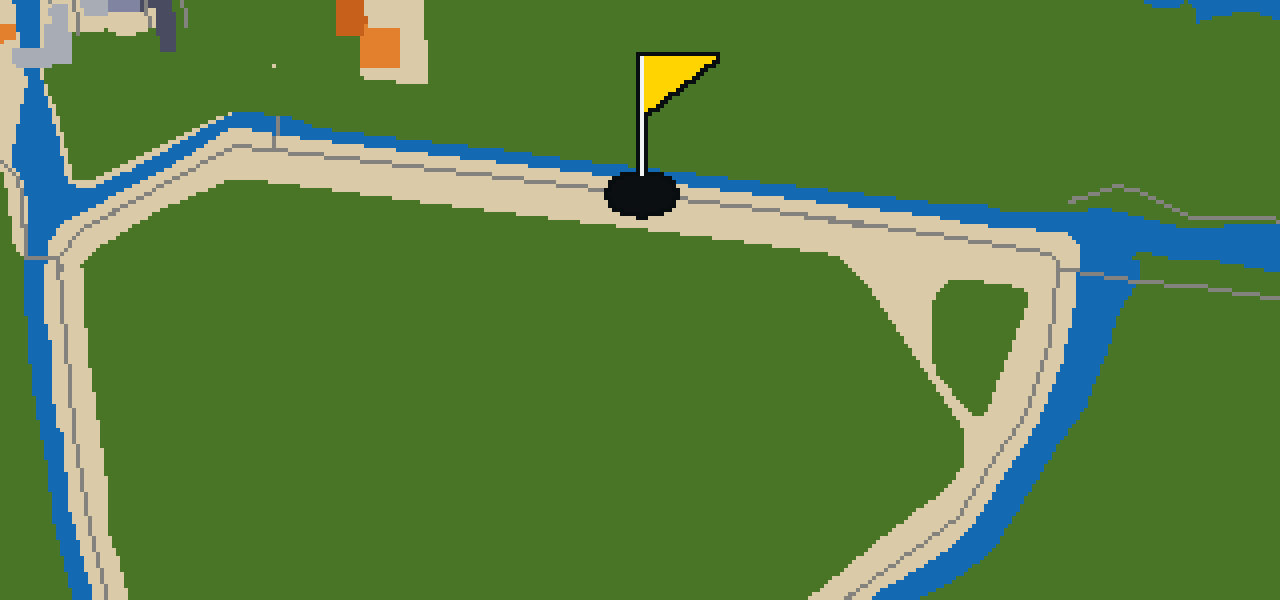
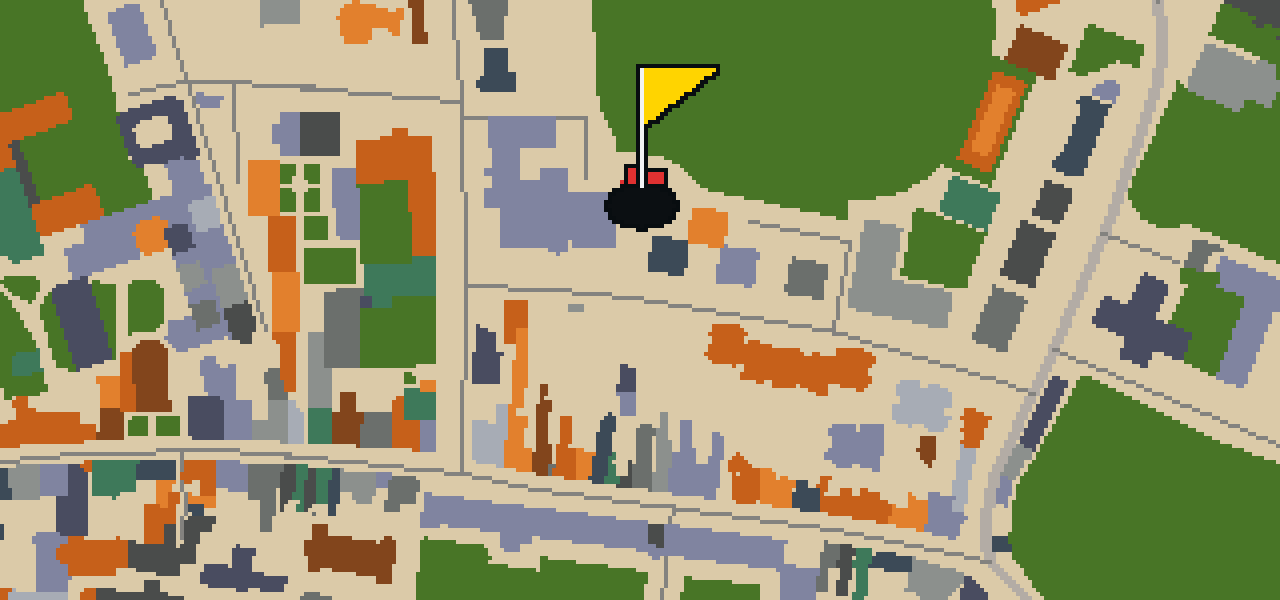
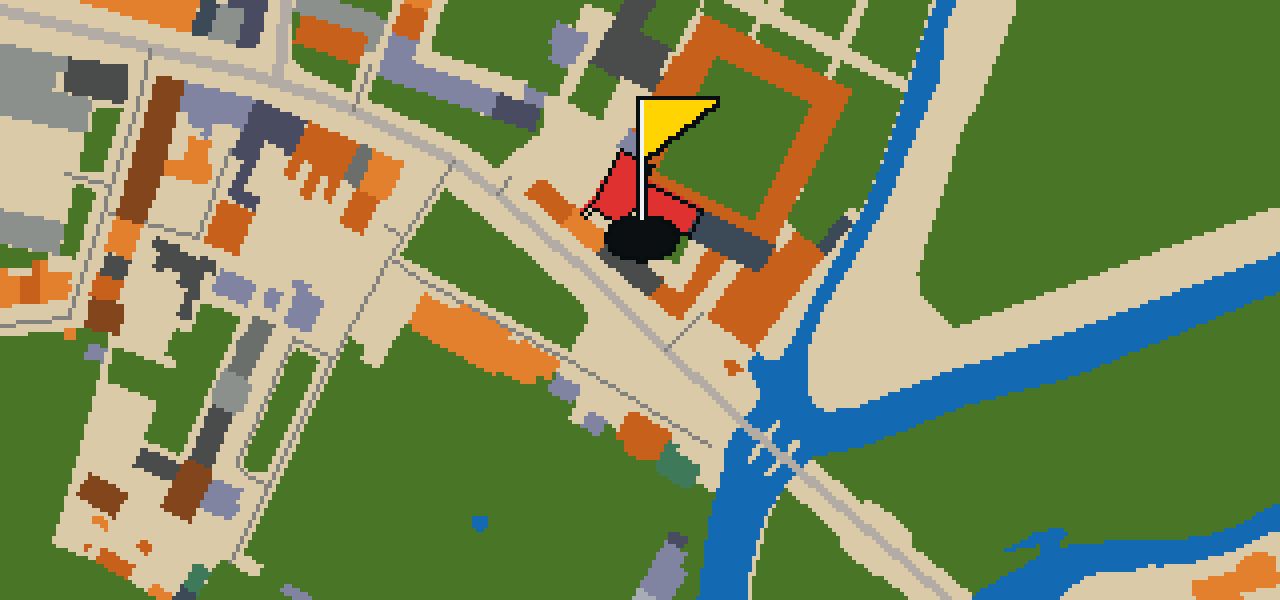
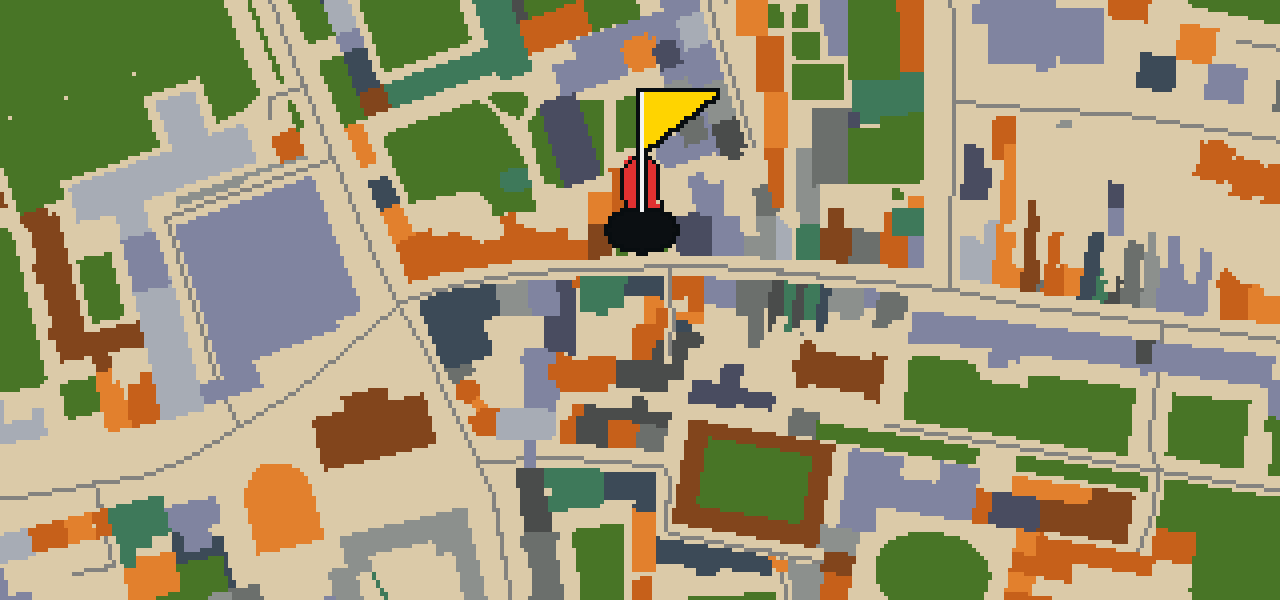
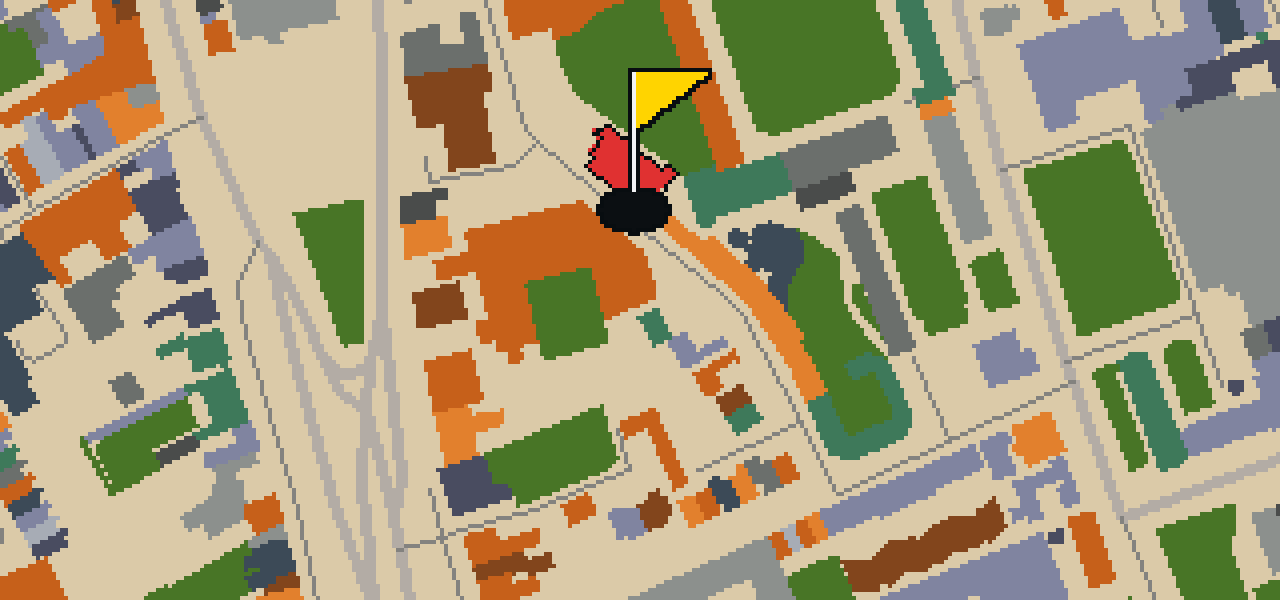
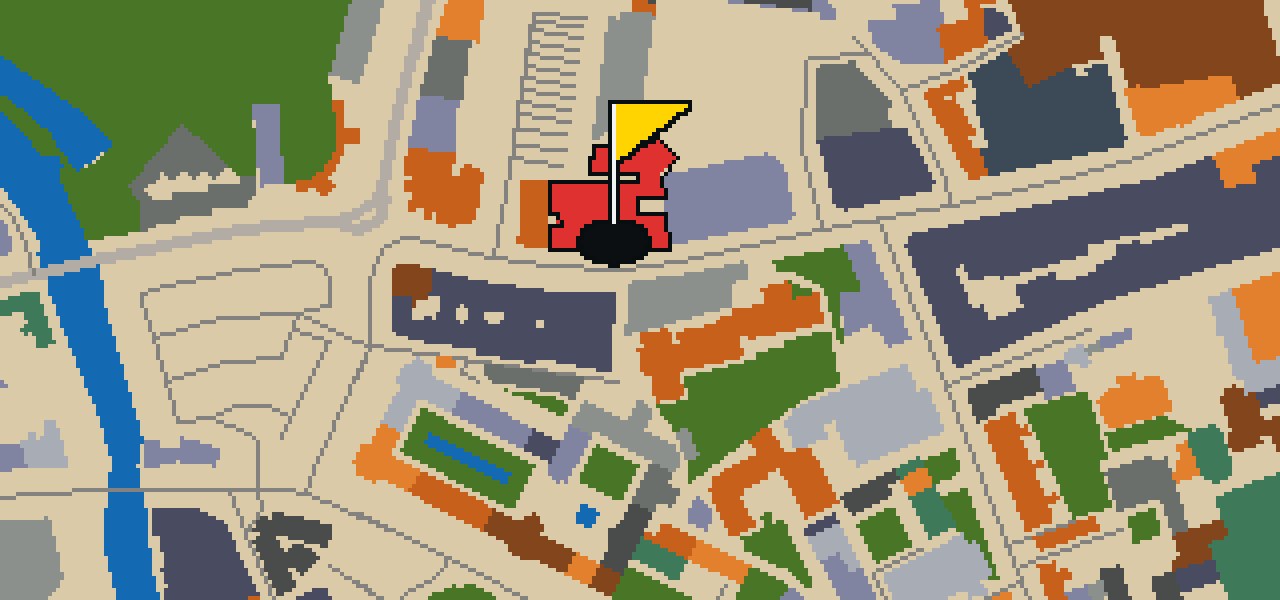
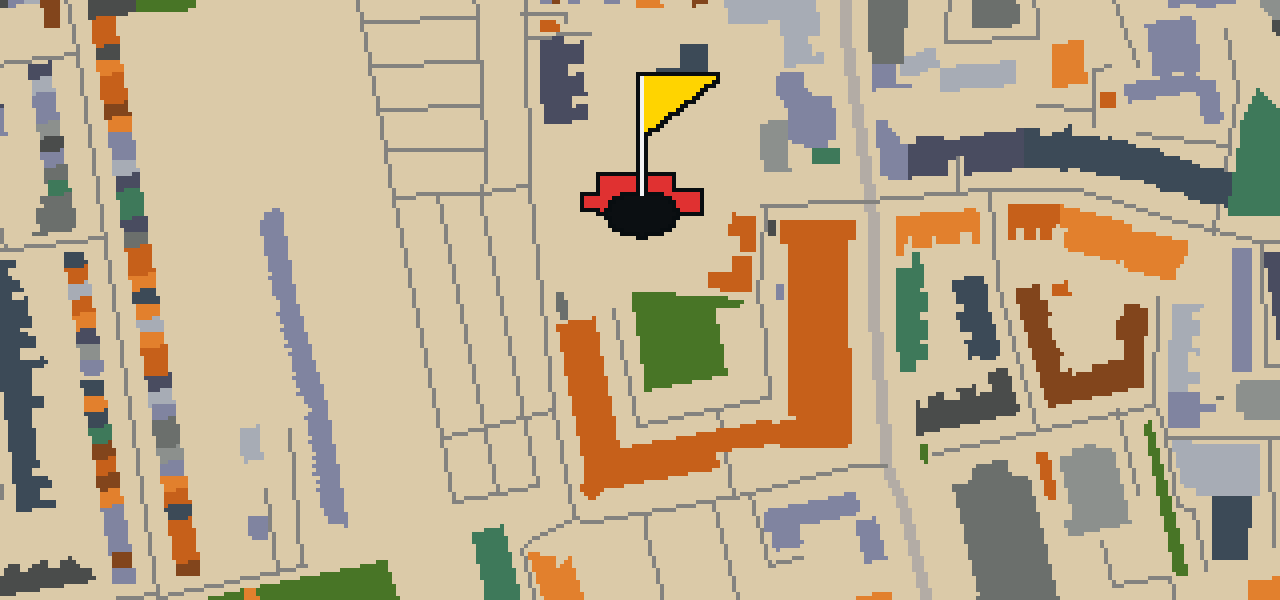
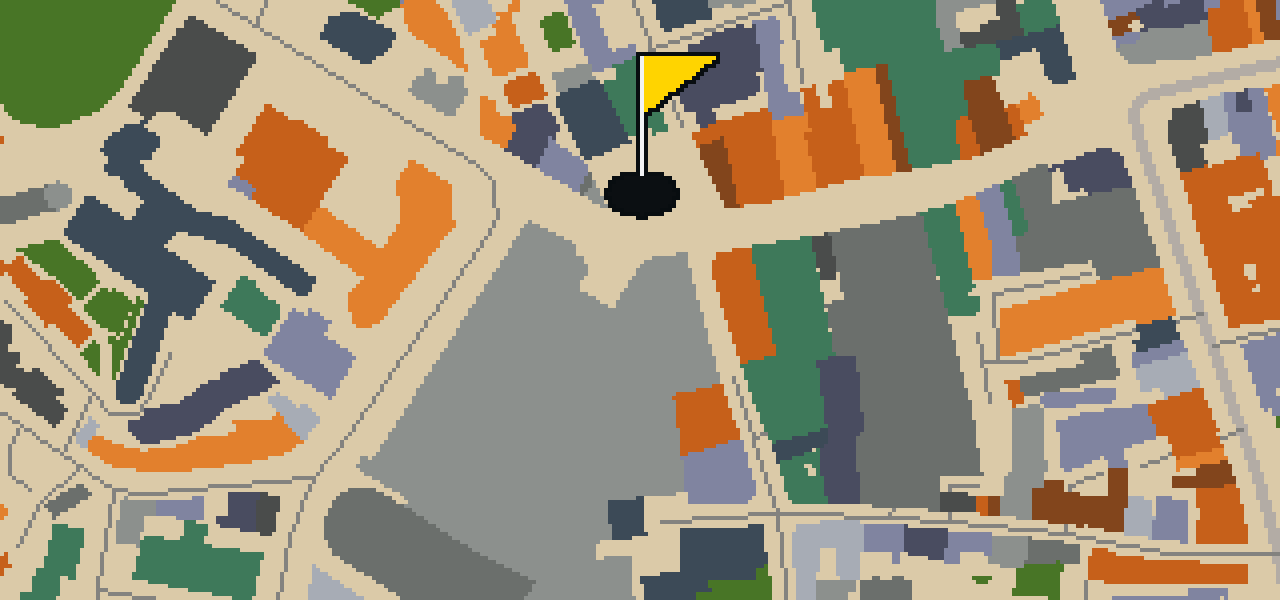
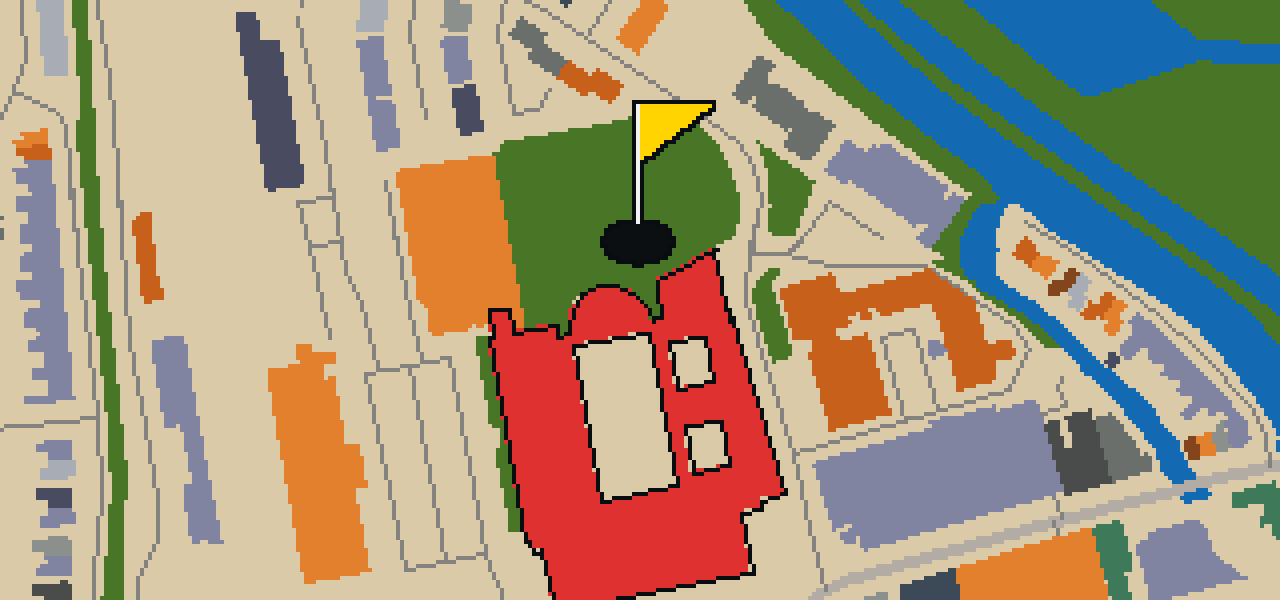
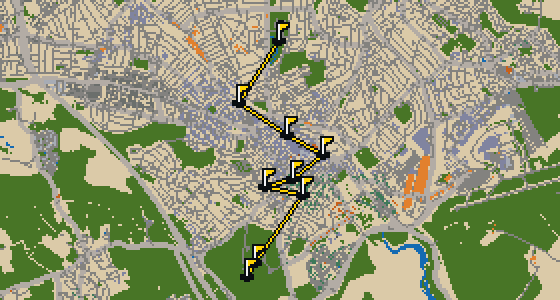
This is Oxford. The map is the real city and the round is played on its real streets, starting at the Bodleian Library. Real attractions are what the holes are built from. Skip is a local guide who knows the place, though he spends most of his time dodging students. This full round of 18 holes is a 6.3 mi walk with a par of 54, using 6 portals to bridge the gaps between the landmarks.

Trouble loading? Open the game in its own tab.

HOW IT WORKS

01

Pick a city

The course is drawn on the real street grid, so the map you play is the map you walk.

02

Putt to the pin

Drag to aim, release to swing. Buildings bounce and water costs you a stroke.

03

Sightsee between strokes

Every hole ends at an attraction. Sink the putt, read the story, walk to the next tee.

THE OXFORD ROUND - STOP BY STOP

HOLE 1 - PAR 3

Bodleian Library

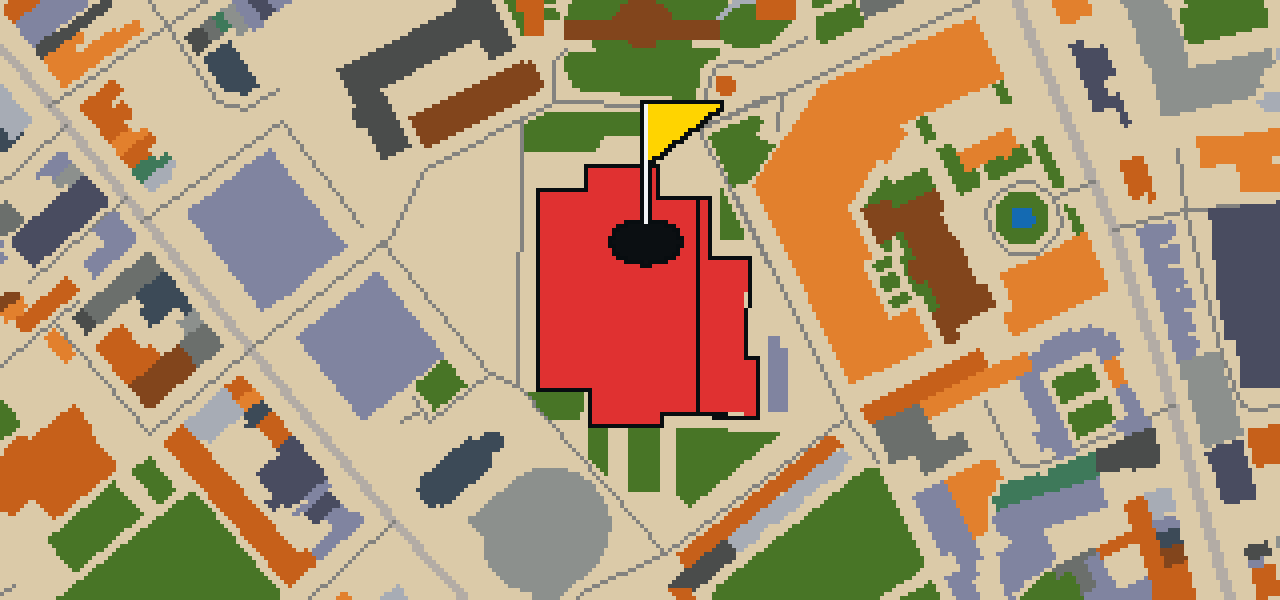
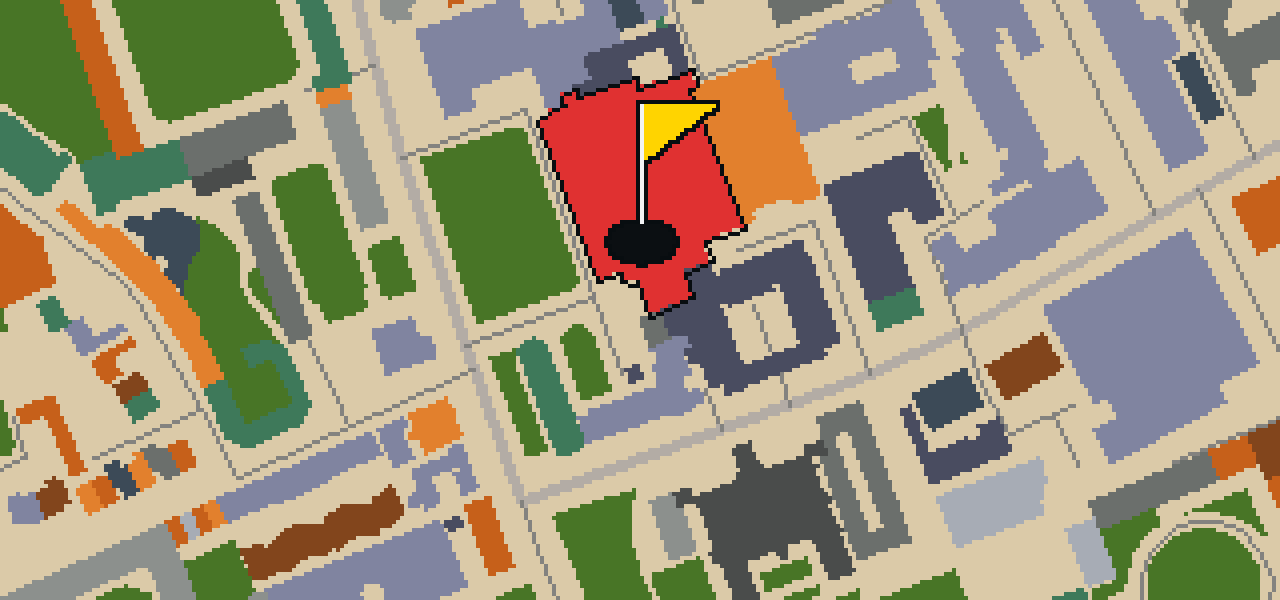
Look closely at the Grade I listed building that houses the Bodleian Library. Founded in 1602 by Sir Thomas Bodley, this academic library is the main research library of the University of Oxford. It is a massive operation with over 13 million printed items. Because of the Legal Deposit Libraries Act 2003, it is one of six legal deposit libraries for works published in the United Kingdom. I've seen plenty of students wandering nearby, though I usually stick to the ledges.

Wikidata · Wikipedia

HOLE 2 - PAR 3

Oxford University Museum of Natural History

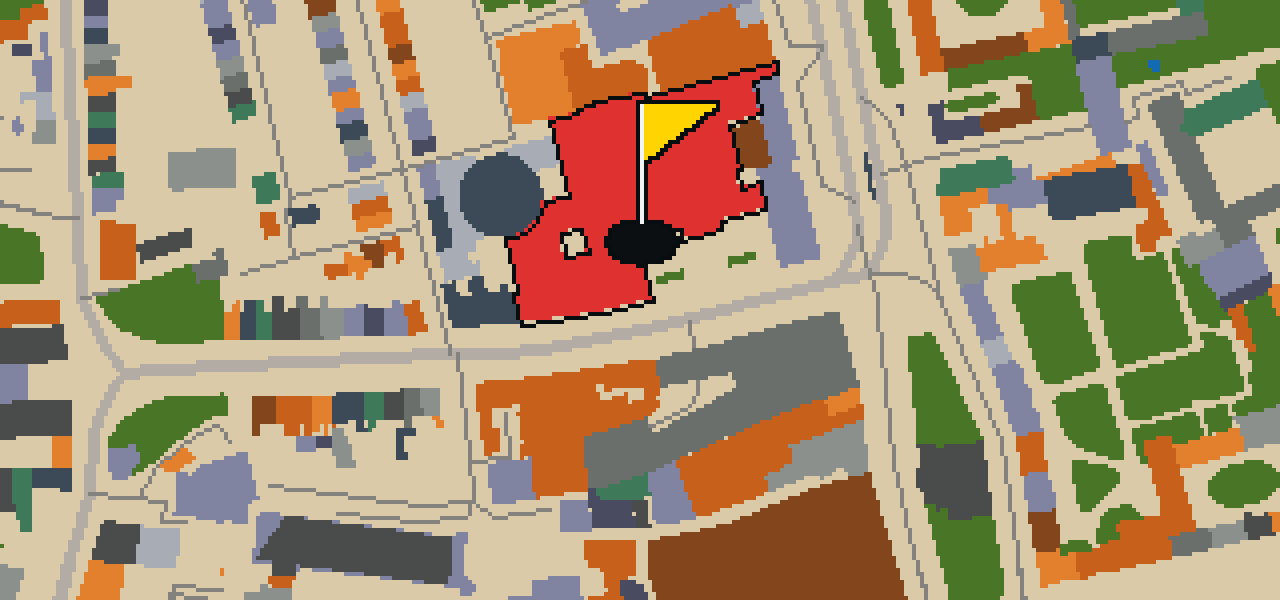
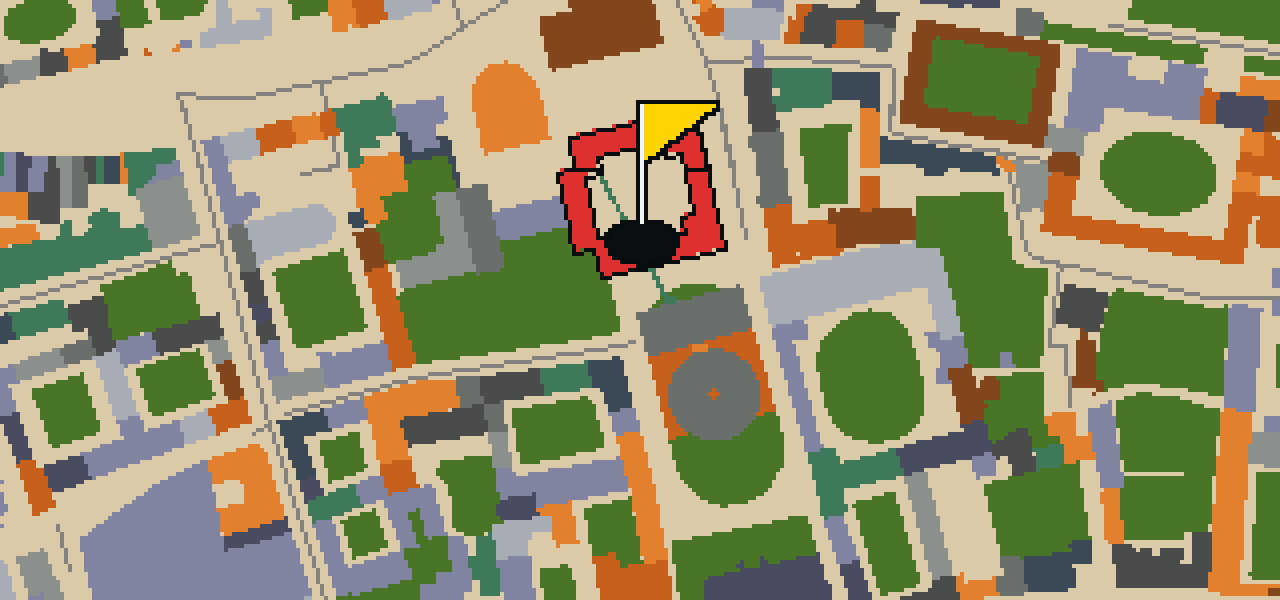
The university established the Oxford University Museum of Natural History in 1860. Located on Parks Road in Oxford, England, this site is a natural history museum and academic archive. It is a functional part of the campus, containing a lecture theatre used by the university's chemistry, zoology and mathematics departments. If you are visiting, you can also use the museum to find the only public access into the adjoining Pitt Rivers Museum. I've seen a few crumbs dropped near the entrance, so it is a popular spot for a stroll.

Wikidata · Wikipedia

HOLE 3 - PAR 3

Bate Collection of Musical Instruments

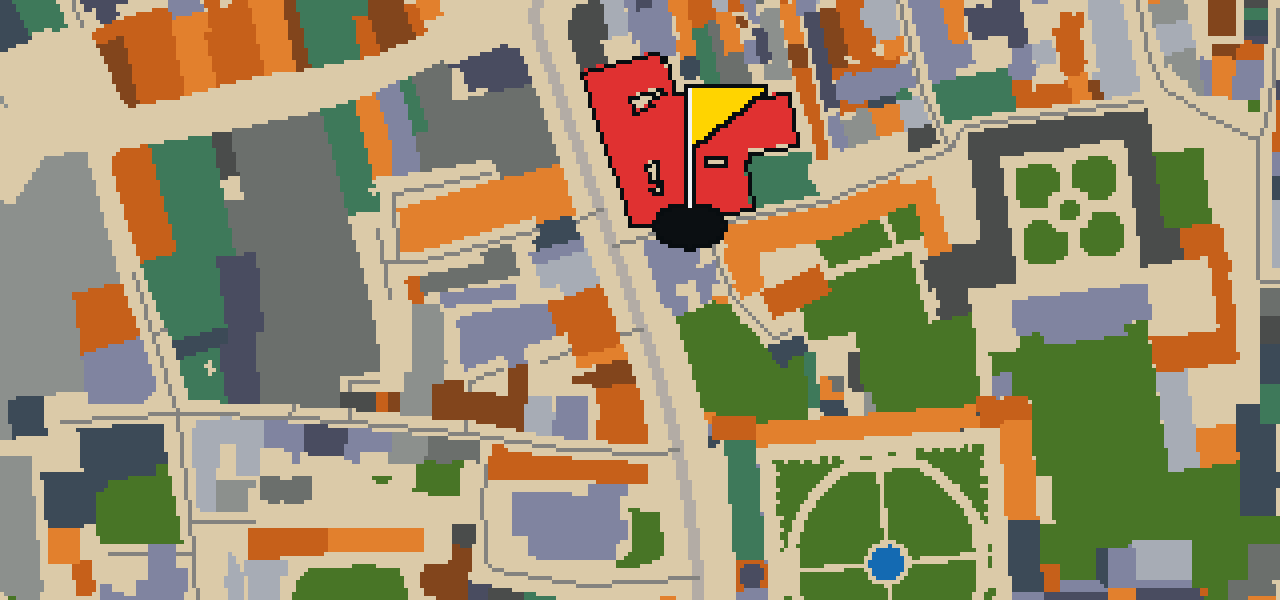
The Bate Collection of Musical Instruments is a university museum and collection that had its inception in 1968. You can find instruments here from the Middle Ages onwards. The museum was previously housed in Oxford University's Faculty of Music near Christ Church on St. Aldate's. If you visit, you can pick out the permanent exhibition titled "Resonant Histories: Material Culture, Sound and Craft" curated by Dr Emanuela Vai. I've noticed the variety of shapes in the exhibits is quite something.

Wikidata · Wikipedia

HOLE 4 - PAR 3

Ashmolean Museum

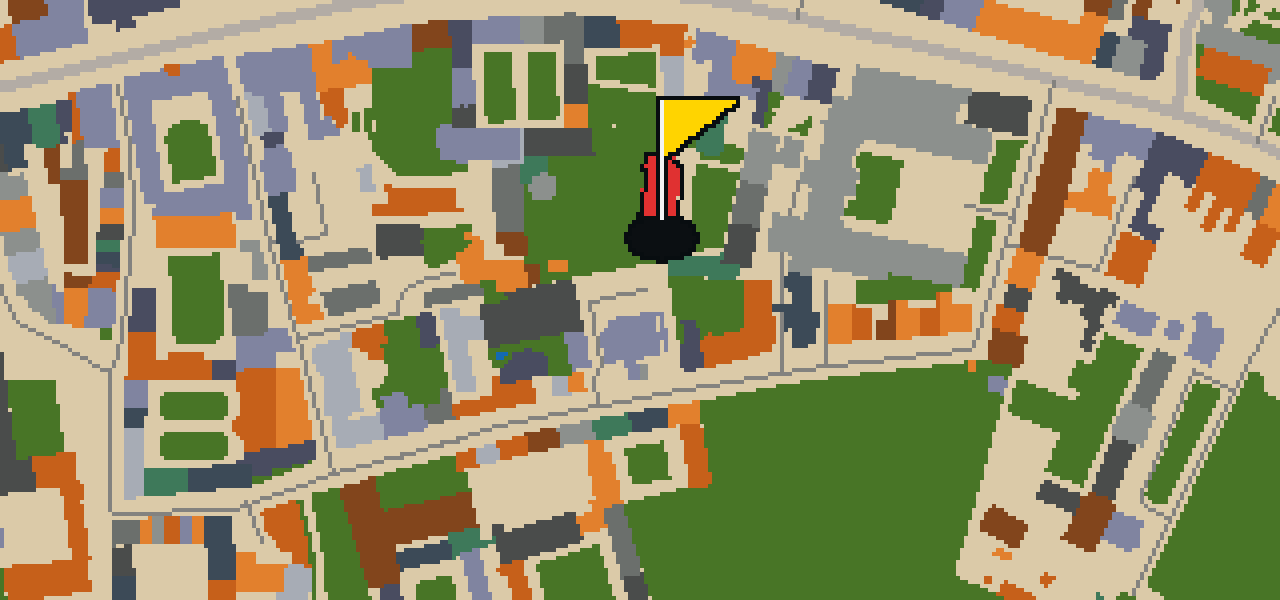
Elias Ashmole gave a cabinet of curiosities to the University of Oxford in 1677. This gesture led to the inception of the Ashmolean Museum in 1683, which is Britain's first public museum. Located on Beaumont Street in Oxford, England, it functions as both an art museum and a university museum. The museum is a Grade I listed building, and its architectural history includes work by Charles Robert Cockerell and Rick Mather. The first building for the collection was erected between 1678 and 1683. I've always found the mix of old and new styles here quite striking.

Wikidata · Wikipedia

HOLE 5 - PAR 2

Museum of Oxford

Founded in 1975, the Museum of Oxford is a local authority museum that explores the history of the city and its people. You can find permanent and temporary displays here, featuring artefacts that span from prehistoric times to the present day. Beyond the exhibits, the museum serves the community as a public meeting space available for rent by organisations and individuals for both private and public events. I've always liked how it brings the city's long timeline into one spot.

Wikidata · Wikipedia

HOLE 6 - PAR 3

University College

Located in the heart of the city, University College is a building complex and a constituent college of the University of Oxford in England. Formally known as The Master and Fellows of the College of the Great Hall of the University commonly called University College in the University of Oxford, it is also a charitable organization. William of Durham founded the college in 1249. You can pick out the distinct character of this site, which most people simply call Univ. I've found that the name is a lot easier to say when you're navigating these streets.

Wikidata · Wikipedia

HOLE 7 - PAR 3

Balliol College

Balliol College is a constituent college of the University of Oxford and a university building. It is a Grade I listed building and operates as a charitable organization. Nobleman John I de Balliol founded the college in 1263, and its inception occurred in that same year. Because of this history, Balliol College has a claim to be the oldest college in Oxford and the oldest in the English-speaking world. I've always found the prestige of these old walls impressive, even from a bird's eye view.

Wikidata · Wikipedia

HOLE 8 - PAR 3

Christ Church

King Henry VIII founded Christ Church in 1546. It is a constituent college of the University of Oxford in England and operates as a charitable organization. You can pick out the Grade I listed park and garden on the grounds. This site is a joint foundation of the university and Christ Church Cathedral, which serves as the college chapel. Because of this arrangement, the dean of Christ Church Cathedral is ex officio the college head. I've noticed the gardens are a great spot for a break.

Wikidata · Wikipedia

HOLE 9 - PAR 3

New Theatre Oxford

Started in 1934, the New Theatre Oxford is a commercial theatre building located on George Street in Oxford, England. It has evolved into a versatile space that functions as both a theatre building and a movie theater. When you visit, you can pick out a wide variety of performances, as the venue hosts concerts, stand-up comedy, and musical theatre. It is a substantial spot in the city, with a capacity of about 1,785 people. I've noticed it's a great place for a crowd to gather.

Wikidata · Wikipedia

HOLE 10 - PAR 4

Oriel College

Let me show you Oriel College, the oldest royal foundation in Oxford. This building complex and charitable organization is located in Oriel Square. It had its inception in 1324 and is a constituent college of the University of Oxford in Oxford, England. You can pick out the history here, as the college has been historically known as King's Hall and King's College. The reigning monarch of the United Kingdom is the official visitor of the college. I find the square a great spot to watch the world go by.

Wikidata · Wikipedia

HOLE 11 - PAR 3

Magdalen College

Let me show you Magdalen College. Founded in 1458 by William of Waynflete, the Bishop of Winchester, it is a constituent college of the University of Oxford and a charitable organization. Since its early days, it has become one of the wealthiest Oxford colleges as of 2022. If you enjoy a walk, you can pick out the Grade I listed park and garden. For those interested in academic standing, the college set the record for the highest Norrington Score in 2010. It is a lovely spot to spend an afternoon.

Wikidata · Wikipedia

HOLE 12 - PAR 3

Michael Pilch Studio

Michael Pilch is the name behind this venue in central Oxford. Located on Jowett Walk, the Michael Pilch Studio is a theatre in England. It is a versatile space that can accommodate between 50 and 90 people depending on how the room is configured. I've found that the smaller scale makes for a much more intimate experience than the big houses, which is a nice change of pace. This particular studio first opened its doors in 1997, and it continues to operate as a key venue for those looking for a more concentrated theatrical setting in the heart of the city.

Wikidata · Wikipedia

HOLE 13 - PAR 3

Chapel

Somerville College Chapel is the chapel of Somerville College, Oxford. The chapel's inception was in 1935. Although it is an instance of a chapel, this specific building has no religious affiliation. It serves as a place for the college community, maintaining its status as a chapel without being tied to a particular faith or religious organization.

Wikidata · Wikipedia

HOLE 14 - PAR 3

Holywell Music Room

You can find the Holywell Music Room on Holywell Street in the city centre. It is Oxford's chamber music hall and a performing arts center that was built in 1748. This concert hall is part of Wadham College and is a Grade II* listed building. Some say it is Britain's first concert hall and the oldest purpose-built music room in Europe. I've noticed the street is a great spot for a stroll, and the building itself is a wonderful example of how the city preserves its heritage for the public to enjoy.

Wikidata · Wikipedia

HOLE 15 - PAR 3

O'Reilly Theatre

The O'Reilly Theatre is a theatre building. Located in Oxford, this venue is a key spot for those interested in the performing arts. It is a dedicated theatre building where you can experience various productions. I often see people gathering here before a show begins.

Wikidata · Wikipedia

HOLE 16 - PAR 3

Old Fire Station

The Old Fire Station is a black box theater and dance studio. You can find it within the Corn Exchange and Fire Station, which is a commercial complex in George Street in Oxford, Oxfordshire, England. The building is currently occupied by two different organizations: the arts charity Arts at the Old Fire Station and the homelessness charity Crisis Skylight Oxford. I've found the mix of creative energy and community support here makes it a standout spot on the street. It is a place where you can see the city's commitment to both the arts and social welfare in one location.

Wikidata · Wikipedia

HOLE 17 - PAR 3

St Thomas the Martyr

Located in Osney near Oxford railway station, St Thomas the Martyr is a church building situated between Hollybush Row to the east and Becket Street to the west. St Thomas' Street sits opposite the church. This site is a Grade II listed building and is a Church of England parish church of the Anglo-Catholic tradition. It is located in Oxford, England, and provides a point of interest for those visiting the area around the railway station.

Wikidata · Wikipedia

HOLE 18 - PAR 3

Bonn Square

Bonn Square is located near the original west gate of Oxford, England. While the original gate is gone, the Westgate Shopping Centre now stands in its place. The square is named after the German city of Bonn because Oxford is twinned with that city. If you are navigating the area, you can find Queen Street to the east of the square, and New Inn Hall Street leads north from nearby. I find it a handy spot to get your bearings before heading deeper into the city center.

Wikidata · Wikipedia

STOP 19

Rewley Abbey

You can pick out the remains of a scheduled monument here. This site is Rewley Abbey, which is an instance of an abbey, a university building, and a college of the University of Oxford. It was founded in the 13th century by Edmund, 2nd Earl of Cornwall. In 1280, Edmund offered the general chapter of the Cistercian order to found a college for Cistercians at Oxford. I find the stillness of these ruins a nice break from the busier university streets.

Wikidata · Wikipedia

OTHER COURSES

18 HOLES - PAR 55

York

18 stops

This is a full eighteen-hole round through York. The map is the real city and the ball rolls along its actual streets, banking off the stone of the York Minster. Real attractions provide the structure for every hole. Six portals help move the ball across the 6.9 mi walk. Skip is a local guide who knows these alleys and bars by heart, provided there are no crumbs to distract him.

18 HOLES - PAR 57

Liverpool

18 stops

From a perch on a ledge, Liverpool looks like a perfect grid for a game. The map is the real city and the round is played on its real streets, where the Royal Liver Building and other attractions are the actual holes. This is a full 18-hole round with a par of 57, covering 7.5 mi of pavement and using 38 portals to bridge the gaps. Skip knows every nook of these streets from a bird's eye view.

9 HOLES - PAR 27

Glasgow

9 stops

Banking a ball off the red sandstone of Kelvingrove Art Gallery and Museum feels different than hitting the glass of a modern storefront. This round follows the real streets of Glasgow, using the city's actual attractions as the holes. A quick 9-hole round covers 3.4 mi, with 22 portals to skip across the map. Skip knows every curb and cobblestone here.

18 HOLES - PAR 52

Edinburgh

18 stops

Edinburgh is the setting for this round, where the map is the real city and the ball rolls across its actual streets. The holes are built from real attractions, starting the action at Edinburgh Castle. This is a full round of 18 holes with a par of 52. Skip is a local guide who knows the place, having spent plenty of time dodging feet for crumbs. The walk covers 5.9 mi and uses 36 portals to bridge the gaps.

18 HOLES - PAR 55

Cambridge

18 stops

Banking a ball off the stone facades of King's College Chapel requires a steady wing and a soft touch. This full round of 18 holes follows the real streets of Cambridge, using the city's actual attractions as the foundations for every hole. A few portals help the ball skip across the 6.9 mi walk to keep the pace up. Skip knows these pavements by heart and is along for the ride.

FAQ

Is it free to play?

Yes. Every course runs in the browser with no account and no install.

Do I need to be in the city?

No. The full round plays from anywhere. Walking the real route is a nice way to see the city, but it is not required.

Are the maps real?

Yes. The geometry comes from OpenStreetMap data, rendered chunky on purpose. Streets, water and parks sit where they really are.