
CAMBRIDGE - 18 HOLES - FREE

CAMBRIDGE
CITY MAP MINIGOLF

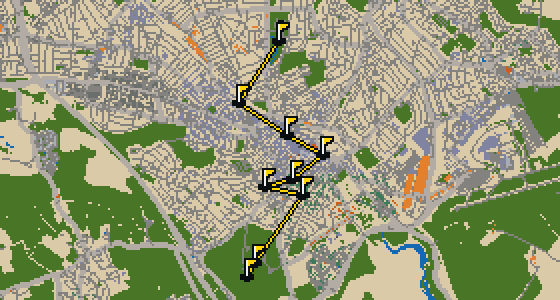
Cambridge - 18 stops - par 55

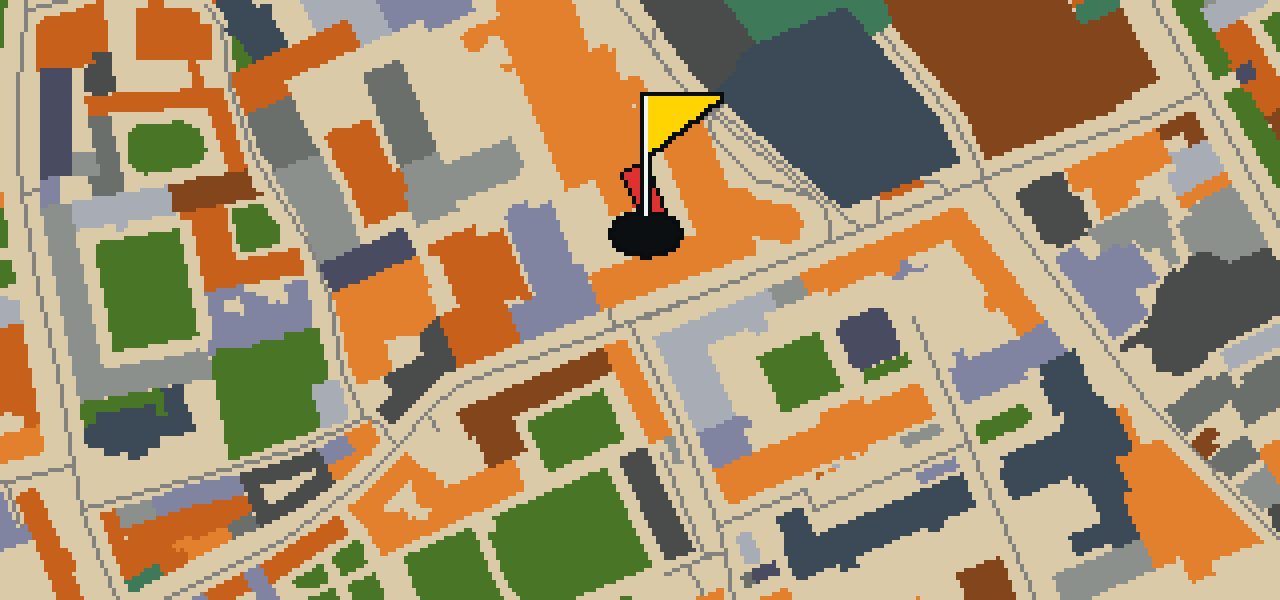
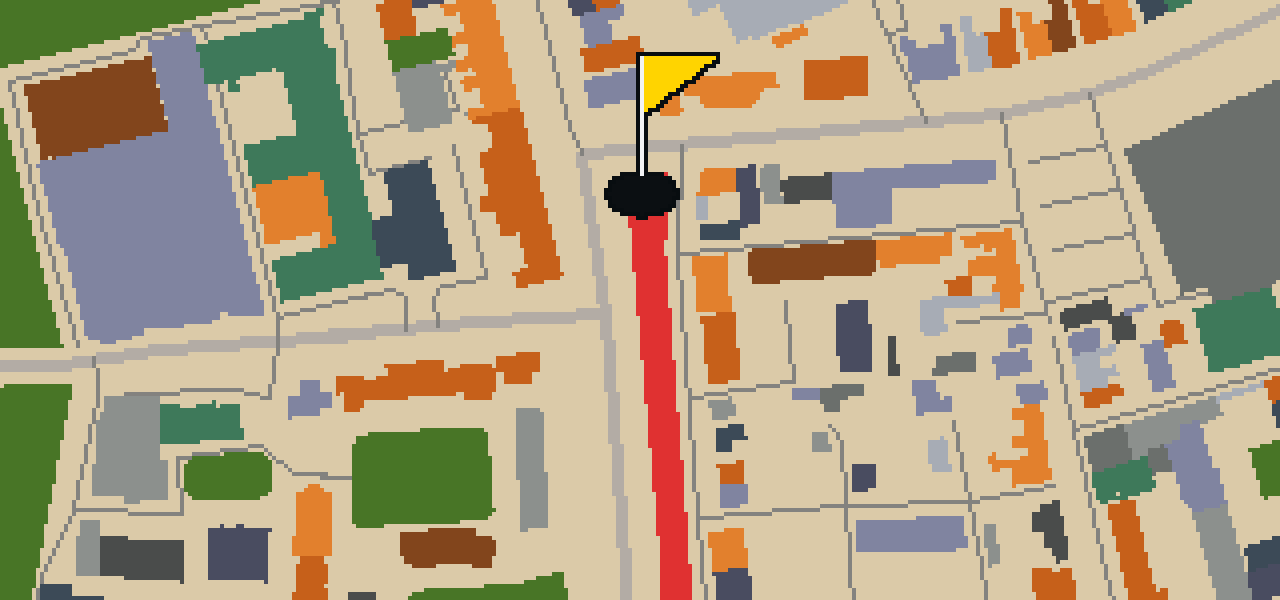
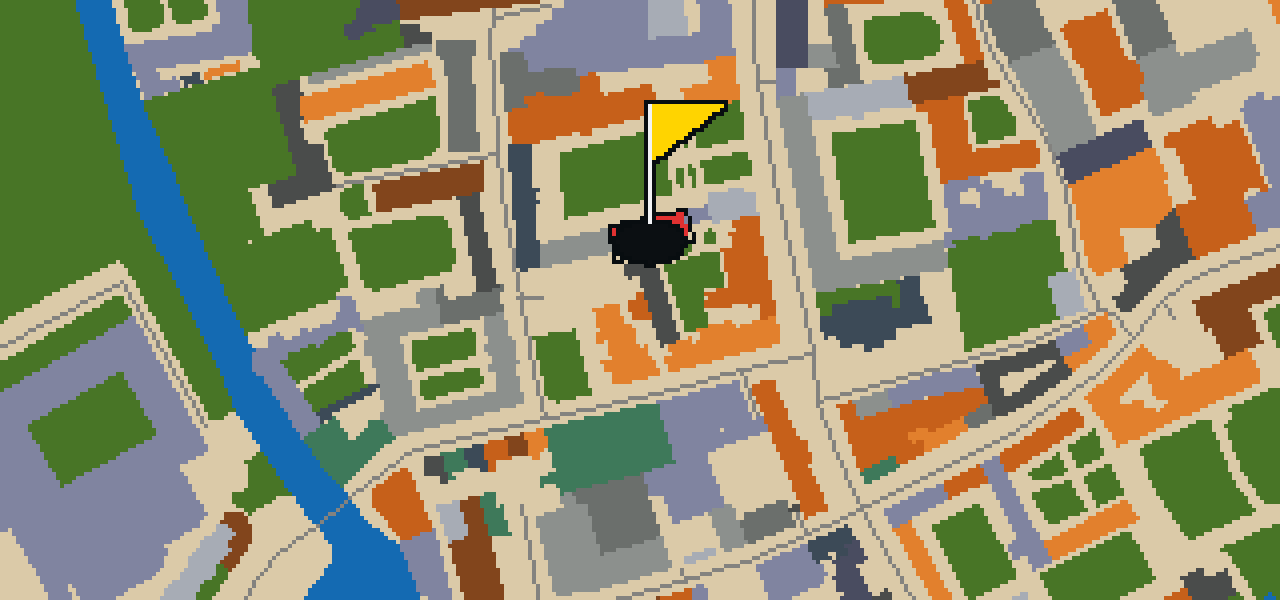
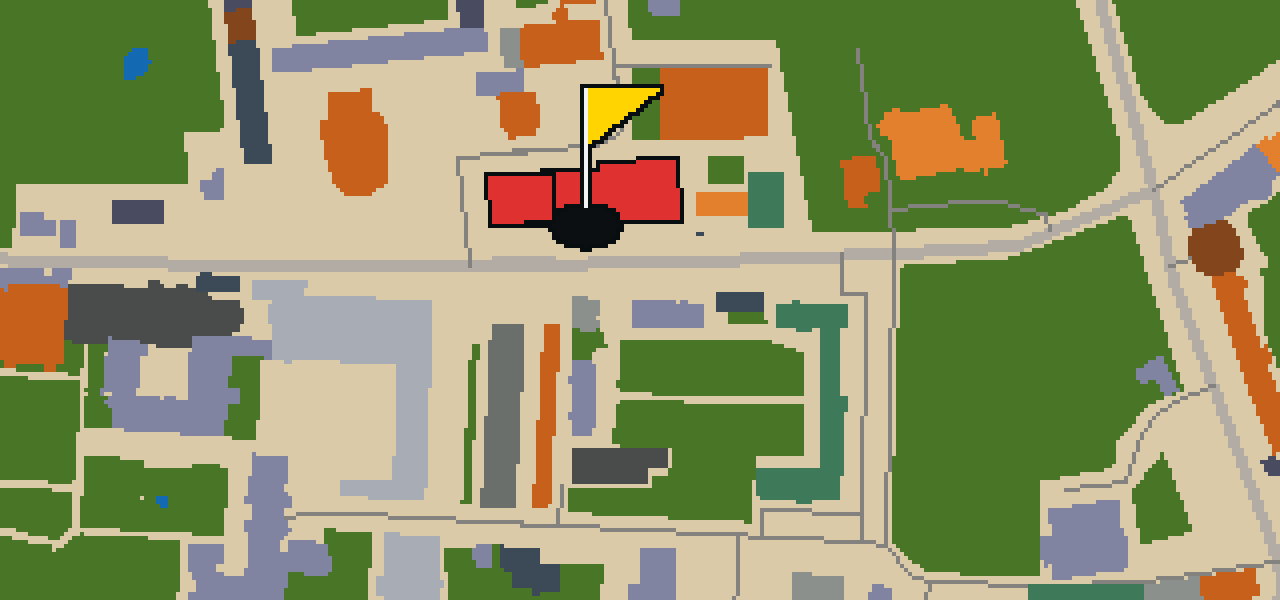
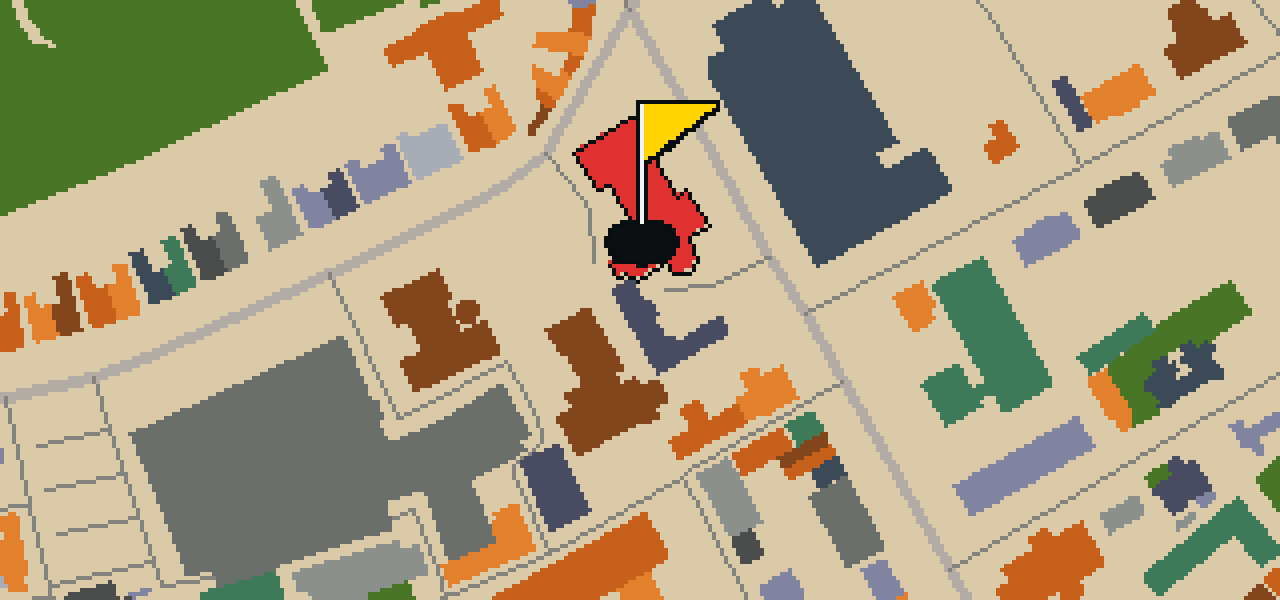
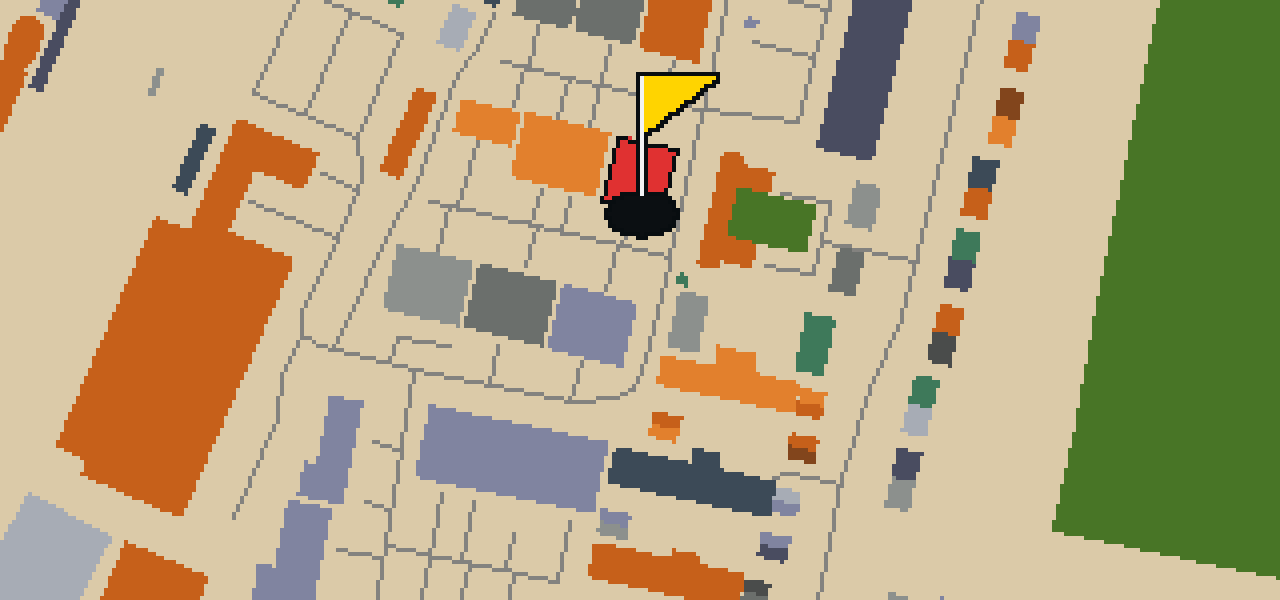
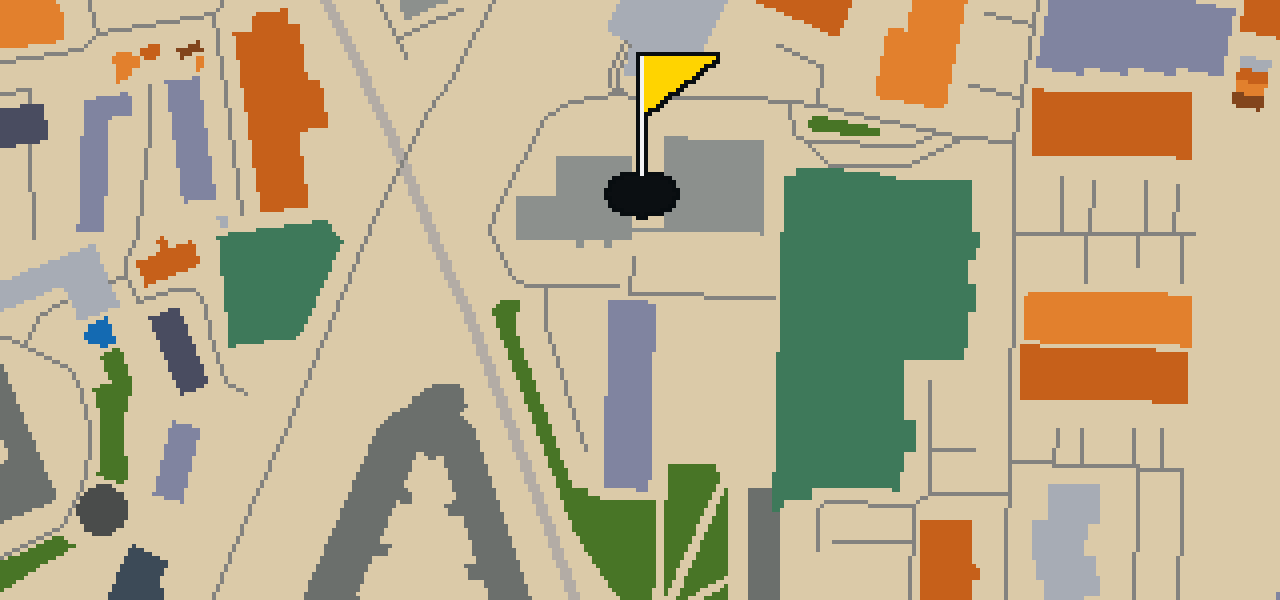
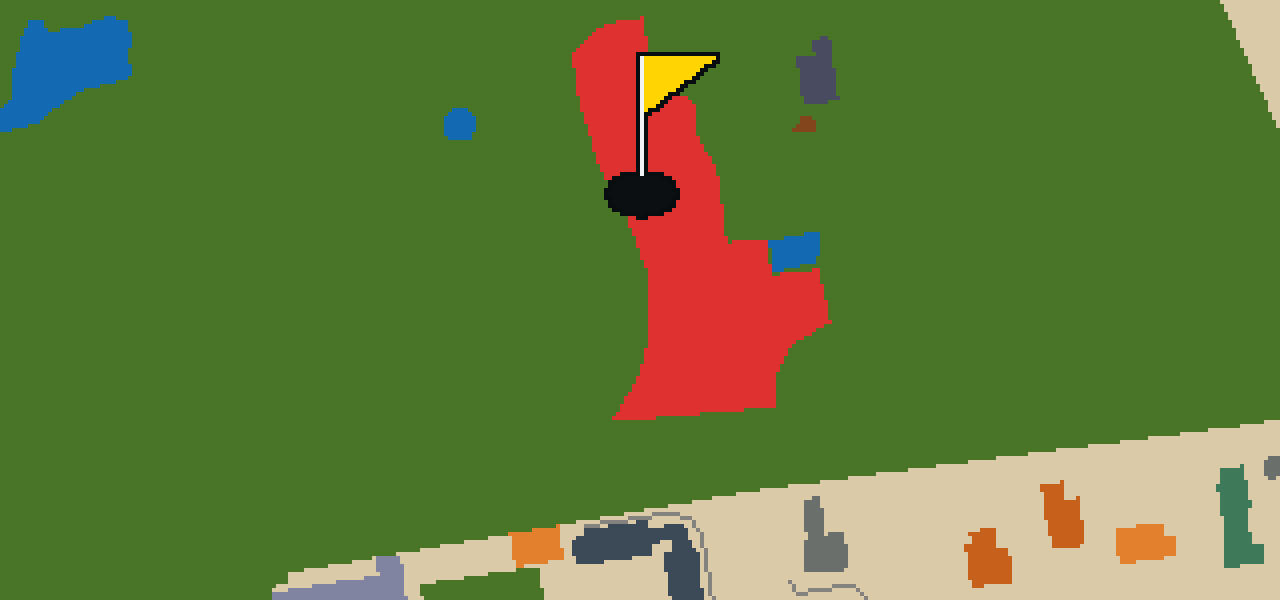
Banking a ball off the stone facades of King's College Chapel requires a steady wing and a soft touch. This full round of 18 holes follows the real streets of Cambridge, using the city's actual attractions as the foundations for every hole. A few portals help the ball skip across the 6.9 mi walk to keep the pace up. Skip knows these pavements by heart and is along for the ride.

Trouble loading? Open the game in its own tab.

HOW IT WORKS

01

Pick a city

The course is drawn on the real street grid, so the map you play is the map you walk.

02

Putt to the pin

Drag to aim, release to swing. Buildings bounce and water costs you a stroke.

03

Sightsee between strokes

Every hole ends at an attraction. Sink the putt, read the story, walk to the next tee.

THE CAMBRIDGE ROUND - STOP BY STOP

HOLE 1 - PAR 3

Fitzwilliam Museum

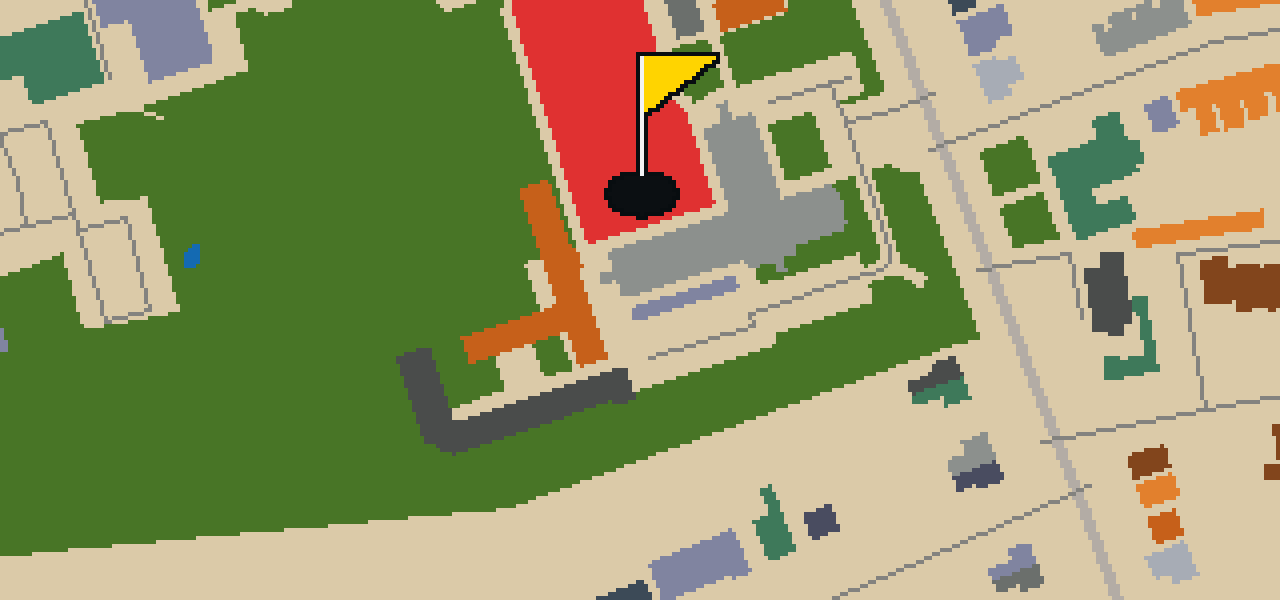
Richard FitzWilliam, 7th Viscount FitzWilliam, founded the Fitzwilliam Museum in 1816. It is an art, history, and university museum that serves as the art and antiquities museum of the University of Cambridge. You can find the building in central Cambridge on Trumpington Street, opposite Fitzwilliam Street. The collections are massive, containing over half a million objects and artworks. I've noticed that the museum is quite popular, with 364,269 annual visitors. It is always free for the public to enter, so you can explore the galleries without needing a ticket.

Wikidata · Wikipedia

HOLE 2 - PAR 3

Reality Checkpoint

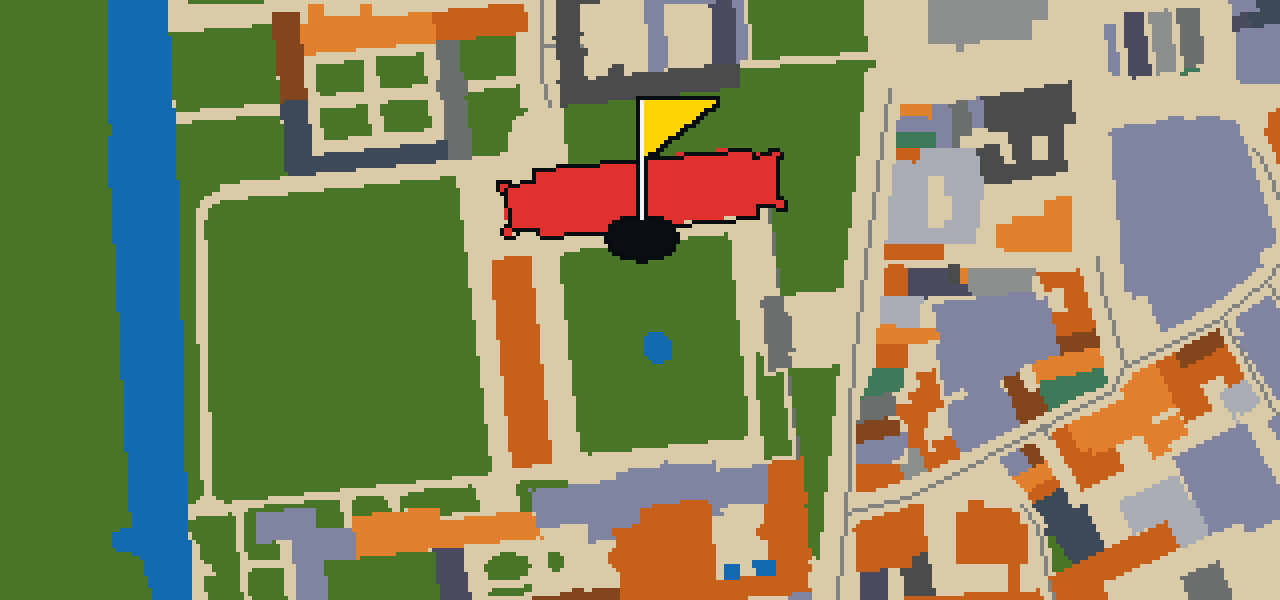
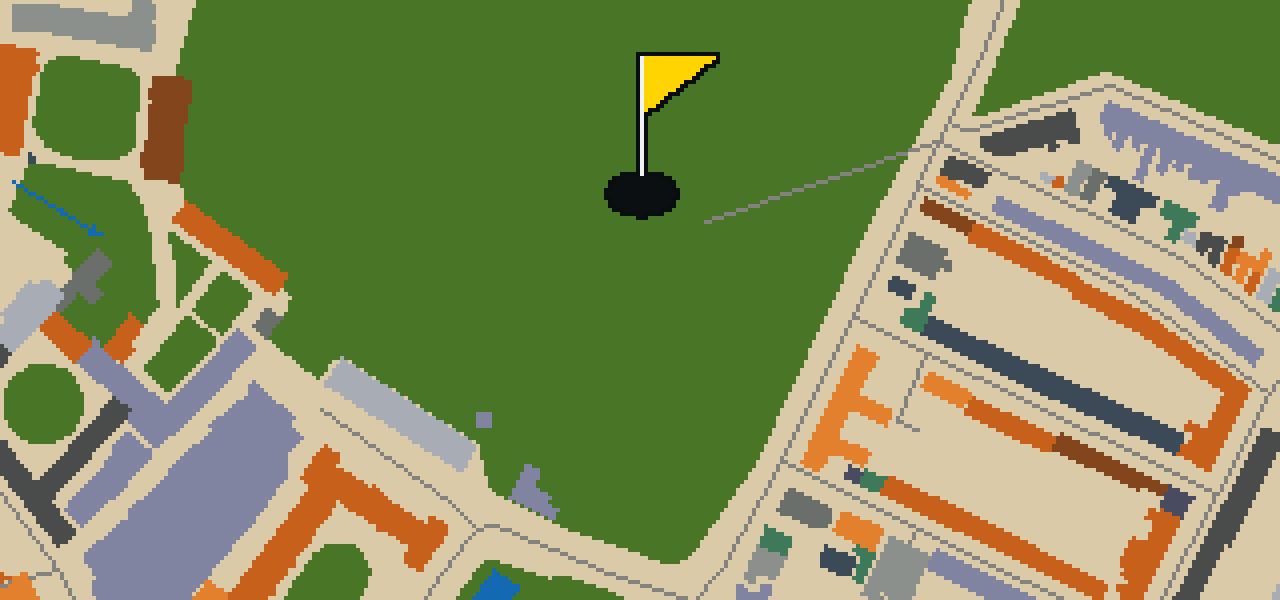
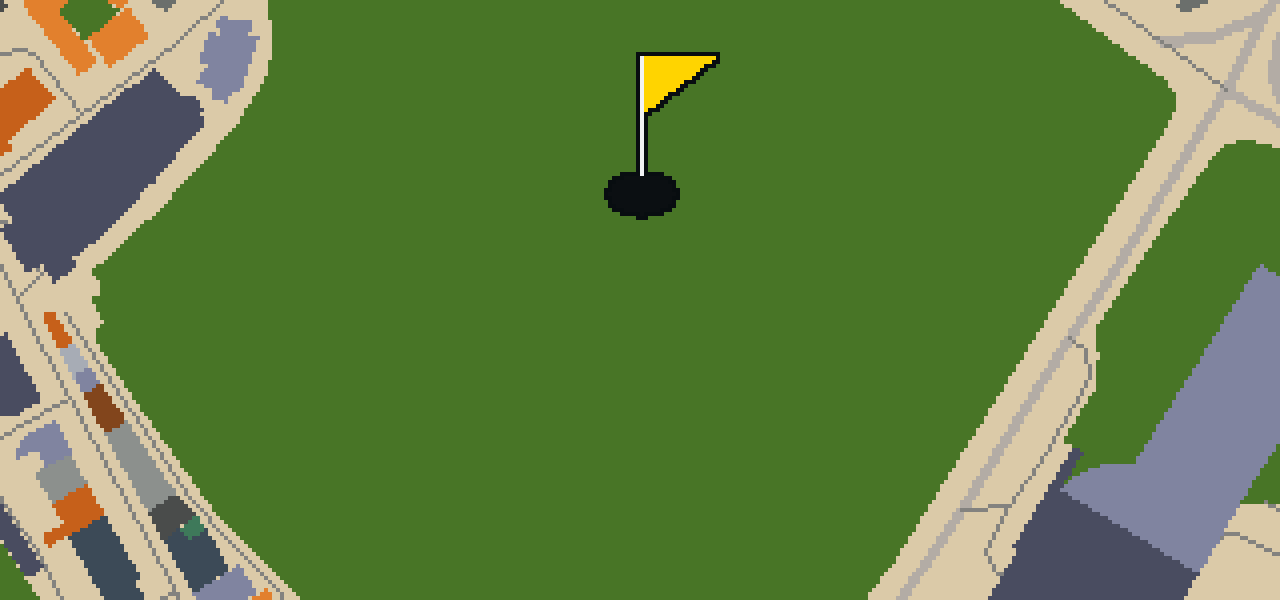
Someone in the early 1970s left a bit of graffiti on the base of a lamppost, and that is how the Reality Checkpoint got its name. Today, the nickname is officially painted on the cast-iron post. You can find this streetlight in Cambridge, situated right in the middle of Parker's Piece at the intersection of the park's diagonal paths. It is a Grade II listed building. I've seen plenty of things on these paths, but this post is the most famous spot for a quick pause.

Wikidata · Wikipedia

HOLE 3 - PAR 3

Museum of Zoology

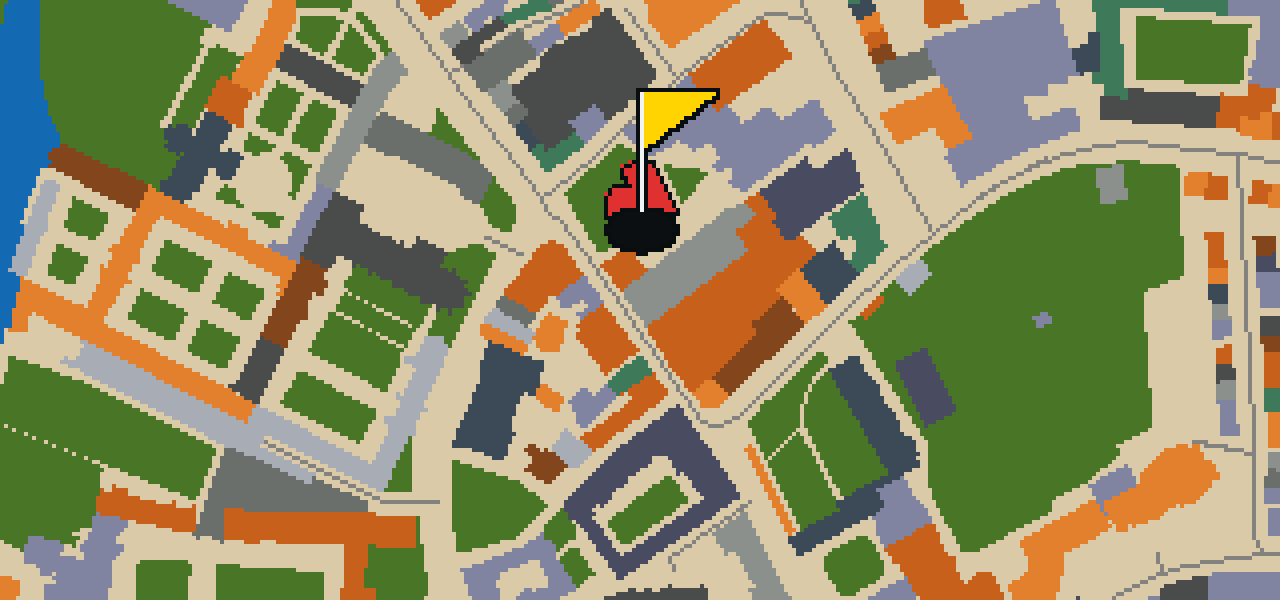
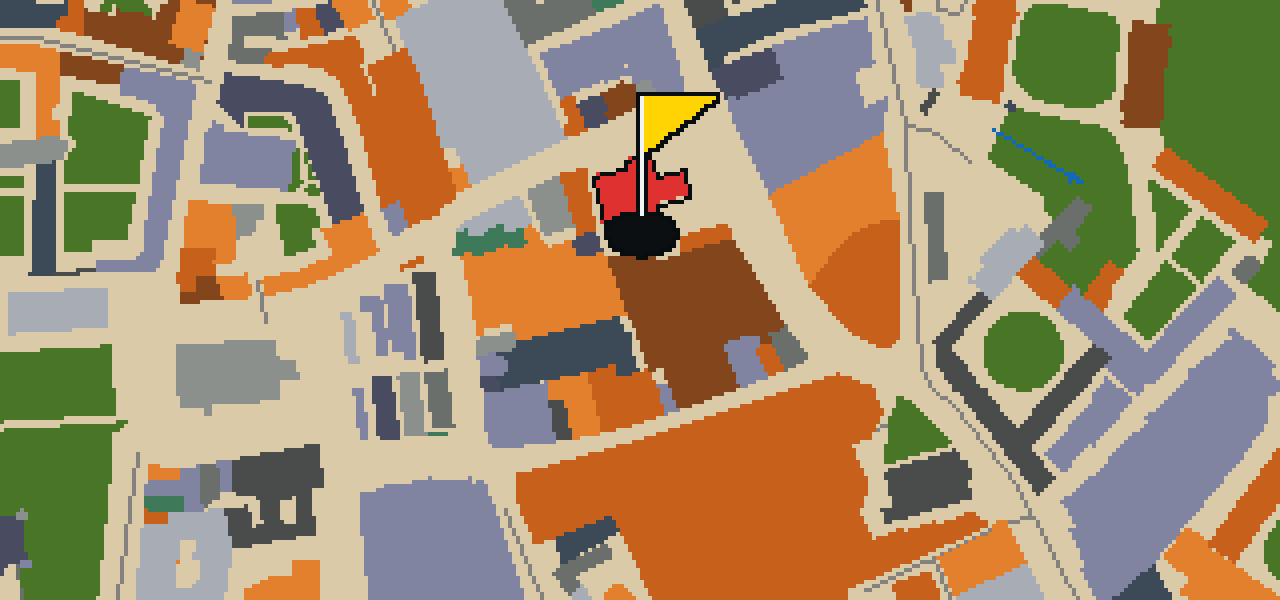
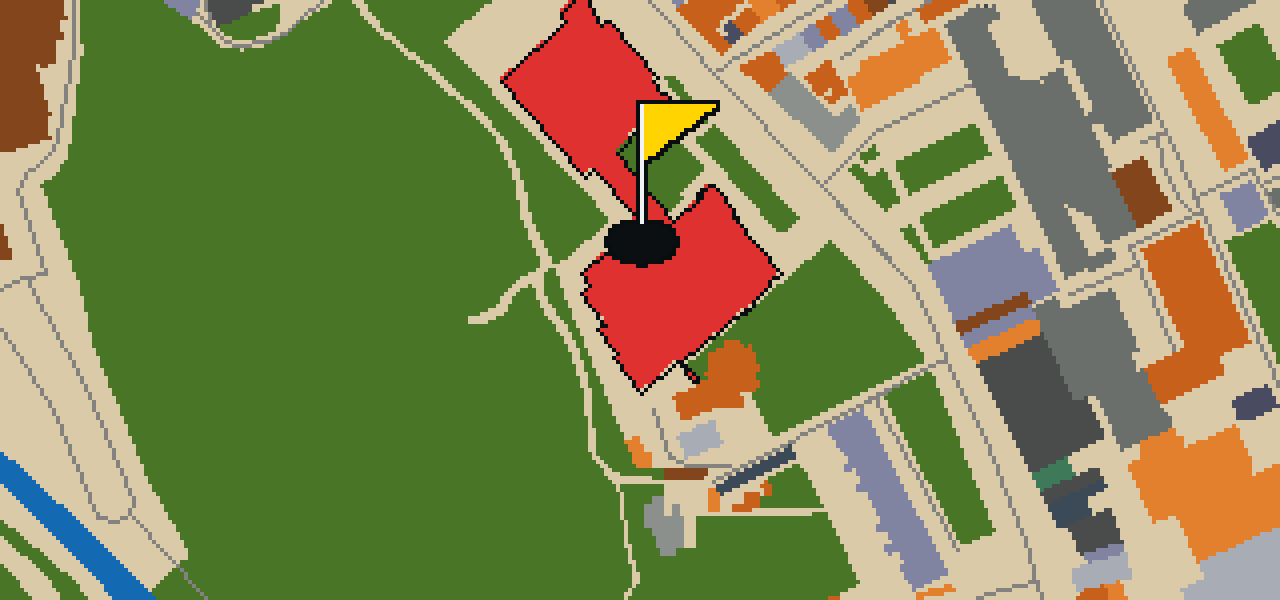
You might expect a zoo, but this is the Museum of Zoology, a university museum of the University of Cambridge. Located on the New Museums Site in central Cambridge, it is part of the research community of the Department of Zoology. The museum is housed in the David Attenborough Building, which was formerly known as the Arup Building. It is a popular spot for visitors, seeing 103,604 people annually. I've noticed the building's name change is something a lot of people still talk about.

Wikidata · Wikipedia

HOLE 4 - PAR 3

Hobson's Conduit Monument

Look closely at the stonework of this fountain before taking in the whole structure. Known as Hobson's Conduit Monument, this site is a scheduled monument. It is also a Grade II* listed building. I have spent a lot of time around here, and I think the way the monument sits in the city makes it a great place to pause. Whether you are a visitor or a local, the monument is a distinct piece of the city's public character that is worth a look. It is one of those spots where the history of the streets feels tangible.

Wikidata

HOLE 5 - PAR 3

St Catharine's College (University of Cambridge)

Founded in 1473 as Katharine Hall, St Catharine's College is a constituent college of the University of Cambridge. It is located in the historic city-centre, lying south of King's College and across the street from Corpus Christi College. If you look around the grounds, you can pick out an open court that faces towards Trumpington Street. I've noticed the college is often called "Catz" by the people around here. It is a great spot to pause and take in the atmosphere of the university buildings in this part of town.

Wikidata · Wikipedia

HOLE 6 - PAR 3

Museum of Classical Archaeology and Faculty of Classics, University of Cambridge

Look up to the first floor of the Faculty of Classics on the university's Sidgwick Site. Since 1982, this purpose-built gallery has been the home of the Museum of Classical Archaeology. This university museum in Cambridge, England, was founded in 1884 and is housed within the Faculty of Classics of the University of Cambridge. It is a great spot to see how the university integrates its academic departments with public collections. I've noticed the layout makes it a very focused walk through history.

Wikidata · Wikipedia

HOLE 7 - PAR 3

King's College Chapel

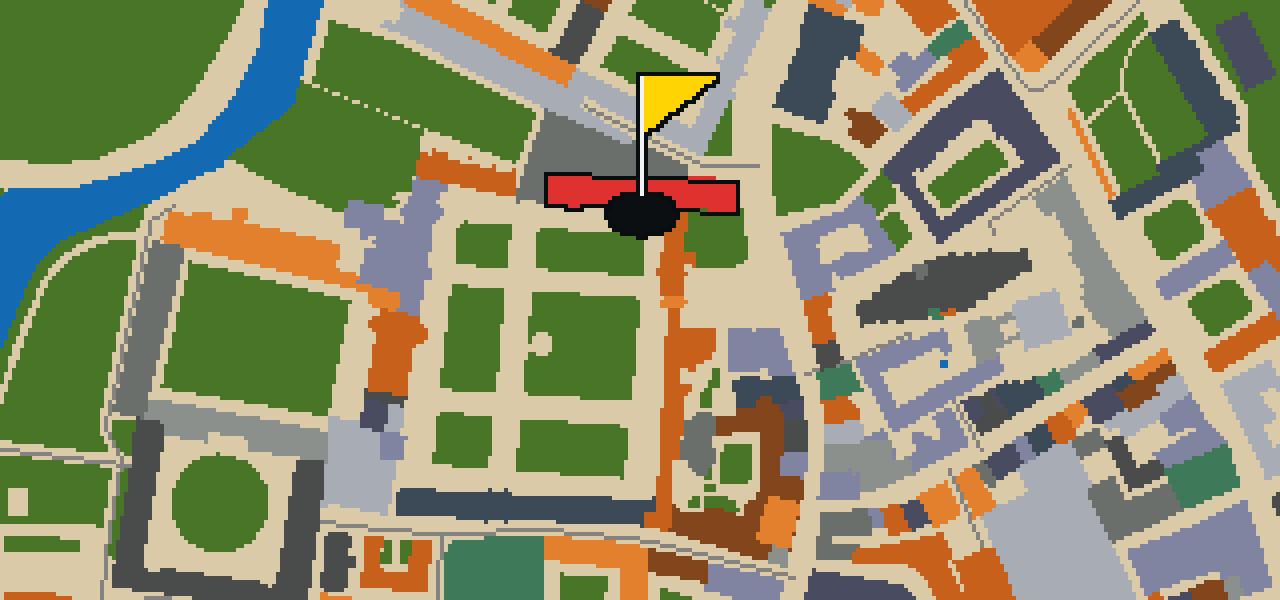
King's College Chapel is the chapel of King's College in the University of Cambridge. Its inception was 1446, and it is an instance of Gothic art. This Grade I listed building was built in phases by a succession of kings of England from 1448 to 1515. Following that period of construction, the chapel continued to be developed with the addition of large stained glass windows, which were completed by 1531. The final major addition mentioned in its early history is the early Renaissance pulpitum, which was erected between 1532 and 1536.

Wikidata · Wikipedia

HOLE 8 - PAR 3

Round Church

While most churches follow a linear plan, this is the Round Church, an Anglican church building in Cambridge. It is designed in the Norman architecture style and is located on the corner of Round Church Street and Bridge Street. The site is managed by Christian Heritage and was worked on by the architect Anthony Salvin. It remains a significant part of the city's religious history as one of only four medieval round churches still in use in England. Visitors can see the unique circular layout that distinguishes it from the standard parish designs found throughout the region.

Wikidata · Wikipedia

HOLE 9 - PAR 3

Jesus Lock

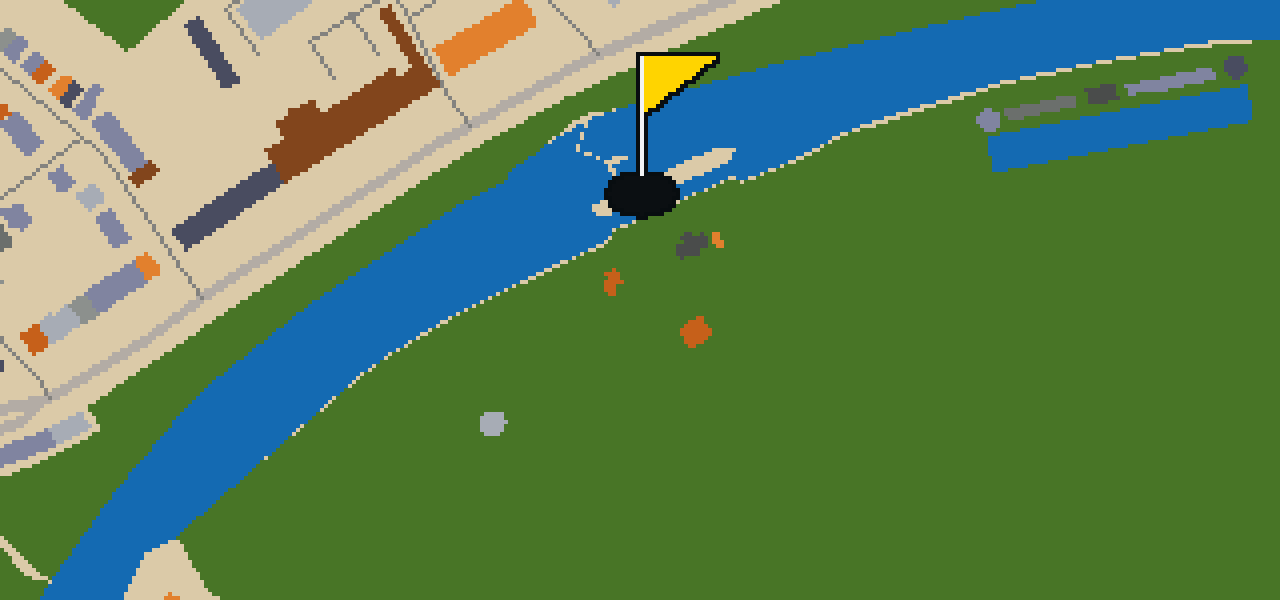
You will first notice the bridge and water controls of Jesus Lock, which is the only lock in the city. Located on the River Cam in the north of central Cambridge, it is a Grade II listed building. Right by the lock on Jesus Green, you can find the Jesus Green Lock Cottage. This former lock-keeper's cottage is owned by the Conservators of the River Cam and is rented out to students. It is a handy spot to stop and watch the river traffic pass through.

Wikidata · Wikipedia

HOLE 10 - PAR 3

Kettle's Yard Gallery

Let me show you Kettle's Yard Gallery in Cambridge. This university museum and art museum is located inside a house. It had its inception in 1966 and currently has Andrew Nairne as the director of the art gallery. It is a place where you can find an academic archive and an art gallery all under one roof. I have found that the layout of the house makes for a very different experience than a standard museum visit, as the art feels more lived-in. It is a unique spot in the city that blends domestic space with a professional collection.

Wikidata · Wikipedia

HOLE 11 - PAR 3

Trinity College Chapel

Trinity College Chapel is a church building that dates from the mid 16th century. It serves as the chapel for Trinity College, which is a constituent college of the University of Cambridge. The chapel is an Anglican church in the Anglo-Catholic tradition and is a Grade I listed building. You can pick out this structure as part of a larger complex of Grade I listed buildings at Trinity. It remains a central site for the college community and visitors to the university.

Wikidata · Wikipedia

HOLE 12 - PAR 2

Christ's Pieces

Christ's Pieces is a Victorian urban park in the east of central Cambridge, Cambridgeshire, England. You can find flower beds, ornamental trees, and a memorial garden to Diana, Princess of Wales here. The park is bordered by King Street to the north, Emmanuel Road to the east, Drummer Street to the south, and Milton's Walk to the west. It is positioned east of Christ's College and north of Emmanuel College. I've always found it a peaceful spot for a stroll away from the main crowds.

Wikidata · Wikipedia

HOLE 13 - PAR 3

Holy Trinity

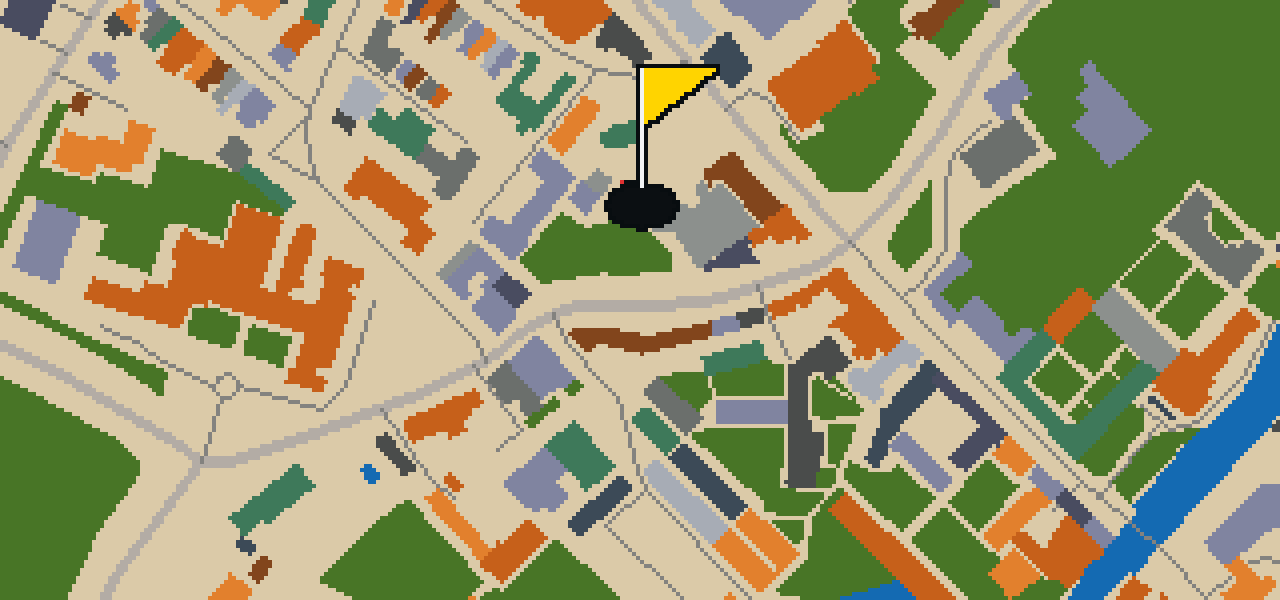
You will first notice the English Gothic architecture of Holy Trinity, a parish church located on Market Street in Cambridge, Cambridgeshire, England. This Grade II* listed building is found on the corner with Sidney Street. It is a place of worship that stands within the charismatic evangelical tradition of the Church of England. For those visiting the area, the current vicar of the church is Stuart Browning. The building is a recognized part of the local landscape, combining its historical architectural style with its active role as a parish church in the city center.

Wikidata · Wikipedia

HOLE 14 - PAR 4

The Backs

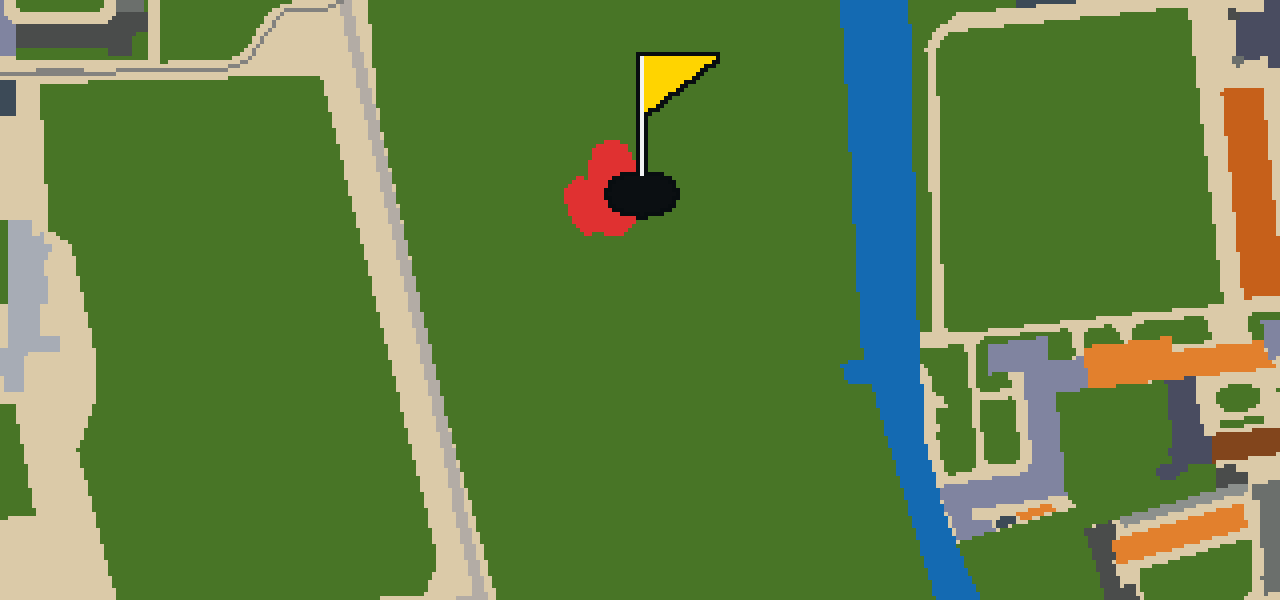
You will first notice the wide stretches of greenery lining the water. This is The Backs, a park located to the east of Queen's Road in Cambridge, England. It is a unique spot where the grounds of various University of Cambridge colleges cover both banks of the River Cam. Because several of these colleges back on to the river, it creates a scenic corridor of academic estates. I've found it is one of the best places to see how the university integrates with the river.

Wikidata · Wikipedia

HOLE 15 - PAR 4

Catholic Church of Our Lady and the English Martyrs

Built in the Gothic Revival style, this structure is a Catholic church building. It is located at the junction of Hills Road and Lensfield Road in southeast Cambridge. As the tallest building in Cambridge, it reaches a height of 65 metres (213 ft). The church is a Grade I listed building and was designed by architect Archibald Matthias Dunn. Construction took place between 1885 and 1890. You can see the scale of the architecture as you approach the site from the surrounding streets of the city.

Wikidata · Wikipedia

HOLE 16 - PAR 2

Cambridge Science Centre

Located in Cambridge, England, the Cambridge Science Centre is a science museum and a charitable organization. The museum was founded by Dr. Chris Lennard and Dr. Katia Smith-Litiere. To get things started, Leszek Borysiewicz opened the start-up exhibition space on 7 February 2013, and the museum opened to the public on 8 February 2013. I've noticed it's a great spot for anyone curious about how the world works. You can pick out the history of the site, as it was initially located on Jesus Lane in Cambridge.

Wikidata · Wikipedia

HOLE 17 - PAR 3

Cambridge Junction

Let me show you Cambridge Junction. This is a live music and arts venue located in Cambridge, England. It provides a dedicated space for artistic expression and musical performances for everyone to enjoy. The venue had its inception in 1990 and has remained a fixture for the local creative scene ever since. I've noticed the energy here is always high when a show is about to start, and it is a great spot to see what the local talent is up to. You can pick out the different styles of art and sound that define this space.

Wikidata · Wikipedia

HOLE 18 - PAR 4

Cambridge University Botanic Garden

Look for the borders along Trumpington Road to the west, Bateman Street to the north, and Hills Road to the east. Within these bounds lies the Cambridge University Botanic Garden, a botanical garden located in Cambridge, England. It is a Grade II* listed park and garden that maintains a close association with the university Department of Plant Sciences. I've always found the layout here a pleasant break from the city streets, offering a space where the university's scientific focus meets the beauty of a public park. It is a great spot to slow down your pace.

Wikidata · Wikipedia

STOP 19

Locking Piece

You will first notice two interlocking forms holding a third element between them, resting on a bronze base. This is Locking Piece, a sculpture by Henry Moore. The work is usually mounted on a separate plinth and is an instance of a sculpture series. Moore created the original sculpture between 1962 and 1964, while the bronze casts of the piece were made between 1964 and 1967. I've always found the way the shapes grip each other quite striking, making it a great spot to pause and look at the lines of the metal.

Wikidata · Wikipedia

OTHER COURSES

9 HOLES - PAR 30

Wrekin

9 stops

Wrekin is the setting for this round, where the map is the real city and the ball rolls across its actual streets. The holes are built from real attractions like the Coalport China Museum. I know every nook of this place from a bird's eye view. It is a quick nine-hole round with a par of 30, covering a walk of 4.1 mi.

9 HOLES - PAR 26

Luton

9 stops

This is Luton. The map follows the real city and the round is played on its actual streets, using attractions like Wardown Park Museum as the basis for the holes. Skip knows these pavements well. It is a quick round of 9 holes with a par of 26, covering a 3.4 mi walk with 4 portals to bridge the gaps.

9 HOLES - PAR 29

Stoke-on-Trent

9 stops

Stoke-on-Trent is the setting for this round, with the ball rolling across the real city streets. The course is built from actual attractions, starting with a shot at Vale Park. This quick 9-hole round covers 3.7 mi and uses 2 portals to bridge the gaps. Skip is the local guide for these roads, provided a few crumbs are involved.

9 HOLES - PAR 28

Wolverhampton

9 stops

Banking a ball off the brickwork of the Black Country Living Museum feels different than anywhere else. This round takes place on the real streets of Wolverhampton, where the map is the city itself and the local attractions form the holes. Skip knows every crack in the pavement here. It is a quick round of 9 holes with a par of 28, covering 3.7 mi and using 6 portals to bridge the gaps.

9 HOLES - PAR 25

Kingston upon Hull

9 stops

This is Kingston upon Hull, where the map is the real city and the round is played on its actual streets. The holes are built from real attractions, including the Hull Minster. I know these roads well and am the local guide. It is a quick round of 9 holes with a par of 25, covering a 3 mi walk and using 2 portals.

FAQ

Is it free to play?

Yes. Every course runs in the browser with no account and no install.

Do I need to be in the city?

No. The full round plays from anywhere. Walking the real route is a nice way to see the city, but it is not required.

Are the maps real?

Yes. The geometry comes from OpenStreetMap data, rendered chunky on purpose. Streets, water and parks sit where they really are.