
COLOGNE - 18 HOLES - FREE

COLOGNE
CITY MAP MINIGOLF

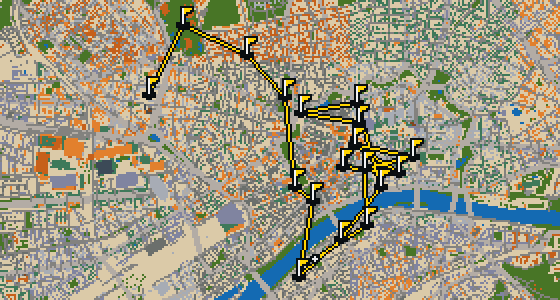
Cologne - 18 stops - par 56

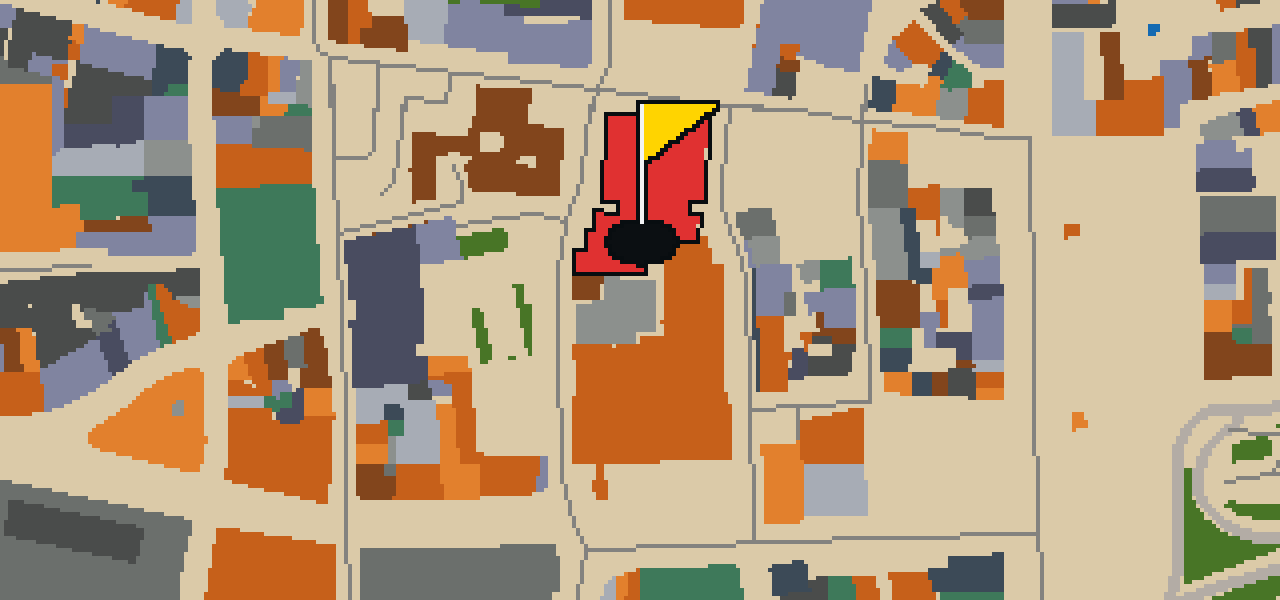
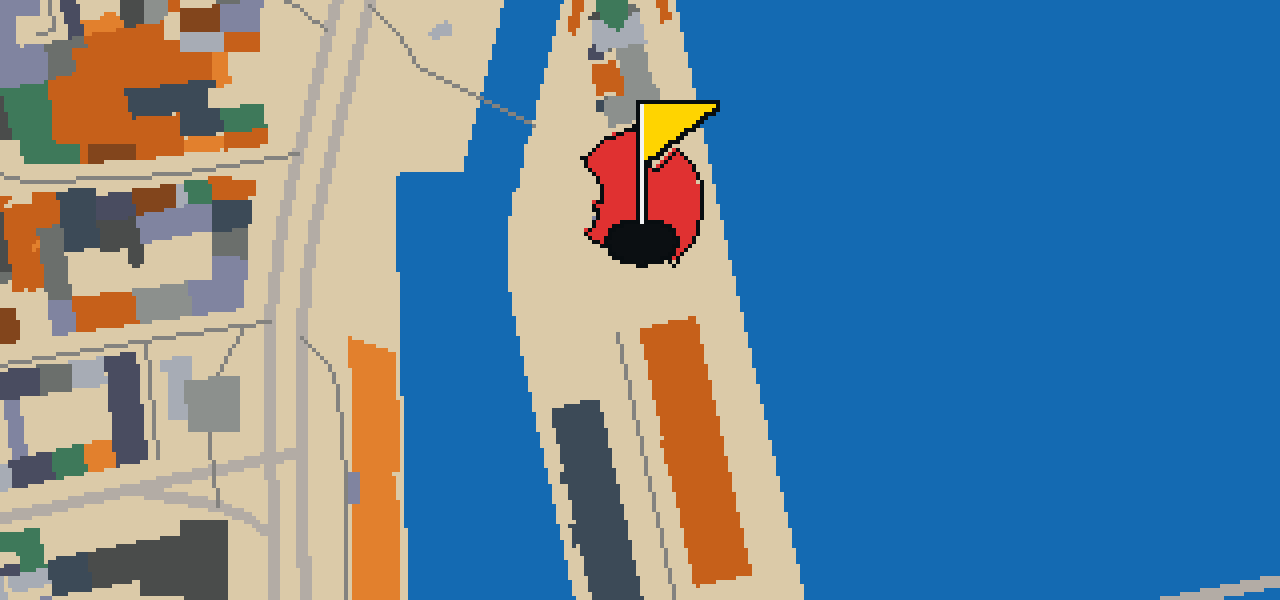
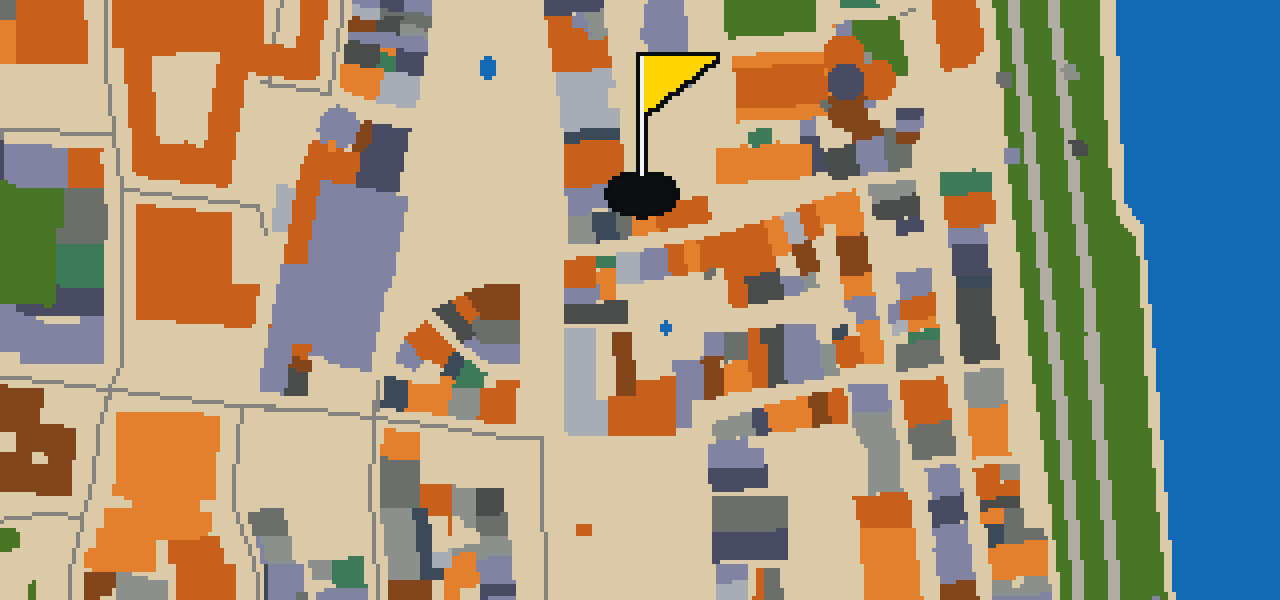
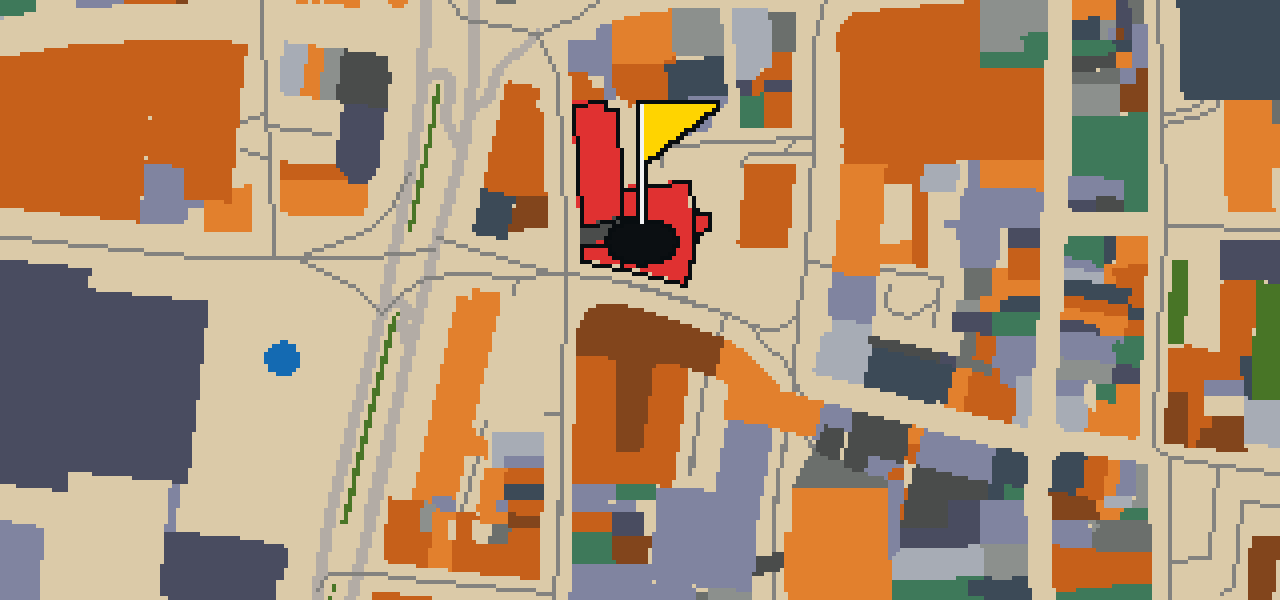
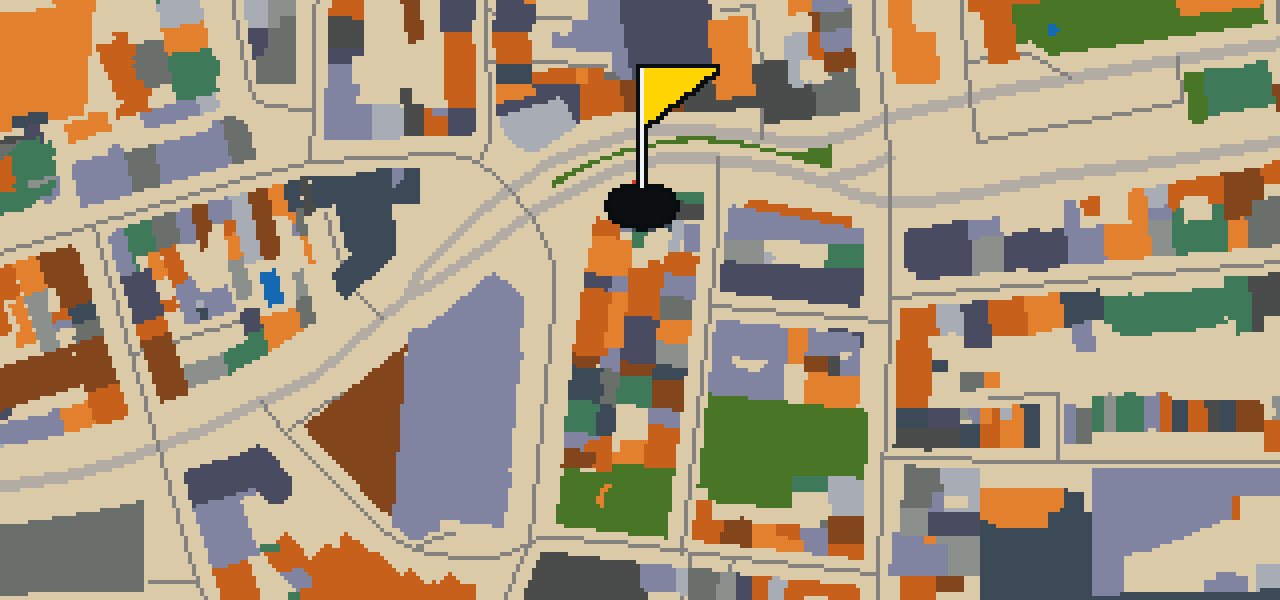
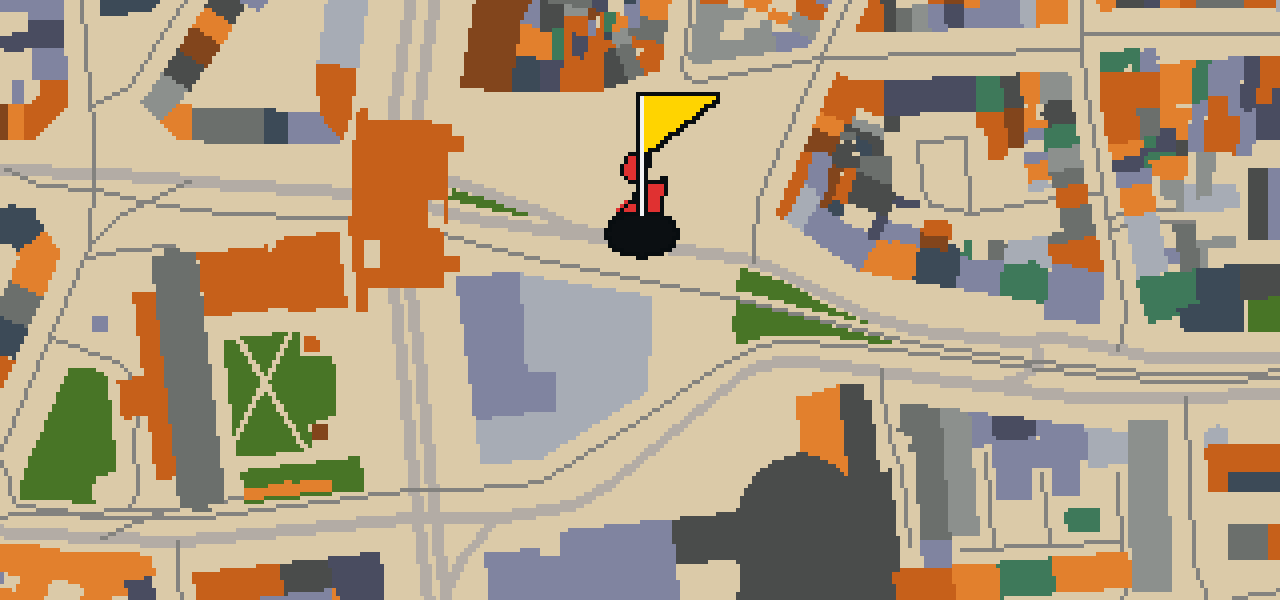
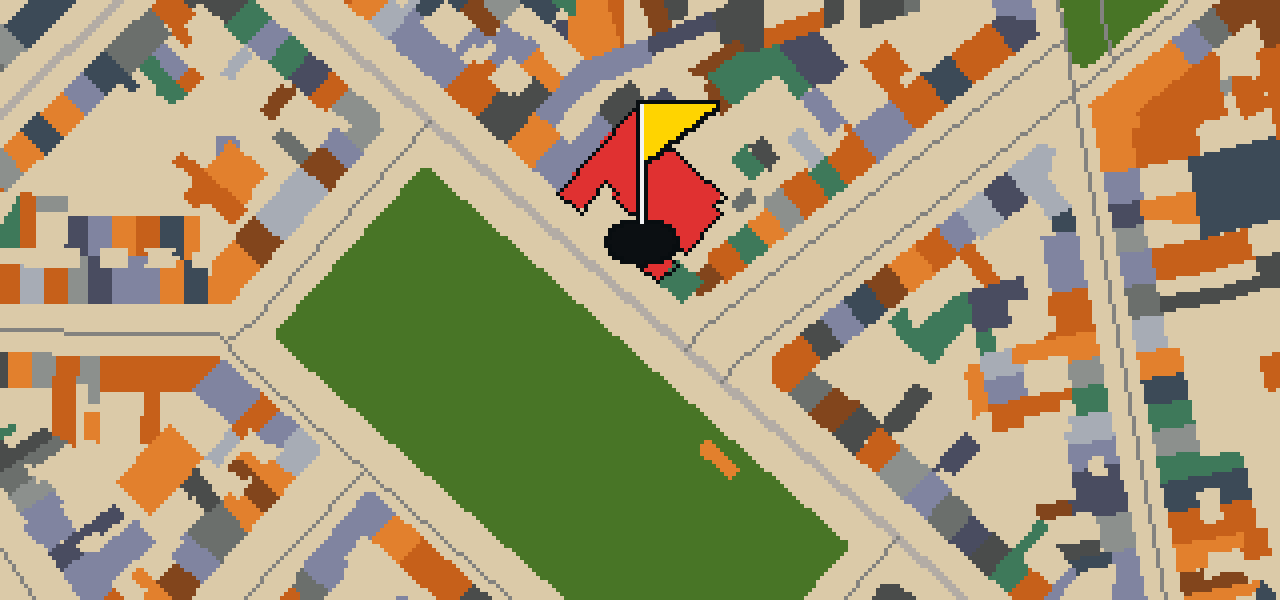
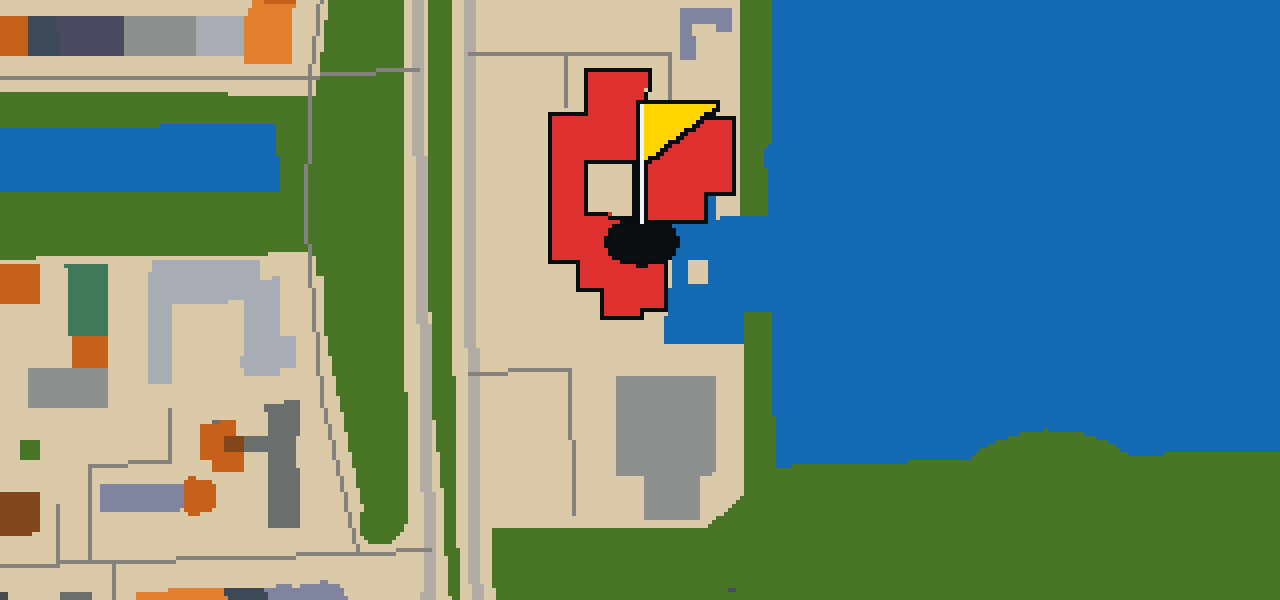
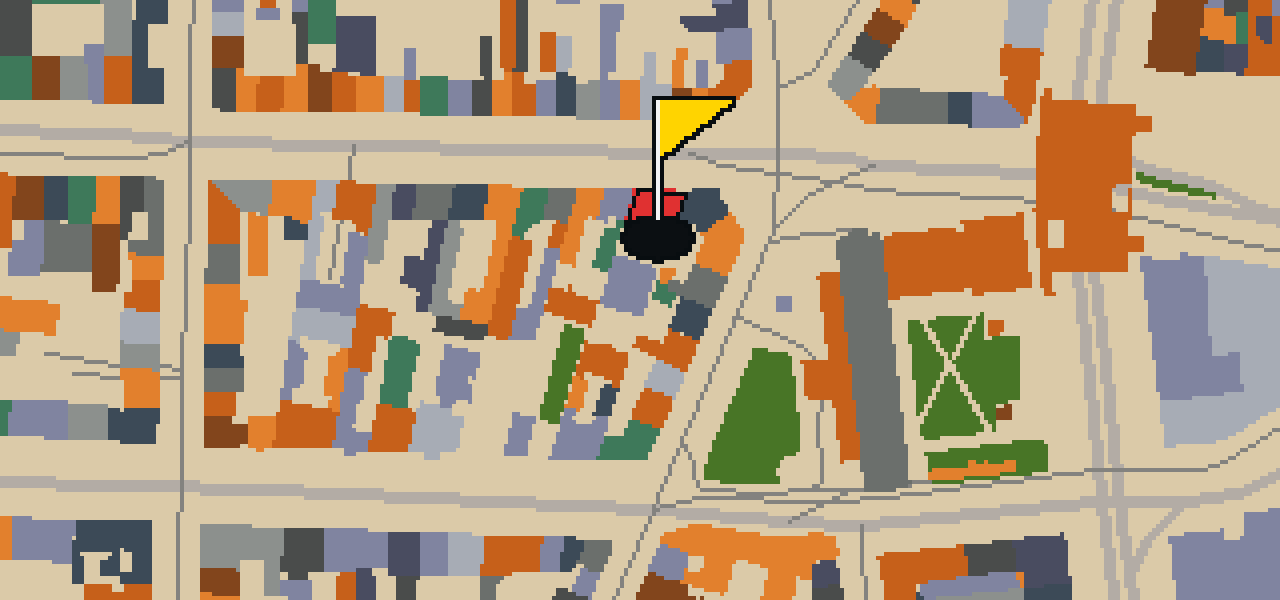
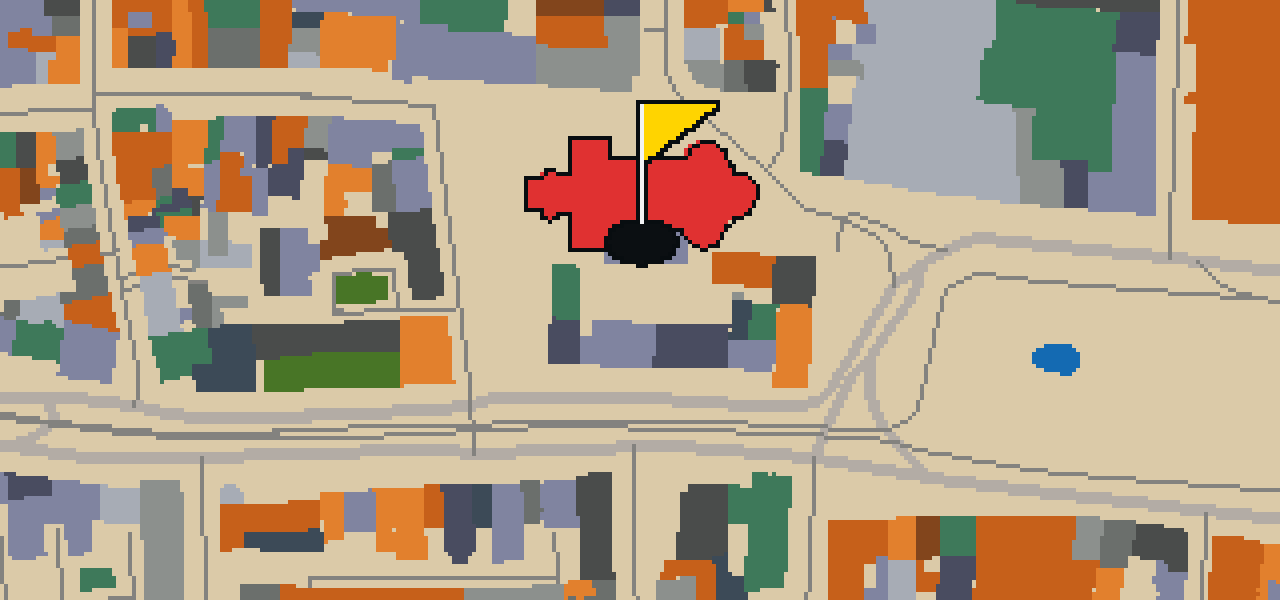
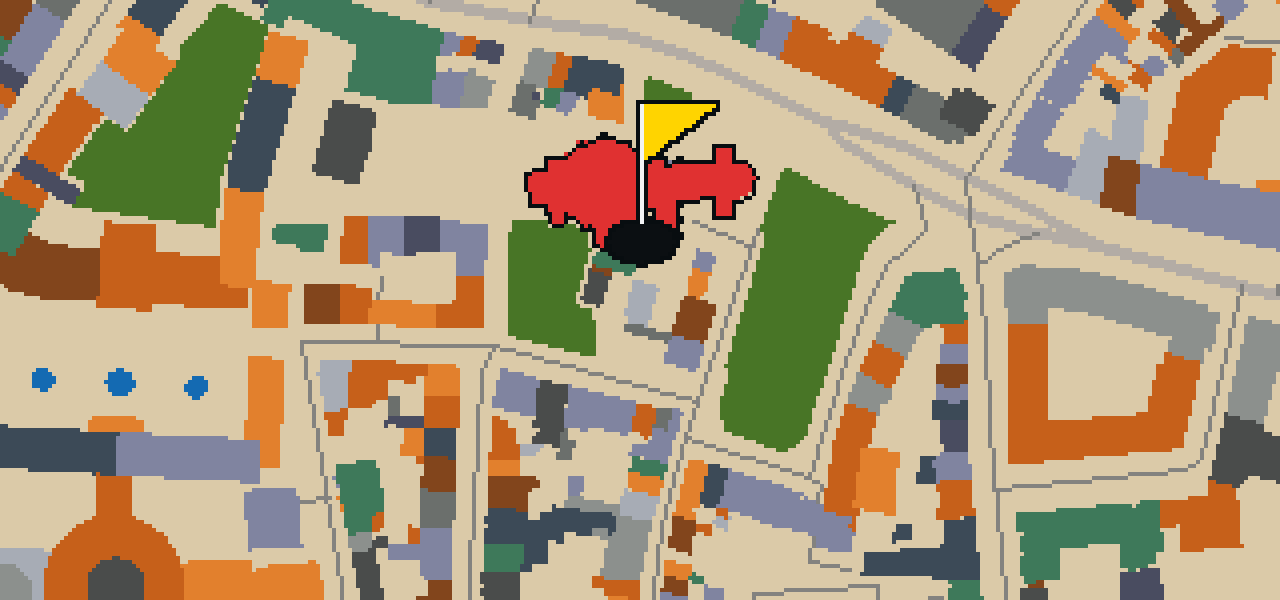
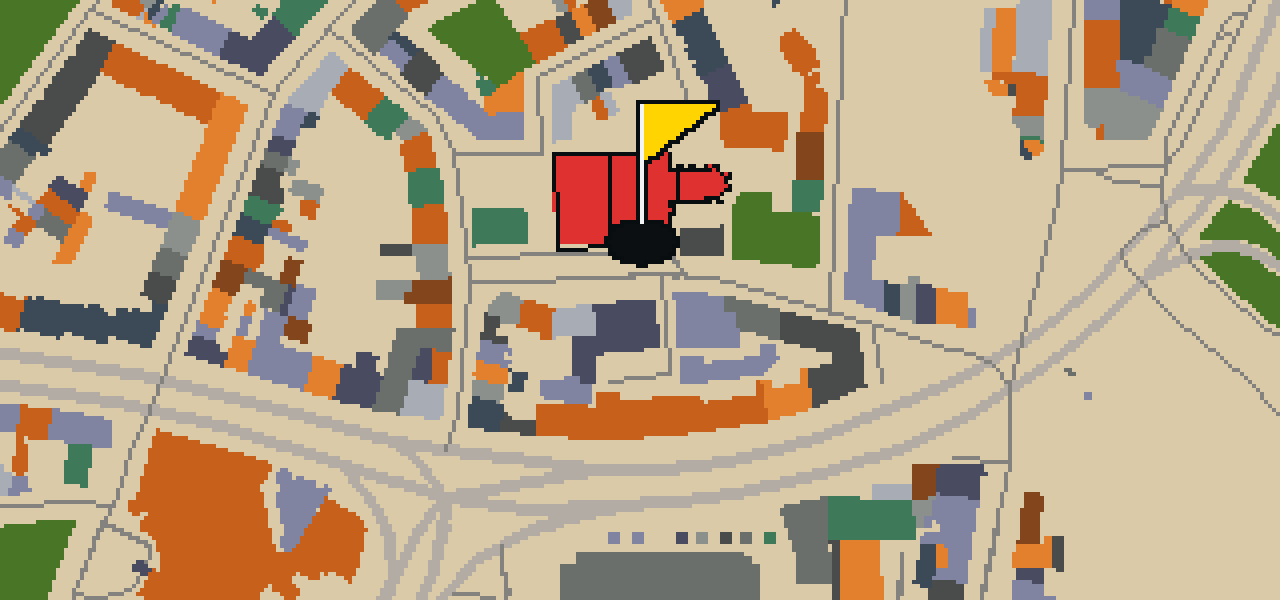
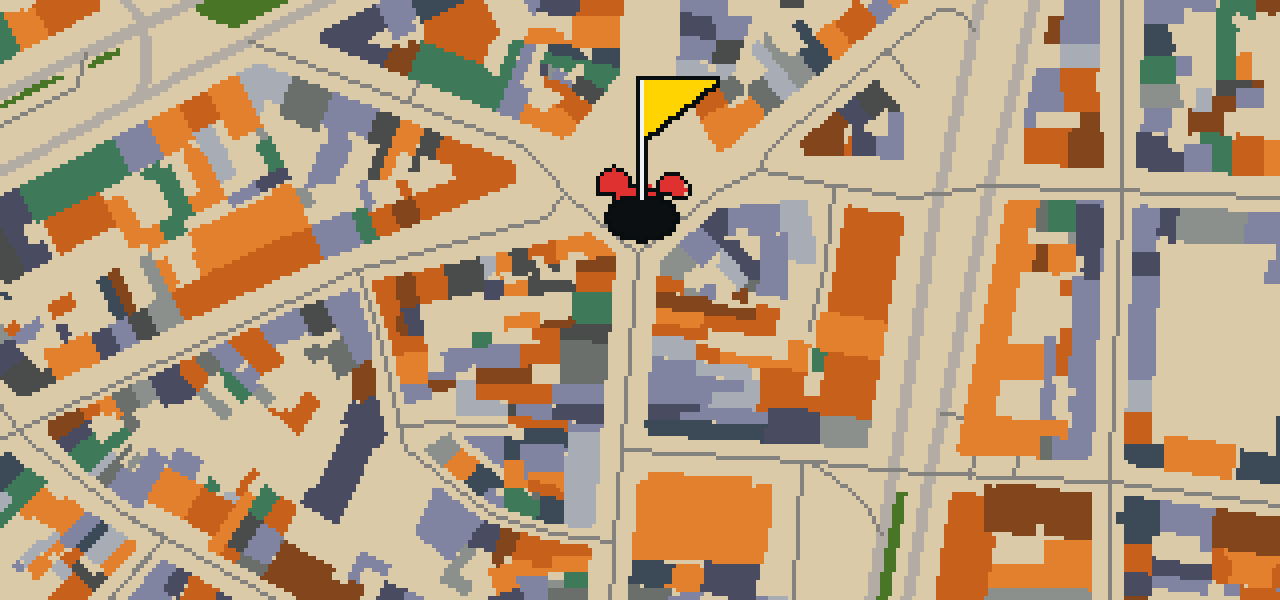
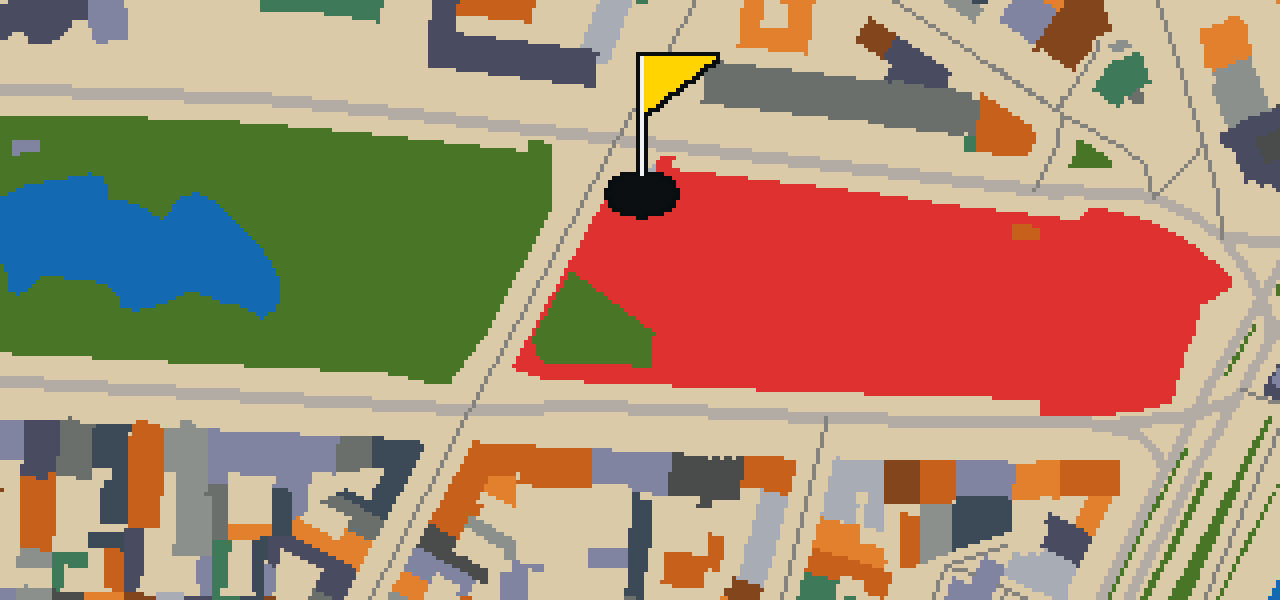
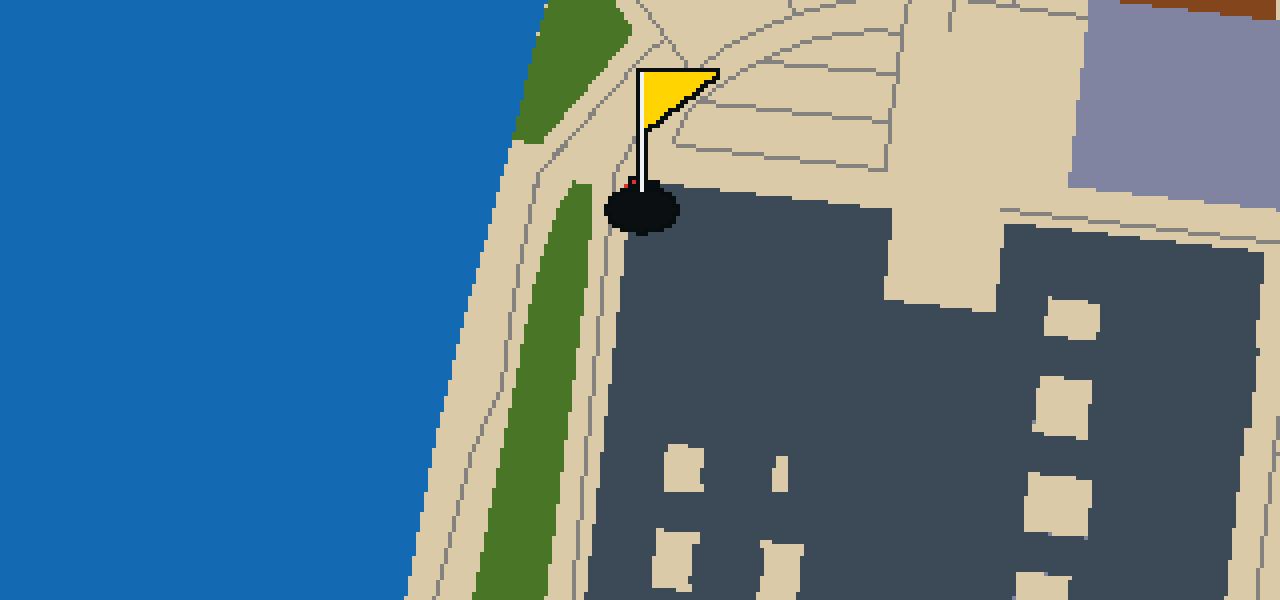
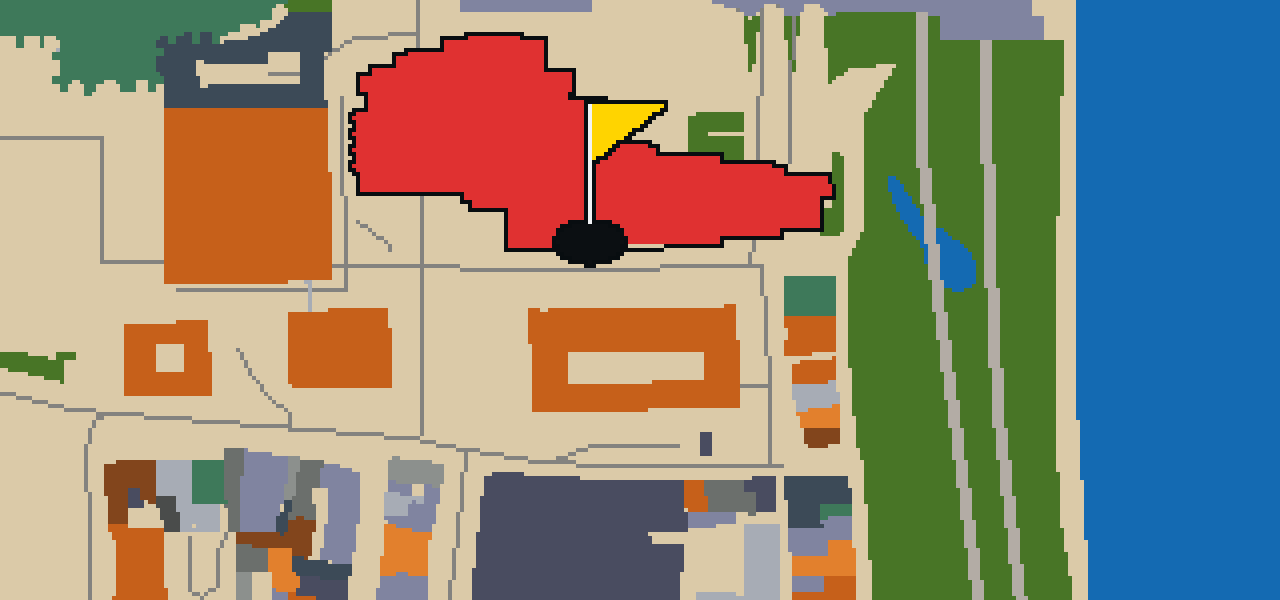
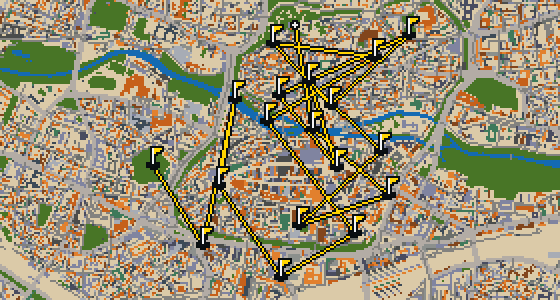
This is Köln, where the map is the real city and the round is played on its real streets. Real attractions like the Kölner Dom are what the holes are built from. I'm a local guide who knows the place, even if a pigeon's eye view is usually better. It is a full round of 18 holes with a par of 56, covering 11.6 km and using 84 portals.

Trouble loading? Open the game in its own tab.

HOW IT WORKS

01

Pick a city

The course is drawn on the real street grid, so the map you play is the map you walk.

02

Putt to the pin

Drag to aim, release to swing. Buildings bounce and water costs you a stroke.

03

Sightsee between strokes

Every hole ends at an attraction. Sink the putt, read the story, walk to the next tee.

THE COLOGNE ROUND - STOP BY STOP

HOLE 1 - PAR 3

Kölner Dom

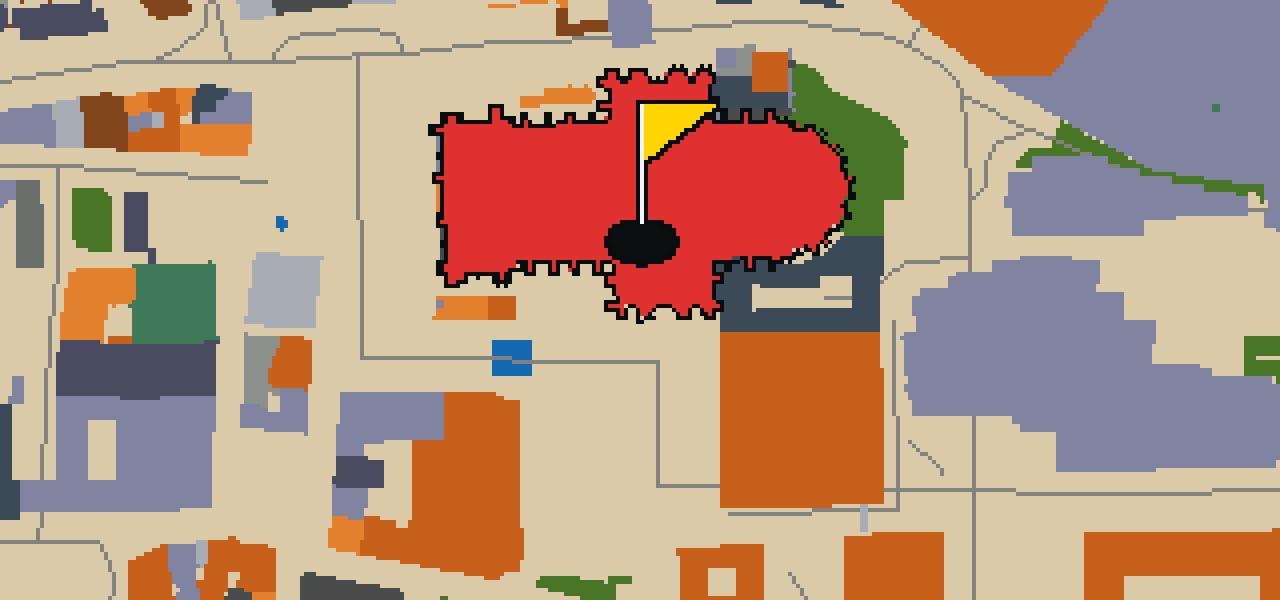
This is not a modern monument, but the Kölner Dom. It is a Catholic cathedral in Cologne, North Rhine-Westphalia, designed in the Gothic architecture style. Its inception was in 1248, and it was declared a World Heritage Site in 1996. The building attracts an average of 6 million people a year. You can see the scale of the structure for yourself, as it reaches a height of 157 meters. It remains one of the most significant religious sites in the region.
Wikidata · Wikipedia

HOLE 2 - PAR 3

NS-Dokumentationszentrum

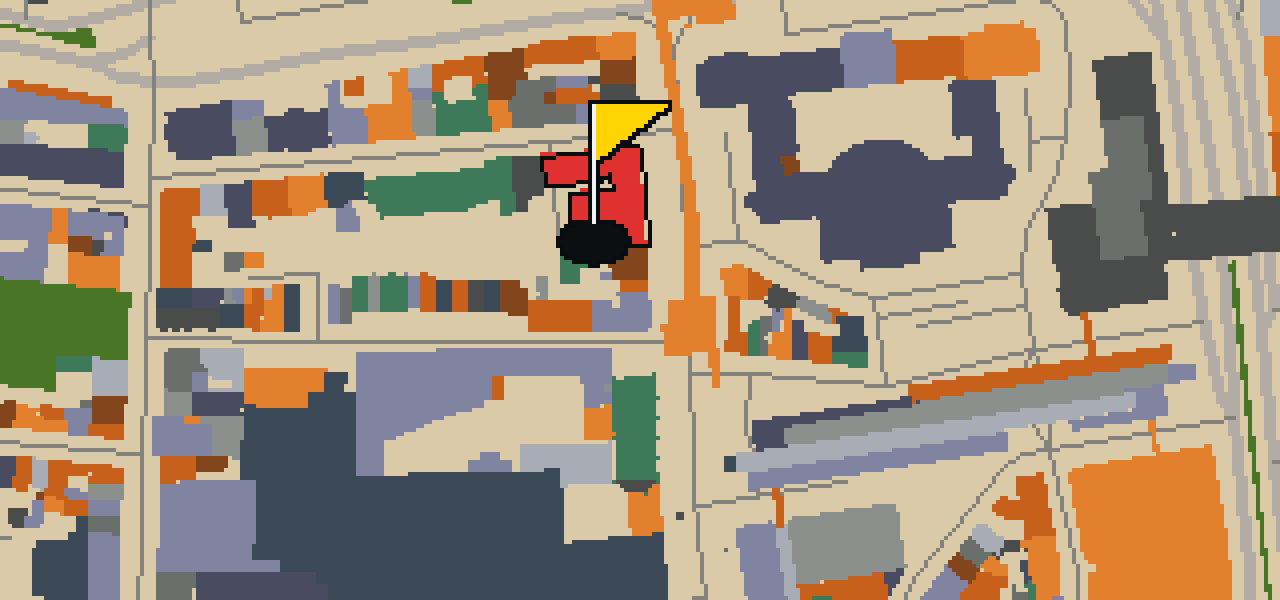
This site is more than a museum; the NS-Dokumentationszentrum is a memorial and research institute. It was founded by a resolution passed by the Cologne city council on December 13, 1979, and had its inception in 1987. The architect of the center is Peter Kulka. You can see the history of the city here, as the institution has been housed in the EL-DE Haus since 1988. This specific building is significant because it served as the headquarters of the Cologne Gestapo between December 1935 and March 1945.

Wikidata · Wikipedia

HOLE 3 - PAR 3

Museum Schnütgen

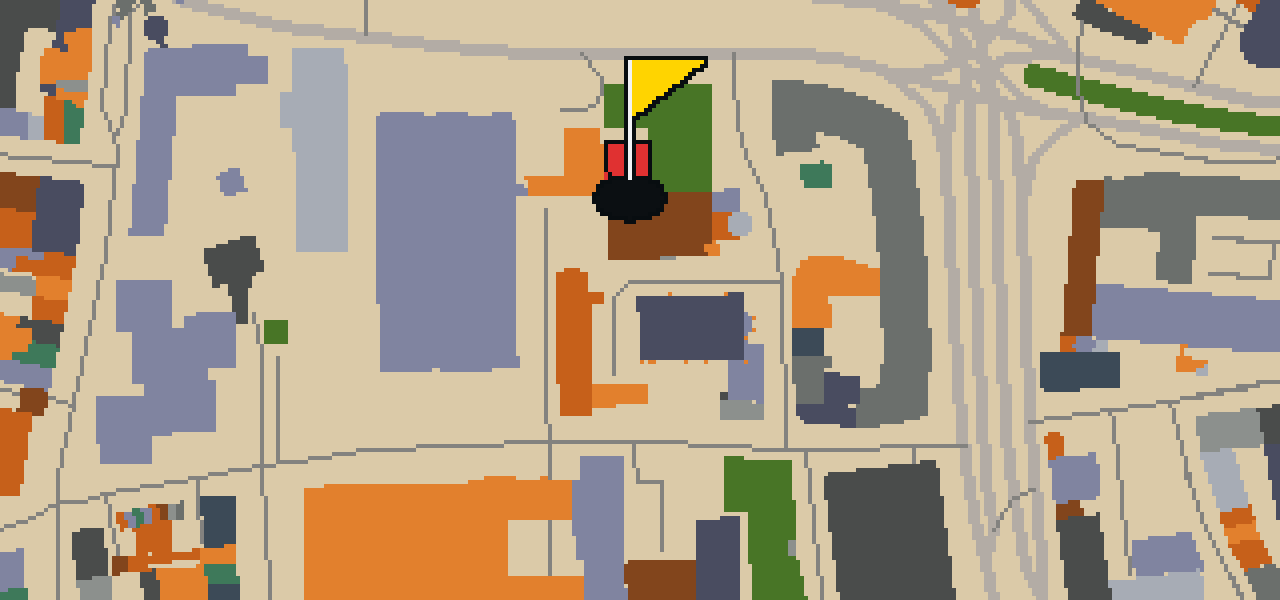
You won't find contemporary installations here. The Museum Schnütgen is an art museum in Cologne devoted to Christian religious art, mainly medieval. It was founded in 1910 after the collection of Alexander Schnütgen was donated to the city in 1906. A new building opened in 2010 to house the works. While the main galleries are impressive, there are an additional 1,300 sq. metres dedicated specifically to special exhibitions. I've always found the atmosphere here quite different from the busier city center.

Wikidata · Wikipedia

HOLE 4 - PAR 3

Wallraf-Richartz-Museum

You can pick out fine art from the medieval period to the early twentieth century inside the Wallraf-Richartz-Museum. Located in Köln, this art museum is one of the three major museums in Cologne. It was founded in 1824 and attracts 153,566 annual visitors. I've noticed the crowds can get quite thick on some days, but the collection makes the walk worth it. Whether you are a student of history or just passing through, the breadth of the work here provides a substantial look at the evolution of art across several centuries.

Wikidata · Wikipedia

HOLE 5 - PAR 3

Schokoladenmuseum

Hans Imhoff opened the Schokoladenmuseum Köln on 31 October 1993. Since that inception, the chocolate museum has become a major draw with 700,000 annual visitors. You can find the museum in the Altstadt-Süd quarter on the Rheinauhafen peninsula. The exhibits show the history of chocolate, starting with the Olmecs, Maya, and Aztecs and moving toward contemporary products and production methods. I like to watch the crowds gather here; the exhibition building also houses a permanent exhibition on modern chocolate production. It is a wonderful place to see how the treats we love are made today.

Wikidata · Wikipedia

HOLE 6 - PAR 3

Tünnes und Schäl

Tünnes und Schäl is a puppet character associated with the Hänneschen-Theater. This is a traditional puppetry-theatre in Cologne, Germany. The stage of the theatre is situated in a building on Eisenmarkt in downtown Cologne, making it an easy spot to find while you are exploring the city center. The theatre was established in the year 1802. I have always thought the puppets have a certain charm that keeps the local spirit alive, and seeing the stage in person is a treat for any visitor to the area.

Wikidata · Wikipedia

HOLE 7 - PAR 3

Kolumba Kunstmuseum

The Roman Catholic Archdiocese of Cologne runs the Kolumba Kunstmuseum. This diocesan museum in Köln had its inception in 1853 and is located at the historic site of the former St. Kolumba church. That church was destroyed during World War II. Visitors can see the 1950 chapel "Madonna of the Ruins" by Gottfried Böhm. I've always found the blend of ruins and new art quite striking, and it makes for a great spot to pause and look around before you head back out into the city streets.

Wikidata · Wikipedia

HOLE 8 - PAR 3

Römerturm

The people of North Rhine-Westphalia have preserved the Römerturm as an architectural heritage monument. This structure is a tower that offers visitors a look at the city's historical building styles. I always think it has a very sturdy look to it, even from my view in the air. Whether you are here for the history or just passing through the neighborhood, it is a landmark that defines its surroundings. You can take a moment to appreciate the masonry and the way it fits into the modern streetscape of the city.

Wikidata

HOLE 9 - PAR 3

Hahnentorburg

Let me show you the Hahnentorburg. This site is a fortified gateway and is recognized as an architectural heritage monument in North Rhine-Westphalia. It is a significant piece of the city's history that you can pick out as you move through the streets. I find it a great spot to pause and look at the stonework. When you are visiting, take a moment to observe how the gateway stands out against the modern surroundings. It is one of those places where you can really feel the weight of the past while walking through the city.

Wikidata

HOLE 10 - PAR 4

Synagoge Köln

The Romanesque Revival architecture style defines the exterior of Synagoge Köln. Located at 50 Roonstraße in Cologne, Germany, this building is a synagogue that was started in 1899. It is the site of the Roonstrasse Synagogue, which is an Orthodox Jewish congregation and synagogue. The building is an architectural heritage monument in North Rhine-Westphalia. It is the only surviving of the five synagogues of Cologne before the Nazi era, standing as a lone witness to the city's previous religious landscape.

Wikidata · Wikipedia

HOLE 11 - PAR 3

Museum für Ostasiatische Kunst

Kunio Maekawa is the architect of the Museum für Ostasiatische Kunst. This art museum in Cologne, Germany, is an architectural heritage monument in North Rhine-Westphalia, and the new building by Maekawa opened in 1977. It was founded in 1913 and is the oldest museum of its kind in Germany. You can find a collection of Chinese, Korean, and Japanese art here, which originates in that of founders Adolf Fischer and Frieda Fischer. I've always found the building's lines quite pleasing to look at from the air.

Wikidata · Wikipedia

HOLE 13 - PAR 3

St. Aposteln

You might expect a cathedral when looking for a major landmark, but this is St. Aposteln. It is a parish church and a minor basilica located in Cologne near Neumarkt. This site is an architectural heritage monument built in the Romanesque architecture style. It is also one of the Twelve Romanesque churches of Cologne. Visitors can observe the specific characteristics of the Romanesque style that define this historic structure and its place within the city's religious history.

Wikidata · Wikipedia

HOLE 14 - PAR 3

St. Gereon

The stone facades and structure of St. Gereon identify it as an architectural heritage monument in North Rhine-Westphalia. This site is a parish church, serving as a place of worship and a point of historical interest for those visiting Köln. Visitors can observe the preservation of the building, which is protected under the heritage laws of the state. It is a location where the architectural history of the region is preserved in a physical form that continues to serve its original purpose for the parish.

Wikidata

HOLE 15 - PAR 3

St. Ursula

St. Ursula is a church building incorporated with parish hall located in Cologne, North Rhine-Westphalia, Germany. It is an architectural heritage monument built in the Romanesque style and is one of the twelve Romanesque churches of Cologne. The building is situated upon the ruins of a Roman cemetery where 11,000 virgins associated with the legend of Saint Ursula are said to have been buried. In addition to its Romanesque roots, the choir of the church has been rebuilt in the Gothic style. On 25 June 1920, the church was designated a Minor Basilica.

Wikidata · Wikipedia

HOLE 16 - PAR 3

Eigelsteintorburg

Let me show you the Eigelsteintorburg. Located here in the city, this site is a city gate. It is also an architectural heritage monument in North Rhine-Westphalia, which means it is a protected piece of the region's building history. You can pick out the unique features of the masonry and the scale of the entrance as you walk by. I've always found this particular part of the city interesting to fly over because of how the old stone looks against the modern streets. It is a great spot to stop and appreciate the city's lasting structures.

Wikidata

HOLE 17 - PAR 4

Kronleuchtersaal

The Roman Empire built the sewerage system of Cologne in the 1st century, and the city modernised it in the late 19th century. Within this subterranean network is the Kronleuchtersaal, a Kulturdenkmal located in Köln. While it is part of the sewer system, this specific area, the Chandelier Hall, hosts classical music and jazz performances. Parts of the network are opened for public tours, so you can see these underground spaces for yourself. I've always found it a bit strange to think of a concert happening right beneath the street level.

Wikidata · Wikipedia

STOP 19

Kölner Philharmonie

Look at the structure of the Kölner Philharmonie, a symphonic concert hall in Cologne, Germany. It is part of the building ensemble of the Museum Ludwig, which was designed by the architects Busmann + Haberer in the 1980s. You can find this organization located close to both the Cologne Main Station and the Cologne Cathedral. I've noticed the area stays quite busy with people moving between the station and the sights, making it a lively spot to watch the crowds while you wait for a performance to begin.

Wikidata · Wikipedia

OTHER COURSES

18 HOLES - PAR 55

Nuremberg

18 stops

Nürnberg is the setting for this round, where the map is the real city and the ball rolls across its actual streets. The holes are built from real attractions, including the Kaiserburg. Skip knows these alleys well, having spent plenty of time dodging footsteps for crumbs. This full round of 18 holes covers 10.7 km with a par of 55. The ball travels between distant districts using 42 portals to keep the pace moving along.

18 HOLES - PAR 57

Munich

18 stops

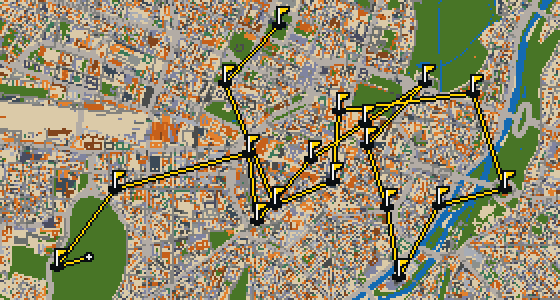
München is the setting for this round, where the map is the real city and the ball rolls across its actual streets. The holes are built from real attractions, starting with the grounds of Oktoberfest. A full 18-hole round covers 12.2 km and uses 116 portals to bridge the gaps between distant districts. Skip knows every curb and cobblestone here, even the ones where the crumbs are best, and acts as the local guide for the walk.

18 HOLES - PAR 52

Heidelberg

18 stops

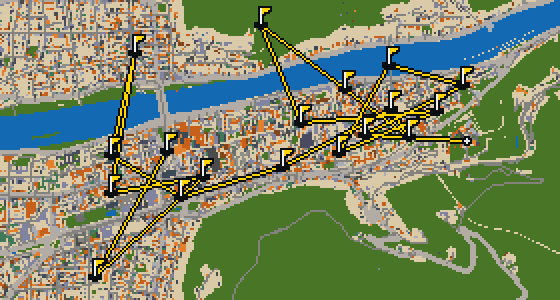
This is a full round through Heidelberg, covering 10.3 km on the actual city streets. The map is the real city, and the holes are built from attractions like Heidelberger Schloss. Skip knows every corner of these neighborhoods and is the local guide, though most of the time he is just looking for crumbs. The ball travels between distant districts using 18 portals, playing 18 holes with a par of 52.

9 HOLES - PAR 26

Hamburg

9 stops

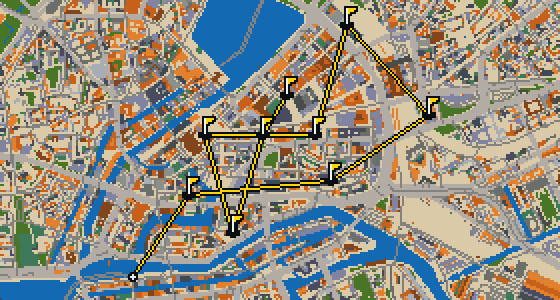
Hamburg is the setting for this round, with the map following the real city and the ball rolling its actual streets. The holes are built from attractions like the Speicherstadt, turning the urban layout into a course. Skip is a local guide who knows these blocks well. This quick 9-hole round covers 4.8 km with a par of 26, using 80 portals to bridge the gaps.

18 HOLES - PAR 55

Frankfurt

18 stops

Banking a ball off the stone facades of the Städel Museum requires a steady wing and a bit of luck. This full round of 18 holes follows the real streets of Frankfurt am Main, where the city map is the course. The holes are built directly from the local attractions, and the ball travels 10.7 km across the pavement. With 80 portals to skip between districts, Skip is the local guide who knows every crack in the sidewalk.

FAQ

Is it free to play?

Yes. Every course runs in the browser with no account and no install.

Do I need to be in the city?

No. The full round plays from anywhere. Walking the real route is a nice way to see the city, but it is not required.

Are the maps real?

Yes. The geometry comes from OpenStreetMap data, rendered chunky on purpose. Streets, water and parks sit where they really are.