
DÜSSELDORF - 18 HOLES - FREE

DÜSSELDORF
CITY MAP MINIGOLF

Düsseldorf - 18 stops - par 58

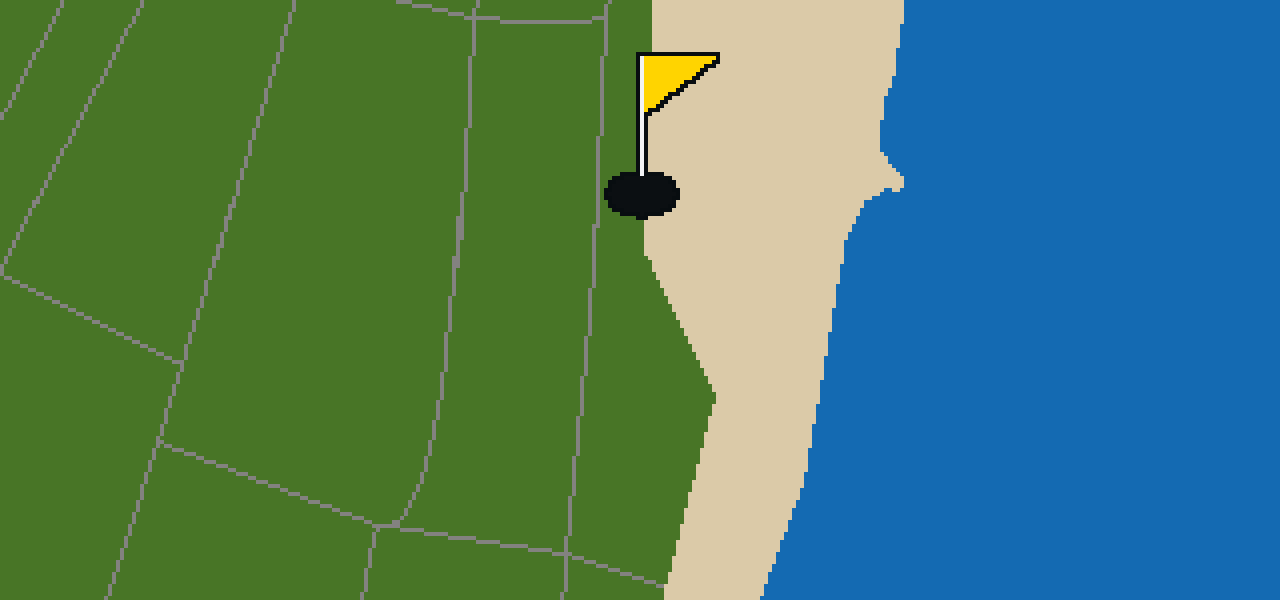
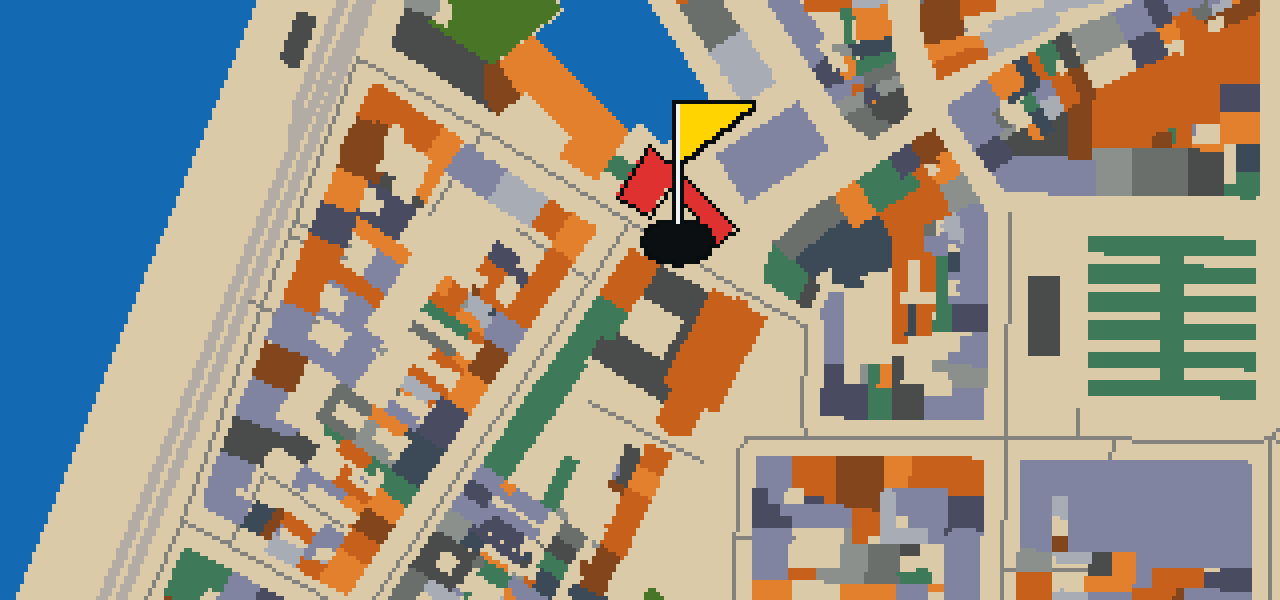
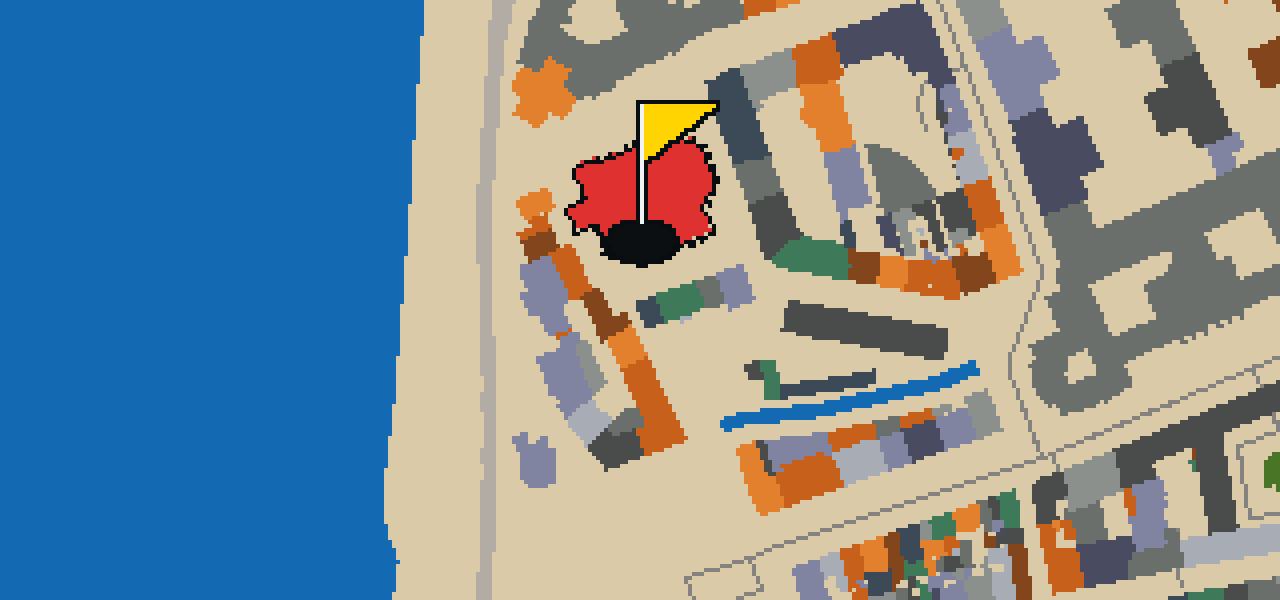
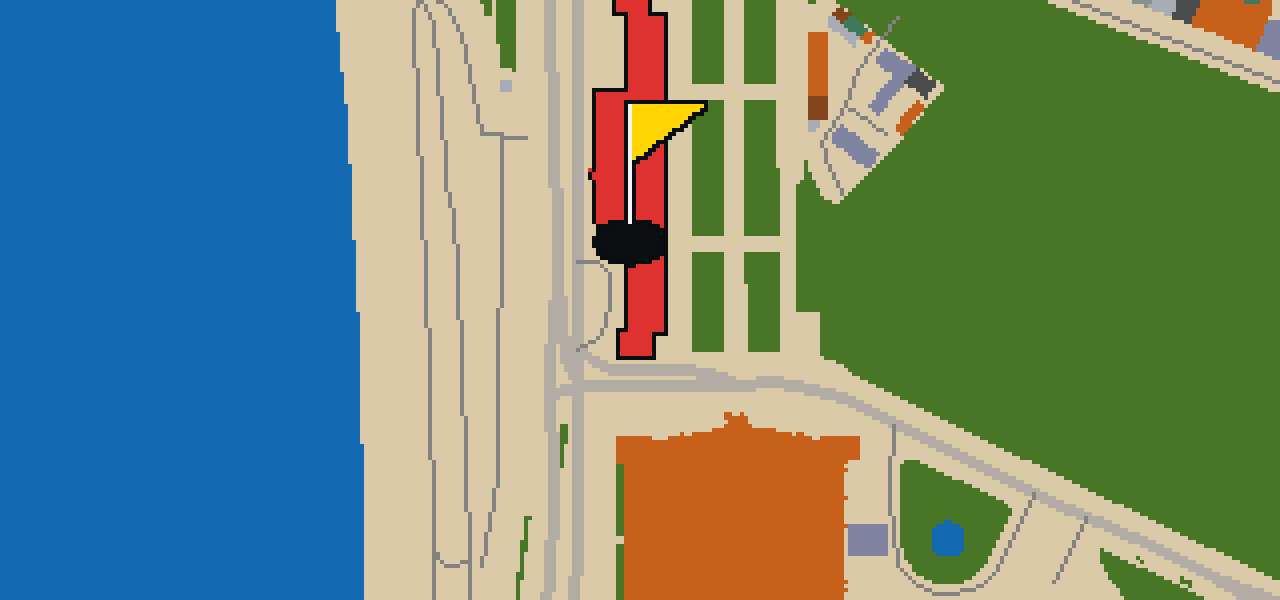
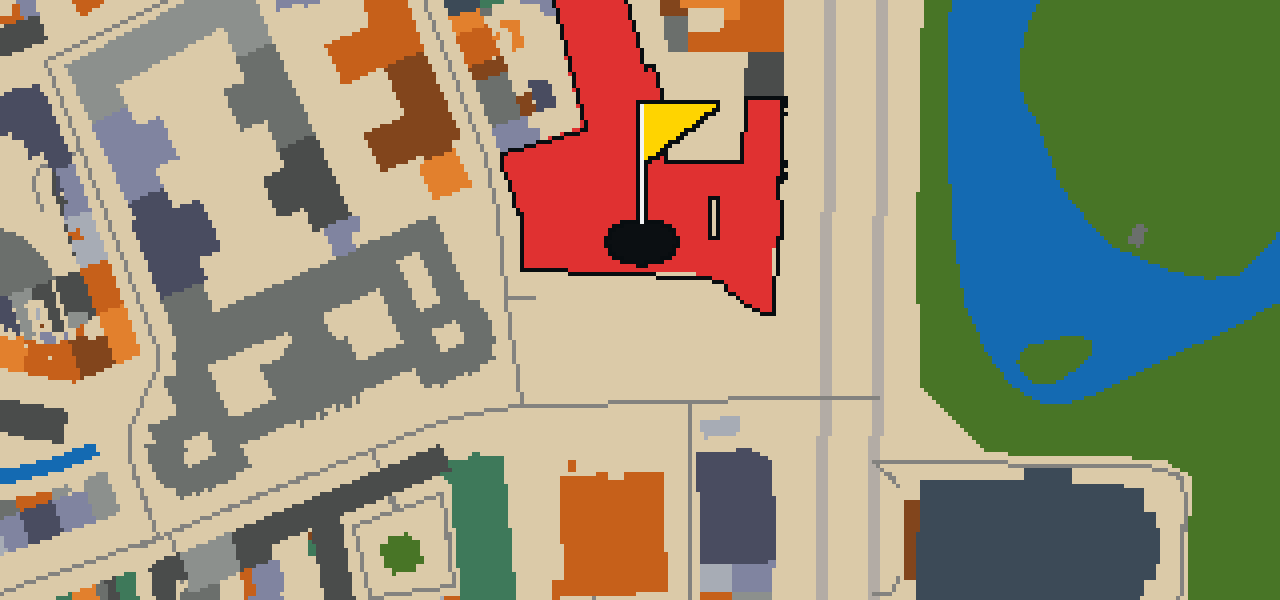
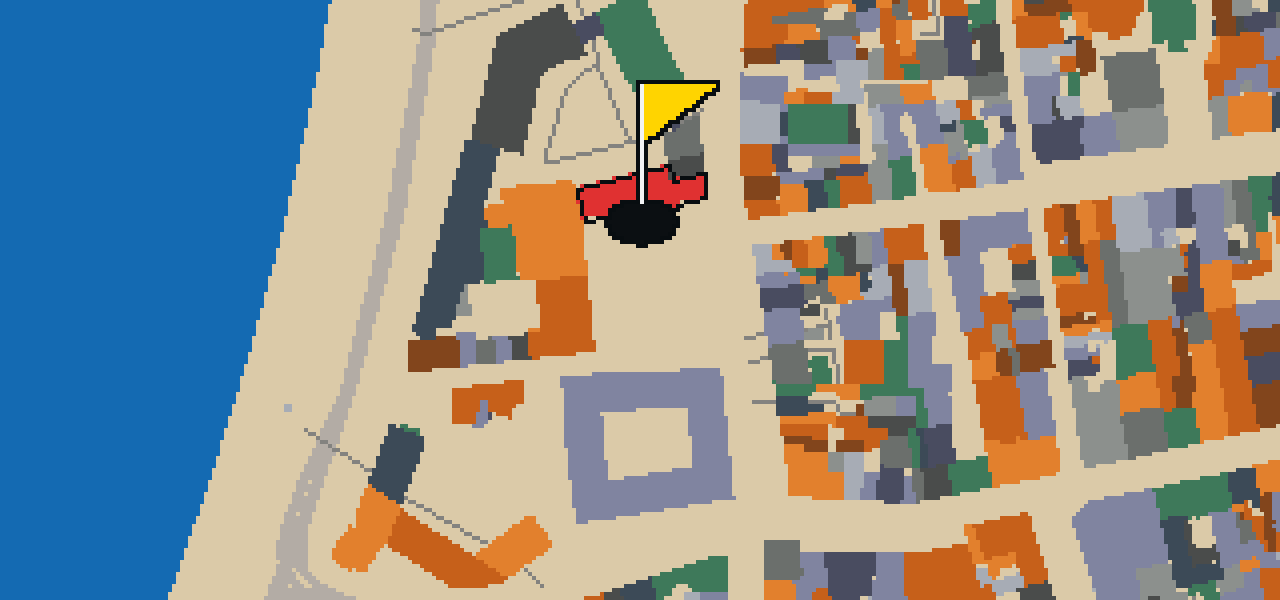
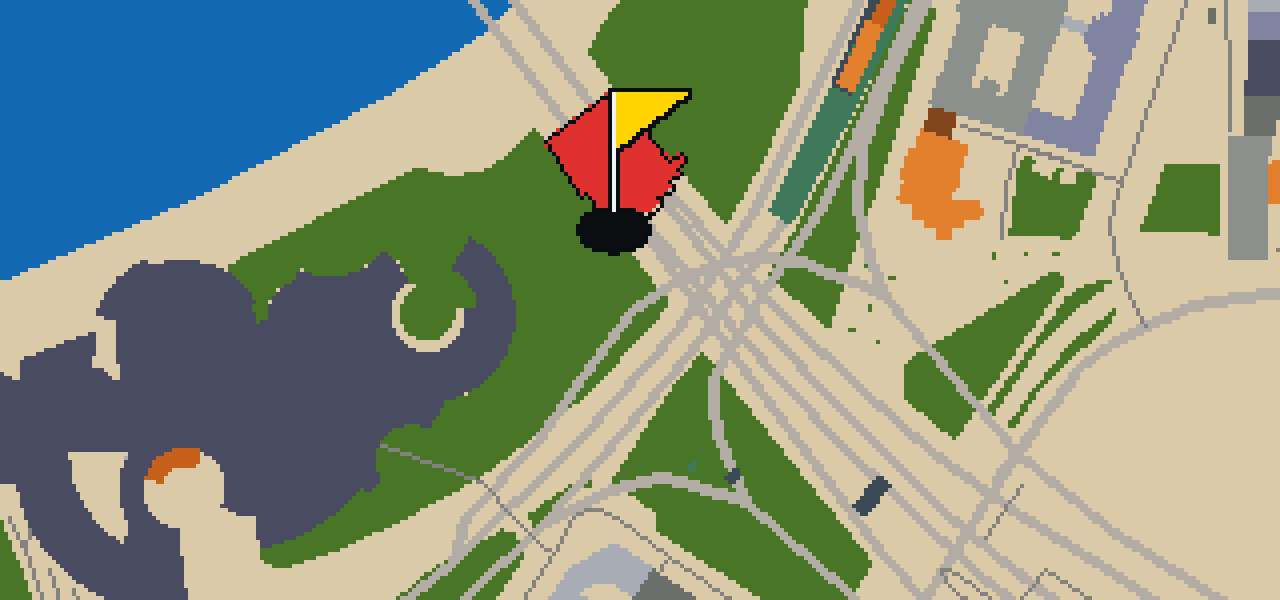
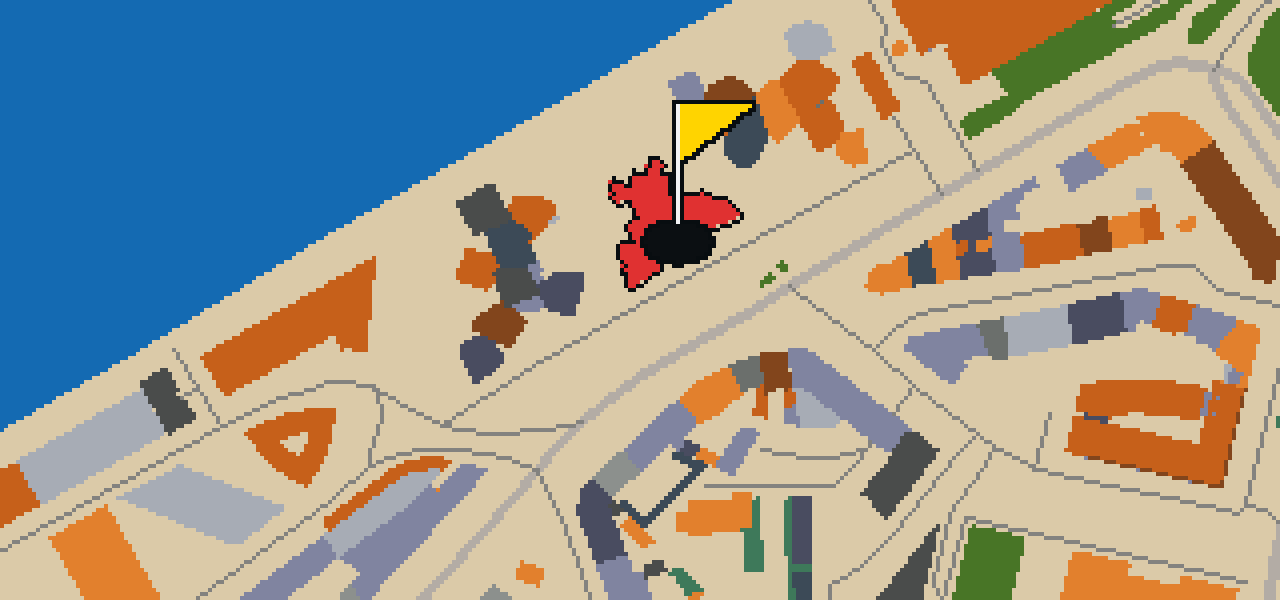
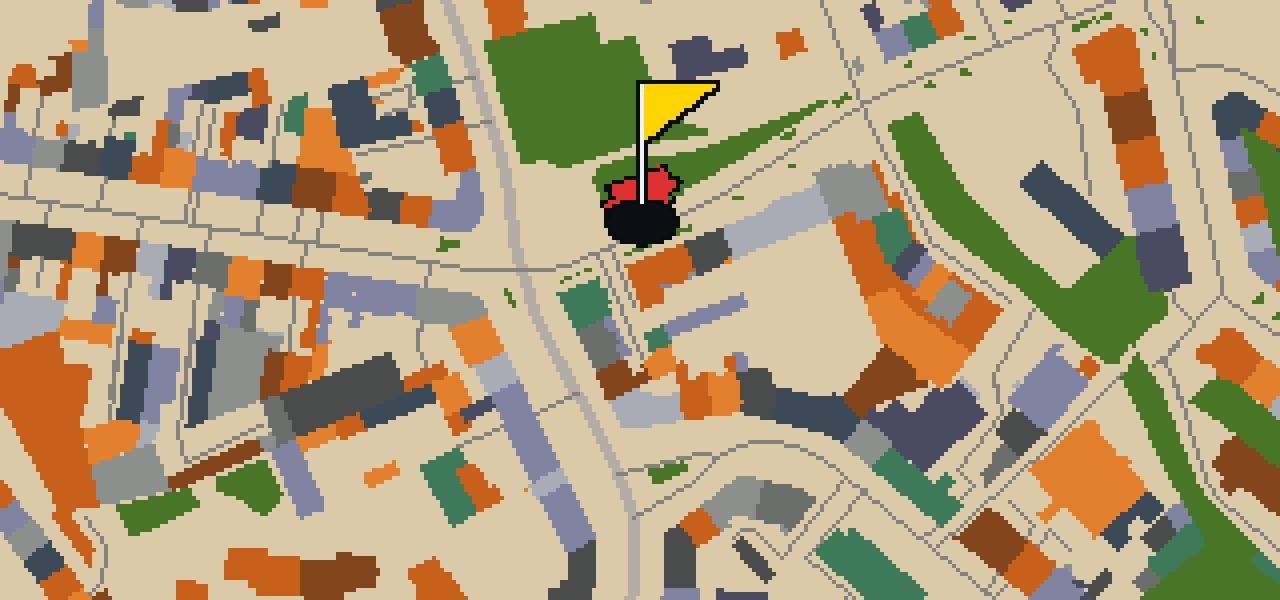
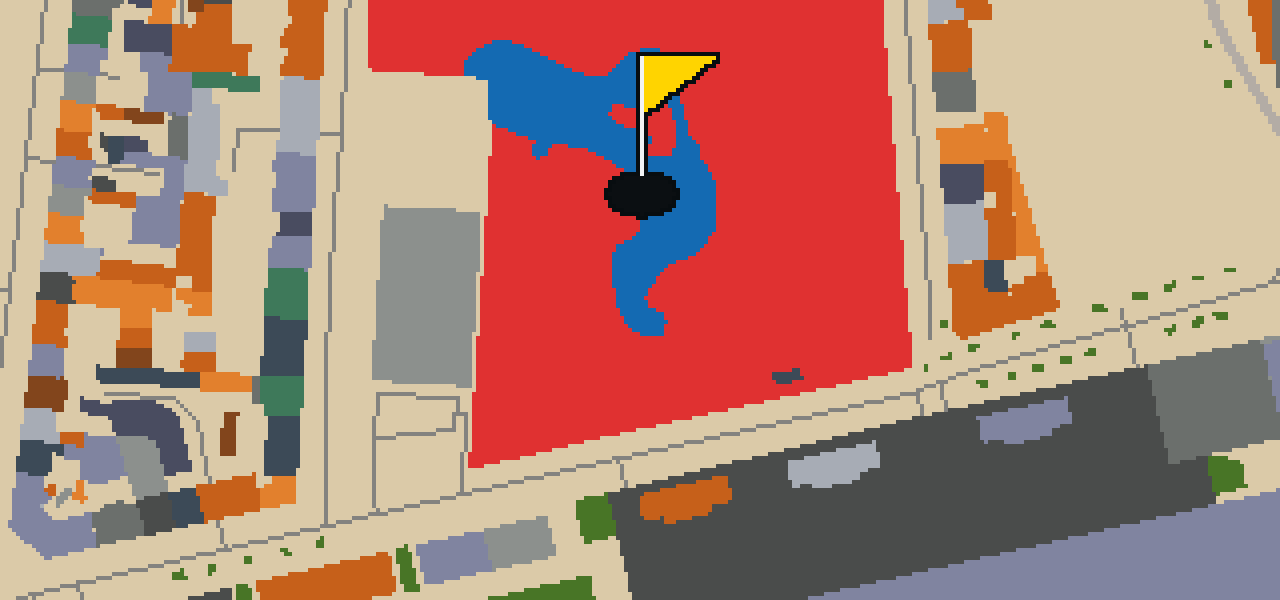
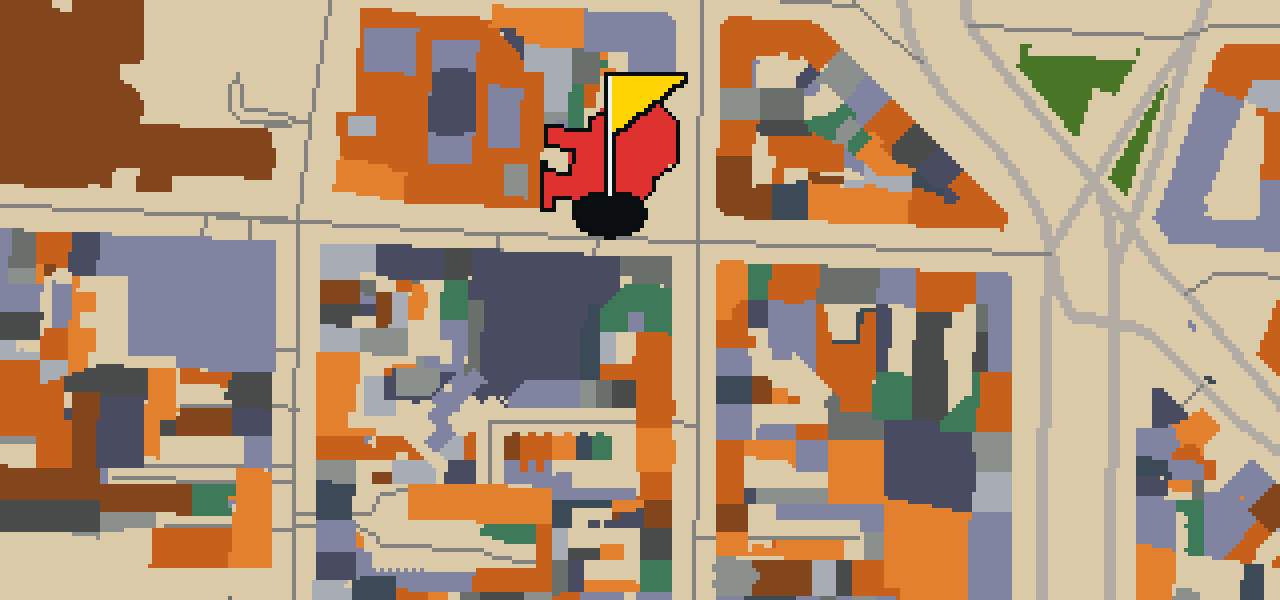
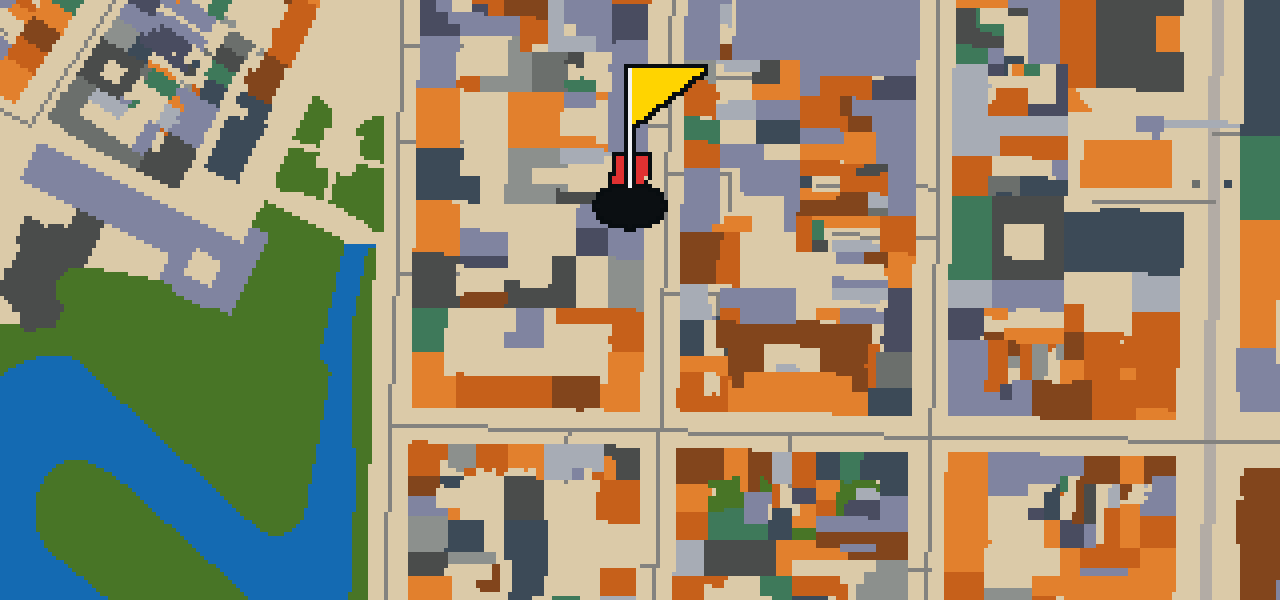
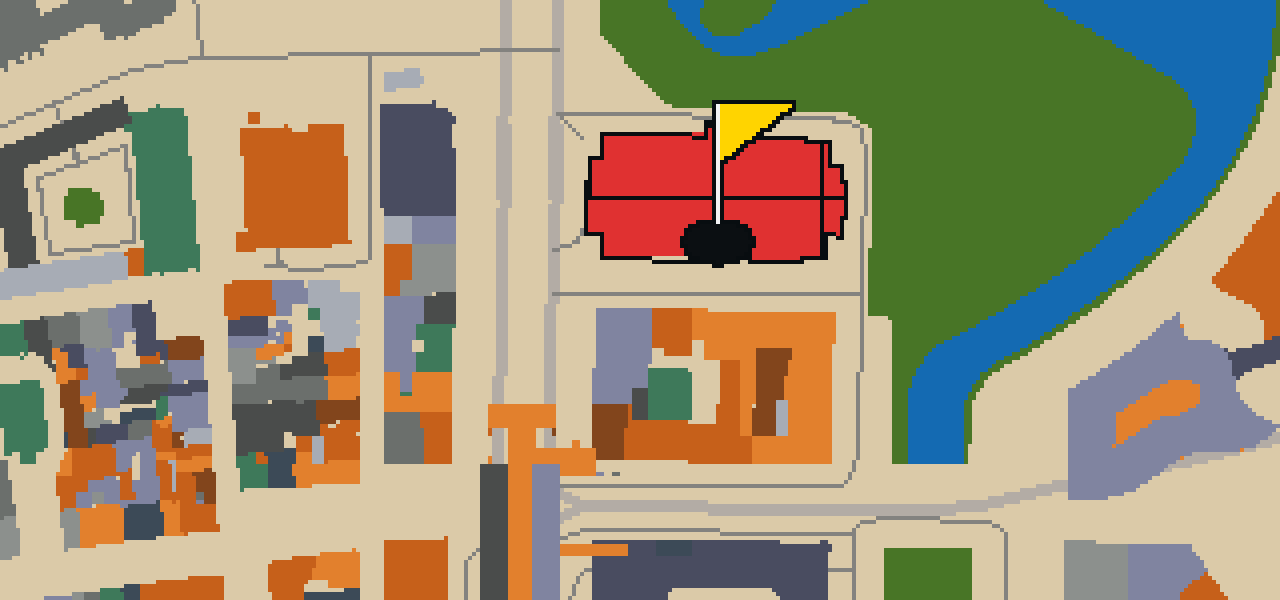
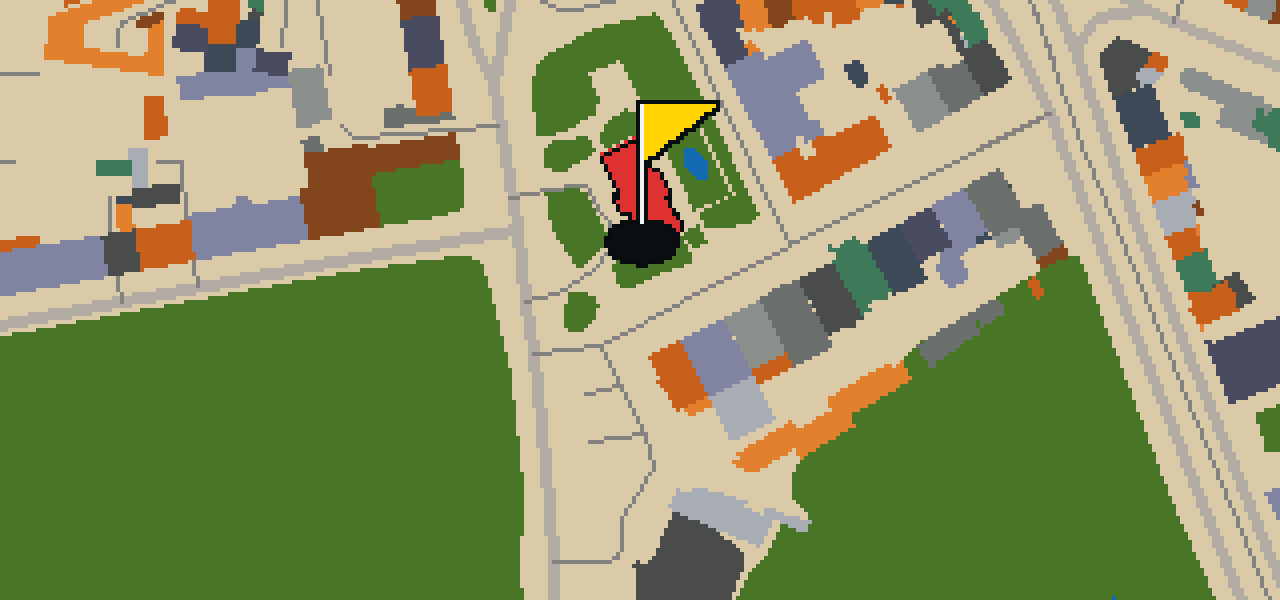
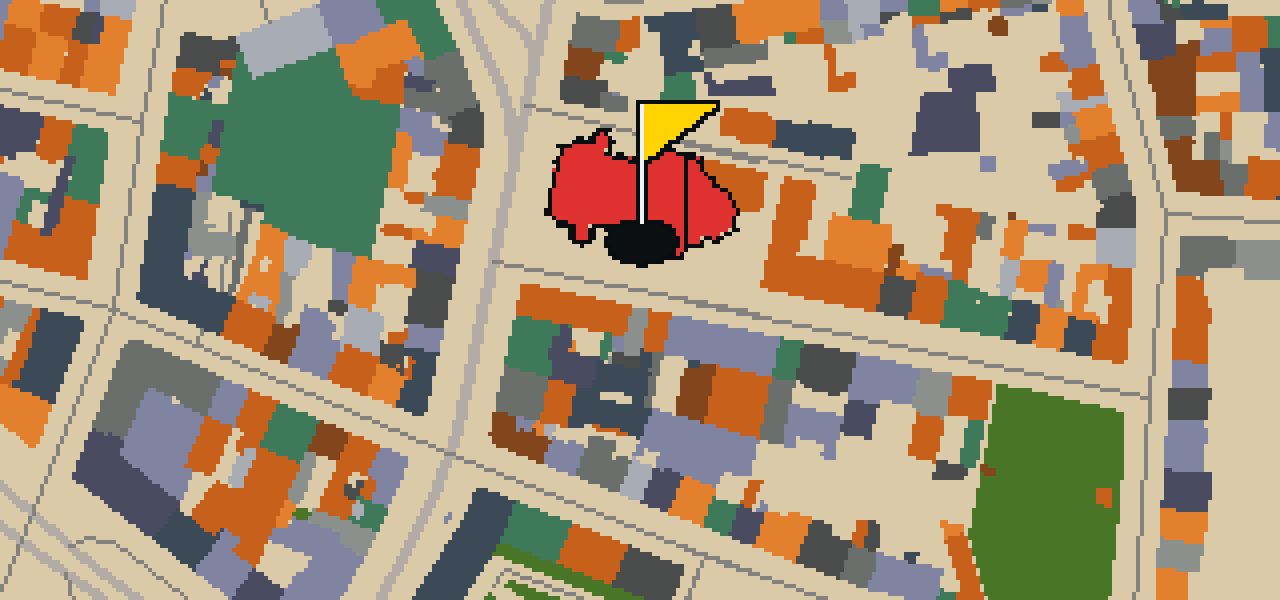
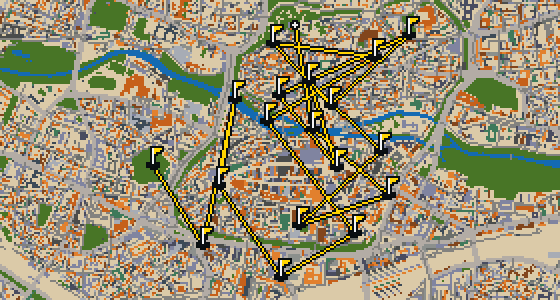
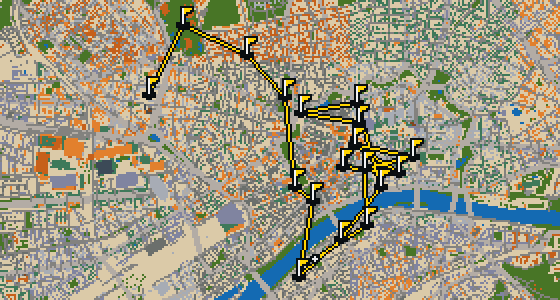
This is a full round of 18 holes through Düsseldorf. The map follows the actual city layout, where the ball rolls across real streets and banks off building facades. Landmarks like the Rheinturm provide the architecture for the holes. Skip knows these pavements well, even the bits where the crumbs are best. The course covers 12.5 km and uses 102 portals to move the ball quickly between the different districts of the city.

Trouble loading? Open the game in its own tab.

HOW IT WORKS

01

Pick a city

The course is drawn on the real street grid, so the map you play is the map you walk.

02

Putt to the pin

Drag to aim, release to swing. Buildings bounce and water costs you a stroke.

03

Sightsee between strokes

Every hole ends at an attraction. Sink the putt, read the story, walk to the next tee.

THE DÜSSELDORF ROUND - STOP BY STOP

HOLE 1 - PAR 3

Rheinturm

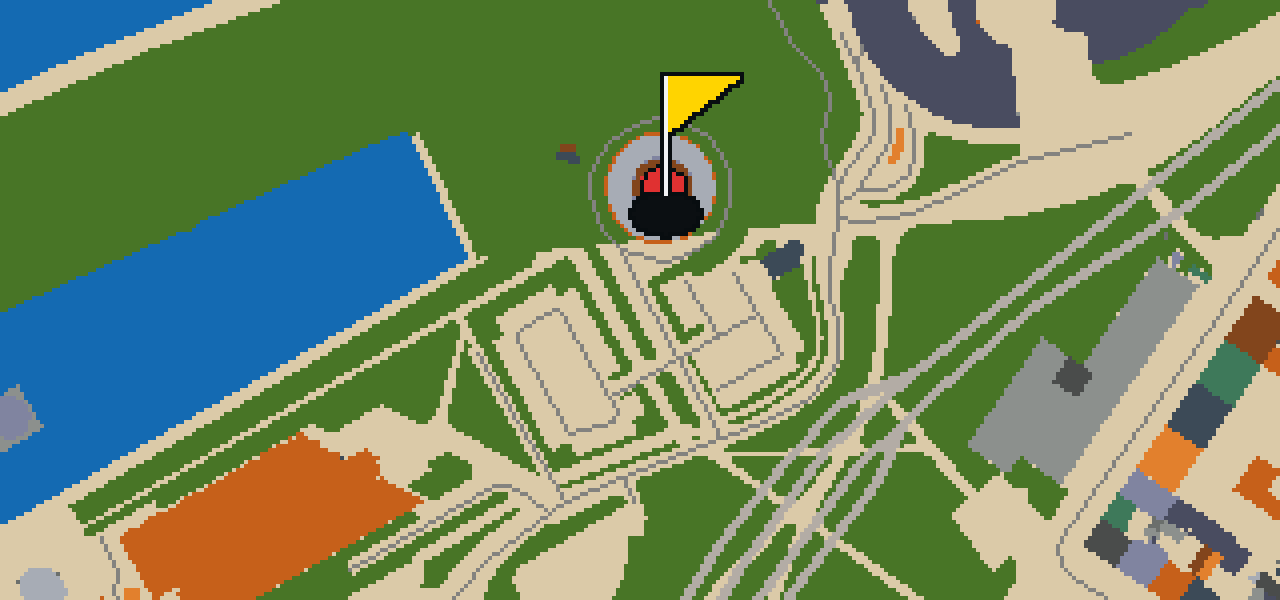
Construction of the Rheinturm commenced in 1979 and finished in 1981. Designed by architect Harald Deilmann, this television tower has since become the tallest building in Düsseldorf. You can pick out the observation deck and revolving restaurant, which are both located at a height of 168 metres. I usually keep an eye on the crowds heading up there for the view. It is a prominent landmark in the city that reaches a total height of 240.5 metres. Visitors often look for the revolving restaurant to see the city from above.
Wikidata · Wikipedia

HOLE 2 - PAR 3

Stadtmuseum Düsseldorf

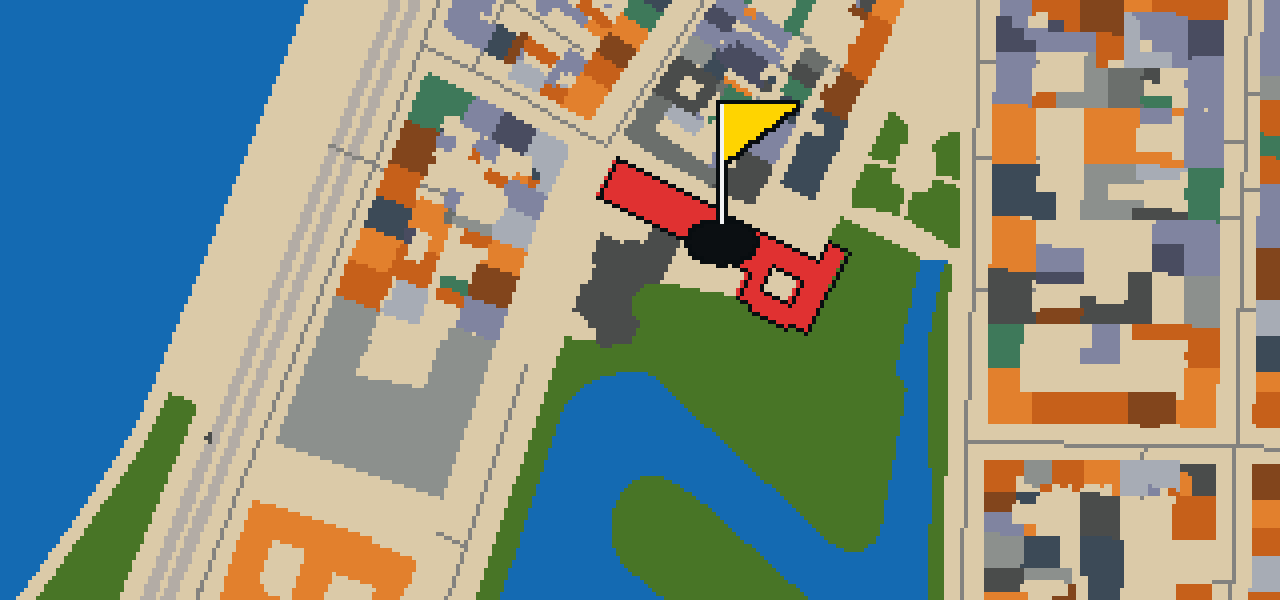
Let me show you the Stadtmuseum Düsseldorf. This establishment is both a city museum and a local museum. It was founded in 1874 to collect and display the heritage of the region for the public. You can pick out various exhibits that detail how the community evolved over time and see what makes this place unique. I find it is a great spot to get your bearings before heading further into the city. It is one of the best ways to understand the local identity while walking through the streets.

Wikidata

HOLE 3 - PAR 3

Neanderkirche

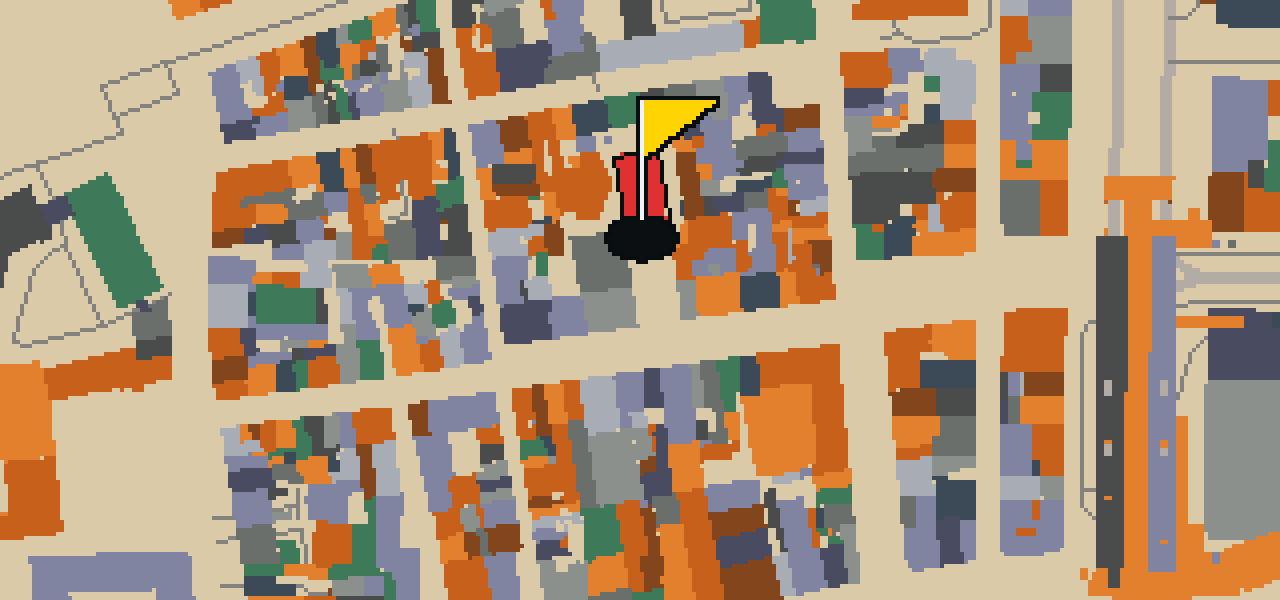
Located in the Altstadt, the centre of Düsseldorf, the Neanderkirche is a Protestant church. It is a parish church of the Evangelische Kirchengemeinde Düsseldorf-Mitte and is recognized as an architectural heritage monument in North Rhine-Westphalia. The building was designed by the architect Michael Cagnon in the baroque architecture style. Its inception took place from 1683 to 1687, and the construction was completed in 1687. You can see the influence of the baroque period in the facade and structure of this historic site.

Wikidata · Wikipedia

HOLE 4 - PAR 3

Rheinkirmes

This is not a permanent carnival, but a massive seasonal event. The Rheinkirmes is a folk festival in Düsseldorf and ranks as one of Germany's largest fairs. I can show you the area on the left bank of the Rhine River in the district Düsseldorf-Oberkassel where it all happens. When you visit during the third week in July, you can pick out the various amusement park rides, food tents, beer tents, and vendors. It is a loud, crowded spot that brings a lot of energy to the riverfront.

Wikidata · Wikipedia

HOLE 5 - PAR 3

Hetjens-Museum

Let me show you the Hetjens-Museum. It is a museum that focuses on the local story of Düsseldorf, making it an essential stop for anyone who wants to understand how the city developed over time. This institution was founded in 1909, so it has been documenting the area for over a century. I find it a great spot to get your bearings on the city's past before heading back out into the bustle of the modern streets. It is a quiet place for reflection amidst the movement of the city.

Wikidata

HOLE 6 - PAR 3

St. Lambertus

You might expect a contemporary structure here, but you will find St. Lambertus. It is a church building and a minor basilica that had its inception in 1394. Designed by architect Michael Cagnon, the building is constructed in the Brick Gothic style. Because of its historical and structural importance, it is an architectural heritage monument in North Rhine-Westphalia. You can pick out the distinct characteristics of the brickwork that define this specific style of Gothic architecture, which makes the site a significant point of interest for anyone exploring the heritage of the region.

Wikidata

HOLE 7 - PAR 3

NRW-Forum Düsseldorf

Let me show you the NRW-Forum Düsseldorf. This spot in the city serves as both an art museum and an event venue. It had its inception in 1998 and is recognized as an architectural heritage monument in North Rhine-Westphalia. You can also find the NRW Forum Wirtschaft und Kultur here, which is part of the Museum Kunstpalast and was formerly the Museum für Industrie und Wirtschaft. It is a great place to see how the city blends culture with its history.

Wikidata · Wikipedia

HOLE 8 - PAR 2

K20 - Kunstsammlung NRW

You will first notice the building designed by architect Julius Carl Raschdorff, which houses the K20 - Kunstsammlung NRW. This art museum and collection was founded in 1961 by the state government of North Rhine-Westphalia. Located in Düsseldorf, it is the art collection of the German Federal State of North Rhine-Westphalia. The full collection is spread across three different exhibition venues: the K20 at Grabbeplatz, the K21 in the Ständehaus, and the Schmela Haus. I always find the layout of these venues interesting for getting a full sense of the art.

Wikidata · Wikipedia

HOLE 9 - PAR 4

Altes Rathaus

Let me show you the Altes Rathaus. This building is an instance of a Rathaus, which is the traditional town hall for the community. It is a key landmark in the city where you can observe the specific style and function of a Rathaus. When you look at the building, you can see how it fits into the surrounding street layout of the city. I usually find the area around here quite lively for a stroll, and it is a great spot to pause and take in the atmosphere of the neighborhood.

Wikidata

HOLE 10 - PAR 4

Rheinkirmes Eingang Süd

Rheinkirmes Eingang Süd is a folk festival. The Largest Fair on the Rhine is one of Germany's largest fairs, and you can find it in the district Düsseldorf-Oberkassel on the left bank of the Rhine River. The fair takes place the third week in July. While you are visiting, you can pick out beer and food tents, vendors, and amusement park rides. I've found that the crowds make for a very lively atmosphere, though the noise can be a bit much for those of us with sensitive ears.

Wikidata · Wikipedia

HOLE 11 - PAR 3

Apollo Varieté Theater

Let me show you the Apollo Varieté Theater. This is a theatre building. It is a place used for performances and shows. I think you will like the atmosphere here.

Wikidata

HOLE 12 - PAR 4

Neuer Zollhof

Let me show you Neuer Zollhof, an architectural ensemble located at Neuer Zollhof 2-6, Unterbilk. Designed by Frank Gehry, these buildings are a prime example of the deconstructivism style. You can pick out the unusual shapes that make it a landmark of Düsseldorf-Hafen. This entire area is part of the redeveloped port of Düsseldorf, Germany. I find the twisting walls quite a challenge to navigate when I'm flying low, but they certainly make the street view interesting for everyone walking through the district.

Wikidata · Wikipedia

HOLE 13 - PAR 3

Alt St. Martin

This is not a modern structure, but Alt St. Martin, a church building. It is designed in the Romanesque architecture style, which you can see in the heavy walls and rounded arches of the exterior. Because of its historical and stylistic importance, it is recognized as an architectural heritage monument in North Rhine-Westphalia. Visitors often stop here to appreciate the contrast between this old stone building and the surrounding city streets. It remains one of the most significant examples of its specific architectural era in the local area.

Wikidata

HOLE 14 - PAR 4

Florapark

Let me show you Florapark. This space was started in 1870 and has since become an instance of a park that visitors enjoy. It is officially designated as an architectural heritage monument in North Rhine-Westphalia. You can pick out the historical character of the grounds as you walk through the gardens. I find the open layout quite refreshing for a stroll, and it is a great place to see how the city preserves its greenery. Whether you are here for the history or the fresh air, there is plenty to appreciate about this protected landmark.

Wikidata

HOLE 15 - PAR 3

Forum Freies Theater

Let me show you the Forum Freies Theater. This venue is an instance of Freies Theater located in Düsseldorf. It provides a space for independent performance and art in the city of Düsseldorf, which is found in North Rhine-Westphalia, Germany. I've found that the energy here is quite different from the larger state houses. Whether you are a local or just visiting, it is a key spot for those interested in the independent theater scene in the region. It is a place where the community and the arts meet in a very direct way.

Wikidata · Wikipedia

HOLE 16 - PAR 3

Palais Wittgenstein

Let me show you Palais Wittgenstein, a palace in Düsseldorf, North Rhine-Westphalia. Built in the 18th century, the building is an architectural heritage monument in North Rhine-Westphalia. While it started as the residency for the Wittgenstein family, the site has evolved over time to serve the public. Today, you can find it operating as a cultural center and a theatre. I've noticed the street traffic usually slows down a bit when people admire the facade, and it is a great spot to pause and take in the local atmosphere.

Wikidata · Wikipedia

HOLE 17 - PAR 4

Deutsche Oper am Rhein

The Deutsche Oper am Rhein is a mixed public company and opera company. It is based in Düsseldorf and Duisburg and was founded in 1955. Axel Kober has been the music director here since 2009. The Düsseldorfer Symphoniker is the resident orchestra, and they play both symphonic repertoire and opera. You can also find an associated classical ballet company here. I've noticed the music carries quite well across the street, which is a treat for those of us who spend our days perched on the nearby ledges watching the crowds pass by.

Wikidata · Wikipedia

HOLE 18 - PAR 3

Schloss Jägerhof

Built between 1752 and 1763 by order of the Prince-elector Karl Theodor, Schloss Jägerhof is a château located at Jacobistraße 2 in Düsseldorf-Pempelfort. It is an architectural heritage monument in North Rhine-Westphalia and acts as a point de vue of the Jägerhofstraße and the Hofgarten riding avenue. While it was formerly called die Vénerie, the building has evolved in its purpose over the centuries. Since 1987, the castle has housed the Goethe-Museum and the Ernst Schneider Foundation. I've noticed the building looks especially grand when you see it aligned with the riding avenue.

Wikidata · Wikipedia

STOP 19

St. Mariä Empfängnis

The Gothic Revival style is the first thing you notice about St. Mariä Empfängnis. This church building is a significant landmark and is an architectural heritage monument in North Rhine-Westphalia. It was designed by the architect Josef Lehmbrock. The construction of the building took place from 1894 to 1896. Visitors can see the specific details of this style throughout the structure, which helps define its place within the local architectural history of the region.

Wikidata

OTHER COURSES

18 HOLES - PAR 55

Nuremberg

18 stops

Nürnberg is the setting for this round, where the map is the real city and the ball rolls across its actual streets. The holes are built from real attractions, including the Kaiserburg. Skip knows these alleys well, having spent plenty of time dodging footsteps for crumbs. This full round of 18 holes covers 10.7 km with a par of 55. The ball travels between distant districts using 42 portals to keep the pace moving along.

18 HOLES - PAR 57

Munich

18 stops

München is the setting for this round, where the map is the real city and the ball rolls across its actual streets. The holes are built from real attractions, starting with the grounds of Oktoberfest. A full 18-hole round covers 12.2 km and uses 116 portals to bridge the gaps between distant districts. Skip knows every curb and cobblestone here, even the ones where the crumbs are best, and acts as the local guide for the walk.

18 HOLES - PAR 52

Heidelberg

18 stops

This is a full round through Heidelberg, covering 10.3 km on the actual city streets. The map is the real city, and the holes are built from attractions like Heidelberger Schloss. Skip knows every corner of these neighborhoods and is the local guide, though most of the time he is just looking for crumbs. The ball travels between distant districts using 18 portals, playing 18 holes with a par of 52.

9 HOLES - PAR 26

Hamburg

9 stops

Hamburg is the setting for this round, with the map following the real city and the ball rolling its actual streets. The holes are built from attractions like the Speicherstadt, turning the urban layout into a course. Skip is a local guide who knows these blocks well. This quick 9-hole round covers 4.8 km with a par of 26, using 80 portals to bridge the gaps.

18 HOLES - PAR 55

Frankfurt

18 stops

Banking a ball off the stone facades of the Städel Museum requires a steady wing and a bit of luck. This full round of 18 holes follows the real streets of Frankfurt am Main, where the city map is the course. The holes are built directly from the local attractions, and the ball travels 10.7 km across the pavement. With 80 portals to skip between districts, Skip is the local guide who knows every crack in the sidewalk.

FAQ

Is it free to play?

Yes. Every course runs in the browser with no account and no install.

Do I need to be in the city?

No. The full round plays from anywhere. Walking the real route is a nice way to see the city, but it is not required.

Are the maps real?

Yes. The geometry comes from OpenStreetMap data, rendered chunky on purpose. Streets, water and parks sit where they really are.