
PITTSBURGH - 9 HOLES - FREE

PITTSBURGH
CITY MAP MINIGOLF

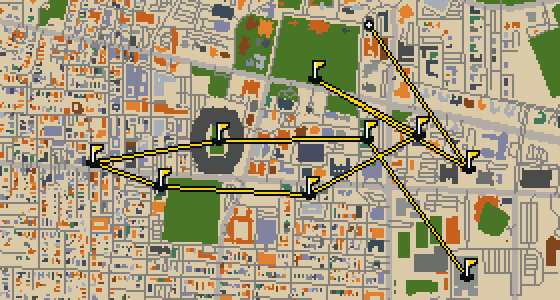
Pittsburgh - 9 stops - par 25

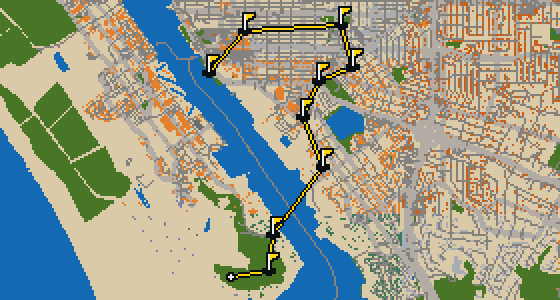
Pittsburgh looks a lot smaller from a bird's eye view, but the ball has a different story. The map is the real city and the round is played on its actual streets, using landmarks like the Cathedral of Learning as the holes. This is a quick round of 9 holes with a par of 25 over a 3 mi walk. Skip knows these sidewalks well.

Trouble loading? Open the game in its own tab.

HOW IT WORKS

01

Pick a city

The course is drawn on the real street grid, so the map you play is the map you walk.

02

Putt to the pin

Drag to aim, release to swing. Buildings bounce and water costs you a stroke.

03

Sightsee between strokes

Every hole ends at an attraction. Sink the putt, read the story, walk to the next tee.

THE PITTSBURGH ROUND - STOP BY STOP

HOLE 1 - PAR 2

Carnegie Museum of Natural History

You will likely notice the massive scale of the displays first at the Carnegie Museum of Natural History. Located in the Oakland neighborhood of Pittsburgh, this natural history museum is known for its extensive paleontological and entomological collections. Andrew Carnegie founded the institution in 1896, and it has grown to house some 22 million specimens. It is a major destination for the 386,300 annual visitors who come to see these collections. I have found that the sheer volume of specimens makes it easy to spend an entire afternoon wandering through the galleries without seeing everything. Whether you are interested in ancient fossils or the study of insects, there is a vast amount of material on display here.


Wikidata · Wikipedia

HOLE 2 - PAR 3

William Pitt Union

The William Pitt Union is a building that serves as the student union for the University of Pittsburgh main campus. Designed by the architects Rutan & Russell, the structure is built in the Beaux-Arts style. It has a long history in the city, having been built in 1898 as the Hotel Schenley. Because of its significance to the area, it is recognized as a Pennsylvania and Pittsburgh History and Landmarks Foundation Historic Landmark. You can pick out the ornate details typical of its architectural style as you pass by. I've always found the transition from a grand hotel to a student hub a pretty interesting shift for one piece of real estate.

Wikidata · Wikipedia

HOLE 3 - PAR 3

Saint Paul Cathedral Parish

Saint Paul Cathedral Parish is a Catholic cathedral located in Pittsburgh, Pennsylvania, in the United States. It is the mother church of the Diocese of Pittsburgh. The building was designed by the architect Egan & Prindeville and is built in the Gothic Revival style. Work on the cathedral was started in 1906. Visitors to the site can observe the specific architectural details of the Gothic Revival style that define the structure. As the mother church of the Diocese of Pittsburgh, the parish remains a central point of the local religious community. The design by Egan & Prindeville reflects the early twentieth century approach to cathedral construction in the United States, beginning with the initial start of the project in 1906.

Wikidata · Wikipedia

HOLE 4 - PAR 2

Cathedral of Learning

The Cathedral of Learning is a skyscraper that dates back to its commissioning in 1921. Its inception followed in 1926, and Charles Klauder was the architect responsible for the design. This 42-story building stands at a height of 163 meters. Over the years, it has evolved from a blueprint into a functional academic space, with the first class held inside the walls in 1931. The exterior of the building was finished in October 1934. I often see students gathering around the base of this tower between their lectures. It is a landmark that defines the local skyline, blending a massive scale with its role as a place of study. You can pick out the distinct architectural style as you approach the site.

Wikidata · Wikipedia

HOLE 5 - PAR 3

St Nicholas Greek Orthodox Cathedral

Thomas Hannah was the architect of St Nicholas Greek Orthodox Cathedral. This Eastern Orthodox cathedral is designed in the Neoclassical architecture style and is located at 419 South Dithridge Street in the Oakland neighborhood of Pittsburgh, Pennsylvania. The building was built in 1904. The history of the site involves several different congregations over the years. The First Congregational Church used the structure until 1921. Following that period, the building has been a Greek Orthodox Church since 1923. Because of its architectural and historical value, the building was added to the List of Pittsburgh History and Landmarks Foundation Historic Landmarks in 1982. Visitors can find the cathedral in the heart of the Oakland district, where the Neoclassical design remains a prominent feature of the local streetscape.

Wikidata · Wikipedia

HOLE 6 - PAR 3

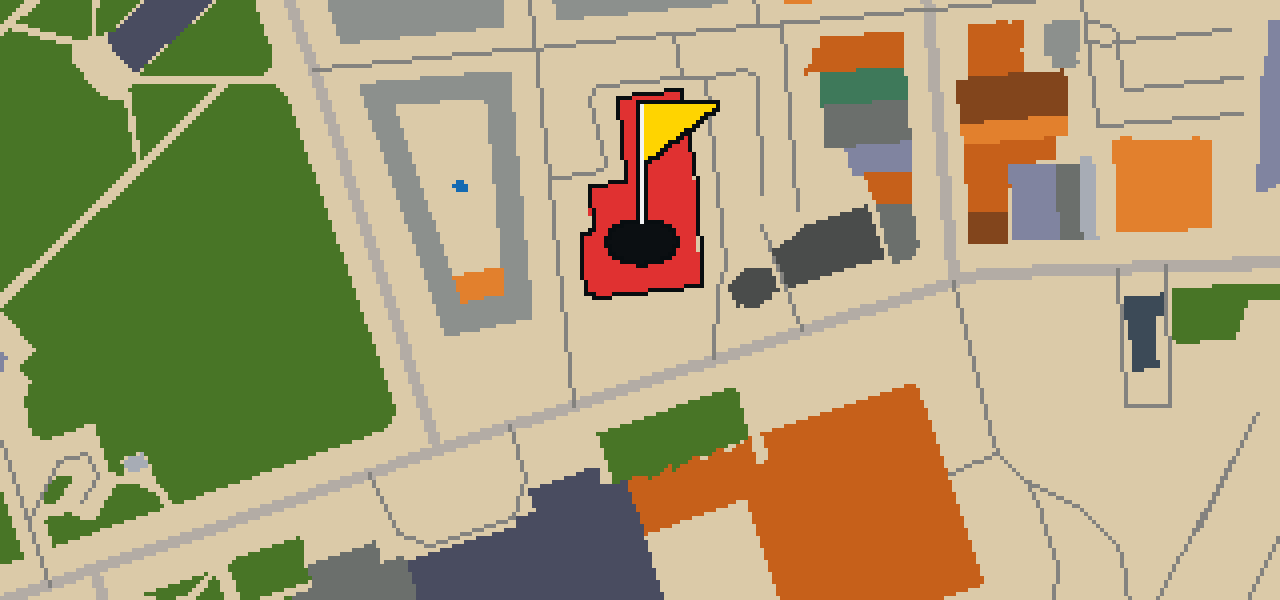
Rodef Shalom Congregation

The Beaux-Arts style of Rodef Shalom Congregation is evident in its architecture. This synagogue is located at 4905 Fifth Avenue, Pittsburgh, Pennsylvania, in the United States. Designed by architect Henry Hornbostel, the building is a National Register of Historic Places listed place. It is the home of a Reform Jewish congregation that was founded in 1907. The site is a significant example of its architectural style and serves as a place of worship for its members. Visitors can see the influence of Hornbostel in the design of the building as it sits on Fifth Avenue. This congregation continues to operate as a Reform Jewish community in the city of Pittsburgh, maintaining its presence in the historic building that was established over a century ago.

Wikidata · Wikipedia

HOLE 7 - PAR 3

Kraus Campo

You can find Kraus Campo on the roof of the Posner Center on the Carnegie Mellon University campus. It is a roof garden and landscape design space built with orange pathways and various species of shrubs. If you look toward the back wall, you can pick out a quotation tiled into the surface, and there is a central seating area for visitors. The project was designed and created by artist Mel Bochner and landscape architect Michael Van Valkenburgh. It was commissioned by and named after Jill Gansman Kraus and her husband Peter Kraus. It's a great spot for a break, though I usually find the ledge more interesting for a quick nap.

Wikidata · Wikipedia

HOLE 8 - PAR 3

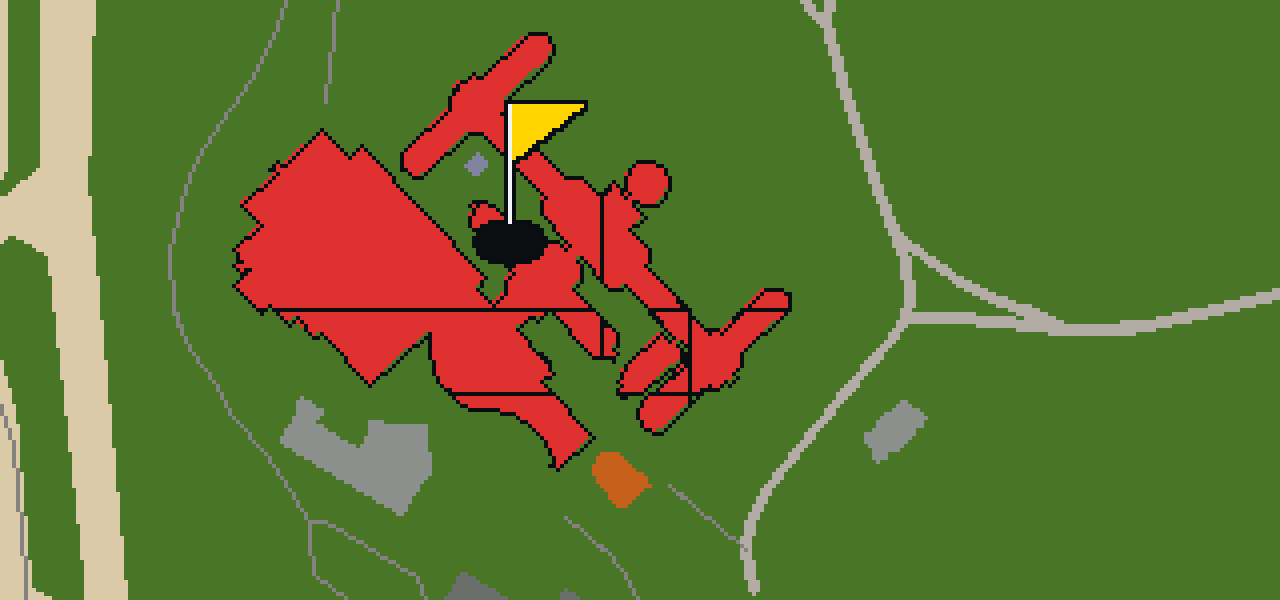
Phipps Conservatory

This isn't just another city park; it is a botanical garden known as Phipps Conservatory. Located in Schenley Park, the site is a nonprofit organization and holds a City of Pittsburgh historic designation. It is also recognized as a Pittsburgh History & Landmarks Foundation Historic Landmark. You can pick out the influence of Lord & Burnham, who served as the architect for the conservatory. Founded in 1893, the gardens are listed on the National Register of Historic Places. I've always found the glass structures here to be a great spot for a little shade, though the humans usually stay inside to admire the plants. It is a place where history and nature meet in the middle of the city, providing a sanctuary for visitors and a home for a wide variety of flora.

Wikidata · Wikipedia

HOLE 9 - PAR 3

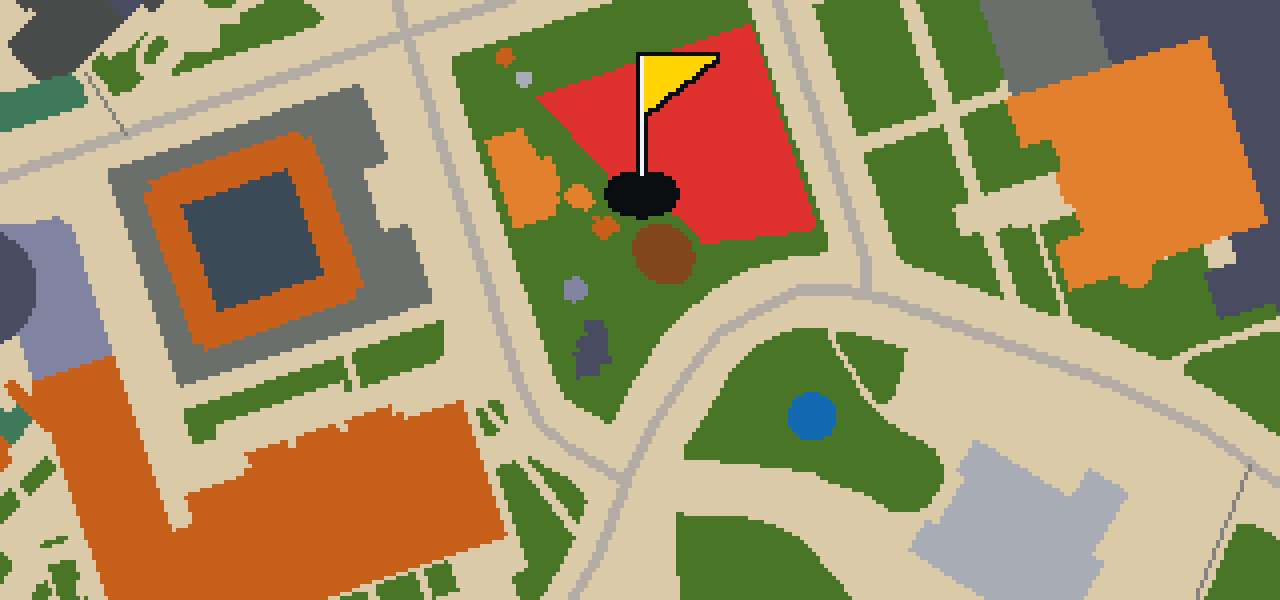
Schenley Plaza

Look at the wide open greenery and the way the paths draw you inward. This is Schenley Plaza, a public park located in Pittsburgh, Pennsylvania. While it is a destination in its own right, it also serves as the grand entrance into Schenley Park. You can spend some time here just taking in the surroundings and the layout of the grounds before you head further into the larger park area. I've found that the transition from the busy city streets into this open space is one of the best parts of the walk. It is a great spot to pause and get your bearings before you decide which way to wander through the rest of the greenery. Whether you are just passing through or stopping for a bit, this plaza provides a welcoming start to the wider park experience.

Wikidata · Wikipedia

STOP 10

Oakland Square Historic District

Oakland Square Historic District is a historic district located in the Central Oakland neighborhood of Pittsburgh, Pennsylvania. The core of the district surrounds Oakland Square, while the remaining properties are located along Parkview Avenue and Dawson Street. In total, the district contains 99 properties. Developer Eugene O'Neill conceived the neighborhood in the 1890s, drawing specific inspiration from the urban design of Victorian England and Dublin. On June 14, 2005, the area was officially added to the List of City of Pittsburgh historic designations. I always find the layout here a bit more reminiscent of those distant cities than the usual Pittsburgh grid, making it a pleasant spot for a stroll. You can pick out the influence of those overseas designs in the way the streets are arranged around the central square.

Wikidata · Wikipedia

OTHER COURSES

9 HOLES - PAR 26

Tuscaloosa

9 stops

Tuscaloosa is the setting for this round, played on the actual city streets. The map uses real attractions like Bryant-Denny Stadium to build the holes, turning the town into a course. Skip knows these sidewalks well, having spent plenty of time dodging crumbs on the way to the cup. This quick 9-hole round covers 3.2 mi with a total par of 26.

9 HOLES - PAR 28

Oceanside

9 stops

Oceanside is the setting for this round, with the ball rolling across the real streets of the city. The holes are built from actual attractions, like the Oceanside Museum of Art. Skip is a local guide who knows every curb and crumb. This quick 9-hole round covers 3.6 mi on foot with a par of 28.

9 HOLES - PAR 29

Vallejo

9 stops

The Vallejo Naval and Historical Museum is the end of this quick nine-hole round. The map is the real city and the ball rolls across its actual streets, banking off building facades. Local attractions provide the structure for each hole. Skip knows these sidewalks well, including the 3.7 mi walk and the two portals used to bridge the gaps.

9 HOLES - PAR 28

Salinas

9 stops

Salinas is the setting for this round, with the ball rolling across the actual city streets. The holes are built from real attractions, including the National Steinbeck Center. Skip knows these sidewalks well and has a few feathers in the wind. This quick round of 9 holes has a par of 28 and covers a total walk of 3.7 mi.

9 HOLES - PAR 27

Danbury

9 stops

Danbury is the setting for this round, where the map is the real city and the ball rolls along its actual streets. The holes are built from real attractions, ending at Wooster Square. Skip is a local guide who knows the pavement well. A quick 9-hole round covers 3.4 mi with a total par of 27.

FAQ

Is it free to play?

Yes. Every course runs in the browser with no account and no install.

Do I need to be in the city?

No. The full round plays from anywhere. Walking the real route is a nice way to see the city, but it is not required.

Are the maps real?

Yes. The geometry comes from OpenStreetMap data, rendered chunky on purpose. Streets, water and parks sit where they really are.