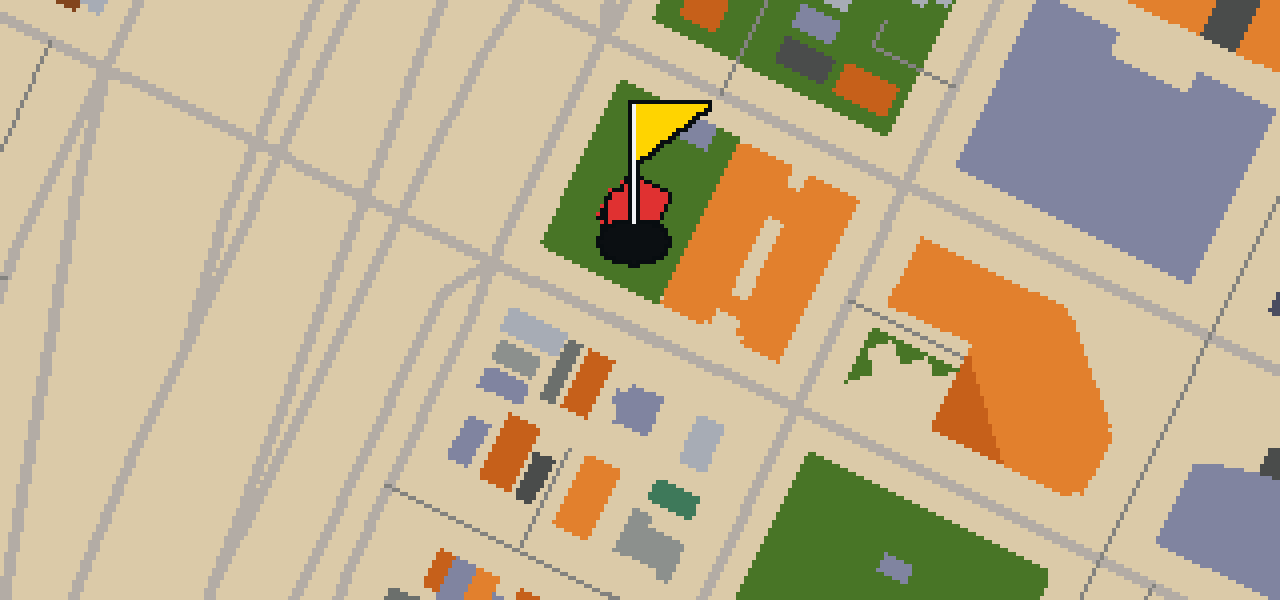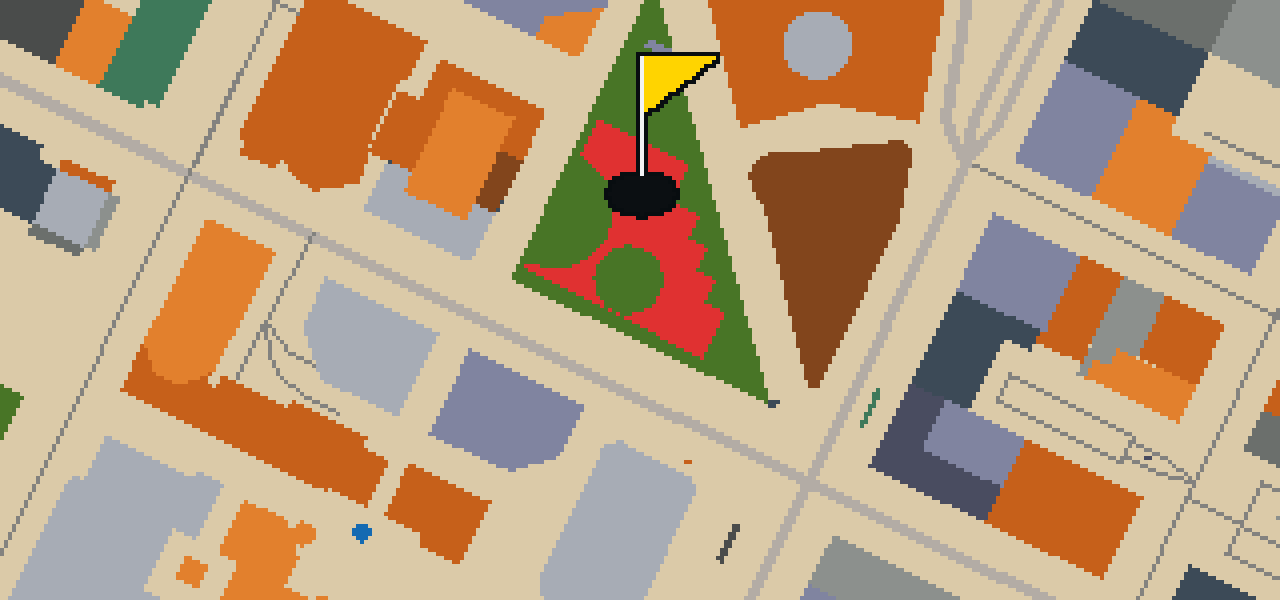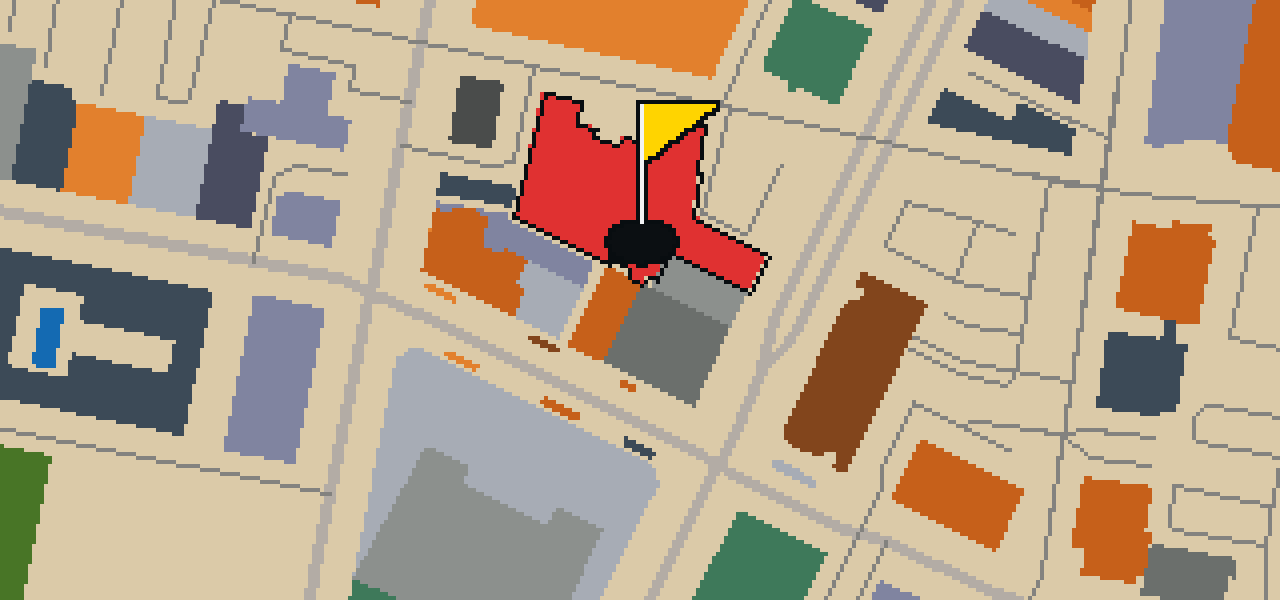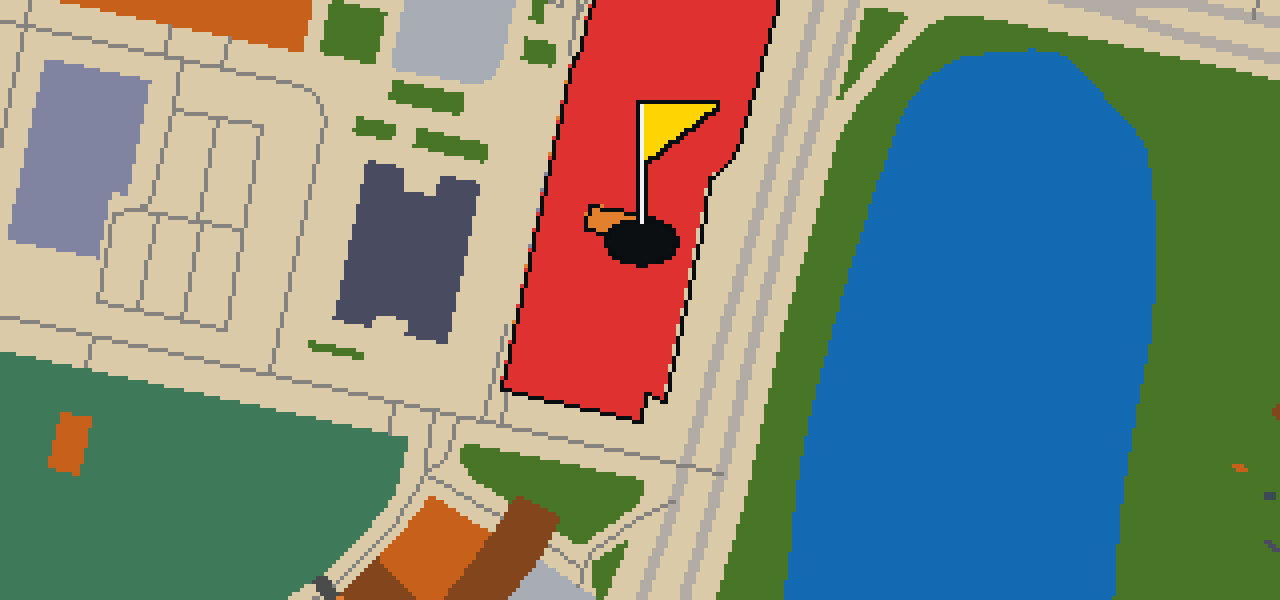

OAKLAND - 9 HOLES - FREE

OAKLAND
CITY MAP MINIGOLF

Oakland - 9 stops - par 27

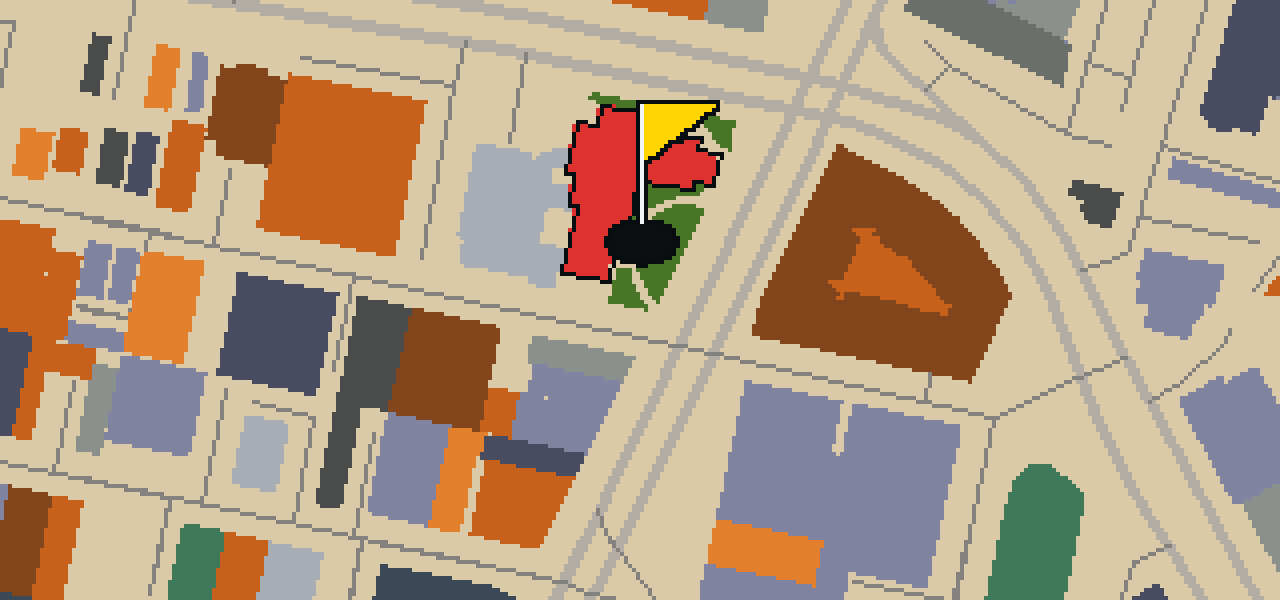
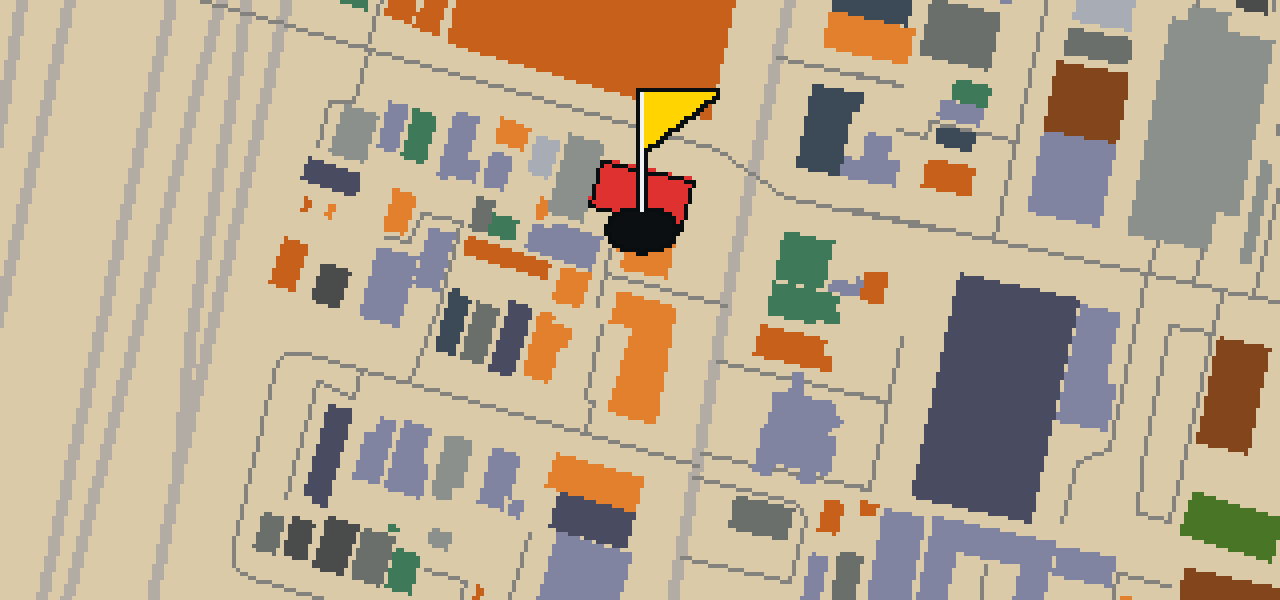
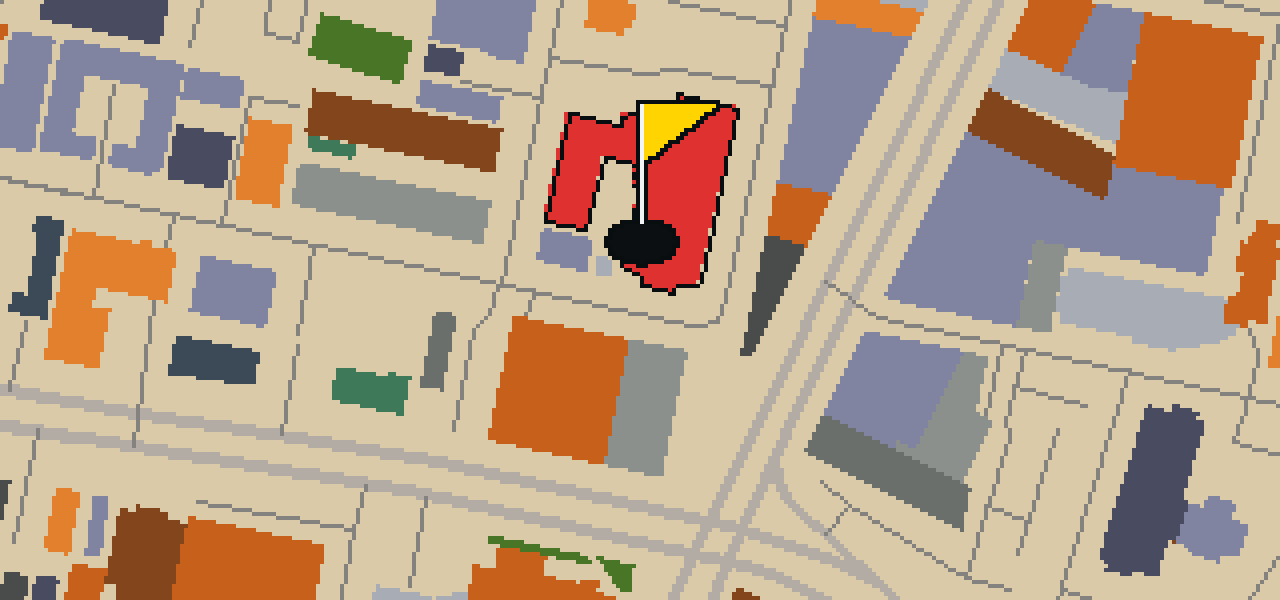
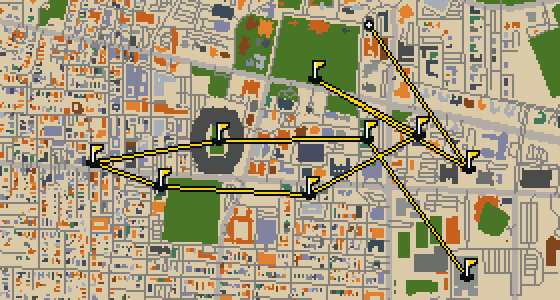
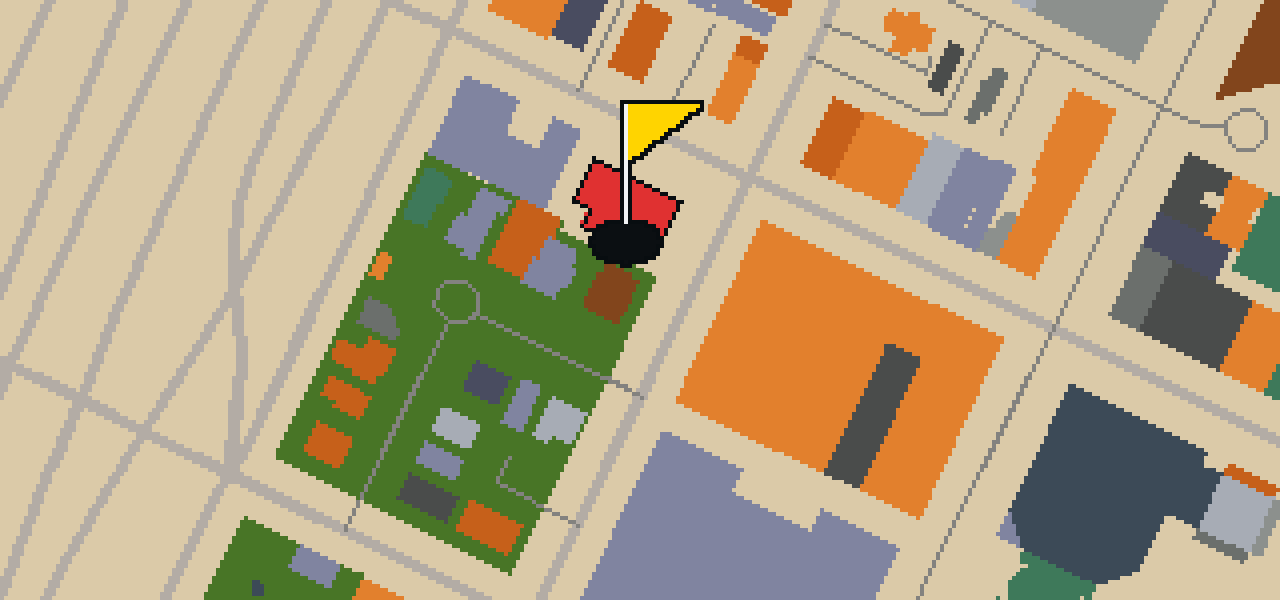
This is Oakland. The map is the real city and the round is played on its real streets, where attractions like the African American Museum and Library at Oakland are the holes. This is a quick round of 9 holes with a par of 27, covering 3.3 mi and using 8 portals to skip across town. Skip is a local guide who knows the place, even the best crumbs.

Trouble loading? Open the game in its own tab.

HOW IT WORKS

01

Pick a city

The course is drawn on the real street grid, so the map you play is the map you walk.

02

Putt to the pin

Drag to aim, release to swing. Buildings bounce and water costs you a stroke.

03

Sightsee between strokes

Every hole ends at an attraction. Sink the putt, read the story, walk to the next tee.

THE OAKLAND ROUND - STOP BY STOP

HOLE 1 - PAR 3

African American Museum and Library at Oakland

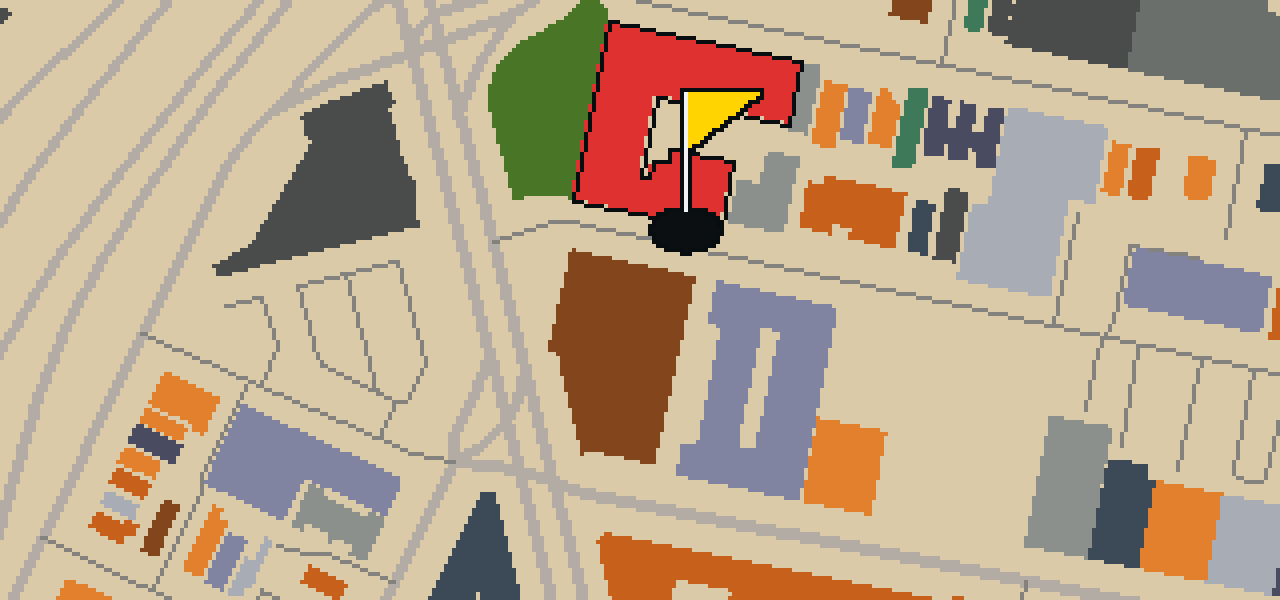
Walter Danforth Bliss is the architect of the African American Museum and Library at Oakland. Located on 14th Street in Downtown Oakland, California, United States, this site is an African-American museum. It also serves the community as a public library. I've noticed the building has a presence that fits right into the downtown bustle. You can find it listed as a National Register of Historic Places place. If you are looking for books, it is a non-circulating library in the Oakland Public Library system, meaning the materials stay on site for your research and reading. It is a great spot to stop and appreciate the local history of the city.

Wikidata · Wikipedia

HOLE 2 - PAR 4

Saint Francis De Sales Cathedral

The Gothic Revival style defines the architecture of Saint Francis De Sales Cathedral. Located in Oakland, California, this cathedral was started in 1893. It is a significant site for the local community and the faith. From 1962 until it was damaged in the 1989 Loma Prieta earthquake, the building served as the cathedral of the Roman Catholic Diocese of Oakland. Visitors can observe the specific design elements of the Gothic Revival style that characterize the exterior and interior of the structure. The history of the building is tied to the Roman Catholic Diocese of Oakland, particularly during the period between 1962 and 1989. This cathedral remains a notable landmark in Oakland, California, representing both the architectural ambitions of the late nineteenth century and the subsequent history of the diocese following the damage caused by the earthquake.

Wikidata · Wikipedia

HOLE 3 - PAR 3

Pardee Home Museum

You will first notice the Renaissance Revival architecture style of the Pardee Home Museum. Located in Oakland, this historic house museum is a single-family detached home that was started in 1868. It is listed on the National Register of Historic Places and is also a California Historical Landmark. The site provides a window into the local past, as it served as the home of three generations of the Pardee family. I find the exterior details quite striking, though you have to keep an eye out for the pigeons resting on the eaves. It is the kind of place where you can really feel the age of the neighborhood in the woodwork and the layout of the grounds. Whether you are interested in the city's growth or just like old houses, there is plenty to see here.

Wikidata · Wikipedia

HOLE 4 - PAR 3

Frank H. Ogawa Plaza

Look at the wide, open pavement of Frank H. Ogawa Plaza. This public square is a primary gathering spot located in Downtown Oakland. Whether you are visiting for the first time or just passing through, it is one of the most recognizable parks in the area. I often see folks meeting up here before heading off to other parts of the city. It is a great place to get your bearings and feel the energy of the downtown district. Since it is an open square, you can easily see the surrounding urban architecture while you take a break. It is a useful landmark for anyone trying to navigate the center of town.

Wikidata · Wikipedia

HOLE 5 - PAR 3

Paramount Theater

Started in 1931, the Paramount Theater is a movie theater, concert hall, and theatre building. Timothy L. Pflueger was the architect, and he designed the space in the Art Deco architecture style. When it was built in 1931, the Paramount Theatre seated 3,476 people. Today, it remains a significant part of the city as a 3,040-seat concert hall located at 2025 Broadway in Downtown Oakland. It is listed as a National Register of Historic Places place and a National Historic Landmark. I've noticed the building's distinct lines always make for a great bank shot for your ball. Whether you are here for the music or the architecture, it is a sight to see. It is a wonderful place to spend an evening in the city.

Wikidata · Wikipedia

HOLE 6 - PAR 3

The Cathedral of Christ the Light

The Cathedral of Christ the Light is a church building designed in the style of modern architecture. Designed by architect Craig W. Hartman, this Catholic cathedral was first conceived in 2008. It serves as the cathedral of the Roman Catholic Diocese of Oakland in Oakland, California, and is the seat of the Bishop of Oakland. This structure holds a unique place in ecclesiastical history as the first cathedral built entirely in the 21st century. It was created to replace the Cathedral of Saint Francis de Sales, which had been irreparably damaged during the Loma Prieta earthquake of 1989. Visitors can observe the distinct lines of the modern design that define this spiritual center for the local diocese.

Wikidata · Wikipedia

HOLE 7 - PAR 2

First Presbyterian Church

The First Presbyterian Church of Oakland is a historic church building located in Oakland, California. This structure serves as a place of worship and is a part of the Presbyterian Church (USA). While the congregation was founded in 1853, the physical church building had its inception in 1914. Visitors to the area can recognize it as a preserved piece of the city's religious and architectural history. It stands as a testament to the long-term presence of the Presbyterian faith in the region, maintaining its role as a center for the community. As you look at the facade, you are seeing a building that has remained a fixture of the Oakland landscape since the early twentieth century, providing a sense of continuity and tradition in a constantly changing urban environment.

Wikidata · Wikipedia

HOLE 8 - PAR 2

St. Augustine's Episcopal Church

This is not a contemporary structure, but St. Augustine's Episcopal Church. Located at 525 29th Street in Oakland, California, this church building was built in 1893. It is a site of local significance that was added to the National Register of Historic Places in 1982. You can pick out the historical character of the architecture as you approach the building. It was formerly known as Trinity Episcopal Church. As you walk past the site, you can see how the building stands apart from the newer developments in the neighborhood. The church remains an important landmark in the community, providing a direct link to the city's late nineteenth-century history. Whether you are interested in the local heritage of Oakland or simply admiring the craftsmanship of the period, this building is a point of interest on your route through the city.

Wikidata · Wikipedia

STOP 10

Children's Fairyland

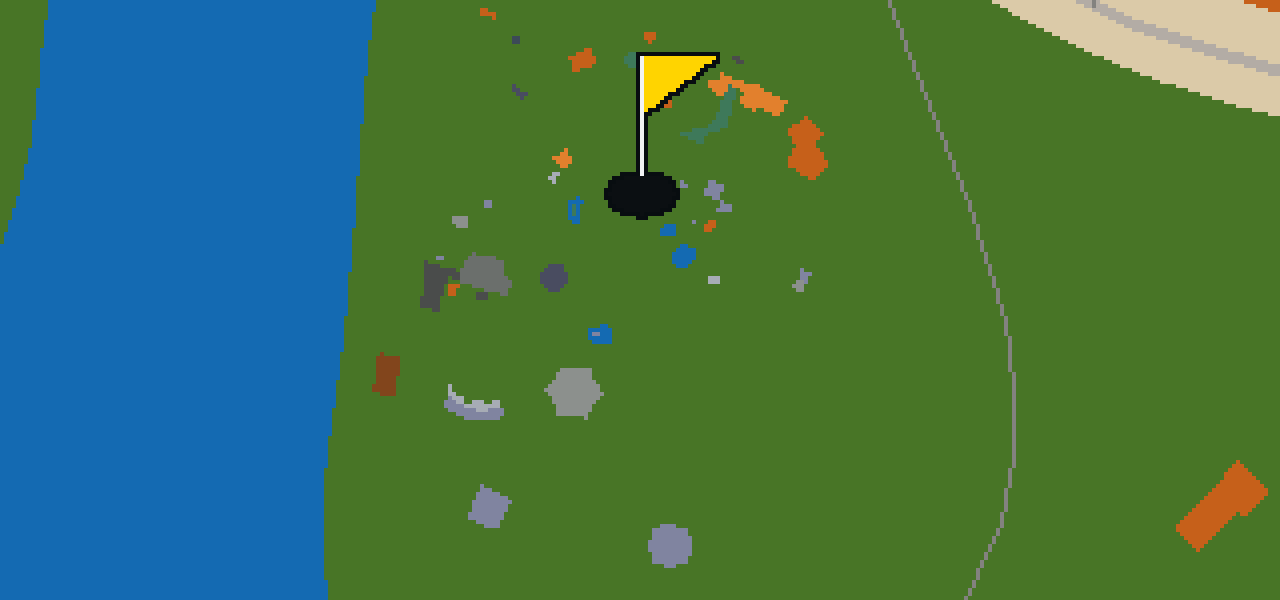
Located on the shores of Lake Merritt in Oakland, California, Children's Fairyland is an amusement park designed for young explorers. You can find 10 acres of animals, small rides, and play sets here. It holds a special place in American history as one of the earliest themed amusement parks in the United States. While you wander the grounds, look for the Open Storybook Puppet Theater. This theater is the oldest continuously operating puppet theater in the United States. I've seen plenty of folks get lost in the magic of the stories told there. It is a wonderful spot to slow down and enjoy the scenery of the lake while the kids run wild.

Wikidata · Wikipedia

OTHER COURSES

9 HOLES - PAR 26

Tuscaloosa

9 stops

Tuscaloosa is the setting for this round, played on the actual city streets. The map uses real attractions like Bryant-Denny Stadium to build the holes, turning the town into a course. Skip knows these sidewalks well, having spent plenty of time dodging crumbs on the way to the cup. This quick 9-hole round covers 3.2 mi with a total par of 26.

9 HOLES - PAR 28

Oceanside

9 stops

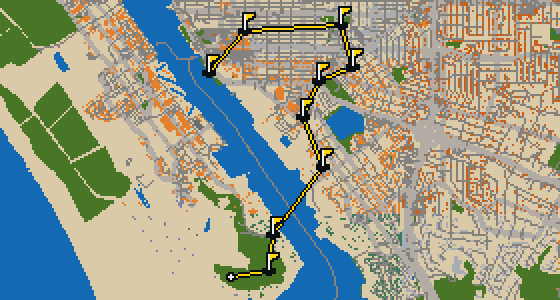
Oceanside is the setting for this round, with the ball rolling across the real streets of the city. The holes are built from actual attractions, like the Oceanside Museum of Art. Skip is a local guide who knows every curb and crumb. This quick 9-hole round covers 3.6 mi on foot with a par of 28.

9 HOLES - PAR 29

Vallejo

9 stops

The Vallejo Naval and Historical Museum is the end of this quick nine-hole round. The map is the real city and the ball rolls across its actual streets, banking off building facades. Local attractions provide the structure for each hole. Skip knows these sidewalks well, including the 3.7 mi walk and the two portals used to bridge the gaps.

9 HOLES - PAR 28

Salinas

9 stops

Salinas is the setting for this round, with the ball rolling across the actual city streets. The holes are built from real attractions, including the National Steinbeck Center. Skip knows these sidewalks well and has a few feathers in the wind. This quick round of 9 holes has a par of 28 and covers a total walk of 3.7 mi.

9 HOLES - PAR 27

Danbury

9 stops

Danbury is the setting for this round, where the map is the real city and the ball rolls along its actual streets. The holes are built from real attractions, ending at Wooster Square. Skip is a local guide who knows the pavement well. A quick 9-hole round covers 3.4 mi with a total par of 27.

FAQ

Is it free to play?

Yes. Every course runs in the browser with no account and no install.

Do I need to be in the city?

No. The full round plays from anywhere. Walking the real route is a nice way to see the city, but it is not required.

Are the maps real?

Yes. The geometry comes from OpenStreetMap data, rendered chunky on purpose. Streets, water and parks sit where they really are.