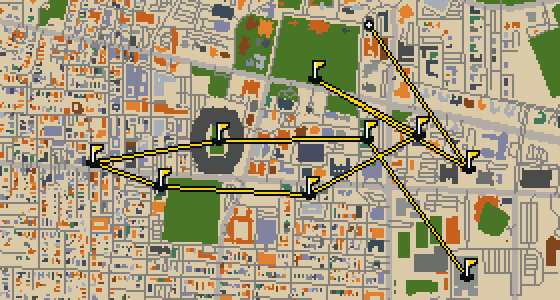
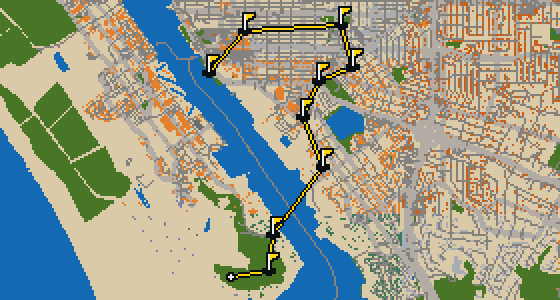
THE NEWPORT NEWS ROUND - STOP BY STOP




Peninsula SPCA Petting Zoo


Deer Park
You will first notice the open greenery as you enter Deer Park. It is a park located here in Newport News. Whether you are visiting the city for the first time or have lived here for years, it is a spot to see. I always find the open air refreshing when I am gliding over the city.

Teardrop Park
Teardrop Park is a park. When you visit, you can take a moment to step away from the city streets and experience a bit of nature. I always find that a quick stroll through the greenery is the best way to clear your head before heading to the next stop on your journey. Whether you are here for the golf or just passing through, it is a straightforward spot to enjoy some fresh air.


DreamHouse

Temple Sinai
Located at 11620 Warwick Boulevard in Newport News, Virginia, Temple Sinai is a synagogue designed in the style of modern architecture. The building was designed by architect Edward Loewenstein. It functions as a Reform Jewish synagogue and is a place of worship for the community. The site is recognized for its significance as a Virginia Historic Landmark and is also a National Register of Historic Places listed place. It was founded in 1960. Visitors to the area can see the specific modern design elements utilized by Loewenstein in the structure of the building. This landmark remains a key part of the religious landscape in the United States and provides a clear example of the mid-century architectural style used for religious institutions during that era.

The Mariners' Museum
The Mariners' Museum is a museum in Newport News, Virginia, that began in 1930. It is one of the largest maritime museums in North America, serving as a center for preserving sea-faring history. Beyond the exhibits, the facility also operates as a nonprofit organization and a publishing house. If you are looking for deep research, the Mariners' Museum Library holds the largest maritime history collection in the Western Hemisphere. I usually see people spending hours lost in those archives. To emphasize its importance to the country, Congress designated The Mariners' Museum and Park as America's National Maritime Museum. It is a massive place to explore, and you can really feel the weight of the ocean's history as you walk through the various galleries and halls.

SS United States Propeller

Whisper Wall

Ferguson Center for the Arts
Henry N. Cobb was the architect of the Ferguson Center for the Arts. This performing arts center is located in Newport News on the campus of Christopher Newport University. The facility is a theater building, concert hall, and music venue. The project had its inception in 2005, and the complex fully opened in September 2005. When you visit, you can pick out the specific design choices made by Cobb that give the building its distinct character. I always find the architecture here quite striking when I'm gliding past the campus buildings, though I usually spend more time looking for crumbs near the entrances than studying the blueprints. It is a significant spot for anyone who enjoys live performances or simply appreciates a well-designed space within a university setting.