
MOBILE - 9 HOLES - FREE

MOBILE
CITY MAP MINIGOLF

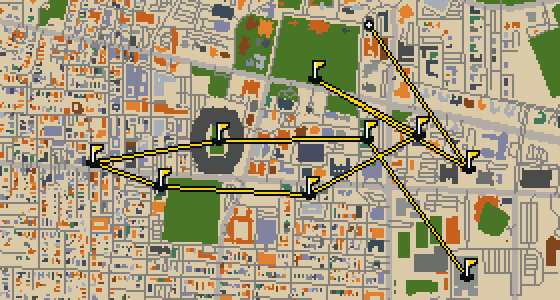
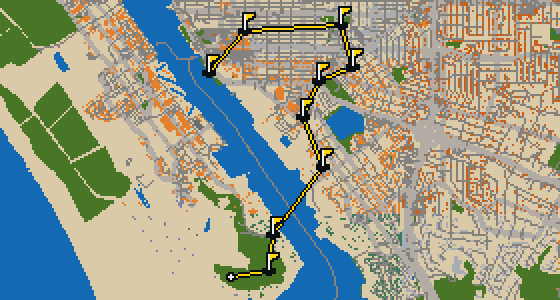
Mobile - 9 stops - par 27

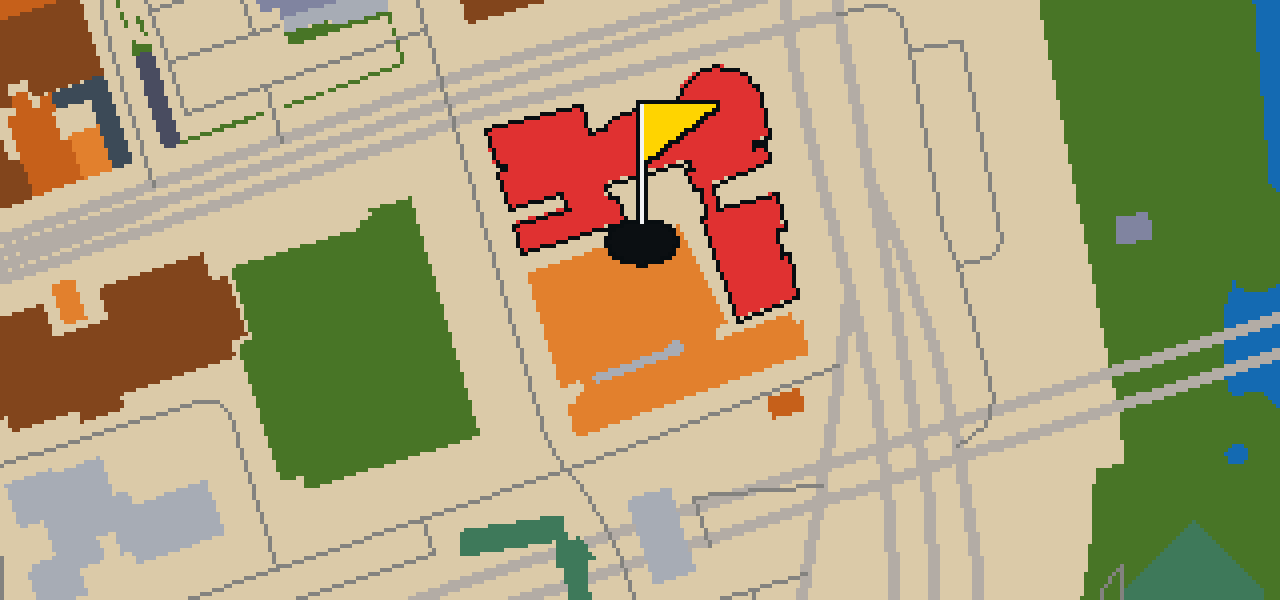
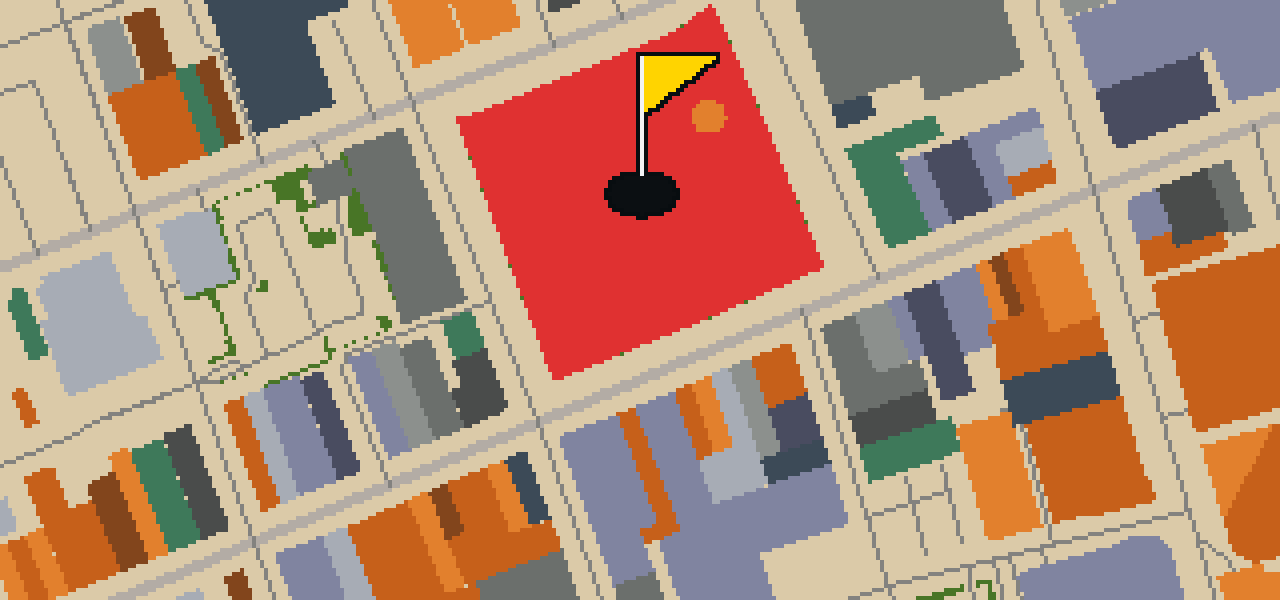
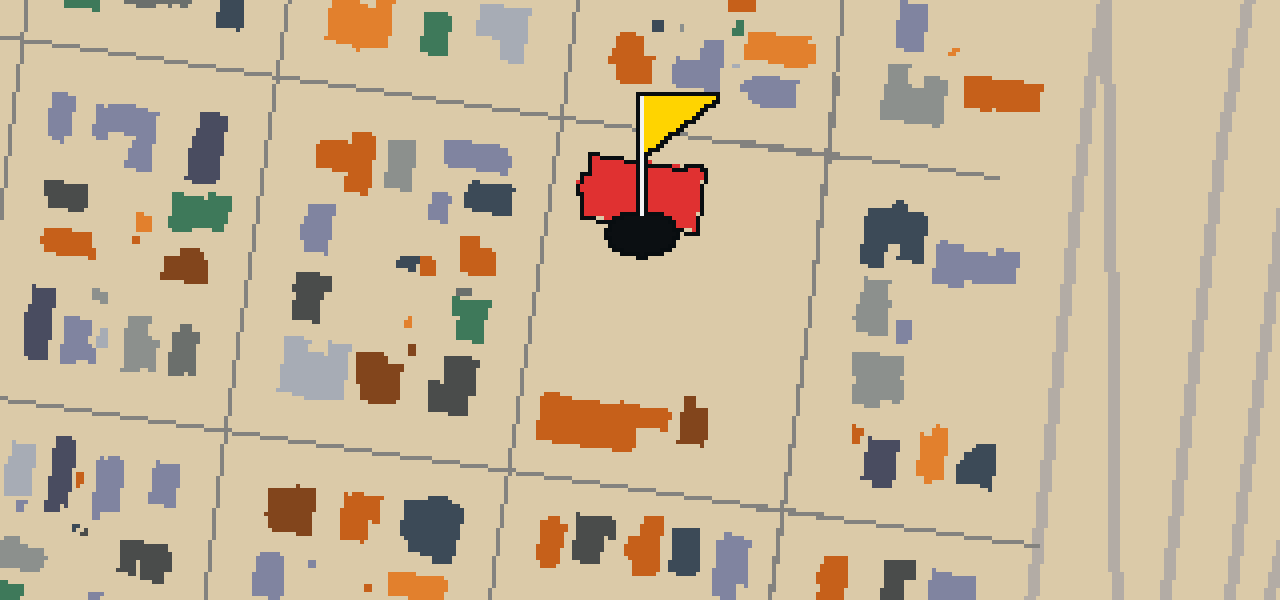
This is Mobile. The map is the real city and the round is played on its real streets, where landmarks like Bienville Square are the holes. A quick 9-hole round covers 3.5 mi on foot. Skip is a local guide who knows the place, though a pigeon mostly cares about which ledge heights are the best for a nap.

Trouble loading? Open the game in its own tab.

HOW IT WORKS

01

Pick a city

The course is drawn on the real street grid, so the map you play is the map you walk.

02

Putt to the pin

Drag to aim, release to swing. Buildings bounce and water costs you a stroke.

03

Sightsee between strokes

Every hole ends at an attraction. Sink the putt, read the story, walk to the next tee.

THE MOBILE ROUND - STOP BY STOP

HOLE 1 - PAR 3

Emanuel African Methodist Episcopal Church

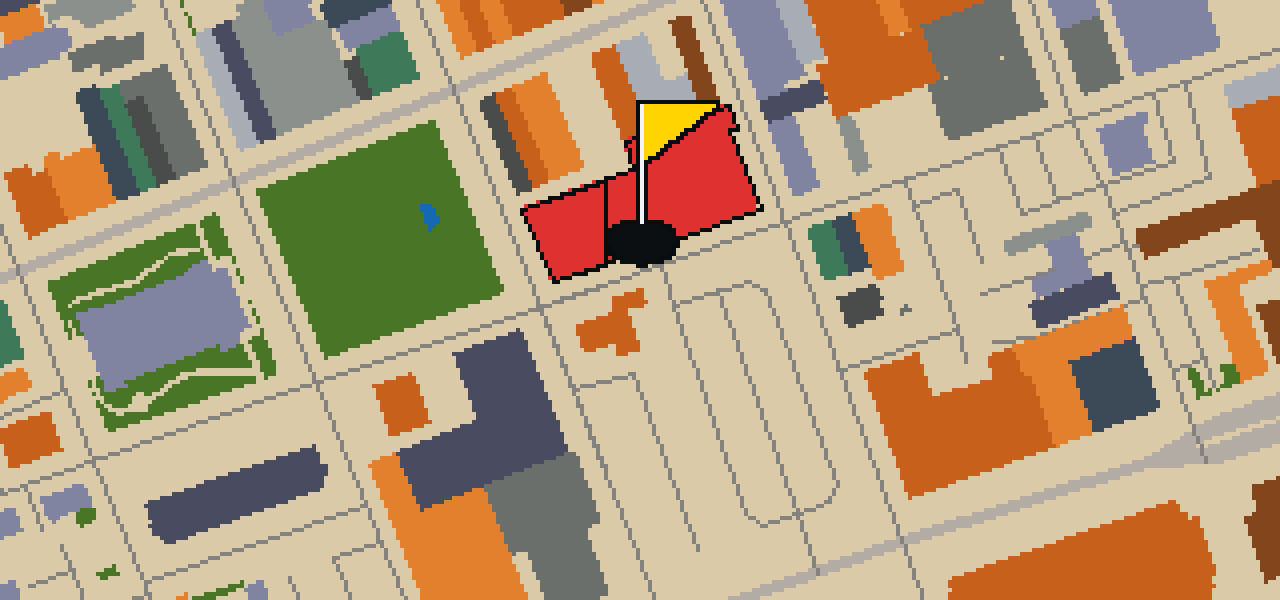
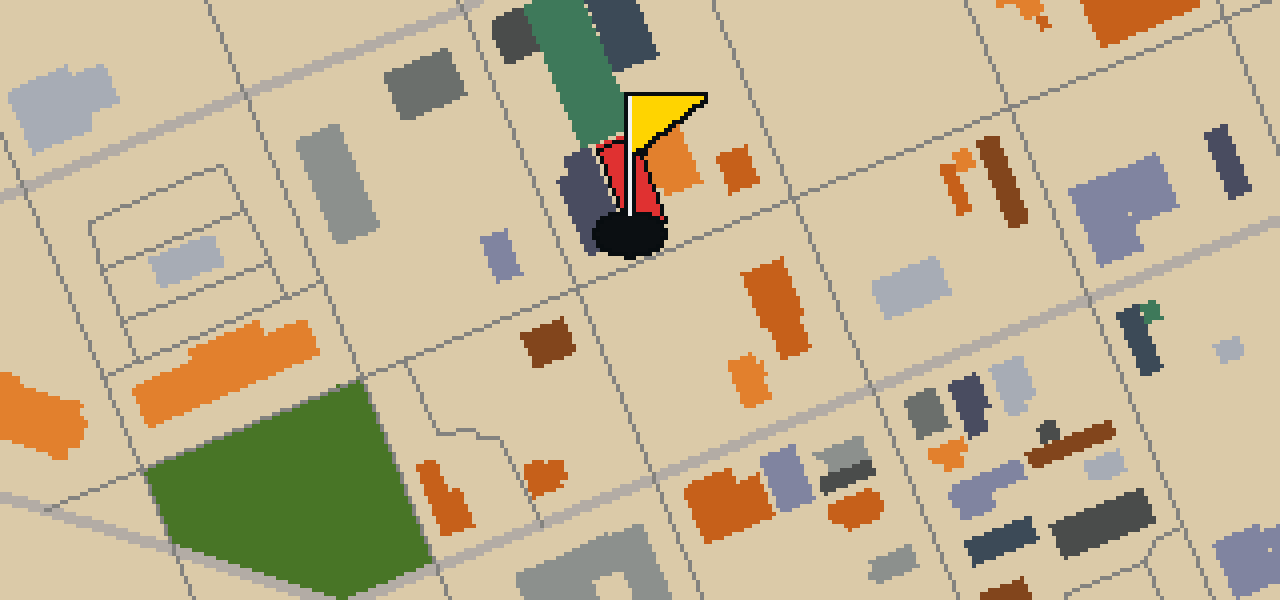
Emanuel African Methodist Episcopal Church is a church building that traces its beginnings to 1869. In that year, church trustees purchased a vacant lot for their church and completed a frame building. The site has since undergone architectural changes to its appearance, including alterations made in 1881. During that period, James F. Hutchisson was hired to design a new facade for the building, and the facade was redesigned in the Gothic Revival style. This location is listed on the National Register of Historic Places, having been added to the register on May 29, 1987. Visitors can see the results of these early efforts and the specific Gothic Revival influence that James F. Hutchisson brought to the facade during the late nineteenth century. The building remains a physical record of the trustees' work that began with the purchase of a vacant lot in 1869.
Wikidata · Wikipedia

HOLE 2 - PAR 3

Cathedral Basilica of the Immaculate Conception

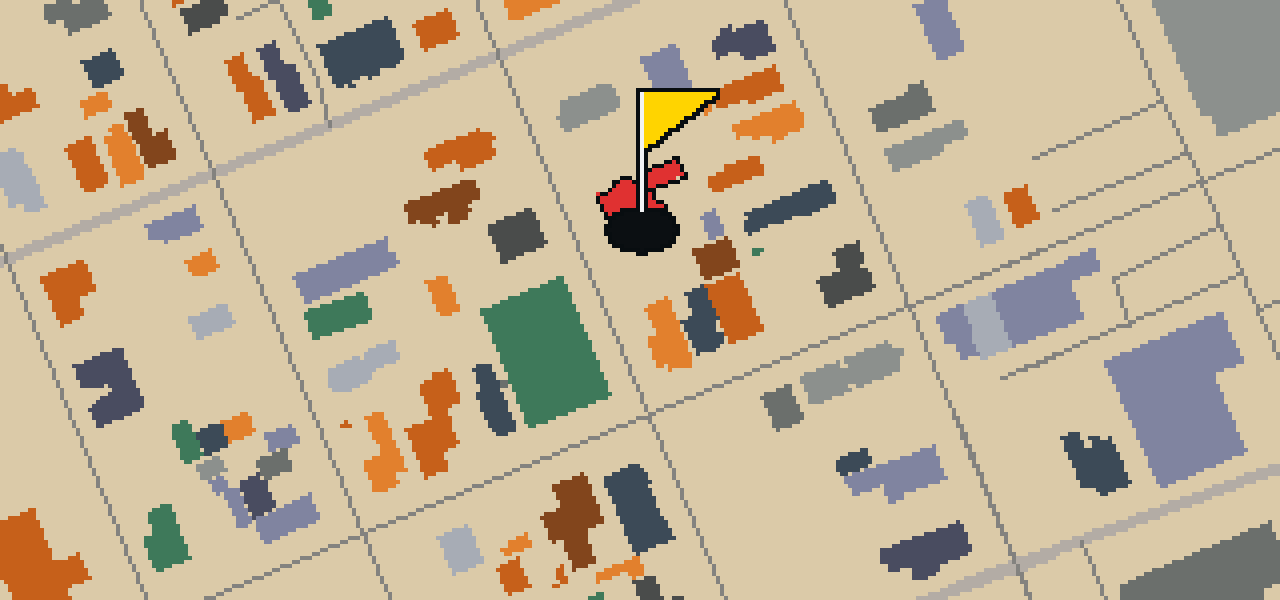
The Cathedral Basilica of the Immaculate Conception is a Catholic cathedral in Mobile, Alabama. The inception of the cathedral was in 1850, and the structure is built in the Greek Revival architecture style. It is a place of significant religious importance, as it is the seat of the archbishop of the Archdiocese of Mobile. The cathedral is named for Mary, mother of Jesus, under her title, Our Lady of the Immaculate Conception. Visitors can observe the Greek Revival details of the building as they pass by this historic site in the heart of the city. It remains a primary place of worship for the local Catholic community and a landmark of the region's religious history.

Wikidata · Wikipedia

HOLE 3 - PAR 3

Fort Conde

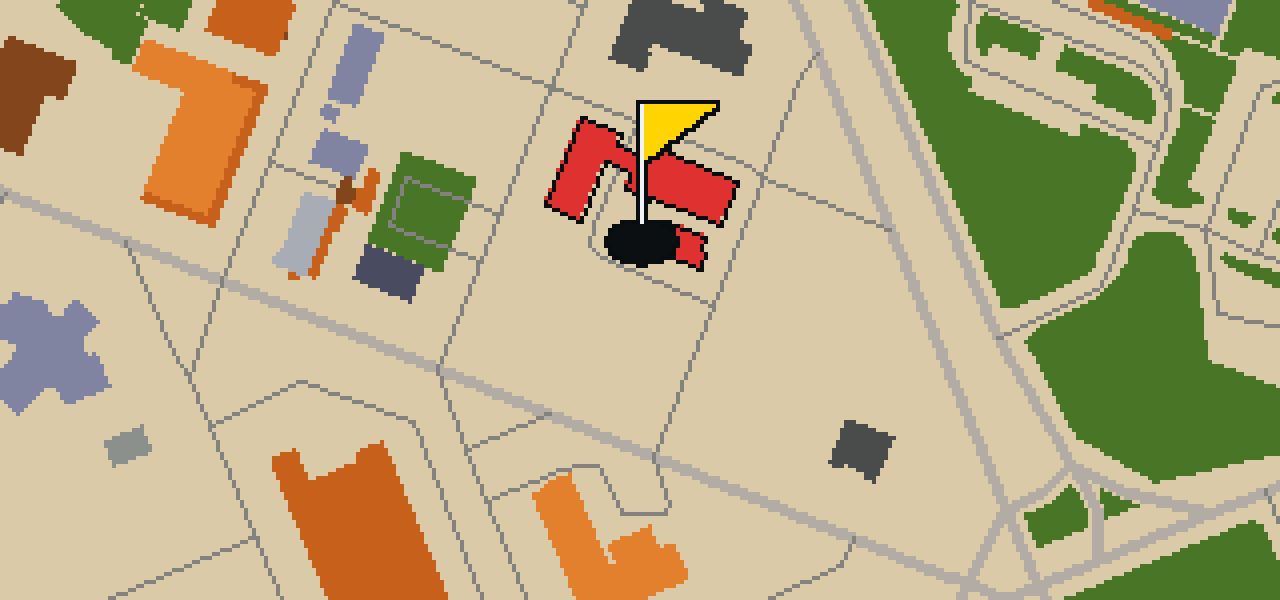
Fort Conde is a fort and reconstructed structure. Its inception was in 1723. For those visiting the area, it is a history museum and an archaeological site that allows you to see how these defenses were built. You can also find that it is a National Register of Historic Places listed place. I usually find the layout of these old fortifications fascinating to walk through. Let me show you around this piece of the city's past so you can get a feel for the scale of the walls. It is a great spot to stop and think about the history of the region while you are out and about in the city. I always enjoy seeing how the reconstructed parts fit back into the original archaeological footprint of the site.

Wikidata · Wikipedia

HOLE 4 - PAR 3

Saenger Theatre

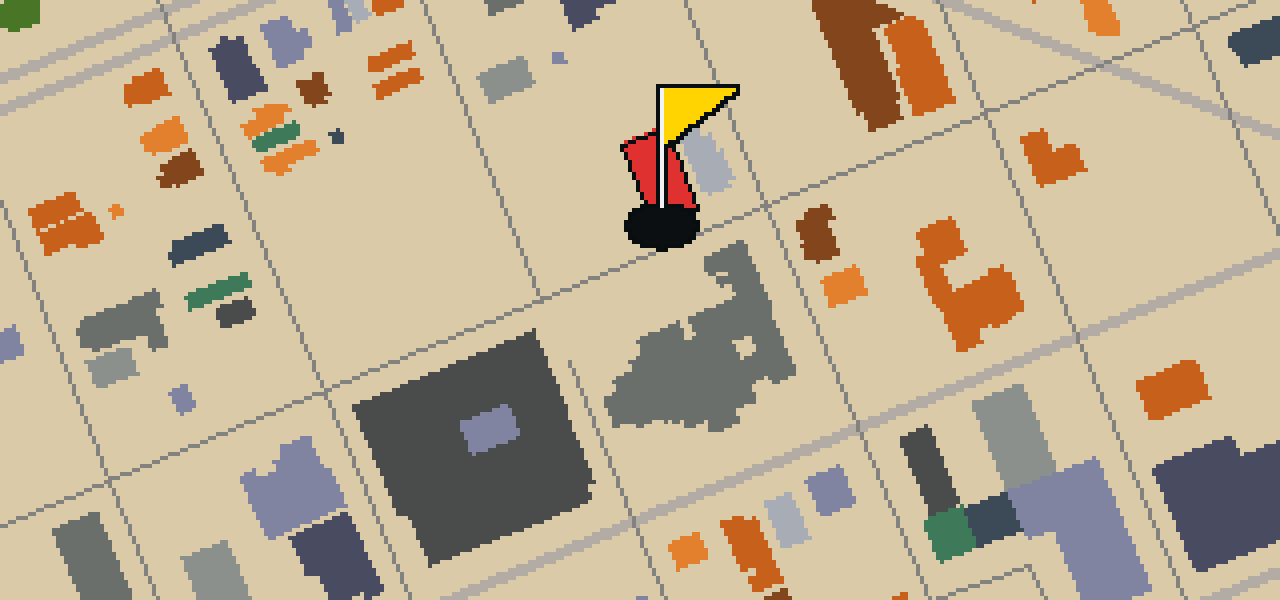
Let me show you the Saenger Theatre, a Mobile landmark that dates back to 1927. This theatre building was dedicated in January 1927 and has since evolved to serve as a movie theater. Beyond the films, it is the official home of the Mobile Symphony Orchestra. You can pick out its role in the local neighborhood, as it is a contributing building to the Lower Dauphin Street Historic District in Mobile, Alabama. It is a wonderful spot to stop and admire the history of the city. I have noticed that the crowds always seem to bring a bit of extra energy to this particular part of the street, making it a lively place to spend an afternoon regardless of what is playing on the big screen.

Wikidata · Wikipedia

HOLE 6 - PAR 2

Stone Street Baptist Church

Stone Street Baptist Church is a historic African-American Baptist church located in Mobile. This Protestant church building represents a deep legacy of faith and community, as the congregation was established before the American Civil War. Because of its enduring role in the city and its historical importance, the church has received formal recognition at the national level. It is listed on the National Register of Historic Places, a designation that acknowledges the site's cultural and architectural value. The church was officially placed on the National Register of Historic Places on August 8, 1985. Visitors can see the building as a testament to the long history of the Baptist faith within the African-American community of Mobile.

Wikidata · Wikipedia

HOLE 7 - PAR 4

State Street African Methodist Episcopal Zion Church

This is not a typical city landmark, but a place of deep historical weight. The State Street African Methodist Episcopal Zion Church is a historic African American church in Mobile, Alabama. Built in the Romanesque Revival architecture style, the building is listed on the National Register of Historic Places. It holds a significant place in the religious history of the region as the oldest documented Methodist church building in Alabama. Visitors can observe the distinct architectural details of the Romanesque style while reflecting on the church's role within the community. It remains one of only two African American churches founded in the Methodist tradition in Mobile before the American Civil War.

Wikidata · Wikipedia

HOLE 8 - PAR 2

Gulf Coast Exploreum Science Center

Walk through the Hands On Hall to start your visit at the Gulf Coast Exploreum Science Center. This museum is a non-profit science center located in downtown Mobile, Alabama. Since it was founded in 1983, it has provided a space for discovery through various exhibits. Beyond the Hands On Hall, you can spend time in other permanent galleries, including the Curiosity Factory and the Wharf of Wonder. I've noticed the downtown location makes it a handy stop for anyone exploring the city center on foot. Whether you are interested in the mechanics of the Curiosity Factory or the exhibits at the Wharf of Wonder, there is plenty to see inside this facility. It is a great way to experience the local side of downtown Mobile while learning about science in a setting that encourages people to get involved with the displays.

Wikidata · Wikipedia

HOLE 9 - PAR 4

Bienville Square

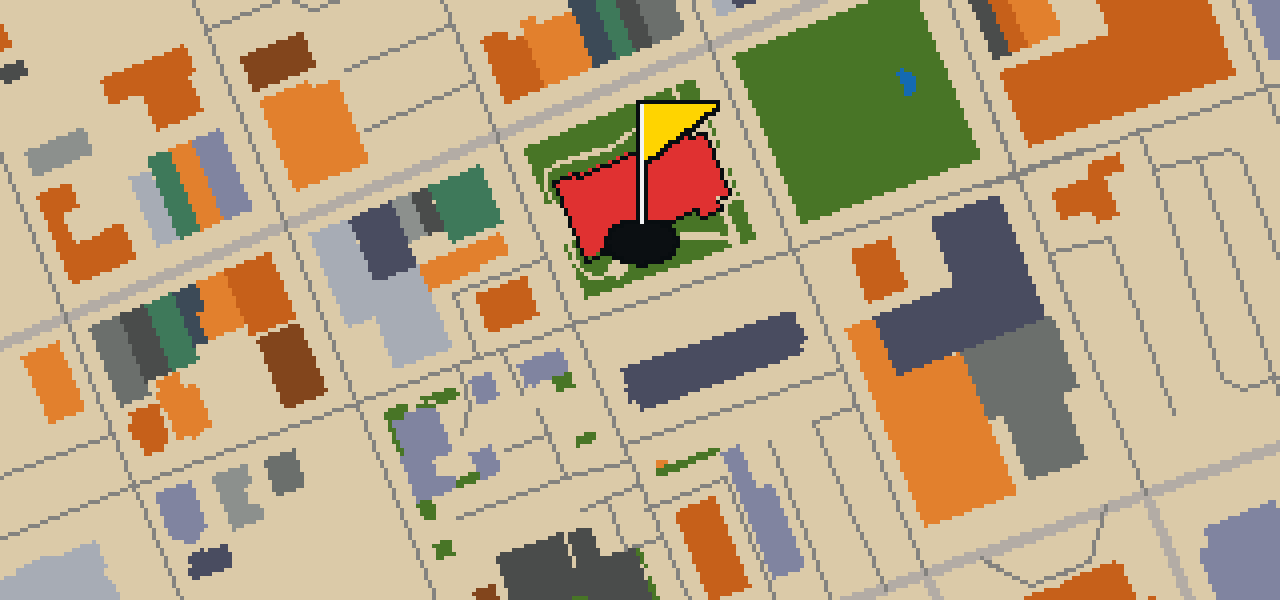
This isn't just a gap between buildings, but a historic city park in the center of downtown Mobile, Alabama. Known as Bienville Square, the site was established in 1850 and named for the founder of the city, Jean-Baptiste Le Moyne, Sieur de Bienville. When you visit, you can see how the park occupies the entire block bordered by the streets of Dauphin, Saint Joseph, Saint Francis, and North Conception. I always find it a nice spot to take a breather while exploring the city center. It is a great place to see the local pace of life, and the layout of the surrounding streets makes it easy to find if you are wandering through the downtown area.

Wikidata · Wikipedia

STOP 10

Saint Vincent Catholic Church

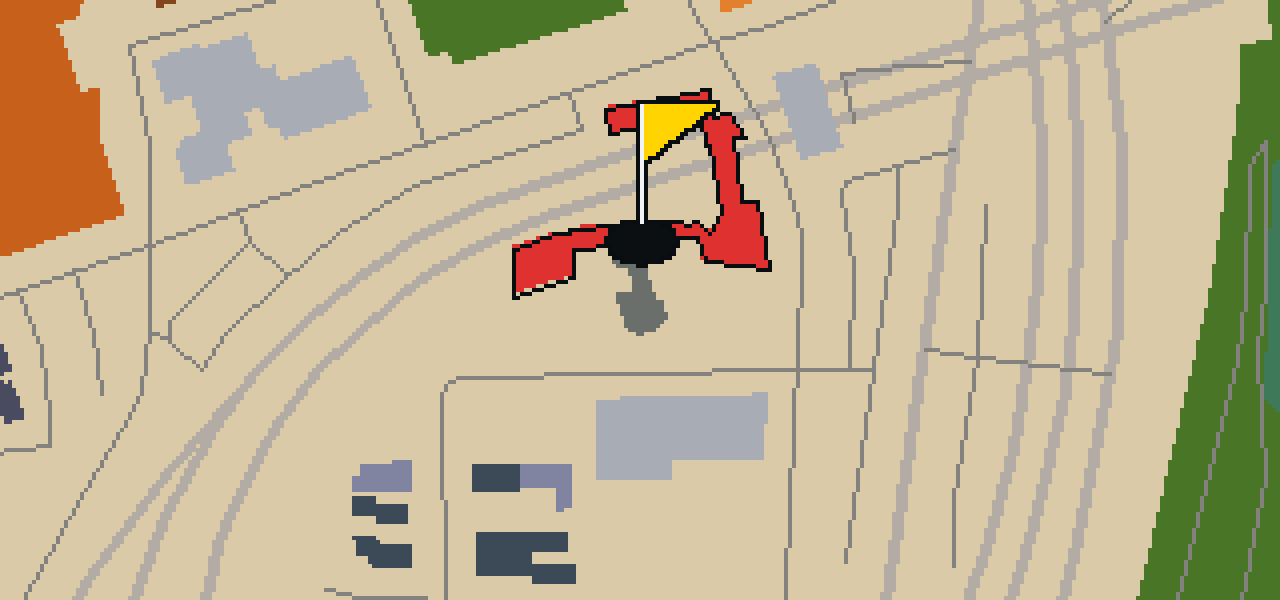
Built in the Gothic Revival style, Saint Vincent Catholic Church is a church building in Mobile, Alabama. It is a National Register of Historic Places listed place. This site was designed by architect James H. Hutchisson and construction was started in 1874. The church is now known as Prince of Peace Catholic Church. Visitors can observe the Gothic Revival architectural details that define the structure. As a listed place on the National Register of Historic Places, the building is recognized for its historical and architectural value to the city of Mobile. The transition from its original name to Prince of Peace Catholic Church marks a change in its identity while maintaining its presence in the community. This church building remains a significant example of the work of James H. Hutchisson in the region.

Wikidata · Wikipedia

OTHER COURSES

9 HOLES - PAR 29

Fayetteville

9 stops

Fayetteville is the setting for this round, where the map is the real city and the ball rolls across its actual streets. The holes are built from real attractions, beginning at the Walton Arts Center. This quick 9-hole round covers 3.6 mi with a par of 29. Skip is a local guide who knows every curb and crack in the pavement.

9 HOLES - PAR 30

Lincoln

9 stops

The ball finds the cup at the Statue of Abraham Lincoln in Lincoln. The map is the real city and the round is played on its real streets, using actual attractions as the holes. This quick 9-hole round covers 4.4 mi with a par of 30. Skip is a local guide who knows these sidewalks well, even the parts where the crumbs are best.

18 HOLES - PAR 55

Duluth

18 stops

This is Duluth. The map is the real city and the round is played on its actual streets, where the ball banks off the facades of real attractions like the SS William A. Irvin to reach the cup. Skip is a local guide who knows every nook and cranny of these sidewalks. It is a full round of 18 holes with a par of 55. The total walk covers 7.1 mi, though a pigeon can take a few shortcuts across the rooftops.

9 HOLES - PAR 29

Traverse City

9 stops

Traverse City is the setting for this quick nine-hole round. The map uses the actual city layout where the ball rolls across real streets and banks off the facades of attractions like the Wise Memorial Clock Tower. Skip knows every ledge and gutter in town. The walk covers 3.8 mi on a course with a par of 29.

9 HOLES - PAR 31

Grand Rapids

9 stops

Banking a ball off the glass and stone of the Van Andel Arena feels different than the soft edges of a park. This round takes place on the real streets of Grand Rapids, where the city map is the course and local attractions are the holes. It is a quick nine-hole round covering 4.4 mi. Skip knows every sidewalk and ledge in this town.

FAQ

Is it free to play?

Yes. Every course runs in the browser with no account and no install.

Do I need to be in the city?

No. The full round plays from anywhere. Walking the real route is a nice way to see the city, but it is not required.

Are the maps real?

Yes. The geometry comes from OpenStreetMap data, rendered chunky on purpose. Streets, water and parks sit where they really are.