
HONOLULU - 9 HOLES - FREE

HONOLULU
CITY MAP MINIGOLF

Honolulu - 9 stops - par 26

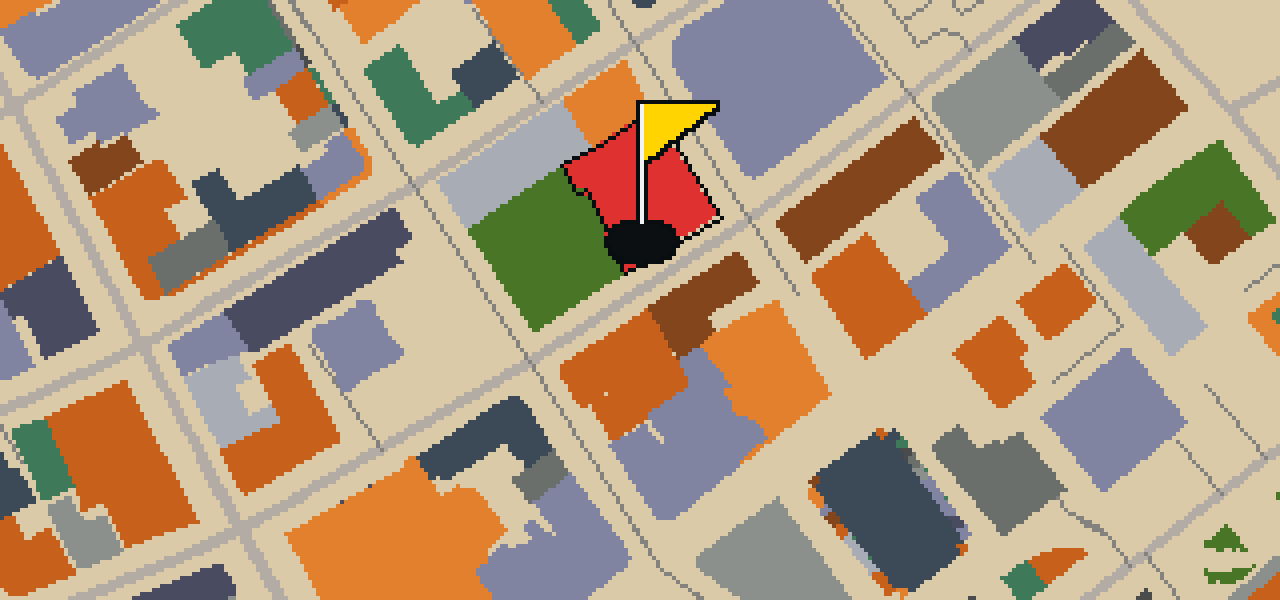
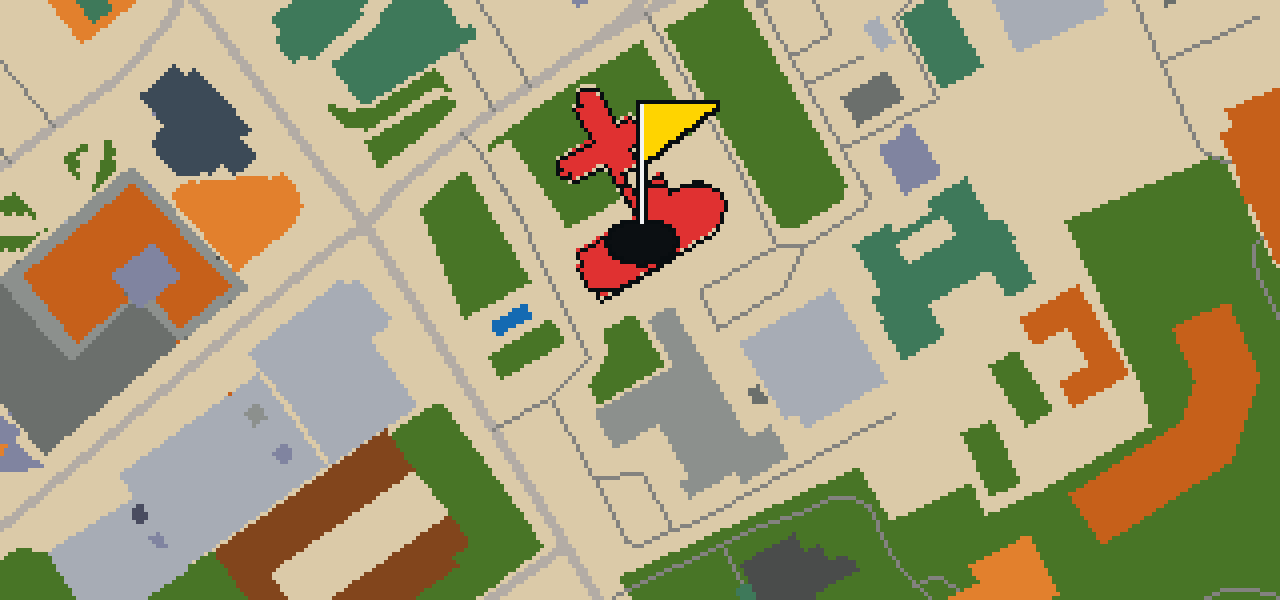
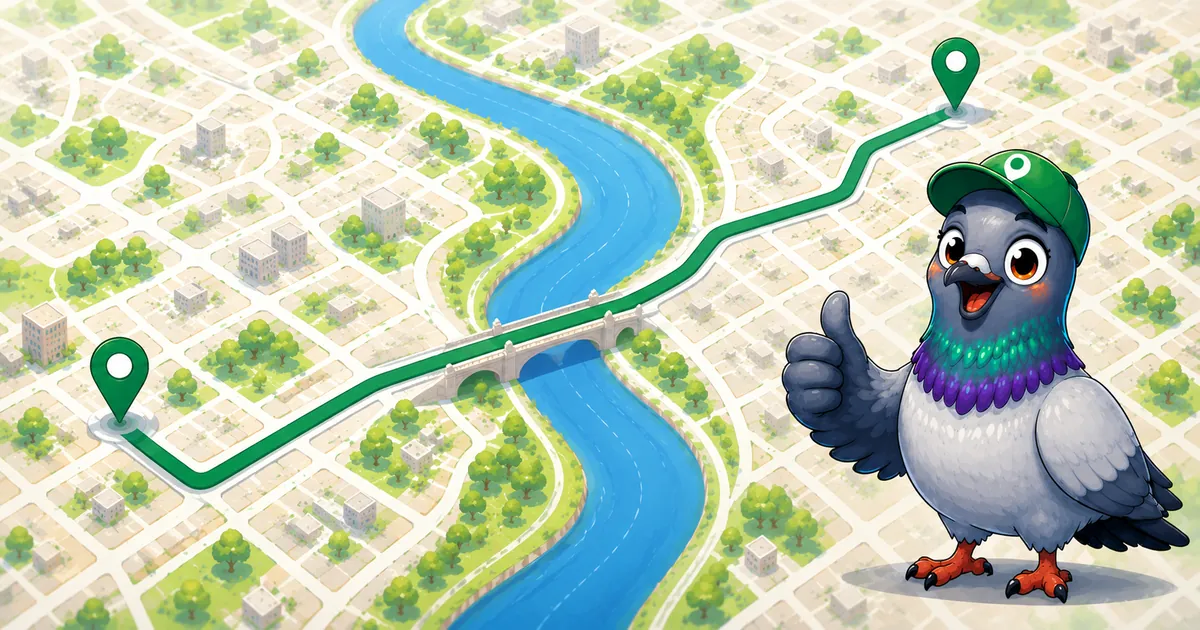
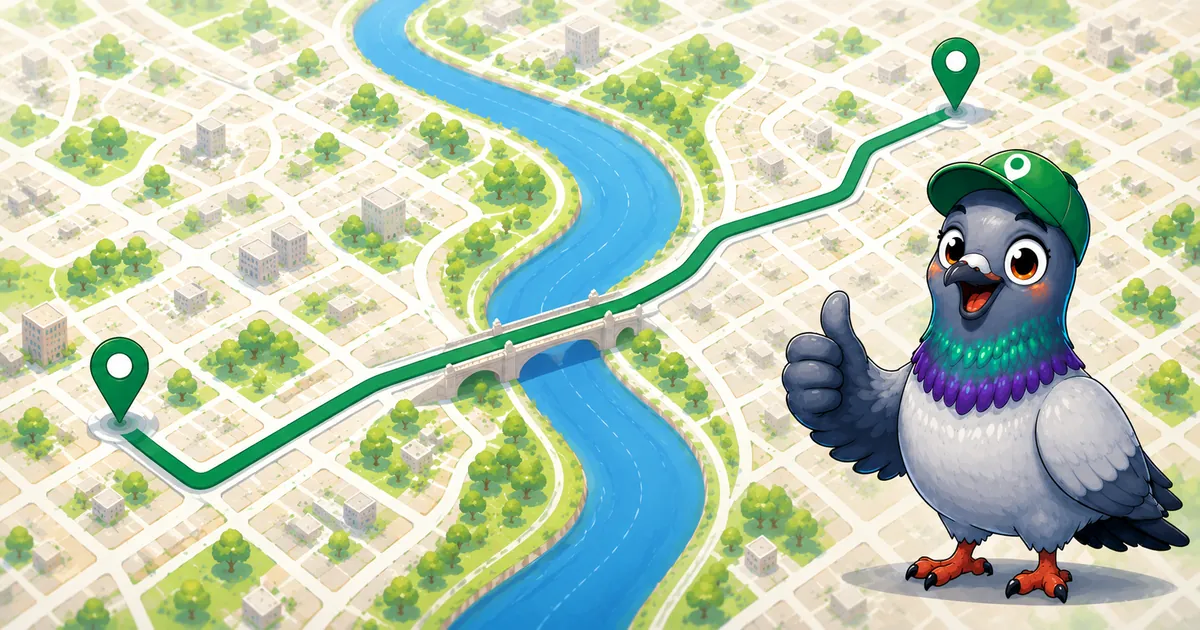
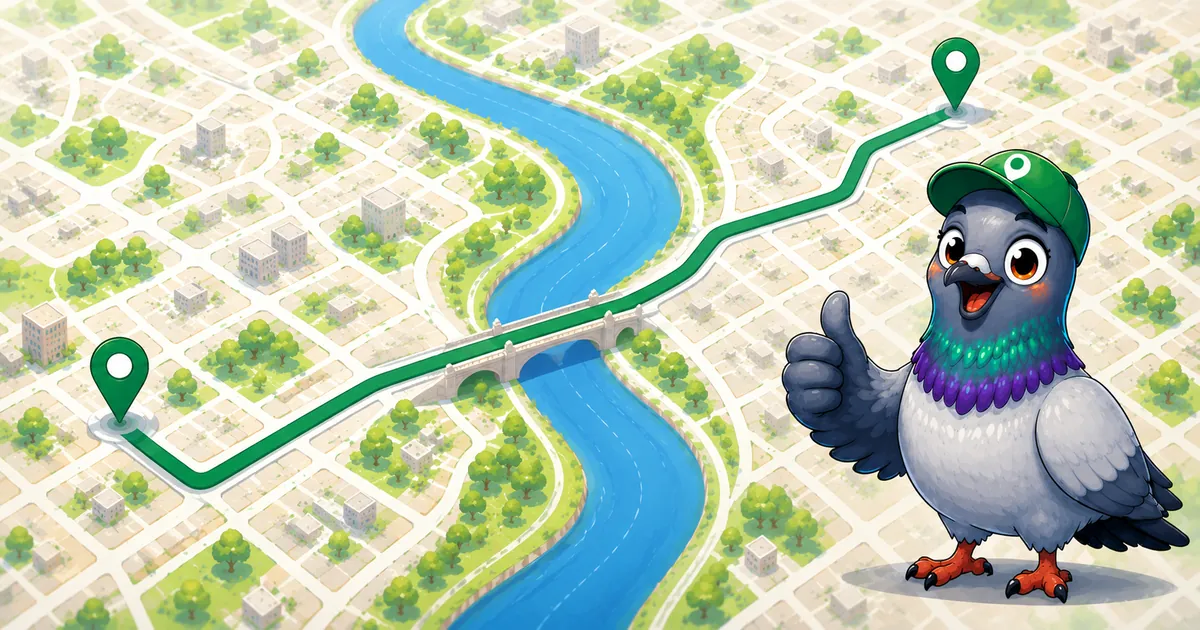
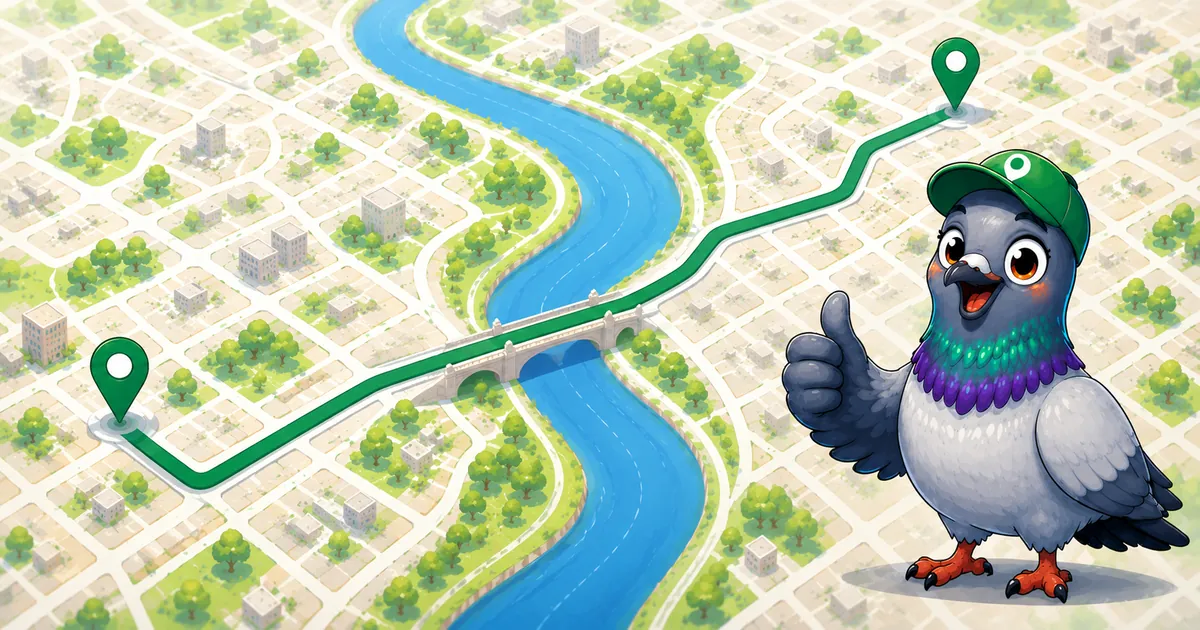
This is Honolulu. The map is the real city and the round is played on its real streets, where attractions like ʻIolani Palace are the holes. Skip is a local guide who knows the place and where to find the best crumbs. It is a quick round of 9 holes with a par of 26, covering a walk of 3.2 mi.

Trouble loading? Open the game in its own tab.

HOW IT WORKS

01

Pick a city

The course is drawn on the real street grid, so the map you play is the map you walk.

02

Putt to the pin

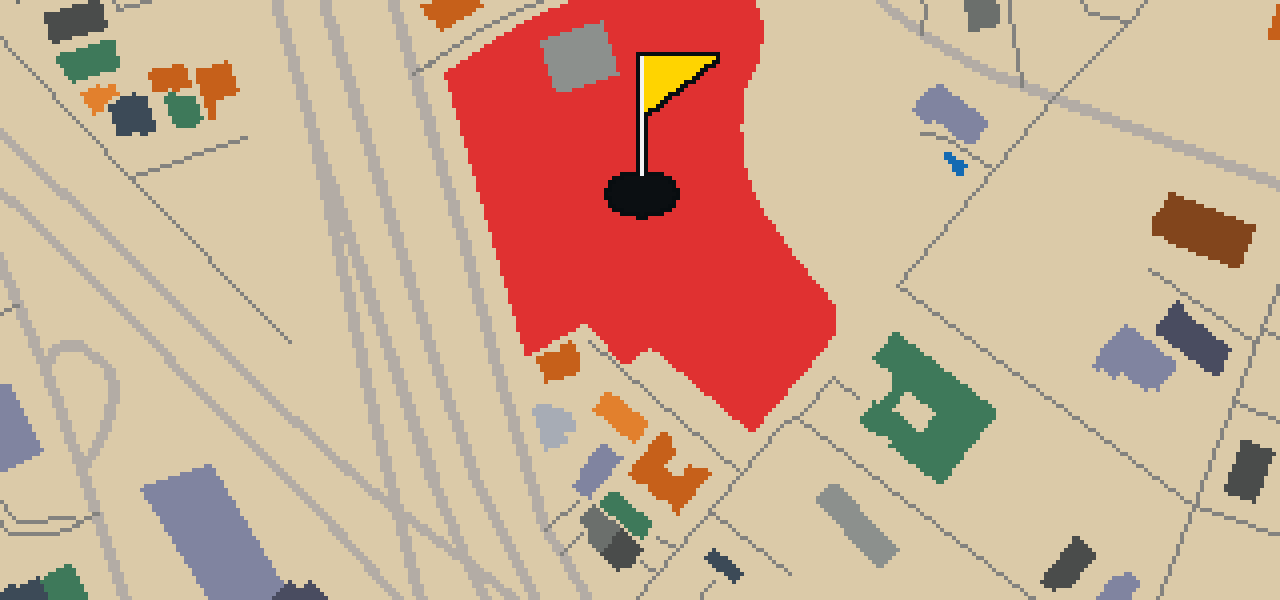
Drag to aim, release to swing. Buildings bounce and water costs you a stroke.

03

Sightsee between strokes

Every hole ends at an attraction. Sink the putt, read the story, walk to the next tee.

THE HONOLULU ROUND - STOP BY STOP

HOLE 1 - PAR 2

ʻIolani Palace

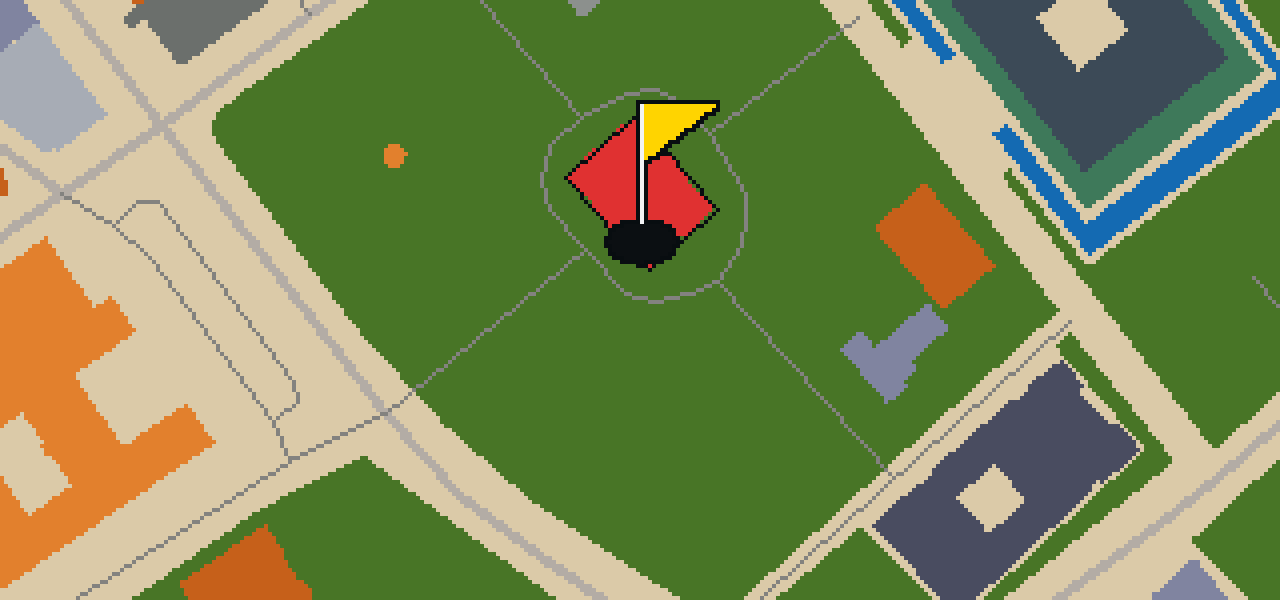
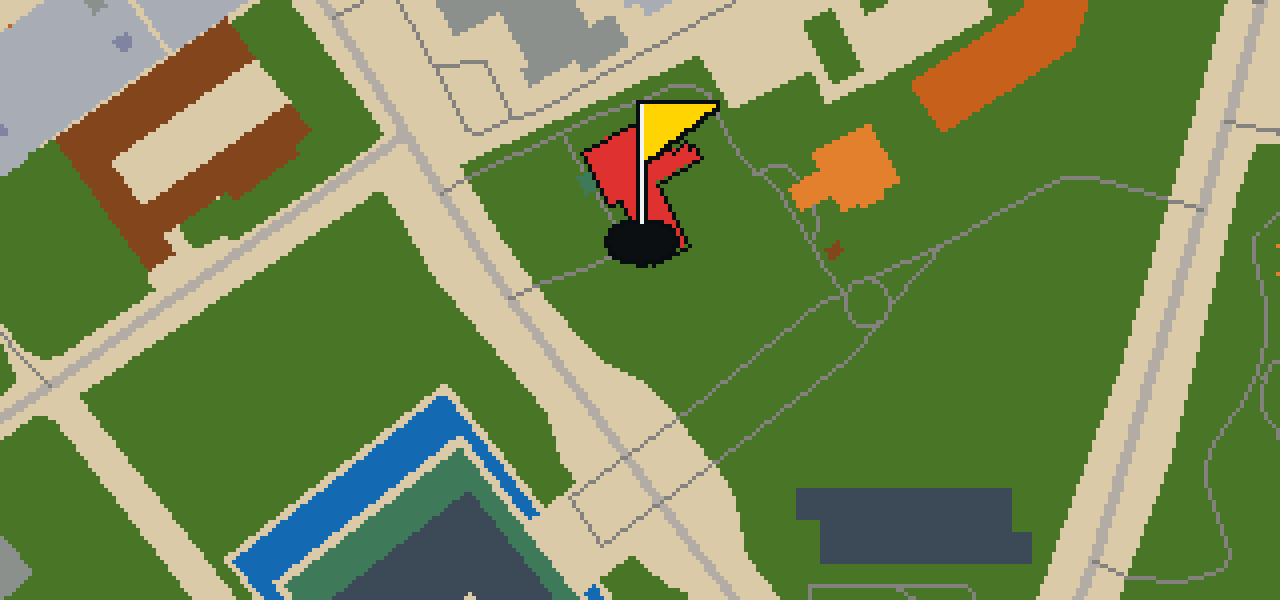
Let me show you ʻIolani Palace, which was started in 1879 and features Hawaiian architecture. This palace was the royal residence for the rulers of the Kingdom of Hawaiʻi, beginning with Kamehameha III in 1845 and ending with Queen Liliʻuokalani in 1893. After the royal era, the building had a different role, serving as the capitol building for the Provisional Government, Republic, Territory, and State of Hawaiʻi until 1969. Today, it is a National Historic Landmark and is listed on the National Register of Historic Places. You can visit the site now because it was restored and opened to the public as a museum in 1978. I've noticed the grounds are a great spot to take a breather while you admire the building.

Wikidata · Wikipedia

HOLE 2 - PAR 3

Washington Place

Look closely at the Greek Revival architecture style of Washington Place. This palace is located in the Hawaii Capital Historic District in Honolulu, Hawaii. Started in 1847, the site is listed on the National Register of Historic Places and was designated as a National Historic Landmark in 2007. It holds a heavy place in local history, as Queen Liliʻuokalani was arrested here during the overthrow of the Hawaiian Kingdom. Later, the palace became the official residence of the governor of Hawaii. While the historic building remains a focal point, the current governor's residence was built in 2008 behind it. I've always found the contrast between the old and new structures quite striking.

Wikidata · Wikipedia

HOLE 3 - PAR 2

Hawaii Theatre

Built in 1922, the Hawaii Theatre is a movie theater that has remained a fixture of the city. It is a theatre building that combines Neoclassical and Art Deco architecture styles, giving it a distinct look that stands out on the street. Because of its historical value, it is listed on the National Register of Historic Places and the State Register of Historic Places. I always think the blend of those two styles makes it one of the most interesting facades in the neighborhood. Whether you are interested in cinema or just enjoy a walk through the city, this spot is a great example of early twentieth-century design. It is located at 1130 Bethel Street, making it an easy landmark to spot as you navigate the area.

Wikidata · Wikipedia

HOLE 4 - PAR 3

Capitol Modern

If you head to the second floor of the No. 1 Capitol District Building in downtown Honolulu, you will find Capitol Modern. This public art museum provides a dedicated space for visitors to engage with creative works in the heart of the city. The museum is operated by the Hawaii State Foundation on Culture and the Arts, ensuring the collection remains accessible to the community. It is also part of the Art in Public Places Program, which integrates art into the civic environment. I've found that the location makes it a great spot to stretch your legs while exploring the government district. Whether you are a lifelong art lover or just passing through Hawaii, it is a welcoming stop that brings a bit of creative energy to the surrounding office buildings.

Wikidata · Wikipedia

HOLE 5 - PAR 3

Kumu Kahua Theatre

Let me show you Kumu Kahua Theatre, a community theater located in Honolulu on the island of Oahu. This theatre company is a staple of the arts in the state of Hawaii, and those who are familiar with the venue often call it by its nickname, Kumu. If you look into the meaning of the name, the Hawaiian words kumu kahua translate to "original stage." It is a great place to experience the local creative spirit while you are visiting the city. I usually see plenty of folks heading inside for a show, though I prefer watching the crowds from a ledge above. It is a wonderful example of how the community comes together to support the performing arts in this part of the Pacific.

Wikidata · Wikipedia

HOLE 6 - PAR 3

St Andrew's Cathedral

The French Gothic architecture style is the first thing you notice about St Andrew's Cathedral. This Episcopal cathedral in the State of Hawaii was designed by architect William Slater. It is the home of the bishop of the Episcopal Diocese of Hawaii and maintains an affiliation with St. Andrew's Schools. The site is listed on the National Register of Historic Places. As a cathedral of the Episcopal Church in the United States, it stands as a significant religious landmark in the city. Visitors can observe the specific design elements that define the French Gothic influence brought to the islands by Slater. It is a place of worship and history that remains central to the Episcopal community in Hawaii.

Wikidata · Wikipedia

HOLE 7 - PAR 4

Kawaiaha'o Church

Located in Downtown Honolulu on the Hawaiian Island of Oʻahu, Kawaiaha'o Church is a historic Congregational church. Visitors can notice that the building is designed in the Mediterranean Revival architecture style. This church and the Mission Houses comprise the Hawaiian Mission Houses Historic Site, which is a significant landmark in the city. The Hawaiian Mission Houses Historic Site was designated a U.S. National Historic Landmark in 1962. Furthermore, in 1966, Kawaiaha'o Church and all other National Historic Landmarks were included in the first issuance of the National Register of Historic Places. This ensures the site is preserved for those visiting the downtown area today. You can see how the architecture blends with the surroundings of the historic district while maintaining its role as a place of worship and a recognized piece of national history.

Wikidata · Wikipedia

HOLE 8 - PAR 3

The Honolulu Museum of Art

The Honolulu Museum of Art is an art museum in Honolulu, Hawaiʻi. It is a National Register of Historic Places listed place and operates as a nonprofit organization. When you visit, you can pick out the Mediterranean Revival architecture style used by the architect, Bertram Goodhue. I find the layout quite pleasant for a stroll. The museum was founded in 1922 by Anna Rice Cooke and officially opened on April 8, 1927. Over the years, the museum has expanded its reach and its holdings, and the collections have grown to more than 55,000 works of art. Whether you are here for the history of the building or the items inside, there is plenty to see in this space.

Wikidata · Wikipedia

HOLE 9 - PAR 3

Dole Park

Let me show you Dole Park. It is a playground located here in the city. Whether you are visiting Honolulu for the first time or you live nearby, it is a spot where you can find a bit of recreation. I find that these open areas are the best places to watch the city move around you while you take a breather. Since it is a playground, it is designed for play and activity, making it a useful stop for anyone needing a moment of leisure during their walk through the neighborhood.

Wikidata

STOP 10

Thomas Square

You will likely notice a single flag waving here; Thomas Square is one of four sites in Hawaii where the Hawaiian flag is allowed to fly alone without the United States flag. This park in Honolulu is Hawaii's oldest city park and is listed on the National Register of Historic Places. It is named for Admiral Richard Darton Thomas. For those interested in the city's early layout, the Privy Council voted to increase the boundaries of the square on March 8, 1850. I find it a peaceful spot to pause and watch the world go by, and it is a great place to stretch your legs after a long walk through the city. Whether you are here for the greenery or the history, there is a certain stillness to this space that makes it feel distinct from the surrounding urban bustle.

Wikidata · Wikipedia

OTHER COURSES

9 HOLES - PAR 26

Tuscaloosa

9 stops

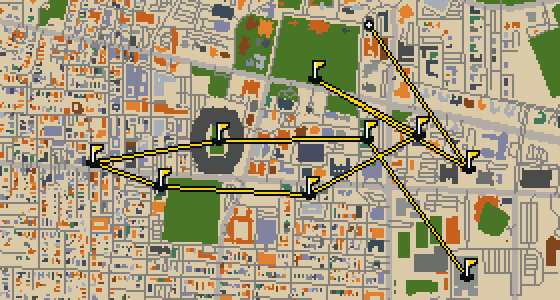
Tuscaloosa is the setting for this round, played on the actual city streets. The map uses real attractions like Bryant-Denny Stadium to build the holes, turning the town into a course. Skip knows these sidewalks well, having spent plenty of time dodging crumbs on the way to the cup. This quick 9-hole round covers 3.2 mi with a total par of 26.

9 HOLES - PAR 28

Oceanside

9 stops

Oceanside is the setting for this round, with the ball rolling across the real streets of the city. The holes are built from actual attractions, like the Oceanside Museum of Art. Skip is a local guide who knows every curb and crumb. This quick 9-hole round covers 3.6 mi on foot with a par of 28.

9 HOLES - PAR 29

Vallejo

9 stops

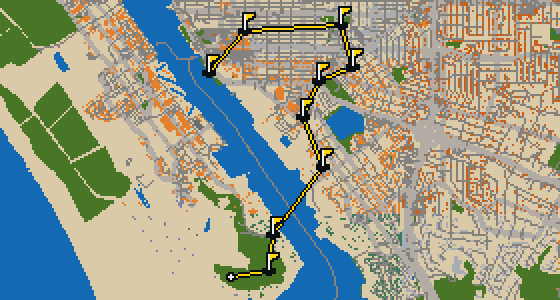
The Vallejo Naval and Historical Museum is the end of this quick nine-hole round. The map is the real city and the ball rolls across its actual streets, banking off building facades. Local attractions provide the structure for each hole. Skip knows these sidewalks well, including the 3.7 mi walk and the two portals used to bridge the gaps.

9 HOLES - PAR 28

Salinas

9 stops

Salinas is the setting for this round, with the ball rolling across the actual city streets. The holes are built from real attractions, including the National Steinbeck Center. Skip knows these sidewalks well and has a few feathers in the wind. This quick round of 9 holes has a par of 28 and covers a total walk of 3.7 mi.

9 HOLES - PAR 27

Danbury

9 stops

Danbury is the setting for this round, where the map is the real city and the ball rolls along its actual streets. The holes are built from real attractions, ending at Wooster Square. Skip is a local guide who knows the pavement well. A quick 9-hole round covers 3.4 mi with a total par of 27.

FAQ

Is it free to play?

Yes. Every course runs in the browser with no account and no install.

Do I need to be in the city?

No. The full round plays from anywhere. Walking the real route is a nice way to see the city, but it is not required.

Are the maps real?

Yes. The geometry comes from OpenStreetMap data, rendered chunky on purpose. Streets, water and parks sit where they really are.