
GREENVILLE - 9 HOLES - FREE

GREENVILLE
CITY MAP MINIGOLF

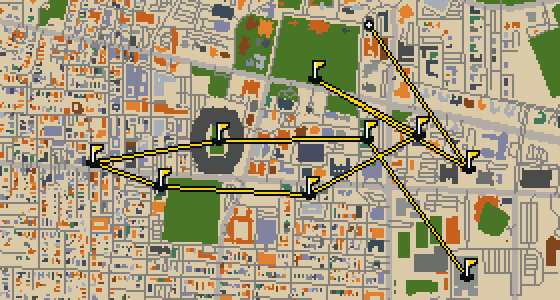
Greenville - 9 stops - par 27

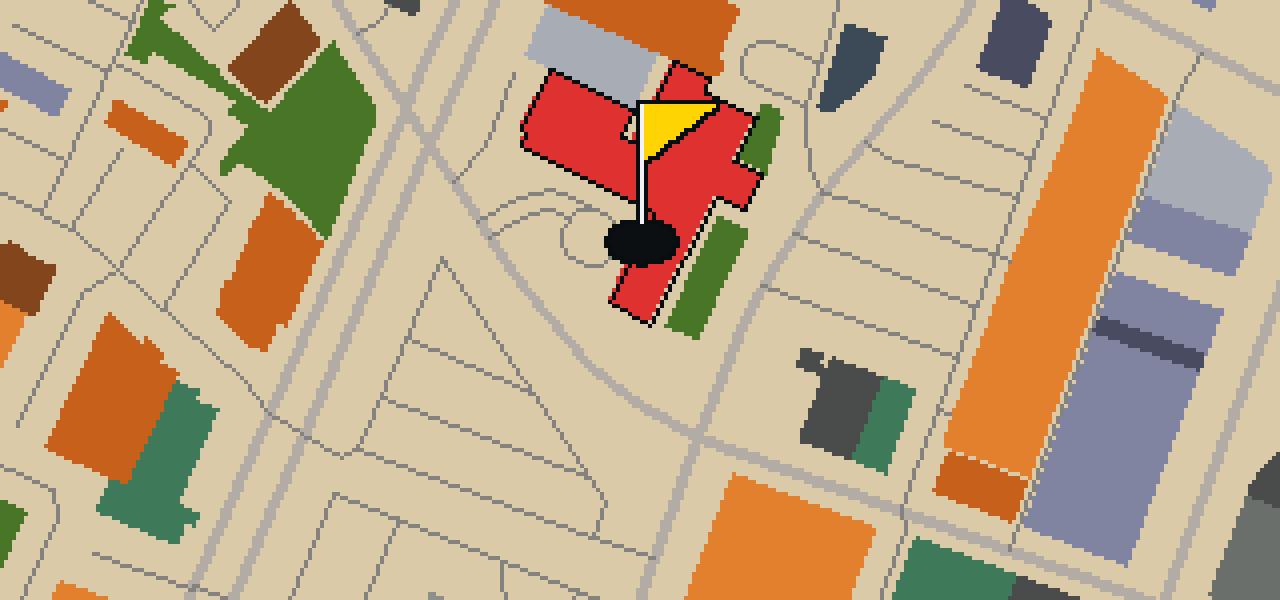
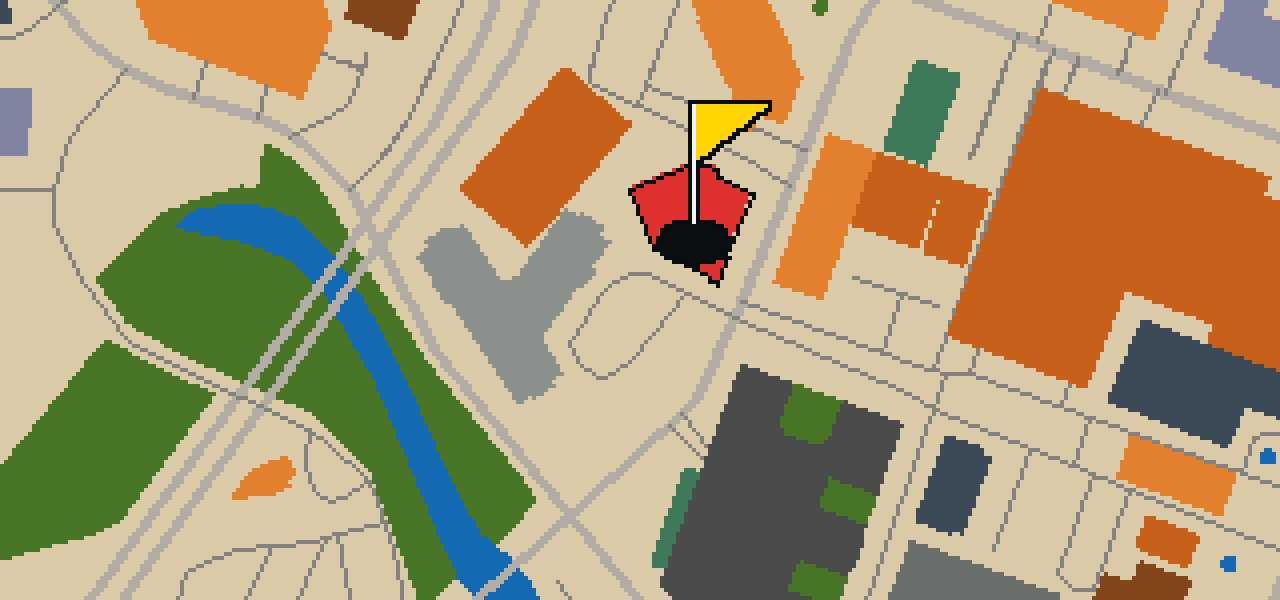
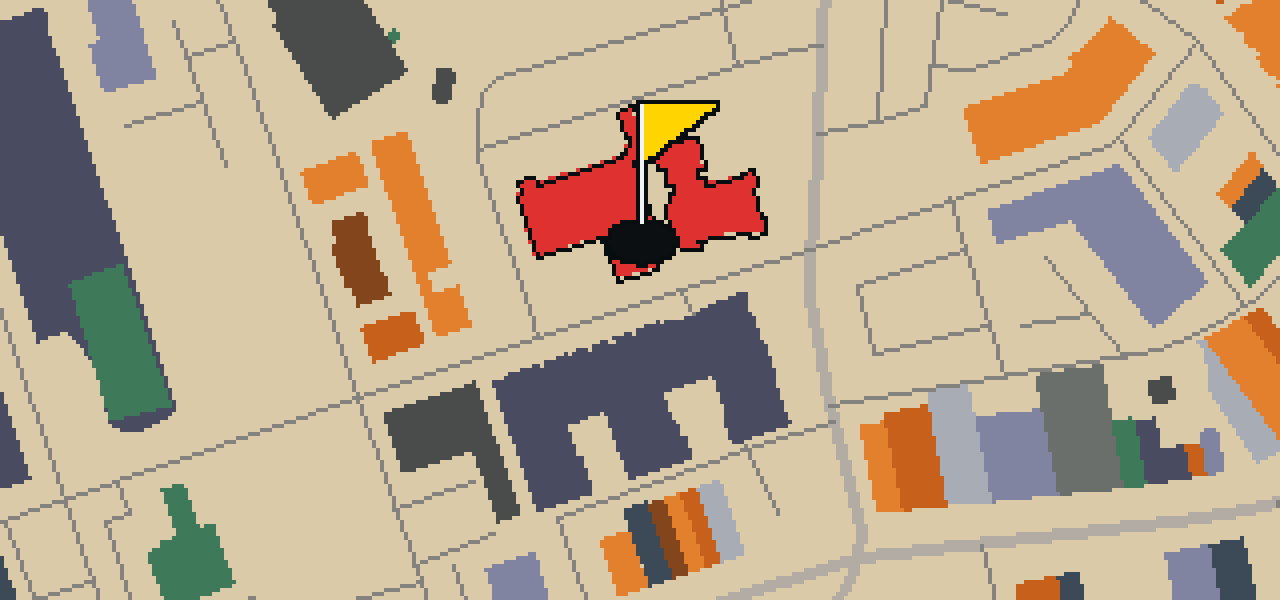
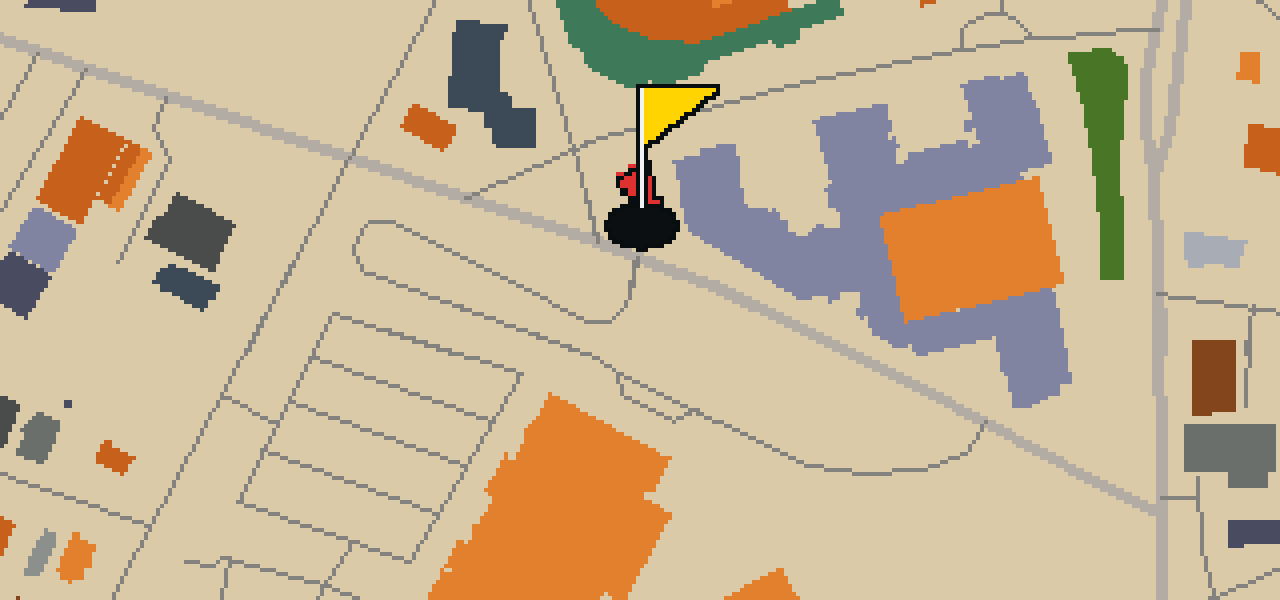
The ball finishes its run at the Shoeless Joe Jackson Museum and Baseball Library in Greenville. This round uses the actual city map and its real streets for the course, with holes built directly from local attractions. Skip knows these sidewalks well, even the best spots for a crumb. It is a quick nine-hole round covering 3.2 mi on foot.

Trouble loading? Open the game in its own tab.

HOW IT WORKS

01

Pick a city

The course is drawn on the real street grid, so the map you play is the map you walk.

02

Putt to the pin

Drag to aim, release to swing. Buildings bounce and water costs you a stroke.

03

Sightsee between strokes

Every hole ends at an attraction. Sink the putt, read the story, walk to the next tee.

THE GREENVILLE ROUND - STOP BY STOP

HOLE 1 - PAR 2

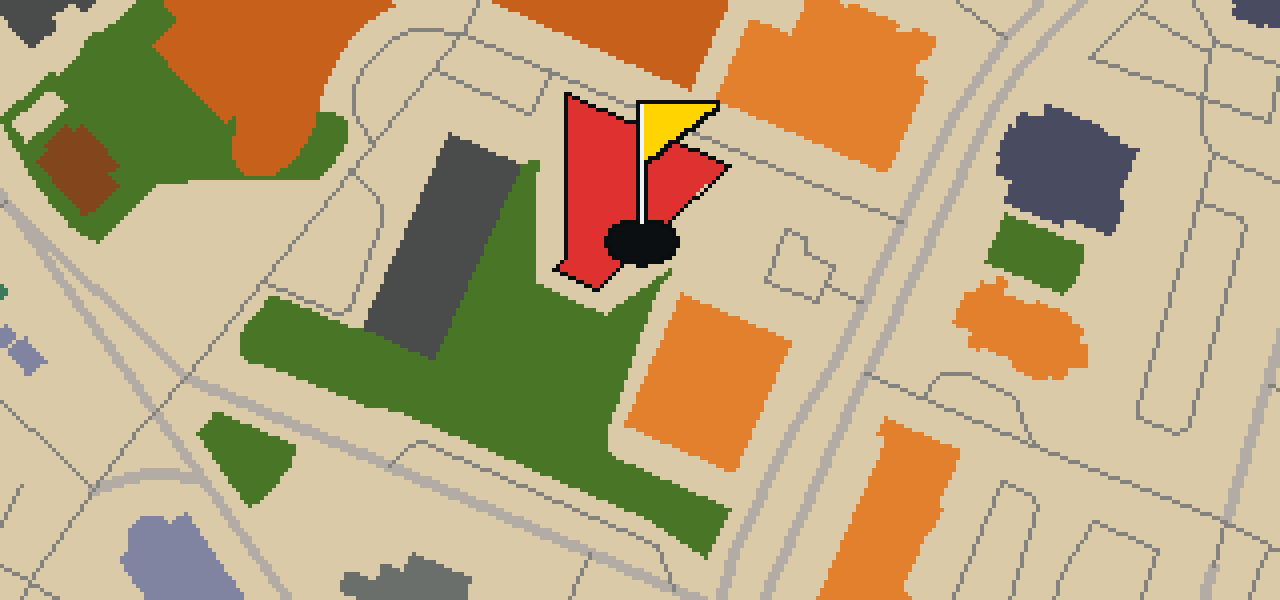
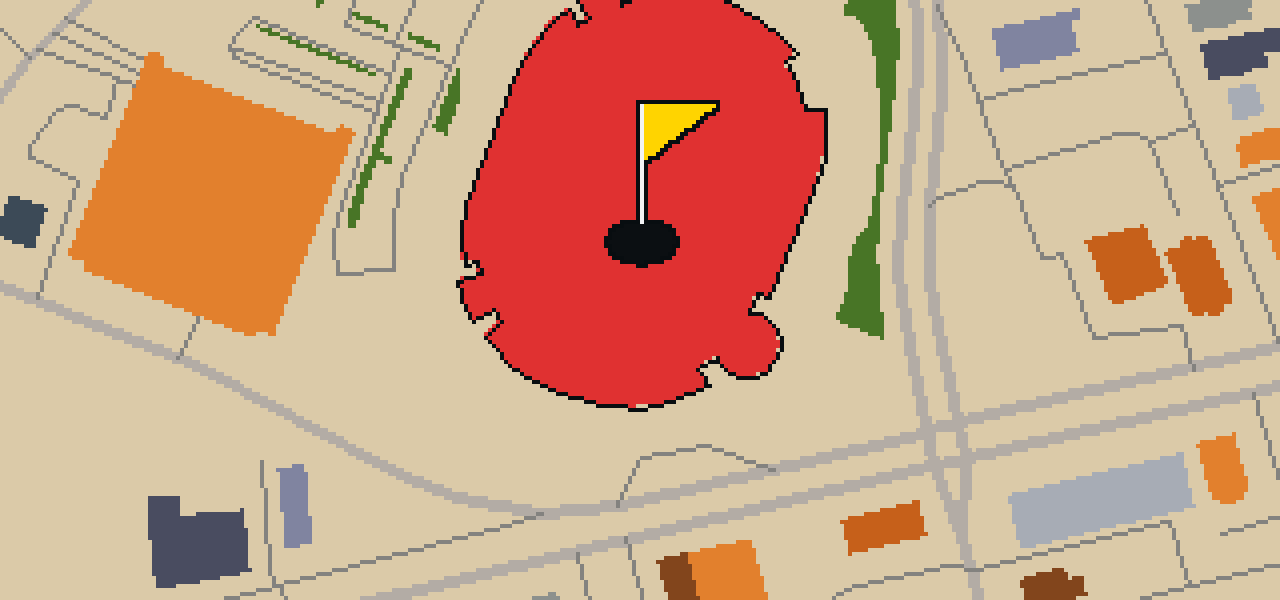
Bon Secours Wellness Arena

Let me show you the Bon Secours Wellness Arena. This multi-purpose arena in Greenville, South Carolina, was designed by the architect Odell Associates. Construction on the facility was started in 1998, creating a large venue capable of hosting a wide variety of events. It is most notably known as the home of the Greenville Swamp Rabbits of the ECHL. Whether you are visiting for a professional hockey game or a different large-scale production, it is a central spot for activity in the city. I have spent a lot of time watching the crowds gather here from the air, and it always seems to be the primary destination for a big night out in town. It is a great landmark to aim for as you navigate the streets of Greenville.

Wikidata · Wikipedia

HOLE 2 - PAR 3

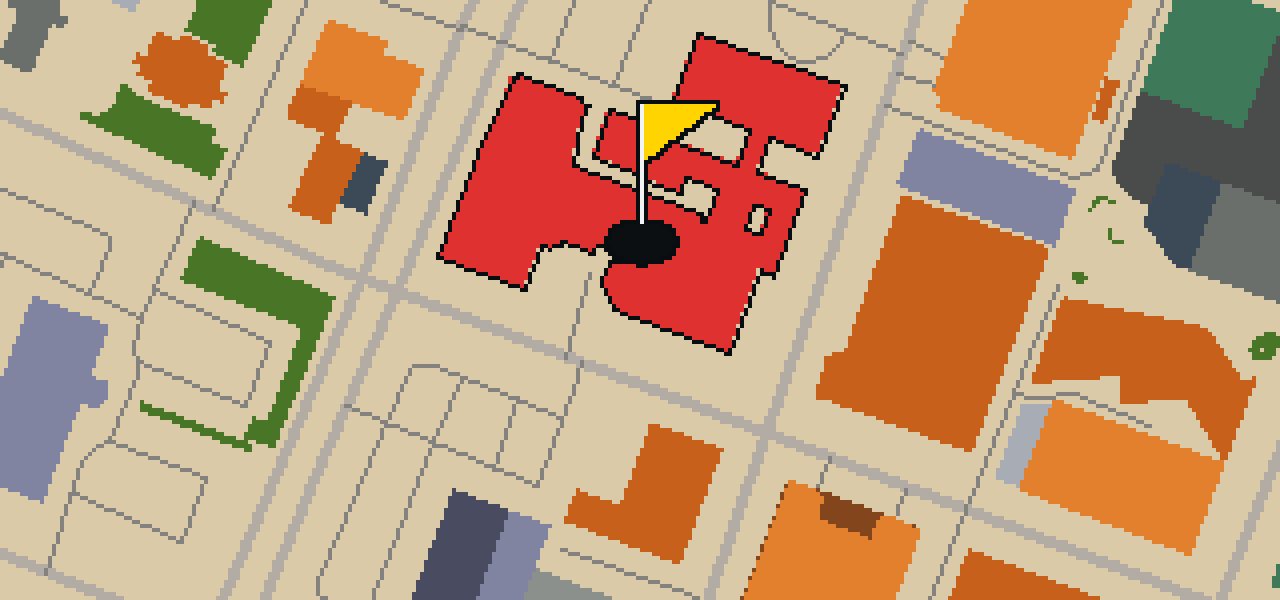
Kilgore-Lewis House

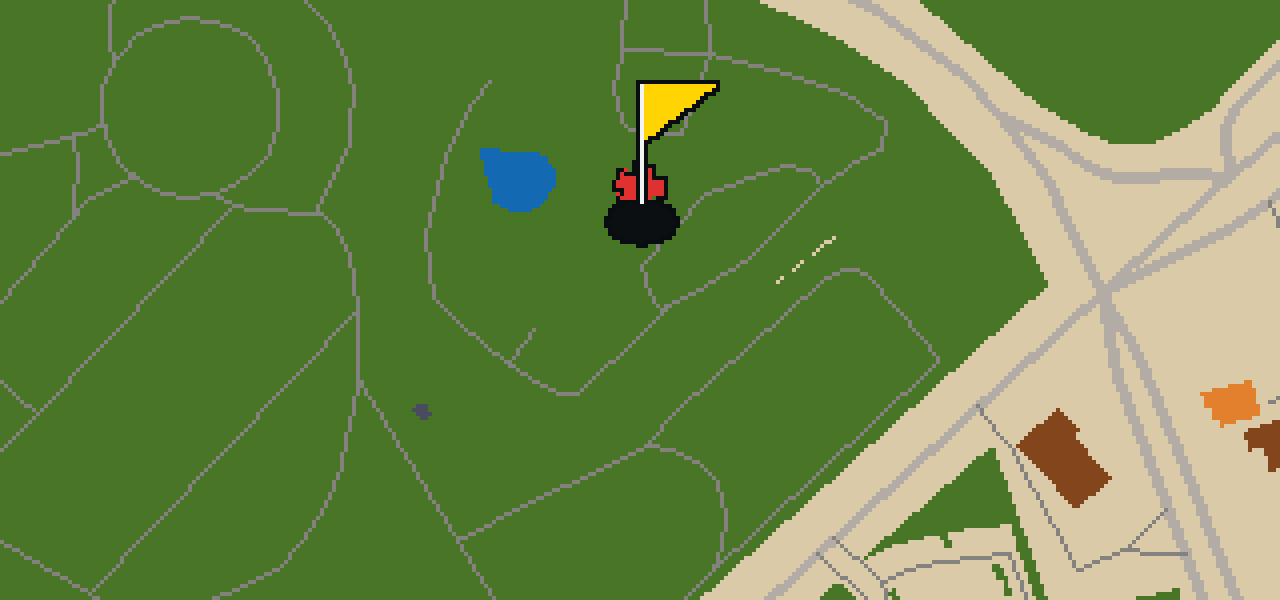
Look closely at the pedimented portico supported by square posts. This is the Kilgore-Lewis House, a historic house in Greenville, South Carolina. It is a two-story, L-shaped, vernacular Palladian style dwelling on a low foundation that also features a projecting rear wing with a three-bay porch. The building was started in 1838 and is listed on the National Register of Historic Places. I've seen a few nests in the eaves of old places like this, but the real story here is how it survived. The entire structure was moved to a five-acre site in McPherson Park to prevent its demolition. It is a fine example of local architecture that managed to find a permanent home when its original location was no longer an option.

Wikidata · Wikipedia

HOLE 3 - PAR 3

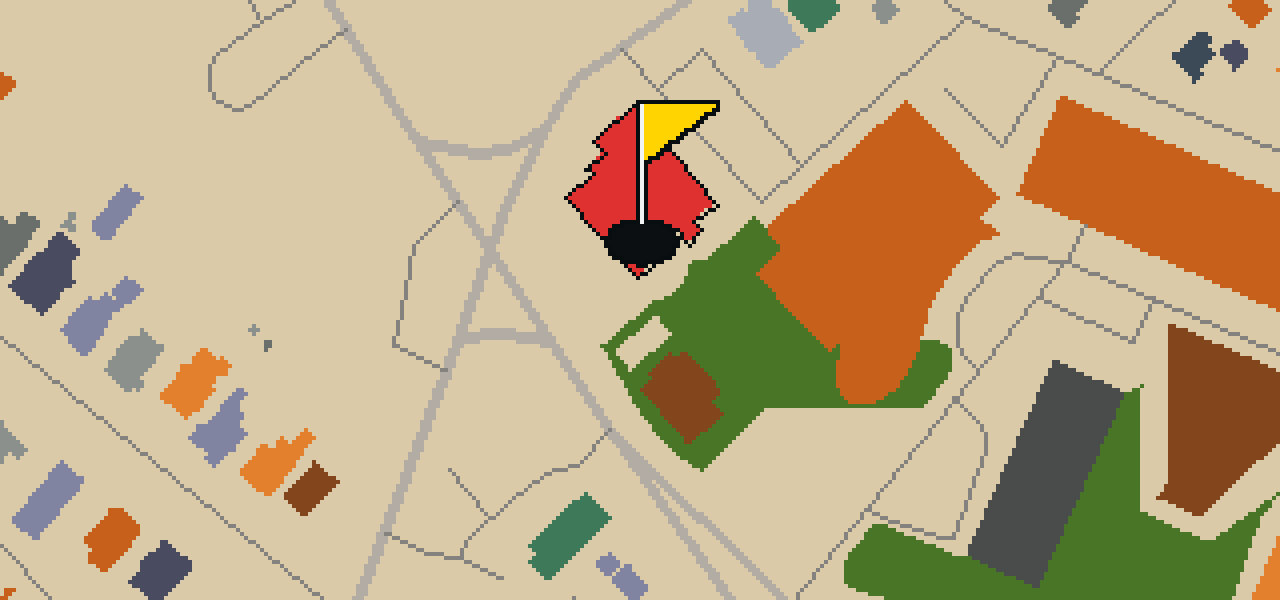
The Greenville County Museum of Art

Look closely at the canvases here and you will see the breadth of the American experience. The Greenville County Museum of Art is an art museum located in Greenville, South Carolina. Founded in 1958, the institution maintains collections that focus mainly on American art. As you walk through the galleries, you can pick out works by iconic artists such as Andy Warhol and Jasper Johns. The holdings also include pieces by Andrew Wyeth and William Henry Johnson. I always find that the variety of styles makes for a great stroll, even if you aren't looking for a specific piece. It is the kind of place where you can spend an hour or an entire afternoon just letting your eyes wander from one frame to the next.

Wikidata · Wikipedia

HOLE 4 - PAR 3

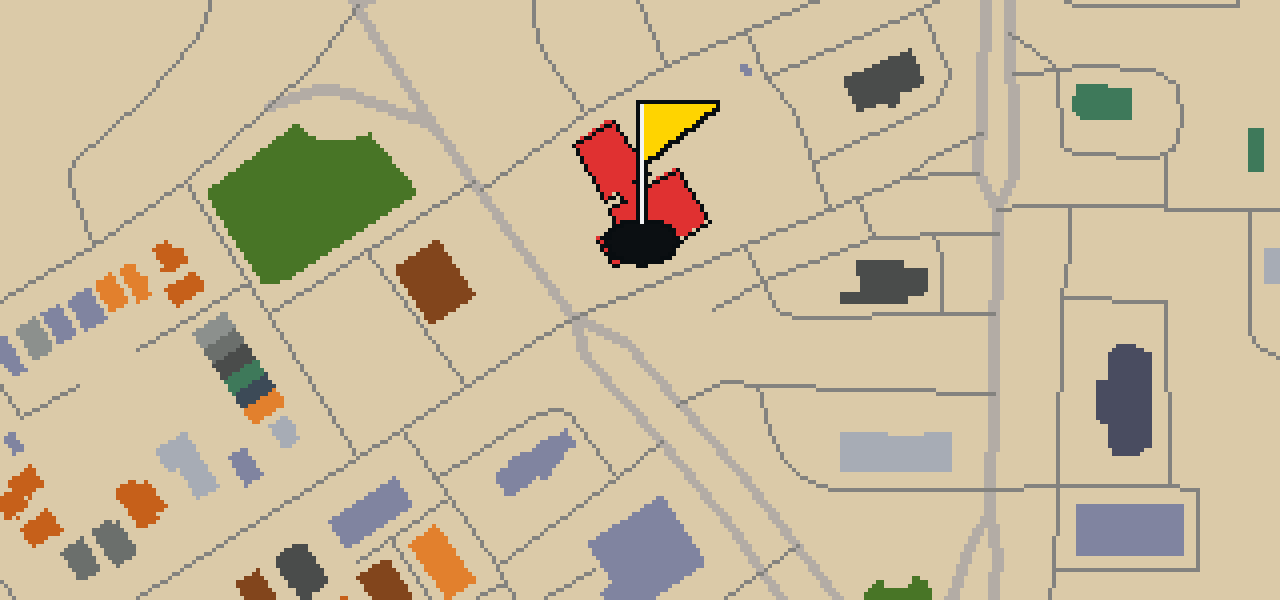
First Presbyterian Church

Located in the heart of Greenville, First Presbyterian Church is a Presbyterian church building. The structure is designed in the Gothic Revival style, which is visible in the architectural details of the exterior. Construction on the building was started in 1883. Visitors often stop to look at the stonework and the verticality common to this specific style of church architecture. It is a place of worship that maintains the aesthetic traditions of its era, providing a point of stillness and reflection for those passing through the city center. The Gothic Revival influence is evident in the way the building reaches upward, a hallmark of the design choice made when the project began. Whether you are interested in local religious history or the evolution of urban architecture, the building provides a clear example of the styles that shaped the early development of the community.

Wikidata

HOLE 5 - PAR 3

Upcountry History Museum

You might expect a simple town archive, but the Upcountry History Museum is a comprehensive museum located in Greenville, South Carolina. It was founded in 2007 to preserve and present the regional history of fifteen upstate South Carolina counties. I like how the exhibits, designed by Christopher Chadbourne and Associates, organize the narrative across a vast timeline. You can trace the area's development from the early 18th century all the way to the present. It is a great spot to get your bearings on how this part of the state evolved before you head back out into the city streets. The sheer scale of the regional focus makes it a primary destination for anyone wanting to understand the specific heritage of the upstate region.

Wikidata · Wikipedia

HOLE 6 - PAR 4

Trinity Church

You will see the structure of Trinity Church, a Protestant church building located in Greenville. The church was started in 1920. This site is significant because the congregation of Trinity Church of Greenville restored Third Presbyterian Church as a place of worship. Their efforts in maintaining the site were recognized in 2016 when Trinity Church of Greenville received a State Preservation Honor Award. This specific honor was given by the South Carolina Department of Archives and History and the Palmetto Trust for Historic Preservation. The building remains a place of worship for the community today, standing as a result of these preservation efforts. Visitors can appreciate the work put into the restoration of the Third Presbyterian Church building by the current congregation.

Wikidata · Wikipedia

HOLE 7 - PAR 3

Buncombe Street Methodist Church

You will first notice the Greek Revival architecture style of Buncombe Street Methodist Church. This Methodist church building is a distinct part of the local landscape and is known for the specific classical elements of its design. It was started in 1873, making it a long-standing presence in the community. Visitors often stop to look at the symmetry and columns that define this architectural approach. The building is a significant example of how Greek Revival elements were used for religious structures in this region. When you look at the facade, you can see the influence of classical antiquity translated into a local place of worship. It remains a point of interest for those who appreciate historical architecture and the way these styles have been preserved over time in the heart of the city.

Wikidata

HOLE 8 - PAR 3

Centre Stage

I can show you to Centre Stage, a theatre building located in downtown Greenville, South Carolina. This year-round theater is run by a full-time staff of seven who manage the daily operations and artistic vision of the space. When you step inside, you can pick out the 285 seats that make up the audience area. The organization is a member of the professional division of the Southeastern Theatre Conference and a constituent member of Theatre Communications Group. It is a hub for local arts, putting on between six and eight mainstage productions every year. I've seen plenty of people walking in for a show, though I usually prefer the view from the roof.

Wikidata · Wikipedia

HOLE 9 - PAR 3

Second Presbyterian Church

The Gothic Revival style defines the exterior of the Second Presbyterian Church. This architectural choice gives the Presbyterian church building its distinct appearance and presence in the city, characterized by the specific design elements associated with that movement. Construction on the site was started in 1909. It remains a place of worship and a point of interest for those observing the historical architecture of the area. Visitors can observe how the building fits into the surrounding streetscape while noting the specific structural details that identify it as a Gothic Revival work. As a Presbyterian church building, it serves as a landmark of both faith and design in Greenville, providing a clear example of early twentieth-century ecclesiastical architecture for anyone walking through the neighborhood.

Wikidata

STOP 10

Shoeless Joe Jackson Museum and Baseball Library

A five-room brick house stands here, the place where Shoeless Joe Jackson lived and died. Today, this building is the Shoeless Joe Jackson Museum and Baseball Library, a biographical museum located in Greenville, South Carolina. If you are looking for a deep dive into the sport, you can find over 2,000 baseball-related books inside. The museum was established in 2008, and it sits conveniently across from Fluor Field. I always find it helpful to visit the library when the weather gets too hot for a stroll. It is a quiet spot to appreciate the game, though you will likely see plenty of other sports fans wandering the neighborhood around the brick house while they make their way toward the stadium nearby.

Wikidata · Wikipedia

OTHER COURSES

9 HOLES - PAR 29

Fayetteville

9 stops

Fayetteville is the setting for this round, where the map is the real city and the ball rolls across its actual streets. The holes are built from real attractions, beginning at the Walton Arts Center. This quick 9-hole round covers 3.6 mi with a par of 29. Skip is a local guide who knows every curb and crack in the pavement.

9 HOLES - PAR 30

Lincoln

9 stops

The ball finds the cup at the Statue of Abraham Lincoln in Lincoln. The map is the real city and the round is played on its real streets, using actual attractions as the holes. This quick 9-hole round covers 4.4 mi with a par of 30. Skip is a local guide who knows these sidewalks well, even the parts where the crumbs are best.

18 HOLES - PAR 55

Duluth

18 stops

This is Duluth. The map is the real city and the round is played on its actual streets, where the ball banks off the facades of real attractions like the SS William A. Irvin to reach the cup. Skip is a local guide who knows every nook and cranny of these sidewalks. It is a full round of 18 holes with a par of 55. The total walk covers 7.1 mi, though a pigeon can take a few shortcuts across the rooftops.

9 HOLES - PAR 29

Traverse City

9 stops

Traverse City is the setting for this quick nine-hole round. The map uses the actual city layout where the ball rolls across real streets and banks off the facades of attractions like the Wise Memorial Clock Tower. Skip knows every ledge and gutter in town. The walk covers 3.8 mi on a course with a par of 29.

9 HOLES - PAR 31

Grand Rapids

9 stops

Banking a ball off the glass and stone of the Van Andel Arena feels different than the soft edges of a park. This round takes place on the real streets of Grand Rapids, where the city map is the course and local attractions are the holes. It is a quick nine-hole round covering 4.4 mi. Skip knows every sidewalk and ledge in this town.

FAQ

Is it free to play?

Yes. Every course runs in the browser with no account and no install.

Do I need to be in the city?

No. The full round plays from anywhere. Walking the real route is a nice way to see the city, but it is not required.

Are the maps real?

Yes. The geometry comes from OpenStreetMap data, rendered chunky on purpose. Streets, water and parks sit where they really are.