
GREENSBORO - 18 HOLES - FREE

GREENSBORO
CITY MAP MINIGOLF

Greensboro - 18 stops - par 55

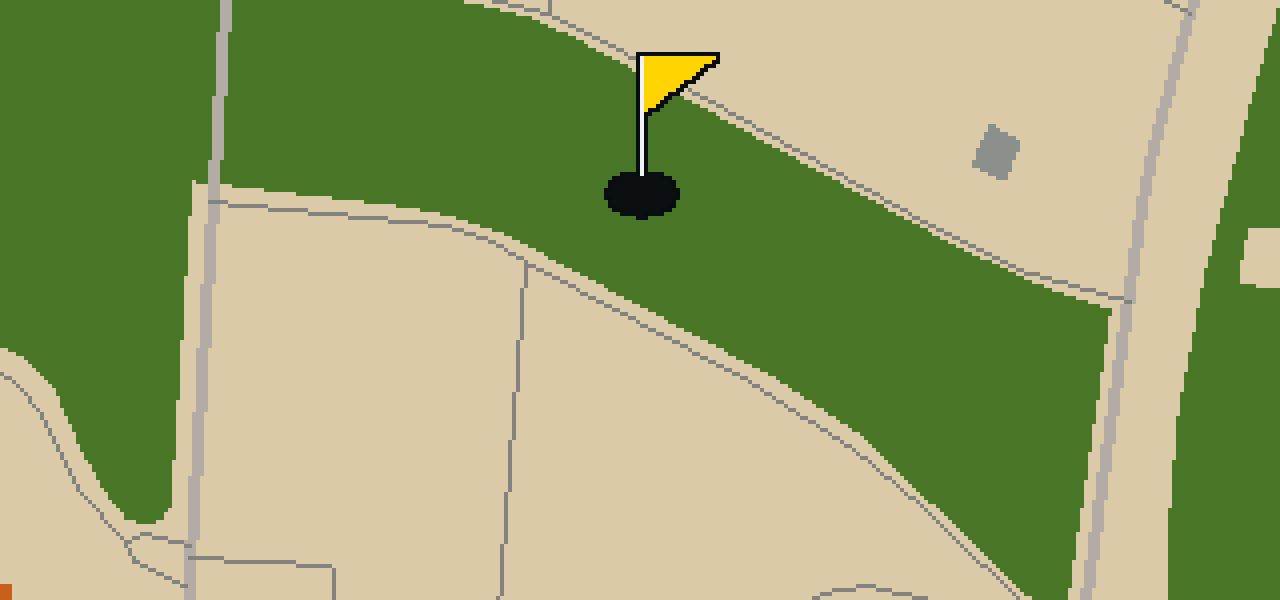
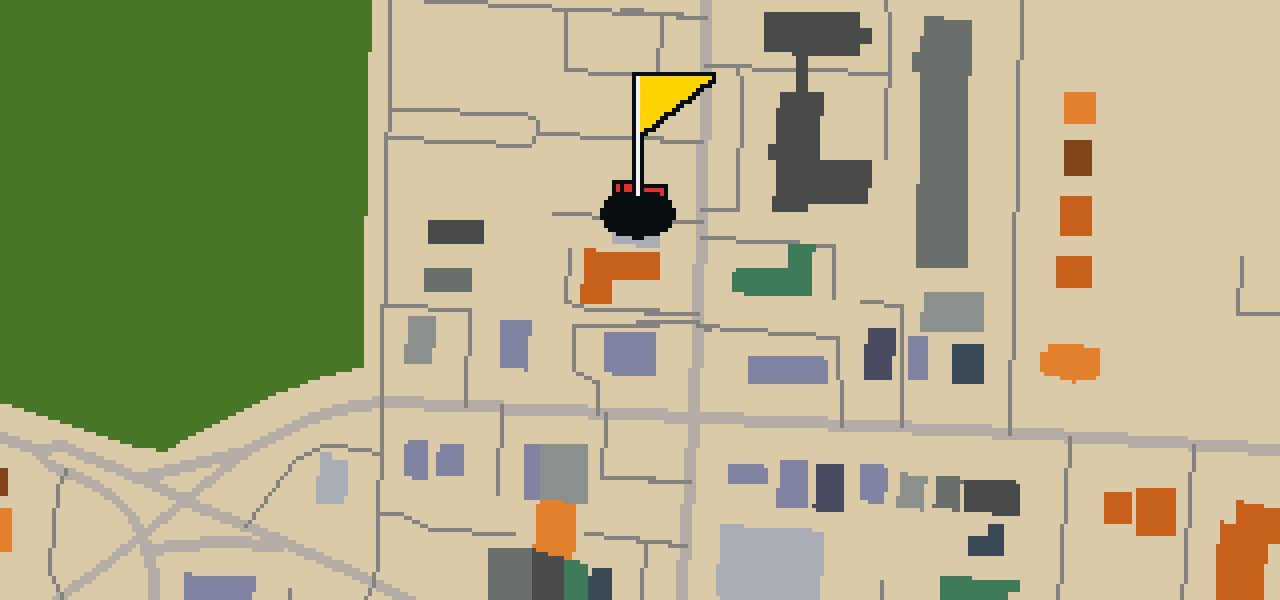
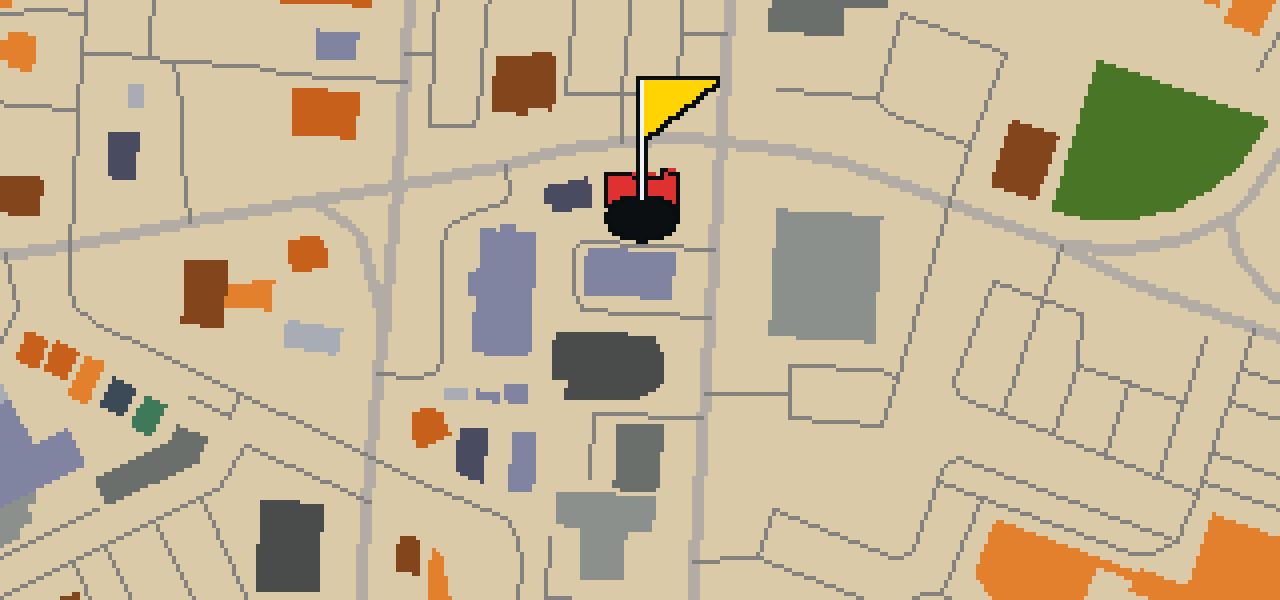
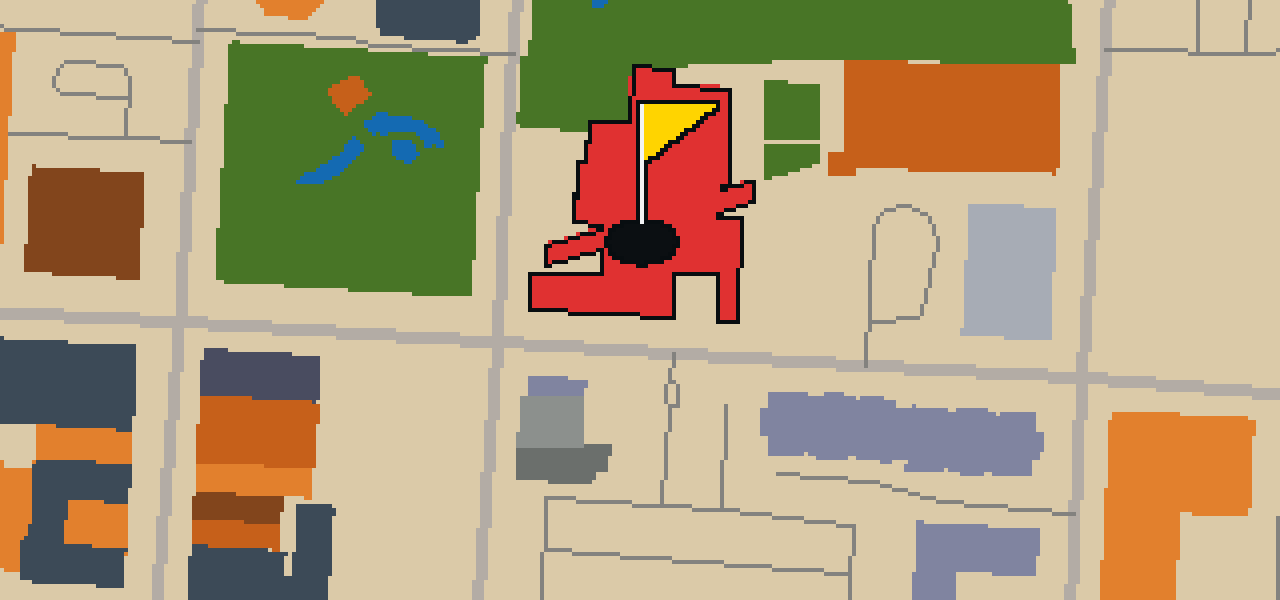
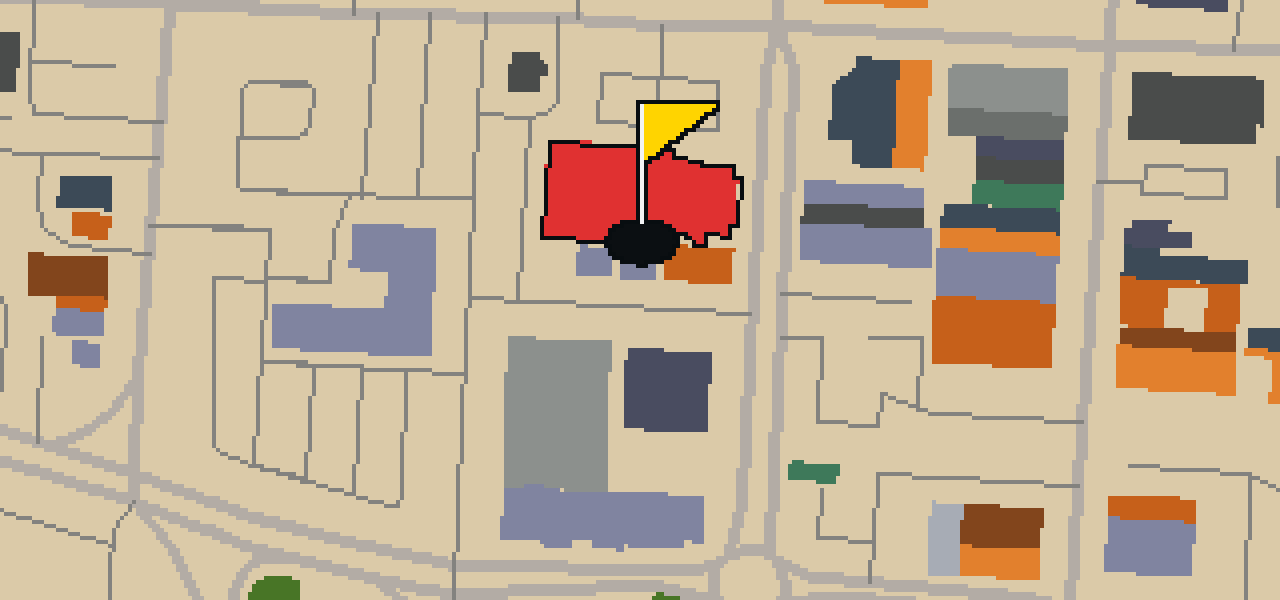
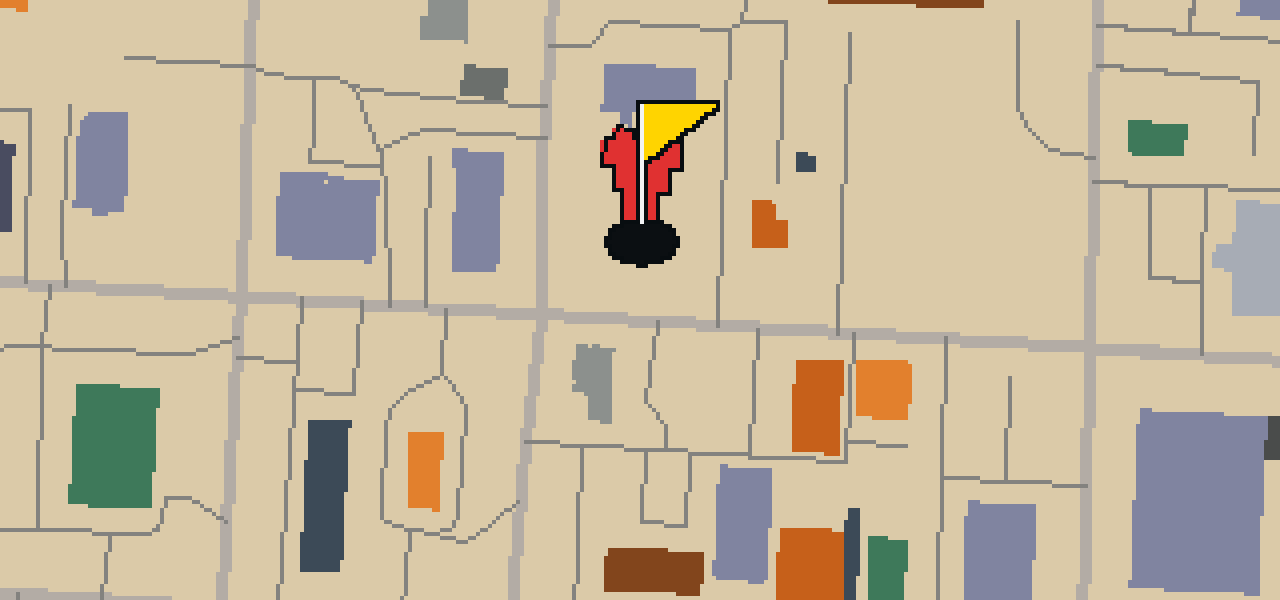
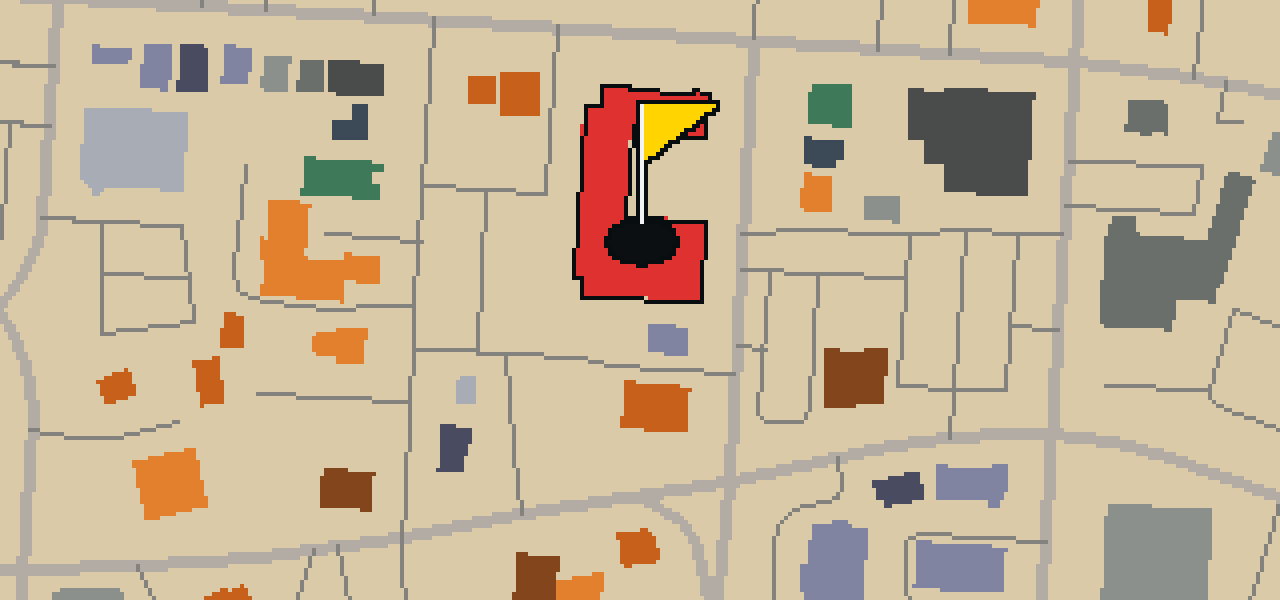
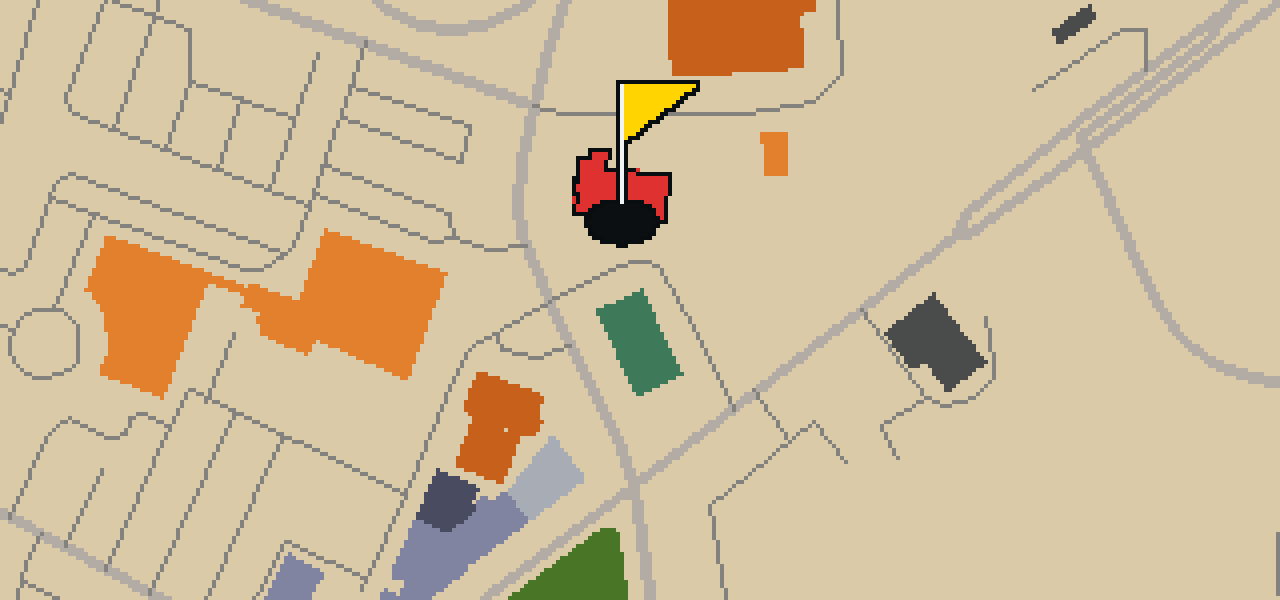
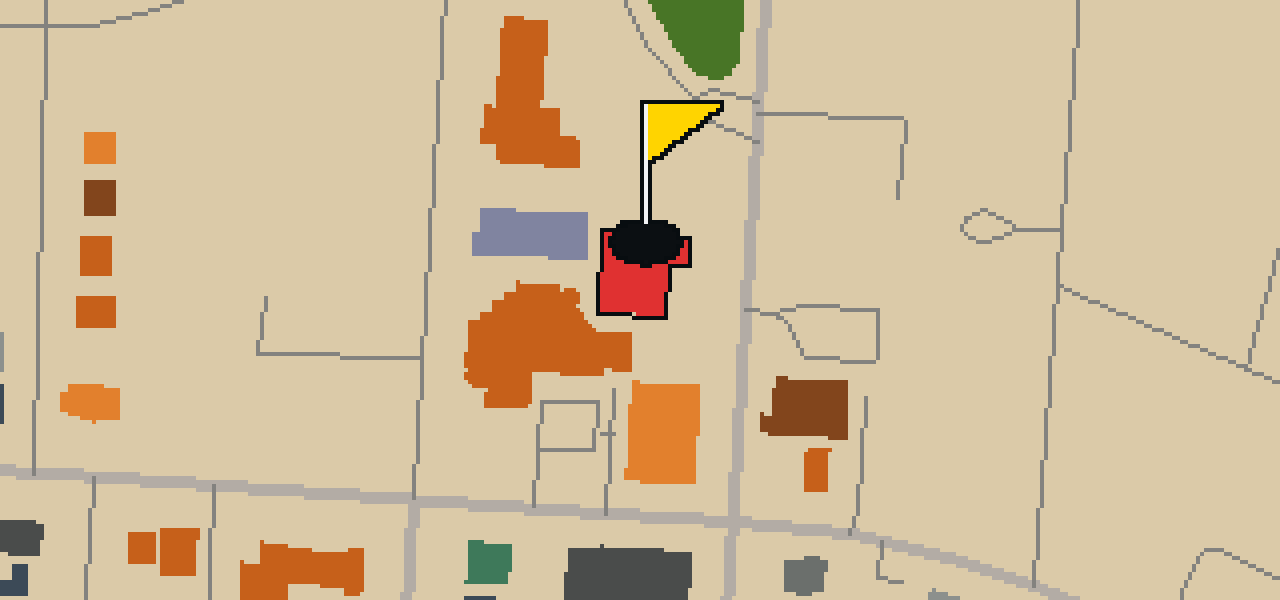
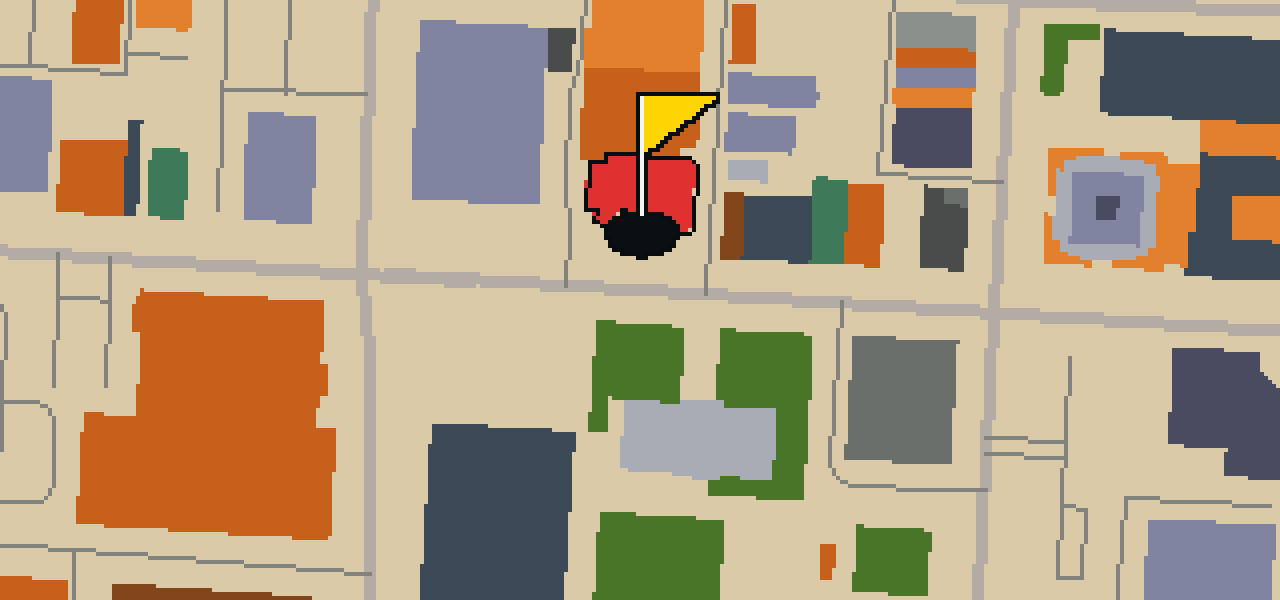
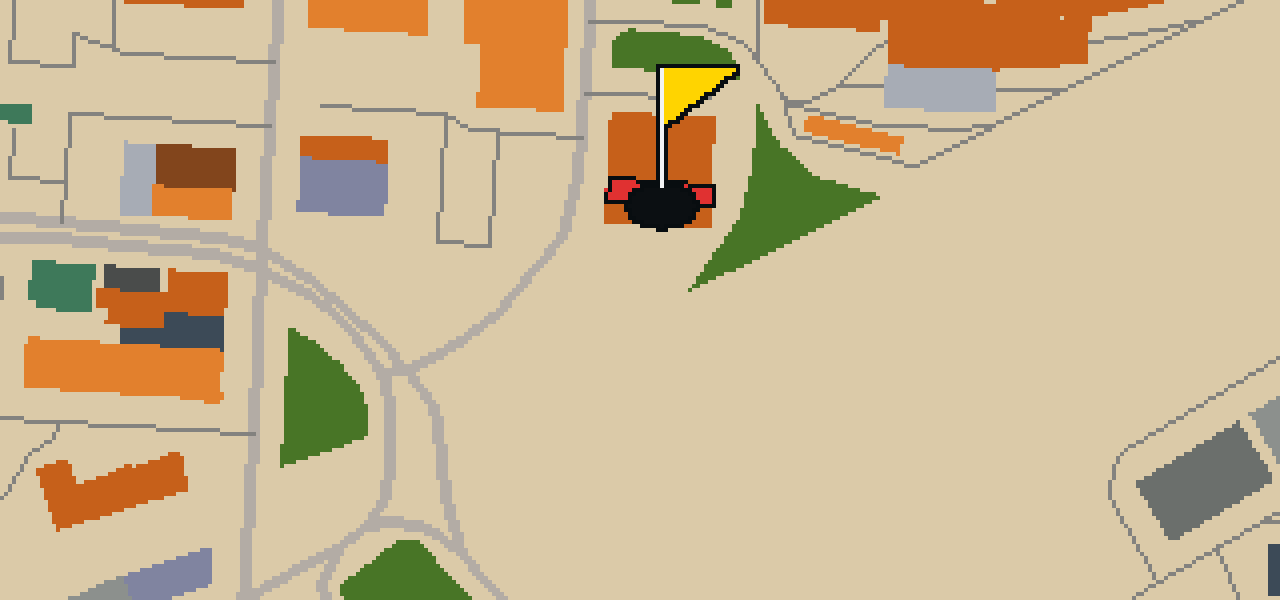
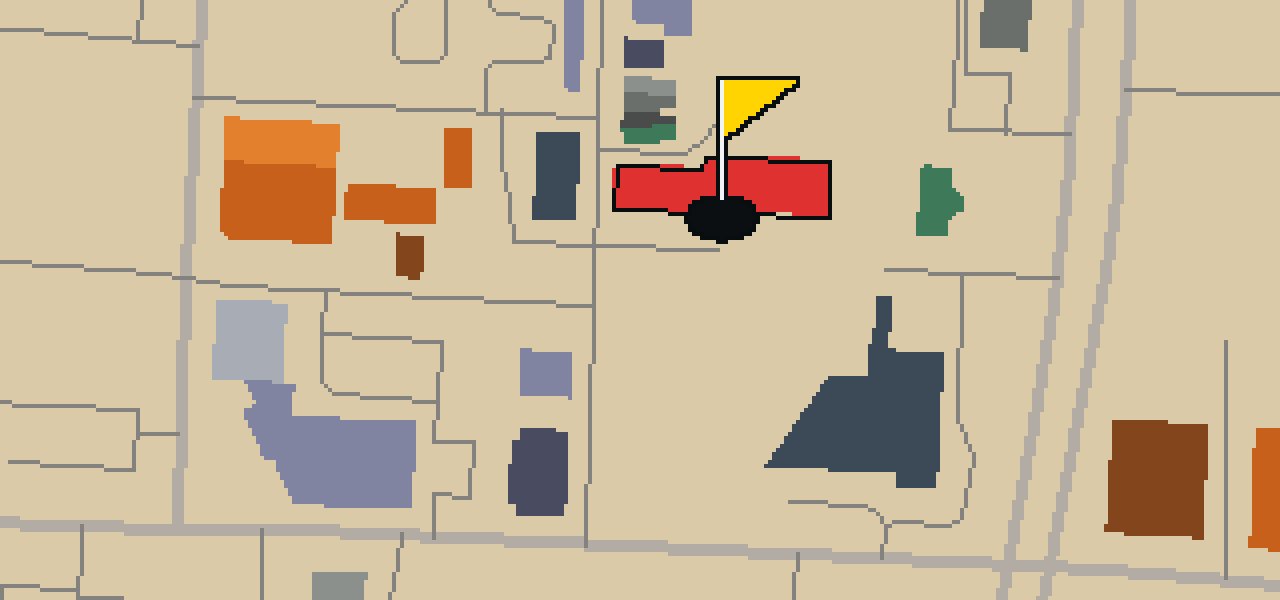
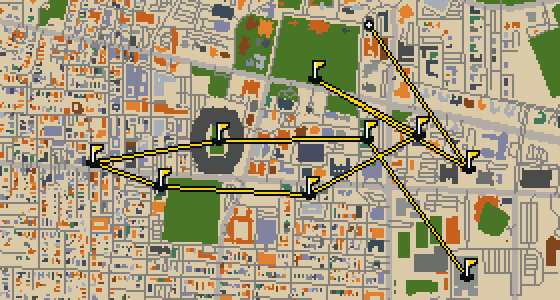
Greensboro looks different from a telephone wire, but the ball sees the grit of the actual streets. This map is the real city, where the round is played on the pavement and the local attractions, like Blandwood Mansion, are the physical shapes the holes are built from. It is a full 18-hole round with a par of 55, covering a 7 mi walk. Skip knows every crack in the sidewalk here and is the local guide.

Trouble loading? Open the game in its own tab.

HOW IT WORKS

01

Pick a city

The course is drawn on the real street grid, so the map you play is the map you walk.

02

Putt to the pin

Drag to aim, release to swing. Buildings bounce and water costs you a stroke.

03

Sightsee between strokes

Every hole ends at an attraction. Sink the putt, read the story, walk to the next tee.

THE GREENSBORO ROUND - STOP BY STOP

HOLE 1 - PAR 3

Blandwood Mansion

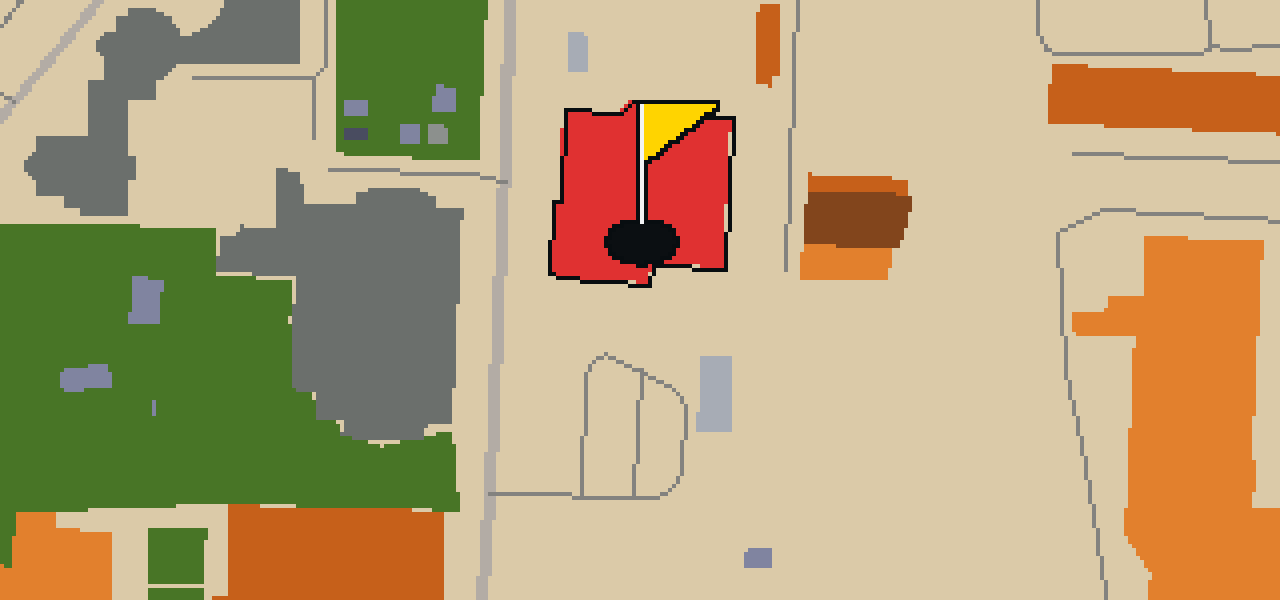
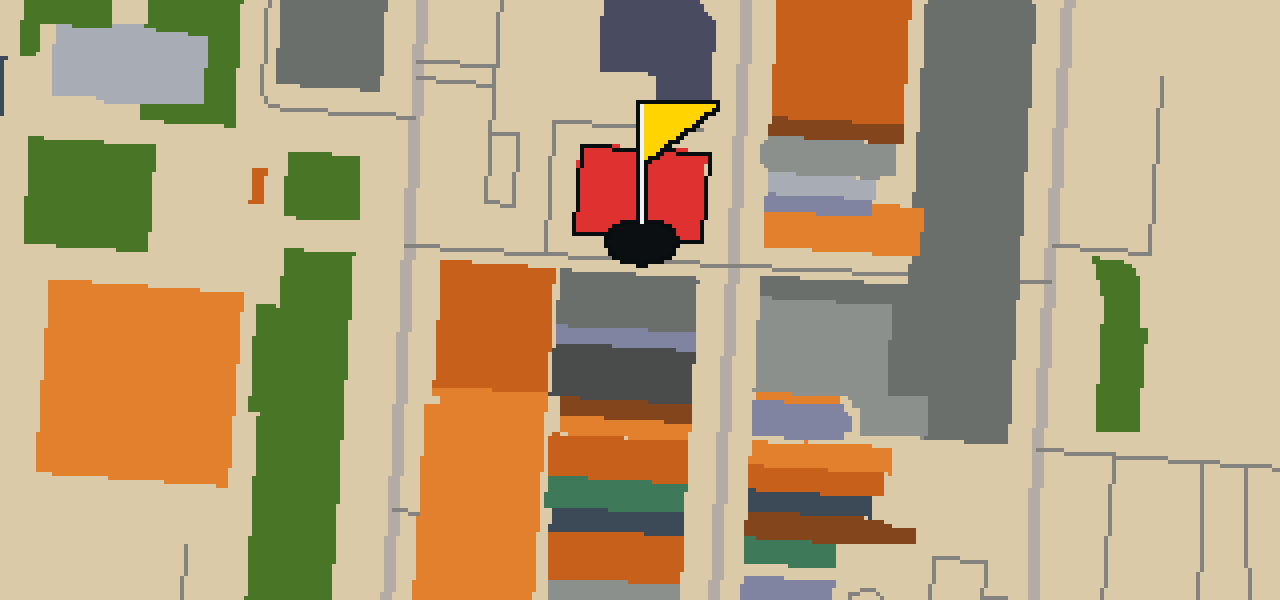
You will find Blandwood Mansion at 447 West Washington Street in Greensboro. This home was originally built in 1795 as a four-room Federal style farmhouse and was later designed by architect Alexander Jackson Davis. It was designated a National Historic Landmark in 1988. I have always appreciated how preservation-minded Greensboro citizens stepped up to save the house from demolition in 1964. Today, it is a museum where you can see the results of that community effort for yourself. It is a wonderful spot to pause and look at the architecture before you move on to the next hole.

Wikidata · Wikipedia

HOLE 2 - PAR 3

International Civil Rights Center & Museum

The International Civil Rights Center & Museum is an African-American museum in Greensboro, North Carolina. The facility is located in a building that formerly housed the Woolworth's. This building is a National Historic Landmark and part of the Downtown Greensboro Historic District. While the museum was founded in 1993, its inception was in 2010. It is a significant stop for the 70,000 annual visitors who come to the site. I've noticed the downtown area is quite easy to navigate on foot.

Wikidata · Wikipedia

HOLE 3 - PAR 3

Miriam P. Brenner Children's Museum

HOLE 4 - PAR 3

February One

HOLE 5 - PAR 3

Studio 503

HOLE 6 - PAR 3

Greensboro History Museum

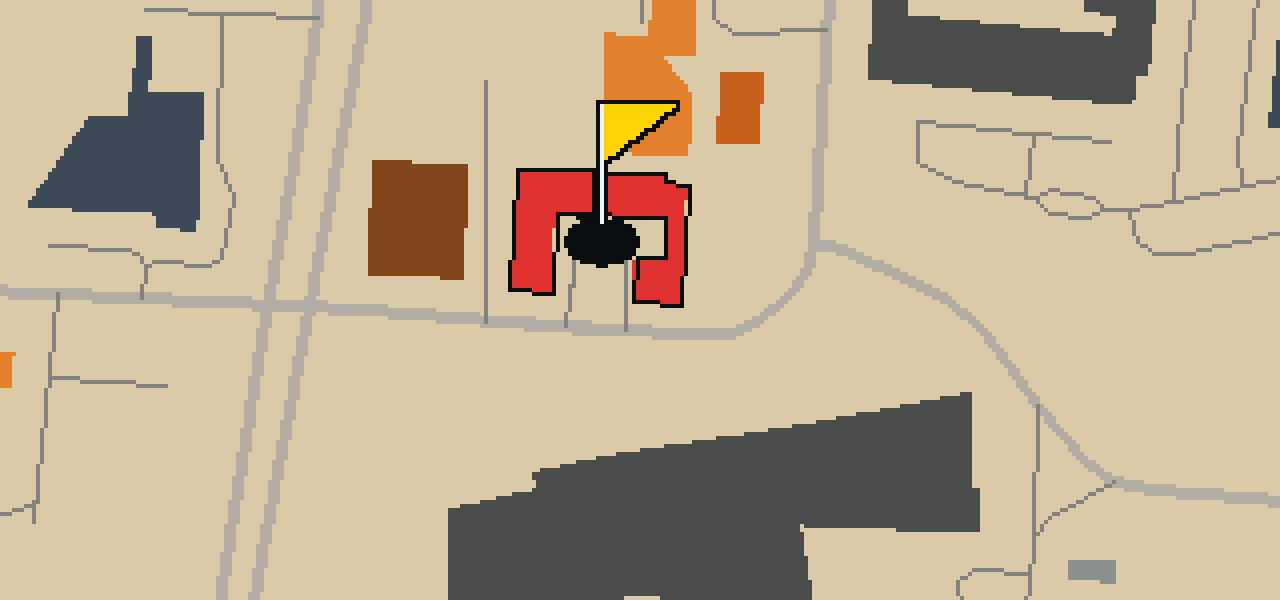
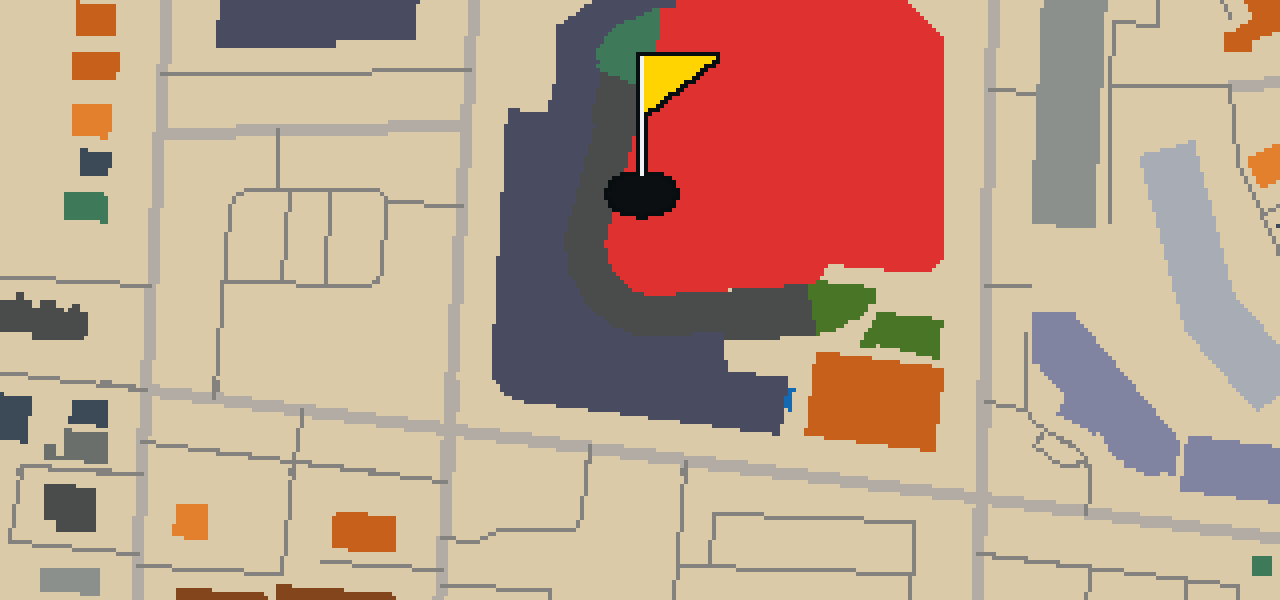
While the architecture suggests a house of worship, this site is the Greensboro History Museum. It occupies the former First Presbyterian Church of Greensboro, built in 1892, and the Smith Memorial Building, which was built in 1903. Architect Charles Christian Hook designed the Smith Memorial Building. The church vacated the property in 1929, and the two structures were connected through modifications and renovations in 1938. You can find this museum at 130 Summit Ave. in Greensboro, Guilford County, North Carolina.

Wikidata · Wikipedia

HOLE 7 - PAR 3

The Genesis Monument

HOLE 8 - PAR 2

O'Brien Art Gallery

HOLE 9 - PAR 3

St. Benedict's Catholic Church

HOLE 10 - PAR 3

Greensboro Cultural Center

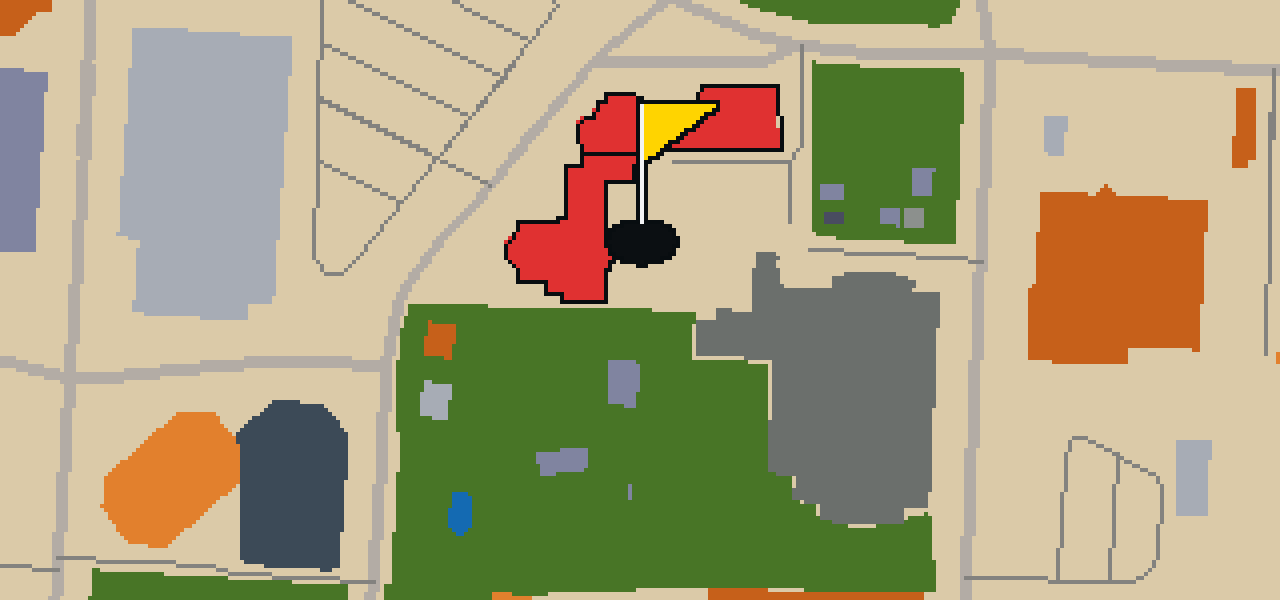
The Greensboro Cultural Center is an arts and culture facility located in Greensboro, North Carolina. It is managed by the City of Greensboro Office of arts & culture. If you are looking for the local creative scene, this is the spot to visit because it is home to many arts-related programs in the city. I've seen plenty of folks heading in here for a class or a show. It is a great way to see how the city supports its artists.

Wikidata · Wikipedia

HOLE 11 - PAR 3

Carolina Theatre

The Carolina Theatre is a performing arts center that opened on Halloween night, 1927. As Greensboro, North Carolina's only remaining historic theatre, it holds a special place in the city. The building was constructed for the Saenger-Publix Company at a cost of over $500,000. If you look inside, you can pick out the massive scale of the venue, which features 2,200 seats. I've seen a few crumbs dropped in those seats over the years, but the architecture is what really catches the eye.

Wikidata · Wikipedia

HOLE 12 - PAR 3

Grace United Methodist Church

HOLE 13 - PAR 3

Holy Trinity Episcopal Church

Hobart Upjohn is the architect of Holy Trinity Episcopal Church. This church building is an Episcopal parish located in the Fisher Park Historic District of Greensboro, North Carolina. Visitors to the area can find this site among the historic structures of the district. It is a place of worship that reflects the work of Upjohn within the local landscape of North Carolina.

Wikidata · Wikipedia

HOLE 14 - PAR 3

The Marshall Muse Gallery

HOLE 15 - PAR 4

First Presbyterian Church

First Presbyterian Church is a historic Presbyterian church. This site is located in the Fisher Park Historic District of Greensboro, North Carolina. It serves the community as both a church building and a church congregation. Visitors to the Fisher Park Historic District can find this historic Presbyterian church established as a place of worship and a gathering point for its congregation in Greensboro.

Wikidata · Wikipedia

HOLE 16 - PAR 3

West Market Street United Methodist Church

The Romanesque Revival architecture of West Market Street United Methodist Church is a prominent sight in downtown Greensboro, North Carolina. This Protestant church building is over 190 years old and currently serves a congregation of approximately 1700 members. The sanctuary you see today is the third sanctuary built by the congregation, with the construction of this specific building taking place between 1893 and 1898. Because of its history and design, it is a National Register of Historic Places listed place.

Wikidata · Wikipedia

HOLE 17 - PAR 3

Proxy Gallery

HOLE 18 - PAR 4

205 Collaborative

STOP 19

First National Bank Field

First National Bank Field is a sports venue and Minor League Baseball park located in downtown Greensboro, North Carolina. Established in 2005, the park is the home of the Greensboro Grasshoppers of the High-A East. If you are navigating the area, you can find the field on the block bounded by Bellemeade, Edgeworth, Smith, and Eugene Streets. I have noticed it is a great spot to catch a game right in the heart of the city, making it a convenient stop for any visitor looking for some local athletics.

Wikidata · Wikipedia

OTHER COURSES

9 HOLES - PAR 26

Tuscaloosa

9 stops

Tuscaloosa is the setting for this round, played on the actual city streets. The map uses real attractions like Bryant-Denny Stadium to build the holes, turning the town into a course. Skip knows these sidewalks well, having spent plenty of time dodging crumbs on the way to the cup. This quick 9-hole round covers 3.2 mi with a total par of 26.

9 HOLES - PAR 28

Oceanside

9 stops

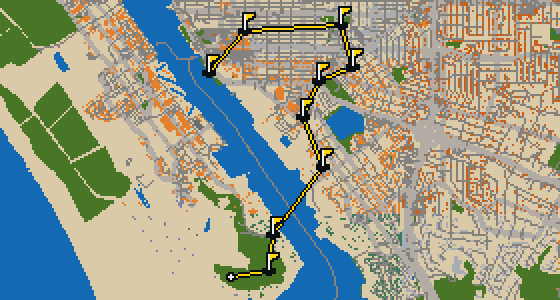
Oceanside is the setting for this round, with the ball rolling across the real streets of the city. The holes are built from actual attractions, like the Oceanside Museum of Art. Skip is a local guide who knows every curb and crumb. This quick 9-hole round covers 3.6 mi on foot with a par of 28.

9 HOLES - PAR 29

Vallejo

9 stops

The Vallejo Naval and Historical Museum is the end of this quick nine-hole round. The map is the real city and the ball rolls across its actual streets, banking off building facades. Local attractions provide the structure for each hole. Skip knows these sidewalks well, including the 3.7 mi walk and the two portals used to bridge the gaps.

9 HOLES - PAR 28

Salinas

9 stops

Salinas is the setting for this round, with the ball rolling across the actual city streets. The holes are built from real attractions, including the National Steinbeck Center. Skip knows these sidewalks well and has a few feathers in the wind. This quick round of 9 holes has a par of 28 and covers a total walk of 3.7 mi.

9 HOLES - PAR 27

Danbury

9 stops

Danbury is the setting for this round, where the map is the real city and the ball rolls along its actual streets. The holes are built from real attractions, ending at Wooster Square. Skip is a local guide who knows the pavement well. A quick 9-hole round covers 3.4 mi with a total par of 27.

FAQ

Is it free to play?

Yes. Every course runs in the browser with no account and no install.

Do I need to be in the city?

No. The full round plays from anywhere. Walking the real route is a nice way to see the city, but it is not required.

Are the maps real?

Yes. The geometry comes from OpenStreetMap data, rendered chunky on purpose. Streets, water and parks sit where they really are.