Galveston - 18 stops - par 55
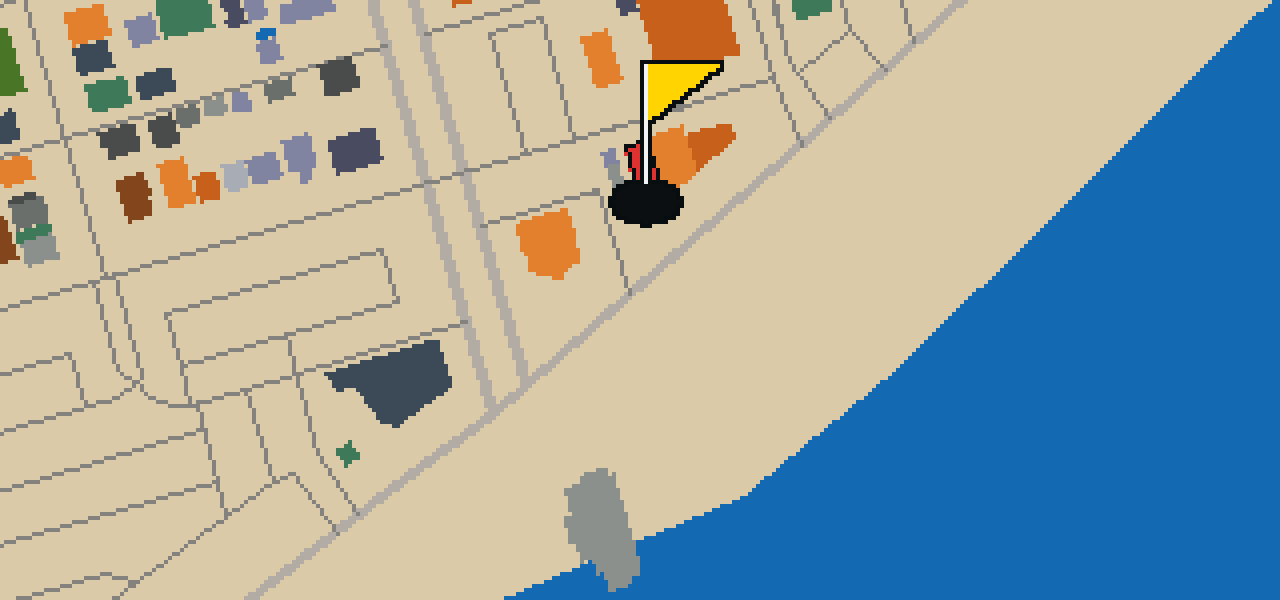
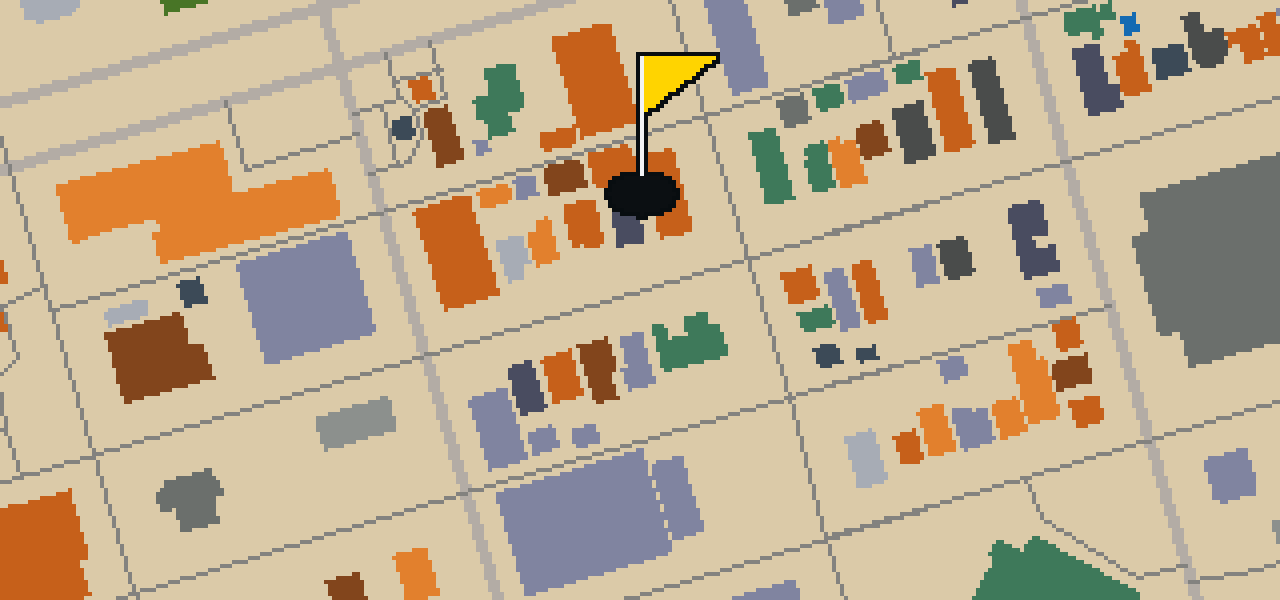
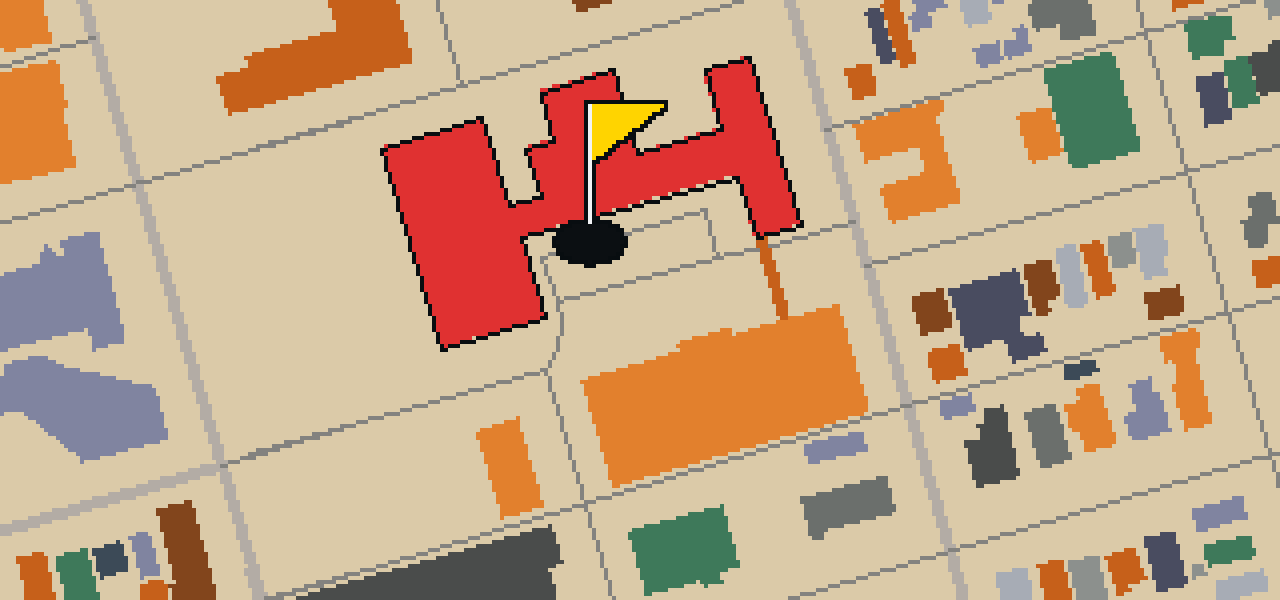
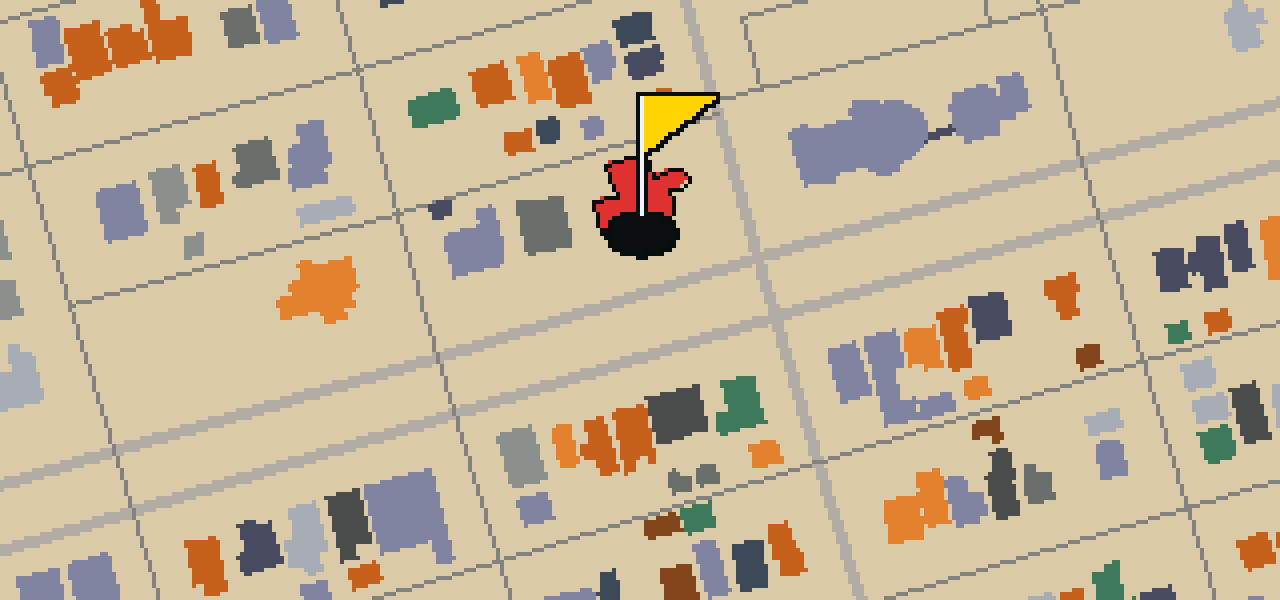
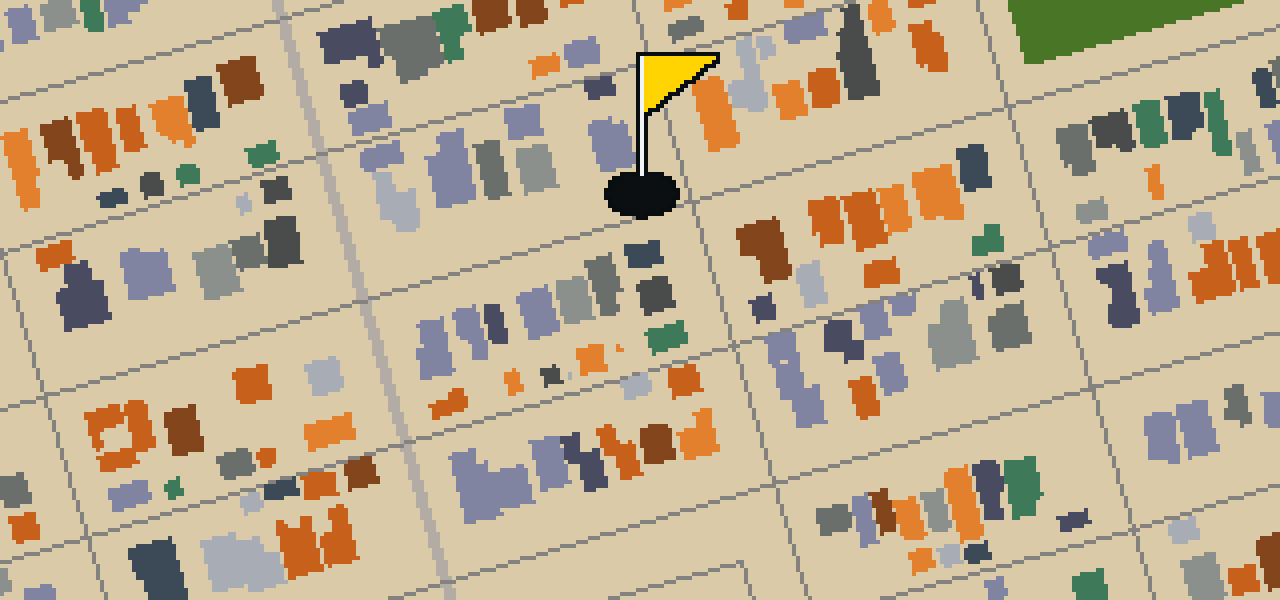
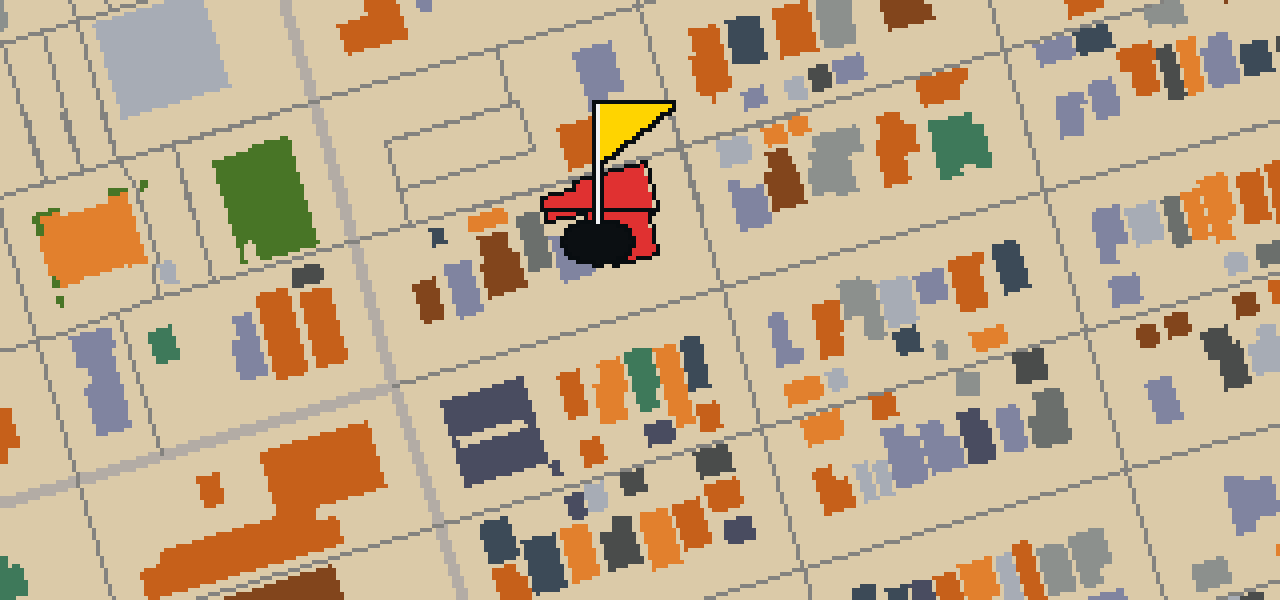
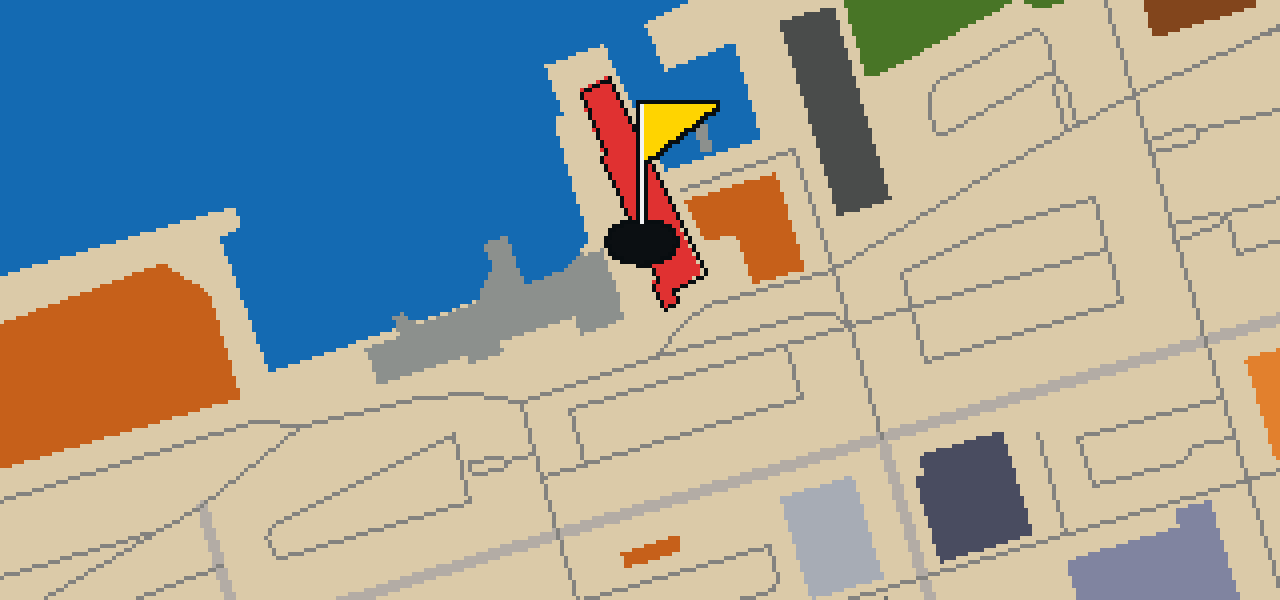
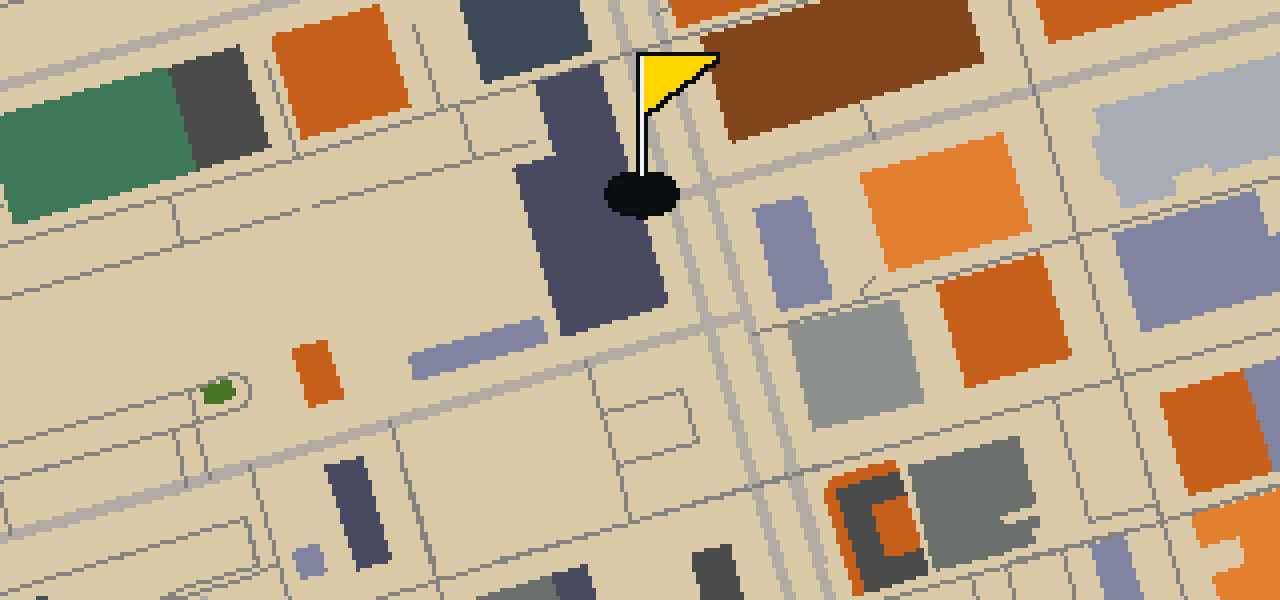
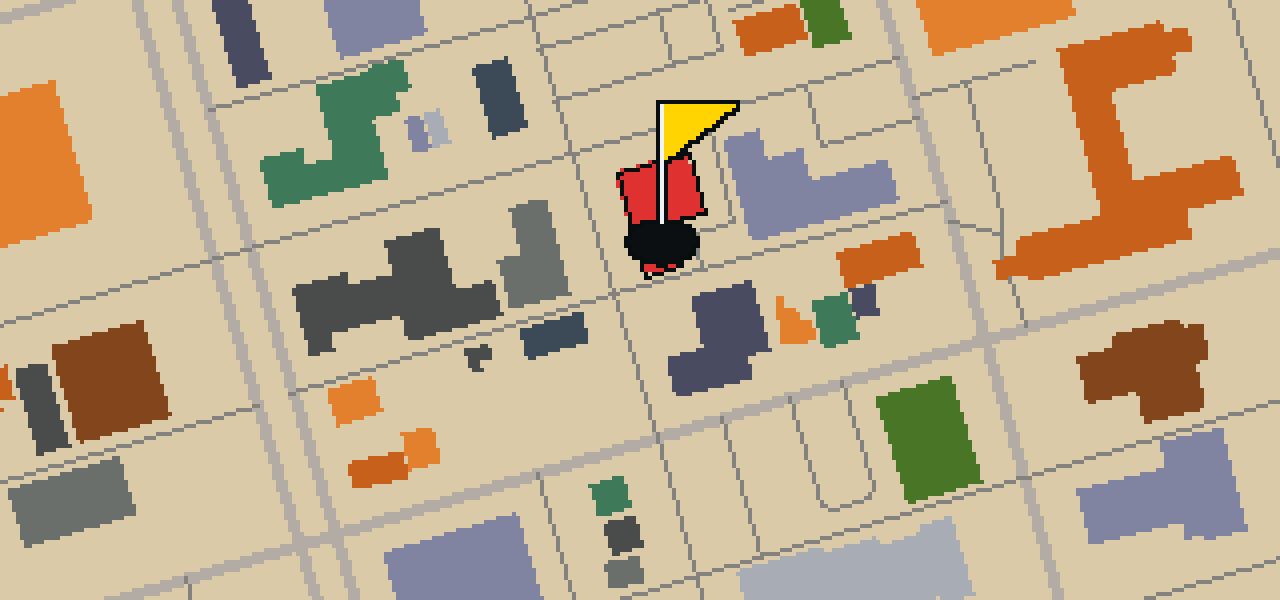
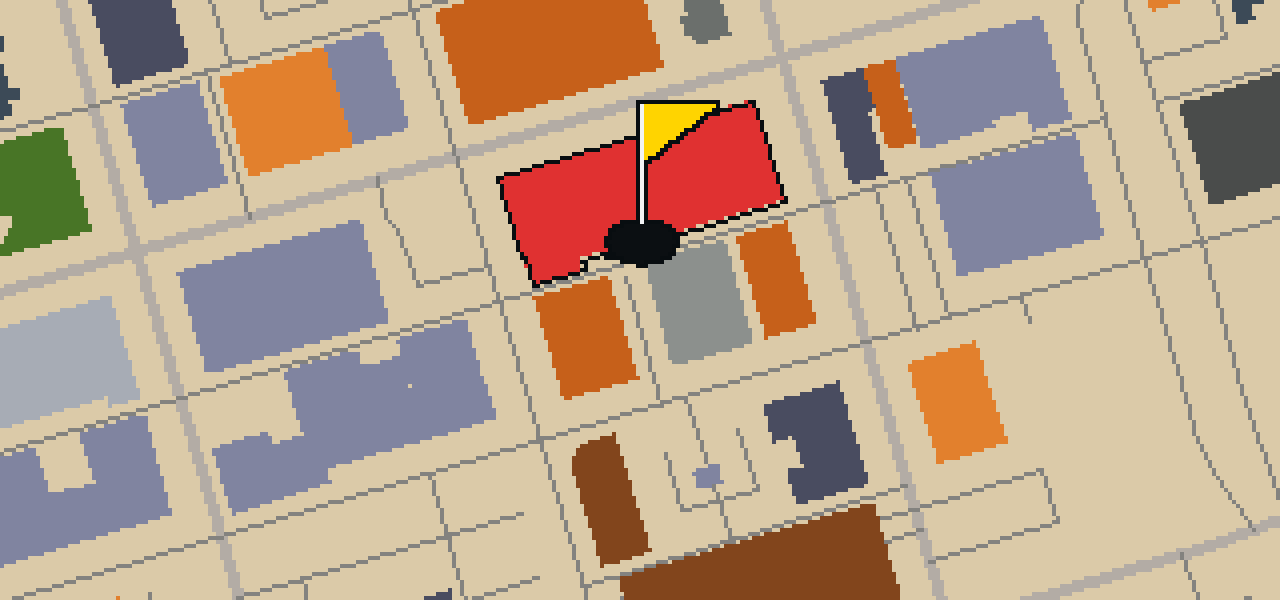
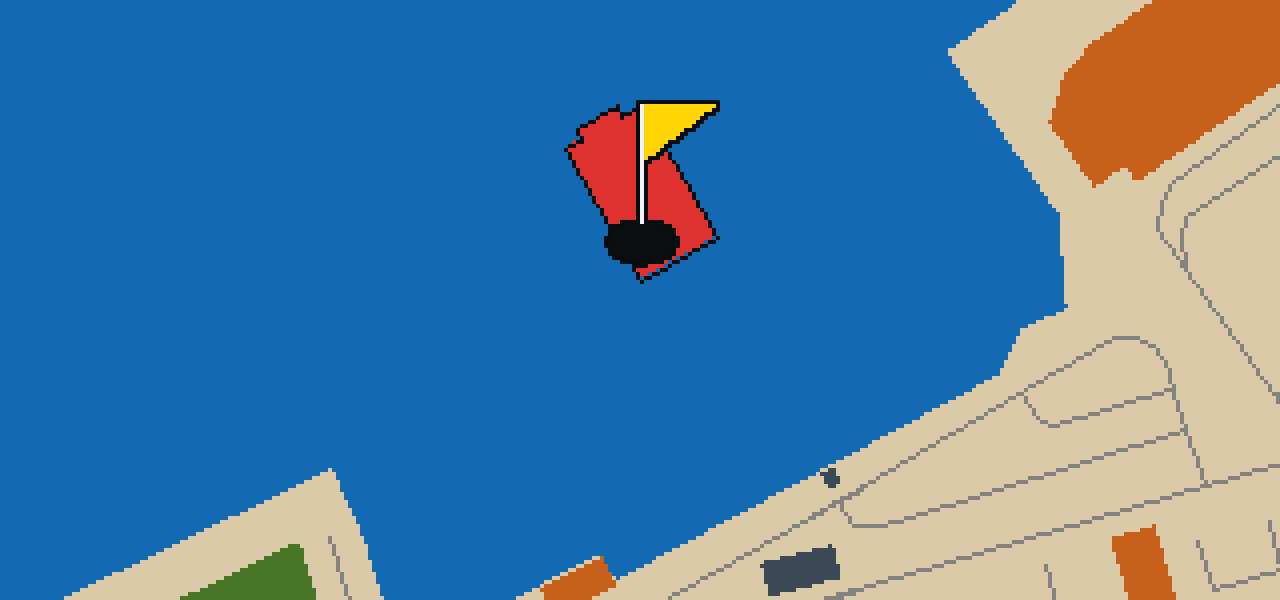
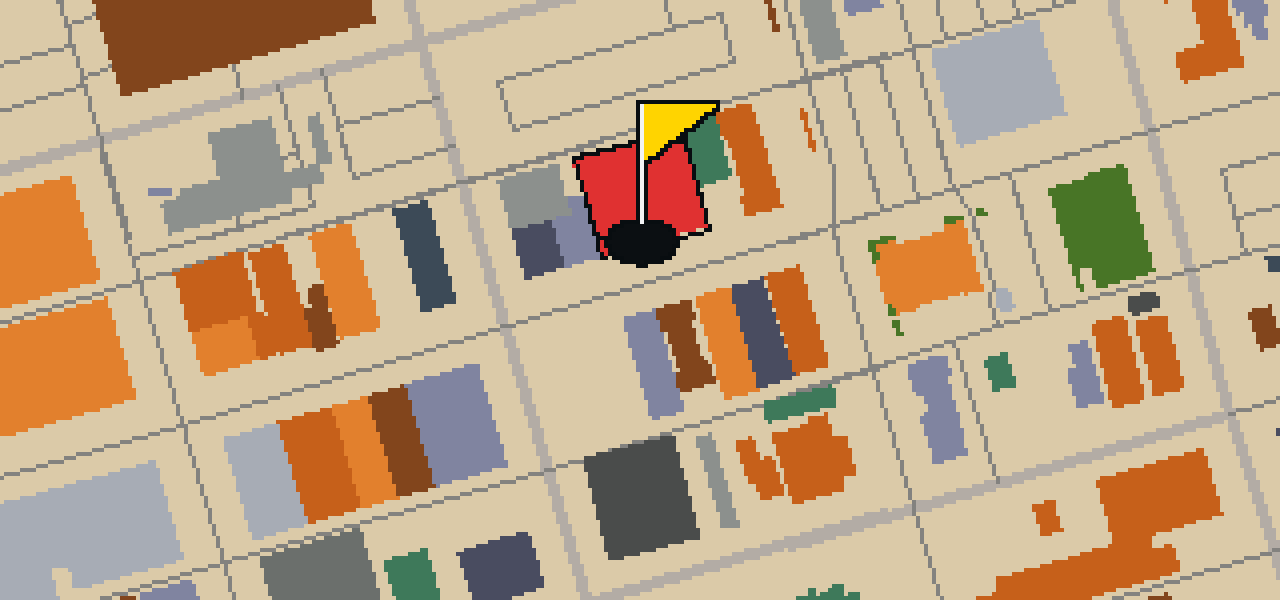
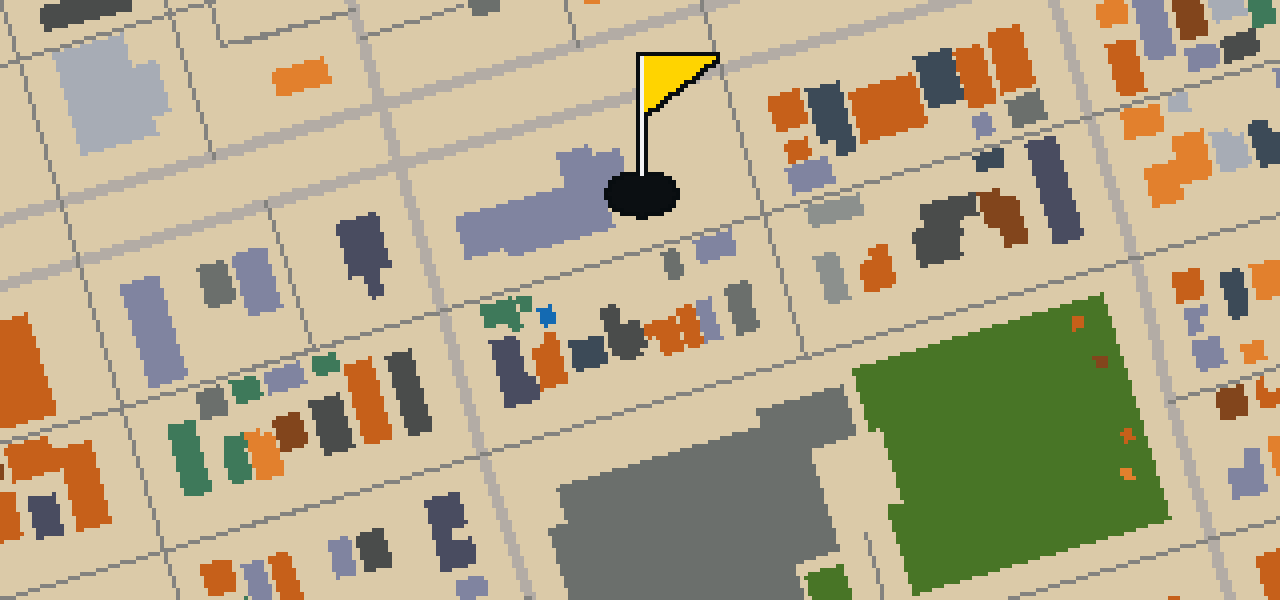
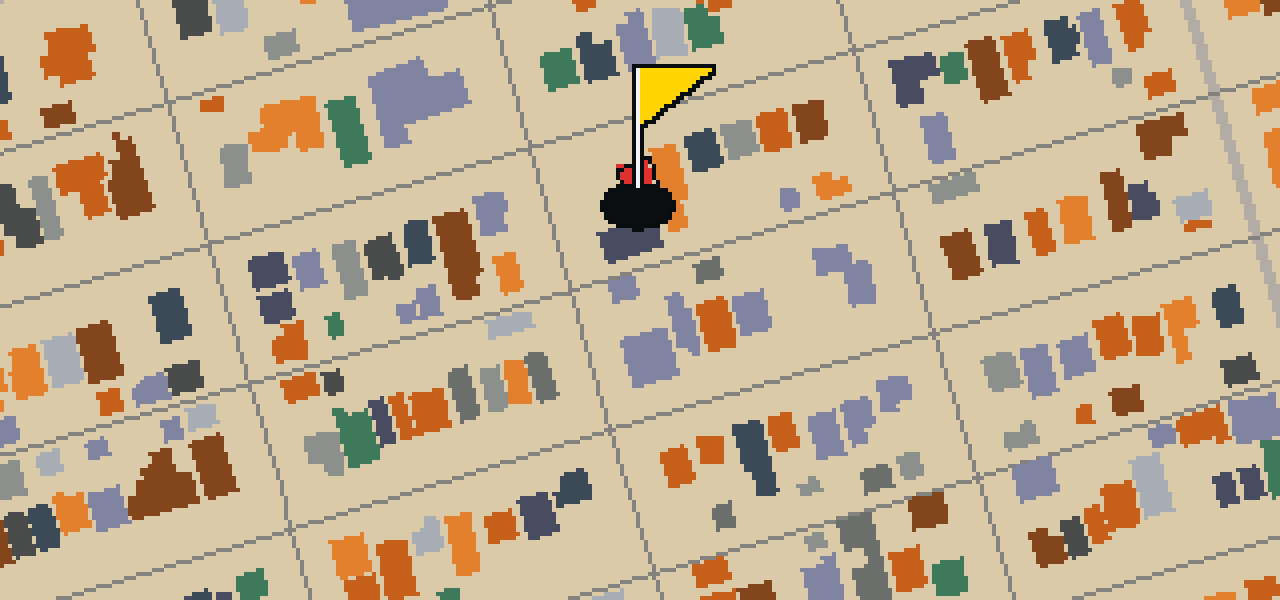
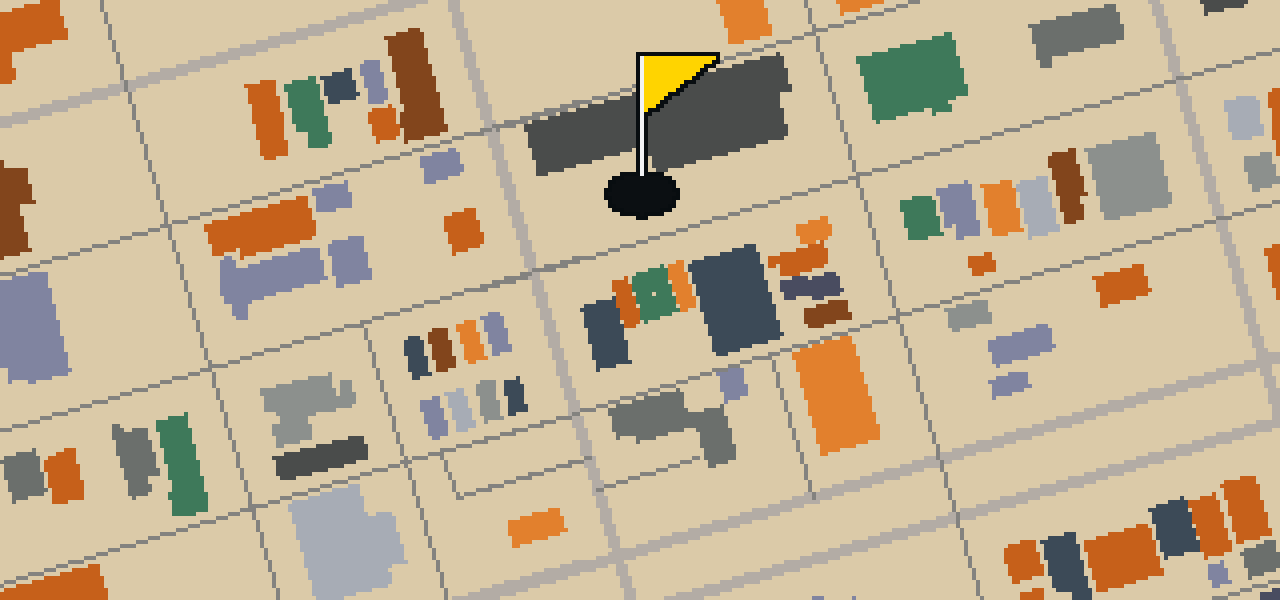
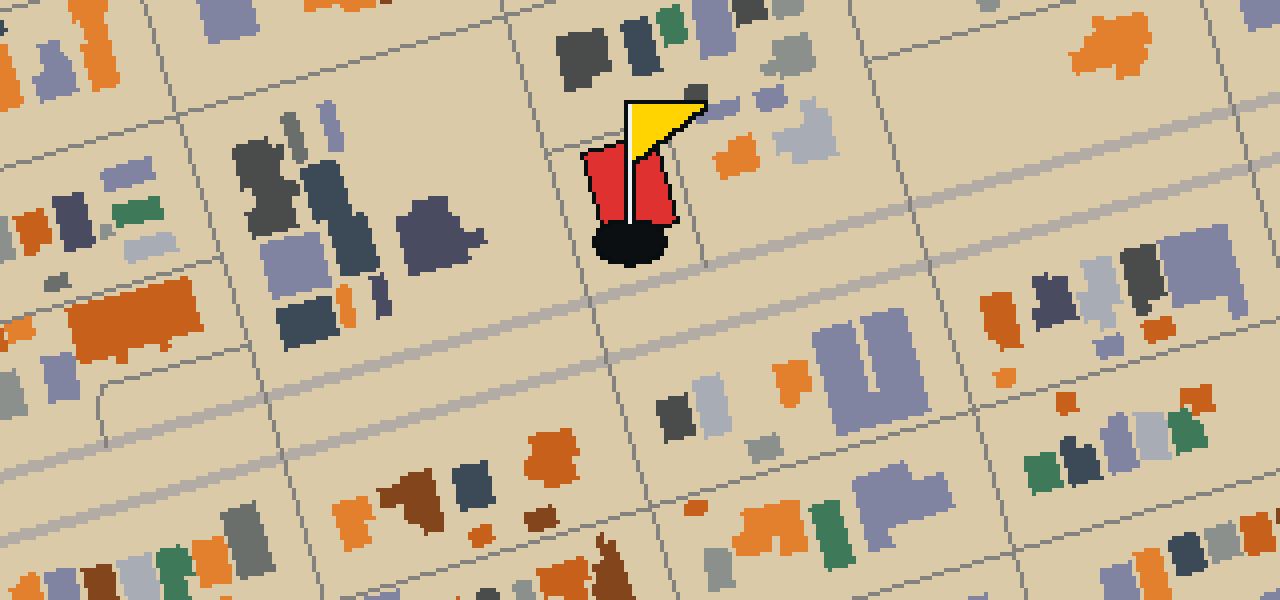
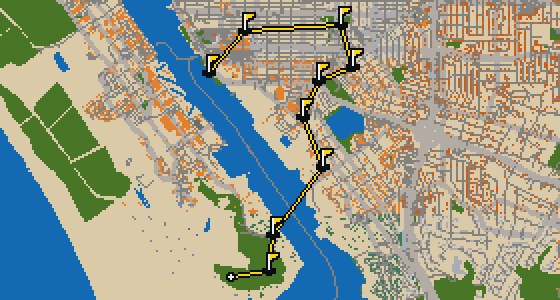
The round opens at the Shark Attack 5D Theatre in Galveston. The map is the real city and the ball rolls across its actual streets, banking off facades to reach holes built from real attractions. This full round of 18 holes covers 6.7 mi with a par of 55, using 6 portals to bridge the gaps. Skip is a local guide who knows these sidewalks well, even if a few feathers get ruffled by the sea breeze.
The course is drawn on the real street grid, so the map you play is the map you walk.
Drag to aim, release to swing. Buildings bounce and water costs you a stroke.
Every hole ends at an attraction. Sink the putt, read the story, walk to the next tee.
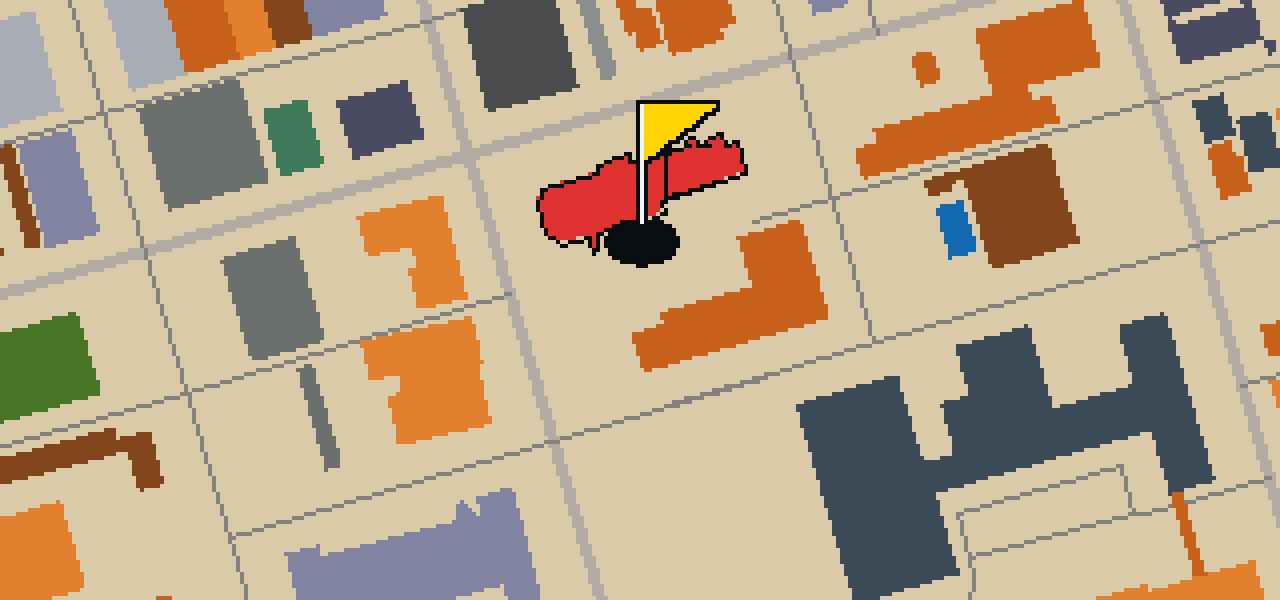
Despite the name, this isn't a residence for a member of the clergy. The Bishop's Palace is a palace located in the East End Historic District of Galveston, Texas. Completed in 1892, the property was later purchased by the Archdiocese of Galveston in 1923 before the Galveston Historical Foundation acquired it in 2013. You can find it standing tall at the corner of Broadway and 14th Street. I've always thought the nickname Gresham's Castle fits the scale of the place much better.
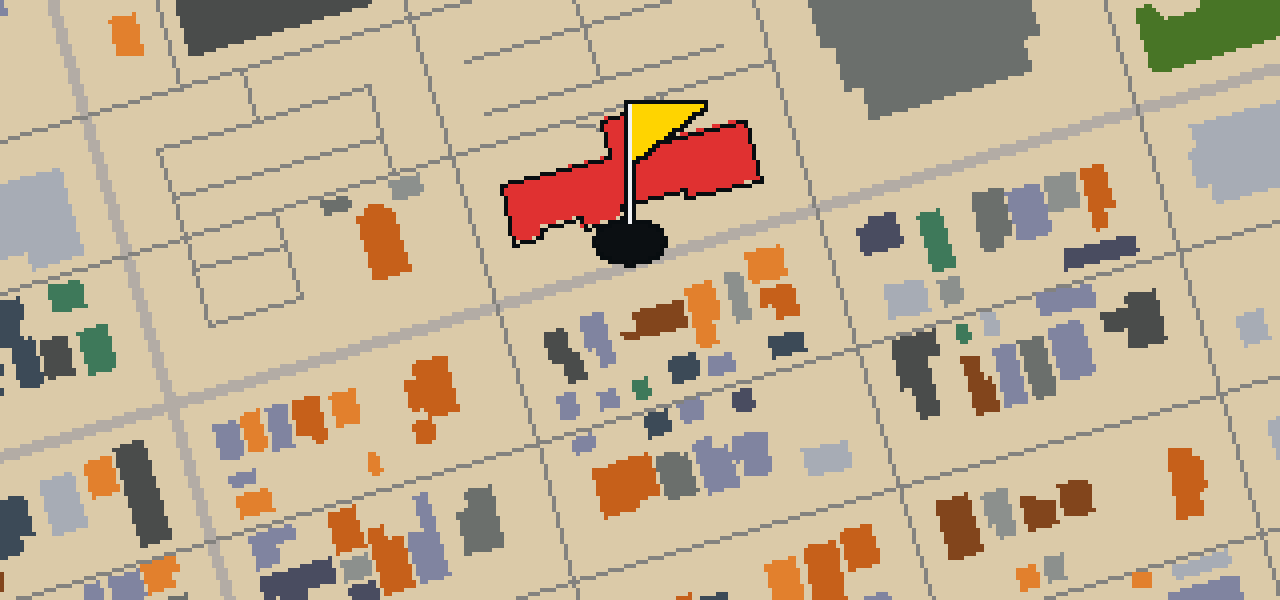
You will first notice the Gothic Revival style of Saint Mary's Cathedral Basilica. Located in Galveston, this Catholic cathedral was designed by architect Charles G. Bryant and its inception was in 1847. The building is a National Register of Historic Places listed place. Beyond its architecture, it is the primary cathedral of the Archdiocese of Galveston-Houston. In this capacity, the cathedral serves over 1.5 million Catholics living in the archdiocese.
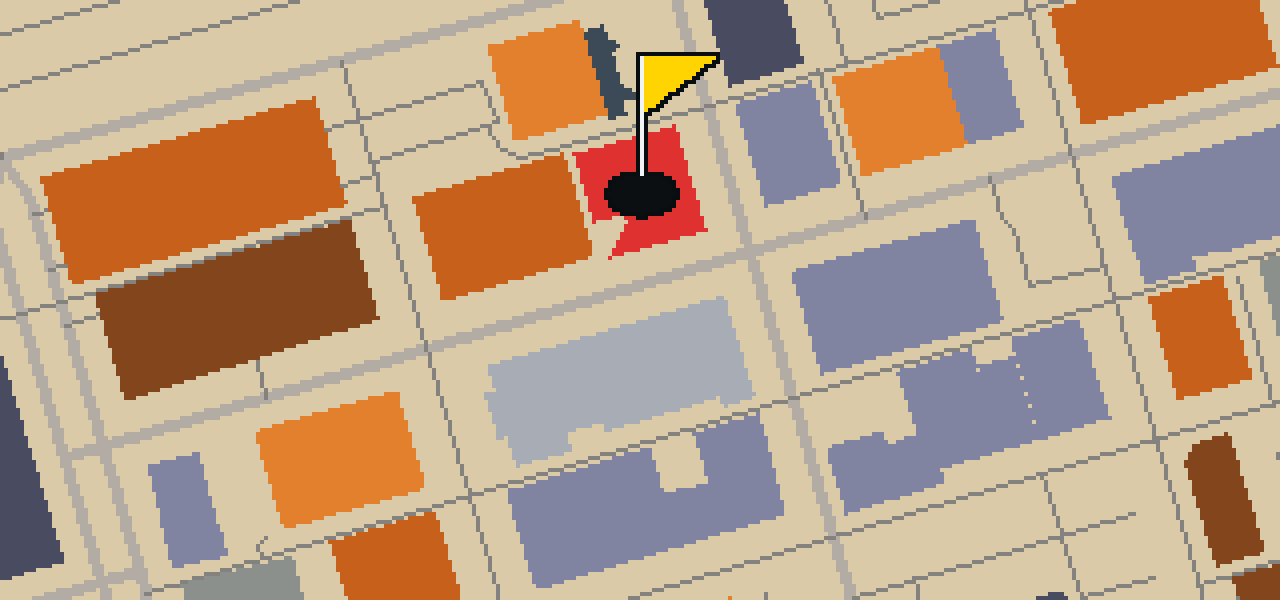
Let me show you Saengerfest Park, located in the heart of downtown Galveston. It sits within the Strand District, an area known for its Victorian era buildings. This National Historic Landmark District spans from 20th Street westward to 26th Street, covering both sides of The Strand and Mechanic Street. You can also find district properties along the south side of Harborside Drive. I've found that the architecture here makes for a great walk, though I usually spend my time watching the crowds from the eaves.
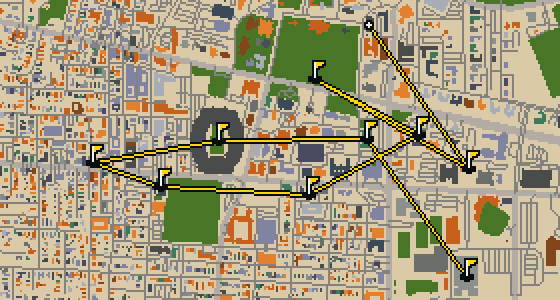
Tuscaloosa is the setting for this round, played on the actual city streets. The map uses real attractions like Bryant-Denny Stadium to build the holes, turning the town into a course. Skip knows these sidewalks well, having spent plenty of time dodging crumbs on the way to the cup. This quick 9-hole round covers 3.2 mi with a total par of 26.
Oceanside is the setting for this round, with the ball rolling across the real streets of the city. The holes are built from actual attractions, like the Oceanside Museum of Art. Skip is a local guide who knows every curb and crumb. This quick 9-hole round covers 3.6 mi on foot with a par of 28.
The Vallejo Naval and Historical Museum is the end of this quick nine-hole round. The map is the real city and the ball rolls across its actual streets, banking off building facades. Local attractions provide the structure for each hole. Skip knows these sidewalks well, including the 3.7 mi walk and the two portals used to bridge the gaps.
Salinas is the setting for this round, with the ball rolling across the actual city streets. The holes are built from real attractions, including the National Steinbeck Center. Skip knows these sidewalks well and has a few feathers in the wind. This quick round of 9 holes has a par of 28 and covers a total walk of 3.7 mi.
Danbury is the setting for this round, where the map is the real city and the ball rolls along its actual streets. The holes are built from real attractions, ending at Wooster Square. Skip is a local guide who knows the pavement well. A quick 9-hole round covers 3.4 mi with a total par of 27.
Yes. Every course runs in the browser with no account and no install.
No. The full round plays from anywhere. Walking the real route is a nice way to see the city, but it is not required.
Yes. The geometry comes from OpenStreetMap data, rendered chunky on purpose. Streets, water and parks sit where they really are.