
FORT WAYNE - 9 HOLES - FREE

FORT WAYNE
CITY MAP MINIGOLF

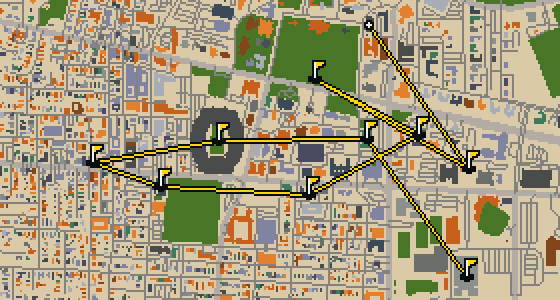
Fort Wayne - 9 stops - par 25

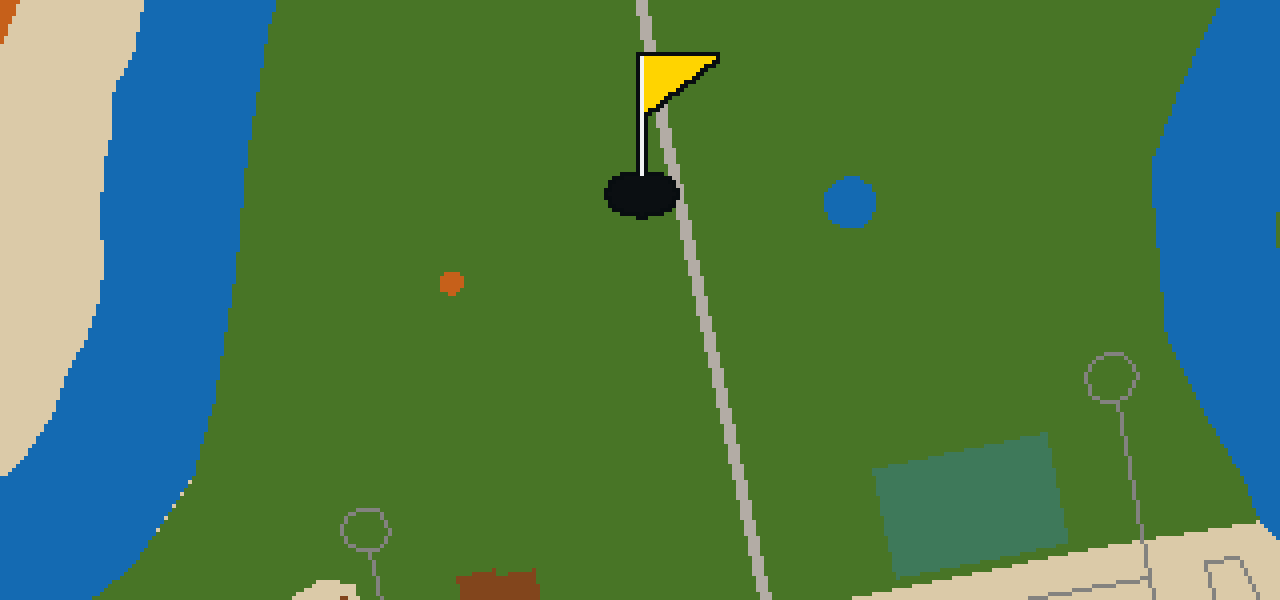
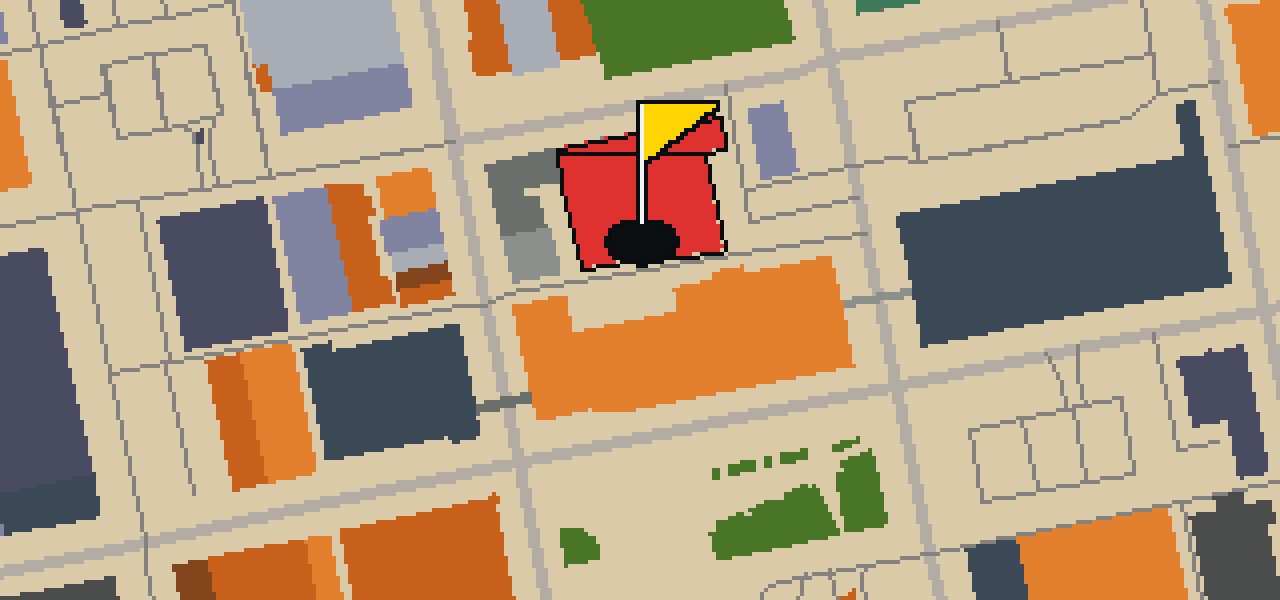
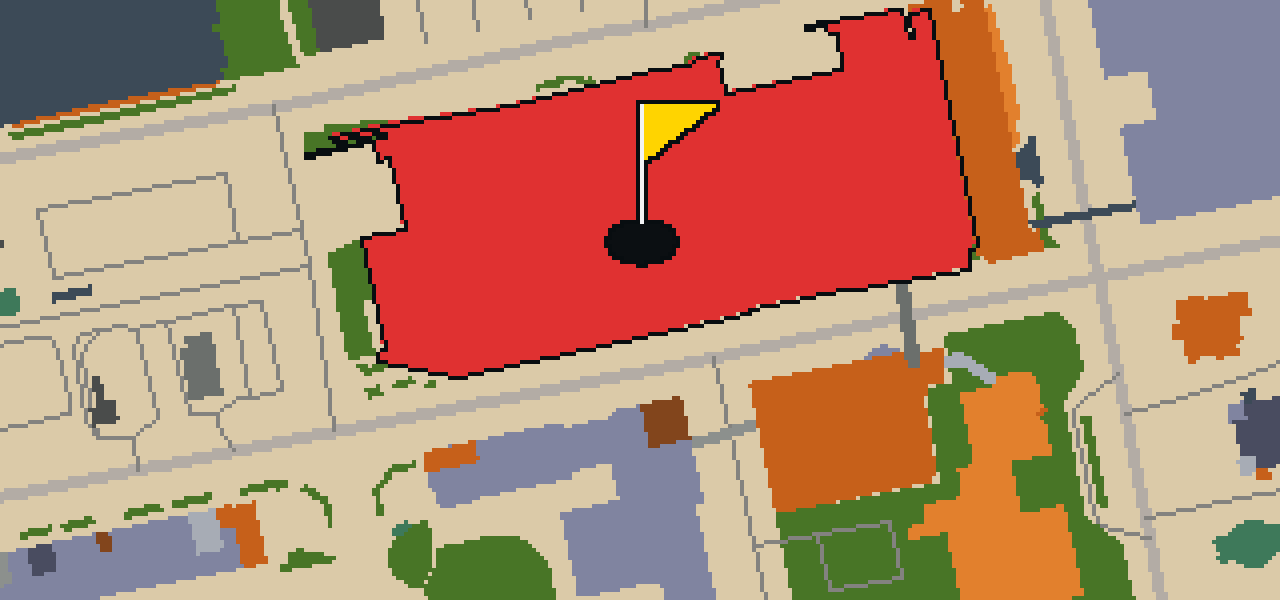
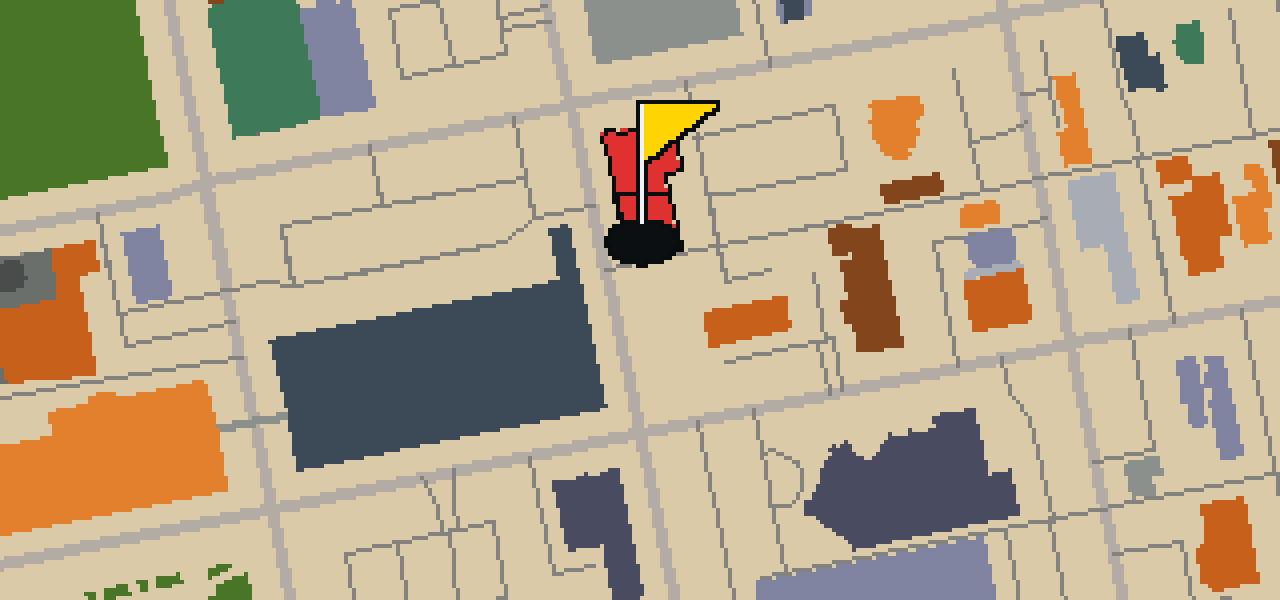
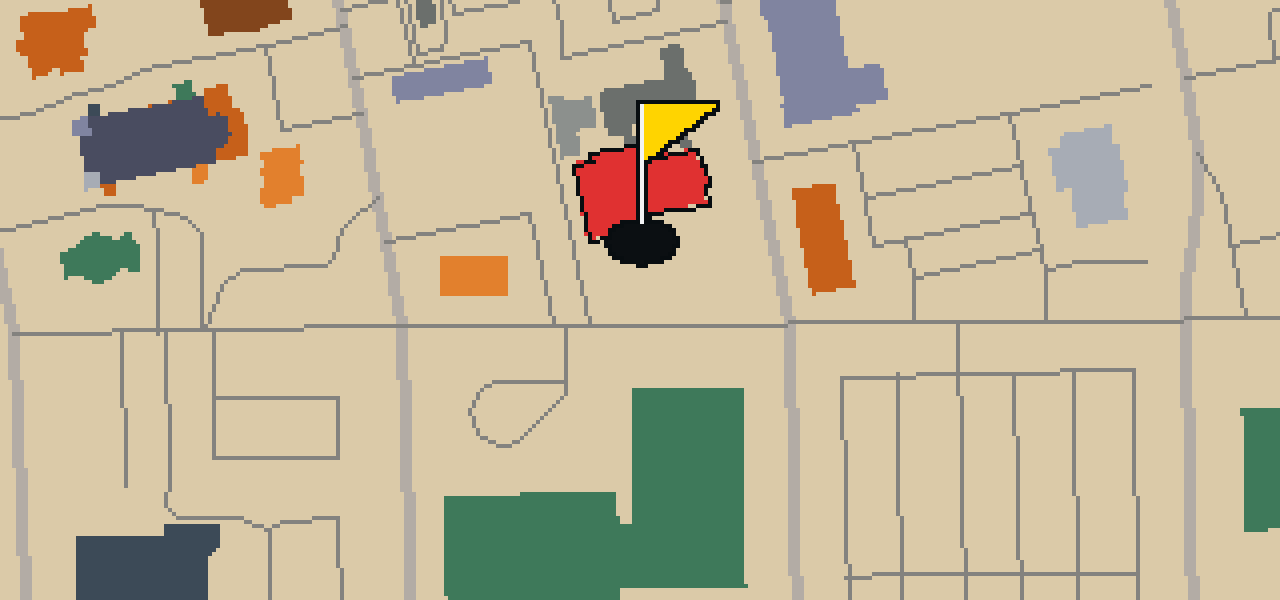
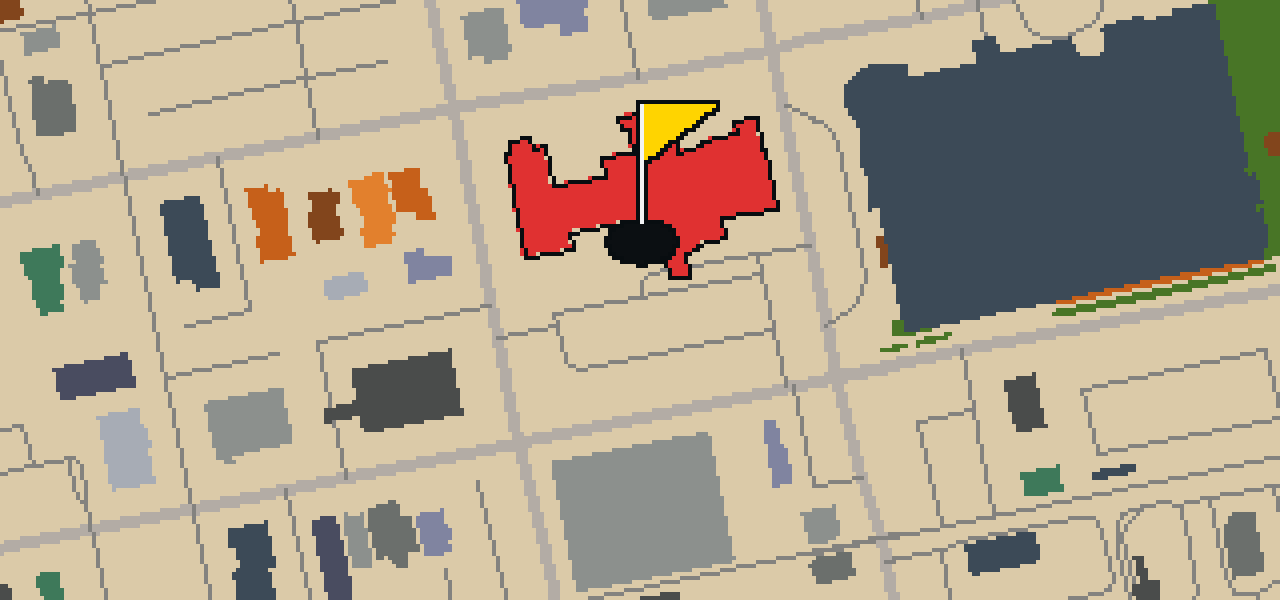
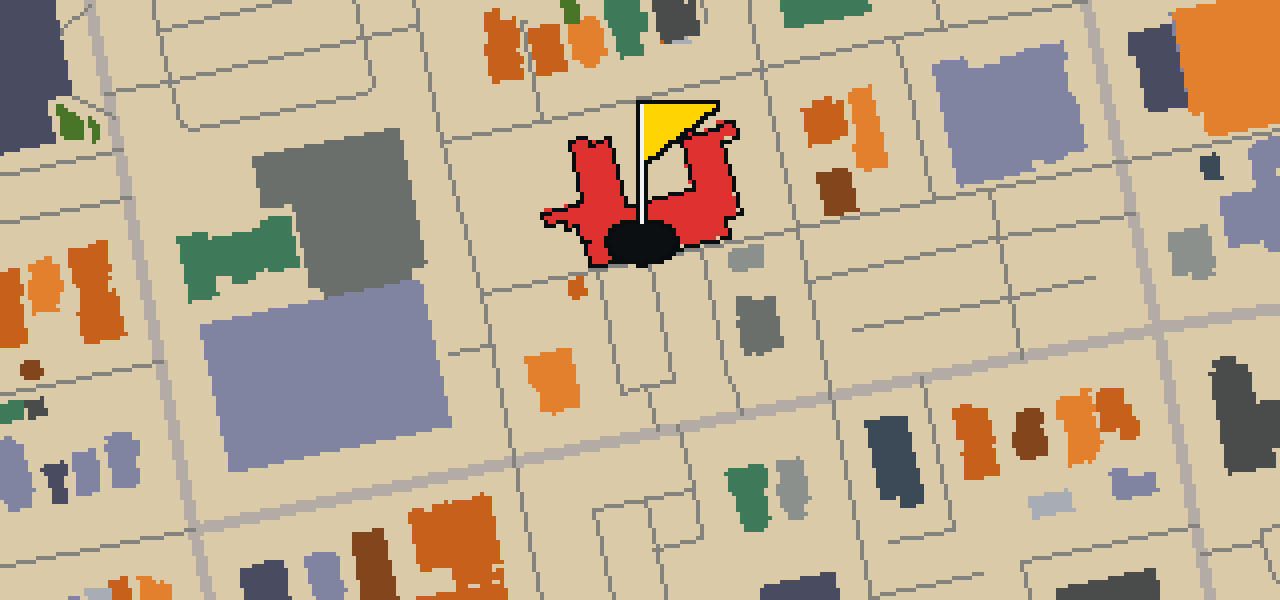
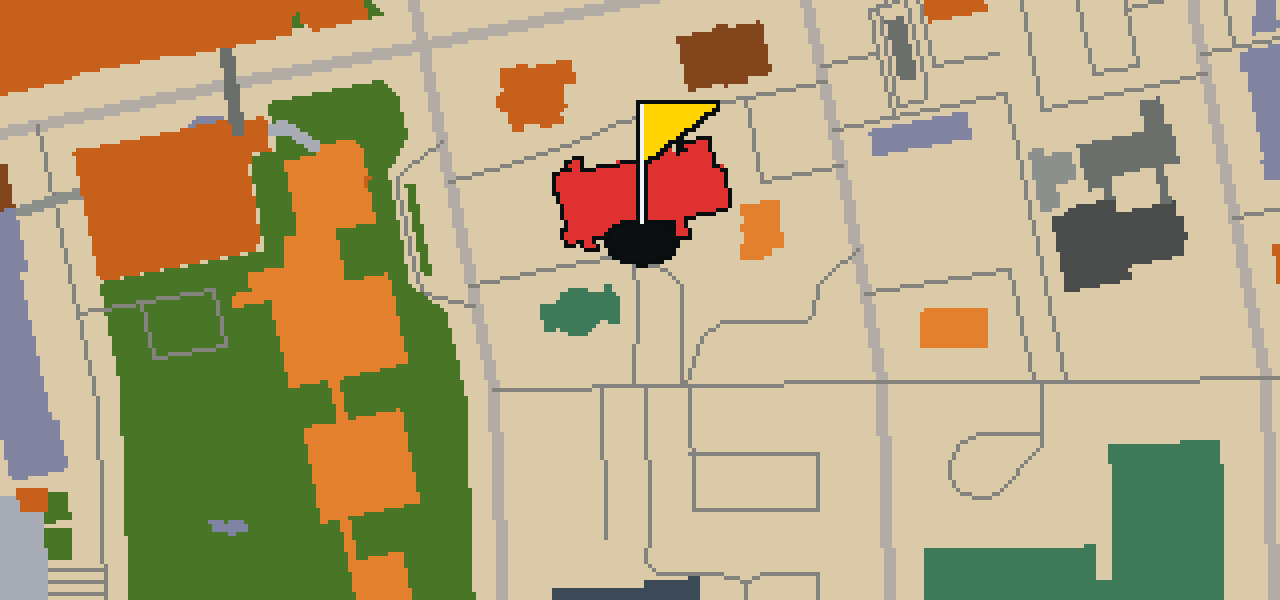
Fort Wayne is the setting for this round, with the ball rolling across the actual city streets. The layout uses real attractions like the Cathedral of the Immaculate Conception to form the holes. Skip knows every curb and alley here, provided there are no breadcrumbs to distract him. This quick 9-hole round covers 3 mi with a total par of 25.

Trouble loading? Open the game in its own tab.

HOW IT WORKS

01

Pick a city

The course is drawn on the real street grid, so the map you play is the map you walk.

02

Putt to the pin

Drag to aim, release to swing. Buildings bounce and water costs you a stroke.

03

Sightsee between strokes

Every hole ends at an attraction. Sink the putt, read the story, walk to the next tee.

THE FORT WAYNE ROUND - STOP BY STOP

HOLE 1 - PAR 3

Cathedral of the Immaculate Conception

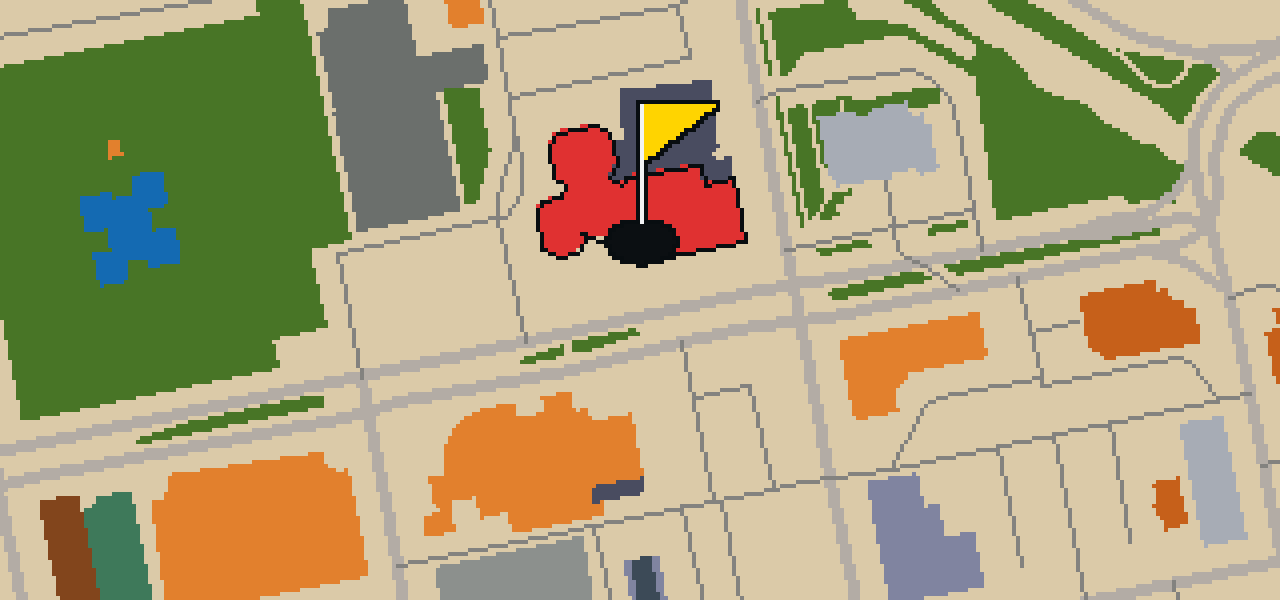
Notice the Gothic architecture style of the Cathedral of the Immaculate Conception. This Catholic cathedral is located in Fort Wayne, Indiana, in the United States. It is a National Register of Historic Places listed place, which means it is recognized for its historical and architectural significance to the region. Beyond its physical presence, the building is the primary cathedral of the Roman Catholic Diocese of Fort Wayne-South Bend. This diocese is headed by Bishop Kevin C. Rhoades. Whether you are interested in the intricate details of the building's design or the administrative role it plays within the church, the cathedral is a central landmark in the city. Its presence provides a point of reflection and a glimpse into the religious history of Fort Wayne.

Wikidata · Wikipedia

HOLE 2 - PAR 3

Fort Wayne Museum of Art

Founded in 1897, the Fort Wayne Museum of Art is an art museum located in downtown Fort Wayne, Indiana, within Allen County. Since its early beginnings, it has grown into a venue that contains permanent collections and hosts national traveling exhibitions for the public to enjoy. It is also an accredited member of the American Alliance of Museums, which speaks to the quality of its curation. You can pick out a wide variety of styles as you walk through the galleries, and you will be in good company, as the museum annually receives about 100,000 visitors. I've noticed the crowds always seem to find something they love here, whether they are locals or just passing through the downtown area on a weekend trip.

Wikidata · Wikipedia

HOLE 3 - PAR 3

Headwaters Park

Let me show you Headwaters Park. This area is a park designed for the people of Fort Wayne to enjoy. It consists of open green spaces and outdoor areas that make it a useful spot for anyone looking to get some fresh air or spend time in nature. Whether you are visiting the city for the first time or you have lived here for years, it is a reliable place to find a bit of peace among the trees. I find it is a great spot to watch the world go by while keeping an eye out for my friends.

Wikidata

HOLE 4 - PAR 2

Lincoln Tower

Let me show you Lincoln Tower, an Art Deco highrise building located in Fort Wayne, Indiana. This structure is a bank building that was designed by architect Alvin M. Strauss. While construction started in late 1929, the building was started in 1930 and officially opened on November 16, 1930. It is one of the more striking vertical landmarks you can pick out while moving through the city. I usually find the best views of the facade from the street level, though I personally prefer the ledge of a nearby sign for a better angle. It is a great example of the style and purpose of the era, standing as a prominent point of interest for any visitor exploring the downtown area of the city.

Wikidata · Wikipedia

HOLE 5 - PAR 3

Grand Wayne Center

The Grand Wayne Center is a convention center located in downtown Fort Wayne, Indiana, in Allen County. It encompasses 225,000 square feet of interior space used for hosting events and gatherings. The facility was updated through a renovation and expansion that took place from 2003 to 2005, with the total cost of those improvements reaching $42 million. I find it a handy spot to keep an eye on the crowd from above. Whether you are visiting for a specific trade show or just passing through the city center, it is one of the larger footprints in the downtown area. It is a significant hub for visitors to the region, providing a massive amount of room for all sorts of professional and social functions in the heart of the city.

Wikidata · Wikipedia

HOLE 6 - PAR 3

Fort Wayne History Museum

The first thing you will see is the bold Richardsonian Romanesque architecture of the Fort Wayne Old City Hall Building. Located in downtown Fort Wayne, Indiana, this structure was built in 1893 and designed by the architectural firm Wing & Mahurin. While it once managed the city's business, it now operates as a museum known as The History Center. Since 1980, it has served as the headquarters for the Allen County–Fort Wayne Historical Society. I've always thought the stonework gives it a very sturdy, grounded feel compared to the newer glass buildings nearby. It is a great spot to stop and appreciate how the city's downtown center has changed over the decades while keeping some of its most imposing original structures intact.

Wikidata · Wikipedia

HOLE 7 - PAR 3

Saint Paul's Evangelical Lutheran Church

This is not a modern construction, but a historic church building located at the intersection of Barr and Madison Streets in Fort Wayne, Indiana. Designed by Wing & Mahurin, Saint Paul's Evangelical Lutheran Church is listed on the National Register of Historic Places. The congregation was founded in 1837 and holds a significant place in regional history as the second oldest Lutheran church in Indiana. Visitors can appreciate the architecture of a site that is the oldest Lutheran church in the northern part of Indiana. This place is a church congregation that has maintained its presence in the city for many years, providing a physical link to the early religious development of the region. You can observe the specific design choices made by the architects while visiting this listed historic site.

Wikidata · Wikipedia

HOLE 8 - PAR 2

Trinity English Evangelical Lutheran Church

Located within the city of Fort Wayne, you will find the Trinity English Evangelical Lutheran Church. This site is a church building. It is a place of worship and a point of interest for those moving through this specific part of the city. Whether you are passing through on a walk or visiting the area specifically, the building is a visible marker of the community's religious architecture. Its presence in the neighborhood provides a sense of continuity and purpose for the people who gather here. As you navigate the streets of Fort Wayne, this church building stands as a quiet landmark that contributes to the overall character of the surrounding area. It is a site where the city's spiritual history and present-day community life meet in a single location.

Wikidata

HOLE 9 - PAR 3

Trinity Episcopal Church

Look at the pointed arches and steep lines of the Gothic Revival architecture. This is Trinity Episcopal Church, a church building constructed ca. 1865 in Fort Wayne, Indiana. Designed by architect Charles Crosby Miller, the structure is a National Register of Historic Places listed place. The history of the community goes back further than the current walls. The congregation was organized in 1839 as Christ Church. In 1844, the name of the congregation changed to Trinity Church. Long before the current site was established, the first church was built in 1848. That original building was located on the southeast corner of Berry and Harrison Streets. Today, the current building remains a significant example of the Gothic Revival style and continues to stand as a prominent landmark within the city of Fort Wayne.

Wikidata · Wikipedia

STOP 10

Parkview Field

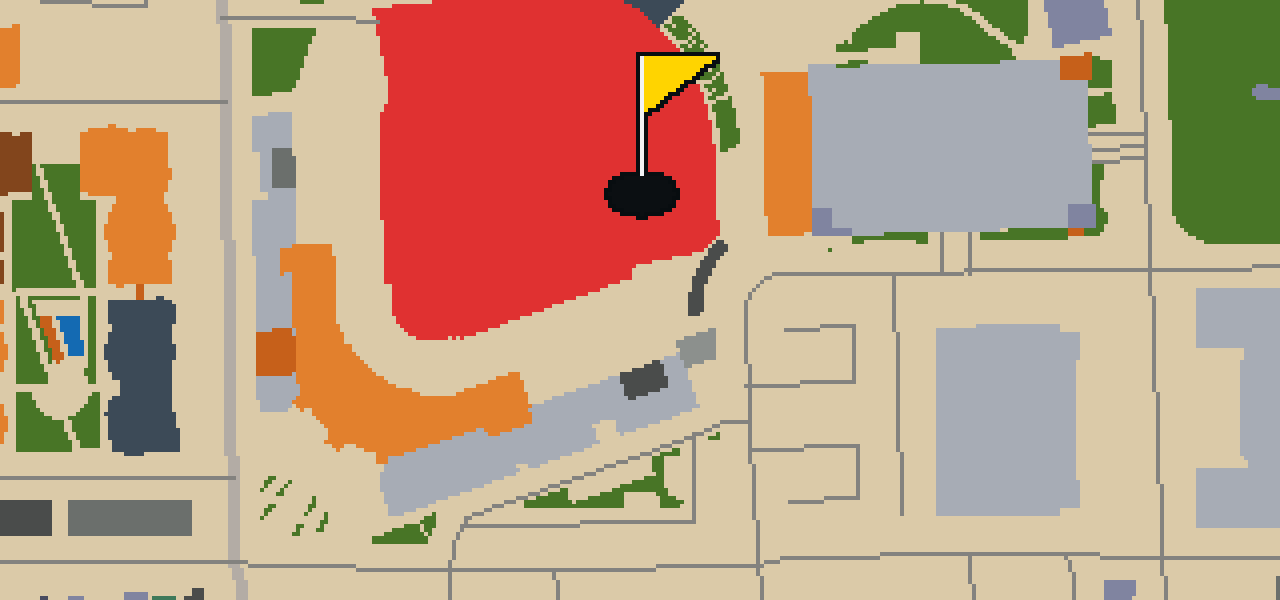
Look closely at the design of this architectural structure before taking in the whole stadium. Parkview Field is a ballpark in Fort Wayne, Indiana. It is the home of the Fort Wayne TinCaps, who are a Minor League Baseball team in the Midwest League. The facility had its inception in 2009 and was designed by Populous. Whether you are here for a game or just passing through, it is a prominent spot in the city. I usually find the best views from the upper levels, though I prefer to keep my distance from the hawks. It is the kind of place where the energy of the crowd feels electric, and the layout of the field is a treat for any sports enthusiast visiting the region.

Wikidata · Wikipedia

OTHER COURSES

9 HOLES - PAR 26

Tuscaloosa

9 stops

Tuscaloosa is the setting for this round, played on the actual city streets. The map uses real attractions like Bryant-Denny Stadium to build the holes, turning the town into a course. Skip knows these sidewalks well, having spent plenty of time dodging crumbs on the way to the cup. This quick 9-hole round covers 3.2 mi with a total par of 26.

9 HOLES - PAR 28

Oceanside

9 stops

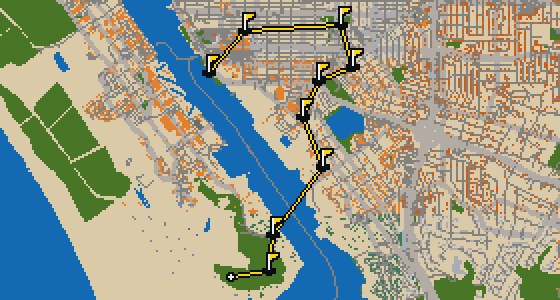
Oceanside is the setting for this round, with the ball rolling across the real streets of the city. The holes are built from actual attractions, like the Oceanside Museum of Art. Skip is a local guide who knows every curb and crumb. This quick 9-hole round covers 3.6 mi on foot with a par of 28.

9 HOLES - PAR 29

Vallejo

9 stops

The Vallejo Naval and Historical Museum is the end of this quick nine-hole round. The map is the real city and the ball rolls across its actual streets, banking off building facades. Local attractions provide the structure for each hole. Skip knows these sidewalks well, including the 3.7 mi walk and the two portals used to bridge the gaps.

9 HOLES - PAR 28

Salinas

9 stops

Salinas is the setting for this round, with the ball rolling across the actual city streets. The holes are built from real attractions, including the National Steinbeck Center. Skip knows these sidewalks well and has a few feathers in the wind. This quick round of 9 holes has a par of 28 and covers a total walk of 3.7 mi.

9 HOLES - PAR 27

Danbury

9 stops

Danbury is the setting for this round, where the map is the real city and the ball rolls along its actual streets. The holes are built from real attractions, ending at Wooster Square. Skip is a local guide who knows the pavement well. A quick 9-hole round covers 3.4 mi with a total par of 27.

FAQ

Is it free to play?

Yes. Every course runs in the browser with no account and no install.

Do I need to be in the city?

No. The full round plays from anywhere. Walking the real route is a nice way to see the city, but it is not required.

Are the maps real?

Yes. The geometry comes from OpenStreetMap data, rendered chunky on purpose. Streets, water and parks sit where they really are.