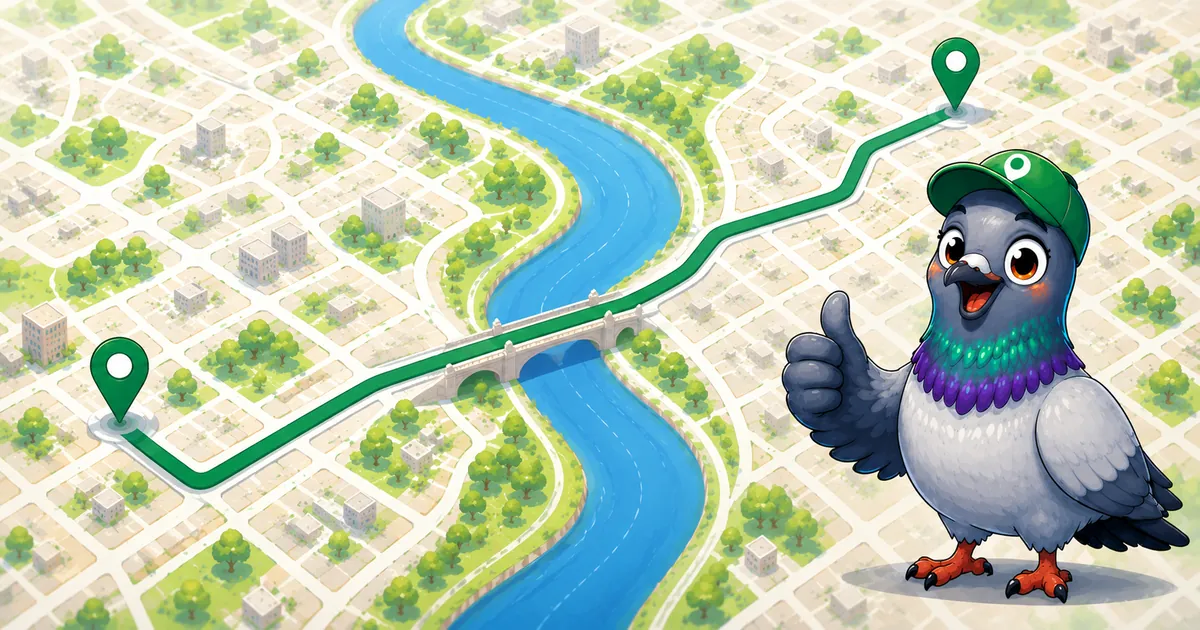
Fort Lauderdale - 9 stops - par 28
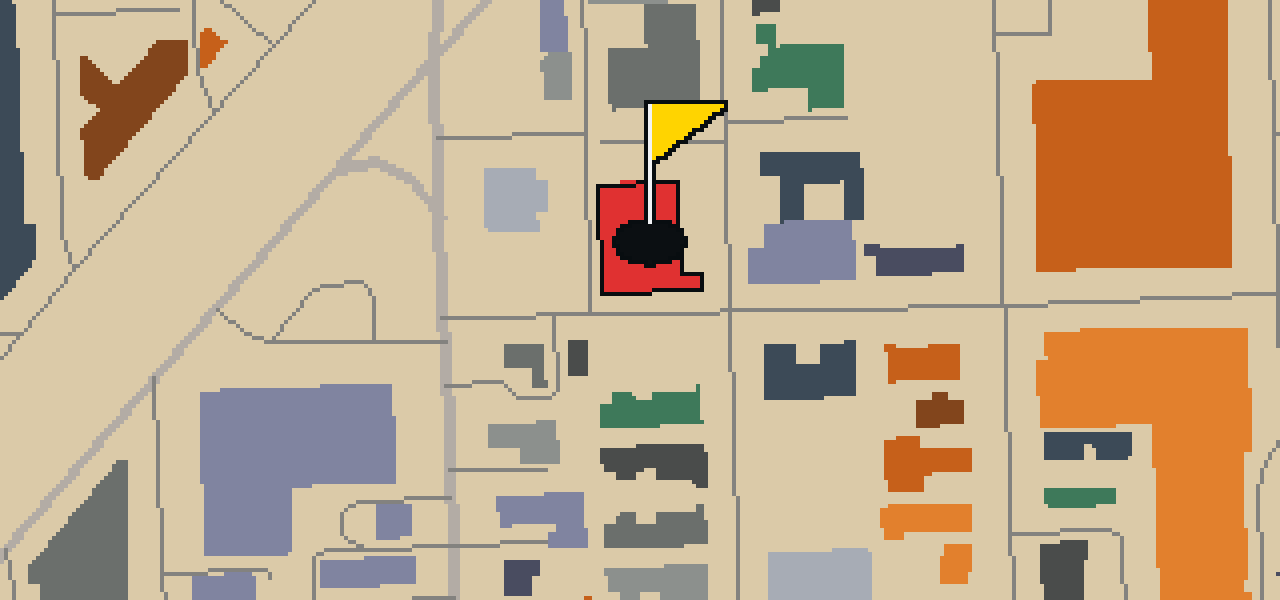
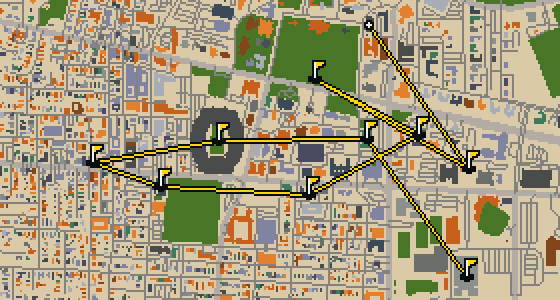
This is a quick nine-hole round through Fort Lauderdale. The map is the real city and the game is played on its actual streets, where real attractions like the NSU Art Museum Fort Lauderdale become the holes. Skip knows these sidewalks well enough to guide the way across 3.4 mi of pavement. A few portals help the ball skip between the distant parts of the course.
The course is drawn on the real street grid, so the map you play is the map you walk.
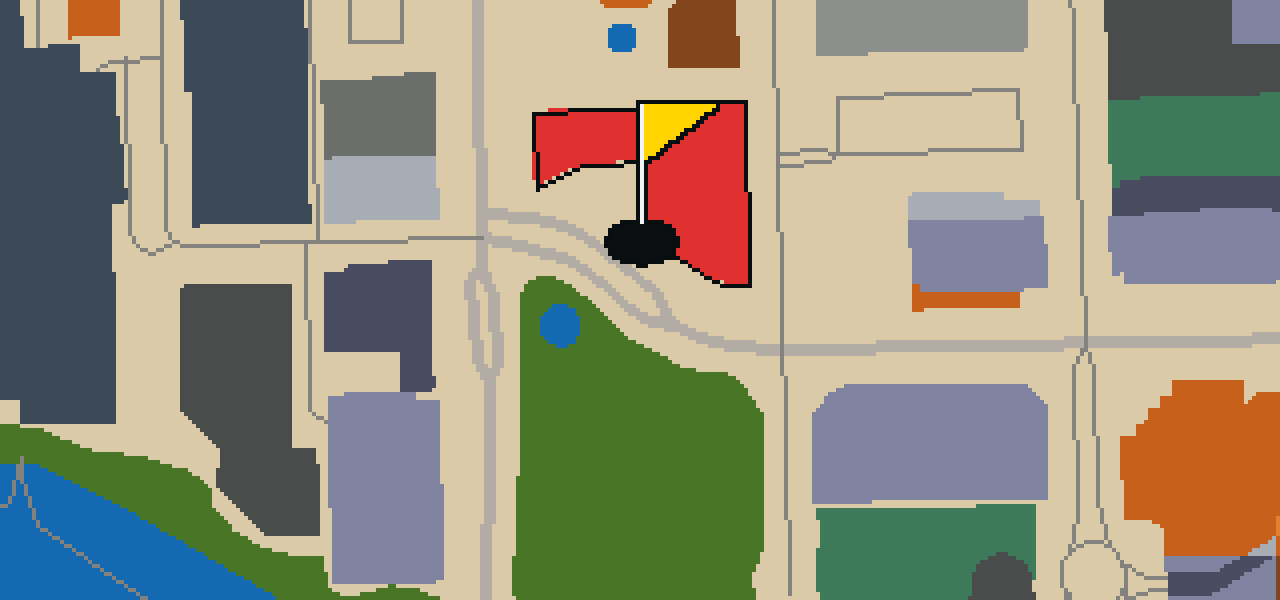
Drag to aim, release to swing. Buildings bounce and water costs you a stroke.
Every hole ends at an attraction. Sink the putt, read the story, walk to the next tee.
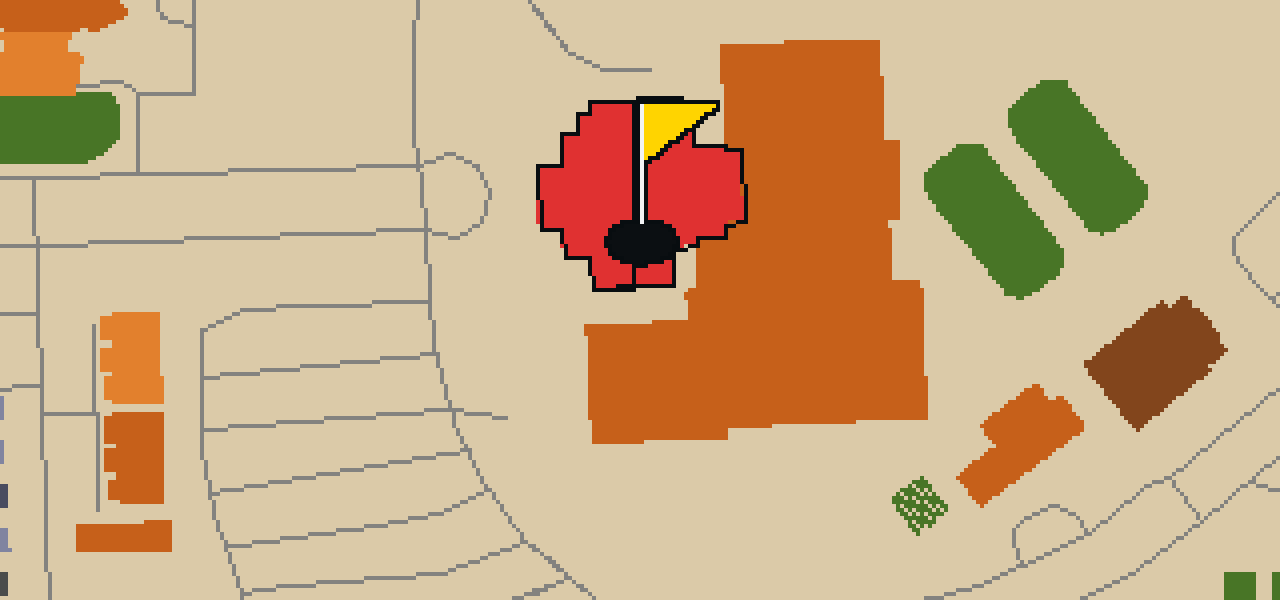
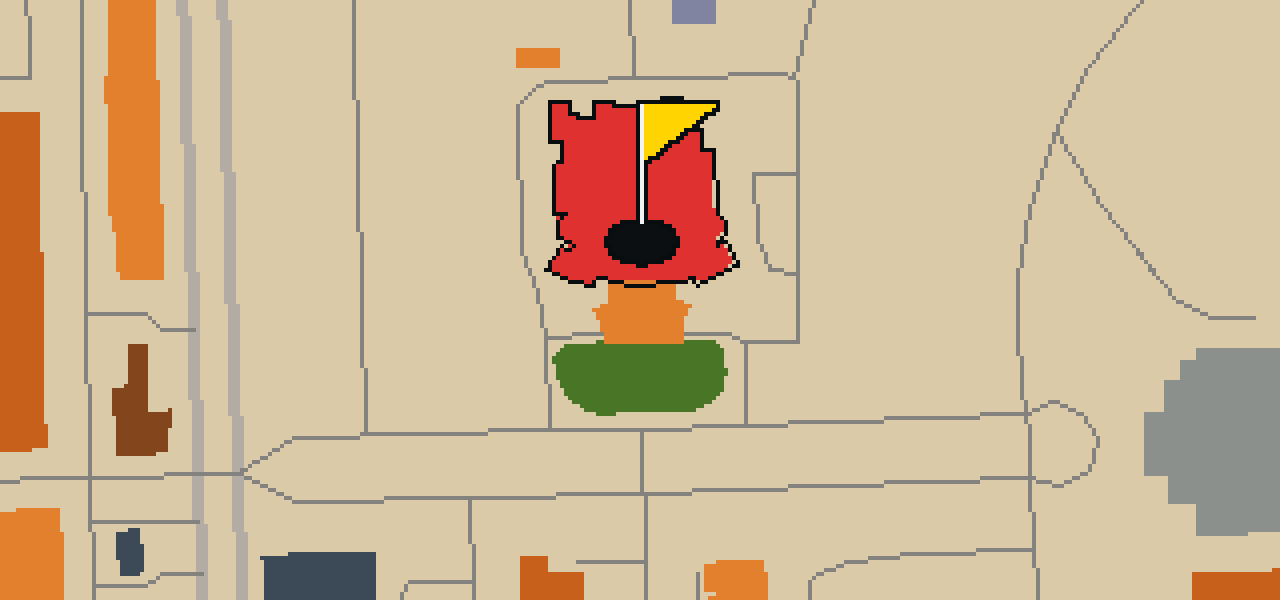
Located in Fort Lauderdale, Florida, the NSU Art Museum Fort Lauderdale sits within an 83,000-square-foot modernist building. This structure was constructed in 1986, and a 10,000-square-foot wing was added in 2001. Inside, you can find the main exhibition area which comprises 21,000 square feet. If you head to the second floor, there is a sculpture terrace that adds another 2,800 square feet of space. It is a great spot to stretch your legs and look around. The museum's history goes back further than the current walls, as it originated in 1958 as the Fort Lauderdale Art Center. Whether you are here for the architecture or the art, it is a substantial presence in the city.
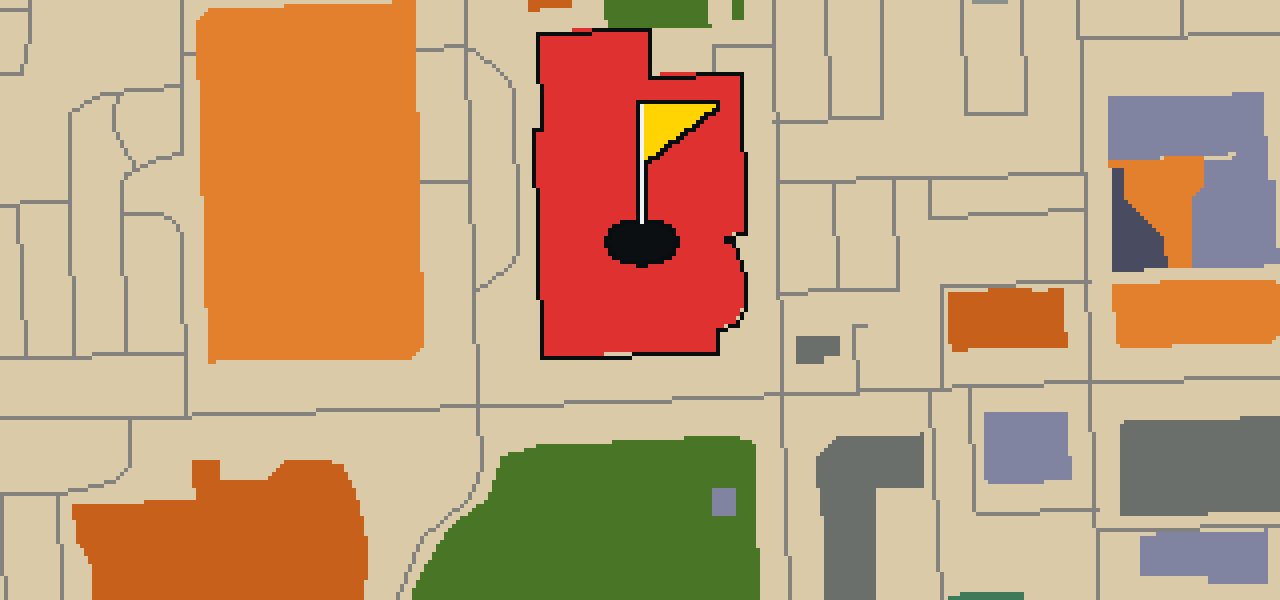
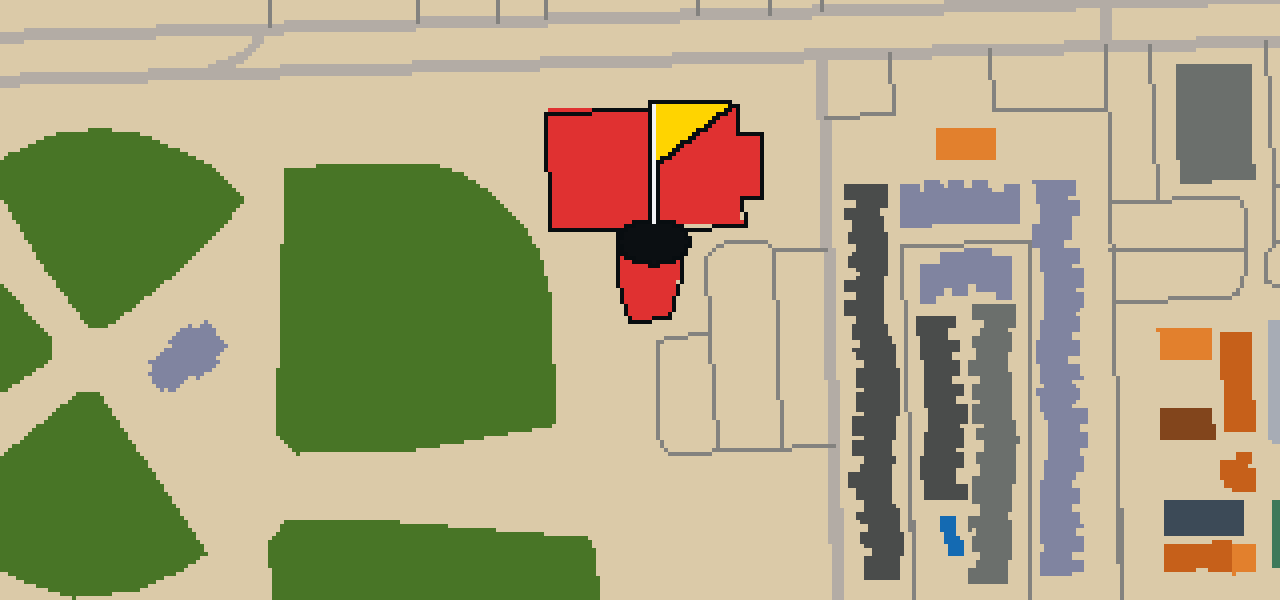
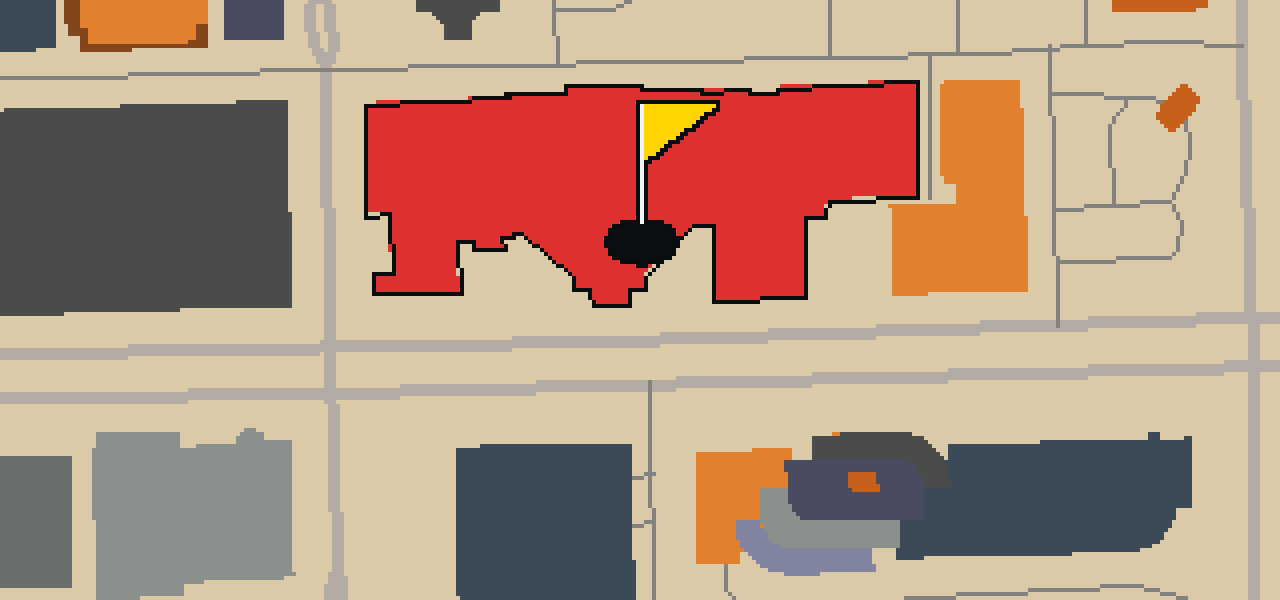
Let me show you the Museum of Discovery and Science. This is a museum located in Fort Lauderdale, Florida, and it is focused on science. It operates as a nonprofit organization for the community and was founded in 1976. Whether you are here following the CityGolf course or just visiting the city, it is a spot where you can see how the local area engages with scientific discovery. I have noticed that the crowds here are often quite curious, which makes the atmosphere feel energetic and welcoming to everyone. It is a place where the focus on science is evident the moment you arrive. You can pick out the enthusiasm of the guests as they move through the exhibits in this part of the city.
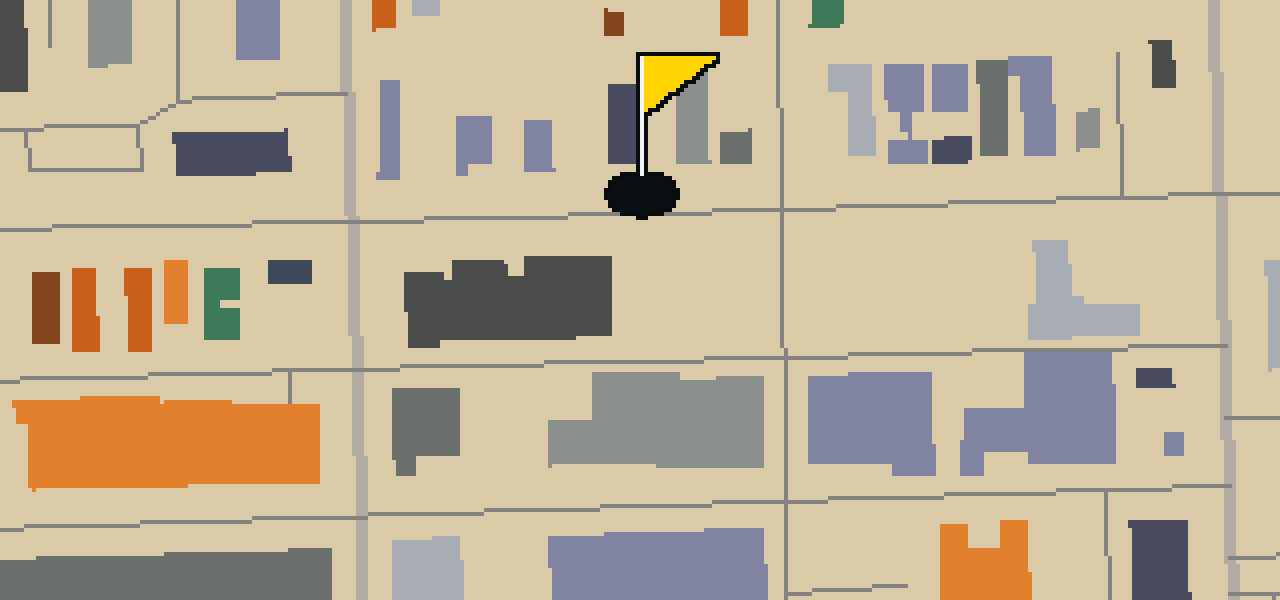
Tuscaloosa is the setting for this round, played on the actual city streets. The map uses real attractions like Bryant-Denny Stadium to build the holes, turning the town into a course. Skip knows these sidewalks well, having spent plenty of time dodging crumbs on the way to the cup. This quick 9-hole round covers 3.2 mi with a total par of 26.
Oceanside is the setting for this round, with the ball rolling across the real streets of the city. The holes are built from actual attractions, like the Oceanside Museum of Art. Skip is a local guide who knows every curb and crumb. This quick 9-hole round covers 3.6 mi on foot with a par of 28.
The Vallejo Naval and Historical Museum is the end of this quick nine-hole round. The map is the real city and the ball rolls across its actual streets, banking off building facades. Local attractions provide the structure for each hole. Skip knows these sidewalks well, including the 3.7 mi walk and the two portals used to bridge the gaps.
Salinas is the setting for this round, with the ball rolling across the actual city streets. The holes are built from real attractions, including the National Steinbeck Center. Skip knows these sidewalks well and has a few feathers in the wind. This quick round of 9 holes has a par of 28 and covers a total walk of 3.7 mi.
Danbury is the setting for this round, where the map is the real city and the ball rolls along its actual streets. The holes are built from real attractions, ending at Wooster Square. Skip is a local guide who knows the pavement well. A quick 9-hole round covers 3.4 mi with a total par of 27.
Yes. Every course runs in the browser with no account and no install.
No. The full round plays from anywhere. Walking the real route is a nice way to see the city, but it is not required.
Yes. The geometry comes from OpenStreetMap data, rendered chunky on purpose. Streets, water and parks sit where they really are.