
FLAGSTAFF - 9 HOLES - FREE

FLAGSTAFF
CITY MAP MINIGOLF

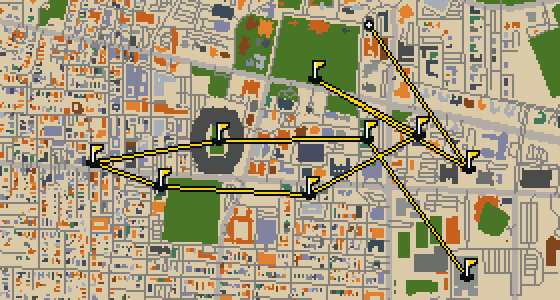
Flagstaff - 9 stops - par 29

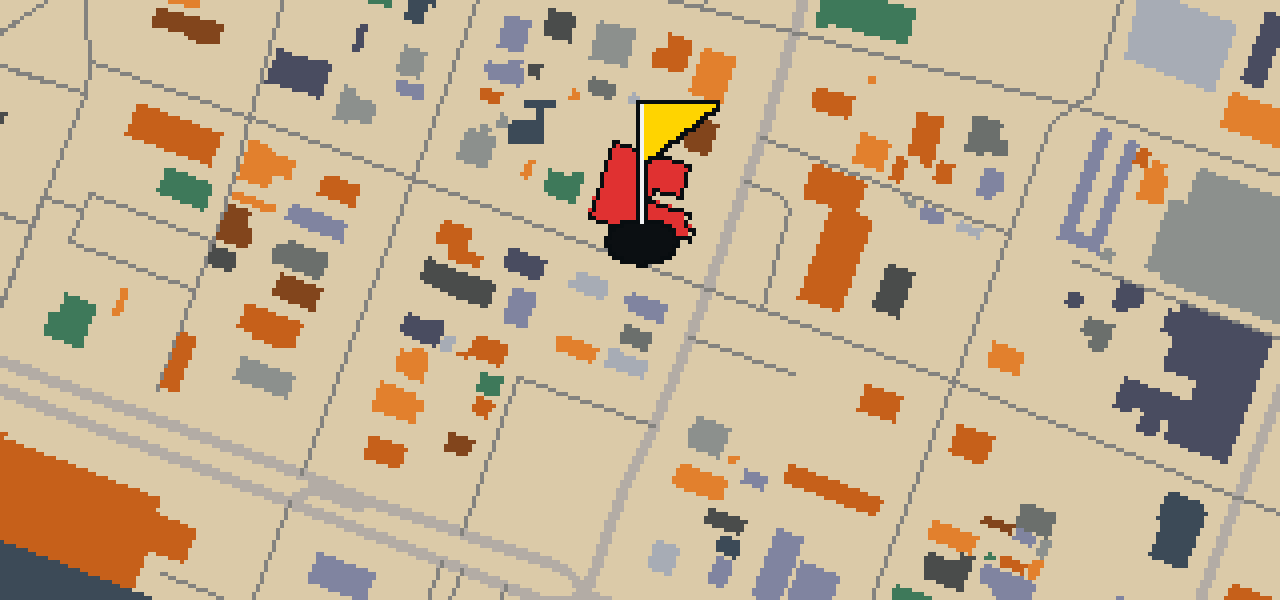
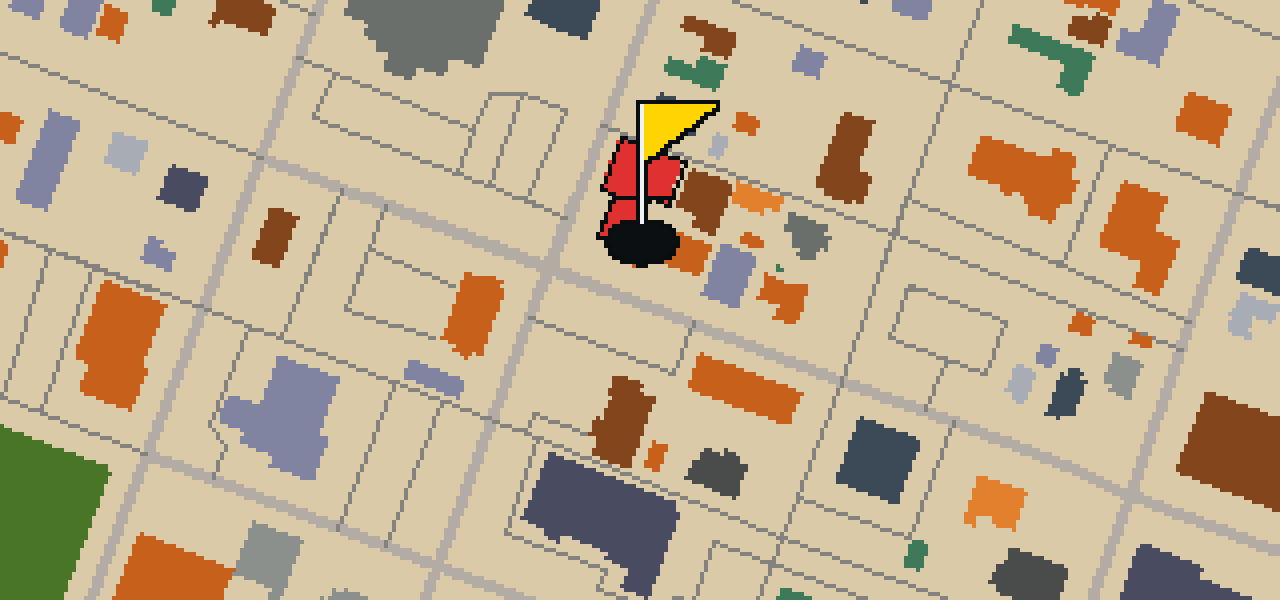
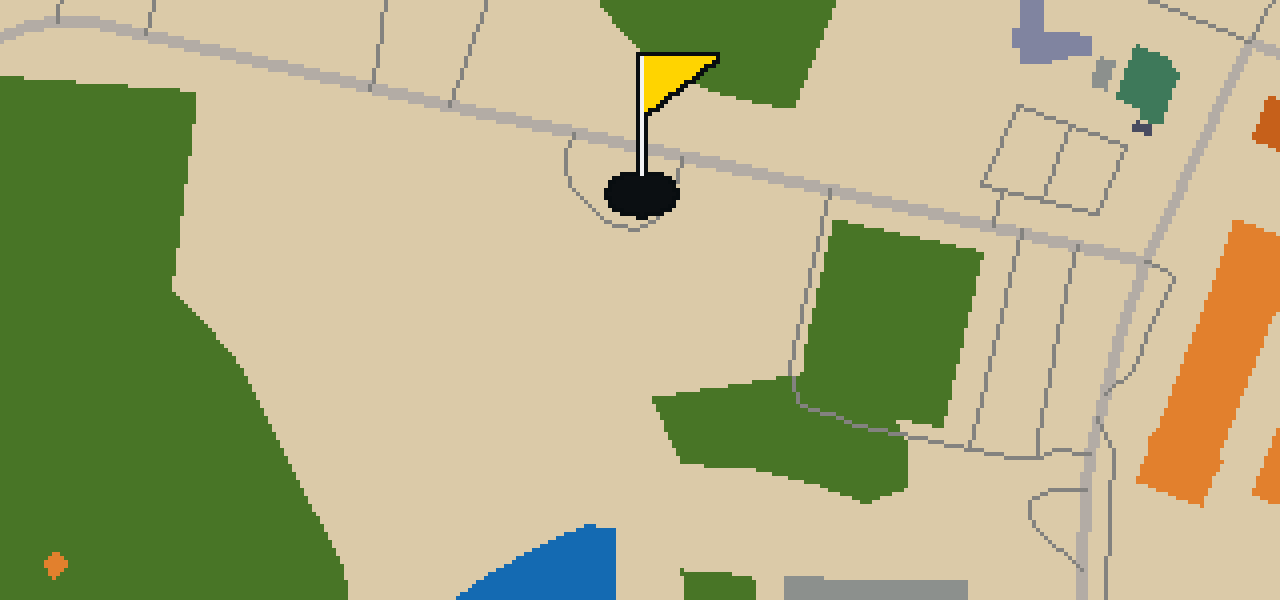
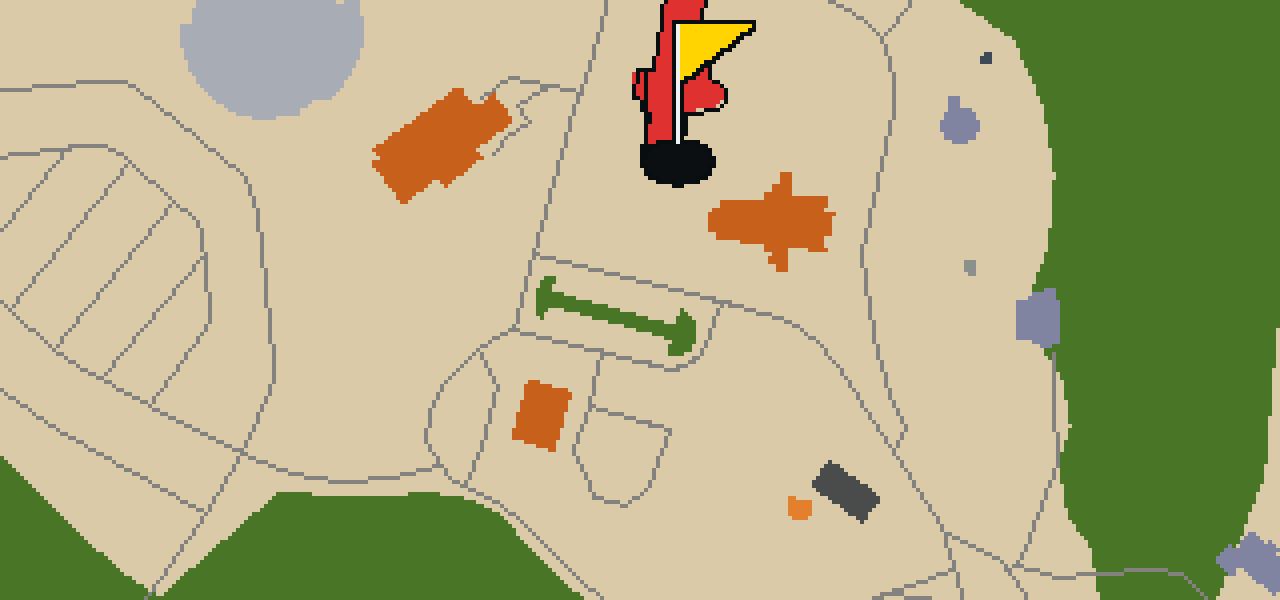
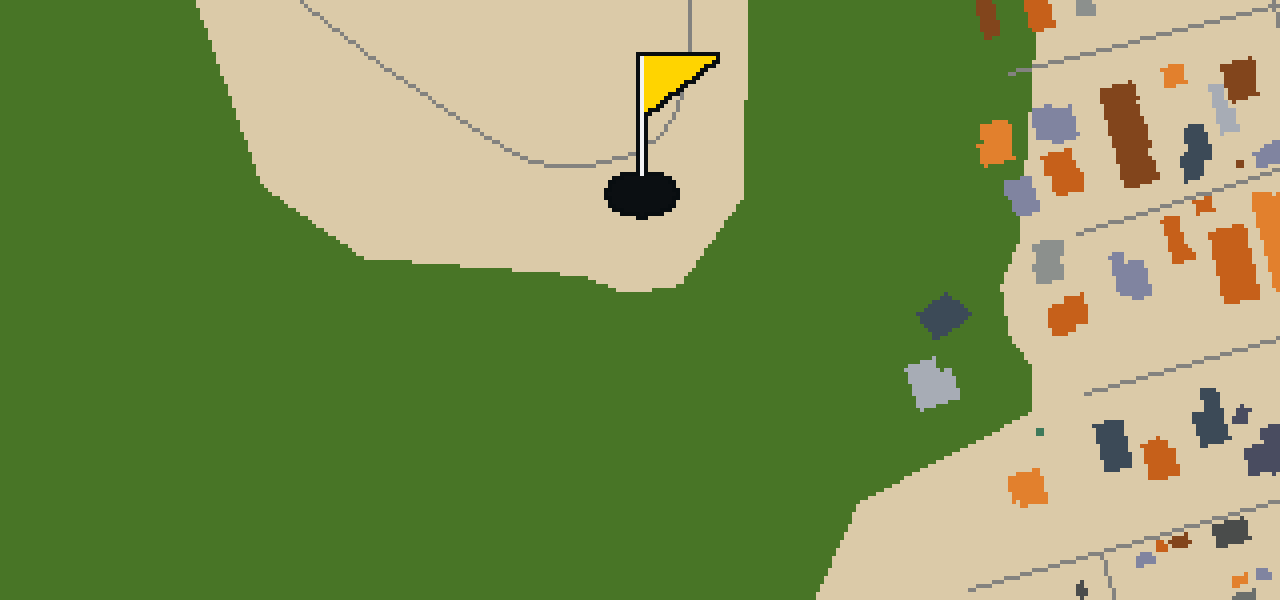
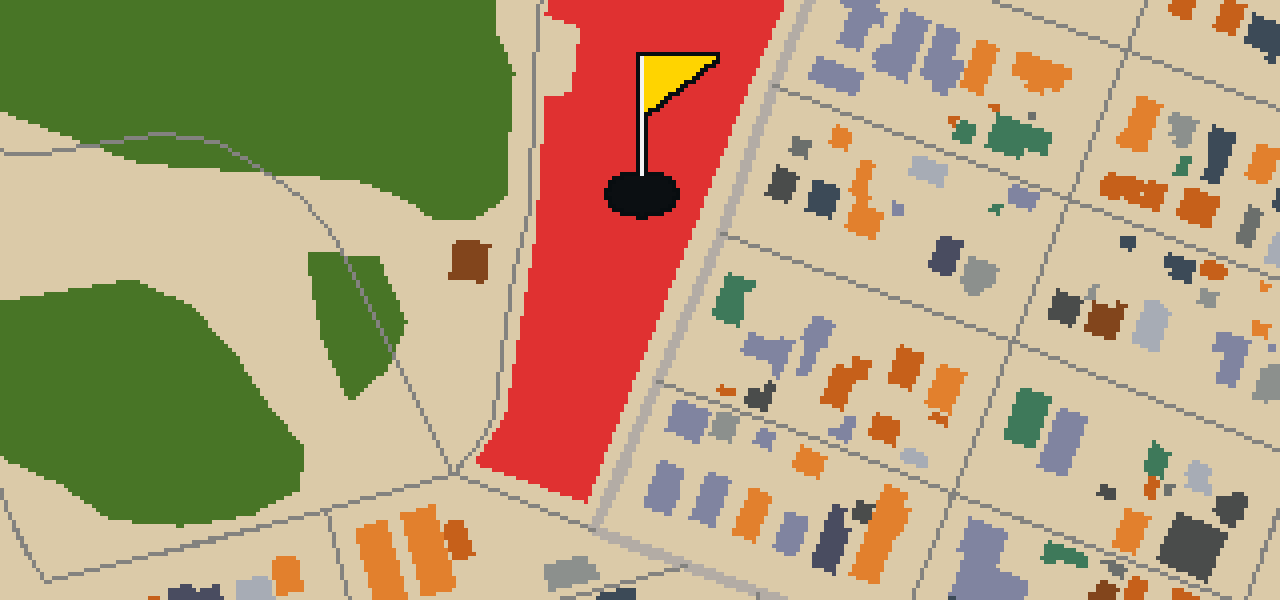
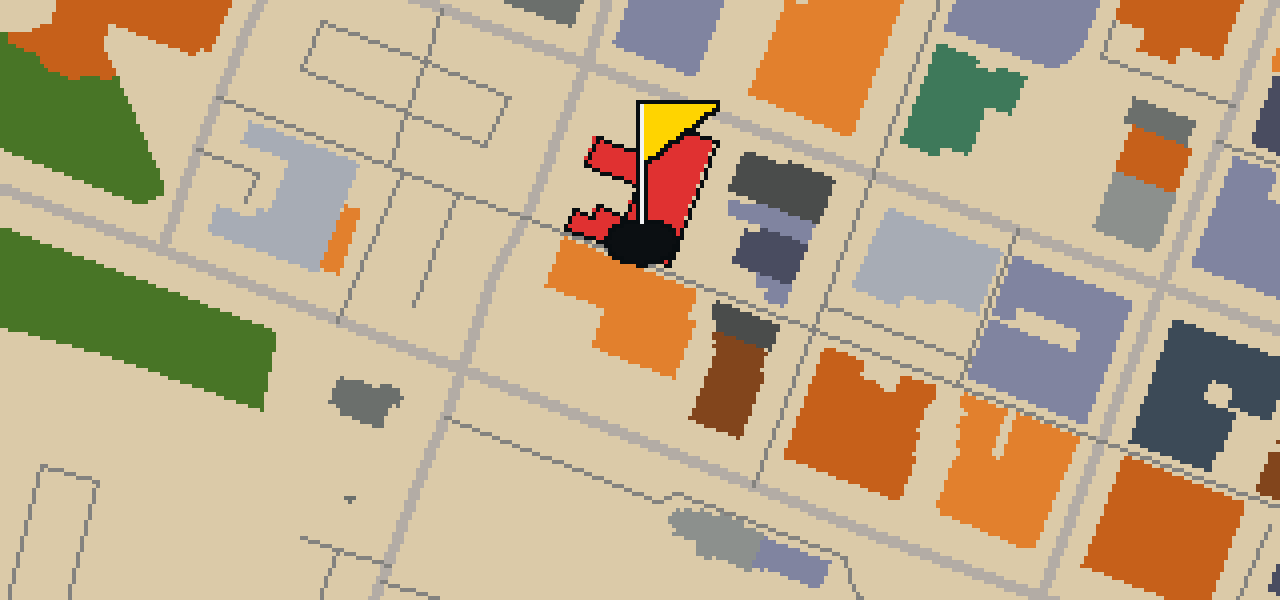
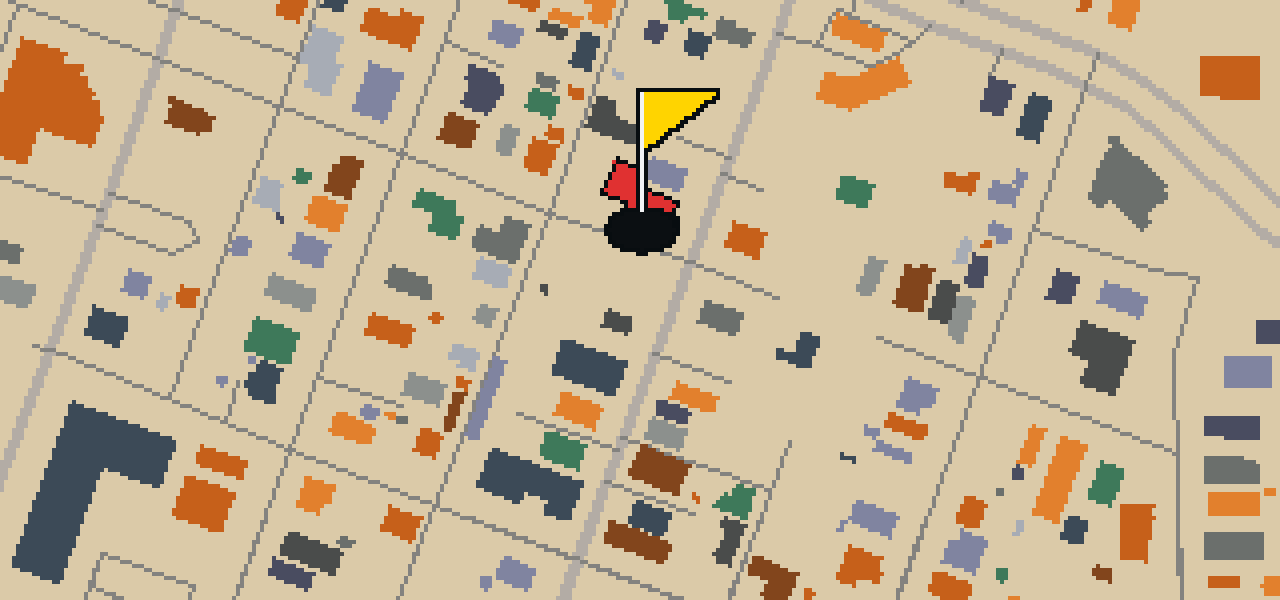
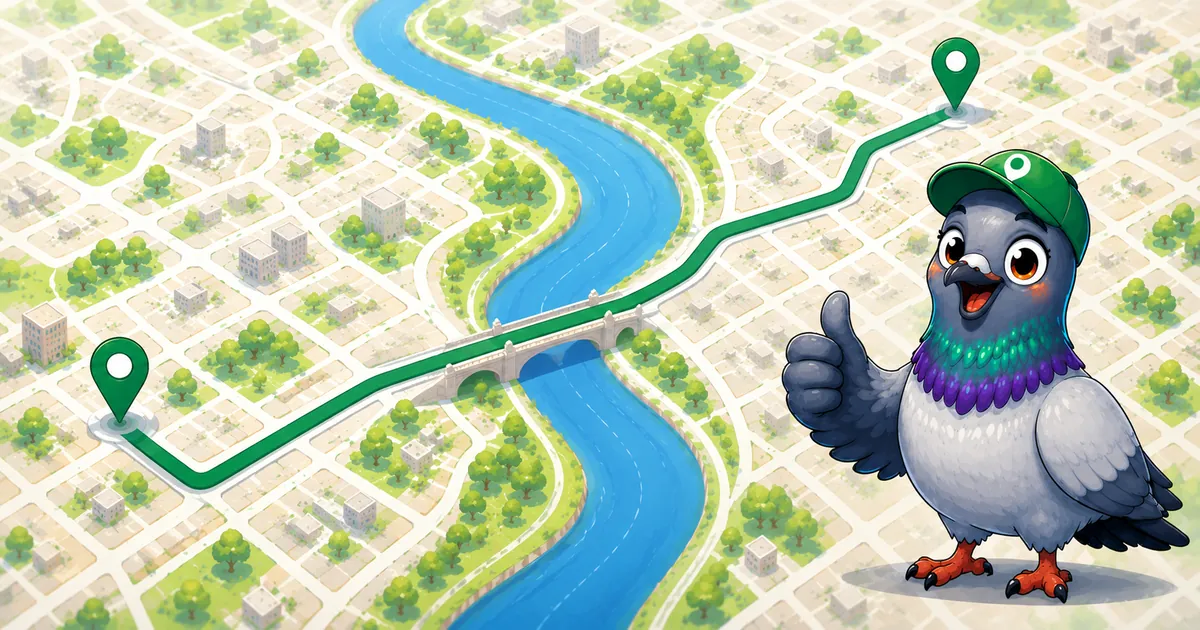
This is Flagstaff. The map is the real city and the round is played on its actual streets, where the ball banks off building facades and rolls toward local attractions like Our Lady of Guadaloupe Church. Skip is a local guide who knows these roads well. It is a quick round of 9 holes with a par of 29, covering a walk of 3.9 mi.

Trouble loading? Open the game in its own tab.

HOW IT WORKS

01

Pick a city

The course is drawn on the real street grid, so the map you play is the map you walk.

02

Putt to the pin

Drag to aim, release to swing. Buildings bounce and water costs you a stroke.

03

Sightsee between strokes

Every hole ends at an attraction. Sink the putt, read the story, walk to the next tee.

THE FLAGSTAFF ROUND - STOP BY STOP

HOLE 1 - PAR 3

Our Lady of Guadaloupe Church

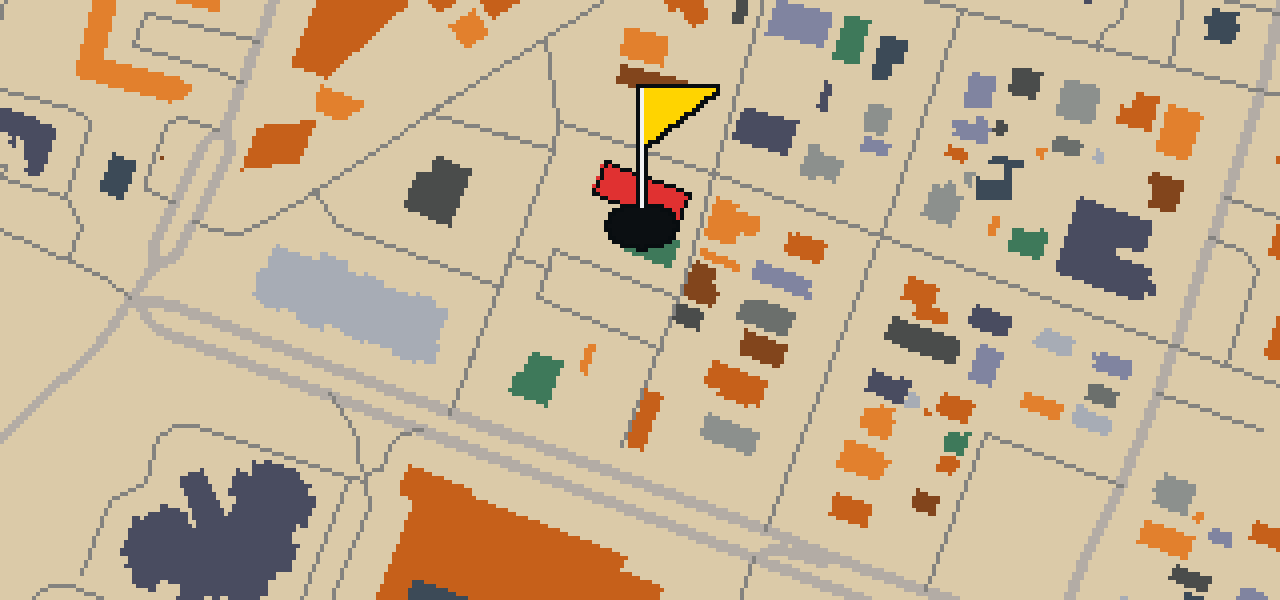
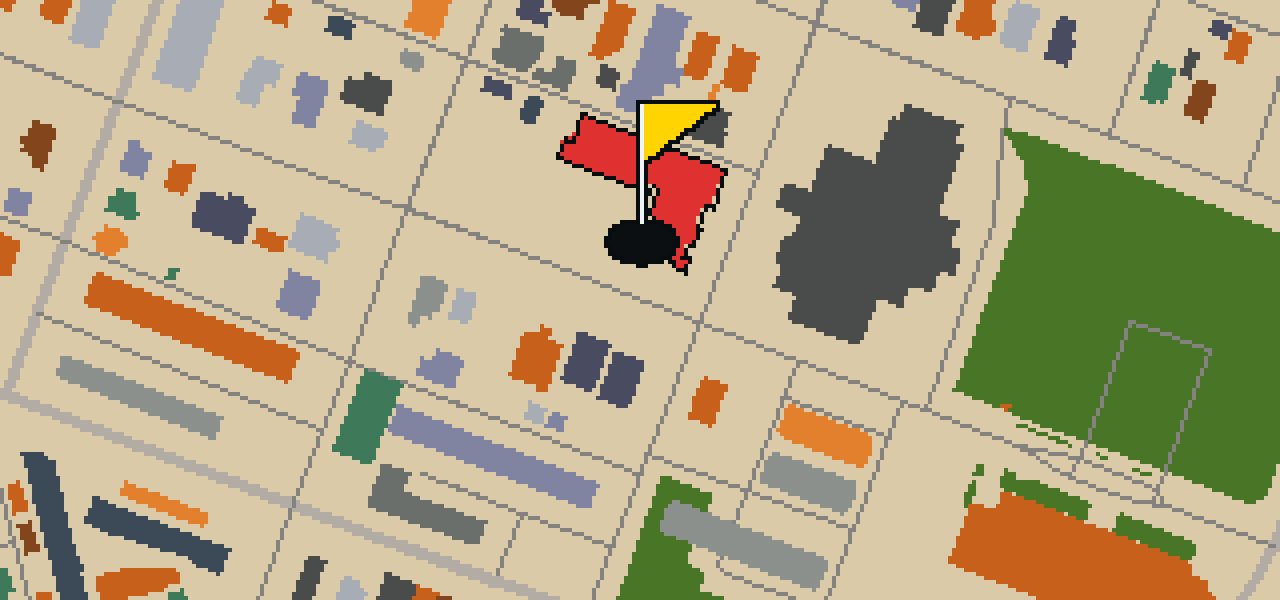
Our Lady of Guadalupe Church is a church building located at 302 S. Kendrick in Flagstaff, Arizona, United States. This site is notable for its bungalow style, a design choice that distinguishes it from many other religious structures. The building is a National Register of Historic Places listed place, having been officially added to the register in 1986. Its presence in the city provides a look at the specific architectural trends of the early twentieth century in the American Southwest. Visitors can observe how the bungalow style was adapted for a house of worship, creating a structure that feels integrated into the surrounding community. Because it is a National Register of Historic Places listed place, the building remains a preserved landmark within the city of Flagstaff, maintaining the original character and design intent from its origins in the state of Arizona.

Wikidata · Wikipedia

HOLE 2 - PAR 3

Federated Community Church

The architecture of the Federated Community Church defines its presence in the neighborhood. This Protestant church building is a National Register of Historic Places contributing property. Visitors can observe the specific design and materials that earned it this status. It remains a significant site for those interested in the local religious and historic fabric of the city. As you walk past the building, you can see how it fits into the surrounding streetscape of Flagstaff. The designation as a contributing property means it helps preserve the character of the area for everyone to see. Whether you are interested in the history of the National Register of Historic Places or simply appreciate the design of a Protestant church building, this location provides a clear example of the city's preserved heritage and its enduring community spaces.

Wikidata

HOLE 3 - PAR 3

Flagstaff Christian Fellowship

You will find the Flagstaff Christian Fellowship located within the city of Flagstaff. This site is a Protestant church building that holds a place of importance in the local community. For those visiting the area, it is worth noting that the building is listed on the National Register of Historic Places. The organization was founded in 1939. As you navigate the streets, you can see how this structure contributes to the historical character of the neighborhood. It remains a dedicated place of worship and a recognized piece of the city's architectural and religious history.

Wikidata · Wikipedia

HOLE 4 - PAR 4

Holy Cross Greek Orthodox Church of Flagstaff

Holy Cross Greek Orthodox Church of Flagstaff is a church building. This site is an important place of worship within the community. Visitors to the area can find this church building located here in Flagstaff.

Wikidata

HOLE 5 - PAR 4

Flagstaff Historical Monument

HOLE 6 - PAR 3

Lowell Observatory

You will likely notice the telescopes first, including the 24-inch Clark Refracting Telescope built in 1896. This astronomical observatory in Flagstaff was established in 1894 and has since become a major destination, seeing over 150,000 annual visitors. It is a National Register of Historic Places listed place and was designated a National Historic Landmark in 1965. The site is famous for its contributions to science, most notably when Clyde Tombaugh discovered the dwarf planet Pluto here in 1930. I find the clear Arizona skies make it a great spot for any visitor to look upward. Whether you are here for the history or the stars, the grounds offer a glimpse into how we mapped the outer reaches of our solar system.

Wikidata · Wikipedia

HOLE 7 - PAR 2

City Overlook

HOLE 8 - PAR 4

Thorpe Park

Let me show you Thorpe Park. It is a park, providing a spot for visitors to spend time outdoors. You can pick out the open spaces that make this location a park. I find it a pleasant place to spend an afternoon.

Wikidata

HOLE 9 - PAR 3

Orpheum Theater

Located in the heart of Flagstaff, you can find the Orpheum Theater. This movie theater was constructed in 1911 and first operated under the name Majestic Opera House. It is currently owned by Chris Scully and Charles Smith. If you look at the structure, you are seeing a building that was rebuilt and expanded in 1917. The venue has seen several changes in its life, including a period where the theater closed in 1999. It eventually returned to the city's social scene when it reopened as a concert venue in 2002. I've seen plenty of folks gather here for a show, and it remains a prominent spot on the street.

Wikidata · Wikipedia

STOP 10

Flagstaff Christian Center

You might mistake this for a civic hall or a school, but it is actually the Flagstaff Christian Center. This building is a notable stop in the city and is a National Register of Historic Places listed place. Whether you are interested in local architecture or the history of the community, it is a site worth observing as you pass through the neighborhood. I have noticed that the building has a presence that makes it stand out from the surrounding blocks, making it a clear target for your ball to bank toward. It is the kind of spot where you can slow down and appreciate the local character of the street before moving on to the next challenge on the course.

Wikidata

OTHER COURSES

9 HOLES - PAR 26

Tuscaloosa

9 stops

Tuscaloosa is the setting for this round, played on the actual city streets. The map uses real attractions like Bryant-Denny Stadium to build the holes, turning the town into a course. Skip knows these sidewalks well, having spent plenty of time dodging crumbs on the way to the cup. This quick 9-hole round covers 3.2 mi with a total par of 26.

9 HOLES - PAR 28

Oceanside

9 stops

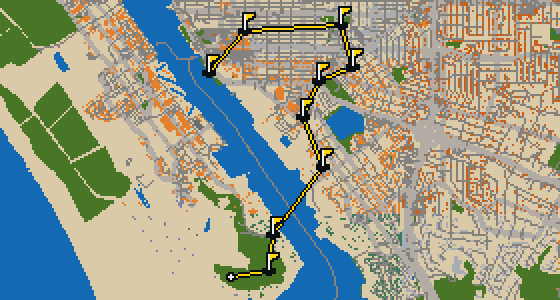
Oceanside is the setting for this round, with the ball rolling across the real streets of the city. The holes are built from actual attractions, like the Oceanside Museum of Art. Skip is a local guide who knows every curb and crumb. This quick 9-hole round covers 3.6 mi on foot with a par of 28.

9 HOLES - PAR 29

Vallejo

9 stops

The Vallejo Naval and Historical Museum is the end of this quick nine-hole round. The map is the real city and the ball rolls across its actual streets, banking off building facades. Local attractions provide the structure for each hole. Skip knows these sidewalks well, including the 3.7 mi walk and the two portals used to bridge the gaps.

9 HOLES - PAR 28

Salinas

9 stops

Salinas is the setting for this round, with the ball rolling across the actual city streets. The holes are built from real attractions, including the National Steinbeck Center. Skip knows these sidewalks well and has a few feathers in the wind. This quick round of 9 holes has a par of 28 and covers a total walk of 3.7 mi.

9 HOLES - PAR 27

Danbury

9 stops

Danbury is the setting for this round, where the map is the real city and the ball rolls along its actual streets. The holes are built from real attractions, ending at Wooster Square. Skip is a local guide who knows the pavement well. A quick 9-hole round covers 3.4 mi with a total par of 27.

FAQ

Is it free to play?

Yes. Every course runs in the browser with no account and no install.

Do I need to be in the city?

No. The full round plays from anywhere. Walking the real route is a nice way to see the city, but it is not required.

Are the maps real?

Yes. The geometry comes from OpenStreetMap data, rendered chunky on purpose. Streets, water and parks sit where they really are.