
EUGENE - 9 HOLES - FREE

EUGENE
CITY MAP MINIGOLF

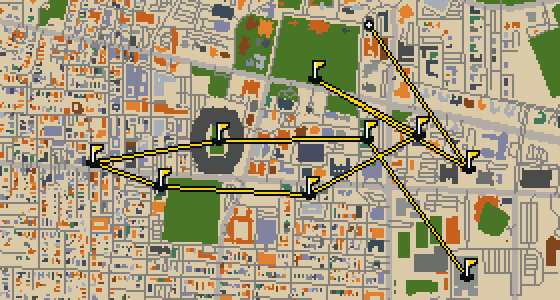
Eugene - 9 stops - par 29

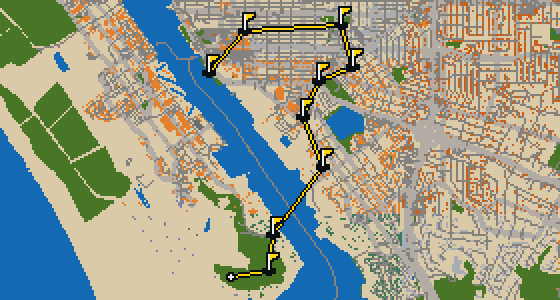
This is Eugene. The map is the real city and the round is played on its real streets, with the holes built from actual attractions like Hendricks Park. Skip is a local guide who knows the place and where the best crumbs are. A quick 9-hole round covers 4.5 mi on foot with a par of 29.

Trouble loading? Open the game in its own tab.

HOW IT WORKS

01

Pick a city

The course is drawn on the real street grid, so the map you play is the map you walk.

02

Putt to the pin

Drag to aim, release to swing. Buildings bounce and water costs you a stroke.

03

Sightsee between strokes

Every hole ends at an attraction. Sink the putt, read the story, walk to the next tee.

THE EUGENE ROUND - STOP BY STOP

HOLE 1 - PAR 4

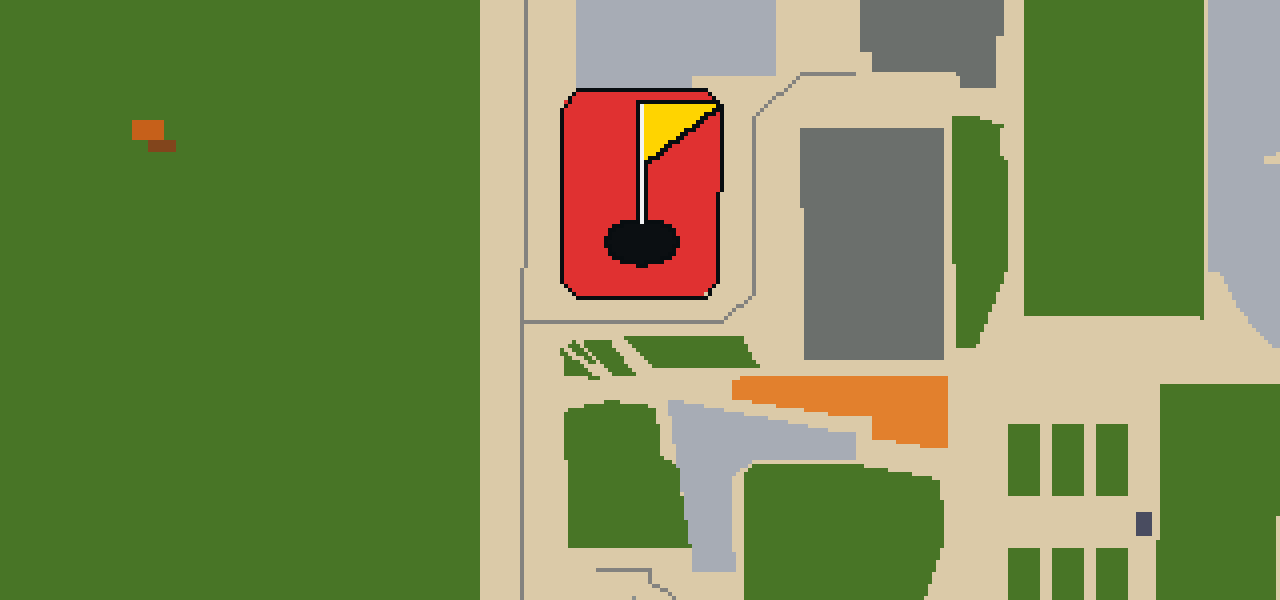
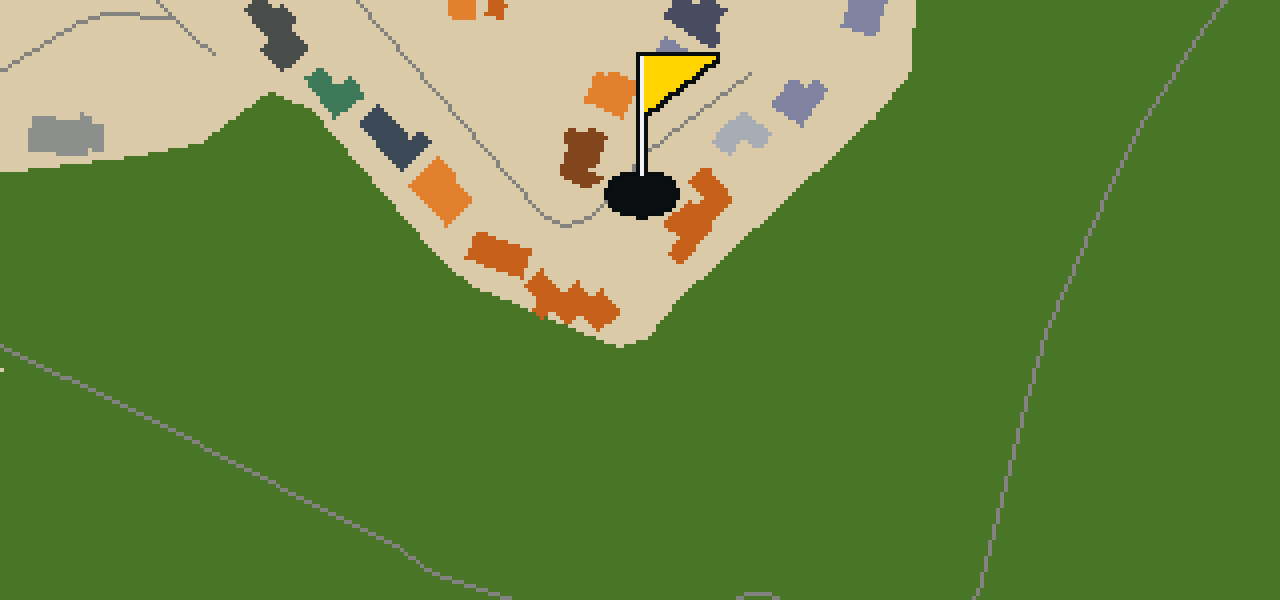
Hendricks Park

Hendricks Park is a botanical garden that blends curated collections with wilder spaces. It is made of a twelve-acre rhododendron garden, a native plant garden, and sections of mature forest. Spanning 78 acres, the park provides a place for visitors to experience a variety of plant life in one location. Because it is the oldest city park in Eugene, it has a presence that newer spaces lack. I find it is a great spot to escape the noise of the streets for a while. Whether you are looking for the specific beauty of the rhododendrons or the quiet of the forest, there is plenty to see here. It is a wonderful place to slow down and appreciate the greenery that the city has preserved over the years.
Wikidata · Wikipedia

HOLE 2 - PAR 3

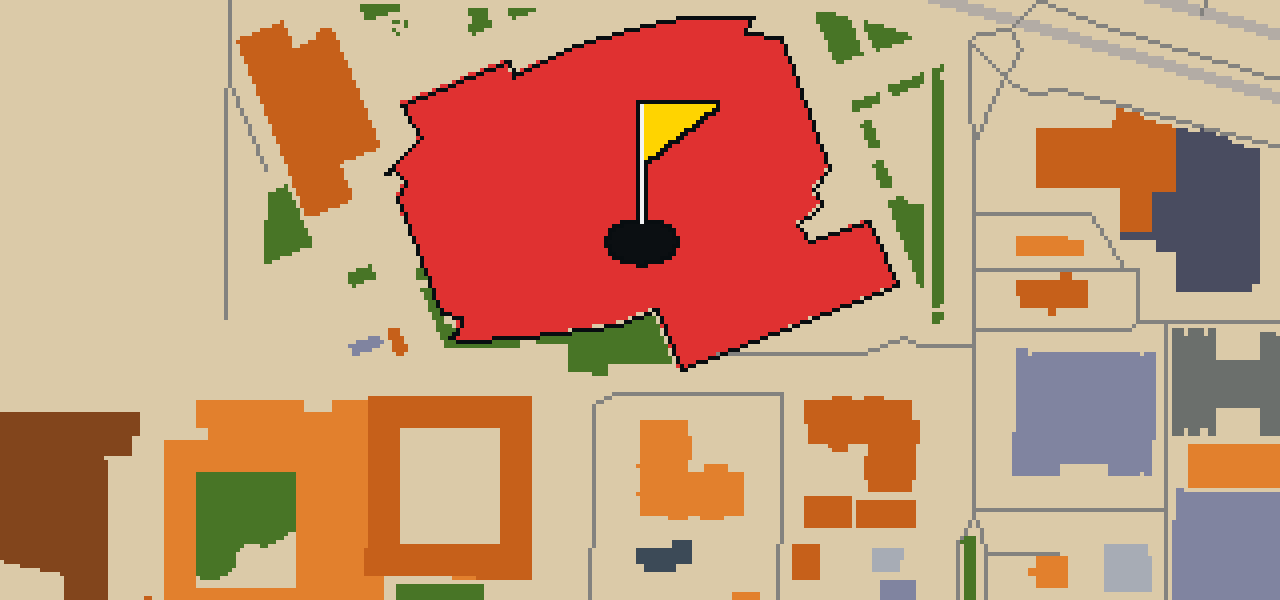
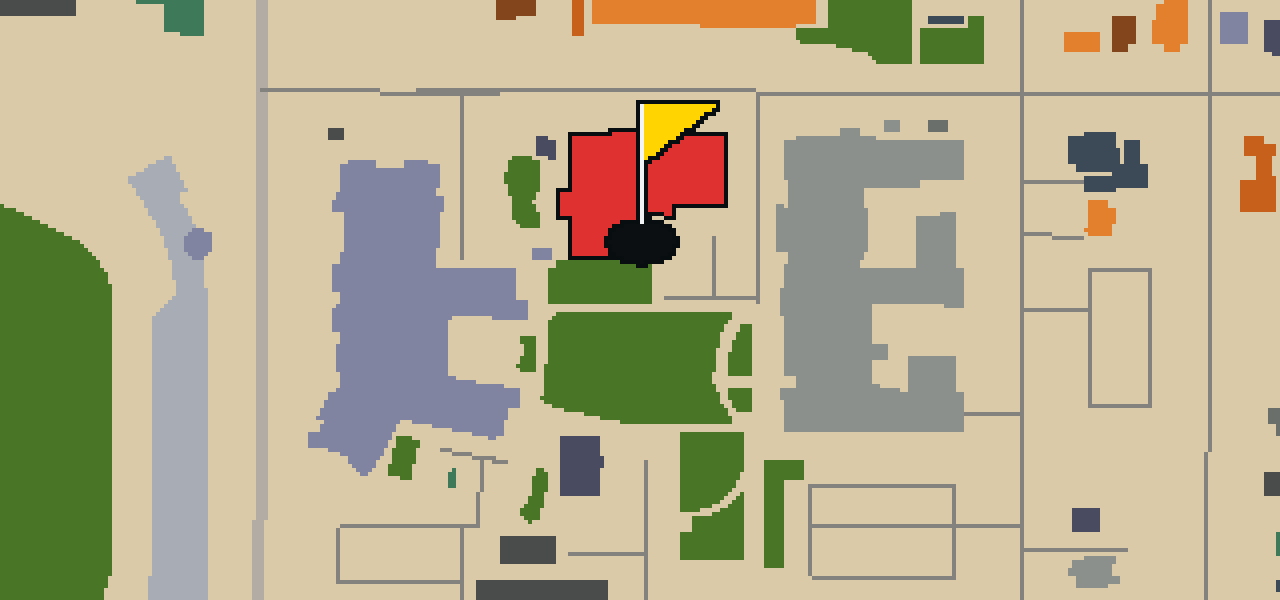
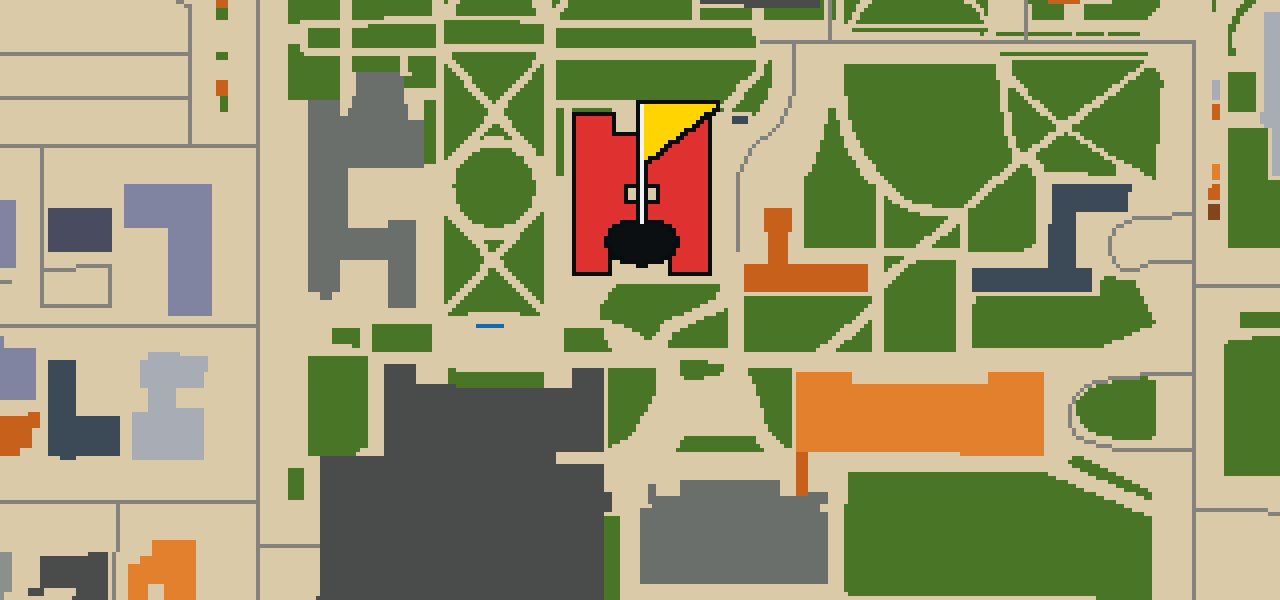
Museum of Natural and Cultural History

You can pick out the Museum of Natural and Cultural History by its unique architecture; the building is inspired by the design of Pacific Northwest Native longhouses. Once you step inside, you will find a natural history museum that brings a wide array of specimens and stories to the community. I like how the structure feels rooted in the region's own heritage before you even see the exhibits. The museum is located in Eugene, Oregon, and is situated on the University of Oregon campus. Whether you are visiting for the first time or are a regular in the neighborhood, the blend of regional design and academic curation makes it a standout spot in the city.

Wikidata · Wikipedia

HOLE 3 - PAR 2

Jordan Schnitzer Museum of Art

The Jordan Schnitzer Museum of Art is an art museum that dates back to 1933. Ellis F. Lawrence served as the architect for the building, and Gertrude Bass Warner was the museum's first Director. Since those early days, the institution has become accredited by the American Alliance of Museums and is now named for Jordan Schnitzer. You can find the museum on the campus of the University of Oregon in Eugene, Oregon. It is a National Register of Historic Places listed place, which makes it a great spot to pause and appreciate the local history. I have found that the campus surroundings make for a pleasant approach to the galleries, and the building itself is a wonderful anchor for the area. It is a place where the city's academic and artistic spirits meet in one location.

Wikidata · Wikipedia

HOLE 4 - PAR 3

McArthur Court

McArthur Court is a building and sports venue located on the campus of the University of Oregon in Eugene. Designed by architect Ellis F. Lawrence, this basketball arena first began in 1926. For many years, it was the home of the Oregon Ducks men's and women's basketball teams. While it is a landmark of the campus, the venue was replaced by Matthew Knight Arena in 2011. You can still see the structure standing today as a piece of the university's athletic history. I've seen a few other birds try to nest in the eaves of old gyms like this, though the sports fans usually keep the area too busy for a quiet nap.

Wikidata · Wikipedia

HOLE 5 - PAR 3

Matthew Knight Arena

The Matthew Knight Arena is a multi-purpose arena in Eugene, Oregon, United States. This venue was built by general contractor Hoffman Construction Company of Portland. It opened for a men's basketball game against the USC Trojans on January 13, 2011. The arena is named for Matthew Knight, the son of chief donor Phil Knight, who died aged 34 in a scuba diving accident. I've noticed the scale of this place is impressive, which makes sense given the seating capacity of 12,364. Whether you are here for the sports or the architecture, it is a prominent landmark in the city. You can pick out the massive footprint of the building as you approach, marking it as a central hub for events in Eugene.

Wikidata · Wikipedia

HOLE 6 - PAR 4

KOPB-AM

You will likely hear the steady hum of news and talk programming coming from KOPB-AM. It is a non-commercial radio station licensed to Eugene, Oregon, United States, that provides a public radio format to its listeners. Founded in 1947, the station is owned by Oregon Public Broadcasting and focuses on delivering information to the community. You can pick out programs primarily from NPR and other public radio networks in their broadcasts. While the station has a long history in the region, the Federal Communications Commission assigned the KOPB call letters on February 20, 2008. It is a reliable spot for those looking to stay informed about the local area while they explore the city.

Wikidata · Wikipedia

HOLE 7 - PAR 2

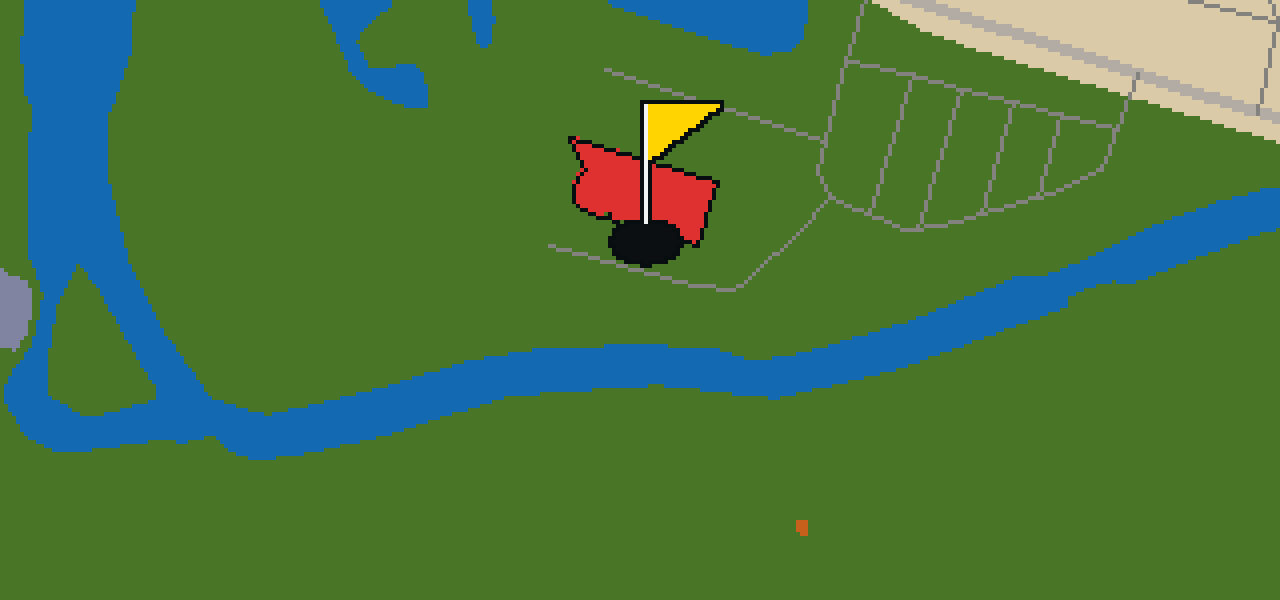
Eugene Science Center

An independent 501(c)(3) non-profit organization started this project in 1961. They created the Eugene Science Center, a science and technology center designed specifically for children, families, and school groups. It is a 10,000-square-foot science museum where you can explore various exhibits and learn through discovery. I can show you that it sits within Alton Baker Park in Eugene, Oregon, and is located near Autzen Stadium. It is a great spot to stop and learn something new while you are out enjoying the greenery of the park. I have noticed that the building is a real magnet for school groups, and it is always a pleasure to see the excitement on the faces of the students as they head inside to explore the exhibits together.

Wikidata · Wikipedia

HOLE 8 - PAR 4

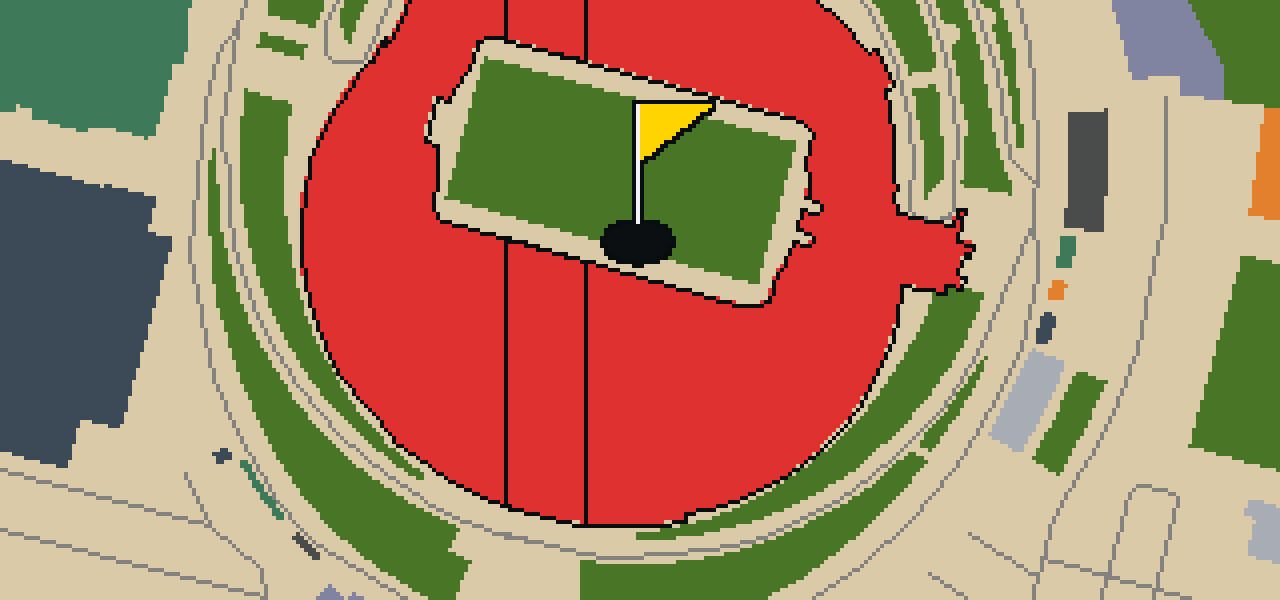
Autzen Stadium

You might expect this to be part of the main University of Oregon campus, but Autzen Stadium is actually located north of the campus. It is an outdoor football stadium that opened in 1967 and serves as the home field for the Oregon Ducks of the Big Ten Conference. When you visit, you can see a venue built for large crowds; the official seating capacity is presently 54,000, though the grounds have standing room for 60,000. I've noticed the energy here is quite different from the quiet academic buildings nearby. Whether you are a sports fan or just passing through Eugene, Oregon, it is a prominent landmark of the city's athletic culture.

Wikidata · Wikipedia

HOLE 9 - PAR 4

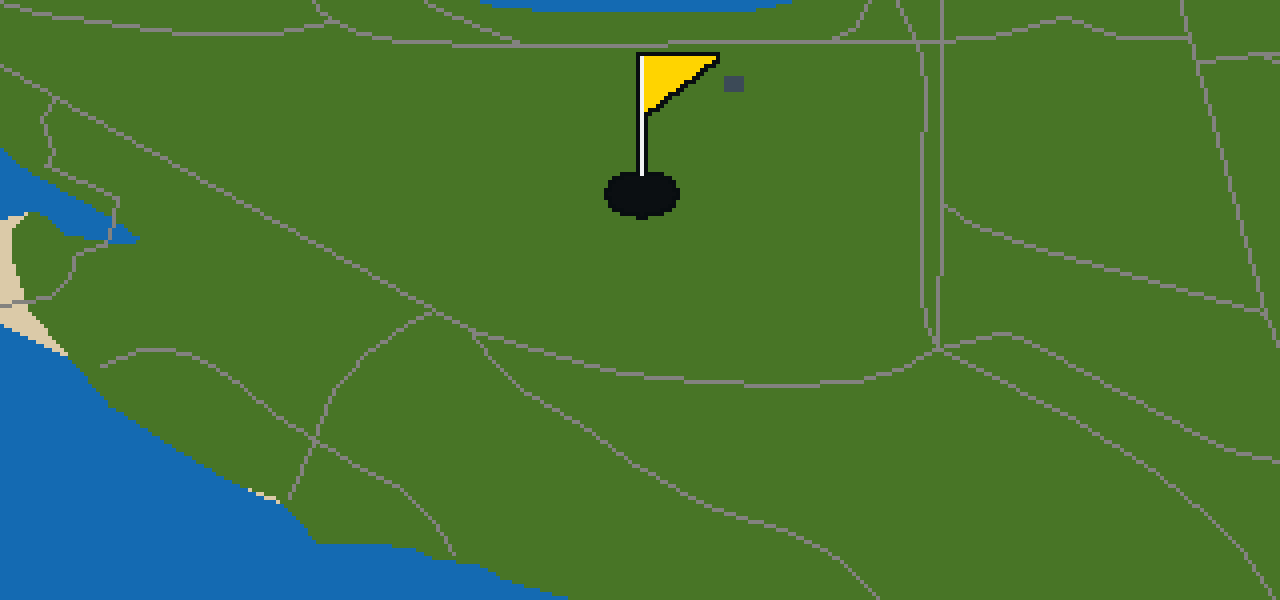
Eugene Group

You will first notice the physical form of the Eugene Group, which is a sculpture. It is a piece of public art that visitors can stop to examine while exploring the city. The work had its inception in 1974. I usually find that the way it sits in the environment makes it a great spot to pause and take a breath. Whether you are a dedicated fan of art or just passing through the neighborhood, it is a distinct landmark to keep an eye out for as you walk the streets of Eugene. It is one of those spots that adds a bit of character to the local scenery, making the walk more interesting for everyone who happens to pass by its base.

Wikidata

STOP 10

McDonald Theater

The McDonald Theater is a theatre building in Eugene that first opened its doors in 1925. It is a place with a long history, and you can tell it is valued by the city because it is listed on the National Register of Historic Places. Over the years, the space has adapted to different types of entertainment to stay relevant for visitors. Today, you can find it operating as both a music venue and a movie theater. I've seen plenty of crowds gather here for shows, and it is always a lively spot to watch the street activity. Whether you are coming for a film or a concert, the building remains a central part of the local scene.

Wikidata · Wikipedia

OTHER COURSES

9 HOLES - PAR 29

Fayetteville

9 stops

Fayetteville is the setting for this round, where the map is the real city and the ball rolls across its actual streets. The holes are built from real attractions, beginning at the Walton Arts Center. This quick 9-hole round covers 3.6 mi with a par of 29. Skip is a local guide who knows every curb and crack in the pavement.

9 HOLES - PAR 30

Lincoln

9 stops

The ball finds the cup at the Statue of Abraham Lincoln in Lincoln. The map is the real city and the round is played on its real streets, using actual attractions as the holes. This quick 9-hole round covers 4.4 mi with a par of 30. Skip is a local guide who knows these sidewalks well, even the parts where the crumbs are best.

18 HOLES - PAR 55

Duluth

18 stops

This is Duluth. The map is the real city and the round is played on its actual streets, where the ball banks off the facades of real attractions like the SS William A. Irvin to reach the cup. Skip is a local guide who knows every nook and cranny of these sidewalks. It is a full round of 18 holes with a par of 55. The total walk covers 7.1 mi, though a pigeon can take a few shortcuts across the rooftops.

9 HOLES - PAR 29

Traverse City

9 stops

Traverse City is the setting for this quick nine-hole round. The map uses the actual city layout where the ball rolls across real streets and banks off the facades of attractions like the Wise Memorial Clock Tower. Skip knows every ledge and gutter in town. The walk covers 3.8 mi on a course with a par of 29.

9 HOLES - PAR 31

Grand Rapids

9 stops

Banking a ball off the glass and stone of the Van Andel Arena feels different than the soft edges of a park. This round takes place on the real streets of Grand Rapids, where the city map is the course and local attractions are the holes. It is a quick nine-hole round covering 4.4 mi. Skip knows every sidewalk and ledge in this town.

FAQ

Is it free to play?

Yes. Every course runs in the browser with no account and no install.

Do I need to be in the city?

No. The full round plays from anywhere. Walking the real route is a nice way to see the city, but it is not required.

Are the maps real?

Yes. The geometry comes from OpenStreetMap data, rendered chunky on purpose. Streets, water and parks sit where they really are.