
DETROIT - 18 HOLES - FREE

DETROIT
CITY MAP MINIGOLF

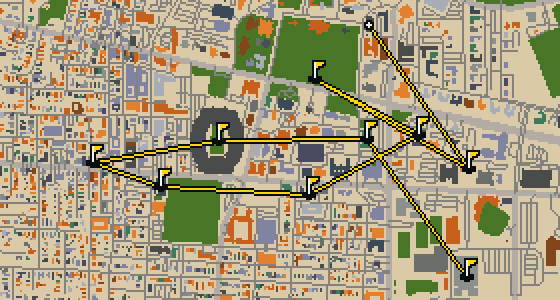
Detroit - 18 stops - par 54

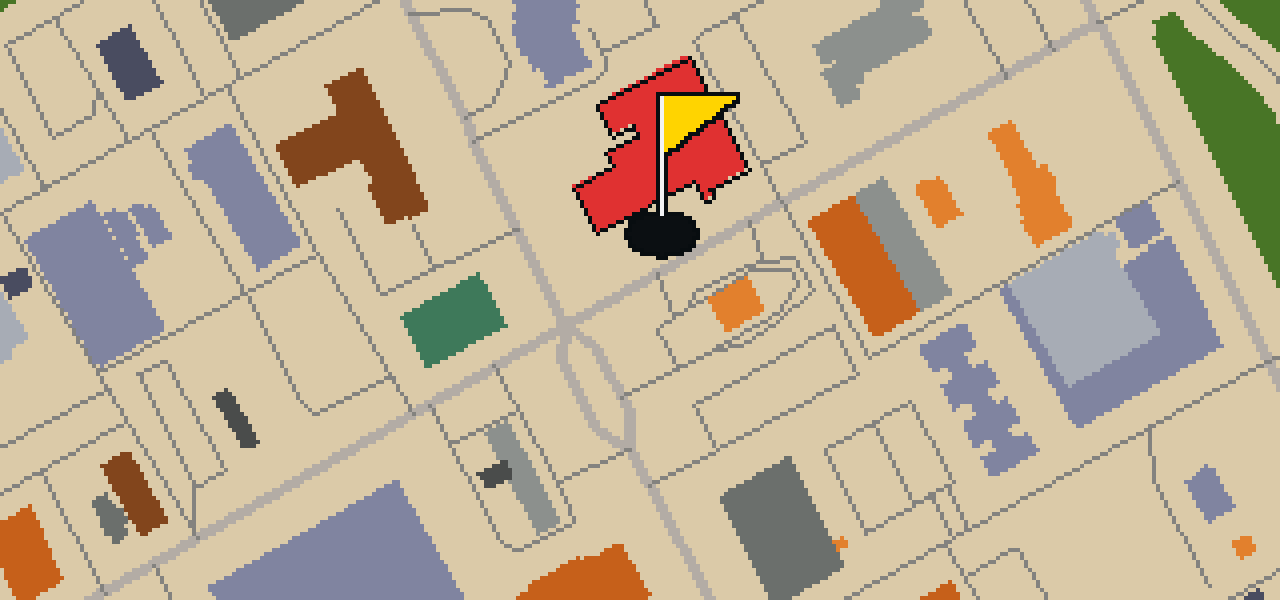
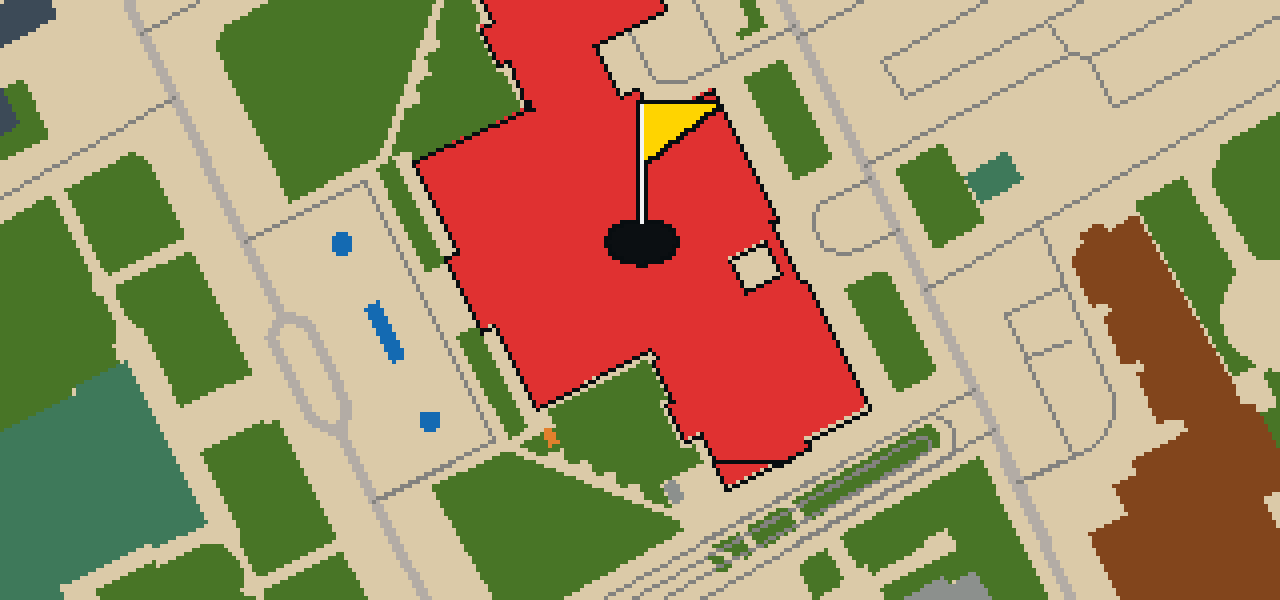
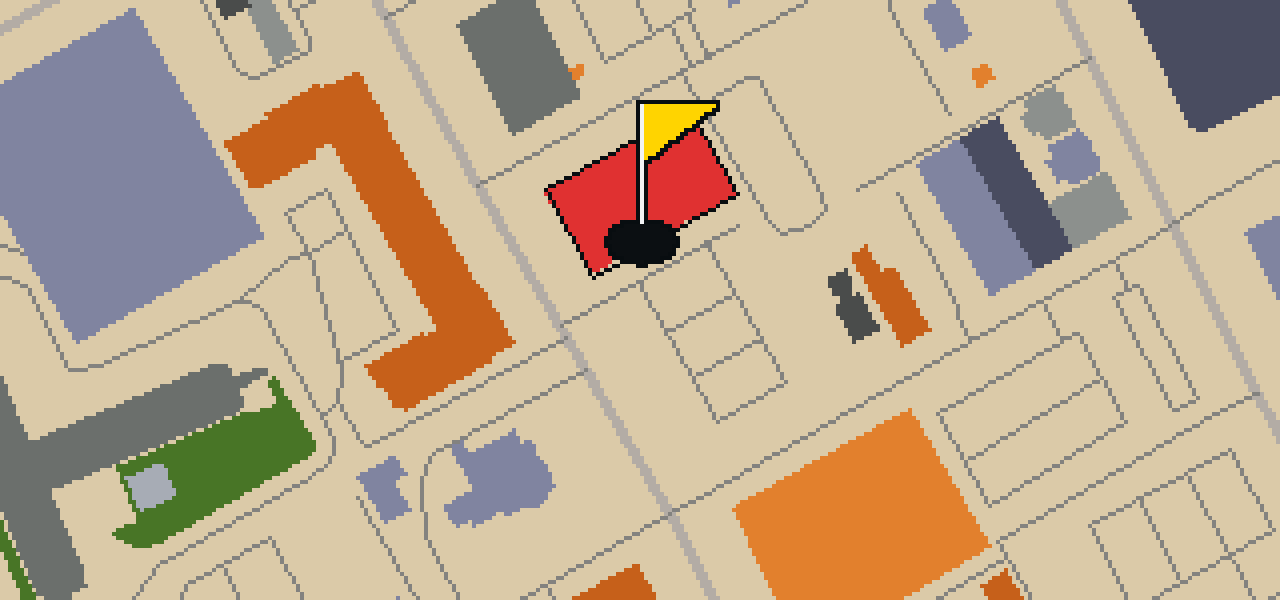
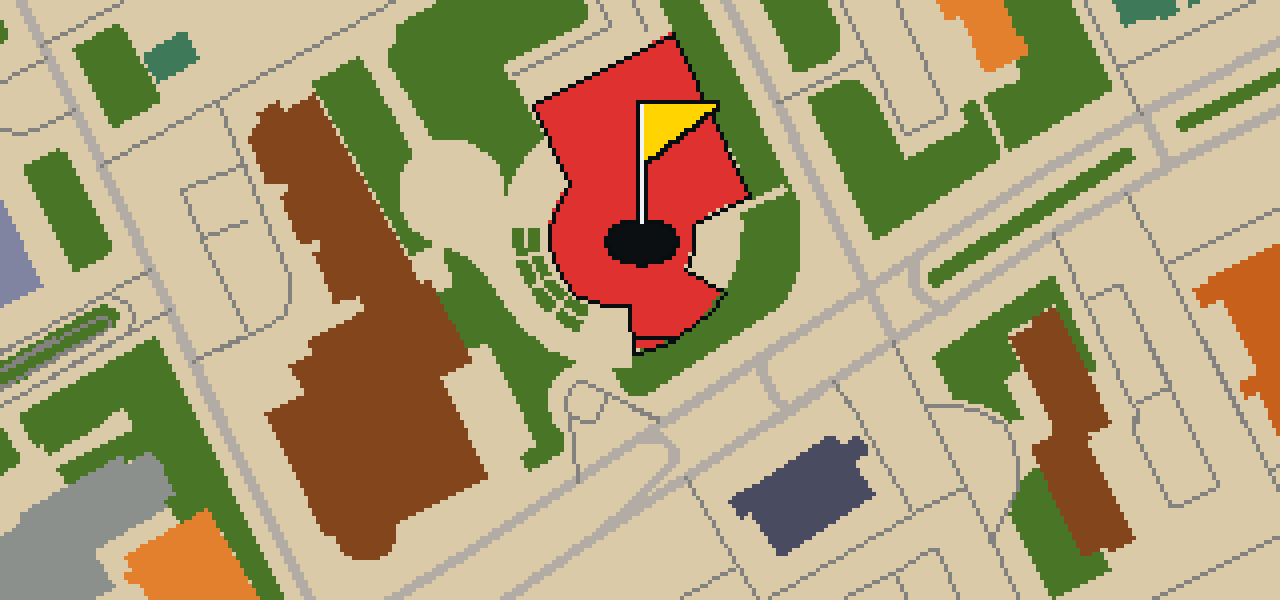
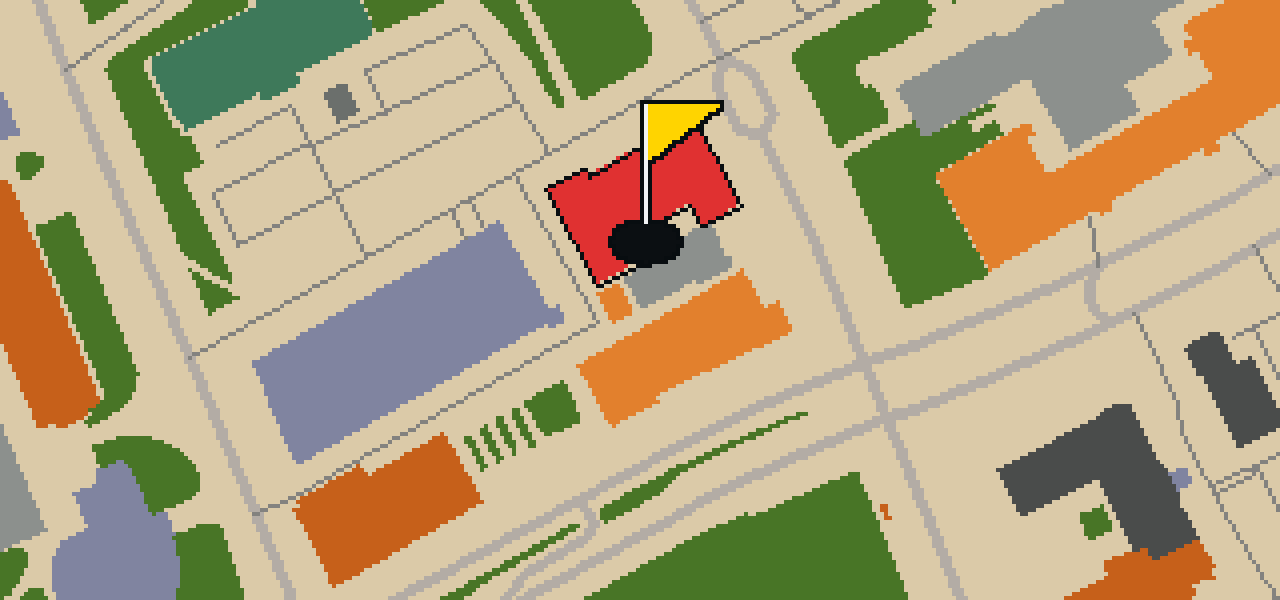
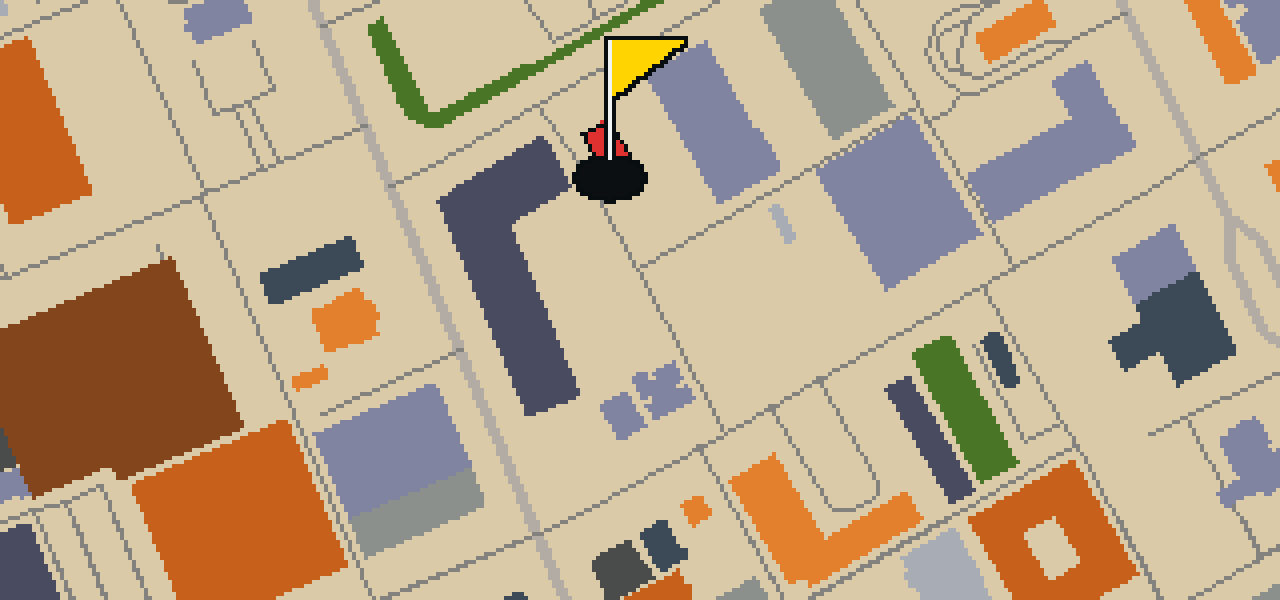
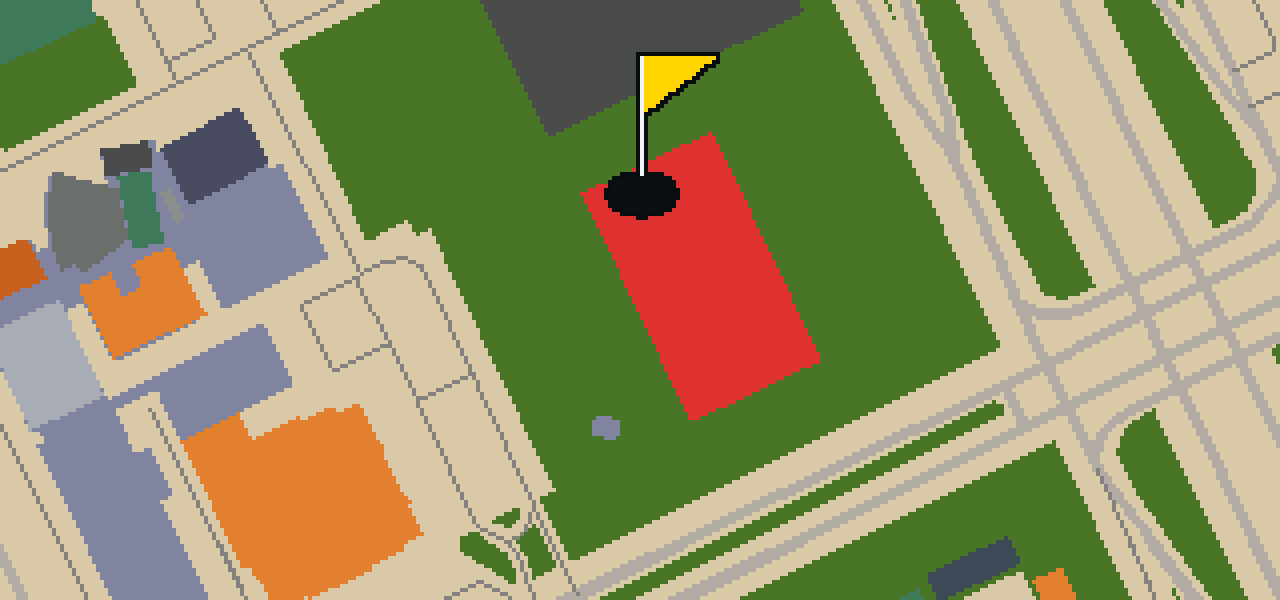
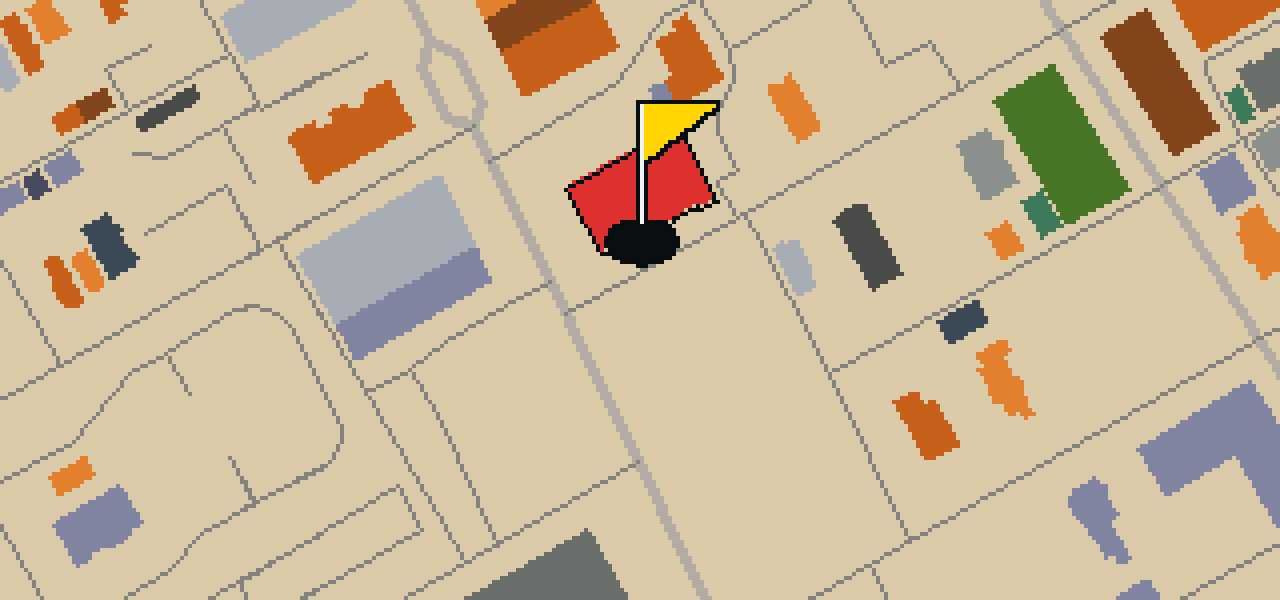
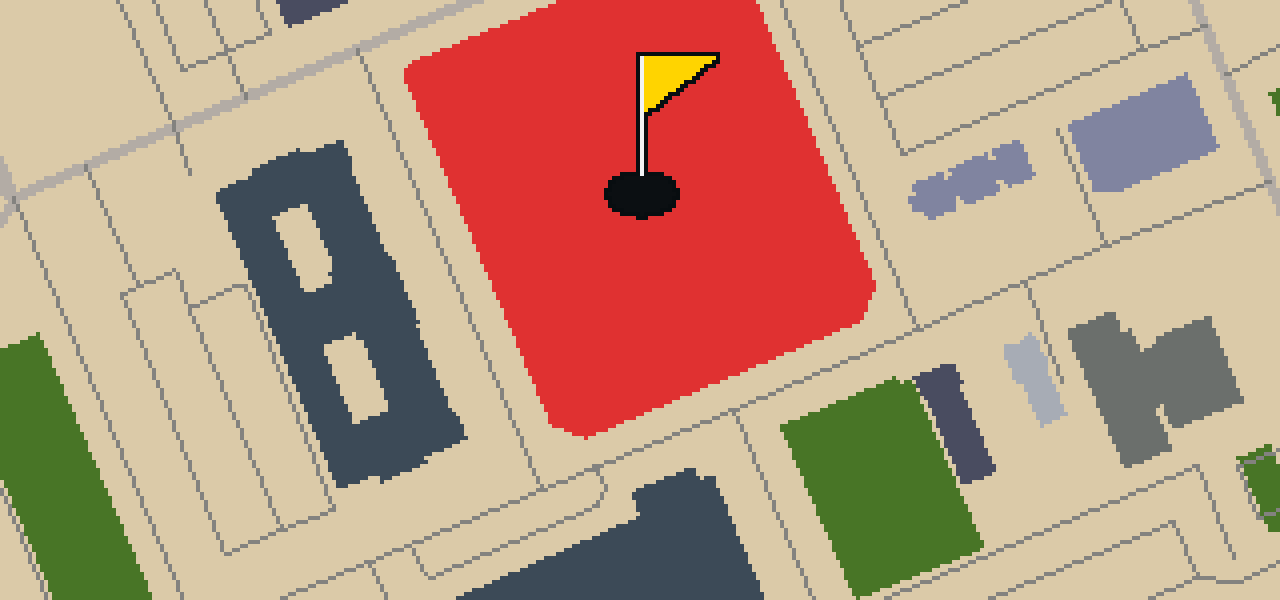
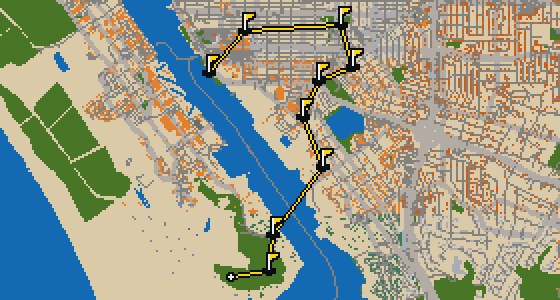
Detroit is the setting for this round, where the map is the real city and the ball rolls across its actual streets. The holes are built from real attractions, including Ford Field. This is a full round of 18 holes with a par of 54. The walk covers 6.9 mi. Skip is a local guide who knows the place and occasionally finds a good crumb on the sidewalk, making the trip a bit more interesting for a pigeon.

Trouble loading? Open the game in its own tab.

HOW IT WORKS

01

Pick a city

The course is drawn on the real street grid, so the map you play is the map you walk.

02

Putt to the pin

Drag to aim, release to swing. Buildings bounce and water costs you a stroke.

03

Sightsee between strokes

Every hole ends at an attraction. Sink the putt, read the story, walk to the next tee.

THE DETROIT ROUND - STOP BY STOP

HOLE 1 - PAR 3

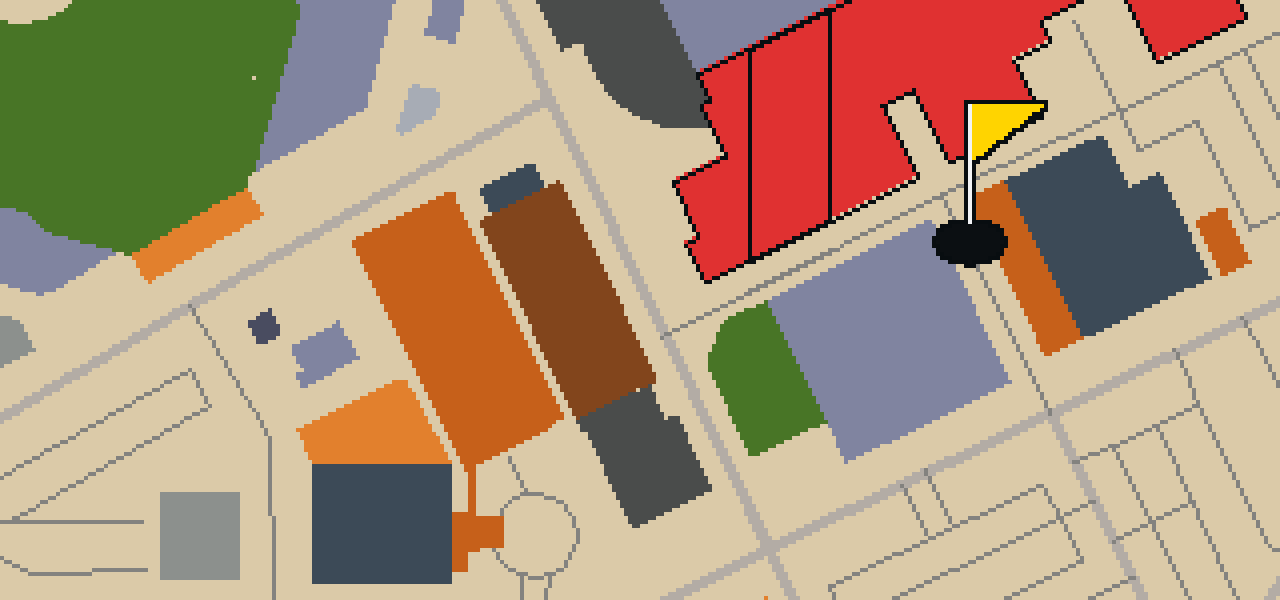
Ford Field

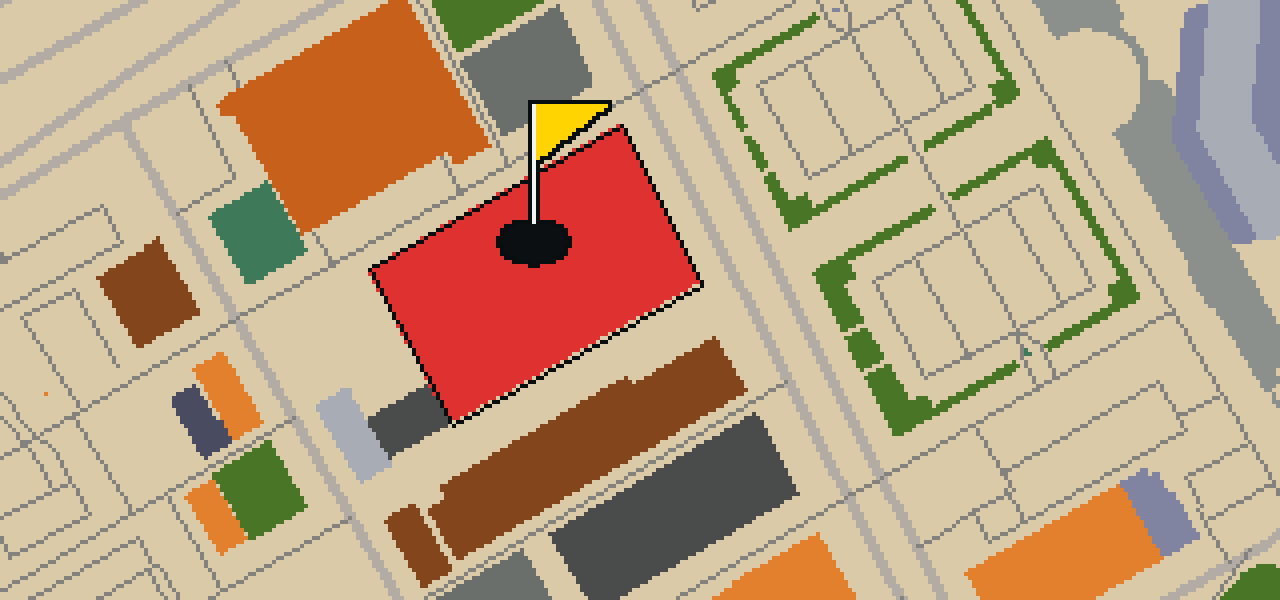
Ford Field is an indoor stadium in Detroit, Michigan, that first opened in 2002. Since its inception, it has primarily served as the home of the Detroit Lions of the National Football League. From 2023 to 2025, it was also the home of the Michigan Panthers of the United Football League. The stadium was designed by Rossetti Architects and has a regular seating capacity of approximately 65,000. I've noticed the energy here is always high when the Lions are in town.

Wikidata · Wikipedia

HOLE 2 - PAR 3

Fox Theatre

Look up at the Art Deco style of the Fox Theatre. This theatre building is located at 2211 Woodward Avenue in Downtown Detroit, Michigan. C. Howard Crane was the architect of the site, which had its inception in 1928. It is a National Historic Landmark and a Michigan State Historic Site. In 1985, the movie theater was listed on the National Register of Historic Places. I've found the ceilings here are quite a sight for anyone who enjoys a good view.

Wikidata · Wikipedia

HOLE 3 - PAR 2

Gem Theatre

You can pick out the distinct work of architect George D. Mason in the design of the Gem Theatre. This Detroit movie theater began in 1927 and is now listed on the National Register of Historic Places. While it started as a cinema, the building has been used as a private event space and wedding venue since 1991. It is currently operated by Forbes Hospitality. I've noticed the area stays quite busy when the two interior theater spaces, the Gem and the Century, are both in use.

Wikidata · Wikipedia

HOLE 4 - PAR 3

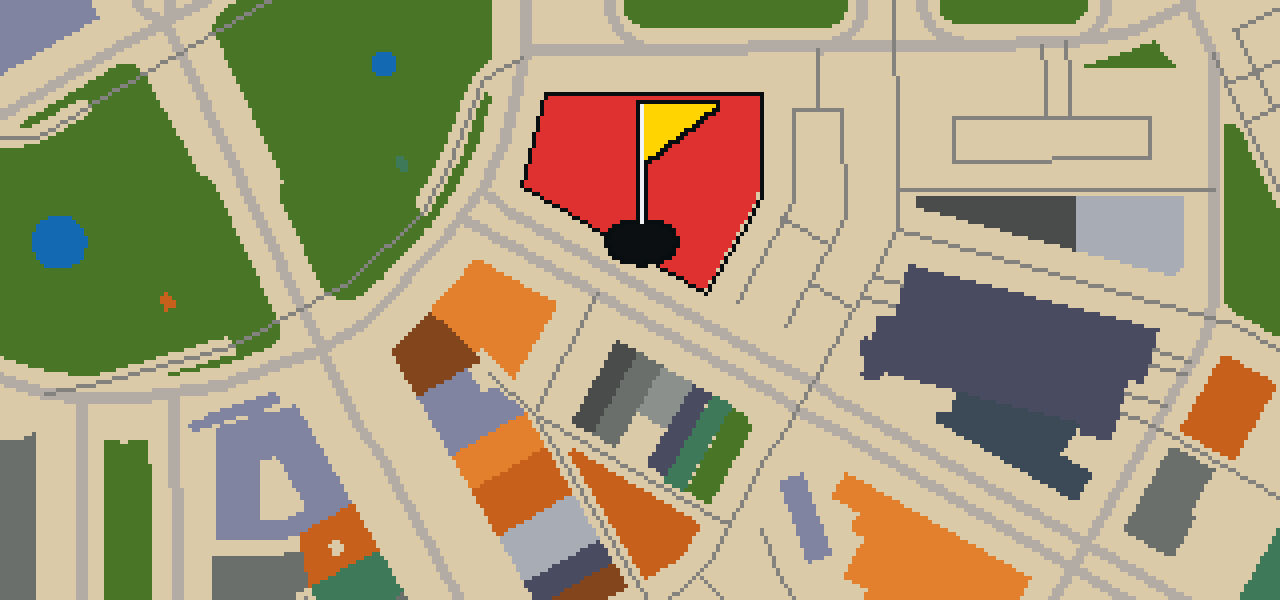
Detroit Opera House

The Detroit Opera House first opened its doors on January 22, 1922. Designed by C. Howard Crane, this performing arts center has remained a fixture of the city's culture since its inception in 1922. You can find it at 1526 Broadway Street in Downtown Detroit, situated within the Grand Circus Park Historic District. The venue is quite spacious, with 2,700 seats available for guests. I've seen plenty of folks gather around here for a show; it's a great spot for people-watching from the air.

Wikidata · Wikipedia

HOLE 5 - PAR 3

Little Caesars Arena

You'll find Little Caesars Arena in Midtown Detroit. This sports venue was designed by architect HOK and opened in September 2017. It is currently the home of the Detroit Pistons of the National Basketball Association and the Detroit Red Wings of the National Hockey League. Looking ahead, the venue will serve as the home of PWHL Detroit in 2026, and it will serve as the home of the Detroit WNBA team in 2029. I've seen plenty of fans flocking here on game days to support their teams in this part of the city.

Wikidata · Wikipedia

HOLE 6 - PAR 3

Bonstelle Theater (Temple Beth El)

The Bonstelle Theatre is a Neoclassical building located in the Midtown Woodward Historic District of Detroit. It was built in 1902 as the Temple Beth-El and later became a theater after a new synagogue was constructed in 1922. Wayne State University occupied the building until 2020, maintaining its presence in the neighborhood for many years. In 2025, the building was converted to a multi-use event space attached to a new AC Hotel. This transition ensures the historic structure remains a functional part of the city's modern development.

Wikidata · Wikipedia

HOLE 7 - PAR 3

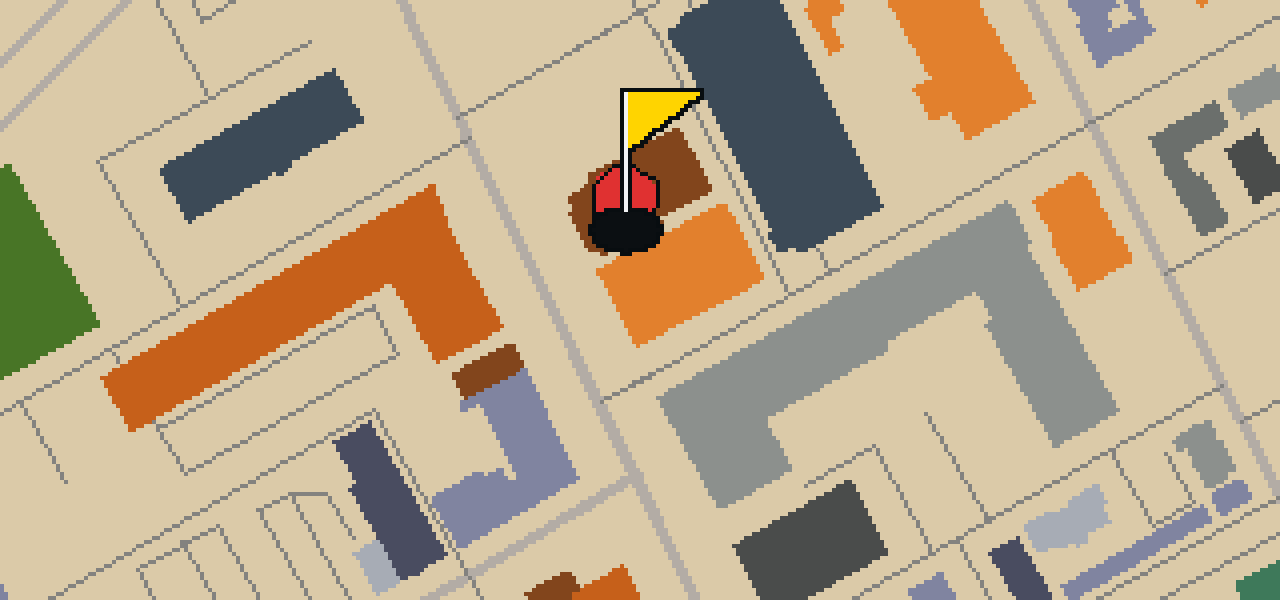
Majestic Theatre

The Majestic Theatre is a theatre building located at 4126-4140 Woodward Avenue in Midtown Detroit, Michigan. It operates as a music venue and a movie theater. You can pick out the Art Deco architecture style that defines the building. C. Howard Crane served as the architect for the project, which saw its inception in 1915. Because of its significance to the city, it was listed on the National Register of Historic Places in 2008. I've seen plenty of fancy cornices in this city, but this one is a real standout.

Wikidata · Wikipedia

HOLE 8 - PAR 3

First Congregational Living Museum

You will first notice the Romanesque Revival architecture of the First Congregational Living Museum. This church building is located at 33 East Forest Avenue in Midtown Detroit, Michigan, and was designed by the architect John Lyman Faxon. The site is recognized for its historical value and is listed on the National Register of Historic Places. It was also designated a Michigan State Historic Site in 1974 and listed on the National Register of Historic Places in 1979. These designations mark the building as a significant piece of the city's architectural and cultural history.

Wikidata · Wikipedia

HOLE 9 - PAR 3

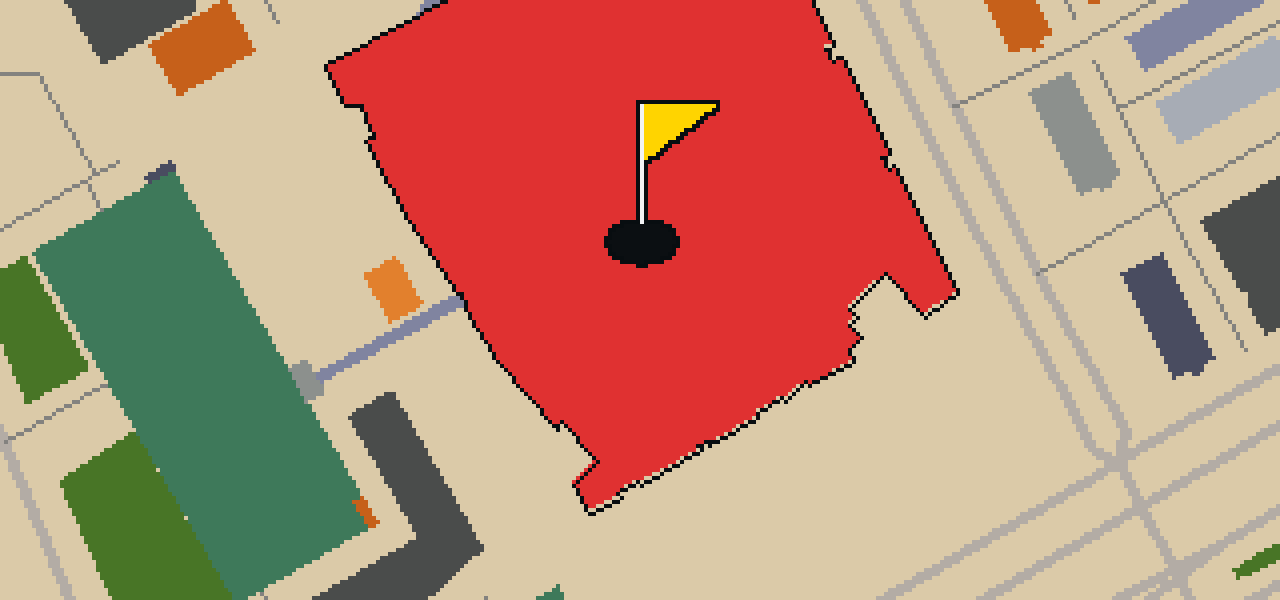
Detroit Institute of Arts

Let me show you the Detroit Institute of Arts, an art museum in midtown Detroit founded in 1885. Paul Philippe Cret is an architect of this Beaux-Arts building, which is also a National Register of Historic Places contributing property. The museum covers 658,000 square feet, though it grew even larger when a renovation and expansion project completed in 2007 added 58,000 square feet. I have noticed the scale of the place is quite something, even for a bird, and it is a great spot to see how the city has invested in its culture over the years.

Wikidata · Wikipedia

HOLE 10 - PAR 3

Museum of Contemporary Art Detroit

Let me show you the Museum of Contemporary Art Detroit, located in the Midtown area of Detroit. It is an art museum that was founded in 2006. Unlike many other galleries you might visit, this is a non-collecting contemporary art museum, meaning it focuses on the immediate present rather than building a hoard of historical pieces. I find it a refreshing change of pace from the usual museum atmosphere, as the space is always evolving with the current trends of the art world. You can pick out the distinct energy of the Midtown neighborhood just by stepping outside the doors.

Wikidata · Wikipedia

HOLE 11 - PAR 2

Charles H. Wright Museum of African-American History

Let me show you the Charles H. Wright Museum of African-American History. You can find this museum located in Detroit's Midtown Cultural Center. It is a nonprofit organization that first had its inception in 1965. When you step inside the 125,000-square-foot space, you can pick out a collection of more than 35,000 artifacts. It remains a popular spot in the city, as the museum had over 50,000 visits in 2024. I've noticed the area around here is always buzzing with energy, making it a great place to spend a few hours exploring the local culture.

Wikidata · Wikipedia

HOLE 12 - PAR 3

WGPR-FM (Detroit)

WGPR-FM is a commercial radio station based in Detroit, Michigan, that was founded in 1961. It broadcasts an urban contemporary radio format to the local community. You can find the station's studios and offices on East Jefferson Avenue on Detroit's lower eastside. These facilities are located inside the William V. Banks Broadcast Museum & Media Center. I always think the lower eastside has such a distinct energy when you're passing through, and this spot is a great example of the area's character. It is a place where the city's media history and current broadcasts live side by side.

Wikidata · Wikipedia

HOLE 13 - PAR 4

WDET-FM (Detroit)

Wayne State University owns WDET-FM, a noncommercial radio station licensed to Detroit, Michigan. Founded in 1948, the station brings a variety of programming to the city by broadcasting shows from NPR, PRX and APM. It has earned significant recognition from the Michigan Association of Broadcasters, which named WDET the Public Radio Station of the Year in 2021 and again in 2022. I usually keep an eye on the antenna when I'm flying overhead to see if any of my friends are resting on the equipment.

Wikidata · Wikipedia

HOLE 14 - PAR 3

St. Josaphat Roman Catholic Church

St. Josaphat Roman Catholic Church is a church building located at 715 East Canfield Street in Detroit, Michigan. Construction on the building started in 1890, and it was built in the Romanesque Revival architecture style. Since 2013, it has been one of two churches that comprise Mother of Divine Mercy Parish. The site holds official recognition for its historical value, having been listed on the National Register of Historic Places in 1982 and designated a Michigan State Historic Site in 1985.

Wikidata · Wikipedia

HOLE 15 - PAR 4

Tolan Park

Located within the city of Detroit, Tolan Park provides a dedicated green space for the local community. It is a park where visitors can find a break from the surrounding urban environment. I've noticed it's a handy spot for a quick stretch of the wings while you're exploring the neighborhood.

Wikidata

HOLE 16 - PAR 3

First Presbyterian Church

You will first notice the Romanesque Revival architecture of the First Presbyterian Church. This building is listed on the National Register of Historic Places and was built in 1889. It was designed by architects George D. Mason and Zachariah Rice. Beyond its role as a church building, the site also functions as a private not-for-profit educational institution. The heavy masonry and rounded arches typical of the Romanesque style make it a prominent landmark for anyone visiting this part of Detroit.

Wikidata · Wikipedia

HOLE 17 - PAR 4

Cass Park

Green grass and open space define this spot in the middle of the urban bustle. Let me show you Cass Park, a park where you can step away from the traffic and find a bit of quiet. It is a simple, welcoming place for anyone visiting the city to stretch their legs.

Wikidata

HOLE 18 - PAR 2

Spirit of Hope

Spirit of Hope is a church building located at 1519 Martin Luther King Boulevard in the Woodbridge Historic District of Detroit, Michigan. George D. Mason was the architect of the structure, which is designed in the English Gothic architecture style. The building is a recognized landmark in the community, having been designated a Michigan State Historic Site in 1979. It was further honored when it was listed on the National Register of Historic Places in 1980. You can see the influence of the English Gothic style in the exterior details of the church as you pass through the historic district.

Wikidata · Wikipedia

STOP 19

Scripps Park

This isn't a concrete plaza or a busy intersection; it is Scripps Park. I can show you around this park, which provides a bit of breathing room in the middle of the city. It is a great spot to pause and look around before you move on to your next destination.

Wikidata

OTHER COURSES

9 HOLES - PAR 26

Tuscaloosa

9 stops

Tuscaloosa is the setting for this round, played on the actual city streets. The map uses real attractions like Bryant-Denny Stadium to build the holes, turning the town into a course. Skip knows these sidewalks well, having spent plenty of time dodging crumbs on the way to the cup. This quick 9-hole round covers 3.2 mi with a total par of 26.

9 HOLES - PAR 28

Oceanside

9 stops

Oceanside is the setting for this round, with the ball rolling across the real streets of the city. The holes are built from actual attractions, like the Oceanside Museum of Art. Skip is a local guide who knows every curb and crumb. This quick 9-hole round covers 3.6 mi on foot with a par of 28.

9 HOLES - PAR 29

Vallejo

9 stops

The Vallejo Naval and Historical Museum is the end of this quick nine-hole round. The map is the real city and the ball rolls across its actual streets, banking off building facades. Local attractions provide the structure for each hole. Skip knows these sidewalks well, including the 3.7 mi walk and the two portals used to bridge the gaps.

9 HOLES - PAR 28

Salinas

9 stops

Salinas is the setting for this round, with the ball rolling across the actual city streets. The holes are built from real attractions, including the National Steinbeck Center. Skip knows these sidewalks well and has a few feathers in the wind. This quick round of 9 holes has a par of 28 and covers a total walk of 3.7 mi.

9 HOLES - PAR 27

Danbury

9 stops

Danbury is the setting for this round, where the map is the real city and the ball rolls along its actual streets. The holes are built from real attractions, ending at Wooster Square. Skip is a local guide who knows the pavement well. A quick 9-hole round covers 3.4 mi with a total par of 27.

FAQ

Is it free to play?

Yes. Every course runs in the browser with no account and no install.

Do I need to be in the city?

No. The full round plays from anywhere. Walking the real route is a nice way to see the city, but it is not required.

Are the maps real?

Yes. The geometry comes from OpenStreetMap data, rendered chunky on purpose. Streets, water and parks sit where they really are.