
DES MOINES - 9 HOLES - FREE

DES MOINES
CITY MAP MINIGOLF

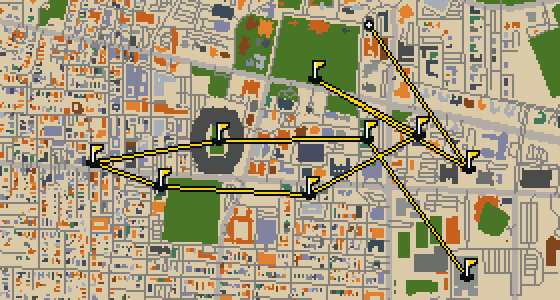
Des Moines - 9 stops - par 27

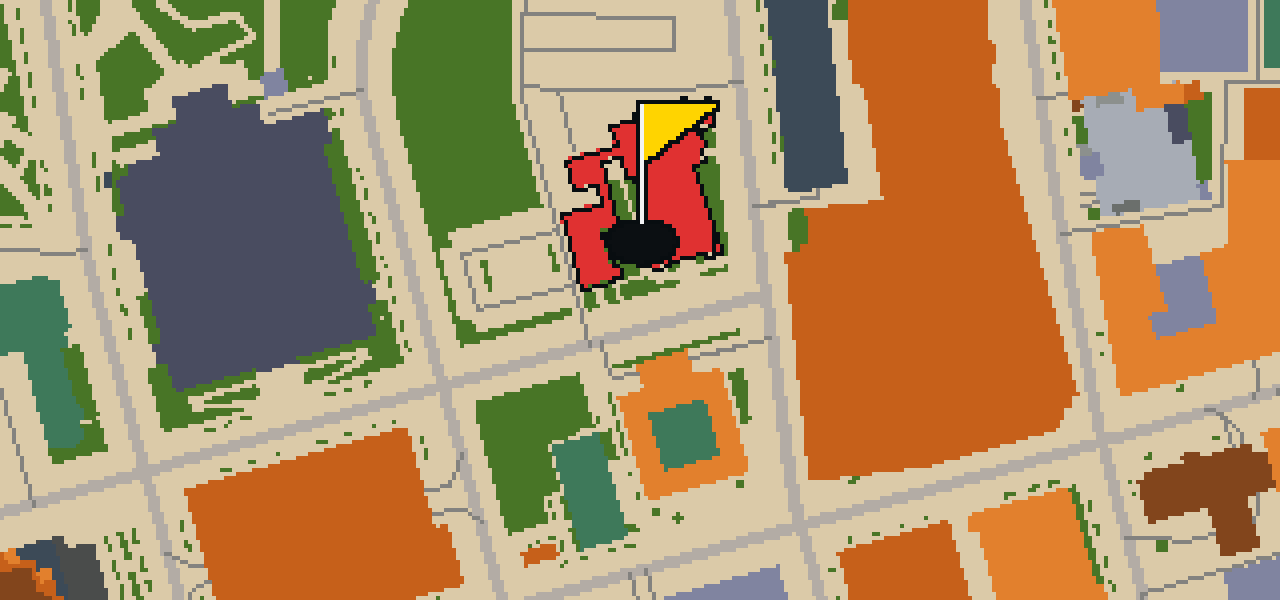
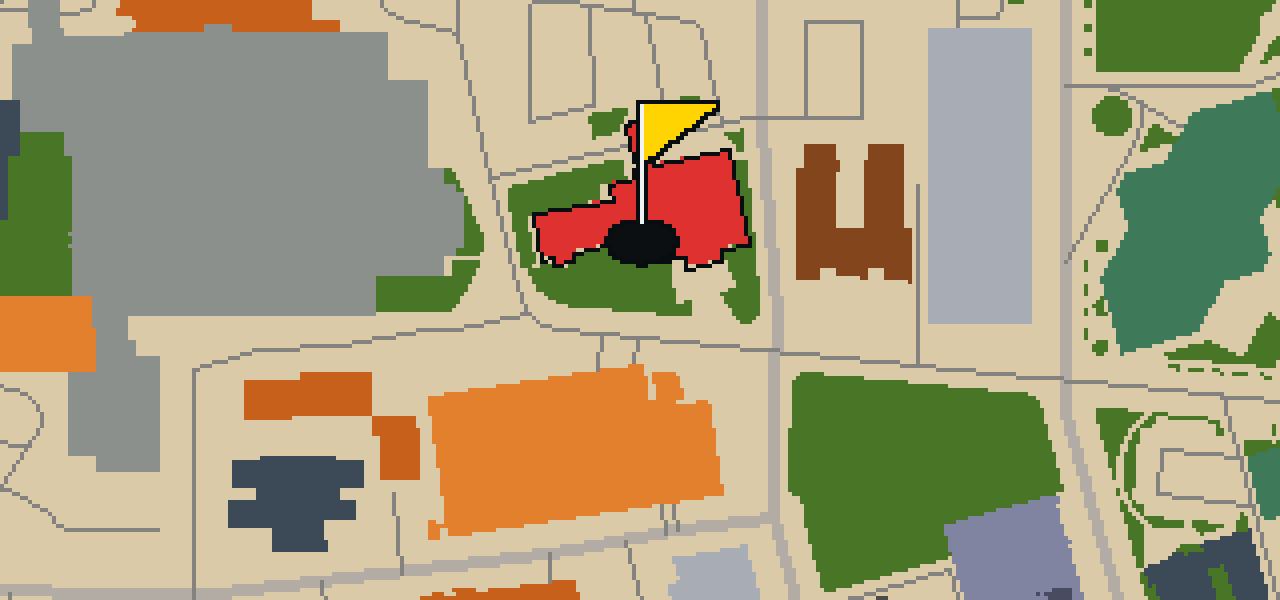
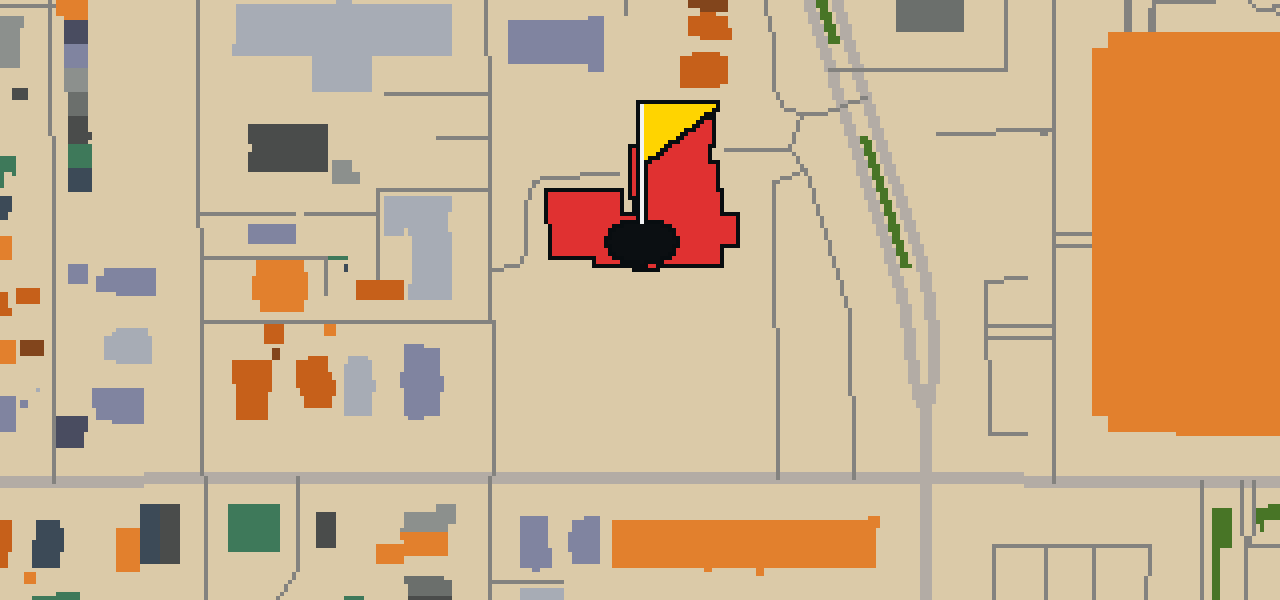
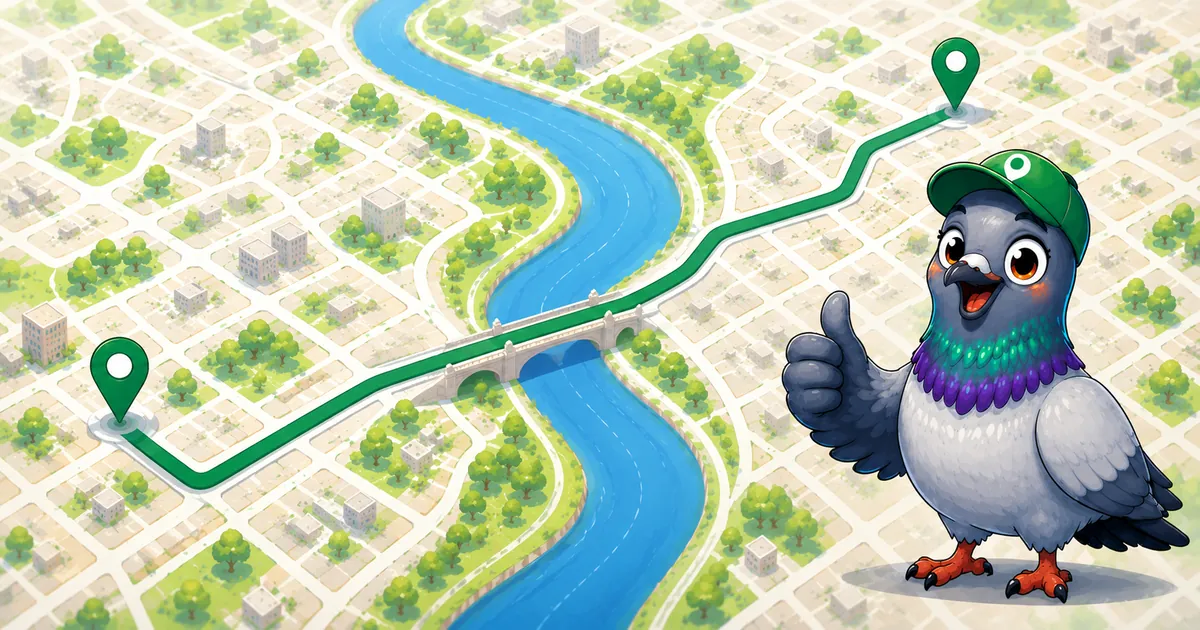
Banking a ball off the limestone of the Iowa State Capitol requires a steady wing and a soft touch. This round takes place on the real streets of Des Moines, using actual city attractions as the holes. It is a quick 9-hole round with a par of 27, covering a walk of 3.5 mi. Skip knows every curb and crack in this town.

Trouble loading? Open the game in its own tab.

HOW IT WORKS

01

Pick a city

The course is drawn on the real street grid, so the map you play is the map you walk.

02

Putt to the pin

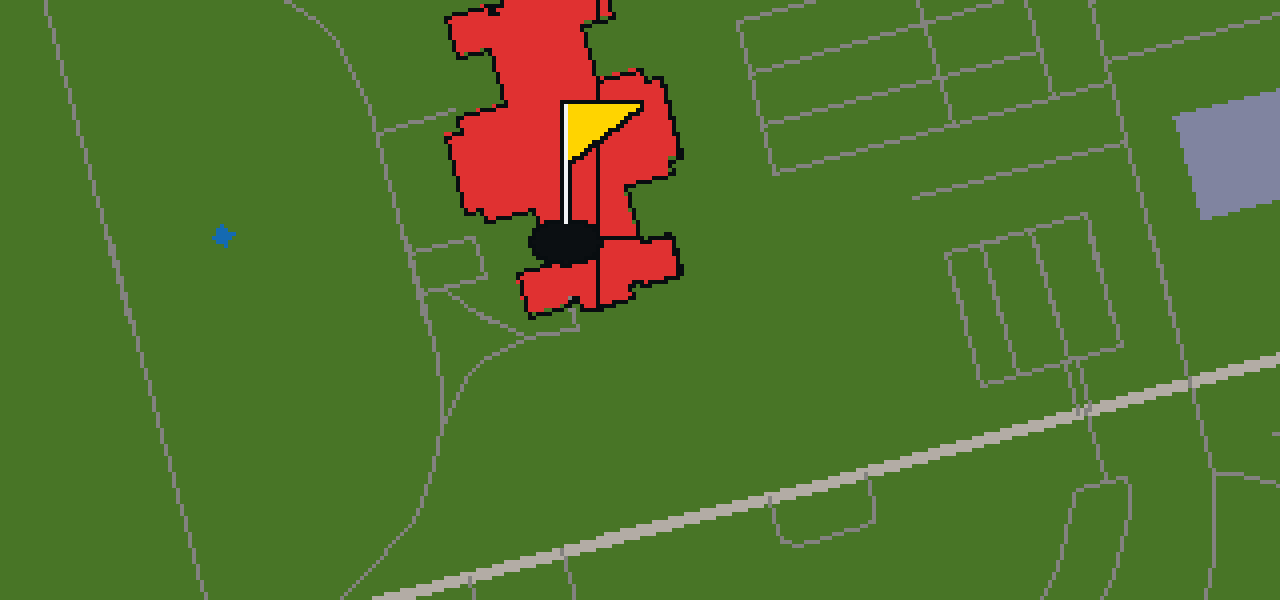
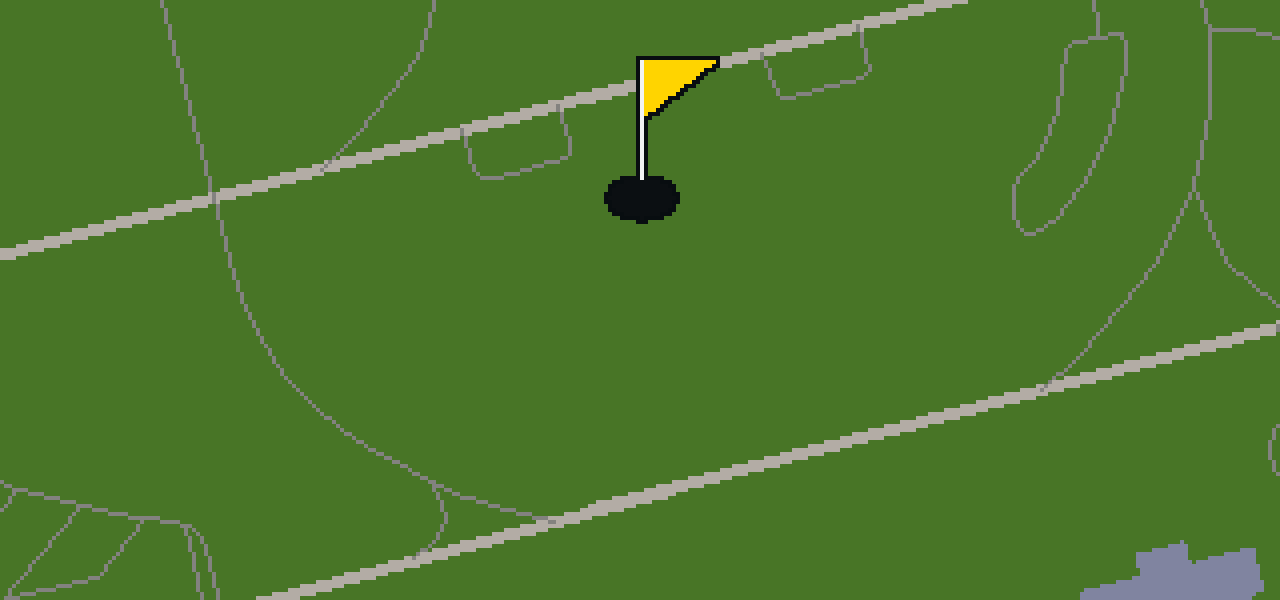
Drag to aim, release to swing. Buildings bounce and water costs you a stroke.

03

Sightsee between strokes

Every hole ends at an attraction. Sink the putt, read the story, walk to the next tee.

THE DES MOINES ROUND - STOP BY STOP

HOLE 1 - PAR 2

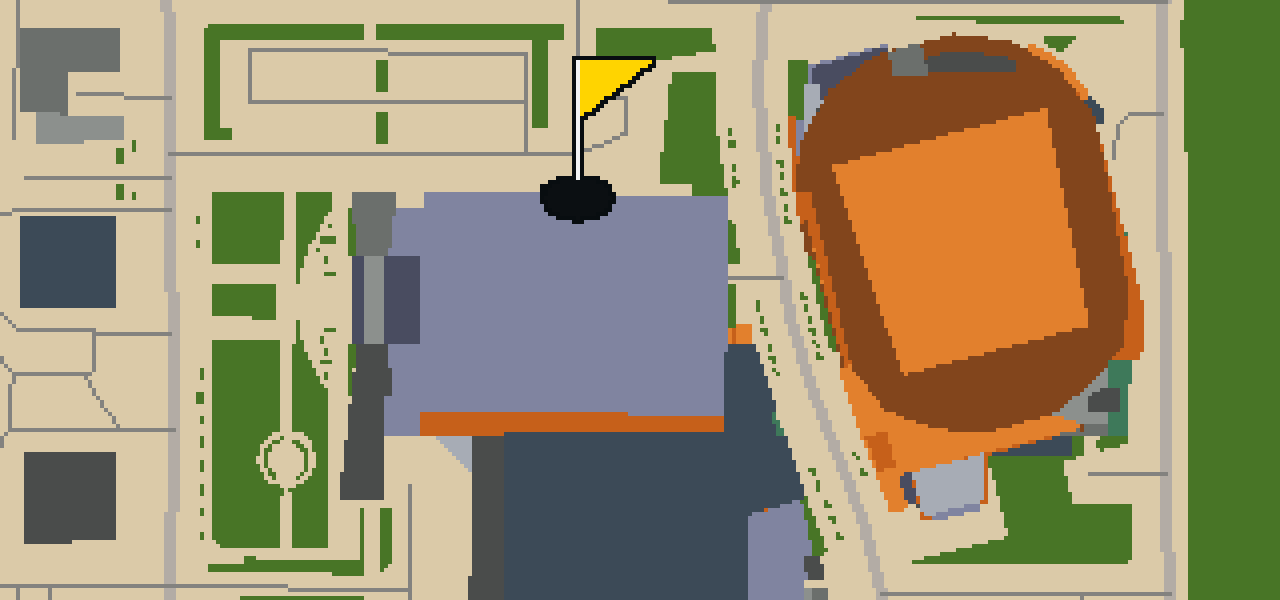
Iowa State Capitol

The Iowa State Capitol in Des Moines is a museum and capitol building designed in Neoclassical and Renaissance Revival styles. John C. Cochrane was the architect of the structure, which was constructed between 1871 and 1886. This site is listed on the National Register of Historic Places. Inside, the building houses the Iowa Senate and the Iowa House of Representatives. You can pick out the five domes on the roof, as this is the only five-domed capitol in the country. I have spent a lot of time gliding over the city, and I can tell you that this silhouette is one of the most distinct views from the air. It is a great place to see how the state's legislative business is conducted while admiring the historic masonry and design of the late nineteenth century.

Wikidata · Wikipedia

HOLE 2 - PAR 4

Soldiers and Sailors Monument

The Soldiers and Sailors Monument is a memorial. It is a place of remembrance dedicated to those who served in the military. Visitors come here to reflect on the service and sacrifices made by soldiers and sailors. The site is maintained as a space for solemnity and respect within the city. It provides a focal point for the community to honor the history of military service. As you walk through the area, you can see how the memorial is positioned to encourage a sense of quiet reflection. It is a significant location for those wishing to pay their respects to the individuals who served their country. The monument remains a central part of the city's landscape, ensuring that the contributions of these service members are not forgotten by future generations.

Wikidata

HOLE 3 - PAR 4

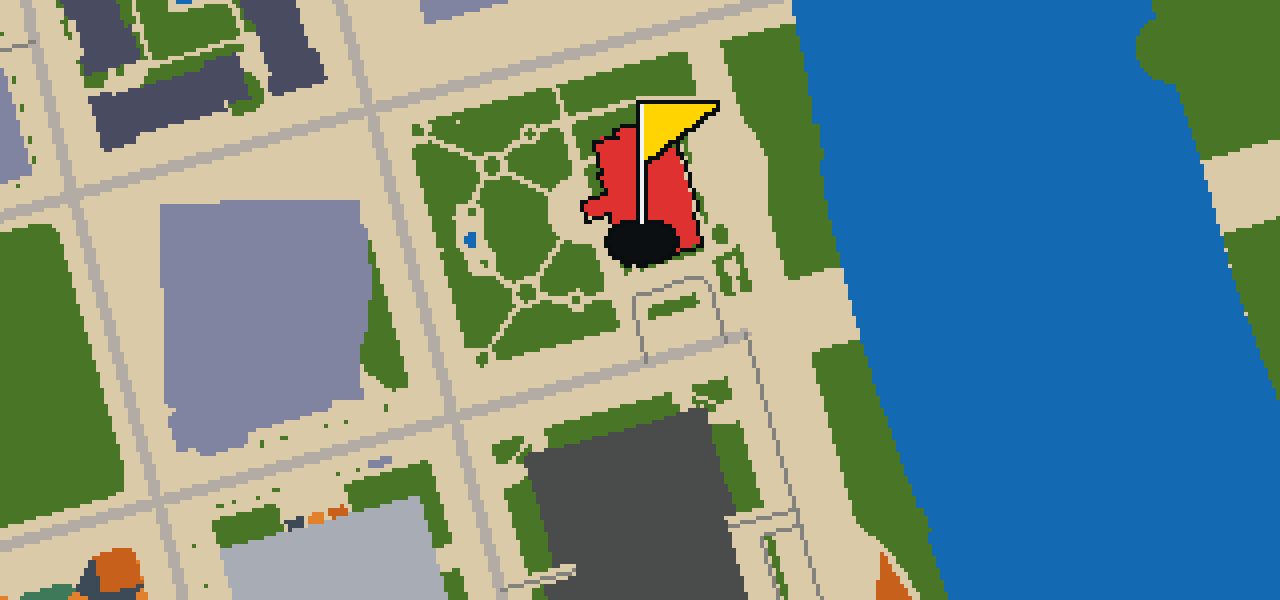
Greater Des Moines Botanical Garden

Let me show you the Greater Des Moines Botanical Garden. This botanical garden sits near Downtown Des Moines, Iowa, positioned north of I-235 on the east bank of the Des Moines River. While the inception of the garden was in 1929, it officially opened in 1979 under the name Des Moines Botanical Center. You can spend some time wandering through the 12-acre grounds, which offer a bit of nature right in the middle of the city. The site eventually re-branded to its current name in 2013. I've noticed that the river breeze makes the walk over here quite pleasant, and it is always a treat to see how the greenery contrasts with the urban skyline of Des Moines. It is a wonderful place to lose yourself in the plants for a while before heading back into the bustle of the downtown area.

Wikidata · Wikipedia

HOLE 4 - PAR 3

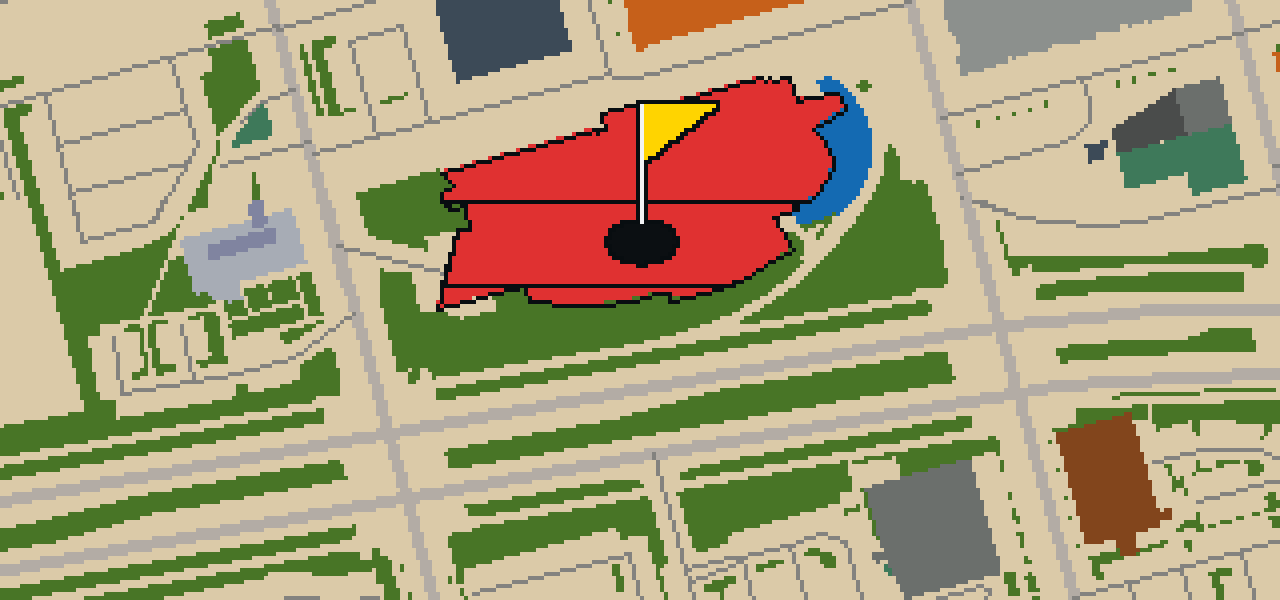
Iowa Events Center

Let me show you the Iowa Events Center, which you can find right in downtown Des Moines, Iowa, United States. It is a public events complex that functions as a convention center for the city. Whether you are visiting for a specific gathering or just passing through the heart of the city, it is a prominent landmark in the downtown district. I have noticed that the area around here always feels busy with people heading to various functions. It is a useful spot for anyone wanting to see how the city handles its large-scale public gatherings. Since it is situated in the downtown core, you can easily find your way here while exploring the local streets. It is a large facility that brings a lot of activity to the center of town throughout the year.

Wikidata · Wikipedia

HOLE 5 - PAR 3

World Food Prize Hall of Laureates

Let me show you the World Food Prize Hall of Laureates. This Beaux-Arts building was built in 1903 and originally functioned as a library. While it ceased to be a library in 2006, it remains a significant part of the city's architecture. Today, the building houses the Norman E. Borlaug | World Food Prize Hall of Laureates for the World Food Prize. You can pick out the classic styling of the exterior as you approach. It is a well-preserved example of the era's design and continues to serve a global purpose in the heart of Des Moines. I've noticed the street corners here are usually quite tidy for a golf ball to bank off.

Wikidata · Wikipedia

HOLE 6 - PAR 3

Science Center of Iowa

HOLE 7 - PAR 3

Saint Ambrose Cathedral

The Romanesque Revival architecture of Saint Ambrose Cathedral is the first thing you notice in downtown Des Moines. This Catholic cathedral serves as a parish church and is the seat of the Diocese of Des Moines in the Catholic Church. James J. Egan was the architect for the project, which was started in 1940. Because of its historical and architectural value, the cathedral is a National Register of Historic Places listed place. It is located in downtown Des Moines, Iowa, in the United States. Specifically, both the cathedral and the adjoining rectory were listed on the National Register of Historic Places in 1979. You can pick out the distinct features of the Romanesque Revival style as you approach the building. This structure remains an important part of the city's religious and architectural history, serving both as a place of worship and a landmark of the downtown area.

Wikidata · Wikipedia

HOLE 8 - PAR 2

Temple Theater

The Temple Theater is built in the Beaux-Arts style. This structure is a Masonic temple that also functions as a performing arts center. It is listed on the National Register of Historic Places. The building was designed by the architects Proudfoot & Bird and was constructed in 1913. You can see the influence of its original purpose and its current role in the city's cultural life through its architecture and use. It was officially added to the National Register of Historic Places in 1997. Visitors can appreciate the detailed craftsmanship associated with the Beaux-Arts movement while exploring the space. This site remains a key example of the early twentieth-century architectural landscape in Des Moines, combining the traditions of a fraternal organization with the needs of a modern performing arts venue.

Wikidata · Wikipedia

HOLE 9 - PAR 3

First United Methodist Church

You will first notice the Neoclassical architecture of First United Methodist Church in downtown Des Moines. This Protestant church building is a National Register of Historic Places listed place, and its design is characterized by the specific proportions and symmetry of the Neoclassical style. The architectural firm Proudfoot & Bird was the architect for the structure. For those visiting the city center, the church stands as a significant example of early twentieth-century design. Its presence in the downtown area provides a physical connection to the city's development. By observing the facade, you can see how the architects applied traditional classical elements to a religious building. This site continues to be a point of interest for those who appreciate historic preservation and the evolution of religious architecture in Iowa.

Wikidata · Wikipedia

OTHER COURSES

9 HOLES - PAR 26

Tuscaloosa

9 stops

Tuscaloosa is the setting for this round, played on the actual city streets. The map uses real attractions like Bryant-Denny Stadium to build the holes, turning the town into a course. Skip knows these sidewalks well, having spent plenty of time dodging crumbs on the way to the cup. This quick 9-hole round covers 3.2 mi with a total par of 26.

9 HOLES - PAR 28

Oceanside

9 stops

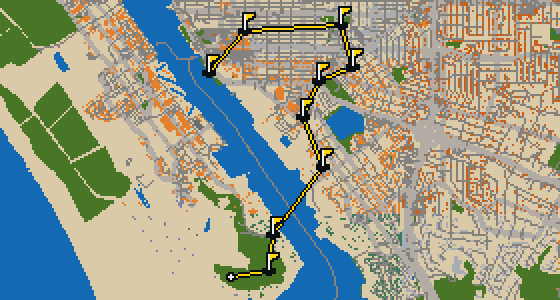
Oceanside is the setting for this round, with the ball rolling across the real streets of the city. The holes are built from actual attractions, like the Oceanside Museum of Art. Skip is a local guide who knows every curb and crumb. This quick 9-hole round covers 3.6 mi on foot with a par of 28.

9 HOLES - PAR 29

Vallejo

9 stops

The Vallejo Naval and Historical Museum is the end of this quick nine-hole round. The map is the real city and the ball rolls across its actual streets, banking off building facades. Local attractions provide the structure for each hole. Skip knows these sidewalks well, including the 3.7 mi walk and the two portals used to bridge the gaps.

9 HOLES - PAR 28

Salinas

9 stops

Salinas is the setting for this round, with the ball rolling across the actual city streets. The holes are built from real attractions, including the National Steinbeck Center. Skip knows these sidewalks well and has a few feathers in the wind. This quick round of 9 holes has a par of 28 and covers a total walk of 3.7 mi.

9 HOLES - PAR 27

Danbury

9 stops

Danbury is the setting for this round, where the map is the real city and the ball rolls along its actual streets. The holes are built from real attractions, ending at Wooster Square. Skip is a local guide who knows the pavement well. A quick 9-hole round covers 3.4 mi with a total par of 27.

FAQ

Is it free to play?

Yes. Every course runs in the browser with no account and no install.

Do I need to be in the city?

No. The full round plays from anywhere. Walking the real route is a nice way to see the city, but it is not required.

Are the maps real?

Yes. The geometry comes from OpenStreetMap data, rendered chunky on purpose. Streets, water and parks sit where they really are.