
COLORADO SPRINGS - 18 HOLES - FREE

COLORADO SPRINGS
CITY MAP MINIGOLF

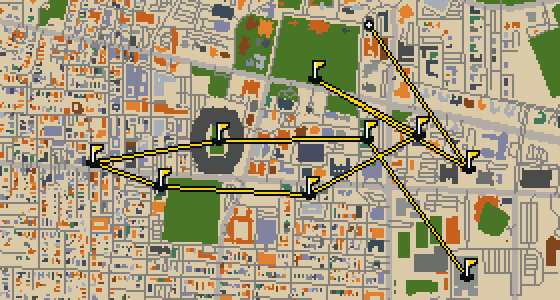
Colorado Springs - 18 stops - par 54

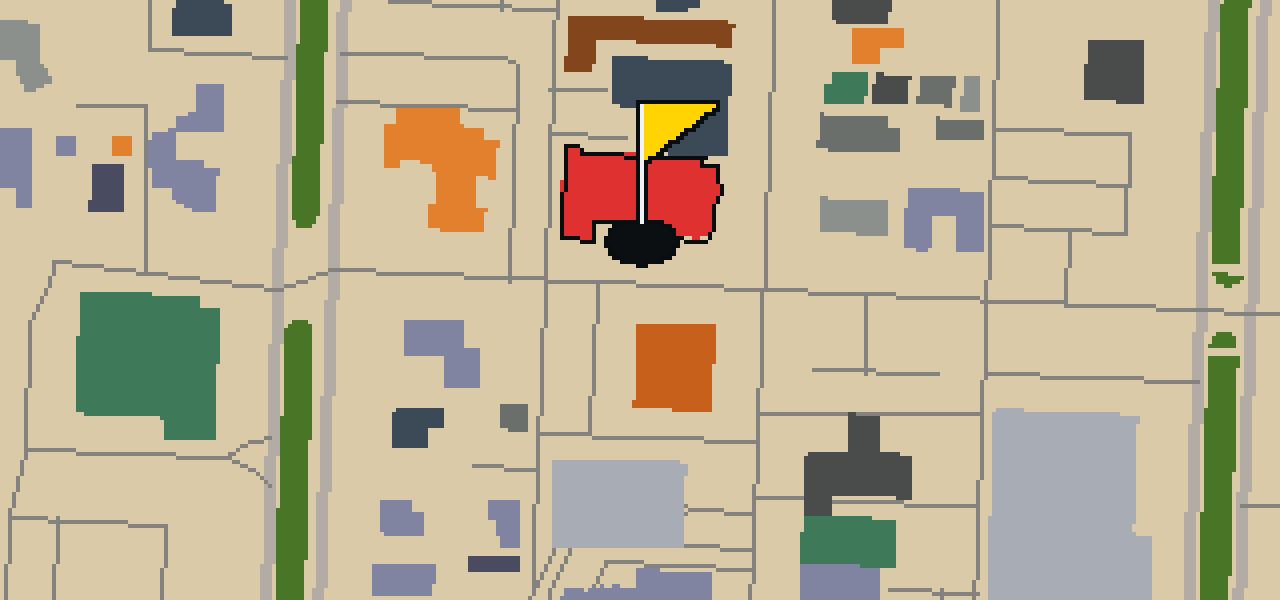
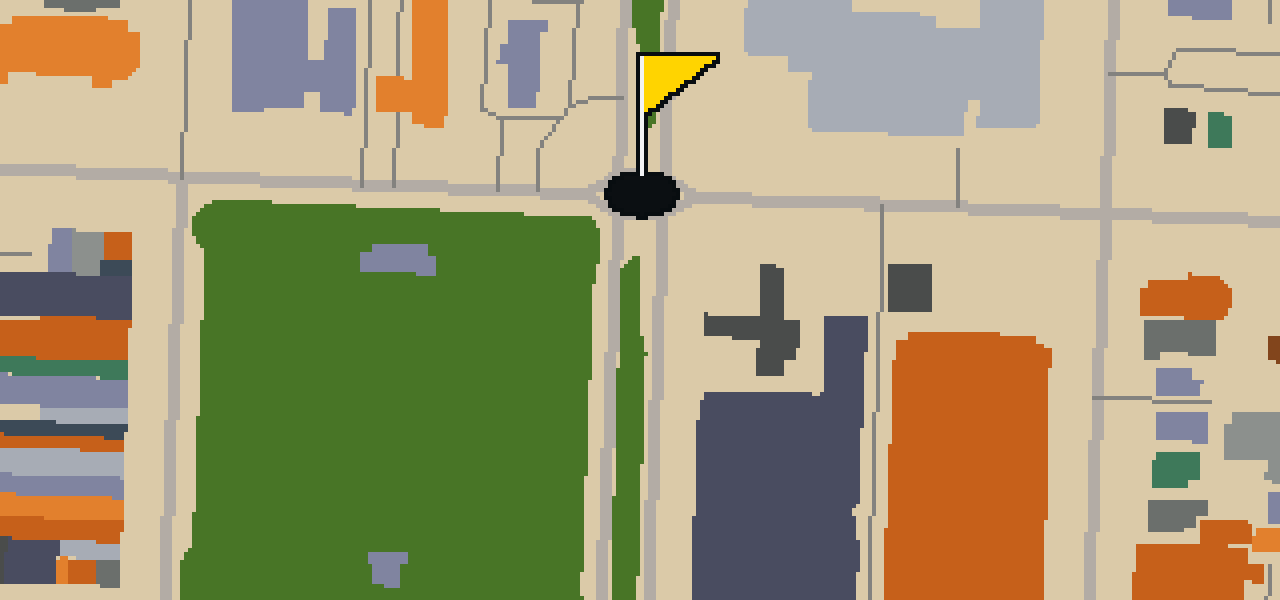
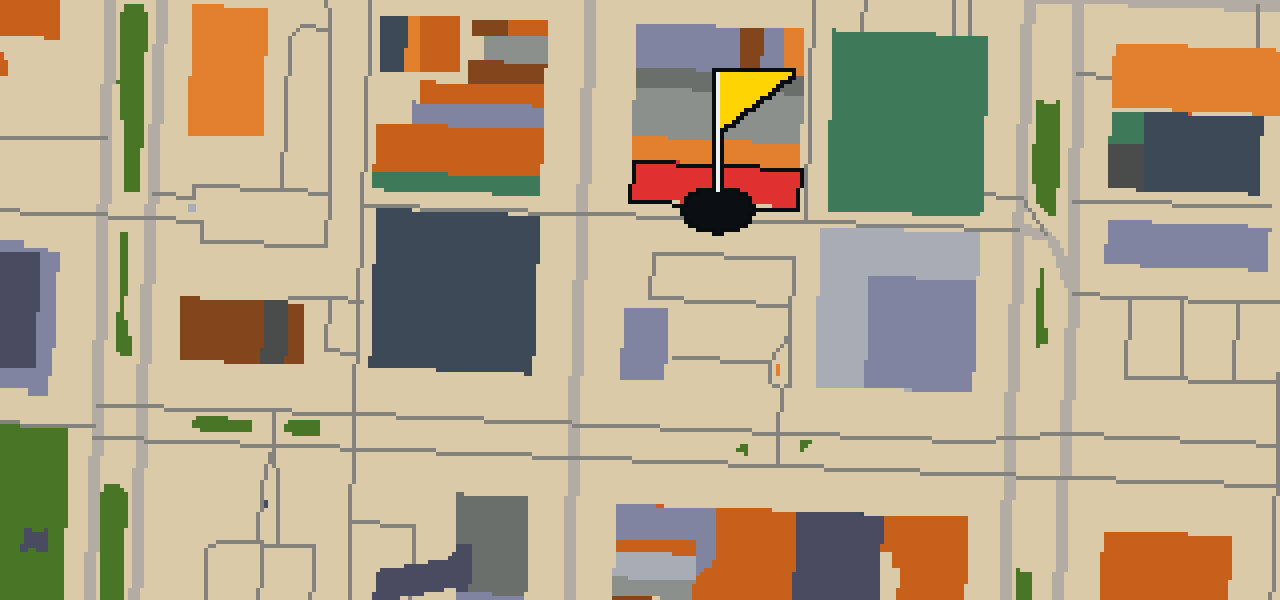
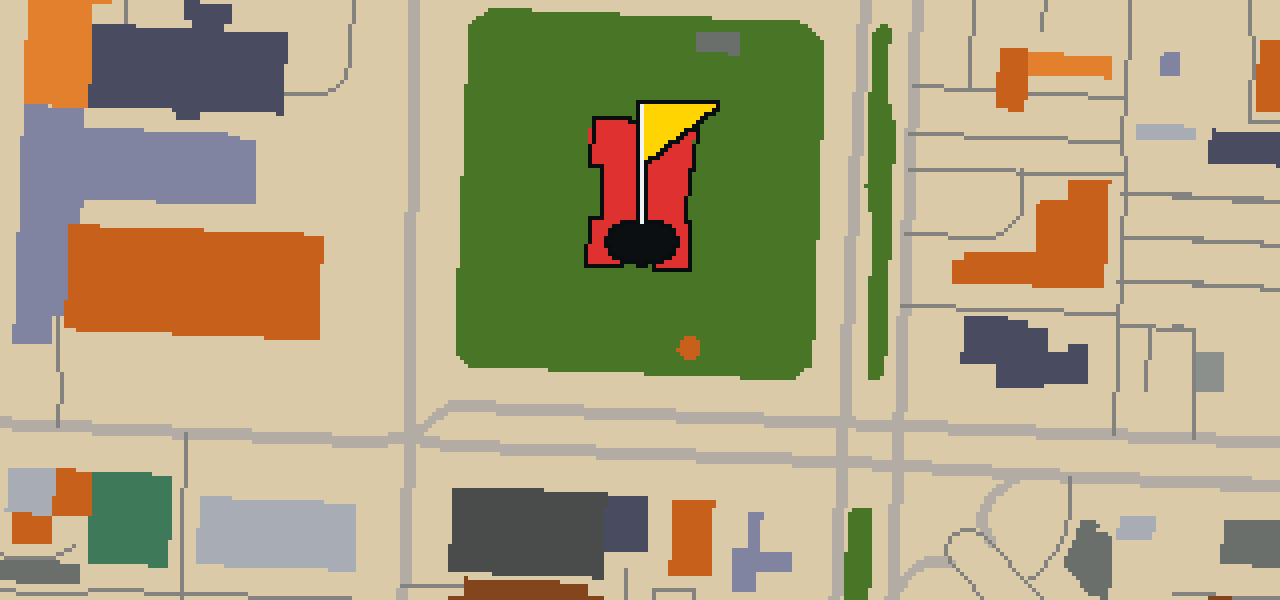
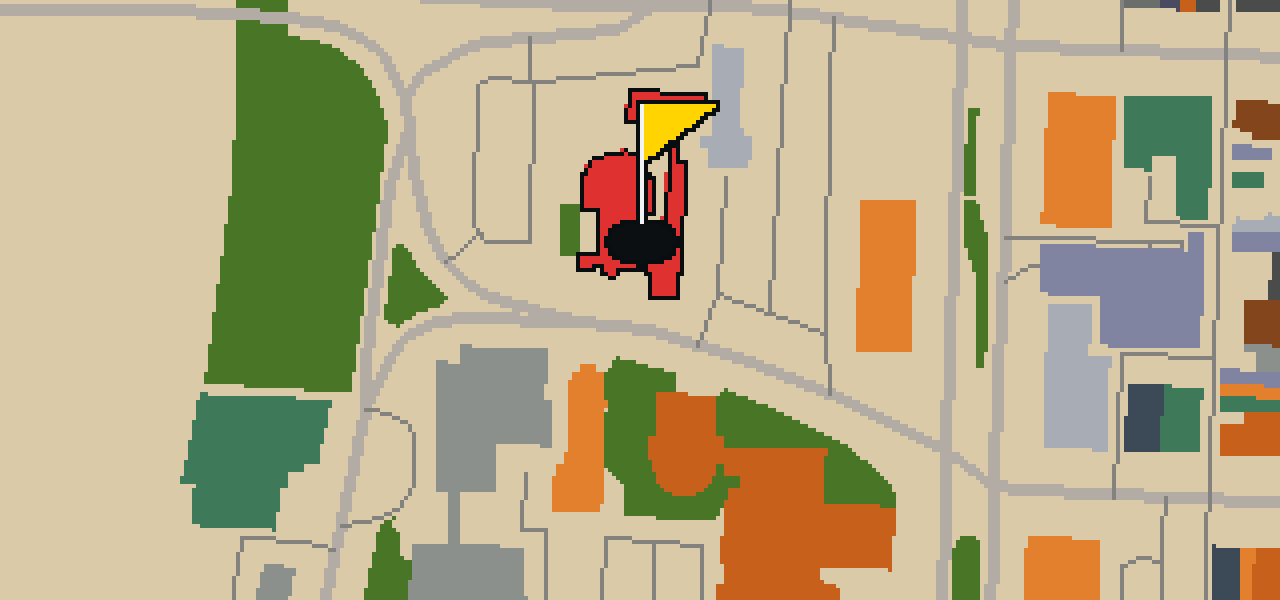
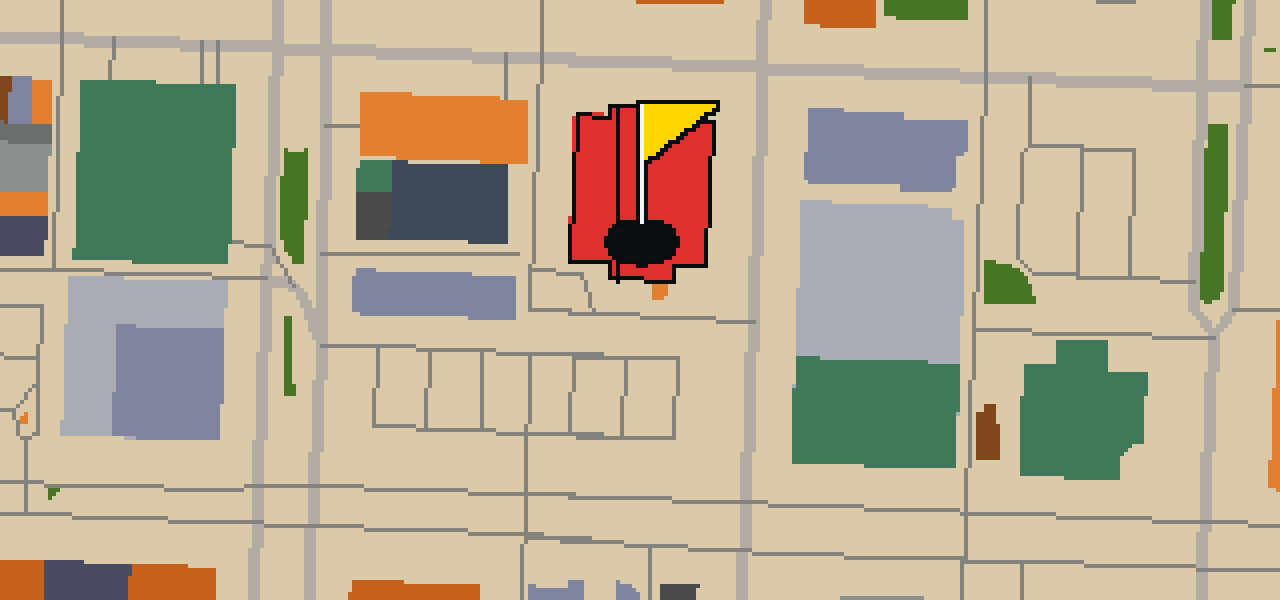
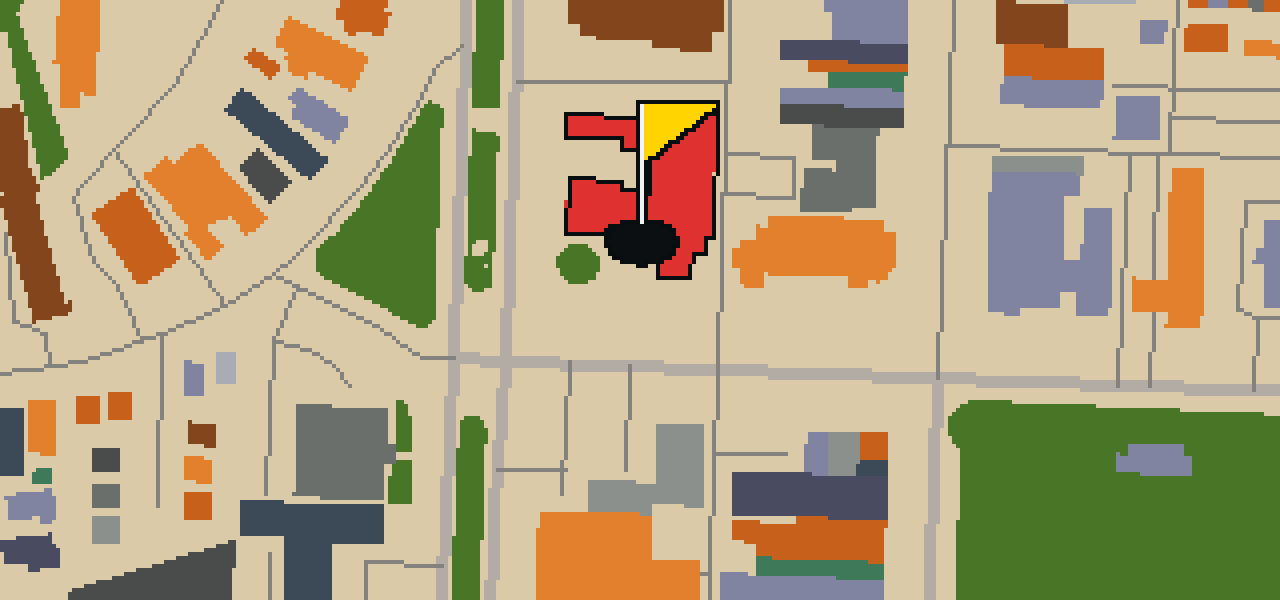
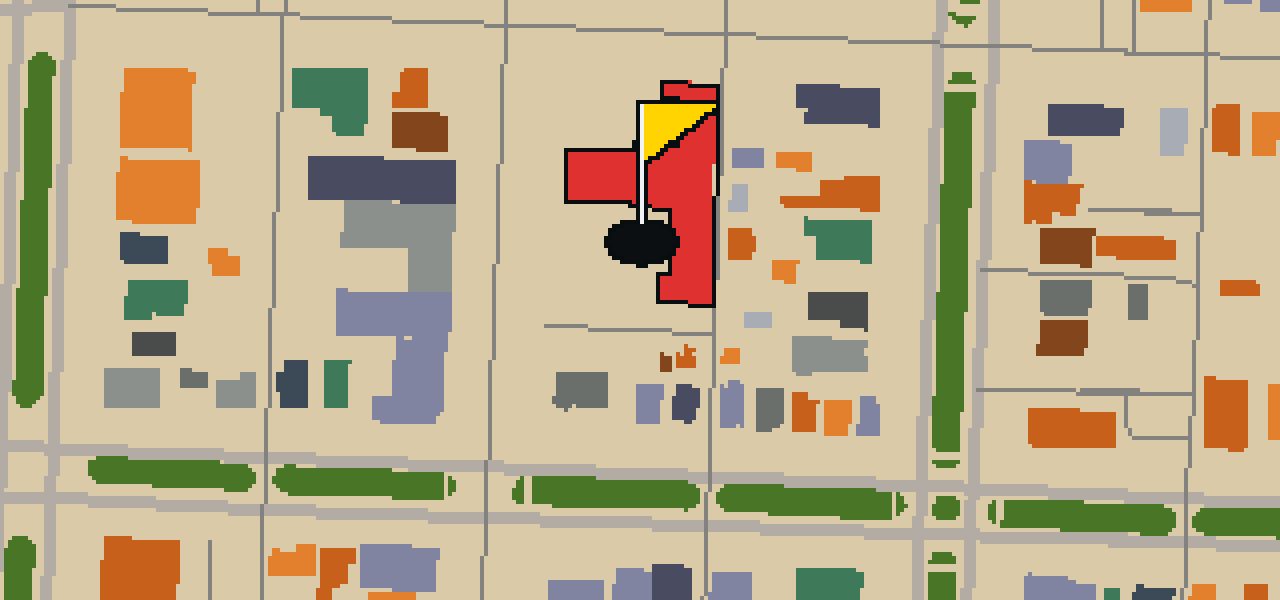
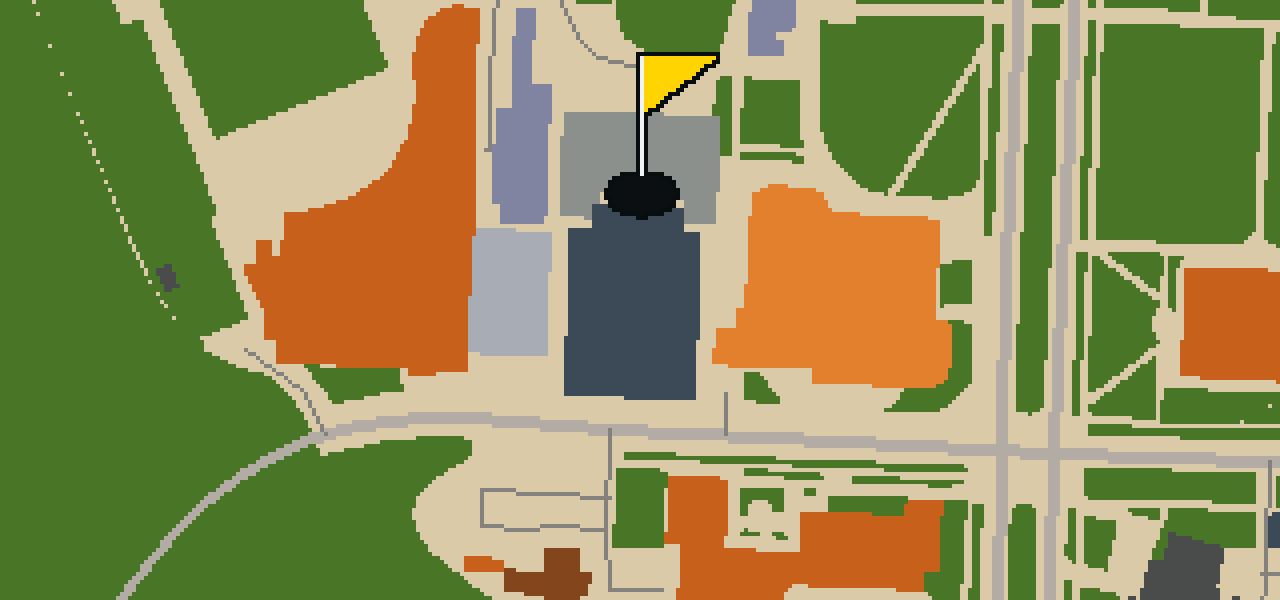
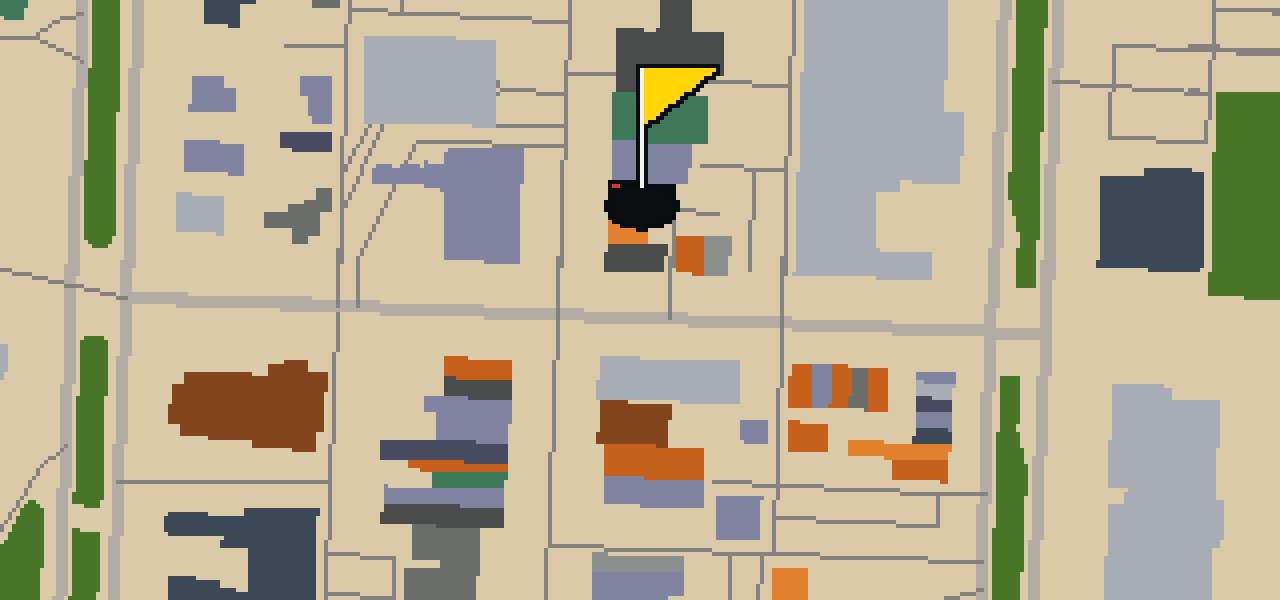
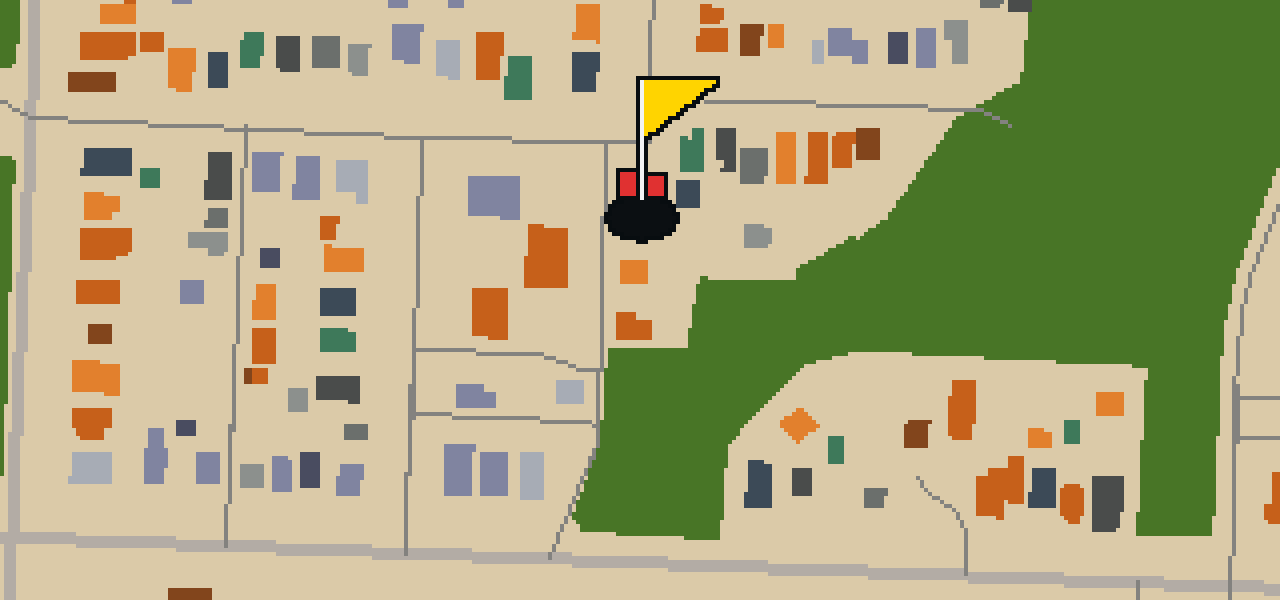
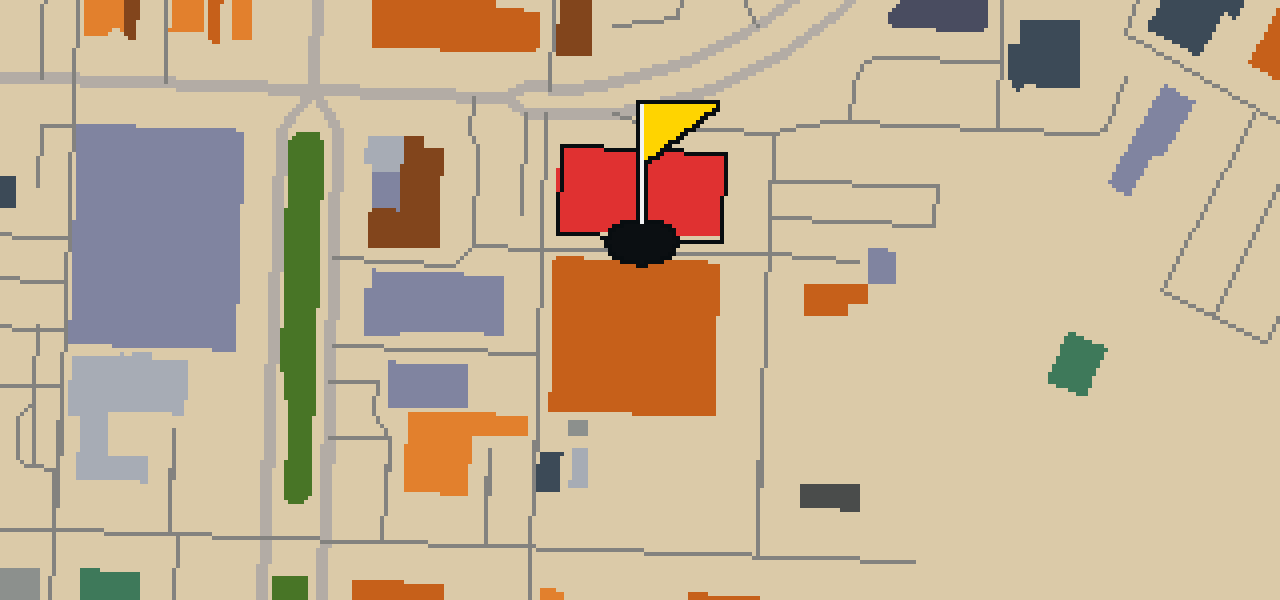
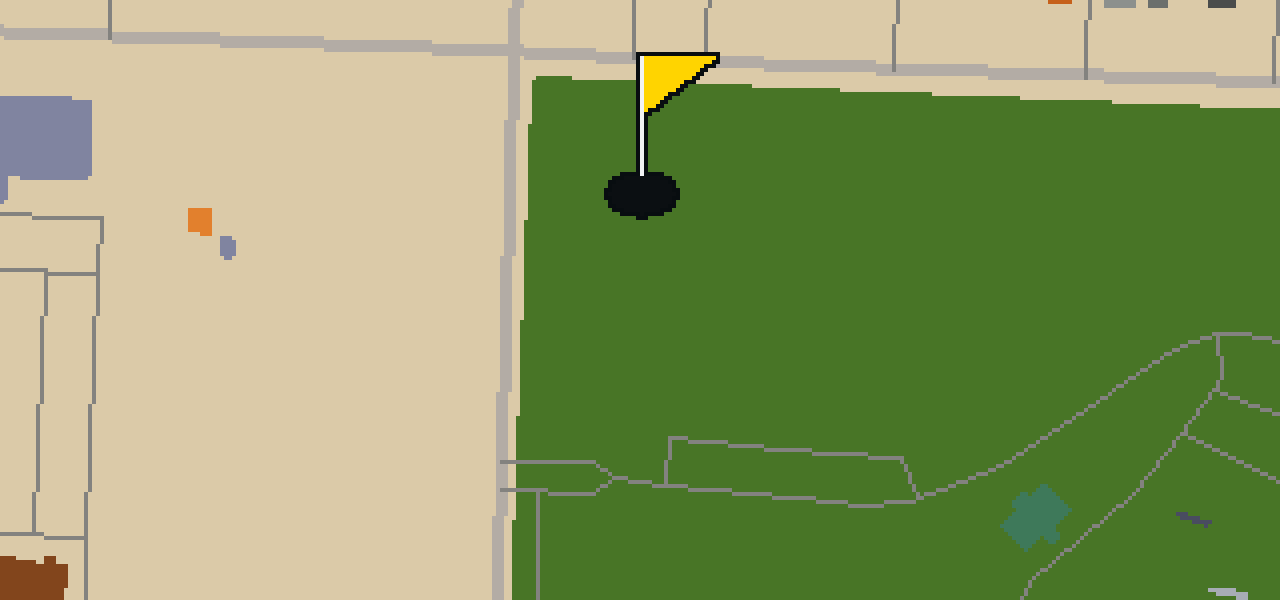
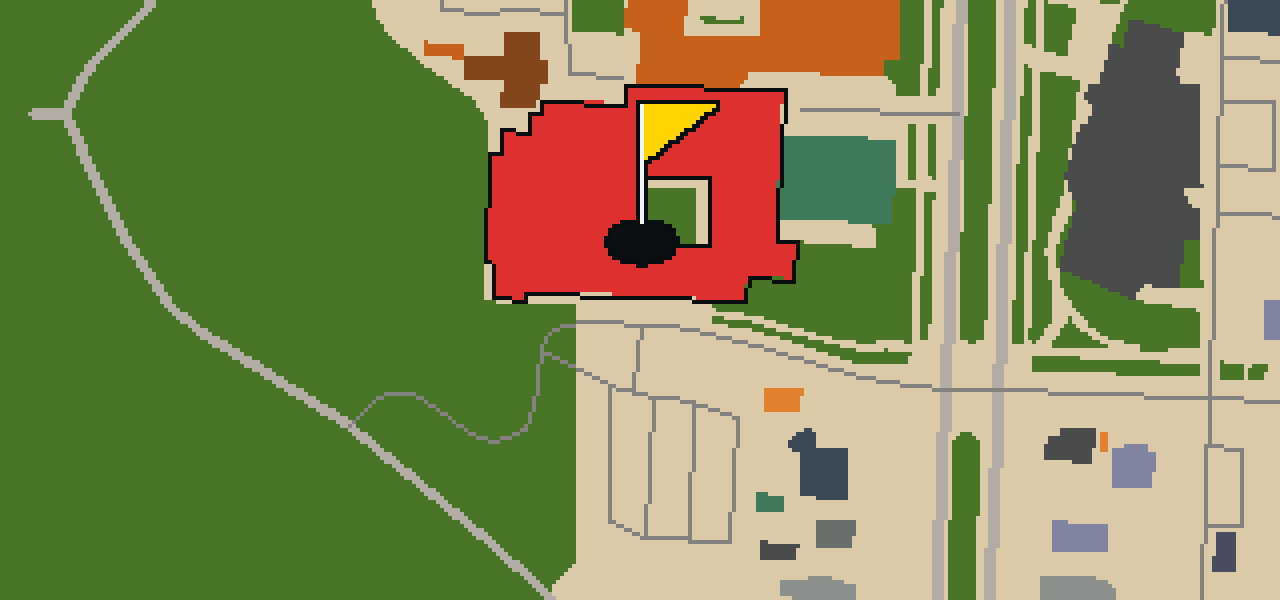
From a high branch, Colorado Springs looks like a grid of concrete and greenery. The map is the real city and the round is played on its actual streets, where attractions like the U.S. Olympic and Paralympic Museum provide the architecture for the holes. A full round of 18 holes with a par of 54 covers a walk of 6.8 mi. Skip knows these sidewalks better than anyone, even the bits where the crumbs are best.

Trouble loading? Open the game in its own tab.

HOW IT WORKS

01

Pick a city

The course is drawn on the real street grid, so the map you play is the map you walk.

02

Putt to the pin

Drag to aim, release to swing. Buildings bounce and water costs you a stroke.

03

Sightsee between strokes

Every hole ends at an attraction. Sink the putt, read the story, walk to the next tee.

THE COLORADO SPRINGS ROUND - STOP BY STOP

HOLE 1 - PAR 3

Monument Valley Park

Located in Colorado Springs, Monument Valley Park is an urban park that brings a bit of nature into the city. You can follow the path of Monument Creek as it flows through the landscape. The Works Progress Administration was the architect of the park, and its historical value is recognized by its listing on both the National Register of Historic Places and the Colorado State Register of Historic Properties. I've found it's a great spot to stretch your wings and watch the water move.

Wikidata · Wikipedia

HOLE 2 - PAR 3

Colorado Springs Fine Arts Center

You will first notice the Art Deco architecture style of the Colorado Springs Fine Arts Center. This arts center was designed by architect John Gaw Meem and began in 1936. It functions as a nonprofit organization that houses several different cultural spaces under one roof. Depending on the day, you can find an art museum, a library, and an art academy here. The building also contains a movie theater and a theatre building. I've found that the bold lines of the exterior make it a great landmark for keeping your bearings in the city.

Wikidata · Wikipedia

HOLE 3 - PAR 2

First Congregational United Church of Christ of Colorado Springs

Located at 20 East Saint Vrain Street, the First Congregational United Church of Christ of Colorado Springs is a church building. This site is designed in the Romanesque Revival architecture style and is a National Register of Historic Places listed place. The building was officially listed on the National Register of Historic Places in 2002. Visitors to the area can observe the specific details of the Romanesque Revival style used in the construction of this historic Colorado Springs landmark.

Wikidata · Wikipedia

HOLE 4 - PAR 2

Man on the Iron Horse

HOLE 5 - PAR 3

Rocky Mountain Motorcycle Museum

HOLE 6 - PAR 3

Colorado Springs Pioneers Museum

The Colorado Springs Pioneers Museum is a museum that had its inception in 1903. You can find it at 215 S. Tejon Street in Colorado Springs, Colorado. The museum moved to its current location in 1979. It is listed on the National Register of Historic Places as well as the Colorado State Register of Historic Properties. I have noticed the building has a very sturdy feel to it, which makes sense given its history as a courthouse. It is a great place to stop and see how the city has changed over the years.

Wikidata · Wikipedia

HOLE 7 - PAR 3

U.S. Olympic and Paralympic Museum

HOLE 8 - PAR 2

Welcome to Colorado Springs

HOLE 9 - PAR 3

Continuum — the Julie Penrose Fountain

HOLE 10 - PAR 3

Pikes Peak Center

HOLE 11 - PAR 3

Saint Mary's Cathedral

You are not looking at a contemporary structure, but at Saint Mary's Cathedral. This Catholic cathedral in Colorado Springs was designed by architect Thomas P. Barber. Its inception took place from 1891 to 1902. The building is designed in the Gothic Revival style and is listed on the National Register of Historic Places. As the seat of the Diocese of Colorado Springs, it remains a central point of faith and architecture in the community. You can pick out the specific details of the Gothic Revival style as you walk around the exterior of this historic landmark.

Wikidata · Wikipedia

HOLE 12 - PAR 3

Colorado Springs City Auditorium

You can find the Colorado Springs City Auditorium right in the heart of the city. This multi-purpose hall is a prime example of Neoclassical architecture and was completed in 1923. It serves as a theatre building for the community and holds a place on the National Register of Historic Places, having been added on November 7, 1995. I've always liked how the clean lines of the facade look against the street. It is a substantial piece of local history that stands out for its formal style.

Wikidata · Wikipedia

HOLE 13 - PAR 3

First Christian Church

HOLE 14 - PAR 3

Grace and St. Stephen's Episcopal Church

The congregations of Grace and St. Stephen's reunited in 1923 to form this community. This church building consists of a sanctuary, bell tower, parish hall, and educational wing built between 1894 and 1955. The Gothic Revival sanctuary was completed in 1926. These buildings have been listed on the National Register of Historic Places since 2011. The congregation split again in 2007 during the Anglican realignment. You can see the architectural details of the sanctuary and the surrounding structures that make up the historic site in Colorado Springs.

Wikidata · Wikipedia

HOLE 15 - PAR 4

Cossitt Ampitheater

HOLE 16 - PAR 3

Christian Science Reading Room

HOLE 17 - PAR 4

Independent Missionary Baptist Church

The Independent Missionary Baptist Church is a historic church building located in El Paso County. Built in 1904, the site is also known as People's Methodist Episcopal Church. The church was formed on February 18, 1903, and the congregation first met at the Grand United Order of Odd Fellows' Hall before their own building was completed. Several individuals were prominent early members of the church, including Jesse Bass, Lonnie Bassett, and Frank Loper. It remains a significant part of the local history in Colorado Springs.

Wikidata · Wikipedia

HOLE 18 - PAR 4

Cottonwood Center for the Arts

STOP 19

IAFF Fallen Fire Fighter Memorial

OTHER COURSES

9 HOLES - PAR 26

Tuscaloosa

9 stops

Tuscaloosa is the setting for this round, played on the actual city streets. The map uses real attractions like Bryant-Denny Stadium to build the holes, turning the town into a course. Skip knows these sidewalks well, having spent plenty of time dodging crumbs on the way to the cup. This quick 9-hole round covers 3.2 mi with a total par of 26.

9 HOLES - PAR 28

Oceanside

9 stops

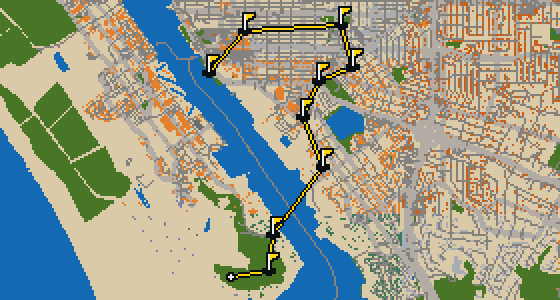
Oceanside is the setting for this round, with the ball rolling across the real streets of the city. The holes are built from actual attractions, like the Oceanside Museum of Art. Skip is a local guide who knows every curb and crumb. This quick 9-hole round covers 3.6 mi on foot with a par of 28.

9 HOLES - PAR 29

Vallejo

9 stops

The Vallejo Naval and Historical Museum is the end of this quick nine-hole round. The map is the real city and the ball rolls across its actual streets, banking off building facades. Local attractions provide the structure for each hole. Skip knows these sidewalks well, including the 3.7 mi walk and the two portals used to bridge the gaps.

9 HOLES - PAR 28

Salinas

9 stops

Salinas is the setting for this round, with the ball rolling across the actual city streets. The holes are built from real attractions, including the National Steinbeck Center. Skip knows these sidewalks well and has a few feathers in the wind. This quick round of 9 holes has a par of 28 and covers a total walk of 3.7 mi.

9 HOLES - PAR 27

Danbury

9 stops

Danbury is the setting for this round, where the map is the real city and the ball rolls along its actual streets. The holes are built from real attractions, ending at Wooster Square. Skip is a local guide who knows the pavement well. A quick 9-hole round covers 3.4 mi with a total par of 27.

FAQ

Is it free to play?

Yes. Every course runs in the browser with no account and no install.

Do I need to be in the city?

No. The full round plays from anywhere. Walking the real route is a nice way to see the city, but it is not required.

Are the maps real?

Yes. The geometry comes from OpenStreetMap data, rendered chunky on purpose. Streets, water and parks sit where they really are.