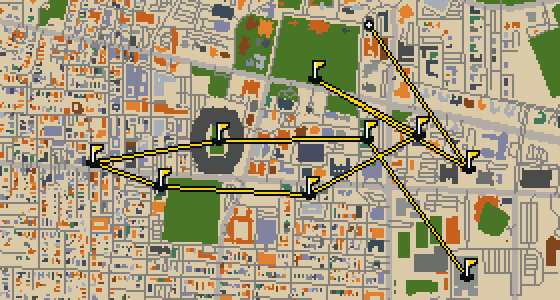
THE CEDAR RAPIDS ROUND - STOP BY STOP



National Czech & Slovak Museum & Library
The National Czech & Slovak Museum & Library is a museum in Cedar Rapids, Iowa. The site faced a major setback when it was severely affected by the Iowa flood of 2008. Following that disaster, rebuilding and expansion efforts were completed, and the museum reopened in 2012. I've noticed the building looks great now that those expansions are finished. It is a nonprofit organization that preserves heritage for all to see, and it has been a part of the community since it was established in 1974.

African American Museum Of Iowa
You can start by exploring the permanent exhibit called Endless Possibilities. This is the African American Museum of Iowa, an African-American museum located in Cedar Rapids. The museum had its inception in 1994 and continues to bring in new perspectives through a temporary exhibit which changes annually. If you are organizing a group or a school trip, they also have several traveling exhibits available for reservation. I've noticed the energy here is always welcoming to everyone who walks through the doors, making it a great place to spend an afternoon learning about the local community.
Pix Fiz

Bethel Ame Church
History Center
Cedar Rapids Museum of Art
Post-modern architect Charles Moore designed the current home of the Cedar Rapids Museum of Art. This art museum is located in downtown Cedar Rapids, Iowa, and the building was constructed in 1989 adjoining the old library. The museum is a privately owned nonprofit organization that was established in 1905. It is a great spot to stretch your legs and see some creativity in the heart of the city. I've noticed the architecture here really stands out from the surrounding blocks.
Cedar Rapids Scottish Rite Temple
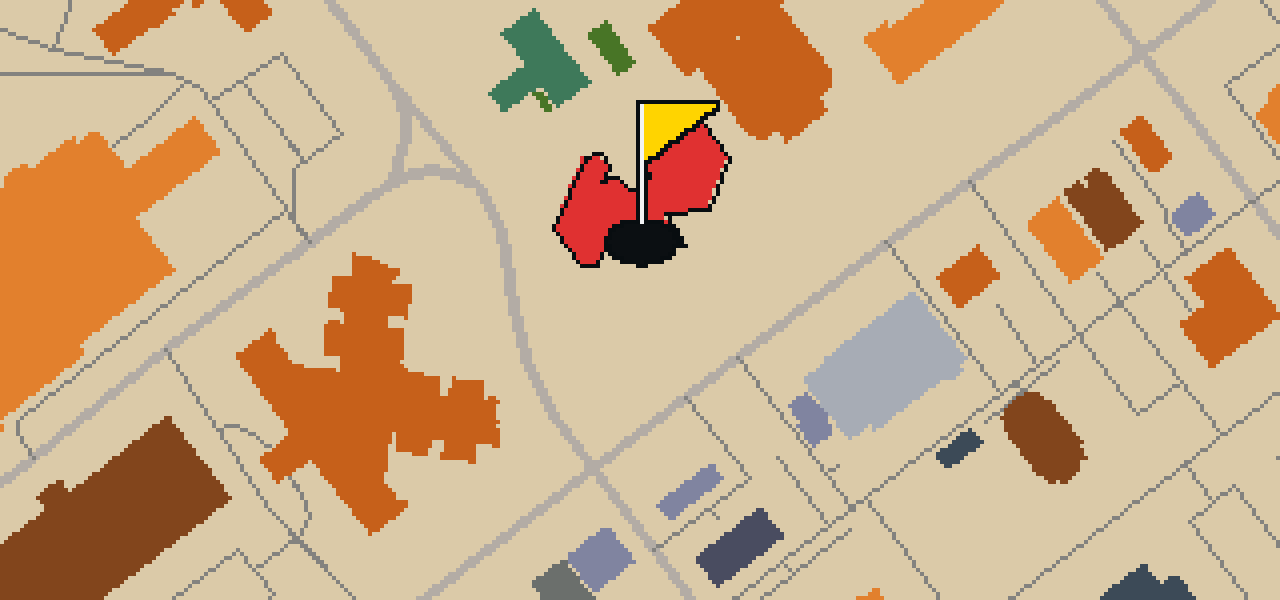
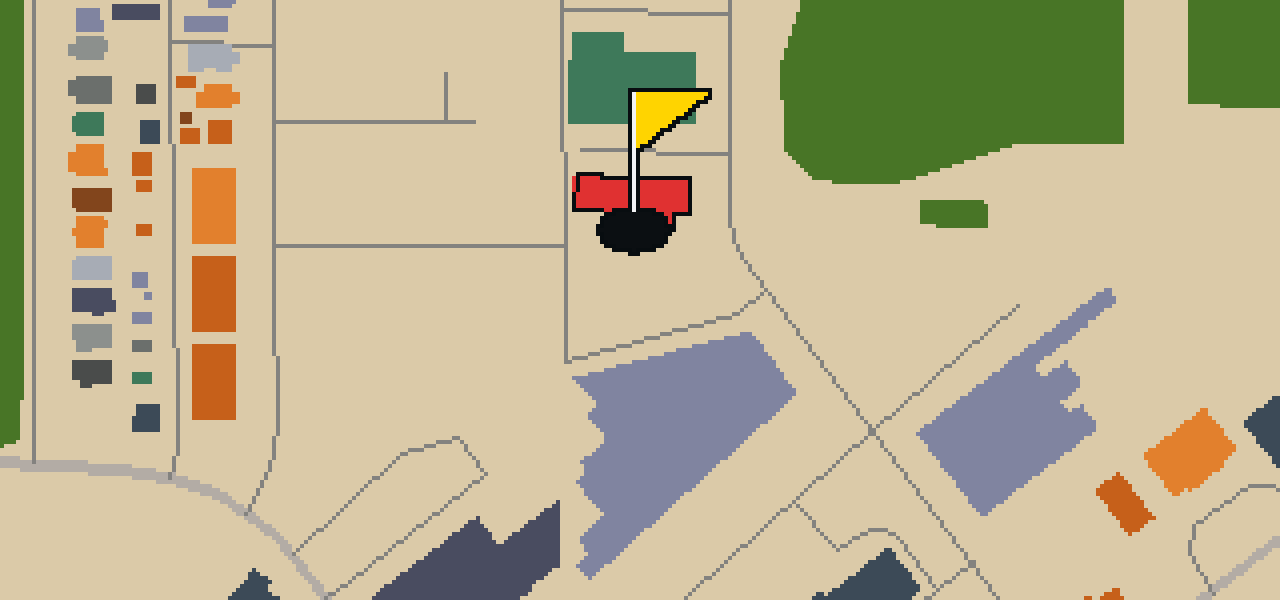
Let me show you the Cedar Rapids Scottish Rite Temple, located at 616 A Avenue in Cedar Rapids, Iowa. This building features the Neoclassical architecture style and was designed by architect Henry Hornbostel. Because of its design and history, it is a National Register of Historic Places listed place. You can pick out the formal details of the facade as you approach the hole. I have always found that these large stone structures make for the most reliable banks when you are rolling a ball across the street.
KOJC-FM (Cedar Rapids)
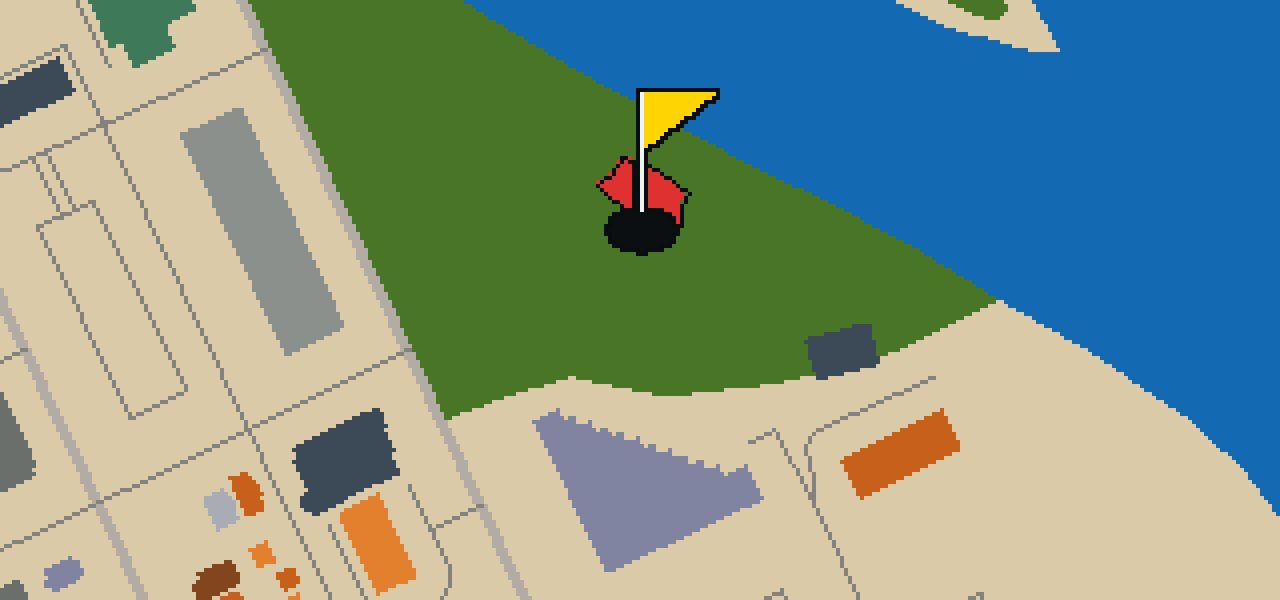
McGrath Amphitheatre
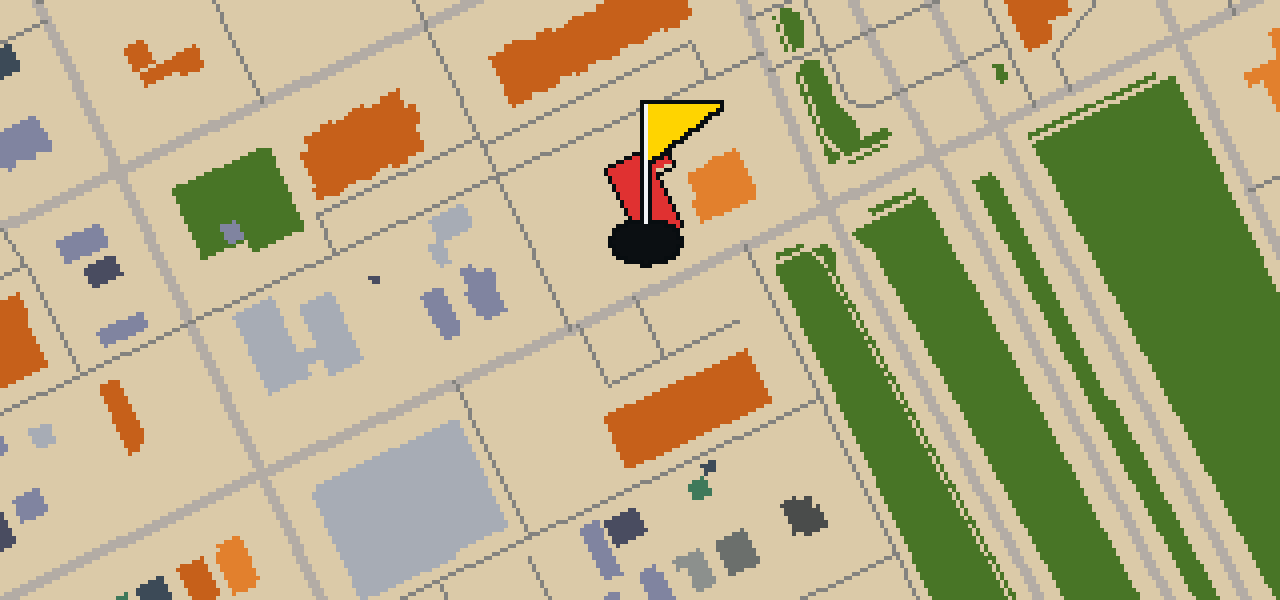
Trinity United Methodist Church
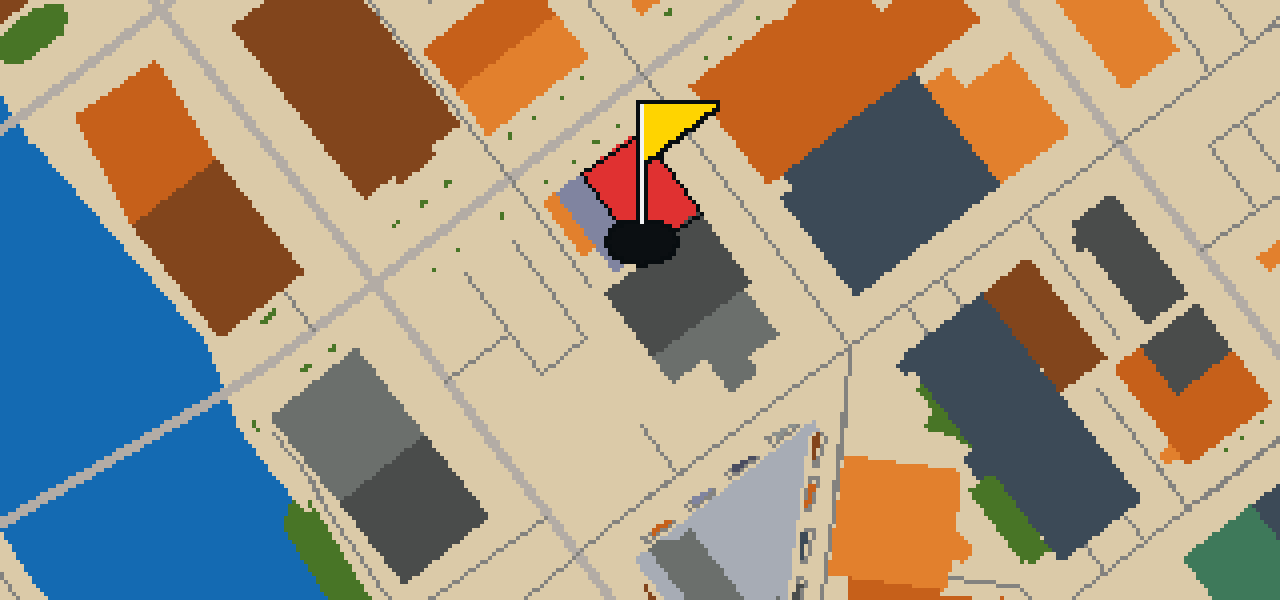
Paramount Theatre
Located in Cedar Rapids, the Paramount Theatre is a theatre building that serves as a movie theater and concert hall. You can see its historical importance through its listing on the National Register of Historic Places in 1976. In 2015, it was included as a contributing property in the Cedar Rapids Central Business District Commercial Historic District. It is a large space with 1,693 seats. I've found that the scale of the room makes every performance feel a bit more grand.
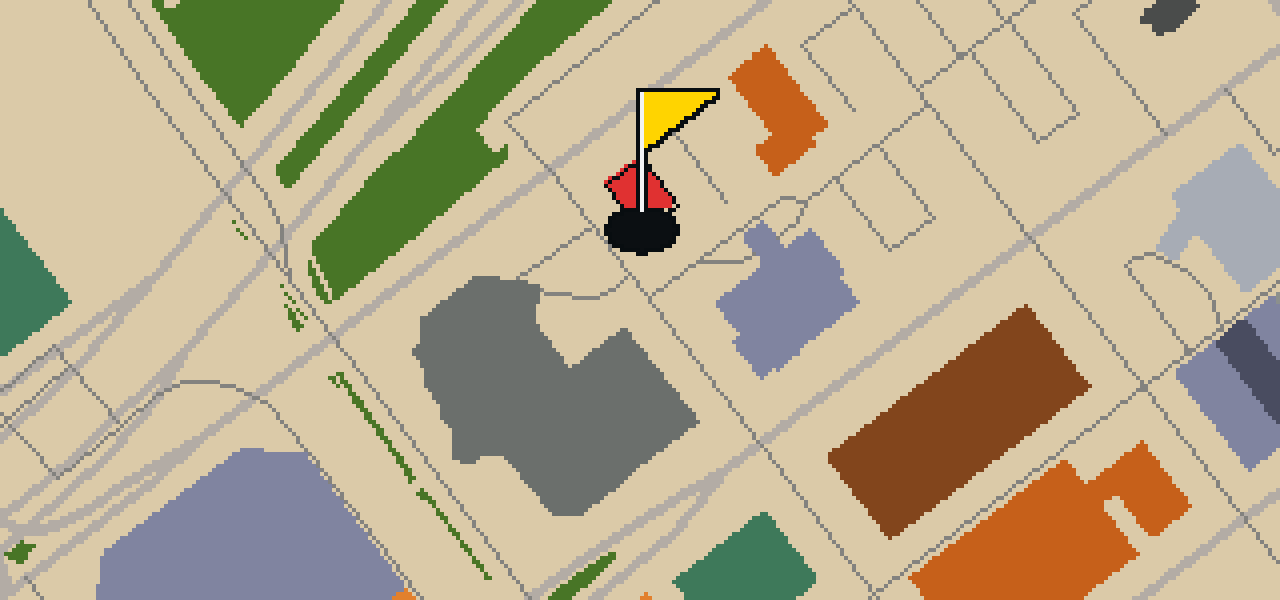
Saint John the Baptist Greek Orthodox Church
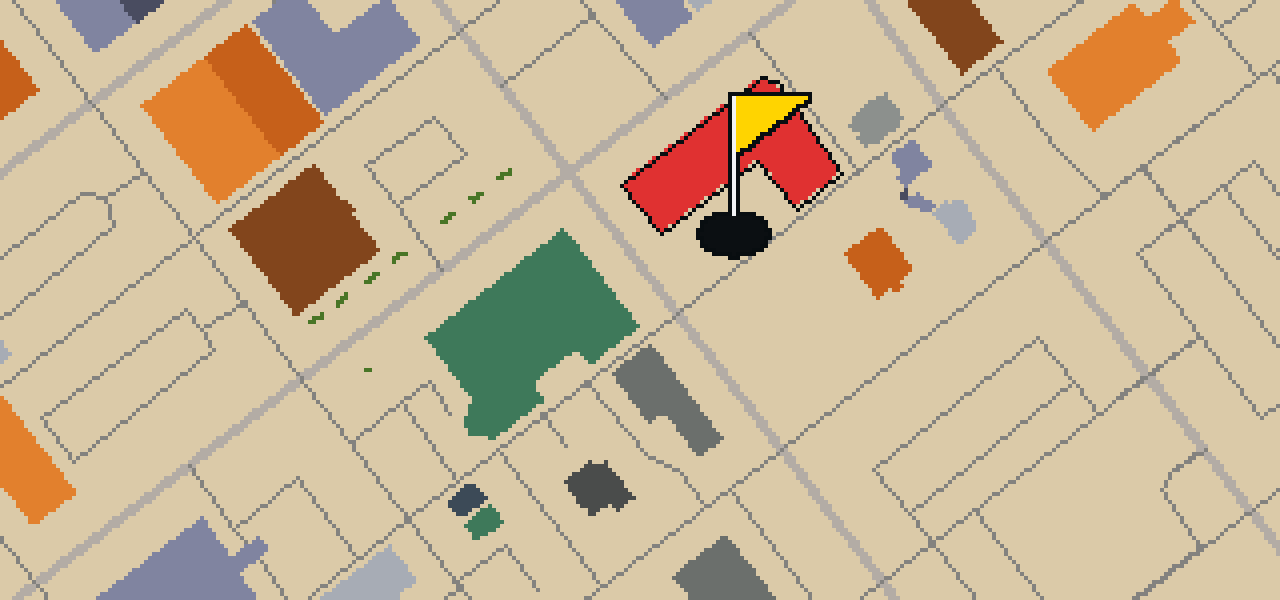
Modern Gallery And Framing
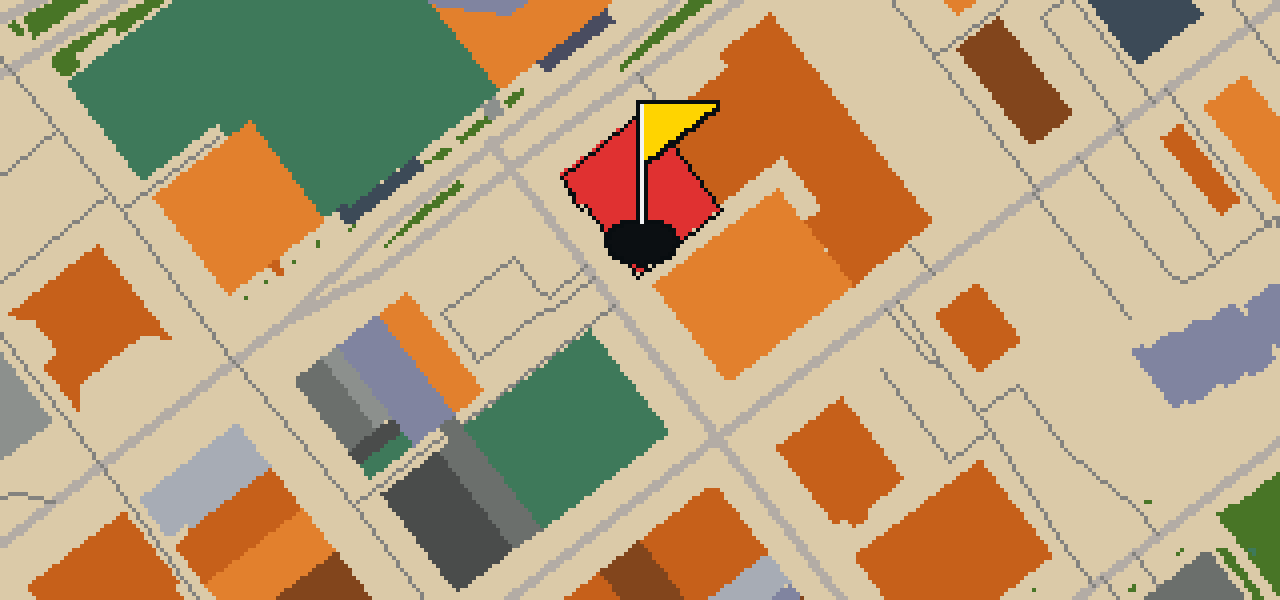
Theatre Cedar Rapids
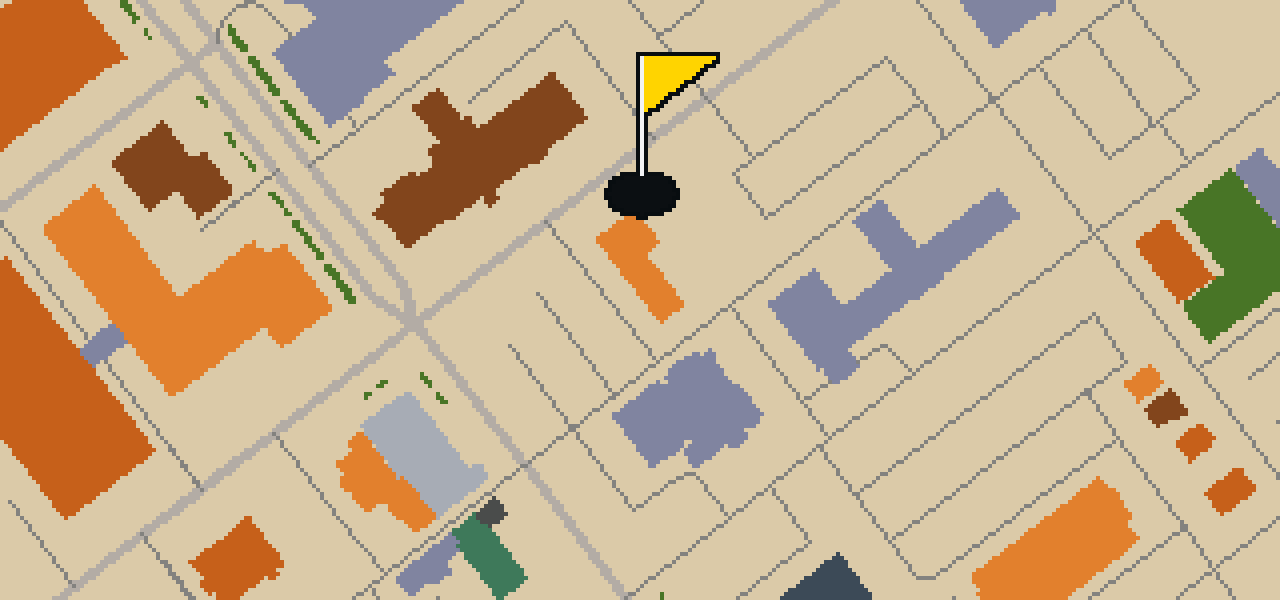
KCOE-FM (Cedar Rapids)
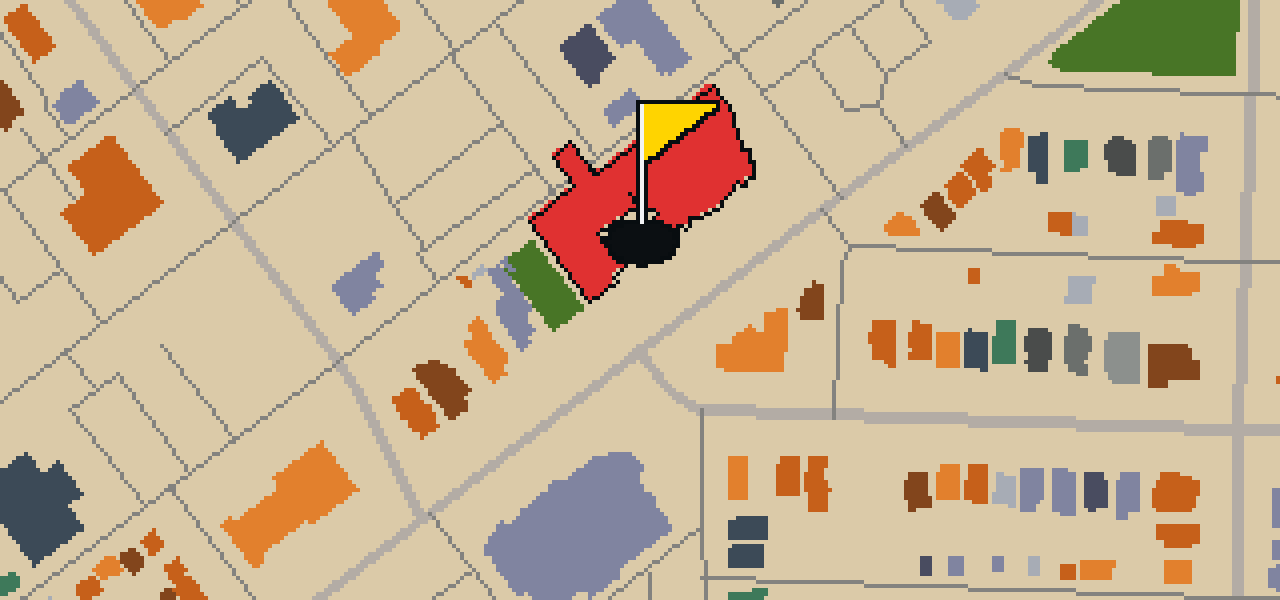
Saint Pauls United Methodist Church
The exterior of Saint Pauls United Methodist Church shows the distinct work of architect Louis Sullivan. Located in downtown Cedar Rapids, Iowa, this Protestant church building is a significant piece of the city's architecture for those visiting the area. Its historical value is recognized by the National Register of Historic Places, where it has been individually listed since 1985. Additionally, the church was included as a contributing property in the Second and Third Avenue Historic District in 2000. You can find this site among other historic structures in the downtown core of the city.