
BUFFALO - 9 HOLES - FREE

BUFFALO
CITY MAP MINIGOLF

Buffalo - 9 stops - par 28

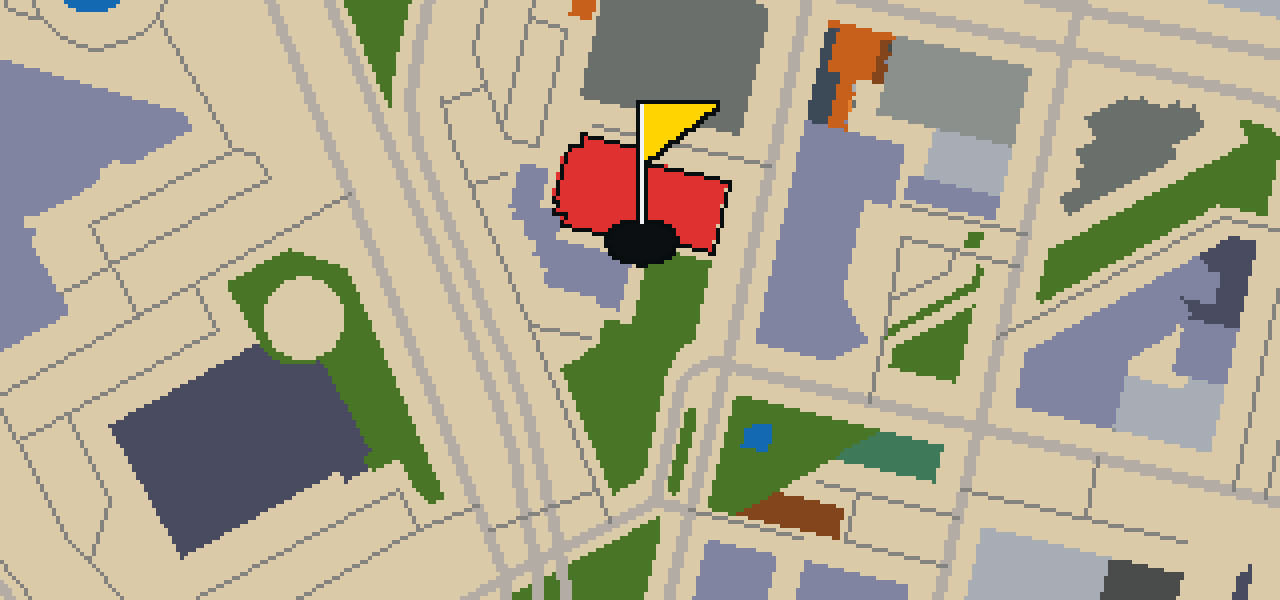
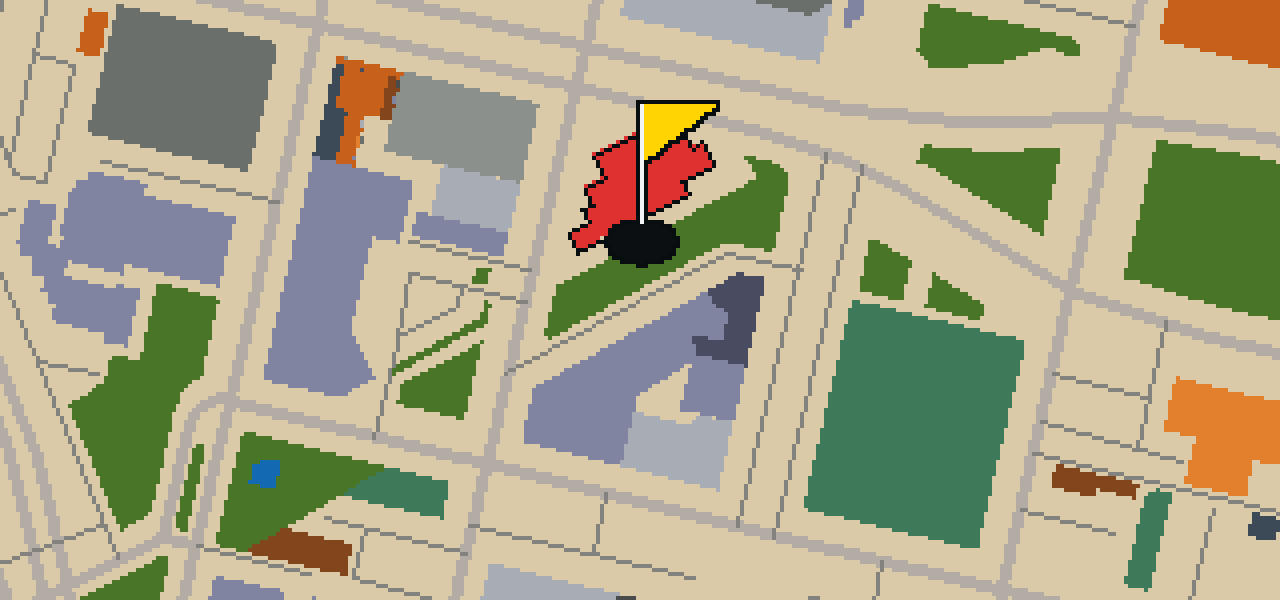
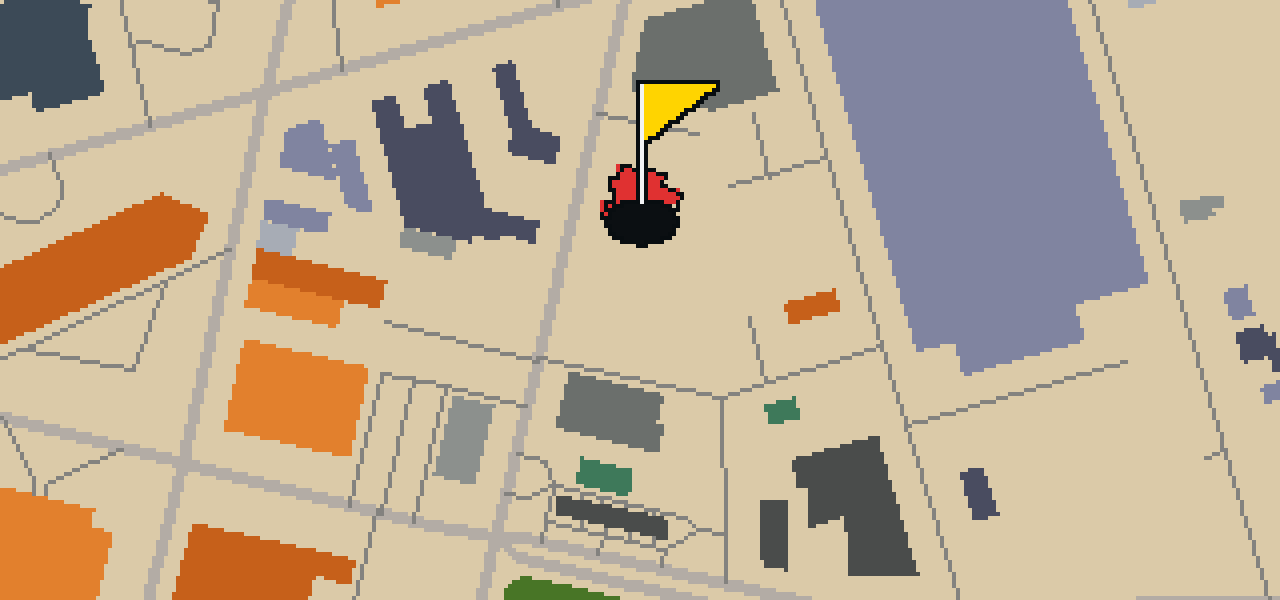
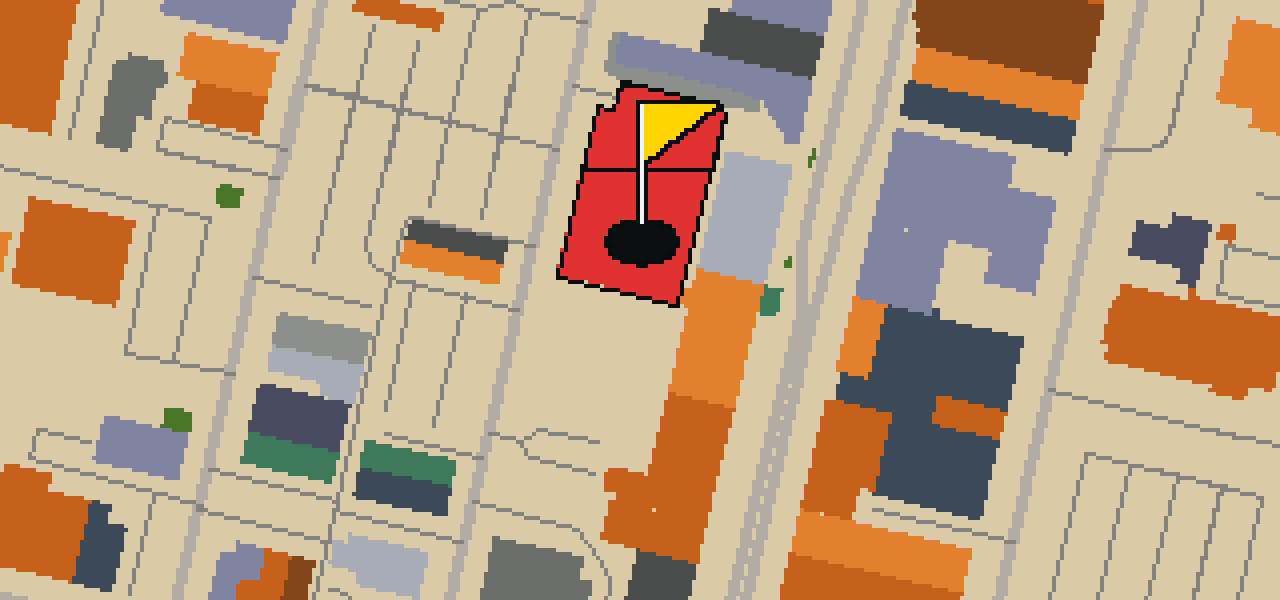
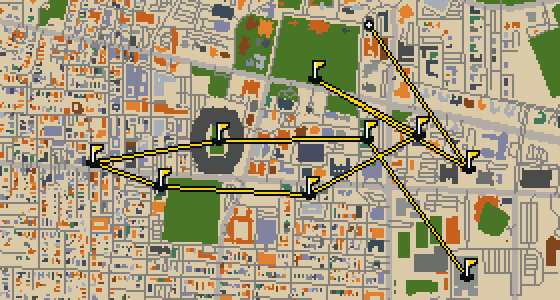
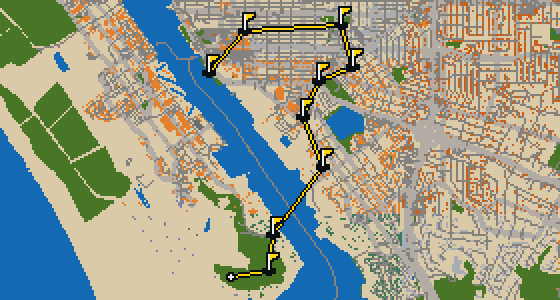
This is a quick nine-hole round through Buffalo. The map is the real city and the ball rolls across its actual streets, banking off facades to reach holes built from attractions like the KeyBank Center. Two portals help bridge the 3.4 mi walk. Skip is a local guide who knows these sidewalks and the best places to find a stray crumb.

Trouble loading? Open the game in its own tab.

HOW IT WORKS

01

Pick a city

The course is drawn on the real street grid, so the map you play is the map you walk.

02

Putt to the pin

Drag to aim, release to swing. Buildings bounce and water costs you a stroke.

03

Sightsee between strokes

Every hole ends at an attraction. Sink the putt, read the story, walk to the next tee.

THE BUFFALO ROUND - STOP BY STOP

HOLE 1 - PAR 3

KeyBank Center

You might think of the massive outdoor stadiums first, but this is a multi-purpose indoor arena. KeyBank Center is a central hub for sports in Buffalo, New York. It was designed by the architect Ellerbe Becket and first opened in 1996. While it is currently known by the KeyBank name, the venue has been called Marine Midland Arena, HSBC Arena, and First Niagara Center in the past. Whether you are here for a professional game or a major show, you can pick out the scale of the place by its capacity of 19,070 seats. I usually keep a sharp eye on the crowds coming and going from the entrances, which makes for a very busy street when a big event is starting. It is a landmark that defines the city's indoor sports scene.

Wikidata · Wikipedia

HOLE 2 - PAR 3

USS Little Rock

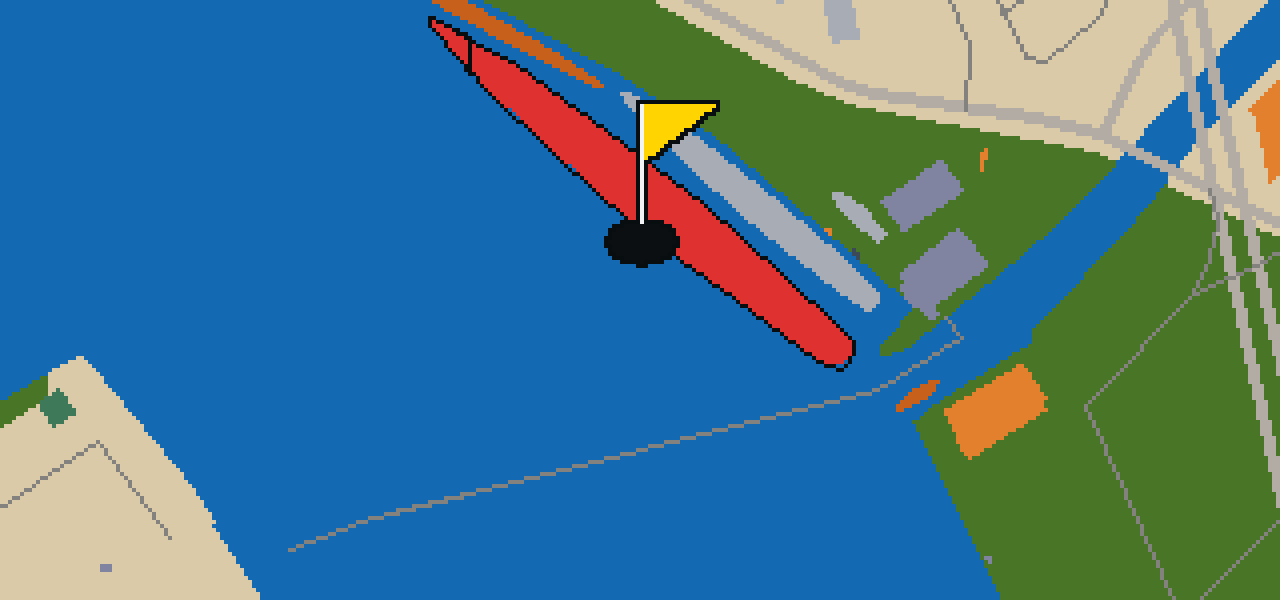
The USS Little Rock is a museum ship and a preserved watercraft. As a Cleveland-class light cruiser, it is one of 27 completed for the United States Navy during or shortly after World War II. It was commissioned in mid-1945 and later became part of the Atlantic Reserve Fleet in 1949. You can see how the ship evolved over time, as it was one of six in its class converted to guided missile cruisers. It also holds the distinction of being the first US Navy ship named for Little Rock, Arkansas. I always find the scale of these decks impressive, though I prefer the view from the rigging where I can see the whole harbor. It is a massive piece of history sitting right here in the water for you to explore.

Wikidata · Wikipedia

HOLE 3 - PAR 4

Buffalo Main Light

The workers who started construction in 1833 created the Buffalo Main Light. It is a lighthouse located at the mouth of the Buffalo River and Erie Canal, positioned across from the Erie Basin Marina in Buffalo, New York. Visitors can see that the tower reaches a height of 18 meters. Because of its history and presence in the harbor, it is a National Register of Historic Places listed place. I usually find that the breeze coming off the water keeps the air fresh around the tower, which is a nice break from the city heat. It is a steady point of reference for anyone looking at the water's edge in this part of town. Whether you are interested in the river or the canal, this is the spot where those two waterways meet the harbor.

Wikidata · Wikipedia

HOLE 4 - PAR 3

Explore & More Children's Museum

Explore & More - The Ralph C. Wilson, Jr. Children's Museum began in 1994 in East Aurora, New York. Since then, the children's museum has grown and shifted locations, moving to the Canalside district of Buffalo in 2019. When you visit, you can find seven play zones and three educational studios inside for visitors to explore. The museum also received a $6 million grant from the Ralph C. Wilson Jr. Foundation on February 14, 2018. I've noticed that the energy here is always high, which makes it a great spot to watch the city's youngest residents in action. It is a wonderful place to see how the city supports learning through play, and the move to the waterfront has made it even more accessible for those visiting Buffalo for the first time.

Wikidata · Wikipedia

HOLE 5 - PAR 2

Saint Joseph Cathedral

Saint Joseph Cathedral is a Catholic cathedral built in the Gothic Revival style. You can find this landmark at 50 Franklin Street in downtown Buffalo, New York, where it is situated within the Joseph Ellicott Historic District. It is the cathedral church of the Roman Catholic Diocese of Buffalo. The construction of the building was started in 1862. The architect of Saint Joseph Cathedral was Patrick Charles Keely. This site is a central point of the local religious community and a notable example of the architectural preferences of the nineteenth century in the city. Visitors can observe the distinct Gothic Revival features that define the exterior and interior of the cathedral as they pass through the historic district.

Wikidata · Wikipedia

HOLE 6 - PAR 3

McKinley Monument

Let me show you the McKinley Monument, an architectural structure located in Buffalo. This landmark is a 96-foot tall obelisk that stands within Niagara Square. You can pick out the monument easily because it is located in front of Buffalo City Hall. It reaches a height of 29 m. I've found that the open space around the base makes it a great spot to pause and look up at the spire. It is a prominent feature of the city center and a key point for anyone exploring the area on foot. Whether you are just passing through or taking a moment to admire the scale of the stone, it is one of the most recognizable sights in the immediate vicinity of the city's civic heart.

Wikidata · Wikipedia

HOLE 7 - PAR 4

St. Paul's Cathedral

Located in downtown Buffalo, New York, St. Paul's Cathedral is the cathedral of the Episcopal Diocese of Western New York. The building is designed in the Gothic Revival style, featuring the pointed arches and intricate details characteristic of the movement. Richard Upjohn designed the church, which was built between 1849 and 1851. The history of the site includes a significant tragedy in 1888, when a fire gutted the interior of the church. After this fire, Robert W. Gibson was responsible for redesigning the interior. These combined efforts of Upjohn and Gibson created the space you see today. Because of its architectural and historical value, St. Paul's Cathedral was designated a National Historic Landmark in 1987. It stands as a preserved example of mid-nineteenth century religious architecture in the heart of the city.

Wikidata · Wikipedia

HOLE 8 - PAR 3

Macedonia Baptist Church

In Buffalo, Erie County, New York, you will find Macedonia Baptist Church. This brick Protestant church building was constructed in 1845. It is an African American Baptist church and is listed on the National Register of Historic Places. The congregation's fifth pastor was Samuel H. Davis, who played a role in the broader community beyond the pulpit. Specifically, Samuel H. Davis gave the welcoming address at the 1843 National Convention of Colored Citizens of America. You may also hear the site referred to as Michigan Street Baptist Church. This location stands as a significant point of history in the city, maintaining its presence through the brick architecture that has remained since the mid-nineteenth century.

Wikidata · Wikipedia

HOLE 9 - PAR 3

Shea's Buffalo Theater

This is not just a modern cinema; it is a theatre building and movie theater known as Shea's Buffalo Theater. Opened in 1926, the site is listed on the National Register of Historic Places. Rapp and Rapp were the architects of the building. If you are looking for touring Broadway musicals or special events in Buffalo, New York, you can find them at the Shea's Performing Arts Center. I have spent a lot of time watching the crowds gather here, and the scale of the place is always impressive. It is a great spot to pause and appreciate the city's history before you move on to your next shot. Just keep an eye on the sidewalk and avoid any stray crumbs that might attract my cousins.

Wikidata · Wikipedia

STOP 10

Saint Louis Roman Catholic Church

Saint Louis Roman Catholic Church is a Catholic church building designed in the Gothic Revival style. The architects Schickel & Ditmars were responsible for the design of the structure, and construction of the building was started in 1889. This site is an important landmark for the city, as it was the first Catholic church built in Buffalo. Its long history is further evidenced by the fact that it is the oldest Catholic parish in Buffalo, New York. Because of these milestones, the church holds the title of Mother Church of the Roman Catholic Diocese of Buffalo. Visitors can appreciate the specific architectural choices of the Gothic Revival style while reflecting on the site's role as the foundation for the diocese in the region.

Wikidata · Wikipedia

OTHER COURSES

9 HOLES - PAR 29

Fayetteville

9 stops

Fayetteville is the setting for this round, where the map is the real city and the ball rolls across its actual streets. The holes are built from real attractions, beginning at the Walton Arts Center. This quick 9-hole round covers 3.6 mi with a par of 29. Skip is a local guide who knows every curb and crack in the pavement.

9 HOLES - PAR 30

Lincoln

9 stops

The ball finds the cup at the Statue of Abraham Lincoln in Lincoln. The map is the real city and the round is played on its real streets, using actual attractions as the holes. This quick 9-hole round covers 4.4 mi with a par of 30. Skip is a local guide who knows these sidewalks well, even the parts where the crumbs are best.

18 HOLES - PAR 55

Duluth

18 stops

This is Duluth. The map is the real city and the round is played on its actual streets, where the ball banks off the facades of real attractions like the SS William A. Irvin to reach the cup. Skip is a local guide who knows every nook and cranny of these sidewalks. It is a full round of 18 holes with a par of 55. The total walk covers 7.1 mi, though a pigeon can take a few shortcuts across the rooftops.

9 HOLES - PAR 29

Traverse City

9 stops

Traverse City is the setting for this quick nine-hole round. The map uses the actual city layout where the ball rolls across real streets and banks off the facades of attractions like the Wise Memorial Clock Tower. Skip knows every ledge and gutter in town. The walk covers 3.8 mi on a course with a par of 29.

9 HOLES - PAR 31

Grand Rapids

9 stops

Banking a ball off the glass and stone of the Van Andel Arena feels different than the soft edges of a park. This round takes place on the real streets of Grand Rapids, where the city map is the course and local attractions are the holes. It is a quick nine-hole round covering 4.4 mi. Skip knows every sidewalk and ledge in this town.

FAQ

Is it free to play?

Yes. Every course runs in the browser with no account and no install.

Do I need to be in the city?

No. The full round plays from anywhere. Walking the real route is a nice way to see the city, but it is not required.

Are the maps real?

Yes. The geometry comes from OpenStreetMap data, rendered chunky on purpose. Streets, water and parks sit where they really are.